The Curious Case of D.B. Cooper

What Happened?

On the 24th of November, 1971, a nondescript man bought a ticket under the alias Dan Cooper (who later came to be known by his pseudonym, D.B. Cooper) for a Boeing 727 aircraft at Portland, Oregon bound for Seattle, Washington in the USA. Thus began one of the great unsolved mysteries in FBI history which puzzles people to this day.

Cooper was a quiet man who appeared to be in his 40s, wearing a business suit with a black tie and white shirt. He settled down into his seat and ordered a bourbon and soda drink while waiting for the flight to take off. A while later, he handed the flight attendant a note informing her that he had a bomb in his suitcase, and that he wanted her to sit next to him. The flight attendant did as she was told and took the seat next to him. Cooper opened his suitcase, revealing a bunch of wires and red sticks, proving to the flight attendant that his suitcase did in fact comprise of a bomb.

He then communicated his demands to the flight attendant and made her write them down. Cooper had demanded 4 parachutes and $200,000 in $20 bills on arrival at Sea-Tac Airport (Seattle). The flight attendant then notified the captain of the plane, who further communicated this information to the relevant authorities in Seattle. The police and ground forces in Seattle hurriedly assembled the money and parachutes to be delivered to Cooper. Meanwhile, the pilots were flying the aircraft in circles above Seattle Airport, with the fabricated excuse that there was some minor mechanical problem so they could not land safely. In reality, they were simply stalling for time as the money and parachutes were being brought in.

After about 3.5 hours of delay, the flight landed in Seattle and Cooper’s requirements were met immediately. With the money and parachutes delivered, he dismissed the 36 passengers in the aircraft, as well as 2 of the 6 crew members. After this, the aircraft refuelled, and Cooper ordered the pilots to set a new course for Mexico City via Reno and Yuma. Following his orders, the plane took off for the said destination.

While on course, on the first leg of the journey towards Reno, Cooper ordered all the remaining crew members to go and enter the cockpit of the plane. It was at this point of time that Cooper lowered the rear stairs of the airplane and jumped out of it wearing a parachute and carrying his $200,00 in ransom money. He had jumped at 8:00 p.m. straight into an ongoing thunderstorm and was never seen again, and his fate remains a mystery to this day. Although the most probable outcome is that he died, the possibility that he survived could not be ruled out due to lack of evidence of his death.

Furthermore, his real identity also remains an eternal mystery. The only traces Cooper left behind were some cigarette butts, a hair on the headrest of his seat, and his clip-on necktie. However, no DNA samples could be drawn from these items. The case was taken up by the FBI, and their investigation went on for decades and came to be known as the ‘NORJACK’ (Northwest Hijacking) case.

Conclusion to the Case

The only significant lead on this case came in 1980, when an 8-year-old boy wandering the banks of the Columbia River came across a rotting package full of $20 dollar bills amounting to $5,800. The serial numbers on the bills found by the boy matched those on the bills of money given to Cooper during the time of the hijacking, and so the FBI continued their investigations.

However, there were no more significant findings, and the FBI were not able to ascertain the real identity of D.B. Cooper even after following around 800 leads and questioning numerous suspects. Finally, in 2016, the FBI announced that it was giving up their investigations of this case and had decided to dedicate their resources to other cases.

ALL ABOUT AUTOBIOGRAPHY

Write in an autobiography the author writes the story of his own life and achievements. It is the successful presentation of personality. It takes its origin in the common human heart to express once-on achievement in the form of writing. The writer may give a full account of his life in detail or he may give only a few anecdotes or events from his life.

The great drawback of an autobiography is that it can never be complete because it comes to an end before the author’s death. Doctor Johnson preferred autobiography to biography saying that every man’s life is best written by himself. The writer of his own life has the full knowledge of the truth through sometimes he made disguise or suppress it in his writings. From the psychological viewpoint also an autobiography is preferable because the writer knows what are the motives, hopes, and omissions that prompted him to decisive moments in his life. Thus while biography is the product of second-hand knowledge, autobiography is the product of the first-hand experience. R.L. Stevenson says, “There is no truer sort of writing than what is to be found in autobiographies, and certainly none more entertaining”.

An autobiography is a candid narration of events in the author’s life. It may take the form of a confession, apology, self-scrutiny, or a mere delightful account. When it is a mere account of facts without reference to the author’s inner conflicts and motives it is an objective autobiography. When an autobiography reveals the character and inner struggle of the writer and the present a searching analysis of his moods, motives, and fancies, it is subjective. St. Augustine’s confession’s, the earliest example of an autobiography, belongs to the subjective kind. So also Rousseau’s ‘Confessions’ written in the 18th century. Three other important autobiographies appeared in the 18th century. Those of David Hume, Edward Gibbon, and Benjamin Franklin.

Chief characteristic of an autobiography:

  • Truth should be the Hallmark of an autobiography. facts should not be perverted. A true picture of the writer’s personality should emerge from the autobiography. Gandhiji’s autobiography is the best example in this respect.
  • Courage and frankness are the essential virtues of a good writer of an autobiography. The writer should not be secretive and reluctant. Bertrand Russell’s three-volume autobiography is noted for these qualities.
  • The author of an autobiography should be objective in dealing with contemporary events and personalities. Autobiographies of Gibbon and Nehru are good examples of this kind.
  • The author should not be verbose in his description or narration.
  • Self-consciousness is the very essence of an autobiography. An autobiography should not aim at self-effacement as in the autobiography of T.E. Lawrence. Similarly, the author of an autobiography should not indulge in self-clarification.
  • The style should be interesting and even entertaining. A natural felicity of expression and flashes of humor and wit are essential attributes of an autobiography.

Some difficulties an autobiographer faces:

  • He is likely to forget the impressions and emotions connected with the events that happened in the distant past. Sometimes there may be embarrassing episodes he would like to hide or reveal only partially.
  • It is difficult for anyone to be entirely objective while dealing with contemporary persons and events that have affected his personal life and happiness.
  • An autobiographer is likely to omit the details of daily life that are common. This may lead to some falsification.

WHAT IS LITERATURE https://eduindex.org/2021/07/22/what-is-literature/

ADVANTAGES OF EBOOKS https://eduindex.org/2021/07/22/advantages-of-e-books/

ALL ABOUT AUTOBIOGRAPHY

Write in an autobiography the author writes the story of his own life and achievements. It is the successful presentation of personality. It takes its origin in the common human heart to express once-on achievement in the form of writing. The writer may give a full account of his life in detail or he may give only a few anecdotes or events from his life.

The great drawback of an autobiography is that it can never be complete because it comes to an end before the author’s death. Doctor Johnson preferred autobiography to biography saying that every man’s life is best written by himself. The writer of his own life has the full knowledge of the truth through sometimes he made disguise or suppress it in his writings. From the psychological viewpoint also an autobiography is preferable because the writer knows what are the motives, hopes, and omissions that prompted him to decisive moments in his life. Thus while biography is the product of second-hand knowledge, autobiography is the product of the first-hand experience. R.L. Stevenson says, “There is no truer sort of writing than what is to be found in autobiographies, and certainly none more entertaining”.

An autobiography is a candid narration of events in the author’s life. It may take the form of a confession, apology, self-scrutiny, or a mere delightful account. When it is a mere account of facts without reference to the author’s inner conflicts and motives it is an objective autobiography. When an autobiography reveals the character and inner struggle of the writer and the present a searching analysis of his moods, motives, and fancies, it is subjective. St. Augustine’s confession’s, the earliest example of an autobiography, belongs to the subjective kind. So also Rousseau’s ‘Confessions’ written in the 18th century. Three other important autobiographies appeared in the 18th century. Those of David Hume, Edward Gibbon, and Benjamin Franklin.

Chief characteristic of an autobiography:

  • Truth should be the Hallmark of an autobiography. facts should not be perverted. A true picture of the writer’s personality should emerge from the autobiography. Gandhiji’s autobiography is the best example in this respect.
  • Courage and frankness are the essential virtues of a good writer of an autobiography. The writer should not be secretive and reluctant. Bertrand Russell’s three-volume autobiography is noted for these qualities.
  • The author of an autobiography should be objective in dealing with contemporary events and personalities. Autobiographies of Gibbon and Nehru are good examples of this kind.
  • The author should not be verbose in his description or narration.
  • Self-consciousness is the very essence of an autobiography. An autobiography should not aim at self-effacement as in the autobiography of T.E. Lawrence. Similarly, the author of an autobiography should not indulge in self-clarification.
  • The style should be interesting and even entertaining. A natural felicity of expression and flashes of humor and wit are essential attributes of an autobiography.

Some difficulties an autobiographer faces:

  • He is likely to forget the impressions and emotions connected with the events that happened in the distant past. Sometimes there may be embarrassing episodes he would like to hide or reveal only partially.
  • It is difficult for anyone to be entirely objective while dealing with contemporary persons and events that have affected his personal life and happiness.
  • An autobiographer is likely to omit the details of daily life that are common. This may lead to some falsification.

WHAT IS LITERATURE https://eduindex.org/2021/07/22/what-is-literature/

ADVANTAGES OF EBOOKS https://eduindex.org/2021/07/22/advantages-of-e-books/

Traditional and Online School

 It sounded pretty weird when we thought about attending school from our bed back in 2019, but now when we look at it, it has become a new normal.

THE NEW NORMAL 

It started back in March 2020, when the complete lockdown was imposed by the Prime Minister of India due to increasing cases of Covid-19, and all the educational institutions along with everything else was shut down. The mode of classes was switched to online and all the students were directed to cope with the teachers in the online lectures. 

As time passed by and the situation grew even worse, and the mode of online education became normal like any traditional method of education. Online classes didn’t even mold the schedule of students but gave them a better chance to interact with teachers. It’s not that there aren’t any drawbacks to it, they’re present in almost everything like students finding a distraction during the time of classes and a rush to be highly self-motivated, which often leads to students getting misguided and wasting their time.

TRADITIONAL VS ONLINE CLASSES

Both traditional and online classes have their own pros and cons- it’s up to the students how they utilize the opportunities provided to them. 

FLEXIBILITY: Where traditional classes have fixed schedules and demand the particular time of the student, on the other hand, online classes provide students flexibility and a schedule that they can fix on their own. It lets students stay focused and give suitable time to their other commitments. 

SELF DISCIPLINE AND MOTIVATION: When it comes to discipline and motivation traditional classes do have an advantage for it holds a structured schedule and provides students on-campus interactive sessions, whereas in online classes students need to stay motivated and save themselves from distractions that might disrupt their schedule.

SOCIAL INTERACTION: The interaction in the online classes is so much more efficient than those in traditional because not only provides scheduled doubt lectures but gives access to students of recorded lectures that help them deal with their queries, while the traditional classes fail to thrive because of the lack in regularity due to distance and several other factors.

BLENDED EDUCATION

The curriculum is designed in such a way that it can be studied through both- online and in-person learning. It’s up to the individual on how they take the medium and learn to be productive by any means. 
There might be a minimal difference between the two- likewise timing, accessibility, and place, but both the sources implement the best of themselves for the education of students and hence it’s up to the students to decide what they want in the future, as per the present circumstances there might be a day where students will have to choose between the two options of education, that is- online and traditional.
CONCLUSION
Most of it comes to personal preferences of how one learns more efficiently, hence there ain’t no right or wrong in traditional versus online school. These learning methods can be very effective or of no use at all, all that depends on that particular individual for they take apply it on their personal style of learning.


Boy with Bright Yellow Tongue

A 12 year old boy with a bright yellow tongue was diagnosed with a serious and rare autoimmune disorder which led to his immune system attacking and destroying its own red blood cells.

According to a report published in the New England Journal of Medicine, the boy went to the hospital after he experienced a sore throat,dark urine,abdominal pain and pale skin for several days.

The boy was diagnosed with cold agglutinin disease,a rare autoimmune disorder in which a person’s immune system attacks and destroys its own red blood cells.While this condition is triggered by cold temperature, doctors suspect the boy contracted the disease due to an infection from EpsteinBarr virus.

Boy with Bright Yellow Tongue

A 12 year old boy with a bright yellow tongue was diagnosed with a serious and rare autoimmune disorder which led to his immune system attacking and destroying its own red blood cells.

According to a report published in the New England Journal of Medicine, the boy went to the hospital after he experienced a sore throat,dark urine,abdominal pain and pale skin for several days.

The boy was diagnosed with cold agglutinin disease,a rare autoimmune disorder in which a person’s immune system attacks and destroys its own red blood cells.While this condition is triggered by cold temperature, doctors suspect the boy contracted the disease due to an infection from EpsteinBarr virus.

The Origin of Adidas and Puma

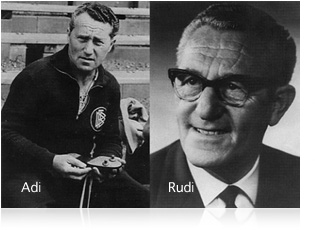
Adolf Dassler, popularly known as ‘Adi’, made sports shoes in his mother’s laundry room in Herzogenaurach, Germany after returning from World War I. In July 1924, his older brother Rudolf joined the business, and they called it Dassler Brothers Shoe Factory (Gebrüder Dassler Schuhfabrik).

The brothers went through a lot of hardships at that time. The electricity supply in Herzogenaurach was unreliable, so the brothers had to use pedal power from a bicycle to run their equipment. The brothers assisted in the development of spiked running shoes for multiple athletic events. To enhance the quality of spiked athletic footwear, Adi shifted from a previous model of heavy metal spikes to using canvas and rubber instead. In 1936, they persuaded U.S. sprinter Jesse Owens to use their spikes, which Adi made with his own hands, at the 1936 Summer Olympics. With those shoes, Owens won four gold medals, and the name and reputation of Dassler shoes became known to sportsmen and trainers worldwide. Their business was extremely successful and the Dasslers were selling 200,000 pairs of shoes every year until World War II. During the war, the company was running the only sport shoe factory in German and mostly supplied shoes to the Wehrmacht, the German military.

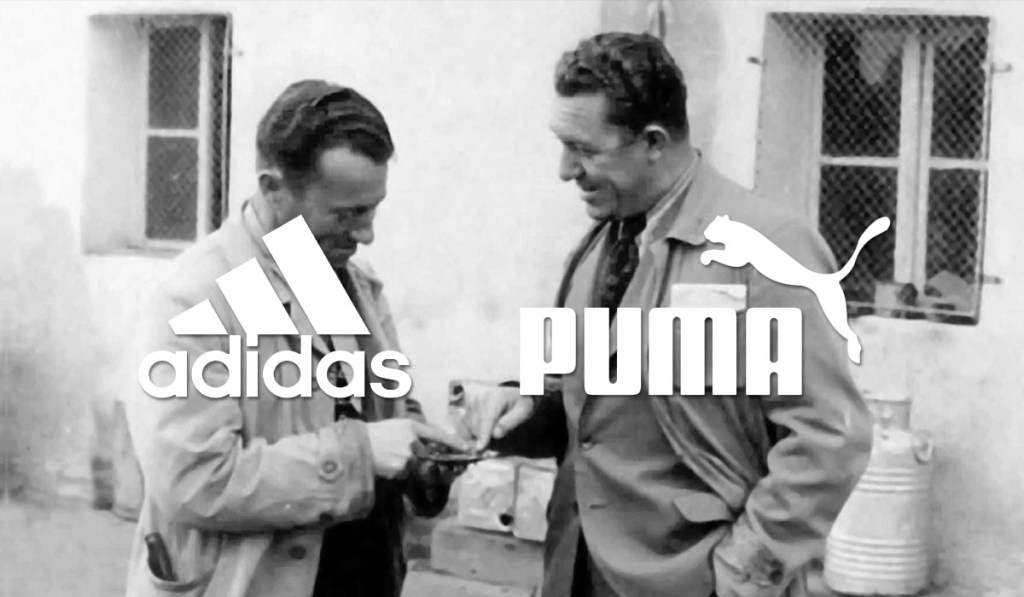
In 1948, after over 30 years of working together, Adolf and Rudolf abruptly separated, due to differences in opinion for the future of the company. The same year, Rudolf established his company, Ruda (short for Rudolf Dassler) but later renamed to Puma after the animal. In 1949, Adolf established Adidas (short for Adi Dassler). The original Dassler Brothers Company’s workforce and resources were split between the brothers. Adidas kept the factory by the train station and two-thirds of company’s employees, as most employees believed Adi’s vision of focusing on product development rather than Rudolf’s sales-oriented approach. Rudolf kept remaining workforce and the factory on Würzburger Street.

In the following three decades, both Adidas and Puma rose to dominance and signed deals with athletes. Adidas famously sponsoring professional American boxer Muhammad Ali and Joe Frazier and Puma signing with Brazil national football team. Adidas introduced shoes customized for different sports, and grew rapidly while Puma, driven by Rudolf’s sales approach, kept chasing Adidas throughout these decades, without making much innovations on its own.

It’s said that the Dassler family quarrels were so extreme that the Puma and Adidas families went to separate bakeries, separate butchers, as well as separate pubs. Michael Dassler, the grandson of Puma’s founder, said Adidas employees going into a shop that Puma employees visited, and vice versa, was impossible. He recalls that in his childhood, contact between his grandfather Rudolf and his brother was non-existent. “In our home, the name Adidas was never mentioned,” he said. Families of their home town either identified with Puma or Adidas, never both. When Adolf (in 1978) and Rudolf (in 1974) died, they were buried at opposite ends of the town cemetery.

Now, Adidas has a market value of US$15.6 billion, while Puma values at US$4 billion. Even after 70 years, Adidas and Puma still go head-in-head competing with each other, spending billions of dollars every year for research and development to come up with the next big product to drive customers to their brand.

The Origin of Adidas and Puma

Adolf Dassler, popularly known as ‘Adi’, made sports shoes in his mother’s laundry room in Herzogenaurach, Germany after returning from World War I. In July 1924, his older brother Rudolf joined the business, and they called it Dassler Brothers Shoe Factory (Gebrüder Dassler Schuhfabrik).

The brothers went through a lot of hardships at that time. The electricity supply in Herzogenaurach was unreliable, so the brothers had to use pedal power from a bicycle to run their equipment. The brothers assisted in the development of spiked running shoes for multiple athletic events. To enhance the quality of spiked athletic footwear, Adi shifted from a previous model of heavy metal spikes to using canvas and rubber instead. In 1936, they persuaded U.S. sprinter Jesse Owens to use their spikes, which Adi made with his own hands, at the 1936 Summer Olympics. With those shoes, Owens won four gold medals, and the name and reputation of Dassler shoes became known to sportsmen and trainers worldwide. Their business was extremely successful and the Dasslers were selling 200,000 pairs of shoes every year until World War II. During the war, the company was running the only sport shoe factory in German and mostly supplied shoes to the Wehrmacht, the German military.

In 1948, after over 30 years of working together, Adolf and Rudolf abruptly separated, due to differences in opinion for the future of the company. The same year, Rudolf established his company, Ruda (short for Rudolf Dassler) but later renamed to Puma after the animal. In 1949, Adolf established Adidas (short for Adi Dassler). The original Dassler Brothers Company’s workforce and resources were split between the brothers. Adidas kept the factory by the train station and two-thirds of company’s employees, as most employees believed Adi’s vision of focusing on product development rather than Rudolf’s sales-oriented approach. Rudolf kept remaining workforce and the factory on Würzburger Street.

In the following three decades, both Adidas and Puma rose to dominance and signed deals with athletes. Adidas famously sponsoring professional American boxer Muhammad Ali and Joe Frazier and Puma signing with Brazil national football team. Adidas introduced shoes customized for different sports, and grew rapidly while Puma, driven by Rudolf’s sales approach, kept chasing Adidas throughout these decades, without making much innovations on its own.

It’s said that the Dassler family quarrels were so extreme that the Puma and Adidas families went to separate bakeries, separate butchers, as well as separate pubs. Michael Dassler, the grandson of Puma’s founder, said Adidas employees going into a shop that Puma employees visited, and vice versa, was impossible. He recalls that in his childhood, contact between his grandfather Rudolf and his brother was non-existent. “In our home, the name Adidas was never mentioned,” he said. Families of their home town either identified with Puma or Adidas, never both. When Adolf (in 1978) and Rudolf (in 1974) died, they were buried at opposite ends of the town cemetery.

Now, Adidas has a market value of US$15.6 billion, while Puma values at US$4 billion. Even after 70 years, Adidas and Puma still go head-in-head competing with each other, spending billions of dollars every year for research and development to come up with the next big product to drive customers to their brand.

Fall of Berlin Wall

The story begins after the end of World War 2. The second World War was fought between Axis (Germany, Italy, Japan, Hungary, Romania, Bulgaria) and Allied powers (U.S., Britain, France, USSR, Australia, Belgium, Brazil, Canada, China, Denmark, Greece, Netherlands, New Zealand, Norway, Poland, South Africa, Yugoslavia). Axis lost. After Hitler, Allied powers decided to divide Germany into 4 parts. Later they merged and divided into two- became West Germany and East Germany. It was divided on the basis of Capitalist and Communist ideas.

On August 13, 1961, the Communist government of the German Democratic Republic (GDR, or East Germany) began to build a barbed wire and concrete “Antifascistischer Schutzwall,” or “antifascist bulwark,” between East and West Berlin. The official purpose of this Berlin Wall was to keep so-called Western “fascists” from entering East Germany and undermining the socialist state, but it primarily served the objective of stemming mass defections from East to West. 

Even though Berlin was located entirely within the Soviet part of the country (it sat about 100 miles from the border between the eastern and western occupation zones), the Yalta and Potsdam agreements split the city into similar sectors. The Soviets took the eastern half, while the other Allies took the western. This four-way occupation of Berlin began in June 1945.

Permanent Migrations also started. This was uni-directional- communism was centralised, with less job opprtunities, the conditions deteriorated so much that until 1961, 20 percent (around 3.5 million people) of east population had settled to west.

The east government started thinking of solution to this Brain drain. The post war agreement divided the capital Berlin into two. The eastern part would be under the influence of Soviet Union and west would be under the influence of allies.

On 13th August 1961, the wall was revealed to the world. But the public was definitely disappointed. Some people simply tried to climb over the wall at night when the guards were not able to see. so the east government put barbed wires on the top of the wall. As time passed government started making the wall stronger and with this, people also got creative in ways of escaping.

On February 1989, a man hit the wall with a very heavy cargo truck. he escaped through the hole. To stop these kind of escapes, government started using innovative ideas.

In February 1985, East Germany got a new leader Mikhail Gorbachev. He recognised and acknowledgd the problems. He decentralised the political and economic controls, brought two measures Perestroika (reconstructing and Glasnost (Transparency), allowed private company to enter.

Finally eastern government decided to ease the regulations. On November 9 1989, due to a misunderstandimg by spokesperson, the news spread that the Fall of Berlin would come into effect immediately.

Fall of Berlin Wall

The story begins after the end of World War 2. The second World War was fought between Axis (Germany, Italy, Japan, Hungary, Romania, Bulgaria) and Allied powers (U.S., Britain, France, USSR, Australia, Belgium, Brazil, Canada, China, Denmark, Greece, Netherlands, New Zealand, Norway, Poland, South Africa, Yugoslavia). Axis lost. After Hitler, Allied powers decided to divide Germany into 4 parts. Later they merged and divided into two- became West Germany and East Germany. It was divided on the basis of Capitalist and Communist ideas.

On August 13, 1961, the Communist government of the German Democratic Republic (GDR, or East Germany) began to build a barbed wire and concrete “Antifascistischer Schutzwall,” or “antifascist bulwark,” between East and West Berlin. The official purpose of this Berlin Wall was to keep so-called Western “fascists” from entering East Germany and undermining the socialist state, but it primarily served the objective of stemming mass defections from East to West. 

Even though Berlin was located entirely within the Soviet part of the country (it sat about 100 miles from the border between the eastern and western occupation zones), the Yalta and Potsdam agreements split the city into similar sectors. The Soviets took the eastern half, while the other Allies took the western. This four-way occupation of Berlin began in June 1945.

Permanent Migrations also started. This was uni-directional- communism was centralised, with less job opprtunities, the conditions deteriorated so much that until 1961, 20 percent (around 3.5 million people) of east population had settled to west.

The east government started thinking of solution to this Brain drain. The post war agreement divided the capital Berlin into two. The eastern part would be under the influence of Soviet Union and west would be under the influence of allies.

On 13th August 1961, the wall was revealed to the world. But the public was definitely disappointed. Some people simply tried to climb over the wall at night when the guards were not able to see. so the east government put barbed wires on the top of the wall. As time passed government started making the wall stronger and with this, people also got creative in ways of escaping.

On February 1989, a man hit the wall with a very heavy cargo truck. he escaped through the hole. To stop these kind of escapes, government started using innovative ideas.

In February 1985, East Germany got a new leader Mikhail Gorbachev. He recognised and acknowledgd the problems. He decentralised the political and economic controls, brought two measures Perestroika (reconstructing and Glasnost (Transparency), allowed private company to enter.

Finally eastern government decided to ease the regulations. On November 9 1989, due to a misunderstandimg by spokesperson, the news spread that the Fall of Berlin would come into effect immediately.

Ethical Theories

The English word ‘Ethics’ is derived from the great word ethikos which means the “character”. And the word itself comes from the word ethos which means the ” character”, moral nature.

Theory of ethics:

  • Deontology
  • Utilitarianism
  • Virtues
  • Right
  • Relativism

(1) Deontology-

Deontology is practically duty-based, and is not affected by the consequences. It insists that people should stick to their obligations and duties when confronted in decision-making. A deontologist believes that morality is the responsibility of everyone as well as duty. For example, a man steals three loaves and a gallon of milk to feed his family, it would be supported by a deontologist because of the moral responsibilities and obligations of the man to look after his family. Sometimes deontologists are unable to determine the nature of the action.

(2) Utilitarianism

Utilitarianism is consequences-based. It is based on one’s ability to predict the consequences of an action. Utilitarianism is a moral theory that implements fair choices to ensure the least amount of harm to be done to all parties involved. The utilitarianism approach requires that you decide what course of action needs to be done and evaluate the outcome of every action. For example, Jack walks into a hostage situation, there are 20 hostages and he is told that if he shoots one hostage he will save the life of the other 19. Utilitarianism will support Jack’s killing of one of the hostages because the life of the other 19 hostages is a greater benefit, even though the cost would be one person’s life.

There are two types of Utilitarianism and are as follows:

(a) Act Utilitarianism- A person who performs the acts that benefit the most of the people, regardless of personal feeling or the societal constraints such as law.

(b) Rule Utilitarianism seeks to benefit most of the people in the fairest way and with the readiest.

(3) Virtues

The virtue ethical theory judges the person by his/her character and behavior rather than by the actions which may differ from his/her normal behavior. When observing an unethical person the virtues theory considers the person’s reputation and purpose for committing the act. If a high school student is temperate, modest, intelligent, and plagiarized on a class writing assignment the virtue theory analyzes the student’s past personality traits and interpersonal skills to determine whether the student is truly guilty.

(4) Rights

Rights are established by the society or by the government and are protected by them. Rights are considered ethical because a large number of people adhere to them.

(5) Relativism

It is a theory that deems your moral obligations and beliefs to be based on the individual environment. For example in America cannibalism is considered taboo while in other cultures the act of consuming another human flesh is accepted as sacrifice and ritual. Relativism determines morals and ethics according to the society that is being observed. Relativism argues that every society and culture believes differently thus each culture must be evaluated according to its particular patterns and influence and traditions.

Ethical Theories

The English word ‘Ethics’ is derived from the great word ethikos which means the “character”. And the word itself comes from the word ethos which means the ” character”, moral nature.

Theory of ethics:

  • Deontology
  • Utilitarianism
  • Virtues
  • Right
  • Relativism

(1) Deontology-

Deontology is practically duty-based, and is not affected by the consequences. It insists that people should stick to their obligations and duties when confronted in decision-making. A deontologist believes that morality is the responsibility of everyone as well as duty. For example, a man steals three loaves and a gallon of milk to feed his family, it would be supported by a deontologist because of the moral responsibilities and obligations of the man to look after his family. Sometimes deontologists are unable to determine the nature of the action.

(2) Utilitarianism

Utilitarianism is consequences-based. It is based on one’s ability to predict the consequences of an action. Utilitarianism is a moral theory that implements fair choices to ensure the least amount of harm to be done to all parties involved. The utilitarianism approach requires that you decide what course of action needs to be done and evaluate the outcome of every action. For example, Jack walks into a hostage situation, there are 20 hostages and he is told that if he shoots one hostage he will save the life of the other 19. Utilitarianism will support Jack’s killing of one of the hostages because the life of the other 19 hostages is a greater benefit, even though the cost would be one person’s life.

There are two types of Utilitarianism and are as follows:

(a) Act Utilitarianism- A person who performs the acts that benefit the most of the people, regardless of personal feeling or the societal constraints such as law.

(b) Rule Utilitarianism seeks to benefit most of the people in the fairest way and with the readiest.

(3) Virtues

The virtue ethical theory judges the person by his/her character and behavior rather than by the actions which may differ from his/her normal behavior. When observing an unethical person the virtues theory considers the person’s reputation and purpose for committing the act. If a high school student is temperate, modest, intelligent, and plagiarized on a class writing assignment the virtue theory analyzes the student’s past personality traits and interpersonal skills to determine whether the student is truly guilty.

(4) Rights

Rights are established by the society or by the government and are protected by them. Rights are considered ethical because a large number of people adhere to them.

(5) Relativism

It is a theory that deems your moral obligations and beliefs to be based on the individual environment. For example in America cannibalism is considered taboo while in other cultures the act of consuming another human flesh is accepted as sacrifice and ritual. Relativism determines morals and ethics according to the society that is being observed. Relativism argues that every society and culture believes differently thus each culture must be evaluated according to its particular patterns and influence and traditions.

Fundamentals of ‘LAUGHTER YOGA’.

Laughing is very important for health:

The most important principle behind Laughter Yoga or the most significant driving force behind the several Laughter Clubs is the theory that Motion Creates Emotion. Quite a few people wonder how a person can laugh when he is in no mood to laugh or when one doesn’t have any reason to laugh. However, the answer is very simple. For, there is a well established link between the body and the mind. Whatever happens to the mind happens to the body as well. This is easily understood and observed too. If a person is sad or depressed, his body also appears quite lifeless and sluggish. Such a person doesn’t walk or talk enthusiastically. But, what most people fail to understand is that the opposite is also true.

Whatever happens to the body also happens to the mind. I remember my father once telling me, “Son, if you are sad or feeling a bit low, don’t sit idle. Keep doing some physical work or go for a walk or do some jogging or go out to play some cricket or football . You’ll feel better.” And most of the times dad was proved correct. I would start feeling better quite soon. In an unhappy state of mind, if we bring ourselves to behaving or acting happy, soon enough we will start feeling light-hearted and chirpy indeed!

So, Laughter Yoga aims to use the two-way body-mind link to change the state of mind through voluntary physical gestures which include repetitive clapping, chanting, specific body movements along with laughter and breathing exercises. The result is so positive and its effects are so powerful that the modern world today has witnessed Laughter Yoga overcome severe and chronic depression in thousands of people right across the globe. In fact, several Laughter Clubs have adopted the motto, “If your Mind can’t laugh, bring your Body to our club.”

Laughter is all about playfulness. Have you ever wondered why children laugh 300 to 400 times a day whereas adults would consider themselves very fortunate if they manage laughter 10 to 15 times in a day? This is because of that seriously wicked and interfering tool called the brain! Adult use their brains or minds first to comprehend humour and then decide if they have to laugh. Very often, they suffer from what is said in Hindi the LKK Syndrome, that is “Log Kya Kahenge” or “What will people say?” This is called the “Mind-to-Body Model of Humour”.

On the other hand, children, who do not allow themselves to be too affected by the LKK Syndrome and don’t use their brain to seriously do the comprehension first, laugh the most while playing. Even if they fall into mud and slime while playing, they laugh heartily together without bothering about the consequences of soiling their spotlessly white school dress in case of a traditionally strict class teacher or headmistress in school or mother at home! Their laughter comes straight from the body and happily they don’t make use of intellectual capacity of the brain for it. Very clearly, they exhibit the “Body-to-Mind Model of Humour”, It is this childlike playfulness that Laughter Yoga aims at cultivating in people who are quite stressed these days.

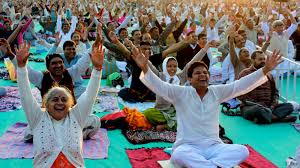
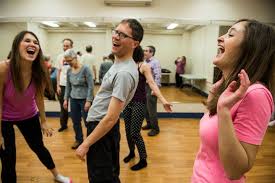
Image -google.

What is sadly significant is the fact that more and more children and even women, to whom smiles and laughter and giggling should come as naturally as the turtle coming out of its shell to walk or leaves falling in autumn, are enrolling themselves as members of laughter clubs nowadays!

Laughter Yoga makes a clear distinction between Happiness and Joy. Happiness is a conditional response of the mind which is totally dependent on the fulfilment of certain desires of the mind. By its very nature, it is related to how one’s life had been in the past or how it will be in the future! It is not there at all in the present moment. The ironical and sad fact is that even if some dreams, goals or aspirations are fulfilled, happiness disappears quite quickly as the mind starts chasing new goalposts-a new, job, a new house, a bigger car, etc.

On the other hand, joyfulness is the unconditional commitment to be happy each moment, to have fun for the moment, despite the problems and challenges of life, no matter how insurmountable they seem to the mind. It is the promise that the Body makes to the mind to indulge in playfulness moment by moment and thereby give relaxation to it. During these periods of playfulness triggered by a plethora of physical activities like dancing, singing, playing and laughing, physiological and biochemical changes take place within our body that give us a sense of well-being that completely alters a negative outlook towards life and its challenges replacing it with confident positivism moment by moment.

Therefore, in Laughter Clubs, members develop positive conditioning of joy. By laughing together over a period of time, clapping in a rhythm ,chanting “Ho Ho Ha Ha” in unison and positive affirmations like ” Very Good Very Good Yay Yay”, the brain develops new neuronal connections to produce happy neuropeptides and hormones in the body that rejuvenate the members.

Finally, Laughter Yoga rectifies shallow and irregular breathing, which is the direct consequence of stress and negative mental state. According to Dr. Otto Warburg, a Nobel Laureate, one of the main reasons for falling sick is the lack of oxygen in the body cells due to incorrect breathing. So, let us laugh together and get the oxygen back into our cells!

Fundamentals of 'LAUGHTER YOGA'.

Laughing is very important for health:

The most important principle behind Laughter Yoga or the most significant driving force behind the several Laughter Clubs is the theory that Motion Creates Emotion. Quite a few people wonder how a person can laugh when he is in no mood to laugh or when one doesn’t have any reason to laugh. However, the answer is very simple. For, there is a well established link between the body and the mind. Whatever happens to the mind happens to the body as well. This is easily understood and observed too. If a person is sad or depressed, his body also appears quite lifeless and sluggish. Such a person doesn’t walk or talk enthusiastically. But, what most people fail to understand is that the opposite is also true.

Whatever happens to the body also happens to the mind. I remember my father once telling me, “Son, if you are sad or feeling a bit low, don’t sit idle. Keep doing some physical work or go for a walk or do some jogging or go out to play some cricket or football . You’ll feel better.” And most of the times dad was proved correct. I would start feeling better quite soon. In an unhappy state of mind, if we bring ourselves to behaving or acting happy, soon enough we will start feeling light-hearted and chirpy indeed!

So, Laughter Yoga aims to use the two-way body-mind link to change the state of mind through voluntary physical gestures which include repetitive clapping, chanting, specific body movements along with laughter and breathing exercises. The result is so positive and its effects are so powerful that the modern world today has witnessed Laughter Yoga overcome severe and chronic depression in thousands of people right across the globe. In fact, several Laughter Clubs have adopted the motto, “If your Mind can’t laugh, bring your Body to our club.”

Laughter is all about playfulness. Have you ever wondered why children laugh 300 to 400 times a day whereas adults would consider themselves very fortunate if they manage laughter 10 to 15 times in a day? This is because of that seriously wicked and interfering tool called the brain! Adult use their brains or minds first to comprehend humour and then decide if they have to laugh. Very often, they suffer from what is said in Hindi the LKK Syndrome, that is “Log Kya Kahenge” or “What will people say?” This is called the “Mind-to-Body Model of Humour”.

On the other hand, children, who do not allow themselves to be too affected by the LKK Syndrome and don’t use their brain to seriously do the comprehension first, laugh the most while playing. Even if they fall into mud and slime while playing, they laugh heartily together without bothering about the consequences of soiling their spotlessly white school dress in case of a traditionally strict class teacher or headmistress in school or mother at home! Their laughter comes straight from the body and happily they don’t make use of intellectual capacity of the brain for it. Very clearly, they exhibit the “Body-to-Mind Model of Humour”, It is this childlike playfulness that Laughter Yoga aims at cultivating in people who are quite stressed these days.

Image -google.

What is sadly significant is the fact that more and more children and even women, to whom smiles and laughter and giggling should come as naturally as the turtle coming out of its shell to walk or leaves falling in autumn, are enrolling themselves as members of laughter clubs nowadays!

Laughter Yoga makes a clear distinction between Happiness and Joy. Happiness is a conditional response of the mind which is totally dependent on the fulfilment of certain desires of the mind. By its very nature, it is related to how one’s life had been in the past or how it will be in the future! It is not there at all in the present moment. The ironical and sad fact is that even if some dreams, goals or aspirations are fulfilled, happiness disappears quite quickly as the mind starts chasing new goalposts-a new, job, a new house, a bigger car, etc.

On the other hand, joyfulness is the unconditional commitment to be happy each moment, to have fun for the moment, despite the problems and challenges of life, no matter how insurmountable they seem to the mind. It is the promise that the Body makes to the mind to indulge in playfulness moment by moment and thereby give relaxation to it. During these periods of playfulness triggered by a plethora of physical activities like dancing, singing, playing and laughing, physiological and biochemical changes take place within our body that give us a sense of well-being that completely alters a negative outlook towards life and its challenges replacing it with confident positivism moment by moment.

Therefore, in Laughter Clubs, members develop positive conditioning of joy. By laughing together over a period of time, clapping in a rhythm ,chanting “Ho Ho Ha Ha” in unison and positive affirmations like ” Very Good Very Good Yay Yay”, the brain develops new neuronal connections to produce happy neuropeptides and hormones in the body that rejuvenate the members.

Finally, Laughter Yoga rectifies shallow and irregular breathing, which is the direct consequence of stress and negative mental state. According to Dr. Otto Warburg, a Nobel Laureate, one of the main reasons for falling sick is the lack of oxygen in the body cells due to incorrect breathing. So, let us laugh together and get the oxygen back into our cells!

National Parents’ Day 2021

“We never know the love of a parent till we become parents ourselves.”

– Henry Ward Beecher

Introduction

National Parents’ Day is celebrated on the fourth Sunday of the month of July, which this year is on July 25th. Mother’s and Father’s Day have been celebrated from 1900s but National Parents’ Day was only established in 1994.

History

National Parents’ Day came in existence in 1994 when President Bill Clinton signed a Congressional resolution that approved National Parents’ Day by law. The aim of this day is to recognize, uplift and support the role of parents in bringing up their children. Fourth Sunday of July was decided as Mother’s Day is in May and Father’s Day is in June so it makes sense to recognize and support both together in the next month.

In United States of America, the holiday is celebrated with participation from citizens, educational institutions, federal and local governments, legislative bodies and organizations. Some activities and events are also planned for the same. There’s also a Parents’ Day Council which promotes the holiday by conducting ceremonies such as the Parent of the Year award.

Parenthood

Parenthood is said to be a difficult but a memorable job. Ask your parents about their experience as parents and you will hear a list of complaints about yourself but it will always end with a second list of good, happy and memorable times with you.

Myths about Parenthood

On this occasion, here is a list of myths about parenthood:

  1. You will spoil your baby if you pick them up whenever they cry

Truth – during the first six months of the baby’s life, it is important to develop trust and picking him up when they cry is a way of doing so. After the first six months is the time to pull back a bit to teach the baby that they can survive.

2. Sugar makes kids hyper

Truth – Sugar is not the culprit, any food that affects the blood-sugar level will produce the same response. The way to mitigate this is by fiber, when some sugary treats do not have enough fiber, it tends to make the kids hyper.

3. Strict parents raise well-behaved kids

Truth – it is fine to have a set limit but it has to be done in a sensitive way or else it will make a very rigid child or an incredibly rebellious one.

4. It is better to shield children from loss

Truth – completely avoiding and acting like the loss hasn’t happened might be preventing the kid form building resilience which they will no doubt need in the later stage of their life.

5. All kids are picky

Truth – no, they are not, plus if you keep accommodating their pickiness, you are influencing it.

6. Children should come first

Truth – if you have decided to raise a kid, you need to be there for them and provide them with all necessities but that does not mean you can let your mental health slip away as that will then negatively affect your child. Taking care of yourself at the same time teaches your child the importance of self-care and still loving others.

7. Parents shouldn’t fight in front of their children

Truth – it is good to avoid a full blown fight in front of the kids but if you can control your anger and have an open dialogue to solve the issue in front of your kid, it will show them how to deal with disagreements.

8. Parenting comes naturally

Truth – you only become a parent when your baby arrives, it is not like you have special experience and training. You are also growing and developing as a parent as time passes. Parenthood isn’t something you learn once and you know everything, you are always growing and learning as a parent.

Conclusion

It is important to note that not every parent is as good and providing as the most, some are abusive, if you face this, you don’t have to feel guilty about not respecting or worshipping them. And for other people, if anyone ever opens up to you about having abusive parents, you should not tell them to be grateful about having parents and to respect them.

Parents sacrifice their time and resources for their kids. Growing and taking care of a whole human is not an easy job, it is a continuous process and a tough one at that but it is as rewarding. For the to be parents, when you look at other parents, it might look like they’ve got it all figured out and that it is very scary but trust and believe in yourself. As kids, we should respect our parents for their efforts.

References