Is Social Media Marketing a good choice ?

Side Effects relating to Social Media Marketing and solution

It has become a trend to promote businesses on social media platforms since they provide a large customer base by widening the reach. It is an economical way and less time-consuming than the traditional method of advertising which used posters, banners, direct selling and other such methods. Therefore it is a good way to attract customers all across the world and communicate the brand in an interesting and unique way keeping in mind the competition on the platform.

This has led to emergence of a variety of ideas to promote businesses especially startups in an innovative and much appealing way. Social media often comes out with new tricks and techniques which are used by people as per their interests and need. However this is leading to an increase in content on media day by day and people are observed to keep scrolling through them on a higher rate.

It is good to use such platforms to promote an idea or business but it’s prolonged usage is affecting the lifestyles of the common population. Social media is gaining importance day by day, increasing the number of users and content shared across. Those unwilling to be a part of it have to use it due to impositions by their organisations. Some use it to remain updated about what’s going around while some use it for information and knowledge purpose. But it is becoming difficult to come out of the web of social media platforms once a person gets stuck in it. This directs to the problem of addiction among the users. Once they start the use, the mind automatically diverts to the less-useful content shared across which doesn’t require attention by the person.

This is a major problem among the youth, distracting them and attracting towards easier paths in life to earn money through social media which is practically not a satisfying decision for young people. They should be more inclined towards hard work and innovations. There is a need for all of us to live the reality without being immersed in the beauty of the virtual world which is actually not everyone’s cup of tea to lean on and adopt in order to earn money.

Photo by Lisa on Pexels.com

Social media marketing is bringing more attention towards them. It influences people to buy the products and services using unique ideas of selling through social media. This platform is chosen as there are a wide range of active users who are targeted as customers easily. Business gets easy this way. But it is also advocating more usage of such platforms thus leading us to a virtual reality world where contact is real but medium is virtual. These kind of practices have long term effects on physical as well as mental health of a person. A person interested in products or services of a brand will have to join the social platforms to get in touch with them and gradually he/she would get attracted to useless content and creations, thereby increasing usage (in vain) and lowering the person’s productivity.

Moving to a digital world is a step towards modernization but it must be in check with health. Alternative ways to promote growth of one’s business should be developed in order to bring notice towards physical participation as well. It would be a better idea if people are involved physically to advertise and gain customers. Techniques can be developed for fun activities and methods where the common beings are involved; in order to attract them towards the brand and communicate the necessary information. This way, we can move ahead and out of the virtual world, interacting and contacting directly.

Why is wildfire smoke potentially worse than other pollutants in the air?

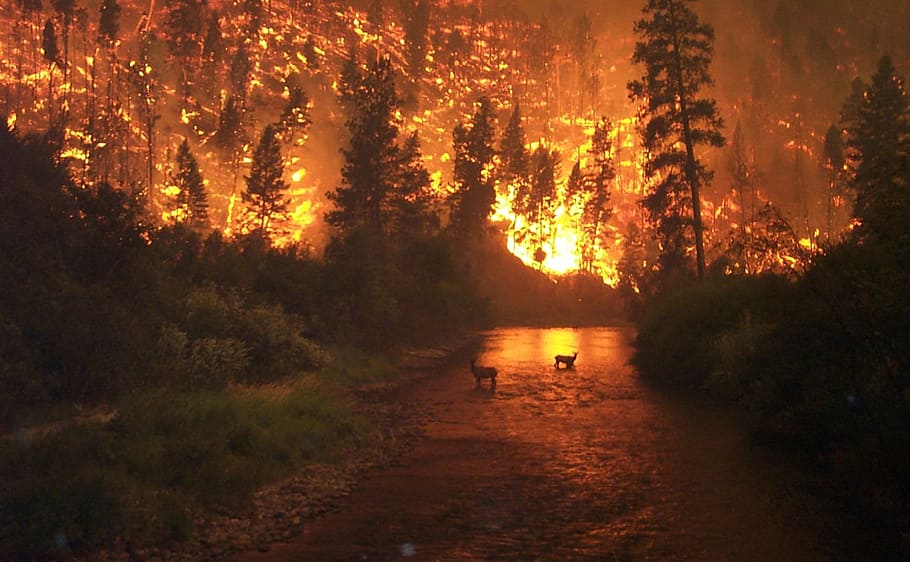
Wildfires in the Western United States have spread smoke across the landscape, posing a rising hazard to public health. The 2020 fire season was so terrible, because of climate change, that it nearly quadrupled the previous record for acres burned in California, and at-home monitoring of the smoke’s impact on air quality became practically ubiquitous. This year’s season is off to a disastrous start, with smoke from West Coast wildfires already darkening skies on the East Coast.

Smoke isn’t your typical form of pollution. According to studies published in the journal Nature earlier this year, the small particles present in smoke can be up to ten times more hazardous to human health than soot from other sources such as tailpipes and factories.

Fine particles, also known as PM2.5, are 30 times smaller than the diameter of a human hair follicle and were studied by researchers. When a fuel, whether it’s gas or plant, burns, tiny particles are released into the air and occasionally into our bodies. According to the study, fine particles from wildfire smoke resulted in 10% more respiratory hospitalizations than they would have been without the smoke. While pollution from other sources is also hazardous, it only increased hospitalizations by around 1%.

Rosana Aguilera, the study’s primary author and a postdoctoral researcher at the University of California, San Diego, spoke in an interview. She explained what she and other academics are doing to learn more about the effects of wildfire smoke on human health.

The interview was slightly altered for clarity.

What are “fine particles,” and why are they a concern?

Fine particles were investigated by the research group I work in since they are one of the primary components of wildfire smoke. These particles are distinct from others. Their chemical makeup varies depending on the items being burned. There are a variety of chemicals that may be found in wildfire smoke and fine particles, including carbon and heavy metals.

We’re concentrating on these small particles found in wildfire smoke right now because wildfire smoke is becoming increasingly prevalent as a source of emissions in various parts of the United States and the world. It’s one form of air pollution in California that appears to be on the rise in the foreseeable future. Some articles support the notion that wildfire smoke will be one of the primary sources of fine particulate matter in areas such as the Western United States.

What kind of impact may such tiny particles have on people’s health?

Because it’s tiny enough to infiltrate our respiratory system and reach deep into the lungs, it’s one of the air pollutants to be concerned about. It might enter the circulation and spread to other organs from there. It can make breathing difficult. It can irritate the skin and aggravate illnesses such as asthma and other respiratory and cardiopulmonary problems.

We mostly deal with acute impacts, which are the reactions that occur after being exposed to wildfire smoke for a few days. My study group isn’t focusing on long-term impacts right now, but I believe it’s an issue that needs to be explored more. Long-term exposure is more difficult to study since it requires following individuals who have been exposed to several wildfires.

So, how does wildfire smoke compare to other sources of pollution like vehicles, trucks, and industry?

When comparing wildfire smoke to non-smoke fine particles, we discovered that wildfire smoke is more hazardous in terms of increased hospitalizations.

The mix of traffic emissions and wildfire smoke may be extremely different. We haven’t looked at the chemical makeup of these tiny particles concerning their origins. However, several toxicological studies have delved into this further and shown that wildfire smoke toxicity may be enhanced. If it passes through a structure, it may pick up pollutants from homes and other structures.

What do you want to achieve with your research?

We’d like to investigate these differential effects of fine particles concerning emission sources, as well as try to learn more about the chemical makeup of various wildfires.

If wildfire smoke has a higher impact, and if it will be one of the primary sources of this sort of pollution in the future — or if it currently is — we need to learn more about why it is more damaging. Then, what kind of long-term impact can we expect?

Auto analyzer

The autoanalyzer is an automated analyzer using a flow technique called continuous flow analysis, the first applications were for clinical analysis, but methods for industrial analysis soon followed. The design is based on separating a continuously flowing streaks with air bubbles.

An automated analyzer is a medical laboratory instrument designed to measure different chemicals and other characteristics in a number of biological samples quickly, with minimal human assistance.

These measured properties of blood and other fluids may be useful in the diagnosis of disease.

Photometry is the most common method for testing the amount of a specific analyte in a sample. In this technique, the sample undergoes a reaction to produce a color change.

Then, a photometer measures the absorbance of the sample to indirectly measure the concentration of analyte present in the sample. The use of an Ion selective electrode is another common analytical method that specifically measures ion concentrations.

This typically measures the concentration of sodium, calcium or potassium present in the sample. There are various methods of introducing samples into the analyzer.

Test tube of sample are often loaded into racks. These racks can be inserted directly into some analyzer or, in large labs, moved along an automated track. More manual methods include inserting tubes directly into circular carousels that rotate to make the sample available.

Some analyzer require samples to be transferred to sample cups. However, the need to protect the health and safety of laboratory staff has prompted many manufactures to develop analyzers that features closed tube sampling, preventing workers from direct exposure to samples.

Samples can be processed singly, in batches, or continuously. The automation of laboratory testing does not remove the need for need for human expertise results must still be evaluated by medical technologists and other qualified clinical laboratory professionals, but it does ease concerns about error reduction, staffing concerns, and safety.

Autoanalyzer uses air segmentation to separates flowing stream into numerous discrete segments to establish a long train of individual samples moving through a flow channel, FIA systems separate each sample from subsequent sample with a carrier reagent.

The Heart

The heart is a muscular organ about the size of a fist, located just behind and slightly left of the breastbone. The heart pumps blood through the network of arteries and veins called the cardiovascular system.

The heart has four chambers:

  • The right atrium receives blood from the veins and pumps it to the right ventricle.
  • The right ventricle receives blood from the right atrium and pumps it to the lungs, where it is loaded with oxygen.
  • The left atrium receives oxygenated blood from the lungs and pumps it to the left ventricle.
  • The left ventricle (the strongest chamber) pumps oxygen-rich blood to the rest of the body. The left ventricle’s vigorous contractions create our blood pressure.

Some Heart Conditions

  • Coronary artery disease: Over the years, cholesterol plaques can narrow the arteries supplying blood to the heart. The narrowed arteries are at higher risk for  complete blockage from a sudden blood clot (this blockage is called a heart attack).
  • Stable angina pectoris: Narrowed coronary arteries cause predictable chest pain or discomfort with exertion. The blockages prevent the heart from receiving the extra oxygen needed for strenuous activity. Symptoms typically get better with rest.
  • Unstable angina pectoris: Chest pain or discomfort that is new, worsening, or occurs at rest. This is an emergency situation as it can precede a heart attack, serious abnormal heart rhythm, or cardiac arrest.
  • Myocardial infarction (heart attack): A coronary artery is suddenly blocked. Starved of oxygen, part of the heart muscle dies.

What is the History of Buddhism and Buddha?

In this article we will look at things like the origin of Buddhism and the biography of the Buddha.

Biography of the Buddha


The Buddha’s given name was Siddhartha. He lived during the time when the Mahavira lived. Siddhartha was born in the Lumbini forest near Kapilvastu in Nepal born in BC 563. His father was Suddhodana, the leader who ruled Kapilvastu. His mother Mahamaya died when Siddhartha was seven days old. He was raised rich by his nephew. His father wanted his son to be king to rule the world. But the astrologers predicted that Siddhartha would become a monk if he happened to see an old man, a sick man, a dead man and a monk. So Siddhartha’s father started packing so that he could leave the palace. 

Siddhartha grew up happily in the palace for many years enjoying all the comforts unknown to the outside world. He was raised to protect the sufferings of the world from his eyes. At the age of 16, he married his cousin Yasodhara. He was happily married and had a child, Rahula. After that, as predicted, Siddhartha saw an old man, a sick man, a dead man and a monk. Seeing them, Siddhartha began to think deeply about the cause of the world’s problems. Wanting to realize the truth of the monk, he left his wife and child one night at the age of 29 and left the palace without telling anyone.

 Dressed in saffron, he wandered in the forest to learn a lesson from the sages. All the sages said that wisdom can be attained only by grieving their body and performing severe penance. Hearing this, Siddhartha mourned his body for many years. He gradually reduced his diet and eventually ate only one bite of rice a day. The body became bone and skin. But he felt that it was not the way to reach the truth because his body was exhausted and his brain was exhausted by such austerities. He started eating again. All five of his disciples, seeing that he had begun to eat regularly, lost faith in him and left him. 

But he began to spend long hours in solitude thinking hard to find the facts he was looking for. One day while meditating under a fig tree, Siddhartha  realized that his questions had been answered. He was 35 years old when he attained enlightenment. After that he was called Buddha. The place where he attained enlightenment is called Bihar Bodhgaya. 

For the next 45 years he traveled throughout northern India and taught the truths he realized. Buddhists call their teachings the Four Truths.  

  • The first truth human life is inherently miserable. 

  • The second truth is that the cause of that suffering is    selfishness and desire. 

  • The third truth is that man can suppress selfishness and desire. 

  • The fourth true man has 8 types of path to escape   from selfishness. 

These eight paths are,

 1. honest opinion

 2. honest thought

 3. honest speech

 4. honest action

 5. honest life

 6. honest effort

 7. honest will

 8. honest meditation. 

The Buddha performed his first teaching at Sarnath, near Varanasi. His teachings were not written during his lifetime, nor were they written until centuries after his disappearance. That is one of the main reasons why there are so many branches of Buddhism. 

There are currently two major divisions in Buddhism.

1. One is the Theravada faction. It flourished in Southeast Asia. 

2. The second division is the Mahayana. The division prospered in Tibet, China and North Asia. 

Desire is the cause of suffering. The basic teaching of the Buddha is that ignorance and caste divisions are the cause of all suffering. A man should be measured by virtue and not by birth. No one is born superior or inferior. The Buddha insisted that it should be determined by what he did. The Buddha lived for almost 80 years and taught many things. He died in BC 483 at Kushi Nagar in Uttar Pradesh. The Buddha was born, attained enlightenment, and swam this worldly life in a single day. That is, historical records say that May is the day of the full moon. That is why Vesak Day is best celebrated by Buddhists. All religions and denominations teach pure love.

Breast Cancer

Breast cancer is the most common invasive cancer in women and the second leading cause of cancer death in women after lung cancer. Breast cancer is a disease in which cells in the breast grow out of control. There are different kinds of breast cancer. The kind of breast cancer depends on which cells in the breast turn into cancer.

Symptoms

  • New lump in the breast or underarm (armpit).
  • Thickening or swelling of part of the breast.
  • Irritation or dimpling of breast skin.
  • Redness or flaky skin in the nipple area or the breast.
  • Pulling in of the nipple or pain in the nipple area.
  • Nipple discharge other than breast milk, including blood.
  • Any change in the size or the shape of the breast.
  • Pain in any area of the breast.

Keep in mind that these symptoms can happen with other conditions that are not cancer.

TO REDUCE YOUR RISK OF BREAST CANCER YOU CAN:-

  • Keep a healthy weight.
  • Exercise regularly
  • Don’t drink alcohol, or limit alcoholic drinks.
  • If you are taking, or have been told to take, (birth control pills), ask your doctor about the risks and find out if it is right for you.
  • Breastfeed your children, if possible.
  • If you have a family history of breast cancer or inherited changes in the BRCA1/BRCA2 genes, talk to your doctor about other ways to lower your risk.

“ALEXANDER GRAHAM BELL” Biography

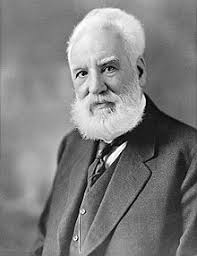
“Alexander Graham Bell” he was the inventor of Telephone. He was born on March 3rd 1847 in Edinburg Scotland. His father’s name was Alexander melville Bell and mother’s name was Elisa grace. His father was a professor and mother was a painter and pianist. He had two brothers but both of whom died of Tuberculosis.

Throughout his childhood is spent short period of time in traditional educational institutions including Edinburghs Royal High School, which he left at the age of 15 he initially attended University of Edinburgh and then the university College London England but did not receive a formal education in 1817 after the death of two of his brother the bell family moved to Canada for the sake of his health expanding on his father work of teaching deaf people to communicate he began working on transmitting and telephonic messages in 1872 he founded School of “vocal physiology and mechanics of speech”in Boston where he taught elocution to his pupils in 1873 he was appointed the professor of vocal physiology and Elocution at the Boston University School of oratory. While pursuing his teaching profession he was drawn towards an idea of transmitting the human voice over wires. In 1874, he hired an assistant Thomas Watson is skilled electrician, who developed the tools and instruments he needed Jo continue the project on March 10 1876 he produced the first intelligible telephone call when he said Mr Watson come here I want to see you Thomas Watson who was in another room here Bells voice and it came to see the telephone had worked a legal battle ensued with inventors Elisha Gray, who claimed his invention of the predated Bell’s. But the court ruled in Bell’s favor and subsequently”Bell Telephone Company was formed in 1877.

On July 11,1877 he married his deaf student, Mabel Hubbard at the age of 30. They had four children, They are Elsie May Bell, Marian Hubbard Bell, Edward Bell, and Robert Bell. By 1883, he created the technology for the Graphophone and other early sound recording equipment in magnetic recording technology that was an early form of tape recording towards the end of the nineteenth century his interest began to move away sound transmission and recording to transport Technologies he developed a passion for air travel and helped to established the aerial experiment Association in 1907 in all he held 18 patents in his name alone and to all that he shared with collaborators among them telephone, Photo phone, Hydrofoil board, Audio meter, HD-4, Metal detector, Tetrahedral kite are noteworthy. He was one of the founders of the National Geographic society in 1888 and served as its president from 1896 to 1904 he died on August 2, 1922 in Beninn Bhreagh, Nova Scotia, at age of 75 due to complications from Diabetes “BEFORE ANYTHING ELSE , PREPARATION IS THE KEY TO SUCCESS”.

HOW INDIA ERADICATED SMALLPOX?

Smallpox-like lesions spotted on Ancient Egyptian mummies reveal that the nasty disease has been there for the past 3,000 years and remained one of the world’s most dreadful diseases until a global vaccination programme spearheaded by the World Health Organization wiped it off. In the 4th century CE, the first documented mention of smallpox-like sickness emerged in China. In the 7th century, early written accounts arose in India, and in the 10th century, they appeared in Asia Minor.

In 1977, the last confirmed natural case occurred in Somalia. Ever since, the only documented cases can be traced back to a laboratory mishap in Birmingham, England, in 1978, which claimed one life and resulted in a small breakout. In 1980, the World Health Organization declared smallpox eradicated. On average, three out of every ten people who contracted it succumbed. Those who survived suffered permanent scars.

INITIAL TREATMENT OF SMALLPOX

Smallpox was 60 times more lethal as prevailing Covid-19 and twice as contagious. It tormented humanity for millennia, blinding and scarring many survivors, and killing roughly 300-500 million people in the twentieth century alone.

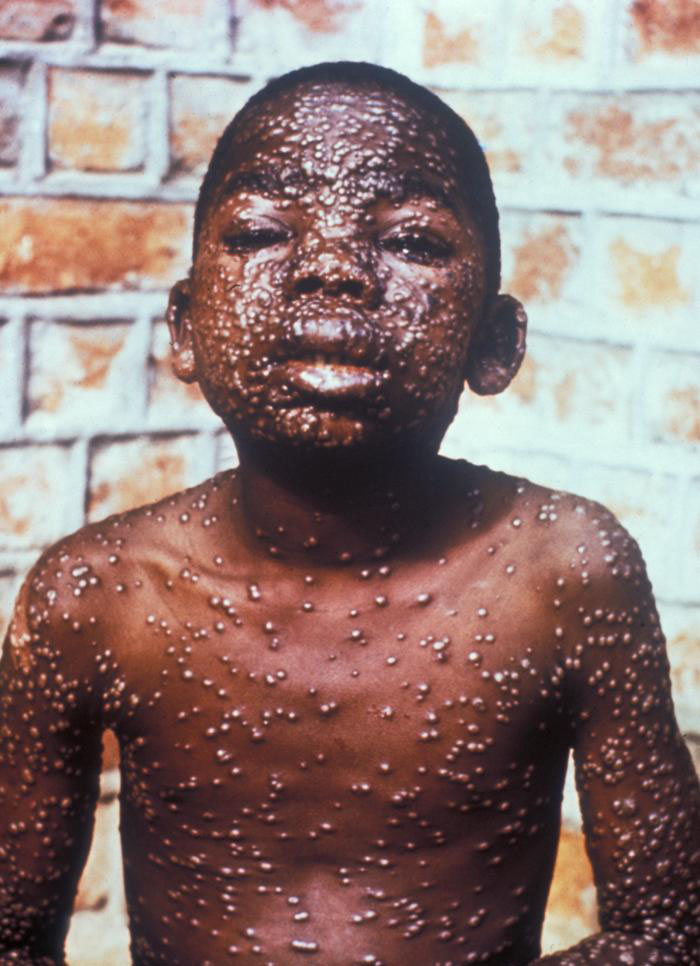
The variola virus causes smallpox. Early signs and symptoms include a high fever and weariness. The disease then induces a rash, most noticeable on the face, arms, and legs. The ensuing lesions swell with clear fluid, then pus, and eventually form a crust, which dries up and comes off.

Variolation, a process dubbed after the variola virus that causes smallpox, was one of the earliest treatments for controlling the disease. People who had never had smallpox were exposed to matter from smallpox sores during variolation by scratching it into their arm or inhaling it via their nose. People acquired smallpox-like symptoms following variolation, like fever and a rash. Variolation was not completely effective; up to 3% of persons died after being subjected to the puss.

Edward Jenner

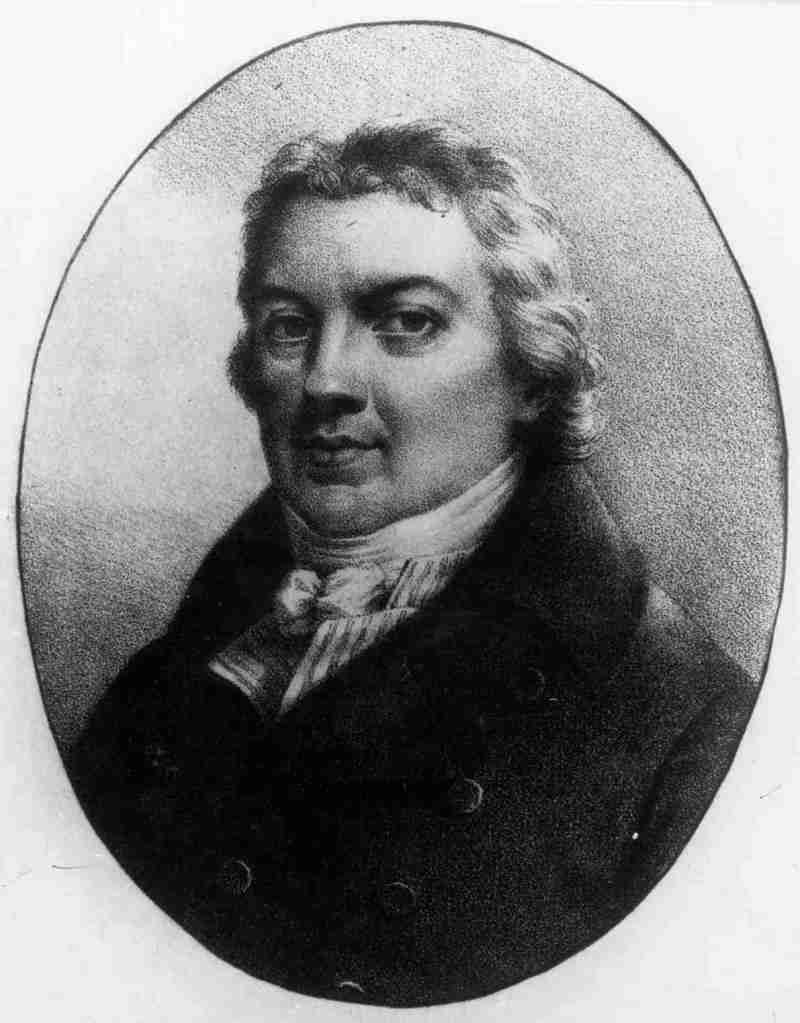
In 1796, English doctor Edward Jenner established the cornerstone for vaccination when he observed that cowpox-infected milkmaids were immune to smallpox. The cowpox virus is a member of the Orthopoxvirus family, which also includes the variola virus that causes smallpox.

Dr. Jenner put his idea to the test by inoculating James Phipps, Jenner’s gardener’s 9-year-old son, with matter from a cowpox lesion on milkmaid Sarah’s hand. James had a single blister on the spot, but he recovered quickly. Jenner frequently subjected Phipps to the variola virus, but Phipps never obtained smallpox. The vaccine was effective. Doctors all around Europe quickly embraced Jenner’s ground-breaking procedure, resulting in a significant reduction in new cases of the dangerous illness.

SMALLPOX ERADITION

All Developed nations had huge success in eradicating Smallpox with mass vaccination campaigns; yet, developing countries had to adopt a different strategy. ‘Surveillance and containment’ were the term for this strategy. Intense house-to-house screenings and incentives for people who reported smallpox cases assisted surveillance. Ring vaccination and isolation of patients and everyone who had come into touch with them was among the containment strategies.

India represented almost 60% of the world’s reported cases of smallpox in the early 1960’s. Many cases went unreported because of the stigma associated with the disease. The strain of smallpox found in India was much deadlier than strains found in West Africa. The Indian Government introduced NSEP in 1962, the National Smallpox Eradication Program aimed at mass population vaccination. Money was invested & inoculation workers were employed. Around 60 million vaccines were administered by 1966, along with 440 million re-vaccinations.

By 1967, however, smallpox cases were growing in India, indicating the failure of the vaccination campaign. One of the greatest reasons being individual reluctance and refusal to participate in the vaccination programs, because of lack of trust in the vaccines or religious beliefs. The method of vaccination was also a problem. Before 1969, a drop of the vaccine was placed on the person’s arm and pushed into the skin with a single-point needle. This procedure was repeated for primary vaccination five times and for revaccination fifteen times.

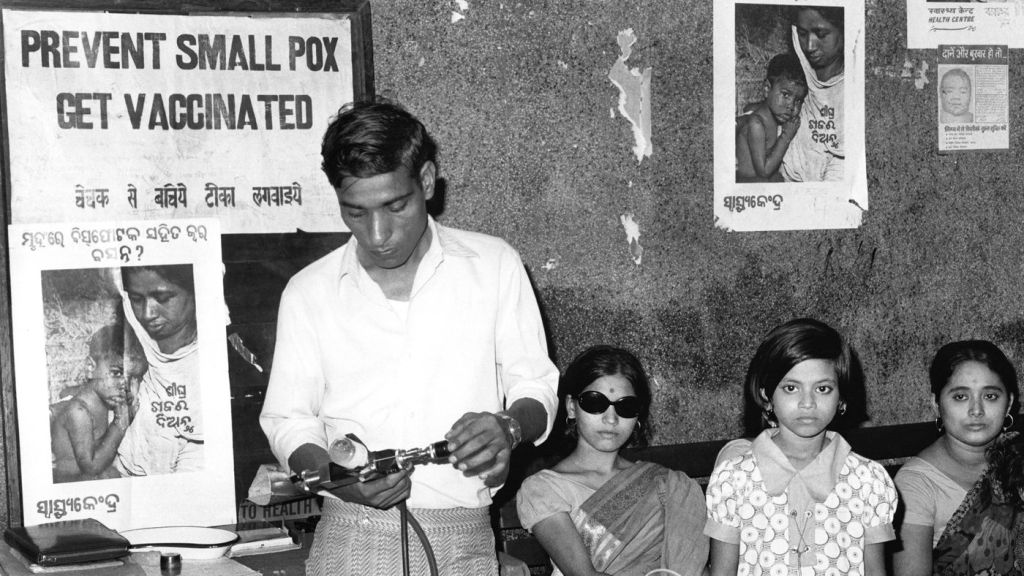
In Sept. 1970, the Indian government and the WHO signed a Plan Of operation The World Health Organization partnership provided India with the opportunity to acquire better-quality freeze-dried vaccines. The jet injector swapped the standard single-point needle and did not require power. Frequent maintenance was essential for the device. The bifurcated needle was a cheaper and quicker vaccination method. For health professionals, minimal level training was needed. For the people, it was less painful.

Vaccinating 80 % of the population in 5 years was deemed adequate to avert smallpox transmission in smaller countries. But the high numbers of births each year (25 million new babies) made this target unfeasible in heavily populated countries like India. It wasn’t enough to contain smallpox.

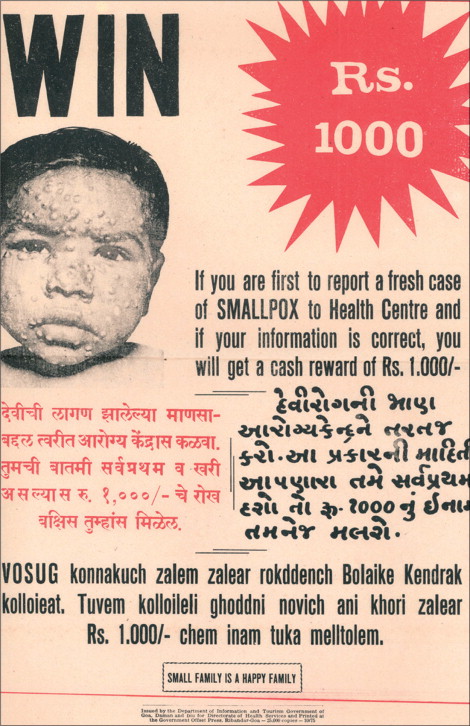
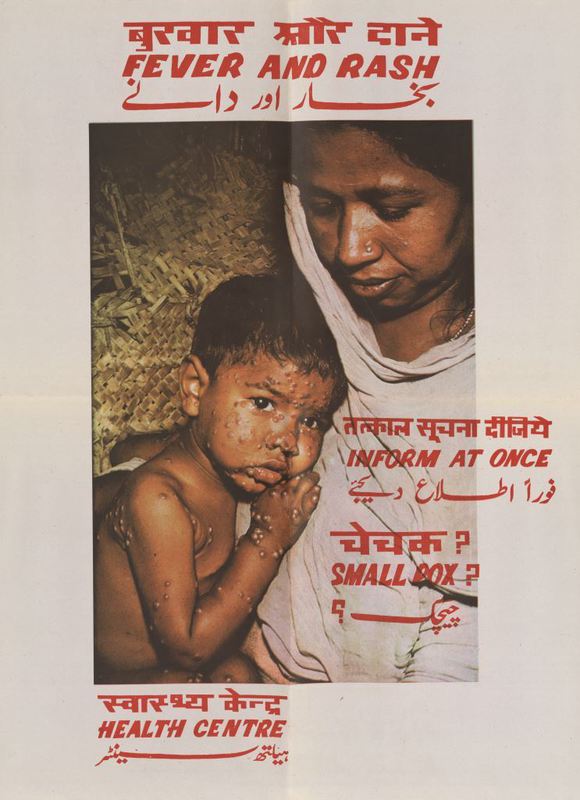
The Indian Government put full force in the National Smallpox Eradication Program. A prize of 1000 rupees for reporting new cases of pox was the most unique but highly successful strategy implemented. The general public reported 11% of outbreaks of smallpox in 1975, as compared with 2.6% in 1973. To encourage vaccination, posters were crafted in native languages, showcasing young children.

The “surveillance-containment” strategy was straightforward. Healthcare professionals would actively look for possible cases of pox. Affected persons and their families or neighbors would be sequestered and vaccinated right away. To eradicate smallpox, active searches and detection and the control of disease outbreaks were necessary. 110 million houses were searched for new smallpox cases from March to November 1976 in over half a million Indian villages, and in 260 urban areas. Merely 5 cases of chickenpox were discovered.

The International Commission for Eradication Assessment of Smallpox visited the India in April 1977, conducting its own field assessments along with an analysis of the country’s documented evidence. Finally, the International Commission certified India Smallpox free.

BOOK REVIEW: HARRY POTTER AND THE SORCERER’S STONE

The Harry Potter series has been around for a while now and has cemented itself into the fantasy genre. Though some may not take the series at the same level as a Lord of the Rings or a Wheel of Time, it deserves its own place at the table of fantasy book series.

In October of 1998 the first edition of this Book was released and it was written by J.K. Rowling.  The book starts off introduction the wizarding world from the vantage point of the Dursley’s who we later find out are the Aunt and Uncle of Harry potter, a boy who’s parents were murdered while he manage to survive. The attack on Harry’s parents left a signature lightning bolt scar on his forehead. The way of introduce of the new world is very much interesting and the way was very much creative and fantastic and it steeps the reader into the world from a perspective that would  likely be more like our own.

There is a lot going on in favour of this book that will be repeated as we continue through the story. The descriptions are very vivid of locations and items as well as character motives. This leads to a pretty laid back and easy read. Understandably these books are children books, anyone of any age can enjoy these books though and really appreciate everything else they have to offer for a relatively small time commitment based on this books size. The school year structure of this book and the subsequent books makes for a really easy method to control pace for the story. The ending ties in many story notes from earlier on in the book such as learning magical spells that come in handy at the end of the book, playing a game of chess. Paying attention in potions class. Even getting onto the schools Quidditch team (Which can be best defined to me as football on brooms.) plays a role in the end.

Character introductions are very well done. It takes very little for each character to be painted into the mind of the reader as well as share the base level motives and beliefs of each. Though later books handle these ideas in a more deep and complex manner, the method that is done in this book tends to match the age of the characters in the book which is around 11. The way J K Rowling rights this allows for easy understanding and the same level for children around the age of these characters as they can relate to what is happening in the book easily. Hermione’s introduction is well handled also. Though not the same experience as Ron, we are treated to her joining the group later on in the story. I feel that this was a good idea as to not overload the reader with new characters right away.

The plot of the book once the book has made it to the wizarding world and Hogwarts is very school oriented as well as getting Harry Potter situated in the wizarding world. When Harry finds that Hagrid, the groundskeeper of Hogwarts has helped the headmaster named Albus Dumbledore hide a mysterious item, he and his friends jump into action figure out what the item is and protect it. Along the way they get into trouble a few times leading them to go into several restricted sections of the castle that only increases their curiosity.

Throughout the book Harry also learns a lot about who he is and about his parents since they went to the same school of Hogwarts as himself. He also needs to come to terms with being a celebrity in the wizarding world that he has only just now discovered.

In the end, this book is an example of a series that can be enjoyable for children and adults. It’s a perfect book to grab and start reading to your kids, but also is a strong escapism book. It’s incredibly easy to get enveloped in the story and the characters.

Economics

Introduction:- The term economic comes from the ancient Greek word oikonomia means ‘management of a household’. The term economic process refers to those activities, through which goods and services aimed at satisfying human needs, are produced distributed, and used. Economic includes the study of labor, land investment of capital, income, and production, and taxes and government expenditures. Adam Smith regarded as the Father of Economics, defines Economics as “the science relating to the laws of production, distribution, and exchange”.

Branches of Economics:- The two chief branches of economics are as follow:

Micro Economics – It examines the behavior of basic elements in the economy including individual agents, such as households and firms, or as buyers and sellers and market and their interactions.

Macro Economics – It studies the economy as a whole and its features like national income, unemployment, poverty, the balance of payments, and inflation. It deals with the formulation of models explaining the relationship between factors such as consumption, inflation, savings, investment, national income, and finance.

Economy:- It represents production, distribution, or trade and consumption of goods and services in a given geographical area by different agents which can be individuals, businesses, organizations, or governments. The study of the economy of any country helps us to find out the financial condition of the population as well as the different working sectors of the economy.

A modern economy is a complex machine. Its job is to allocate limited resources and distribute output among a large number of agents mainly individuals, firms, and governments allowing for the possibility that each agent’s action can directly or indirectly affect another agent’s actions. There are two major types of economies they are:

Open Economy: It belongs to a market economy, which is mainly free from trade obstructions and where exports and imports comprise a lush large percentage of the GDP. No economy is absolute whether open or closed in terms of trade restraints and all governments have fluctuating levels of control over the activities of capital and exchange.

The degree of the vulnerability of an economy determines a government’s freedom to pursue monetary policies of its choice and the exposure of the country to the international economic cycles.

Closed Economy- An economy in which no exercise is conducted with outside economies. A closed economy is self-sufficient, meaning that no imports are brought in and no exports are sent out. The goals of such an economy are to furnish consumers with everything that they need from within the economy’s perimeters.

The degree of exposure of an economy is decided by their respective governments by using policy controls like tariffs, import, and export quotas, and exchange rate limits. In india, since independence, the government has played a major role in planning economic activities.

Present status of the Indian economy: Indian economy is the world’s 6th largest economy or nominal GDP basis and the 3rd largest by Purchasing Power Party (PPP) in 2017. According to CSO, the growth in GDP during 2017-2018 is estimated at 6.5% as compared to the growth rate of 7.1% in 2016-17.

BENEFITS OF EYE KAJAL

BENEFITS OF ORGANIC AYURVEDIC EYE KAJAL:

  1. Ayurvedic kajal made of pure castor oil is said to be very healthy for the eyes. 
  2. One of the main benefits of organic kajal is that it relieves eyes from stress. It helps to get rid of tiredness of the eyes and keeps the eyes healthy.
  3. Copper which is used in making organic kajal is well-known for its healing properties and is considered a purifier.
  4. Copper helps keep the eyes free from external and any makeup infections. 
  5. Bronze and silver are usually used in making Ayurvedic kajal and are known for their regenerating properties. They also help in healing allergies of the eye.
  6. Camphor is the main ingredient of organic kajal. It helps in providing coolness to the eyes and gives the eyes relief from stress.
  7. Ghee is another ingredient which is used in making Ayurvedic kajal. Ghee keeps dark circles away by relaxing them. It cleans the eyes of salt deposits from tears and removes minute makeup residue trapped under the upper and lower eyelids. 

Importance of farmers

Farmers are the backbone of our country and our society. If not farmers, neither are we, The farmer is the one because of whom we get food which we eat it.Farmers never stop their work whether it is rain, cold or sun. Farmers do their work with all their heart for us without any meaning And it is true that the entire population of the country is dependent on farmers.

Hindu, Muslim Sikh, Christian farmers cannot be compared with any religion because people of all religions live in India and farmers are bigger than religions and we should never respect anyone by seeing religion because farmers of every religion deserve respect because they grow food grains for us. We should respect the farmers of our country.

Whether the country is big or small, today everyone is dependent on the farmers. We are able to live on earth only because of farmers and we are getting good fruits, vegetables and grains because of them, they work day and night for this. That’s why it is said from our history that farmers are very important for us, for our country and society. And for our future. Although it is true that farmers are very important for us, but still they are not able to live their life well. We all know that what is the role of farmers in our life because every person needs proper food for their living, so it is a necessity in the society.

Farmers do their work very sincerely. The farmer has the ability to survive with the harsh devastation of different climates, climate change, soil conditions and frequent wildfires, droughts and floods. Because of farmers, people are eating fresh fruits and vegetables because of him, everyone should respect farmers. In simple words, farmers are the ‘backbone’ and ‘heart’ of the nation. Farmers sow seeds and then cultivate the crop and supply food grains to the people. Agriculture is an important part of every country, as they are also one of the major contributors to economic development. The government should worry about our agricultural heroes. People should give more support and respect to the farmers.

There are different types of farmers. And we should do the respect for all of them.

  1. First of all they are the farmers who grow crops like wheat, barley, rice etc. Since most of the consumption in Indian households is of wheat and rice. So, the cultivation of wheat and rice is more in agriculture. In addition, the farmers growing these crops are of prime importance.
  2. Second, there are those who cultivate fruits. These farmers have to prepare the soil for different types of fruits. Because these fruits grow according to the season. So farmers should have good knowledge about fruits and crops. There are many other farmers who do other types of farming. Moreover, all of them have to work very hard to get maximum harvest.
Agriculture is very important because our economy also depends on agriculture. So we should support the farmers of our country and also respect agriculture because without them we are not

There are many such things about farmers about which we do not know, but today agriculture has a big role in the economy of the country and we should be aware of farming farmers because this is the biggest power of India and we are Indians.

How Movies Influence Our Societies?

In these uncertain times, people have been searching for unique ways to entertain themselves. They want to keep their minds off of devastating situation they are surrounded by. What’s better than movies? The power videos hold to influence people is beyond one’s imagination. Over the years, movies and shows have transformed peoples life’s in different ways and changed obsolete perspectives of society regarding women, education and basic living. They bring you joy, wonder and force you to question inconspicuous things that were effortlessly ignored. History of films way go back in the 60’s and the transition that you see till this date is incredible. What make these directed videos so irresistible that today’s generation drowns itself into series of it?

This article will explore ways in which film art has inspired modern society.

Movies have inspired millions through its unique story writing. The best part about movies is that it reflects the world you are currently breathing in. When you see the same world you see everyday in a movie, resonating those characters with people you come across everyday catches your attention. You realize that what you see on screen is pretty similar to what you experience everyday. Once you relate yourself to it, having to implement that in your real life is easy.

Watching a crime film alerts you to protect yourself from dangerous criminal activities or fraud or terrorism. A few movies have plots that are realistic and true. Such movies open your eyes to see the real world and share the true life through portrayal of struggles and adverse living. Slumdog millionaire featured life of slum and poverty, which is true and widely exists around the without being noticed. This way people who have never gone through it empathize with it.

Culture is an integral part of our community. A movie is designed in a way to portray culture of certain communities to the world. It can predominantly focus on specific culture or could be a contrast. Each culture has beliefs and values that others may be unfamiliar with but that’s what a movie does; it unites people of different cultures to understand and respect diversity. Shaping cultures through movies has become key objective of films.

Historical movies develop curiosity to know about history and how life was before. Movies based famous personalities and their lasting contribution towards the society influences everyone to devote themselves to the betterment of the country and humanity. War movies help us realize that violence has destroyed innocent lives and how we are responsible for our own country. Children find it easy to remember through movies than books.

Women had been oppressed over the years and were not given basic rights. Movies on woman’s education and rights have questioned communities and their treatment towards women. Women empowerment movies have given strength to women to fight for themselves.

Movies can have negative impact, especially on children. Criminal movies have tampered with children’s minds and opinions. The act of crime and dishonesty has been glorified in the movies making lying cool and something to strive for. Content based on drugs have mislead basic understanding of crime and its consequences that can ambush you in a circle of destructive money and fame.

Movies can be life changing. They can create your life or can radically destroy it. Choose movies wisely to protect children from corrupt movies that could damage their innocent minds.

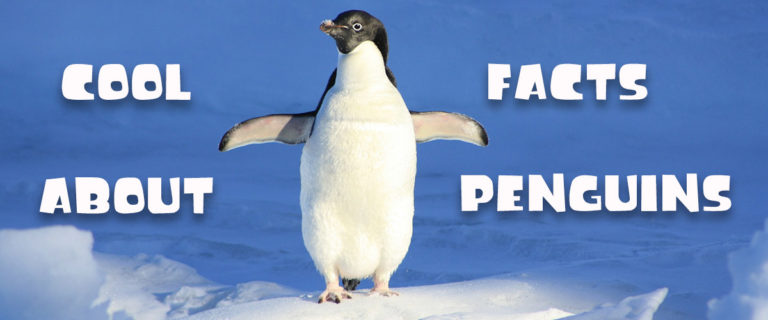
FUN FACTS ABOUT PENGUINS

Penguins are amazing birds! They are not quite like any bird you have seen before in your backyard or at the park. They have adapted to their cold environment in a way that makes them pretty special. Here are some fun facts:

– Penguins are flightless birds.

– While other birds have wings for flying, penguins have adapted flippers to help them swim in the water.

– Most penguins live in the Southern Hemisphere.

– The Galapagos Penguin is the only penguin species that ventures north of the equator in the wild.

Large penguin populations can be found in countries such as New Zealand, Australia, Chile, Argentina and South Africa.

– No penguins live at the North Pole.

– Penguins eat a range of fish and other sealife that they catch underwater.

– Penguins can drink sea water.

– Penguins spend around half their time in water and the other half on land.

– The Emperor Penguin is the tallest of all penguin species, reaching as tall as 120 cm (47 in) in height.

Emperor Penguins can stay underwater for around 20 minutes at a time.

– Emperor Penguins often huddle together to keep warm in the cold temperatures of Antarctica.

King Penguins are the second largest penguin species. They have four layers of feathers to help keep them warm on the cold subantarctic islands where they breed.

Chinstrap Penguins get their name from the thin black band under their head. At times it looks like they’re wearing a black helmet, which might be useful as they’re considered the most aggressive type of penguin.

Crested penguins have yellow crests, as well as red bills and eyes.

Yellow eyed penguins (or Hoiho) are endangered penguins native to New Zealand. Their population is believed to be around 4000.

Little Blue Penguins are the smallest type of penguin, averaging around 33 cm (13 in) in height.

– A Penguin’s black and white plumage serves as camouflage while swimming. The black plumage on their back is hard to see from above, while the white plumage on their front looks like the sun reflecting off the surface of the water when seen from below.

– Penguins in Antarctica have no land based predators.

FACTS ABOUT THE HEAVEN OF INDIA – KEDARNATH

Kedarnath is one of the most significant holy places in the Hindu Religion. Above the sea level beside the river Mandakini Kedarnath is located at an altitude of 3583mt near the Chorabari Glacier in Uttarakhand.

Kedarnath is counted in one of the 12 Jyotirlingas in India and has its importance from the time of the epic Mahabharat. Kedarnath is one of the major sites in Indian’s Chota Char Dham pilgrimage in northern Himalayas of Uttarakhand.

It not only holds the significant role in Hindu Religion, but it is also connected to the mythologies too. To know more keep on reading.

FACT 1- THE CREATION

Ancestors says that when Nar and Narayana the two avatars of Lord Vishnu present a sever act of austerity in the Badrikashraya of Bharat Khand, which led them to worship the Shiva lingam which appeared out of the earth ravishingly. Nar and Narayana then requested the Lord Shiva to live in here forever so that people who wish to worship Lord Shiva won’t be bind their self in hardship in the life anymore.

FACT 2- LEGENDS OF CREATION

In the way back in the time of Mahabharat, when the five sons of Pandu, Padavas went to seek blessing from Lord Shiva to get free from the sin of killing their cousin brother Kauravas. Lord Shiva impersonate himself as hump buffalo and kept hidden in Kashi. The Pandavas finally managed to determine the Lord Shiva who was hiding below the ground and Lord Shiva got impressed by them.

FACT 3- THE PROTECTION

The interesting fact about Kedarnath is with in very short distance Bhairav Nath Mandir is located which is guardian of Kedarnathji. During closing time of the Kedarnath, the Bhairav Nath guards the temple. There it is ceremonial to visit is before and after the closing of Kedarnath.

FACT 4- ABOUT

The Kedarnath temple is around 1000 years old temple. Himalayas around it is a heavenly treat for those who visit the temple. During the year 2013 Uttarakhand was hit by flood in which the whole town got destroyed but the temple was harmed less. A giant rock behind the temple helped it to protect from the flood, as this led to the diversion of flood coming toward the temple.

FACT 5- INSIDE THE TEMPLE

Kedarnath temple head priest is of Veerashaiva community also known as Raval. Although the rituals and puja are not done by the Raval, but they carry out the instruction to the priest perform the puja.