RAIN RAIN GO AWAY!

It’s a relief to hear the rain. It’s the sound of billions of drops, all equal, all equally committed to falling, like a sudden outbreak of democracy. Water, when it hits the ground, instantly becomes a puddle or rivulet or flood………………….Alice Oswald

Among many other season which Bengal enjoys, the rainy season is one of them. It starts in the first week of July and continues up to September. It sets in with heavy showers which brings great relief after the hot days of Summer. The earth bursts into green grass. The wrinkled plants turn green. The dry ponds, pools and rivers are filled up with water. Nature bears a charming scenery everywhere. The farmers’ hearts swell with joy. They become busy with preparing land for sowing. The timely rainfall proves to be a happy boon to them. It brings the crop on nicely without irrigation. Thus, the rainy season is very useful and important.

But the rainy season is also the source of troubles. The village roads turn muddy. The accumulation of water here and there stops the movement of vehicles. The communication system is cut off. The possibility of the spread of many diseases becomes more. Not only this, the excessive rain causes flood. The crops are damaged and the lightly built houses collapse. People are rendered homeless and helpless. The outdoor work is prevented. The poor are bound to suffer.

However, the rainy season is liked by many people. They find the beauty, joy and attraction of the spring and the autumn in this season. The green scenery everywhere makes nature look like the newly married bride. The half-fed animals of summer look blithe and boony because of the abundance of fodder in nature. The frog’s crock, the peacock’s dance, the peasants’ song and the drizzle of rain water make nature throb with life. Thus, the rainy season is as enjoyable as the spring and the autumn.

Tattoos and Body Piercing

Body piercing and tattoos are forms of body art that have been practiced throughout history by various cultures. Tattoo and body piercing has become very popular with adolescents and adults in their early twenties. While the general public and parents may perceive this procedure as rebellious and deviant behaviours, some reasons adolescents offer for body piercing is that it is a form of body art, it is a fashionable, it makes a personal statement. Adolescents and young adults are developmentally susceptible to rebellious behavior, it is seen by many.

The design can be small and discreet or large and obvious. This art used to express individually to indicate membership in a group or to attract attentions. But such body modification carries with it the risk of health problem of ranging from minor bacterial infections to life treating illness. For example, allergies reactions, this may occur even years after they get the tattoo. Some piercing jewelers are made of nickel or brass, which also can cause allergies reaction, Blood- born disease, oral complication, Skin disorder, skin infection.


People who get body modifications have a high threshold for pain. Where the tattoo is located will generally tell a person how much discomfort will be involved. Some of the body part causes the most discomfort for men and women are: head, neck back and front of the knee, hands and the wrists just to name a few. Usually the parts of the body that has more fat or muscle build up will causes the least amount of pain.

Adolescents and adults who participating in this newest of fashion trends is a means to establish personal identity through disassociation form accepted norms, Moreover, participants with tattoo and body piercing are more likely to have engaged in risk behaviours and at a great degree of involvement than those without either.

Tattoos and body piercing are done as expressions of independence, for religious or cultural reasons, or to adorn one’s body. Tattooing is accomplished by injecting pigment into the deeper layers of the skin, usually by way of needles or air pressure.

Piercing is performed quickly and without anesthesia by either a spring-loaded ear-piercing gun or piercing needles, with the needle diameter varying from six to 18 gauge. The skin is cleaned, and then the needle and jewelry are inserted through the tissue in one swift motion. Piercing is typically completed in tattoo or beauty parlours.


While piercing and tattooing are popular, both present distinct health risks. Tattoos can lead to the transmission of infectious diseases, such as hepatitis B and C and theoretically HIV, when proper sterilization and safety procedures are not followed. Black henna tattoos can cause significant allergies and rashes , leading to renal (kidney) failure and even death in those who are sensitive to their ingredients. These types of tattoos have appeared particularly dangerous to young children. Body piercing also presents the risk of chronic infection, scarring, hepatitis B and C, tetanus , and skin allergies to the jewelry that is used. One study reported that 17 percent of college students with piercings suffered a medical complication such as infection or tearing. Use of piercing guns and preferences for upper ear piercing have led to increased infections. The force of the gun’s delivery further complicates matters around the delicate cartilage of the upper ear and some people require surgical intervention.

Body piercing and tattooing are unregulated in most parts of the United States, and illegal in some. The American Dental Association opposes oral (tongue, lip, or cheek) piercing, and the American Academy of Dermatology is against all forms of body piercing except ear lobe piercing.

There are five methods to remove tattoos when desired, including using a laser to break up tattoo pigments; surgical removal that involves cutting the tattoo away; sanding the skin with a wire brush to remove the epidermis and dermis layers in a process called dermabrasion; using a salt solution to soak the tattooed skin (salabrasion); and scarification, removing the tattoo with an acid solution to form a scar in its place. Topical steroids can often treat reactions to henna tattoos, but improvement may take several weeks.

Depending on the type of infection resulting from either piercing or tattoos, the treatment and prognosis vary. Minor infections respond well to antibiotic therapy, while blood-borne diseases such as hepatitis B and C cause life-altering results. Disfigurement may or may not be fully correctable by later plastic surgery.

Obviously, the best way to prevent infection from piercing or tattoos is not to get one in the first place. However, the risks can be minimized. Procedures should be performed in a sterile environment by an experienced professional. The person performing the procedure should remove a new needle from the plastic in front of the person to be tattooed and should put on a new pair of sterile gloves. Anyone considering a henna tattoo should require proof from the artist that he or she is using pure, safe brown henna, not the unsafe black henna.

Piercing should be completed with smoothly polished jewelry made of 14 or 18 carat gold, titanium, surgical steel, or niobium. An allergic reaction can result with the use of jewelry made of brass plate or containing a nickel alloy. Healing time from a piercing ranges from six months to two years. A piercing should be completed in a sterile environment that uses every precaution to reduce the risk of infection. Excessive force, such as exerting a strong pull, should never be applied to jewelry inserted into pierced body parts to avoid tearing and injuring tissues.


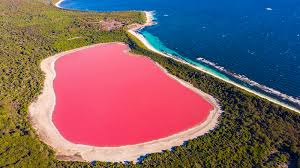
Pink lake

Hello guys toady’s topic is about a pink lake

Yes you heard it right! The lake is in pink colour .

Pink Lake is a salt lake in the Goldfields-Esperance region of Western Australia.

The salt concentration in the lake is what makes the lake pink but from 15 years the lake had not been pink.

It may change into pink lake due to environmental changes.

This pink lake name is lake Hillier

Many people visit this attraction especially for photoshoot and also to visit this unique creation of nature .

Thankyou.

Web Development

Top Web Development Companies in Hyderabad | WebHopers

Web Development Roadmaps

WEB…. The world using websites to take , give informations and converted to its useful

Let we learn about Web development

Front-End Roadmap

STEP 1

•       Learn the Basics

•       Every Web Developer must have a basic understanding of    HTML, CSS, and JavaScript.

•       Responsive Web Design is used in all types of modern web development.

•       ECMAScript 5 (JavaScript 5) is supported in all modern browsers. Take a good look at it, especially the new array functions.

•       HTML     

•       HTMLHTTP /  XHR

•       CSS

•       CSSCSS Responsive

•       JavaScript

•       JavaScriptECMAScript 5

STEP 2
Dig Deeper

When you feel comfortable with HTML and CSS, it is time to dig deeper.

You should learn how to use Maps, Fonts and Icons in HTML.

On the JavaScript side, you should learn how to access the HTML DOM.

You should also learn how to use AJAX and JSON for making server requests.

HTML

HTML DOMGoogle MapsGoogle FontsGoogle Charts

CSS

CSS Icons

JavaScript

XMLJSONAJAX

  • STEP 3
    Choose Frameworks
  • Now it is time to look at some Frameworks.
  • On the CSS side you should choose a framework for reponsive web design:
  • Bootstrap  /  Material Design  /  W3.CSS
  • On the JavaScript side you should learn at least one modern framework:
  • React.js  /  Angular.js  /  Vue.js   /  W3.JS
  • Maybe the popularity of jQuery has passed the top, but it is still the most used JavaScript framework.
  • CSS
  • BootstrapW3.CSS
  • JavaScript
  • jQueryAngularJSVue.jsW3.JS
  • XML
  • XSLTXPathXQuery

Back-End Roadmaps

  • STEP 4
    Back-End Roadmaps
  • Fullstack
  • SQLPHPASPPython
  • Fullstack JS
  • SQLNode.jsMySQLMongo.db

Web Development

Web Development Roadmaps

WEB…. The world using websites to take , give informations and converted to its useful

Let we learn about Web development

Front-End Roadmap

STEP 1

•       Learn the Basics

•       Every Web Developer must have a basic understanding of    HTML, CSS, and JavaScript.

•       Responsive Web Design is used in all types of modern web development.

•       ECMAScript 5 (JavaScript 5) is supported in all modern browsers. Take a good look at it, especially the new array functions.

•       HTML     

•       HTMLHTTP /  XHR

•       CSS

•       CSSCSS Responsive

•       JavaScript

•       JavaScriptECMAScript 5

STEP 2
Dig Deeper

When you feel comfortable with HTML and CSS, it is time to dig deeper.

You should learn how to use Maps, Fonts and Icons in HTML.

On the JavaScript side, you should learn how to access the HTML DOM.

You should also learn how to use AJAX and JSON for making server requests.

HTML

HTML DOMGoogle MapsGoogle FontsGoogle Charts

CSS

CSS Icons

JavaScript

XMLJSONAJAX

  • STEP 3
    Choose Frameworks
  • Now it is time to look at some Frameworks.
  • On the CSS side you should choose a framework for reponsive web design:
  • Bootstrap  /  Material Design  /  W3.CSS
  • On the JavaScript side you should learn at least one modern framework:
  • React.js  /  Angular.js  /  Vue.js   /  W3.JS
  • Maybe the popularity of jQuery has passed the top, but it is still the most used JavaScript framework.
  • CSS
  • BootstrapW3.CSS
  • JavaScript
  • jQueryAngularJSVue.jsW3.JS
  • XML
  • XSLTXPathXQuery

Back-End Roadmaps

  • STEP 4
    Back-End Roadmaps
  • Fullstack
  • SQLPHPASPPython
  • Fullstack JS
  • SQLNode.jsMySQLMongo.db

SUPERSTITIONS AROUND THE WORLD

There are a lot of times when our grandparents or parents have stopped us from doing certain things at certain times. I have always wondered how or why do people believe that certain things as such happen. We all can name a couple of superstitions but here are some from all around the world.

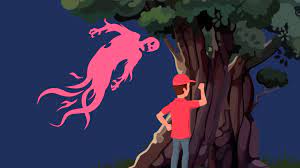
KNOCKING ON WOOD

Indo-European, Celtic, or possibly British

The Indo-European or Celtic belief that spirits resided in trees could be either called for protection or chased away by knocking on their home. Most likely among the different theories, historians have attributed the superstition to a 19th-century British children’s game called “Tiggy Touchwood” in which players claimed immunity from being tagged by touching the nearest piece of wood. Adults picked up on the habit and the phrase ”Touch Wood”.

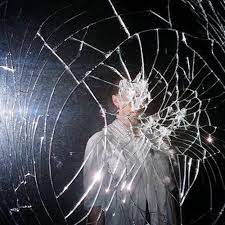
BROKEN MIRROR

Ancient Greek/Roman, and European

The belief that a broken mirror brings bad luck most likely has its origins in the simple fact that reflections of ourselves are uncanny and often unnerving. It was the ancient Romans who said that a broken mirror would bring seven years of bad luck as it was believed that only poor health would cause a mirror to crack.

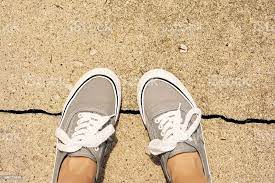
STEPPING ON A CRACK

African and European folklore

The superstition of “stepping on a crack” as foretelling, or even causing, harm to a family member. As with mirrors, cracks—in the earth, on a sidewalk, or almost anywhere—have long been seen as portals to the realm of the supernatural, for both good and ill. 

LUCKY HORSESHOE

Ancient Roman, Celtic/British Isles, Europe

The earliest origins of the horseshoe’s function as a good luck charm reside in its vulval shape. The most famous story of a horseshoe bringing good luck, however, refers to the story of Saint Dunstan, who apparently worked as a blacksmith prior to attaining sainthood.

BLACK CAT

European

Things only went downhill for black cats from there, with people of the Middle Ages burning them in bonfires on Holy Days like Shrove Tuesday, the first Sunday of Lent, and even Easter, and with the Puritans in America connecting them to the practice of witchcraft. Also, the color black has long been associated with evil and death, which didn’t help matters for our furry friends who had the misfortune of being born the color of night.

FRINGERS CROSSED

Western Europe, Pagan & Christian

The superstition of crossing one’s fingers is responsible in bringing good luck from pre-Christian, Pagan times in Western Europe, when the practice of making a cross with your own and the index finger of another person was thought to bring the forces of good spirits and to seal a pact or a wish with the fellow-crosser.

THE NUMBER FOUR

China

As we’ve seen with numbers like thirteen and seven, numbers are frequently assigned different magical significance or status depending on the culture in question. For the Chinese, the number “four” is a no-no, due to the similarity in its pronunciation, in Chinese, to the word for “death.”

CURSE OF THE EVIL EYE

Mediterranean and Middle East

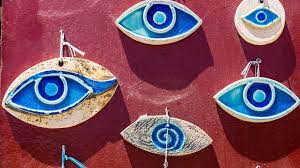
It’s a common belief that’s been held for thousands of years that to achieve too much success would be to invite the anger or inspire the envy of the gods, who would then attract the unfortunate individual with a reversal of fortune. In response to the fear of this curse, people across the ancient Mediterranean began using amulets and beads with an image of an ‘evil eye’, sometimes referred to as nazars, which would then help ward off that horrible.

ITCHY PALMS

Caribbean

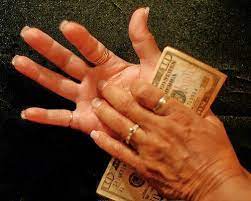
 It is a common belief that an itchy left palm means you will owe money soon, whereas an itchy right palm means money is coming your way. There is an explanation that might tell us why such a distinction. The left hand seems to hold passive energy, and the right hand active energy which symbolically could explain the coming in and out of money.

Article by : Haniah Mirza

Kayaking🛶

Hello guys! Today’s topic is about a sport related to water.

Kayaking it’s name is taken after what they use to move over the water that is “kayak”.

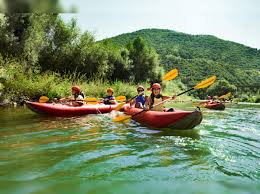
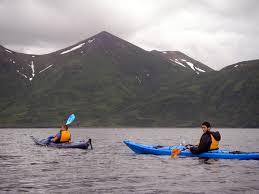
A kayak is a low-to-the-water, canoe-like boat in which the paddler sits facing forward, legs in front, using a double-bladed paddle to pull front-to-back on one side and then the other in rotation.

It’s different from canoeing:

  • It’s sitting position from the paddler.
  • Number of blades on the paddle.

Kayaking is gaining popularity over the years

From:timesof india.indiatimes.com

But kayaks were created thousands of years ago by Eskimos of North Antarctic region .

The main purpose for creating the kayak, which literally translates to “hunter’s boat” was for hunting and fishing in ancient times.

The kayak’s stealth capabilities taht is the capability to make once hide in the environment made it easy for the hunter to sneak up behind animals on the shoreline and successfully catch their prey which became their source of food.

More than 10 white water kayaking events are featured in the Olympics.

Kayaking represents a key international watersport!

From:Wikipedia. com

Their design and the material kayaks use is what distinguishes themselves from each other that is they are classified into each on the basis of the materials such as metal, plastic,fiberglass wood .

The advantages of different design are increase in performance, mobility, stability and paddling style.

On basis of material they have certain advantages and they are strength, durability, portability, flexibility, resistance to ultraviolet and storage requirements.

Many watersport lovers to prefer white water kayaking and diving,fishing and ecotourism is mainly impacted positively by this recreational activity .

Thankyou^^.

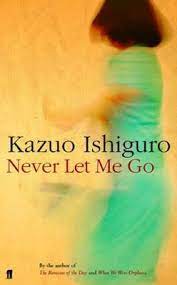
Never Let Me Go- Kazuo Ishiguro

Never Let Me Go is an English novel by Kazuo Ishiguro. Ishiguro is a British novelist, screen writer, musician and short story writer. His novels are majorly based on memory and have a great emotional force. His most celebrated works include The Remains of the Day, When we were Orphans, Never Let Me Go. He has received Man Booker Prize in 1989 and Nobel Prize in Literature in 2017.

Never Let Me Go is a dystopian science fiction novel written in 2005. It is a novel showing what happens when a society is allowed to use scientific experiment without considering the consequences. It is a story with systematised and legalised cloning.

Kathy is the central character and narrator telling of their lives at Hailsham, the seemingly idyllic place with dark secrets. The characters are shown to be normal humans at first. Eventually we coe to know that they were clones made to support the humanity by donating their organs. And eventually completing (a euphemism for dying)

Ishiguro examines many important issues like identity crisis, nostalgia and friendship. Questioning humanity and morality is also a prominent theme. The novel contemplates on the the way clones were treated. It allows the reader to question the ethics of human cloning.

Friendship and Love depict the human relationship. Giving these dimensions to clones directly indicates towards their humane feelings. Jealousy is also one of the factors of the humane side of the scientifically developed clone.

Memory plays an important role in Kazuo Ishiguro’s novels. The novel is a record of 30 years old kathy’s recalling of past memories. She preserves the memory of closed Hailsham, her completed- friends. The novel epitomises the desire to hold on. When in Hailsham, Kathy dances to a song by Judy Waterbridge, Never Let Me Go, holding an imaginary baby. Through these small incidents we see how memory holds an important position.

“Memories, even your most precious ones, fade surprisingly quickly. But I do not go along with that. The memories I value most, I do not ever see them fading.”

The novel has various themes and symbols enhancing the emotional and artistic quality of author to deal with such deplorable topics.

THE CHIEF CHARACTERISTICS OF A SHAKESPEAREAN TRAGEDY:

Shakespeare wrote eleven tragedies such as Hamlet, Othello, Macbeth, King Lear, Julius Caesar, Antony and Cleopatra, Romeo and Juliet, etc… But, there are some chiefly Characters in Shakespearean tragedies. That’s what we are going to draught down one by one.

  1. Shakespeare’s tragedies are based on stories and incidents taken from history or legends. Some of the stories are borrowed from previous playwrights. He has recreated these stories giving them a sense of unity and ordering them into closely-knit plots. The essence of a Shakespearean tragedy is that action issues from character and plot. Generally, two groups of people and ideas are brought face to face leading to conflict. In a Shakespearean tragedy, the plot is composed of several parts like Exposition, Conflict, Crisis, Denouement, and Catastrophe. He did not observe the unities always.
  2. In a Shakespearean tragedy, the suffering of the hero is exceptional. A hero is a man of a high estates like Hamlet or King Lear. The hero identifies himself with a dominant passion from which he cannot deliver himself and which finally works out his destruction.
  3. Every tragic hero suffers from a ‘tragic flaw’ that leads him to the tragic end. Like, Othello
  4. The essence of a Shakespearean tragedy is conflict. The catastrophe rises out of the unsolved conflict. The conflict releases energy in the form of uncontrollable spiritual forces causing a violent disturbance in the moral order of the world. Thus, a Shakespearean tragedy in its final analysis is highly spiritual.
  5. There is a kind of fatality and inevitability in Shakespearean tragedy. All calamities come from a character in action. We feel helpless of man before the force he release. the tragic hero striking at himself. The hero’s character involves his fate.
  6. Shakespearean tragedy is not pessimistic. It gives us an insight into the possibilities of the human soul.
  7. Shakespeare presents abnormal states of mind like insanity, hallucination, and somnambulism in some of his tragedies like King Lear and Macbeth. Eg, supernatural agents like King Lear and Macbeth. Ghost’s in Macbeth.
  8. Shakespeare introduces accidents, chances, and prophecies in his tragedies. The most well-known among these are the incidents of the handkerchief in Othello and the witches in Macbeth.
  9. Shakespeare presents a moral world order in his tragedies. His concern was with the conflict causes a commotion in the moral world. Shakespeare’s tragedies show the successful emergence of good is destroyed but it survives. Thus, the tragedy is a presentation of ‘morality in emergence’. As Dowden says it is true that good can survive only at the expense of so much of the virtuous force of the world still it is well to be assured that evil, even at the expense of good can be subdued, such an assurance buoys us above despair.
  10. There is no poetic Justice in Shakespearean tragedies. But evil characters do not prosper. Iago goes away with a stern warning. Shakespeare was concerned with a stern warning. Shakespeare was concerned with the moral and spiritual order of the world and so his art refuses to recognize individual punishment or reward.

TWO MUST READ BOOKS BY PAULO COELHO https://eduindex.org/2021/07/18/two-must-read-books-of-paulo-coelho/

BOOK REVIEW: THE GIRL WHO SAVED THE KING OF SWEDEN https://eduindex.org/2021/07/19/book-review-the-girl-who-saved-the-king-of-sweden/

Case study on WWF1 vs Union of india

                                              INTRODUCTION

The wildlife Institute of India (WWF) an autonomous institution under the ministry of Environment and forests, Govt of India geared to provide data which would help for the better management of the long term conservation of lions at the Gir and cheetah and reintroduce the same to the following places. 1. Darrah- Jawaharsagar wildlife sanctuary ( Rajasthan) 2. Sitamata Wildlife Sanctuary (Rajasthan) 3. Kuno Wildlife Sanctuary (MP)

                                    FACTS OF THE CASE

The Wildlife Institute of India (for short ‘WII’), an autonomous institution under the Ministry of Environment and Forests (for short ‘MoEF’), Government of India, through its wildlife Biologists had done considerable research at the Gir Forest in the State of Gujarat since 1986. All those studies were geared to provide data which would help for the better management of the Gir forest and enhance the prospects for the long term conservation of lions at Gir, a single habitat of Asiatic lion in the world. The data collected by the Wildlife Biologists highlighted the necessity of a second natural habitat for its long term conservation. Few of the scientists had identified the Asiatic lions as a prime candidate for a re-introduction project to ensure its long term survival. In October 1993, a Population and Habitat Analysis Workshop was held at Baroda, Gujarat. Various issues came for consideration in that meeting and the necessity of a second home for Asiatic lions was one of the issues deliberated upon in that meeting. Three alternative sites for re- introduction of Asiatic lions were suggested for an intensive survey, the details of which are given below:

The Research Advisory Committee of WII recognized the need for a prior survey to assess the potential of those sites. Accordingly, a field survey was conducted. Surveys of the three sites were made during winter as well as summer, to assess water availability during the summer and also to ascertain the changes in human impact on the habitat during the seasons. The surveyors concentrated on ascertaining the extent of forest area in and adjoining the chosen protected areas with the aim of establishing the contiguity of the forested habitat. Attempts were also made to establish the relative abundance of wild ungulate prey in the three sites based on direct sightings as well as on indirect evidence. An assessment of the impact on the people and their livestock on habitat quality in all three sites was also made. Of the three sites surveyed, Kuno Wildlife Sanctuary (for short ‘Kuno’) was found to be the most suitable site for re- introduction in establishing a free ranging population of Asiatic lions. A draft report to that effect was prepared by eminent Scientists like Ravi Chellam, Justus Joshwa, Christy A. Williams and A. J. T. Johnsingh on behalf of WII. The report revealed that the Kuno was a historical distribution range of Asiatic lions. Report also highlighted the necessity of a long term commitment of resources, personnel, the necessity of a comprehensive rehabilitation package, adequate staff and facilities. Committee did not consider the presence of tigers in Kuno to be a major limiting factor, especially since the tigers occur in such low numbers and density. Since lions live in stable social units, report highlighted that it is important to take lions for the translocation also from a single pride. Further, it was also pointed out that genetic consideration would not be a major factor, provided fresh male lions are moved from Gir to Kuno every three to five years and the resident males in Kuno selectively captured for Zoos.

 State of Madhya Pradesh then undertook a massive rehabilitation package for the villagers settled in and near Kuno so as to push forward the scheme of relocation of Asiatic lions in Kuno. It was noticed that about 1545 families of 24 revenue villages were living inside Kuno and they had to be rehabilitated outside the sanctuary. Since suitable and sufficient revenue land was not available in adjoining areas, it was decided to relocate those villages on degraded protected forests. Since proposed site of resettlement fell in various blocks of protected forest, the use as a rehabilitation purpose involved a legal obligation to obtain prior sanction from MoEF under Section 2 of the Forest (Conservation) Act, 1980.

 The Secretary (Forests), Government of Madhya Pradesh, therefore, sent a letter dated 24.7.1996 to MoEF seeking final approval of the Central Government in accordance with the Forest (Conservation) Act, 1980. MoEF, after examining the request of the State of Madhya Pradesh, conveyed its approval under Section 2 of the Forest (Conservation) Act, 1980 for diversion of 3720.9 hectare of forest land for rehabilitation of 18 villages located inside the Kuno, subject to fulfillment of certain conditions. Out of 3720.9 hectare of the 13-forest compartments, 3395.9 hectare forest area of 12 compartments was finally approved by the Government of India for de-notification. Compartment No. P-442 of Umarikaia forest block was left out from the original proposal by Government of India letter dated 1.2.2000 and hence, the released area in first phase had been de-notified after due permission from the Government of India. Forest area of 1263.9 hectare released in the second phase could not be de-notified for want of permission from the Government of India. The Government of India constituted a Monitoring Committee for the effective implementation of the Asiatic Lion Reintroduction Project at Kuno which met on 10.3.2004. The Survey report of WII was discussed in the meeting and it was noticed that Kuno Paipur Sanctuary of M.P. was identified as the project site/and a 20 year project was conceived in three phases as below:

a. Phase I (1995-2000 A.D.) Village relocation and habitat development.

b. Phase II (2000-2005) Fencing at the side, translocation, research and monitoring.

c. Phase III (2005-2015) Eco-development.

               ARGUMENTS OF THE CASE

  • We heard Shri Raj Panjwani, learned senior counsel appearing for the applicant, who submitted that this 20-year project is hanging on fire due to the indifferent attitude of the Gujarat Government. Learned senior counsel submitted that the necessity of re-introduction of Asiatic lion at Kuno has been keenly felt and the scientific world has unanimously advocated for translocation of this endangered species to Kuno for its long term survival and preservation. Learned senior counsel pointed out that NBWL, the expert technical body at more than one occasions has approved and granted technical sanction to go ahead with the project, but could not pick up expected momentum due to the indifferent and defiant attitude of the State of Gujarat.
  • . Ms. Vibha Datta Makhija, learned counsel appearing for the State of Madhya Pradesh, highlighted the steps taken by the State of Madhya Pradesh for pushing the project forward. Learned counsel referred to the various counter affidavits filed by the State of Madhya Pradesh for completing the first phase of the project. Necessary sanction has already been obtained to declare Kuno as Sanctuary under the Wildlife Protection Act. MoEF has already granted its approval under Section 2 of the Forest (Conservation) Act for diversion of 3395.9 hectare of forest land for the rehabilitation of eighteen villages located inside Kuno, subject to fulfillment of certain conditions. The area at Kuno was increased to 1268.861 Sq. Km in April 2002 by creating a separate Kuno Wildlife Division. For the above purpose, a total amount of Rs.1545 lakh had been granted by the Government of India and utilized by the State Government. Learned counsel also pointed out that altogether 24 villages and 1543 families were relocated outside Kuno by the year 2002-2003 and the lands abandoned by them have been developed into grass lands.

 JUDGEMENT

MoEF, in our view, has not conducted any detailed study before passing the order of introducing foreign cheetah to Kuno. Kuno is not a historical habitat for African cheetahs, no materials have been placed before us to establish that fact. A detailed scientific study has to be done before introducing a foreign species to India, which has not been done in the instant case. NBWL, which is Statutory Board established for the purpose under the Wildlife Protection Act was also not consulted.

 We may indicate that our top priority is to protect Asiatic lions, an endangered species and to provide a second home. Various steps have been taken for the last few decades, but nothing transpired so far. Crores of rupees have been spent by the Government of India and the State of Madhya Pradesh for re-introduction of Asiatic lion to Kuno. At this stage, in our view, the decision taken by MoEF for introduction of African cheetahs first to Kuno and then Asiatic lion, is arbitrary an illegal and clear violation of the statutory requirements provided under the Wildlife Protection Act. The order of MoEF to introduce African Cheetahs into Kuno cannot stand in the eye of Law and the same is quashed.

 MoEF’s decision for re-introduction of Asiatic lion from Gir to Kuno is that of utmost importance so as to preserve the Asiatic lion, an endangered species which cannot be delayed. Re-introduction of Asiatic lion, needless to say, should be in accordance with the guidelines issued by IUCN and with the active participation of experts in the field of re- introduction of endangered species. MoEF is therefore directed to take urgent steps for re-introduction of Asiatic lion from Gir forests to Kuno. MoEF has to constitute an Expert Committee consisting of senior officials of MoEF, Chief Wildlife Wardens of the States of Madhya Pradesh and Gujarat. Technical experts should also be the members of the Committee, which will include the Secretary General and Chief Executive Officer of WWF. Dr. Y.S. Jhala, senior scientist with Wildlife Institute of India, Dr. Ravi Chellam, senior scientist, Dr. A.J.T. Johnsingh, since all of them had done lot of research in that area and have national and international exposure. Any other expert can also be co-opted as the members of the Committee. Needless to say, the number of lions to be re-introduced would depend upon the density of prey base and other related factors, which the Committee will assess.

 I.A. is allowed as mentioned above. The order be carried out in its letter and spirit and within a period of 6 months from today. We record our deep appreciation for the assistance rendered by all the senior counsel and learned amicus curiae Shri P.S. Narasimha and also Dr. Ravi Chellam who was present in the Court throughout and made valuable suggestions with regard to the various environmental and scientific issues.

 We are also inclined to highlight the necessity of an exclusive parliamentary legislation for the preservation and protection of endangered species so as to carry out the recovery programmes before many of the species become extinct and to give the following directions:

(a) NWAP (2002-2016) has already identified species like the Great Indian Bustard, Bengal Florican, Dugong, the Manipur Brow Antlered Deer, over and above Asiatic Lion and Wild Buffalo as endangered species and hence we are, therefore, inclined to give a direction to the Government of India and the MoEF to take urgent steps for the preservation of those endangered species as well as to initiate recovery programmes.

(b) The Government of India and the MoEF are directed to identify, as already highlighted by NWAP, all endangered species of flora and fauna, study their needs and survey their environs and habitats to establish the current level of security and the nature of threats. They should also conduct periodic reviews of flora and fauna species status, and correlate the same with the IUCN Red Data List every three years.

(c) Courts and environmentalists should pay more attention for implementing the recovery programmes and the same be carried out with imagination and commitment.

But the court held that the MoEF has not conducted any detailed study before passing the order of introducing foreign Cheetah and Gir lion and no expert advice was taken from NBWL, (A statutory board established for the purpose under the Wildlife Protection Act. It was also held that various steps have been taken for the last few decades but nothing transpired so far. So the decision taken by MoEF for introduction of African cheetahs first to Kuno and hen Asiatic lion is arbitrary and illegal and clear violation of the statutory requirements provided under the wildlife protection act, and the same was quashed.


BEAUTY OF NATURE

Meetali soni
Nature is the most beautiful and attractive surrounding around us which make us happy and provide us natural environment to live healthy. Nature is the most beautiful word and thing in our life. Our nature provides us variety of beautiful flowers, attractive birds, animals, green plants, blue sky, land, running rivers, sea, forests, air, mountains, valleys, hills and many more things. Our God has created a beautiful nature for the healthy living of us. … But we all should try to maintain our nature’s beauty. Nature is an important and integral part of mankind. It is one of the greatest blessings for human life. Nature has been an inspiration for numerous poets, writers, artists and author . This remarkable creation inspired them to write poems and stories in the glory of it. They truly valued nature which reflects in their works even today . nature is everything we are surrounded by like the water we drink, the air we breathe, the sun we soak in, the birds we hear chirping, the moon we gaze at and more. Above all, it is rich and vibrant and consists of both living and non-living things. If nature has the ability to protect us, it is also powerful enough to destroy the entire mankind. Every form of nature, for instance, the plants, animals, rivers, mountains, moon, and more. the air we breathe and the wood we use for various purposes are a gift of nature only. Man by nature is a creature eager to taste beauty, and there is nothing more beautiful than nature., one of the greatest manifestations of nature’s beauty is the beautiful smells of certain creatures, such as flowers, flowers, and certain kinds of fruits, especially citrus, Which is accompanied by seasons and certain times; like the smell of the earth after the rain. We should not destroy the originality of the nature and should not imbalance the ecosystem cycle. Our nature provides us beautiful environment to live and enjoy so it is our responsibility to keep it clean and away from all the damages. In the modern era, many selfish and bad activities of the human being have disturbed the nature to a great extent. But we all should try to maintain our nature’s beauty. Man by nature is a creature eager to taste beauty, and there is nothing more beautiful than nature. The beauty of nature is an important source of income for many countries of the world, natural places are a tourist attraction that helps countries to improve their economic level, and thus emerged many of the areas that are famous for their natural beauty unspeakable, the most prominent of these areas: the Amazon River , The Dead Sea, the Jeita Grotto, Mount Teppel, the Puerto Princesa River, the Iguazu Falls, and others. A global competition to select the seven natural wonders has been held, and perhaps the most notable achievement of this list is the global spotlight on some areas that have not been so popular, thus contributing to a greater number of visitors than ever before.


CONVERVATION OF NATURE :-
In order to conserve nature, we must take SOME SERIOUS steps right away to prevent any type of damage. The most important step is to prevent deforestation at all levels. Cutting down of trees has serious problem in different spheres. It can cause soil erosion easily and also bring a decline in rainfall on a major level.
Polluting ocean water must be strictly prohibited by all industries it causes a lot of water shortage. The excessive use of automobiles, AC’s and ovens emit a lot of Chlorofluorocarbons’ which depletes the ozone layer. Global warming which causes thermal expansion and melting of glaciers.


CONCLUSION :-
Nature has a powerful transformative power which is responsible for the functioning of life on earth. It is essential for mankind to flourish so it is our duty to conserve it for our future generations. We must stop the selfish activities and try our best to preserve the natural resources so life can forever be nourished on earth.

Big Data and Social Media

Photo by Pixabay on Pexels.com

Living in an internet governed world with a pandemic hanging over our heads, all of our work has gone online. With thousands of texts, e-mails, pictures, videos, receipts, searches, video-calls and so much more sent daily, we are now generating an incredible 2.5 quintillion bytes of data every day. With 1 quintillion having 18 zeroes, that’s quite a lot of data and it is very difficult for traditional computing systems to handle. This ever-increasing amount of data is known as BIG DATA.
With facebook, instagram, telegram, twitter, sharechat and so many more social media applications coming up and the rising number of social media users with a single user having accounts across multiple social media apps, the amount of big data is increasing and the impact of big data on social media is undeniable. 

Photo by Pixabay on Pexels.com

When-ever you input any data in any social media platform, whether sending a message to your friend discussing about a new car that was recently launched, or making a check-in at a hotel, it gets stored in the form of big data. Various commercial websites let you sign up using your social media accounts asking you to let them access your data. Now, this big data is used by these platforms to suggest you the various products you have either searched or mentioned.
All of our activities spread over these platforms provide for a very reliable source of market study as it is dynamic and changes quickly with the change in demand of consumers. It helps producers keep a track of the consumers’ requirements and initiate necessary changes to meet them.
The big data available help marketers target a specific audience according to their interests, age, gender, education, etc. Various surveys conducted across various social media platforms that appear as per your preferences, requesting information about the products- whether you like it, ways to improve the product or what brand you prefer that makes getting reviews and improving products easier. 
Big data helps analyze what is the trending topic among the mass during some period of time. It helps influencers use it to their benefit to steer public opinions in support of or against various personalities, especially political personalities.
When such amount of our personal data is stored somewhere, that is accessible by others, even after we are, a lot of time, unwilling to share it, it is a significant threat to our privacy. Although, various social media platforms are now trying and so is our government to protect our sensitive data from breach.

That being said, if used judiciously, big data will be a boon owing to its benefits of ease in the field of marketing and research, as the world is increasingly moving online with 59.5 percent of the world population being active internet users as of January, 2021. So, if our sensitive data is protected, or rather, made volatile, big data will definitely continue to revolutionize the world of social media, marketing and research as it does today but without the public worry of data leaks.

Reference links: https://medium.com/dative-io/how-is-big-data-impacting-social-media-df31aa3f66f6 https://en.wikipedia.org/wiki/Big_data

Must Watch Indian Movies

Lootera

Vikramaditya Motwane’s realistic filmography was visibly seen in his first project, ‘Udaan’. Following his own footsteps, he replicated it in ‘Lootera’. The colour-grading, as well as the panning of the camera, opens with a leisurely warmth in the first half. However, it moves to an edgier and colder grading as the sadness overwhelms the narrative in the later part of the movie.


Motwane’s 2013 period drama, ‘Lootera’, follows the love story of an archaeologist and a literary-minded daughter of a wealthy landlord. The director sets the story against the backdrop of the abolition of the zamindari system. The movie is visibly demarcated into two halves set in rural Bengal and Dalhousie, respectively.

The shift in the color palette influences the viewer’s experience to understand and feel the emotions more closely. The sunny days of West Bengal appear overwhelmingly warm and secure when put against the snowy, lifeless and cold snapshots at the end of the film. In an interview, Motwane spoke about the brilliance of the aesthetics of the cinema of the 50s. His attempts to use the atmosphere to convey things is an attempt to achieve a similar feat.

Zindagi Na Milegi Dobara

Zoya Akhtar’s ‘Zindagi Na Milegi Dobara’ is a visual delight with a breathtaking landscape of the Spanish countryside and an equally eye-pleasing cast. Akhtar, quite often, allows the audience to admire and fancy these people and these locations by keeping the camera still at them for long durations. Carlos Catalan, who was the cinematographer for the film, invested a great deal of time to create such sights. The creators have frequently relied upon three of the primary colors, namely red, blue and green, to convey emotions, ambience and thoughts that overwhelm our characters. Akhtar has juxtaposed the pensive and thoughtful moments with the delightful ones.


In contrast, the former are subdued with un-illuminated shades, the latter pop out with blazing colors to signify brighter emotions. At the start of the movie, we see the three protagonists in their natural habitat, away from each other. Each one’s environment is shown to be devoid of colors, especially Arjun and Kabir. Arjun, in particular, is surrounded by dark and gloomy colors. These colors often compliment his formal and detached personality. Kabir, on the other hand, can be seen surrounded by a colorless environment of white and gold that reeks of sophistication and riches.

However, as the movie progresses and we witness them coming to life, many visuals, in the latter half, contain wider shots to incorporate more colors from the environment. Farhan Akhtar, in an interview, talked about the need for shooting in Spain. He said, “the screenplay of Zindagi Na Milegi Dobara called for a vibrant setting” to convey the vibrancy of the trio together.

INDIAN OLYMPIC ASSOCIATION

Indian Olympic Association (IOA) was established in 1927 . Sir Dorabji Jamshedji Tata and Dr Noehren became the founder President and Secretary General, respectively, of Indian Olympic Association . IOA is affiliated to the IOC . Sir Dorabji Tata was also elected the first IOC member in India . In 1928 , Sir Dorabji Jamshedji Tata resigned from the post of president of IOA, After that, Maharaja Bhupinder Singh became the president of IOA . In the Olympic Games of 1928 which were held in Amsterdam, the Indian hockey team was sent to Olympics. The Indian hockey team, which participated first time in Olympic Games won a gold medal . The election of the office bearers of the IOA is held after every four years. The council consists of various members like president , nine vice-presidents , six joint secretaries, one secretary general, one honorary , treasurer , seven representatives of state Olympic associations and twelve representatives of national sports federations or associations.

Indian Olympic Association thanks state bodies, federations for COVID-19  relief | More sports News - Times of India

Objectives of Indian Olympic Association

The objectives of IOA are mentioned below :

  • Development and promotion of the Olympic movement .
  • Enforcement of all rules and regulations of the IOC and IOA.
  • To be the official organisation in complete form and responsible for all the matters related to Olympic event .
  • Promotion and encouragement of the physical, moral and cultural education of the young people of the nation so that their character can be developed .
  • Admitting the membership of the state Olympic Association and national sports federation for which submission of their annual reports and audited statement of accounts is necessary . These documents should be deposited to the IOA for information .
  • To undertake with assistance of national sports federations the financial management, transportation, maintenance and welfare of teams from India taking part in the Olympic Games and other games which are organised under the patronage of IOC.
  • To take disciplinary action against any federation fore misbehaviour or any other undesirable activity bringing discredit to the country.
  • In cooperation with the national sports federation / associations, organise and control selection, training , coaching of the terms that will represent India.
  • To enforce and defend the exclusive rights of the Association to use the Olympic flag and Olympic insignia.

Famous tourist places in India

India is the land of beautiful places. There are many beautiful places to visit in India, it will give you the most amazing experience. So, in this blog I am going to tell you some famous tourist places to visit in India.

  1. TAJ MAHAL

Taj Mahal is the best tourist spot in India. It is one of the seven wonders of the world. It is located in Agra, Uttar pradesh. Taj Mahal is named after Mumtaz Mahal, the wife of emporer Shah Jahan. The construction of Taj Mahal was started on 1631 and was completed on 1648. It was built with the help of 20,000 workers. Taj mahal was built in the memory of Mumtaz Begum. People from all over the world come to visit it. According to a survey more than 15 million of people visit Taj Mahal every year. The address of this place is 64 taj road, Agra-282001.

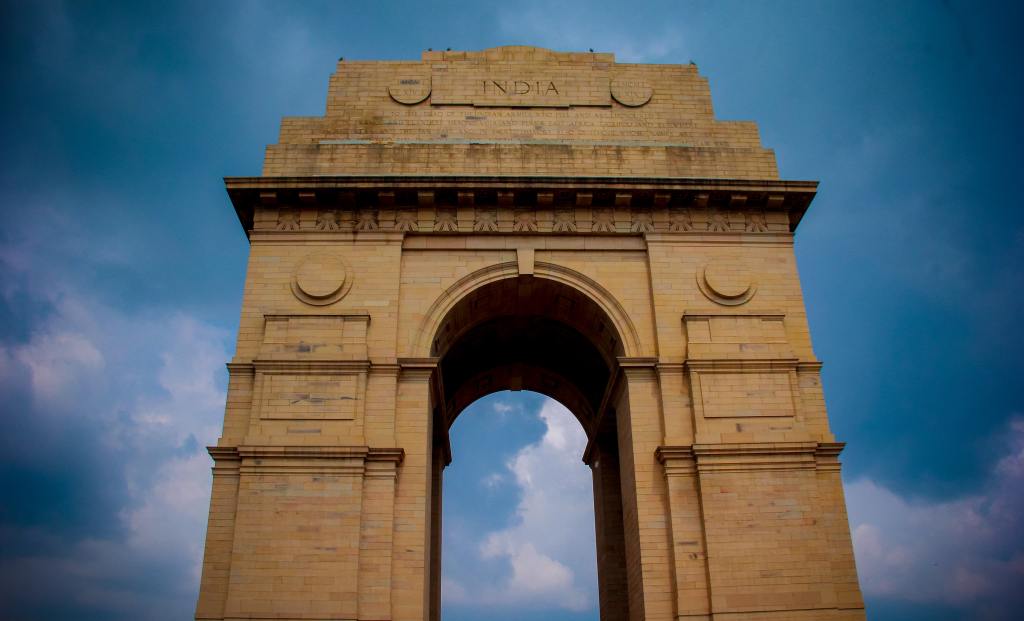
2. INDIA GATE

India gate, formally known as All India War Memorial is a war memorial located in Delhi. It is a memorial to 70,000 British Indian soldiers who died between the following years 1914 to 1921 in France, Persia, East Africa, Flanders, etc. It is one of the most famous places in India. The monument is about 42 metres high. The specialty of this place is, about 13,300 servicemen’s names are inscribed on this gate. Every years lakhs of people come to visit it. It was established on February 10th, 1921 and it is designed by a famous architect Edwin Lutyens, an Englishmen who designed numerous monuments other than it. The address of this place is Rajpath, New Delhi, Delhi 110001.

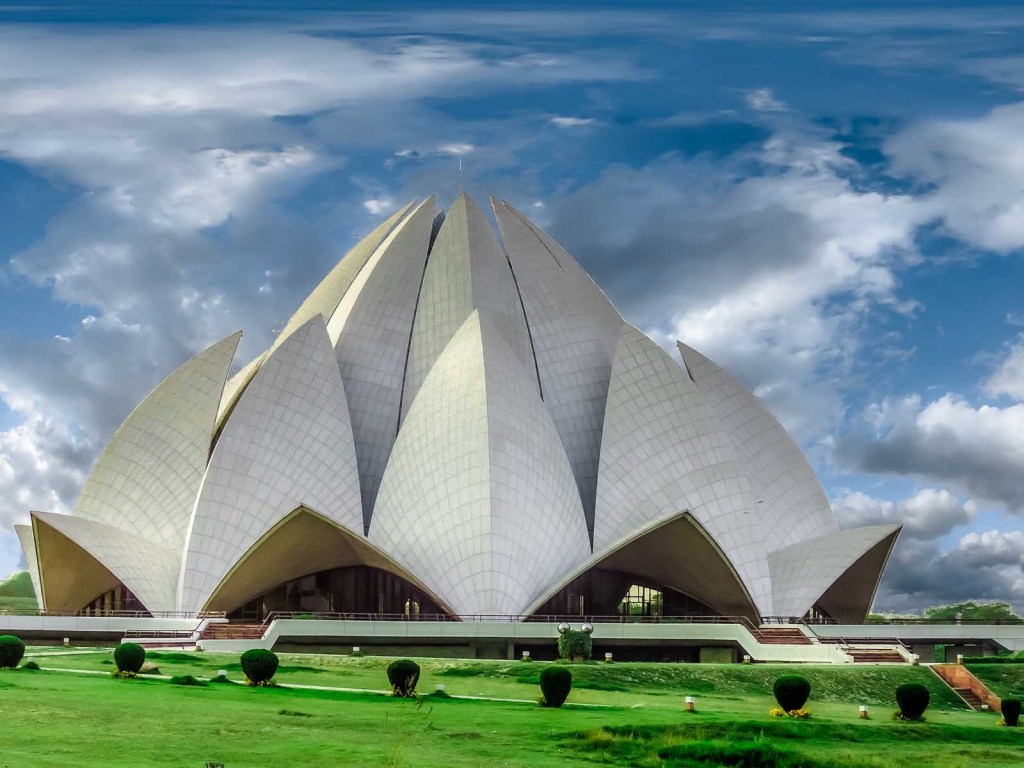
3. LOTUS TEMPLE

Lotus Temple is a Baha i House of Worship located at New Delhi. It the most beautiful and attract monument place in India. It was established on 1986 and it was designed by Iranian architect Fariborz Sahba. The lotus temple name derived from its design, as it looks like a lotus. It is also one of the famous place in India. The address of this place is Bahapur, Kalkaji, New Delhi.

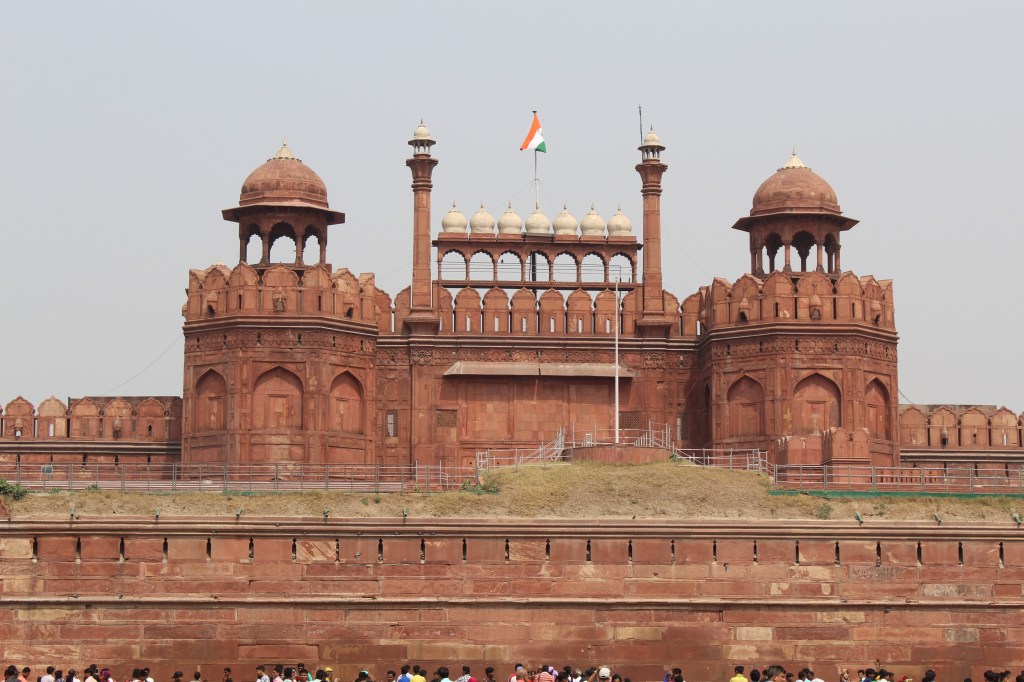
4. RED FORT

Red fort(also known as Lal Qalʿah) is a historical fort located in New Delhi, It is the main residence of Mughal Emperors. It is designed by Ustad Ahmad Lahori, who also built Taj Mahal. It was built by red sand stone and it is 75 metre high. Emperor Shah Jahan commissioned the construction of red fort on 12th May 1638, when he decided to shift his capital from Agra to Delhi. Every year on 15th August, the prime minister of India hoists Indian tricolor flag at main gate. Every year many people come to visit this place. The address of this place is Netaji Subhash Marg, New Delhi.

5. CHARMINAR

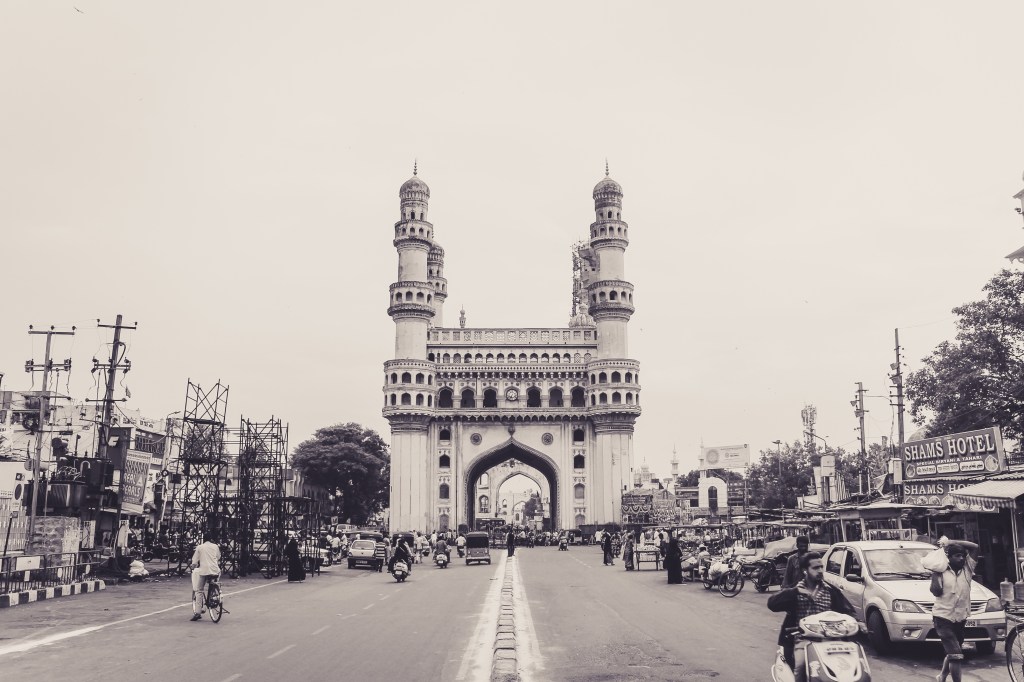
Charminar is a monument and a mosque located at Hyderabad, Telangana. It is one of the tourist attraction in Hyderabad. It was built by Mohammed Quli Qutab Shah who is the fifth ruler of Qubt Shahi Dynasty, in 1591 to commemorate the end of the plague in the city. The monument is 56 metre high. Approximately 1.7 million of people visit Charminar every year. The address of this place is Char kaman, Hyderabad.

That’s all from my side. I hope you like it.

Cloud Computing

Cloud computing is the on-demand availability of computer system resources, especially data storage and computing power, without direct active management by the user. The term is generally used to describe data centers available to many users over the Internet. Large clouds, predominant today, often have functions distributed over multiple locations from central servers.

Cloud computing relies on sharing of resources to achieve coherence and economies of scale. Advocates of public and hybrid clouds note that cloud computing allows companies to avoid or minimize up-front IT infrastructure costs. Proponents also claim that cloud computing allows enterprises to get their applications up and running faster, with improved manageability and less maintenance, and that it enables IT teams to more rapidly adjust resources to meet fluctuating and unpredictable demand, providing the burst computing capability: high computing power at certain periods of peak demand.

Importance of Cloud Computing

Inexpensive

Cloud computing helps in reducing a considerable amount of CAPEX (Capital Expenditure) & OPEX (Operational Expenditures) an organization does not need to invest in expensive hardware’s, storage devices, & software’s etc. and you only have to pay for the resources you utilize.

Elasticity & flexibility

Cloud computing enables you to reduce and increase your resources demands as per your requirements. For e.g. if you have heavy traffic on your site you can increase your resources and vice versa. Cloud computing gives you the flexibility to work from wherever you want and whenever you want all you require is an internet connection.

Auto Updating

Software updates and upgrades can be a painful thing cloud computing simplifies it for you as all the software maintenance and upgrades are looked after and regulated by your cloud service provider.

Increased collaboration

Cloud computing enables employees to work in a more collaborative and coordinated manner as all the data and information about the organization, & ongoing projects is available to every employee and can be accessed from anywhere and anytime which helps in reducing delays and increase productivity.

Agility & Speed

Time is the most crucial factor when it comes to decision-making and execution.  Cloud computing services have a very prompt and customer-centric SLA’s (Service Level Agreements). Cloud Service providers offer up to 99.99% uptimes which ensure continuous flow of business operations and executions.