“Bill Gates: A Biography”

William Henry Gates III (born October 28, 1955) is an American business entrepreneur, software developer, investor, author, and philanthropist who is often regarded as one of the world’s wealthiest and most powerful figures. Through technological innovation, astute business strategy, and aggressive commercial techniques, Bill Gates and his business partner Paul Allen developed and built Microsoft, the world’s largest software company. Bill Gates was a competitive, inquisitive, and deep thinker when he was a boy. Lakeside School, a private prep school, was chosen by his parents. Gates soon advanced up the Lakeside ranks, excelling in a variety of topics such as math, science, English literature, and even drama. At such a young age, Bill Gates was influenced by historical events. In 1969, Apollo 11 launched men to the moon, a feat that necessitated the use of massive computers that cost billions of dollars in research. Having a computer at the time was incredibly authentic. Lakeside, on the other hand, had struck a deal with the city of Seattle and received a computer, which was Bill Gates first interaction with one.

Bill Gates foundation of Microsoft:

Bill Gates launched Microsoft in 1976 after signing a contract with MITS (Micro Instrumentation and Telemetry Systems) to provide a rudimentary operating system for their new microcomputers. Bill Gates used to go over each line of code before releasing it. He was also involved in other elements of Microsoft’s operations, including order packing and shipping. In 1980, IBM approached Microsoft about creating a new BASIC operating system for its new machines, which was Microsoft’s big break. IBM was by far the most popular computer maker in the early 1980s. However, IBM PC clones (computers made by other businesses that are compatible with IBM’s) are becoming increasingly popular.

Bill Gates – Windows:

Bill Gates is the founder of the Microsoft Windows operating system. The first version of Windows was introduced by Microsoft in 1990. Because it replaced text interfaces with graphical interfaces, this was a breakthrough in operating software. It quickly became a best seller, capturing the vast majority of the operating system market. In 1995, Microsoft released Windows 95, which set new standards and functionalities for operating systems. From Windows 2000 to Windows XP and Vista, this version of Windows has served as the foundation for all subsequent releases. Bill Gates has worked hard to diversify Microsoft’s business throughout his tenure as CEO.

Microsoft’s Internet Explorer, for example, became the most popular web browser, owing to the fact that it comes pre-installed on the majority of new PCs. Internet Explorer’s market share has decreased in recent years. The field of search engines is one area where Microsoft has never been successful. MSN live search has struggled to achieve a market share of more than 5%. Microsoft has been outshined by Google in this regard. Despite this, Microsoft’s success in monopolizing certain parts of the software business has resulted in a number of antitrust lawsuits. Microsoft was on the verge of being split into three smaller companies in the 1998 US v Microsoft case.

Microsoft, on the other hand, was able to remain a single company after winning an appeal. Although Microsoft was the dominating computer corporation in the 1980s and 1990s, it is currently perceived as an ageing and fading company in comparison to Google and Apple, which are both more vibrant.
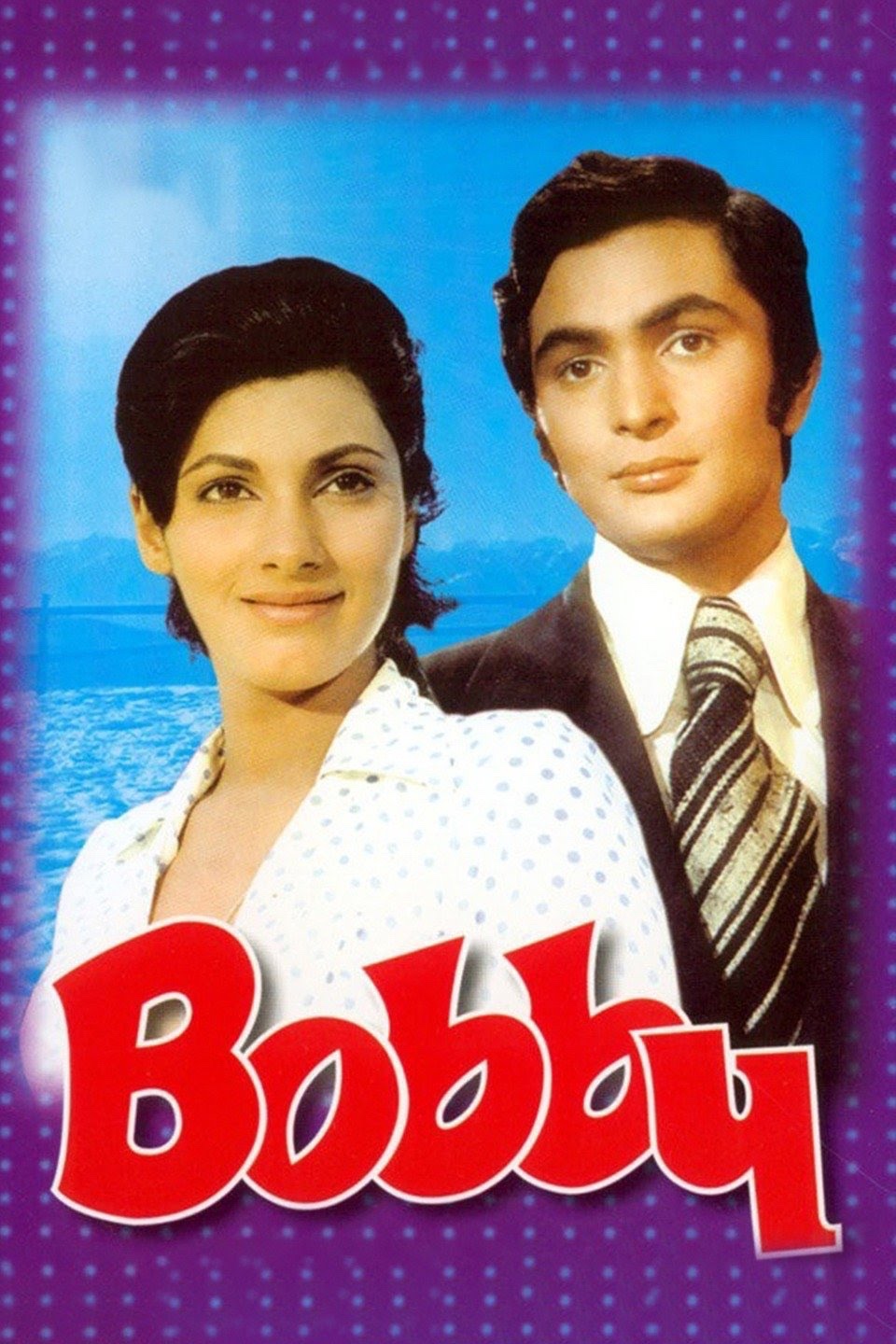

BOBBY (1973): The Game Changer of Teenage Romance.

Why is the movie considered as Hindi Cinema’s first teenage love story?

1970s ‘India’ witnessed lots of socio-economic happenings like unemployment, poverty and corruption and so were the plots of most of the movies of that era based on classism, social injustice, divide between rich and poor and so on. Although the genre “love story” was mostly ignored, the film “Bobby” in 1973 came out as an exception. Directed by Raj Kapoor and produced and distributed by R.K. Films with Rishi Kapoor and Dimple Kapadia in lead roles, the film is altogether a masterpiece. Not only is it considered as a benchmark of Hindi Romantic Cinema but it also completely redefined the genre, thus breaking the earlier notions of typical family drama love stories.

Film Poster of Bobby (1973).

The movie begins with six year old Raj, son of a rich business person who is sent to boarding school leaving behind his governess, Mrs Braganza in grief. After completing his studies in boarding school, Raj (played by Rishi Kapoor) returns for his 18th Birthday party where his eyes are stunned seeing a girl in a white gown, who’s apparently his governess’ granddaughter, Bobby Braganza (played by Dimple Kapadia). The next day, Raj visits Mrs.Braganza’s home, who’s in a better economic condition than before and gets to meet Bobby. The two subsequently develop a friendship and liking towards each other. Not very long before they had their first break up following a misunderstanding at Raj’s friend’s party which they sort out later during Bobby’s Kashmir school trip.

Slowly, both of their parents come to know about their affair and Braganzas are invited to Raj’s home for a dinner party by his father. However seeing the social condition of Braganzas, Raj’s father brutally mocks them leading Braganzas shattered. He doesn’t stop at that and visits Braganza’s residence to again insult them by providing them money to get rid of the Raj and Bobby’s relationship. He then fixes Raj’s marriage with another rich businessperson’s disabled daughter without telling Raj. Raj, however, runs away and this time Raj’s family along with police accuse Bobby’s father with ‘kidnapping’. Both Raj and Bobby’s family chase the couple and with no option left Raj and Bobby decide to jump in the river but are rescued by each other’s dad. The film has a “happy ending” with unification of two families.

How this film brought a change in the genre and why it remains a trendsetter?

It is probably Bobby, which introduced teenage romance in Hindi Cinema. Before this film, love story in the context of Hindi Cinema was only restricted to a grown up adult man and woman mostly in their late 20s who fall in love and marry or how typical Indian families indulge in arrange marriage and how the couple start loving each other after marriage. Bobby was one of the first Hindi films which showed teenage romance in a very entertaining and engaging way. There is an entire song in the movie titled “Hum tum ek kamre me band” (English: We both are locked in a room) where it is shown how the young couple (Bobby and Raj) accidentally get locked in a room, which proves that the movie was way ahead of its time. The film is also known for its exquisite closets varying from fairy tale gowns to dreamy jackets. Shot in spectacular locations of Goa, Mumbai and Kashmir, it was all soothing and added more to its glory.

The film was specifically made for the youth and Bobby being the debut film of both Dimple Kapadia and Rishi Kapoor added more to its freshness. The film had so much of impact on youth that during that time 14-15 year olds used to rebel against their parents to find true love and eventually the film became “template” for teen romances in India. The audience and Indian public were so fascinated with the movie’s character Bobby that many girls born in India during that time were named “Bobby”. Interestingly, this movie’s plot was replicated consequently in several other romantic Hindi films for over three decades.

The typical “happy ending” stories as mentioned earlier also became a trend ever since. Almost every popular love story in Hindi Cinema had a similar plot thereafter and that too in a proper sequence- first romance of a teen couple from different economic classes, followed by severe family restrictions and finally the climax- either happy or mournful. These narrative elements like family restrictions and classism became genre conventions ever since the release of Bobby.

CANCEL CULTURE

BY: VAIBHAVI MENON

“It Isn’t Hate to Speak the Truth.” Cancel culture or call-out culture is a modern form of ostracism in which someone is thrust out of social or professional circles whether it be online, on social media, or in person. The expression “cancel culture” has mostly negative connotations and is commonly used in debates on free speech and censorship. The notion of cancel culture is a variant on the term call-out culture and constitutes a form of boycotting or shunning involving an individual (often a celebrity) who is deemed to have acted or spoken in a questionable or controversial manner. The concept of cancel culture has been criticized on the grounds that people claiming to have been “cancelled” often remain in power and continue their careers as before. The practice has also been defended as an exercise of free speech.

To many people, this process of publicly calling for accountability, and boycotting if nothing else seems to work, has become an important tool of social justice — a way of combatting, through collective action, some of the huge power imbalances that often exist between public figures with far-reaching platforms and audiences, and the people and communities their words and actions may harm. But conservative politicians and pundits have increasingly embraced the argument that cancel culture, rather than being a way of speaking truth to power, has spun out of control and become a senseless form of social media mob rule. At the 2020 Republican National Convention, for example, numerous speakers, including President Trump, addressed cancel culture directly, and one delegate resolution even explicitly targeted the phenomenon, describing it as having “grown into erasing of history, encouraging lawlessness, muting citizens, and violating free exchange of ideas, thoughts, and speech.” Actually ending someone’s career through the power of public backlash is difficult. Few entertainers or other public figures have truly been canceled — that is, while they may have faced considerable negative criticism and calls to be held accountable for their statements and actions, very few of them have truly experienced career-ending repercussions. Harry Potter author J.K. Rowling, for example, has faced intense criticism from her own fans since she began to voice transphobic beliefs, making her one of the most prominently “canceled” individuals at the center of the cancel culture debate. But following Rowling’s publication, in June 2020, of a transphobic manifesto, sales of the author’s books actually increased tremendously in her home country of Great Britain. As ideological divides seem more and more insurmountable, the line between the personal and the political is vanishing for many people. Even though cancel culture seems to generate few lasting consequences for celebrities and their careers, some people view it as part of a broader trend they find deeply disturbing: an inability to forgive and move on.

Nonetheless, that divide seems to be widening and growing more visible. And it isn’t purely a divide between ideologies, but also between tactical approaches in navigating ideological differences and dealing with wrongdoing. The view that a traditional approach — apology, atonement, and forgiveness — is no longer enough might be startling. But to those who think of cancel culture as an extension of civil rights activists’ push for meaningful change, it’s an important tool. And it’s clear that, controversial as cancel culture is, it is here to stay.

International Nelson Mandela Day 2021!

Why do we celebrate this day and its significance, his life and theme for 2021.

‘This day is also known as 67 Minutes Mandela Day, as for 67 years he fought for social justice.

The theme for 2021 Nelson Mandela International Day is “One Hand Can Feed Another.”

To further this recognition of his legacy, the month of July is also unofficially recognized as “Mandela Month” in South Africa.

About Nelson Mandela:

Nelson Rolihlahla Mandela was a South African anti-apartheid revolutionary, who served as President of South Africa from 1994 to 1999. He was also a statesman and philanthropist. Influenced by Marxism, he secretly joined the banned South African Communist Party (SACP). Although initially committed to non-violent protest, in association with the SACP he co-founded the militant Umkhonto we Sizwe in 1961 and led a sabotage campaign against the government. He was arrested and imprisoned in 1962, and subsequently sentenced to life imprisonment for conspiring to overthrow the state following the Rivonia Trial. Mandela served 27 years in prison

He was the country’s first black head of state and the first elected in a fully representative democratic election.

Over the course of his life, Mandela was given over 250 awards, accolades, prizes, honorary degrees, and citizenship in recognition of his political achievements. Among his awards were the Nobel Peace Prize, Bharat Ratna, the Soviet Union’s Lenin Peace Prize, and many more. Within South Africa, he was widely considered “The Father of the Nation” and “The Founding Father of Democracy.” Worldwide, he was regarded as a “Global Icon” and was described as “One of the most revered figures of our time” by Rita Barnard.

In the 1950s, he was elected as the leader of the youth wing of the African National Congress (ANC) liberation movement. He first resorted to peaceful protests. But he was met with violence by the government, he went on to support an armed movement. Mandela was an important symbol for the oppressed in South Africa who were fighting for their rights. He was extremely instrumental in tearing down the oppressive government and laid the foundation of democracy.

He started the Nelson Mandela Foundation to combat HIV or AIDS, support educational and rural development. In 2009, the United Nations proclaimed July 18th to be International Nelson Mandela Day. On this day, people are asked to spend 67 minutes doing something good for others, which represents all the 67 years he spent working towards change.

The 1st UN Mandela Day was held on 18th July 2010.

WHY ?

We celebrate this day to remember his struggle and contribution to the world which helped to pave a path for growth from the 20th – 21st century. It is a movement for all of us to renew and imbibe the values that inspired Nelson Mandela.

 "It is easy
 to breakdown and destroy.
  The heroes are those
 who make peace and build."
                                                              - Nelson Mandela

Things to do:

  • Learn about human rights!
  • Get acquainted with what you can do to fight alongside communities you most connect with.
  • Read about what inspired Nelson Mandela and the steps to took to fight injustice.
  • Talk with NGOs nearby you and find out how can you help the cause they are working on.
  • Talk to the friend you miss!
  • Find shelters, volunteer, or contribute food, amenities to help our beloved furbabies!!
  • Take a minute and appreciate everything that made you who you are.
  • Look into your strengths and use them to give back to the world.
  • Never underestimate the words, actions that you put out in the world! You matter!

Refences:

https://en.wikipedia.org/wiki/Nelson_Mandela

https://www.dosomething.org/us/facts/11-facts-about-nelson-mandela

The concept of Arranged Marriage

Arranged marriage is a sort of marriage in which the bride and groom are chosen mostly by people other than the couple, especially family members such as parents. A professional matchmaker may be used to find a spouse for a young person in some cultures.

Photo by Secret Garden on Pexels.com

Going for an arranged marriage may seem a little out of date in this day and age of online dating and love affairs that lead to marriage. Surprisingly, this concept has been a part of our culture for centuries and continues to have a significant impact on our society.

Many people choose arranged marriages for a variety of reasons, and according to the findings of a few studies, arranged marriages have the lowest divorce rate in the world.

In an arranged marriage, you hardly know your spouse and must take your time to learn more about them. You enter the partnership with low expectations, and both spouses monitor and alter things in order to make the marriage work.

In truth, you accept the individual for who he or she is and do not have the right to complain that you dated someone else before marrying and that he or she changed after the wedding.

When it comes to arranged marriages, you may be spoiled for choice. You may find the perfect companion online while sitting in the comfort of your own home with your parents, thanks to matrimonial applications and services.

It is not required for your interfering relatives or neighbors to bring you ‘rishta’ and connect you with the family of a potential groom or bride.

You don’t simply marry your partner; you marry his or her entire family, as they say. Your parents are concerned about your prospective spouse’s cultural background, educational qualifications, social standing, and ability to adjust to a new family, all of which contribute to a smoother married life. You have no choice but to accept everything in a love marriage.

Photo by Vinu00edcius Vieira ft on Pexels.com

The concept of an arranged marriage is evolving along with society. Before making a decision, couples want to meet numerous times and discuss their expectations from marriage. Not only that, but even families are fine with a protracted courtship period if it allows the bride and groom to get to know each other better.

Parents, without a doubt, have greater experience with what comes after marriage and know what is best for their children. They have a deeper understanding of you, your needs, and the nuances of your connection.

Whether it’s love or arranged marriage, you must take a leap of faith and hope for a happy married life at the end of the day. Marriage is a gamble, and there is no way to know if it will work out.

What important is that no one should be pushed to make this decision and that they should only tie the knot when they are ready.

RACISM

Racism, also known as racialism, is the belief that humans can be divided into distinct biological entities known as “races,” that there is a causal link between inherited physical traits and personality, intellect, morality, and other cultural and behavioral characteristics, and that some races are innately superior to others.

While contemporary social science considers race and ethnicity to be distinct categories, the two terms have a long history of equivalency in public usage and earlier social science literature.

“Ethnicity” is frequently used in a sense similar to that of “race”: the classification of human groups based on attributes thought to be inherent or necessary to the group.

The term “racial discrimination” refers to any distinction, exclusion, restriction, or preference based on race, color, descent, national or ethnic origin that has the purpose or effect of nullifying or impairing the recognition, enjoyment, or exercise of human rights and fundamental freedoms on an equal footing in the political, economic, social, cultural, or other fields of public life.

The phrase also refers to political, economic, or legal institutions and systems that participate in or perpetuate racial discrimination or otherwise exacerbate racial disparities in wealth and income, education, health care, civil rights, and other sectors.

With the rise of critical race theory, an extension of the critical legal studies movement, such institutional, structural, or systemic racism became a special focus of scholarly research in the 1980s.

Since the late twentieth century, biological race has been recognized as a cultural construct with no scientific foundation.

Racism dictated that different races (primarily blacks and whites) be separated from one another, that they should have their own distinct communities and develop their own institutions such as churches, schools, and hospitals, and that it was unnatural for members of different races to marry in North America and apartheid-era South Africa.

BLACK LIVES MATTER

On June 6, half a million people showed out in approximately 550 locations around the United States for the recent Black Lives Matter rallies, which peaked on June 6. That was just one day in a month of protests that are still going on today.

Photo by Life Matters on Pexels.com

Four recent polls, including one released this week by Civics Analytics, a data science firm that works with businesses and Democratic campaigns, estimate that between 15 million and 26 million people in the United States have participated in protests in recent weeks in response to the death of George Floyd and others.

These figures would make the recent protests the largest movement in the country’s history, according to interviews with scholars and crowd-counting experts.

While it’s likely that more people stated they protested than actually did, even if only half of them were telling the truth, the surveys indicate that over seven million people took part in recent protests.

There have been protests in more than 40% of counties in the United States (at least 1,360).

Unlike previous Black Lives Matter events, approximately 95 percent of counties with recent protests are majority white, with nearly three-quarters of counties having a white population of more than 75 percent.

Half of those who claimed they demonstrated indicated it was their first time participating in some type of activism or protest.

Within the recent year, the majority of people claimed they had seen a video of police violence against protestors or the Black community. And half of those polled thought it strengthened their support for the Black Lives Matter movement.

According to the Crowd Counting Consortium, the number of protests has decreased significantly over the last two weeks, notwithstanding a rise on Juneteenth.

“Our ability to reach unity in diversity will be the beauty and the test of our civilization.”

– Mahatma Gandhi, 1925

Professor McAdam stated, “It appears, for all the world, that these protests are accomplishing what very few do: putting in motion a period of profound, persistent, and broad social, political change.” “We look to be on the verge of a social transformation tipping point, which is both rare and possibly significant in society.”

Investing lesson of Peter Lynch


Peter Lynch is one of the most successful and top value investor of all time. He was a legendary fund manager who gave 29% returns to their investors for 13 years in a row. He wrote books on value investing , where he shared his investment lessons which he learned and used during his journey as an investor. He is one of the greatest value investor of all time. He is a firm believer that an average investor can also pick winning stocks as Wall Street professional with right research, patience , steady discipline and common sense.


Some of his investment principles are –

1. Invest in what you already know – “The worst thing you can do is invest in companies you know nothing about. Unfortunately buying stocks on ignorance is still a popular American pastime.” -Peter Lynch
People can perform well by investing in what they already know. For instance if a doctor wants to invest in banking sector (about which he know nothing) , he will not have that great return as compared to if he will invest in pharmaceutical companies ( as he already knew about drugs, healthcare sector and their companies)
“Invest in what you know. It leaves out the role of serious fundamental stock research. People buy a stock and they know nothing about it. That’s gambling and it’s not good.” -Peter Lynch
So, it’s better to choose the company whose products/services are either used by you or you are familier of the products/services of that company in some way or other. These knowledge will lead you to invest in better stocks .
2. Invest in companies not in stocks – “Look for small companies that are already profitable and have proven that their concept can be replicated. • Be suspicious of companies with growth rates of 50 to 100 percent a year”-Peter Lynch

Behind every stock there is a company. If companies will perform well, the stocks automatically will perform well. So, it’s important to know about the company, it’s business model. Choose a company whose fundamentals are strong. A company whose business model is so easy to understand that anyone can understand and run that company.

“Go for a business that any idiot can run – because sooner or later any idiot probably is going to be running it” -Peter Lynch

Know a companies management, it’s fundamentals and then ask yourself , “are you able to understand the mission and vision of the company? “ or “If you’ll be given the responsibility to run this company, will you be able to run the company? “
If the answers to the above questions are a YES then it’ll be great to invest in that company.
So always remember that you have to invest in a company and not in a single stock.


“Behind every stock is a company. Find out what it’s doing.” -Peter Lynch

“Never invest in a company without understanding its finances. The biggest losses in stocks come from companies with poor balance sheets.”

3. Don’t take unnecessary risks. Take calculated risks – You don’t have to take risks which you can’t bear. Only take calculated risks.
Let’s say, you have $10 dollar, maybe if you will lost this, you won’t regret. But what if you lost $100 or $1000! Always buy stocks of the amount if you lose won’t regret. You are not required to put all your money in market and risk all that money. Instead put only that amount which if you lose won’t make you regret of investing.
Also, invest only the amount you will not need ever back in your life
4. Peter Lynch said that the most important thing that keep in mind while investing is : know why you own it.

“ You have to know what you own ,and why are you own it .” -Petrr Lynch

It sounds simple but it is not . He said when I asked most people they just don’t know why they own a stock . 80% of investors have no answer to this question .

They maybe hear some tip from anywhere and put their money at risk and when they lose it they blame institutions .
First you have to know the reason . Why you should invest in this company ,research about that company . Check their balance sheets . Without proper research you are not investing you are just gambling . Read and know as much as you can about the company. And remember to buy the company and not just a stock.

“If you’re prepared to invest in a company, then you ought to be able to explain why in simple language that a fifth grader could understand, and quickly enough so the fifth grader won’t get bored.” – Peter Lynch

5. Invest for long time- Lynch used to hold stocks for long period of time. He used to sell the stocks when the fundamentals of any company gets changed. This is his advice for all investors out there to not go behind short term profits but invest for a long period of time.
He even conducted many studies to understand the power of compounding.

“People who succeed in the stock market also accept periodic losses, setbacks, and unexpected occurrences. Calamitous drops do not scare them out of the game.”


Some more investment lessons by Peter Lynch :

• “Never invest in any idea you can’t illustrate with a crayon .”

• “The trick is not to learn to trust your gut feelings, but rather to discipline yourself to ignore them. Stand by your stocks as long as the fundamental story of the company hasn’t changed”

• “Whenever you invest in any company, you’re looking for its market cap to rise. This can’t happen unless buyers are paying higher prices for the shares, making your investment more valuable.”


• “There’s no shame in losing money on a stock. Everybody does it. What is shameful is to hold on to a stock, or worse, to buy more of it when the fundamentals are deteriorating.”

• “Never invest in any company before you’ve done the homework on the company’s earnings prospects, financial condition, competitive position, etc”

• “Big companies have small moves, small companies have big moves.”

• “Good management, a strong balance sheet, and a sensible plan of action will overcome many obstacles, but when you’ve got weak management, a weak balance sheet, and a misguided plan of action, the greatest industry in the world won’t bail you out.”

• “In the long run, a portfolio of well chosen stocks and/or equity mutual funds will always outperform a portfolio of bonds or a money-market account. In the long run, a portfolio of poorly chosen stocks won’t outperform the money left under the mattress.”


This is how he succeed in the world of investment. You can learn from him and help yourself to reach the level you want in investment.


Thank you.

SHOULD SMOKING BE BANNED..?

Smoking involves an act of burning a substance for the purpose of taking in its smoke into lungs. These substances are commonly tobacco or cannabis . Combustion releases the active substances in them like nicotine , which are absorbed through the lungs. A widespread technique through which this is done is via smoking manufactured cigarettes or hand – rolling the tobacco ready for smoking . Completions directly associated with smoking claim the lives of all the persons who have been involved in smoking tobacco or marijuana for a long time. PREMIUM TIMES ; Groups write NBC , demand prohibition of smoking in BB Naija. The groups say since its inception , Big Brother Naija has been notorious for promoting smoking among housemates. According to projections by the authors , nationwide ban on public smoking could prevent as many as 154000 heart attacks a year . These findings are particularly important in light of mounting evidence that second- hand smoke exposure is nearly as harmful to heart as chronic active smoking. Finally, at last one reason why smoking should be banned is that it has got several health effects. It harms almost every organ of the body.

Classification of Micronutrients

‘Micro’ means small, as their name specifies micronutrients are substances which individuals need in their eating routine in just limited quantities. These incorporate minerals and nutrients. Although most nourishments are combinations of nutrients, huge numbers of them contain a great deal of one nutrient and a little bit of different supplements. Nourishments are regularly gathered by the supplement that they contain in abundance.

Vitamins

Aside from Vitamin D, vitamins are fundamental nutrients, important in the eating regimen for good wellbeing. Vitamin D can be combined in the skin within the sight of UVB radiation. Many animal species can synthesize vitamin C, but humans cannot. Certain vitamin like mixes that are suggested in the eating routine, for example, carnitine, are thought helpful for endurance and wellbeing, yet these are not “basic” dietary supplements on the grounds that the human body has some ability to deliver them from different mixes. Also, a huge number of various phytochemicals have as of late been found in food (especially in new vegetables), which may have attractive properties including cell reinforcement movement. Test showing has been interesting yet uncertain. Other fundamental supplements not classed as nutrients incorporate basic amino acids, basic unsaturated fats, and the minerals talked about in the first area. Nutrient inadequacies may bring about illness conditions: goiter, scurvy, osteoporosis, impeded resistant framework, problems of cell digestion, certain types of disease, manifestations of untimely maturing, and poor mental wellbeing (counting dietary issues), among numerous others. Abundance levels of certain nutrients are likewise hazardous to wellbeing. The vitamins are conveniently divided into two major groups, those that are fat soluble and those that are water soluble. Fat-soluble vitamins are A, D, E, and K. Their absorption by the body depends on the normal absorption of fat from the diet. Water-soluble vitamins include vitamin C and the several members of the vitamin B complex.

Minerals

Dietary minerals are inorganic substance components needed by living animals, other than the four components carbon, hydrogen, nitrogen, and oxygen that are available in essentially all the natural atoms. Some have parts as cofactors, while others are electrolytes. The expression “mineral” is age-old, since the aim is to depict essentially the more uncommon components in the eating regimen. Some are heavier than the four just referenced – including a few metals, which regularly happen as particles in the body. A few dietitians suggest that these be provided from nourishments where they happen normally, or if nothing else as mind boggling mixes, or in some cases even from common inorganic sources, (for example, calcium carbonate from ground clam shells). Some are ingested significantly more promptly in the ionic structures found in such sources. Then again, minerals are frequently falsely added to the eating regimen as enhancements; the most notable is likely iodine in iodized salt which forestalls goiter.

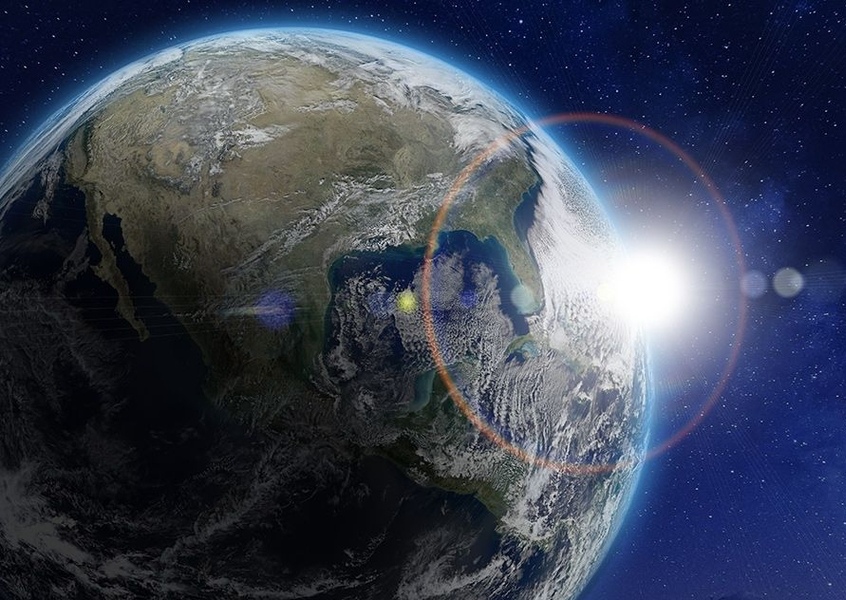
Mother Earth – Our home planet

Earth is the only planet where life can exist.

Earth is also called Blue planet.

If we destroy the earth, we destroy the chance of life.

Earth is our mother as we born here,we grow here,we eat ,play and our whole life cycle take place on earth.
Earth  provide everything that we use today whether it is directly or indirectly.

Life existed on earth is as it is suitable for having an atmosphere, suitable temperature and water is present in its liquid form on Earth due to the position of Earth on solar system.

Earth is the third planet from the Sun at a distance of about 93 million miles (150 million km).

We called Mother earth because Earth provide everything to us like a mother. Our existence become possible only due to earth.
Everything that we needed to survive and thrive is only due to our mother earth it provide us  food, shelter, home , water, air, medicine , suitable temperature and everything that we need for our existence.
But we affect our mother Earth in various ways only for the sake of our greed.

Due to our greedy behaviour natural environment of Earth get changes.

Earth provides enough to satisfy Every man’s needs but not Every man’s greed

Mahatma Gandhi

Earth day is celebrated on 22 April.

Thus ,there is a need to  save our mother Earth.

The optimal temperature of earth rises ,the glaciers are melting  and every type of pollution like air pollution water pollution ,soil pollution ,noise pollution every thing are going on its peak and that’s why why every living organism get affected by this.


Due to this anthropogenic action every single living organism get affected even when they don’t take part in this  destructive action.

Anthropogenic action is referred to as the action which is done by humans.

Impact of anthropogenic activities on  earth
First of all the major impact is  due to overpopulation –
● Due to overpopulation the overconsumption of resources are at its peak .
Even after the implementation of various sustainable act but it doesn’t make any major changes on environment.
● To fulfill the requirements of population we need more food supplies that’s why there is increase in uses of fertilizers and various chemicals to increase the food production.
■ And it will leads to lack of nutrients in grains ,soil infertility or or it may leads to desertification.
● To fulfill the requirements of people there is need to increase the land area so it has been observed that it leads to deforestation.
● Anthropogenic activities are responsible for an intensive emission of greenhouse gases to the atmosphere, leads to an increase of 35% of carbon dioxide (CO2, greenhouse gases) emissions between 1990 and 2010.
● Emission of large amount of carbon dioxide and other greenhouse gases leads to rise in temperature of Earth, increase pollution and it causes various type of disease also.
● For affordable price and easy to use the production of plastic also increases.


These all are the the main factors that affect the ecosystems too.

Measures taken to save mother earth:-

  • Reduce, reuse and recycle
  • Choose sustainable development
  • Volunteer for clean up our environment
  • Choose long lasting light bulbs
  • Try to use renewable resource more than non-renewable resources
  • Save water
  • Plant more trees
  • Use public transport system
  • Try to avoid plastic use
  • Try to minimise pollution at individual level
  • Use reusable shopping bags
  • Educate others about anthropogenic activities or the impact of anthropogenic actions on our environment and what can we do to prevent its bad effects

Save earth, save home

Hate pollution, love humanity

Pollution is the introduction of harmful materials into the environment. These harmful materials are called pollutants.

Pollutants can be natural, such as volcanic ash. They can also be created by human activity, such as trash or runoff produced by factories. Pollutants damage the quality of air, water and land.

Pollution is when harmful substances are added to the environment and then change it in a bad way.

There are five kinds of pollution of the environment: water pollution, air pollution , noise pollution, soil pollution and thermal pollution. As pollution grows, ways to combat it have grown.

ENVIRONMENTAL POLLUTION:

• A healthy ecosystem for the protection of all living things is utterly necessary.

• Government and public action to reduce environmental pollution should be taken promptly and on time.

• National strategies will be drawn up to mitigate the environmental consequences of industrialization, manufacturing and other operations.

• Digital media are a reliable source of knowledge about environmental risks.

• We should use and encourage others to use products of recyclable materials.

• For any living being, we must consider the use of flora.

• The use of renewable energy sources such as solar and wind energy should be sponsored.

• Instead of personal vehicles, we should depend as much as possible on public transport.

• Organic pesticides and fertilizers, other than synthetic pesticides and fertilizers, are helpful to environment protection.

Pollution may muddy landscape, poison soils and waterways, or kill plants and animals. Humans are also regularly harmed by pollution. Long- term exposure to air pollution, for example, can lead to chronic respiratory disease, lung cancer and other diseases.

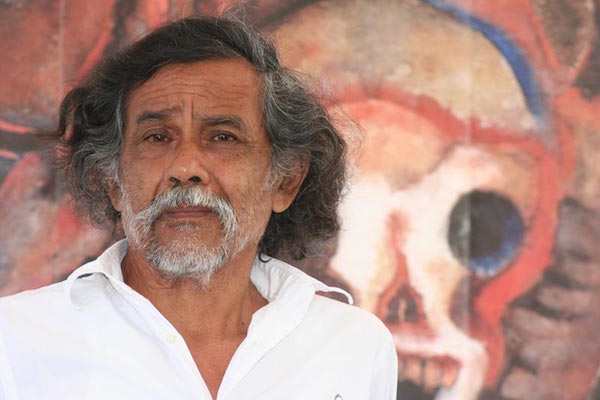
Franciso Toledo

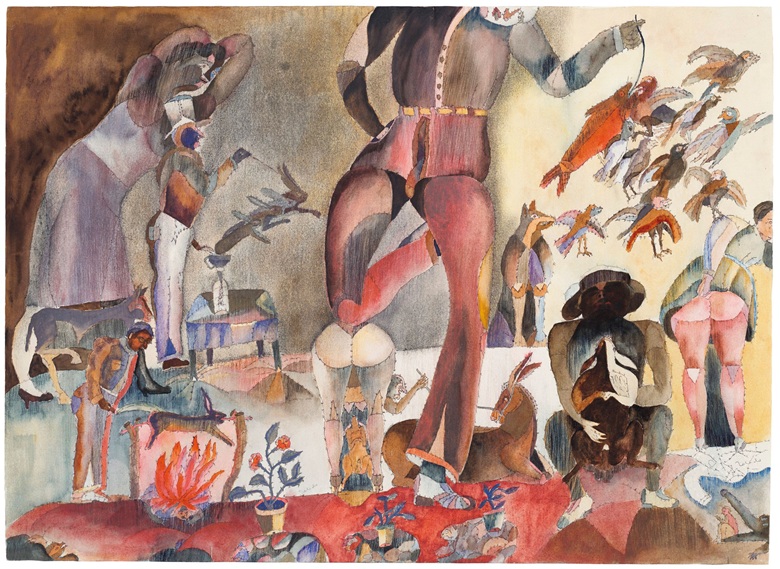
Francisco Benjamn López Toledo was born on this day in 1940 in Juchitán, Oaxaca, the centre of the Indigenous Zapotec culture. His exceptional ability for sketching was discovered when he was just 9 years old, and by the age of 19, he had staged his first solo show. Francisco Toledo was a painter, sculptor, and graphic artist from Mexico. Toledo’s paintings mirror Mexican mythology and frequently show the influence of Surrealism and Paul Klee’s whimsical style. This is seen in his work Hidden Scorpion (1996), in which the artist uses curling fractals to suggest a scorpion’s body. 

“What I do is a mash-up of things,” he added, “but the pre-Hispanic world has been a source of inspiration.” “There are certain decorative solutions that originate from pre-Hispanic art, and there is a lot of primitive art that is polished or basic but yet quite modern.” Toledo, self-described as a grillo (cricket) who thought his work reflected the restless Oaxacan spirit, travelled to Paris in the 1960s to study sculpture, painting, and printing. But he soon ached for the simpler life he had left behind. In 1965, he went to Oaxaca, where his skill and activism played an important part in the development of the southern Mexican state into a centre of the worldwide art community.

During this period, Toledo first gained worldwide popularity with a watercolour series of animal-human hybrids that formed his distinctive style steeped in Indigenous art traditions, Zapotec mythology, and influence from artists such as Francisco Goya. For over seven decades, Toledo experimented with every visual media imaginable, creating around 9,000 pieces ranging from a scorpion sculpture made of turtle shells to cloth puppets. His legacy lives on through the libraries, cultural institutes, and museums he created in Oaxaca, many of which are open to the public.

Sedition

Introduction

The definition of sedition is the conduct or speech inciting people to rebel against the authority of a state or monarch. Sedition is a crime under Section 124A in the Indian Penal Code (IPC). On 15th July 2021, the Supreme Court questioned the Central government asking whether the provision of Sedition in the Indian Penal Code is still required after 75 years of independence. This question was addressed by Chief Justice Ramana, heading a three-judge bench to the Attorney General K.K. Venugopal and Solicitor General Tushar Mehta, who were appearing for the Centre. Chief Justice Ramana said that Sedition is a colonial law that suppresses freedom and was used against Mahatma Gandhi and Bal Gangadhar Tilak. And it is a law prone to misuse by the government, so is it even necessary?

History

The Indian Penal Code came into force during the colonial Indian period, in 1860. But it did not have a section for sedition when it was introduced. Sedition was made part of the IPC in 1870 claiming that it got excluded from the original draft by mistake. The provision of sedition at that time was used by the British to hush the nationalists. This law was used against Bal Gangadhar Tilak, Mahatma Gandhi, Bhagat Singh and Jawaharlal Nehru.

Bal Gangadhar Tilak was the first person to be accused and convicted under the law of sedition. He was charged with it because of his articles in Kesari, a Marathi newspaper. He was convicted in 1897 by the Bombay High Court for 18 months. But the interpretation of Section 124A was changed by the Federal Court in 1937.

The word “sedition” was removed from the draft Constitution because of an amendment moved by KM Munshi specifically for this reason. It was meant to be in the Constitution as a ground to impose restrictions on the constitutional freedom of speech and expression. So, when the Constitution was adopted, the word “sedition” was not in it but it stayed in the Indian Penal Code.

In the Code of Criminal Procedure, 1973 which came into force in 1974, during the Indira Gandhi government, sedition was made a cognizable offence, which means that the police can make arrests without warrants.

The Law

Section 124A of the Indian Penal Code says Whoever by words, either spoken or written, or by signs, or by visible representation, or otherwise, brings or attempts to bring into hatred or contempt, or excites or attempts to excite disaffection towards the Government established by law in India, shall be punished with imprisonment for life, to which fine may be added, or with imprisonment which may extend to three years, to which fine may be added, or with fine.

Case Laws

In 1951, Tara Singh Gopi Chand vs The State, the Punjab High Court held that Section 124A was a restriction on the freedom of speech and expression and it invalidated the provision as it was in violation of a fundamental right. But because of this judgement, the Nehru government introduced Article 19(2) which gives the grounds on which the freedom of speech and expression can be restricted.

In 1954, Debi Soren & Ors vs The State, the Patna High Court upheld the validity of Section 124A. In 1958, the Allahabad High Court declared that Section 124A is void, in Ram Nandan vs The State. In the Kedar Nath case in 1962, a Constitution bench upheld the validity of Section 124A saying that the purpose of the crime was to save the government from being subverted.

In August 2018, the Law Commission of India said that sedition is essential to protect national integrity but it should not become a tool to restrict free speech.

Conclusion

It is clear that sedition came into existence because of the British. It was also removed from the Constitution as it was assumed to curb free speech yet it has still remained in the IPC and that is why the question is asked by Chief Justice Ramana. The law of sedition has been debated for a long time and has also been greatly criticized for its misuse. Hopefully this time the question will be answered properly and the debate will turn out differently.

References

LIFE LESSONS THAT CORONA VIRUS TAUGHT US

India has learned a number of hard lessons as a result of the Covid-19 pandemic. The first is that we can no longer continue to exploit nature ruthlessly. Climate change, irregular weather patterns, and pollution of the air, land, and sea have driven the country, and the planet, to a precipice. Unless this is rapidly corrected, we will be in serious difficulty by the end of the century. It’s incredible that the lockdown has resulted in nature regenerating. After decades of pollution, we saw blue sky again, and various animal, bird, and insect species made a comeback. We must strive to keep these positive trends going so that we do not relapse to the old normal, but instead adopt a new normal. 

“COVID-19 has taught us that health is extremely important in our lives, as healthy people are better able to combat the coronavirus. “The environment has a direct impact on our health”. The COVID-19 pandemic has taught us a lot of valuable lessons and shifted our life priorities. Most of us wouldn’t have comprehended terms like social distancing or flattening the curve a year ago, and the concept of wearing fabric masks in public or being unable to walk out in public would have looked ridiculous. When we fast forward to early 2020, everything has altered. While COVID-19 has brought with it new problems and uncertainty, it has also taught us some important lessons. 

Covid-19 has taught us Lessons of Life:

1.Family and friends come first: Many of us may have taken human interaction for granted until the coronavirus took over our life. However, spending time with our close loved ones has now taken precedence. Despite the natural frustrations that everyday confinement might bring, it’s crucial to consider what our family and friends mean to us. But grab the day and remember that there are more good times with family and friends today, and we are receiving care and love that was long overdue and really needed somewhere. We appreciate it! 

2. Hobbies are therapeutic: During the lockdown, most of us have either honed our culinary skills or started cooking from scratch. Except for those who have been away from home due to job or studies, those of us who have been dependent on our mothers/fathers or a chef for our favorite meals have recently experienced the effort and time it takes in the kitchen. Our renewed excitement for hobbies, such as cooking and knitting, as well as painting and learning a new language, has helped us recharge our health batteries while also strengthening our bonds with our families. 

3. Less Pollution, Clear Blue Skies: Cities choking on toxic gases emitted during festivals, as well as from vehicular and factory operations, are nothing new to us. However, we haven’t seen clear blue skies in a long time since lockdown was implemented, roughly from mid-March onwards. Not only that, but the AQI improved dramatically for months, and for the first time in a long time, we breathed clean, pollution-free air! We had almost forgotten how blue skies looked and how fresh air felt until we experienced them during this period! 

4. Life is valuable: Recognize and appreciate what we have. With over 225 thousand lives lost in the United States (and over 1.1 million worldwide) as a result of the epidemic, I’ve had to reconsider my priorities and recall how valuable life is. It’s served as a reminder to enjoy the little things in life, which I often overlook. With so many people dying every day, I am grateful for my family and friends, even if it means video chats and text messages when we can’t see each other face to face. Given how many others are sick, I am thankful for my good health. With so many people losing their jobs and becoming homeless, I am thankful for the food in my refrigerator and a safe place to call home. This pandemic has caused me to re-evaluate my life and prioritize my priorities, as well as act as a reminder of how valuable life is and how much I value the little things in life.

Nuclear power

Nuclear power is the use of nuclear reactions to produce electricity. Nuclear power can be obtained from nuclear fission, nuclear decay and nuclear fusion reactions. Presently, the vast majority of electricity from nuclear power is produced by nuclear fission of uranium and plutonium in nuclear power plants. Nuclear power is a clean and efficient way of boiling water to make steam, which turns turbines to produce electricity. Nuclear power plants use low-enriched uranium fuel to produce electricity through a process called fission—the splitting of uranium atoms in a nuclear reactor.

Nuclear power has one of the lowest levels of fatalities per unit of energy generated compared to other energy sources. Coal, petroleum, natural gas and hydroelectricity each have caused more fatalities per unit of energy due to air pollution and accidents. Since its commercialization in the 1970s, nuclear power has prevented about 1.84 million air pollution-related deaths and the emission of about 64 billion tonnes of carbon dioxide equivalent that would have otherwise resulted from the burning of fossil fuels. Accidents in nuclear power plants include the Chernobyl disaster in the Soviet Union in 1986, the Fukushima Daiichi nuclear disaster in Japan in 2011, and the more contained Three Mile Island accident in the United States in 1979.

Origins

The discovery of nuclear fission occurred in 1938 following over four decades of work on the science of radioactivity and the elaboration of new nuclear physics that described the components of atoms. Soon after the discovery of the fission process, it was realized that a fissioning nucleus can induce further nucleus fissions, thus inducing a self-sustaining chain reaction. Once this was experimentally confirmed in 1939, scientists in many countries petitioned their governments for support of nuclear fission research, just on the cusp of World War II, for the development of a nuclear weapon.

First power generation

The first organization to develop practical nuclear power was the U.S. Navy, with the S1W reactor for the purpose of propelling submarines and aircraft carriers. The first nuclear-powered submarine, USS Nautilus, was put to sea in January 1954. The S1W reactor was a Pressurized Water Reactor. This design was chosen because it was simpler, more compact, and easier to operate compared to alternative designs, thus more suitable to be used in submarines. This decision would result in the PWR being the reactor of choice also for power generation, thus having a lasting impact on the civilian electricity market in the years to come.

On June 27, 1954, the Obninsk Nuclear Power Plant in the USSR became the world’s first nuclear power plant to generate electricity for a power grid, producing around 5 megawatts of electric power. The world’s first commercial nuclear power station, Calder Hall at Windscale, England was connected to the national power grid on 27 August 1956. In common with a number of other generation I reactors, the plant had the dual purpose of producing electricity and plutonium-239, the latter for the nascent nuclear weapons program in Britain.

Nuclear waste

The normal operation of nuclear power plants and facilities produce radioactive waste, or nuclear waste. This type of waste is also produced during plant decommissioning. There are two broad categories of nuclear waste: low-level waste and high-level waste. The first has low radioactivity and includes contaminated items such as clothing, which poses limited threat. High-level waste is mainly the spent fuel from nuclear reactors, which is very radioactive and must be cooled and then safely disposed of or reprocessed.

Waste disposal

Disposal of nuclear waste is often considered the most politically divisive aspect in the lifecycle of a nuclear power facility. With the lack of movement of nuclear waste in the 2 billion year old natural nuclear fission reactors in Oklo, Gabon being cited as “a source of essential information today”. Experts suggest that centralized underground repositories which are well-managed, guarded, and monitored, would be a vast improvement There is an “international consensus on the advisability of storing nuclear waste in deep geological repositories”. With the advent of new technologies, other methods including horizontal drillhole disposal into geologically inactive areas have been proposed.

Safety

Nuclear power plants have three unique characteristics that affect their safety, as compared to other power plants. Firstly, intensely radioactive materials are present in a nuclear reactor. Their release to the environment could be hazardous. Secondly, the fission products, which make up most of the intensely radioactive substances in the reactor, continue to generate a significant amount of decay heat even after the fission chain reaction has stopped. If the heat cannot be removed from the reactor, the fuel rods may overheat and release radioactive materials. Thirdly, a criticality accident (a rapid increase of the reactor power) is possible in certain reactor designs if the chain reaction cannot be controlled. These three characteristics have to be taken into account when designing nuclear reactors.

With a death rate of 0.07 per TWh, nuclear power is the safest energy source per unit of energy generated. Energy produced by coal, petroleum, natural gas and hydropower has caused more deaths per unit of energy generated due to air pollution and energy accidents. This is found when comparing the immediate deaths from other energy sources to both the immediate and the latent, or predicted, indirect cancer deaths from nuclear energy accidents. When the direct and indirect fatalities (including fatalities resulting from the mining and air pollution) from nuclear power and fossil fuels are compared, the use of nuclear power has been calculated to have prevented about 1.8 million deaths between 1971 and 2009, by reducing the proportion of energy that would otherwise have been generated by fossil fuels. Following the 2011 Fukushima nuclear disaster, it has been estimated that if Japan had never adopted nuclear power, accidents and pollution from coal or gas plants would have caused more lost years of life.

Serious impacts of nuclear accidents are often not directly attributable to radiation exposure, but rather social and psychological effects. Evacuation and long-term displacement of affected populations created problems for many people, especially the elderly and hospital patients. Forced evacuation from a nuclear accident may lead to social isolation, anxiety, depression, psychosomatic medical problems, reckless behavior, and suicide. A comprehensive 2005 study on the aftermath of the Chernobyl disaster concluded that the mental health impact is the largest public health problem caused by the accident.Frank N. von Hippel, an American scientist, commented that a disproportionate fear of ionizing radiation (radiophobia) could have long-term psychological effects on the population of contaminated areas following the Fukushima disaster. In January 2015, the number of Fukushima evacuees was around 119,000, compared with a peak of around 164,000 in June 2012.