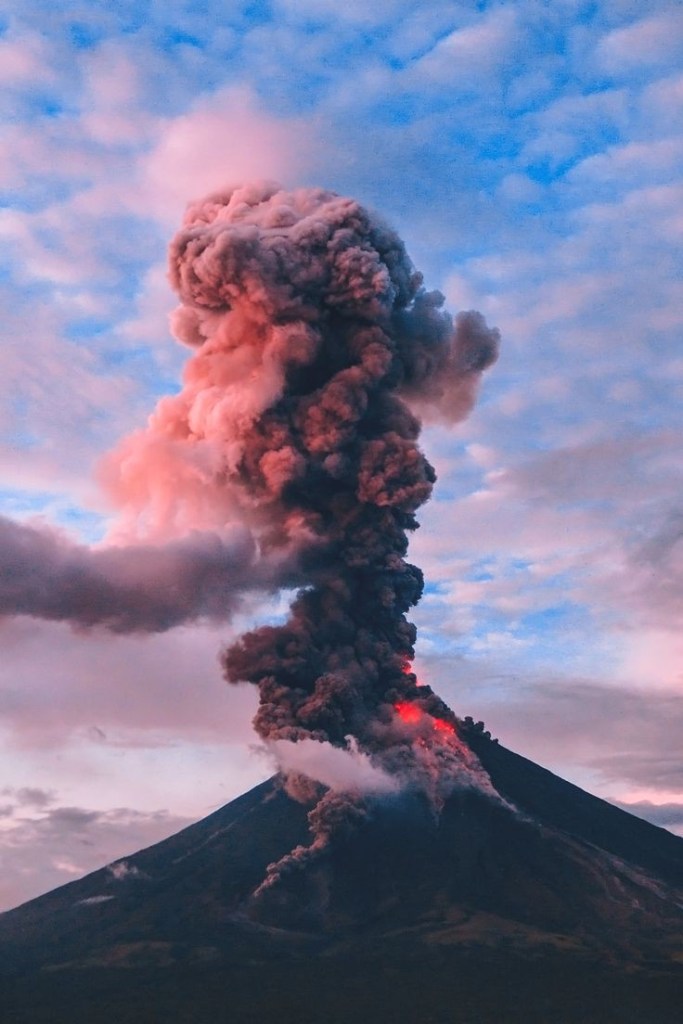
Volcano Eruption

“We are, all of us, growing volcanoes that approach the hour of their eruption, but how near or distant that is, nobody knows- not even God.”

~ Friedrich Nietzsche

We always talk about , what it would be like to see volcano eruption in front of your eyes ?

How amazing it would be like to find out , how the volcano erupt ?

There are many things that we don’t know exist in our earth 🌍. Do you want to know about it . If yes , than read the editorial .

Introduction

A volcano is a rupture in the crust of a planetary-mass object, such as Earth, that allows hot lava, volcanic ash, and gases to escape from a magma chamber below the surface.

On Earth, volcanoes are most often found where tectonic plates are diverging or converging, and most are found underwater.

The word volcano is derived from the name of Vulcano, a volcanic island in the Aeolian Islands of Italy whose name in turn comes from Vulcan, the god of fire in Roman mythology.

Many ancient accounts ascribe volcanic eruptions to supernatural causes, such as the actions of gods or demigods. To the ancient Greeks, volcanoes’ capricious power could only be explained as acts of the gods, while 16th/17th-century German astronomer Johannes Kepler believed they were ducts for the Earth’s tears.[87] One early idea counter to this was proposed by Jesuit Athanasius Kircher (1602–1680), who witnessed eruptions of Mount Etna and Stromboli, then visited the crater of Vesuvius and published his view of an Earth with a central fire connected to numerous others caused by the burning of sulfur, bitumen and coal.

Types of eruptions
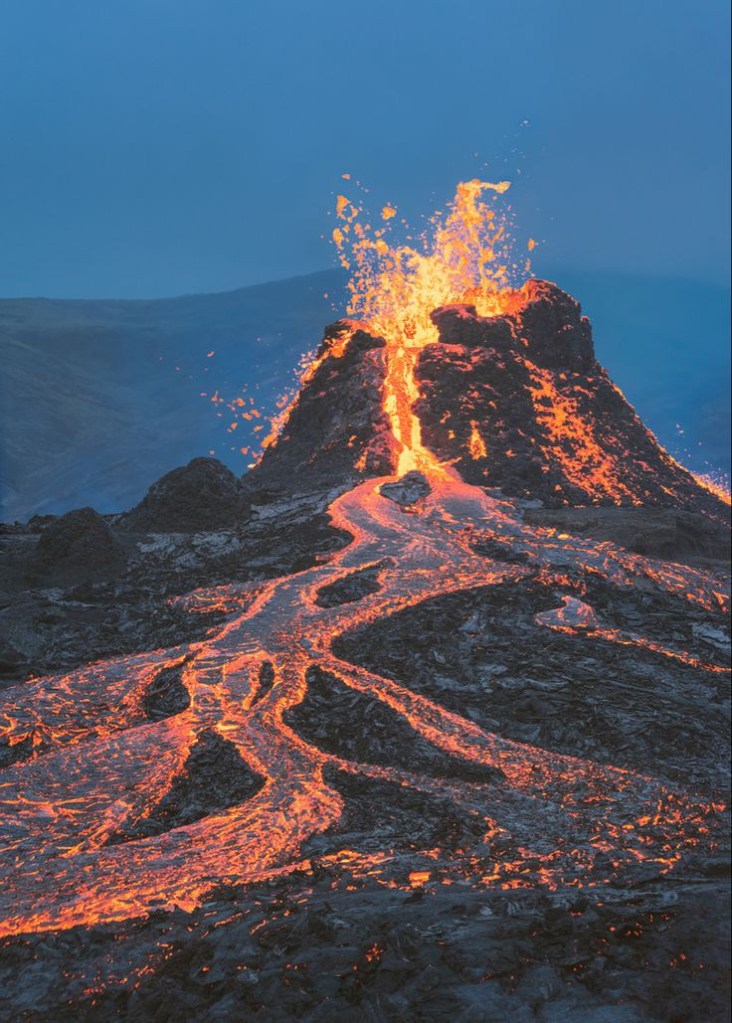
  • Hydrothermal eruption. An eruption driven by the heat in a hydrothermal systems.
  • Phreatic eruption. An eruption driven by the heat from magma interacting with water.
  • Phreatomagmatic eruption.
  • Lava.
  • Strombolian and Hawaiian eruptions.
  • Vulcanian eruptions.
  • Subplinian and Plinian eruptions.

How do volcanoes erupt?

Deep within the Earth it is so hot that some rocks slowly melt and become a thick flowing substance called magma. Since it is lighter than the solid rock around it, magma rises and collects in magma chambers. Eventually, some of the magma pushes through vents and fissures to the Earth’s surface. Magma that has erupted is called lava.

The explosivity of an eruption depends on the composition of the magma. If magma is thin and runny, gases can escape easily from it.
Explosive volcanic eruptions can be dangerous and deadly.

Humans and volcanoes

Volcanic eruptions pose a significant threat to human civilization. However, volcanic activity has also provided humans with important resources.

Although volcanic eruptions pose considerable hazards to humans, past volcanic activity has created important economic resources.

Volcanic ash and weathered basalt produce some of the most fertile soil in the world, rich in nutrients such as iron, magnesium, potassium, calcium, and phosphorus.

Volcanic activity is responsible for emplacing valuable mineral resources, such as metal ores.
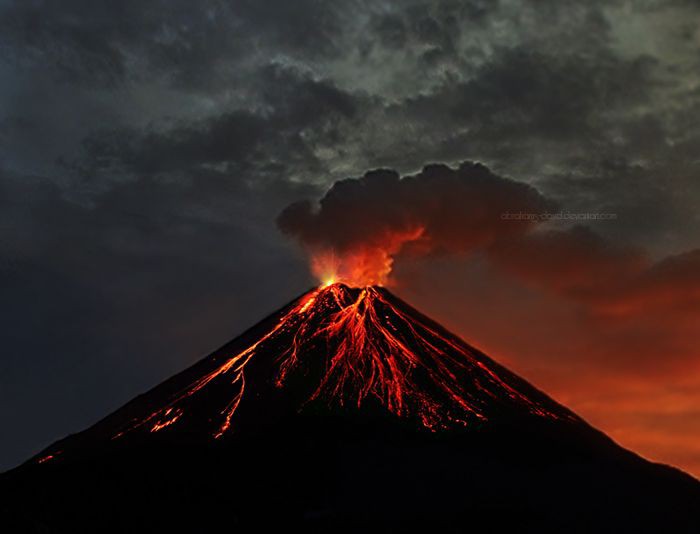
The paradox of volcanoes was that they were symbols of destruction but also life. Once the lava slows and cools, it solidifies and then breaks down over time to become soil – rich, fertile soil.
She wasn’t a black hole, she decided. She was a volcano. And like a volcano she couldn’t run away from herself. She’d have to stay there and tend to that wasteland.
She could plant a forest inside herself.

Matt Haig, The Midnight Library

Link

History of Globalization:

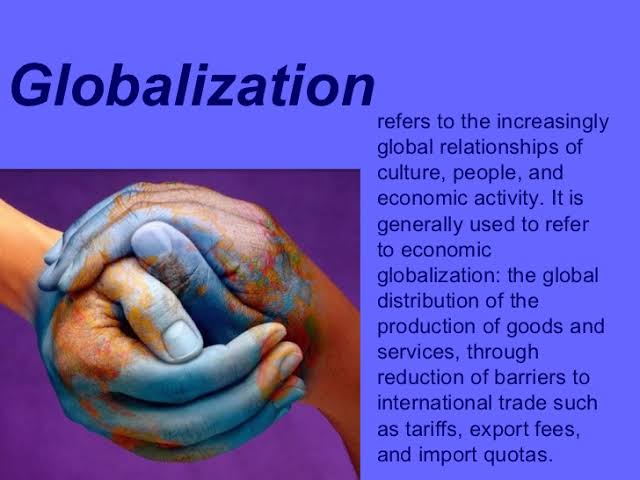
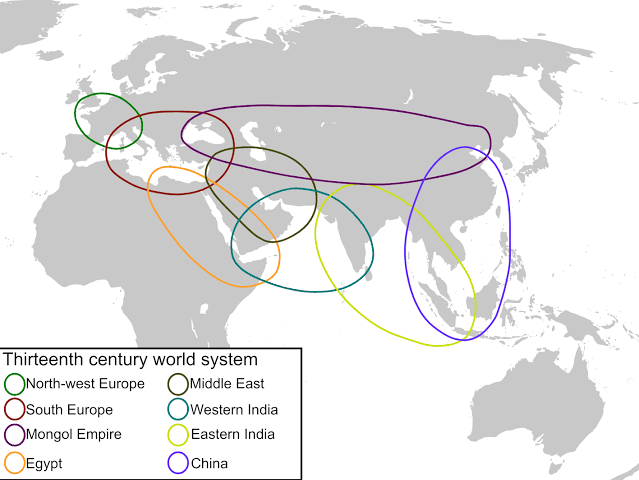
The term of ‘ Globalization ‘ was introduced by Pro. Theodore Levitt. The historical background of Globalization can be discussed on three stages.

Globalization🌎🌏

Stage:1 Stage:2 Stage:3 Archaic Proto Modern

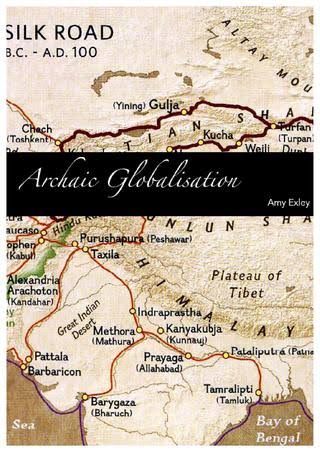
Archaic Globalization🌏🌎 :

🌟According to Andre Gunder Frank,Globalization has been in existence since the rise of trade links between sumer and Indus Valley civilization in the 3rd millennium BC (BCE).
🌟An early form of Globalization economics and culture ,known as Archaic Globalization existed during the Hellenistic Age.


🌟When commercialized urban centers were focused around the axis of Greek culture over a wide range that stretched from India to Spain with such cities as Alexandria, Athens and anthioch ,as its center.
🌟An early from of Globalization in the trade link between the Roman Empire, Parthian Empire and the Han Dynasty inspired the development of the Silk Road.
🌟The Islamic Golden Age was also an important early stage of Globalization.

Proto Globalization 🌏🌎:

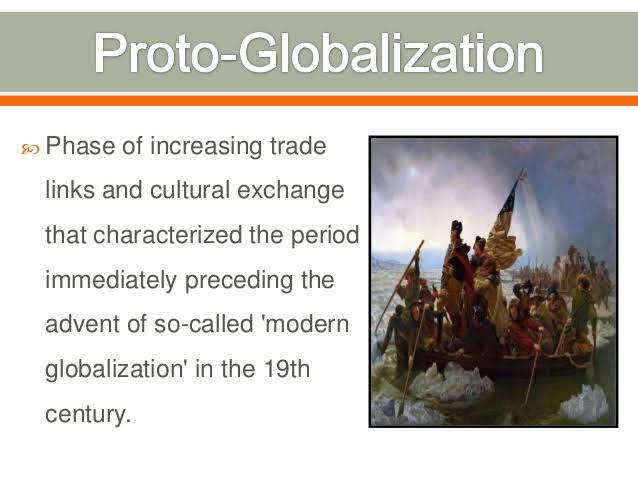
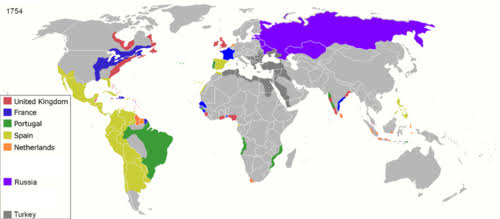
🌟 Proto – Globalization is characterized by the rise of maritime European empires,in thec16 th and 17th centuries.
🌟In the 17th century, Globalization became private business phenomenon like British East India Company was founded in 1600.


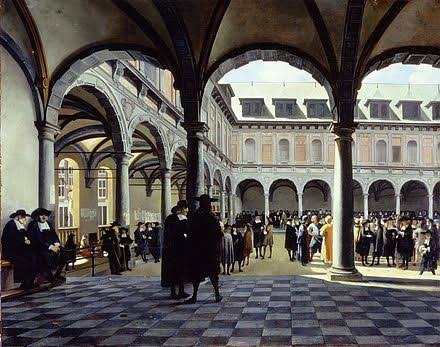
🌟The first Dutch East India Company was found in 1602.
🌟In 16 th Century, Portuguese started establishing trading posts (factories) from Africa to Asia and Brazil.

Modern Globalization🌎🌏 :

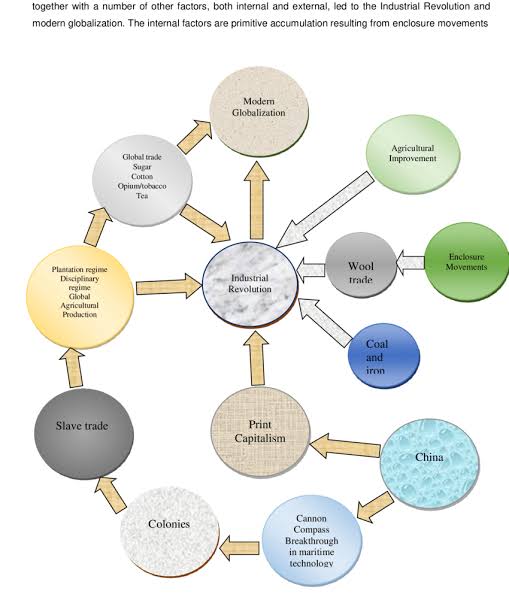
🌟The 19th century witnessed the advent of Globalization approaching its modern form.
🌟Between the Globalization in the 19th and in the 20 th Century there are significant differences.


🌟The global trade in this centuries as well as the capital, investment and the economy and another one is the global trade in the 20th century shows a higher share of trade in merchant production.
🌟 A growth of the grade in services and the rise of production and trade by multinational firms.
🌟Multinational trade contracts and agreements have been signed ,like the General Agreement on Tariffs and Trade [GATT] and World Trade Organization [WTO].

These, Our Bodies, Possessed By Light – Book Review

Introduction

‘What can one say of childhood grief? That it is lonely. That it is invisible. That it is denied the vocabulary granted to adult despair. That it shifts, mutates, but seldom vanishes. That it casts a mark. My sisters and I, were sorrow stained.’

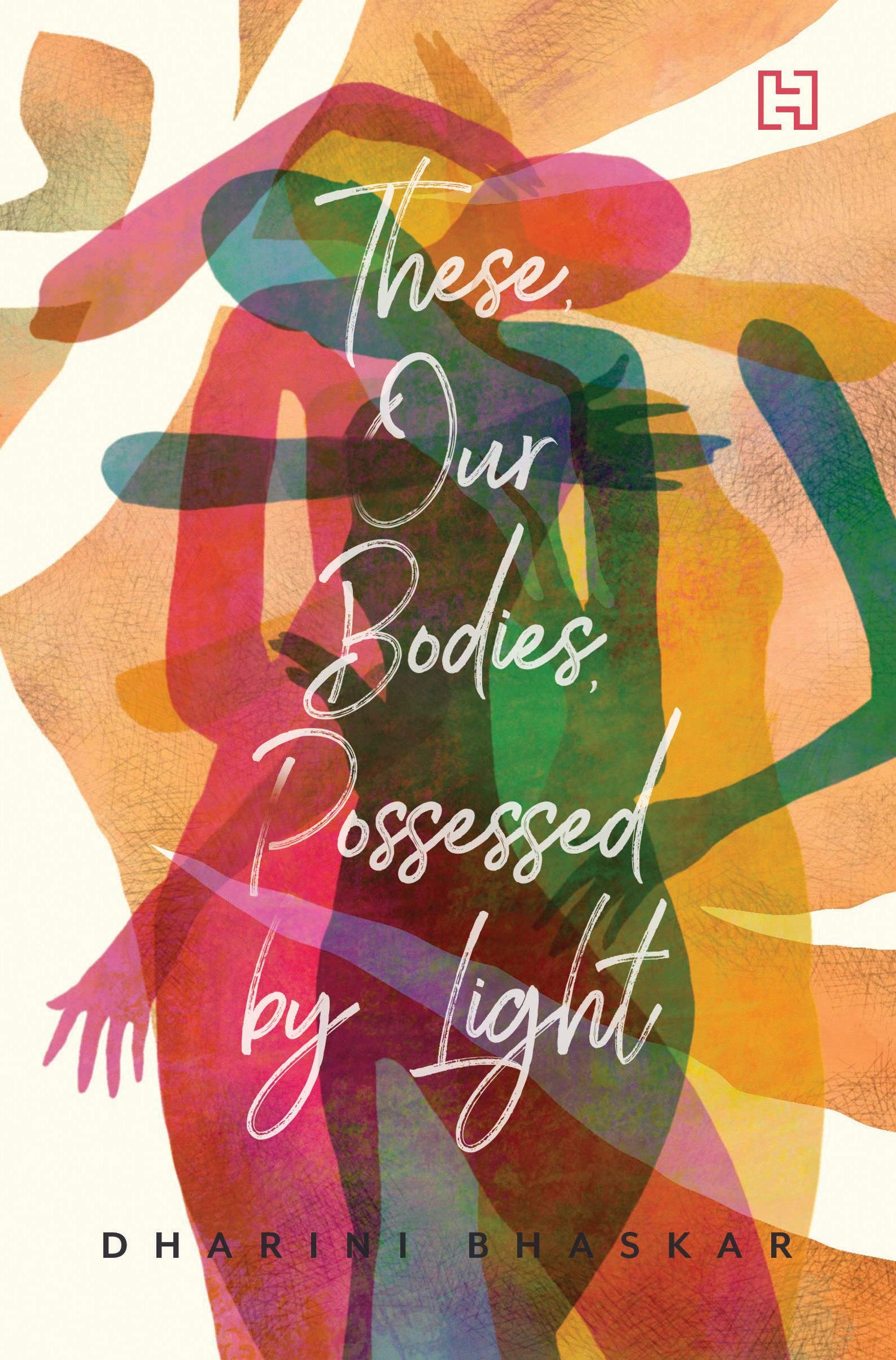
‘These Our Bodies Possessed by Light’ by Dharini Bhaskar.

Central Theme

This is that book you want to sink your teeth into, heedlessly you try to embrace the characters and before putting it down, your eyes won’t tear away from the pages. This is that cavernous, mercurial prose I’ve been wanting to read everytime I pick up a book. I was effortlessly sliding down into the souls of Saroja, Vanaja and Deeya, into their sorrows, happiness, unearthliness. Some of their emotions got no name, it strikes you hard, it’s evocative but it’s got no name.

Plot Analysis

Let’s start with Amamma, Amamma in 1943 as Saroja, brushing her pinky finger with Venu’s, feeling the utmost ecstacy and suddenly Ranga overstrips him and imprisoning Amamma, she’s now traveling with Ranga in a bullock cart, faraway, faraway from Venu. Saroja becomes Amamma and Amamma forgets her memories. Her story ends here with indelible pain and forgotten memories.

Karthik writes letters to Vanaja in 1980s,’Dear Vanna’ he starts, he scrawls with love, he weds Vanaja and leaves one night, leaving his three children, Karthik goes away, farway from Vanna, somewhere colder than Bombay. Here, Vanaja scrawls, ‘Dear Karthik’ she starts, and ends every letter with ‘Is it cold? Hope to see you soon in Bombay’. Vanna becomes Vanaja, her story ends here with indelible memories and forgotten pain.

Deeya is now struggling to find premonition of love (vaguely translated from Japanese phrase ‘koi no yokan’) in an old man Sahil, her love for Sahil suffocates her, and Deeya’s story doesn’t end here, unlike Amamma and Vanaja, Deeya’s story starts in the ending.

Closure | These Our Bodies Possessed By LightBook Review

Every page has a strange evasiveness, the story of these three women and many other women in this book will not get erased from your heart for years, it stays there. It stays in your heart and asks you to draw a conclusion.

These, Our Bodies, Possessed by Light‘ by Dharini Bhaskar is an ambiguous story of broken souls. It encapsulates a lot of emotions, as I have mentioned above some emotions are nostalgic and anonymous, the father issue of Deeya and her struggles in the relationships are strikingly profound. Dharini Bhaskar has weaved a storyline that bewilder and astonish you at the same time.

Liberalism

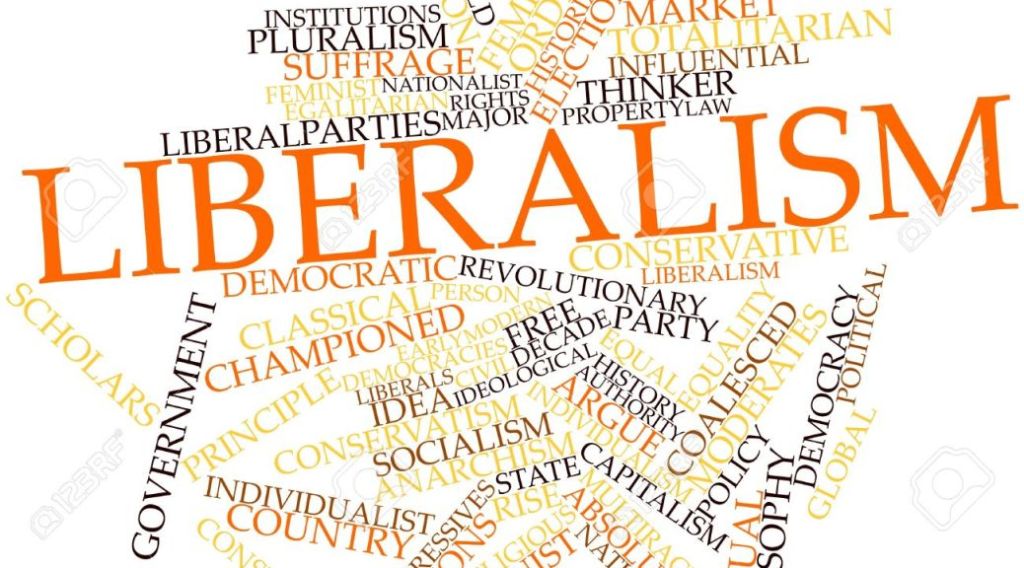
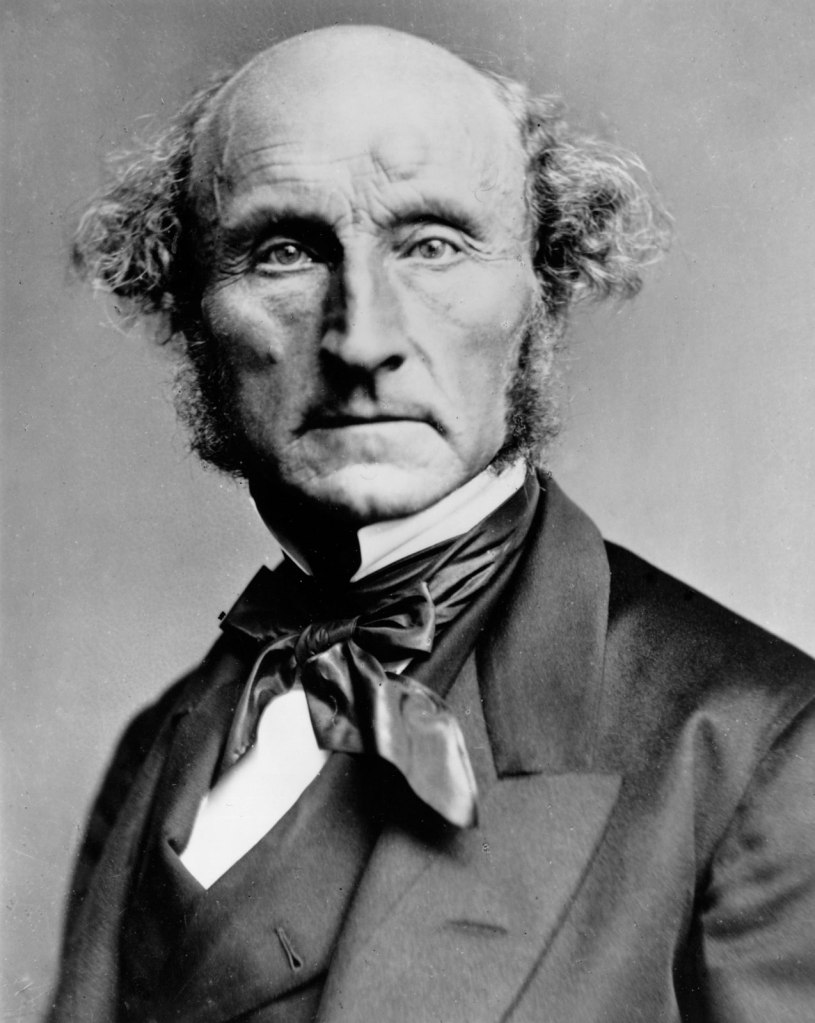
The concept of liberalism is a combination of different ideas of a common nature developed by different thinkers over time. There is no one exact definition of liberalism. It is based on the idea that people have the right to exercise liberty and government has to impose only less restrictions on them. John Stuart M, an English philosopher and political economist, was a proponent of liberalism. His opinion was that the State should exercise minimal control over a citizen. The theory of liberalism was a response to the unjust authority of the State and the Church.

John Stuart Mill

According to proponents of liberalism, State is a necessary evil. It is regarded as evil as power is vested in this institution and can use coercive force. They accept state as a necessary evil regardless of this drawback or evil. State is necessary for the existence of an ordered society. According to David G. Smith, “Liberalism is the belief in, and the commitment to, a set of methods and policies that have, as a common aim, greater freedom for individuals.” According to Sartori, “ Very simply, liberalism is the theory and practice of individual liberty, judicial defence, and the constitutional State”.

There are certain general principles that stand out in different varieties of liberalism. Liberalism is opposed to all artificial pressures and regulations on the liberty of a citizen. This theory believes that traditions and social institutions no longer hold any relevance in the development and progress of an individual. Economically, liberalism favours laissez-faire economics where the market is not restricted and is guided by market factors alone. It advocates for free trade and production without restrictions. It is opposed to restrictions on imports and exports. The proponents believe that the individual must be allowed to use and allocate resources according to their wishes.

Politically, the theory advocated for a complete restriction on the State for imposing restriction on an individual in the initial stages. It believes in the theory of separation of powers to curb arbitrary use of power. It supports for the existence of judicial review to monitor and ensure the executive is acting according to the Constitution. It favours parliamentary democracy and advocates for the Rule of Law(Law is supreme). it is against concentration of power in a few hands and favours decentralisation of power. It strongly believes that the power is with the people and the government must be made accountable through regular elections. It favours equality before law. It strongly supports the freedom of speech and expression. It is for Secularism. The state has to use its authority and power for the welfare of people and protection of their natural rights. 

Liberalism of early days differs a lot from today’s liberalism. Liberalism can be classified into two types – Classical and Modern Liberalism. 

Classical Liberalism

Classical liberalism is political ideology that advocates civil liberties. It is in the form it was originally conceived. The major proponents of classical liberalism are Adam Smith, Thomas Malthus, and David Ricardo who advocated for economic natural liberty and Jeremy Bentham and John Stuart Mill who advocated for political natural liberty. Classical liberalism was seen as fundamentally negative in nature as it advocated individual liberty without any restrictions. According to Prof. Hallowell, the basis of classical liberalism is in the rationality and good faith of man – that man, left to himself without any restrictions or shackles, is inherently good, and demonstrates positive behaviour. As a result, it advocated for minimal interference on the part of the Station in the matters of individual. It supports for inalienable natural rights for man like the right to life, freedom to own property, etc. It believes in the Rule of Law and not men or rulers. It advocates for political, economic, social, cultural, moral, and spiritual freedoms. It also emphasizes equality in matters of faith and personality.

According to Leonard Hobhouse – civil liberty, political liberty, social liberty, personal liberty(personal choices like food, clothin, religion), fiscal liberty(people representation in framing fiscal policies and no taxation), domestic liberty(rights to women and children), administrative(free to administer one’s own territory), geographic(all regions should be treated equally) and racial liberty and international(freedom of state with no external control from other states) liberty are the essential components of classical liberalism.

Modern Liberalism

Modern liberalism is the form as we know it today. Liberalism went through several changes during the 19th century. Modern liberalism departs from the classical form and its ideas. The proponents of modern liberalism understood the importance of the state and developed a concept called welfare state. Welfare state is the concept that the State exists not just to perform police functions, but its ultimate goal is to protect people and ensure development. 

Modern liberalism believes that the State is not a necessary evil and regards it as a moral institution. The State should promote the intellectual and moral faculties of the citizens and work to ensure their welfare. For this purpose, it encourages increased participation of the State for welfare of people. It advocates for the formation of welfare state. It advocates the need for collective responsibility of the State and its citizens in ensuring healthcare, education, welfare of children and women, etc. According to this theory, rights are not sacrosanct or natural. They exist by virtue of their sanction by the State. It believes in humanism and secularism as the principal goals to promote harmony and peace. It supports for regulation and control of the economic life of the society. It encourages for some degree of public control in industrial matters. It is for protecting a state from external threat and ensuring autonomy at all level of administration. It advocates for a constitutional, democratic, and parliamentary system of government.

Book Review – Shamal Days

“He realized that any form of pain needed time to turn itself into art… In the cold face of tragedy, in the heat of pain reality, no one could express its gravity in poetry or any other form of art. Time has to work on sense of loss, squeeze the heart over lonely days and nights to churn out art from pain”

– Shamal Days by Sabin Iqbal

Theme –

Solitude has two different interpretations, it sculpts your soul to experience the most beautiful occurrences in the world, it makes you contemplate your existence, Solitude has an immense power to transform you, on the other hand, Solitude turns you cold, rigid, numb, the pain it’s inflicted upon you never fades, it deteriorates your heart and makes you yearn for the beautiful memories.

‘Shamal Days’ by Sabin Iqbal cloaks the second interpretation, this book is petrifying and strikingly veristic. Thinking about the novels I’ve read on expatriates’ issues, those novels intrigued, fascinated and overwhelmed me, but ‘Shamal Days’ emotionally destroyed me. I’m still traveling with Abbas and his regrets. I carry the cumbersome thoughts inside my mind, the thoughts of Abbas, Ratnam, Matt, Abimanyu, ‘Mirror’ magazine, Abdullah and Ed. The characters are flickering inside me.

The pivot of the story

This book unravels the horrifying issues that were happening in 1990s along with the life of our protagonist Abbas, set in Arabian Gulf, the story is told in a haunting, atmospheric narration. Abbas, our protagonist works at a small newspaper ‘Mirror’ in an anonymous country in Arabian Gulf. ‘Mirror’ is a hub of expatriates, the journalists are from different regions, China, India, Africans, Pakistanis. Abbas, who lived a lonely life since his school days, decides to work in Arabian Gulf without settling down in Allepey, his hometown in Kerala, India. Abbas travels with guilts, regrets, longing for those days he’s lost. His dark memories, memories of cheating, subjected to abuse in his childhood and the hoaxer inside Abbas plagues him.

From searching Saddam Hussain and arresting him in the end, the story delineates the political issues alongside the regretful decisions of Abbas. Sabin Iqbal has weaved the convulsing political issues with the disturbing personal life of Abbas. The characters are divergent, repulsive and conflicting. The realistic portrayal of expatriates in the Arabian Gulf is astonishing, the author has also created the backdrop with the Palestinians’ struggles and Zionists’ attack on Palestine, though the author has not extensively portrayed in the novel, the author sends a shiver down our spine in the very first page.

Conclusion

The novel ends with the quest, with a strange determination, the audacity of the few characters are flickering in the end, the novel is certainly a page turner with the Abbas’ interview with Saddam Hussain, the Sheiks in the Arab, the government controlling journalism in a desert country and the unforeseen betrayals of the characters. ‘Shamal Days‘ is haunting and idiosyncratic.

Dilip Kumar: A tribute to Acting Legend.

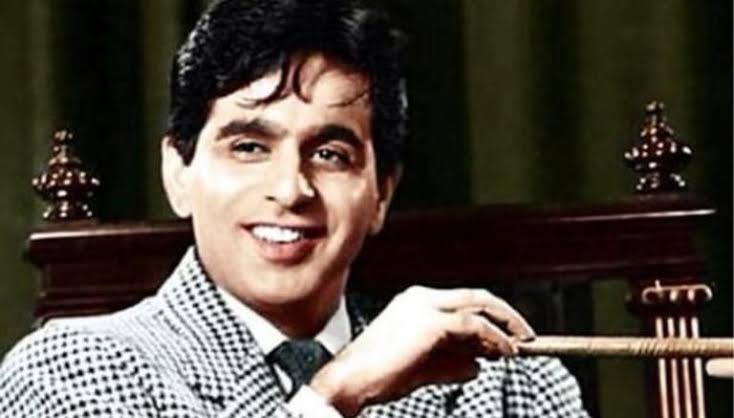
Today, July 7, will be a very sad day for Indian Cinema as it lost one of the most popular actors in its history, Dilip Kumar. The 98 year old actor took his last breath in Hinduja Hospital, Mumbai.

Photo Credits: Republic World.

Mr. Dilip Kumar was born in Peshawar, Pakistan (at the time British India) and was one of the twelve children of his parents. Their family later shifted to Indian state of Maharashtra. Let us remember some of this memorable happenings from his life and pay a tribute to him for his extraordinary work for Indian Cinema.

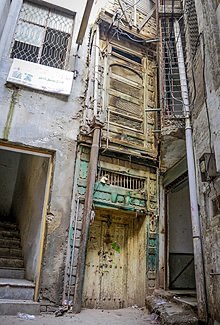
1) Dilip Kumar and his Peshawar Home.

The ancestral home of Dilip Kumar in Peshawar.
(Photo Credits: Dilip Kumar/Twitter)

Dilip Kumar in his old interviews has revealed how his ancestral home in Peshawar was always special to him. On a visit to Pakistan, years after the India-Pakistan partition, Dilip Kumar reportedly fell to his feet and kissed the floor of this childhood home. He also remembered how he used to play and mingle with other friends and family at his home.

2) Joining Bollywood.

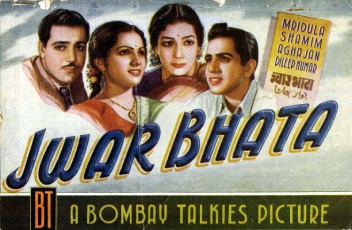
Photo Credits: Bombay Talkies.

Dilip Kumar debuted in Hindi Cinema with the movie Jwar Bhata in 1944. After a string of failures in Indian Cinema, he gained popularity with his film Jugnu in 1947 alongside Noor Jehan which was also his first box office success. He became even popular with films like Shaheed and Mela in 1948.

3) Receiving the title “The Tragedy King”.

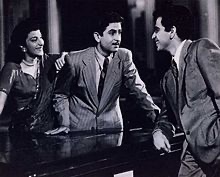
Dilip Kumar with Raj Kapoor and Nargis in Hindi film Andaaz in 1949.

1950s was completely a decade meant for Dilip Kumar in Hindi Cinema. His films such as Deedar, Hulchul, Naya Daur, Devdas, Paigham, Madhumati established his image as “Tragedy King” as these films has a tragic or mournful plot. Dilip Kumar also suffered from depression due to portraying many tragic roles and as a result his psychiatrist suggested him to take up light roles as well.

4) Honours and Recognitions

Dilip Kumar receiving Padma Vibhushan in 2015. (Photo Credits: Economic Times).

Dilip Kumar has received several awards and recognitions in his life. He received Padma Bhushan and Padma Vibhushan, the third highest and second highest civilian honours of India in the years 1994 and 2015 respectively. He also received Nishan-e-Imtiaz, the highest civilian honour of Pakistan in 1998. He’s the one of the few actors with highest number of Filmfare awards with about 8 Filmfare awards. He also received Dada Saheb Phalke award in 1994.

Although Mr. Dilip Kumar passed away leaving all of us with a heavy heart, he’ll forever remain immortal in all hearts. Very few have been able to achieve what he has achieved in his life and that’s what we should be remembering always!

Why the UP unlawful-conversion law should be struck down.

The Uttar Pradesh Prohibition of Unlawful Conversion of Religion Ordinance, 2020 was promulgated on November 27, 2020.  The Ordinance specifies the procedure for undergoing religious conversion and prohibits unlawful religious conversion. The prison term for unlawfull conversion is 1 to 5 years with a minimun fine of Rs.15,000.

Causes

 The Ordinance prohibits conversion of religion through: (i) force, misrepresentation, undue influence, and allurement, or (ii) fraud, or (iii) marriage.  It also prohibits a person from abetting, convincing, and conspiring to such conversions.

The ordinance prohibits the conversion of religion through marriage by “assuming” that the person is converted forcefully thorugh marriage. It oversees the free will of the individual to change his/her’s religion. The article 25 of the Constitution Of India, guarantees the freedom to practise any religion in accordance with their conscience.

Drawbacks

According to the ordinance, a complaint or an FIR can be filed by the following persons if they feel that the religious conversion is unlawful ;  (i) any aggrieved person, (ii) his/her parents or siblings, or (iii) any other person related to them by blood, marriage, or adoption.

According to the statute is/ her famiily memebers can file an FIR against the persons involved in the conversion, which is quite ironic. In the conservative society of India, most parents or family members are slaves of religiomania, they cant resist the fact that their kins are converting their religion. Because of the religiomania, family memebrs or parents will take any step to stop the conversion; including filing an FIR against the conversion, just because they feel it is wrong. This provision clearly violates article 25 of the constitution, as the person is deprevied of the right to practise and profess their desired religion.

The statute also mentions that, the FIR can be filed by “any aggrieved person” which poses greater threat to the person converting as any person from an extremist group can file an FIR against the conversion and halt the conversion. Religious Extremists groups are often offended when a person of their religion decides to convert to other forgetting the persons right’s to convert according to his free and with full conscience as guaranteed by the constitution.

The ordinance declares a marriage void if it was done for the sole purpose of unlawful conversion or “vice versa”.The term “vice versa” is to be seen with utmost importance as that word declares a marriage void just because unlawful conversion was practised is order to get married. The ordinance also declares a marriage void if the procedure mentioned in the statute is not followed to get married. The procedure involves a waiting period too long for the couple to wait, who might be targeted by their family members, extremist groups and any aggrieved person.

Deemed to be unconstitutional

Numerous experts have described the law as unconstitutional including former Law Commission chairman Justice A.P Shah & former Supreme Court judge Madan Lokur. 104 former bureaucrats have written an open letter to Cheif Minister Yogi Adityanath asking him to repeal the law on the grounds that the law  denying the right to freedom of religion and restricting women’s rights to choose their partner.

Books About ‘Healing’ and ‘History’

It’s incredible how one can get inspired by a bundle of words that are woven into a book. Books are an ocean of knowledge, some give you the scientific edge while some teach you the best life experiences. It’s the way that these books manage to hover around your peripheral vision even after you put down the book that gets me flustered each time. With that being said, here are my two new picks for reading!

Healing Is the New High

This massively helpful, lucid and honest book by Vex King holds space for you to achieve genuine inner healing, let go of trauma(subtle or significant) whilst letting you be yourself. Taking charge of your inner healing is one of the best things you can do for yourself. If you’re willing to do the work, this book helps you achieve that and more with brilliant actionable techniques that would  transform your mind, heart and soul! This outstanding read gently helps you to overcome the hurdles that sit deep in the mind, allowing you to unlock your own inner superpower with compassionate understanding, love and heart wrenching yet beautiful illustrations. He eloquently puts life into perspective while debunking some of the misinterpreted perspectives.

The book is aptly named, because going through this process and finding release from your inner pain really is like a high-a feeling of liberation, empowerment that’s addictive! So, get ready to make space for more joyful and immersive life experiences. Here’s to fulfilling healthier relationships and most importantly being a much better you, the one you deep down know, you are! This book is for everyone as we all have surely been through something unpleasant at least to some degree which governs our lives in a not-so-positive way and to change the fact – please do get this book right away!

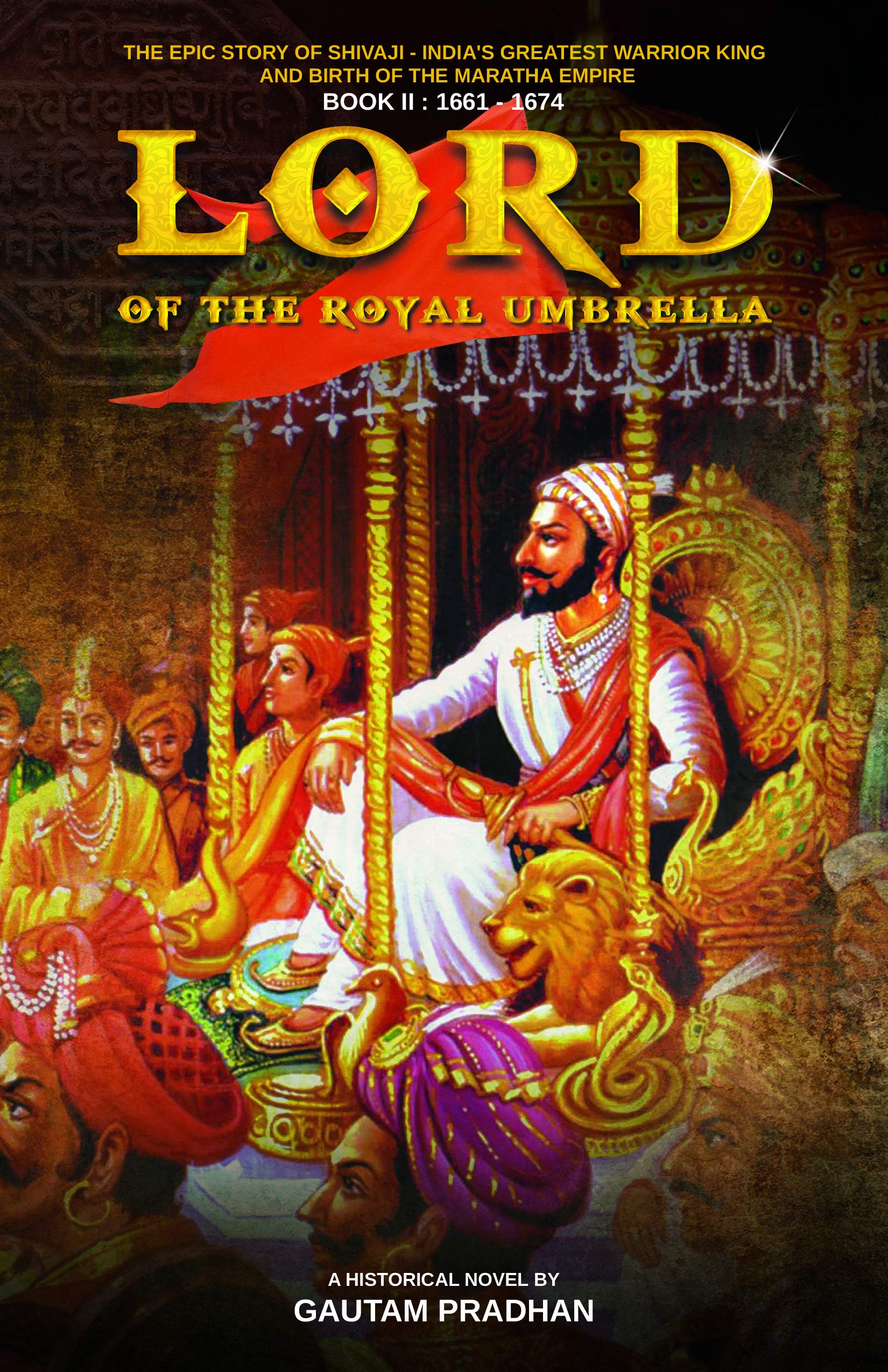
Lord of the Royal Umbrella

Have you read about your country’s history extensively? (Other than reading in the text books)

Lord of Royal Umbrella by Gautam Pradhan is a sequel to ‘300 Brave Men’. These two books narrates the story of a brave Indian king Chhatrapati Shivaji. Reading the first book was an amazing experience for me as reading about Indian kings always piqued my curiosity. ‘Lord of the Royal Umbrella’ isn’t an exception. This book elaborates the prowess of Shivaji and the obstacles he’d encountered by the imperial powers. The book starts with the gripping setting in the fort of Chakan, North of Pune. Shivaji’s army skirmishes against the imperial Mughal army, the stoical acceptance of Shivaji’s army will send goose pimples all over the readers.

‘What kind of men’ are these, Shaista Khan wondered. He could not help but admire the stubborn resilience of Marathas.’ The story flows with the colossal setting and extraordinary diction, the flow of the incidents and the language are perfectly adorning this grand historical novel.

The author has extensively sketched the characters pertaining to the grandeur of the storyline. He makes the readers view the landscape with his embellished and picturesque writing style. Writing a historical novel certainly has its own challenges, the perfect portrayal of the Shivaji’s character and the historical events apprises the readers about the boundless research work of author. This book also has the illustrations of maps that literally made me visualize the historical events mentioned.The characters are sketched quintessentially with exquisite descriptions of their dispositions.The tendency of the characters is pertaining to the mood of a typical historical fiction.

The story of ‘Lord of the Royal Umbrella’ is not merely elaborating the battlefield, the storyline also revolves around Shivaji’s astuted temperament and judicious sovereignty. The political moves of Shivaji are certainly quick witted. Gautam Pradhan’s writing style heightens the intensity of the story. If you are looking for a colossal historical novel, I would recommend you this book.

Comment down below if you’ve got any awesome recommendations too!

George Orwell

Here is a brief sketch about the life and how the experience got connected to the works of the well known and most popular writer of all time, George Orwell. Orwell being a great writer got popular and praised for his two fantabulous works of Animal Farm and 1984. He is one among the writers who turned reading from entertainment into awareness and thus he wrote for the common people. Through his works it is clear that he educates and moralize people in an entertaining way. He worked for the betterment of the world and thus had succeeded as a political writer.

Orwell was born in India of the period of British rule, to a family of civil servant parents. Being a economically weaker family, Orwell’s parents struggled to bring him as a classic upper middle class person. He received his education at a prep school and later managed to earn a scholarship but still he wasn’t towards any University graduation rather he joins as an imperial policeman in Burma. Though his parents wanted to bring him as a lawyer or as a doctor, he wasn’t towards it and always had the interest to be a writer.

In later part of his life Orwell started to do odd jobs. Once he worked in a bookshop where he reviewed books of others and later started to write his own works. Orwell’s generation of intellectuals witnessed First World War and Great Depression thus got influenced by them. Their ideas were towards capitalism, communism and authoritarianism. But Orwell stood for that of for the ordinary people.

It was in 1928 he wrote his work ‘Down and out in Paris and Londono which was written after his experience working in menial jobs in the cities of Paris and London. In this book he wrote about the life of workers,servers and shoe rubbers thus portrays their emotions. In the work of ‘The Road to Wiger Pier’ written in 1937 he writes about the people of the town as intelligent and wise whom he had admired at for being people who lack prudishness and hypocrisy.

He observed the news papers which tend to turn people into abstractions which he saw as a role of his craft of literary journalism. Those papers tended to circulate prejudice and racism. Towards this attitude Orwell writes in his Trip to Marrakech in which he sarcastically portrays the attitude of the neo colonial showed towards local inhabitants.
Apart from his general point of interest Orwell wrote in praise of comics, country walks, dancing and flowers. He wrote in defence of English working and Charles Dickens.
In his essay ‘Politics and English Language’ in 1946 he talks about the rules of writing and he stood against the fancy style of writing by the intellectuals and supported simple way of writing.


His most famous and influential works were ‘Animal Farm’ and ‘1984’ which stood for social cause. The book Animal Farm is an allegory on Russian Revolution in which he reflects on the idea of it such as corruption, inequality of classes and totalitarianism. He puts major leaders and classes of the Russian Revolution into the characters in the Animal Farm and expresses his views regarding Russian Revolution. In the work ‘1984’ which stands both as a science fiction and also reflects upon the authoritarian government. In that novel he draws an ultimate imaginary world under the rule which depicts the big brother attitude, the Big brother controlling over society in the super state Oceania. Every aspects of human life is closely monitored, there is no space for privacy and freedom. The situation depicted in the book is the thing which partially prevailing in today’s world of technology and it has been to everyone’s surprise on how Orwell was able to predict these years back.Through his works he proved his genius as a writer who had successfully was able to put each of his ideas into a story thus making the readers realise in a convincing and entertaining way.

England vs Denmark (EURO 2020 SEMIS)Preview

It doesn’t usually end well for England when they reach the semi-finals of a major tournament. Since a 2-1 win over Portugal in the 1966 World Cup the Three Lions have been beaten twice by Germany on penalties (Italia 90 and Euro 96) and 2-1 by Croatia in the 2018 World Cup in Russia.  

England captain Harry Kane, who has now scored three times at Euro 2020, says “we need to try to focus on ourselves; it is a semi-final at our national stadium and we’ve got to use all those positives to worry about us”. The striker added: “We know if we get it right and play how we know we can then we have a great opportunity to get to a final. It’s going to be incredible.”

Denmark forward Kasper Dolberg, who has scored three goals at Euro 2020, said: “Everyone in the camp has a lot of faith in the team. It’s outstanding what we’ve done over the past few weeks, and we must take that with us into the semi-final. That belief that we can do it. Of course, we have to look at England and maybe also adapt a little, but we also need to play to our own strengths.”

England possible starting lineup:
Pickford; Walker, Stones, Maguire, Shaw; Rice, Phillips; Saka, Mount, Sterling; Kane

Denmark possible starting lineup:
Schmeichel; Vestergaard, Christensen, Kjaer; Stryger Larsen, Delaney, Hojbjerg, Maehle; Damsgaard, Dolberg, Braithwaite

Italy stuns Spain in penalty shootout

In the first semifinal of Euro 2020, Italy continued its unbeaten run to defeat Spain 4-2 via penalty shootout on Wednesday (India time) at Wembley Stadium, London. Italy will play against the winner of the second semi-final which will be played between England and Denmark at Wembley on Thursday at 12:30 AM (IST). The final will be played on 12th July, 2021 at 12:30 AM (IST) at Wembley Stadium, London.

Digital Forensics

53455351 – investigator pushing digital forensics on a touch screen. cyber security technology and science concept for the electronic discovery process and investigation of an unauthorized network intrusion.

The process of preserving, identifying, extracting, and documenting computer evidence that can be utilized in a court of law is known as digital forensics. It is the science of extracting information from digital media such as a computer, smartphone, server, or network. It equips the forensic team with the most up-to-date techniques and tools for resolving complex digital cases. Digital forensics assists the forensic team in analyzing, inspecting, identifying, and preserving digital evidence stored on a variety of electronic devices. 

Some imp Historic points

  • Hans Gross (1847-1915) was the first person to utilise a scientific research as the basis for a criminal inquiry.
  • Set up a lab to provide forensics services to all field agents and other law enforcement agencies across the United States in 1932.
  • The Florida Computer Crime Act acknowledged the first computer crime in 1978.
  • Francis Galton (1982 – 1911): Conducted the first known fingerprint research.
  • The phrase “computer forensics” first appeared in academic literature in 1992.
  • It was founded in 1995 by the International Organization on Computer Evidence (IOCE).
  • The First FBI Regional Computer Forensic Laboratory was created in the year 2000.
  • The first book about digital forensics, “Best practises for Computer Forensics,” was released in 2002 by the Scientific Working Group on Digital Evidence (SWGDE).
  • Simson Garfinkel highlighted problems with digital investigations in 2010.

Goals of Digital Forensics

It assists the investigative agency in recovering, analysing, and preserving computer and associated documents in such a way that they may be presented as evidence in a court of law. It aids in determining the crime’s purpose and the identification of the principal perpetrator. Creating protocols at a suspected crime scene to guarantee that the digital evidence collected is not tampered with. Data duplication and acquisition: recovering lost files and partitions from digital media in order to extract and evaluate evidence. Allows you to rapidly discover evidence as well as evaluate the possible impact of harmful conduct on the victim. Producing a comprehensive computer forensic report detailing the investigative procedure. Following the chain of possession to preserve the evidence.

Process of Digital forensics

  • Identification

In the forensic procedure, it is the initial stage. What evidence is present, where it is held, and how it is stored are all part of the identification process (in which format).

Personal computers, mobile phones, and personal digital assistants (PDAs) are examples of electronic storage medium.

  • Preservation

This includes preventing tampering with digital evidence by stopping others from accessing the device. It also entails isolating, protecting, and archiving the device’s data.

  • Analysis

In this stage, investigators piece together data pieces and form conclusions based on the evidence uncovered. It may, however, take several iterations of investigation to substantiate a certain criminal hypothesis.

  • Documentation

A crime scene map is a record of all visible data that aids in recreating and evaluating the crime scene. It includes photographing, drawing, and mapping the crime scene. The procedure include accurate recording of the crime scene, as well as pictures, sketches, and maps. Police will be able to observe what transpired at the site and have a better understanding of what they are seeking to solve in this manner.

  • Presentation

The process of summary and explanation of findings is completed in this final phase.

It should, however, be expressed in layman’s words with abstracted terminology. The exact information should be referenced in all abstracted terminology.

Types of Forensics

There are several branches of digital forensics. Disk Forensics deals with extracting data from storage media by searching active, modified, or deleted files. Network Forensics is related to monitoring and analysis of computer network traffic to collect important information and legal evidence. Malware Forensics: This branch deals with the identification of malicious code, viruses, worms, etc. Email Forensics : Deals with recovery and analysis  of emails, including deleted emails, calendars, and contacts. The main aim of wireless forensics is to offer the tools needed to collect and analyze the data from wireless network traffic. Database Forensics is a branch of digital forensics relating to the study and examination of databases and their related metadata. Memory Forensics deals with collecting data from system memory (system registers, cache, RAM) in raw form and then carving the data. Mobile Phone Forensics mainly deals with the examination and analysis of mobile devices.

Benefits of digital forensics

Digital forensics helps companies to capture important information if their computer systems or networks are compromised. Efficiently tracks down cybercriminals from anywhere in the world. Helps to protect the organization’s money and valuable time. Allows to extract, process, and interpret the factual evidence, so it proves the cybercriminal action’s in the court. To maintain the computer system’s integrity. To present evidence in court that might result in the perpetrator’s punishment.

Drawbacks of digital forensics

 Digital evidence accepted into court must be proved that there is no tampering. If the tool used for digital forensic is not according to specified standards, then in the court of law, the evidence can be disapproved by justice. Legal practitioners must have extensive computer knowledge and need to produce authentic and convincing evidence. The expense of creating and keeping electronic documents is quite high.

Evidence that is both authentic and compelling is required.

Due to a lack of technical expertise on the part of the investigating officer, the desired outcome may not be achieved.

Argentina into FINALS (COPA AMERICA 2021)

It is Brazil vs Argentina in the Copa America 2021 final!

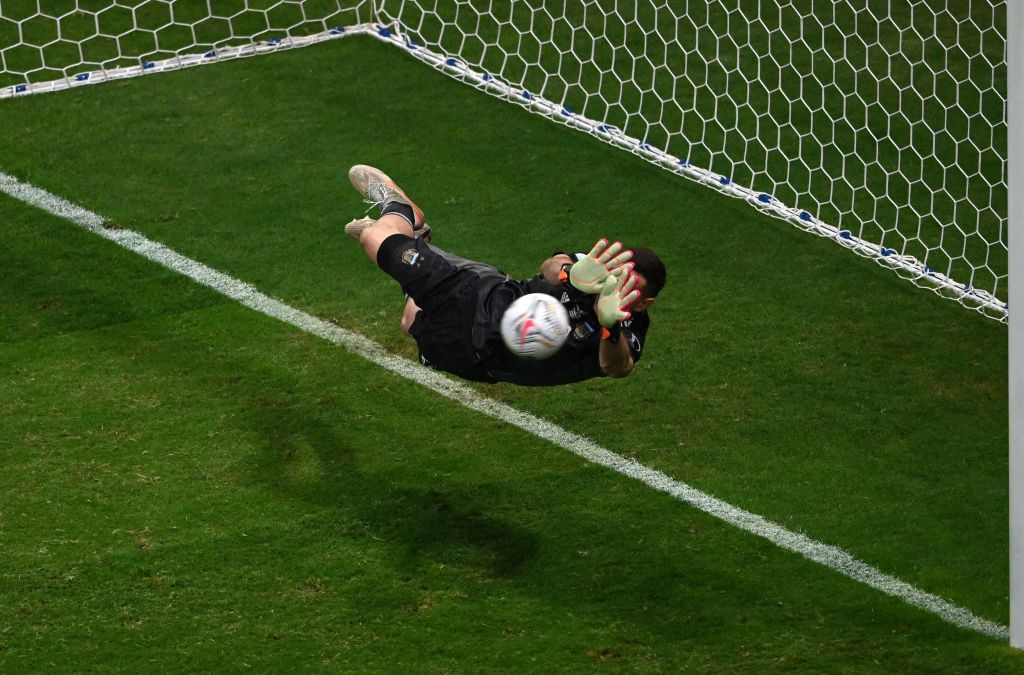
Colombia cause all sorts of problems for Argentina after the Luis Diaz equaliser but eventually falter in the penalties due to Emiliano Martinez’ excellence at goal to save three penalties as Argentina advance 4-2.

In tears, Martinez said after the match he wanted to face the Brazilians in the final in the Maracana Stadium.

“It is a great team, the favorite. But we have a great coach, we have the best player in the world and we will try to win it,” he said.

Mental health and screening time in lockdown

Yes, lockdown was bad for mental health but, If national lockdowns hadn’t been implemented, many more people would have been infected with the virus – which would mean many more people living with the mental health consequences of the disease.

These can be difficult times for all of us as we hear about spread of COVID-19 from all
over the world, through television, social media, newspapers, family and friends and other
sources. The most common emotion faced by all is Fear. It makes us anxious, panicky and can
even possibly make us think, say or do things that we might not consider appropriate under
normal circumstances.

Owing to several days of isolation and confinement in houses due to the pandemic-induced lockdown, many are increasingly addicted to long screen time. Apart from spending time on mobile phone or laptops for office work or attending virtual classes, experts believe, people are becoming habituated to spending more time on screen either browsing random things, playing games or watching videos on OTT platforms.

Dr Balhara said that if the screen time is increased because of education or work-related issues, it does not impact the mental well-being but if there is increase in engagement with sedentary screen, which means watching videos, reading news, just looking at social media and responding to it, then the mental well-being goes down. “Excessive screen time weakens the brain’s ability to process information and control thoughts. According to a new research led by investigators at the Saint James School of Medicine, an increase in screen time among young adults during covid 19 pandemic can be correlated with a rise in pandemic-related distress.

Anxiety, depression, sleep disturbances and irritability can be attributed to increased screen time. In addition, isolation and lower threshold of patience are other behavioural changes noted among people,” stated Dr Sandeep Vohra

What is the ideal duration to spend on screen?

  • For professional use, regular interval breaks of 15-20 mins
  • Non-professional use should not be more than 2-3 hours per day

What complications can Arise with excessive use of mobile phones?

  • Headaches, several eye problems, muscle aches, decreased attention, shortness of temper, sleep disorders and depression. Long-term effects of increased screen time can include neurological problems

How to deal with such complications?

  • Planning a schedule for screen time as well as physical activities separately
  • Ensuring that the overhead lighting is not very bright, to avoid any glare on the screen harming the eyes
  • Ensure to take breaks every 15-20 minutes
  • Keep the screen 20 to 24 inches from your eye level and adjust the display settings of your device to reduce eye strain and fatigue

The Importance of Good Hygiene!!!

 Maintaining good personal hygiene is very important for your health and social reasons. Also, the presence of the COVID-19 virus makes it much necessary to maintain good personal hygiene. Well, it’s a poor choice if you don’t maintain good hygiene. And if you do maintain it, it’ll benefit your health and also it impacts the people around you. It necessitates keeping your hand, head, body, and the place around you clean, to stop the spread of germs and illness. 

We also must see the social benefits as it is associated with cleaning your body on a day-to-day basis, it reduces the chances of body odor and thus preventing any chances of embarrassment at school or work.

Why does a good personal hygiene routine look like?

As of now, we know the necessity and importance of maintaining a good personal hygiene routine – but what does it contain?

Given below are steps one can follow to keep themselves and their families clean and free of germs that could cause future illness.

Hand washing 

Our hands are the biggest carriers of germs. We use our hands to interact with different surfaces like shaking hands with people, eating our meals, while playing, using a keyboard, using a common telephone, etc.

Maintaining good hand hygiene can protect you from illness caused by germs and bacteria such as cold, cough, flu, etc. You can protect yourself from illnesses caused by germs and bacteria by washing your hands frequently with soap and water, sanitizer, or any liquid soap. You should wash your hands:-

Before and after eating.

★Before cooking fold.

★After using the toilet.

★After being in contact with an animal.

★After coughing, sneezing, or being in contact with someone who is ill.

Dental Care

Maintaining oral hygiene is as important as maintaining hand hygiene. Maintaining it can prevent gum disease, bad breath, tooth decay, and many other infections. Always remember to:-

★Floss your teeth daily.

★Make sure you brush your teeth twice a day.

★Store your toothbrush in a clean, dry place and replace it regularly.

Bathing

Do take baths on a day-to-day basis to maintain good personal hygiene. Daily bathing is an essential part of good personal hygiene because:-

★Taking bath with soap and warm water can kill odor-causing bacteria.

★Skin infections can be reduced by washing and drying the infected area.

★ Shampooing and conditioning your hair at least once a week can keep the scalp clean and free from head lice.

Hygienic Clothes

Germs and bacteria also can stick to your clothes. It is very important to wash your clothes after each use, especially after being contacted by an ill person. You can add antiseptic liquids to your laundry load to remove germs.

Maintaining a personal hygiene routine is not that difficult. Once you get used to it, it becomes a habit. And also it is important to give a message to your family members, and especially children, to make their own hygiene routines.