Pluto is one of the most mysterious and controversial celestial objects in the solar system. Pluto is a complex and mysterious world with mountains, valleys, plains, craters, and maybe glaciers. Discovered in 1930, Pluto was long considered our solar system’s ninth planet. But after the discovery of similar intriguing worlds deeper in the distant Kuiper Belt, icy Pluto was reclassified as a dwarf planet. Pluto is orbited by five known moons, the largest of which is Charon. Charon is about half the size of Pluto itself, making it the largest satellite relative to the planet it orbits in our solar system. Pluto and Charon are often referred to as a double planet. Pluto’s four other moons are named Kerberos, Styx, Nix and Hydra.
Some facts about Pluto
The name of Pluto was suggested by an 11 years old girl named Venetia Burney. When her grandfather told her the news that they have founded a new planet, then she said that Why not we can put its name Pluto under the name of the Roman Gods.
Pluto is very, very cold. It is much colder than Antarctica. It is so cold that Earth’s air would freeze into a kind of snow there. Pluto has less gravity than Earth. This means a person would weigh much less on Pluto than on Earth. It is so distant that the Sun’s light, which travels about 300,000 km per second, takes more than five hours to reach it. An observer standing on Pluto’s surface would see the Sun as an extremely bright star in the dark sky, providing Pluto on average 1/1,600 of the amount of sunlight that reaches Earth. Pluto’s surface temperature therefore is so cold that common gases such as nitrogen and carbon monoxide exist there as ices. Pluto is one third water, it is in the form of water ice which is more than 3 times as much water as in all the Earth’s oceans, the remaining two thirds are rock. Pluto’s surface is covered with ices, and has several mountain ranges, light and dark regions, and a scattering of craters.
Why Pluto is known as a dwarf planet
Pluto is a dwarf planet because it has not cleared the neighborhood around its orbit. Pluto goes around the sun, it’sround enough, it’s got moons, and behaves like a planet, but the idea is that Pluto did not form the same way as the rest of the planets. Pluto’s orbit is both eccentric and inclined more than the rest of the planets by about 17 degrees. That’s suggests something is different about this object.
Comparison with the other planets of solar system
Compared with the planets, Pluto is also anomalous in its physical characteristics. Pluto has a radius less than half that of Mercury; it is only about two-thirds the size of Earth’s Moon. Next to the outer planets—the giants Jupiter, Saturn, Uranus, and Neptune—it is strikingly tiny. When these characteristics are combined with what is known about its density and composition, Pluto appears to have more in common with the large icy moons of the outer planets than with any of the planets themselves. Its closest twin is Neptune’s moon Triton, which suggests a similar origin for these two bodies (see below Origin of Pluto and its moons).
The Indian men’s cricket team is one of the best teams in all formats among the other world class teams. People following men’s cricket are many. People know the names of every player playing for the nation. Many fans go craze on their favourite stars. There is also women’s cricket in India which was played from many years back. But people following women’s cricket are very few. The count is incomparable with that of men’s cricket. In men’s cricket, there are many idols like Kapil Dev, Sunil Gavaskar, Sachin Tendulkar, Sourav Ganguly, Rahul Dravid, MS Dhoni, Virat Kohli. But there is no big name in women’s cricket that everyone knows. The reason is apparent. There is no proper plan and infrastructure for women’s cricket across the country in domestic State level and District level. There was no inspiration for girls to take up cricket. They didn’t get to know the life of a woman cricketer. They didn’t have any idea of how would the life be after playing for the nation; what are the benefits they get; and how to get into a State level team. No growth of women’s cricket was seen till 2010s.
This situation prevailed for some years until 2011. After that a name had gone familiar with people. That name is Mithali Raj. She is also called as the lady Sachin Tendulkar of India. She has a pretty long and successful career. She made her debut in 1999 and is still playing for the country with career spanning over 2 decades. At 16, Raj scored an unbeaten 114 on ODI debut and soon established herself as the lynchpin of India’s batting. The roots of her copybook stroke play lay in her precocious talent that blossomed under the tutelage of her former coach, the late Sampath Kumar, and a regimented upbringing in an army family. With a passion for Bharatanatyam, her nifty footwork found expression on the field, becoming as much a hallmark of her batting as have been grace and an unrivalled precision at plundering runs in the cover region. She captained the Indian team for the first time at a young age of 22 years. She holds the record of having 3rd longest test careers, playing for 19 years. She is the 2nd highest run scorer in history of women’s cricket in all three formats added. She scored 10266 runs in her career totally. She has an amazing average of 44.6 in tests, 51.26 in ODI’s and 37 in T20s.
After her, many girls took up cricket as their career and started representing India. BCCI also looked up to the growth of women’s cricket. They developed the infrastructure and conducted many domestic games which boosted the talents to work hard. Also created a craze for young girls towards cricket. In the growth of Indian women’s cricket, there is a notable contribution done by Mithali Raj. She was also awarded with Padma Shri and Arjuna Award for cricket. She deserves every honour that she received. Thank you Mithali Raj.
Mankind has served this world with things no one could have ever imagined. There is a reason why some people happened to make it to our history books, and we are very thankful they did. Have you ever wondered what would have happened if Edison didn’t invent a light bulb? We couldn’t make a rough guess of when or who would have made the light bulb if it was not Edison . Science is crazy and huge when it comes to research but it is super interesting at the same time.
Here are some beings who made the best inventions!
ELECTRICITY
Electricity is the set of physical phenomena associated with the presence and motion of mater that has a property of electric charge. The presence of an electric charge, which can be either positive or negative, produces an electric field. Lightning is one of the most dramatic effects of electricity, and as we all know, it can kill us.
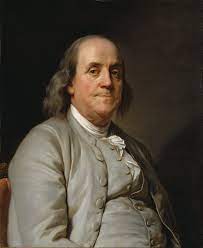
Franklin started exploring the phenomenon of electricity in 1746 when he saw some of lectures using static electricity for illustrations. Franklin was the first to label them as positive and negative respectively, and he was the first to discover the principle of conservation of charge. In 1748, he constructed a multiple plate capacitor, that he called an “electrical battery”. Franklin briefly investigated electrotheraphy . This work led to the field becoming widely known.
BENJAMIN FRANKLIN
ELECTRIC BULB
This invention changed the way we design buildings, increased the length of the average workday and jump-started new businesses. It also led to new energy breakthroughs — from power plants and electric transmission lines to home appliances and electric motors.
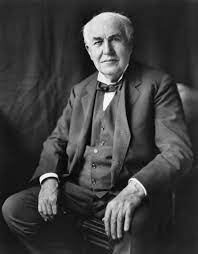
In 1835, the first constant electric light was demonstrated, and for the next 40 years, scientists around the world worked on the incandescent lamp, tinkering with the filament and the bulb’s atmosphere. Edison and his researchers focused on strengthening the filament. In 1879, Edison’s team kept on experimenting with the filament until settling on one made from bamboo that gave Edison’s bulb a life of 1200 hours, this filament became the standard for the Edison bulb for the next 10 years.
THOMAS EDISON
TELEPHONE
During 1876–1877 invention of telephone took place.
Alexander Graham Bell presented the telephone before a large audience for the first time at the World Exhibition in Philadelphia in June 1876. Bell’s patent was approved and officially registered on March 7. Three days later the famous call was made to Bell’s assistant Mr Watson, that said “come here. I want to see you.”, confirmed that the invention worked. The Bell Telephone Company began operating on July 11, 1877. In the same month, the first usable Bell telephone was sent to Europe.
ALEXANDER GRAHAM BELL
COMPUTER
Computer once meant a person who did computations, but now the term almost universally refers to automated electronic machinery.
Charles Babbage, an English mathematician and inventor invented the very first digital computer. He first made Difference engine, then came computer and lastly, Analytic engine. During the 1830s Babbage developed plans for the the forerunner of the modern computer. In that device he saw the capability of performing any arithmetical operation on the basis of instructions from punched cards, a memory unit in which to store numbers, sequential control, and most of the other basic elements of the present-day computer.
CHARLES BABBAGE
RADIO
The first edition of radio was patented in 1896 by Guglielmo Marconi. Marconi was a pioneer of wireless telegraphy. He began experimenting with his inventions at the age of 20 after becoming aware of the work of Hertz in electromagnetic waves, also known as radio waves.
In July 1986 Marconi made the first demonstration of his invention, the radio transmitter and receiver. In December 1901, Marconi successfully transmitted the first wireless telegraphy signals across the Atlantic Ocean.
Deep Learning may be a subfield of machine learning involved with algorithms impressed by the structure and performance of the brain known as artificial neural networks.
If you’re simply beginning get in the sphere of deep learning otherwise you had some expertise with neural networks your time past, you’ll be confused. i do know i used to be confused at first so were several of my colleagues and friends United Nations agency learned and used neural networks within the Nineties and early 2000s.
The leaders and consultants within the field have concepts of what deep learning is and these specific and nuanced views shed a great deal of sunshine on what deep learning is all regarding.
In this post, you may discover precisely what deep learning is by hearing from a spread of consultants and leaders within the field.
Deep Learning is giant Neural Networks Andrew nanogram from Coursera and Chief person at Baidu analysis formally based Google Brain that eventually resulted within the productization of deep learning technologies across an oversized range of Google services.
He has spoken and written a great deal regarding what deep learning may be and is a smart place to begin.
In early talks on deep learning, St. Andrew delineated deep learning within the context of ancient artificial neural networks. within the 2013 speak titled “Deep Learning, Self-Taught Learning and unattended Feature Learning” he delineated the concept of deep learning as:
Using brain simulations, hope to:
– build learning algorithms far better and easier to use.
– build revolutionary advances in machine learning and AI.
I believe this can be our greatest shot at progress towards real AI
Deep Learning is class-conscious Feature Learning In addition to quantifiability, another usually cited advantage of deep learning models is their ability to perform automatic feature extraction from data, additionally known as feature learning.
Yoshua Bengio is another leader in deep learning though began with a robust interest within the automatic feature learning that enormous neural networks square measure capable of achieving.
He describes deep learning in terms of the algorithms ability to get and learn smart representations victimization feature learning. In his 2012 paper titled “Deep Learning of Representations for unattended and Transfer Learning” he commented:
Deep learning algorithms obtain to take advantage of the unknown structure within the input distribution so as to get smart representations, usually at multiple levels, with higher-level learned options outlined in terms of lower-level options
Why decision it “Deep Learning“? Why Not simply “Artificial Neural Networks“? Geoffrey Hinton may be a pioneer within the field of artificial neural networks and co-published the primary paper on the backpropagation algorithmic program for coaching multilayer perceptron networks.
He could have started the introduction of the phrasing “deep” to explain the event of huge artificial neural networks.
He co-authored a paper in 2006 titled “A quick Learning algorithmic program for Deep Belief Nets” during which they describe associate degree approach to coaching “deep” (as during a several bedded network) of restricted Boltzmann machines.
Seasons are defined as the rotational phases of Earth’s orbit around the sun.Various cultures define the nature of seasons based on regional variations.Temparature and humidity are used as primary factors to mark the seasonal changes.In temperate and polar regions,the seasons are marked by changes in the intensity of sunlight that reaches the surface of the earth.Ecologists often use a Six season model for temperate climate regions.Many tropical regions have two seasons the rain or monsoon season and the dry season.seasons often hold special significance for agrarian societies ,whose lives revolve around planting and harvest times.In india,from ancient times to the present day ,six seasons or “Ritu”based on the south Asian religious or cultural calenders are recognised and identified for agricultural and trade purposes.
There are mainly six seasons as per ancient Hindu calender( The Lunisolar Hindu).The twelve months in a year are divided into six seasons of two-month duration each.These include Spring(Vasant Ritu), Summer(Grishma Ritu),Monsoon(varsha Ritu),Autumn(Sharad Ritu),Pre-winter(Hemant Ritu),Winter(Shishir Ritu).As per the Meteorological department maintains all the records of these seasons their temparature and its impacts.
1.SPRING SEASON ( VASANT RITU):
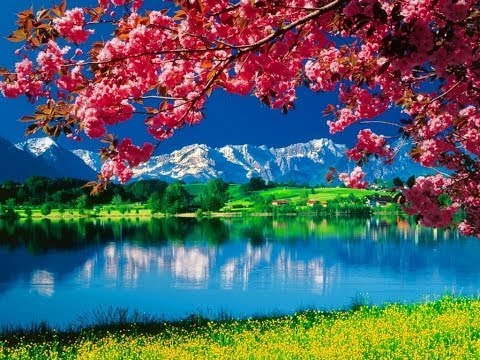
The Spring Season in india is a season of two month duration which are March and April.In the Hindu calender,this season occurs in the months of Chaitra and Baisakh.It is a pleasant and beautiful season with an average temparature of 32 Degree Centigrade.It starts after Winter and lasts till summer starts.The day becomes longer and nights become shorter in this season.The trees shed their leaves,new leaves start appearing.Birds start Chirping,singing and butterflies start hovering over the flowers.Besides this,many famous Hindu festivals are celebrated in this season such as Holi,Gudi padwa,Baisakhi,Hanuman jayanti and more.Spring affects not only flora but also animal world.The Whole fauna appears with a new skeleton.Man is unable to recognize the fragnance of soil even then the spring spreads its shadow beautifully.
2.SUMMER SEASON(GRISHMA RITU):
It is alos a two Month duration season that includes the months of May and June.As Per the Hindu Calender this season mainly occurs in jyeshta and Aashaadha.In this season,the weather is very hot in most of the parts of india.This season starts with the end of April and last till the end of june.The average temperature remains around 38 Degree centigrade.The days are the longest in this season while the nights have the shortest duration.Due to the rising run and high temperature the water level of ponds and rivers goes down and including people,animals,birds etc,feels uncomfortable and tends to stay inside their shelters.Although this season may be annoying it is good for the crops as they ripen only in the summer season .This season also provides variety of seasonal fruits such as watermelon,juices,lassi,ice-cream,lemonwater and more.The major indian festivals celebrated in the Summer season are Guru Purnima and Rath Yatra.This Season occurs as when the sun moves from the equator towards the Tropic of Cancer,its temperature starts to rise.People enjoy walking and hiking in Summer.
3.MONSOON SEASON (VARSHA RITU):
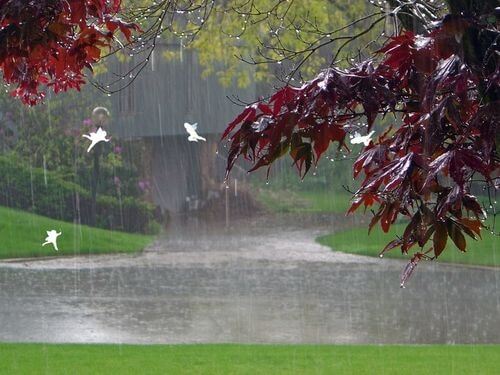
This season includes the months of July and August.As per the Hindu Calender this season comes in the month of Shravana and Bhadrapada,they indicate Rainfall occurs in most of india in this season.
As compared to the summer season, the days are short and nights are long in this season and the average temperature remains around 34 Degree Centigrade. It is sometimes called ‘Green season’ by the officials of the tourism sector.
The earth is carpeted with greenery, birds sing melodiously and level of water rises in the rivers, ponds and canals in this season. The sky is filled with black clouds before it rains and rainbow can be seen in the sky after the rain stops. The important Hindu festivals that are celebrated in this season are Onam, Krishna Janmashtami, and Raksha Bandhan.
As soon as the arrival of rain,it effects on all nature starts to be widely visible.Trees and plants are covered with new leaves,farmers take ploughs and go out to the fields.Atmosphere becomes very pleasant as soon as the rain comes,there is alot of water in the river,drains and ponds.
4.AUTUMN SEASON(SHARAD RITU):
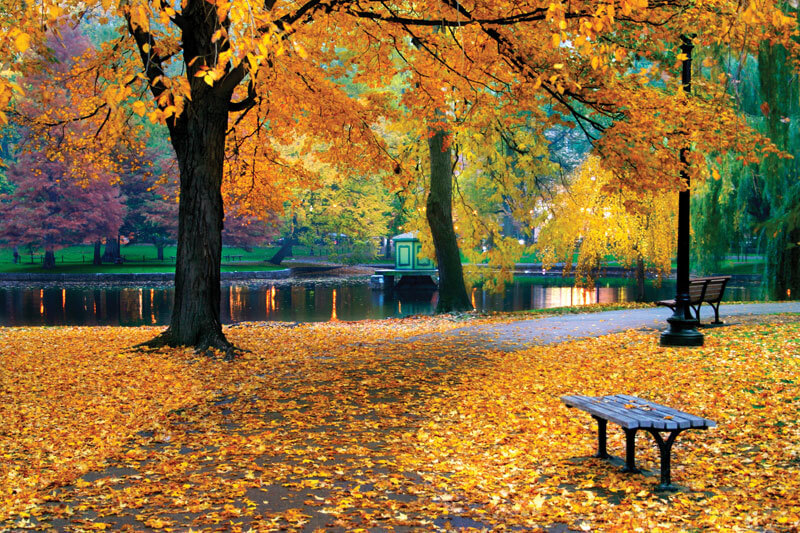
The season of autumn comes in the months of september and October. As per the Hindu calendar, this season comes in Ashwin and karik months. The hot and humid weather starts disappearing and leaves start falling off the trees in this season, so it is also known as the fall season. The sky becomes clearer as compared to the monsoon season and clear moon can be seen in the sky along with countless starts that look like pearls scattered in the sky. The water of the rivers and ponds settle down and becomes clean and there is no mud in the villages. The insects and mites gradually start disappearing with the arrival of autumn.
It Starts after the Monsoon or Rainy season and lasts till the start of the pre-winter season. The average temperature in this season remains around 33 Degree centigrade. The length of the day and night is almost equal in this autumn. Equinoxes also occur in this season. It is an event in which the Earth’s axis is titled in a way that it is neither inclined towards nor away from the Sun.
The major Hindu Festivals that are celebrated in this season are Navaratri in which Hindu devotees worship the nine different forms of Goddess Shakti, Sharad Purnima which is celebrated as the harvest festival, and Vijayadashami (Dussera) to celebrate the victory of Ram over Ravana.
5.PRE-WINTER SEASON (HEMANT RITU):
This season comes in the months of November and december. As per the Hindu calendar, these season occurs in the Agrahayana and pausha months. It starts with the end of October and lasts till the start of winter season or January. So, it precedes the winter season.It starts with the end of october and lasts till the start of winter season or January.so,it precedes the winter season.
This season is moderately cold with an average temperature of around 27 Degree Centigrade. It is the transition from autumn to winter and is the most pleasant and enjoyable time of the year. The days become shorter than the nights and the nights are foggy, colder. Rainfall is occasional in this season.
The trees in the Mountains and hills start shedding their ripe leaves to reduce evaporation of trees and prevent the loss of water. However, soon the trees are loaded with new leaves and flowers. So, it gives the message of leaving the old temptation and go for newness or innovation. Winter sports of national and international level are organized in this season.
The Flowers that bloom in this season are Hibiscus, Rose, Bougainvillea, Jasmine, and more. The important Hindu festivals which are celebrated in this season include Diwali and Bhai Dooj. Besides , there are also a few things that are not liked in this season. Such as diseases like cough, asthma, cold start appearing and infecting the people. Due to low rainfall, some crops may get spoiled and crops and vegetables may rot due to fog and frost.
6.WINTER SEASON (SHISHIR RITU):
The winter season in India comes in the months of january and February. As per the Hindu calendar, this season occurs in the months of Magha and phalguna This season lies between pre winter and spring season. This season is characterized by dryness, cold winds, occasional rainfall and snowfall.The season lie between pre -winter and spring season,This season is characterized by dryness,cold winds ,ocassional rainfall and snowfall.
It is the Coldest season of the year with an average temperature of around 20 Degree centigrade and the weather is affected by air pressure. An area of high pressure develops in the northern region of the Himalayas that causes the flow of wind from this region towards the Indian subcontinent. In some regions temperature falls below 0 degree centigrade and snowfall is also very common in most of the hill stations of India in this season.
The Kharif crops ripen in this season. A large variety of fruits, flowers and green vegetables are available in abundance in this season. Besides this, winter season in India starts with the winter solstice. It is a geographical event in which the sun is at the highest summit in the sky. The major Hindu festivals celebrated in winter season include Pongal, Shivratri, Lohri, and Pongal.
This wind reaches as the dry continental wind system.At this time,the temperature in the plains of northern india reaches 18 Degree Centigrade,but due to the wind moving in the south direction,the temperature increases due to the sea level and Tropical condition.
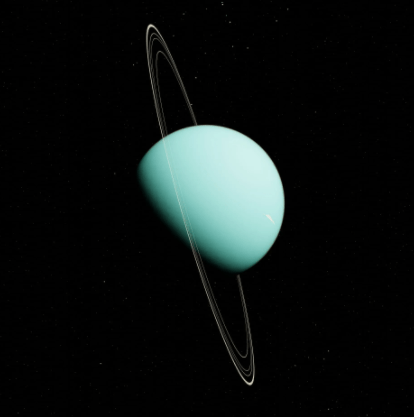
Uranus is the seventh planet from the Sun. Its name is a reference to the Greek god of the sky, Uranus, who, according to Greek mythology, was the great-grandfather of Ares (Mars), grandfather of Zeus (Jupiter) and father of Cronus (Saturn). It has the third-largest planetary radius and fourth-largest planetary mass in the Solar System. Uranus is similar in composition to Neptune, and both have bulk chemical compositions which differ from that of the larger gas giants Jupiter and Saturn. For this reason, scientists often classify Uranus and Neptune as “ice giants” to distinguish them from the other giant planets.
Some facts about Uranus
Diameter- 51,118 km
Orbital period- 84yrs
Length of a Day- 17hrs
Axis tilt- 97.7 degrees
Distance from the Sun- 19.2 AU
Moons- 27
Special features
Uranus was discovered by William Herschel in 1781. Like the other giant planets, Uranus has a ring system, a magnetosphere, and numerous moons. The Uranian system has a unique configuration because its axis of rotation is tilted sideways, nearly into the plane of its solar orbit. Its north and south poles, therefore, lie where most other planets have their equators. In 1986, images from Voyager 2 showed Uranus as an almost featureless planet in visible light, without the cloud bands or storms associated with the other giant planets. Voyager 2 remains the only spacecraft to visit the planet. Observations from Earth have shown seasonal change and increased weather activity as Uranus approached its equinox in 2007. Wind speeds can reach 250 metres per second (900 km/h; 560 mph).
Natural satellites and Rings
Uranus has 27 known natural satellites. The names of these satellites are chosen from characters in the works of Shakespeare and Alexander Pope. The five main satellites are Miranda, Ariel, Umbriel, Titania, and Oberon. The Uranian satellite system is the least massive among those of the giant planets. The largest of Uranus’s satellites, Titania, has a radius of only 788.9 km (490.2 mi), or less than half that of the Moon, but slightly more than Rhea, the second-largest satellite of Saturn, making Titania the eighth-largest moon in the Solar System. Uranus’s satellites have relatively low albedos; ranging from 0.20 for Umbriel to 0.35 for Ariel (in green light). They are ice–rock conglomerates composed of roughly 50% ice and 50% rock.
The Uranian rings are composed of extremely dark particles, which vary in size from micrometres to a fraction of a metre. Thirteen distinct rings are presently known, the brightest being the ε ring. All except two rings of Uranus are extremely narrow – they are usually a few kilometres wide. The rings are probably quite young; the dynamics considerations indicate that they did not form with Uranus. The matter in the rings may once have been part of a moon (or moons) that was shattered by high-speed impacts. From numerous pieces of debris that formed as a result of those impacts, only a few particles survived, in stable zones corresponding to the locations of the present rings.
Structure and Atmosphere
Uranus’s atmosphere is similar to Jupiter’s and Saturn’s in its primary composition of hydrogen and helium, but it contains more “ices” such as water, ammonia, and methane, along with traces of other hydrocarbons. It has the coldest planetary atmosphere in the Solar System, with a minimum temperature of 49 K (−224 °C; −371 °F), and has a complex, layered cloud structure with water thought to make up the lowest clouds and methane the uppermost layer of clouds.
The standard model of Uranus’s structure is that it consists of three layers: a rocky (silicate/iron–nickel) core in the centre, an icy mantle in the middle and an outer gaseous hydrogen/helium envelope. The core is relatively small, with a mass of only 0.55 Earth masses and a radius less than 20% of Uranus’; the mantle comprises its bulk, with around 13.4 Earth masses, and the upper atmosphere is relatively insubstantial, weighing about 0.5 Earth masses and extending for the last 20% of Uranus’s radius. Uranus’s core density is around 9 g/cm3, with a pressure in the centre of 8 million bars (800 GPa) and a temperature of about 5000 K.The ice mantle is not in fact composed of ice in the conventional sense, but of a hot and dense fluid consisting of water, ammonia and other volatiles. This fluid, which has a high electrical conductivity, is sometimes called a water–ammonia ocean.
Exploration
In 1986, NASA’s Voyager 2 interplanetary probe encountered Uranus. This flyby remains the only investigation of Uranus carried out from a short distance and no other visits are planned. Launched in 1977, Voyager 2 made its closest approach to Uranus on 24 January 1986, coming within 81,500 km (50,600 mi) of the cloud tops, before continuing its journey to Neptune. The spacecraft studied the structure and chemical composition of Uranus’s atmosphere, including its unique weather, caused by its axial tilt of 97.77°.The possibility of sending the Cassini spacecraft from Saturn to Uranus was evaluated during a mission extension planning phase in 2009, but was ultimately rejected in favour of destroying it in the Saturnian atmosphere.It would have taken about twenty years to get to the Uranian system after departing Saturn.
Music, admitted to the soul , becomes a sort of spirit , and never dies
Meetali
WHAT IS MUSIC ?
MUSIC IS LIKE A UNIVERSAL LANGUAGE OF LIFE. Every human being enjoys it. It is very powerful thing . Music helps to distress ,heal and motivate . Music is a pleasant sound which is a combination of melodies and harmony and which soothes you.. Music is one of the most calming and soothing things. Music is something that we all enjoy in the course of our lives.Music may also refer to the art of composing such pleasant sounds with the help of the various musical instruments. A person who knows music is a Musician. Music is not only what is composed of men but also which exists in nature. We grow up to the sound of our mothers singing us lullabies so that we’d go to sleep.Music is not only created by people, but it is also all around us in nature. In the mornings, when the crickets and the birds chirp, it is music. The loud sound of the waves in the ocean swishing, the whistle in the wind, and the sound of trees and leaves rustling are all their own forms of music.Our mothers, fathers and grandparents sing us lullabies so that we can sleep peacefully.
THE IMPORTANCE OF MUSIC IN OUR LIFE ?
Music is very important to many people. Mostly, people are fond of music because music acts as a communicating, relaxing, expressing tool to people. Art and music are basic human function.We have the burning desire to create .People may choose their favorites kind of music..People have always found music significant in their lives, whether for enjoyment in listening, the emotional response, performing, or creating.
7 REASONS WHY MUSIC IS IMPORTANT IS OUR LIFE……..
1. The Universal Language
2. Ambiance
3. Music Unites
4. Focus
5. Emotions
6. Imagination
7. It’s just a pleasure
ADVANTAGES OF MUSIC ?
It’s heart healthy.
It elevates mood. …
It reduces stress. …
It relieves symptoms of depression. …
It stimulates memories. …
It manages pain. …
It eases pain. …
It helps people eat less
DISADVANTAGES OF MUSIC ?
Hearing loss.
Music can be distracting.
Music can trigger bad memories.
It’s very difficult to make money in the music industry.
Some people just can’t stand music.
Noise pollution.
Making Bad decisions.
CONCLUSION……
Music may cause you to feel joyful, sad, angry, hyped up, relaxed etc. and sometimes you can feel more than one emotion during a song. As research shows, music not only affects what kind of mood we may be in, but we also seem to have a habit of choosing music based on the moods we are already feeling.Music affects you in many ways; however, it primarily affects your brain, through which the rest of your body can be affected. Music is an excellent therapeutic tool for the brain, because it activates so many parts of it.Research shows that musical training in children can improve the activity of important neural systems. In fact, if someone receives a lot of music training before they turn 15 (or go through puberty), there is a chance that they will develop perfect pitch.It has also been proven that music has a huge effect on your mood. This occurs because of the rhythm and tone that we hear when we listen to music.
Introverts are people who like spending time alone or with a few close people. Introverts enjoy being by themselves or being with a few people they trust. There is nothing wrong with being an introvert. One in every third person is an introvert.
Our society fails to understand what introversion is and, has labelled introverts with people who are “shy” or have “social anxiety”. Yes, some introverts are shy or have social anxiety but not most of them. They think introverts are scared of social surroundings which is not true. They just would rather do something else than interact with every single person.
Even characters of fiction make introverts look like bookworms, and that no one knows they exist meanwhile, extroverts are the social butterflies that everyone loves.
Our society apparently doesn’t like “introverts”. They think that extroversion is the only way of living. You can often see this at workplaces and schools. Only the children who are extroverts are appreciated in schools.
Did you know introverts are likely to get more marks in school or become leaders?
Another thing that our society does not understand is that people have their own ways to recharge. Extroverts like to seek out social stimulation and engage with people to recharge. While Introverts need solitude to recharge.
Another annoying thing that people do is expect introverts to become extroverts. I remember a few of my friends making me feel bad for not being as social as them. Which is wrong and is something a lot of introverts go through.
Introverts and extroverts have very different brains. Studies show that:
Processing events and interactions are more complicated for introverts. This is because introverts have a longer pathway for processing stimuli.
Introverts and extroverts also react differently to dopamine. While extroverts thrive on engaging and interacting with people, introverts feel drained by it.
People need to stop expecting introverts to become extroverts cause clearly, their brain does not work like that. Forcing them to act socially will drain their energy.
If you are an introvert who is trying to be an extrovert to be accepted by society. You need to stop. I show traits of both extroverts and introverts based on my mood. There are some days where I don’t feel like socializing, and because of the pressure, I would try to socialize and It would just drain my mental health. So, trust me it’s not worth it.
Our life is not a social competition where only the people with the most social skills will succeed. Introverts have way more knowledge and more understanding of themselves and their surroundings. People need introverts just as much as they need extroverts.
We need to do what makes us happy. If staying in a room and reading is what makes you happy do it. If only going out with two friends is what makes you happy do it.
People need to start understanding and accepting introverts as who they are. An extrovert may feel bored by themselves or with a few people, the same way an introvert may not like being surrounded by a bunch of people.
Our social skills do not define who we are. A workplace will always need both extroverts and introverts. Introverts have skills that extroverts don’t have and vice versa. So, only appreciating extroverts and making introverts feel bad for being themselves does not make sense.
Entrepreneurship is a high-risk venture. In today’s world, more and more individuals are shedding conventional wisdom about securing the 9-to-5 and going out there to chase their dreams. People like Elon Musk and Mark Zuckerberg are revered around the world. Few actually manage to get succeed, though as many as nine out of ten new enterprises fail during these days. Many of young entrepreneurs believe that their idea will be the best one and the output for that idea is going to take the world by storm but reality is always far from expectations.
Some times though your idea is good also, you may not get preferred out put and in some cases the fault may lay in organization of work or also because of unstableness in fund raising. However it may be but most of the startups are facing hardships to survive in this running world and some start ups are even getting closed. The main aspects of collapsed entrepreneurship are as follows:
1) Creating or Having grand expectations: As I have mentioned already in the above write up that blindly trusting idea and not trying to improvise it for future purposes is also one of the draw back for the startup. Not only that, now a days most of the startups creating high promises to their clients at initial stage but later they were not able to reach those expectations and getting a negative mark in front of their clients.
2) Not having an effective plan: In todays scenario most of the start up companies are failing due to an effective plan. To classify more, many teams are preparing plan for the current situations and as well as some teams prepare a plan for future purpose also but they are forgetting to make an alternative plan which can be implemented immediately incase of serious conditions to get out from the hurdle.
3) Hiring wrong persons: Hiring plays a key role in every domain, that may be a start up or an established company. Hiring of a wrong person creates a negative work environment which is not good sign for your company.
4) Lack of funds: Funds are most important source for the development of a startup but most of the new entrepreneurs face a lot problems in financing. In order to avoid those conditions they have to make a proper adjustments in investing and should be conscious in making a proper plan for raising funds.
5) Lack of marketing: Most of the entrepreneurs make wrong assumptions on marketing and they usually apply the traditional marketing approaches to market their product but following new marketing techniques can improve their networking with customers. So, marketing is crucial for a startup.
Finally, Among all the mentioned steps the main thing is an efficient administration. Administration is the key principle for any start up to get success but new entrepreneurs should take care about all the factors that are mentioned above and they should realize that reality is far from the expectations and plan their strategies accordingly to meet the success. Though you worked out all safety measures correctly also sometimes you may not get the proper identity in this competitive world but being consistent and focused always ensures success.
” STAY FOCUSED AND TRY TO IMPROVE THE EXISTING PLAN IN ORDER TO GET A BETTER RESULTS”
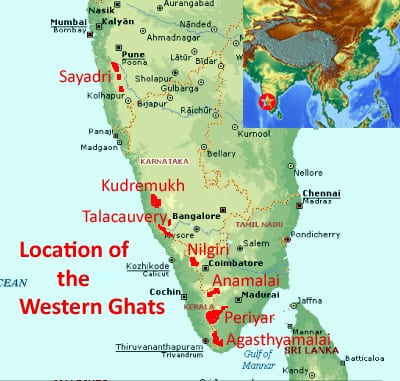
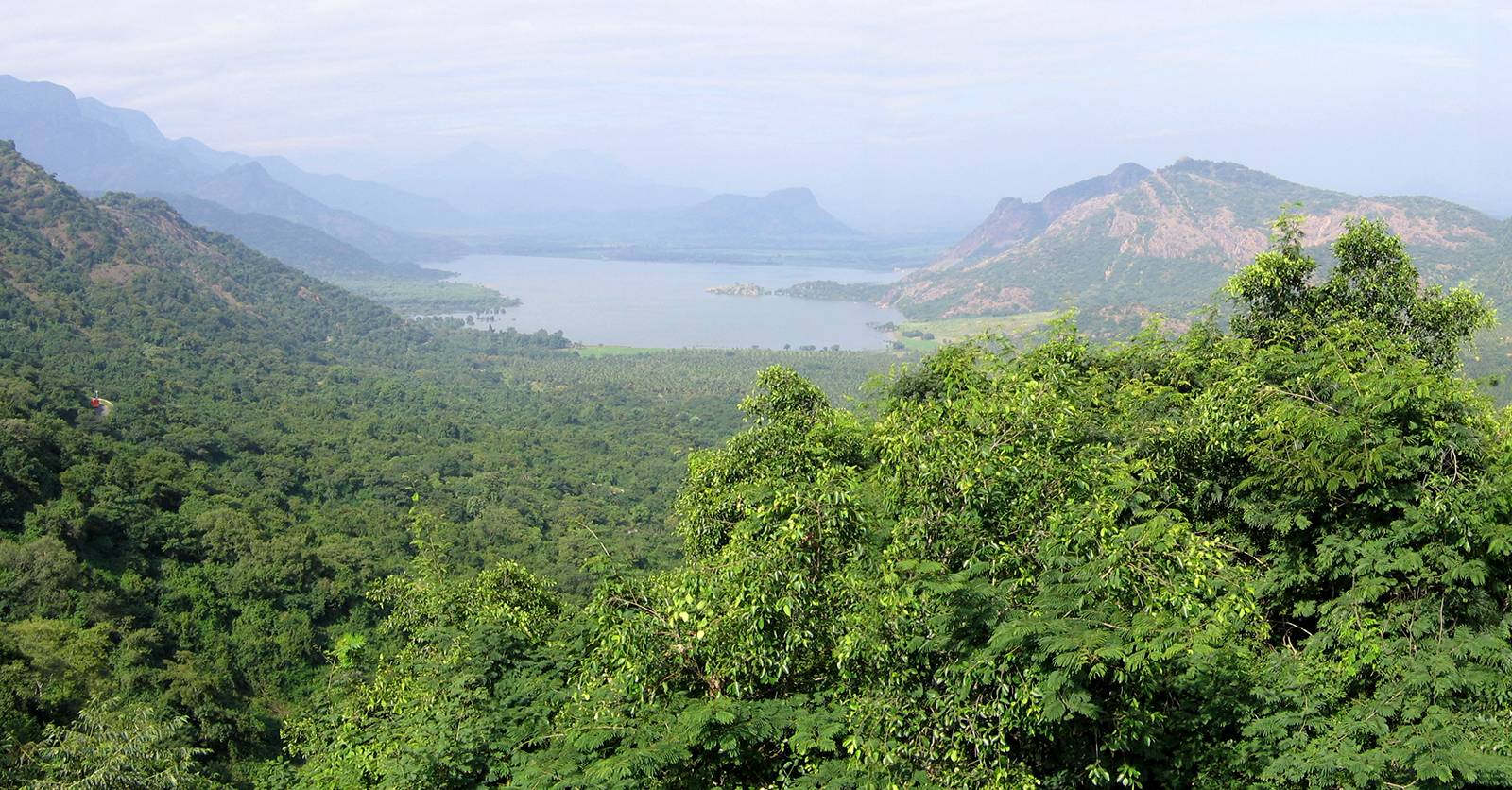
Western Ghats extends from the Nilgiris in the north to Marunthuvazh Malai at swamithope in Kanyakumari district in the south.Height of the Western Ghats ranges from 2,000 to 3,000 metres.It covers an area of about 2,500 sq.km.Though the western Ghats is a continuous range ,it has some passes.The passes are Palghat,Shencottah,Aralvaimozhi,and Achankoil.The Niligris,Anaimalai,Palani hills,Cardamom hills,Varusanadu,Andipatti and Agasthiyar hillls are the major hills of Western Ghats.
Nilgiri Hills
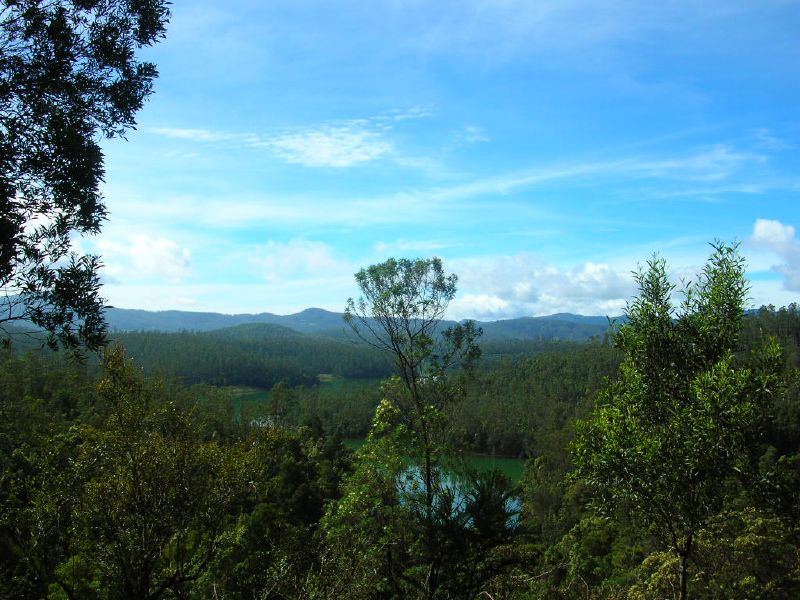
The Nilgiri hills is located in the Northwestern part of Tamil Nadu.It consists of 24 peaks with more than 2,000 metres height.Doddabetta is the Highest peak (2,637 m)of his hills followed by Mukkuruthi (2,554m).Ooty and Coonoor are the major hill stations located on his hills.It has more than 2,700 species of flowering plants and the state animal Nilgiri Tahr is found in this hill.Much of the Nilgiris natural montane grasslands and shrublands have been disturbed or destroyed by extensive tea plantations and cattle grazing.
Anaimalai Hills
Anaimalai is located in the border of Tamil Nadu and Kerala.It is located to the south of Palghat Gap.Anaimalai Tiger Reserve ,Aliyar Reserved Forest,Valparai hill station,Kadamparai hydroelectric power plant are located on this hills.Aliyar and Tirumurthy dams are located at the foothills of this range.
Palani Hills
Palani hills are the eastward extension of the Western Ghats.Except it’s Western part,these hills are located in Dindigul district.Vandaravu(2,533m)is the highest peak in the Palani hills.Vembadi shola (2,505m) is it’s second highest peak.The hill station of Kodaikanal(2,150 m)lies in the south central portion of the range.
Candamom Hills
These hills are also known as Yela Mala hills located in the southwestern part of Tamil Nadu.It acquires it’s name from the Cardamom spice,which is commonly grown here.Pepper and coffee are the other crops cultivated over the hills.They meet the Anaimalai hills in the northwest,the Palani hills in northwest and Varusunadu and Andipatti hills in southeast.
Varusanadu and Andipatti Hills
Another eastward extension of Western Ghats is Varusanadu and Andipatti hills.Megamalai (the highway mountain),Kalugumalai waterfalls are found on these hills.Srivilliputhur Grizzled squirrel wild life Sanctuary is located in the southern slope of these hills in Vittudhunagar district.Vaigai river and it’s tributaries orginate in this region.
Pothigai Hills
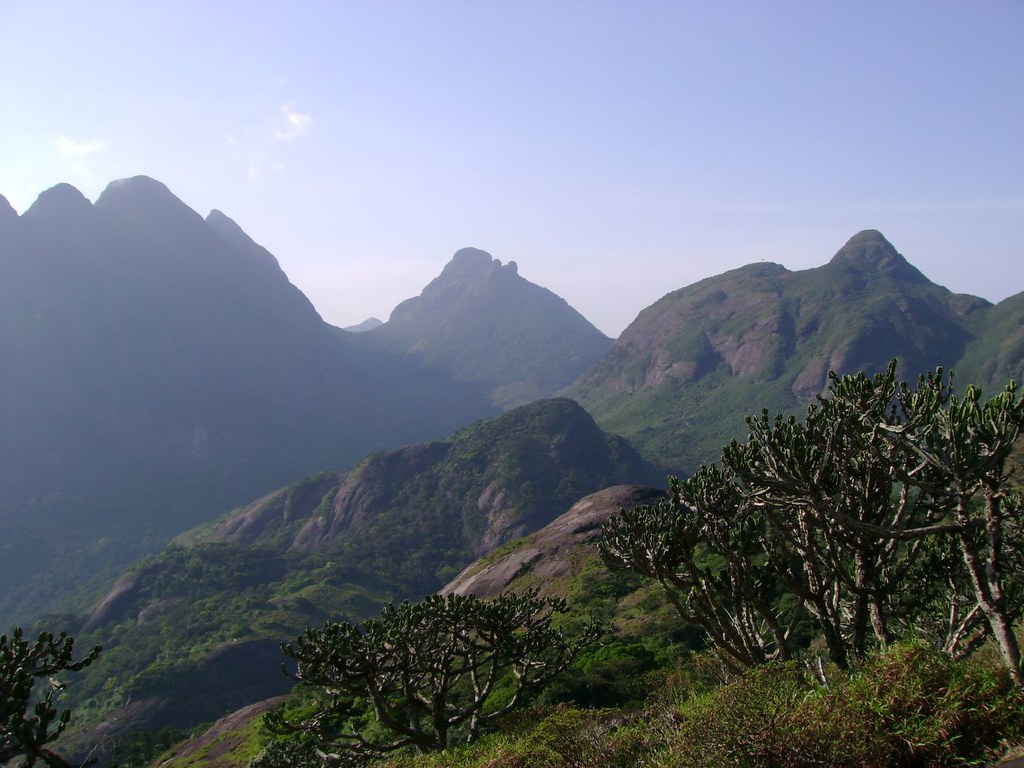
It’s major part lies in Tirunelveli district with its southern slope in the Kanyakumari district.Pothigai hills are called with different names such as the Shiva Jothi Paravah,Agasthiyar hills and southern Kailash.These hills feature richest biodiversity in the Western Ghats.This area is known for its rich evergreen forest, waterfalls and ancient temples.Kalakkad Mundanthurai Tiger Reserve is located in this region.
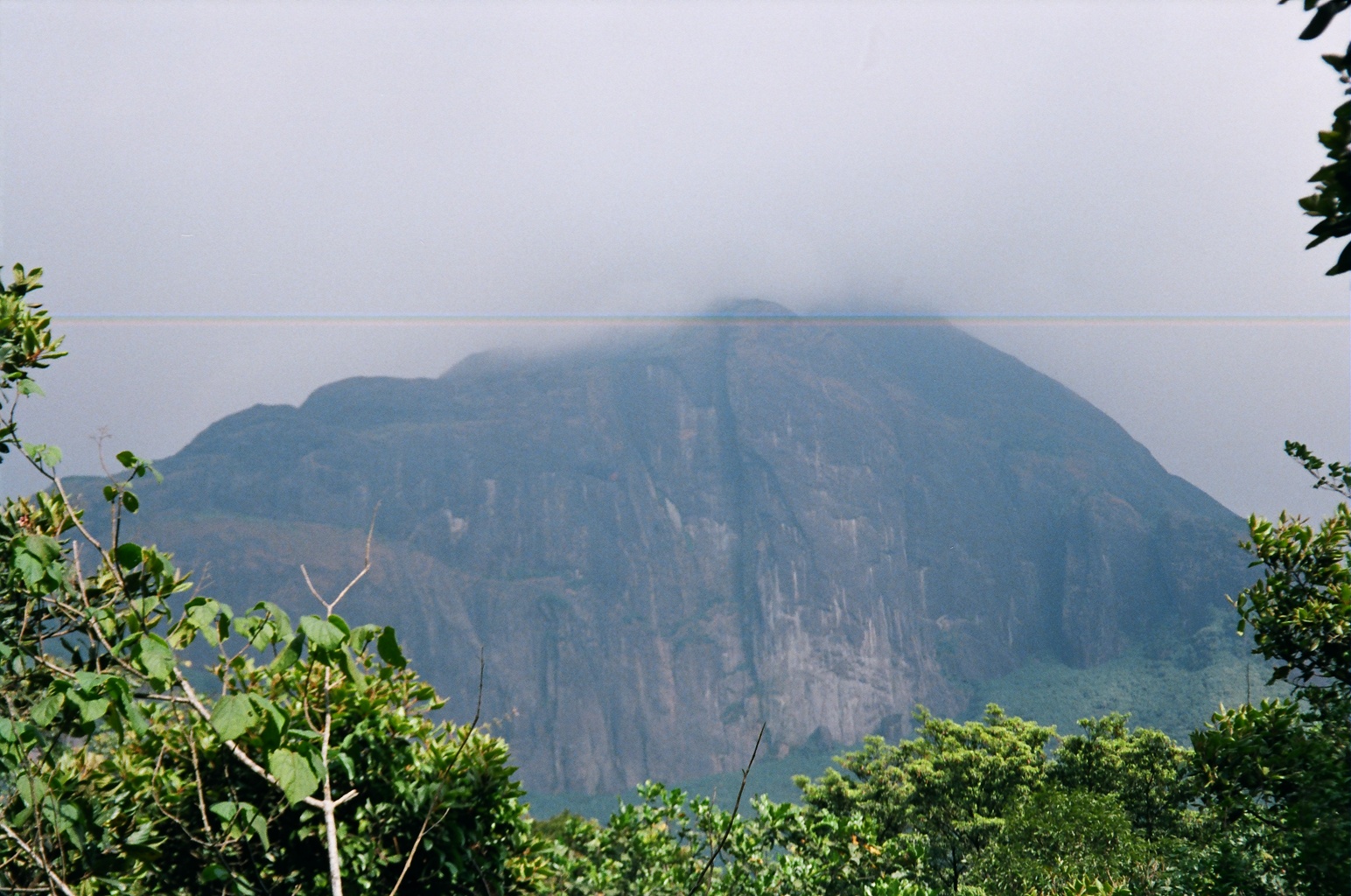
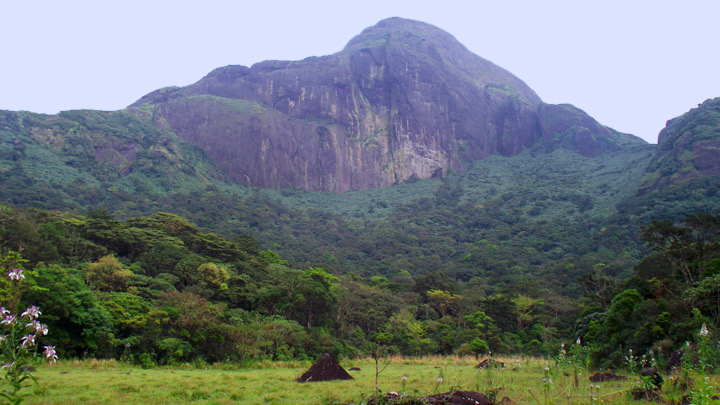
Agasthiyar hills
Mahendragiri Hills
This continues range is situated along the border of Kanyakumari and Tirunelveli districts and is a part of the southern range of the Western Ghats.Its average height is 1,645 m.ISRO propulsion Complex ,a text facility for Indian sapce Reserch Organisation’s launch Vehicles and satellite propulsion systems,is situated on the lower slopes of this mountain.
Electronics are indisputably ruling the world. Right from the intractable mobile phones in our hands , to the versatile appliances that cook up our sustenance in the kitchen, the influence of electronics in our day to day lives is inexorable. Initially these devices were powered directly with AC power supply . As technology improved , people expected things to be handy so that they can carry them wherever they go. This is where the batteries came as a lifesaver. Although initially the batteries were huge in size and expensive , due to exploration of various chemistries they substantially got better.
A Bloomberg report says that battery prices have been reduced by 88% in the last decade. They have always predicted that battery prices would fall to $100 per KWh by the year 2024. This indicates that the usage of batteries will increase at a rapid phase in the upcoming years.
Batteries a boon or bane?
When there are numerous advantages involved in an invention , it will forsure have its downside. Batteries were never an exception. Although the life of batteries has increased over the years , it will degrade after a certain period of time. Have you ever wondered where these batteries end up after their degradation? They end up in land and water bodies and contaminate their natural state. As a result of this the organisms living in the land and water ecosystem are subjected to hazardous chemicals which are causing reversible and irreversible effects on their heath. The dumping of batteries in an improper manner will also lead to global warming and depletion of groundwater levels. This Proves that batteries are definitely a bane if they are not properly disposed of.
Currently there are 250,000 EVs on the road in India which clearly states the amount of batteries that will reach its end of life by the year 2027-2028. Apart from these there are tons of batteries used in day to day devices we use. Imagine the effects on our country if these batteries are not properly disposed of.
Every problem has its solution:
Problems lead us to ways of alternative thinking. One significant way to make the situation better is to recycle the batteries. But the percentage of batteries recycled is comparatively low. Indian government is significantly planning to recycle lithium ion batteries and are also offering support to companies which involve proper recycling of batteries. Tata chemicals have initiated battery recycling process in the year july 2019 with a smaller quantity of 100 kgs and now has expanded its capability to tonnes per month. They are also planning to enlarge their factories to facilitate recycling in a battery way.
Startups which are recycling batteries in India:
Even though some of the corporate ventures are showing interest in recycling batteries , some startups are really trying their level best to recycle the lithium ion batteries. This is a daring attempt and it must be appreciated in every possible way. Some of the startups which recycle batteries in India are as follows:
Lohum Cleantech.
Ziptrax Cleantech
Nunam batteries.
Ebikego
There are many other startups working behind the curtains to recycle and reuse the Lithium Ion Batteries. As consumers we have the responsibility of supporting these firms by providing them with batteries after their degradation and promoting the usage of recycled batteries.
Akbar grew up in an environment where remarkable saints like Kabir, Chaitanya emphasized on a religion based on devotion and love rather than one based on rituals and interpretations of revealed books.An atmosphere where liberal sentiments and views propagate greatly influenced Akbar’s religious policy.
Main features of his religious policy:
Protective measures- Abolition of pilgrim tax, giving up policy of religious conversion of the prisoners of war.This laid the foundation of the empire based on equal rights irrespective of religious faiths.
Sulh-I-kul (peace to all)- This involved the adoption of the idea of how a true sovereign should behave . Akbar adopted the idea that a true ruler should show parental love towards his subjects without any discrimination , not allow sectarian strife to rise.
Ibadat khana- Initially Akbar was influenced by the Chief Qazi but after his betrayal he grew increasingly inclined towards mysticism, repeating God’s name . In 1575, he established Ibadat Khana at Fatehpur Sikri where he invited theologians, preachers of different religions. He held discussions about the Quran , features of different religions, the nature of God etc.
“Decree of Infallibility “- To deal with Mullahs Akbar issued a declaration or Mazhar that to consider fit to interpret the Quran among different persons Akbar is the one. Since he is wise , just and ranks higher in the eyes of God so he will choose which interpretation of the Quran is correct among many others.
Maintained contacts- Abar maintained contacts with different religious scholars and continued to invite them to his court. For example , he had invited from Hindu religion Puroshottam and Devi , from Christianity Aquaviva and Monserrate.
Tauhid-I-Illahi- Contact with different religious leaders provided Akbar with great understanding, although all religions had different good points but they all preached the creation of an atmosphere of peace , amity and good for the country. This understanding made Akbar to create a new religion combining all the good of other religions. This was the Tauhid-I-Illahi. It was an order of the Sufistic type, Sunday was the day of initiation where those willing to join placed head at the feet of the Emperor who raised him up and gave him the formula-the shast to repeat upon , Allah-o-Akbar was the motto.
Enrolling Murids- They were a personal band of nobles completely loyal to the Emperor who had to give up their property, life, honour and religion and become devoted to Akbar. Badayuni has criticized this move of Akbar as a strategy to gain loyalists and many unworthy flatterers.
Translation department- Akbar made sure to translate works like Singhasan Battisi , Atharva Veda , Ramayana, Mahabharata etc.
Hence the religious policy of Akbar shows his attempt to maintain peace and cordial relations between different sections in society.
Demolition of dilapidated dwellings located in a slum. Slum clearance, slum eviction or slum removal is an urban renewal strategy used to transform low income settlements with poor reputation into another type of development or housing. This has long been a strategy for redeveloping urban communities.
2) Redevelopment
The demolition of an existing building and its replacement by a new building. Redevelopment consists of the removal of existing buildings and the reuse of cleared land for the implementation of new projects. This approach is applicable to areas in which buildings are in seriously deteriorated condition and have no preservation value, or in which the arrangement of buildings are such that the area cannot provide satisfactory living conditions. In such cases, demolition and reconstruction, of whole blocks or of small sections, is often thought to be the only solution to ensure future comfort and safety of the residents. In the majority of western countries, redevelopment has been discarded as a way to rejuvenate old city centers. However, in many developing countries, redevelopment through slum clearance and reconstruction is still regarded as the only viable way to improve housing conditions and to modernize inner-city areas.
3) Rehabilitation
The repair and improvement of existing structurally sound property. Rehabilitation, often termed conservation or preservation, can be defined as the opposite of redevelopment. It is based on preserving, repairing and restoring the natural and man-made environments of existing neighborhoods. Rehabilitation is applicable to areas where buildings are generally in structurally sound condition but have deteriorated because of neglected maintenance. It takes advantage of the existing housing stock as a valuable resource and adapts old houses to present day life and acceptable standards by providing modern facilities. Rehabilitation recognizes that the limited availability of funds for new construction and the serious housing shortage make the option of destroying already existing housing appear both unaffordable and imprudent. It recognizes the value of old neighborhoods and by preserving what is unique, ancient and specifically local, it can also contribute to the development of the tourism industry and stimulate the economy.
Concerning the impacts on the population, residential rehabilitation can take place in two distinct ways: gentrification and incumbent upgrading. Gentrification is defined as the process by which middle and upper class people move to a neighborhood, attracted by its proximity to central business districts and replace the previous working-class inhabitants. Through the process of incumbent upgrading, the residents remain in place and invest in their own time, money and energy into refurbishing their housing and improving their social conditions.
4) Housing Improvement
Improvements of dwellings by provision of essential basic amenities.
5) Conservation
To retain intact or unchanged.
6) Environmental Improvements
Main emphasis is to improve environmental conditions.
Are you stressed out seeing the increasing digits of your weight machine when you stand on it? Or have you tried giving up dieting just by saying yourself that it is not your cup of it? Have you ever wondered how your thoughts could shape your body? Yes, you heard right not only the food you take or the exercise you do define your body shaping but also how you think about yourself matters. Even once I was surprised to see a change in the weight of one of my relatives, and as I asked her about the tricks she used, she told me it was a magic of meditation. Thinking optimistic about reducing your body weight as well as working with full positivity would makes work easier for you. Lebron James once quoted that “I LIKE CRITICISM, IT MAKES ME STRONGER” similarly taking up wicked comments with a noble attitude helps you to change your lifestyle healthily directly affecting your body.
Many boys also face body shamming in every sphere of life, so this thing is not sticked to one section of society which makes it even more important to fight it using 3 essential components; YOU, YOUR MIND, AND YOUR BODY. So stop feeling sad about yourself, your weight instead feels strong, and keep an affirmative outlook in shaping yourself and hence your personality.
The 2020 Olympic games are scheduled to take place in the Japanese Capital between 23 July and 8 August. The Paralympic Games are between 24 August and 5 September. The games were postponed last year because of Covid. The Olumpics will feature 33 sports at 339 events across 42 venues. The Paralympics will feature 22 sports at 539 events across 21 venues.
Covid in Japan: A new wave of infections began in April, but overall the country has had relatively low case numbers. As at start of July, there have been 800,000 confirmed cases and 14,802 deaths. Only just over 8% of Japan’s population of nearly 126 million people is fully vaccinated
Entry to Japan by foreigners from 159 countries is currently banned. No fans from around the world can travel to the games. Up to 10,000 Japanese fans will be permitted to attend, providing crowds do not exceed 50% of a venue’s capacity. They must wear mask at all times.
Covid measures : International atheletes and support staff will be tested before departure and on arrival in Japan. They won’t necessarily have to quarantine, but must stay in bubbles and avoid mixing with locals. Athletes of Great Britain may have to quarantine as there is a surge in number of cases in UK. The athletes also don’t have to be vaccinated. Participants will be tested for Covid daily. However, two members of the Ugandan delgation have tested positive in Japan.
People’s opinion : A recent poll in the leading Asahi Shimbun newspaper suggested more than 80% of the population want them cancelled or postponed. Several towns set to host the athletes have reportedly pulled out because of fears about Covid and extra pressure on the healthcare system.
Olympics be cancelled? : It is possible to cancel the Olympics nut only under very exceptional circumstances. The contract between The IOC and host city Tokyo makes it clear only the IOC can cancel the event. The IOC is thought to make around 70% of its money from broadcast rights, and 18% sponsorship. If the games don’t go ahead, it could severly damge its finances and the future of the Olympics. The budget for the Olympics set by Japan was at $12 billion, although estimates suggest it could be double that. Even though the Olympics are heavily insured, losses would be still high.
Olympics minister and Chief of Tokyo Games Seiko Hashimoto said, “I am very confident we will have these games. We are everything we can.”




















 Eduindex
You must be logged in to post a comment.