He who has a why to live for, can bear almost any how. You can easily judge a man by his questions rather than by his answers. The scientist is not a person who gives the right answer, he is one who asks the right questions.
Life is filled with unanswered questions, but it is the courage to seek those answers that continues to give meaning to life. You would rather have questions that can’t be answered than answers that can’t be questioned.
Courage does not happen when you have all the answers. It happens when you are ready to face the questions you have been avoiding your whole life.
Never give up on someone, sometimes the answers you are looking for are the same answers another person is looking for. Two people searching together are always better than one person alone.
Question are great but only if you know the answers . If you ask questions and the answers suprise you, you look silly. The wilderness holds answers to more questions that we have yet learned to ask.
Good books make you ask questions but bad readers want everything to be answered. There are no foolish questions and no man becomes a fool until he has stopped questioning. The most important questions in life can never be answered by anyone except oneself and that is you.
At the end of the day, the questions we ask for ourselves determine the type of person that we will become. There are some questions that should not asked until a person is mature enough to appreciate the answers. Wait for the right person and right time…
The only limits in your life are those you impose on ourselves. You can never read all the books you want. You can never be all the people you want and live all the lives you have. You can never train yourself in all the skills you want but you want to live and feel all the shades, tones and variations of mental and physical experience possible in your limit.
Belive in your infinite potential. Your only limitations are those you set upon yourself. You are worthy of all that you dream of and hope for.
When you reach for the stars, you are reaching for the farthest thing out there. When you reach deep into yourself, it is the same thing, but in the opposite direction. If you reach in both directions ,you will have spanned the universe.
If you spend your life concentrating on what everyone else would think of you ,you will forget who you really were and the face you show to this world turns out to be a mask with nothing beneath it.
Your personal thoughts close off or open up your reality. Make a conscious choice to change the way you think. Your reality will then become limitless. A limit on what you will do, puts a limit on what you can do. When you choose to have limits ,you limit yourself for growth, knowledge and experience.
Everyday try to push your limits. Do this for small tasks and for your bigger long term goals. Develop the growth mindset ,everyone’s time is limited.
What matters most is to focus on what matters most. The number of ways to live in our lifetime is limitless. As the sun knows even the sky is not the limit.
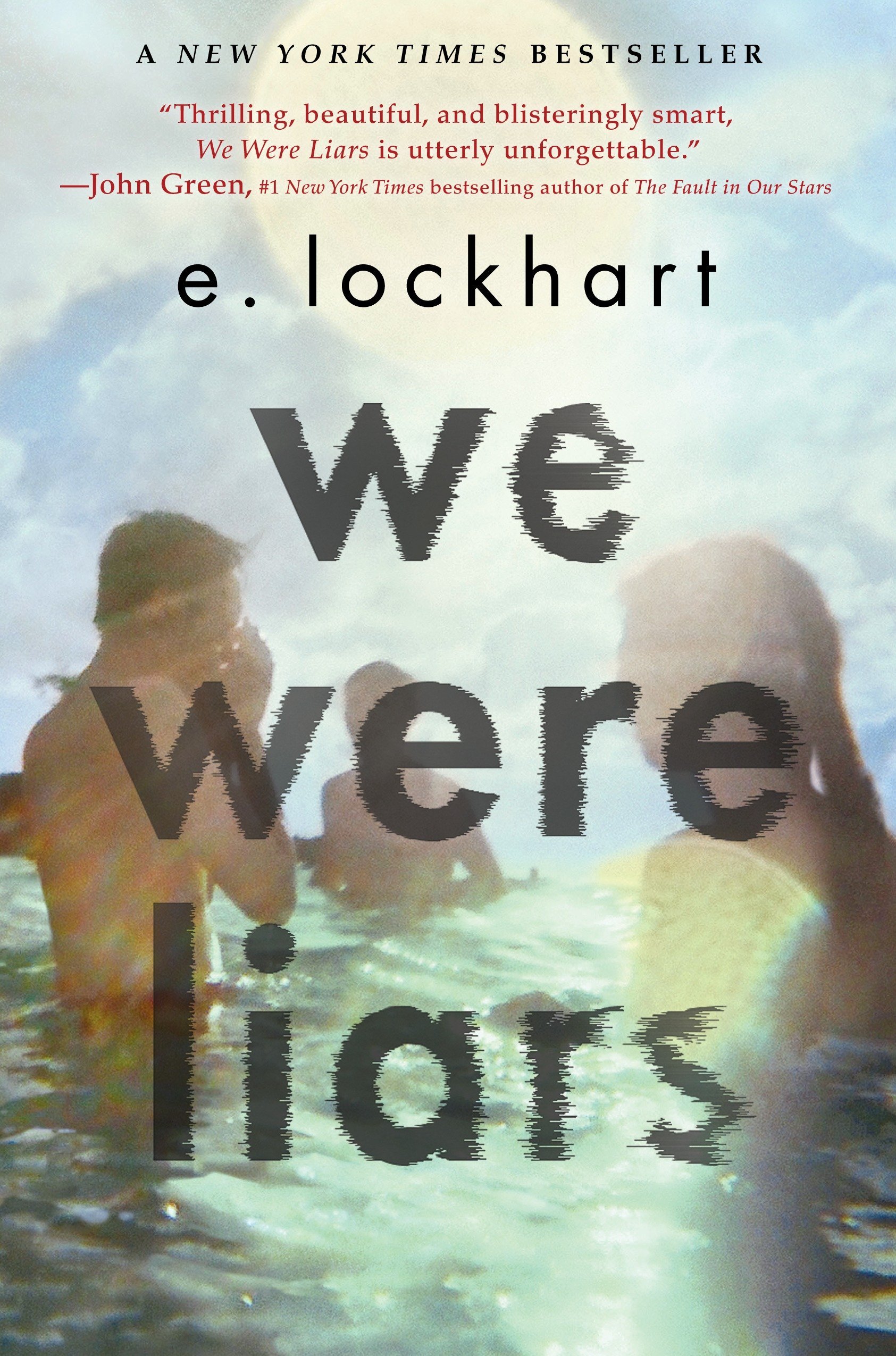
Cadence is a girl born to rich family that owns large estates and an island. Her best friends are her cousins and the son of the manager. This group together is called the liars. The liars are the best of friends, and enjoy each other more than their families which are bound quite unlovingly in threads of race and economic dependencies. One day Cadence is found unconscious near the shore and is not allowed to visit the island again for the next couple of years. The worst part is she remembers nothing of what happened to her. Her mother even forces her to improve relationships with her estranged father. She returns however to the island only to find the liars living in a far end of the island and her family broken down and her once strong headed and commanding grandfather suffering from dementia.
She roams around the island and is saddened that the liars do not want to get very close to her. She discovers not only the ugly relationships and secrets of her family but also slowly comes to remember and accept the fate that she has given to her friends and her family.
Awarded the Good Reads Book of the year in young adult literature in 2015, We were liars is a book that deals with love, romance, a decaying aristocracy and the decaying state of mind within it, not to forget issues like mental health and defenses.
India is the tenth-largest country by land. Carved out of 565 princely states & 17 provinces at the time of Independence, which were just 14 states and 6 union territories.
With time number of states has grown to
28 states and 8 Union territories.
All the states have some issues in between one such issue which raised the eyebrows is the ‘conflict between Assam & Mizoram’.
Carved out of Assam in 1972 as a union territory, Mizoram gained its complete statehood in 1987.
The states have a dispute over a border of 164.6 km.
Claims-
Mizoram stands by an 1875 notification, which came from ‘The Bengal Eastern Frontier Regulation Act of 1873’.
Whereas, Assam claims the land as per ‘1933 notification by the state government that demarcates Lushai Hills’.
During Colonial time Lushai was known as Mizoram.
These borders change with natural obstacles like rivers, forests, etc. Often people living on one side of the land cross it as they are unaware of the border demarcation.
Other Land Disputes in Indian states-
• BelagaviDispute between Karnataka and Maharashtra.
• Assam & Nagaland dispute.
• Gujarat & Rajasthan dispute over Mangadh Hill.
• Himachal dispute with Haryana over Parwanoo region.
• Himachal dispute with Ladakh over claim on Sarchu.
Peace begins when expectation ends. Treat a man as he is and he will remain as he is. When you stop expecting people to be perfect, you can like them for who they are. I’m not in this world to live up to your expectations and you are not in this world to live up to mine.
You are your own worst enemy. If you can learn to stop expecting impossible perfection, in yourself and in others, you may find happiness. Don’t swim in the sea of others expectation.
Stop expecting others to show you love, acceptance, commitments and respect because a wonderful gift may not be wrapped as you expect. The pretty once are usually unhappy. They expect everyone to be enameled of their beauty. You can’t be content when your happiness lies in someone else’s hands.So don’t give your happiness in others hands in the name of expectation.
It is good when all you have is hope and not expectation. The fruit of expectation is more bitter than the saddest truth. The key in letting go is practice . Each time you let go, you stop expecting and start accepting things as they are.
Expect more from yourself than from others because expectation from others will just hurt you. Don’t blame people for disappointing you, blame yourself for expecting too much from them. Life is easier when you stop expecting things to get better.
Sometimes we create our own heart breaks through expectation.
There are two ways to be happy : improve your reality, or lower your expectations.Choose one and lead a happy life…
According to the Cambridge Dictionary, veganism can be defined as : the practice of not eating or using any animal products, such as meat, fish, eggs, cheese, or leather. The term ‘vegan’ was coined in 1944 by Donald Watson, co-founder of ‘the Vegan Society’. Initially, the term was used to describe ‘non-dairy vegetarians. However, in 1951 the Vegan Society has updated the definition to:“exclude all forms of animal exploitation…” Veganism seems to be rising fast as a dietary choice with the number of vegans in the U.S. growing by 600% from 4 million (2014) to 20 million (2018). However, it is still in the minority with less than 1 percent of the total world population (79 million out of a total 7.9 billion) being vegan.
Health Benefits
The increasing numbers of people are moving toward vegan diets due to health, animal welfare, or environmental concerns. Vegan diets tend to be rich in nutrients and low in saturated fats. Research suggests that the diet can improve heart health, protect against cancer, and lower the risk of type 2 diabetes.
Vegan diets can boost heart health in several ways. A large-scale study conducted in 2019 had linked a higher intake of plant-based foods and lower intake of animal foods with a reduced risk of heart disease and death in adults. Animal products such as meat, cheese, and butter are the main dietary sources of saturated fats. According to the American Heart Association, eating such foods that contain these fats raises cholesterol levels. High levels of cholesterol increase the risk of heart disease and stroke. Plant foods are also high in fibre, which are linked with better heart health. Animal products contain very little or no fibre in comparison. In addition, people on a vegan diet often take in fewer calories than those on a standard Western diet. A moderate calorie intake can lead to a lower body mass index and a reduced risk of obesity, a major risk factor for heart disease.
According to a 2017 review, eating a vegan diet may also reduce a person’s risk of cancer by 15%. This health benefit may be due to the fact that plant foods are high in various vitamins and phytochemicals (biologically active compounds in plants) that protect against cancers. The International Agency for Research on Cancer has also reported that red meat is “probably carcinogenic,” noting that research has linked it primarily to colorectal cancer but also to prostate cancer and pancreatic cancer. Eliminating red and processed meats from the diet removes these possible risks.
Environmental Benefits
Going Vegan also has multiple environmental benefits.
The high levels of carbon dioxide, methane, and other Greenhouse gasses (GHG) produced by animal agriculture generate over 14% of global emissions, greater than all transportation emissions. Studies show that adopting a vegan diet can cut agricultural greenhouse gases in half.
With greenhouse gases being the leading cause of climate change, due to the “greenhouse effect”, we should expect Veganism to help mitigate climate change. Studies have found that if everyone went vegan, emissions contributing to global warming would be cut by 70%, enough to stop and reverse the harmful effects of climate change including rising sea levels, floods, melting glaciers, and droughts.
Animal agriculture impacts the world’s biodiversity by using wild land for soy and maize crops, the primary livestock feed. The increasing use of land has led to a number of native species being threatened on a global level, including different species of monkeys, elephants, bears, tigers, alligators, lions, wolves, and parrots. Choosing a vegan diet will go a long way in preventing species extinction by eliminating the need of livestock and factory farms feed crops. Veganism provides a more sustainable agricultural model, focused on feeding people, not animals for slaughter.
Negative Benefits
Vegan diets tend to be rich in many nutrients, low in saturated fat and cholesterol, and also higher in dietary fibre. But there are many nutrients that those following a vegan diet oftentimes do not consume enough of. If you’re not careful, following a vegan diet can cause in the development of some deficiencies in vitamin D, calcium, omega-3 fatty acids, and zinc. These deficiencies can impact the body in a variety of ways, possibly causing a weakened immune system, a higher risk of experiencing bone fractures, high blood pressure, rashes, or fatigue.
Iron plays a crucial role in transporting oxygen throughout your body but it can be difficult to get enough of it when following a vegan diet. Heme iron (a type of iron) is found only in animal sources. Since those following a vegan diet do not consume heme iron, they must rely on non-heme iron, which can be found in plant sources, but it is not as readily absorbed by the body as heme iron is.
In addition, certain plant-based compounds can further inhibit iron absorption, making it more difficult for those following a vegan diet to consume enough iron, per a paper published in the American Journal of Clinical Nutrition in 2010. Not consuming enough iron could cause the body to feel lethargic and it could put at risk for developing iron-deficiency: anaemia, which is a potentially serious condition that occurs when your body isn’t making enough red blood cells.
Ultimately the success of a vegan diet will rest on the conscientiousness of the individual undertaking it. It may be a restrictive diet and unless we pay attention to the elements of the diet that it excludes, then we might be putting ourselves at risk of developing deficiency-related problems. It has become easier to follow with vegan-friendly food products in supermarkets, which are fortified with nutrients that can be absent from the diet.
The day you start a new job is the day to begin planning for the next one, say experts. Such advice may sound pessimistic and even betray a lack of confidence in one’s own abilities, but it reflects a level of truism. Shutting out the job market may mean missing out on important opportunities for career growth. Worse, you could find yourself stranded if circumstances forced you to quit your current job.
Irrespective of whether you are happy or not in your existing job, there are major advantages to keeping your eyes and ears open for new employment opportunities.
1.You may become a victim of restructuring and cutbacks
The global economy might be inching back towards normalcy after the recent financial meltdown but restructuring and cutbacks remain a way of life in the corporate world. The growing scarcity of resources, coupled with increasing competition, means businesses are constantly forced to reform and streamline to remain competitive. This means that your job is constantly on the line—along with everybody else’s at the company. Layoffs are a persistent threat in any corporation and it helps to be prepared should the axe fall on you.
2.Changes at the top may not bode well for you
Acquisitions, takeovers, mergers and demergers are various ways in which corporations reinvent themselves to rationalize costs or add to profits. Such decisions, while they are taken at the very top, have an impact on all the company’s employees. As a result, a steady job today could become a shaky one tomorrow. If you’ve kept your ears to the ground, you’ll get a head start on the job-hunting process, when the time comes.
3.It’s a great way to network
If you’re called in to meet a potential employer, make sure you meet up, even if you’re not looking for a change. Networking is an important means of career growth, and applying to jobs and turning up for interviews will help you get to know key people in your industry if nothing else. You may be unwilling to switch companies at the time of meeting the hiring manager, but when the time does come and you’re ready, you’ll have access to the relevant people. Stay in touch with them and enter into discussions when the time is right. If you’ve managed to impress them enough, on the other hand, they might just make you an offer that is too good to refuse!
4.It keeps you abreast of industry developments
Sometimes, being employed with one company for a long span of time comes with the accompanying danger of being shut out from the latest developments taking place in your sector. Scanning advertisements and sending out applications regularly will keep you informed of industry movements and the skills you need to develop to stay relevant in the job market. In addition, it will also give you a sense of what demand there is for someone with your skills and experience as well as the salary you can expect were you to leave the company.
5.You can practise your interviewing skills
Interviewing for a job can be quite an ordeal, but it gets easier with practice and a little practical advice. If you find a job opening that interests you, apply. Turning up for job interviews even when you are not actively looking for a job will polish your interview skills and serve as preparation for crucial ones later.
Now the bottom line is lulled into complacency in our existing jobs, most of us rarely spend any time scouring the job market when we are not actively looking for a change. But being proactive about a job search has several advantages and may even help you make the career move of your dreams.
Many mainstream films depict Arabs and Muslims in a negative light. Throughout the history of Hollywood, Arabs have been portrayed in many different racial stereotypes in both Western culture and film. Often portrayed as barbaric, as oil sheiks, and most famously, terrorists.
British-Pakistani actor Riz Ahmad, an Oscar nominator actor, who represents a minuscule number of Muslims in Hollywood came up with a group of activists that together launched a campaign to combat ‘toxic portrayals’ of Muslims in the film industry that is dominated by Hollywood.
“The progress that’s been made by a few of us doesn’t paint an overall picture of the progress of most of the portrayals of Muslims on screen that are still either non-existent or entrenched in those stereotypical, toxic two-dimensional portrayals,” says Riz Ahmed. He became the very first Muslim actor to be nominated for the best actor category at the Oscars for his role in The Sound of Metal.
Despite the number of Muslims in the world, the representation of Muslims in movies in the US remained at 1.6 percent. Out of 200 movies, 182, they have no Muslim characters. Among all the countries that were examined, US films had the worst representation. There is no particular representation in animation movies or series either, that’s a lot to talk for itself. A study says that most Muslims go through racism in western countries while being asked to ‘go back to their country’ or ‘ isn’t it against your religion, and ‘are you a terrorist.’
Muslim representation is rare, and when it exists, it is highly problematic. For many Muslims, it’s better to have no representation than to be shown as a negative influence on society. Muslim women characters who wear hijabs are often shown in conflict with their appearance. The act of taking off the hijab is portrayed as a sign of freedom which is the complete opposite of why the women choose to wear the hijab. Islam doesn’t force women to wear the hijab, it is all up to the women if they want to wear it or no. Due to this false representation, people think the hijab is oppression.
More than 50 percent of Muslims on screen were linked to violence and rendered as “foreigners” who are refugees or migrants, while the majority of them spoke with an accent and wore “different” clothes that make no definite sense. Despite Muslims are one of the most racially and ethnically diverse religious groups in the world, the characters are mainly stereotyped as Middle Eastern/North African. They’re also illustrated as threatening, and as subservient, particularly to white characters,” says Pillars fund, the organization that joined forces with Riz Ahmad.
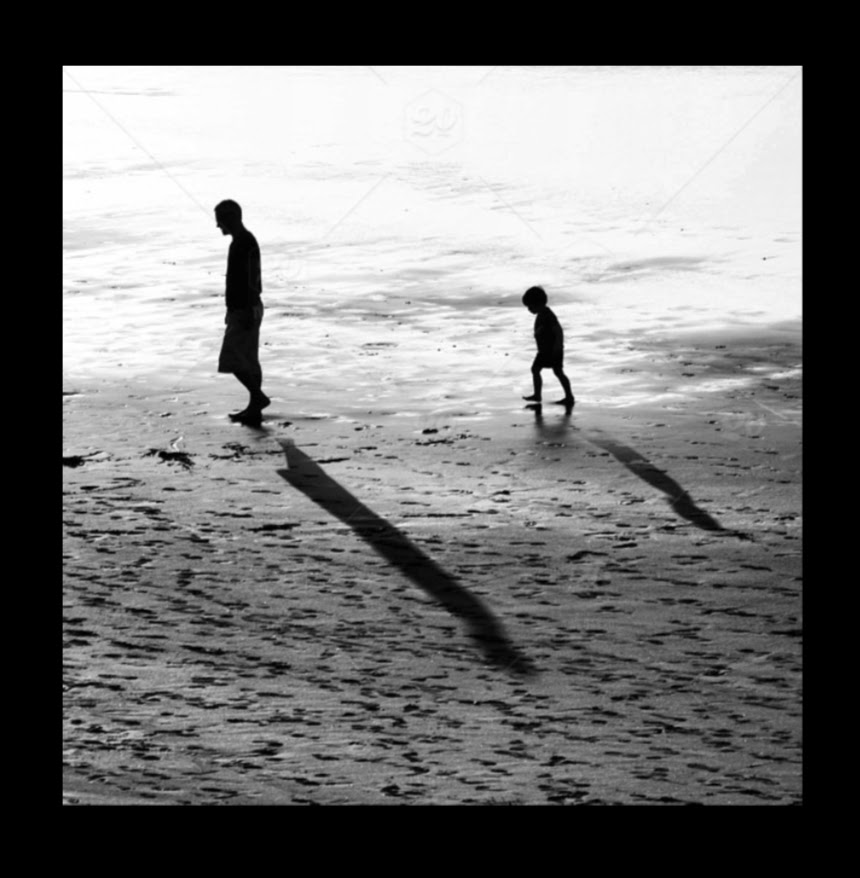
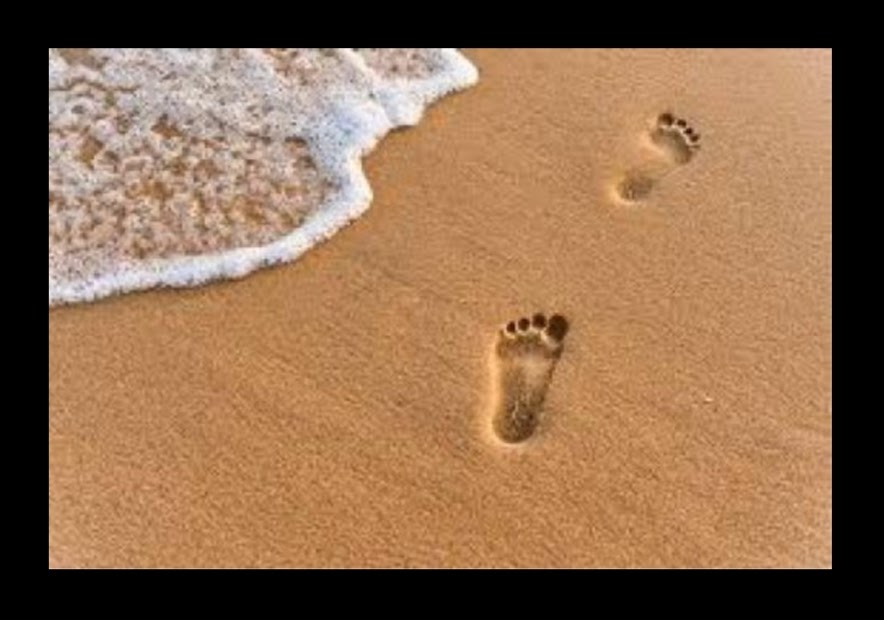
Your dreams have footprints. They could be beautiful or they could be uneasy. Footprints get life only when you breathe them right. You breathe in the destiny and breathe out a plan hence giving life to footprints in front of you.
The footprints you left behind are so important that a right footprint you left behind could create a thousand more right footprints. If you have opened a very important path for humanity, all you have to do now is to protect your footprints.
Definitely some will doubt you but don’t doubt yourself. Surely some will hate you mission but don’t change your vision. Surely you shall meet obstacles but learn to overcome all obstacles. You may meet the rocks but climb the rocks,you shall feel the fresh air. Truly you shall hear so many things but know what to listen to. Surely some will misunderstand you but learn to understand yourself. You may definitely have so many things to do but mind what is more important.
There is no great journey without issues but learn to overcome all issues and get to the end of the journey with distinctive footprint and a good sense of fulfillment. Sometimes even a thousand waves hitting the shore continually one after the other also can’t erase few footprints on the shore.
Studying the footprints on existing roads enables you to create a new path with fulfillment expectation.
We walk on the moon. We made footprints somewhere no one else had ever made footprints and unless someone comes and rubs then out, those footprints will be there forever because there is no air.
I think that is what we all want, in the end, to know that we left footprints. You were for a purpose! Live it ! Love it ! Achieve it ! And don’t forget to make your footprints…
I’ve said countless times that there are hundreds of ways to make money, especially in college. What limits people from doing it is all internal – not external. They make excuses for themselves: I don’t have enough time or I don’t know where to start. Well, today I’m eliminating some of those excuses. Here’s my list of 8 ways to make money in college. Seriously, I brain-dumped every idea I could think of to make money into this list. Some of them you’ve heard plenty of times before. Others might be new to you. To help organize the list, here are the categories I’ve assigned to the different tasks. I tried to list it most lucrative to least lucrative, but all of these items have their pros and cons.
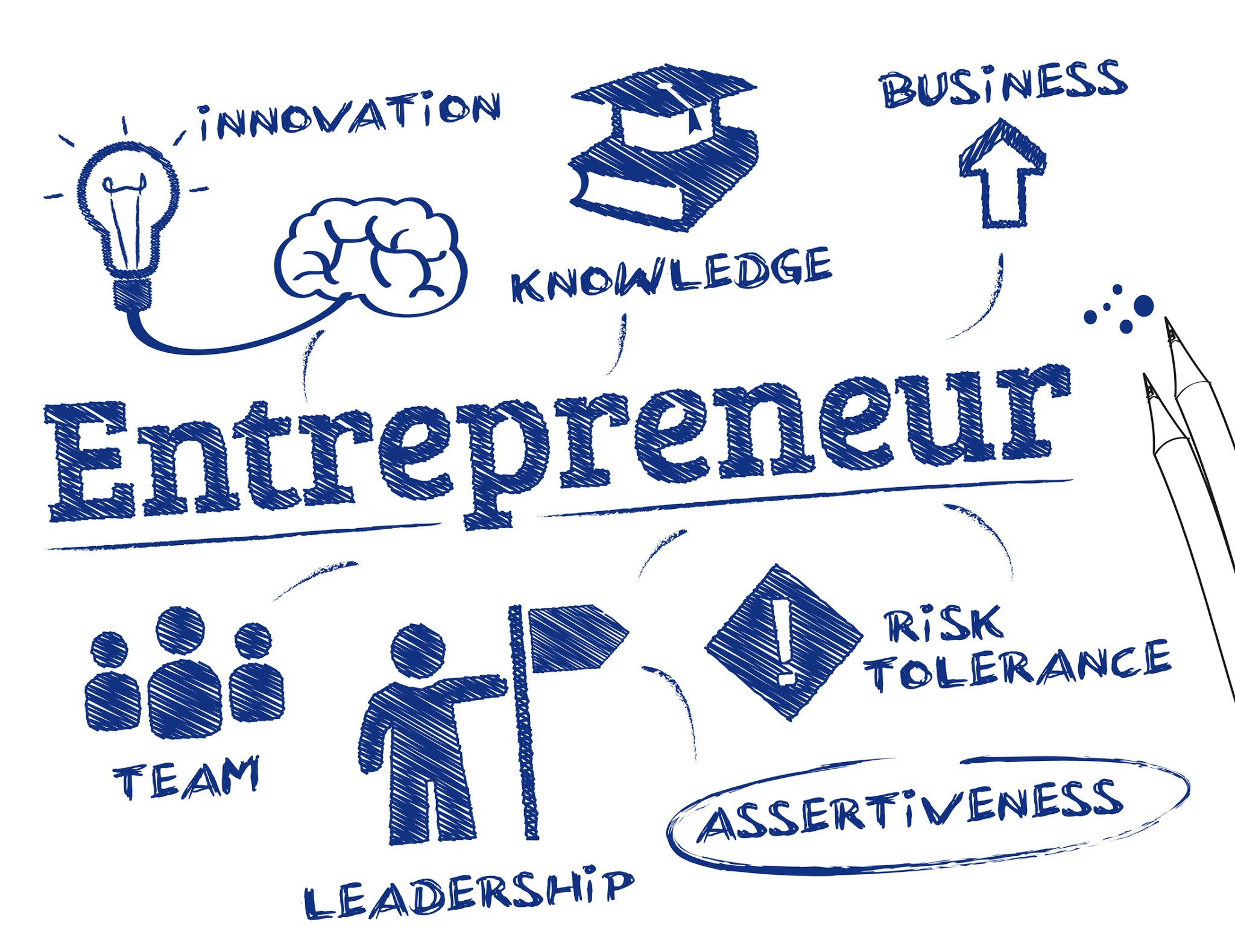
Entrepreneurship
Being your own entrepreneur is extremely rewarding, and it can be extremely lucrative for college students and recent graduates. These next money-making ideas are bucketed in this category because your earnings are only limited by your own internal drive.
1.Start A Blog Or Website
If you really want to make money online, you need to start a blog or website. This is your home base for everything that you do online, and it, by itself, can turn into a hugely profitable venture.
2.Freelance Write For Blogs And Businesses
Freelancing writing is one of the easiest ways to start making money, especially if you’re a fast writer. Beyond writing for blogs, many businesses are looking for writers to help with many different types of writing – from general how-to content to technical writing, to putting together brochures.
Work
Of course, you can always earn money by working. These are jobs that college students and young adults are well suited for given school schedules, summer vacations, and more.
3.Become A Tutor
Another great way to earn money while in school. If you’re a pro at any class in college, simply offer to help others that aren’t. You can post a sign outside the lecture hall, or even use a Facebook group for the class (as many classes are going digital). You can easily find clients and charge a decent rate to boost your income.
4.Get An Internship
Almost all internships are paid these days, and they can be a great way to gain real-world skills while also boosting your income. While many internships start over the summer, some companies offer extended internship programs, where you can stay on as an intern during the school year.
5.Plan Events
Do enjoy managing people, tasks, and coordinating things to get something done? If so, then party planning could be right up your alley. You can get paid to plan an event. This can be hard for a college student to do, but I’ve seen several pull it off.
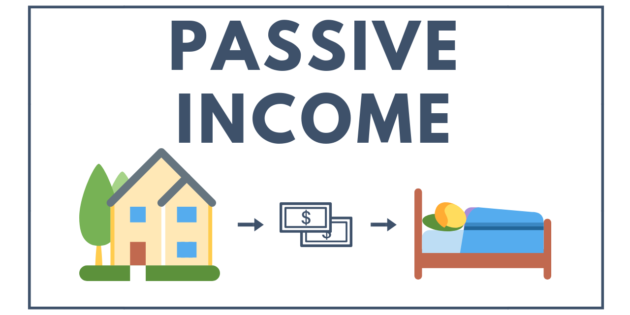
Build Passive Income
Now that you know different ways to make money in college, take it to the next level by investing some of those profits into building a passive income:
6.Start Investing
Once you have a little bit of money, you need to start investing it. The goal, of course, is to turn your investments into a passive income stream that will pay you for the rest of your life. It doesn’t take much to get started.
7.Peer To Peer Lending
Similar to investing, peer-to-peer lending is where you loan money to someone else, and they pay you back with interest.
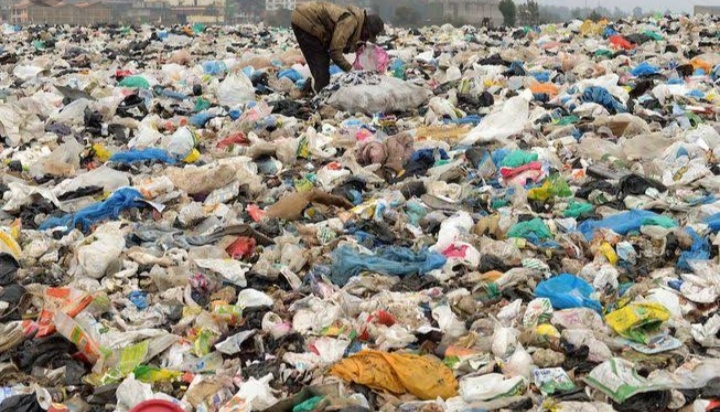
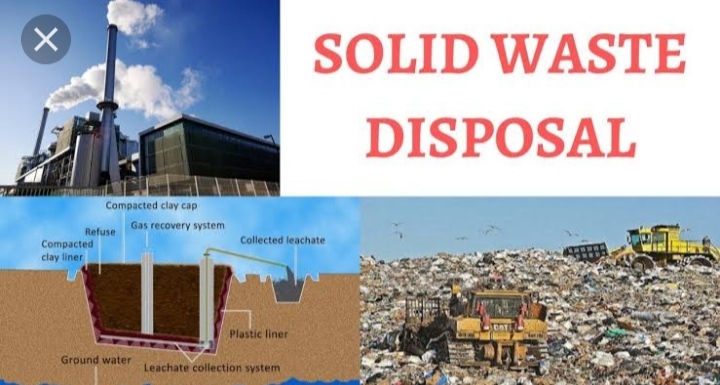
Solid Wastes mainly include municipal wastes, hospital wastes, industrial wastes and e-wastes etc. The solid wastes are dumped in the soil which results in landscape pollution.
Solid- waste management involves the collection, treatment and proper disposing of solid material that is discarded from the household and industrial activities.
Methods of solid wastes disposal
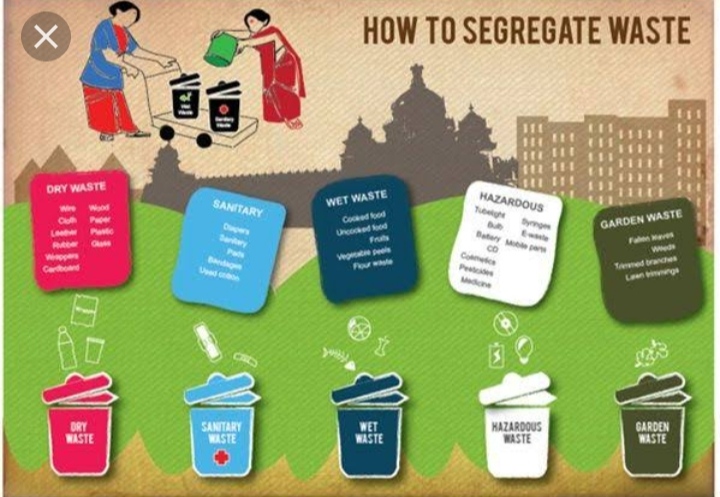
Segregation:
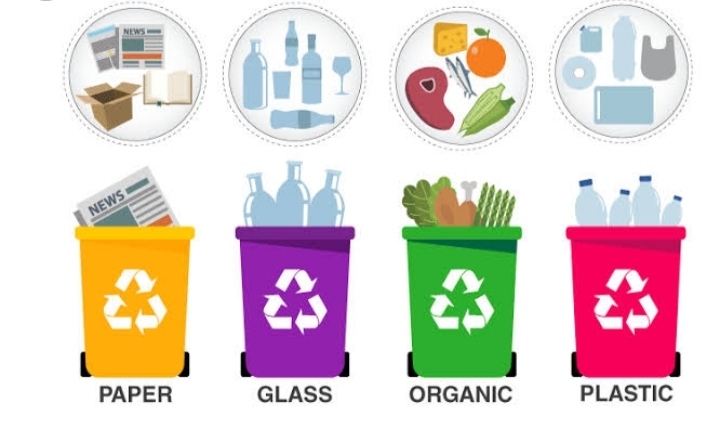
It is the separation of different type of waste materials like biodegradable and non biodegradable wastes.
Sanitary landfill:
Solid Wastes are dumped into low lying areas. The layers are compacted by trucks to allow settlement. The waste materials get stabilised in about 2-12 months. The organic matter undergoes decomposition.
Incineration:
Composting:
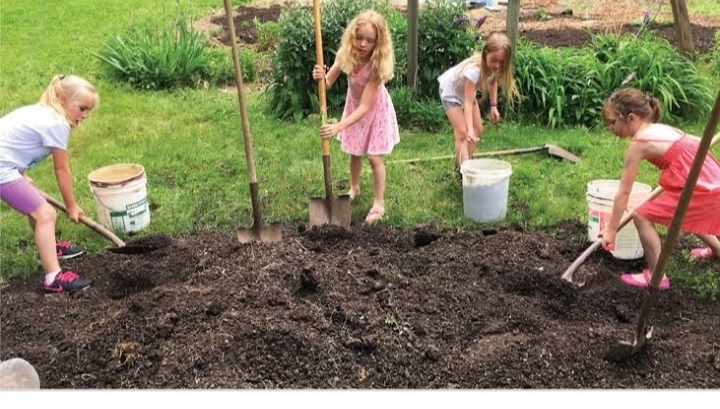
Biodegradable matter of solid wastes is digested by microbial action or earthworms and converted into humus.
Recycling of Wastes
Papers from old books, magazines and newspapers are recycled to produce papers in papermills. Agricultural wastes like coconut shells, jute cotton stalk, bagasse of sugarcane can be used to make paper and hard board. Paddy husk can be used as livestock fodder. Cowdung and other organic wastes can be used in gobar gas plant to provide biogas and manure for fields.
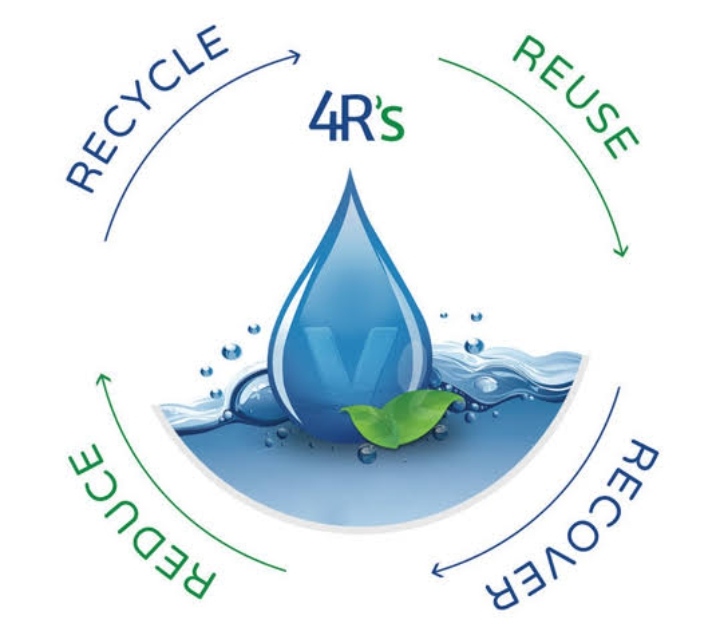
4R Approach
The 4R approach such as Reduce, Reuse, Recovery and Recycle may be followed for effective waste management.
Patriotism
means in essence, the love of one’s own country. An individual citizen who
loves his country and is loyal to it at all cost, even at the cost of his own
life is, a patriot. A patriot is one who is always willing to sacrifice all
that belongs to him at the altar of his country. This is the measure of
patriot’s extreme love for his country and in common terms it is called
patriotism.India has seen a spate of several patriots in the early decades of the 20th century. When the motherland was writhing in
pain under foreign rule, these patriots took birth and helped the country to
come out of the wilderness of foreign domination. They sacrificed their lives,
their pleasures, their families at the altar of freedom for their motherland
from the shackles of foreign rule.
In Oct, 1930,
Jawaharlal Nehru, from the Nainital Prison, wrote to his dear daughter, Indira
thus, “We have India’s honour in our keeping, and that honour is a sacred
trust”. Keeping the honour and the name of the country ‘ever high and ever
flying’ is the fundamental duty of every citizen. A nation can leap forward
only if its citizens are patriotic who are ready to live and die for their
motherland.Basically,
it is putting national feelings above personal feelings and national concerns
above personal gains. It is living and dying for one’s motherland. It is the
deep fervour coupled with the spirit of working for the advancement of one’s
country.
The spirit of patriotism is not merely a
noble sentiment within the heart. If it is so, then it is only sham patriotism.
True patriotism calls for certain concrete actions and external expressions.
First and foremost, it requires offering our valuable services when national
integrity and independence is threatened by external forces or neighbours. It
demands offering material and moral support in the fight for national freedom.
Patriotism does not always mean that you
have to sacrifice your life for your country; contributing good service towards
the country and its people is also equivalent to your sacrifice. Mathunny
Mathews has set a great example of patriotism. Mathunny Mathews was an Indian,
a resident in Kuwait, and was one of the people credited with the safe airlift
evacuation of about 1, 70,000 Indians from Kuwait during the 1990 invasion of
Kuwait. Only celebrating the flag hoisting ceremony on 15th August and 26th January,
posing for photos with the flag, and posting on social media doesn’t imply that
you are a true patriot. A real patriot is a person who has a true love for his
country. He fights against the atrocities upon his countrymen by insiders or
outsiders of the country.Patriotism is the most
important thing for the development of a country. As patriots think about the
country, its growth, and countrymen’s improvement, it positively impacts the
development of the country. A sense of patriotism helps to reduce corruption
and riots hence the country develops effectively
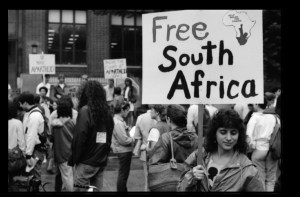
Apartheid was a system of legislation that upheld segregationist policies against non-white citizens of South Africa. After the National Party gained power in South Africa in 1948, its all-white government immediately began enforcing existing policies of racial segregation. Under apartheid, nonwhite South Africans (a majority of the population) would be forced to live in separate areas from whites and use separate public facilities. Contact between the two groups would be limited. Despite strong and consistent opposition to apartheid within and outside of South Africa, its laws remained in effect for the better part of 50 years. In 1991, the government of President F.W. de Klerk began to repeal most of the legislation that provided the basis for apartheid. President de Klerk and activist Nelson Mandela would later win the Nobel Peace Prize for their work creating a new constitution for South Africa.
WHO STARTED APARTHEID IN SOUTH AFRICA?
Racial segregation and white supremacy had become central aspects of South African policy long before apartheid began. The controversial 1913 Land Act, passed three years after South Africa gained its independence, marked the beginning of territorial segregation by forcing black Africans to live in reserves and making it illegal for them to work as sharecroppers. Opponents of the Land Act formed the South African National Native Congress, which would become the African National Congress (ANC).
The Great Depression and World War II brought increasing economic woes to South Africa, and convinced the government to strengthen its policies of racial segregation. In 1948, the Afrikaner National Party won the general election under the slogan “apartheid” (literally “apartness”). Their goal was not only to separate South Africa’s white minority from its non-white majority, but also to separate non-whites from each other, and to divide black South Africans along tribal lines in order to decrease their political power.
APARTHEID BECOMES LAW.
By 1950, the government had banned marriages between whites and people of other races, and prohibited sexual relations between black and white South Africans. The Population Registration Act of 1950 provided the basic framework for apartheid by classifying all South Africans by race, including Bantu (black Africans), Coloured (mixed race) and white. A fourth category, Asian (meaning Indian and Pakistani) was later added. In some cases, the legislation split families; parents could be classified as white, while their children were classified as colored.
A series of Land Acts set aside more than 80 percent of the country’s land for the white minority, and “pass laws” required non-whites to carry documents authorizing their presence in restricted areas. In order to limit contact between the races, the government established separate public facilities for whites and non-whites, limited the activity of nonwhite labor unions and denied non-white participation in national government.
APARTHEID AND SEPARATE DEVELOPMENT
Hendrik Verwoerd, who became prime minister in 1958, would refine apartheid policy further into a system he referred to as “separate development.” The Promotion of Bantu Self-Government Act of 1959 created 10 Bantu homelands known as Bantustans. Separating black South Africans from each other enabled the government to claim there was no black majority and reduced the possibility that blacks would unify into one nationalist organization. Every black South African was designated as a citizen as one of the Bantustans, a system that supposedly gave them full political rights, but effectively removed them from the nation’s political body.
In one of the most devastating aspects of apartheid, the government forcibly removed black South Africans from rural areas designated as “white” to the homelands and sold their land at low prices to white farmers. From 1961 to 1994, more than 3.5 million people were forcibly removed from their homes and deposited in the Bantustans, where they were plunged into poverty and hopelessness.
APARTHEID COMES TO AN END
In 1976, when thousands of black children in Soweto, a black township outside Johannesburg, demonstrated against the Afrikaans language requirement for black African students, the police opened fire with tear gas and bullets. The protests and government crackdowns that followed, combined with a national economic recession, drew more international attention to South Africa and shattered all illusions that apartheid had brought peace or prosperity to the nation. The United Nations General Assembly had denounced apartheid in 1973, and in 1976 the UN Security Council voted to impose a mandatory embargo on the sale of arms to South Africa. In 1985, the United Kingdom and United States imposed economic sanctions on the country.
Under pressure from the international community, the National Party government of Pieter Botha sought to institute some reforms, including abolition of the pass laws and the ban on interracial sex and marriage. The reforms fell short of any substantive change, however, and by 1989 Botha was pressured to step aside in favor of F.W. de Klerk. De Klerk’s government subsequently repealed the Population Registration Act, as well as most of the other legislation that formed the legal basis for apartheid. De Klerk freed Nelson Mandela on February 11, 1990. A new constitution, which enfranchised blacks and other racial groups, took effect in 1994, and elections that year led to a coalition government with a nonwhite majority, marking the official end of the apartheid system.
4th August2021 – Neeraj Chopra and Shivpal Singh (Javelin Throw), Lovlina Borgohain (Boxing), Aditi Ashok and Diksha Dagar (Golf), Indian hockey Hockey Team (Women), RahiKumar Dahiya and Anshu Malik ( Wrestling).
5th August 2021: Havildar Irfan Kolothum Thodi, Sandeep Kumar, Rahul Rohilla ( Men’s 20km walk ), Aditi Ashok and Diksha Dagar (Golf), Indian Men’s Hockey Team, Ravi Kumar(Finals), Deepak Punia(Bronze match), Vinesh Phogat and Anshu Malik(Wrestling).
6th August 2021: Aditi Ashok and Diksha Dagar (Golf), Gurpreet Singh(50km walk), Bhawna Jat and Priyanka Goswami (Women’s 20km Walk Finals), Anas, A. Jacob, N.N. Tom, N. Pandi ( Men’s 4x400m relay ), indian women’s hockey team, Bajrang Punia and Seema Bisla (Wrestling)
7th August 2021: Neeraj Chopra(Javelin Throw FINAL), Aditi Ashok and Diksha Dagar (Golf FINALS), Bajrang Punia (Wrestling Bronze Match)
,
Athletics
Men’s javelin throw
Neeraj Chopra bagged First position by throwing at a distance of 86.65m in Qualifications of Group A.
The first javelin thrower to enter an Olympic final and also the first to finish on top of the qualification round.
Shivpal Singh secured 12th in the Group B Qualifications. But, only Top 8 qualify for the seccon round.
Neeraja Chopra to compete in The finals on 7th August at 4:30pm.
Subedar (Indian Army Rank) Neeraj Chopra created history by winning Gold Medal in Athletics.
Men’s 20km walk
Sandeep Kumar came 23rd in the 20km finals on 5th August. Massimo Stano from Italy bagged 1st position.
Men’s 50km Walk
Gurpreet Singh failed to complete 50km walk. He tagged out after 35km by putting up a good fight.
Women‘s 20km walk finals
Bhawna Jat and Priyanka Goswami will be competing on 6th August in the finals of 20km Walk. Priyanka complete the competition and ranked 17th.
Men’s 4x400m relay
A. Rajiv, M. Anas, A. Jacob, N.N. Tom, N. Pandi will be competing on 6th august at 5pm. India fought till the end and missed the 3rd pace by mere mere seconds failing to qualify for finals.
Boxing
Women’s welterweight
Busenaz Surmeneli gave Lovlina Borgohain a tough fight in the Semi-Finals. B. Surmeneli won by the scores as 5-0.
Lovlina Borgohain fought for the Bronze Medal and won it.
Golf
Women’s individual
Aditi Ashok had an excellent start as she finished Round 1 in second position and Diksha Secured 56th position.
Aditi Ashok fabulously played and came second in the round 2 on 5th August and Diksha secured 53rd position.
On 6th August she continued her lead and went into next round by securing 2nd position and Diksha Dagar secured 51th position.
Aditi Ashok and Diksha Dagar will be competing in finals on 7th August at 3am.
Aditi Ashok had a great lead throughout the Match. But, she slipped to 4th position at the eleventh hour. Yet, Aditi Ashok has paved a way for Indian Golfers by reaching finals and remaining in top5 through and through.
Hockey
Women’s tournament
A grueling match between Argentina and India at the Semi- Finals today. It ended with Argentina scoring 2-1 to enter the Finals.
On 6th August, India played against Great Britain for the Bronze medal match.. India put up a brave fight but went down to Britain by marginal scores of 4-3.
Men’s Tournament
Indian Men’s Tournament will be fighting for the Bronze Medal against Germany team on 5th August at am. India won Bronze Medal.
Wrestling
Men’s freestyle 57kg
Ravi Kumar Dahiya wrestled amazingly through 1/8th Finals, 1/4th Finals and Semi- Finals and entered finals at Multiple rounds today – 4th Aug.
Ravi Kumar vs Zaur Uguev will be putting on a wrestle for the Gold Medal on 5th August. It was nail-biting and split decision match. Zaur Uguev won Gold medal and Ravi Kumar won Silver Medal.
Men’s freestyle 86kg
Deepak Kumar lost to David Taylor Iii in semi-finals on 4th aug.
D. Kumar vs Myles Amine on 5th August will be wrestling for the Bronze Medal. The match was grueling from the start. By mere seconds, Myles won the Bronze Medal.
Women’s freestyle 53kg
Vinesh Phogat Vs Sofia Mattsson for 1/8th finals on 5th august. Vinesh Phogat won the 1/8th match and went for the 1/4th match. Wherein she wrestled against Vanesa Kaladzinskaya. Vanesa Won the 1/4th match by fall.
Women’s freestyle 57kg
Iryna Kurachkina from Belarus defeated Anshu Malik in 1/8th Finals with scores 8-2.
Anshu malik vs Koblova Valeria in Repechage round 2 on 5th August. Valeria won this round with scores 5-1.
Men’s freestyle 65kg
Bajrang Punia wrestled his through multiple matches against Iran and Kyrgyzstan to enter the semi-finals of multiple matches on 6th August.
He will be wrestling against Haji Aliyev from Azerbaijan in the semi-finals.He barely slipped through the crack and lost to his opponent.
Bajrang Punia won the bronze Medal in his match against Daulet Niyazbekov, Kazakhstan.
Women’s freestyle 50kg
Sarra Hamdi from Tunisia defeated Seema Bisla in the 1/8th finals.























 Eduindex
You must be logged in to post a comment.