Is voodoo practices still exist ?

Voodoo is animism or spiritism. That is, all aspects of the natural world are seen as having spiritual identity immune to physical death. Animism includes belief in a person’s spirit surviving the death of the body. Ancestors’ ‘spirits’ are called upon for inspiration, protection or other influences over the material world. The roots of voodoo in the Americas come from the Fon, Ewe, and Yoruba people of Africa.. The word vodún is the Fon-Ewe word for spirit.

where does it all started to know that we have to travel back to our old ages where they believed they could summon god or demon . we cant fully deny the truth there are some proof that they actually summoned the god or demon with sacrifices .Although its origins are not completely clear, the Voodoo doll originated in people of present-day Benin. The Voodoo religion was created in slave quarters in Haiti and Louisiana, when the faiths of various peoples began to intermingle.

The ceremony begins with a Roman Catholic prayer. Then three drummers begin to play syncopated rhythms. The attendees begin to dance around a tree in the center of the yard, moving faster and harder with the rising pulse of the beat. The priest draws sacred symbols in the dust with cornmeal, and rum is poured on the ground to honor the spirits.

One woman falls to the ground, convulsing for a moment before she is helped back to her feet. She resumes the dance, moving differently now, and continues dancing for hours. It is perhaps no longer she who is dancing: She is in a trance, apparently possessed by Erzuli, the great mother spirit.

It is an honor to be entered and “ridden” by a Loa, or spirit. In Haiti these rituals are commonplace: Voodoo is the dominant religion.

“One common saying is that Haitians are 70 percent Catholic, 30 percent Protestant, and 100 percent voodoo,” said Lynne Warberg, a photographer who has documented Haitian voodoo for over a decade.

In April 2003 an executive decree by then president Jean-Bertrand Aristide sanctioned voodoo as an officially recognized religion.

“It is a religion in the same way Judaism or Christianity is,” said Bob Corbett, professor emeritus of philosophy at Webster University in St. Louis, Missouri. “Voodoo doesn’t have a sacred text, a church, or a hierarchical structure of leaders, but it is very similar culturally.”

Today an estimated 60 million people practice voodoo worldwide has this became a fashion , does they really know how to do it, is still a big doubt…..

WOMEN EMPOWERMENT

Women’s empowerment is the process of empowering women. It may be defined in several ways, including accepting women’s viewpoints or making an effort to seek them, raising the status of women through education, awareness, literacy, and training. 

The World’s most remote places

Have you ever felt that you have no access to top class facilities? Are you always cribbing about things you don’t have? If yes, then you must surely check out these places, that are the most remote in the entire world.

From the highest settlement on Earth to the coldest, some people spend their entire lives detached from the mainland. Let’s take a look at the measures they take to survive in the most remote of locations. The world’s most remote populated island, Tristan da Cunha sits in the middle of the Atlantic Ocean. 1,750 miles from Cape Town, Edinburgh of the Seven Seas, the only settlement on the island, is home to less than 300 permanent residents.

Even though the island has a harbor, any large yachts or vessels have to anchor a distance from the coast. Local ferries operate as frequently as they can to and from the island, but with the weather only good enough 70 days a year, reaching the extreme location is difficult. All the residents have access to modern-day amenities including a hospital that offers dental treatment and minor operations, as well as a grocery shop and post office, where the island produces its very own stamps. 

Open Monday to Friday, the local supermarket provides essential produce for the villagers. However, goods need to be ordered months in advance of the arrival of the incoming ships so many islanders grow their own crops and rear their own stock so as not to rely on the supermarket.

If you think this is the most remote island wait till you hear about the next one.

Next we have an island locate near the United States. The northernmost community in the United States, Utqiagvik feels completely cut off from the world. With no roads connecting it to other settlements, the dirt roads that do exist lead just a few miles outside the main town. The city is built upon a layer of permafrost that’s up to 1,300 feet deep in some places, making life hard for the permanent population of around 4,000 residents. The warm season has an average high of just 35.6°F, and the winter lasts for 160 days a year, with more than two months spent in complete darkness.

If we step to explore there will be many such places completely disconnected from the world. Hence, we must be happy about the amenities and facilities we have.

BOOK REVIEW: OLIVER TWIST

Oliver Twist is a great book written by Charles Dickens. This book has an interesting plot and timeless appeal. The story revolves around an orphan name Oliver Twist, whose mother died giving birth to him.

As an Social reformer, Charles Dickens spread light on the prevalent social issue. The issue class difference, exploitation of the poor and of child labour. The rich remained rich and snobbish, while the poor suffered. The society would determine the fate of the people. There were no scopes for the poor to rise and prosper.

This even look on the sordid lives of the criminals and the criminal practice of the Victorian Era. This book review of Oliver Twist contains a summary of the plot as well as thoughts on the overall novel.

Oliver Twist  was born in a workhouse but his mother was died when Oliver was very little. This young man grew up in an orphanage where he got his name. A gentle man named Mr. Bumble took him away from the orphanage and put him to work. At the workhouse, his job was to pick and weave oakum. Child labour was not uncommon back in that time, so it wasn’t too surprising to see him and other orphans working all day for the benefit of the ruling class with receiving little to no pay, extorted, overworked and starving.  Oliver was nine years of age at that time. Later he was sold to a coffin maker named Mr. Sowerberry as an apprentice by Mr. Bumble later on.  Mrs. Sowerberry had a dominating and manipulative personality and Oliver wasn’t shown affection or care by her even though he was a mere child, he was only seen as the house help. But he tried to fled from there but he was caught by Mr. Sowerberry and got punished by him. After arriving in London, he met the ‘Artful Dodger’. He happens to be part of a young boys’ pickpocket gang led by, Fagin, an aged criminal.  Oliver’s trusting and innocent nature failed find any of his actions dishonest.  He was taken to Fagin by the pickpocket. Fagin is a complex character; even though he’s a criminal, he empathizes and nurtures the young kids while training them to become expert pickpockets.  Oliver stayed with the pick pocketer because he didn’t aware about what they are doing but when he understand what are they doing that time he left the place. From an old man called Mr. Bronlow, Bates and Dodger steal a handkerchief. When he noticed, however, young Oliver caught his eye and he suspected him of theft.  Trying to run away out of fright, he got caught and taken to the magistrate. But seeing his innocent face and nature, Mr. Brownlow doubted the fact that it was him who was the thief.  The owner of the bookshop where the incident of theft took place, cleared the confusion as he explained that it wasn’t Oliver who was the thief. Fagin, fearing that Oliver might disclose their wrongdoings to the police, wanted Oliver back in his lair.  So, when Oliver was sent on a duty to pay for the books, Nancy and Bill Sikes – both working alongside Fagin, put on a successful act to capture and bring him back. To re-involve Oliver in criminal activities, Sikes planned a burglary and threatened to take his life unless he cooperates.  He was then taken to a house, asked to open the lock of the main door before being pushed into a small window to enter the house. By this description reader can understand about Oliver identity when a mysterious man named monk appears.

Edward Leeford was the father of Monks and Oliver. He fell in love with Agnes, Oliver’s mother, after he had separated from Monks’ mother.  Later on, Mrs. Rose Mayliewas revealed to be Agnes’ sister thus being Oliver’s aunt.  Nancy, being protective of Oliver, went on to meet them at the London Bridge and told everything to Mrs. Rose Maylie and Mr. Brownlow about Monks’ plan and gave them an idea on how to save Oliver from Fagin, Monks and Sikes’ hand. Later on, the news of Nancy’s murder spread across London and Sikes along with the criminal coach Fagin were wanted for their crimes. Fagin got arrested and sentenced to death by execution. Mr. Brownlow confronted Monks about his plot against Oliver and decided to give him a second chance.  When asked, Oliver happily agrees to give Monks half of his inheritance. Oliver Twist was adopted by Mr. Brownlow and was given love and care as well as a promise to live a proper life.  Dodger was convicted with a punishment of transportation to Australia, Charlie Bates became an honest citizen and Noah became a semi-professional police informer.

In this book review, we would like to conclude that Oliver Twist is a true Dickens classic. The social novel – ‘Oliver Twist’ was one of Dickens’ early writings where he satirizes the hypocrisies of his time. The story shows how strong of an influence environment can have on a person’s life and how it is possible to overlook and overcome these influences.  

“MARCO POLO” Biography

“Marco Polo” was an Italian Merchant he was born in presumably Venice, the Republic of Venice in 1254. His father’s name was Niccolo Polo and mother’s name was Nicole Anna Defuseh. His father was a Merchant.

In 1271 he along with his father and uncle maffeo Polo commenced expedition to Asia they traveled the Persia and Tartary. In 1274, after traveling for the three years, they reached Cathay, Northern China. In 1275 he was chosen to be the official representative of Emperor Kublai Khan and joined the king on various missions, for which he travelled extensively all over China in 1280 he travelled to many parts of the Asian continent and he was subsequently appointed as the governor of one of the Kublai Khan’s cities. In 1292, Kublai Khan got his daughter, Princess Cocachin married. Polo travelled along with the wedding party to Persia in a ship and they stopped in Borneo, Sumatra and Ceylon, among other places. In 1295, after the death of Kublai Khan the previous year, 24 years after he had set on a voyage to china, he returned to Venice with a vast collection of fine jewels, riches and treasures. On October 9, 1298, the Battle of Curzola between Venice and Genie commenced and during this time he was captured and imprisoned for several months. During his time in jail he Shayad accounts of his travel experiences and expeditions with a fellow inmate, Rustichello da Pisa, who later authored the book “The Travels of Marco Polo”. In August 1299, he was released from prison, after which he traveled to his home in Venice, where his family had settled in a big bungalow he settledown in Venice and went on to become one of the affluent merchant’s in the city, who granted loans to other travelers who wished to go out on expeditions. In 1300, the book “The Travels of Marco Polo” was released; the book becomes an instant bestseller and made him one of the most famous figures in Venice published in 1962, the book “Invisible cities”, written by Italo Calvino was based on the cities Marco Polo climbed to have visited and also his experiences in China. The airport of Venice is named the Venice Marco Polo Airport, in his honor. In 1300, he wedded Donata Badoer. The couple had three daughters together, Fantina, Bellela and Moreta. He died in Venice, the Republic of Venice on 8 January, 1324, at the age of 69-70. “MY HEART BEATS AS MUCH AS I CAN BREATHE”.

“RABINDRANATH TAGORE” Biography

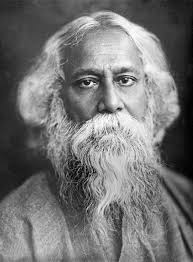
“Rabindranath Tagore” was a famous Bengali polymath who reshaped Bengali literature and music. Rabindranath Tagore was born in 7 May, 1861 at the city of Kolkata No. 6 Dwarkanath Tagore Jorasanko, Thakur Bari. His father was Devendranath Tagore And mother was Sarada Devi. He was the youngest of his parents’ 14 children. He was the Bengali Brahman by birth and his nickname was “Rab” or “Rabi”.

Tagore wrote his first poem when he was only eight years old. In 1877 when he was 16 Tagore published his first large poetry collection. In 1878, Tagore went to London. He enrolled at Public School in Brighton England he wanted to become a barrister letter he studied at University College London but in 1880 after Tagore did not do well in school his father called him back for London. His wife name is Mrinalini Devi. He got married on 9th December 1883 at the age of 22 he had five children in 1890 Tagore began managing his family’s estates in Shelidah. In 1898, Tagore’s wife and children joined him there. Tagore travelled across the vast estate. He was a poet, novelist, theorist, painter, music composer and a true Indian. And Bengali by Hart author of Gitanjali for which he become the first non European to win the Nobel Prize in Literature. In 1930 Tagore wrote around 2,230 songs 2,500 paintings and drawings. Tagore wrote the national anthems of India and Bangladesh Sri Lanka National Anthem is based on a Bengali song originally written by Tagore. In 1938, poet writer and humanitarian Rabindranath Tagore was the first Indian to be awarded the Nobel Prize for literature and he played a key role In The Renaissance of modern India Tagore is most widely known for his poetry but he was also and accomplished author of novels short stories plays and articles he took an active interest in a widespread range of social cultural and artistic endeavours he has been described as one of the first 28 centuries Global man he died at August 7 1941 in Kolkata India at the age of 80.

Bluebottle Jellyfish

The blue bottle jellyfish, also known as the Portuguese man-of-war, is not actually a jellyfish, but a collection of organisms living together in a colony, called a siphonophore. The blue bottle jellyfish is composed of four separate organisms, each with a different job for the colony.

The major shape of the jellyfish comes from the first organism, making up a float called the pneumatophore. This beautiful blue-purple shape is where the jellyfish gets its name.

The second organism makes up the tentacles, responsible for capturing prey.

The third and fourth organisms make up the digestive system and the reproductive system.

Habitat

Imagine going on a tropical beach vacation to Florida. The soft white sand nearly burns your feet, but the ocean tide is just a few steps away. However, as you near the water you see warning signs for jellyfish and most people aren’t going in the water. Disappointed, a life guard informs you that there have been sightings of the blue bottle jellyfish in the area and advises you to stay out of the water.

Just like many people, the blue bottle jellyfish enjoys the warm tropical waters around the equator. It lives in the Atlantic, Indian and Pacific oceans, floating near the surface of the water.

It’s a common sight in Australia and can also be found along the coasts of India, the Caribbean and even the coasts of Florida. Sometimes gathering in groups of up to 1000 individuals, these organisms are passive and can be seen floating on or just below the ocean surface.

Adaptations

A blue bottle jellyfish is soft, without many defenses against larger, jawed predators. To survive the competition in warm, tropical seas, the blue bottle jellyfish has evolved several adaptations, or physical traits that help it survive.

Bluebottle and minor jellyfish sting

Stings by bluebottle jellyfish are the most common in Australia. These can cause intense pain and sores in the areas of skin which have been in contact with the jellyfish tentacles. The pain usually decreases or stops after 1–2 hours and the sores may fade after a few days. You may also have a rash or redness in the area which was stung.

Sting treatment

  • Wash the sting site with sea water and remove any tentacles.
  • Immerse the sting or run hot water on the skin for 20 minutes. Make sure the hot water will not burn the person. It should be as hot as they can tolerate — around 45 degrees Celsius. The person can also have a hot shower.
  • If there is no hot water, an ice pack may help to relieve the pain.

Jellyfish sting prevention

  • Some things you can do to help prevent jellyfish stings are:
  • Avoid swimming in the sea when warning signs about jellyfish are displayed.
  • Don’t touch any jellyfish in the water or on the beach.
  • Wear a full-body Lycra wetsuit and waterproof footwear

MEANING OF REAL PATRIOTISM

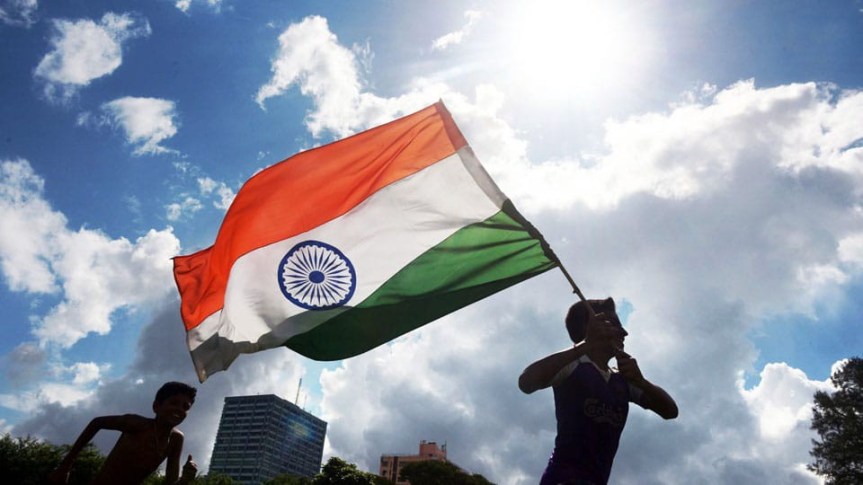
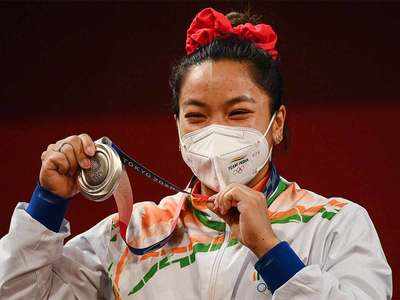
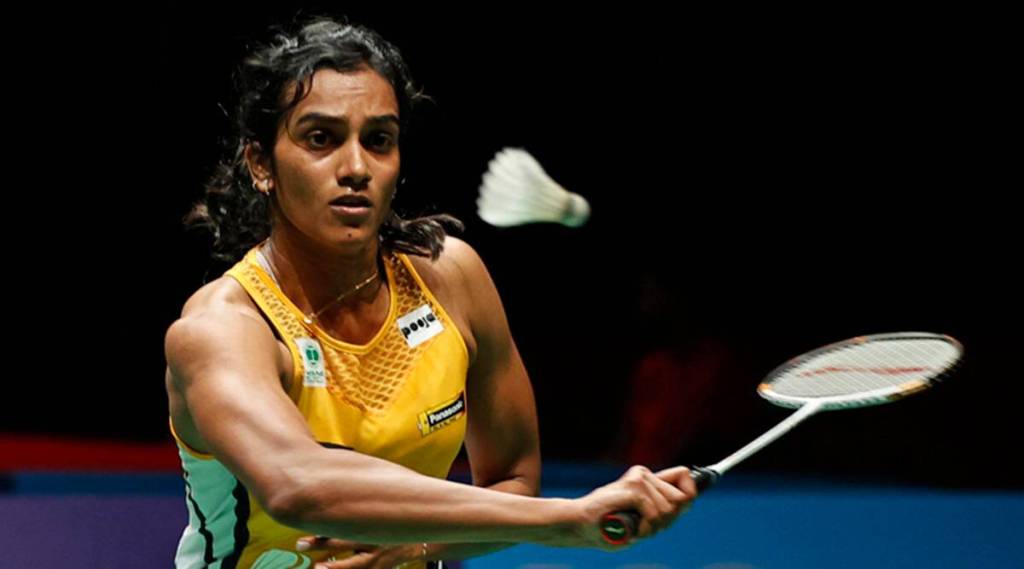
On July 24, 2021 Mirabai Chanu brought silver to India, in weightlifting in Tokyo Olympics 2021. Again on August 1 2021 PV Sindhu brought Bronze to India in Badminton. Again on August 01 2021 Indian Hockey team defeated England by 3-1. Isn't that a proud moment for all Indians. Of course it is.
There are so many facts on which every Indian can be proud. India is rich in historic and cultural heritage. India has many achievements in the fields of sports, science, culture, natural beauty and many more. India has innumerable achievements in defense, in democracy, in dealing with neighborhood problems, helping other small nations, maintaining international relations.
No doubt India is one of the most developing nations, emerging worldwide as a force to reckon with. And we are all very proud of it.
Who doesn't love his country? Of course everyone does.
We celebrate 15th August as our independence day, 26th January as our republic day, 2nd October as Gandhi Jayanti and many more days which are dedicated to the country, to show the feeling of patriotism and love towards our Nation. But is celebrating these festivals the only way to show our patriotism? Or to feel patriotic?
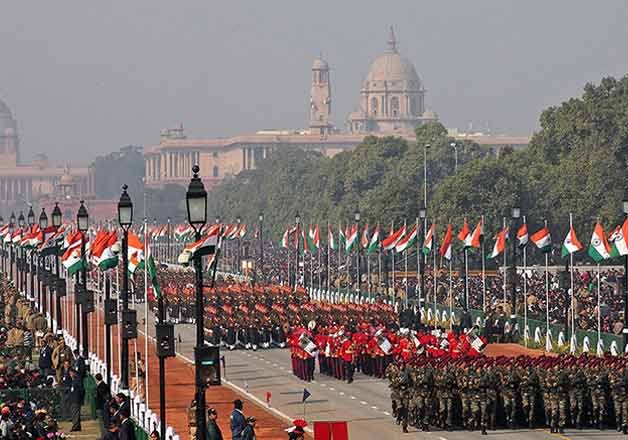
Every year on independence day a huge and long parade marches from Rashtra Pati Bhawan to India Gate in New Delhi, where the President receives the salute from the parade. All the three defence teams Army, Navy and Air Force show it's glory and strength.
Whenever the PM addresses the nation he makes us count on the finger all developments , progress and improvements the nation has done under their government. Everyone in this country either wants to be an IAS, IPS or wants to join the Army, Navy and Air force to serve the nation, to develop the nation. This is where they feel that they are patriots.
Is the circumference of patriotism limited to this point of view? Is this the only thing which makes a person a real patriot?
It is said that criticism forces you to become a better version of yourself. For success, working on our weak points is required. I also believe that when you love someone, you try to figure out it's flaws and weak points and start improving on them because you want to see it become better to be successful.
The above mentioned case is with the nation too. Of course it's true that nobody is perfect and so is the nation. Even the most developed nations may be weak in some fields, but they might not impact the country's development and hence they are a developed nation.
Loving a country, being a patriot doesn't mean that one can ignore it's flaws, one cannot listen to anything against it. One cannot be a patriot by always praising the nation.
A real patriot is one who listens to the criticism and tries to improve the condition such that no one can criticize again. He is the one who points out the flaw, tries to make society aware about it and tries to fix it.
Development happens step by step in an order. The first and foremost fact is that a nation is made up of society. Society is made up of every individual. Hence what's important is the development of the individual which will automatically lead to the development of the nation.
Indian society and Indian culture is weak in many aspects whether Indians and Indian society accepts it or not. It doesn't matter how much India achieved fame and name all over the world, as long as we have poverty, illiteracy, unemployment, poor standard of living, and backward thinking of society.
The ideological disputes, the disputes over religion, discrimination between the sections of society, these are all hurting our nation. Who says "I am an Indian, I have no religion"? Very few people. Everybody takes pride in being an upper class brahman, a devotee of Shiva, a follower of Ambedkar. Everybody is proud of their caste and religion. Does patriotism exist here?
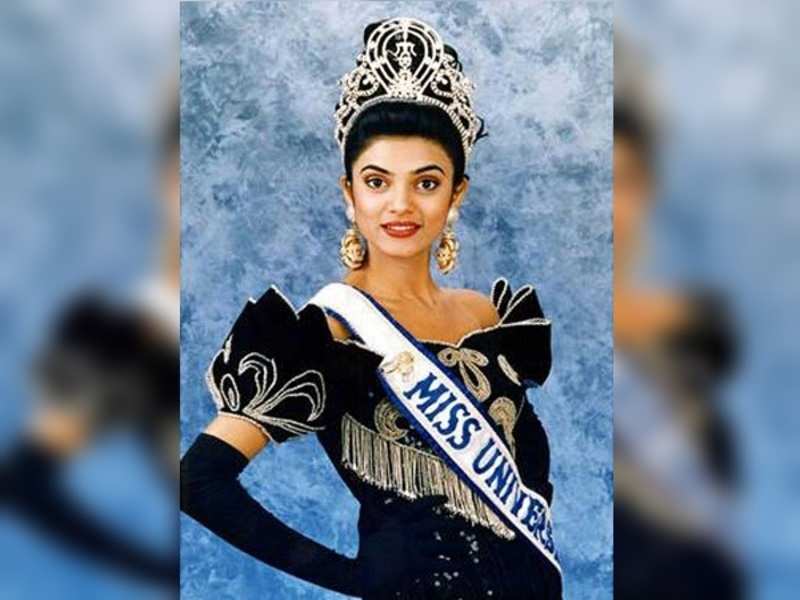
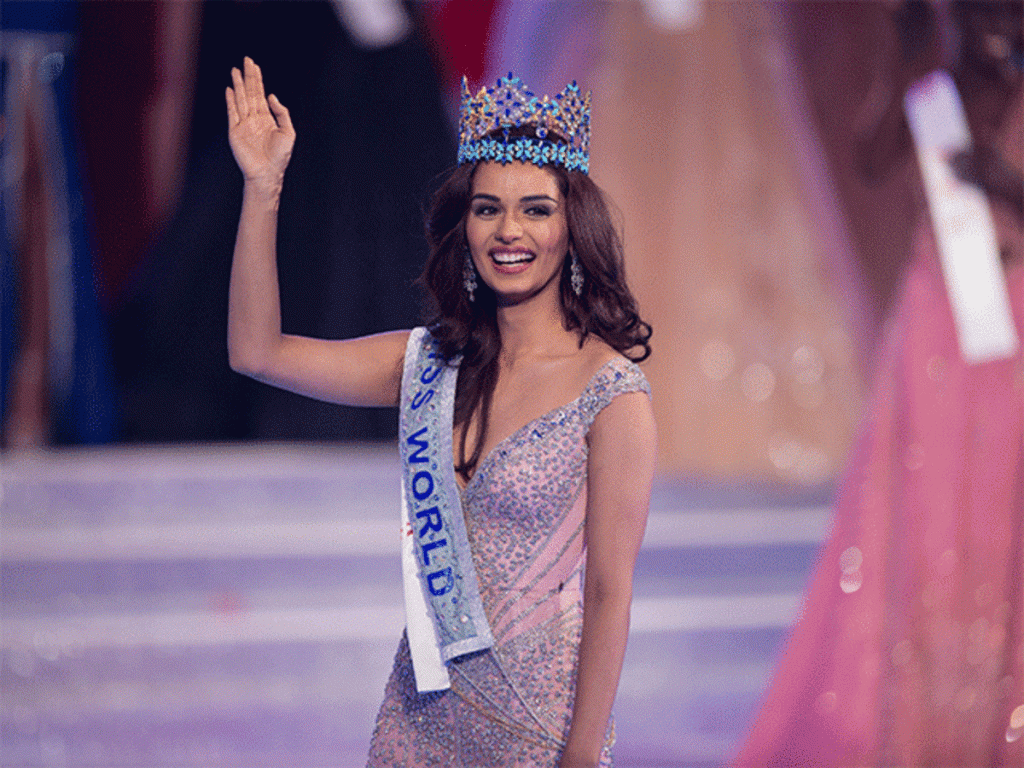
When Manushi Chillar, Sushmita Sen, Priyanka Chopra win the title of Miss world and Miss Universe, everyone becomes a patriot. When Mary Kom, Geeta phogat Mirabai Chanu, Sania Nehwal, PV Sindhu, Vishwanathan Anand bring trophies and medals to the nation, everyone becomes a patriot to take credit. No doubt it's a moment to be proud but you cannot be a true patriot if you can't see other factors in which the nation is weak.
It's not easy to be a real patriot by looking at the shortcomings of a nation, and working on it. It's easy to be a patriot but it's not that easy to be a real and genuine patriot. Patriotism doesn't mean only appreciation of the nation in front of others. It's the one that determines how much you accept the real situation of the country and how much evil you can remove from its roots.

Duties Of An Agent

Agent and Principal

An “agent” is a person employed to do any act for another, or to represent another in dealing with third person. The person for whom such an act is done, or who is so represented, is called the “principal”. The contract between Principal and Agent is called ‘Contract of Agency’. Section 182 of the act defines the terms “Agent” and “Principal”.

Types of an Agent

  1. Brokers
  2. Factors
  3. Del Ceredere Agents
  4. Auctioneers

Duties Of An Agent

  1. Agent’s duty in conducting principal’s business (Section 211): An agent is bound to conduct the business of his principal according to the directions given by the principal, or, in the absence of any such directions, according to the custom which prevails in doing business of the same kind at the place where the agent conducts such business. When the agent acts otherwise, if any loss be sustained, he must make it good to his principal, and, if any profit accrues, he must account for it. Illustration: B, a broker in whose business it is not the custom to sell on credit, sells goods of A on credit to C, whose credit at the time was very high. C, before payment, becomes insolvent. B must make goods the loss to A.
  2. Skill and diligence required from an agent (Section 212): An agent is bound to conduct the business of the agency with as much skill as is generally possessed by persons engaged in similar business, unless the principal has notice of his want of skill. The agent is always bound to act with reasonable diligence, and to use such skill as he possesses; and to make compensation to his principal in respect of the direct consequences of his own neglect, want of skill or misconduct, but not in respect of loss or damage which are indirectly or remotely caused by such neglect, want of skill or misconduct.
  3. Duty to render proper accounts (Section 213): According to Section 213 of the Indian Contract Act 1872, an agent is bound to render proper accounts to his principal on demand.
  4. Duty to communicate with principal (Section 214): It is the duty of an agent, in cases of difficulty, to use all reasonable diligence in communicating with his principal, and in seeking to obtain his instructions.
  5. Not to deal on his own account: Section 215 of the Indian Contract Act 1872 deals with rights of principal when the agent deals, on his own account, in the business of agency without principal’s consent. Section 215 runs as follows- If an agent deals on his own account in the business of the agency, without first obtaining the consent of his principal and acquainting him with all material circumstances which have come to his own knowledge on the subject, the principal may repudiate the transaction, if the case shows either that any material fact has been dishonestly concealed from him by the agent, or that the dealings of the agent have been disadvantageous to him.
  6. Not to make Secret Profits: Section 216 of the Indian Contract Act, deals with Principal’s right to benefit gained by the agent dealing on his own account in the business of agency. An agent, without the knowledge of his principal, should not deal in the business of agency on his own to make secret profit. Illustrations: A directs B, his agent, to buy a certain house for him. B tells A it cannot be bought, and buys the house for himself. A may, on discovering that B has bought the house, compel him to sell it to A at the price he gave for it.
  7. Duty to pay sums received for principal: According to Section 218 of the said act, an agent is bound to pay to his principal all sums received on his account. It is the duty of an agent to maintain secrecy of the business of agency and should not reveal the confidential matters.
  8. Duty not to delegate his duties (Section 190): When an agent has undertaken to perform certain duties personally, he is not allowed to delegate his duties to another person.

Paleo dieting

The rise of health issues like obesity, diabetes, high blood pressure continues to proliferate with a demand for dieting to lose weight for maintaining a healthy lifestyle. With the tempting delicious food in the restaurants, and the fast foods available right at our doorsteps it may be quite difficult to achieve and maintain a much wanted healthy lifestyle. Everyone who wish to lose weight seem to have ample of options to diet. Each diet has a particular lifestyle and to obtain the best results one has to strongly stick as religiously as possible. Paleo diet was the Google’s most searched for weight loss method in the recent years. It is one of the most popular diets of today and people who have undertaken such a diet find it to be really effective.

As compared to all other fad diets, the Paleo diet is one that holds a unique place as it is principled and based on ancient history. The paleo diet also known as the caveman diet is based around eating plants and wild animals. The diet is based on the foods that would have been hunted, fished and gathered during the stone age era and hence the name caveman diet. A paleo diet is rich in vegetables, fruits, and nuts-all elements of a healthy diet. Foods such as meat, fish, shellfish, eggs, tree nuts, vegetables, roots, fruits and berries are often associated with the diet. It includes meat though preferably unprocessed meet, the wilder the better. Some get to sound this strange and weird because many have a basic idea that diets are often linked with easting less food and which are completely devoid of meat.

It is not a form of diet that promotes starvation or crash dieting rather it educates how to basically enhance the food choices for a healthy result. The aim of a paleo diet is to return to a way of eating that’s more like what early humans ate. Some of the food that should be avoided in a paleo diet are grains like wheat, oats, barley, legumes, potatoes, dairy products, salt and refined sugar. The diet also emphasizes drinking lot of water and being physically active everyday. Over the clinical trials by comparing the paleo diet to other eating diet plans, paleo diet may provide some benefits when compared with diets with fruits, vegetables, lean meats, whole grains, legumes and low fat dairy products.

Risks invloved

  • Paleo dieting deals with cutting out grains, starches and processed foods which means you will be cutting out a lot of sugar. If your body is used to consuming sugar daily, you might initially lose some of its short term energy and boosting properties.
  • Some experts caution against the paleo dieting because eliminating dairy can leave you with lower levels of calcium and vitamin D so this could put you at risk of developing osteoporosis, bone fractures or rickets and other critical bone diseases.
  • If you are not careful about the types of proteins you intake, the diet can put at increased risk of developing cardiovascular disease for instance, red meat is high in saturated fats, which can raise blood cholesterol levels and increase the risk of heart disease.
  • Consuming the paleo diet-recommended amount of saturated fats can increase the risk of kidney and heart diseases.

Perks

  • Promotes healthy blood glucose level.
  • Better blood pressure control
  • More weight loss
  • Better appetite management
  • Improved satiety
  • Improved cholesterol balance

The food which the paleo diet comprises find their importance in gastrointestinal health and over all inflammation levels. Many anecdotal stories of people’s improved health and well being on the Paleo diet have had positive results regarding blood glucose and cholesterol levels. For significant dietary change, it is best to consult a doctor before diving into the Paleo diet. It is always prominent to work with your doctor and pay keen attention to how your body responds because paleo dieting doesn’t work the same way for everyone.

E-waste management

Background :-

  • Discarded electrical or electronic devices are called as ‘e-waste (Electronic waste)’.
  • E-waste is also called as e-scrap, or Waste Electrical and Electronic Equipment (WEEE).
  • The electronic industry is the world’s largest and fastest growing manufacturing industry and so does e-waste.
  • The fraction of iron, aluminium, gold, copper in e-waste is over 60%,  plastic is about 30%, hazardous substances is about 2.70%, and remaining is wastage.

Causes :-

  •  The rapid growth of users of computers and other technology devices.
  •  Disposal of technology devices is not an easy task, as they contain hazardous materials.
  •  Average life span of electronic devices is decreasing as people are updating their houses with new electronic devices always.
  •  Transferring e-waste from developed countries to developing countries in the name of donations.
  •  Less life time of electronic goods.
  • Nobody is interested to reuse and repair the electronic goods as there are new products available in attractive prices.

Effects :-

  • Resources are wasted as valuable materials in e-waste are being dumped in normal wastage.
  • Toxic materials in e-waste cause severe health risk.
  • Environmental damage.
  • Land filling of e-wastes can lead to the launching of lead into the ground water.
  • When CRT (cathode ray tube) is burned, it emits toxic fumes into the air.
  • The cadmium from one mobile battery can pollute 600 m3 of water.
  •  Informal recyclers are attracting the poor people in the name of employment and making them disassemble the components with bare hands and without any precautions, which is highly dangerous for their health.

Solutions :-

  • Manufacturer must take the responsibility for the product after the completion of it’s life time to disassemble and reuse or recycle the components.
  • Customers must buy products from the manufacturers who take back their product or who offer discount on new products by taking old products.
  • Manufacturers must try to design the eco-friendly products as lead-free, halogen-free and recycled plastics.
  • Life time of products must be increased.
  • Government must take action on informal recyclers.
  • Collection centers of expired electronic and electrical goods must be there. So that e-waste will not be mixed and burned along with normal wastage.
  • Public awareness programs must be conducted because the role consumers is very high in this issue.
  • Government must collect the total data of e-waste including of legal and illegal imports from developing countries. So-that private sector will come forward to invest in the e-waste projects if they know the approx data and if they are sure of returns.

Conclusion :-

            Government, manufacturers of electronic and electrical goods and public together must take responsibility to develop a good and healthy world.

Are women better managers than men?

Points in favour – Women are better managers than men:

  • Women are more patient and composed while making decisions. It’s because of the way women are raised.
  • Be at homes or offices, women manage their work flawlessly. Hence they are good at multitasking.
  • Women are more flexible and can adapt to any situation or adversity. It’s because they are taught from childhood to adjust to the situations.
  • They are good time managers. As most of the women today manage work and home, they can prioritize their time well.
  • Due to the way they are raised in general, women are better listeners and give importance to minute details too at work.
  • In general, they’ve coherent minds, are punctual and are dedicated to their work. These inbuilt qualities do make them better managers than men.

Against – Women are not better managers than men:

  • Most of the women are emotional and soft-hearted. That’ll not be suitable at all times, especially for the role of a manager. many time, the position demands them to be tough.
  • Women tend to take calculated risks. At times business persons need to choose risky paths.
  • As many women are emotional, they tend to take things personally, which can result in biased decisions.

Conclusion:

The differences between women and men managers exist because of society’s way of raising men and women. Women were encouraged to be empathetic, kind etc. Men were taught to be harsh and demanding. Now the situations are changing. Both boy and girl children are being raised equally. Hence with time, the differences between men and women in any field will not exist.

Corporations , Political Socialisation and The Environment

 I feel that the responsibility for keeping the environment clean does not rest with the corporations who pollute it, but with the government who does not stop them.

             If there are no laws and regulations that are enforced by the government for the corporations to follow then they are in no way accountable for their actions. They will in most likely hood simply pollute the environment in order to gain a buck or save a buck.
             A good example of this is when certain corporations turn their filters off at night time in order to save money on energy. If the government does not enforce the laws the corporations will continue doing so and adding pollutants to our environment.
             Changes need to be made in the monitoring of the amount of emissions that certain corporations put out on an ongoing basis. This is needed to track the corporations who are following the laws and the ones who are not. Government needs to establish a system that will enable them to enforce corporations to meet their guidelines. Perhaps a system that deals out a suitable punishment that fits the crime as well as incentives for those who meet and go beyond the system. Possible ideas are tax credits and rebates for companies meeting the targets set by the government.
             Another good idea would be for the government to offer incentives for investors who look at environmentally friendly companies as opposed to looking at those corporations who are not known for being environmentally active. Such incentives could include tax credits on the individual’s tax return.
             Corporations need to be held accountable and the government needs to be the one responsible for making them so. Laws, regulations and incentives need to introduced and enforced if we want to leave our children and their children a world in which they can live without fearing the air that they breath and the water that they drink.The political socialisation of the population has become a large concern for society today. With out a change in the political socialisation in a way favourable to the preservation of the world disaster can occur. Political Socialisation is an efficient means in predicting and controlling the political ideals and values of future generations. As people grow more environmentally conscious, socialisation could be a useful tool in ensuring the protection of the environment for future generations. Political socialisation could also predict what will be faced by future generations as a result of the world’s destruction of the environment. Whether or not health problems resulting from pollution will affect socialisation or the absence of forests and the natural world will effect socialisation. Although, it is obvious to say that it will but socialisation can explain how it will. If socialisation is not geared towards environmental awareness and conservation then the world can only expect a greater deterioration of its surroundings as well as greater pollution, which will cause more health problems. Socialisation is the most effective way to ensure how future generations will deal with and perceive the world; if that perception is to protect the environment then the possibility that natural resources will be protected is greatly enhanced. The socialisation of those active in the environmental movement or those concerned with conservation as well as those with an environmental consciousness comes from many factors, the condition of their political leaders and state, the presence of an environmental danger or disaster, and the role of education in teaching the youth environmental preservation.

Safety Of Women In Public Transport

Have you ever travelled in a public transport or in any bus, train, or metro train? Do you think public transports are safe for women? Being a women do you feel safe while travelling in any mode of public transport? Public transport is on essential service that provides individuals with access to work, to an education and to all of life’s opportunities. And yet, the access of many women and girls to safe public transport options is threatend by the potential of being assaulted or victimised. The findings revealed that 59% of women use public transport like buses, trains and on demand taxis as it is affordable but only 9% of women feel public transport is completely safe, while 3% claim it is completely unsafe and rest 47% claiming that they felt somewhat safe using it during the day, but not at night. The fear of molestation, assault, eve-teasing and male-gaze makes women feel unsafe in modes of public transport. Everyday 7 out of 10 women face some kind of bad behaviour, molestation, male-gaze while travelling in a public transport. Travelling late at night alone in train, bus, on demand taxis is a topic of concern for women. As you remember the Nirbhaya case happened in 2012, a 23 year old girl was beaten, gang raped and tortured in a bus in which she was travelling. Lack of road lighting is a key factor behind feeling unsafe, with 40% women stating only major roads were well lit. Sanitisation is also a problem for women in public transport/bus. Train stations and trains are vulnerable spaces for women due to crowded space or, due to isolated areas where there is no one available to intervene and help in case of emergency. Sexual assault, molestation and even rape are reported on trains and have been on the rise. Not reporting sexual harassment is also a common occurence. Only 30% women report the case of molestation as the women fears that reporting the case will degrade her family’s reputation. More than 50% of the cases remain upreported and the culprit live freely in the society.

The cases against women in public transport are on a rise but the following written measures can be taken to stop the increasing and high pace of these evil acts. Improving the lighting on the roads and on railways; bus and metro stations will have a direct influence over the perception of safety. Having more entry and exit prints to ease congestion. Improving infrastructure including toilets; staircase and pedestrain bridges; publicising helpline numbers; having functional and visible helpdesks where women can get immediate assistance; Making reporting incidents simple and easy so that more women do it- this can help show the patterns and trends and lead to pre-emptive solutions.

In conclusion, i would like to say that the world is changing at a rapid pace and we are living in the 21st century in a technological world but still the women in our society doesn’t feel safe while travelling in a public transport. Women fear molestation, rape, assault and male-gaze in public transport. Measures should be taken to safeguard women as women are the important pillar of our society and safeguarding them is the need of the hour. Men and boys should also be taught to respect women instead of disrespecting them and seeing them as a sex object. Both women and men are equal in society and should be treated equally and respected to make the society a better place for living.