Tips to help you declutter

The idea of living a simple life with less stuff sounds attractive to many but seems almost impossible to get rid of stuff you have. They begin to feel overwhelmed, anxious, and defeated around the idea of owning less. That’s too bad. Learning how to declutter your home and as a result, decluttering your life, doesn’t need to be as painful as some make it out to be. And the benefits are numerous.

The Benefits of Decluttering from time to time.

  • Less to clean. Cleaning is already enough of a chore, but having to clean around things you have zero emotional attachment to (or worse, actively dislike) makes cleaning the house much more stressful.
  • Less to organize. Finding things suddenly become easier. Things don’t just “disappear” anymore. You can actually move around your home and enjoy the space, instead of moving around things that are in the way. You start to find your tiny house more spacious.
  • Less stress. Looking around at the clutter is a nausea-inducing sight once your home becomes cluttered enough. Wouldn’t it be nice to be able to look around and see a home you love? You can also do cleaning leisurely and not make rigorous plans.
  • Less debt. Spending less time shopping for material possessions and adding to the clutter means your wallet and bank accounts remain fuller, your credit cards’ statements are lower, and your home doesn’t get filled with costly things you don’t need.
  • More financial freedom. Decluttering, paired with minimalism, will help you build up savings to keep you protected in case of unexpected emergencies. Or you can spend it on invisible items like crypto or travel.
  • More energy for your greatest passions. With less debt, more financial freedom, and a clean home, you can now focus your energy on the things you enjoy instead of worrying about “Keeping up with the Joneses.” This will ultimately make you happier.

If you’re struggling and need guidance on how to declutter, you’ll need to get creative with your plans. Here are several interesting decluttering tips to get you started on decluttering your home:

  • Start with 5 minutes at a time. If you’re new to decluttering, you can slowly build momentum with just five minutes a day.
  • Give one item away each day. This would remove 365 items every single year from your home. If you increased this to 2 per day, you would have given away 730 items you no longer needed. Increase this number once it gets too easy.
  • Donate clothes you never wear. To identify them, simply hang all your clothes with hangers in the reverse direction. After wearing an item, face the hanger in the correct direction. Discard the clothes you never touched after a few months.
  • Create a decluttering checklist. It’s a lot easier to declutter when you have a visual representation of where you need to get started. You can use our decluttering checklist.
  • Take the 12-12-12 challenge. Locate 12 items to throw away, 12 to donate, and 12 to be returned to their proper home.
  • Take before and after photos of a small area. Choose one part of your home, like your kitchen counter, and take a photo of a small area. Quickly clean off the items in the photo and take an after photo. Once you see how your home could look, it becomes easier to start decluttering more of your home.
  • Get help from a friend. Have a friend or family member go through your home and suggest a handful of big items to throw away or give to someone else. If you defend the item and want to keep it, your friend has to agree with your reason. If they don’t agree, it’s time to get rid of it.
  • Use the Four-Box Method. Get four boxes and label them: trash, give away, keep, or re-locate. Enter any room in your home and place each item into one of the following boxes. Don’t skip a single item, no matter how insignificant you may think it is. This may take days, weeks, or months, but it will help you see how many items you really own and you’ll know exactly what to do with each item.

No matter which decluttering tip you choose to get started – whether it be one of these ten or one of countless others – the goal is to take your first step in decluttering your life with excitement behind it.

Removing clutter from our homes and our lives doesn’t need to be rushed or done in a single day. It’s something that can be done over time and may even need to be done on a semi-regular basis. As long as you start the process today, you’re further along than you were yesterday. Simple doesn’t mean sparse or boring. The opposite is true. With fewer mess and distractions, your home can become more peaceful. You can view your home as a space for rest and comfort, instead of a source of stress.
RBI and credit control

ReserveBankOfIndia (@RBI) / Twitter

RBI governor, Shaktikanth Das, on May 4 2022 revised the repo rates. On this context, let us look more about the credit control measures adopted by Reserve bank of India.

Reserve bank is the apex body to control the banking system in India. As we all know banks are the major link in money supply. Thus, RBI can control the money in the economy by controlling the banks. These policies are termed as monetary policy.

RBI could adopt either quantitative or qualitative methods.

Quantitative methods

Statutory Liquidity Ratio

Statutory Liquidity Ratio or SLR is the minimum percentage of deposits that a commercial bank has to maintain in the form of liquid cash, gold or other securities. It is basically the reserve requirement that banks are expected to keep before offering credit to customers. The SLR is fixed by the RBI and is a form of control over the credit growth in India.

The government uses the SLR to regulate inflation and fuel growth. Increasing the SLR will control inflation in the economy while decreasing the statutory liquidity rate will cause growth in the economy. The SLR was prescribed by Section 24 (2A) of Banking Regulation Act, 1949.

Cash Reserve Ratio

CRR is an essential monetary policy tool used for controlling the money supply in the economy, a regulation implemented in almost every nation by the Central Bank of that country.

CRR rate is the minimum percentage of cash deposits (as specified by RBI) that must be maintained by every commercial bank as per the requirement of the Central Bank.

Cash Reserve Ratio Rate is computed as a percentage of the net demand and time liabilities of each bank. Net Demand and Time Liability is reached with the total of the savings account, current account, and fixed deposit balances.

Bank rate

Bank rate is a rate at which the Reserve Bank of India (RBI) provides the loan to commercial banks without keeping any security. There is no agreement on repurchase that will be drawn up or agreed upon with no collateral as well. The RBI allows short-term loans with the presence of collateral. This is known as Repo Rate. Bank Rates in India is determined by the RBI. It is usually higher than a Repo Rate on account of its ability to regulate liquidity.

Open market operations

Open market operations refer to the selling and purchasing of the treasury bills and government securities by the central bank of any country in order to regulate money supply in the economy.

It is one of the most important ways of monetary control that is exercised by the central banks. Under this system, the central bank sells securities in the market when it wants to reduce the money supply in the market. It is done to increase interest rates. This policy is also known as the contractionary monetary policy.

Similarly, when the central bank wants to increase the money supply in the market, it will purchase securities from the market. This step is taken to reduce the rate of interest and also to help in the economic growth of the country. This policy is known as the expansionary monetary policy.

Qualitative methods

Margin Requirement:

Margin requirement refers to the difference between the current value of the security offered for loan (called collateral) and the value of loan granted. It is a qualitative method of credit control adopted by the central bank in order to stabilize the economy from inflation or deflation.

Rationing of Credit:

Rationing of credit refers to fixation of credit quotas for different business activities which is introduced when the flow of credit is to be checked particularly for speculative activities in the economy.

Moral Suasion:

The central bank makes the member bank agree through persuasion or pressure to follow its directives which is generally not ignored by the member banks. The banks are advised to restrict the flow of credit during inflation and be liberal in lending during deflation.

RBI and credit control

ReserveBankOfIndia (@RBI) / Twitter

RBI governor, Shaktikanth Das, on May 4 2022 revised the repo rates. On this context, let us look more about the credit control measures adopted by Reserve bank of India.

Reserve bank is the apex body to control the banking system in India. As we all know banks are the major link in money supply. Thus, RBI can control the money in the economy by controlling the banks. These policies are termed as monetary policy.

RBI could adopt either quantitative or qualitative methods.

Quantitative methods

Statutory Liquidity Ratio

Statutory Liquidity Ratio or SLR is the minimum percentage of deposits that a commercial bank has to maintain in the form of liquid cash, gold or other securities. It is basically the reserve requirement that banks are expected to keep before offering credit to customers. The SLR is fixed by the RBI and is a form of control over the credit growth in India.

The government uses the SLR to regulate inflation and fuel growth. Increasing the SLR will control inflation in the economy while decreasing the statutory liquidity rate will cause growth in the economy. The SLR was prescribed by Section 24 (2A) of Banking Regulation Act, 1949.

Cash Reserve Ratio

CRR is an essential monetary policy tool used for controlling the money supply in the economy, a regulation implemented in almost every nation by the Central Bank of that country.

CRR rate is the minimum percentage of cash deposits (as specified by RBI) that must be maintained by every commercial bank as per the requirement of the Central Bank.

Cash Reserve Ratio Rate is computed as a percentage of the net demand and time liabilities of each bank. Net Demand and Time Liability is reached with the total of the savings account, current account, and fixed deposit balances.

Bank rate

Bank rate is a rate at which the Reserve Bank of India (RBI) provides the loan to commercial banks without keeping any security. There is no agreement on repurchase that will be drawn up or agreed upon with no collateral as well. The RBI allows short-term loans with the presence of collateral. This is known as Repo Rate. Bank Rates in India is determined by the RBI. It is usually higher than a Repo Rate on account of its ability to regulate liquidity.

Open market operations

Open market operations refer to the selling and purchasing of the treasury bills and government securities by the central bank of any country in order to regulate money supply in the economy.

It is one of the most important ways of monetary control that is exercised by the central banks. Under this system, the central bank sells securities in the market when it wants to reduce the money supply in the market. It is done to increase interest rates. This policy is also known as the contractionary monetary policy.

Similarly, when the central bank wants to increase the money supply in the market, it will purchase securities from the market. This step is taken to reduce the rate of interest and also to help in the economic growth of the country. This policy is known as the expansionary monetary policy.

Qualitative methods

Margin Requirement:

Margin requirement refers to the difference between the current value of the security offered for loan (called collateral) and the value of loan granted. It is a qualitative method of credit control adopted by the central bank in order to stabilize the economy from inflation or deflation.

Rationing of Credit:

Rationing of credit refers to fixation of credit quotas for different business activities which is introduced when the flow of credit is to be checked particularly for speculative activities in the economy.

Moral Suasion:

The central bank makes the member bank agree through persuasion or pressure to follow its directives which is generally not ignored by the member banks. The banks are advised to restrict the flow of credit during inflation and be liberal in lending during deflation.

Speaking in Public

One of the hardest and easiest jobs to do is public speaking. If you are someone who is confident enough to speak in front of an audience, then it comes on the accessible side, which one will definitely enjoy doing. But if you are on the other side then, believe me, it is quite a task to do. I feel everyone is a victim of the brutal audience sitting over there, or the fear of going down to the stage and speaking in front of people, or sometimes one’s lack of preparation also causes some serious problems. Nevertheless, this can all be covered up.

There are some techniques which can be used to overcome the fear of the audience. These are as follows

  1. Know your content- This helps in getting an insight into what you are going to speak. Which in turn would also help to grasp the content in a better and effective way. This is the very basic step to feel confident while you are up there on the stage.
  2. Practice as much as you can- It is well said that practice makes a man perfect. Practising will make you feel easy with your content. It will familiarize you more with the content. You will get to know the different pitches, when you are supposed to speak in which pitch. Practising in front of a mirror is one of the most effective ways.
  3. Know your audience- Knowing your audience, what they expect from you can be a great help. One must know what type of audience they have and should prepare accordingly.
  4. Scan audience- Scanning for friendly faces in the audience and imagining the entire as the friendly one can also boost one’s easiness on the stage, and be extremely helpful.
  5. Redirecting Nervousness- Redirect your nervousness into bodily gestures, helps you look more engaging and confident about your content and the way you are explaining becomes attractive.
  6. Focus on the bright side- Try to be focused on the bright side of the picture. This would help in keeping away anxiety.
  7. Stay focused- Being calm and focused during all your time, while on the stage would be reflected in your performance.
  8. Keep a smile on your face- Keeping a smile unconditionally help you to feel ease at any given situation. This would be a good tip in keeping you away from the nervousness and anxiety one might face. This will give a satisfactory feeling that you are having a good time while being up there.

Veganism in a Nutshell

Once considered a niche diet, veganism has gone mainstream — so much so that the number of people following a vegan diet has increased by 350% in the last decade. By definition, veganism is a way of living in which people exclude, as much as possible, all forms of animal exploitation and cruelty.

At first glance, a vegan diet may seem complicated or overly restrictive. Many of my clients who are considering switching over to a vegan diet are initially worried about finding suitable vegan alternatives to their favourite meals. Yet, most find that once they get a few basics down, the transition is less difficult than they initially expected.

According to the Vegan Society, the term “vegan” was coined back in 1944 by a small group of vegetarians who broke away from the Leicester Vegetarian Society in England to form the Vegan Society. In addition to refraining from eating meat, they chose not to consume dairy, eggs, or any other products of animal origin The term “vegan” was chosen from the combination of the first and last letters of “vegetarian.” By 1949, the first definition of veganism had been born. It has changed slightly over the years to become what it is known as today. Many people use the term “vegan” to refer exclusively to diet. However, by this latest definition, veganism extends beyond eating a plant-based diet.

Those who identify as vegans typically aim to exclude animal exploitation or cruelty in all aspects of their lives, including the clothes they wear, the cosmetics they use, and the leisure activities they take part in .As a result, many vegans avoid purchasing wool coats, leather furniture, or down pillows and comforters. They may also opt to visit animal sanctuaries instead of going to zoos, the circus, or animal petting farms.

Reasons people go vegan

Health-Some people choose a vegan diet for its potential health benefits. Diets high in meat — especially red meat — have been linked to cancer, heart disease, and type 2 diabetes .On the other hand, plant-based diets have been linked to a lower risk of developing or prematurely dying from these diseases. Lowering your intake of animal products in favour of more plant-based options may also improve your digestion and reduce your risk of Alzheimer’s disease .A vegan diet can also help minimize the side effects linked to the antibiotics and hormones used in modern animal agriculture .Finally, vegan diets appear to be especially effective at helping people lose unwanted weight. Several studies link a vegan diet to a lower likelihood of obesity

Moral ideals-Ethical vegans strongly believe that all creatures have a right to life and freedom. They view all animals as conscious beings that, just like humans, wish to avoid pain and suffering .Because of this, ethical vegans are opposed to killing an animal in order to eat its flesh or wear its fur or skin. Vegans are also opposed to the psychological and physical stress that animals may endure as a result of modern farming practices — for instance, the small pens or cages that animals typically live in and rarely leave between their birth and slaughter.

Environment

People may also choose to avoid animal products in an attempt to limit their environmental impact. According to recent data, animal agriculture heavily contributes to greenhouse gas emissions (GHGEs), which cause climate change.Meat eaters are thought to be responsible for 2–2.5 times more GHGEs than people following a vegan diet. Ruminant animals, such as cattle, sheep, and goats, appear to emit the largest amount of greenhouse gases per gram of protein they deliver. Therefore, diets that reduce or totally eliminate dairy also produce significantly fewer GHGEs.

Foods that vegans eat

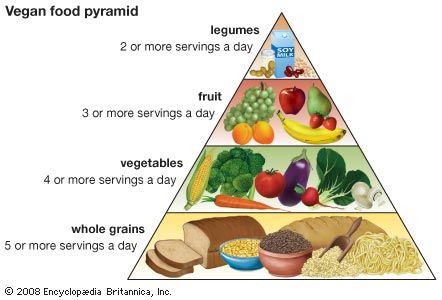
Avoiding animal products doesn’t restrict you to eating salads and tofu alone. There’s a wide variety of delicious foods you can eat on a vegan diet.

  • Beans, peas, and lentils: such as red, brown, or green lentils; chickpeas; split peas; black-eyed peas; black beans; white beans; and kidney beans
  • Soy products: such as fortified soy milk, soybeans, and products made from them, such as tofu, tempeh, and natto
  • Nuts: such as peanuts, almonds, cashews, and their butters
  • Seeds: such as sunflower seeds, sesame seeds, and their butters, as well as flaxseed, hemp seeds, and chia seeds
  • Whole grains: such as quinoa, whole wheat, whole oats, and whole grain brown or wild rice, as well as products made from these foods, such as whole grain bread, crackers, and pasta
  • Starchy vegetables: such as potatoes, sweet potatoes, corn, squash, beets, and turnips
  • Nonstarchy vegetables: such as broccoli, cabbage, asparagus, radishes, and leafy greens; these may be raw, frozen, canned, dried, or pureed
  • Fruit: such as apples, pears, bananas, berries, mango, pineapple, oranges, and tangerines; these may be purchased fresh, frozen, canned, dried, or pureed
  • Other plant-based foods: such as algae, nutritional yeast, fortified plant milks and yogurts, and maple syrup

There’s a good chance that many of the dishes you currently enjoy either already are vegan or can be made vegan with a few simple adjustments.For instance, you can swap meat-based main dishes for meals containing beans, peas, lentils, tofu, tempeh, nuts, or seeds.

Transitioning to a vegan diet is easier than most people think. That said, it does require a little additional nutrition knowledge.So if you’re interested in making the switch, consider seeking advice from a registered dietitian specializing in plant-based diets to make sure you’ve got your basics covered.Depending on your knowledge, budget, and culinary skills, you may also want to consider taking certain supplements to ensure you’re providing your body with all the nutrients it need

Veganism in a Nutshell

Once considered a niche diet, veganism has gone mainstream — so much so that the number of people following a vegan diet has increased by 350% in the last decade. By definition, veganism is a way of living in which people exclude, as much as possible, all forms of animal exploitation and cruelty.

At first glance, a vegan diet may seem complicated or overly restrictive. Many of my clients who are considering switching over to a vegan diet are initially worried about finding suitable vegan alternatives to their favourite meals. Yet, most find that once they get a few basics down, the transition is less difficult than they initially expected.

According to the Vegan Society, the term “vegan” was coined back in 1944 by a small group of vegetarians who broke away from the Leicester Vegetarian Society in England to form the Vegan Society. In addition to refraining from eating meat, they chose not to consume dairy, eggs, or any other products of animal origin The term “vegan” was chosen from the combination of the first and last letters of “vegetarian.” By 1949, the first definition of veganism had been born. It has changed slightly over the years to become what it is known as today. Many people use the term “vegan” to refer exclusively to diet. However, by this latest definition, veganism extends beyond eating a plant-based diet.

Those who identify as vegans typically aim to exclude animal exploitation or cruelty in all aspects of their lives, including the clothes they wear, the cosmetics they use, and the leisure activities they take part in .As a result, many vegans avoid purchasing wool coats, leather furniture, or down pillows and comforters. They may also opt to visit animal sanctuaries instead of going to zoos, the circus, or animal petting farms.

Reasons people go vegan

Health-Some people choose a vegan diet for its potential health benefits. Diets high in meat — especially red meat — have been linked to cancer, heart disease, and type 2 diabetes .On the other hand, plant-based diets have been linked to a lower risk of developing or prematurely dying from these diseases. Lowering your intake of animal products in favour of more plant-based options may also improve your digestion and reduce your risk of Alzheimer’s disease .A vegan diet can also help minimize the side effects linked to the antibiotics and hormones used in modern animal agriculture .Finally, vegan diets appear to be especially effective at helping people lose unwanted weight. Several studies link a vegan diet to a lower likelihood of obesity

Moral ideals-Ethical vegans strongly believe that all creatures have a right to life and freedom. They view all animals as conscious beings that, just like humans, wish to avoid pain and suffering .Because of this, ethical vegans are opposed to killing an animal in order to eat its flesh or wear its fur or skin. Vegans are also opposed to the psychological and physical stress that animals may endure as a result of modern farming practices — for instance, the small pens or cages that animals typically live in and rarely leave between their birth and slaughter.

Environment

People may also choose to avoid animal products in an attempt to limit their environmental impact. According to recent data, animal agriculture heavily contributes to greenhouse gas emissions (GHGEs), which cause climate change.Meat eaters are thought to be responsible for 2–2.5 times more GHGEs than people following a vegan diet. Ruminant animals, such as cattle, sheep, and goats, appear to emit the largest amount of greenhouse gases per gram of protein they deliver. Therefore, diets that reduce or totally eliminate dairy also produce significantly fewer GHGEs.

Foods that vegans eat

Avoiding animal products doesn’t restrict you to eating salads and tofu alone. There’s a wide variety of delicious foods you can eat on a vegan diet.

  • Beans, peas, and lentils: such as red, brown, or green lentils; chickpeas; split peas; black-eyed peas; black beans; white beans; and kidney beans
  • Soy products: such as fortified soy milk, soybeans, and products made from them, such as tofu, tempeh, and natto
  • Nuts: such as peanuts, almonds, cashews, and their butters
  • Seeds: such as sunflower seeds, sesame seeds, and their butters, as well as flaxseed, hemp seeds, and chia seeds
  • Whole grains: such as quinoa, whole wheat, whole oats, and whole grain brown or wild rice, as well as products made from these foods, such as whole grain bread, crackers, and pasta
  • Starchy vegetables: such as potatoes, sweet potatoes, corn, squash, beets, and turnips
  • Nonstarchy vegetables: such as broccoli, cabbage, asparagus, radishes, and leafy greens; these may be raw, frozen, canned, dried, or pureed
  • Fruit: such as apples, pears, bananas, berries, mango, pineapple, oranges, and tangerines; these may be purchased fresh, frozen, canned, dried, or pureed
  • Other plant-based foods: such as algae, nutritional yeast, fortified plant milks and yogurts, and maple syrup

There’s a good chance that many of the dishes you currently enjoy either already are vegan or can be made vegan with a few simple adjustments.For instance, you can swap meat-based main dishes for meals containing beans, peas, lentils, tofu, tempeh, nuts, or seeds.

Transitioning to a vegan diet is easier than most people think. That said, it does require a little additional nutrition knowledge.So if you’re interested in making the switch, consider seeking advice from a registered dietitian specializing in plant-based diets to make sure you’ve got your basics covered.Depending on your knowledge, budget, and culinary skills, you may also want to consider taking certain supplements to ensure you’re providing your body with all the nutrients it need

India’s Disinvestment Policy a New Economic Policy

Source: jagranjosh

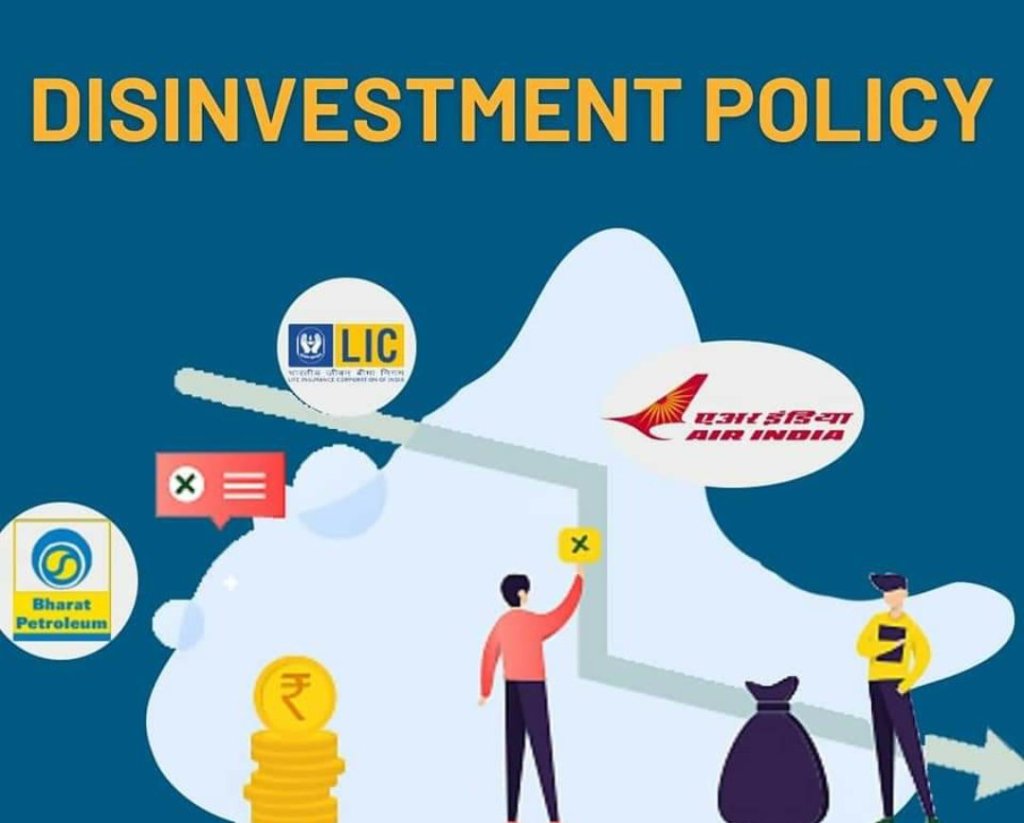
Disinvestment is a philosophy of new economic policy of India. It is complete denationalization of assets. India adopted Disinvestment of government’s equity in PSUs and the opening up of closed areas to private participation. In recent years, the issue of privatization have been brought to the forefront due to the large scale fiscal deficits that the government has been facing.

The New Industrial Policy announced on 24th July, 1991, was an attempt to meet conditionalities imposed by IMF  and World Bank in exchange of loan. The new economic policy was increasing the role and importance of the private sector in Industrial economy of the country and various measures were announced to achieve this purpose.

In August 1996, a five member Disinvestment was set up under the chairmanship of G V Ramakrishna former planning commission member and former chairman of SEBI with an aim to introduce mass ownership and promoting worker’s shareholding. The process was expected to eventually transform the existing state owned enterprises into public owned companies. Before measure the full fledged Disinvestment strategy; there are few terms of reference for the commission as to draw long term investment programme within 5 to 10 years for PSU referred it. To determine the extent Disinvestment in each PSU;prioritize PSUs referred to it by the core group terms if the overall disinvestment programme.

Source: Business Standard

To supervise the overall sale process and take decisions on the instrument as well as pricing. To select the financial advisors for the specified PSU to facilitate the investment process. Ensure the appropriate measures are taken during the investment process to Protect the interest of the affected employees.

Objectives of Disinvestment

The following objectives were stated in July 1991 are :-

• To improve overall economic efficiency

• To reduce fiscal deficit

• To diversify the ownership of PSU for enhancing efficiency of individual enterprises.

• To reduce the financial burden on the government.

• To improve public finance.

• To encourage wider share of ownership.

• To introduce, completion and market discipline.

• To raise funds for technological upgradation modernization and expansion of public sector enterprises

Rangarajan Committee on PSU Disinvestment, Krishnamurthy reconstituted in November 1992 with C Rangarajan as its chairman. To devise criteria for selection of public sector units for disinvestment during1992 – 1993. Advise on limits on the percentage of equity to be sold respect of each unit. To indicate the modus operandi of investment. Lay down criteria for valuation of equity shares of PSUs and make other recommendations related to disinvestment.

Methods of Disinvestment

The policy on Disinvestment has evolved considerably from the time of industrial policy of 24th July, 1991 stated that in order to raise resources and encourage wider public participation, a part of the government’s shareholding in the public sector would be offered to mutual fund, financial institutions, general public and workers.

When minority shareholding of the central government in 30 individual CPSEs was sold to select financial institutions. On recommendation of Rangarajan Committee in 1993 scope for investment continue to increase and evolve over the time To meet the targets traditional modes like IPO (Initial Public Offer) and FPO (Follow on Public Offer).

The government revived schemes like strategic sakes, made significant. Refinements in order to maintain sale through auction methods and over the time introduced new ideas like ETF for CPSEs to broader base choice alternatives available for Disinvestment.

Methods that adopted in 2017 – 2018 for investment

• Offer for Sale (OFS) the kind of sales shares by promoters through stock exchange mechanism adopting auction routes.

• Initial Public Offering are listed in CPSE or sales by government out of shareholding.

• Strategic Sale are substantial portion of the Government shareholding of a Central Public Sector Enterprise (CPSE) along with transfer of management control. Buy their own share by cash rich PSUs. Institutional Placement Program (IPP) only Institutions can participate.

• CPSE Exchange Traded Fund Disinvestment through ETF routes allows sale of government of India stake in various CPSEs across diverse sectors through a single product offering.


India's Disinvestment Policy a New Economic Policy

Source: jagranjosh

Disinvestment is a philosophy of new economic policy of India. It is complete denationalization of assets. India adopted Disinvestment of government’s equity in PSUs and the opening up of closed areas to private participation. In recent years, the issue of privatization have been brought to the forefront due to the large scale fiscal deficits that the government has been facing.

The New Industrial Policy announced on 24th July, 1991, was an attempt to meet conditionalities imposed by IMF  and World Bank in exchange of loan. The new economic policy was increasing the role and importance of the private sector in Industrial economy of the country and various measures were announced to achieve this purpose.

In August 1996, a five member Disinvestment was set up under the chairmanship of G V Ramakrishna former planning commission member and former chairman of SEBI with an aim to introduce mass ownership and promoting worker’s shareholding. The process was expected to eventually transform the existing state owned enterprises into public owned companies. Before measure the full fledged Disinvestment strategy; there are few terms of reference for the commission as to draw long term investment programme within 5 to 10 years for PSU referred it. To determine the extent Disinvestment in each PSU;prioritize PSUs referred to it by the core group terms if the overall disinvestment programme.

Source: Business Standard

To supervise the overall sale process and take decisions on the instrument as well as pricing. To select the financial advisors for the specified PSU to facilitate the investment process. Ensure the appropriate measures are taken during the investment process to Protect the interest of the affected employees.

Objectives of Disinvestment

The following objectives were stated in July 1991 are :-

• To improve overall economic efficiency

• To reduce fiscal deficit

• To diversify the ownership of PSU for enhancing efficiency of individual enterprises.

• To reduce the financial burden on the government.

• To improve public finance.

• To encourage wider share of ownership.

• To introduce, completion and market discipline.

• To raise funds for technological upgradation modernization and expansion of public sector enterprises

Rangarajan Committee on PSU Disinvestment, Krishnamurthy reconstituted in November 1992 with C Rangarajan as its chairman. To devise criteria for selection of public sector units for disinvestment during1992 – 1993. Advise on limits on the percentage of equity to be sold respect of each unit. To indicate the modus operandi of investment. Lay down criteria for valuation of equity shares of PSUs and make other recommendations related to disinvestment.

Methods of Disinvestment

The policy on Disinvestment has evolved considerably from the time of industrial policy of 24th July, 1991 stated that in order to raise resources and encourage wider public participation, a part of the government’s shareholding in the public sector would be offered to mutual fund, financial institutions, general public and workers.

When minority shareholding of the central government in 30 individual CPSEs was sold to select financial institutions. On recommendation of Rangarajan Committee in 1993 scope for investment continue to increase and evolve over the time To meet the targets traditional modes like IPO (Initial Public Offer) and FPO (Follow on Public Offer).

The government revived schemes like strategic sakes, made significant. Refinements in order to maintain sale through auction methods and over the time introduced new ideas like ETF for CPSEs to broader base choice alternatives available for Disinvestment.

Methods that adopted in 2017 – 2018 for investment

• Offer for Sale (OFS) the kind of sales shares by promoters through stock exchange mechanism adopting auction routes.

• Initial Public Offering are listed in CPSE or sales by government out of shareholding.

• Strategic Sale are substantial portion of the Government shareholding of a Central Public Sector Enterprise (CPSE) along with transfer of management control. Buy their own share by cash rich PSUs. Institutional Placement Program (IPP) only Institutions can participate.

• CPSE Exchange Traded Fund Disinvestment through ETF routes allows sale of government of India stake in various CPSEs across diverse sectors through a single product offering.