12 amazing performances by child actors

Most of the times, artforms are considered as the medium for adults. But there are some films which proved it is not so. There are some great films were told from the perspective of children. From simple life lessons to biggest events in world history, all these films have amused the viewers by the stunning performances of child actors. When we experience such great performances from children, the impact is several times bigger.

Let us check such films:

Jojo rabbit

Jojo Rabbit is a 2019 comedy-drama film written and directed by Taika Waititi, adapted from Christine Leunens’s 2008 book Caging Skies. Roman Griffin Davis portrays the title character, Johannes “Jojo” Betzler, a ten-year-old Hitler Youth member who finds out that his mother (Scarlett Johansson) is hiding a Jewish girl (Thomasin McKenzie) in their attic. He must then question his beliefs while dealing with the intervention of his imaginary friend (Waititi), a fanciful version of Adolf Hitler with a comedic stance on the politics of the war.

Capernaum

Capernaum is a 2018 Lebanese drama film directed by Nadine Labaki and produced by Khaled Mouzanar. The film stars Syrian refugee child actor Zain Al Rafeea as Zain El Hajj, a 12-year-old living in the slums of Beirut. Capernaum is told in flashback format, focusing on Zain’s life, including his encounter with an Ethiopian immigrant Rahil and her infant son Yonas, and leading up to his attempt to sue his parents for child neglect.
Children of heaven

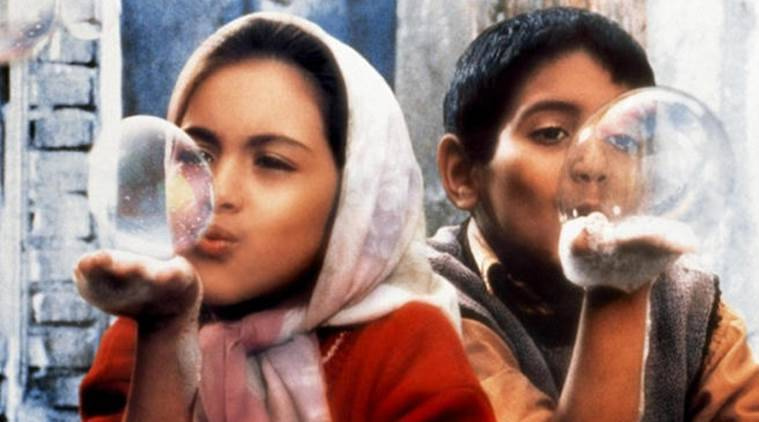
Children of Heaven is a 1997 Iranian family drama film written and directed by Majid Majidi. It deals with a brother and sister, and their adventures over a lost pair of shoes. It was nominated for the Academy Award for Best Foreign Language Film in 1998.
The white balloon

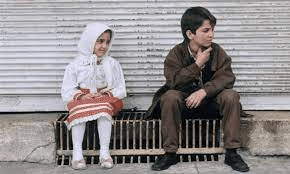
The White Balloon is a 1995 Iranian film directed by Jafar Panahi, with a screenplay by Abbas Kiarostami. The film is on the BFI list of the 50 films you should see by the age of 14. The film is about a brother and sister and has several intense scenes.

Machuca
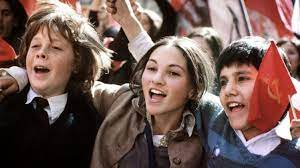
Machuca is a 2004 Chilean film written and directed by Andrés Wood. Set in 1973 Santiago during Salvador Allende’s socialist government until shortly after General Augusto Pinochet’s military coup in 1973, the film tells the story of two pupils: Gonzalo Infante comes from a rich family with a European background, while Pedro Machuca comes from an indigenous background and lives in very poor conditions. They meet at an elite, English-language Catholic school, where the director, Father McEnroe, is developing a social integration project.

Belfast

Belfast is a 2021 British coming-of-age drama film written and directed by Kenneth Branagh. The film chronicles the life of a working-class Ulster Protestant family from the perspective of their nine-year-old son Buddy during The Troubles in Belfast, Northern Ireland. Buddy’s father Pa works overseas in England, while the family—Ma, elder brother Will, and paternal grandparents Granny and Pop—live in Belfast.

Tare Zameen par
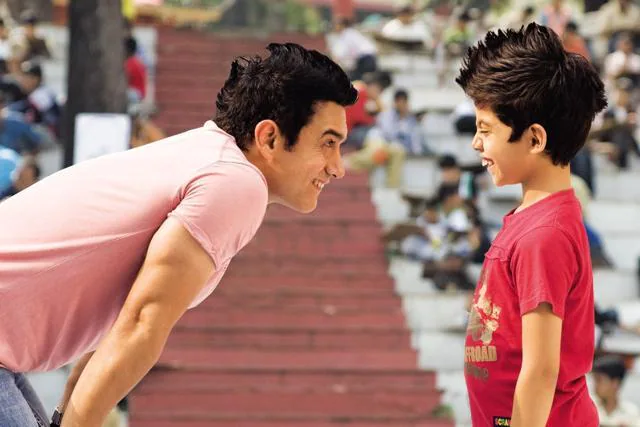
Taare Zameen Par (transl. Stars on land), also known as Like Stars on Earth in English, is a 2007 Indian Hindi-language drama film produced and directed by Aamir Khan. The film stars Khan himself, along with Darsheel Safary. The film explores the life and imagination of Ishaan (Safary), an 8-year-old dyslexic child. Although he excels in art, his poor academic performance leads his parents to send him to a boarding school. Ishaan’s new art teacher Nikumbh suspects that he is dyslexic and helps him to overcome his reading disorder.

Kakka muttai

Kaaka Muttai is a 2015 Indian Tamil-language comedy-drama film written, directed and filmed by M. Manikandan. The film’s storyline revolves around two slum children of Chennai, whose desire is to taste a pizza.
Life is beautiful

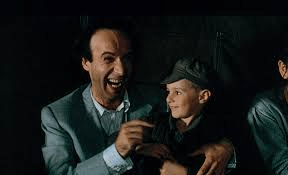
Life Is Beautiful is a 1997 Italian movie directed by and starring Roberto Benigni, who co-wrote the film with Vincenzo Cerami. Benigni plays Guido Orefice, a Jewish Italian bookshop owner, who employs his fertile imagination to shield his son from the horrors of internment in a Nazi concentration camp.
 Cinema paradiso

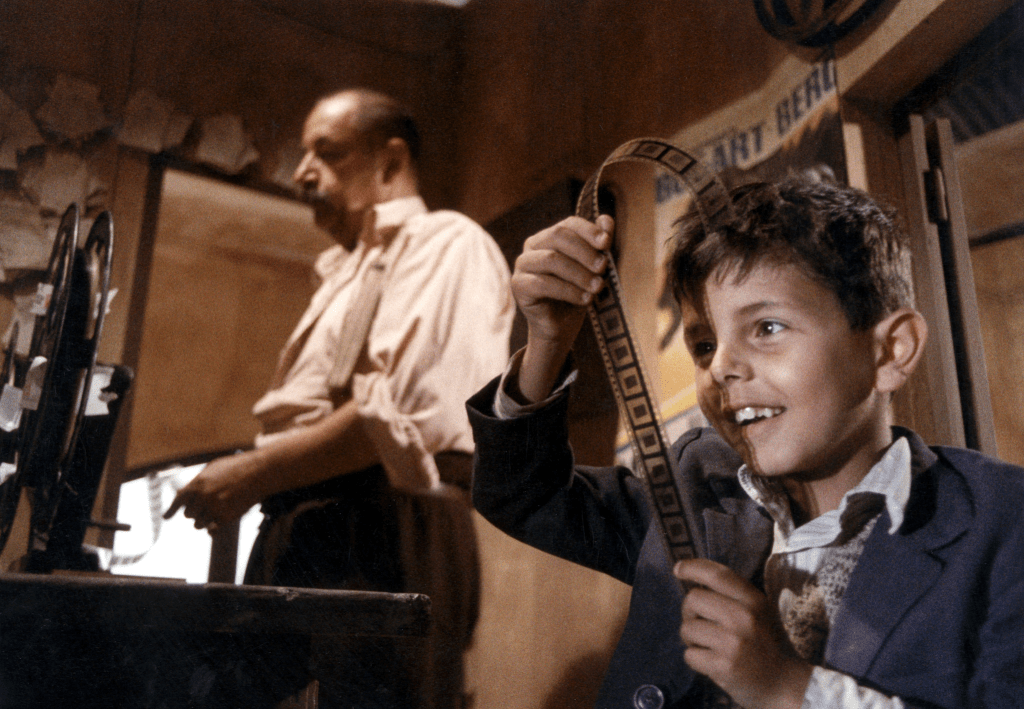
Cinema Paradiso is a 1988 coming-of-age drama film written and directed by Giuseppe Tornatore. Set in a small Sicilian town, the film centers on the friendship between a young boy and an aging projectionist who works at the titular movie theatre.
Central station

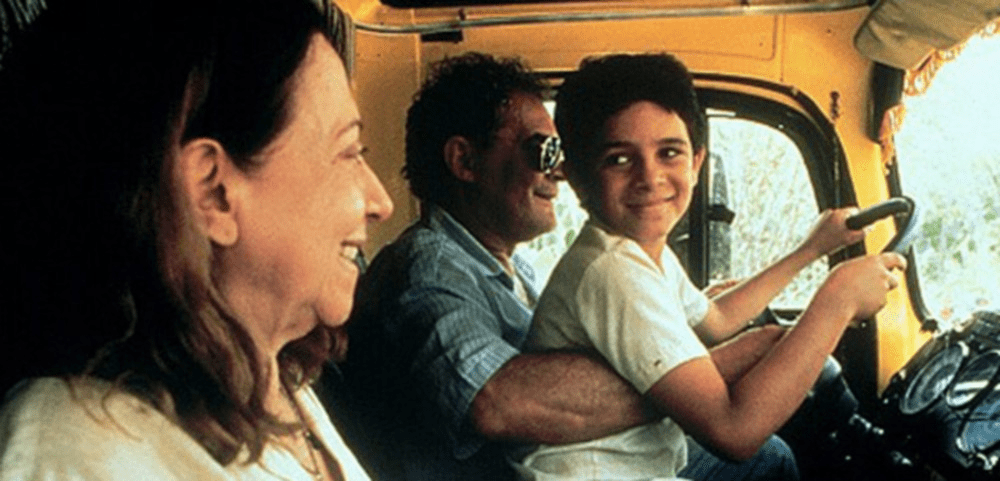
Central Station is a 1998 Brazilian–French drama film directed by Walter Salles and starring Fernanda Montenegro and Vinícius de Oliveira. The screenplay, adapted by João Emanuel Carneiro and Marcos Bernstein from a story by its director Walter Salles, tells the story of a young boy’s friendship with a jaded middle-aged woman

Sixth sense
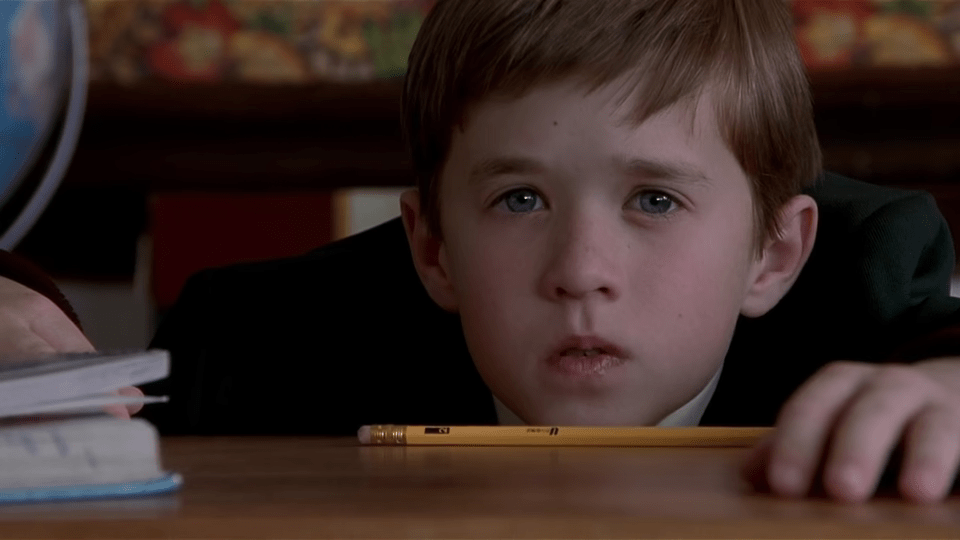
The Sixth Sense is a 1999 American supernatural psychological thriller film written and directed by M. Night Shyamalan. It stars Bruce Willis as a child psychologist whose patient (Haley Joel Osment) can talk to the dead. The film established Shyamalan and introduced the cinema public to his traits, most notably his affinity for surprise endings
12 amazing performances by child actors

Most of the times, artforms are considered as the medium for adults. But there are some films which proved it is not so. There are some great films were told from the perspective of children. From simple life lessons to biggest events in world history, all these films have amused the viewers by the stunning performances of child actors. When we experience such great performances from children, the impact is several times bigger.

Let us check such films:

Jojo rabbit

Jojo Rabbit is a 2019 comedy-drama film written and directed by Taika Waititi, adapted from Christine Leunens’s 2008 book Caging Skies. Roman Griffin Davis portrays the title character, Johannes “Jojo” Betzler, a ten-year-old Hitler Youth member who finds out that his mother (Scarlett Johansson) is hiding a Jewish girl (Thomasin McKenzie) in their attic. He must then question his beliefs while dealing with the intervention of his imaginary friend (Waititi), a fanciful version of Adolf Hitler with a comedic stance on the politics of the war.

Capernaum

Capernaum is a 2018 Lebanese drama film directed by Nadine Labaki and produced by Khaled Mouzanar. The film stars Syrian refugee child actor Zain Al Rafeea as Zain El Hajj, a 12-year-old living in the slums of Beirut. Capernaum is told in flashback format, focusing on Zain’s life, including his encounter with an Ethiopian immigrant Rahil and her infant son Yonas, and leading up to his attempt to sue his parents for child neglect.

Children of heaven

Children of Heaven is a 1997 Iranian family drama film written and directed by Majid Majidi. It deals with a brother and sister, and their adventures over a lost pair of shoes. It was nominated for the Academy Award for Best Foreign Language Film in 1998.

The white balloon

The White Balloon is a 1995 Iranian film directed by Jafar Panahi, with a screenplay by Abbas Kiarostami. The film is on the BFI list of the 50 films you should see by the age of 14. The film is about a brother and sister and has several intense scenes.

Machuca

Machuca is a 2004 Chilean film written and directed by Andrés Wood. Set in 1973 Santiago during Salvador Allende’s socialist government until shortly after General Augusto Pinochet’s military coup in 1973, the film tells the story of two pupils: Gonzalo Infante comes from a rich family with a European background, while Pedro Machuca comes from an indigenous background and lives in very poor conditions. They meet at an elite, English-language Catholic school, where the director, Father McEnroe, is developing a social integration project.

Belfast

Belfast is a 2021 British coming-of-age drama film written and directed by Kenneth Branagh. The film chronicles the life of a working-class Ulster Protestant family from the perspective of their nine-year-old son Buddy during The Troubles in Belfast, Northern Ireland. Buddy’s father Pa works overseas in England, while the family—Ma, elder brother Will, and paternal grandparents Granny and Pop—live in Belfast.

Tare Zameen par

Taare Zameen Par (transl. Stars on land), also known as Like Stars on Earth in English, is a 2007 Indian Hindi-language drama film produced and directed by Aamir Khan. The film stars Khan himself, along with Darsheel Safary. The film explores the life and imagination of Ishaan (Safary), an 8-year-old dyslexic child. Although he excels in art, his poor academic performance leads his parents to send him to a boarding school. Ishaan’s new art teacher Nikumbh suspects that he is dyslexic and helps him to overcome his reading disorder.

Kakka muttai

Kaaka Muttai is a 2015 Indian Tamil-language comedy-drama film written, directed and filmed by M. Manikandan. The film’s storyline revolves around two slum children of Chennai, whose desire is to taste a pizza.

Life is beautiful

Life Is Beautiful is a 1997 Italian movie directed by and starring Roberto Benigni, who co-wrote the film with Vincenzo Cerami. Benigni plays Guido Orefice, a Jewish Italian bookshop owner, who employs his fertile imagination to shield his son from the horrors of internment in a Nazi concentration camp.

 Cinema paradiso

Cinema Paradiso is a 1988 coming-of-age drama film written and directed by Giuseppe Tornatore. Set in a small Sicilian town, the film centers on the friendship between a young boy and an aging projectionist who works at the titular movie theatre.

Central station

Central Station is a 1998 Brazilian–French drama film directed by Walter Salles and starring Fernanda Montenegro and Vinícius de Oliveira. The screenplay, adapted by João Emanuel Carneiro and Marcos Bernstein from a story by its director Walter Salles, tells the story of a young boy’s friendship with a jaded middle-aged woman

Sixth sense

The Sixth Sense is a 1999 American supernatural psychological thriller film written and directed by M. Night Shyamalan. It stars Bruce Willis as a child psychologist whose patient (Haley Joel Osment) can talk to the dead. The film established Shyamalan and introduced the cinema public to his traits, most notably his affinity for surprise endings
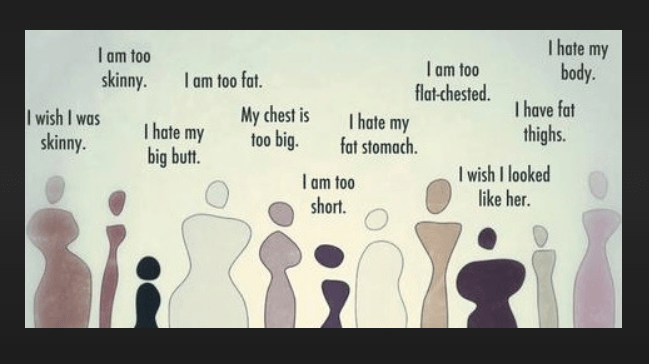
Body shaming is nothing less than a crime.

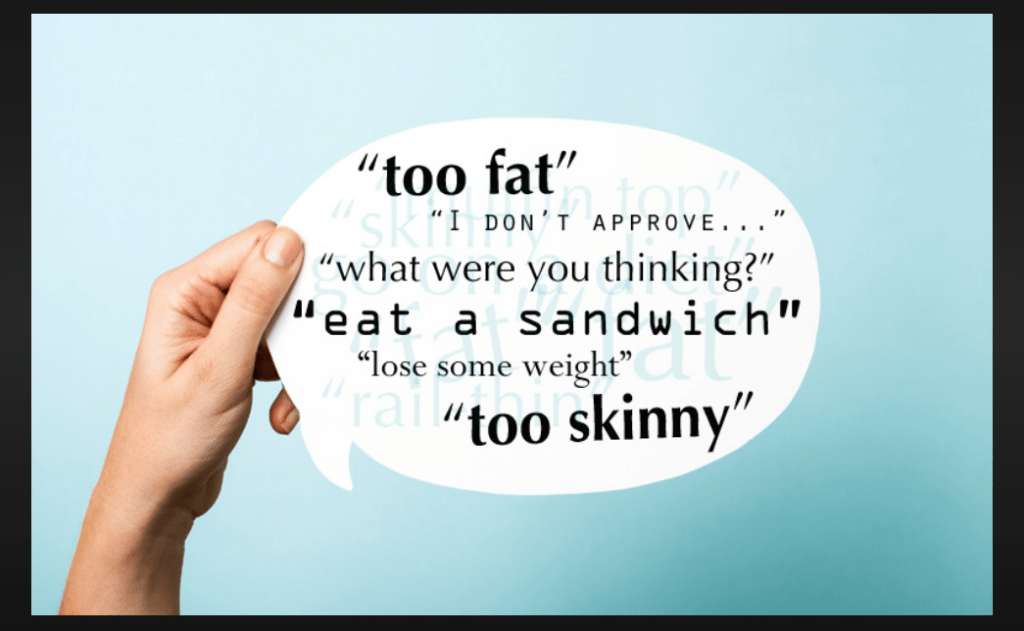
‘Look at her she is so fat.’ ‘look at him , is so dark and skinny.’ ‘ just look at that girl she is so short .’

Ever heard these? I hear them daily and it’s either about my self or a group of people or a person talking , to be more clear gossiping about some one else.

So the society expects one to be perfect ,like fair color, good height and slim and fit ,but are every one built in the same way? of course no , just like all the five fingers of our hand are different ,every human being is different and beautiful in their own ways.

If a girl is dark the whole society gives advices ,how to become fair ,if she or he is fat they are given advices about how to reduce weight , if skinny then how to increase their weight, if short ,how to become tall , I just keep wondering if the society has problem with every one’s appearance ?

From my personal experience , I can tell you that I faced such things , I was bullied in my school by my classmates , my friends and even my relatives bullied for my appearance , I could not tolerate them and even I cried due to that , and used to be envious of others for their personalities. I too wanted to achieve what they had and for that I used to skip meals some times and due to that I would feel more hungry than ever and used to over eat. As the time passed I started to accept my body and for my health and fitness , I took healthy steps in my life and started exercising and developing good healthy food habits.

I understood that everyone is beautiful in their own ways and its something that everyone has to accept , I understood that this bullying and body shaming is not good , not for your mental neither for your physical health, body shaming can lead to mental health issues , people start to overthink and worry about their appearance and in order to look perfect and beautiful they will choose faster and dangerous ways , like trying to reduce fat in just a week or trying to increase height and all this is really dangerous for one’s health and can lead to other dangerous consequences.

People of every gender and of all ages must deal with body shaming , it not a big issues , but this can damage one’s mental health the one at whom we are laughing at , whom we are body shaming, or mocking, this may also lead to emotional damage and trauma and depression.

So who are the culprits behind this , one is the society and the other is we ourselves , the product advertisers are the main ones for creating a pain point and then offering a solution to it, making ourselves think that we are not worthy and if we are not of certain skin tone ,height or weight and all , secondly we have ourselves to blame because we do not believe in ourselves and our bodies and we do not treat them well , we do not accept ourselves for how we are and then all this leads to a solution to overcome our issues and that too in a quick and unhealthy way ,leading to more disasters .

I just want the society to accept everyone as they are and to appreciate everyone’s personality since its unique for everyone and to stop body shaming or bullying . Society can be more beautiful if we accept people how they are and try not to change their appearance and instead help build confidence with in them about how unique they are and how to accept and love your body . Not only the society but firstly you yourself have to accept your body and treat it in a proper way and you have to love yourself the way you are , because self love comes first and you have to your first priority.

Body shaming is nothing less than a crime.

‘Look at her she is so fat.’ ‘look at him , is so dark and skinny.’ ‘ just look at that girl she is so short .’

Ever heard these? I hear them daily and it’s either about my self or a group of people or a person talking , to be more clear gossiping about some one else.

So the society expects one to be perfect ,like fair color, good height and slim and fit ,but are every one built in the same way? of course no , just like all the five fingers of our hand are different ,every human being is different and beautiful in their own ways.

If a girl is dark the whole society gives advices ,how to become fair ,if she or he is fat they are given advices about how to reduce weight , if skinny then how to increase their weight, if short ,how to become tall , I just keep wondering if the society has problem with every one’s appearance ?

From my personal experience , I can tell you that I faced such things , I was bullied in my school by my classmates , my friends and even my relatives bullied for my appearance , I could not tolerate them and even I cried due to that , and used to be envious of others for their personalities. I too wanted to achieve what they had and for that I used to skip meals some times and due to that I would feel more hungry than ever and used to over eat. As the time passed I started to accept my body and for my health and fitness , I took healthy steps in my life and started exercising and developing good healthy food habits.

I understood that everyone is beautiful in their own ways and its something that everyone has to accept , I understood that this bullying and body shaming is not good , not for your mental neither for your physical health, body shaming can lead to mental health issues , people start to overthink and worry about their appearance and in order to look perfect and beautiful they will choose faster and dangerous ways , like trying to reduce fat in just a week or trying to increase height and all this is really dangerous for one’s health and can lead to other dangerous consequences.

People of every gender and of all ages must deal with body shaming , it not a big issues , but this can damage one’s mental health the one at whom we are laughing at , whom we are body shaming, or mocking, this may also lead to emotional damage and trauma and depression.

So who are the culprits behind this , one is the society and the other is we ourselves , the product advertisers are the main ones for creating a pain point and then offering a solution to it, making ourselves think that we are not worthy and if we are not of certain skin tone ,height or weight and all , secondly we have ourselves to blame because we do not believe in ourselves and our bodies and we do not treat them well , we do not accept ourselves for how we are and then all this leads to a solution to overcome our issues and that too in a quick and unhealthy way ,leading to more disasters .

I just want the society to accept everyone as they are and to appreciate everyone’s personality since its unique for everyone and to stop body shaming or bullying . Society can be more beautiful if we accept people how they are and try not to change their appearance and instead help build confidence with in them about how unique they are and how to accept and love your body . Not only the society but firstly you yourself have to accept your body and treat it in a proper way and you have to love yourself the way you are , because self love comes first and you have to your first priority.

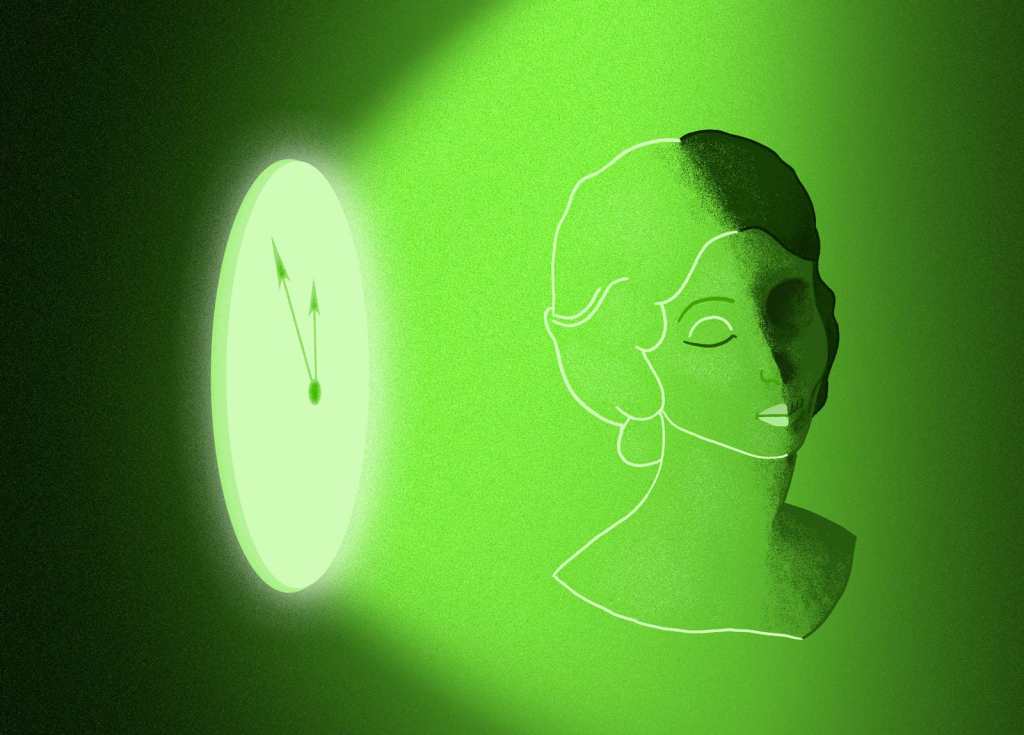
The lights that don’t lie- The case of the radium girls

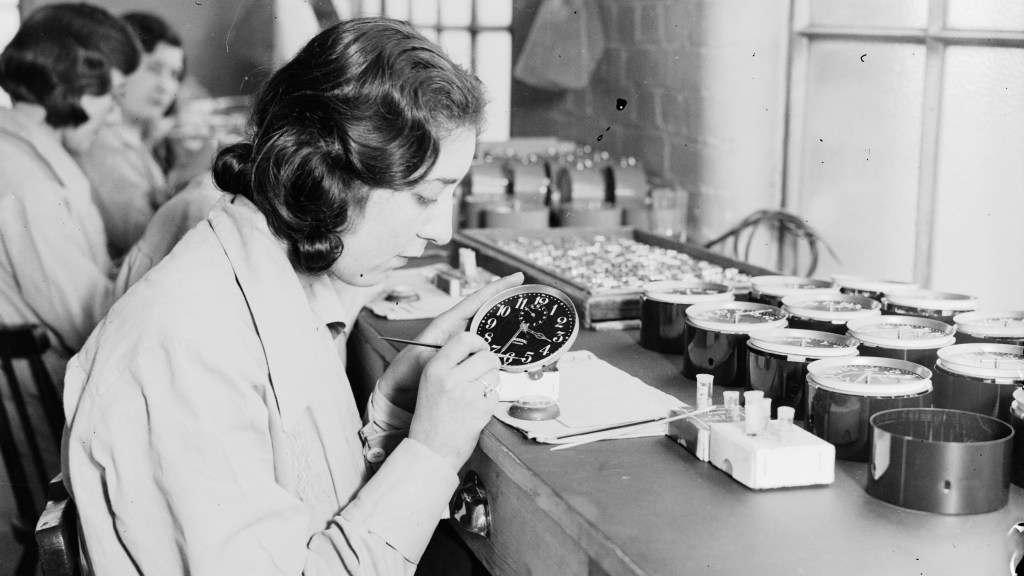
With war declared, hundreds of working-class women flocked to the studio where they were employed to paint watches and military dials with the new element radium, which had been discovered by Marie Curie a little less than 20 years before. Dial painting was “the elite job for the poor working girls”; it paid more than three times the average factory job, and those lucky enough to land a position ranked in the top 5% of female workers nationally, giving the women financial freedom in a time of burgeoning female empowerment. Radium’s luminosity was part of its allure, and the dial painters soon became known as the “ghost girls” — because by the time they finished their shifts, they themselves would glow in the dark. They made the most of the perk, wearing their good dresses to the plant so they’d shine in the dance halls at night, and even painting radium onto their teeth for a smile that would knock their suitors dead.

What’s more, the painters ingested the radioactive substance as part of their job. Because some of the watch dials on which they worked were extremely small, they were instructed to use their lips to bring their paint brushes to a fine point. When they asked about radium’s safety, they were assured by their managers that they had nothing to worry about.Of course, that wasn’t true. Radium can be extremely dangerous, especially with repeated exposure. Marie Curie suffered radiation burns while handling it, and she eventually died from radiation exposure.

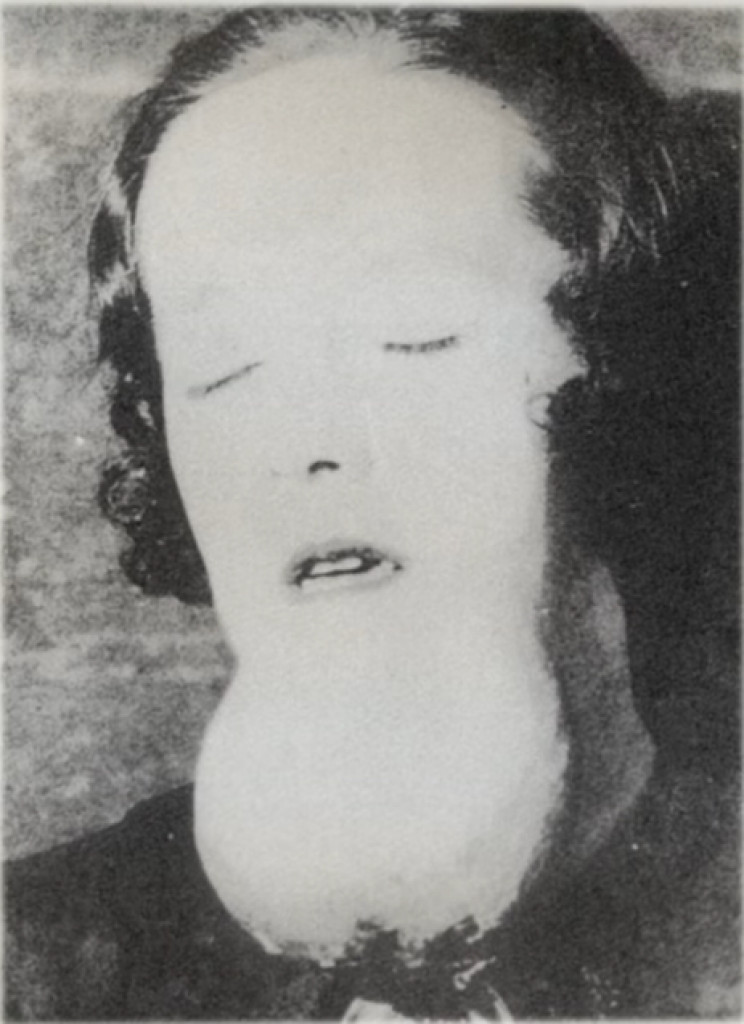
It wasn’t long before the “Radium Girls” began to experience the physical ravages of their exposure. Among the first was Amelia (“Mollie”) Maggia, who painted watches for the Radium Luminous Materials Corp. Maggia’s first symptom was a toothache, which required the removal of the tooth. Soon the tooth next to it also had to be extracted. Painful ulcers, bleeding and full of pus, developed where the teeth had been. Maggia died on September 12, 1922, of a massive hemorrhage. Doctors were puzzled as to the cause of her condition. In growing numbers, other Radium Girls became deathly ill, experiencing many of the same agonizing symptoms as Maggia. For two years their employer vociferously denied any connection between the girls’ deaths and their work. Facing a downturn in business because of the growing controversy, the company finally commissioned an independent study of the matter, which concluded that the painters had died from the effects of radium exposure.

In 1925 a pathologist named Harrison Martland developed a test that proved conclusively that radium had poisoned the watch painters by destroying their bodies from the inside. The radium industry tried to discredit Martland’s findings, but the Radium Girls themselves fought back. Many knew that their days were numbered, but they wanted to do something to help their colleagues still working with the deadly substance. Ingested radium had subsequently settled in the women’s bodies and was now emitting constant, destructive radiation that “honeycombed” their bones. It was literally boring holes inside them while they were alive. It attacked the women all over their bodies.

In 1927, a smart young lawyer named Raymond Berry accepted their case, and Grace (along with four colleagues) found herself at the canter of an internationally famous courtroom drama. The women had been given just four months to live, and the company seemed intent on dragging out the legal proceedings. The New Jersey radium girls’ case was front-page news, and it sent shockwaves across America.

It was the mid-1930s: America was in the grip of the Great Depression. Catherine and her friends , victims of this heinous poisoning, were shunned by their community for suing one of the few firms left standing. Though close to death when her case went to court in 1938, Catherine ignored her doctors’ advice and instead gave evidence from her deathbed. In doing so, and with the help of her lawyer, Leonard Grossman, she finally won justice not only for herself, but for workers everywhere.

The radium girls’ case was one of the first in which an employer was made responsible for the health of the company’s employees. It led to life-saving regulations and, ultimately, to the establishment of the Occupational Safety and Health Administration, which now operates nationally in the United States to protect workers. . The women also left a legacy to science that has been termed “invaluable.”

The lights that don’t lie- The case of the radium girls

With war declared, hundreds of working-class women flocked to the studio where they were employed to paint watches and military dials with the new element radium, which had been discovered by Marie Curie a little less than 20 years before. Dial painting was “the elite job for the poor working girls”; it paid more than three times the average factory job, and those lucky enough to land a position ranked in the top 5% of female workers nationally, giving the women financial freedom in a time of burgeoning female empowerment. Radium’s luminosity was part of its allure, and the dial painters soon became known as the “ghost girls” — because by the time they finished their shifts, they themselves would glow in the dark. They made the most of the perk, wearing their good dresses to the plant so they’d shine in the dance halls at night, and even painting radium onto their teeth for a smile that would knock their suitors dead.

What’s more, the painters ingested the radioactive substance as part of their job. Because some of the watch dials on which they worked were extremely small, they were instructed to use their lips to bring their paint brushes to a fine point. When they asked about radium’s safety, they were assured by their managers that they had nothing to worry about.Of course, that wasn’t true. Radium can be extremely dangerous, especially with repeated exposure. Marie Curie suffered radiation burns while handling it, and she eventually died from radiation exposure.

It wasn’t long before the “Radium Girls” began to experience the physical ravages of their exposure. Among the first was Amelia (“Mollie”) Maggia, who painted watches for the Radium Luminous Materials Corp. Maggia’s first symptom was a toothache, which required the removal of the tooth. Soon the tooth next to it also had to be extracted. Painful ulcers, bleeding and full of pus, developed where the teeth had been. Maggia died on September 12, 1922, of a massive hemorrhage. Doctors were puzzled as to the cause of her condition. In growing numbers, other Radium Girls became deathly ill, experiencing many of the same agonizing symptoms as Maggia. For two years their employer vociferously denied any connection between the girls’ deaths and their work. Facing a downturn in business because of the growing controversy, the company finally commissioned an independent study of the matter, which concluded that the painters had died from the effects of radium exposure.

In 1925 a pathologist named Harrison Martland developed a test that proved conclusively that radium had poisoned the watch painters by destroying their bodies from the inside. The radium industry tried to discredit Martland’s findings, but the Radium Girls themselves fought back. Many knew that their days were numbered, but they wanted to do something to help their colleagues still working with the deadly substance. Ingested radium had subsequently settled in the women’s bodies and was now emitting constant, destructive radiation that “honeycombed” their bones. It was literally boring holes inside them while they were alive. It attacked the women all over their bodies.

In 1927, a smart young lawyer named Raymond Berry accepted their case, and Grace (along with four colleagues) found herself at the canter of an internationally famous courtroom drama. The women had been given just four months to live, and the company seemed intent on dragging out the legal proceedings. The New Jersey radium girls’ case was front-page news, and it sent shockwaves across America.

It was the mid-1930s: America was in the grip of the Great Depression. Catherine and her friends , victims of this heinous poisoning, were shunned by their community for suing one of the few firms left standing. Though close to death when her case went to court in 1938, Catherine ignored her doctors’ advice and instead gave evidence from her deathbed. In doing so, and with the help of her lawyer, Leonard Grossman, she finally won justice not only for herself, but for workers everywhere.

The radium girls’ case was one of the first in which an employer was made responsible for the health of the company’s employees. It led to life-saving regulations and, ultimately, to the establishment of the Occupational Safety and Health Administration, which now operates nationally in the United States to protect workers. . The women also left a legacy to science that has been termed “invaluable.”

How India Generate Money for the Growth of Economy

Source: VectorStock

Government of India adopted mixed economy strategy after the independence from British Colonialism. A mixed economy is a system which comprehend the blending elements of market economies with the elements of planned economies with the hint of free market with state intervene such as with private enterprise and public enterprise.

A mixture of markets with state intervention referring to capitalist market economies with strong regulatory oversight, intervening policies and governmental provision of public services.”  This type of economy is apolitical in nature and holding the same substance of private and public enterprise.

In Western world, capitalist economy containing more dominance of private ownership with profit seeking enterprise and accumulation of capital as consider it fundamental driving force for the growth. In such system, markets are tend to flatulent between government and regulatory control which influence indirect macroeconomics influence through fiscal and monetary policies. India has mixed economy culture since independence. The second Five Year Plan infused the economy of socialist pattern for India. Planned Development yielded the socialist strategy for economic planning and Development of public sector. As India adopted mixed economy, Economic planning associated with capitalistic framework. Indian economy augment in Monopoly trends support mixed economy, predominance of

Source: Economic Times

markets mechanism which create the prevalence of markets for goods; this determined the demand and supply created private ownership of production.

Since the mid 1980s, India has opened up its markets through economic reform. Several industrial policies, Indian economy provided space for private sector but before 1980 the participation of private sectors in economy was very low. Indian economy started to become mixed economy in 1980s and India’s International trade started at large scale.

There are few reasons that why India inclined towards mixed economy and got the base of liberalization, pravitalisation and globalization and switching from agrarian economy. The low growth rate of the economy of India before 1980 which was stagnant from 3 to 3.5% from 1950s to 1980s while per capital income averaged 1.3%. At the same time, Pakistan grew by 5% Thailand by 9%, South Korea by 10%. Before 1990s, only four and five working license were given to steel, electrical, power and communication. License owners large enterprises.

A huge power sector emerged as state owned enterprises made large losses. Income taxes and custom department become inefficient in checking tax evasion. Infrastructure investment was poor because of the public sector monopoly. License Raj established the irresponsible bureaucracy and corruption in the enterprises and corruption flourished in this system.

Source: PaperTyari

In 1990, Prime minister PV Narasimha Rao, with Finance Minister Manmohan Singh initiated the Economic Liberalization in 1991. Reforms vanished license Raj, reduced tariffs and interest rates and ended many public monopolies, allowing Foreign investment in many sectors. Through the Economic Reform of 1991, Indian economy introduced liberalization privatization and Globalization as part of Structural Programme.

Liberalization has equated a change of reorganization of institutional space; it is a relationship of economies in the direction of market principles. Liberalization create jobs, increase competition, Private companies buys land and develop cities.

Privatization reduce the government’s political interference. It improve the efficiency of profit incentive; improve operational efficiency in order to reduce their costs and improve on profits. Produce good quality products and provide better services and reduce wastages and utilize the resources.

Globalization encourages producers and consumers to benefit from division of labor. More free market movement between countries. Gains from the sharing of ideas skills technologies across national borders. Opening up of capital markets allows developing countries to borrow money to over a domestic savings gap. Increased awareness among consumers of inequality and climate change. Competition pressure from Globalization may improved the governance.

How India Generate Money for the Growth of Economy

Source: VectorStock

Government of India adopted mixed economy strategy after the independence from British Colonialism. A mixed economy is a system which comprehend the blending elements of market economies with the elements of planned economies with the hint of free market with state intervene such as with private enterprise and public enterprise.

A mixture of markets with state intervention referring to capitalist market economies with strong regulatory oversight, intervening policies and governmental provision of public services.”  This type of economy is apolitical in nature and holding the same substance of private and public enterprise.

In Western world, capitalist economy containing more dominance of private ownership with profit seeking enterprise and accumulation of capital as consider it fundamental driving force for the growth. In such system, markets are tend to flatulent between government and regulatory control which influence indirect macroeconomics influence through fiscal and monetary policies. India has mixed economy culture since independence. The second Five Year Plan infused the economy of socialist pattern for India. Planned Development yielded the socialist strategy for economic planning and Development of public sector. As India adopted mixed economy, Economic planning associated with capitalistic framework. Indian economy augment in Monopoly trends support mixed economy, predominance of

Source: Economic Times

markets mechanism which create the prevalence of markets for goods; this determined the demand and supply created private ownership of production.

Since the mid 1980s, India has opened up its markets through economic reform. Several industrial policies, Indian economy provided space for private sector but before 1980 the participation of private sectors in economy was very low. Indian economy started to become mixed economy in 1980s and India’s International trade started at large scale.

There are few reasons that why India inclined towards mixed economy and got the base of liberalization, pravitalisation and globalization and switching from agrarian economy. The low growth rate of the economy of India before 1980 which was stagnant from 3 to 3.5% from 1950s to 1980s while per capital income averaged 1.3%. At the same time, Pakistan grew by 5% Thailand by 9%, South Korea by 10%. Before 1990s, only four and five working license were given to steel, electrical, power and communication. License owners large enterprises.

A huge power sector emerged as state owned enterprises made large losses. Income taxes and custom department become inefficient in checking tax evasion. Infrastructure investment was poor because of the public sector monopoly. License Raj established the irresponsible bureaucracy and corruption in the enterprises and corruption flourished in this system.

Source: PaperTyari

In 1990, Prime minister PV Narasimha Rao, with Finance Minister Manmohan Singh initiated the Economic Liberalization in 1991. Reforms vanished license Raj, reduced tariffs and interest rates and ended many public monopolies, allowing Foreign investment in many sectors. Through the Economic Reform of 1991, Indian economy introduced liberalization privatization and Globalization as part of Structural Programme.

Liberalization has equated a change of reorganization of institutional space; it is a relationship of economies in the direction of market principles. Liberalization create jobs, increase competition, Private companies buys land and develop cities.

Privatization reduce the government’s political interference. It improve the efficiency of profit incentive; improve operational efficiency in order to reduce their costs and improve on profits. Produce good quality products and provide better services and reduce wastages and utilize the resources.

Globalization encourages producers and consumers to benefit from division of labor. More free market movement between countries. Gains from the sharing of ideas skills technologies across national borders. Opening up of capital markets allows developing countries to borrow money to over a domestic savings gap. Increased awareness among consumers of inequality and climate change. Competition pressure from Globalization may improved the governance.

Healthy snacking to switch to.

Snacking refers to the intake of foods during the day other than your main meals. Snacks typically consist of smaller food portions distributed between meals. While research on whether snacking aids weight loss is mixed, some evidence suggests that increasing your meal frequency through snacking may help manage hunger and improve blood sugar regulation. By planning ahead and focusing on nutrient-rich foods, snacks may support your weight management goals by managing hunger and keeping you satisfied between meals. Think of a healthy snack as a mini-meal. It should be more than just a handful of popcorn or a bag of chips. Like a meal, it should contain some protein, carbs, and healthy fats. Bonus points for fibre, as that helps fill us up and slows digestion leaving you feeling fuller longer. Here are some options for healthy snacking you can switch to-

1. Mixed nuts

Nuts are an ideal nutritious snack, providing the perfect balance of healthy fats, protein, and fiber.Aside from being tasty; they’re linked to numerous health benefits and very filling. There are plenty of nuts you can choose from, including walnuts, almonds, Brazil nuts, hazelnuts, pine nuts, macadamia nuts, cashews, and pistachios. Because they don’t require refrigeration, they’re a great choice for snacking on the go.

2. Kale chips

Kale is incredibly healthy, as it’s loaded with fiber and antioxidants like beta carotene, lutein.It’s also a good source of minerals, such as calcium and phosphorus. It has a lower level of oxalic acid, an anti-nutrient that impairs calcium absorption, than many other leafy greens .Pairing kale with olive oil not only makes more delicious and crispy chips but also a more balanced and filling snack.

3. Protein smoothie

A protein smoothie can be a filling snack for when you need something substantial until your next meal.They’re an easy and convenient way to increase your protein intake. You can add just about any other ingredient to the mix, from fruits and veggies to healthy fats like avocado, nut butter, or chia seeds, for a nutrient-rich snack.

4. Oatmeal

Oatmeal is a truly versatile snack that you can enjoy hot or cold — at home or on the go. Oats are a nutritious whole grain that provides a good amount of fiber and higher protein content compared with other cereals.What’s more, you can satisfy your sweet tooth with oatmeal topped with fruit, cinnamon, cocoa powder, and chocolate chips, or go for a savory version by adding eggs, avocado, and veggies like mushrooms or tomatoes.

5. Cucumber slices with hummus

Cucumber’s fresh flavour and crunchy texture go very well with the rich creaminess of hummus. Hummus is typically made from chickpeas, tahini, olive oil, and garlic. Thus, it provides a mix of plant-based protein, fibre, and heart-healthy fats. You can also pair them with some whole grain crackers or pretzel sticks for a heartier snack.

When your next craving hits, aim for whole foods that add nutrition to your day instead of highly processed, less nutritious options.Having some healthy choices in reach can help you stay satisfied, add more nutrients to your diet, and support weight management. Healthy snacking can be benifically in all aspects of life , so start making choices of what you intake.

Healthy snacking to switch to.

Snacking refers to the intake of foods during the day other than your main meals. Snacks typically consist of smaller food portions distributed between meals. While research on whether snacking aids weight loss is mixed, some evidence suggests that increasing your meal frequency through snacking may help manage hunger and improve blood sugar regulation. By planning ahead and focusing on nutrient-rich foods, snacks may support your weight management goals by managing hunger and keeping you satisfied between meals. Think of a healthy snack as a mini-meal. It should be more than just a handful of popcorn or a bag of chips. Like a meal, it should contain some protein, carbs, and healthy fats. Bonus points for fibre, as that helps fill us up and slows digestion leaving you feeling fuller longer. Here are some options for healthy snacking you can switch to-

1. Mixed nuts

Nuts are an ideal nutritious snack, providing the perfect balance of healthy fats, protein, and fiber.Aside from being tasty; they’re linked to numerous health benefits and very filling. There are plenty of nuts you can choose from, including walnuts, almonds, Brazil nuts, hazelnuts, pine nuts, macadamia nuts, cashews, and pistachios. Because they don’t require refrigeration, they’re a great choice for snacking on the go.

2. Kale chips

Kale is incredibly healthy, as it’s loaded with fiber and antioxidants like beta carotene, lutein.It’s also a good source of minerals, such as calcium and phosphorus. It has a lower level of oxalic acid, an anti-nutrient that impairs calcium absorption, than many other leafy greens .Pairing kale with olive oil not only makes more delicious and crispy chips but also a more balanced and filling snack.

3. Protein smoothie

A protein smoothie can be a filling snack for when you need something substantial until your next meal.They’re an easy and convenient way to increase your protein intake. You can add just about any other ingredient to the mix, from fruits and veggies to healthy fats like avocado, nut butter, or chia seeds, for a nutrient-rich snack.

4. Oatmeal

Oatmeal is a truly versatile snack that you can enjoy hot or cold — at home or on the go. Oats are a nutritious whole grain that provides a good amount of fiber and higher protein content compared with other cereals.What’s more, you can satisfy your sweet tooth with oatmeal topped with fruit, cinnamon, cocoa powder, and chocolate chips, or go for a savory version by adding eggs, avocado, and veggies like mushrooms or tomatoes.

5. Cucumber slices with hummus

Cucumber’s fresh flavour and crunchy texture go very well with the rich creaminess of hummus. Hummus is typically made from chickpeas, tahini, olive oil, and garlic. Thus, it provides a mix of plant-based protein, fibre, and heart-healthy fats. You can also pair them with some whole grain crackers or pretzel sticks for a heartier snack.

When your next craving hits, aim for whole foods that add nutrition to your day instead of highly processed, less nutritious options.Having some healthy choices in reach can help you stay satisfied, add more nutrients to your diet, and support weight management. Healthy snacking can be benifically in all aspects of life , so start making choices of what you intake.