India’s role in global climate action

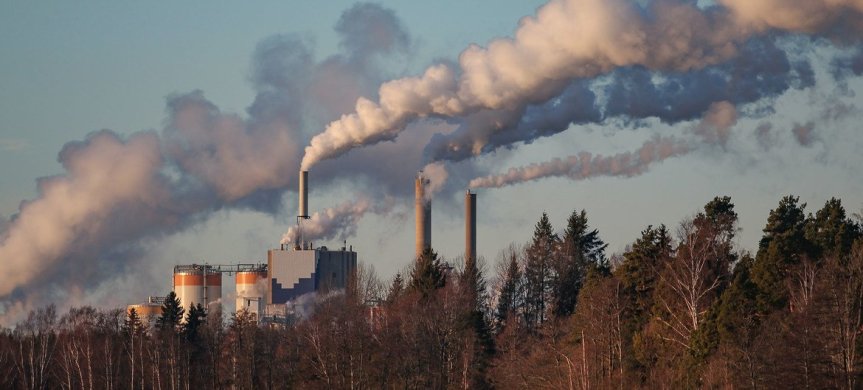
We know that India is the second most populous nation in the world. In order to meet the needs of this growing population, India is putting large amount of pressure on the natural resources. The carbon emissions and natural resource depletion by the nation is on the high.

In terms of natural resources exploitation, India is among the first ten nations. As it is a developing nation it’s contribution towards controlling these emissions is also limited.

However, realizing it’s global position as one of the leader of developing countries, it has started initiatives towards environment friendly initiatives.

Let us look into such initiatives:

Panchamrit or “five elixirs.”

 These are goals laid down by India regarding its climate action. Four out of five of these so-called elixirs are short-term goals that would pave the way for achieving a net-zero emissions target by 2070. The immediate goals are:

  • Reaching a non-fossil fuel energy capacity of 500 GW by 2030;
  • Fulfilling 50 percent energy requirements via renewable energy by 2030
  • Reducing CO2 emissions by 1 million tons by 2030
  • Reducing carbon intensity below 45 percent by 2030
  • India will achieve net zero by 2070

Net zero goal

India’s announcement that it aims to reach net zero emissions by 2070 and to meet 50% of its electricity requirements from renewable energy sources by 2030 is a hugely significant moment for the global fight against climate change. India is pioneering a new model of economic development that could avoid the carbon-intensive approaches that many countries have pursued in the past – and provide a blueprint for other developing economies.

International solar alliance

The International Solar Alliance (ISA) is an alliance of 105 signatory countries (81 of whom are members), most being sunshine countries, which lie either completely or partly between the Tropic of Cancer and the Tropic of Capricorn. The primary objective of the alliance is to work for efficient consumption of solar energy to reduce dependence on fossil fuels. This initiative was first proposed by Indian Prime Minister Narendra Modi in a speech in November 2015 at Wembley Stadium (London HA9 0WS, United Kingdom), in which he referred to sunshine countries as Suryaputra (“Sons of the Sun”). The alliance is a treaty-based inter-governmental organization. Countries that do not fall within the Tropics can join the alliance and enjoy all benefits as other members, with the exception of voting rights.

National action plan for climate change

National Action Plan for Climate Change (NAPCC) is a Government of India’s programme launched in 2008 to mitigate and adapt to the adverse impact of climate change. The action plan was launched in 2008 with 8 sub-missions. The plan aims at fulfilling India’s developmental objectives with focus on reducing emission intensity of its economy. The plan will rely on the support from the developed countries with the prime focus of keeping its carbon emissions below the developed economies at any point of time.

Indian government has also formulated several new schemes and incorporated climate conscious initiatives in its existing schemes realizing the urge of the hour. Being a large nation, India’s efforts will contribute significantly towards world efforts.

Let us join our hands in the efforts of the nation.
India's role in global climate action

We know that India is the second most populous nation in the world. In order to meet the needs of this growing population, India is putting large amount of pressure on the natural resources. The carbon emissions and natural resource depletion by the nation is on the high.

In terms of natural resources exploitation, India is among the first ten nations. As it is a developing nation it’s contribution towards controlling these emissions is also limited.

However, realizing it’s global position as one of the leader of developing countries, it has started initiatives towards environment friendly initiatives.

Let us look into such initiatives:

Panchamrit or “five elixirs.”

 These are goals laid down by India regarding its climate action. Four out of five of these so-called elixirs are short-term goals that would pave the way for achieving a net-zero emissions target by 2070. The immediate goals are:

  • Reaching a non-fossil fuel energy capacity of 500 GW by 2030;
  • Fulfilling 50 percent energy requirements via renewable energy by 2030
  • Reducing CO2 emissions by 1 million tons by 2030
  • Reducing carbon intensity below 45 percent by 2030
  • India will achieve net zero by 2070

Net zero goal

India’s announcement that it aims to reach net zero emissions by 2070 and to meet 50% of its electricity requirements from renewable energy sources by 2030 is a hugely significant moment for the global fight against climate change. India is pioneering a new model of economic development that could avoid the carbon-intensive approaches that many countries have pursued in the past – and provide a blueprint for other developing economies.

International solar alliance

The International Solar Alliance (ISA) is an alliance of 105 signatory countries (81 of whom are members), most being sunshine countries, which lie either completely or partly between the Tropic of Cancer and the Tropic of Capricorn. The primary objective of the alliance is to work for efficient consumption of solar energy to reduce dependence on fossil fuels. This initiative was first proposed by Indian Prime Minister Narendra Modi in a speech in November 2015 at Wembley Stadium (London HA9 0WS, United Kingdom), in which he referred to sunshine countries as Suryaputra (“Sons of the Sun”). The alliance is a treaty-based inter-governmental organization. Countries that do not fall within the Tropics can join the alliance and enjoy all benefits as other members, with the exception of voting rights.

National action plan for climate change

National Action Plan for Climate Change (NAPCC) is a Government of India’s programme launched in 2008 to mitigate and adapt to the adverse impact of climate change. The action plan was launched in 2008 with 8 sub-missions. The plan aims at fulfilling India’s developmental objectives with focus on reducing emission intensity of its economy. The plan will rely on the support from the developed countries with the prime focus of keeping its carbon emissions below the developed economies at any point of time.

Indian government has also formulated several new schemes and incorporated climate conscious initiatives in its existing schemes realizing the urge of the hour. Being a large nation, India’s efforts will contribute significantly towards world efforts.

Let us join our hands in the efforts of the nation.

Recommendations for Gender Based violence

Source: UN Women

Sex Education, Community, media, intervention, gender norms programmes helpful to tackle GBV. Several LGBTQ+ organizations and their programmes initiated in the USA (New York, Washington, California) we’ll discuss below all their activities.

  • Community intervention can address gender norms and attitudes. For example, the combination of microfinance schemes for women. IMAGE microfinance and gender equity initiated in South Africa and stepping stone programmes in Africa and Asia. Well trained facilitators and community ownership appear to boost the effectiveness of the programme.
  • Public awareness campaigns via television, radio, newspapers and other mass media can be effective in altering attitudes towards gender norms.
  • School based programmes consider considerable components to spread words regarding gender norms and attitudes before they become deeply ingrained in children & youth. Positive results have been reported in the US and Canada by Youth Relationship Project.

In Rawada, UNFPA introduced  “one stop centers” to fulfill the diverse physical, emotional and school needs of survivors.

  • Psycho – counseling, helplines and safe houses programmes on sexual reproduction health that should be treated as first place service.

Research – Build Gender sensitivity in male groups  

Men as partners programme from age 10 – 14 years, only all male groups must participate in changing attitude or mindset. Encourage boys to stop domestic and sexual violence towards gender and to become responsible but programme has yet to be in evaluation process.

Youth Relationship Project in Ontario is a community based intervention to help at-risk 14 – 16 year old boys; take a health promotion approach that develops healthy, no abusive relationships by providing education about gender related issues, conflict resolution, communication skills and social action activities. Randomized controlled trials showed that intervention was effective in reducing incidents of physical and emotional abuse.

Another programme in United States, Mentors in violence prevention, provide two hours educational sessions to male and female high school and college student in mixed or single sex groups. Here, students learn about different types of abuse, gender stereotypes and society’s acceptance of violence against women. Evaluation of the programme examined the knowledge and attitudes of participants  after two to five months of implementation. This study indicated that the programme improved participants’ attitudes towards violence against GBV.  

Organizations like GLSEN, Lambda legal, Advocates for youth, Gender spectrum, Centrelink,The Trevor Project are working exclusively for gender sensitivity and inclusive environment, suicide prevention services to young LGBTQ people under 25. Some of the main projects/steps of organizations are:- 

  • Through litigation, education and Policy advocacy protect the rights of LGBTQ people that seek health care and medical professional health and facilities understand their responsibility to treat LGBT patients fairly.

Sports projects as education & advocacy programme.

  • Solidarity week, No name calling week and day of silence are part of the project
  • Supportive educators, comprehensive policies and inclusive curriculum.
  • Train organize and support student survivor activists in challenging their educational institutions to address violence and discrimination.
  • Advocate for Policy change at the campus, state and federal levels to ensure meaningful systematic action to end gender violence.
  • Communities engagement including young people of color, black and Latino and trans color youth; members use social media campaigns, peer education, storytelling and media outreach to raise awareness of interconnection between HIV disparity, racism, homophobia and transphobia determinate for inclusion of youth most impacted by HIV in planning, implementation and evaluation of programs; policies that affect their health and well being.

Recommendations for Gender Based violence

Source: UN Women

Sex Education, Community, media, intervention, gender norms programmes helpful to tackle GBV. Several LGBTQ+ organizations and their programmes initiated in the USA (New York, Washington, California) we’ll discuss below all their activities.

  • Community intervention can address gender norms and attitudes. For example, the combination of microfinance schemes for women. IMAGE microfinance and gender equity initiated in South Africa and stepping stone programmes in Africa and Asia. Well trained facilitators and community ownership appear to boost the effectiveness of the programme.
  • Public awareness campaigns via television, radio, newspapers and other mass media can be effective in altering attitudes towards gender norms.
  • School based programmes consider considerable components to spread words regarding gender norms and attitudes before they become deeply ingrained in children & youth. Positive results have been reported in the US and Canada by Youth Relationship Project.

In Rawada, UNFPA introduced  “one stop centers” to fulfill the diverse physical, emotional and school needs of survivors.

  • Psycho – counseling, helplines and safe houses programmes on sexual reproduction health that should be treated as first place service.

Research – Build Gender sensitivity in male groups  

Men as partners programme from age 10 – 14 years, only all male groups must participate in changing attitude or mindset. Encourage boys to stop domestic and sexual violence towards gender and to become responsible but programme has yet to be in evaluation process.

Youth Relationship Project in Ontario is a community based intervention to help at-risk 14 – 16 year old boys; take a health promotion approach that develops healthy, no abusive relationships by providing education about gender related issues, conflict resolution, communication skills and social action activities. Randomized controlled trials showed that intervention was effective in reducing incidents of physical and emotional abuse.

Another programme in United States, Mentors in violence prevention, provide two hours educational sessions to male and female high school and college student in mixed or single sex groups. Here, students learn about different types of abuse, gender stereotypes and society’s acceptance of violence against women. Evaluation of the programme examined the knowledge and attitudes of participants  after two to five months of implementation. This study indicated that the programme improved participants’ attitudes towards violence against GBV.  

Organizations like GLSEN, Lambda legal, Advocates for youth, Gender spectrum, Centrelink,The Trevor Project are working exclusively for gender sensitivity and inclusive environment, suicide prevention services to young LGBTQ people under 25. Some of the main projects/steps of organizations are:- 

  • Through litigation, education and Policy advocacy protect the rights of LGBTQ people that seek health care and medical professional health and facilities understand their responsibility to treat LGBT patients fairly.

Sports projects as education & advocacy programme.

  • Solidarity week, No name calling week and day of silence are part of the project
  • Supportive educators, comprehensive policies and inclusive curriculum.
  • Train organize and support student survivor activists in challenging their educational institutions to address violence and discrimination.
  • Advocate for Policy change at the campus, state and federal levels to ensure meaningful systematic action to end gender violence.
  • Communities engagement including young people of color, black and Latino and trans color youth; members use social media campaigns, peer education, storytelling and media outreach to raise awareness of interconnection between HIV disparity, racism, homophobia and transphobia determinate for inclusion of youth most impacted by HIV in planning, implementation and evaluation of programs; policies that affect their health and well being.

Yoga Policies and Programmes in Global Scanerio

Source: yoga alliance

Ongoing Pandemic has left with many physical and mental health issues; where we face constant on and off lockdowns. People suffering through financial hardship lead to an impact on their lifestyle and their work routine. Large population confronting Mental health issues, loneliness, constant fear of losing job, psychological suffering, anxiety depression, sleeping pattern and isolation.

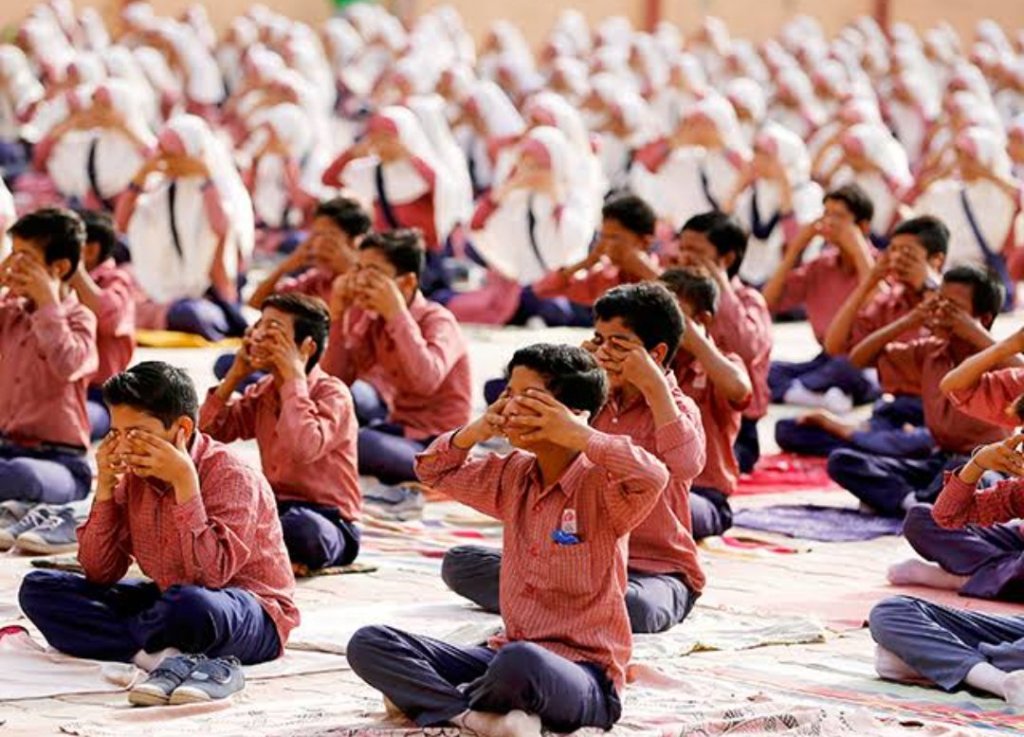
It is natural for anyone to develop anxiety or any health issue but this time needs to focus on our mental health therefore, yoga is considered as a preventive measure. Yoga is helpful to decrease the intensity of mental health issues and lead us towards a healthy lifestyle. Government of India, private yoga institutes abroad, campus awareness exclusively works on yoga significant aspects of human life. But, not even government or yoga institutes have introduced yoga programs for GBV survivors. India is a country who extensively works on yoga Policies and programmes by state government ,yoga Universities. India has its own Ministry for yoga that promotes yoga events on a larger scale. 

USA (New Jersey, Newton Massachusetts)

The USA federal government had not supported any yoga Policy or even program. To make it easier here, we need to understand the difference between Policy and programme.

Programme – short term intervention that creates temporary improvement in wake of challenges not necessarily supported by the government. On the other hand, policies are those which are passed by legislature and implemented by executives. 

Therefore, there is no government funded yoga policy or programme. But many initiatives taken up by several universities or yoga school based programmes. More  Christian dominating states are not ready for school based yoga programs for their children according to The Atlantic report. States like Georgia, Alabama find yoga as Hindu and Buddhist roots. 

Many private yoga studios are opening in the USA or programs. For example

  • Outdoor fitness Program by New York City Dept of Parks  & Recreation (private & paid).
  • 80 hours online yoga training 
  • Online self paced Restoration yoga training 
  • Online yoga teacher training 50 hours
  • Paid programmes in Arizona, Miami, California and Oregon.
  • Vinyasa flow, Iyengar, Ashtanga, heated flow, Relax & Renew and Restoration Yoga 

France/UK/Istanbul

France

France also has the same situation when it comes to government Policy or programmes. Few paid programmes are there like :-

  • Yoga holiday in Ariege
  • Day yogic healing Retreat in Biarritz
  • Day meditation and yoga retreat in Chateaubriant

Istanbul

Istanbul yoga centers have joined the yoga alliance to promote the practices of yoga.

  • Yoga posture and breathing classes for all ages
  • Yoga instructor certificate program of VYASA
  • Yoga therapy for common ailments.

United kingdom

  • Isha foundation
  • Yoga for health & wellness

Yoga practices in the UK Study: cross sectional online anonymous survey. The study investigated the characteristics of people who practice yoga, reasons for initiating & maintaining practices and perceived impact of yoga on health & well being.

India 

Source: International yoga day
  • Delhi Government launched online yoga classes for Covid 19 patients in home isolation. One hour each from 6am to 11am and 4pm to 7pm named the ” Dilli ki Yogshala”  programme.
  • Yoga on call promoting and facilitating yoga practices.
  • Yoga institutes give their services to transgenders, school children and senior citizens in Mumbai and Delhi.
  • Niti Aayog suggested yoga as a regular activity in schools to encourage healthy choices and behaviors.
  • Government schemes for those who are practicing yoga.
  • By HRD minister yoga training “study in India” program was introduced to enable foreign students to obtain authentic yoga training.
  • Haryana CM maintained a statement “yoga has been included in school curriculum for classes 1 to 10 from 2021” taking yoga to the grassroot level.
  • Many private/paid clubs are already in india.
  • Isha foundation
  • Art & living 
  • Total yoga

International organization

NGOs work overseas to promote yoga and well-being in people.

  • International yoga federation aims to create a world’s yoga community and environment of wellness through yoga.
  • Yoga alliance 
  • World yoga organization
  • International yoga training and healing center (Mauritius)
  • Sampoorna yoga
  • Total yoga program has group yoga classes, corporate wellness workshops, yoga retreats, seminars & events in Singapore, California and Philadelphia.
  • Yoga without Borders in Barcelona working in Palestine, Morocco and Tanzania
  • Art & Living (New Jersey) program teaches free breath meditation and breathing techniques that are helpful in reducing stress and make meditation effortless.
  • Isha foundation & Meditation class – Inner engineering Meetup group free meditation classes, different yoga programs and public events.
  • WHO also considers Yoga as one of the significant processes to protect themselves from coronavirus.
  • UN on International yoga day “yoga is also playing a significant role in psycho Social care and rehabilitation of Covid 19 patients during quarantine and isolation.

Private Research and Development

  • Dept of Ayush of Ministry of Ayush their laboratories come under Government of India R & D programs.
  • Kaivalyadhama established the scientific research Dept leading initiative in yoga recognised in the Institute of scientific research by the scientific & industrial research organization (SIRO) Ministry of science & technology Govt of india. More research on yoga’s impact on various biochemical, physiological and psychological parameters. Yoga effects on cancer, chronic diseases, immune diseases, psychogenic disorders, obesity, diabetes and stress.
  • Post graduate institute of medical education, Tshwane University of Technology and Uttarakhand Ayurved University put a recent development in yoga: A scientific perspective.

Yoga Policies and Programmes in Global Scanerio

Source: yoga alliance

Ongoing Pandemic has left with many physical and mental health issues; where we face constant on and off lockdowns. People suffering through financial hardship lead to an impact on their lifestyle and their work routine. Large population confronting Mental health issues, loneliness, constant fear of losing job, psychological suffering, anxiety depression, sleeping pattern and isolation.

It is natural for anyone to develop anxiety or any health issue but this time needs to focus on our mental health therefore, yoga is considered as a preventive measure. Yoga is helpful to decrease the intensity of mental health issues and lead us towards a healthy lifestyle. Government of India, private yoga institutes abroad, campus awareness exclusively works on yoga significant aspects of human life. But, not even government or yoga institutes have introduced yoga programs for GBV survivors. India is a country who extensively works on yoga Policies and programmes by state government ,yoga Universities. India has its own Ministry for yoga that promotes yoga events on a larger scale. 

USA (New Jersey, Newton Massachusetts)

The USA federal government had not supported any yoga Policy or even program. To make it easier here, we need to understand the difference between Policy and programme.

Programme – short term intervention that creates temporary improvement in wake of challenges not necessarily supported by the government. On the other hand, policies are those which are passed by legislature and implemented by executives. 

Therefore, there is no government funded yoga policy or programme. But many initiatives taken up by several universities or yoga school based programmes. More  Christian dominating states are not ready for school based yoga programs for their children according to The Atlantic report. States like Georgia, Alabama find yoga as Hindu and Buddhist roots. 

Many private yoga studios are opening in the USA or programs. For example

  • Outdoor fitness Program by New York City Dept of Parks  & Recreation (private & paid).
  • 80 hours online yoga training 
  • Online self paced Restoration yoga training 
  • Online yoga teacher training 50 hours
  • Paid programmes in Arizona, Miami, California and Oregon.
  • Vinyasa flow, Iyengar, Ashtanga, heated flow, Relax & Renew and Restoration Yoga 

France/UK/Istanbul

France

France also has the same situation when it comes to government Policy or programmes. Few paid programmes are there like :-

  • Yoga holiday in Ariege
  • Day yogic healing Retreat in Biarritz
  • Day meditation and yoga retreat in Chateaubriant

Istanbul

Istanbul yoga centers have joined the yoga alliance to promote the practices of yoga.

  • Yoga posture and breathing classes for all ages
  • Yoga instructor certificate program of VYASA
  • Yoga therapy for common ailments.

United kingdom

  • Isha foundation
  • Yoga for health & wellness

Yoga practices in the UK Study: cross sectional online anonymous survey. The study investigated the characteristics of people who practice yoga, reasons for initiating & maintaining practices and perceived impact of yoga on health & well being.

India 

Source: International yoga day
  • Delhi Government launched online yoga classes for Covid 19 patients in home isolation. One hour each from 6am to 11am and 4pm to 7pm named the ” Dilli ki Yogshala”  programme.
  • Yoga on call promoting and facilitating yoga practices.
  • Yoga institutes give their services to transgenders, school children and senior citizens in Mumbai and Delhi.
  • Niti Aayog suggested yoga as a regular activity in schools to encourage healthy choices and behaviors.
  • Government schemes for those who are practicing yoga.
  • By HRD minister yoga training “study in India” program was introduced to enable foreign students to obtain authentic yoga training.
  • Haryana CM maintained a statement “yoga has been included in school curriculum for classes 1 to 10 from 2021” taking yoga to the grassroot level.
  • Many private/paid clubs are already in india.
  • Isha foundation
  • Art & living 
  • Total yoga

International organization

NGOs work overseas to promote yoga and well-being in people.

  • International yoga federation aims to create a world’s yoga community and environment of wellness through yoga.
  • Yoga alliance 
  • World yoga organization
  • International yoga training and healing center (Mauritius)
  • Sampoorna yoga
  • Total yoga program has group yoga classes, corporate wellness workshops, yoga retreats, seminars & events in Singapore, California and Philadelphia.
  • Yoga without Borders in Barcelona working in Palestine, Morocco and Tanzania
  • Art & Living (New Jersey) program teaches free breath meditation and breathing techniques that are helpful in reducing stress and make meditation effortless.
  • Isha foundation & Meditation class – Inner engineering Meetup group free meditation classes, different yoga programs and public events.
  • WHO also considers Yoga as one of the significant processes to protect themselves from coronavirus.
  • UN on International yoga day “yoga is also playing a significant role in psycho Social care and rehabilitation of Covid 19 patients during quarantine and isolation.

Private Research and Development

  • Dept of Ayush of Ministry of Ayush their laboratories come under Government of India R & D programs.
  • Kaivalyadhama established the scientific research Dept leading initiative in yoga recognised in the Institute of scientific research by the scientific & industrial research organization (SIRO) Ministry of science & technology Govt of india. More research on yoga’s impact on various biochemical, physiological and psychological parameters. Yoga effects on cancer, chronic diseases, immune diseases, psychogenic disorders, obesity, diabetes and stress.
  • Post graduate institute of medical education, Tshwane University of Technology and Uttarakhand Ayurved University put a recent development in yoga: A scientific perspective.

India’s Freedom struggle and Different school of thoughts

Quit India Movement: How August Movement became a watershed moment in India's  freedom struggle-India News , Firstpost

As commoners say every action can be viewed from more then one perspective. Similarly, India’s struggle for independence was interpreted in different ways by many historians who lived during that period. For some it was a worthless act by jobless people whereas for others it was their prime motive of life. Many viewed British rule over India as a means for civilising the uncivilised, poor people in India and for some others British rule was the symbol of exploitation.

In this seventy fifth year of independence, we could Look back to these thoughts and could identify the reality from the facts available before us. Let us look into some of these school of thoughts:

  1. Colonial Approach is influenced by the colonial ideology of domination. It focuses on criticism of indigenous society and culture, and praises the Western culture and values. James Mill, Vincent Smith etc., followed this approach.
  • Nationalist Approach evolved as a response to and in confrontation with the colonial approach. Before independence, this school dealt with the ancient and medieval periods of Indian history, and not the modern period. After independence this school focused on modern India. R.C. Majumdar and Tara Chand belonged to this school.
  • Marxist Approach focuses on the primary contradiction between the interests of the colonial masters and the native subjects. It also takes notice of the inner contradictions between the different sections of Indian society. R.P. Dutt and A.R. Desai were noted Marxist historians of India.
  • Subaltern Approach takes the position that the entire tradition of Indian historiography has an elitist bias and the role of the common masses has been neglected. Ranajit Guha belonged to this school.
  • Communalist Approach views Hindus and Muslims as permanently hostile groups whose interests are mutually different and antagonistic to each other.
  • Cambridge School envisages Indian nationalism as a product of conflicts among the Indians themselves for getting the benefits from the British rulers. For them Indian nationalist leaders were inspired by the greed of power and material benefits.
  • Liberal and Neo-liberal Interpretations imply that the economic exploitation of the colonies was not beneficial to the people of Britain as it delayed the development of the ‘new’ industries in Britain.
  • Feminist Historiography focuses on areas of research that analyse colonial structures, such as the legal structure, which affected women’s lives. It also focuses on women’s vulnerability due to the denial of ownership of productive resources.

When we closely examine these thoughts, we could find some of these extremely different from reality. It also symbolizes different ideologies that prevailed during the period. Even if bring it to discussion today, people may find it difficult to reach to an opinion accepted by all the people. It is because even today many stands with colonial thinkers and many are with nationalists.

Even though it is the case when we closely examine the historical text from ancient and medieval ages India was a civilised nation with rich historical background rooted in Indus valley civilisation and such golden ages. The present position of India as the torch bearer of world democracy also makes it clear that India never required an external intervention to be civilised. The people of India were capable of building a strong nation then, now and in future.

So, we could conclude that most of the thinkers who tried to give a communalist, colonial or any such face to this great struggle were mistaken. It was India’s struggle to reach its uncontrollable destiny and on fifteenth of august in 1947, it made its tryst with destiny.

India’s Freedom struggle and Different school of thoughts

Quit India Movement: How August Movement became a watershed moment in India's  freedom struggle-India News , Firstpost

As commoners say every action can be viewed from more then one perspective. Similarly, India’s struggle for independence was interpreted in different ways by many historians who lived during that period. For some it was a worthless act by jobless people whereas for others it was their prime motive of life. Many viewed British rule over India as a means for civilising the uncivilised, poor people in India and for some others British rule was the symbol of exploitation.

In this seventy fifth year of independence, we could Look back to these thoughts and could identify the reality from the facts available before us. Let us look into some of these school of thoughts:

  1. Colonial Approach is influenced by the colonial ideology of domination. It focuses on criticism of indigenous society and culture, and praises the Western culture and values. James Mill, Vincent Smith etc., followed this approach.
  • Nationalist Approach evolved as a response to and in confrontation with the colonial approach. Before independence, this school dealt with the ancient and medieval periods of Indian history, and not the modern period. After independence this school focused on modern India. R.C. Majumdar and Tara Chand belonged to this school.
  • Marxist Approach focuses on the primary contradiction between the interests of the colonial masters and the native subjects. It also takes notice of the inner contradictions between the different sections of Indian society. R.P. Dutt and A.R. Desai were noted Marxist historians of India.
  • Subaltern Approach takes the position that the entire tradition of Indian historiography has an elitist bias and the role of the common masses has been neglected. Ranajit Guha belonged to this school.
  • Communalist Approach views Hindus and Muslims as permanently hostile groups whose interests are mutually different and antagonistic to each other.
  • Cambridge School envisages Indian nationalism as a product of conflicts among the Indians themselves for getting the benefits from the British rulers. For them Indian nationalist leaders were inspired by the greed of power and material benefits.
  • Liberal and Neo-liberal Interpretations imply that the economic exploitation of the colonies was not beneficial to the people of Britain as it delayed the development of the ‘new’ industries in Britain.
  • Feminist Historiography focuses on areas of research that analyse colonial structures, such as the legal structure, which affected women’s lives. It also focuses on women’s vulnerability due to the denial of ownership of productive resources.

When we closely examine these thoughts, we could find some of these extremely different from reality. It also symbolizes different ideologies that prevailed during the period. Even if bring it to discussion today, people may find it difficult to reach to an opinion accepted by all the people. It is because even today many stands with colonial thinkers and many are with nationalists.

Even though it is the case when we closely examine the historical text from ancient and medieval ages India was a civilised nation with rich historical background rooted in Indus valley civilisation and such golden ages. The present position of India as the torch bearer of world democracy also makes it clear that India never required an external intervention to be civilised. The people of India were capable of building a strong nation then, now and in future.

So, we could conclude that most of the thinkers who tried to give a communalist, colonial or any such face to this great struggle were mistaken. It was India’s struggle to reach its uncontrollable destiny and on fifteenth of august in 1947, it made its tryst with destiny.

Don’t Ignore Methane

Credit: UN News

Introduction

Methane is a rapidly accelerating part of the climate problem. It is the primary component of natural gas, and it warms the planet more than 80 times as quickly as a comparable volume of atmospheric CO2 over a comparable amount of time

Methane receives much less attention than carbon dioxide, but it’s recently been in the news due to the conflict in Ukraine and due to new research on leakage of the gas in the Permian Basin — a fossil fuel-rich part of the United States (US).

Although methane is rising in the atmosphere, there’s no consensus among scientists on how much methane is coming from various sources.

Why is Methane More Harmful?

  • Methane is an invisible gas that can significantly exacerbate the climate crisis. It is a hydrocarbon that is a major constituent of natural gas used as fuel to run stoves, heat homes, and also to power industries.
  • Methane can be thought of as a thicker blanket than carbon dioxide — one that is capable of warming the planet to a greater extent in a shorter period.
    • It has an immediate effect on warming the planet. However, unlike carbon dioxide which remains in the atmosphere for hundreds of years, methane exerts its warming effects for roughly a decade.
  • Methane pollution, which is a primary component of ground-level ozone and emitted alongside toxic chemicals such as benzene, has been linked to heart disease, birth defects, asthma and other adverse health impacts.

What are the Sources of Methane?

  • Biological Sources: There are biological sources of methane – it is made from some organic compounds by methane-generating microbes known as methanogens.
    • Methanogens are found in various natural environments where little or no oxygen is present.
      • Such environments include wetlands, landfills that are not well vented, and submerged paddy fields.
  • Agriculture: Agriculture is the predominant source of global methane emissions. Livestock emissions – from manure and gastroenteric releases – account for roughly 32% of human-caused methane emissions. Cows also belch out methane.
    • Paddy rice cultivation – in which flooded fields prevent oxygen from penetrating the soil, creating ideal conditions for methane-emitting bacteria – accounts for another 8% of human-linked emissions.
  • Emissions from Fuel and Industries: Fugitive emissions of methane from gas, coal, and oil sites are contributing to the climate crisis, but the extent of leakage of this potent greenhouse gas has been difficult to determine.
    • Methane leakage occurs at every stage of the supply chain from extraction and transport to use in homes and industries.
    • Much of the methane being released is due to “ultra-emitters”, which spew out copious amounts of the gas.

What has been Done to Curb Methane Emissions?

  • COP 26 Pledges: At COP26 in Glasgow, over 100 countries signed an agreement to cut methane emissions by 30% by 2030 as methane might be easier to deal with than carbon dioxide (which is more deeply embedded in the global economy).
    • Ahead of this agreement, the US President announced the Global Methane Pledge, which is an US-EU led effort to cut methane emissions by a third by the end of this decade.
  • MethaneSAT: Controlling methane emissions will require further scrutiny of its sources. To this end, satellites that will track methane leakage such as MethaneSAT have been planned to launch.
    • MethaneSAT is a planned American-New Zealand space mission scheduled for launch later in 2022.
    • It will be an Earth observation satellite that will monitor and study global methane emissions in order to combat climate change.
  • UN Initiatives: The UN Food Systems Summit in September 2021 was also aimed at helping make farming and food production more environmentally friendly.
    • The UN’s Koronivia Joint Work on Agriculture initiative is supporting the transformation of agricultural and food systems, focusing on how to maintain productivity amid a changing climate.
  • India’s Initiative: Central Salt & Marine Chemical Research Institute (CSMCRI) in collaboration with the country’s three leading institutes developed a seaweed-based animal feed additive formulation that aims to reduce methane emissions from cattle and also boost immunity of cattle and poultry.

What Measures can be taken Further to Reduce Methane Emissions?

  • In the Energy Sector: Methane emissions occur along the entire oil and gas supply chain, but especially from fugitive emissions from leaking equipment, system upsets, and deliberate flaring and venting.
    • Existing cost-effective solutions can help reduce emissions, including initiating leak detection and repair programs, implementing better technologies and operating practices, and capturing and utilizing  methane that would otherwise be wasted.
  • In Agriculture: The farmers can provide animals with more nutritious feed so that they are larger, healthier and more productive, effectively producing more with less.
    • Indian Council of Agricultural Research (ICAR) has developed an anti-methanogenic feed supplement ‘Harit Dhara’ (HD), which can cut down cattle methane emissions by 17-20% and can also result in higher milk production.
    • When it comes to staple crops like paddy rice, experts recommend alternate wetting and drying approaches that could halve emissions.
      • Rather than allowing the continuous flooding of fields, paddies could be irrigated and drained two to three times throughout the growing season, limiting methane production without impacting yield.
        • That process would also require one-third less water, making it more economical.
  • In the Waste Sector: The waste sector accounts for around 20% of global human-caused methane emissions.
    • The cost-effective mitigation solutions with the greatest potential related to separating organics and recycling also have the potential of creating new jobs.
      • Upstream avoidance of food loss and waste is also key.
    • Additionally, capturing landfill gas and generating energy will reduce methane emissions, displace other forms of fuels and create new streams of revenue.
  • Role of Government: The Government of India should envision a food system transition policy to help its people grow and consume food differently.
    • Instead of working in silos, the government must develop a comprehensive policy that moves farmers to sustainable modes of plant-based food production, diverts subsidies from industrial livestock production and its associated inputs, and looks at job creation, social justice, poverty reduction, animal protection and better public health as multiple aspects of a single solution.

Don't Ignore Methane

Credit: UN News

Introduction

Methane is a rapidly accelerating part of the climate problem. It is the primary component of natural gas, and it warms the planet more than 80 times as quickly as a comparable volume of atmospheric CO2 over a comparable amount of time

Methane receives much less attention than carbon dioxide, but it’s recently been in the news due to the conflict in Ukraine and due to new research on leakage of the gas in the Permian Basin — a fossil fuel-rich part of the United States (US).

Although methane is rising in the atmosphere, there’s no consensus among scientists on how much methane is coming from various sources.

Why is Methane More Harmful?

  • Methane is an invisible gas that can significantly exacerbate the climate crisis. It is a hydrocarbon that is a major constituent of natural gas used as fuel to run stoves, heat homes, and also to power industries.
  • Methane can be thought of as a thicker blanket than carbon dioxide — one that is capable of warming the planet to a greater extent in a shorter period.
    • It has an immediate effect on warming the planet. However, unlike carbon dioxide which remains in the atmosphere for hundreds of years, methane exerts its warming effects for roughly a decade.
  • Methane pollution, which is a primary component of ground-level ozone and emitted alongside toxic chemicals such as benzene, has been linked to heart disease, birth defects, asthma and other adverse health impacts.

What are the Sources of Methane?

  • Biological Sources: There are biological sources of methane – it is made from some organic compounds by methane-generating microbes known as methanogens.
    • Methanogens are found in various natural environments where little or no oxygen is present.
      • Such environments include wetlands, landfills that are not well vented, and submerged paddy fields.
  • Agriculture: Agriculture is the predominant source of global methane emissions. Livestock emissions – from manure and gastroenteric releases – account for roughly 32% of human-caused methane emissions. Cows also belch out methane.
    • Paddy rice cultivation – in which flooded fields prevent oxygen from penetrating the soil, creating ideal conditions for methane-emitting bacteria – accounts for another 8% of human-linked emissions.
  • Emissions from Fuel and Industries: Fugitive emissions of methane from gas, coal, and oil sites are contributing to the climate crisis, but the extent of leakage of this potent greenhouse gas has been difficult to determine.
    • Methane leakage occurs at every stage of the supply chain from extraction and transport to use in homes and industries.
    • Much of the methane being released is due to “ultra-emitters”, which spew out copious amounts of the gas.

What has been Done to Curb Methane Emissions?

  • COP 26 Pledges: At COP26 in Glasgow, over 100 countries signed an agreement to cut methane emissions by 30% by 2030 as methane might be easier to deal with than carbon dioxide (which is more deeply embedded in the global economy).
    • Ahead of this agreement, the US President announced the Global Methane Pledge, which is an US-EU led effort to cut methane emissions by a third by the end of this decade.
  • MethaneSAT: Controlling methane emissions will require further scrutiny of its sources. To this end, satellites that will track methane leakage such as MethaneSAT have been planned to launch.
    • MethaneSAT is a planned American-New Zealand space mission scheduled for launch later in 2022.
    • It will be an Earth observation satellite that will monitor and study global methane emissions in order to combat climate change.
  • UN Initiatives: The UN Food Systems Summit in September 2021 was also aimed at helping make farming and food production more environmentally friendly.
    • The UN’s Koronivia Joint Work on Agriculture initiative is supporting the transformation of agricultural and food systems, focusing on how to maintain productivity amid a changing climate.
  • India’s Initiative: Central Salt & Marine Chemical Research Institute (CSMCRI) in collaboration with the country’s three leading institutes developed a seaweed-based animal feed additive formulation that aims to reduce methane emissions from cattle and also boost immunity of cattle and poultry.

What Measures can be taken Further to Reduce Methane Emissions?

  • In the Energy Sector: Methane emissions occur along the entire oil and gas supply chain, but especially from fugitive emissions from leaking equipment, system upsets, and deliberate flaring and venting.
    • Existing cost-effective solutions can help reduce emissions, including initiating leak detection and repair programs, implementing better technologies and operating practices, and capturing and utilizing  methane that would otherwise be wasted.
  • In Agriculture: The farmers can provide animals with more nutritious feed so that they are larger, healthier and more productive, effectively producing more with less.
    • Indian Council of Agricultural Research (ICAR) has developed an anti-methanogenic feed supplement ‘Harit Dhara’ (HD), which can cut down cattle methane emissions by 17-20% and can also result in higher milk production.
    • When it comes to staple crops like paddy rice, experts recommend alternate wetting and drying approaches that could halve emissions.
      • Rather than allowing the continuous flooding of fields, paddies could be irrigated and drained two to three times throughout the growing season, limiting methane production without impacting yield.
        • That process would also require one-third less water, making it more economical.
  • In the Waste Sector: The waste sector accounts for around 20% of global human-caused methane emissions.
    • The cost-effective mitigation solutions with the greatest potential related to separating organics and recycling also have the potential of creating new jobs.
      • Upstream avoidance of food loss and waste is also key.
    • Additionally, capturing landfill gas and generating energy will reduce methane emissions, displace other forms of fuels and create new streams of revenue.
  • Role of Government: The Government of India should envision a food system transition policy to help its people grow and consume food differently.
    • Instead of working in silos, the government must develop a comprehensive policy that moves farmers to sustainable modes of plant-based food production, diverts subsidies from industrial livestock production and its associated inputs, and looks at job creation, social justice, poverty reduction, animal protection and better public health as multiple aspects of a single solution.

The Bhoodan movement-  A Bloodless Revolution

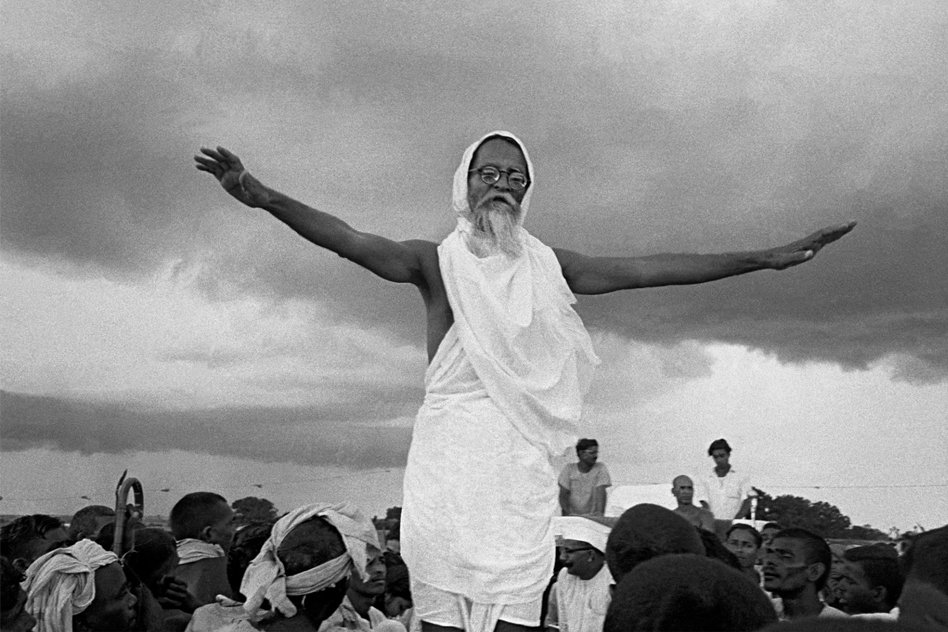
Vinoba Bhave was born in Gagode village, Raigad, Maharashtra. A keen follower of Mahatma Gandhi, Vinoba Bhave took part in the freedom struggle and started the Bhoodan movement in 1951. He was an avid social reformer throughout his life. Vinoba Bhave, a humble spiritual leader, the first non-violent resister to the Britishers and reformer of Independent India started what we know as the Bhoodan movement – a landmark in Indian history where its mission was to persuade wealthy landowners to willingly give a small share of their land to the landless people .About four years later after india gained independence, Vinoba Bhave carried out a unique movement of his own. He travelled across all of India to convince the wealthy land-owners or land-lords to share a small area of their land with their poor and downtrodden neighbours with the condition that they can’t sell the land. Over a span of 20 years, a total of 4 million acres of land was shared across the country through this movement. Bhoodan literally means a donation of land. As implied by the name, in this movement, landlords voluntarily give up land to be distributed to landless labourers, who would then cultivate the land..

How it started

Bhoodan or Land Gift movement began with Acharya Vinoba Bhave in 1951 in Telangana. An inspirational icon, Vinoba Bhave’s work & dedication impacted people all across the country. He vowed to life-long celibacy as well as selfless service for others when he was as young as 10 years old. As it is said about him, “Perhaps none of Gandhi’s followers have created so many worshippers of Truth & Non-violence, so many genuine workers as has Vinoba Bhave.” It all began on April 18th 1951, which we now know as the historic day this movement began. Vinoba Bhave stepped into the Nalgonda district, which was the epicenter of communist activity in the region. He stayed at Pochampalli, a village with about 700 families who have him a hearty welcome. He visited the ‘untouchables’ or Harijan colony, where they asked for 80 acres of land for 40 families. As documented in history, while the discussion was going on, Ram Chandra Reddy who was the local landlord, got up and exclaimed, “I will give you 100 acres for these people.” This made Vinoba come up with an idea, that this may have the solution for possibly resolving land issues across the country. Soon, this movement led to become the Gramdan or village-gift movement and went through many levels of allied programmes and initiatives. In October 1951 rose a demand for fifty million acres of land for the landless in the whole of India by 1957, thus turning a small goal into a mass-scale movement. The success lasted till 1957, post which it slowly faded.

Outcomes

It gained a lot of success, especially in Northern India in UP and Bihar. Over 4.5million acres of land in India was given as a donation by 1957. The core belief of land being a gift of earth which belonged to everyone made its way into minds of everyone. With time, many problems seeped into the movement later such as slow progress, bribery, donating bogus land, greed to get more land or incorrect implementation in some regions. The movement soon failed due to increasing misuse of a voluntary movement for self-serving purposes by a few.

To conclude taking an overall view it cannot be gainsaid that the Bhoodan – Gramdan Movement, despite all its real & apparent limitations, it would ever be deemed as a glorious attempt for a peaceful & non-violent solution of the basic land problem of Indian society & through it for a non-violent reconstruction of the Sarvodaya socio-economic-politico order of universal relevance & significance

https://thelogicalindian.com/story-feed/get-inspired/vinoba-bhaves-bhoodan-movement/

The Bhoodan movement- A Bloodless Revolution

Vinoba Bhave was born in Gagode village, Raigad, Maharashtra. A keen follower of Mahatma Gandhi, Vinoba Bhave took part in the freedom struggle and started the Bhoodan movement in 1951. He was an avid social reformer throughout his life. Vinoba Bhave, a humble spiritual leader, the first non-violent resister to the Britishers and reformer of Independent India started what we know as the Bhoodan movement – a landmark in Indian history where its mission was to persuade wealthy landowners to willingly give a small share of their land to the landless people .About four years later after india gained independence, Vinoba Bhave carried out a unique movement of his own. He travelled across all of India to convince the wealthy land-owners or land-lords to share a small area of their land with their poor and downtrodden neighbours with the condition that they can’t sell the land. Over a span of 20 years, a total of 4 million acres of land was shared across the country through this movement. Bhoodan literally means a donation of land. As implied by the name, in this movement, landlords voluntarily give up land to be distributed to landless labourers, who would then cultivate the land..

How it started

Bhoodan or Land Gift movement began with Acharya Vinoba Bhave in 1951 in Telangana. An inspirational icon, Vinoba Bhave’s work & dedication impacted people all across the country. He vowed to life-long celibacy as well as selfless service for others when he was as young as 10 years old. As it is said about him, “Perhaps none of Gandhi’s followers have created so many worshippers of Truth & Non-violence, so many genuine workers as has Vinoba Bhave.” It all began on April 18th 1951, which we now know as the historic day this movement began. Vinoba Bhave stepped into the Nalgonda district, which was the epicenter of communist activity in the region. He stayed at Pochampalli, a village with about 700 families who have him a hearty welcome. He visited the ‘untouchables’ or Harijan colony, where they asked for 80 acres of land for 40 families. As documented in history, while the discussion was going on, Ram Chandra Reddy who was the local landlord, got up and exclaimed, “I will give you 100 acres for these people.” This made Vinoba come up with an idea, that this may have the solution for possibly resolving land issues across the country. Soon, this movement led to become the Gramdan or village-gift movement and went through many levels of allied programmes and initiatives. In October 1951 rose a demand for fifty million acres of land for the landless in the whole of India by 1957, thus turning a small goal into a mass-scale movement. The success lasted till 1957, post which it slowly faded.

Outcomes

It gained a lot of success, especially in Northern India in UP and Bihar. Over 4.5million acres of land in India was given as a donation by 1957. The core belief of land being a gift of earth which belonged to everyone made its way into minds of everyone. With time, many problems seeped into the movement later such as slow progress, bribery, donating bogus land, greed to get more land or incorrect implementation in some regions. The movement soon failed due to increasing misuse of a voluntary movement for self-serving purposes by a few.

To conclude taking an overall view it cannot be gainsaid that the Bhoodan – Gramdan Movement, despite all its real & apparent limitations, it would ever be deemed as a glorious attempt for a peaceful & non-violent solution of the basic land problem of Indian society & through it for a non-violent reconstruction of the Sarvodaya socio-economic-politico order of universal relevance & significance

https://thelogicalindian.com/story-feed/get-inspired/vinoba-bhaves-bhoodan-movement/

ELECTIONS AND COMMON MAN

Kerala Assembly Election 2021: Voting begins, fate of 957 candidates to be  decided today

“The elections are the greatest symbol of participation and political reform”

                                                -Mohammad Khatami (former president of Iran)

An election is a process by which the citizens of a democratic nation, irrespective of their caste and creed, decide who should take decisions on behalf of them. These have been the common mechanism for the functioning of representative democracies since the seventeenth century. The elections could be either direct elections or indirect elections. In direct elections, people could directly take part in the election process, whereas in indirect elections one individual is entitled to vote on behalf of a representative group. India being the largest democracy in the world considers elections as the “festivals of democracy” in which we celebrate the powers of common man.

            In India elections held once in five years normally. Representatives are elected on the basis of universal adult franchise. As per the conditions laid down by the makers of Indian constitution any citizen who has attained the age of 18 could cast their vote irrespective of their religion, economic and social status. Similarly, Indian constitution also enables any citizen to contest in elections without any discrimination. In order to monitor the equal participation in elections the constitution has also setup an independent body named “election commission”. Thus, elections in India are an inclusive process where common man is pivotal point.

            Indian democracy is the one in which all voters are considered equal thus, the contestants in elections are forced to treat each and every voter of his constituency with same importance at least at the time of elections. The truth is that, it is only during elections that the politicians will listen to the demands of common man. The elections instill a special power in the common man, who constitute a major portion of the society. Even the richest contestant is at the mercy of common man at times of election. It provides each and every individual an opportunity to shape the future of their nation regardless of their socio- economic conditions. Elections are the easiest way in which a citizen can express their discontent towards an existing government. Apart from this electoral system also lay down certain provisions by which common man could contest in elections and thereby contribute towards nation building directly. But many citizens are still unaware of this immense power.

            The voting percentages of elections make it evident that people are still reluctant towards casting their vote. Despite of providing holidays and several other measures to encourage people to vote, many people are not ready to play their role in nation building. Low literacy rates, apathy, unprincipled politics, lack of concrete effort on the part of the political parties in motivating the voters and local conditions in some part of the country can also be sited as the reason for lower public participation in elections. The corrupt, divisive, dishonest and exploitative practices might have decreased the confidence of people in this process. Increase in the use of money power, reliance on money power during elections, inciting communal and caste prejudice in the voters and the misuse of official machinery have shaken the foundations of the electoral process. The only remedy in these circumstances lies in bringing about systematic changes in the polity and elections.

 As John f Kennedy rightly quoted, “The ignorance of one voter in a democracy impairs the security of all”. It is necessary to make the voters aware of their rights and duties. The voters should be encouraged to cast their votes in an informed manner. The political system should take efforts to educate voters and bring back the trust in democratic system. The children should be taught about the need and worth of elections from a younger age. Above all, people should develop a feeling of obligation towards voting and should keep in mind that voting is their duty towards their nation.

By making proper use of the right to vote a common man could contribute immensely towards building their nation. On the whole as Roald Dahl said “Somewhere inside all of us is the power to change the world”. Elections are one the easiest way for a common man to contribute towards this change.

ELECTIONS AND COMMON MAN

Kerala Assembly Election 2021: Voting begins, fate of 957 candidates to be  decided today

“The elections are the greatest symbol of participation and political reform”

                                                -Mohammad Khatami (former president of Iran)

An election is a process by which the citizens of a democratic nation, irrespective of their caste and creed, decide who should take decisions on behalf of them. These have been the common mechanism for the functioning of representative democracies since the seventeenth century. The elections could be either direct elections or indirect elections. In direct elections, people could directly take part in the election process, whereas in indirect elections one individual is entitled to vote on behalf of a representative group. India being the largest democracy in the world considers elections as the “festivals of democracy” in which we celebrate the powers of common man.

            In India elections held once in five years normally. Representatives are elected on the basis of universal adult franchise. As per the conditions laid down by the makers of Indian constitution any citizen who has attained the age of 18 could cast their vote irrespective of their religion, economic and social status. Similarly, Indian constitution also enables any citizen to contest in elections without any discrimination. In order to monitor the equal participation in elections the constitution has also setup an independent body named “election commission”. Thus, elections in India are an inclusive process where common man is pivotal point.

            Indian democracy is the one in which all voters are considered equal thus, the contestants in elections are forced to treat each and every voter of his constituency with same importance at least at the time of elections. The truth is that, it is only during elections that the politicians will listen to the demands of common man. The elections instill a special power in the common man, who constitute a major portion of the society. Even the richest contestant is at the mercy of common man at times of election. It provides each and every individual an opportunity to shape the future of their nation regardless of their socio- economic conditions. Elections are the easiest way in which a citizen can express their discontent towards an existing government. Apart from this electoral system also lay down certain provisions by which common man could contest in elections and thereby contribute towards nation building directly. But many citizens are still unaware of this immense power.

            The voting percentages of elections make it evident that people are still reluctant towards casting their vote. Despite of providing holidays and several other measures to encourage people to vote, many people are not ready to play their role in nation building. Low literacy rates, apathy, unprincipled politics, lack of concrete effort on the part of the political parties in motivating the voters and local conditions in some part of the country can also be sited as the reason for lower public participation in elections. The corrupt, divisive, dishonest and exploitative practices might have decreased the confidence of people in this process. Increase in the use of money power, reliance on money power during elections, inciting communal and caste prejudice in the voters and the misuse of official machinery have shaken the foundations of the electoral process. The only remedy in these circumstances lies in bringing about systematic changes in the polity and elections.

 As John f Kennedy rightly quoted, “The ignorance of one voter in a democracy impairs the security of all”. It is necessary to make the voters aware of their rights and duties. The voters should be encouraged to cast their votes in an informed manner. The political system should take efforts to educate voters and bring back the trust in democratic system. The children should be taught about the need and worth of elections from a younger age. Above all, people should develop a feeling of obligation towards voting and should keep in mind that voting is their duty towards their nation.

By making proper use of the right to vote a common man could contribute immensely towards building their nation. On the whole as Roald Dahl said “Somewhere inside all of us is the power to change the world”. Elections are one the easiest way for a common man to contribute towards this change.

Happy Birthday Manna Dey: A Legendry Singer Born on International Labour Day

Padmabhusan Manna Dey was born on 1 May 1919 in present Kolkata the day which coincides with International Labour Day. By reading Manna Dey’s life, I have understood for reaching the zenith there is no shortcut to hard labour.

In India, from time to time many great singers were born and among the famous classical singers, a few great personalities are: Tansen, Ustad Bade Ghulam Ali Khan, Dr. Balamuralikrishna, Pandit Bhimsen Joshi, M S Subbulakshmi, Pandit Jasraj, and many others. On the date of 1 May 1919 naturally one name crops up as Padmabhusan Manna Dey. He is a legendary figure in Indian music. And that is why he received many awards inter alia of which are: Padmabhusan Award, Padma Shri Award, Bongo Bibhusan Award,  given by the Government of West Bengal; Lifetime Achievement Award by Filmfare; Hony D.Lit Award from Jadavpur University; Dadasaheb Phalke Award; First Akkshaya Mohanty Award by the  Government of Odisha; National Film Award, Best Male Playback Singer for the Hindi film \”Mere Huzoor”.  His original name was Probodh Chandra Dey, and he was born on 1 May 1919 in present Kolkata.  He received his early education, in a small pre-primary school popularly known as Indu Babur Pathshala. Later on, he went to Scottish Church Collegiate School to complete both his schooling and intermediate studies. He completed his graduation from Vidyasagar College. From the very childhood, Manna Dey had a special liking for sports viz., wrestling, and boxing. Anyway, it is pertinent to mention that during his intermediate study at Scottish Church College, Manna Dey’s singing talent came to the limelight. He learned singing mainly from his uncle Krishna Chandra Dey and from Ustad Dabir Khan. It is heartening to mention that Manna Dey stood first for three consecutive years in three different categories of inter-collegiate singing competitions. In 1942, Manna Dey accompanied his renowned uncle Krishna Chandra Dey on a visit to Mumbai. There he met another legendary figure Sachin Dev Burman and Manna Dey started working as an assistant music director. Later on, he also assisted other famous music composers for some time and then decided to work independently. While working as a music director for different successful Hindi films Manna Dey was keen to learn  Hindustani Classical music, which he could do from two classical stalwarts, Ustad Aman Ali Khan and Ustad Abdul Rahman Khan.

In 1943, Manna Dey started his career in playback singing with the film Tamanna. The musical score was set by his uncle Krishna Chandra Dey and he had to sing a duet with Suraiya. The song was an instant hit. The people across the country loved the song. In 1950, Mashal was the second film where Manna Dey got the opportunity to sing a solo ‘Upar gagan vishal’, and this time the melody was created by Sachin Dev Burman. In 1952, Manna Dey sang both for a Bengali and a Marathi film of the same name and storyline – Amar Bhupali and established himself as a booming playback singer. Thus, he reached in zenith in the music world.  It is found from the different reports, publications that Manna Dey has recorded more than 3500 songs over the course of his career in many Indian languages.

On 18 December 1953, Manna Dey married Sulochana Kumaran from Kerala. They were blessed with two daughters. The versatile genius singer passed away on 24 October in Bengaluru, at the age of 94 years where he settled permanently. Because of his versatile and melodious singing, he will be in the heart of millions of generations after generations of Indians.  

(Some inputs about Padmabhusan Manna Dey have been collected from the website http://www.mannadey.in/index2.html)