37th National Games in Goa

 The Prime Minister, Shri Narendra Modi inaugurated the 37th National Games at Pandit Jawaharlal Nehru Stadium in Margao, Goa today. The Games will be held from 26th October to 9th November and will witness the participation of more than 10,000 athletes from across the country who will compete in over 43 sports disciplines across 28 venues.

Addressing the gathering, the Prime Minister remarked that the journey of Mahakumbh of Indian Sports has arrived in Goa and the environment is filled with colors, waves, enthusiasm and adventure. “There’s nothing like the aura of Goa”, Shri Modi emphasized. He congratulated the people of Goa and conveyed his best wishes on the 37th National Games.  The Prime Minister underlined the contribution of Goa to the country’s sports and mentioned Goa’s love for football. The fact that the National Games are taking place in sports-loving Goa is energizing in itself, he added. 

Prime Minister Modi underlined that the National Games are taking place at a time when the nation is achieving new heights in the world of sports. He mentioned the successes in the Asian Games breaking a 70-year-old record and also spoke about the ongoing Asian Para Games where all previous records have been smashed with a medal tally of more than 70. He also mentioned the recently concluded World University Games, where India created history. “India’s recent success in the world of sports is a huge inspiration for every young sportsman”, Shri Modi said. Referring to the National Games as a robust launchpad for every young athlete, the Prime Minister highlighted the various opportunities present before and urged them to give their best. 

The Prime Minister stressed that there is no dearth of talent in India and the country has produced champions despite deprivation, yet poor performance in the medal tally always rankled the countrymen. In this light, the Prime Minister narrated the changes brought after 2014 in the sports infrastructure, selection process, financial assistance schemes for sportspersons, training schemes and the mentality of the society, thus removing roadblocks in the sports ecosystem one by one. The government prepared a roadmap from talent discovery to handholding to the Olympics podium. 

The Prime Minister informed that this year’s sports budget is three times more than the sports budget nine years ago. He said that the new ecosystem of initiatives like Khelo India and TOPS is finding talented athletes from schools, colleges and universities. He said that in TOPS the top athletes get the best training in the world and 3000 athletes are under training in Khelo India. Players are getting scholarships worth 6 lakh per year. About 125 players discovered under Khelo India participated in the Asian Games and won 36 medals. “Discover talent through Khelo India,  nurture them and give them training and temperament for an Olympics podium finish by TOPS is our roadmap”, he added. 

“Progress of the sports sector of any country is directly related to the progress of its economy”, the Prime Minister said. He pointed out that a negative atmosphere in the country is reflected through the sports field as well as daily life, while the recent success of India in sports resembles its overall success story. Shri Modi underlined that India is breaking new records and moving forward in every sector. “It is hard to match India’s speed and scale”, he emphasized. Throwing light on India’s achievements in the past 30 days, the Prime Minister said that if the nation continues to move forward with the same scale and speed, it is Modi who can guarantee a bright future for the young generations. Giving examples, the Prime Minister mentioned the passage of Nari Shakti Vandan Adhiniyam, the successful test of Gaganyaan, the inauguration of India’s first Rapid Rail ‘Namo Bharat’, the expansion of Bengaluru Metro, Jammu and Kashmir’s first Vista Dome train service, the inauguration of Delhi-Vadodara Expressway, the successful organization of G20 Summit, Global Maritime Summit where agreements worth 6 lakh crores took place, Operation Ajay which evacuated Indians from Israel, the beginning of ferry services between India and Sri Lanka, India’s inclusion in the top 3 countries in 5G user base, Google’s recent announcement to make smartphones after Apple, and a new record in fruit and vegetable produce in the country. “This is just half the list”, he underlined.

The Prime Minister said that the youth of the nation is at the base of all the work that is going on in the country. He talked about the new platform ‘MY Bharat’ which will be a one-stop center for connecting the youth among themselves and with the schemes of the country so that they get the maximum opportunity to realize their potential and contribute to nation-building. This will be a medium to turn India’s Yuva Shakti to be Yuva Shakti of Viksit Bharat”, he said. The Prime Minister will launch the campaign on the upcoming Ekta Diwas. He asked that on the day there should be a grand programme of Run for Unity. 

Prime Minister Modi said “Today, when both India’s resolve and efforts are so huge, then it is natural for India’s aspirations to be high. That is why during the IOC session, I put forward the aspiration of 140 crore Indians. I assured the Supreme Committee of the Olympics that India is ready to organize the Youth Olympics in 2030 and the Olympics in 2036. Our aspiration to organize the Olympics is not limited to just emotions. Rather, there are some solid reasons behind this.” The Prime Minister said in 2036 India’s economy and infrastructure will be in a position to host the Olympics easily. 

“Our National Games is also a symbol of Ek Bharat, Shrestha Bharat”, the Prime Minister emphasized noting that it is a great medium for every state of India to show its potential. He lauded the preparations made by the Goa government and the people of Goa for organizing the national games. He said that the sports infrastructure created here will be useful to the youth of Goa for many decades to come and the land will produce many new players for the country, while the infrastructure will be used for organizing national and international sports events in the future. “In the last few years, modern infrastructure related to connectivity has also been built in Goa. The National Games will greatly benefit Goa’s tourism and economy”, he added. 

The Prime Minister acknowledged Goa as the land of celebrations and mentioned the Goa International Film Festival and the state’s growing stature as a hub of international conferences and summits. Mentioning the 2016 BRICS Conference and many G20 conferences, the Prime Minister expressed happiness that the ‘Goa Roadmap for Sustainable Tourism’ was adopted by G20. 

Concluding the address, the Prime Minister urged the athletes to give their best in every situation, whatever the field, whatever the challenge. “We must not lose this opportunity. With this call, I declare the beginning of the 37th National Games. Many best wishes again to all you athletes. Goa is ready”, he concluded. 

Governor of Goa, Shri P. S. Sreedharan Pillai, Chief Minister of Goa, Shri Pramod Savant, Union Minister for Sports and Youth Affairs, Shri Anurag Singh Thakur and President of Indian Olympic Association, Dr P T Usha among others were present on the occasion. 

Background

Under the leadership of the Prime Minister, the sports culture in the country has undergone a sea change. With the help of continuous government support, the performance of athletes has witnessed tremendous improvement at the international level. Recognizing the significance of holding national-level tournaments for identifying top performers and further enhancing the popularity of sports, the National Games are being held in the country.

The National Games are being held in Goa for the very first time. The Games will be held from 26th October to 9th November. More than 10,000 athletes nationwide will compete in over 43 sports disciplines across 28 venues.


IIM Bangalore

 The President of India, Smt Droupadi Murmu inaugurated the Foundation Week of Indian Institute of Management Bangalore as part of its golden jubilee celebrations at Bengaluru, Karnataka today (October 26, 2023).

Speaking on the occasion, the President said that IIM Bangalore has been nurturing and promoting management talent and resources. In the last 50 years, it has not only produced managers but also leaders, innovators, entrepreneurs and change-makers. Education at this institution prepares the best of minds to deal with problems, challenges and issues not only in the boardrooms, workplace and the marketplace, but also in every imaginable and perceivable walk of life.

 The President said that since its inception, professionalism, efficiency and competency have been the defining features on which IIM Bangalore has stood tall and proved its mettle. She added that it has pioneered innovation and capacity building and has left a lasting impact on education and research. She said that we are living in exciting times and this is the age of the fourth Industrial Revolution. The work being done by the IIM Bangalore’s Data Centre and Analytical Lab in the areas of artificial intelligence, big data, and machine learning will have a profound impact on the future of business and economy.

The President said that IIM Bangalore, known for its excellence and calibre, has been declared an Institute of National Importance. She added that a trust has been reposed in this institution which is seen with a lot of hope and optimism. She further said that this institute is a place where talent meets aspirations and good intentions.

 The President advised the future wealth creators to imbibe Mahatma Gandhi’s lessons of life which are not inconsistent with the ethics of business. She highlighted that without ethics, success was sinful for Gandhiji. She advised students to aim for excellence in professional and personal lives, and live up to the great legacy which comes along with their association with IIM Bangalore. She said that they should not complain about the world they inherited but should leave behind a world where future generations have nothing to complain about and where they can live with harmony, optimism, prosperity and equality.

Please click here to see the President’s Speech

*****

Unveiling the Enigma of NordicPrime: The Rising Star in Tech

 In the dynamic world of technology, where innovation is the driving force, companies constantly emerge to challenge the status quo. One such rising star is NordicPrime, a tech company that has been making waves in recent years. With a commitment to sustainability, innovation, and excellence, NordicPrime is poised to become a major player in the tech industry. In this article, we will explore the enigmatic NordicPrime, its journey, core values, and the impact it is making on the tech landscape.

The Genesis of NordicPrime

Photo by Canva Studio on Pexels.com

NordicPrime, headquartered in Stockholm, Sweden, was founded in 2015 by a group of visionary entrepreneurs who shared a common goal – to create a tech company that not only thrives in the digital age but also contributes positively to society. From its inception, the company has been dedicated to harnessing technology for the betterment of people and the environment.

Core Values and Sustainability

At the heart of NordicPrime’s identity are its core values, with sustainability leading the way. The company firmly believes that technology can be a powerful tool for addressing global challenges, such as climate change and resource depletion. NordicPrime has committed itself to creating products and solutions that are not only technologically advanced but also environmentally responsible. Their green initiatives have led to significant reductions in energy consumption, waste generation, and carbon emissions.

Innovation and Research

Innovation is the lifeblood of NordicPrime. The company invests heavily in research and development to stay at the cutting edge of technology. Their research labs are staffed with some of the brightest minds in the industry, constantly exploring new horizons in AI, renewable energy, and sustainable computing. The result is a range of groundbreaking products and services that cater to diverse sectors, from smart cities and e-mobility to renewable energy solutions.

Smart Cities and E-Mobility

NordicPrime’s foray into the realm of smart cities has been particularly noteworthy. Their integrated urban solutions harness the power of the Internet of Things (IoT) to make cities more efficient, sustainable, and livable. From intelligent traffic management to waste reduction and optimized energy consumption, NordicPrime’s smart city solutions are transforming urban landscapes across the globe.

In the realm of e-mobility, NordicPrime is making significant strides. With a strong focus on electric vehicles and charging infrastructure, they are committed to reducing the carbon footprint of transportation. Their user-friendly charging stations, powered by renewable energy sources, are helping accelerate the shift towards greener transportation.

Renewable Energy Solutions

As climate change becomes an ever-pressing concern, NordicPrime’s work in the renewable energy sector is of paramount importance. The company is developing cutting-edge solutions for harnessing solar, wind, and hydroelectric energy. By making clean energy more accessible and affordable, NordicPrime is contributing to a more sustainable future.

Impact and Global Reach

NordicPrime’s impact has extended far beyond Sweden’s borders. The company has established a global presence, with offices and partnerships on multiple continents. Their innovative solutions are being deployed in diverse regions, from Europe to North America and Asia, making a tangible difference in the lives of millions.

Conclusion

NordicPrime’s journey from a small startup to a global tech leader is a testament to the power of innovation, sustainability, and a commitment to positive change. Their mission to create a better, more sustainable world through technology is inspiring and shows that it is possible to be both commercially successful and socially responsible. As NordicPrime continues to push the boundaries of technology, the world eagerly watches to see what innovative solutions they will bring forth next. This enigmatic tech company has the potential to leave a lasting mark on the industry and, more importantly, on the planet itself.

Customized T-Shirts: A Business That’s All About Individuality

 Shashikant Nishant Sharma | Oct. 17, 2023  | Publication: Eduindex

Customized T-shirts are more than just pieces of clothing; they are a canvas for self-expression. This thriving business allows people to wear their personalities, beliefs, and creativity on their sleeves, quite literally. Custom T-shirt businesses have exploded in recent years, capitalizing on the desire for personalized clothing. Here, we explore what it takes to start and run a successful customized T-shirt business. Dongphucdongdo.com is doing a great business in Customised T Shirts. 

<img alt="" class="wp-image-96689" data-attachment-id="96689" data-comments-opened="1" data-image-caption="

Photo by Leticia Ribeiro on Pexels.com

” data-image-description=”” data-image-meta=”{“aperture”:”0″,”credit”:””,”camera”:””,”caption”:””,”created_timestamp”:”0″,”copyright”:””,”focal_length”:”0″,”iso”:”0″,”shutter_speed”:”0″,”title”:””,”orientation”:”0″}” data-image-title=”hanged shirts” data-large-file=”https://eduindex.org/wp-content/uploads/2023/10/pexels-photo-2112636.jpeg?w=667&#8243; data-medium-file=”https://eduindex.org/wp-content/uploads/2023/10/pexels-photo-2112636.jpeg?w=200&#8243; data-orig-file=”https://eduindex.org/wp-content/uploads/2023/10/pexels-photo-2112636.jpeg&#8221; data-orig-size=”867,1300″ data-permalink=”https://edupediapublications.org/2023/10/25/customized-t-shirts-a-business-thats-all-about-individuality/pexels-photo-2112636/&#8221; height=”1300″ sizes=”(max-width: 867px) 100vw, 867px” src=”https://eduindex.org/wp-content/uploads/2023/10/pexels-photo-2112636.jpeg&#8221; srcset=”https://eduindex.org/wp-content/uploads/2023/10/pexels-photo-2112636.jpeg 867w, https://eduindex.org/wp-content/uploads/2023/10/pexels-photo-2112636.jpeg?w=100&h=150 100w, https://eduindex.org/wp-content/uploads/2023/10/pexels-photo-2112636.jpeg?w=200&h=300 200w, https://eduindex.org/wp-content/uploads/2023/10/pexels-photo-2112636.jpeg?w=768&h=1152 768w” style=”border: 0px; box-sizing: border-box; display: block; height: auto; max-width: 100%; vertical-align: bottom;” width=”867″ />

Photo by Leticia Ribeiro on Pexels.com

The Art of Personalization

Customized T-shirts are much more than simple apparel. They are a reflection of individuality, used to commemorate special events, express unique opinions, promote businesses, or simply showcase creativity. From witty one-liners and vibrant artwork to meaningful slogans and photos, these shirts tell a story about the person wearing them. With the rise of online shopping and e-commerce, it has never been easier to create and order personalized T-shirts.

Starting a Customized T-Shirt Business

  1. Market Research: Begin with thorough market research to identify your niche and target audience. Understand the demand for customized T-shirts in your area and your potential competition.
  2. Business Plan: Develop a solid business plan outlining your goals, budget, pricing, and marketing strategies. Determine your niche, such as custom event shirts, corporate merchandise, or personalized fashion.
  3. Legal and Regulatory Requirements: Register your business, obtain any necessary licenses, and comply with local and national regulations. Ensure you have the rights to use any copyrighted materials for your designs.
  4. Sourcing Materials: Find reliable suppliers for quality T-shirts and printing materials. The choice of fabric and print quality greatly affects the final product.
  5. Designs and Printing: Invest in the equipment and software necessary for creating and printing designs. This could range from screen printing and heat transfers to direct-to-garment (DTG) printing or sublimation.
  6. Website and Online Presence: In the digital age, having a strong online presence is vital. Create an appealing website or e-commerce platform for customers to design and order shirts. Include an easy-to-use design tool.
  7. Marketing and Promotion: Develop a marketing strategy that might include social media advertising, email marketing, and partnerships with local businesses or event planners. Encourage satisfied customers to leave reviews and provide testimonials.
  8. Customer Service: Excellent customer service is crucial. Be responsive to inquiries, offer customization guidance, and ensure timely order fulfillment.
  9. Quality Control: Inspect each product for quality before shipping to maintain your brand’s reputation.
  10. Pricing: Determine competitive yet profitable pricing. Consider factors such as material costs, labor, and overhead expenses.

Unique Selling Points

To stand out in the competitive world of customized T-shirts, consider these unique selling points:

  1. Quality: Emphasize the quality of your T-shirts and printing. High-quality materials and craftsmanship can set you apart.
  2. Fast Turnaround: Offer quick production and shipping times to meet tight deadlines for events or special occasions.
  3. Eco-Friendly Options: Consider environmentally friendly printing and sourcing options to appeal to eco-conscious customers.
  4. Range of Customization: Allow customers to customize every aspect of their T-shirts, from colors and styles to the choice of artwork or text.
  5. Bulk Discounts: Offer discounts for larger orders, appealing to organizations and businesses.
  6. Unique Designs: Develop a library of unique and eye-catching design templates for customers to personalize.

Challenges and Opportunities

Running a customized T-shirt business can be highly rewarding, but it’s not without challenges. Competing with large print-on-demand platforms can be tough. However, focusing on local, personalized services and building a loyal customer base can be an opportunity for success. Stay adaptable and up-to-date with industry trends and technology to keep your business thriving.

In conclusion, a customized T-shirt business is a versatile and creative venture that caters to the individuality and self-expression of customers. With the right strategies, a commitment to quality, and a focus on customer satisfaction, this business can be a canvas for both artistic and financial success.

References

Sharma, Shashikant Nishant, Shankar Chatterjee, and Kavita Dehalwar. “Mahatma Gandhi National Rural Employment Guarantee Scheme: Challenges and Opportunities.” Think India Journal 26.1 (2023): 7-15.

Sharma, Shashikant Nishant. “A Review of Swarna Jayanti Shahari Rozgar Yojana.” Think India Journal 23.1 (2020): 26-32.

Sharma, Shashikant Nishant. “Evaluation of the JnNURM Programme of Government of India for Urban Renewal.” Think India Journal 8.2 (2005): 1-7.

Customized T-Shirts: A Business That’s All About Individuality

 BShashikant Nishant Sharma | Oct. 17, 2023  | Publication: Eduindex

Customized T-shirts are more than just pieces of clothing; they are a canvas for self-expression. This thriving business allows people to wear their personalities, beliefs, and creativity on their sleeves, quite literally. Custom T-shirt businesses have exploded in recent years, capitalizing on the desire for personalized clothing. Here, we explore what it takes to start and run a successful customized T-shirt business. Dongphucdongdo.com is doing a great business in Customised T Shirts. 

Photo by Leticia Ribeiro on Pexels.com

The Art of Personalization

Customized T-shirts are much more than simple apparel. They are a reflection of individuality, used to commemorate special events, express unique opinions, promote businesses, or simply showcase creativity. From witty one-liners and vibrant artwork to meaningful slogans and photos, these shirts tell a story about the person wearing them. With the rise of online shopping and e-commerce, it has never been easier to create and order personalized T-shirts.

Starting a Customized T-Shirt Business

  1. Market Research: Begin with thorough market research to identify your niche and target audience. Understand the demand for customized T-shirts in your area and your potential competition.
  2. Business Plan: Develop a solid business plan outlining your goals, budget, pricing, and marketing strategies. Determine your niche, such as custom event shirts, corporate merchandise, or personalized fashion.
  3. Legal and Regulatory Requirements: Register your business, obtain any necessary licenses, and comply with local and national regulations. Ensure you have the rights to use any copyrighted materials for your designs.
  4. Sourcing Materials: Find reliable suppliers for quality T-shirts and printing materials. The choice of fabric and print quality greatly affects the final product.
  5. Designs and Printing: Invest in the equipment and software necessary for creating and printing designs. This could range from screen printing and heat transfers to direct-to-garment (DTG) printing or sublimation.
  6. Website and Online Presence: In the digital age, having a strong online presence is vital. Create an appealing website or e-commerce platform for customers to design and order shirts. Include an easy-to-use design tool.
  7. Marketing and Promotion: Develop a marketing strategy that might include social media advertising, email marketing, and partnerships with local businesses or event planners. Encourage satisfied customers to leave reviews and provide testimonials.
  8. Customer Service: Excellent customer service is crucial. Be responsive to inquiries, offer customization guidance, and ensure timely order fulfillment.
  9. Quality Control: Inspect each product for quality before shipping to maintain your brand’s reputation.
  10. Pricing: Determine competitive yet profitable pricing. Consider factors such as material costs, labor, and overhead expenses.

Unique Selling Points

To stand out in the competitive world of customized T-shirts, consider these unique selling points:

  1. Quality: Emphasize the quality of your T-shirts and printing. High-quality materials and craftsmanship can set you apart.
  2. Fast Turnaround: Offer quick production and shipping times to meet tight deadlines for events or special occasions.
  3. Eco-Friendly Options: Consider environmentally friendly printing and sourcing options to appeal to eco-conscious customers.
  4. Range of Customization: Allow customers to customize every aspect of their T-shirts, from colors and styles to the choice of artwork or text.
  5. Bulk Discounts: Offer discounts for larger orders, appealing to organizations and businesses.
  6. Unique Designs: Develop a library of unique and eye-catching design templates for customers to personalize.

Challenges and Opportunities

Running a customized T-shirt business can be highly rewarding, but it’s not without challenges. Competing with large print-on-demand platforms can be tough. However, focusing on local, personalized services and building a loyal customer base can be an opportunity for success. Stay adaptable and up-to-date with industry trends and technology to keep your business thriving.

In conclusion, a customized T-shirt business is a versatile and creative venture that caters to the individuality and self-expression of customers. With the right strategies, a commitment to quality, and a focus on customer satisfaction, this business can be a canvas for both artistic and financial success.

References

Sharma, Shashikant Nishant, Shankar Chatterjee, and Kavita Dehalwar. “Mahatma Gandhi National Rural Employment Guarantee Scheme: Challenges and Opportunities.” Think India Journal 26.1 (2023): 7-15.

Sharma, Shashikant Nishant. “A Review of Swarna Jayanti Shahari Rozgar Yojana.” Think India Journal 23.1 (2020): 26-32.

Sharma, Shashikant Nishant. “Evaluation of the JnNURM Programme of Government of India for Urban Renewal.” Think India Journal 8.2 (2005): 1-7.

Counter-Strike: A First-Person Shooter Classic

 Counter-Strike, often abbreviated as CS, is a renowned and influential first-person shooter (FPS) video game series that has left an indelible mark on the world of gaming. Developed by Minh “Gooseman” Le and Jess Cliffe, the first version of the game was released as a mod for Half-Life in 1999. Since then, Counter-Strike has evolved into a highly competitive and widely beloved franchise, with several iterations and an active global player base.

Photo by RDNE Stock project on Pexels.com

Gameplay and Objectives

The core gameplay of Counter-Strike is built on the concept of counter-terrorism versus terrorism. Players are divided into two teams: the Counter-Terrorists (CTs) and the Terrorists (Ts). The main game modes include Bomb Defusal and Hostage Rescue.

In Bomb Defusal, the Terrorists must plant a bomb at a designated site, while the Counter-Terrorists aim to prevent the bomb from being planted or defuse it if it is. This mode requires strategic planning, teamwork, and precise gunplay.

In Hostage Rescue, the Terrorists are tasked with capturing and guarding hostages, while the Counter-Terrorists must rescue them. The game promotes cooperation, communication, and tactical thinking.

Global Success and Professional Esports

Counter-Strike quickly gained popularity and became a major title in the emerging esports scene. The competitive aspect of the game led to the establishment of numerous professional tournaments and leagues, including the iconic ESL One and the Valve-sponsored Major Championships.

Counter-Strike: Global Offensive (CS:GO), the latest installment of the series released in 2012, remains one of the most popular esports titles. With millions of players, CS:GO features a sophisticated matchmaking system and a bustling market for weapon skins, adding depth to its competitive environment.

Professional players and teams from all over the world compete for substantial prize money, and CS:GO tournaments draw millions of viewers. The game’s competitive nature has led to the formation of dedicated esports organizations and the rise of famous players.

Maps and Strategies

Maps play a pivotal role in Counter-Strike. Iconic locations like Dust II, Mirage, and Nuke have become legendary battlegrounds. Each map presents unique challenges and opportunities, emphasizing different aspects of gameplay, such as long-range sniping, close-quarters combat, or tactical maneuvering.

Players develop strategies that involve map control, economy management (buying weapons and equipment), and coordinated team tactics. Communication is essential for planning attacks, holding positions, and adapting to the ever-evolving game dynamics.

Community and Customization

Counter-Strike has a passionate and dedicated player community. Gamers create custom maps, game modes, and mods, adding to the game’s longevity and diversity. The Steam Workshop provides a platform for players to share and access user-generated content.

In addition, the introduction of weapon skins in CS:GO allowed players to personalize their weapons and trade them in a virtual market, fostering a sense of ownership and investment in the game.

Conclusion

Counter-Strike stands as a hallmark in the world of first-person shooters. Its addictive gameplay, competitive spirit, and dedication to tactical team-based combat have led to its enduring popularity. As one of the pioneers of the esports movement, Counter-Strike continues to attract a dedicated player base, both casual and professional, making it an enduring classic in the gaming industry. With the potential for new iterations and updates, the legacy of Counter-Strike is far from over, promising to captivate the hearts and minds of gamers for years to come.

Sweets: A Delightful Journey into Culinary Bliss

 Sweets, also known as desserts or confections, hold a special place in culinary traditions worldwide. From a simple piece of chocolate to elaborate multi-layered cakes, sweets come in a dazzling array of flavors, textures, and forms, making them a universally beloved treat. The history of sweets is as diverse as the sweets themselves, often rooted in cultural and regional traditions, showcasing the creativity and craftsmanship of generations of confectioners.

Photo by Igor Ovsyannykov on Pexels.com

A History of Sweetness

The love for sweets is not a recent phenomenon. Sweets have been an integral part of human culinary history for centuries. Ancient civilizations such as the Egyptians, Greeks, and Romans were known to indulge in various forms of sweet treats made from ingredients like honey, dates, and nuts. These early desserts laid the foundation for the diverse range of sweets we enjoy today.

In the Indian subcontinent, sweets have an incredibly rich history, with a plethora of traditional sweets known as “mithai.” Sweets like Gulab Jamun, Jalebi, and Rasgulla have been enjoyed for generations and are an essential part of festivals, celebrations, and daily life.

Types of Sweets

The variety of sweets available around the world is astounding, but they can be broadly categorized into several types:

  1. Chocolate: Chocolate, made from cocoa beans, has a universal appeal. Whether in the form of creamy bars, truffles, or hot cocoa, chocolate satisfies cravings for both sweetness and a hint of bitterness.
  2. Baked Sweets: This category includes cakes, pastries, pies, and cookies. The world of baking offers an endless array of textures and flavors, from the buttery layers of a croissant to the fluffy tenderness of a sponge cake.
  3. Candies: Candies encompass everything from hard, fruit-flavored sweets to chewy caramels and gummies. They often come in a dazzling array of colors and shapes.
  4. Fruit-Based Sweets: Many sweets are made from fruits, either dried or fresh. Think of fruit jams, fruit preserves, or candied fruit peels.
  5. Ice Cream and Frozen Desserts: Cold, creamy, and available in countless flavors, ice cream is a go-to sweet treat. Frozen desserts also include sorbets, gelato, and frozen yogurt.
  6. Traditional Sweets: Every culture has its traditional sweets that are deeply rooted in their history and traditions. These sweets can be made from a wide variety of ingredients, including milk, grains, and spices.

The Art of Making Sweets

Crafting sweets is often an intricate and labor-intensive process. Skilled artisans, such as pastry chefs and confectioners, dedicate themselves to perfecting the art of sweet-making. The process can involve precision, patience, and an innate understanding of flavors and textures.

Sweets in Celebration and Culture

Sweets are an integral part of cultural celebrations and rituals around the world. In India, for example, sweets are exchanged during festivals and special occasions as a symbol of love and good fortune. Similarly, weddings often feature a grand display of elaborate sweets, showcasing the culinary traditions of the region.

Health Considerations

While sweets are a source of immense pleasure, it’s important to consume them in moderation. High sugar and calorie content can lead to health issues if consumed excessively. However, the enjoyment of sweets in moderation is a delightful aspect of life that connects people through the simple pleasure of sharing a sweet treat.

In conclusion, sweets are a testament to the diverse and creative world of culinary arts. Their history is a journey through time, their flavors a delight to the senses, and their cultural significance a bond that transcends borders. Whether you’re indulging in a simple piece of dark chocolate or savoring an intricately crafted dessert, sweets are a reminder of the sweetness of life itself.

Use of Plastic Boon or Bane

 Nowadays, everyone uses plastic in different forms- plastic bags, plastic bottles, plastic containers, etc. Plastic items are easy to carry, so it has been accepted by the common people. But it has many awful effects also.  According to the United Nations Environment Programme (UNEP), “Every minute, the equivalent of one garbage truck of plastic is dumped into our ocean. Plastic pollution is a global problem. Approximately 7 billion of the 9.2 billion tonnes of plastic produced from 1950-2017 became plastic waste, ending up in landfills or dumped. Plastic pollution can alter habitats and natural processes, reducing ecosystems’ ability to adapt to climate change, directly affecting millions of people’s livelihoods, food production capabilities, and social well-being”. This is, in a nutshell, about the awful impact of plastic use. Keeping in mind of this, 

 In this article, a few points about the bad effects of plastic are highlighted, which have been collected from the website http://www.earthday.org/factsheets. As per the report, plastics are used in different forms- Disposable Plastic, Single-Use Plastics, Microplastics, and Drinking Water. 

 Disposable Plastic: 

1.    An estimated 583 billion plastic bottles were produced in 2021, against 100 billion produced five years ago. 

2.    In 2017, packaging production constituted the highest-demanded use for plastic, with 146 million metric tons used.

3.    Around the world, people litter more than 4.5 trillion cigarette butts yearly.

Single-Use Plastics: Around 380 million metric tons of plastic are produced yearly. It is noteworthy to mention that 8.3 Billion Metric Tons (9.1 BILLION US Tons) of plastic have been produced since plastic was introduced in the 1950s. The amount of plastic produced in a year is roughly the same as the entire weight of humanity. Human beings use about 1.2 million plastic bottles per minute in total. Approximately 91% of plastic is not recycled. Roughly half of our global annual plastic production is destined for a single-use product.

Plastic has been found at 36,000 feet (approximately 11km) in the Mariana Trench, meaning not even the deepest part of the world’s oceans can escape contamination.

Over 1 million marine organisms are killed each year due to plastic pollution in the ocean. 

The chances of disease on a coral reef are enhanced by 22-fold by plastics. In 2018, a huge survey of the 159 coral reefs across the Asia-Pacific region revealed the fact that over 11.1 billion plastic particles are entangling the corals, and this number is estimated to increase dramatically by 40% by 2025. 

Microplastics and Drinking Water: According to a study by Orb Media on plastics and tap water, around 83% of tested water samples from major metropolitan areas worldwide were contaminated with plastic fibers. Plastic fibers were also found in bottled water produced by 11 of the world’s largest brands purchased from 19 locations in nine countries. Around 93% of bottled water showed microplastic contamination, including polypropylene, nylon, and polyethylene terephthalate (PET).

Suggestions to Control Plastic Use: Given the above, I extend my suggestions here to control the use of plastic. Some of the suggestions are cloth bags may be used when we go to market for the purchase of fruits, vegetables, etc. When we are on tour, drinking water may be carried in metal containers.  In technically feasible production of soft cool-drink may be stopped. 

Prof Shankar Chatterjee, Hyderabad 

Entrepreneurs and other stake holders at Fish Food Festival VRC at Nellore, Andhra Pradesh

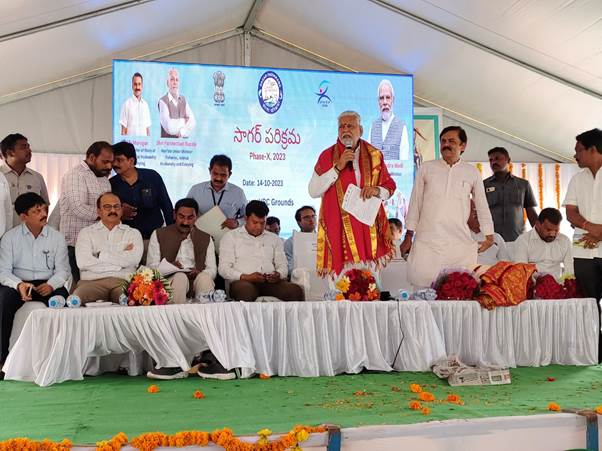
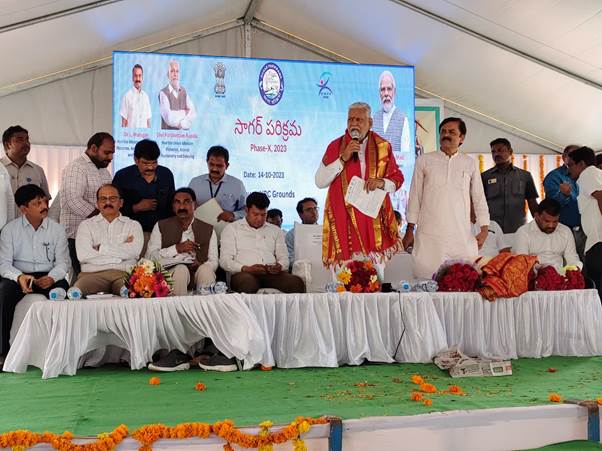
 The initiated Sagar Parikrama Phase X concluded with physical participation of more than 2000 fishermen and women, FFPOs, Entrepreneurs and other stake holders at Fish Food Festival VRC Grounds, Nellore, Andhra Pradesh.

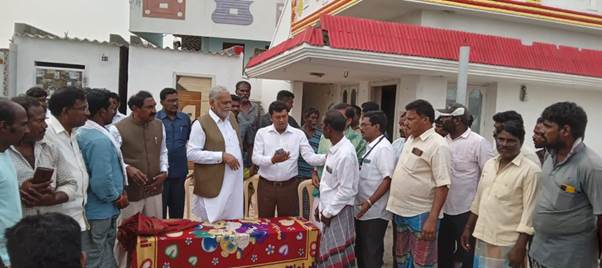
Sagar Parikrama Phase-X reached today Krishnapatnam, Andhra Pradesh. Union Minister Shri Rupala visited Ramnagar Fishing village at Krishnapatnam and interacted with Shri Prasad, active fisherman, who has shared his experience of fishing.

Initiation of Sagar Parikrama Phase X led by Union Minister for Fisheries, Animal Husbandry & Dairying, Shri Parshottam Rupala commenced on 13th October 2023 from Chennai Port, Tamil Nadu.

Image

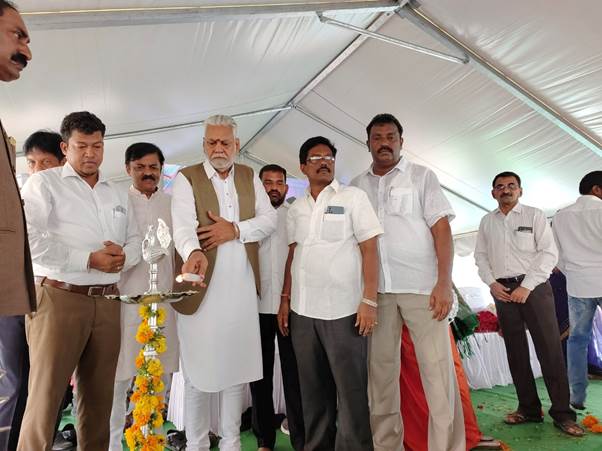
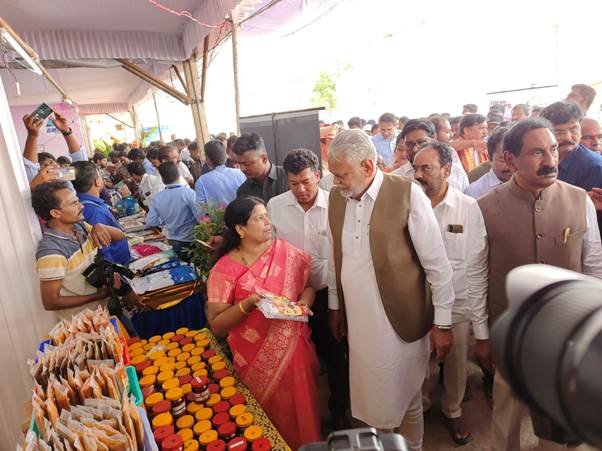
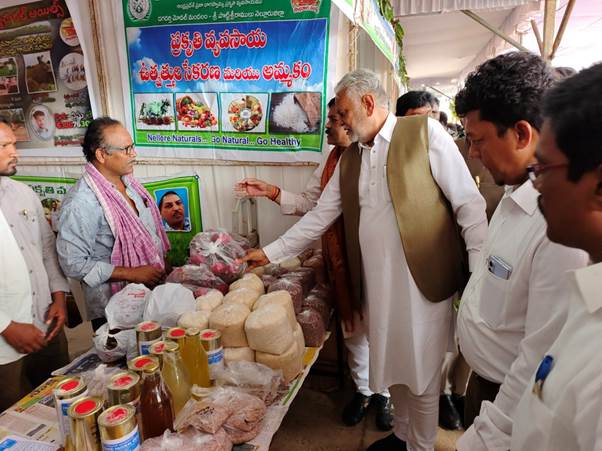
Union Minister Shri Parshottam Rupala  inaugurated the Fish Food Festival at VRC ground Nellore and visited various stalls. He also interacted with entrepreneurs, FFPOs, fishers and fisherwomen during his visit. Union Minister appreciated natural fish products being showcased in the festival.

Image

Image

Image

In his address, the Union Minister Shri Rupala highlighted importance of fisheries sector as it is directed related to about 3Cr fishers and family covering about 8000 Km coastal line. He also highlighted   that Andhra Pradesh has significant role in fisheries sector about 30% of the fish production of the county comes from this state.

Image

Shri Parshottam Rupala has stressed upon the need to enhance   awareness of various Schemes like PMMSY where there more than 100 activities/projects are available with Government Support. The first time investment in Pradhan Mantri Matsya Sampada Yojana  for budgetary outlay on 20050 Cr has been launched and also separate department has been created. The Union Minister has highlighted that Sagar Parikrama  a  massive outreach program which gives opportunities to the fisherman to the  meet and interact with Minsters, officers and other stake holders to resolve their issues at door step.

The union minister Shri Rupala mentioned in his address that about 1.58 lakhs KCC has been given to the fishers and aiming to provide KCC to all fishers of the country. He also appreciated the efforts of various enterpreneurs, FFPOs, Fish farmers for showcasing live and natural fish product in the exhibition.

The Union Minister also handed over Daily Fish Kiosks to the beneficiaries namely, Ms. T. Renuka Reddy and Ms. V. Jayalakshmi and  Live Fish Vending Centres to Shri A. Chandana, Shri Y. Balarama Krishna, Ms. S. Padmaja and Shri E. Ramanaiah. In addition to the above, the Shri Rupala also handed over Live Fish Transport vehicle/ Insulated Vehicle to the beneficiaries namely Shri B. Chennarayudu, Shri K. Vasu, Shri M. Lakshmi Prasanna and Shri. B. Ankaiah at Nellore, Andhra Pradesh under Pradhan Mantri Matsya Sampda Yajana.


 Union Minister Shri Rupala stated that all the representations received during this visit of Sagar Parikrama will be carefully addressed and Union Government will continue its all support to the states for overall development of fisheries sector and welfare of fishermen, coastal communities and stakeholders of fisheries sector. He also stated that in consultation with State Govt. and fishermen the Sagar Parikrama Yatra in AP will be planned soon.

Shri S. Appala Raju during his address highlighted importance of fisheries sector and various schemes of the Government for betterment of fishers and their families. He also raised the issue of inter-state fishing conflicts between Andhra Pradesh and Tamil Nadu and requested the Union Government to address the issue in consultation with both the states. 

Minister of Fisheries, Govt. of Andhra Pradesh, Shri S. Appalaraju, Member of Parliament, Shri G V L Narasimha Rao, Member of Parliament,Shri Beeda Masthan Rao, Commissioner of Fisheries, Govt. of Andhra Pradesh, Shri K. Kanna Babu have graced the occasion.

Image

Fishers, FFPOs and Fisheries entrepreneurs were present along with the Officials from the Department of Fisheries, GOI and NFDB were also present.

 “Sagar Parikrama” is transformative journey planned across the coastal belt to show solidarity with the fisher folks, fish farmers and related stake holders.

****

Leveraging Agriculture Innovations for Farmers Welfare

 The agricultural sector in India is undergoing a remarkable transformation, driven by rapid advancements in technology and innovative practices. This evolution is further accelerated by the significant presence of Agri-Start-ups and private sector entities equipped with cutting-edge technological capabilities. The integration of a robust Digital Public Infrastructure, harnessing the potential of the Internet of Things, Artificial Intelligence, and Machine Learning, has already demonstrated promising outcomes in this domain. Additionally, the sector is witnessing the emergence of unique themes such as hyperspectral data analysis, photo-analytics, and the retrieval of precise weather parameters through geostationary satellites. Segmentation techniques and parcel-level crop mapping are providing unprecedented insights, thereby enhancing the efficiency and precision of agricultural practices. These collective advancements signify a pivotal moment in agriculture, ushering in an era of unprecedented productivity and sustainability. Consequently, the Ministry of Agriculture and Farmers Welfare is taking strategic steps and initiatives to ensure that the exponential growth in the Agri-tech sector is appropriately leveraged for the benefit of farmers across the country.

 In order to leverage these innovations, the Ministry of Agriculture and Farmers Welfare has constituted a screening committee that comprises experts in the field from esteemed institutions such as IITs, IIMs, IISc, IISERs, etc. This also has domain experts and experts from the industry. This committee will evaluate innovative solutions that directly impact the well-being of farmers. For this, the Ministry of Agriculture and Farmers Welfare has prepared a set of problem statements on which the proposals are being invited from the such interested entities. This has open an avenue for the entities who are working or willing to work in the agriculture sector and apply their innovative solutions to address the inherent challenges of the sector.    The agri-tech sector has seen exponential growth over the last decade due to young talents who are earnestly working for the sector. One of the challenges faced by such entities is the lack of reliable data and strategic guidance from the sector. The Ministry of Agriculture and Farmers Welfare will shape and provide opportunities to all such entities by providing them the necessary support in the form of the ecosystem to pilot their solutions and perfect to effectively address the challenges If the solutions is innovative then these may be implemented at nationwide.  

The Ministry will invite Expressions of Interest (EoI), and proposals on the problem statements from Agri techs, start-ups, etc. to collaborate and share their expertise with the government. This inclusive approach seeks to facilitate a dynamic exchange of ideas and knowledge, ensuring a comprehensive approach to advancing the agricultural sector. The committee will seek presentations from potential collaborators, aiming to identify specific technologies and targeted interventions that align with the unique demands of the Indian agriculture landscape. Rigorous evaluation, including a comprehensive assessment of the concept, value proposition, and action plan, will be undertaken to gauge the feasibility and scalability of proposed initiatives. Based on this assessment, the committee will make informed recommendations, identifying suitable entities for collaboration with the Ministry. In certain cases, pro-bono partnerships may be encouraged, particularly for piloting innovations and subsequently scaling them up. Through these concerted efforts, the committee aims to drive significant progress and innovation in the agricultural domain, ultimately benefiting farmers across the nation.

          The interested entities may download the form, along with the problem statements and framework for leveraging innovations in the Agricultural Sector, which have been uploaded on the Ministry of Agriculture and Farmers Welfare website (www.agricoop.gov.in).  The calendar for submissions of the proposal area as under:

Sr. No.

Critical Dates

From (Date)

To (Date)

Time

1.

Documents download

12.10.2023

31.10.2023

1000 Hrs

2.

Proposal submission

18.10.2023

07.11.2023

1500 Hrs


*****

Amethi Sansad Khel Pratiyogita 2023

 The Prime Minister, Shri Narendra Modi addressed the concluding ceremony of Amethi Sansad Khel Pratiyogita 2023 via video message today. 

Addressing the gathering, the Prime Minister said that it is a special feeling to connect with those participating in the Amethi Sansad Khel Pratiyogita 2023. Noting that this month is auspicious for sports in the country as Indian players have scored a century of medals in the Asian Games, the Prime Minister pointed out that many players from Amethi have also showcased their sporting talent amidst these events by taking part in Amethi Sansad Khel Pratiyogita. He said that the new energy and confidence that the athletes have got from this competition can be felt and it is now time to handle this enthusiasm and groom it for the best results. “The experience you have gained in the last 25 days is a great asset for your sporting career”, the Prime Minister said. He took the opportunity to congratulate every person who has supported and encouraged these young players by joining this great campaign in the role of teacher, coach, school or college representative. He underlined that the gathering of more than one lakh players is a big thing in itself and especially congratulated Amethi MP Smriti Irani ji, who made this event such a success. 

“It is very important for the development of any society that sports and players get the opportunity to flourish there”, the Prime Minister said. He underlined that personality development in youth occurs in a natural way through sports while they work hard to achieve the goal, try again after losing and move forward by joining the team. Shri Modi emphasized that hundreds of MPs from the present government have prepared a new path for the development of society by organizing sports competitions in their respective constituencies and its results will be clearly visible in the years to come. The Prime Minister expressed confidence that the young players of Amethi will definitely win medals at national and international levels in the coming years and the experience gained from such competitions will come in very handy.

Prime Minister Modi said, “When players enter the field, they have only one goal – to make themselves and the team victorious”. He emphasized that the whole country is thinking like the players today, putting the nation first. Referring to players, Shri Modi said that they put everything at stake and play for the country, and at this time the country is also pursuing a bigger goal. He underlined that every citizen of every district of the country has a role in making India a developed nation. For this, the Prime Minister said, every sector will have to move forward with one feeling, one goal and one resolution. He mentioned schemes like TOPS and Khelo India Games for the youth. He informed that hundreds of athletes are being trained and coached in the country and abroad under the TOPS scheme and being given assistance worth crores of rupees. He also informed that more than 3 thousand players are being given assistance of Rs 50,000 per month under Khelo India Games which helps them in meeting the needs of training, diet, coaching, kit, necessary equipment and other expenses.

The Prime Minister emphasized that in today’s changing India, talent from small towns is getting a chance to come forward openly and highlighted the contributions of small towns in making India a startup hub. Noting that many famous sporting talents in today’s world hail from small towns, the Prime Minister credited the transparent approach of the government where youth get a chance to come forward and showcase their skill. He gave the example of Asian Games where most athletes who won medals belonged to smaller cities. Prime Minister Modi underlined that the result of the government respecting their talent and providing all possible facilities can be witnessed today. “These athletes have given the result”, the Prime Minister said as he highlighted the performance of Uttar Pradesh’s Annu Rani, Parul Chaudhary and Sudha Singh. The Prime Minister emphasized that Sansad Khel Pratiyogita is a great medium to unearth such talented individuals and hone their skills for the nation.

Concluding the address, the Prime Minister expressed confidence that the hard work of all the athletes will begin to show results in the coming times, and many athletes will bring glory to the country and the Tricolour. 


***

16th Agricultural Science Congress Concludes

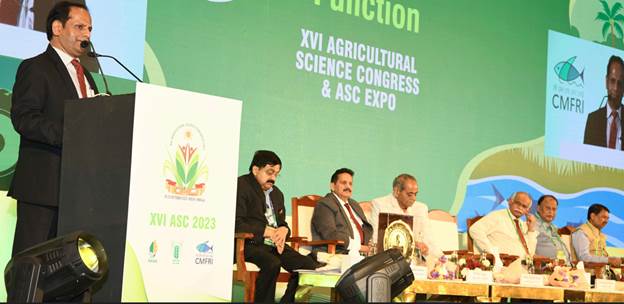
 16th Agricultural Science Congress (ASC) organised by the National Academy of Agricultural Sciences (NAAS) concluded today at Kochi. Secretary to the Department of Agricultural Research and Education and Director General of Indian Council of Agricultural Research (ICAR), Dr Himanshu Pathak delivered concluding remarks. He said that India’s agriculture has bright future with more youngsters coming to the sector with great fervour.

Dr Himanshu Pathak speaking at the valedictory of the ASC

Prizes distributed for the winners of the elocution contest held for university students on the occasion.

The Congress discussed 10 thematic areas, including all issues related to agriculture and allied areas and sustainability issues on land and water, agricultural production systems, products, agricultural machinery, climate action, economics, renewable or alternative energy, precision farming, alternative farming systems, coastal agriculture, next-generation technologies, etc. As many as 114 papers were presented at the Congress.

With a comprehensive agenda, the 16th ASC featured six plenary lectures by prominent figures in the field of agriculture and allied sectors. The Congress also hosted three panel discussions and four symposiums covering an array of topics.

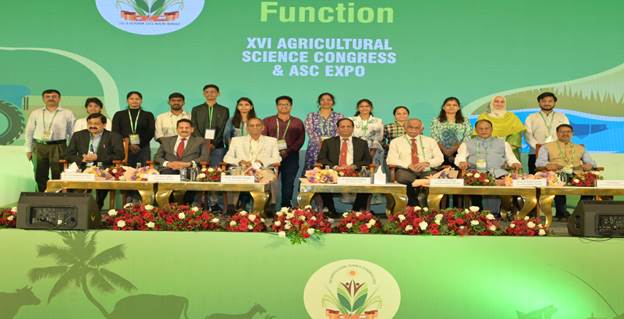
Winners of student elocution contest along with the dignitaries

The Congress witnessed the convergence of over 1500 delegates from India and abroad. An Agri Expo held on the side-line of the event showcased innovative agricultural technologies of public and private sector research institutes, universities, agro-industries, extension agencies and NGOs.

*****

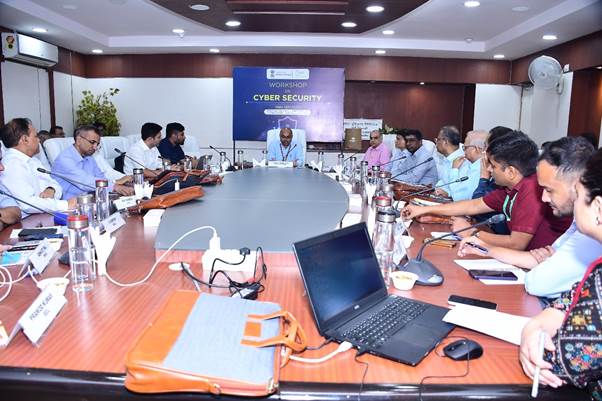
Coal Ministry Organizes Cyber Security Workshop

 As the October month is being observed as National Cyber Security Awareness Month, Ministry of Coal organized a “Workshop on Cyber Security” here today to sensitize the PSUs and organizations under the administrative control of the Ministry about current cyber security challenges and adapt best cyber security practices to implement in their organizations.


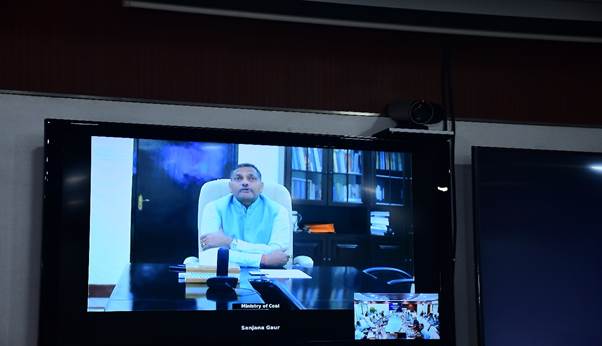
In his keynote address, Shri Amrit Lal Meena, Secretary, highlighted the increasing importance of cyber security. He emphasized that with the growing use of online services and digital platforms, the threats are becoming more sophisticated. It is crucial for organizations, businesses, and individuals to understand the trends and risks to protect themselves from cyber-attacks.


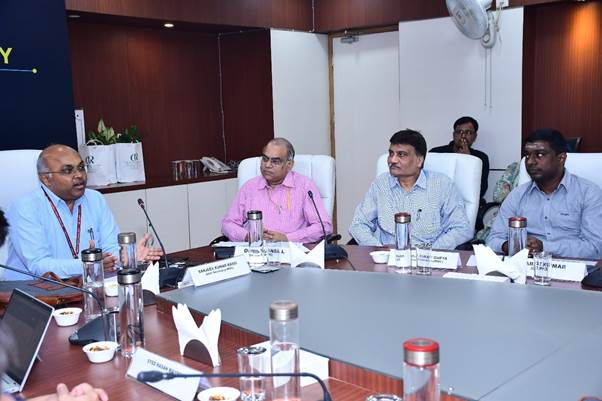
Shri Sanjeev Kumar Kassi, Joint Secretary, in his welcome address, reiterated the significance of Cyber Security. He hihglighted that Cyber Security is not only about protecting digital assets but is a critical element in safeguarding our way of life. As our reliance on technology deepens, the importance of cyber security further increases, he added.


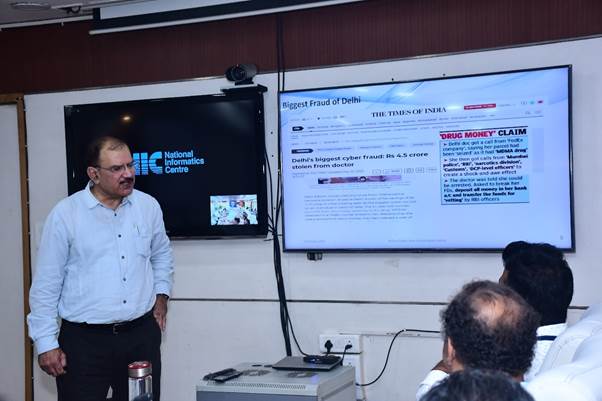
The workshop witnessed the participation of Ministry of Coal officials and senior representatives from CIL and its subsidiaries, SCCL, NLCIL, CMPFO, CCO, as well as eminent speakers from NIC, Cyber Security Group, and I4C (Indian Cybercrime Coordination Centre) under the Ministry of Home Affairs.

The main objective of this workshop was to equip attendees with valuable knowledge and insights, enabling them to implement the best cyber security practices within their respective organizations. This event aligns with the National Strategy for Cyber Security, making it a crucial step towards a more secure digital landscape. Additionally, the PSUs were suggested to organize engaging programs, including quizzes and informative sessions, to raise awareness among employees and stakeholders.


The event concluded with a vote of Thanks by Sh. Deep Bansal, STD, NIC, who expressed gratitude to all participants and presenters for their valuable insights  to make the workshop a successful one.

****

Coal Sector Brings 2734 hectares of Land under Green Cover in FY 2023-24

 by Shashikant Nishant Sharma 

Coal Ministry’s commitment towards environmental conservation continued to soar in the financial year 2023-24, with over 51 lakh saplings planted, bringing more than 2734 hectares of land under green cover, surpassing the current fiscal target of 2400 hectares. Additionally, 372 hectares have been covered by grassing which is stabilizing soil, improving moisture retention and preventing erosion in reclaimed land. During the fiscal 2022-23, Coal/Lignite PSUs under the Ministry of Coal, planted approximately 50 lakh saplings, covering 2370 hectares of land.

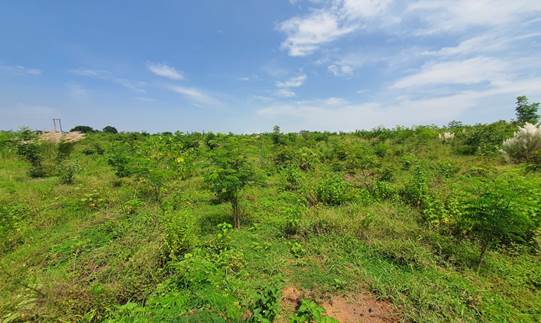
Over the last five years, Coal and Lignite PSUs, have added 10,894 hectares of land to the green cover by planting more than 233 lakh saplings as per the time to time guidance and supervision of the Coal Ministry. Massive plantation drives areundertaken annually in coal sector, encompassing various areas, including avenue plantation, plantation on overburden dumps, residential colonies, riverbanks and roadsides. Innovative methods like miyawaki plantation, seed ball plantation, development of grassland and drone technology for planting in challenging terrains have also been adopted.

India’s Coal Sector has taken significant strides in transforming its ecological footprint, contributing to the nation’s sustainability goals and environmental conservation. With a relentless focus on greening and reclamation of mined-out areas, Coal/Lignite PSUs have played a pivotal role in enhancing India’s forest and tree cover. These efforts are not only in alignment with the National Mission for a Green India (GIM), a crucial component of the National Action Plan on Climate Change,  but also contributing towards Nationally Determined Contribution (NDC) commitment to create an additional carbon sink of 2.5 to 3 billion tonnes of CO2 equivalent through increased forest and tree cover by 2030.

Plantation at backfilled dump KDH, CCL

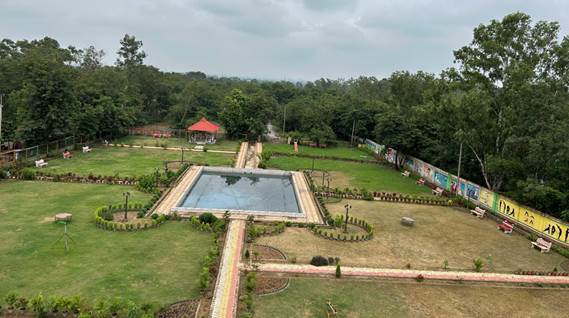
Beyond afforestation efforts, the coal sector also actively promotes  development of eco-parks and mine tourism sites. Fifteen eco-parks/mine tourism sites have been successfully established by the Coal/Lignite PSUs, with seven integrated into the local tourism circuit. Looking ahead, Coal/Lignite PSUs have ambitious plans to develop 19 new eco-parks/tourism sites in coal mining areas, fostering sustainable tourism and environmental conservation. The estimated funds for these initiatives amount to a substantial ₹128 crore. The Eco-parks, which incorporate tree plantations and grass lands, serve as vital components of green landscapes and function as carbon sinks.

A pool in a gardenDescription automatically generated

Chandra Shekhar Azad Orient UG No.4 Eco Park

These accomplishments underscore the dedication and relentless efforts of Coal/Lignite PSUs in contributing to India’s environmental sustainability goals.

****

Manpower to be doubled for processing IP applications

 Union Minister of Commerce & Industry, Consumer Affairs, Food & Public Distribution, and Textiles, Shri Piyush Goyal said that manpower will be doubled for processing Intellectual Property (IP) applications, and the process will be streamlined and made more transparent. While delivering an inspiring address at the “National Intellectual Property Conference 2023: Nurturing Growth of IP for Knowledge Economy” in New Delhi today, the Minister announced plans for a 100% digitalization of the Office of the Controller General of Patents, Designs, and Trade Marks for enhanced efficiency.


Shri Goyal emphasized the importance of transparency in the IP system and reduced fees for applicants, particularly for women entrepreneurs, micro and small units, and academic institutions. He expressed his optimism about the involvement of women in India’s innovation ecosystem. The Minister highlighted the untapped potential for accelerating innovation and creativity through Intellectual Property Rights (IPR).

Shri Goyal noted that women are taking leadership roles in various sectors, including startups, and their contributions are expected to be a game-changer for the country. The Minister reiterated the commitment of the Prime Minister, Shri Narendra Modi to women-led development or ‘Nari Shakti’. He highlighted that nearly half of Indian startups have at least one or more women directors, and India has celebrated women’s accomplishments on a global stage.

The Minister underscored the importance of instilling a spirit of inquiry and innovation in the country’s youth. He acknowledged that their efforts to develop new ideas and innovations could only succeed if they receive proper protection and support. Shri Goyal emphasized that technology and ideas serve as the twin engines of growth, with the intellectual property regime acting as the fuel that powers this engine.

Shri Piyush Goyal quoted the Prime Minister and said, “India is committed to protecting IPR of all innovators & entrepreneurs. He discussed the efforts made to establish a robust IP regime in India, including the National IPR Policy. The Minister emphasized the pivotal role of intellectual property in India’s journey towards becoming a developed economy. He highlighted that innovation is at the core of India’s transformation and progress.

Shri Goyal stressed that no country can achieve developed nation status without a robust commitment to promoting the knowledge economy and technology-based solutions that cater to the needs of society, industry, and government. A vital aspect of this commitment is the protection and nurturing of a strong IP ecosystem. The Minister spoke about the National Research Foundation and the collaborative efforts of academia, industry, and government to promote research and development.

In his address, Shri Goyal commended the ‘National IP Award’ winners for their achievements, which he believes will inspire future generations to come up with better ideas and innovative solutions that contribute to both business and the well-being of the people. He emphasized that efforts to make business easier and improve the quality of life are interdependent, and intellectual property plays a crucial role in safeguarding the interests of stakeholders with innovative ideas.

The Minister underscored India’s vast potential for innovation, driven by its abundant talent, entrepreneurial spirit, and the skill sets of its young population. He described India as being on the verge of becoming the world’s third-largest economy, positioning it as an innovation powerhouse with infinite potential. Shri Goyal encouraged all the stakeholders to work towards realization of India’s potential as a global hub for innovation and technology.

***