Mastering Laravel Eloquent Joins: A Comprehensive Guide

Daily writing prompt
List your top 5 grocery store items.

Laravel Eloquent is a powerful ORM that simplifies database operations in PHP applications. Understanding Eloquent joins is crucial for developers to create efficient database interactions and craft high-performance applications. In the world of Laravel, Eloquent relationships are a fundamental concept that can dramatically streamline the process of working with database relations. In this article, we will delve into the intricacies of Eloquent joins, exploring their types, use cases, and best practices for optimizing performance and maintainability. Keep reading to become proficient in leveraging Eloquent joins for your Laravel projects.

Advanced Eloquent Join Techniques and Performance Optimization

When working with large datasets, optimizing Laravel Eloquent joins is crucial for improving performance. Subquery joins allow you to filter or sort data before joining, which reduces the volume of data processed. Additionally, indexing foreign keys and frequently used columns can significantly speed up query execution, while query caching can prevent unnecessary repetitive operations.

To further boost efficiency, leverage Laravel Eloquent join capabilities to create more specific SQL queries with raw expressions. While eager loading can be useful, it may lead to memory overhead if overused. Instead, lazy loading can load related models on demand, balancing performance with data availability for smoother application performance.

Exploring the Basics of Laravel Eloquent Relationships

Eloquent relationships in Laravel are syntaxes used to define associations between database tables, allowing developers to define how different models interact. These relationships are defined within the Eloquent model, allowing for methods like hasMany and belongsTo, which simplify retrieval and manipulation of related records without writing cumbersome SQL queries. These relationships serve as the foundation for all types of joins within the framework.

Eloquent also allows eager loading, avoiding the N+1 query problem by preloading related models, reducing the number of queries sent to the database and improving application performance. Developers can use these relationships to write clearer and more fluent code. Eloquent also handles complex scenarios like many-to-many relationships, using pivot tables for easy establishment and operation.

Delving into the Types of Eloquent Joins and Their Use Cases

Laravel Eloquent provides various join operations, including inner, left, right, and cross joins. Inner joins retrieve records with matching values in both tables, ideal for direct relationships between two models. Left and right joins retrieve all records from one table and matching records from another, including null if no match is found.

Left joins are useful for optional relationships like fetching all products and reviews. Cross joins produce Cartesian products between two tables, combining each row of the first table with all rows in the second. Developers must understand these joins effectively to address different application requirements.

Troubleshooting Common Issues with Laravel Eloquent Joins

Eloquent joins are a powerful tool for data management, but they can also present challenges. One such issue is the ‘N+1 query problem’, where an additional query is executed for each primary record to retrieve related records. To minimize this, use eager loading correctly. Column name conflicts can also occur when joining tables with identical column names. To avoid this, use table aliases and select columns explicitly.

Eloquent’s selectRaw method can be used to define output precisely. Incorrect relationship definitions can cause unexpected results or errors. Verify that foreign keys and local keys are properly matched. If inconsistencies arise, review model definitions. Profiling queries can reveal inefficient joins or indexing issues, allowing developers to quickly identify and address performance bottlenecks.

Leveraging Eloquent Join Best Practices for Clean and Maintainable Code

When implementing Eloquent joins, it’s essential to follow best practices, such as consistently naming database tables and columns to follow Laravel’s convention-over-configuration paradigm. Breaking complex joins into scopes can make queries more readable and reusable, promoting a cleaner code structure and easier maintenance. Avoid over-engineering Eloquent relationships, as simplifying them can lead to easier-to-understand and more maintainable code.

Strive for a balance between performance and readability to ensure a codebase is efficient and approachable. Documentation is crucial for maintainable code, especially when dealing with complex join operations and relationships. It clarifies intent and helps fellow developers navigate and extend the codebase confidently.

Overall, mastery of Laravel Eloquent joins can lead to the development of robust and efficient applications. By understanding the different types of joins and their use cases, employing advanced techniques for optimization, troubleshooting common issues, and adhering to best practices, you can ensure that your code remains clean, maintainable, and performant. With the knowledge and tools accessible through Eloquent, Laravel developers are well-equipped to tackle the challenges of database management in their web applications.

Vernacular Architecture: A Comprehensive Guide

Daily writing prompt
What are your favorite physical activities or exercises?

Vernacular architecture refers to a style of building that is rooted in local traditions, materials, and construction techniques. It evolves organically over time, reflecting the culture, climate, and lifestyle of the people in a specific region. Unlike modern or formal architecture, which often follows standardized designs, vernacular architecture is deeply connected to its surroundings, embodying sustainable and community-driven practices.

Photo by Rachel Claire on Pexels.com

Key Characteristics of Vernacular Architecture

  1. Use of Local Materials:
    • Builders use materials readily available in the environment, such as mud, timber, stone, bamboo, or thatch.
    • This not only reduces costs but also minimizes the environmental impact.
  2. Climatic Responsiveness:
    • Structures are designed to adapt to local weather conditions. For instance, thick mud walls provide insulation in hot climates, while sloped roofs are common in regions with heavy rainfall.
  3. Cultural Expression:
    • Reflects the customs, beliefs, and social practices of the local community.
    • Ornamentation and layout often have symbolic or ritualistic significance.
  4. Sustainability:
    • Low environmental footprint due to the use of natural and renewable materials.
    • Passive cooling and heating techniques reduce reliance on energy-intensive systems.
  5. Adaptability:
    • Structures are often modified over generations to suit changing needs and lifestyles.

Historical Context of Vernacular Architecture

Vernacular architecture has been practiced since ancient times and varies significantly across the globe. Each region developed its unique style based on:

  • Geography and Resources: Coastal areas often use shells or coral stones, while mountainous regions rely on stone and wood.
  • Climate: Hot arid zones feature courtyards and thick walls, while cold regions emphasize insulation and compact layouts.
  • Cultural Practices: Religious beliefs, rituals, and social structures shape the design and use of spaces.

Examples of Vernacular Architecture Around the World

  1. India:
    • Havelis of Rajasthan: Intricately carved mansions with courtyards to combat extreme heat.
    • Kerala Houses: Sloped roofs and verandas suited for heavy monsoons.
    • Bhunga Houses of Kutch: Circular structures with mud walls, resistant to earthquakes.
  2. Japan:
    • Minka Houses: Wooden structures with sliding panels and thatched roofs, designed for flexibility and climatic adaptation.
  3. Africa:
    • Zulu Huts: Beehive-shaped structures made of grass and wood, ideal for the subtropical climate.
    • Adobe Houses: Mud-brick constructions seen in North African deserts, offering excellent insulation.
  4. Europe:
    • English Cottages: Stone and thatch houses designed for cold weather.
    • Alpine Chalets: Wooden houses with steep roofs to shed snow.
  5. South America:
    • Chilean Rucas: Cone-shaped huts made from natural fibers, used by the indigenous Mapuche people.
    • Amazonian Malocas: Communal structures using palm leaves and bamboo.

Climatic Adaptations in Vernacular Architecture

Hot and Arid Climates:

  • Thick walls and small windows reduce heat gain.
  • Courtyards enhance air circulation and cooling.
  • Whitewashed exteriors reflect sunlight.

Tropical Climates:

  • Large overhangs and verandas provide shade.
  • Elevated structures prevent flooding and improve ventilation.

Cold Climates:

  • Compact layouts retain heat.
  • Use of insulating materials like wood or thick stone.
  • Fireplaces and central hearths provide warmth.

Rainy Climates:

  • Sloped roofs to drain rainwater quickly.
  • Raised plinths to protect from flooding.

Modern Relevance of Vernacular Architecture

  1. Sustainability:
    • With growing concerns over environmental degradation, vernacular practices offer insights into eco-friendly construction.
    • The use of local materials reduces transportation emissions and costs.
  2. Resilience:
    • Many vernacular techniques are inherently disaster-resistant, such as earthquake-proof Bhunga houses or flood-adaptive stilted homes.
  3. Cultural Preservation:
    • Reviving vernacular architecture helps preserve intangible heritage and traditional craftsmanship.
  4. Affordable Housing:
    • Cost-effective construction methods make it suitable for low-income housing projects.

Challenges in Practicing Vernacular Architecture Today

  1. Urbanization:
    • Rapid urban growth often sidelines traditional practices in favor of modern construction methods.
  2. Loss of Traditional Knowledge:
    • The decline in skilled artisans and transmission of traditional techniques poses a significant challenge.
  3. Perception Issues:
    • Vernacular architecture is sometimes viewed as outdated or unsuitable for contemporary lifestyles.
  4. Material Scarcity:
    • Depletion of local resources, like timber and clay, affects the viability of traditional practices.

Future of Vernacular Architecture

Vernacular architecture is seeing a resurgence, especially in sustainable design movements. Architects and planners are integrating traditional principles with modern technologies to create hybrid designs that meet contemporary needs while respecting the environment. Some notable examples include:

  • Earthship Biotecture: Combines vernacular earth-building techniques with renewable energy systems.
  • Green Roofs and Walls: Inspired by traditional vegetative insulation techniques.

Conclusion

Vernacular architecture is more than just a building style—it is a testament to humanity’s ability to harmonize with nature while meeting functional and cultural needs. As the world grapples with climate change and resource scarcity, revisiting these age-old practices can guide us toward sustainable and resilient built environments. Integrating vernacular principles with modern design approaches will not only preserve this invaluable heritage but also provide innovative solutions for a sustainable future.

Scope for Bachelor of Architecture (B.Arch) Course

Daily writing prompt
What is something others do that sparks your admiration?

The Bachelor of Architecture (B.Arch) is a professional undergraduate degree designed for individuals passionate about planning, designing, and constructing buildings and other physical structures. With the rapid pace of urbanization, technological advancements, and a growing focus on sustainable development, the demand for skilled architects has grown exponentially. This article explores the scope, opportunities, and career prospects for students pursuing a B.Arch course.


1. Overview of the B.Arch Course

The B.Arch program is a five-year degree course blending theoretical knowledge with practical skills in architecture. It covers diverse topics, including:

  • Architectural Design and Principles
  • Building Materials and Construction Techniques
  • Urban Planning and Landscape Architecture
  • Sustainable and Green Architecture
  • Computer-Aided Design (CAD) and Building Information Modeling (BIM)

This holistic approach equips students with the skills to design aesthetically pleasing, functional, and sustainable structures.


2. Career Opportunities After B.Arch

A degree in architecture opens up diverse career opportunities in various domains. Here are some of the prominent career paths:

a. Professional Practice

Graduates can become licensed architects by registering with professional bodies like the Council of Architecture (COA) in India. This allows them to design residential, commercial, or public buildings and work as independent consultants or join architectural firms.

b. Urban Planner

Urban planning involves designing and developing efficient, sustainable cities. Architects with a focus on urban design can work with government bodies, private organizations, or international agencies to address challenges in urbanization and infrastructure.

c. Landscape Architect

Specializing in landscape architecture enables graduates to design outdoor spaces such as parks, gardens, and recreational areas that harmonize with the natural environment.

d. Sustainable Design Specialist

With the growing emphasis on green buildings and energy-efficient designs, architects specializing in sustainability are in high demand to create eco-friendly structures.

e. Academics and Research

Those with a passion for teaching can pursue advanced studies (M.Arch or Ph.D.) and contribute to architectural education and research.

f. Interior Designer

Architects with a flair for interiors can transition into designing functional and aesthetic interior spaces for homes, offices, and public spaces.

g. Real Estate Development

Graduates can work as project managers or consultants in real estate firms, overseeing the design and execution of large-scale residential and commercial projects.


3. Emerging Trends in Architecture

a. Smart Cities and Infrastructure Development

The global push towards smart cities has created significant opportunities for architects to design intelligent, technology-driven urban spaces.

b. Sustainable Architecture

The need for energy-efficient and environmentally friendly designs has led to a surge in demand for architects skilled in sustainable practices and materials.

c. Digital Architecture

Architects are leveraging advanced tools like virtual reality (VR), augmented reality (AR), and AI-driven design software to revolutionize how buildings are conceptualized and built.

d. Heritage Conservation

Preserving cultural and historical sites is a growing field that requires architects to balance restoration with modern requirements.


4. Skills Required for Success

To excel in the field of architecture, students should develop the following skills:

  • Creative Thinking: Essential for innovative and aesthetic designs.
  • Technical Proficiency: Knowledge of CAD, BIM, and structural analysis tools.
  • Problem-Solving Abilities: Addressing client needs and environmental challenges.
  • Project Management: Overseeing budgets, timelines, and resources.
  • Communication Skills: Collaborating with clients, engineers, and contractors.

5. Job Market and Salary Prospects

The architecture field offers lucrative salary packages, which vary depending on experience, location, and specialization:

  • Entry-Level: ₹3–6 lakhs per annum in India or $40,000–$60,000 globally.
  • Mid-Level: ₹6–12 lakhs per annum or $60,000–$90,000 globally.
  • Senior-Level: ₹12–25 lakhs per annum or $90,000–$150,000 globally. Experienced architects and those working in niche fields like sustainable design or urban planning often command higher salaries.

6. Future Prospects

The B.Arch course offers a promising future due to:

  • Increasing urbanization and the demand for infrastructure development.
  • Growing awareness of climate change, driving the need for sustainable architecture.
  • Expanding real estate and construction industries worldwide.
  • Government initiatives like the Smart Cities Mission in India and global green building movements.

7. Higher Education and Specialization

After completing a B.Arch degree, graduates can pursue advanced studies to specialize in areas such as:

  • Master of Architecture (M.Arch) in Urban Design, Landscape Architecture, or Interior Design.
  • Certifications in sustainable design or advanced software like BIM.
  • Ph.D. programs for academic and research careers.

8. Challenges in the Field

While the scope of architecture is vast, it comes with challenges:

  • Meeting client expectations while adhering to budget constraints.
  • Keeping up with evolving technologies and building regulations.
  • Balancing aesthetics with functionality and sustainability.
  • Handling competition in a saturated market.

9. Conclusion

The B.Arch course is a gateway to a fulfilling career for those with a passion for creativity, design, and problem-solving. With growing urbanization and the focus on sustainable development, architects are increasingly playing a pivotal role in shaping the future of our built environment. The wide-ranging opportunities in professional practice, research, and academia make B.Arch a highly rewarding career choice.

Photo by Andrea Piacquadio on Pexels.com

Flash Drought: An Overview

Daily writing prompt
What is something others do that sparks your admiration?

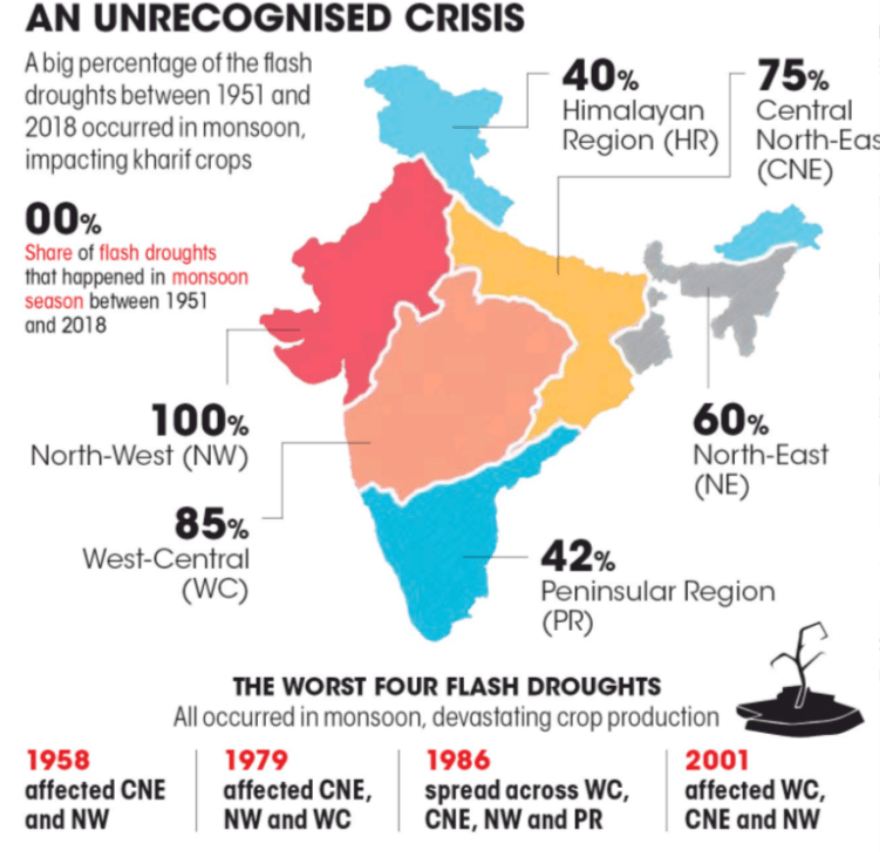
Flash drought is a rapidly developing drought phenomenon characterized by a sudden onset and rapid intensification of dry conditions over a short period, typically weeks to months. Unlike traditional droughts that develop slowly over years, flash droughts emerge quickly due to a combination of factors, including weather anomalies and land-atmosphere interactions. These events can cause significant agricultural, hydrological, and ecological damage due to their abrupt nature.


Key Characteristics of Flash Drought

  1. Rapid Onset: Flash droughts can develop within a few weeks, often catching farmers, water managers, and policymakers off guard.
  2. Meteorological Drivers:
    • High Temperatures: Heatwaves and above-average temperatures increase evapotranspiration rates.
    • Low Precipitation: Sudden declines in rainfall or prolonged dry spells exacerbate moisture deficits.
  3. Land-Atmosphere Interaction:
    • Soil Moisture Loss: Rapid depletion of soil moisture due to high temperatures and lack of precipitation.
    • Vegetation Stress: Plants face water stress, affecting growth and crop yields.
  4. Short Duration: Typically lasts a few weeks to several months but can have lasting impacts, particularly in agriculture.

Causes of Flash Drought

  1. Climate Variability: Changes in atmospheric circulation patterns can disrupt normal weather, leading to reduced rainfall.
  2. Human Activities: Land use changes, deforestation, and over-extraction of water resources exacerbate the risk of flash drought.
  3. Natural Cycles: Phenomena like El Niño-Southern Oscillation (ENSO) influence rainfall patterns and temperature anomalies.

Impacts of Flash Drought

  1. Agricultural:
    • Damage to crops due to sudden water stress.
    • Reduced yields, particularly in rain-fed agriculture.
    • Economic losses for farmers.
  2. Ecological:
    • Stress on aquatic and terrestrial ecosystems.
    • Increased vulnerability of wildlife to habitat degradation.
  3. Hydrological:
    • Rapid depletion of reservoirs and groundwater.
    • Reduced streamflow and water availability for human and industrial use.
  4. Socioeconomic:
    • Food insecurity due to crop failures.
    • Increased costs for irrigation and water management.

Monitoring and Prediction

  1. Satellite Technology: Remote sensing helps monitor soil moisture, vegetation health, and precipitation patterns.
  2. Climate Models: Advanced modeling techniques are employed to predict flash drought risks based on temperature and precipitation forecasts.
  3. Indices:
    • Standardized Precipitation Index (SPI)
    • Evaporative Stress Index (ESI)
    • Soil Moisture Deficit Index (SMDI)

Mitigation Strategies

  1. Improved Forecasting: Investing in meteorological services to provide early warnings.
  2. Water Management:
    • Promoting efficient irrigation techniques.
    • Storing water during wet periods for use during drought.
  3. Agricultural Practices:
    • Using drought-resistant crop varieties.
    • Adopting conservation agriculture practices to retain soil moisture.
  4. Policy Interventions:
    • Developing drought preparedness plans.
    • Subsidizing crop insurance for farmers.

Examples of Flash Drought Events

  1. 2012 United States: A flash drought severely impacted corn and soybean crops, causing billions in economic losses.
  2. 2019 Southeast Asia: A rapid drought affected rice production, leading to food shortages.
  3. 2022 Europe: Unseasonably high temperatures and low rainfall caused sudden agricultural stress in parts of Western Europe.

Conclusion

Flash droughts represent an increasing challenge in the context of climate change. Their rapid onset and severe impacts demand robust monitoring systems, adaptive strategies, and sustainable resource management. By understanding their drivers and effects, societies can better prepare for and mitigate the risks associated with these sudden drought phenomena.

Building Resilient Cities: Strategies for Addressing Disasters and Climate Change

Daily writing prompt
What is something others do that sparks your admiration?

By Shashikant Nishant Sharma

As urbanization accelerates worldwide, cities are increasingly vulnerable to disasters and the adverse effects of climate change. Rising sea levels, extreme weather events, and resource shortages threaten urban infrastructure, economies, and populations. Building resilience—the ability of a city to anticipate, prepare for, respond to, and recover from adverse events—is crucial for ensuring sustainable urban development. This article explores strategies to make cities resilient against disasters and climate change.


Understanding Urban Resilience

Urban resilience encompasses a city’s capacity to:

  • Minimize risks and vulnerabilities.
  • Absorb, recover, and adapt to adverse conditions.

  • Maintain functionality despite disruptions.

The concept of resilience is holistic, addressing physical infrastructure, social systems, governance, and environmental sustainability.


Strategies to Enhance Urban Resilience

1. Adopting Climate-Smart Urban Planning

Cities should incorporate climate change scenarios into their urban planning processes. This includes:

  • Zoning regulations to prevent development in high-risk areas such as floodplains and coastal zones.
  • Promoting mixed-use development to reduce travel demand and associated emissions.
  • Implementing green infrastructure like parks, wetlands, and green roofs to manage stormwater and reduce the urban heat island effect.

2. Investing in Resilient Infrastructure

Robust infrastructure systems can withstand disasters and adapt to changing climatic conditions. Key measures include:

  • Designing flood-resistant buildings and elevated roadways.
  • Strengthening existing infrastructure against earthquakes and other hazards.
  • Developing energy-efficient systems powered by renewable energy sources.

3. Strengthening Early Warning Systems

Timely information about impending disasters can save lives and reduce damage. Cities should:

  • Deploy advanced monitoring technologies for weather and environmental changes.
  • Develop community-based alert systems that ensure everyone, including marginalized groups, receives warnings.
  • Conduct regular emergency drills to improve preparedness.

4. Enhancing Community Participation

A resilient city relies on the active participation of its citizens. Strategies to empower communities include:

  • Community-based disaster risk management (CBDRM) programs.
  • Encouraging local stewardship of natural resources.
  • Conducting public awareness campaigns on disaster preparedness and climate adaptation.

5. Fostering Sustainable Mobility

Transportation systems should be designed to endure disruptions while minimizing emissions. Solutions include:

  • Investing in public transportation and non-motorized transport infrastructure.
  • Promoting electric vehicles and carpooling systems.
  • Developing adaptive transport networks with redundancies to ensure connectivity during crises.

6. Building Financial Resilience

Economic stability underpins urban resilience. Cities should:

  • Establish disaster insurance schemes for public infrastructure and private assets.
  • Create emergency funds to finance recovery efforts.
  • Support livelihood diversification for urban populations to reduce dependency on climate-sensitive sectors.

7. Promoting Nature-Based Solutions

Nature-based solutions harness the power of ecosystems to mitigate climate risks. These include:

  • Restoring mangroves and wetlands to act as natural buffers against storm surges.
  • Implementing urban forests to reduce air pollution and regulate temperatures.
  • Encouraging permeable pavements to enhance groundwater recharge and reduce urban flooding.

8. Strengthening Governance and Policy Frameworks

Resilient cities require strong institutional frameworks. Effective governance includes:

  • Creating integrated disaster management plans.
  • Establishing climate adaptation policies aligned with global frameworks like the Paris Agreement.
  • Encouraging multi-stakeholder collaborations between governments, businesses, and civil society.

Case Studies of Resilient Cities

1. Rotterdam, Netherlands

Rotterdam is a global leader in urban resilience. Its innovative water management system, including flood barriers, floating buildings, and water plazas, demonstrates the city’s commitment to combating sea-level rise.

2. Sendai, Japan

Sendai’s reconstruction after the 2011 earthquake and tsunami showcases a model for disaster resilience. The city emphasized community engagement, robust infrastructure, and sustainable energy systems.

3. Medellín, Colombia

Once plagued by violence and poor infrastructure, Medellín transformed into a resilient city through inclusive urban planning, such as its famous cable cars and green corridors.


Conclusion

Making cities resilient to disasters and climate change is no longer optional; it is a necessity. The integration of innovative planning, robust infrastructure, community involvement, and sustainable practices can enable cities to thrive in the face of adversity. Governments, urban planners, and citizens must collaborate to build cities that are not only safe and sustainable but also adaptable to an uncertain future.

Investing in urban resilience today will pay dividends in securing the wellbeing of future generations.

References

Acuti, D., & Bellucci, M. (2020). Resilient cities and regions: planning, initiatives, and perspectives. Climate Action, 763-774.

Greenwalt, J., Raasakka, N., & Alverson, K. (2018). Building urban resilience to address urbanization and climate change. In Resilience (pp. 151-164). Elsevier.

Jabareen, Y. (2013). Planning the resilient city: Concepts and strategies for coping with climate change and environmental risk. Cities31, 220-229.

Khan, A., Carlosena, L., Khorat, S., Khatun, R., Das, D., Doan, Q. V., … & Niyogi, D. (2023). Urban cooling potential and cost comparison of heat mitigation techniques for their impact on the lower atmosphere. Computational Urban Science3(1), 26.

Orsetti, E., Tollin, N., Lehmann, M., Valderrama, V. A., & Morató, J. (2022). Building resilient cities: climate change and health interlinkages in the planning of public spaces. International journal of environmental research and public health19(3), 1355.

Sharma, S. N. (2018). Review of National Urban Policy Framework 2018. Think India Journal21(3), 74-81.

Internship Opportunity for Journalism at Eduindex News

Daily writing prompt
Describe a man who has positively impacted your life.

Are you passionate about storytelling, eager to investigate compelling issues, and interested in building a career in journalism? Eduindex News, a leading online news portal, is offering an exciting internship opportunity for budding journalists. This internship is a golden chance to gain hands-on experience in the dynamic world of journalism while honing your skills in writing, editing, and reporting.

About Eduindex News

Eduindex News is a well-established online news platform that focuses on delivering insightful and balanced coverage of global events, educational developments, and socio-economic trends. Known for its emphasis on credible journalism, Eduindex News serves as a reliable source of information for readers worldwide. The platform covers a diverse range of topics, including education, culture, politics, technology, business, and more.

Why Choose the Eduindex News Internship?

Eduindex News provides a unique learning experience tailored to prepare interns for the competitive field of journalism. The internship is structured to equip candidates with essential industry skills and foster professional growth. Here are the highlights:

  1. Real-World Experience:
    • Interns will work on live projects, including news reporting, feature writing, and investigative journalism.
    • You’ll have the opportunity to pitch story ideas and collaborate with senior journalists.
  2. Skill Development:
    • Enhance your skills in content creation, research, editing, and multimedia reporting.
    • Learn how to use professional tools for writing, video editing, and graphic design.
  3. Mentorship:
    • Gain mentorship from seasoned journalists and editors at Eduindex News.
    • Learn the nuances of journalistic ethics, news analysis, and audience engagement.
  4. Portfolio Building:
    • Publish your work on Eduindex News, allowing you to build a professional portfolio.
    • Showcase your skills to potential employers with bylines under your name.
  5. Networking Opportunities:
    • Connect with industry professionals and fellow interns to expand your network.
  6. Flexible Work Environment:
    • This internship offers remote work options, enabling candidates to contribute from anywhere.

Internship Roles and Responsibilities

As an intern at Eduindex News, you’ll be expected to perform various roles, including:

  • Researching and writing news articles, editorials, and opinion pieces.
  • Conducting interviews with subject matter experts and sources.
  • Fact-checking and ensuring the accuracy of published content.
  • Collaborating with the editorial team to plan and execute news coverage.
  • Assisting in multimedia projects such as video reporting and podcast production.
  • Promoting published articles through social media and other digital platforms.

Eligibility Criteria

Eduindex News welcomes applications from students and recent graduates in journalism, mass communication, or related fields. Candidates should meet the following criteria:

  • Strong command of the English language.
  • Excellent writing and editing skills.
  • A keen interest in current events and news reporting.
  • Basic knowledge of digital media tools and platforms.
  • Ability to meet deadlines and work under pressure.

Duration and Stipend

  • The internship duration ranges from 1 to 6 months, depending on the candidate’s availability and performance.
  • A certificate of internship will be provided upon successful completion. Exceptional interns may also be considered for full-time roles at Eduindex News.

How to Apply?

To apply for the journalism internship at Eduindex News, follow these simple steps:

  1. Prepare your resume highlighting your skills and achievements.
  2. Write a cover letter explaining your interest in journalism and why you wish to intern at Eduindex News.
  3. Submit 2-3 writing samples or links to published work (if available).

Send your application to editor@eduindex.org with the subject line “Internship Application – Journalism.”

Testimonials from Previous Interns

  • “My internship at Eduindex News was a transformative experience. I learned the ins and outs of journalism and got the chance to publish my work. The team was incredibly supportive!” – Aditi Sharma
  • “Eduindex News helped me develop the confidence to pursue a full-time career in journalism. The mentorship and real-world exposure were invaluable.” – Ramesh Kumar

Conclusion

An internship at Eduindex News is more than just a learning experience—it’s a stepping stone to a successful career in journalism. Whether you dream of being a news reporter, editor, or media strategist, this opportunity will help you build the skills, knowledge, and network required to achieve your goals.

Don’t miss this chance to kickstart your journalism journey with one of the most dynamic platforms in the industry. Apply now and make your mark in the world of news and media!

IIT Ropar successfully organized Sheet Metal Forming 2024 Conference (SMF 2024)

Daily writing prompt
Is your life today what you pictured a year ago?

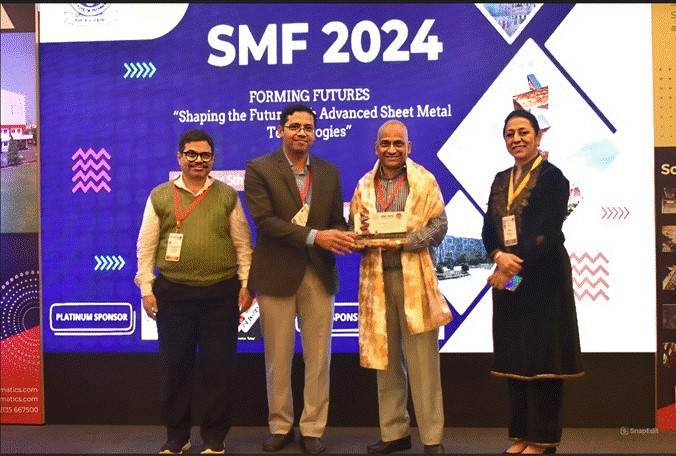
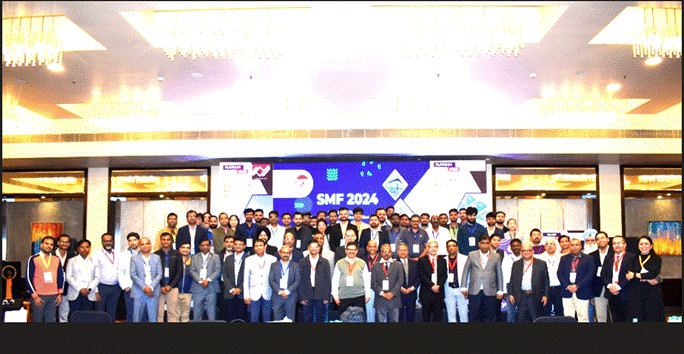
Rupnagar, 9th December 2024: IIT Ropar successfully hosted the Sheet Metal Forming (SMF) 2024 conference, attracting a large gathering of national and international delegates. The event featured eminent speakers from IITs and prominent industry partners, including Auto form, Electropneumatics & Hydraulics, Altair, Tata Steel, Tata Technologies Ltd., Ford India, Felss System GmbH, and JBM Auto Ltd. SMF 2024, the flagship conference of the Sheet Metal Forming Research Association (SMFRA), provided a platform for researchers and developers from India and abroad to present and exchange ideas on metal forming technologies.

The conference commenced on December 5th with an inaugural ceremony. Prof. Anupam Agrawal, from the Department of Mechanical Engineering at IIT Ropar and Organizing Secretary of SMF 2024, welcomed the attendees, including speakers, SMFRA members, scholars, and industry guests. Prof. Rajeev Ahuja, Director of IIT Ropar, conveyed his best wishes for the success of the conference. This was followed by an address by Dr. Prabhat K. Agnihotri, Head of the Department of Mechanical Engineering and Chairman of the conference. Chief Guest Dr. Santosh Kumar, Vice President, Jindal Stainless Ltd., delivered the Rasquinha Memorial Lecture, sharing insights on the latest advancements and challenges in the field of sheet metal forming. Prof. K. Narasimhan, Secretary of SMFRA and Professor at IIT Bombay, highlighted the key challenges in metal forming for academia and underscored the importance of the SMF conference series in bridging academia and industry. The ceremony concluded with a vote of thanks by Prof. Navin Kumar, Department of Mechanical Engineering, IIT Ropar, and Co-Organizing Secretary of SMF 2024.

The event was supported by Platinum Sponsors Auto Formand Electropneumatic & Hydraulics (I) Pvt. Ltd., along with Silver Sponsor Altair Engineering India Pvt. Ltd.

Day 1 of the conference showcased presentations by leading researchers, professors, and industry leaders on the latest advancements in sheet metal forming. Day 2 included technical sessions on diverse topics, such as lightweight metal forming, hot forming for lightweight construction, and challenges in skin panel forming. Attendees had the opportunity to engage with experts and exchange ideas on cutting-edge research in sheet metal forming.

SMF 2024 featured a panel discussion on day 2, moderated by Mr. Avinash Khare, Consultant at Tool Maker’s Facility, India. The panel included distinguished experts such as Prof. Hariharan K. (Associate Professor, IIT Madras), Mr. Prashant Kulkarni (Regional Manager, Altair Engineering India Pvt. Ltd.), Dr. Rahul Kumar (Tata Steel), and Prof. Ekta Singla(Associate Professor, IIT Ropar).

SMF 2024 aimed to provide insights into the future of metal forming research and promote knowledge-sharing among experts. The biennial event concluded successfully, with SMF 2024 Organizing Secretary Prof. Anupam Agrawal and Co-Organizing Secretaries Prof. Navin Kumar and Prof. Ekta Singla—receiving widespread appreciation for their efforts. The conference ended on Day 2 with a valedictory address by Prof. Anupam Agrawal.

****

Fully Funded PhD Programs at University of Oulu, Oulu, Finland

03 Fully Funded PhD Programs at University of Oulu, Oulu, Finland

Holding Master’s degree and looking for fully funded PhD positions? University of Oulu, Oulu, Finland invites online application for multiple funded PhD Programs / fully funded PhD positions in various research areas.

Candidates interested in fully funded PhD positions can check the details and may apply as soon as possible. Interested and eligible applicants may submit their online application for PhD programs via the University’s Online Application Portal. 

1. Fully Funded PhD Position in multidisciplinary research of the integration of technology with healthcare education

Summary of PhD Program:

LET focuses on investigating and developing innovative educational technologies and learning environments to enhance learning processes, collaboration, and self-regulated learning across various educational contexts. HST integrates multidisciplinary research across health sciences, biomedical engineering, and medical technology, aiming to advance health care solutions, improve patient outcomes, and promote innovative technologies for health and well-being.

Application Deadline: 31.Dec.2024

Apply now

2. Fully Funded PhD Position in Nature-based water treatment systems in mining waters

Summary of PhD Program:

You will work on research tasks involved in the projects “Prowater” co-funded by the European Union via the Interreg Aurora and “RestMine” and “LuVe-JK” funded by Maa- ja Vesitekniikan tuki ry foundation. The project activities linked to this position focus on the use of industrial by-products as secondary sources of materials to be utilized in water treatment systems aiming at reducing aquatic pollution in mining-affected areas. Project tasks include e.g. mapping of available materials, designing, implementing and monitoring of in-situ pilot scale systems, data treatment and analysis (statistical methods) followed by system evaluation. 

Application Deadline: 15.Dec.2024

Apply now

Follow FellowshipBard for daily updates!

3. Fully Funded PhD Position in Mechanical Engineering (Hydrogen Combustion and Advanced Engine Simulation)

Summary of PhD Program:

We seek a highly motivated doctoral researcher to contribute to a cutting-edge research project focusing on hydrogen combustion and advanced engine simulation technologies. The position involves conducting 3D computational fluid dynamics (CFD) simulations, designing advanced combustion systems, and exploring innovative solutions for engine thermal stress mitigation and knock suppression.

Application Deadline: 31.Dec.2024

Apply now

Help Us By Sharing This Article

FellowshipBard

Advance your academic journey

notification icon

We’d like to show you notifications for the latest news

88 thousand schools in 782 districts to participate in the PARAKH Rashtriya Sarvekshan 2024

Daily writing prompt
Tell us one thing you hope people say about you.

The Department of School Education and Literacy, Ministry of Education, Government of India has been implementing a rolling programme of sample based National Achievement Survey (NAS) aimed at classes III, V, VIII and X with a cycle period of three years. The last National Achievement Survey (NAS) was held on 12th November, 2021.

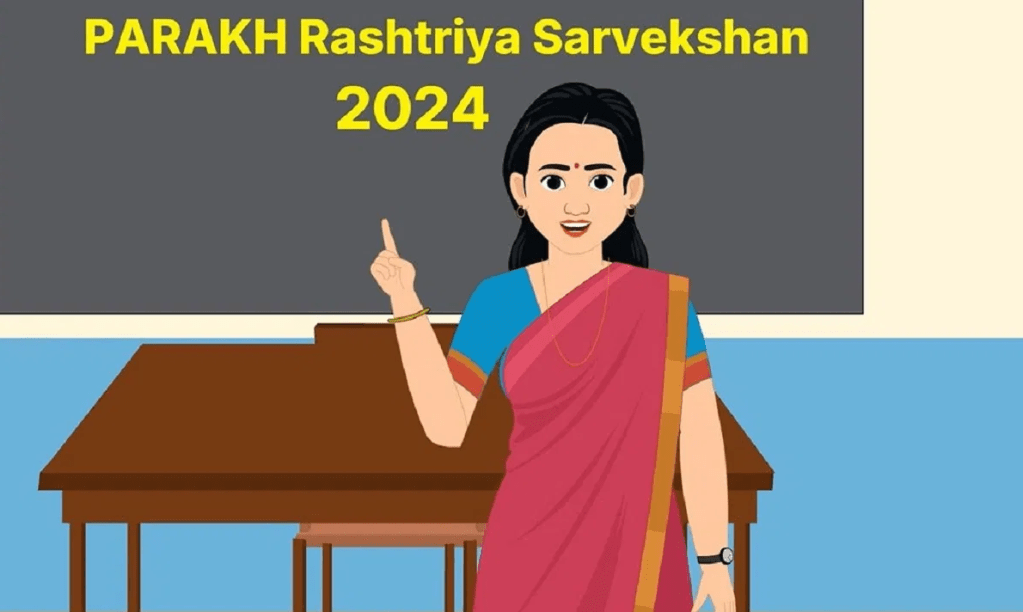
In pursuance of the recommendations of the National Education Policy (NEP) 2020, National Assessment Centre, PARAKH (Performance Assessment, Review, and Analysis of Knowledge for Holistic Development) has been setup by the Ministry of Education under the National Council of Educational Research and Training (NCERT) and has been entrusted with the responsibility of carrying out the next round of NAS, hereafter referred to as PARAKH Rashtriya Sarvekshan 2024. The survey will be held on 4th December, 2024 across the country and will help to assess the competencies developed by students at the end of foundational, preparatory and middle stages (i.e., Students currently in 3rd, 6th and 9th Grades) and help to take remedial measures. The instrument development, testing, finalization of the test items and survey tools have been developed by PARAKH, NCERT. However, the administration of the test in the sampled schools will be done by CBSE in collaboration with the respective States/UTs.

The PARAKH Rashtriya Sarvekshan is a baseline study to understand the achievement of the stage specific competencies at the end of foundation, preparatory and middle stages as per NEP 2020. It will cover the entire spectrum of schools i.e., Government Schools (Central Government and State Government), Government Aided Schools and Private schools across the country. It is expected that around 23 lakh students of approximately 88 thousand schools spread out in 782 districts across 36 States and UTs will be covered in the PARAKH Rashtriya Sarvekshan 2024. Students of Grades 3, 6, and 9 will be assessed in the subjects, Language, Mathematics, the World Around Us, Science and Social Science. The Test would be conducted in 23 mediums of instructions covering Assamese, Bengali, Gujarati, Hindi, Kannada, Konkani, Malayalam, Manipuri, Marathi, Nepali, Oriya, Punjabi, Sanskrit, Santhali, Sindhi, Tamil, Telugu, Urdu, Bodo, English, Mizo, Garo & Khasi.

For smooth and fair conduct of the survey 94878 Field Investigators, 75,565 Observers, 3128 District Level Officers and 180 State Nodal Officers from 36 States and Union Territories have been appointed. Also, 782 Board Representatives along with 38 National Level Observers have been appointed in the districts for monitoring the overall functioning and ensuring fair conduct of the Survey. All the personnel have been provided extensive training regarding their roles and responsibilities.

A National Steering Committee has been constituted for conduct of PARAKH Rashtriya 2024 headed by Secretary, Department of School Education and Literacy, Ministry of Education. A Portal https://ncert.nic.in/parakh/rashtriyasarvekshan.php has been launched to enable coordination with various key functionaries for smooth conduct of PARAKH Rashtriya 2024. National, State and District Report cards for all Stages covered under the survey will be released and placed in public domain.

PMeVIDYA DTH Channel for Indian Sign Language

Daily writing prompt
Tell us about your first day at something — school, work, as a parent, etc.

Union Minister for Education, Shri Dharmendra Pradhan, will launch the PM e-VIDYA DTH Channel No. 31 for Indian Sign Language (ISL) tomorrow (6 December,2024) in New Delhi. Union Minister of State (Independent Charge) for Skill Development and Entrepreneurship and Minister of State for Education, Shri Jayant Chaudhary will also grace the event. The programme will witness participation from Hearing Impaired (HI) children, HI achievers, special educators, ISL certified interpreters and organisations working for mainstreaming the Hearing-Impaired community.

This critical initiative supports the objectives of the National Education Policy (NEP) 2020 which recommends promotion of Indian Sign Language to foster a more inclusive educational environment.  Para 4.22 of NEP states that ‘Indian Sign Language (ISL) will be standardized across the country, and National and State curriculum materials developed, for use by students with hearing impairment. Local sign languages will be respected and taught as well, where possible and relevant.’

An exclusive PM e-Vidya channel devoted to the promotion of the Indian Sign Language has been conceptualised to promote ISL as a language as well as a school subject, so that the larger population has access to learning the language. The Channel will disseminate learning content for school children (Central & State Curriculum), teachers, teacher educators and other stakeholders in the area of career guidance, skill training, mental health, class-wise curricular content, communication skills, as well as promotion of Sign Language as a language subject, just like verbal languages like Hindi, English etc., for all.

*****

7th Edition of Smart India Hackathon to begin on 11th December 2024

Daily writing prompt
Tell us about your first day at something — school, work, as a parent, etc.

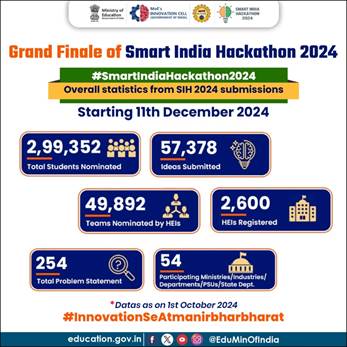
The 7th edition of the Smart India Hackathon (SIH) will concurrently begin on 11th December, 2024 at 51 centres nationwide. Union Minister for Education, Shri Dharmendra Pradhan, will virtually inaugurate the event. SIH is a nationwide initiative to provide students with a platform to solve some of the pressing problems we face in our daily lives and thus inculcate a culture of product innovation and a problem-solving mind set. Like past editions, the student teams will work on either the problem statements given by the Ministries/Departments/Industries or submit their idea in the Student Innovation Category against any of the 17 themes.

For SIH 2024, more than 250 problem statements have been submitted by 54 Ministries, Departments, State Governments, PSUs, and Industries. This year, an impressive 240% increase has been recorded in internal hackathons at the institute level, growing from over 900 in SIH 2023 to over 2247 in SIH 2024, making this the largest edition so far. More than 86000 teams have participated in SIH 2024 at the institute level and around 49,000 student teams (each consisting of 6 students and 2 mentors) have been recommended by these institutes for the national level round. SIH grand finale also serves as a ground for open interaction between officials from different Ministries/government departments and students, teachers from educational institutes which is very unique and also very encouraging for the students and teachers.

The challenges identified and addressed cover 17 major areas/themes linked to sectors of national importance and national priorities. These are Healthcare, Supply chain & Logistics, Smart Technologies, Heritage & Culture, Sustainability, Education & Skill Development, Water, Agriculture & Food, Emerging Technologies, and Disaster Management.

SIH has profoundly influenced India’s innovation landscape, empowering students and professionals to address real-world challenges. A pivotal element ensuring this success is the SIH Alumni Network, which, through its well-designed portal (https://alumni.mic.gov.in/), has seamlessly documented success stories, showcasing transformative outcomes. Till date, SIH Alumni have established over 100 Startups, many of which have strong social dimensions.

*****

The Ultimate Guide to Office Safety Training: Best Practices and Tips

Daily writing prompt
Have you ever performed on stage or given a speech?

Effective office safety training is key to a safe workplace. Every employee deserves a safe, hazard-free workplace.

Office safety training prevents injuries. It also gives employees the skills and knowledge to use safety measures effectively.

This guide will detail the best practices for office safety training.

Understanding the Importance of Office Safety Training

Office safety training is crucial for creating a safe working environment. It trains employees to spot dangers and act.

Proper training can significantly reduce workplace injuries. An organization that invests in safety training protects its employees. It also boosts productivity and morale.

Identifying Workplace Hazards

Being aware of office hazards is the first step towards prevention. Common office hazards include slips, trips, and falls from clutter or wet surfaces.

To ensure safety, assess risks regularly and reduce them. Encourage employees to report any unsafe conditions immediately. This proactive approach fosters an environment of accountability and vigilance.

Integrating Ergonomic Safety Training

One of the significant aspects of office safety training is ergonomic safety. Long hours at desks put employees at risk for musculoskeletal disorders.

Ergonomic training teaches employees to set up their workstations. This minimizes discomfort and prevents injuries. This includes adjusting chair heights, monitor positions, and keyboard placements.

Focusing on ergonomic safety can boost productivity and comfort. It can also reduce injury risk.

Implementing Emergency Response Procedures

Emergency response procedures are a critical component of office safety training. Train all employees to respond to emergencies. Having a well-structured plan helps minimize chaos and ensures everyone understands their role.

Conduct regular drills to familiarize staff with evacuation routes. Be sure to designate emergency contacts and ensure all employees know them. Keep first-aid kits accessible and well-stocked

Regularly reviewing and updating these procedures based on feedback and changes is vital. A prepared workforce is key to minimizing risks in unexpected situations.

Training Programs and Resources

Effective office safety training often includes interactive programs, workshops, and online resources. Many organizations offer training sessions.

They tailor them to their workplace’s specific needs and hazards. Using expert trainers in workplace injury prevention can improve the training.

Also, safety training courses boost employees’ confidence in emergencies. To improve employee safety skills, provide resources on workplace hazards.

A culture of continuous learning about safety will keep employees prepared. For further assistance in office safety training, visit Cprcertificationnow.com.

Creating a Safety Culture

Beyond formal training, developing a safety culture within the organization is vital. This means making safety a priority at every level, from management to new hires. Regular safety meetings and open discussions about hazards promote employee involvement.

When employees take ownership of their safety, they become more engaged. Celebrate safety achievements to reinforce positive behavior. Remember, a collective effort is more effective than individual actions.

Conducting an Office Safety Training

Office safety training is indispensable for a healthy work environment. Organizations can cut workplace injury risks by using best practices. These include hazard awareness, ergonomic training, and emergency response. Make safety a priority. Foster a culture of care among employees.

If you enjoyed this article and would like to read more like it, please check out the rest of our blog today.

Call for Guest Posts on Eduindex.org – High Impact News Portal

Daily writing prompt
What’s your favorite cartoon?

Call for Guest Posts on Eduindex.org – High Impact News Portal

Eduindex.org, a prominent high-impact news portal, is now accepting guest post submissions from passionate writers, thought leaders, researchers, and professionals from diverse fields. The portal, which covers a wide array of topics ranging from education, technology, business, health, to lifestyle and current affairs, offers an excellent platform to share your insights, research, and expertise with a global audience.

This article will delve into the call for guest posts on Eduindex.org, the high-impact domains it focuses on, the benefits of contributing to this platform, and the submission process to ensure that your guest post meets the site’s editorial standards.


About Eduindex.org

Eduindex.org is a renowned news portal that serves as a comprehensive platform for content related to education, technology, business, health, and lifestyle, along with up-to-date global news and trends. Eduindex has gained a reputation for promoting high-quality content that adds value to readers and fosters intellectual discourse.

By accepting guest posts, Eduindex seeks to expand its pool of content by inviting experts, influencers, and professional writers to contribute original articles. This initiative is aimed at enriching the platform with diverse perspectives, thought-provoking ideas, and useful information that resonates with an audience of students, academics, professionals, and general readers.


Why Write for Eduindex.org?

  1. Global Reach and Visibility: Eduindex.org attracts readers from all over the world, including students, educators, researchers, professionals, and industry leaders. Contributing a guest post helps you reach a wider, global audience who are actively interested in the topics you cover.
  2. Engagement with a Diverse Audience: The platform engages with a diverse demographic, which means your content can have a broad impact across various sectors such as education, business, technology, healthcare, and more. This is an excellent opportunity to engage with people from different backgrounds and industries.
  3. Enhance Your Professional Credibility: Publishing on Eduindex.org provides you with an opportunity to showcase your expertise. It can help enhance your professional reputation and position you as a thought leader in your field. It’s a great addition to your portfolio, whether you’re an academic, an entrepreneur, or a professional writer.
  4. Networking and Collaboration Opportunities: By writing for Eduindex.org, you open doors for potential collaborations, networking opportunities, and partnerships with like-minded professionals in your field. Being featured on a high-traffic platform can increase your exposure and facilitate valuable connections.
  5. Improve Your SEO and Online Presence: Eduindex.org enjoys a strong online presence and its high domain authority. Publishing a guest post with a backlink to your website or blog can significantly boost your SEO rankings, driving more traffic to your own content and improving your online visibility.
  6. Contribute to Knowledge Sharing: Eduindex.org is committed to knowledge sharing and intellectual growth. By contributing a guest post, you are part of an effort to disseminate important ideas, research findings, trends, and news that can educate and inspire readers worldwide.

High-Impact Domains for Guest Posts

Eduindex.org covers a broad range of high-impact topics, and guest posts are invited across various fields. Below are some of the primary domains where you can contribute:

  1. Education and Learning
    • Innovations in Education
    • E-learning and Digital Education
    • Educational Policies and Reforms
    • Classroom Technologies and Tools
    • Higher Education Trends
    • Learning Disabilities and Special Education
    • Online Learning Platforms and MOOCs
    • Student Well-being and Mental Health
  2. Technology and Innovation
    • Artificial Intelligence (AI) and Machine Learning
    • Blockchain and Cryptocurrency
    • Internet of Things (IoT)
    • Cybersecurity and Data Protection
    • Cloud Computing and Big Data
    • Virtual Reality (VR) and Augmented Reality (AR)
    • Emerging Tech Trends and Innovations
    • Tech Startups and Entrepreneurship
  3. Business and Entrepreneurship
    • Business Strategy and Leadership
    • Startup Culture and Growth
    • Entrepreneurship in the Digital Age
    • E-commerce and Digital Marketing
    • Corporate Social Responsibility (CSR)
    • Global Business Trends
    • Financial Planning and Investment
    • Leadership and Organizational Behavior
  4. Health and Wellness
    • Healthcare Innovations and Research
    • Mental Health Awareness
    • Fitness and Nutrition Trends
    • Medical Technologies and Breakthroughs
    • Chronic Diseases and Treatments
    • Preventive Healthcare and Public Health
    • Healthcare Policies and Administration
    • Alternative Medicine and Holistic Healing
  5. Lifestyle and Society
    • Personal Development and Growth
    • Productivity and Time Management
    • Social Media and Digital Influence
    • Fashion and Beauty Trends
    • Travel and Adventure
    • Family and Parenting
    • Sustainable Living and Environment
    • Work-Life Balance
  6. Current Affairs and Global News
    • Political Analysis and Global Relations
    • Economic News and Market Trends
    • Social Justice and Human Rights
    • Climate Change and Environmental Issues
    • Technological Advancements in Society
    • Global Crises and Natural Disasters
    • Cultural Awareness and Diversity

Guest Post Submission Guidelines

To ensure that your guest post is considered for publication on Eduindex.org, it is crucial to follow their submission guidelines:

  1. Relevance to Eduindex.org’s Audience: Your guest post must be relevant to the topics covered by Eduindex.org, including education, business, technology, health, lifestyle, and global news. It should provide useful, insightful, or thought-provoking content that aligns with the interests of the portal’s readership.
  2. Original Content: Eduindex.org only accepts original and unique content. Your article should not have been published elsewhere, including on blogs, other websites, or social media platforms. Plagiarism is strictly prohibited.
  3. Length and Structure: Guest posts should typically be between 800 to 1,500 words. Your post should be well-structured, with clear headings, subheadings, and paragraphs to enhance readability. Use a professional tone while ensuring the content is engaging and easy to understand.
  4. Quality and Research: Articles should be well-researched, fact-based, and data-driven where applicable. Please include credible sources and references to support your claims, especially for topics that involve scientific research, statistics, or specific case studies.
  5. SEO Optimization: To maximize the reach of your post, please ensure that the article is SEO-optimized. Use relevant keywords that are aligned with your topic, and ensure that the post has a clear focus and is tailored to meet the needs of search engine algorithms.
  6. Grammar and Language: Your post should be written in proper English, free from grammatical errors and typos. Clear, concise language is preferred, and it’s essential that the content is easy to understand by a diverse audience.
  7. Author Bio and Links: Along with your article, please include a short author bio (about 50-100 words) that highlights your expertise, professional background, and any relevant accomplishments. You can also include one backlink to your website, blog, or social media profiles.
  8. Images and Visual Content: You can include relevant images, graphs, or infographics to complement your content. Ensure that any visual content used is of high quality and properly attributed. The images should be directly related to the topic of the article.
  9. Submission Process: To submit your guest post to Eduindex.org, follow the submission instructions on their website. Usually, you will need to complete a submission form and upload your article along with the author bio. After submission, your post will go through an editorial review process, and you will be notified if it has been accepted or requires revisions.

How to Submit a Guest Post

  1. Visit Eduindex.org and navigate to the “Guest Post Submission” section.
  2. Fill out the submission form with details about your article and your professional background.
  3. Upload your guest post along with any relevant images or supporting materials.
  4. Include a short author bio and links to your social media or website.
  5. Submit your post for editorial review.

Conclusion

Eduindex.org is a high-impact news portal that offers a unique opportunity for contributors to share their expertise, research, and insights with a global audience. Whether you are an academic, business professional, healthcare expert, or technology enthusiast, Eduindex welcomes your contributions on a wide range of important topics.

By submitting a guest post, you not only enhance your professional reputation but also contribute to the growth of intellectual discourse and knowledge sharing. Don’t miss the chance to be a part of this influential platform and make a lasting impact in your field.

What to Expect During the Personal Training Certification Process

Daily writing prompt
What’s your favorite cartoon?

Are you passionate about fitness and helping others achieve their health goals?

Personal training certification is the key to turning that passion into a rewarding career. With the right certification, you can unlock opportunities to make a difference in people’s lives while pursuing a fulfilling profession.

The journey to becoming a personal trainer can open doors to various career paths in the fitness industry. Earning a personal training certification allows you to gain credibility and the knowledge needed to guide clients safely and effectively. In this blog, we will discuss what to expect during the personal training certification process.

Preparing for the Written Exam

Getting ready for the personal training certification exam is important. Start by learning the key topics. Study the terms, exercises, and health concepts that are essential for personal trainers.

Make a study plan and stick to it. Use flashcards to remember important terms. It helps to review old exams and practice questions.

Group study can also help. Join a study group or class. This makes learning fun and effective.

Hands-On Training and Gaining Practical Experience

Hands-on training is a vital part of the personal training certification process. You will learn how to work with clients and teach exercises. This includes showing proper forms and correcting mistakes.

Find a local gym or training center. They often offer practical sessions. Shadowing experienced personal trainers can give you great insights.

Your hands-on experience will boost your confidence. The more you practice, the better you will become. This will help you in your future career as a personal trainer.

Completing the Required Practical Assessments

Practical assessments are crucial for your trainer certification. You will need to demonstrate skills in front of an evaluator. They will check how well you can train clients.

Practice all the required assessments. This includes exercises and client interactions. Knowing what to expect will ease your nerves.

Be sure to follow all guidelines during your assessment. Confidence is key to showing your skills. Doing well will help you earn your personal trainer certification.

Navigating Continuing Education and Recertification Requirements

Once you earn your personal training certification, learning doesn’t end. Continuing education courses help keep your knowledge up to date. These courses ensure you stay informed about new trends and changes in the fitness industry.

You’ll need to complete certain courses for recertification. These may include updates on the latest research and trends in personal training. Make sure you check which courses are required to stay certified.

There are many organizations offering fitness certification courses. You can choose courses that interest you to grow your skills. For instance, visiting https://www.americansportandfitness.com/products/barre-certification can help you gain more expertise and get certified in return.

Ready for Success: Your Path to Personal Training Certification

Obtaining your personal training certification opens doors to a rewarding career. It not only boosts your credibility but also equips you with essential skills to guide others toward their fitness goals. By staying updated through continuing education, you ensure ongoing success in this dynamic industry.

With hard work and dedication, you’ll be well on your way to a fulfilling career as a personal trainer. Keep learning, practicing, and pushing yourself to new heights.

Did you find this article helpful? Visit more of our blogs!

Writing a Good Case Study: A Comprehensive Guide

Case studies are powerful tools used across various fields to provide real-world examples, demonstrate the application of theories, or offer detailed insights into specific scenarios. A well-written case study can inform, persuade, and educate its audience effectively. This article outlines the essential steps and tips for crafting an engaging and informative case study.

What is a Case Study?

A case study is an in-depth analysis of a particular situation, event, or individual. It often focuses on solving a problem, exploring an idea, or showcasing success stories. Case studies are widely used in academia, business, medicine, social sciences, and other fields to provide detailed insights that might not be evident through general research.

Key Elements of a Good Case Study

1. Clear Objectives
Define the purpose of your case study. Are you aiming to educate, persuade, or analyze? A clear objective ensures the case study remains focused and relevant.

2. Relevant Subject Matter
Choose a topic or case that resonates with your target audience and aligns with your objectives. For businesses, this could mean selecting a client or project that showcases your strengths.

3. Well-Defined Problem
Clearly articulate the problem or challenge faced by the subject of the case study. This creates context and sets the stage for your analysis.

4. Evidence-Based Analysis
Use reliable data, research, and testimonials to back up your claims. The evidence should be presented in a logical manner to support your conclusions.

5. Structured Format
A well-organized case study is easy to read and understand. The typical structure includes:

Introduction: Overview of the case and objectives.

Background: Context and setting.

Problem Statement: Clear identification of the issue.

Solution: Detailed explanation of the approach taken.

Results: Outcomes supported by data or testimonials.

Conclusion: Summary and key takeaways.

6. Engaging Narrative
Tell a compelling story. A case study should not only inform but also engage the reader. Use a narrative style that connects with the audience emotionally and intellectually.

Steps to Write a Good Case Study

1. Research and Preparation

Identify the subject or case.

Gather all relevant information, including data, interviews, and documents.

Understand the audience and tailor the content to their needs.

2. Define the Core Message

Focus on the main takeaway you want the readers to have. This will guide the narrative and ensure the case study is cohesive.

3. Create an Outline

Plan the structure of your case study. An outline helps organize thoughts and ensures all critical elements are included.

4. Write the Draft

Start with a compelling introduction to grab attention.

Provide sufficient background information for context.

Clearly define the problem.

Explain the solution in detail, highlighting its unique aspects.

Present the results with supporting evidence, such as charts, quotes, or before-and-after comparisons.

5. Edit and Refine

Review for clarity, accuracy, and coherence.

Remove unnecessary details and jargon.

Proofread for grammatical errors and typos.

6. Add Visuals

Incorporate images, graphs, and infographics to enhance understanding and break up the text.

7. Finalize and Format

Use headings, subheadings, and bullet points for readability.

Ensure the formatting aligns with your branding or style guidelines.

Tips for Writing an Impactful Case Study

1. Use Real Data: Authentic data builds credibility and reinforces the case study’s effectiveness.

2. Focus on Results: Highlight measurable outcomes to demonstrate the success of the solution.

3. Be Concise: Avoid unnecessary details that may overwhelm the reader.

4. Include Quotes and Testimonials: Real voices add authenticity and depth.

5. Use a Conversational Tone: Engage the reader with a friendly yet professional tone.

Examples of Good Case Studies

1. Business Case Study
How a small business increased revenue by 50% using a specific marketing strategy.
Focus on the challenges, strategic steps, and results.

2. Medical Case Study
A unique diagnosis and treatment plan for a rare condition.
Include patient history, diagnostic process, treatment, and outcomes.

3. Academic Case Study
Analyzing the impact of a policy change in a community.
Provide a balanced view with supporting research.

Conclusion

Writing a good case study requires a balance of storytelling, analytical thinking, and clarity. By focusing on the problem, solution, and results while maintaining a structured and engaging narrative, you can create a case study that educates, persuades, and leaves a lasting impression on your audience. Whether for academic purposes or professional use, the principles outlined in this guide will help you craft a compelling case study that stands out.