

Vodka may look simple at first: a clear spirit, usually neutral in taste, often served neat, on the rocks or mixed into cocktails. But quality can vary significantly from one bottle to another. Some vodkas taste clean, soft and balanced, while others feel sharp, harsh or unpleasantly hot.
Price and brand can be useful signals, but they are not the only criteria. High-quality vodka is usually defined by clean aroma, smooth texture, balanced alcohol note, reliable raw materials, careful distillation, proper filtration and clear product information. The right bottle also depends on how it will be used: cocktails, neat drinking, gifting or a home bar.
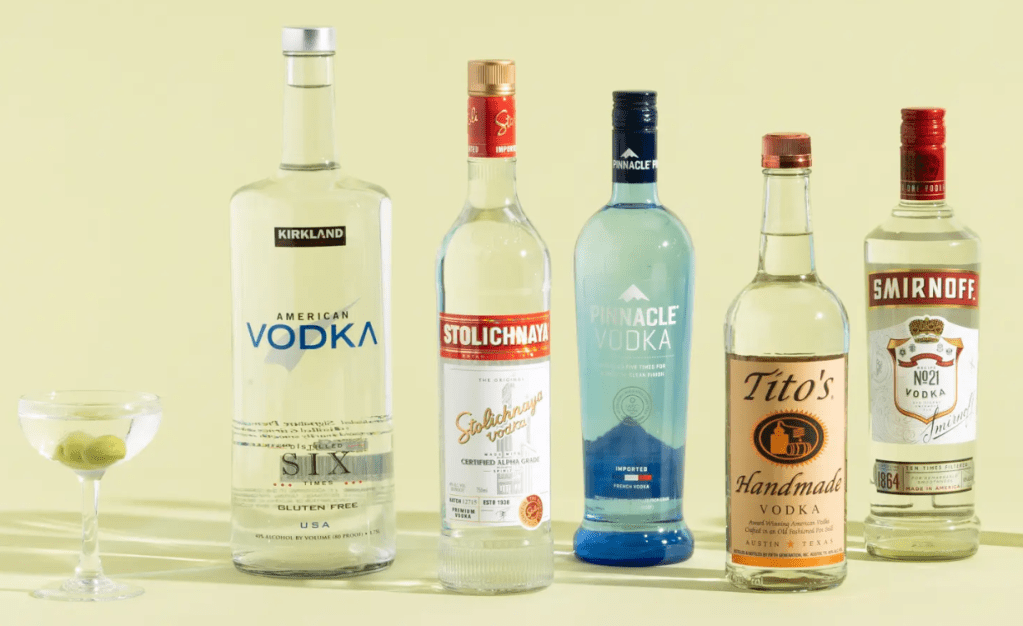
This vodka buying guide explains how to recognize good vodka, what makes premium vodka different, when budget vodka can still work well and what to check before buying vodka online.
Quick answer
High-quality vodka is usually clean, smooth and balanced, without an aggressive alcohol burn or unpleasant aftertaste. The most important signs are clear product information, reliable raw materials, careful distillation, proper filtration, balanced ABV and a taste profile that matches the intended use. For cocktails, a clean and neutral vodka is often enough, while neat drinking or gifting may justify a softer premium bottle. Price can be a useful signal, but it should not be the only reason to choose a vodka.
What Does “High-Quality Vodka” Really Mean?
High-quality vodka does not simply mean the most expensive bottle on the shelf. Quality is better understood through taste, texture, balance and transparency. A good vodka should feel clean, smooth and controlled, not harsh, chemical or aggressively sharp.
Vodka is often described as a neutral spirit, but neutral does not mean tasteless. Good vodka can still have subtle character: a soft texture, a clean finish, light sweetness, gentle grain notes, a creamy mouthfeel or a slightly mineral edge. These details are usually more noticeable when vodka is tasted neat.
The meaning of quality also depends on purpose. A vodka for cocktails should be clean, neutral and reliable. A vodka for neat drinking should be smoother and more refined. A vodka as a gift should combine good taste, recognizable quality and attractive presentation.
A strong price-to-quality ratio matters more than status alone. A premium vodka can be a good choice, but only when its smoothness, finish and presentation actually fit the occasion.
Key Signs of Good Vodka
The easiest way to recognize good vodka is to look for balance. It should not smell unpleasant, taste rough or leave a burning finish that dominates everything else. A clean vodka feels controlled from aroma to aftertaste.
A good vodka usually has:
- a clean and neutral aroma;
- a smooth texture;
- no strong chemical smell;
- no aggressive burning sensation;
- a balanced finish;
- clear information about ABV and bottle size;
- a taste profile that works for cocktails, neat drinking or gifting;
- a reasonable price for its quality level;
- a reliable brand or clear production background;
- transparent information about style and intended use.
The first warning sign is a harsh alcohol burn. Vodka will always have alcohol, but it should not feel sharp in a way that overwhelms the palate. If the aroma feels chemical or the aftertaste is unpleasant, the bottle may be better suited only for mixing or may not be worth choosing at all.
Good vodka does not need to be complicated. It needs to be clean, balanced and appropriate for the way you plan to use it.
Vodka Taste: Should Good Vodka Be Completely Neutral?
Vodka is usually expected to have a neutral taste, but high-quality vodka is not always completely flavourless. The differences are often subtle, but they matter. One vodka may feel crisp and light, another may feel creamy and round, while another may show gentle sweetness or a slightly peppery finish.
For cocktails, neutrality is a practical advantage. A clean vodka should support ingredients such as citrus, soda, ginger beer, tomato juice, coffee or fruit without adding a rough alcohol note. This is why vodka works well in drinks like Moscow Mule, Cosmopolitan, Vodka Soda and Espresso Martini.
For neat drinking, texture and finish become more important. A vodka with a harsh alcohol note may feel acceptable in a mixed drink, but unpleasant when tasted on its own. A smooth vodka should feel soft on the palate and leave a clean finish rather than a burning aftertaste.
Cheap vodka can still work for cocktails if it is clean and balanced. But if you plan to drink vodka neat or serve it as a premium gift, smoothness and finish become much more important.
Raw Materials: Grain, Potatoes or Corn — Does It Matter?
Vodka may be made from different agricultural raw materials. Common bases include grain, wheat, rye, potatoes, corn and other starch- or sugar-containing ingredients. Because vodka is usually neutral, some buyers assume the raw material does not matter. In reality, it can influence texture, softness and aftertaste.
Grain vodka often feels clean, crisp and lightly sweet. Wheat-based vodka can be especially soft and rounded. Rye may bring more structure, spice or a drier edge. Potato vodka is often perceived as fuller, creamier and richer. Corn vodka may feel mild, soft and slightly sweet.
| Raw material | Possible character | Best for |
| Grain | Clean, crisp, lightly sweet | Cocktails, Vodka Soda, home bar |
| Wheat | Soft, smooth, rounded | Neat drinking, premium bottles |
| Rye | Spicier, more structured | Vodka Martini, stronger character |
| Potatoes | Creamier, fuller, richer | Tasting, gifts, neat drinking |
| Corn | Mild, soft, slightly sweet | Beginners, cocktails, mixed drinks |
The raw material can influence texture and finish, but it should always be evaluated together with distillation, filtration, water quality and overall balance. A good raw material does not automatically create good vodka if the production is careless.
Distillation and Filtration: Do They Make Vodka Better?
Distillation helps create a cleaner alcohol base. In vodka production, multiple distillation can improve purity and remove rougher elements. However, the number of distillations is not a quality guarantee by itself. A vodka filtered or distilled many times can still feel unbalanced if the base spirit or final blending is poor.
Filtration can also influence the final profile. Common methods include charcoal filtration, activated carbon filtration, quartz filtration, silver filtration and other processes. Filtration may help create a cleaner, softer and more neutral spirit.
Still, quality is not about marketing numbers only. “Filtered ten times” or “distilled many times” should not automatically be read as “best quality vodka.” What matters is the final result: clean aroma, smooth mouthfeel, balanced alcohol note and pleasant finish.
High-quality vodka is about control. Distillation, filtration, water and blending should work together to create a clean spirit that feels balanced rather than aggressively sharp.
ABV and Balance: Why Alcohol Strength Matters
ABV means alcohol by volume. Many vodkas are bottled around 37.5% to 40% ABV. In the European Union, vodka must have a minimum alcoholic strength of 37.5% ABV.
A higher ABV does not automatically mean higher quality. Stronger vodka may have more power, but good vodka should feel balanced, not just strong. A bottle with poor balance can feel hot even at a standard strength.
For cocktails, 40% ABV is common and versatile because it gives enough structure in mixed drinks. For neat drinking, smoothness, texture and finish are often more important than strength alone.
The ideal vodka alcohol content depends on use. A cocktail vodka should hold up in a drink. A sipping vodka should feel controlled and clean in small sips.
Premium Vodka vs Cheap Vodka: What Is the Real Difference?
Premium vodka often focuses on better raw materials, careful distillation, refined filtration, softer texture, cleaner finish and stronger brand presentation. It may also come in a more elegant bottle, which matters when the vodka is intended as a gift.
Cheap or budget vodka is not always bad. It can be practical for cocktails, long drinks or parties if it tastes clean and does not bring a harsh alcohol burn. The problem begins when the lowest price becomes the only criterion.
| Criterion | Premium vodka | Cheap / budget vodka |
| Taste | Smoother, cleaner, more balanced | Simpler, sometimes sharper |
| Texture | Softer, rounder | Lighter or rougher |
| Filtration | Often more refined | Usually simpler |
| Best use | Neat drinking, gifts, special occasions | Cocktails, long drinks, parties |
| Price | Higher | Lower to medium |
| Risk | Overpaying for branding | Harsh alcohol burn or weak balance |
A premium bottle makes sense when smoothness, texture and presentation matter. A budget-friendly vodka can still be a good choice for cocktails if it tastes clean and balanced. The right choice is not always the most expensive one. It is the bottle that fits the purpose.
How to Taste Vodka: A Simple Quality Test
Vodka is often served very cold, but if you want to evaluate quality, avoid over-freezing it. Extreme cold can hide both good and bad qualities. A slightly chilled vodka is usually enough to check aroma, texture and finish.
To evaluate vodka quality, check:
- Aroma — it should smell clean, not chemical.
- Texture — good vodka often feels smooth, not rough.
- Taste — it should be balanced and not aggressively sharp.
- Finish — the aftertaste should be clean and short to medium, not unpleasant.
- Purpose — the bottle should match cocktails, neat drinking or gifting.
Take a small sip and notice whether the vodka feels soft or harsh. A strong burning finish does not automatically mean strength; it may also suggest weak balance or a bottle that is not ideal for neat drinking.
For cocktails, test whether the vodka supports the drink or breaks its balance. A good cocktail vodka should mix easily and not add a rough alcohol edge.
Best Vodka for Cocktails: What Quality Level Do You Need?
Cocktail vodka should be clean, neutral and reliable. It does not always need to be the most expensive bottle, but it should not be harsh. A rough vodka can make a cocktail taste sharp, even when the recipe and ingredients are good.
Vodka works well in many classic drinks, including Moscow Mule, Vodka Martini, Cosmopolitan, Bloody Mary, Espresso Martini and Vodka Soda. In these cocktails, vodka should provide structure without dominating the drink.
For cocktails, choose vodka that is:
- clean and neutral;
- not aggressively sharp;
- versatile;
- reasonably priced;
- easy to mix with citrus, soda, ginger beer, coffee or juice;
- consistent in taste.
A mid-range bottle with a good price-to-quality ratio is often the most practical choice for a home bar. Premium vodka can be used in cocktails, but it is not always necessary for simple mixed drinks.
Best Vodka for Drinking Neat: What to Look For
For neat drinking, smoothness matters more than strong branding. A good sipping vodka should have a clean aroma, soft texture and balanced finish. It should not feel harsh, chemical or unpleasantly hot.
Premium vodka is often a better choice for drinking neat because it is usually made with more attention to softness, mouthfeel and presentation. However, the label alone is not enough. The vodka should still feel clean and balanced in small sips.
Serving temperature matters. Slightly chilled vodka can feel pleasant and smooth, but over-freezing may hide important differences. If a vodka only tastes acceptable when extremely cold, it may not be the best bottle for tasting.
Look for a smooth vodka with a clean finish, clear product information and a style that matches your preference. For neat drinking, small details matter more than they do in cocktails.
Vodka as a Gift: Quality Signals That Matter
Vodka can work well as a gift if the bottle looks premium and the brand feels reliable. For gifts, the safest choice is often classic non-flavoured vodka with a smooth profile and elegant presentation.
Avoid the cheapest bottle if the gift should feel thoughtful or premium. Also be careful with flavoured vodka unless you know the recipient’s taste. A very specific flavour can be interesting, but it is less universal than classic vodka.
| Gift situation | Recommended vodka type |
| Gift for a beginner | Smooth classic vodka |
| Gift for a cocktail lover | Clean, versatile cocktail vodka |
| Gift for a spirits enthusiast | Premium vodka with clear quality signals |
| Formal gift | Recognizable brand or elegant bottle |
| Safe universal gift | Classic non-flavoured vodka |
For a gift bottle, quality signals include brand reputation, bottle design, country of origin, smoothness, clear product details and a price level that matches the occasion.
Reading the Label: What Information Should Be Clear?
A vodka label or product page should make the basic information easy to understand. If important details are missing, it becomes harder to compare quality and price.
Before buying, check:
- ABV;
- bottle size;
- brand name;
- country of origin;
- raw material, if available;
- whether it is classic or flavoured;
- intended use;
- price-to-quality ratio;
- shop reliability.
Flavoured vodka should be clearly identified as flavoured. Classic vodka and aromatised vodka serve different purposes, so they should not be confused. A bottle for Vodka Martini may not be the same choice as a bottle for sweet mixed drinks.
Clear information does not guarantee quality, but it helps you make a better decision. A reliable product page should make comparison easy, not force the buyer to guess.
What to Check Before Buying Vodka Online
When buying vodka online, product information should be clear and practical. Compare brand, bottle size, ABV, origin, style, price and intended use. Check whether the bottle is better suited for cocktails, neat drinking, gifts or a home bar.
A good vodka online shop should make it easy to compare premium and budget options. Sorting, price ranges and product categories help buyers choose more confidently. Availability and delivery conditions also matter, especially when the bottle is needed for a specific occasion.
For readers who want to compare different brands, bottle sizes and price levels in one place, Red & Weiss makes it easy to buy high-quality vodka online and choose a bottle for cocktails, neat drinking or gifting.
Online buying is convenient when the shop gives transparent product information. The better the information, the easier it is to match vodka quality with taste, budget and purpose.
Common Mistakes When Choosing Vodka
Vodka is easy to buy quickly, but that also makes mistakes common. Many buyers choose only by price or bottle design and ignore how the vodka will actually be used.
Common mistakes include:
- choosing only by the lowest price;
- assuming expensive vodka is always better;
- ignoring the intended use;
- buying premium vodka only for simple mixed drinks;
- choosing flavoured vodka without checking the flavour profile;
- ignoring ABV and bottle size;
- not reading product information;
- choosing a gift bottle only by design;
- overlooking harsh alcohol burn.
The safest approach is simple: decide the purpose first, then compare taste, quality, price and product details. This prevents overpaying and also reduces the risk of choosing a bottle that does not fit the occasion.
Final Recommendation: How to Choose High-Quality Vodka
To choose high-quality vodka, start with purpose. For cocktails, choose a clean, neutral and balanced vodka with a good price-to-quality ratio. For neat drinking, choose a smoother premium bottle with a soft texture and clean finish. For gifts, choose a reliable brand with good presentation and clear quality signals.
For beginners, it is usually better to avoid overly harsh vodka and very specific flavoured options unless the taste preference is clear. A classic smooth vodka is often more versatile.
Price matters, but quality is a combination of raw material, distillation, filtration, ABV, taste, finish and intended use. When an online shop provides clear information and makes comparison easy, choosing the right bottle becomes much more reliable.


You must be logged in to post a comment.