

Most people spend their twenties figuring out a career path. Kyle Robertson spent his building two multibillion-dollar telehealth companies — and then turned around to mentor the next generation of founders trying to do the same.
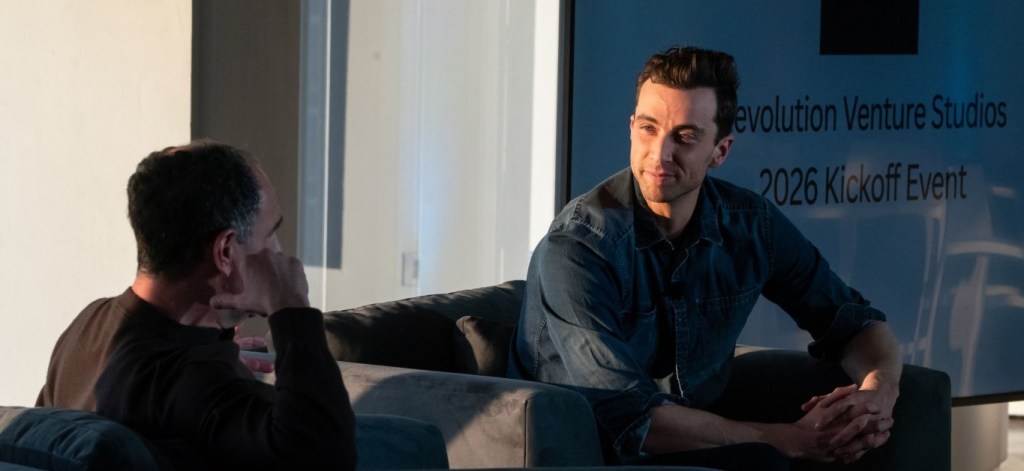
As reported by International Business Times, Robertson’s path began right after business school in 2018, when he moved to San Francisco with a single idea: build a virtual mental healthcare service that removed the usual barriers between patients and treatment. That idea became Cerebral, launched in early 2020 — just as the pandemic made telehealth an overnight necessity rather than a nice-to-have.
Cerebral’s timing, combined with genuine demand for accessible mental health support, pushed the company to a $4.8 billion valuation within three years. For a founder still in his twenties, that kind of trajectory would be enough of a career story on its own. Robertson, however, exited Cerebral and immediately started again, launching Zealthy in 2023 — a direct-to-consumer telemedicine platform focused on giving patients faster access to clinician-guided health and wellness care.
What makes Robertson’s story worth studying isn’t just the outcomes, but what came after them. Rather than stepping back once he’d built two successful healthcare companies, he channeled what he’d learned into Revolution Venture Studios (RVS), a venture studio built to mentor early-stage founders through the same grind he once faced — including the lean, uncertain years of building a company from a crowded apartment with little sleep and less money.
RVS operates less like a typical investment fund and more like a hands-on training ground. Robertson works directly with the founders in its portfolio, modeling the habits he credits for his own success:
- Take calculated risks rather than reckless ones
- Be willing to do every job in the company, not just the founder’s job
- Commit fully rather than hedge
That mentorship-first approach has shaped a portfolio that spans healthtech, wellness, and AI. One standout is CareBeam, an AI platform tackling clinical documentation — using conversation transcription to generate HIPAA-compliant SOAP notes, cutting down the administrative load that keeps many clinicians from spending more time with patients. It’s a clear example of the kind of problem Robertson looks for: unglamorous, deeply entrenched, and solvable with the right combination of technology and domain expertise.
Robertson’s ambitions for RVS now extend past healthcare. He’s reportedly excited about a stealth-stage AI advertising venture in the studio’s pipeline, signaling that the mentorship model he’s built isn’t limited to one industry — it’s a repeatable framework for turning early-stage ideas into serious companies.
For anyone studying entrepreneurship or considering the founder path, Robertson’s career offers a useful case study in what comes after success. Building one major company is rare enough; building two, then dedicating time to teaching others how to do it, says something about how he views the purpose of that success in the first place. Even while running Zealthy day-to-day, he continues to invest meaningful time in RVS’s founders — treating mentorship not as a side project, but as an extension of the same mission that drove Cerebral and Zealthy: making essential services more accessible through smart use of technology.


You must be logged in to post a comment.