Investor Sergey Tokarev on the Generation H 3.0 HealthTech Accelerator

Sergey Tokarev on Generation H’s Third Season Opening to International Startups for the First Time
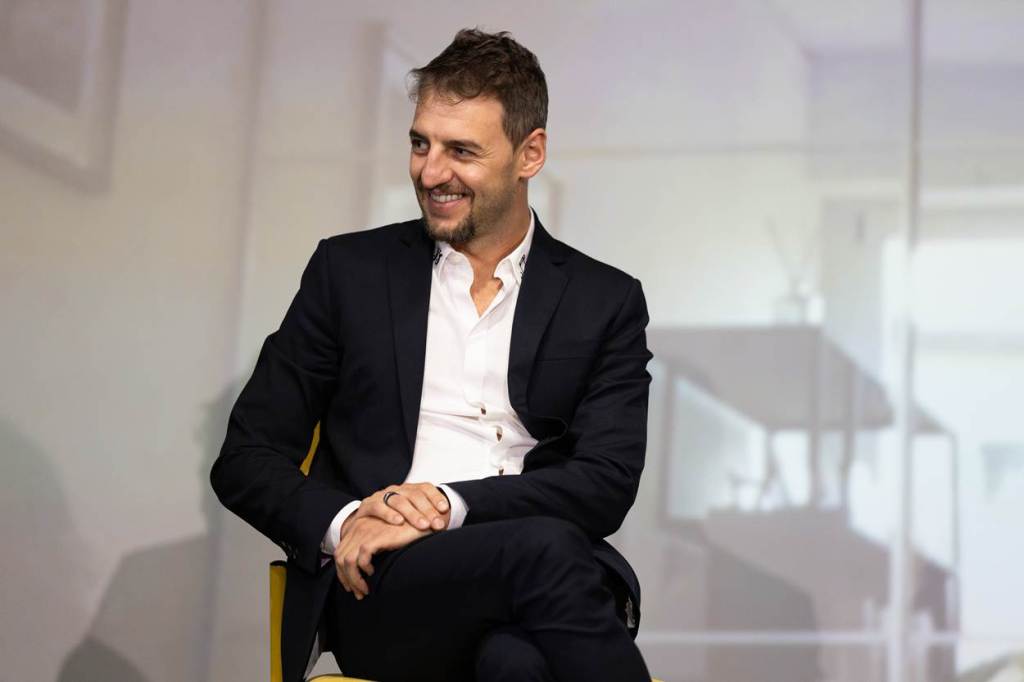
The Generation H accelerator programme, run by SET University and the Tokarev Foundation, has announced the launch of its third intake. For the first time in its history, this HealthTech accelerator, which specialises in medical technologies, has expanded the list of teams eligible to participate. Ukrainian startups based abroad that have an MVP or a product ready to scale within ten weeks can now join the programme. This was announced by Sergey Tokarev, founder of the Tokarev Foundation and co-founder of SET University.

What is known about the Generation H programme

Over the past two seasons, 30 projects have gone through the HealthTech accelerator, and the total amount of investment raised by its alumni has reached 11 million hryvnias. The startups have won competitions such as Google for Startups, IT Arena, and EIT Jumpstarter, entered European and American markets, and made it into the top 200 of the TechCrunch Startup Battlefield.

Among the graduates are:

  • TAYRA.AI — an AI medical scribe that automatically structures doctors’ consultations
  • M Shield — a drug that prevents the spread of metastases
  • Ovul — an AI device for tracking fertility through saliva analysis

“In my opinion, the HealthTech sector offers the shortest path to making a real impact on quality of life. However, we need not only a high-quality product, but also an understanding of medical logic, regulatory frameworks, and decision-making cycles. That is why, unlike many other sectors, HealthTech cannot do without mentorship and acceleration,” says Sergey Tokarev.

According to the organisers, given current market dynamics, expanding internationally is a sound strategy: AI in healthcare is growing by 35–40% annually, and the global digital health sector has already surpassed $300 billion.
Programme participants can expect personalised mentoring, product crash tests, business model validation, workshops on entering international markets, individual matchmaking, and support with regulatory issues. Mentors include Eric Henry, Senior Counsel for FDA Compliance at King & Spalding; Fergus O’Dea, Vice President of Commercial Operations at FIRE1; Volodymyr Nerubenko, co-founder of Liki24 Foundation and TerraLab; and Alexa Sinyacheva, a Techstars mentor and co-founder of Moeco.

“One of the main reasons for launching Generation H was that the Ukrainian HealthTech sector was severely underestimated, and we needed to change that. Now we are testing whether it is possible to create a global hub for innovation in Ukraine. That is why, for the first time, we are expanding the programme to include Ukrainian startups based abroad,” adds Sergey Tokarev. Generation H will be held in a hybrid format. International participants can take part online. The grand prize is 650,000 hryvnias. Applications must be submitted by 24 May via the SET University website.

Daily writing prompt
Do you have a quote you live your life by or think of often?

The Unwritten Pages of Matthew Flynn

Daily writing prompt
Do you have a quote you live your life by or think of often?

Matthew Flynn was a man of extraordinary intellect and eccentricity, known throughout his small coastal town as a walking encyclopedia. His wealth of knowledge spanned from the arcane to the scientific, and he had a curious anecdote or a historical tale for every occasion. Everyone in town, from the fishermen at the docks to the baristas at the local café, believed Matthew would one day write a book—a monumental tome that would encapsulate all of his adventures and insights.

Photo by Andrea Piacquadio on Pexels.com

Matthew lived alone in a weather-beaten house by the sea, its walls lined with books and its floors littered with maps and manuscripts. His life was a mosaic of varied experiences: he had traveled to distant lands, dined with monks, danced with tribal chiefs, and even discussed physics with renowned scholars. These experiences were his treasure, and he cherished them more than any material wealth.

As years passed, the townspeople would often ask Matthew when his book was coming out. He would always smile, stroke his thick grey beard, and say, “All in good time. The best tales are those that ferment like fine wine.” His procrastination became a running joke, but behind the laughter was a collective anticipation for a masterpiece only he could write.

Matthew’s best friend, Eleanor, often visited him with freshly baked bread and a persistent inquiry about his writing. She had seen his journals, brimming with sketches, poems, and observations. “Matthew, the world needs your stories. Don’t let them die with you,” she would urge.

One stormy evening, as the wind howled like ancient spirits around his creaky home, Matthew sat by his fireplace, finally ready to compile his life into words. Just as he dipped his pen into ink, a sudden realization struck him: his stories, rich in detail and alive with emotion, could never be bound within the pages of a book. They were meant to be lived, felt, and told in the warmth of conversation, not read in the silence of libraries.

The next morning, Matthew set out with a decision. He began “writing” his book in a way only he could—he started a storytelling circle at the local community center. Every week, people gathered to hear him recount his adventures. His tales of distant deserts, hidden temples, and starry nights on the ocean enchanted listeners, young and old.

Matthew continued this tradition for years, never writing a single word of his book, yet sharing his stories more profoundly than he had ever imagined. His narratives became woven into the fabric of the community, passed down by those who listened and lived by the lessons embedded in them.

Then, one quiet spring morning, Matthew passed away. The town mourned the loss of their beloved storyteller, but they found comfort in the legacy he left behind. At his wake, the community center was filled with voices recounting tales Matthew had shared, each person adding their own flourishes—thus keeping his stories alive.

Matthew Flynn never did write his book, but his life proved that stories don’t need to be written to be remembered. They just need to be cherished and passed on. His unwritten pages lived on in the hearts and minds of those who had the fortune to know him, a book bound by the spirit of community and the threads of human connection.