Political correctness in movies

Have you ever got disturbed while watching movie? Have you ever thought about the absurdity of some scenes in movies? Have you ever wondered about the need of a so called “item dance” in movies? If yes, then this article will help you in your way ahead.

Films are always considered as a medium of entertainment and stating this argument many of the film makers have taken the liberty to do whatever they like, ignoring the great impact it could have on the society. By putting forth the shallow argument that people are looking for commercial movies, they have shut the doors of political correctness.

All of you would have found some scene or the other incorrect in most of the so-called “mass movies”. Objectification of women as well as men, denial of choice, body shaming, sexist jokes, establishment of caste supremacy and several other disturbing trends are being normalised in movies these days.

The filmmakers should realise the impact these could have on the society, particularly the younger population, as the heroes themselves are endorsing these practices.

Most of the commercial movies these days will have the central character from a high caste family, with his friends always being inferior to him. The hero could love any woman based on her looks and she is obliged to love him back without any freedom to choose or else the hero could adopt any means from stalking to making suicide threats. Also, the hero is always glorified by pointing out the inefficiencies of his friends. Most of the songs would also be means for objectification.

This do not signify that all movies are wrong. There are several movies which uphold political correctness. Let us look into some such movies:

The great Indian Kitchen

The Great Indian Kitchen is a 2021 Indian Malayalam-language drama film written and directed by Jeo Baby. The film tells the story of a newlywed woman who struggles to be the submissive wife that her husband and his family expect her to be. The central characters are not given names, which is the biggest political idea. Just like the name signifies, it mainly happens inside the kitchen and clearly shows the monotonous lives of Indian wives and finally ends with the wife breaking the chains of marriage.

Thappad

Thappad is a 2020 Indian Hindi-language drama film directed by Anubhav Sinha, which he also co-produced with Bhushan Kumar of T-Series. The film, starring Taapsee Pannu, was released in theatres on 28 February 2020.Amrita Sandhu and Vikram Sabharwal are happily married. Amrita is a sparkling woman and a homemaker, who is shown to spend her days looking after Vikram and the house. As the story progresses, she comes to some realizations and gradually breaks the marriage which had cost her self-respect and passion.
Pink

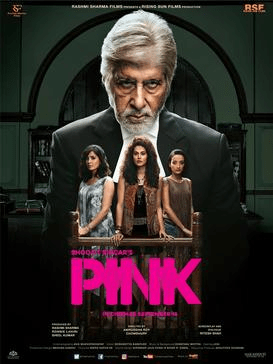
Pink is a 2016 Indian Hindi-language legal thriller film directed by Aniruddha Roy Chowdhury and written by Shoojit Sircar, Ritesh Shah and Aniruddha Roy Chowdhury. Pink features an ensemble cast, which includes Taapsee Pannu, Kirti Kulhari, Andrea Tariang, Amitabh Bachchan, Angad Bedi, Tushar Pandey, Piyush Mishra, and Dhritiman Chatterjee. It clearly put forwards the statement, “no means no, whoever says it”.

Visaranai

Visaranai is a 2015 Indian Tamil-language crime drama film written and directed by Vetrimaaran. The film deals with lives of two men before and after thrown into a Kafkaesque scenario in which they get tortured for confession. The film strongly stands against the encounter. The story is an eye opener for all those who blindly supports encounter.

Ishq

Ishq is a 2019 Indian Malayalam language thriller film written by Ratheesh Ravi and directed by Anuraj Manohar. The film revolves around the life of a man from Kochi, named Sachi and his girlfriend, Vasudha. The story mainly revolves around the moral policing that they had to face. But the more than that it ends with the message that virginity is not the ultimate measure of a woman’s worth.

The great success of these movies clearly explains the acceptance for these movies. It shows that audience are ready to accept movies which deals with serious topics.

The advent of OTT platforms and the receptive audience have encouraged filmmakers to experiment with their creations. The extent of criticism in the era of social media has also instilled fear in many. Even though it is the case, the film industry needs a revamp. It should be updated

Kudumbashree and micro finance

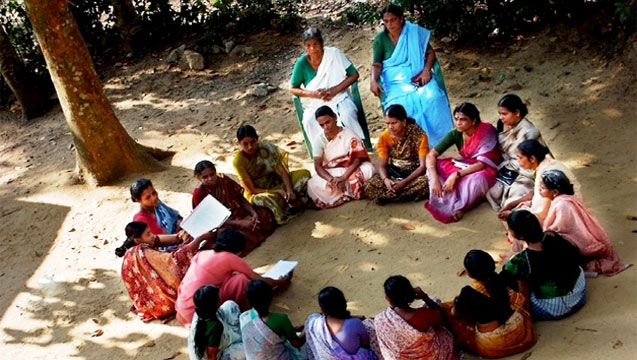
Kudumbashree, a community organization of Neighbourhood Groups (NHGs) of women in Kerala, has been recognized as an effective strategy for the empowerment of women in rural as well as urban areas: bringing women together from all spheres of life to fight for their rights or for empowerment. The overall empowerment of women is closely linked to economic empowerment. Women through these NHGs work on a range of issues such as health, nutrition, agriculture, etc. besides income generation activities and seeking micro credit.

Kudumbashree differs from conventional programs in that it perceives poverty not just as the deprivation of money, but also as the deprivation of basic rights. The poor need to find a collective voice to help claim these rights. Kudumbashree was conceived as a joint program of the Government of Kerala and NABARD implemented through Community Development Societies (CDSs) of Poor Women, serving as the community wing of Local Governments. Kudumbashree is formally registered as the “State Poverty Eradication Mission” (SPEM), a society registered under the Travancore Kochi Literary, Scientific and Charitable Societies Act 1955. It has a governing body chaired by the State Minister of LSG. There is a state mission with a field officer in each district. This official structure supports and facilitates the activities of the community network across the state.

KUDUMBASHREE MICROFINANCE

 This system operates by encouraging women to form small homogenous groups under the SHG-bank linkage program. The members of these minute groups were encouraged to meet frequently and amass minute thrift amounts from their members. They were also taught simple accounting methods to enable them to maintain their accounts. Individually these poor could never have had enough savings to open a bank account. The first step in establishing links with the formal banking system opened up when the pooled savings enabled them to open a formal bank account in the denomination of the group. These were followed by frequent group meetings. Pooled thrift was utilized to impart lean loans to members for meeting their diminutive emergent needs saving them from debt traps/ money lenders who demanded unusually high rates of interest and accelerated their empowerment through group dynamics, decision-making, and funds management. Peer- screening effect was engendered as borrowers themselves undertook the task of credit evaluation and reduced the transaction costs, community members had much more preponderant information than banks. Peer monitoring effect induced group members to utilize their imprests in productive ways. The desire to preserve valuable ties induced borrowers to spend extra effort if compulsory to secure timely payments. These ties were valuable because they sanctioned members’ borrowing and provided business connections. Moreover, a very consequential feature of group-lending was the collateral effect. Gradually the pooled thrift grew and soon 11 they were adept in receiving external funds in multiples of their group savings. Bank loans enabled the group members to undertake income- generating ventures.

 The various microfinance activities taken up by Kudumbashree are:

  Thrift and credit operations

NHGs are instrumental in thrift mobilization, encouraging the poor to save and to avail low -cost formal credit. They facilitate easy and timely credit to the unreached. The amount of loan to members and the purpose for which the loan should be utilized are decided by the NHG. The repayment is collected weekly during the NHG meetings. It is estimated that the thrift mobilized is on an average Rs 40 per month per member.

Linkage Banking.

NHG-Bank linkage scheme is one of the flagship programmes of Kudumbashree. NABARD SHG-Bank linkage grading procedures are applied while selecting eligible NHGs for availing loan. The NHGs are rated on the basis of a 15 -point index developed by NABARD. Bank will provide loans to those NHGs who pass 80 % of marks in the grading.

  Matching Grant.

 Matching grant is an incentive provided to NHGs. This grant linked to amount of thrift mobilized, performance of NHG in the Grading and loan availed from banks. An amount of 10% of the savings of the NHG subject to a maximum of Rs 5000/- is provided as matching grant to each NHG. The grant is released based on their assessment rated using 15-point grading criteria developed by NABARD.

  Interest Subsidy for Linkage loan.

 Govt of Kerala has introduced a new interest subvention scheme to promote Bank Linkage Program among Kudumbashree Neighborhood Groups. Under this scheme all Kudumbashree NHGs are eligible for interest subvention to avail the loan facility at an interest rate of 4% on credit up to Rs. 3 lakhs. The interest subsidy would be provided as annual instalments to the NHGs.

KAASS.

KAASS, the Kudumbashree Accounts & Audit Service Society; is a homegrown enterprise to ensure proper account keeping in the community network. Each district has been furnished with a KAASS team that has been 12 drawn from commerce graduates and is guided by professional chartered accountants

  Digitization of MIS’ and repayment Info System (E- SHAKTI)

 Keeping in view the Government of India’s mission for creating a digital India, NABARD has launched a project for digitization of all Self -Help Group (SHG) in the country.

RBI ACCOUNT AGGREGATOR FRAMEWORK

What will the future of banking look like in the Gulf? - Arabian Business

The Account Aggregator framework, introduced by the RBI, aims to make financial data more accessible by creating data intermediaries called Account Aggregators (AA) which will collect and share the user’s financial information from a range of entities that hold consumer data called Financial Information Providers (FIPs) to a range of entities that are requesting consumer data called Financial Information Users (FIUs) after obtaining the consent of the consumer.

For example, if a user wishes to apply for a loan, the lender (an FIU) will require access to the previous financial statements of the user – which reside with the user’s Bank (an FIP) – in order to check their creditworthiness. Here’s how an AA will facilitate the flow of information:

  1. The FIU will request the AA to share the desired financial information.
  2. The AA will request the user for their consent to share financial information with the FIU. The Account Aggregator must interact with the customer using either a web-based or a mobile app-based client.
  3. If the user consents, the AA will request the FIP (the User’s bank in this case) to share the financial information.
  4. The FIP will transfer the information, which will be encrypted, to the AA, which will then transfer it to the FIU.

Roles of each party:

  • Banks act as financial data providers. They supply the data required for Reserve bank of India to create a database of the account data and create reliable rankings.
  • Lenders act as financial data seekers. The lenders or financial institutions who provide fund to people acts as the seekers or demands the data aggregated by the Reserve bank.
  • Non-banking finance corporations act as mediums of communication between banks and lenders and they are the links.
  • Third-party service providers work with AAs.

Process

  • An individual or business opens an account with an account aggregator. Then, they link their bank accounts, insurance policies, etc. — which are accounts containing the customer’s financial data.
  • The customer can provide consent to a lender to access their financial data through the NBFC-AA.
  • After consent is provided, the account aggregator seeks permission from the financial data providers to access the customer’s data.
  • The data is sent to the account aggregator, which, in turn, empowers lenders to better evaluate the customer’s financial profile and risk associated with providing a loan.

Banks involved at present are:

These are the banks which act as the data providers:

State Bank of India

 ICICI Bank

Axis Bank

IDFC First Bank

 Kotak Mahindra Bank

 HDFC Bank

 IndusInd Bank

Federal Bank.

Advantages

  • Data scattered around the financial system can be made available under a single database.
  • This helps the institutions build a better understanding of potential customers and tailor their services accordingly.
  • It also enables the free flow of data between banks and financial service providers.
  • Helps financial institutions to make better assessment of creditworthiness of individuals and thus make better loan decisions.
  • Helps to eliminate the limitations of credit rating agencies.
  • Helpful for creditworthy customers

Disadvantages

  • It faces the issue of data privacy.
  • It is proposed as a self- Regulator framework, which would be an issue.
  • This data could be used for several other purposes.

India’s role in global climate action

We know that India is the second most populous nation in the world. In order to meet the needs of this growing population, India is putting large amount of pressure on the natural resources. The carbon emissions and natural resource depletion by the nation is on the high.

In terms of natural resources exploitation, India is among the first ten nations. As it is a developing nation it’s contribution towards controlling these emissions is also limited.

However, realizing it’s global position as one of the leader of developing countries, it has started initiatives towards environment friendly initiatives.

Let us look into such initiatives:

Panchamrit or “five elixirs.”

 These are goals laid down by India regarding its climate action. Four out of five of these so-called elixirs are short-term goals that would pave the way for achieving a net-zero emissions target by 2070. The immediate goals are:

  • Reaching a non-fossil fuel energy capacity of 500 GW by 2030;
  • Fulfilling 50 percent energy requirements via renewable energy by 2030
  • Reducing CO2 emissions by 1 million tons by 2030
  • Reducing carbon intensity below 45 percent by 2030
  • India will achieve net zero by 2070

Net zero goal

India’s announcement that it aims to reach net zero emissions by 2070 and to meet 50% of its electricity requirements from renewable energy sources by 2030 is a hugely significant moment for the global fight against climate change. India is pioneering a new model of economic development that could avoid the carbon-intensive approaches that many countries have pursued in the past – and provide a blueprint for other developing economies.

International solar alliance

The International Solar Alliance (ISA) is an alliance of 105 signatory countries (81 of whom are members), most being sunshine countries, which lie either completely or partly between the Tropic of Cancer and the Tropic of Capricorn. The primary objective of the alliance is to work for efficient consumption of solar energy to reduce dependence on fossil fuels. This initiative was first proposed by Indian Prime Minister Narendra Modi in a speech in November 2015 at Wembley Stadium (London HA9 0WS, United Kingdom), in which he referred to sunshine countries as Suryaputra (“Sons of the Sun”). The alliance is a treaty-based inter-governmental organization. Countries that do not fall within the Tropics can join the alliance and enjoy all benefits as other members, with the exception of voting rights.

National action plan for climate change

National Action Plan for Climate Change (NAPCC) is a Government of India’s programme launched in 2008 to mitigate and adapt to the adverse impact of climate change. The action plan was launched in 2008 with 8 sub-missions. The plan aims at fulfilling India’s developmental objectives with focus on reducing emission intensity of its economy. The plan will rely on the support from the developed countries with the prime focus of keeping its carbon emissions below the developed economies at any point of time.

Indian government has also formulated several new schemes and incorporated climate conscious initiatives in its existing schemes realizing the urge of the hour. Being a large nation, India’s efforts will contribute significantly towards world efforts.

Let us join our hands in the efforts of the nation.

India’s Freedom struggle and Different school of thoughts

Quit India Movement: How August Movement became a watershed moment in India's  freedom struggle-India News , Firstpost

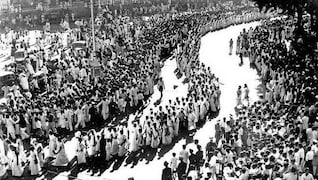
As commoners say every action can be viewed from more then one perspective. Similarly, India’s struggle for independence was interpreted in different ways by many historians who lived during that period. For some it was a worthless act by jobless people whereas for others it was their prime motive of life. Many viewed British rule over India as a means for civilising the uncivilised, poor people in India and for some others British rule was the symbol of exploitation.

In this seventy fifth year of independence, we could Look back to these thoughts and could identify the reality from the facts available before us. Let us look into some of these school of thoughts:

  1. Colonial Approach is influenced by the colonial ideology of domination. It focuses on criticism of indigenous society and culture, and praises the Western culture and values. James Mill, Vincent Smith etc., followed this approach.
  • Nationalist Approach evolved as a response to and in confrontation with the colonial approach. Before independence, this school dealt with the ancient and medieval periods of Indian history, and not the modern period. After independence this school focused on modern India. R.C. Majumdar and Tara Chand belonged to this school.
  • Marxist Approach focuses on the primary contradiction between the interests of the colonial masters and the native subjects. It also takes notice of the inner contradictions between the different sections of Indian society. R.P. Dutt and A.R. Desai were noted Marxist historians of India.
  • Subaltern Approach takes the position that the entire tradition of Indian historiography has an elitist bias and the role of the common masses has been neglected. Ranajit Guha belonged to this school.
  • Communalist Approach views Hindus and Muslims as permanently hostile groups whose interests are mutually different and antagonistic to each other.
  • Cambridge School envisages Indian nationalism as a product of conflicts among the Indians themselves for getting the benefits from the British rulers. For them Indian nationalist leaders were inspired by the greed of power and material benefits.
  • Liberal and Neo-liberal Interpretations imply that the economic exploitation of the colonies was not beneficial to the people of Britain as it delayed the development of the ‘new’ industries in Britain.
  • Feminist Historiography focuses on areas of research that analyse colonial structures, such as the legal structure, which affected women’s lives. It also focuses on women’s vulnerability due to the denial of ownership of productive resources.

When we closely examine these thoughts, we could find some of these extremely different from reality. It also symbolizes different ideologies that prevailed during the period. Even if bring it to discussion today, people may find it difficult to reach to an opinion accepted by all the people. It is because even today many stands with colonial thinkers and many are with nationalists.

Even though it is the case when we closely examine the historical text from ancient and medieval ages India was a civilised nation with rich historical background rooted in Indus valley civilisation and such golden ages. The present position of India as the torch bearer of world democracy also makes it clear that India never required an external intervention to be civilised. The people of India were capable of building a strong nation then, now and in future.

So, we could conclude that most of the thinkers who tried to give a communalist, colonial or any such face to this great struggle were mistaken. It was India’s struggle to reach its uncontrollable destiny and on fifteenth of august in 1947, it made its tryst with destiny.

ELECTIONS AND COMMON MAN

Kerala Assembly Election 2021: Voting begins, fate of 957 candidates to be  decided today

“The elections are the greatest symbol of participation and political reform”

                                                -Mohammad Khatami (former president of Iran)

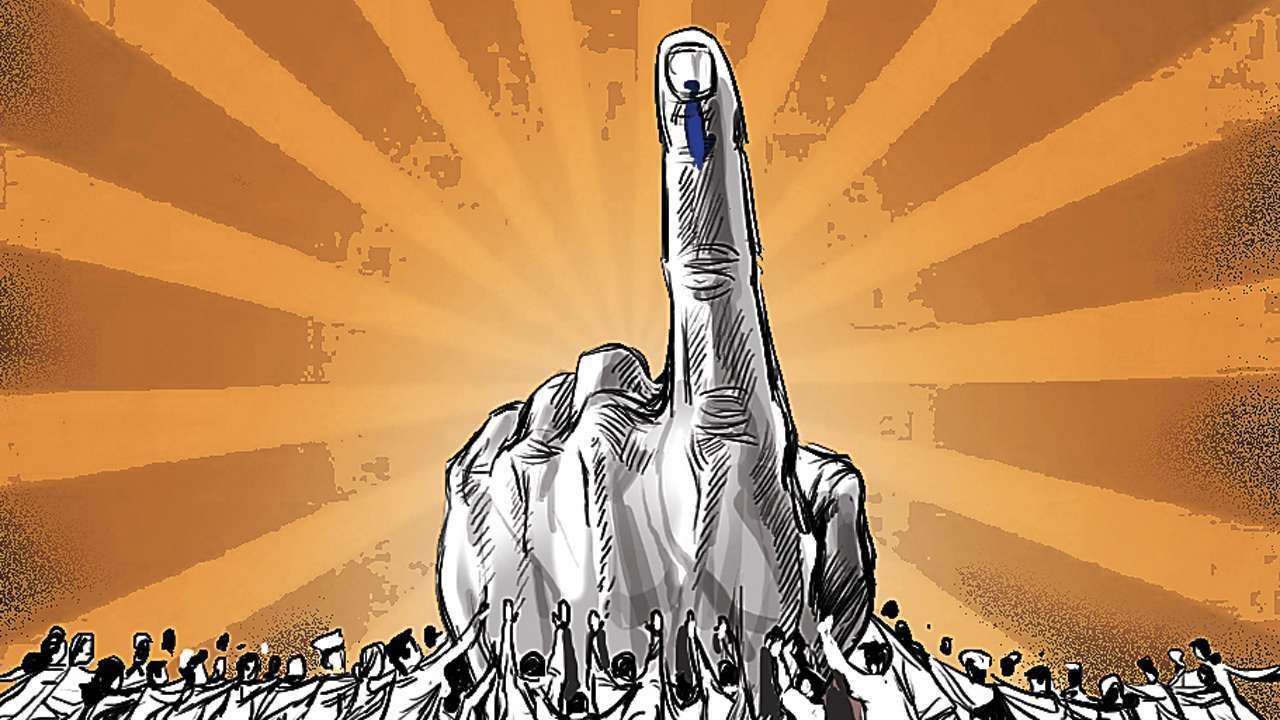
An election is a process by which the citizens of a democratic nation, irrespective of their caste and creed, decide who should take decisions on behalf of them. These have been the common mechanism for the functioning of representative democracies since the seventeenth century. The elections could be either direct elections or indirect elections. In direct elections, people could directly take part in the election process, whereas in indirect elections one individual is entitled to vote on behalf of a representative group. India being the largest democracy in the world considers elections as the “festivals of democracy” in which we celebrate the powers of common man.

            In India elections held once in five years normally. Representatives are elected on the basis of universal adult franchise. As per the conditions laid down by the makers of Indian constitution any citizen who has attained the age of 18 could cast their vote irrespective of their religion, economic and social status. Similarly, Indian constitution also enables any citizen to contest in elections without any discrimination. In order to monitor the equal participation in elections the constitution has also setup an independent body named “election commission”. Thus, elections in India are an inclusive process where common man is pivotal point.

            Indian democracy is the one in which all voters are considered equal thus, the contestants in elections are forced to treat each and every voter of his constituency with same importance at least at the time of elections. The truth is that, it is only during elections that the politicians will listen to the demands of common man. The elections instill a special power in the common man, who constitute a major portion of the society. Even the richest contestant is at the mercy of common man at times of election. It provides each and every individual an opportunity to shape the future of their nation regardless of their socio- economic conditions. Elections are the easiest way in which a citizen can express their discontent towards an existing government. Apart from this electoral system also lay down certain provisions by which common man could contest in elections and thereby contribute towards nation building directly. But many citizens are still unaware of this immense power.

            The voting percentages of elections make it evident that people are still reluctant towards casting their vote. Despite of providing holidays and several other measures to encourage people to vote, many people are not ready to play their role in nation building. Low literacy rates, apathy, unprincipled politics, lack of concrete effort on the part of the political parties in motivating the voters and local conditions in some part of the country can also be sited as the reason for lower public participation in elections. The corrupt, divisive, dishonest and exploitative practices might have decreased the confidence of people in this process. Increase in the use of money power, reliance on money power during elections, inciting communal and caste prejudice in the voters and the misuse of official machinery have shaken the foundations of the electoral process. The only remedy in these circumstances lies in bringing about systematic changes in the polity and elections.

 As John f Kennedy rightly quoted, “The ignorance of one voter in a democracy impairs the security of all”. It is necessary to make the voters aware of their rights and duties. The voters should be encouraged to cast their votes in an informed manner. The political system should take efforts to educate voters and bring back the trust in democratic system. The children should be taught about the need and worth of elections from a younger age. Above all, people should develop a feeling of obligation towards voting and should keep in mind that voting is their duty towards their nation.

By making proper use of the right to vote a common man could contribute immensely towards building their nation. On the whole as Roald Dahl said “Somewhere inside all of us is the power to change the world”. Elections are one the easiest way for a common man to contribute towards this change.

FINANCIAL INCLUSION

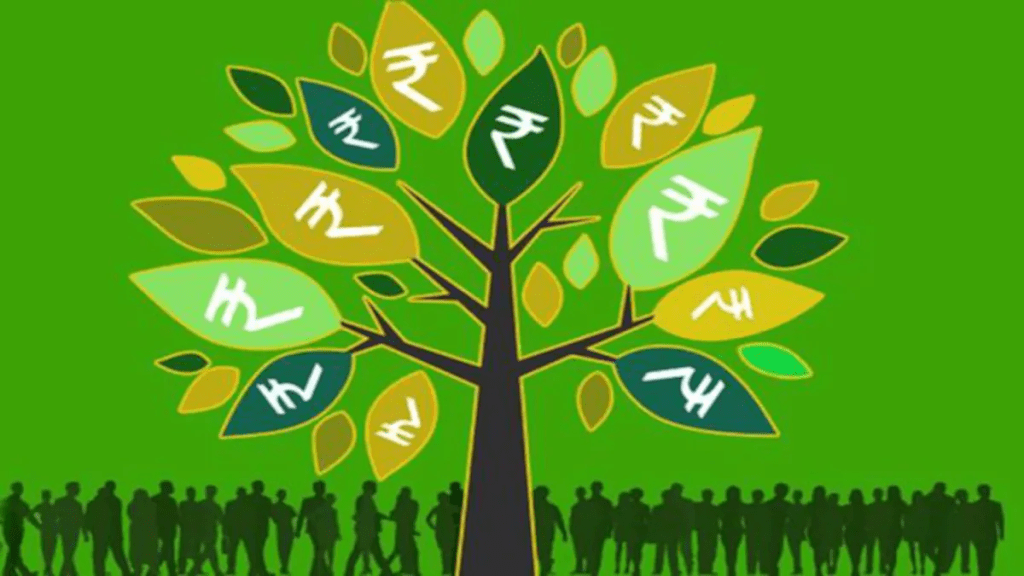
Financial inclusion may be defined as the process of ensuring access to financial services and timely and adequate credit where needed by vulnerable groups such as weaker sections and lower income groups at an affordable cost. Financial inclusion, broadly defined, refers to universal access to a wide range of financial services at reasonable cost. These not only include banking products, but also other financial services such as insurance and equity products.

INDICATORS OF FINANCIAL INCLUSION

As per the general laid down standards following are the key indicators of financial inclusion:

 · Formal banking system

This refers to the existence and usage of banking services which are regulated by formal mechanism.

· Formal credit

The usage of formal or recognized credit providers indicates the presence of an inclusive financial system.

· Insurance

Apart from formal lending and depositing the citizens will also have access to proper insurance providers in a well inclusive financial system.

· Savings options

 An inclusive financial system should provide attractive options to deposit the saved funds irrespective of the customer background.

 · Modern banking

Each and every user should have access to modern banking services like electronic banking, mobile banking, internet banking, etc.

FACTORS AFFECTING FINANCIAL INCLUSION

Access to financial services have been recognized as an important aspect of development and more emphasis is given to extending financial services to low-income households. The lack of financial services limits the range of financial services and 7 credits for households. There are multiple factors which have affected the access to financial services, like

· Place of living

 The area of operation of banks are limited to some specific geographical areas which leaves a significant portion of the rural population unbanked.

 · Absence of legal identity and gender biasness

 Due to lack of financial independence and unemployment there exists a bias on the basis of gender in having access to formal financial services.

· Limited knowledge of financial services

 Illiteracy and lack of proper knowledge about banking system has led to reluctance towards formal banking practices among deprived classes.

· Level of income and bank charges

 The charges and fines levied by banks make them less attractive for some classes of society.

 · Rigid terms and conditions

Since formal banking system is subject to strict rules and regulations, many finds it difficult.

 NEED FOR FINANCIAL INCLUSION

 Financial inclusion broadens the resource base of the financial system by developing a culture of savings among large segment of rural population and plays its own role in the process of economic development. Further by bringing low -income groups within the perimeter of formal banking sector, financial inclusion protects their financial wealth and other resources. Financial inclusion also mitigates the exploitation of vulnerable sections by the usurious money lenders by facilitating easy access to formal credit.

India is a nation with a major chunk of the population living under vulnerable conditions. So, it is the duty each and every privileged section to lift the conditions of the underprivileged. Financial inclusion will pave a path of uplifting the society and empowering the people.

Green consumerism: New way of life

Green Consumerism: Importance, Examples and Strategies - Conserve Energy  Future

We all are consumers in some way or the other. Even before we are born, we are consumers and this cycle completes only after our death. In this era of consumerism, it is extremely difficult for one to not be a consumer and being a consumer is something to be ashamed of.

Even though being a consumer is not bad, exploitation by consumer is something to worry about. Unlike a socialist economy in a capitalist world, the producers produce what the consumers demand. So, the responsibility vested with the consumer is rising day by day. When a consumer makes an irresponsible choice, he is encouraging the producer to be exploitative. Realising this power of consumers, a new term has originated, green consumer.

Who is a green consumer?

A green consumer is a person who makes a wise choice. They buy a product or avail a service after considering the environmental impact. They check the components of the product, the environmental effects of the product and such aspects in detail.

Economic, social, and cultural forces have set the framework for green consumerism. This is because it is a social attitude and movement in the modern era, especially aimed at encouraging people to be more aware of the firms’ production processes and only to buy or use products and services that do not harm the environment. For this reason, green consumerism has created a balance between the buyers’ behaviours and the organizations’ profit objectives as it mostly based on the sustainable and pro-environmental behaviour of consumers.

Why is it important to be a green consumer?

From second half of the twentieth century, world has started its efforts for environment conservation. Even though commerce and industries are one of the largest contributors to environment degradation, they were the last to act for environment protection. One such arena is green consumerism. In a world which spins on the axis of consumerism it is important for a consumer to make environment friendly choices. Also, there is shift in the mindset of the businesses from seller centric to consumer centric approach. Recognizing this immense power vested with them consumers could influence the market to produce environment friendly goods. Also, the fact that environment degradation could lead even to the extinction of humankind has opened the eyes of general public.

How to be a green consumer?

  • Use paraben free products.
  • Use cloth bags and don’t demand plastic carry bags.
  • Promote organic goods.
  • Avoid using synthetic materials that could harm the world
  • Avoid pollutants while choosing products.
  • Use recycled products.
  • Avoid the practice of use and throw.
  • Give importance to energy efficiency.
  • Practice modern methods of environment protection.
  • Shop according to the need.
  • Minimize paper usage
  • Check energy labels in daily utility products
  • Avoid using bottled water
  • Reduce electricity consumption
  • Reduce your carbon footprint
  • Check for environment friendly certification.

Ultimately change of mindset is the most significant factor in green consumerism. It requires people to avoid certain comforts and embrace the difficult but fruitful path. It is the duty of consumers to influence the producers to shift towards a greener path. The consumer is the king in the present scenario. They should use their power for the good of the world.

Let us all strive to act green for a better future. We should lead a sustainable living and preserve what inherited for the coming generations.

India’s democracy and the social reformers of India

Enough is enough: Take a stand for equality and inclusiveness - Tricentis

India is the largest democracy in the world. The country is known for the multiplicity of culture. In the words of Jawaharlal Nehru, India is the land of unity in diversity. But when we look back, we could identify several aspects were Indian culture lacked humanity and compassion.

People around the world are coming to India to experience and study the rich culture of the nation. But when we look back, we could identify several aspects which faced severe criticisms from humanitarians around the globe. So, how did this change happen?

The paradigm shift in the culture and practices are a result of combined efforts of the social reformers in the pre independent India.

Let us check some social reform movements during the independence struggle:

  • Prathana samaj

Prarthana Samaj or “Prayer Society” in Sanskrit, was a movement for religious and social reform in Bombay, India, based on earlier reform movements. Prarthana Samaj was founded by Atmaram Pandurang in 31 March 1867. The movement was started as a movement for religious and social reform in Maharashtra and can be seen much more alike Brahmo Samaj.

  • Brahmo samaj

It was one of the most influential religious movements in India and made a significant contribution to the making of modern India.[2] It was started at Calcutta on 20 August 1828 by Raja Ram Mohan Roy and Dwarkanath Tagore as reformation of the prevailing Brahmanism of the time (specifically Kulin practices) and began the Bengal Renaissance of the 19th century pioneering all religious, social and educational advance of the Hindu community in the 19th century.

  • Atmiya sabha

Atmiya Sabha was a philosophical discussion circle in India. The association was started by Ram Mohan Roy in 1815 in Kolkata (then Calcutta). They used to conduct debate and discussion sessions on philosophical topics, and also used to promote free and collective thinking and social reform. The foundation of Atmiya Sabha in 1815 is considered as the beginning of the modern age in Kolkata. In 1823, the association became defunct.

  • Satyashodhak Samaj

Satyashodhak Samaj (Truth-seekers’ Society) was a social reform society founded by Jyotiba Phule in Pune, Maharashtra, on 24 September 1873. It espoused a mission of education and increased social rights and political access for underprivileged groups, focused especially on women, Shudras, and Dalits, in Maharashtra. Jyotirao’s wife Savitribai was the head of women’s section of the society.

  • Young Bengal movement

The Young Bengal was a group of Bengali free thinkers emerging from Hindu College, Calcutta. They were also known as Derozians, after their firebrand teacher at Hindu College, Henry Louis Vivian Derozio.

  • Tattwabodhini sabha

The Tattwabodhini sabha was a group founded in Calcutta on 6 October 1839 as a splinter group of the Brahmo Samaj, reformers of Hinduism and Indian Society. The founding member was Debendranath Tagore, previously of the Brahmo Samaj, eldest son of influential entrepreneur Dwarkanath Tagore, and eventually father to renowned polymath Rabindranath Tagore. In 1859, the Tattwabodhini sabha were dissolved back into the Brahmo samaj by Debendranath Tagore.

As a result of the concerted efforts, there were several changes in Indian society. The abolishment of Sati, promotion of widow remarriage, education of women several other changes were the result of these activities.

Last two centuries were not only the period of independence struggle but was also the phase of Indian renaissance. There were many reformers who fought against the social evils and acted as the eye openers for the general public. These values have also contributed towards the framing of constitution.

Let us uphold the values shared by these great people.

Defining tourism in modern world

Career in Travel and Tourism- Top 6 Jobs Around the World - Leverage Edu

Tourism is one among those economic activities that existed since the ancient times. During ancient and medieval era people travelled to experience the cultural differences. Over the time tourism has also evolved and has become a significant contributor to the national income of many countries. There are many nooks and corners of the world which solely depends on tourism and its allied activities for their living.

Earlier the main motive behind visiting places were to see and experience their culture along with enjoying the natural beauty of the area. But, in this era of globalization the scope of tourism has widened and many nations are trying to gain a competitive edge in this industry. Let us take a look at various types of tourism now prevailing around us:

Cultural tourism

Cultural tourism is a type of tourism that allows the tourist to participate in local cultural activities, like festivals and rituals. As a result, the tourist can enjoy a genuine cultural exchange with the locals.

Religious tourism

Religious tourism, spiritual tourism, sacred tourism, or faith tourism, is a type of tourism with two main subtypes: pilgrimage, meaning travel for religious or spiritual purposes, and the viewing of religious monuments and artefacts, a branch of sightseeing.

Environmental tourism

Environmental tourism typically defined as travel to destinations where the flora, fauna, and cultural heritage are the primary attractions. Responsible ecotourism includes programs that minimize the adverse effects of traditional tourism on the natural environment, and enhance the cultural integrity of local people.

Health tourism

Health tourism is a form of tourism that consists of patients traveling to other countries to get medical treatment or assistance. It comprises all the services associated with tourism like transport, accommodation, and hospitality.

Culinary tourism

Culinary tourism is the focus on food as an attraction for exploration and a destination for tourism. Although food has always been a part of hospitality services for tourists, it was not emphasized by the tourism industry until the late 1990s.

Adventure tourism

Adventure tourism is defined as the movement of the people from one to another place outside their comfort zone for exploration or travel to remote areas, exotic and possibly hostile areas.

Enotourism

Enotourism, oenotourism, wine tourism, or vinitourism refers to tourism whose purpose is or includes the tasting, consumption or purchase of wine, often at or near the source.

Rural tourism

Rural tourism focuses on actively participating in a rural lifestyle. It can be a variant of ecotourism. Many villages can facilitate tourism because many villagers are hospitable and eager to welcome (and sometime even host) visitors. Agriculture is becoming highly mechanized and therefore, requires less manual labor.

Sports tourism

Sports tourism refers to travel which involves either observing or participating in a sporting event while staying apart from the tourists’ usual environment. Sport tourism is a fast-growing sector of the global travel industry and equates to $7.68 billion.

Eco tourism

Ecotourism is defined as “responsible travel to natural areas that conserves the environment, sustains the wellbeing of local people and involves interpretation and education”

Agritourism

Agro-tourism refers to people visiting working farms or other agricultural operations for the purpose of enjoyment, education, or other active involvement. Agri-tourism encompasses a wide variety of activities and provides a means for farmers to diversify and supplement their income.

Sustainable tourism

Sustainable tourism is defined by the UN Environment Program and UN World Tourism Organization as “tourism that takes full account of its current and future economic, social and environmental impacts, addressing the needs of visitors, the industry, the environment and host communities.”

Space tourism

Space tourism is a type of space travel that allows individuals to visit outer space for the purpose of recreation or leisure. Suborbital flights, orbital trips, and missions to distant planets are all examples of space tourism

Business tourism

  Business tourism is the provision of facilities and services to the millions of delegates who annually attend meetings, congresses, exhibitions, business events, incentive travel and corporate hospitality.

India is a country with wide scope for tourism. It should try to incentivize the emerging trends in tourism industry and strive to be a global leader.

World immunization week

Vaccination Tracker for COVID-19 | UL

After two long years of Covid 19 and its difficulties world is getting back to normalcy. Covid vaccines are the most important weapon which helped the human kind to defeat this virus which bought the entire world to a halt. Similarly, there are several instances when vaccines came to the rescue of mankind.

Recognising the significance of immunization, world health organization observes the last week of April as world immunization week every year. It aims to highlight the need for collective action to promote the use of vaccine. The theme for this year is “Life for all”. On this instance, let us learn more about vaccines:

What are vaccines?

A vaccine is a biological preparation that provides active acquired immunity to a particular infectious disease. A vaccine typically contains an agent that resembles a disease-causing microorganism and is often made from weakened or killed forms of the microbe, its toxins, or one of its surface proteins. The agent stimulates the body’s immune system to recognize the agent as a threat, destroy it, and to further recognize and destroy any of the microorganisms associated with that agent that it may encounter in the future.

The administration of vaccines is called vaccination. Vaccination is the most effective method of preventing infectious diseases widespread immunity due to vaccination is largely responsible for the worldwide eradication of smallpox and the restriction of diseases such as polio, measles, and tetanus from much of the world.

Even though vaccines have got all these positives many are still hesitant to get vaccinated. This is termed as vaccine hesitancy. The major reasons are:

  • Lack of confidence

Most of the times people will show hesitancy towards vaccine if they are not confident about the manufacturers. In order to solve this issue, the government has to ensure the general public about the reliability of vaccines.

  • Lack of sufficient testing

In some cases, vaccines may not be pre tested sufficiently before administering to the general public. In such instances government has to clarify regarding the surety of vaccines.

  • Illiteracy

Lack of knowledge among people also act as a barrier to vaccination drives. Due to ignorance people will not give importance to vaccine.

  • Religious and cultural beliefs

Some religions lay down restrictions to their followers in case of immunization. As a part of cultural or religious beliefs there exists some inherent resistance towards vaccination

  • Lack of access

Inaccessibility to vaccines also restricts vaccination process. Lack of health care services and facilities in remote areas prevents vaccination.

  • Inconvenience

Sometimes the long process and follow ups are difficult for people and many people find it inconvenient. In this case people should be made aware of the importance of vaccination. Also, efforts should be made to make the process less tiring.

  • Economic barriers

In many cases the vaccines are costly and downtrodden masses are unable to pay the price for vaccines. The government subsidies must be provided properly to solve this issue.

  • Future health implications

Some people don’t take vaccines fearing the health impacts in future. Believing the rumours many people fear to take loans.

  • Personal beliefs

The inherent beliefs and thoughts May also restrict people from getting vaccinated. Their political inclination and other such factors will affect this process.

Ultimately, it is the duty of general public to educate the hesitant population about the benefits of vaccination. The government should also play significant role in educating people and encouraging research.

So, let us work together and ensure a healthy life for all.

New era of socially responsible toys

Buy Wooden Shape & Number House: Educational Puzzle Set Toy – Shumee

A child’s play is not simply a reproduction of what he has experienced, but a creative reworking of the impressions he has acquired.

~Lev Vygotsky

As rightly quoted by Soviet psychologist Lev Vygotsky a child not only reproduces what he has experienced but also shows the impressions they have formed through their actions. That time has passed when people believed that a child cannot understand the things happening around them. Due to this misconception, very less effort was taken to make shape their concept formation in a socially responsible manner.

As a result of the research conducted around the world people have reached to a conclusion that childhood is the period when a major portion of the concept formation takes place. This realization has developed a demand for toys which could contribute towards a positive outlook development. Realizing this rising demand several brands have shifted towards developing socially responsible toys.

Let us look into some examples:

Barbie dolls

Mattel Inc., the company producing Barbie dolls, has released a wide range of inclusive dolls which are different from conventional dolls. The company has introduced dolls of three sizes slim, broad and original. It has also released dolls in wheel chair as well as with artificial limb. The company has also tried to make it more inclusive by providing dolls in different skin tones, hair types and eye color. Apart from this, they have also introduced Moschino Barbie which caters towards boys, thereby breaking the stereotype that dolls are not meant for boys.

Lego

The company which sells building blocks have decided to make their products gender neutral after realizing the need for gender equality. It has also promised to shift from plastic packaging to other alternatives. The company’s initiative to produce sustainable bricks will also contribute towards reduction of carbon footprint of one of the biggest toy manufacturers.

Mega bloks Green Town Line

It is a set of carbon neutral construction toys for preschoolers. Mega Bloks bought carbon offsets from the Darkwood Forests conservation project in Canada to get this label. The manufacturers have specified that the toys are made from a minimum of 56% plant-based materials rather than plastic.

Hasbro

Hasbro is a company dealing with wide variety of toys and they adopt a whole lot of activities towards sustainability. Its major initiative is to replace plastic packaging with environmentally friendly materials. It also provides provisions for recycling the toys by collecting the toys and creating new toys from them. It also checks for the environment assessment of their suppliers.

Colors of the world- skin tone crayons

This is a pack of crayons which provides twenty-four shades. What makes it different from other crayons is that it has 24 skin colours from extra light to deepest. It helps to develop a sense of inclusion and generate a non-discriminatory mindset among the children. It helps children to realize that it is normal to have all shades of skin and not strive for achieving the so called “ideal” skin shade.

Similarly, several companies have initiated different measures to make their toys inclusive and climate conscious. The indigenous toys of our country could also be an alternative in this new era.

Being grownups, it is our duty to promote ethical products and thereby assist in positive concept formation of our upcoming generation.

Let us make use of the available resources and pave way for a compassionate, inclusive and climate conscious generation.

Make in India

All You Need To Know About 'Make In India' - iPleaders
source: Google

As India is completing her 75th year of independence, the government has put all its focus on making India self-reliant. In 1950, since the very first plan formulated by planning commission, self-reliance was given due importance. From a broken agrarian economy India has built up an economy which is seventh largest in the world. However, the fact is that it is not sufficient to meet the growing needs of 140 crore population of the country.

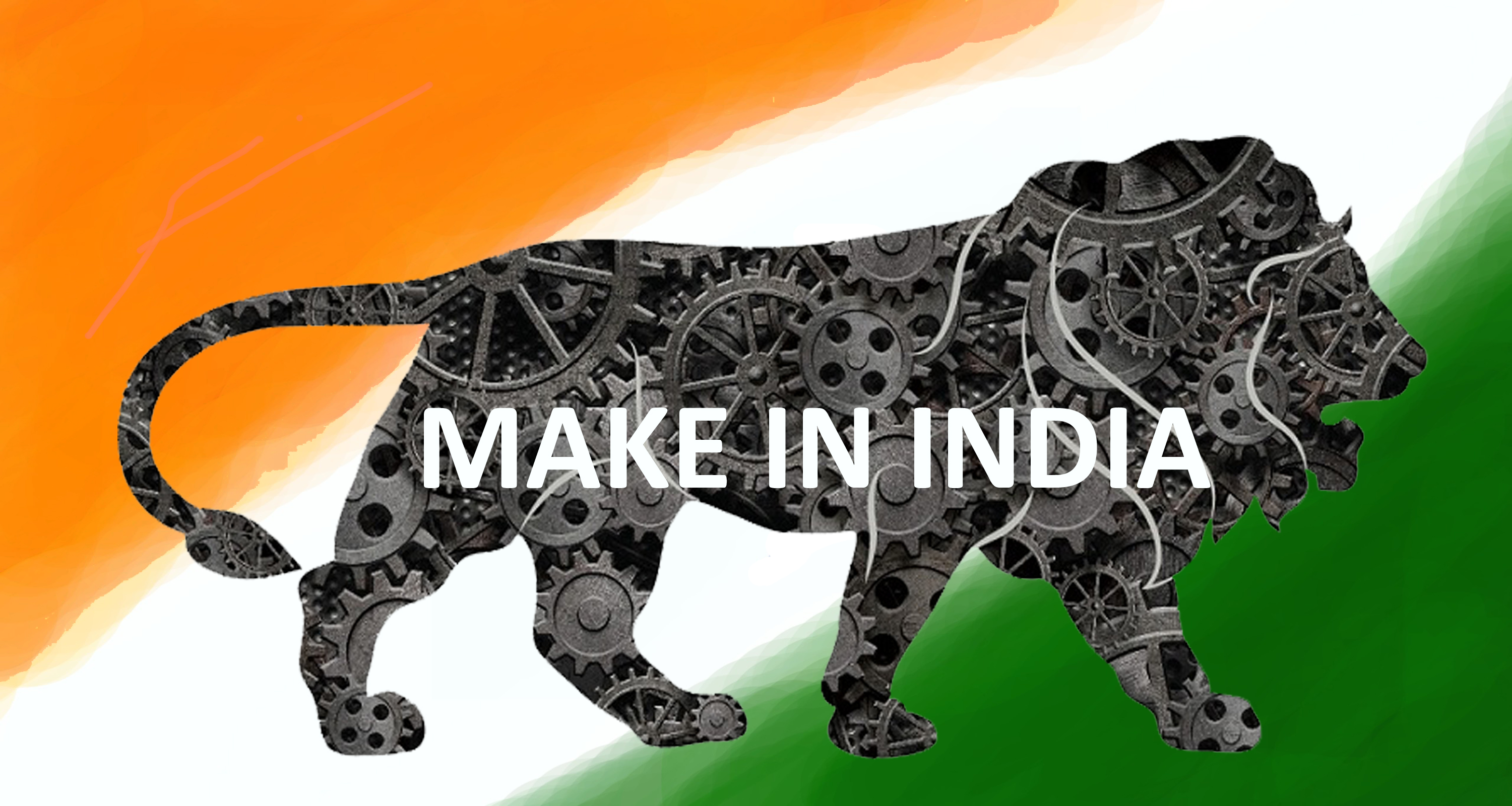
India is forced to depend on other nations to meet many of its needs even at present. This solidifies the need for an initiative to boost India’s production. Recognising this urge, the government of India has initiated the scheme termed “Make in India”.

Make in India aims to promote the manufacturer to develop, manufacture and assemble products domestically. It not only emphasizes on production but also focuses on innovation and research. Under this scheme government provides market for goods made in India and also markets them in international markets. “Make in India” had three stated objectives:

  • to increase the manufacturing sector’s growth rate to 12-14% per annum;
  • to create 100 million additional manufacturing jobs in the economy by 2022;
  • to ensure that the manufacturing sector’s contribution to GDP is increased to 25% by 2022 (later revised to 2025).

In order to achieve this objectives government of India has initiated several programs like:

Sagarmala

Sagarmala Programme aims to provide enhanced connectivity between the ports and the domestic production& consumption centres. The programme envisages unlocking the potential of waterways and the coastline to minimize infrastructural investments required to meet these targets.

Bharatmala

The Bharatmala Pariyojana is a centrally-sponsored and funded Road and Highways project of the Government of India.[1] The total investment for 83,677 km committed new highways is estimated at ₹10.63 lakh crore, making it the single largest outlay for a government road construction scheme.

Digital India

Digital India is a campaign launched by the Government of India in order to ensure the Government’s services are made available to citizens electronically by improved online infrastructure and by increasing Internet connectivity or making the country digitally empowered in the field of technology.[1][2] The initiative includes plans to connect rural areas with high-speed internet networks. It consists of three core components: the development of secure and stable digital infrastructure, delivering government services digitally, and universal digital literacy.

Freight corridors and Industrial corridors

These are infrastructure projects to facilitate easy movement of goods as well as infrastructural setup for business investments

UDAN RCS

Ude Desh ka Aam Naagrik (Hindustani for “Let the common citizens of the country fly”), known by its acronym UDAN (Hindi for “flight”) is a regional airport development program of the Government of India and part of the Regional Connectivity Scheme (RCS) of upgrading under-serviced air routes. Its goal is to make air travel affordable and widespread, to boost inclusive national economic development, job growth and air transport infrastructure development of all regions and states of India.

Last two years was the period when we realised the importance of self-reliance the most. During lockdown when international borders were closed there was shortage of many goods. On successful implementation of this initiative India could be able to meet its own needs along with the needs of the world. So let us hope that on the eve of 100th year of independence India would be a global leader with an economy sufficient to meet the demand of the world.

Let us conclude on the note that self-reliance is the most important thing a country as well as an individual should strive for.

CAN COMMERCE GO GREEN?

https://www.google.com/url?sa=i&url=https%3A%2F%2Fwww.itweb.co.za%2Fcontent%2Fj5alr7QaXJO7pYQk&psig=AOvVaw2iREPnrEK5Dq-jaHMsCtiy&ust=1650781846280000&source=images&cd=vfe&ved=0CAwQjRxqFwoTCLDxoeXHqfcCFQAAAAAdAAAAABAI
Source: Google

The color green is often associated with sustainability and environment protection. Similarly, when we refer to commerce, we often associate it with exploitation of environment. But with change in time commerce has also realized the need for going green.

Recognizing the urge of the hour commerce has also developed a whole lot of initiatives. Recently, several branches of commerce have evolved with the idea of going green. These require the co operation of entire community as it involves an overall shift in the practices.

Let us look into some of these areas:

Green consumerism

Green consumerism deals with the process in which consumers demand products and services that have undergone an eco-friendly production process or one that involves recycling and safeguarding the planets’ resources. The green consumer is an opinion leader and a careful shopper who seeks information on products. Including information from advertising about the green aspects of products. If you want to be a green consumer start with small initiatives like avoid demanding plastic carry bags, start using paraben free products, etc. There Is a direct environmental impact of green behaviors. The growing environmental hazards, associated with the ever-growing consumption of such poisonous produces, have been creating several health-related problems, giving way to greater concerns over the consumption of these products among the people.

Green governance

The inculcation of green initiatives with corporate governance is termed as green governance. In India the provisions of Information technology act have led to the growth of green governance. The act promotes usage of digital documents and provides legal validity for digital signature. It has also laid down provisions for regulating hard copy of documents. Similarly, several initiatives are adopted around the world in the field of corporate governance to promote green initiatives.

Green marketing

Green marketing is the marketing of products that are presumed to be environmentally safe. It incorporates a broad range of activities, including product modification, changes to the production process, sustainable packaging, as well as modifying advertising. It not only refocuses, adjust or enhance existing marketing thinking and practices but also provides a substantially different perspective. In a broader sense, eco marketing belong to the group of approaches which seek to address the lack of fit between marketing as it is currently practiced and the ecological and social realities of the wider marketing environment. 

Green finance

Green financing is emerging as on equivalent to socially responsible investing Eco-investing or green investing, is a form of socially responsible investing where investments are made in companies that support or provide environmentally friendly products and practices. These companies encourage new technologies that support the transition from carbon dependence to more sustainable alternatives. Green finance is “any structured financial activity that has been created to ensure a better environmental outcome.” Green financing could be promoted through changes In  countries regulatory frameworks, harmonizing public financial incentives, increases in green financing from different sectors, alignment of public sector financing decision-making with the environmental dimension of the Sustainable Development Goals, increases in investment In clean and green technologies, financing for sustainable natural resource-based green economies and climate smart blue economy, increase use of green bonds, and soon.

Along with the shift in global thoughts, commerce and its allied activities have also moved towards green alternatives. Recognizing the need for climate resilient initiatives we all should assist the businesses in adopting the above initiatives.

Rather than putting the blame on a particular industry or sector, let us all join our hands in making our earth greener. Ultimately it’s the implementation of these initiatives that matter the most.

India’s friendship with Russia: Myth or reality

Russia and india Images, Stock Photos & Vectors | Shutterstock
Russia and India Images, Stock Photos & Vectors | Shutterstock

India and Russia is said to share cordial relations and let us check the reality of this friendship

International relations have gained immense significance since time immemorial. India also handles its external relations with due importance. This has made India a significant player in international relations by establishing close relations with biggest nations of the world. One of the most important relation among them are India’s close ties with Russia.

 Russia and its forefather USSR have always stood with India since independence. There were several instances when the socialist nation has offered support both ideologically as well as in person. Let us look into some such instances:

IRIGC

The Indo-Russian Inter-Governmental Commission (IRIGC) is a significant institution that manages the intergovernmental activities between both countries. It is considered as the steering committee of Indo-Russia relations. It has two wings, the first covering Trade, Economic, Scientific, Technological and Cultural Co-operation and is normally co-chaired by the deputy prime minister of Russia and the External affairs minister of India. The second wing of the commission deals with Military Technical Co-operation and is co-chaired by the respective Defense ministers of two countries. Both parts of IRIGC meet annually.

SPACE SECTOR

Historically, there has been a long history of cooperation between the Soviet Union and India in space. Examples include Aryabhata , India’s first satellite, was launched by the Soviet Union on 19 April 1975 from Kapustin Yar using a Kosmos 3M launch vehicle. Under Interkosmos space program, Rakesh Sharma was also launched by the Soviet Union. 

DEFENCE ASSISTANCE

The Soviet Union was an important supplier of defense equipment for several decades, and this role has been inherited by the Russian federation. Russia 68%, USA 14% and Israel 7.2% are the major arms suppliers to India (2012-2016), and India and Russia have deepened their make in India defense manufacturing cooperation by signing agreements for the construction of naval frigates, Twin engine utility helicopters, Brahmos Cruise missiles and such joint venture initiatives. The co-operation is not limited to a buyer-seller relationship but includes joint research and development, training, service to service contacts, including joint exercises.

TRADE PARTNERSHIP

Bilateral trade between both countries is concentrated in key value chain sectors. These sectors include highly diversified segments such as aerospace, machinery, electronics, fertilizers, precious stones, oil, etc. Both Governments have jointly developed an economic strategy that involves using a number of economic components to increase future bilateral trade. Also, a Joint study group has been appointed to study the prospects of free trade.

POLITICAL RELATIONS

Irrespective of the changing government policies both countries have supported each other in political matters. Non participation of India in UN meetings to condemn Russian invasion of Ukraine and USSR’s support during Bangladesh war of 1971 are few examples. The socialist idea of planning is also an example of India’s relation with Russia and USSR.

NUCLEAR DEALS AND ENERGY SECTOR

On 7 November 2009, India signed a new nuclear deal with Russia apart from the deals that were agreed upon by the two countries earlier. India and Russia are in discussion for construction of two more nuclear power units at Kudankulam. Two units of the Kudankulam nuclear power plant are already operational. Similarly, several initiatives have been taken up by these nations collectively to ensure energy efficiency.

RUPEE ROUBLE AGREEMENT

Recently Russia has signed an agreement by which imports from Russia could be paid in Rupees. This was in response to India’s support for Russia even during trade restrictions from nations around the world. For the rupee-rouble mechanism to be implemented, Indian importers would pay for goods to the accounts of Russian banks in India and they in turn would make the payment in roubles to the Russian exporters.

The countries have agreed to carry forward a special and privileged strategic relationship. Irrespective of the changing governments both nations have stood in support of each other during the hardest times.

Reference: Wikipedia