EduPub (Edupedia Publications Pvt Ltd) is a company dedicated to the development of the education, learning, research and innovation in the field of the research and books publication. We are pioneer in providing wide range of services to educational institutions, government agencies, individuals and corporates in the field of training and education, research and development, research and innovation. research and publication.
If you are confused whom to choose MNC or startup here’s my 5 reason why it should be a startup.
Learning While you can learn and get help from your nice colleagues in MNC, at startup you can learn a lot other interesting things.
Pushing the limits As a startup they need everyone to push there limits to find there new strength as this may not be available on established MNCs, you might wanna start at a startup.
Community You might get some friends in MNC but while it comes to startup most of them wants to start, needs help and are willing to help, making it a nice community.
No boss Startup too have bosses but as they are in early phase they are more of a friend, helper and mentor, so if you are new in office work you might wanna choose startup first.
Future If your startup grows you too will get credit of it unlike in MNCs you can use it in CV and show how much it has grown and what are the role you played in its growth.
This are not the only reasons sometimes they can give you lifelong friends, experience and if you are dedicated to work, journey in startup is lot more fun.
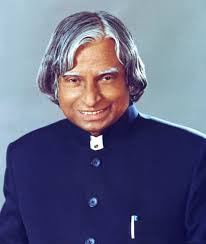
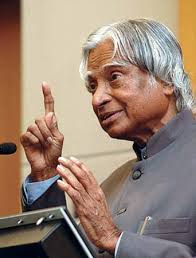
A.P.J. Abdul Kalam, in full Avul Pakir Jainulabdeen Abdul Kalam, (born October 15, 1931, Rameswaram, India—died July 27, 2015, Shillong), Indian scientist and politician who played a leading role in the development of India’s missile and nuclear weapons programs. He was president of India from 2002 to 2007.
Kalam earned a degree in aeronautical engineering from the Madras Institute of Technology and in 1958 joined the Defence Research and Development Organisation (DRDO). In 1969 he moved to the Indian Space Research Organization, where he was project director of the SLV-III, the first satellite launch vehicle that was both designed and produced in India. Rejoining DRDO in 1982, Kalam planned the program that produced a number of successful missiles, which helped earn him the nickname “Missile Man.” Among those successes was Agni, India’s first intermediate-range ballistic missile, which incorporated aspects of the SLV-III and was launched in 1989.
From 1992 to 1997 Kalam was scientific adviser to the defense minister, and he later served as principal scientific adviser (1999–2001) to the government with the rank of cabinet minister. His prominent role in the country’s 1998 nuclear weapons tests solidified India as a nuclear power and established Kalam as a national hero, although the tests caused great concern in the international community . In 1998 Kalam put forward a countrywide plan called Technology Vision 2020, which he described as a road map for transforming India from a less-developed to a developed society in 20 years. The plan called for, among other measures, increasing agricultural productivity, emphasizing technology as a vehicle for economic growth , and widening access to health care and education.
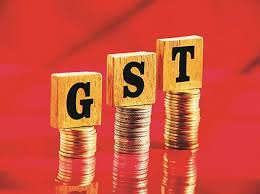
The goods and services tax (GST) is a value-added tax levied on most goods and services sold for domestic consumption. The GST is paid by consumers, but it is remitted to the government by the businesses selling the goods and services.
The goods and services tax (GST) is an indirect federal sales tax that is applied to the cost of certain goods and services. The business adds the GST to the price of the product, and a customer who buys the product pays the sales price inclusive of the GST. The GST portion is collected by the business or seller and forwarded to the government. It is also referred to as Value Added Tax( VAT) in some countries.
Most countries with a GST have a single unified GST system, which means that a single tax rate is applied throughout the country. A country with a unified GST platform merges central taxes (e.g., sales tax, excise duty tax, and service tax) with state-level taxes (e.g., entertainment tax, entry tax, transfer tax, sin tax, and luxury tax) and collects them as one single tax. These countries tax virtually everything at a single rate.
Only a handful of countries, such as Canada and Brazil, have a dual GST structure. Compared to a unified GST economy where tax is collected by the federal government and then distributed to the states, in a dual system, the federal GST is applied in addition to the state sales tax. In Canada, for example, the federal government levies a 5% tax and some provinces/states also levy a provincial state tax (PST), which varies from 7% to 10%. In this case, a consumer’s receipt will clearly have the GST and PST rate that was applied to their purchase value.
More recently, the GST and PST have been combined in some provinces into a single tax known as the Harmonized Sales Tax(HST). Prince Edward Island was the first to adopt the HST in 2013, combining its federal and provincial sales taxes into a single tax. Since then, several other provinces have followed suit, including New Brunswick, Newfoundland and Labrador, Nova Scotia, and Ontario.
France was the first country to implement the GST in 1954; since then, an estimated 160 countries have adopted this tax system in some form or another. Some of the countries with a GST include Canada, Vietnam, Australia, Singapore, United Kingdom, Monaco, Spain, Italy, Nigeria, Brazil, South Korea, and India.
India established a dual GST structure in 2017, which was the biggest reform in the country’s tax structure in decades. The main objective of incorporating the GST was to eliminate tax on tax, or double taxation, which cascades from the manufacturing level to the consumption level.
For example, a manufacturer that makes notebooks obtains the raw materials for, say, Rs. 10, which includes a 10% tax. This means that they pay Rs. 1 in tax for Rs. 9 worth of materials. In the process of manufacturing the notebook, the manufacturer adds value to the original materials of Rs. 5, for a total value of Rs. 10 + Rs. 5 = Rs. 15. The 10% tax due on the finished good will be Rs. 1.50. Under a GST system, the previous tax paid can be applied against this additional tax to bring the effective tax rate to Rs. 1.50 – Rs. 1.00 = Rs. 0.50.
In turn, the wholesaler purchases the notebook for Rs. 15 and sells it to the retailer at a Rs. 2.50 markup value for Rs. 17.50. The 10% tax on the gross value of the good will be Rs. 1.75, which the wholesaler can apply against the tax on the original cost price from the manufacturer (i.e., Rs. 15). The wholesaler’s effective tax rate will, thus, be Rs. 1.75 – Rs. 1.50 = Rs. 0.25.
Similarly, if the retailer’s margin is Rs. 1.50, his effective tax rate will be (10% x Rs. 19) – Rs. 1.75 = Rs. 0.15. Total tax that cascades from manufacturer to retailer will be Rs. 1 + Rs. 0.50 + Rs. 0.25 + Rs. 0.15 = Rs. 1.90.
India has, since launching the GST on July 1, 2017, implemented the following tax rates:
A 0% tax rate applied to certain foods, books, newspapers, homespun cotton cloth, and hotel services.
A rate of 0.25% applied to cut and semi-polished stones.
A 5% tax on household necessities such as sugar, spices, tea, and coffee.
A 12% tax on computers and processed food.
An 18% tax on hair oil, toothpaste, soap, and industrial intermediaries.
The final bracket, taxing goods at 28%, applies to luxury products, including refrigerators, ceramic tiles, cigarettes, cars, and motorcycles. Thank You!
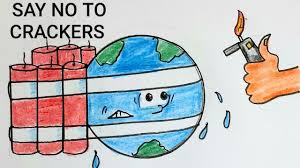
DIWALI and one can hear the sounds of firecrackers exploding from all directions. People of all age groups are fascinated with firecrackers, which form a prominent part of the Diwali celebrations. Firecrackers are known to cause air pollution as well as noise pollution and are extremely harmful for senior citizens and small children. Pets such as dogs and cats also suffer on account of firecrackers as animals have a more sensitive sense of hearing than humans.
Firecrackers can cause hearing loss, high blood pressure, sleeping disturbances and sudden exposure to loud noise can cause temporary or permanent deafness or even result in heart attack.
Diwali is the biggest festival of India and its sanctity should not be blown away in smoke. This festival of goodwill can be celebrated in a number of ways other than bursting firecrackers.
Let each one of us take a pledge THIS DIWALI to “SAY NO TO CRACKERS” and invest in a safer and greener future. Diwali is the festival of lights and we must enlighten our lives with the sparkle of joy and goodwill, forget past grievances and look ahead towards a brighter and happier future.
Over the years several Bollywood celebrities have vowed against bursting crackers during Diwali and some have made good use of social media to raise awareness regarding the ills they cause not just to the environment but also humans and animals. In 2017, actress Alia Bhatt started the #PoochOverPataka campaign as she couldn’t bear to see her pet suffer due to the noise pollution. Anushka Sharma followed it with #PAWsitive. Each year, several artists speak of their concerns over health, pollution and the amount of waste bursting crackers causes.
“I remember as a boy I used to love firecrackers and I’m not going to be ashamed of that. But now I believe the time of crackers is over,” actor Boman Irani told MAIL TODAY. “One should understand that. Environmentally, for older people, for dogs, for your own lungs, for all the money that could have been put to better use Even the noise I can’t stand anymore. I find it tough to find a positive, except for the sparkling colours they give.”
Actress Isha Koppikar agreed and said celebrating a “green” Diwali is an excellent idea. “Instead donate your old stuff to the needy people, avoid plastic for gifts packaging, make rangoli with flowers, flour or rice products, gift herbal products or a plant. Buy earthen lamps or diyas and avoid using decorative electric lights. This Diwali let the Earth breathe,” she said.
But as they say charity begins at home and The Family Man actor Sunny Hinduja makes sure he doesn’t burst crackers and encourages his nephew and niece not to do it either.
“I was in Indore one Diwali with my brother and bhabhi, and I came home from the hostel to celebrate with them. I remember we were trying to burst what was known as the Laxmi Bomb’ but it wouldn’t light and we were scared because we had heard horror stories of it suddenly bursting when you went near it. So we waited for a long time and when I did go to check, it literally burst in my face,” recalled Hinduja. “If you don’t burst crackers on Diwali, it doesn’t mean you are breaking tradition. Traditions are made by us and it’s time we evolve, considering pollution, cutting down trees global warming, so much is happening. So even if it’s not such a big contribution from our side, we shouldn’t burst crackers and tell others not to do it either. That’s our responsibility as good citizens.”
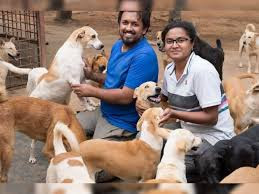
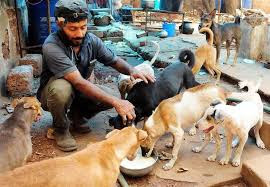
Every year, millions of animals end up in shelters all across the globe. These animals are either rescued from the streets or dropped off at the shelter. Though a lot of these shelters provide outstanding care and attention, there are still limitations to what they can do.
As an individual, you can contribute to these efforts in a lot of different ways. Running a shelter involves a ton of work and they will need all the help they can get. Offering even a small donation or volunteering a short amount of your time can make a huge difference.
Animals, whether we are aware or not, play a huge role in our lives and in the environment. Therefore, it’s in our best interest to help them however we can.
Altruism aside, there are quite a few key reasons we should care for them. One reason is to prevent the spread of disease.
Diseases, such as rabies, pose a huge threat to humans. The disease is fatal to humans, as well as to the animals who carry it. Infected animals become aggressive and bite without provocation.
Rescuing animals helps prevent the spread of rabies by reducing the population of potential carriers in the wild. This reduces the chance of infected animals harming other people and animals in the community.
The best and most effective way to help homeless animals is to raise awareness in the community.
Talking to people in the community can bring about the changes that will dramatically improve the welfare of these animals.
Spay and neuter your own pets, if you have them, and tell your friends to spay and neuter their pets. Spaying and neutering help control the population of strays in the community.
Advocate for adopting pets instead of shopping. There are a lot of pets in shelters today that are eager to find their forever homes. Adopting helps improve their lives and allows shelters to accommodate more pets that need their help. Some shelters even give you a starter kit of blankets, toys, and other things you may need to care for your new pet.
You can also consider donating your time and skills to your local centers. Volunteering to help out in the shelter for a few hours a week will surely be appreciated by the staff. If you have other skills such as carpentry, accounting, or graphic design, you can offer your services to the shelter. You can help build things for the animals, balance the shelter’s books, or design advertisements and print ads for the shelter.
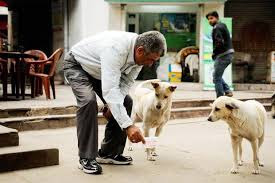
If you see a stray dog in your area, you can help them, but you should do so with caution.
Never approach stray dogs, especially if they look scared. You may have the best intentions, but they don’t know that and could bite if you get too close. Instead, call your local animal control or animal rescue center for assistance.
Stray dogs are easily spooked and can become aggressive when cornered. It is best to let the experts handle the situation for the safety of the dog and everyone involved. Once in custody, the dogs will be tested for various diseases and their overall health is checked.
Just like dogs, stray and feral cats can be very aggressive when approached.
For you and the cat’s safety, it is best to call for professionals to deal with the situation. Until proper testing is done, one can’t be sure if the animal is free from diseases like rabies which pose a serious threat to humans.
Once in custody, you can help the cat by visiting them often once. Donating some supplies such as blankets and a litter box would be a great way to help as well.
Once fully recovered and tested for any diseases, fostering cats until they find a forever home is a possibility. Who knows, you might find a furry friend that you’d like to adopt yourself!
Stress is a human emotion that is natural and affects everyone at some point in their lives. The human body is built to recognise and respond to stress. An individual’s body creates physical and mental reactions in response to changes or difficulties (stressors). It is any sort of change that produces physical, emotional, or psychological pressure. It may be caused by a variety of conditions or life events. When we encounter anything new, unanticipated which challenges our sense of self, or when we believe we have little control over a situation, it is frequently activated.
Your body’s stress reactions assist it in adapting to new conditions. A stress reaction, for example, may help your body work harder and remain awake longer if you have an important test coming up. When stresses persist without release or times of relaxation, it becomes a problem.
To some extent, everyone is stressed. We all handle stress in various ways which also has a significant impact on your wellbeing .Genetics, early life events, personality, and social and economic conditions can all influence our capacity to cope.
TYPES OF STRESS
Not all types of stress are harmful or even negative. Some of the different types of stress that you might experience include:
Acute stress: We face this type of stress in daily life it is short term and can be either positive or distressing.
Chronic stress: Chronic stress is a type of stress that appears to be never-ending and unavoidable, such as the stress of a physically demanding profession; chronic stress can also result from catastrophic events and psychological trauma.
Episodic acute stress: Acute stress that appears to be rampant and becomes a way of life, resulting in a life of constant distress, is known as episodic acute stress.
Eustress: Eustress is a thrilling and enjoyable experience. It’s a type of positive stress that can help you stay energised. It’s linked to adrenaline rushes, as when you’re skiing or rushing to reach a target.
CAUSES OF STRESS
There are numerous factors that might generate stress in one’s life. Work, economics, partnerships, parenthood, and day-to-day hassles are all common causes of stress. Workplace stress may also be detrimental to your psychological health. Workplace stress causes people to miss an average of 24 days of work each year due to illness.
Even life changes that are positive in nature such as moving to a larger house, getting a work promotion, or going on vacation can lead to stress. If you’re anxious in certain situations, you could have a hard time understanding why, or you might be hesitant to express your thoughts with others.
The fight-or-flight response, which is usually triggered by stress, is the body’s reaction to a perceived threat or danger. The fight-or-flight response, which was called for its capacity to enable us to physically fight or flee when faced with danger when is triggered in situations where both the responses are not appropriate, such as in traffic or during a stressful day at work. The relaxation reaction does not occur frequently enough in instances of chronic stress, and being in a near-constant state of fight-or-flight might harm the body.
HOW CHRONIC STRESS AFFECTS YOUR HEALTH
When you consider the influence stress has on your life, you can see the link between your mind and body. Physical health problems might arise when you are worried out about a relationship, money, or your living circumstances. It’s also true in reverse. Wellness issues, whether you have high blood pressure or diabetes, will have an impact on your stress level and mental health.
Heart attacks, arrhythmias, and even sudden death can be triggered by severe acute stress, such as being involved in a natural disaster or getting into a verbal altercation. Stress has an emotional impact as well. While mild anxiety or frustration may result from some stress, prolonged stress can lead to burnout, anxiety disorders, and depression. When under a lot of stress, your autonomic nervous system becomes overactive, which can harm your body.
SIGNS AND SYMPTOMS
Continuous activation of the stress response creates wear and tear on the body. When a person is under stress for a long term symptoms manifest themselves in the form of physical, emotional, and behavioural manifestations.
Physical symptoms of stress include:
Aches and pains such as chest pain or a feeling like your heart is racing.
Feeling exhausted all the time or having trouble while sleeping.
Having Headaches, High blood pressure, dizziness or shaking.
Muscle tension or jaw clenching (Grinding teeth)
Having various digestive problems.
It also results in a weak immune system.
Clammy or sweaty palms
Stress can lead to emotional and mental symptoms such as:
Anxiety or irritability.
Depression.
Panic attacks.
Sadness.
Changes in mood
Identifying Stress
Having stress for long-terms has also been related to various gastrointestinal diseases including Irritable Bowel Syndrome (IBS) or stomach ulcers, as well as cardiovascular illness, according to certain studies.
Stress may originate from a variety of places, but even little everyday pressures from job, school, family, and friends can have a negative impact on your mind and body.
If you think it might be bothering you, there are a few things you can look for:
Difficulty concentrating, worrying, anxiety, and difficulties remembering are all psychological symptoms.
Anger, irritability, moodiness, and frustration are examples of emotional indicators.
High blood pressure, weight fluctuations, frequent colds or infections, and changes in the menstrual cycle and libido are among physical symptoms.
Poor self-care, not having time for the activities you like, or depending on drugs and alcohol to cope are all behavioural markers to look out for.
TREATMENT
There is no one particular therapy for stress because it is not a separate medical diagnosis. Change the environment, improve stress coping abilities, apply various relaxation techniques and treating conditions that may have been created by chronic stress are all part of stress treatment.
Psychotherapy, medication, and complementary and alternative medicine are some of the therapies that may be beneficial.
HOW TO COPE WITH STRESS
Stress is unavoidable, but can be managed. One can take control of their health and decrease the influence stress has on life once they understand the toll it takes and how to battle it. You can’t escape stress, but you can keep it from becoming overwhelming by using the following methods on a regular basis:
Exercise
Regular exercise is one of the most effective methods to calm your body and mind. Plus it will also lift your spirits. Work up to 2 hours and 30 minutes of moderately intensive activity, such as brisk walks, or 75 minutes of rigorous exercise, such as swimming laps, running, or participating in other sports. Focus on creating realistic fitness goals so you don’t give up.
Relax Your Muscles
Your muscles stiffen up when you’re anxious. Stretching, getting a massage and other self-care activities can help loosen them up and rejuvenate your body. Taking a hot bath or shower is a great way to relax. Having a restful night’s sleep is also very important.
Deep Breathing
Stopping and taking a few deep breaths can immediately relieve stress. Once you get the hang of it, you’ll be amazed at how much better you feel. Simply take these five steps:
Sit with your hands in your lap and your feet on the floor in a comfortable posture.
Close your eyes for a moment.
Consider yourself in a soothing environment. It may be on the beach, in a lovely field of grass, anyplace else that helps you feel calm.
Slowly inhale and exhale deeply.
At a moment, do it for 5 to 10 minutes.
Eat Well
Eating a good well-balanced, regular diet will make you feel better overall. It may also aid with mood regulation. For energy, your meals should include plenty of vegetables, fruit, healthy grains, and lean protein and make sure you don’t forget any.
Slow Down
5 to 10 minutes ahead of time, set your watch. You’ll be able to arrive a bit earlier and avoid the worry of being late.
Switch to the slow lane if you’re travelling on the highway to prevent road rage.
Break down projects into manageable chunks. If you don’t have to, don’t try to respond to all 100 emails; instead, respond to a handful of them.
Take a Break
To give your mind a break from stress, schedule some genuine leisure. It may be difficult for you at first if you are someone who enjoys setting objectives for the day. But if you stay with it, you’ll come to like these times. Meditation, Yoga, Tai chi, Prayer, Listening to music, and spending time in nature are all relaxing activities.
Make Time for Hobbies
You must schedule time for activities that you like. Every day, try to do something that makes you happy, it helps you to relax. It doesn’t have to take a long time; 15 to 20 minutes would suffice. Reading, knitting, doing an art project, playing golf, watching a movie, doing puzzles, and playing cards and board games are all relaxing activities.
Talk About Your Problems
If anything is troubling you, talking about it might help you relax. Family members, friends, a trustworthy priest, a doctor, or a therapist are all good places to start.
So, when you’re worried, pay attention to what you’re thinking or saying. Change the negative message you’re sending yourself to a positive one. Don’t tell yourself, “I can’t do this,” for example. Instead, tell yourself, “I can do this,” or “I’m doing the best I can.”
Go Easy On Yourself
Accept that no matter how hard you strive, you will never be able to achieve everything with perfection. So, do yourself a favour and quit being hard over yourself and stop overestimating your abilities. Also, remember to retain your sense of humour. Laughter is one of the most effective ways to relax.
Eliminate Your Triggers
Determine the main sources of stress in your life. Is it your job, your commute, or your schooling that’s the problem? If you can figure out what they are you may get rid of them or at least decrease them in your life.
Wilhelm Wundta German physician and philosopher in 19th century set up the first psychological laboratory at Leipzig Universityin 1879 to study human behaviour, through his rigorous experiment, work and efforts made psychology emerged as a science.
However, establishing psychology as a science was a challenge. People still didn’t knew how the mind work and functions. There was still a massive amount of data yet to be gathered. Thought it emerged as a science it was into many controversies and criticism; let see what were they.
1) PSYCHOLOGY IN PRE PARADIGMATIC STATE
According to American philosopher, Thomus Kuhn psychology has not succeeded in producing a cumulative body of knowledge that has a clear conceptual core. It contrasts with other sciences.
2) PROBLEM RELATED TO OBJECTIVITY AND VALIDITY
Methods such as introspection and psychoanalysis are inherently subjective, so in some extant psychology falls short on the criteria of objectivity and validity.
3) OBJECTIFYING HUMANS
Since many experiments on humans and their behaviour some of the scientist from the same field criticised the work. They said it treats human as an object, it sometimesportrayed as dehumanizing.
4) ISSUES RELATED TO PREDICTABILITY AND REPLICABILITY
In psychology making exact prediction is difficult and major goal of psychology is to predict human behaviour and humans respond in different way in different situations thus causing more difficult to understand human behaviour. Therefore causing the test results in psychology are more varied, harder to control and difficult to replicate.
“I would like to turn into a ladybug so that I can add to the beauty of nature.”
~Prachi Pandey
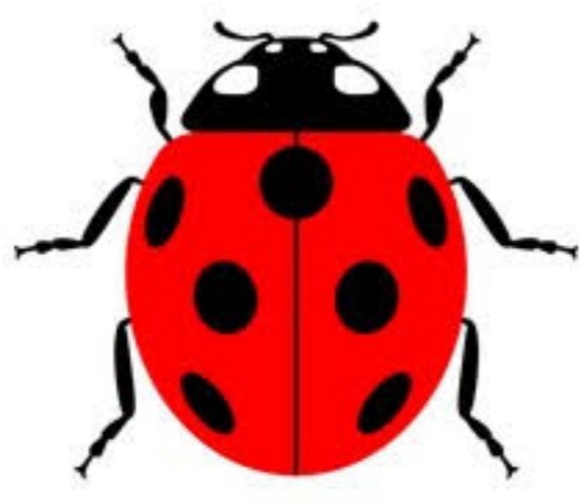
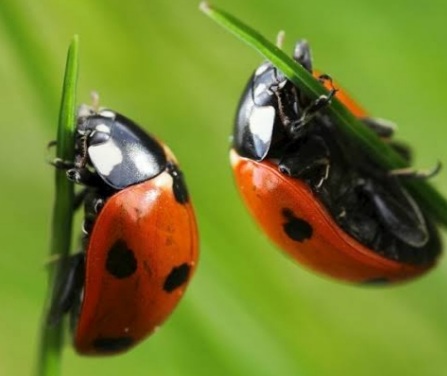
Ladybugs, or lady beetles, are insects in the beetle family. There are about 5,000 species of these tiny insects, and most of them are quite helpful. Although best known as a red insect with black spots, ladybugs come in a variety of colors, and some have stripes or no markings at all.
These little hard-shelled creatures are harmless to humans and helpful to gardeners. From their hidden wings to their talent for warding off predators, discover fascinating facts about the lovable ladybug.
1. Technically, They’re Lady Beetles, Not Ladybugs
These small insects are more accuratelycalled lady beetles or ladybird beetles. Ladybug is the American name given to the Coccinellidae family of beetles. Bugs have needle-like mouthparts and a mostly liquid diet, while beetles have the ability to chew and enjoy munching on plants and insects.
Beetles also have hard wings, while bugs have softer wings or no wings at all. Beetles go through a complete metamorphosis, while bugs look about the same throughout their entire life cycle.
2. They Aren’t All Red With Black Spots
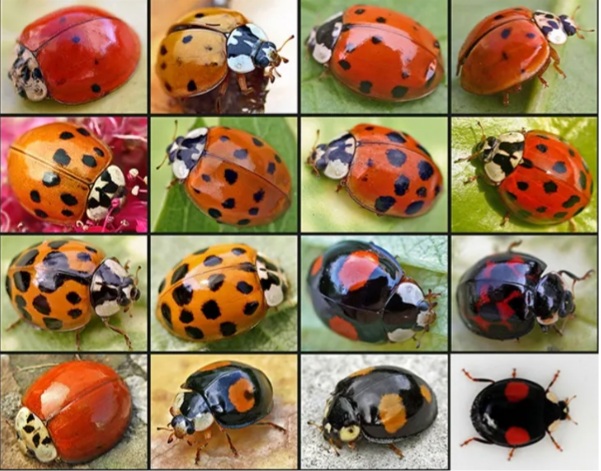
Though most people think of ladybugs as red with black spots, not all species of ladybugs look like that. There are about 5,000 species of ladybugs in the world, including 450 in North America. In addition to red, they can also be yellow, orange, brown, pink, or even all black. Their spots, which some ladybugs don’t have at all, can look more like stripes.
3. They Consume a Lot of Pests
Ladybugs earn their place as a desirable insect based on their preferred diet of plant-damaging insects, including aphids. Ladybugs lay hundreds of eggs in aphid colonies, and as soon as they hatch, the larvae immediately start feeding. An adult ladybug may eat as many as 5,000 aphids in its lifetime.
These beneficial insects also eat fruit flies, thrips, and mites. Different species of ladybugs have different food preferences. While many prey on garden pests, some, like the Mexican bean beetle and the squash beetle, feed on plants and are unwelcome pests themselves.
4. They Hibernate in Winter
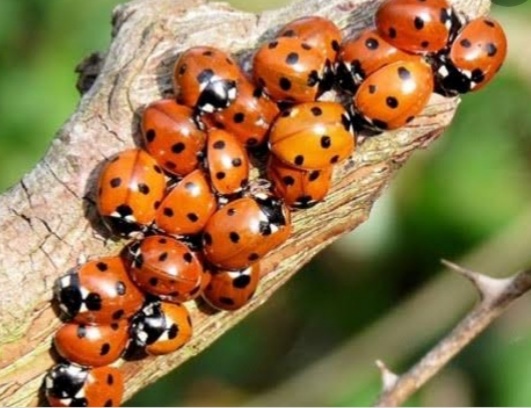
Instead of heading south for the winter, ladybugs living in colder climates enter diapause, a type of insect hibernation. When the aphids begin to disappear, ladybugs realize that winter is coming and flock together to reproduce right before entering hibernation. During this period, which can last as long as nine months, they live on their fat reserves, which hold them until spring when insects become plentiful again.
5. Their Spots Serve as a Warning
The spots and bright colors on ladybugs are not for looks alone. They are meant to warn would-be attackers that this beetle tastes terrible. Beyond their warning colors, ladybugs have another line of defense: They emit foul-smelling blood from their leg joints when they’re startled. This yellow liquid is toxic to many ladybug predators such as birds and small mammals.
When all else fails, ladybugs are known to play dead, giving them a third defense mechanism in a world of eat or be eaten. They aren’t often preyed upon thanks to all of this protection, but some insect species — assassin bugs, stink bugs, and spiders — eat ladybugs.
6. Their Name Is Legendary
Legend has it that the “lady” in lady beetle dates back to the Middle Ages. The story is that farmers’ crops were being damaged by swarms of aphids. But after the farmers prayed to the Virgin Mary for help, the ladybugs arrived, ate all the aphids, and saved the day. The farmers were so grateful that from then on they referred to the insects as “Our Lady’s beetles.”
7. They May Eat Their Own Eggs
Female ladybugs lay as many as 1,000 tiny gold-colored eggs during a single season, but not all of the eggs make it to adulthood. While they prefer to lay their eggs on leaves covered with aphids, when prey is in short supply, the ladybugs may eat the eggs and larvae.
In fact, ladybugs plan ahead for supply shortages; when food is scarce, ladybugs lay infertile eggs to provide for their offspring.
8. They Have Hidden Wings
Much like butterflies, ladybugs go through four stages before they complete their metamorphosis. They begin as tiny eggs that hatch into larvae that resemble tiny spiny alligators. Then they begin the pupal stage, which lasts around two weeks. In their final phase, they become adult ladybugs and their hidden wings appear.
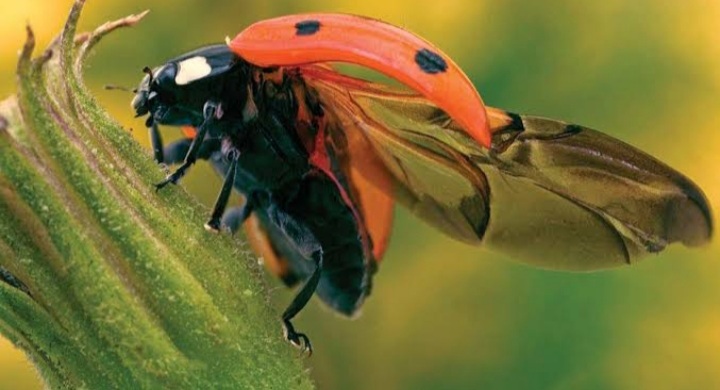
Adult ladybugs have a recognizable smooth dome shape, and their forewings are protected by an outer shell, or elytra. Underneath the outer shell is a pair of thin hind wings that unfold at a speed of 0.1 seconds and are significantly larger than the ladybug’s body.Once unfolded, ladybug wings move at a rate of 85 beats per second.
9. Ladybugs’ Numbers Are Declining
Researchers studying a decline in native ladybugs in the United States and Canada theorize that the population reduction may be due to the introduction of non-native species, climate change, land-use changes, disease, or shifts in the availability of prey. In an effort to track ladybug populations, entomologists at Cornell University created the lost Ladybug Project, a citizen-based effort to spot, photograph, and report on ladybugs across North America.
“I think people should maybe just go out into the garden and watch a ladybug crawl across a flower and relax their mind.”
The beauty of the feathers has always amazed us humans but peacocks have it on another level, with all of its iridescent colors the bird has enchanted not only us but the most powerful incarnation and deity as well.
There are many interesting facts about the peacocks and most probably the same reason they have been capturing our attention for a long time now.
The visual effect from their feature is not from birth as till 3 years old it’s even difficult to make out the difference in male and female, then how come while growing they can fill their feature with the colors so bright yet so magnificent.
The reason for their beautiful visual is the structure they carry which is made up of different little crystals that reflect different wavelengths of light depending on how they are spaced.
Despite having the beauty of nature blending with the structure of its feather, he is enchanting to us for more reasons than just that, peacock feather is considered religiously important as well.
We all know that Krishna Ji wears the feather of a peacock but why he chose to wear the ornament of a peacock feather when he could have used anything.
Following are the reasons why he is considered significant to us and also why we worship the feather of a peacock:
Purity: In our Hindu mythology, the symbol of purity is considered as a Peacock and that was the reason why Krishna Ji used to wear its feather. Krishna Ji was married to many queens and princesses but he never had any relation with them as he was Askalitha Brahmacharya, the one who is eternally a Brahmcharya, and whoever he married he did all of it for setting all the wheels of Dharma.
The Love of Dance: There is one similarity between our Kanha Ji and Peacock and that is they both love to dance while forgetting everything in their dance and merging every bit of energy in eternal bliss. There goes one story that can also help us clarify the love of dance of Krishna Ji and peacock together. According to some folks once when Krishna Ji was awake after the noon nap and wanted to return home with all the cows grazing at the distance then he started to play the flute to call every of hic cow back to him but when every animal and bird heard the melodious tune of the flute they couldn’t control themselves and they started dancing in the happiness the melody created for them. A far there was a group of peacocks who all were also dancing and was so happy that they started crying the tears of joy while feeling the eternal bliss when Krishan Ji stopped playing the flute everyone was so content and happy that the group of peacock decide to offer them something which could show how grateful were they to feel the eternal bliss and that is why peacock offered their feather to Krishna Ji.
The best VPN – short for ‘virtual private network’ – is software traditionally used to help keep you anonymous online and virtually change your location. As they’ve become more well-known, though, countless users are discovering there’s much more to VPNs than just staying private online.
From securing your sensitive information and avoiding trackers to circumventing content blocks on Netflix, Amazon Prime, and sports streaming sites, you don’t have to be a hardcore techy to appreciate their potential. Plus, the top providers have apps for just about any device, so even if you’re mobile-first or use your PlayStation for everything, you can stay secure and stream more with ease.
The only difficulty is choosing the best VPN for the job – and we’re here to help you find a balance between speed, streaming, security and, of course, value for money.
What is a VPN?
The primary function of VPNs is to encrypt and anonymize anything and everything you do online by rerouting your traffic through its own secure servers and hiding it from your ISP. Good security credentials and proper logging practice should be at the top of your list.
Many people also use VPNs for unblocking websites on restricted networks like schools and workplaces, while others use them to avoid government censorship in countries like China. For this, you’ll want to make sure you’ve got plenty of servers to choose from, dotted around the globe.
However, one of the most popular uses for the best VPN is to access geo-blocked streaming content on sites like Netflix, and to watch live sports for cheap, or even for free, by changing your location. If you’re a big streamer, you’ll want to ensure your chosen VPN will be able to access every streaming site you need, as well as making sure connection speeds are up to scratch.
What is the best VPN available today?
The competition to be crowned best VPN gets tougher every day, but there’s still a clear winner that’s head and shoulders above the rest – ExpressVPN.
One of ExpressVPN’s main assets is that it’s incredibly easy to use on any platform – be it your phone, PC, or even PlayStation and you can enjoy using Warzone VPN. It also performed well in our streaming tests, easily getting around the geo-restrictions of Netflix, Hulu and Amazon Prime Video – and, because it provides such swift connections, you’ll be able to watch in HD or 4K just like usual.
To top it off, you’ll also be covered by a 30-day money-back guarantee which means you can effectively test-drive the service and its 3,000+ servers for a whole month before you buy – you can find out all the details in our full independent ExpressVPN review.
1. ExpressVPN – hands-down the best VPN available
In our testing, ExpressVPN came out on top in just about every area. Not only does it provide stellar security features, but it’s unrivalled when it comes to connection speeds and unblocking streaming content. Its 30-day money-back guarantee lets you trial the service risk-free, and Tom’s Guide readers can claim three months free – plus 1 year free of backup software Backblaze.
2. NordVPN – big name offers serious security
Arguably the biggest name in the VPN industry, it’s quite likely you’ll have heard of NordVPN. Thankfully it’s not all hot air, as Nord delivers a premium service that’s hugely secure and great for streaming – and at just $3.30 a month plus three months free, it’s decent value
3. Surfshark – best-value VPN on the market
If you’re after a premium service for as little money as possible, Surfshark is perfect. With top streaming performance and intuitive apps on just about every device, it’s the best VPN on a budget at just $2.49 a month – and its unlimited connections policy will cover all your devices.
The best VPN services today at a glance
ExpressVPN– Excellent privacy, streaming and simplicity make ExpressVPN the best VPN today
NordVPN– Impressive security features that can rival the very best VPN services
Surfshark– The best VPN if you’re looking for premium performance on a budget
Hotspot Shield – If you’re after a superfast, no-frills service, Hotspot Shield is a good choice
CyberGhost– Some of the best VPN features when it comes to streaming, but can’t unblock everything
Private Internet Access– Great features like port forwarding make for one of the best VPNs for P2P
IPVanish– Unlimited connections and cheap short plans make for a very flexible service
VyprVPN– Chameleon protocol makes this one of the best VPN services for using in China
Best VPN FAQ
How do I choose the best VPN service?
Choosing the best VPN for can be a tricky process – that’s why we’ve put together this comprehensive guide. However, for most people, we’d recommend our #1 VPN ExpressVPN as the best choice.
It works great as a Netflix VPN, a torrenting VPN, and even a China VPN, so whatever you need your VPN to do, it’s got you covered – all the while keeping you protected with its rock-solid encryption.
When testing VPNs, we check every aspect that might be of concern. To begin with, we look at what personal details a service needs, and any essential features like encryption. Then we consider pricing, and whether money-back guarantees are on offer, and whether it works on other operating systems as a Mac VPN or Linux VPN as well as on Windows.
During the physical testing, we test speeds over a number of servers, check for DNS leaks, test kill switch functionality plus any and all other additional features, and measure connection time and if the apps crash.
Finally, we review how easy the apps are to use, and test the services on desktop and mobile devices.
Is it illegal to have a VPN?
Short answer – no.
Using a VPN is not illegal, and it’s perfectly legitimate to want to protect your data and activity. Having one on your computer and using it regularly in pursuit of watertight web security and location spoofing is in no way unlawful.
However, using a VPN to hide illegal activity doesn’t make you above the law, so downloading copyrighted material is still illegal even with a VPN. Similarly, using a VPN goes slap bang against Netflix’s Ts&Cs, and the provider has the right to terminate your subscription if they catch you – although that’s never actually happened.
Countries like China and the UAE have made laws against VPN use, but due to their use in business it’s impossible to outlaw VPNs outright. However, in those cases it’s well worth reading up on what you may or may not be permitted to use a VPN for, and consider if the very small risk is worth taking.
What are the VPN dos and don’ts?
The best VPN can make it look like you’re located somewhere you’re not. It’s a well-worn practice to evade online censorship, as is done in some countries, or to tap into US streaming services while in Europe or Asia. We’ve used VPNs to read the New York morning paper in Beijing, and watch US TV in London.
But there are some caveats. A VPN will give you more privacy, but not more security. If you end up on a website harboring malware, the VPN can’t prevent you from being infected.
If you just want to evade geographical restrictions on streaming content such as BBC iPlayer or Hulu, you don’t necessarily need a VPN to do so. You just need a proxy service that will make it look like you’re in the right country. There are many free proxy services available, but do your homework before choosing one – some are a bit dodgy.
Finally, Netflix and the BBC are cracking down on VPNs and proxy services. There are no guarantees that a particular service will evade geographical restrictions on a particular day.
What makes a great VPN?
The most basic qualities you should look for are speed, privacy and ease of use. These might seem like basic attributes, but in reality few providers have found a happy medium.
Connection speed relies on having a wide range of well-maintained servers. This allows the VPN to provide excellent speed and bandwidth to everyone using its servers.
Having excellent security is a fairly basic requirement, but hard to get right. If you’re concerned about that, make sure your VPN has an airtight privacy policy, and a no-logging policy is even better. Some services like ExpressVPN and NordVPN have also been independently audited to prove their claims.
Finally, although many users might be au fait with tech, more and more newbies are looking to start using VPNs. If that’s you, it’s definitely worth making sure that your provider has well-designed apps on all the devices you expect to use with the service.
Are no-fee VPNs any good?
Naturally, free services are very popular products because everyone likes to save their money. And, they can be handy bits of software if you’re not somebody that’s likely to keep their VPN turned on all the time and just want it for occasional use for staying safe on public Wi-Fi. Oh, and if you don’t mind ads…
For most people, though, free services provide a false economy. They tend to have limited servers in just a handful of locations, often restrict you to a single device and almost always have a limit on the amount data you can use per day or month.
Those data limits rule out using your VPN for streaming or torrenting, and if you want to keep your VPN running 24/7 for a permanent privacy layer, a no-fee VPN just isn’t going to work.
What VPN protocols are there?
There are several different VPN protocols, not all of which are used by all of the VPN services we reviewed. Most operating systems have built-in support for at least one of these protocols, which means you can use that protocol – and a willing VPN service – without client software. The full-fledged VPN services have online instructions for how to do this, as well as how to set up routers to connect directly to the services.
OpenVPN: OpenVPN is very secure, open-source and widely used. Most VPN services support it, but except for Chrome OS and Linux, few operating systems do. This protocol can be used in either TCP (web) or UDP (streaming) mode; the latter is sloppier but faster. You’ll need either the VPN service’s client software or one of the many free alternatives. Either way, you’ll still need to pay for the VPN service.
L2TP/IPsec (Layer 2 Tunneling Protocol with Internet Protocol Security): L2TP is not secure itself, so it’s generally paired with the IPsec secure-networking standard. The combination of the two was once thought to be very secure when properly implemented, but some VPN services suggest that you use OpenVPN instead. L2TP/IPsec has native support in Windows, OS X/macOS, Android, Chrome OS and iOS. Most VPN services support it.
IKEv2 (Internet Key Exchange version 2, generally with IPsec): This is a new-ish standard that is very secure when properly implemented. It has native support in Windows, iOS and recent versions of OS X/macOS.
SSTP (Secure Socket Tunneling Protocol): SSTP is a Microsoft protocol with native support on Windows Vista and later versions. It’s thought to be quite secure, but only Microsoft knows for sure.
PPTP (Point-to-Point Tunneling Protocol): This standard is largely obsolete, with many known security flaws, but it’s fast. It has native support built into Windows, Android and older versions of Mac OS X and iOS; Apple dropped support with macOS Sierra and iOS 10. Use PPTP only for streaming content, as it won’t protect your data.
WireGuard: The newest of these protocols, WireGuard combines reportedly excellent security with great speeds. Developed from the ground up, it uses far less code than its predecessors, meaning a better, simpler user experience. However, it’s not yet supported by many VPN services, although as it gains traction more and more are beginning to implement it. Some, like Mozilla VPN, solely use WireGuard.
Today this article is a short story though it might not be true, the facts I have researched from different books and sources tell me that it does hold some truth in the depth of its origin.
The flute is a source of melodies, some soothing and pleasant sound which can even stir the threads of your very soul but it is so much more than just the source of the sound, it is the resemblance of divine love, a love which is still remembered even after thousands of years.
The importance of flute and today’s event that is Janamasthmi have brought a very interesting stream of topics to share my thought and article with you all on this platform.
The love for the flute
In the whole life of Krishna Ji, Krishna Ji has always been the one to sacrifice either let it be the love of his birth parents to the Nand Ji and Yasoda Maa as well, So when a person like this holds something just fro him then that thing must have great importance of or a lesson as well.
The flute is considered very precious to Nand Laal and has a significant role in religious views as well.
As the story goes the flute was a gift to Krishna Ji from Shiv Ji on the birthday of Kanha Ji, so this explains why it always stayed with him in his entire childhood.
Then why did he Sacrificed it?
During an early age in the Vrindavan, when Krishna Ji and Radha Ji were so in love and was setting an example of Spiritual love, a love so pure but with the rules and regulation of the society, it can never be accepted as it was and even Krishna Ji, had to move on the next part of his life.
So, when Radha Ji and Krishna Ji used to do Raas, Krishna Ji used to play the flute for all Gopiyas and Radha Ji, and like that he used to tell them the depth of love he has for them all.
But when the time came and he had to leave everything behind to never return to Vrindavan and even though he knew everything and the dharma he has to follow once he leaves for Mathura, the marriage with Rukmani Ji, he knew he will always remember them and connect Radha Ji with the melody of their spiritual love from the melody of the flute and when all dharma will be restored they will be united at the end time till then he didn’t want anything to hinder the sacrifice he was making and that is why he broke the flute according to the folk stories.
The epitome of Spiritual love
Even though Krishna Ji followed the wife dharma and Rukmani Ji is remembered as the chief wife of Krishan Ji yet Radha Ji stayed in his heart and it is said that in the last moments of life, Krishna Ji bid farewell to Radha Ji by playing the flute for the last time to bid her a peaceful sleep till they meet.
And that is why the flute is considered important as the symbol of Radha Krishna’s spiritual love and even the symbol to show their sacrifice.
India is one of the most populous countries among the rest. There is a change of cycle from past to present. People’s lifestyles and living patterns have changed and along with that the leap of authorization. The term reservation is nothing new, it is running for a long period. History speaks that people in past have faced discrimination in name of caste, crude, and sex. Although the terms have been given by humans themselves still some communities faced bias. Before independence, there was a hierarchy of class where different people were put into a different class box. According to a person is brahmin or Dalit they were given task and place to live. No doubt backward class people had to suffer a dark past. An individual was not allowed to touch the bowl of brahmin because it was a symbol of impurity. People behaved and formed a mentality among themselves that, if one belongs to the lower caste they should behave like a slave and if one is from an upper class, they should lead a glamorous life. The long injustice within a certain community was not justified. And due to this, after independence, the new government introduced a reservation system. Needless to say, the reservation policy was a much-needed gift to the people who mostly suffered from the unfairness. A scheme for ST, SC, OBC, and the backward class was initiated to empower them and ensure their participation in the decision-making process. Reservation was applied in the job sectors, education field, and economic field as well.The issue that arises at present time is that “whether there is a need for reservation in 2021?”. With a lot of discussions and eye-witnessed scenarios, it can be said that there is a demand for change in the system. No doubt we can’t repay the injustices that happened in the past but looking at the present picture it is becoming very hard for the common people to survive in this race. The change in a generation has led to great progress in all communities irrespective of caste or class. A Dalit man like Raja Nayak has turned his business to 60 crores. He currently serves as President of the Karnataka chapter of Dalit Indian Chamber of Commerce and Industries (DICCI) and runs schools and a college under the banner of Kalani Ketan Educational Society for the underprivileged and disadvantaged sections of society. So, it is in itself is the sign of change.Thus, it’s a request and a demand from the commoners to revise the scheme and at least serve all people equally. We see a student committing suicide just because she could not reach the cutoff and some others with less number book the seat because he/she is from a reserved category. A qualified employee has to lose his chance because that seat is for some other category person. If this is not partiality then what is? The revival of a year-long plan could change the whole picture and could provide justice. After all, people want democracy and not quotacracy.
Prokaryotic life has dominated much of our planet’s evolutionary history, developing to fill nearly every possible environmental niche. Extremophiles are one of these. Extremophiles have been identified on Earth that can survive in conditions that were previously considered to be inhospitable to life. Heat, extremely acidic conditions, extreme pressure, and extreme cold are examples of extreme environments. The thermophiles were the first extremophiles to be discovered in the 1960s by Thomas Brock of Indiana University. He was investigating life in Yellowstone National Park’s super-hot water pools. He discovered tiny microorganism mats at Octopus Spring in 1965, when temperatures reached 175 degrees Fahrenheit. Thermus aquaticus was discovered, which led to the discovery of PCR and the creation of a new multibillion-dollar enterprise.
EXTREMOPHILES IN SALINITY: HALOPHILES
The halophiles live in high salt concentrations and are named after the Greek term for “salt-loving.” While the majority of halophiles belong to the archaea domain, some bacterial halophiles and eukaryotic species, such as the alga Dunaliella salina and the fungus Wallemia ichthyophaga, do not. Carotenoid chemicals give certain well-known species, such as bacteriorhodopsin, a red hue. They may be found in salty water bodies such as the Great Salt Lake in Utah, Owens Lake in California, the Dead Sea, and evaporation ponds, where the salt content is more than five times that of the ocean. They’re thought to be a viable contender for extremophiles living in Jupiter’s Europa and other comparable moons’ salty subsurface water oceans.
CELLULAR ADAPTATIONS BY HALOPHILES
High salt-in strategy
The high-salt-in approach protects halophiles from a saline environment by accumulating inorganic ions intracellularly and balancing the salt content in their surroundings through KCl influx. Cl- pumps, which are only found in halophiles and transfer them from the environment into the cytoplasm, are involved in this process. Extreme halophiles of the archaeal and bacterial families keep their osmotic equilibrium by concentrating K + inside their cells. The membrane-bound proton-pump bacteriorhodopsin works to accomplish this.
Low-salt, organic solute-in strategy
The high-salt-in approach necessitates physical modification of all macromolecules in order to survive in a very saline environment, which is incompatible with the survival of moderate halophiles that flourish in salinity-varying environments. Osmolytes protect microbial proteins against dissociation in low-salt water while also improving the bacteria’ tolerance to drastic changes in external saline conditions. Glycine betaine was the first bacterial osmolyte discovered in Halorhodospria halochloris.
The majority of halophiles are unable to thrive outside of their high-salt natural habitats. Many halophiles are so delicate that putting them in distilled water causes them to lyse due to the shift in osmotic circumstances. Halophiles include phototrophic, fermentative, sulfate-reducing, homoacetogenic, and methanogenic species in anaerobic conditions whereas in aerobic conditions include phototrophic, fermentative, sulfate-reducing, homoacetogenic, and methanogenic species.
The Haloarchaea, notably the Halobacteriaceae family, belong to the Archaea domain and make up the bulk of the population in hypersaline settings. The family currently has 15 recognised genera. Bacteria (mostly Salinibacter ruber) can make up to 25% of the prokaryotic community, although it usually makes up a considerably smaller portion of the overall population. In this habitat, the alga Dunaliella salina can sometimes thrive.
EXTREMOPHILES AT LOW NUTRIENT LEVELS: OLIGOTROPHS
An oligotroph is an organism that can survive in a low-nutrient environment. Oligotrophs are usually known for their sluggish development, low metabolic rates, and sparse population density. The settings are ones that provide little in the way of life support. Deep marine sediments, caverns, glacial and polar ice, deep underground soil, aquifers, and leached soils are examples of these habitats.
The cave-dwelling olm the bacteria Pelagibacter ubique, which is the most numerous creature in the seas and lichens with their incredibly low metabolism are all examples of oligotrophic species.
Caulobacter crescentus is an oligotrophic Gram-negative bacteria found in freshwater waterbodies. The whole cell functions as an integrated system in the control circuitry that controls and paces Caulobacter cell cycle development. As it orchestrates activation of cell cycle subsystems and Caulobacter crescentus asymmetric cell division, the control circuitry monitors the environment and the internal status of the cell, including the cell topology. The control system has been meticulously tuned as a whole system for reliable functioning in the face of internal stochastic noise and external unpredictability by evolutionary selection.
The bacterial cell’s control system is organised in a hierarchical manner. The signalling and control subsystem communicates with the outside world through sensory units that are mostly found on the cell surface. To adjust the cell to current conditions, the genetic network logic responds to signals received from the environment as well as internal cell status sensors.
ENVIRONMENT AND LOCATIONS
Oligotrophic lakes are often found in northern Minnesota, with deep clear water, stony or sandy bottoms, and minimal algae.
Oxygen levels are high throughout the water column in oligotrophic lakes. Cold water may store more dissolved oxygen than warm water, thus oligotrophic lakes’ deep regions remain quite cold. Low algal content also provides for more light penetration and less breakdown. Algae, zooplankton, and fish die and are degraded by bacteria and invertebrates at the bottom of the ocean. The process of breakdown consumes oxygen.
Locations
Oligotrophs and eutrophs coexist in natural ecosystems, and their proportions are determined by an individual’s capacity to prevail in a given environment. Despite their capacity to exist in low-nutrient settings, they may struggle to survive in nutritionally- rich ones. Most microorganisms are not well adapted to exist in nutrient-limited circumstances and frigid temperatures (below 5 °C), Antarctic habitats offer very little to sustain life. Some of the documented examples of oligotrophic environments in Antarctica are:
Lake Vostok, a freshwater lake cut off from the rest of the world by 4 kilometres (2.5 miles) of Antarctic ice, is often cited as a prime example of an oligotrophic ecosystem. Because of the lake’s severe oligotrophy, some people assume that sections of it are entirely sterile. This may be used as a model to simulate alien life investigations on frozen planets and other celestial worlds.
Oligotrophic soil environments
In general, nutrient availability decreases as the depth of the soil environment increases, since organic molecules degraded from detritus are swiftly eaten by other microorganisms on the surface, resulting in nutritional deficiency in the deeper levels of soil.
Collimonas is one of those species that may survive in an oligotrophic environment as it has the capacity to not only hydrolyze the chitin generated by fungus for nutrition, but also to create materials. Fungi are a prevalent element of the habitats where Collimonas thrives. In oligotrophic settings, reciprocal relationships are prevalent. Weathering also allows Collimonas to access electron sources from rocks and minerals.
The environment of soil in polar locations, such as the Antarctic and Arctic regions, is termed oligotrophic since the soil is frozen and biological activity is minimal. Actinobacteria, Proteobacteria, and Cyanobacteria are the most common bacteria in frozen soil, with a tiny quantity of archaea and fungus. Under a wide range of low temperatures, actinobacteria can keep their metabolic enzymes active and continue their biochemical processes.
The following are the characteristics that a bacterium should have in order to be labelled as an oligotroph:
(a) Having a form with a high surface-to-volume ratio.
(b) Having an innate propensity for using metabolic energy for food absorption during phases of growth stagnation.
(c) Possessing nutrition absorption abilities that are expressed in a constitutive manner.
(d) Presence of a low-specificity, high-affinity transport mechanism that allows for simultaneous absorption of mixed substrate.
(e) Having systems for conserving nutrition after it has been absorbed.
Extremophiles and their products have revolutionised many aspects of our home and professional life, from household materials to molecular diagnostics. It is not unlikely that new and medically useful discoveries will be found in the realm of extremophile research; the potential of these organisms is so fresh and huge that their applications may be restricted only by imaginations.
Personality is the term used for the integrated and dynamic organisation of the physical, mental, moral and social qualities of an individual. Personality development is very important for all. It helps in all sectors.
Stage of personality development
1 Learning and growth :- Development of people depends upon the work of people in which they have interest according to the age the understanding level of children will be increased by the passing of time.
2 Learning and maturity :- At the age many types of changes comes in the children life. Many types of changes are seen in the children and after that they can understand any thing.
Process of development :- process of development depends upon the daily work of children and from that any one can understand and personality development of children.
Important of personality development
From the personality development any one get confidence from their work. Life is more easier if we do something new for students. It helps us in achieving the goal of our lige. At the time of interview the interviewer 1st see the personality of a person and then after the education. For the success personality development is very important.
As the name suggests I think you can get a idea what are we talking about. In book we read only if ideas, thoughts and experiences of other person. The knowledge thus acquired is theoretical. In day to day life, we cannot be successful with mere theoretical knowledge. We must also know about the habits, manners and ways of living of other persons. We can learn about others by coming in contact with them. Travelling takes us from the field of bookish knowledge to the field of practical knowledge.
An individual who has never gone out of home has very narrow outlook. He feels his own way of living to be the best and perfect. He also fails to understand the effect of environment on the life of man but a well travelled man sees for himself the life of different people their culture, tradition and taste. He can easily understand the point of view of others. By travelling mental outlook is broadened.
There are various difficulties when anyone is away from home. Sometimes he doesn’t find a suitable place for his lodging or the food is not hygienic and not according to the taste preference. Language barrier is often a common problem. But these barriers make the person more resourcefulness, initiative taking and develops a positive approach towards them.
That education is good which make a man readily adjustable to changed circumstances. We cannot acquire this ability from books while travelling, we have to adjust ourselves to the new conditions in different difficulties which we meet, various new problems which arise in our way, make us really adjustable. This is the greatest advantage of travelling.
A traveller must keep his mind open on his tour. He must not imitate the fashions, manners habits of other people. He must adopt the things which are good. He must tell his experiences to others in a realistic way. Travelling can be useful for the young as well as for the old age, only if they keep their minds open and start exploring.
That’s all for today… Thank you keep reading, keep knowing…




:max_bytes(150000):strip_icc():format(webp)/__opt__aboutcom__coeus__resources__content_migration__mnn__images__2016__07__yellow-ladybug-ac971a41bd31415c9a89c32c378af34c.jpg)
:max_bytes(150000):strip_icc():format(webp)/__opt__aboutcom__coeus__resources__content_migration__mnn__images__2016__07__ladybug-eating-8a2afbb8b60a47e0a8a80a325e497999.jpg)
:max_bytes(150000):strip_icc():format(webp)/__opt__aboutcom__coeus__resources__content_migration__mnn__images__2016__07__pretty-ladybug-2489b0ded51a498d96b68f5081a6abc8.jpg)
:max_bytes(150000):strip_icc():format(webp)/GettyImages-1204011429-e0f64779df844f9fbc89b17f0ac37f18.jpg)






 Eduindex
You must be logged in to post a comment.