

In a fresh salvo at China, US Secretary of State Mike Pompeo has said that the South China Sea is not Beijing’s maritime empire. He said, United States’ policy is crystal clear that South China Sea dispute must be resolved through international law.
Mr Pompeo said, if Beijing violates international law and free nations do nothing, history shows that Chinese Communist Party will simply take more territory. Mr Pompeo’s statement comes after Australia backed United States saying Beijing’s territorial claims in the South China Sea are illegal.
In a letter to the United Nations, Australia’s permanent mission rejected Chinese Communist Party’s claim to disputed islands calling them inconsistent with international law.
Australian government said, any claims by China are inconsistent with 1982 United Nations Convention on the Law of the Sea (UNCLOS). It said maritime claims by Chinese Communist Party do not adhere to the UN rules on baselines, maritime zones and classification of features.
China claims nearly 90 per cent of the South China Sea as its sovereign territory. The sea, which is grouped into three archipelagos, is very crucial for global trade.
Earlier the US officially dismissed China’s claims to offshore resources across most of the South China Sea calling Beijing’s bullying tactics to control the region as completely unlawful.
In his July 13 statement, Mr Pompeo said, Washington will align its position over Chinese claims with the 2016 Arbitral Tribunal’s decision.
In 2016, an arbitral tribunal ruled that China’s claim over historic rights to resources in the South China Sea was incompatible with the detailed allocation of rights and maritime zones in the UN Convention on the Law of the Sea.
Author: Eduindex News
Visit us for more news at https://eduindex.org
India announces 400 million dollar currency swap for Sri Lanka
Reserve Bank of India has signed necessary documents for extending a 400 million dollar currency swap facility with the Central Bank of Sri Lanka. This currency swap arrangement will remain available till November 2022.
The agreement followed talks between the two sides over past weeks to find ways of enhancing economic cooperation between the two neighbours. Indian High Commission in Colombo has remained closely engaged in fruitful bilateral cooperation with Sri Lanka on all matters of mutual interest.
Both countries held technical discussions on rescheduling of bilateral debt repayment by Sri Lanka this week. Both sides had discussed the ongoing COVID-19 pandemic and its likely health and economic impacts during Prime Minister Narendra Modi’s telephone conversations with Sri Lankan President Gotabaya Rajapaksa on 23rd of May and Prime Minister Mahinda Rajapaksa on 27th of May.
Prime Minister Modi had assured that India would continue to provide all possible support to Sri Lanka for mitigating the effects of the pandemic. Sri Lanka has around one billion dollar loan commitment from India and has requested to reschedule the payment due to ongoing financial crisis and COVID situation.
Centre allocates additional Rs 40 thousand cr under MGNREGA in view of COVID-19 pandemic
In view of the situation arising out of COVID-19 pandemic, an additional allocation of 40 thousand crore rupees has also been made for the Mahatma Gandhi National Rural Employment Guarantee Scheme during this financial year. Union Minster for Rural Development and Panchayati Raj Narendra Singh Tomar has called upon the states to ensure that funds being routed to Gram Panchayats are effectively used for development works at the village level.
Mr Tomar said this while inaugurating a function through video conference on Strengthening of the Risk-Based Internal Audit of Rural Development Programmes. He emphasized that the focus of the government is on ensuring high level of transparency in the implementation of rural development programmes.
Mr Tomar said, his Ministry has developed a multi-pronged strategy for expanding livelihood opportunities through wage and self-employment, providing rural housing, roads infrastructure and providing social safety net.
The Minister said, a provision of about one lakh 20 thousand crore rupees has been made in the Budget Estimates for the financial year 2020-21.
On this occasion, Mr Tomar released a Financial Management Index for Rural Development Programmes to rank the performance of the states. The states will be ranked on the basis of preparation of annual plan, projecting the requirement of funds for the financial year, expeditious release of state’s share, timely utilization of the funds and submission of the Utilization Certificates.
PM Modi to share his thoughts in ‘Mann Ki Baat’ programme on All India Radio today
Prime Minister Narendra Modi will share his thoughts with the people in the country and abroad in the ‘Mann Ki Baat’ programme on All India Radio at 11 this morning. It will be the 67th episode of the monthly radio programme.
It will be broadcast on the entire network of AIR and Doordarshan and also on AIR News website http://eduindexnews.com/ and newsonair Mobile App. It will also be streamed live on the YouTube channels of AIR, DD News, PMO and Information and Broadcasting Ministry.
AIR will broadcast the programme in regional languages immediately after the Hindi broadcast. The regional language versions will be repeated at eight in the evening.
Nation pays tributes to war heroes on Kargil Vijay Diwas today
In Ladakh, General Officer Commanding of Fire and Fury Corps Lt Gen Harinder Singh will lay wreath and pay homage to the martyrs, at Drass War Memorial in Kargil. AIR correspondent reports that Drass War memorial has been decorated for the celebrations of 21years of victory in 1999 Kargil War. Due to Covid 19 Pandemic the celebrations this year are scaled down in magnanimity. Usually, the celebrations run for three days starting from 24th July, have been limited to a single day.
However, several events relating to Kargil Vijay Diwas annually have already been cancelled which includes the most popular Captain Sourabh Kalia cricket Cup, due to the pandemic in the region. This year only wreath lying ceremony will take place, at Drass War Memorial.
However, the celebrations are going to be special on its own. A Senior Army officer in northern region, Lt Gen YK Joshi, a Veer Chakra awardee, was a Commanding Officer in Operation Vijay in 1999. YK Joshi himself led several assault operations, to push the enemy back from Indian territory.
The very Commanding Officer who led the Operation Vijay today attending the 21st anniversary as Chief Guest itself is a special occasion and inspiring for the forces in Ladakh region.
Vice President M Venkaiah Naidu today paid tributes to the martyred heroes of the Kargil war who sacrificed their lives to safeguard the sovereignty and integrity of the country on the occasion of Kargil Vijay Diwas. In a tweet, Mr Naidu said, the grateful nation will always remember their patriotism and valour.
Defence Minister Rajnath Singh will pay tributes to the fallen soldiers who fought valiantly during Kargil War at National War Memorial this morning.
Business of NGO’s
India, a country of 1.5 billion people has a long tradition of social service, social reform and voluntary agencies. This tradition was further cultivated with the emergence of NGOs that cropped up soon after independence when Mahatma Gandhi made a plea for dissolving the Indian National Congress (the political party which came into power upon Independence), and transforming it into a Lok Sevak Sangh (Public Service Organization). The plea however, rejected did not halt the formation of NGO’s in India. Many followers of Gandhi established voluntary agencies to work closely with the governmental programs on social and economical issues. These agencies organized handicrafts and village industries, rural development programs, credit cooperatives, educational institutions, etc.
But in 1960, the NGO’s went through a second phase of transformation when governmental programs seemed to be inadequate to deal with the deprived sections of India. These grass roots organizations worked at the micro-level with limited resources and lack of coordination to deal with issues such as bonded labourers, landless farmers, poverty etc. With the coming of economic reforms and introduction of the Sixth Five Year Plan (1980-1985), the government identified new areas in which NGOs as new participants could participate in the developmental process of country.
These areas included:
- Optimal utilization and development of renewable source of energy, including forestry through the formation of renewable energy association at the block level.
- Family welfare, health and nutrition, education and relevant community programs in the field.
- Health for all programs
- Water management and soil conservation
- Social welfare programs for weaker sections
- Implementation of minimum needs program
- Disaster preparedness and management (i.e. for floods, cyclones, etc)
- Promotion of ecology and tribal development, and
- Environmental protection and education.
With the opening of avenues in the job sector today NGO is considered as a viable option for many to take it up as a profession.
An NGO stands for Non-government organization. The term originated from the United Nations and is normally used to refer to organizations which are established for some specific purpose but do not form part of the government and are not conventional for-profit business. In the cases in which NGOs are funded totally or partially by governments, the NGO maintains its non-governmental status by excluding government representatives from membership in the organization. NGO’s pursue some wider social aim that has political aspects, but are not overtly political organizations such as political parties Today; India has a vigorous NGO sector. Although there has been no complete census of NGOs, it is estimated that about 25,000 to 30,000 are active in India.
A decade ago, NGOs were fairly peripheral in the global as well as national platform but now they participate actively in various political, economical and social matters. The involvement of NGOs in making decisions on the environment, sustainable development and human rights have increased the legitimacy and transparency of intergovernmental deliberations. NGOs come in all sizes, shapes, ideologies, nationalities, organizing structures and styles. Some focus on mere local issues while some address issues that span the entire globe. Their very diversity reflects the complexity of these organizations.
NGO may be a ubiquitous term, but it is used to describe an array of groups and organizations – from activist groups to development organizations delivering aid and providing essential public services. Few NGOs are research-driven policy organizations, looking to engage with decision-makers. Still others act as watchdogs, casting a critical eye over events like domestic violence or female infanticide. In a nutshell, NGOs encompass everything from charities and relief agencies to political parties; think tanks and academic centers to community organizations; cultural associations to continent wide farmers’ networks; women’s groups to environmental federations; social movements to human rights and religious groups.
Some of the noted NGOs organizations are the International Red Cross, Oxfam Care, Amnesty International, World Federation of United Nations Associations, etc. In India, Smile Foundation, Help Age India, Goonj, Udaan are some of the prominent ones. Many of us view NGOs as promoting socially responsible activities and engaging in philanthropic efforts. What is less known is that several are also partnering with major corporations around the globe to fund themselves ? With the retreat of the state from a number of public functions and regulatory activities, NGOs have begun to fix their sights on powerful corporations – many of which can rival entire nations in terms of their resources and influence.
On the surface, such partnerships may seem strange, since historically business and NGOs have had a somewhat traditional relationship (mostly instigated by the NGOs). But enlightened companies and a few business-friendly NGOs have realized that their interests are more often aligned than not, and they have much to gain from working with one another. With funding or aid becoming an important factor NGOs want to make a big impact so they choose their corporate partners carefully. They look for opportunities where they can participate in a partnership and make a transformative change.
NGOs are also seeking promotion and publicity for their efforts. They insist on being able to communicate the results from corporate projects in the hope that it will spur other companies and industries to adopt similar practices. But sometimes, NGOs often communicate in language that is not relevant for business. Many companies are also reluctant to engage with NGOs because they don’t know where to start, or they consider themselves to be too far behind, and fear they will be ostracized for it. Another concern is the cost of these “partnerships.” Both sides should also clearly spell out their objectives, and identify the outcomes they have in mind to define success, and avoid shocks down the road.
Some research has shown that many are still toddlers and only a few NGOs know how to communicate effectively with business. Businesses cannot relate to goals (however noble) related to climate change and oceans and making the world a better place. They need to know how an NGO can solve their business problems, in language that relates to their objectives and challenges. And with the coming of globalization now NGOs can also be more open to, and pro-active in forming, partnerships with business. NGOs have played a major role in pushing for sustainable development at the international level. Much of the credit for creating these trends can be taken by NGOs. But how should the business world react to NGOs in the future or should they hold out hope those NGOs can sometimes be helpful partners?
Public surveys reveal that NGOs often enjoy a high degree of public trust, which can make them a useful tool but not always sufficient for the concerns of society and stakeholders. Not all NGOs are comfortable to collaborate with the private sector. Some will prefer to remain at a distance, by monitoring, publicizing, and criticizing in cases where companies fail to take seriously their impacts upon the wider community. However, many are showing a willingness to devote some of their energy and resources to working alongside business, in order to address corporate social responsibility. But the paradoxical situation is that with the long-term aid people get aid for being poor. Poor people get extra food and other benefits. But those struggling out of poverty get little or no assistance.
While society by and large would agree that NGOs benefit the world from a social perspective, we suspect most of the business community would say that NGOs’ objectives are not aligned with their own. NGOs in general, and the activist ones in particular, need to do a better job of communicating their value proposition in language that business understands, and business needs to be more receptive to listening to, and working with NGOs.
NGOs want to be heard. Most have noble ideals and goals and want to make a difference. Even if business does not partner with them, it should listen when they come knocking the doors.
Indian Detergent Market
The detergent market in India is divided into three segments – premium, mid-range, and popular. The premium segment comprises Ariel and Surf; the mid-range segment comprises Tide, Henko, and Rin; and the popular segment comprises Mr White, Wheel, Nirma and Ghari. The market share of the detergents in the premium segment is 15%, and that of the mid-range and popular are 40% and 45% respectively. These detergent brands are considered organized players in the industry and comprise 60% of the total market. The remaining 40% of the market is saturated with regional and small unorganized players. Reports show that India’s per capital consumption of detergent stands at 2.7kg – the lowest in the world.
Before 1985, Hindustan Unilever’s Surf held the number one position in the detergent market in India. However, when Nirma Chemicals launched a detergent brand called Nirma, catering to the middle and lower middle class customers, Surf was evicted from its number one position. Soon, HLL realized that there were fragments of the market which were untouched by major detergent players in India and it came up with two low-priced detergents called Wheel and Rin to cater to the lower middle class group. When Hindustan Lever, HLL, and Nirma Chemicals began increasing their market share, Rohit Surfactants, yet another player, launched a detergent brand called Ghari for rural customers, and middle and lower middle class customers.
Today, Ghari is the market leader in the detergent industry, with a market share of 17.3% and Wheel is tagging behind closely at 16.9%. Tide is at present at the third position with a market share of 13.5% and Nirma has less than 6% market share. Ghari has always maintained affordable pricing, which is why it has managed to become a household name in India. To increase its customer base, Rohit Surfactants has spread its distribution network for Ghari detergent to more states in India. In fact, in the last three years, the company has increased its reach to 10 more states and it sells Garhi detergent through more than 3,500 dealers.
The detergent industry is worth Rs 13,000 crores and industry players are constantly improving their products to suit the changing needs of consumers. A few years back, liquid detergents were almost unheard of; however, today, we witness more and more companies producing liquid detergents alongside powder detergents and laundry bar soaps. In the past, consumers in India used to wash clothes by hand but today, with the advancement of technology, more and more people are shifting to washing machines. Hence, detergent companies have tweaked their products to enable the washing of clothes in all types of washing machines – top load, front loading, fully automatic, and semi automatic washing machines. In addition, detergent companies have started manufacturing powder detergents in packs of 20 grams, 200 grams, 500 grams, 1 kg, and 2 kg to cater to the needs of those who prefer to buy in small packets and in bulk. Today, consumers have a number of products to choose from, which is why companies are constantly upgrading their products and coming up with better and innovative advertising campaigns to increase their market share.
The Indian detergent market is largely divided into two markets of organised and unorganised players. The main products sold here are the detergent bars, detergent powder & liquid detergent. The major proportion of Indian market lies in the rural area in which people are less aware of the brands, buys from general retails and are also highly price sensitive. Moreover, they can easily switch to another product if it is being offered at lower price.
Hence, price competition is a major factor in Indian Detergent market. On the other side, urban people are educated and are aware of the trends, brands and fabric hygiene. Furthermore, they also purchase detergents from multibrand retails and e commerce. Hence, the premium detergent products such as washing machine powders and liquid detergents were developed targeting the urban audience.
The Indian Detergent market has always seen a substantial growth and is expected to reach INR 49067 crore with a compounded annual growth rate (CAGR) of more than 9%. The Surf brand of Hindustan Unilever Limited claims to be the first brand of the market but soon with the introduction of indigenous brands such as Nirma and Ghari, the global leader lost its shares in Indian market. The indigenous brands Nirma and Ghari pinched the empathy of Indian consumers and started making available detergent powder in Indian market.
However, Nirma lost its share over the Ghari Detergent and the brand Ghari by Rohit Surfactants is currently leading the Indian Market with highest market share. The liquid detergent was brought by HUL in the year 2013 under the brand name of Surf Excel. Other price friendly brands such as Rin, Active Wheel, Tide, etc came into the market with their pricing strategies.
The detergents are made available to the end consumer through mainly three sales channels- General retail, Multi brand retail and online retails. The rural market have only general retails which restricts the people to have only one buying option. But the urban people enjoy various discounts and festive offers given by Multibrand and online retails. The major working chain in Indian multibrand retails re Big Bazaar, D mart, Bansal, etc. and e commerce such as Amazon, Flipkart, etc. offers variety of detergents in different size and packaging.
Steps to finding the Right Career for You
While it will likely change over time, focusing on a certain career path can help inform your decisions about your professional growth as you gain skills and experience. It’s important to reflect on your interests, skills and career goals as you make certain life choices such as which school to apply for, which entry-level job is right for you, whether to get a post-graduate degree or specialized certification and more.
In this article, I will focus on how to identify your key skills and interests, match those qualities to a potential job field and start a career.
1- WRITE DOWN CAREER GOALS
Before selecting a career, start with self-reflection by asking and answering certain questions. Active reflection helps narrows your choices into something more specific.
Consider asking yourself:
- What do I want from my career?
- What are my core values?
- What activities do I most enjoy, professionally or in my free time?
- What are my interests?
- What are my strengths and aptitudes? Soft skills? Hard skills?
- Do I want to specialize in certain technical skills or take on management roles?
Once you answer questions like these (and any others that are important to you), you can better research potential careers paths. It’s also important to revisit your career goals as you grow personally and professionally to ensure your goals remain achievable and aligned with your interests.
2- Set one short term & one long term goal
Once you have narrowed down your options, consider establishing milestones for your career. Research where other people in your field are at five or ten years into their career, and make note of the job titles they have. Decide what title or advancements you want to have at these future points. Then research what you can do to reach those goals. You may need to undergo training programs, take on specific responsibilities or hold prerequisite positions.
By establishing career goals five or ten years in the future, you can plan based on what progress you should expect every year. Schedule time regularly to reflect on your career and goals.
3- Identify your Personality Type
A personality type is a set of personality traits that can be grouped together. There are multiple methods for discovering your personality type, many of which focus on your responses to different situations. Different personality types may naturally gravitate toward different interests and develop different strengths, including careers.
Different tests list common career choices for each personality type. If you take a variety of tests and one or two careers appear across multiple tests, that specific career is likely worth researching.
4- Did you enjoy your previous job/internship?
Your job satisfaction in previous roles can also help guide your career choices. Identify trends in your previous positions, such as focusing on a specific technical skill. Also, review your job history to identify positions that you felt fulfilled in.
5- Educate yourself with the Job requirements – skills, knowledge, interests,etc
Many jobs have specific education requirements for applicants and new hires, such as obtaining a high school diploma, completing a bachelor’s degree program or having a master’s degree. Some positions also require applicants to have their degrees in a specific field related to the position.
Review the education requirements for jobs you are interested in, and apply for jobs that accept your current level of education or research additionally degrees or certifications you may need.
6- Work on gaining expertise in the skills you already possess
Make a list of your current skills, certifications and areas of expertise. Also ask for feedback about your technical, interpersonal and people management skills from coworkers and colleagues. This evaluation can help you find careers that match what you are best at.
7- If you can choose your interest as your career,what will it be?
Depending on your personality, you may have interests that lend themselves to different careers. Examine your hobbies, past volunteer experiences and interests to identify activities or fields you enjoy. While this information is outside of a professional context, creating a list of activities you like can help you focus a career search. For example, you may enjoy a career in cybersecurity if you enjoy logic puzzles, or you may enjoy a traveling sales role if you like meeting new people.
Use this knowledge to apply for short-term positions or volunteer opportunities to explore new career options. This first-hand experience allows you to test your suitability for a career. If you are currently in school or have a job, consider taking a course or certification program that is required for a field that interests you. This experience can help you determine if the career’s skills and content are something you enjoy.
8- Consider your salary needs
Depending on your lifestyle, you may require a certain salary. Find average salaries by job title, company and location on salaries. This can be a good starting point for determining how much money you may have when first starting out, as well as your earning potential after you’ve gained a certain amount of time and experience. While salary certainly does not equal an engaging, satisfying job, it is an important factor to consider when mapping out your career path.
TRANS FAT: METABOLIC POISON


Fats are mostly just a chain of carbons, usually about 12-16 carbons long. Normally each carbon had a single bond to the carbon before and after it and to two hydrogens (four bonds total).
Saturated fats have this design on every single carbon. It’s called saturated, because it is saturated with the maximum possible hydrogens attached to it.
Unsaturated fats are missing some of the hydrogens and have a second bond between the carbons missing those hydrogens. Since double bonds don’t allow the bound atoms to rotate these fats can either line up with the rest of the chain or it creates a permanent Kink in the chain. The kinked ones are called cis and the straight are called trans. Trans only happen in large quantities when we manipulate them, and not much in nature. It’s specifically partially hydrogenated oils that result in trans fats in any notable quantity, as fully hydrogenated oils results in saturated fats only.
As far as how they effect human health, they generally behave in a similar way as saturated fats, except for the extent. This is because they are straight like saturated fats and enzymes that work with saturated fats also latch onto trans fats, but can’t get past the double bond resulting in them taking much longer to break down.
There are list all, the things trans fats do in the body, but in general terms they are negatively effect blood pressure, raise LDL cholesterol (the bad kind), and seems to increase the risk for heart disease and diabetes.
It must also be noted that amount is an important factor as a tiny amount, such as what you encounter from natural foods, doesn’t have too much of an effect. It’s only the higher levels of trans fats of partially hydrogenated oils that seems to be too much for the body to take care of.
According to experts, trans fats should be avoided completely. The World Health Organization even advocated a ban on trans fats in food, as they would pose an enormous health hazard. The following products contain many trans fats:
- Baked goods such as croissants
- Cookies
- Chips, flips, popcorn
- Fast food
- Ready meals like French fries and pizza
The list of ingredients of finished products provides information: The descriptions ” vegetable fat, partially hardened” or “unsaturated fatty acids, contains hardened fats ” stand for trans fats. In order to avoid this, you should also take care when shopping to avoid declared vegetable fat as hardened, partially hardened or hydrogenated. When frying and deep frying, you should use clarified butter, extra virgin olive oil, peanut oil or refined oils from corn, sunflowers, peanuts, soybeans and rapeseed.
Now the question, government should ban the use the ban the use of the Trans-Fats in food items.
This is not only the government, but I think it is us, who should the first corrective step in this matter. We must ourselves understand the bad of Transfats on our health try to improve the awareness of common man on the subject to avoid Transfats contain food.

Above is the Trans-Fats Free logo provides a boost to the ‘ Eat Right India’ movement of FSSAI.
The Eat Right India Movement is inspired by the vision of PM Narendra Modi for a ‘NEW INDIA’ by 2022 which is healthier with proper Nutrition and social security. Considering that the food plays an important role in insuring good health, FSSAI pledged to eliminate the Trans Fats from food supplements through its ‘Eat Right India’ movement.
So now the question of banning Transfats will be a difficult step intially, but our government is definitely working on the subject, by bringing awareness in general that this type of fats are silent killer and should not be used. Lots has to be done before banning Transfats.
Below are some ways to avoid eating foods that contain trans fats:
- Eat more whole foods like fruits, vegetables, whole grains, beans, lean meats, fish, nuts, and lean poultry. Shop the perimeter of the grocery store and avoid inner aisles where you’re more likely to find processed foods that may contain trans fats.
- Cut back on consumption of processed foods. Eat these foods less often and in smaller portions.
- Not all processed foods contain trans fats. When you do eat processed foods, avoid processed foods known to contain trans fats such as chips, cookies, donuts, icing, cakes, biscuits, microwave popcorn, crackers, fried fast foods and frozen pizzas.
- Read food labels and avoid foods with partially hydrogenated oil listed as an ingredient.
- Avoid stick margarine and vegetable shortening. Swap this for olive oil, grape seed oil, canola oil, soybean oil, corn oil, or sunflower oil when baking or preparing meals at home.
- Whether dining in or out, avoid fried foods. Choose foods that are baked, steamed, broiled, or grilled.

Poverty And Social Life
We can define poverty as the condition where the basic needs of a family, like food, shelter, clothing, and education are not fulfilled. It can lead to other problems like poor literacy, unemployment, malnutrition, etc. A poor person is not able to get education due to lack of money and therefore remains unemployed. An unemployed person is not able to buy enough & nutritious food for his family and their health decline. A weak person lacks the energy required for the job. A jobless person remains poor only. Thus we can say that poverty is the root cause of other problems.
Absolute poverty is used to measure poverty in developing countries like India. If per day income of a family is below this level, then it is poor or below the poverty line. If per day income of a family is above this level, then it is non-poor or above the poverty line. In India, the new poverty line is Rs 32 in rural areas and Rs 47 in urban areas. If per day income of a family is below this level, then it is poor or below the poverty line. If per day income of a family is above this level, then it is non-poor or above the poverty line. In India, the new poverty line is Rs 32 in rural areas and Rs 47 in urban areas.
According to the Noble prize winner South African leader, Nelson Mandela – “Poverty is not natural, it is man made”. There are various causes of poverty but the most important is population. Rising population is putting the burden on the resources & budget of countries. Governments are finding difficult to provide food, shelter & employment to the rising population.
The other causes are- lack of education, war, natural disaster, lack of employment, lack of infrastructure, political instability, etc. For instance- lack of employment opportunities makes a person jobless & he is not able to earn enough to fulfill the basic necessities of his family & becomes poor. Lack of education compels a person for less paying jobs & it makes him poorer. Lack of infrastructure means there are no industries, banks, etc. in a country resulting in lack of employment opportunities. Natural disasters like flood, earthquake also contribute to poverty.
Effects of Poverty
Poverty affects the life of a poor family. A poor person is not able to take proper food & nutrition &his capacity to work reduces. Reduced capacity to work further reduces his income, making him poorer. Children from poor family never get proper schooling & proper nutrition. They have to work to support their family & this destroys their childhood. Some of them may also involve in crimes like theft, murder, robbery, etc. A poor person remains uneducated & is forced to live under unhygienic conditions in slums. There are no proper sanitation & drinking water facility in slums & he falls ill often & his health deteriorates. A poor person generally dies an early death. So, all social evils are related to poverty.
Government Schemes to Remove Poverty
The government of India also took several measures to eradicate poverty from India. Some of them are – creating employment opportunities, controlling population, etc. In India, about 60% of the population is still dependent on agriculture for its livelihood. Government has taken certain measures to promote agriculture in India. The government constructed certain dams & canals in our country to provide easy availability of water for irrigation. Government has also taken steps for the cheap availability of seeds & farming equipment to promote agriculture. Government is also promoting farming of cash crops like cotton, instead of food crops. In cities, the government is promoting industrialization to create more jobs. Government has also opened ‘Ration shops’. Other measures include providing free & compulsory education for children up to 14 years of age, scholarship to deserving students from a poor background, providing subsidized houses to poor people, etc.
Poverty is a social evil, we can also contribute to control it. For example- we can simply donate old clothes to poor people, we can also sponsor the education of a poor child or we can utilize our free time by teaching poor students. Remember before wasting food, somebody is still sleeping hungry.
12 Great Inventions you didn’t know were made in INDIA

Indian inventions and discoveries have been instrumental in shaping the face of the current modern world. I have picked 12 such interesting findings out of a whole bunch that will make you go, “I didn’t know that”.
Shampoo

The word ‘Shampoo’ is derived from chāmpo (चाँपो). It was initially used as a head massage oil for the Nawabs of Bengal during the Mughal Empire around 1762. It evolved into shampoo over the years. Yes, you have India to thank for shampoo.
Buttons

Buttons were first used in Mohenjo-daro for ornamental purpose rather than for fastening. They were first used in the Indus Valley Civilization by 2000 BCE.
The Chess Game

Chess developed out of Chaturanga, which is an ancient strategy board game developed during the Gupta Empire in India around the 6th century AD. Now you know why Vishwanathan Anand is such a pro. It is simply in our roots.
Ruler / Scale

Rulers were first used by the Indus Valley Civilization prior to 1500 BCE. Made of ivory, the rulers found during excavation, reveal the amazing accuracy of decimal subdivisions on it.
Radio / Wire-less Communication

We all know that Marconi received a Nobel Prize in Physics in 1909 for contribution to the development of wireless telegraphy. But the first public demonstration of radio waves for communication was made by Sir Jagdish Chandra Bose in 1895, two years prior to Marconi’s similar demonstration in England.
Sir Bose was posthumously credited (more than a century later) for his achievement. The fact remains that this discovery truly shaped the face of modern wireless communication.
Ink

Many ancient cultures and civilizations independently discovered and prepared ink for writing purposes. The source of carbon pigment used in Indian Ink (called musi) used in ancient India, was India. Since 4th century BC, the practice of writing with ink with a sharp pointed needle was common in South India.
Flush in Toilets
Flush toilets were first used in the Indus Valley Civilization. These existed in most homes and were connected to a sophisticated sewage mechanism. The civilization was prominent in hydraulic engineering.
Diamond Mining

Worldwide, India was the only source of diamonds until the discovery of mines in Brazil in the 18th century. Almost 5000 years ago, diamonds were first recognized and mined in central India.
Cotton – so basically we clothed the World!

The ancient Greeks used to wear animal skins and were not even aware of cotton. But Indians were sort of cool and started cultivating cotton during the 5th – 4th millennium BCE in the Indus Valley Civilization. The word spread to the Mediterranean and beyond and soon everyone was ordering one from Flipkart. Well, pretty much.
Steel and Metal Works

Ancient Indians were pioneers in metallurgy. High quality steel was produced, almost two thousand years before it was understood by the West. One of the most remarkable feat in metallurgy: creating a seamless celestial globe, was invented in Kashmir. It was earlier considered impossible to create a metal globe without seams.
So thanks to India, Iron Man can wear his suit now.
Plastic Surgery & Cataract Surgery
Yes, you heard it right. Indians were pioneers in Plastic Surgery and Cataract surgery, too. It was carried out in India as early as 2000 BCE by Rishi Sushruta also known as the father of surgery.
Snakes & Ladders
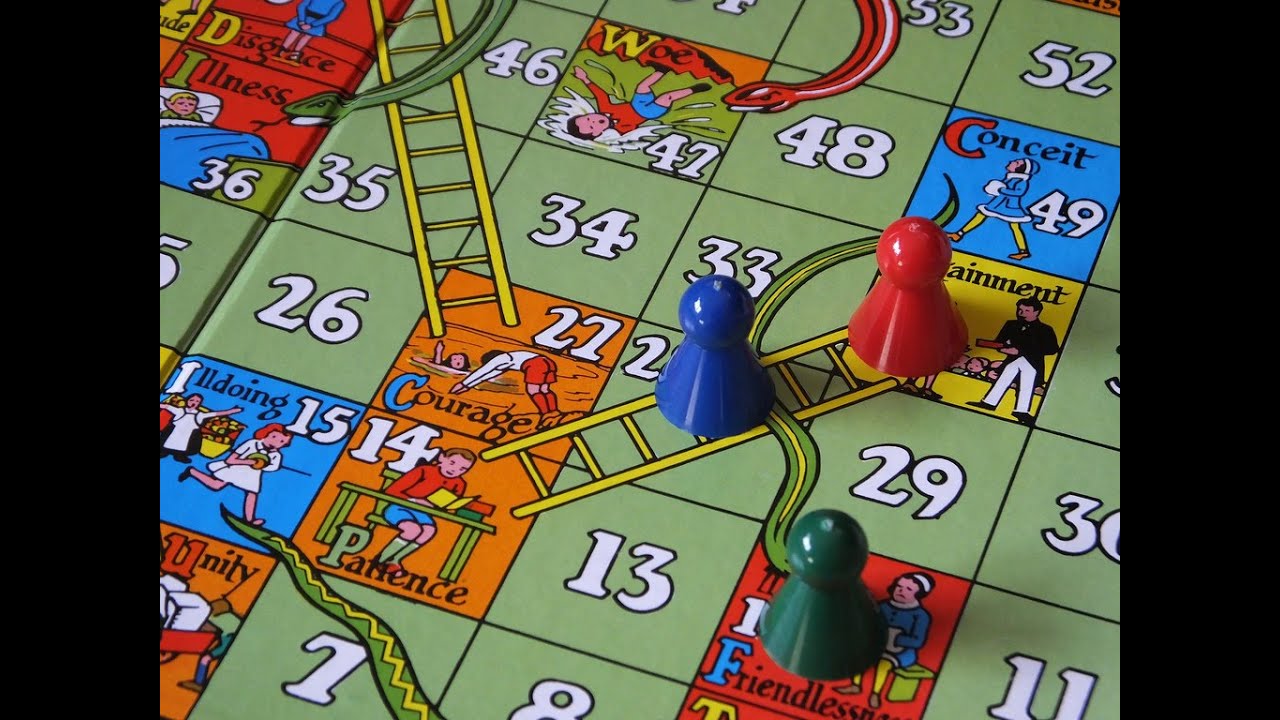
The game, Snakes & Ladders, was invented in India as a game of morals. Later it spread to England and eventually introduced in the USA by game pioneer Milton Bradley in 1943.
Being one of the oldest civilizations in the world, complete with a rich history and culture as well as a strong and long scientific and technological tradition, it comes as no surprise that many significant inventions have come out of INDIA.
Why India’s new draft EIA matters?
Environmental Impact Assessment (EIA) is the process of assessing the likely environmental impacts of a proposal and identifying options to minimise environmental damage. The main purpose of EIA is to inform decision makers of the likely impacts of a proposal before a decision is made. EIA provides an opportunity to identify key issues and stakeholders early in the life of a proposal so that potentially adverse impacts can be addressed before final approval decisions are made.
EIA is not a way of allowing an environmental ‘veto’ on development proposals. Environmental considerations may be set aside in favor of other considerations including economic and other benefits of going ahead.
EIA is a structured approach for obtaining and evaluating environmental information prior to its use in decision-making in the development process. This information consists basically of predictions of how the environment is expected to change if certain alternative actions are implemented and advice on how best to manage environmental changes if one alternative is selected and implemented. Until relatively recently, with a few notable exceptions, EIA focused on proposed physical developments such as highways, power stations, water resource projects and large-scale industrial facilities. Slowly, but increasingly, its scope of application is expanding to include policies, plans and other actions which also form part of the development process.
Decision-makers are provided, by EIA, with information on the anticipated consequences of their choices. EIA is, therefore, a management tool with technical input, not a technical aid with ‘add on’ management aspects. This distinction is crucial to an understanding of the objectives of EIA and how it can best be implemented.
EIA has been in existence since 1970 (when it was introduced into the United States of America following the National Environmental Policy Act coming into effect) and has spread rapidly since then to all parts of the world. EIA is still relatively ‘young’ and the number of countries which use it, as a legal/administrative requirement, is still increasing. At the same time, EIA practice (and the techniques used) is evolving as experience has been gained on its utility in a wide range of development and geographic contexts.
The use of EIA has been formalized by the introduction of national laws and regulations and, in some cases, policies which establish systems of institutionalised procedures to ensure that all proposed physical development, expected to be environmentally damaging, is assessed prior to authorization and possible implementation.
Environmental Impact Statements are one part of a whole planning process that aims to protect the environment whilst economic development is occurring.
Few precaution, which needs to be taken while preparation of report of EIA are:
- presentation should not be too complex or technical
- Provide sufficient information about the project
- Information base should be strong
- Don’t forget to Omit the information
- Include only relevant information
- Presentation should be clear as per the targeted audience
- Identification of adequate risk and its impacts
- Identification of adequate indirect and far reaching impacts
- Time constraints has to be kept in mind.
The fundamental components of an EIA would necessarily involve the following stages:
1.Screening to determine which projects or developments require a full or partial impact assessment study;
2.Scoping to identify which potential impacts are relevant to assess (based on legislative requirements, international conventions, expert knowledge and public involvement), to identify alternative solutions that avoid, mitigate or compensate adverse impacts on biodiversity (including the option of not proceeding with the development, finding alternative designs or sites which avoid the impacts, incorporating safeguards in the design of the project, or providing compensation for adverse impacts), and finally to derive terms of reference for the impact assessment;
3.Assessment and evaluation of impacts and development of alternatives, to predict and identify the likely environmental impacts of a proposed project or development, including the detailed elaboration of alternatives;
4.Reporting the Environmental Impact Statement (EIS) or EIA report, including an environmental management plan (EMP), and a non-technical summary for the general audience.
5.Review of the Environmental Impact Statement (EIS), based on the terms of reference (scoping) and public (including authority) participation.
6.Decision-making on whether to approve the project or not, and under what conditions; and
7.Monitoring, compliance, enforcement and environmental auditing. Monitor whether the predicted impacts and proposed mitigation measures occur as defined in the EMP. Verify the compliance of proponent with the EMP, to ensure that unpredicted impacts or failed mitigation measures are identified and addressed in a timely fashion.
Benefits:
EIA allows the likely significant environmental effects of a project tobe identified and to be avoided, remedied or minimised at an early stage.Nevertheless, the general public is often concerned about the possibility of unknown or unforeseen environmental effects of particular development. Where a planning application is accompanied by an ES the Planning Service will advertise the availability of the ES and take any representations about the likely environmental effects into consideration in making its decision. By making the information on the likely significant effects available, EIA can help allay fears created by a lack of information. Once EC (environmental clearance)is granted, for industries they may apply for CTE (Consent to establish) and CTO (Consent to Operate).

Indian Labour Laws in the process of Codification, Reformation and Consolidation: A Study

INTRODUCTION

India begins the process of codification of its labour laws, a long-awaited and much-needed reform. India’s new Code on Wages, 2019 (“Code on Wages”) has been approved by both the Houses of the Parliament [4] and it is now awaiting Presidential assent in order to become law.[5]
This is the first in the series of four labour codes that have been proposed by the government and is expected to pave way for the other labour codes including the code on employee health and safety and social security.[5]
Once the effective date of the Code on Wages is notified, it shall subsume and repeal the following important labour laws:[5]
1) The Payment of Wages Act, 1936 (POWA)
2) The Minimum Wages Act, 1948 (MWA)
3) The Payment of Bonus Act, 1965 (POBA)
4) The Equal Remuneration Act, 1976 (ERA)
The Code on Wages shall regulate wage and bonus payments in all employments and aims at providing equal remuneration to employees performing work of a similar nature in every industry, trade, business, or manufacture. [5]
COVERAGE AND APPLICABILITY
The Code on Wages will apply to employees in the organized and un-organized sectors. While the Central Government will continue making wage-related decisions for employments such as railways, mines, oil fields, central public sector undertaking etc., the State Governments shall make such decisions for all other employments including for private sector establishments.[5]
Unlike the POWA which applied to only those employees who drew monthly wages of up to INR 24,000 (approx. US$ 340) and the MWA which applied only to scheduled employments, the provisions of the Code on Wages relating to payment of wages shall extend to all employees irrespective of their wage ceiling and type of employment.[5]
WHEN THE CODE ON WAGES, 2019 WAS ENACTED AND PASSED?
The Code on Wages, 2019 the enactment of which empowers the Centre to set a minimum statutory wage, expected to benefit over 500 million workers across the country, was re-introduced in Lok Sabha by the Minister of Labour, Mr. Santosh Gangwar, on July 23, 2019, and subsequently passed on July 30, 2019. [3]
After due deliberations on the suggestions received, the Committee furnished its report on December 18, 2018, incorporated with its various recommendations. [3]
Thereafter, it was passed by Rajya Sabha on August 2, 2019 and is currently awaiting the Presidential assent following which, it will become an Act of Parliament.[3]
“OBJECTIVE” OF THE CODE ON WAGES, 2019
The Code seeks to regulate and streamline wage and bonus payments in all the employment sectors where any industry, trade, business, or manufacture is carried out.
The central government will make wage related decisions for employment sectors, inter alia, railways, mines, oil fields, etc. and the state governments are to make similar decisions for all the other employment sectors.[3]
BACKGROUND
Presently, the provisions of both the Minimum Wages Act, 1948 and the Payment of Wages Act, 1936 are applicable only on workers falling below a particular wage ceiling, working in the Scheduled employment sectors. [3]
Many unorganized sector workers like agricultural workers, painters, persons working in restaurants and roadside food stalls, gatekeepers, etc., who previously did not fall under the cloak of the minimum wages, will get legislative protection of minimum wages after the Code becomes an Act.[3]
The Code is likely to be an improved and a more efficient version of the 2017 Bill as it incorporates many of the recommendations provided by the Parliamentary Standing Committee in their December 2018 report.[3]
The need for codifying and implementing a uniform labour legislation arose owing to the fact that currently, there are close to 12 different definitions for wages, which is one of the primary reasons for labour litigations in the country, and for inefficiency in the implementation of these legislations.[3]
NEW DEFINITION FOR WAGES UNDER THE CODE ON WAGES, 2019
The Code introduces a simplified definition for wages, which includes salary, allowance, or any other component expressed in monetary terms, but does not include, inter alia, bonus payable to employees or any travelling allowance.[3]
This new definition is expected to reduce litigation and enable easier and cheaper means of compliance for an employer. Establishments will further be benefitted as the number of registers, returns, forms, etc. can not only be filed and maintained electronically, but it is believed that by taking recourse to the applicable rules, all the statutory compliances can be comprised under a single template.[3]
ARTICLE 43 AND THE DEFINITION OF “LABOUR”
Article 43 of the Constitution of India states that, “The State shall endeavour to secure, by suitable legislation or economic organization or in any other way, to all workers, agricultural, industrial or otherwise, work, a living wage, conditions of work ensuring a decent standard of life and full enjoyment of leisure and social and cultural opportunities”. [3]
Under the Constitution of India, ‘Labour’ falls under the Concurrent List under the Seventh Schedule, where both the central and the state governments are competent to enact legislations.[3]
WHO SHALL SET THE STANDARD FOR MINIMUM WAGES BASED ON THEIR EMPLOYMENT UNDER THE CODE ON WAGES, 2019?
Presently, the state governments are empowered to set the standard for minimum wages, based on employment, in their respective states. With the introduction of the Code, the central government, to the exclusion of the state governments, will be empowered to fix a floor wage, keeping in mind the living standards of the workers. [3]
Moreover, different floor wages may be fixed for different geographical areas. The central government may consult the Central Advisory Board and the state governments to decide and set a favorable floor wage.
Thereafter, the minimum wages set by the central and the state governments, in their respective states, have to mandatorily be higher than the floor wage fixed. In case the existing minimum wage fixed by the central or the state governments is higher than the floor wage fixed, they cannot be reduced.[3]
NEW CONCEPT INTRODUCED: THE FLOOR WAGE
The concept of a floor wage was brought about to ensure a uniform standard of living across the country. Presently, differences observed in the minimum wages set out across states and regions are primarily attributed to the fact that the central and state governments set, revise and enforce minimum wages for the employments covered by them.[3]
The advent of a floor wage may aid in reducing these differences and provide a basic standard of living for all employees across the country, as the floor wage fixed by the Centre will no longer be based on employment, but on geography and skills.[3]
PROCESS OF FIXING MINIMUM WAGES
The process of fixing minimum wages has also been revisited while framing the Code. Under the Code, the employers are prohibited from paying wages less than the minimum wage fixed.[3]
This minimum wage will be fixed based on either the time consumed or the number of pieces produced i.e., the level of difficulty of the task undertaken or the skill of the workers involved, and will be notified by the central or state governments from time to time.[3]
This minimum wage rate fixed by the governments will be reviewed and revised periodically, at an interval of not more than 5 years in a stretch.[3]
OVERTIME WAGES
With reference to overtime wages, the Code provides for the central and state governments to fix the number of hours which would constitute a normal working day, and employees working in excess of a normal working day shall be entitled to overtime wages, which would be no less than twice the normal rate of wages payable to the respective employee. [3]
MODE OF PAYMENT
Payment of wages is to be made in coins, currency notes, by cheque, by crediting to the bank account, or through electronic mode, and the employer is responsible for fixing the wage period as daily, weekly, fortnightly, or monthly.[3]
SALARY TO BE GIVEN IN A TIME BOUND MANNER
The Code also ensures that the employee’s be given their salary on a timely basis by stating that employees in receipt of monthly payment will receive the same by the 7th day of the next month. Further, those employees working on a weekly basis will receive their salary on the last day of the week, and daily wagers, on the same day.[3]
HARMONY BETWEEN THE EMPLOYER AND EMPLOYEE RELATIONSHIP SHALL BE MAINTAINED BUT IN AN ENHANCED WAY
The Code, in order to maintain harmony in the employer-employee relationship, has subjected an employee’s wages for deductions, inter alia, on the grounds of fines, absence from duty, accommodation given by the employer, recovery of advances given to the employee, etc.
Further, keeping in mind the beneficial nature of the labour legislations, the Code caps the maximum deductions to up to 50 percent of an employee’s total wages.[3]
Under the Code, every employee whose wage does not exceed a specified monthly amount, as notified by the central and state governments, will be entitled to receive an annual bonus, aggregating to at least 8.33 percent of his/her wages or INR 100, whichever is higher.[3]
In addition to receiving bonus, the employer is mandated to distribute a portion of the gross profits amongst the employees, in proportion to the annual wages of the respective employee. An employee can receive a maximum bonus of up to 20 percent of his/her annual wages.[3]
GENDER DISCRIMINATION: A BY-GONE ERA IN THE NEW CODE
The Code also places strong emphasis on prohibition of gender discrimination in matters concerning wages and recruitment of employees for the same work or work of similar nature. [3]
“Work of similar nature” is defined as ‘work for which the skill, effort, experience, and responsibility required are the same, when performed under similar working conditions’. [3]
The definition further extends to state that if there are any differences in skill sets with respect to gender, they are not of practical importance in relation to the terms and conditions of the employment.[3]
ADVISORY BOARD UNDER THE NEW CODE ON WAGES,2019
Under the Code, the central and state governments are required to constitute advisory boards, who would advise the respective governments on various aspects including, but not limited to, fixing minimum wages, increasing gender-neutral employment opportunities, etc. [3]
The Central Advisory Board will consist of employers, employees (in equal number of employers), independent persons, and 5 representatives of state governments; and the State Advisory Board will consist of employers, employees (in equal number of employers), and independent persons; all the while keeping in mind that one-third of the total members in both the boards will be women.[3]
PENALTIES FOR OFFENCES
As minimum wages is regarded to be an integral aspect in the life of an employee, stricter compliance of the provisions is envisioned under the Code.
The Code now lays down penalties for offences committed by an employer, be it by way of paying less than the due wages, or for contravening any of the provisions under the Code. [3]
The extent of penalties differ according to the nature of the offence, with a maximum penalty set at imprisonment of up to 3 months and fine of up to INR 100,000. [3]
Further, with a view of providing appropriate and adequate relief to the claims of the employees, the limitation period for filing claims for minimum wages, bonus, and equal remuneration has been raised to 3 years.[3]
It is a widely accepted notion that India has a serious wages problem. Today, regular workers in urban sectors earn an average of INR 449 per day, 49 percent more than their peers in rural sectors, who take home an average of INR 300. Casual workers in rural sectors earn the least, at INR 138.[1]
Keeping in mind the glaring inequalities, a mandated minimum wage is a welcome step to streamline the employment sectors and reduce disparities.[3]
According to the Periodic Labour Force Survey 2017-18[2], 45 percent of the regular workers (people who are employed in a relatively stable, formal sector) are paid less than the minimum wage. [3]
MINIMUM FLOOR WAGE: A MUST UNDER THE NEW CODE
The Code mandates payment of a minimum floor wage for all workers, which will be universal across the country, and across all sectors. This would allow for wages to rise in the informal sector and would also serve as a stepping stone in addressing the gender based disparities. [3]
At present, women earn roughly 45 percent less than men in the same occupation. A universal floor wage would reduce the rural-urban gaps. Although there is little doubt that the implementation of the Code would uplift the employment sector, we still have a far way to go in ensuring that these provisions are enforced in accordance with the true intent of the legislature.[3]
COMPARISON OF THE PAYMENT OF BONUS ACT, 1965 AND THE CODE ON WAGES, 2019:
While the Equal Remuneration Act extends protective provisions in favor of women, the Wage Code has taken a gender-neutral approach by prohibiting discrimination on the ground of gender in matters relating to wages. [3]
1) Payment of Bonus: The Payment of Bonus Act applies only to employees earning less than INR 21,000. [3]
The Main Point of difference :
While Section 26(1) of the Wage Code stipulates that employees earning below the salary threshold to be notified by the state government, will be eligible for payment of bonus, Section 26(2) of the Wage Code provides that where the wages of the employee exceeds the notified salary threshold, the bonus payable to such employee shall be calculated as if his wage were such amount, so determined by the appropriate government or the minimum wage fixed by the appropriate government, whichever is higher. [3]
It may be noted that the state governments may, by way of a notification, exempt employees of any establishment from the application of the chapter relating to the payment of bonus, having regard to the overall benefits under any other profit-sharing scheme available in such establishments. [3]
2) Fixation of minimum wages and floor wages: For fixing minimum wages, the appropriate government shall primarily take into account the skill of workers and the arduousness of work. [3]
By foregoing ‘type of employment’ as one of the factors for fixation of minimum wages, over 2000 minimum wage rates existing as of today are expected to reduce to 300. [3]
Further, the Wage Code introduces the concept of floor wages, whereby the central government will fix floor wages taking into account the minimum living standards of a worker for different geographical areas. The minimum rates of wages fixed by the state governments will have to be not less than the floor wages fixed by the central government. [3]
3) Inspection: The Wage Code provides for randomized web-based inspections, and information relating to the inspection may be called for electronically. It is expected that this will reduce the potential for corruption and harassment that a physical inspection entails. [3]
4) Streamlining of procedural compliances: With the consolidation of the Payment of Wages Act, Payment of Bonus Act, Minimum Wages Act and the Equal Remuneration Act into the Wage Code, multiple filings, and maintaining multiple records and registers under each of the four legislations is reduced.[3]
5) Penalties: Non-payment of amounts due to an employee under the Wage Code is punishable with a monetary fine, which may range up to INR 50,000.[3]
Other contraventions are punishable with monetary fines, which may range up to INR 20,000 depending on the type of contravention. [3]
REPEAT OFFENSES CRIMINALIZED UNDER THE NEW CODE
The Wage Code criminalizes only repeat offenses, that is, when a similar offense is committed within five years from the date of commission of the first or subsequent offense, after conviction, in which case imprisonment and a higher penalty may be imposed. [3]
Before initiation of prosecution for the offenses under the Wage Code, the employers are to be given an opportunity, by way of a written direction to be issued by the Inspector-cum-Facilitator, to comply with the provisions of the Wage Code within a specified time period (provided it is not a repeat offense) and if the employer complies with such direction, no prosecution proceedings shall be initiated against the employer. [3]
This would come as a relief to employers as they are given an opportunity to cure any inadvertent non-compliances before initiation of prosecution.
The Wage Code also provides for compounding of offenses for which imprisonment is not prescribed as a penalty. [3]
6) Claims: The existing labor legislations prescribe six months to 1 year as a period of limitation for filing claims, and some are silent on the period of limitation. [3]
Under the Wage Code, employees may file claims at any time within a period of 3 years from the date on which the claim arises. The Wage Code also expressly provides for filing of a single application on behalf or in respect of any number of employees employed in an establishment, subject to any prescribed rules. [3]
The authorities to be appointed under the Wage Code for determination of claims are empowered to order payment of compensation in addition to the claim determined, which may be up to ten times of the claim determined.[3]
RELEVANT CASE LAWS OF EACH OF THE 4 ACTS MENTIONED ABOVE ARE AS FOLLOWS:
(A) Payment of Wages Act, 1936:-
What are the rules that an employer should follow before deducting wages for damage or loss?[6]
An employer can deduct wages for damage or loss through Section 7(2)(c), which is authorised under the Act. According to Section 10 the employer shall not deduct the wages exceeding the amount of damage or loss of goods occurred due to neglect or default of the employee.[6]
Also, it is to be ensured that the employee had the custody of the goods which were so damaged. The employer is bound to give an opportunity to the employee for showing cause before deducting any wages.[6]
In M/S Rampur Engineering Co. Ltd. v. City Magistrate (AIR 1966 All 544) it was observed by Allahabad High Court that the deduction for loss of electric bulbs and tools that were given to the employees for their own personal use is a valid deduction. [6]
(B) Equal Remuneration Act, 1976:-
A landmark case in the light of equal pay for equal work was the Judgment given by the Hon’ble Supreme Court in the case of Randhir Singh v. Union of India. [7]
Here, the Court adopted a sociological ideology and deviated from strict interpretation to liberal interpretation for the employees. [7]
The court, in this case, relied on ‘‘socialist’ as envisage in the Preamble to the Constitution in deciding the case, and it was held that the principle of equal pay for equal work was deducible from article 14 and 16 of the Constitution of India, may be properly applied to the cases of unequal scale of pay based on classification, though those drawing a different scale of pay do identical work under the same employer.” [7]
Here, the court observed that “equal pay for equal work” is deductible from Articles 14 &16, understood in the light of the Preamble and Art. 39(d). [7]
(C) Minimum Wages Act, 1948:-
Sanctity of the Act
It is a clear decision of the Supreme Court in their three rulings held that non-payment of minimum wages leads to “forced labour” which is prohibited under Article 23 of The Indian Constitution. ‘Forced labour’ can arise in many ways like hunger and poverty, want and destruction.[8]
In the case of Sanjit Roy Vs. State of Rajasthan, the Supreme Court has decided that ‘The Exemption Act in so far as it excluded the applicability of the Minimum Wages Act, 1948 to the workmen employed in famine relief work is “clearly violative” of Article 23.
Thus, even public works ostensibly initiated by the Government for the sole purpose of providing employment are subject to the Minimum Wage Act.[8]
(D) Payment Of Bonus Act, 1965:-
Case Law: Shashikant Janardan Pimpalpure Vs Development Corpn. Of Vidarbha
On 20 February, 1995 the Respondent No. 1 (Corporation) filed a reply to the application and contested the claim of the petitioner.
The respondent set up the defense that the petitioner was not an employee of the respondent Corporation, but was appointed in Carpet Weaving Center only and is on the rolls of that establishment only.[9]
According to the respondent Corporation, Carpet Weaving Center was totally separate and distinct from the Corporation and had no resemblance to the terms of employment of the employees of the respondent Corporation.[9]
The Corporation set up the plea that since the Carpet Weaving Center was a training center and an educational institution and has no profit motive, bonus was not payable under the Payment of Bonus Act.[9]
The Corporation also set up the defence that the said Training Center has not completed five years of service and on that ground under Section 16 of the Payment of Bonus Act, the employee is not entitled to the payment of bonus.[9]
The first and foremost question which requires consideration is, whether an application under- Section 33-C(2) of the Act of 1947 is maintainable seeking payment of minimum bonus under the Payment of Bonus Act. Admittedly, the petitioners are only seeking minimum payment of bonus under the Payment of Bonus Act.[9]
It is also admitted that before filing of the application under Section 33-C(2) of the Act of 1947, there was no order for payment of bonus to the present petitioner under the Payment of Bonus Act.[9]
Scope of Section 33-C(2) of the Act of 1947 is now well settled and does not require any debate. The right to the benefit which is sought to be computed under Section 33-C(2) must be an existing one and that is to say, already adjudicated upon or provided for and must arise in the course of and in relation to the relationship between the industrial workmen and his employer.[9]
CONCLUSION
The Wage Code is being hailed as a historic step towards labor reforms and ease of doing business in India without diluting any basic rights of employees. The Wage Code aims for enforcement of labor laws with transparency and accountability, and it is expected to reduce the cost of compliance for employers significantly. [3]
Amongst several benefits, the codification of labour laws shall remove the multiplicity of definitions and authorities, without compromising on the basic concepts of employee welfare and benefits. [5]
In a way, it would make it easier for employers to understand and thereby comply, and for the labour authorities to enforce the laws. Including the unorganised sector under the ambit of the Code on Wages and implementing a national level floor wage for minimum wages could end up becoming path breaking for a labour-intensive country like India. [5]
Encouraging digitization through introduction of web based inspection scheme, calling of information electronically for inspection, composition of offences etc. may also become a model for other ministries when it comes to enforcement. The ease of compliance is also expected to promote setting up of more enterprises catalyzing the creation of more employment opportunities. [5]
Thanks to the Code on Wages and other continuing efforts of the government, please expect a higher ranking for India in the next World Bank survey on Ease of Doing Business! [5]
WEBSITES REFERRED AND FOOTNOTES:
1) Tish Sanghera (2018), “Daily Wages in India Doubled in 18 Years, But Wage Inequalities Grow”, IndiaSpend.
2) Annual Report, PLFS 2017-18 (2019), Periodic Labour Force Survey (PLFS), National Statistical Office, Ministry of Statistics and Programme Implementation, Government of India.
http://www.mospi.gov.in/sites/default/files/publication_reports/Annual Report, PLFS 2017-18_31052019.pdf
3) Wage Code – A Step In The Right Direction by Vaishnavi Eshwar and
Sawant Singh of Phoenix Legal
4) Passed by the Lok Sabha on July 30, 2019 and by the Rajya Sabha on August 2, 2019
5) India Consolidates And Codifies Its Labour Laws – The Code On Wages, 2019 by Preetha Soman and Vikram Shroff of Nishith Desai Associates
6) The obligations of employer under the Payment of Wages Act, 1936 by Anubhav Pandey
https://www.google.com/amp/s/blog.ipleaders.in/payment-of-wages-act-1936/amp/
7) Duties Of The Employer Under The Equal Remuneration Act, 1976 by Sylvine
https://www.google.com/amp/s/blog.ipleaders.in/duties-employer-equal-remuneration-act-1976/amp/
8) Indian Labour laws- Minimum Wages Act, 1948 by Akanksha
https://www.google.com/amp/s/blog.ipleaders.in/labour-law-indian-laws-caselaws/amp
9) A Critical Analysis Of The Payment Of Bonus Act, 1965 by Rebecca Furtado
10) https://www.google.com/amp/s/blog.ipleaders.in/critical-analysis-payment-bonus-act-1965/amp/
Firecrackers: An alternative to the law, sentiments and labour
Firecrackers are merely constituents of gunpowder comprising of various elements which gives rise to prolong combustion. In India, it means a lot more than that. It has aesthetic purposes since it has been believed that ‘Agnichurna’ was used in ancient times to fight enemies during wars. Be it marriages, birth or festivals, firecrackers are a form of awakening light by defeating the darkness. One such prevalent case has been of Diwali, where the entire country lights up together and celebrates the mythological victory of good over evil.
Firecrackers believably have grown during the end of Mughal dynasty and start of British East India Company and are burst like any other ritual in the country. Apart from acting as a ritual, there are also scientific reasons why the bursting has become so prevalent. Diwali comes after the monsoon season, at a time when the population of insects increases rapidly and encroaches various human habitats, be it cities or villages. That is also why most houses paint homes. Crackers then act like city wide fogging which cleans these insects, making a healthy and safe home for its residents throughout the year. This act of bursting crackers has been set on the hearts of people igniting homes and binding people all over the country. Firecrackers in a way, signals the entire country that everyone is celebrating a festival together. The bursting of crackers has been serving a ritual since decades across India. The religious sentiments that are aligned with the act are huge.
Focusing on the origin of Diwali, it is not only a specific event but the entire country actually has its varied forms of celebrating it. Like Ma Kali is worshipped in Bengal, Lord Ganesha is also worshipped in many homes, Jains specifically devote their day to Lord Mahavira. Lighting diyas and bursting crackers has been going on since time immemorial and along with it is lies belief of most Indians. These rituals significantly have stories to tell upon which India bases its heart. The sound of firecrackers, according to the older generation, is an example and indication of joy in people’s heart which makes the Gods aware of their state in their devotees’ lives. Hence, it clearly foreplays as an act of worship to satisfy the God as well. Most people in the country who cannot be in their homes during these times depend on the sound of crackers and lights around to feel complete.
Apart from these sentiments, there are various real-life problems attached to this. The firecracker industry gives employment to a large segment of people. Amidst the lack of employment scarcity already observed in the country, banning firecrackers can give rise to a different issue altogether. The claims of pollution due to crackers is a valid argument but pollution is also caused due to automobiles. And it is impossible to point out which act causes more harm. At this point of time, the firecracker industry is worth of 6000 crores and the economic aspect stands as the biggest reason why India cannot afford banning firecrackers. What can also not be ignored is the fact that the people who are working under such sites and have become skilled for this specific business have a family to support. Most of them found security in this industry and gave a major part of their lives to excel in it. With complete ban will come the threat to such workers who would face situations to start new amidst crisis until their death. There is also a relevance of economic aspect aligned with the fundamental rights. The extended jurisdiction of Article 21 guaranteed under the Constitution of India gives the right of livelihood to manufacturers. It is important to realise that crackers are not the only factor of pollution and respiratory problems, there are other factors involved like the wind and temperature which contributes to it. Until and unless, there is proper data on how much pollution and harm has been caused due to firecrackers, the industry cannot be strictly banned. Any violation of this would also be a violation of their right to business.
However, the way forward is certainly not dull as it sounds now. There can be terms where both of the situations can be kept under control. Some of the ideas that can be implemented as alternatives to the current scenario are as follows:
- On adopting the various laws as introduced in the developing countries such as Washington, Switzerland etc, the idea is of having a regulation on the bursting of crackers. There can be only specific occasions on which the use of firecrackers shall be allowed and only up to a certain time. It would help preserve the religious sentiments as such.
- Green crackers shall be developed which would not fall under these regulations. Claims on the pollution levels would not be affected by Green Crackers, they shall be environment friendly. It would help keep the industry intact along with the socio-economic affects.
- The industry shall not favour child labour but at the end of the day, child labour happens in the need of money. So, there shall be job securities given to the skilled labourers who have given at least five years to the same industry.
- In order to support the sale and good flow in the industry, there shall be one day sponsored by the Government when there shall be a firecracker show in an inner area. The show shall be open to all but at own’s risk.
- The license of selling firecrackers shall be issued by the Government.
Understanding of Kidnapping and Abduction
Generally we get confused between ‘kidnapping’ and ‘abduction’. We assume that if kidnapping means stealing of kids than abduction would be stealing of adult. But it’s not true. Though kidnapping literal meaning is child stealing but abduction is not an age specific offence. For detail understanding of these two offence, I have turned the pages of Indian Penal Code (IPC), 1860. And in this article, I have tried to compile it in easy and simple words. Please have a look.
Kidnapping: In Indian Penal Code, 1860 two types of Kidnapping is mentioned, (a) Kidnapping from India and (b) Kidnapping from lawful guardianship.
- Kidnapping from India, (section 360 of IPC): whoever takes a person beyond the limits of India without the consent of such person or any person legally authorized to give consent on his behalf then he shall be liable for the offence of kidnapping from India.
The point should be noticed here that, the victim’s age does not matter. Which means that not only a minor but a major person can also be kidnapped. But if the major and sane person gives his consent for such taking than the offence of Kidnapping will not be committed.
- Kidnapping from lawful guardianship, (Section 361 of IPC): Whoever takes or entices any minor under sixteen years of age if a male, or under eighteen years of age if a female, or any person of unsound mind, out of the keeping of the lawful guardian of such minor or person of unsound mind, without the consent of such guardian, is said to kidnap such minor or person from lawful guardianship’. The unsoundness of mind must be permanent and not temporary insanity produced due to intoxication.
As mentioned in this section consent of the child is completely immaterial. The consent of the guardian alone should be taken into consideration. That too, the consent of guardian have to be free and must not have been obtained by fraud or misrepresentation.
Simplified terms:
- Taking: the word ‘takes’ means to cause to go, to escort or to get into possession with or without the use of force.
- Enticing: the word ‘entice’ means alluring or attracting. It means a person attempts to do a thing after some persuasion which he or she would not have done otherwise.
- Keeping of Lawful guardian: here guardianship not only includes parents but also persons to whom the custody of the child has been lawfully entrusted. That could be teachers, relatives, servants or anyone. And the term ‘keeping of lawful guardian’ denotes the protection or care of the guardian. (A direct physical custody of the guardian is not needed but the whereabouts or movement should be known to the guardian.)
Abduction (section 362 of IPC): Whoever by force compels, or by any deceitful means induces, any person to go from any place, is said to abduct that person.
Abduction is an auxiliary act which becomes offence only when coupled with intention. The offence shall be complete if the accused takes away the person by tricking him or by deceitful means, or by using force and an actual use of force and not a mere threat to use force. As it is not an age-specific offence, which means any person of any age, can be abducted. In this offence the intention and consent is very important.
- If intention is that abducted person may be murdered, Section 364, applies;
- If intention is wrongfully confine person, Section 365 applies;
- If abducted person is a woman and intention is that she may be forced to marry against her will or have illicit sexual intercourse then Section 366 applies;
- If intention is to cause grievous hurt then Section 367 applies;If the abducted person is a child under age of ten years and intention is take dishonestly any movable’ property from its person then Section 369 applies.
Punishment for kidnapping (section 363 IPC): Whoever kidnaps any person from India or from lawful guardianship, shall be punished with imprisonment of either description for a term which may extend to seven years, and shall also be liable to fine.
Abducting or Kidnapping to Murder: As per Section 364 of Indian Penal Code, if a person is kidnapped or abducted by a person with the intention or knowledge that the person is going to be murdered or is going to be put in danger of being murder, such person is punishable with imprisonment for life or rigorous imprisonment for a term up to 10 years and a fine.
Kidnapping for Ransom: Section 364A of IPC provides for punishment to the whoever threatens to hurt or cause death to that person who he has kidnapped or abducted or detained after kidnapping or abducting. The punishment is death or imprisonment for life, and fine.
Inputs: law journals, IPC, 1860


You must be logged in to post a comment.