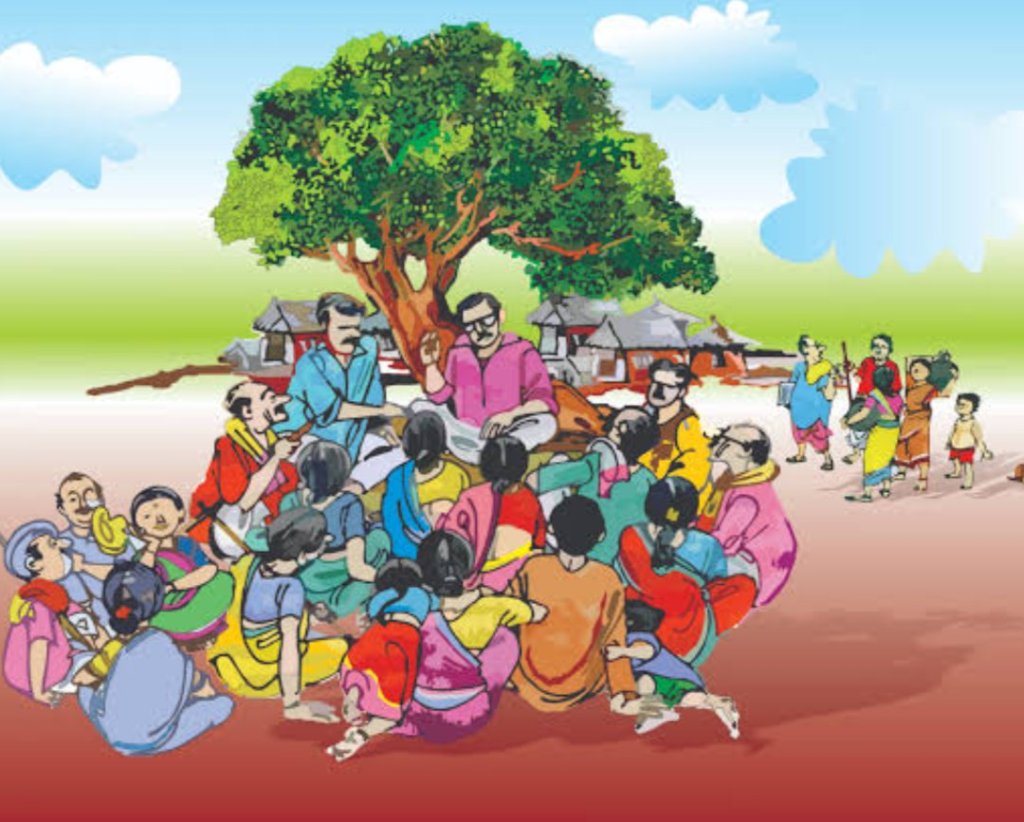
The paradox of poverty.

Poverty is about a lack of money, but also about a lack of hope. People living in poverty often feel powerless to change their situation. They can feel isolated from their community. If you want to overcome poverty, you need a combination of financial planning, a positive attitude, and a willingness to ask for help.

The global economic system is built on the exploitation of the majority, mainly in the so called third world countries. The system needs cheap labourers to work as it does. Therefore, it does not allow too many poor to become wealthier simply because then they wouldn’t do the labour anymore. That would either mean reduced profits for the investors or increased prices up to the point where the normal people in the so called first world could not afford it anymore.

Stereotypes about how to get out of poverty have real consequences. Unfortunately, despite mountains of evidence, you may still have a hard time shaking the idea that the only thing standing between poor people and wealthy people is how hard they’ve worked and how much they wanted to succeed. Even more unfortunately, this belief – when held by voters and reinforced by lawmakers eager to please their constituents – has led to troubling and even dangerous policies that perpetuate the cycle of poverty.
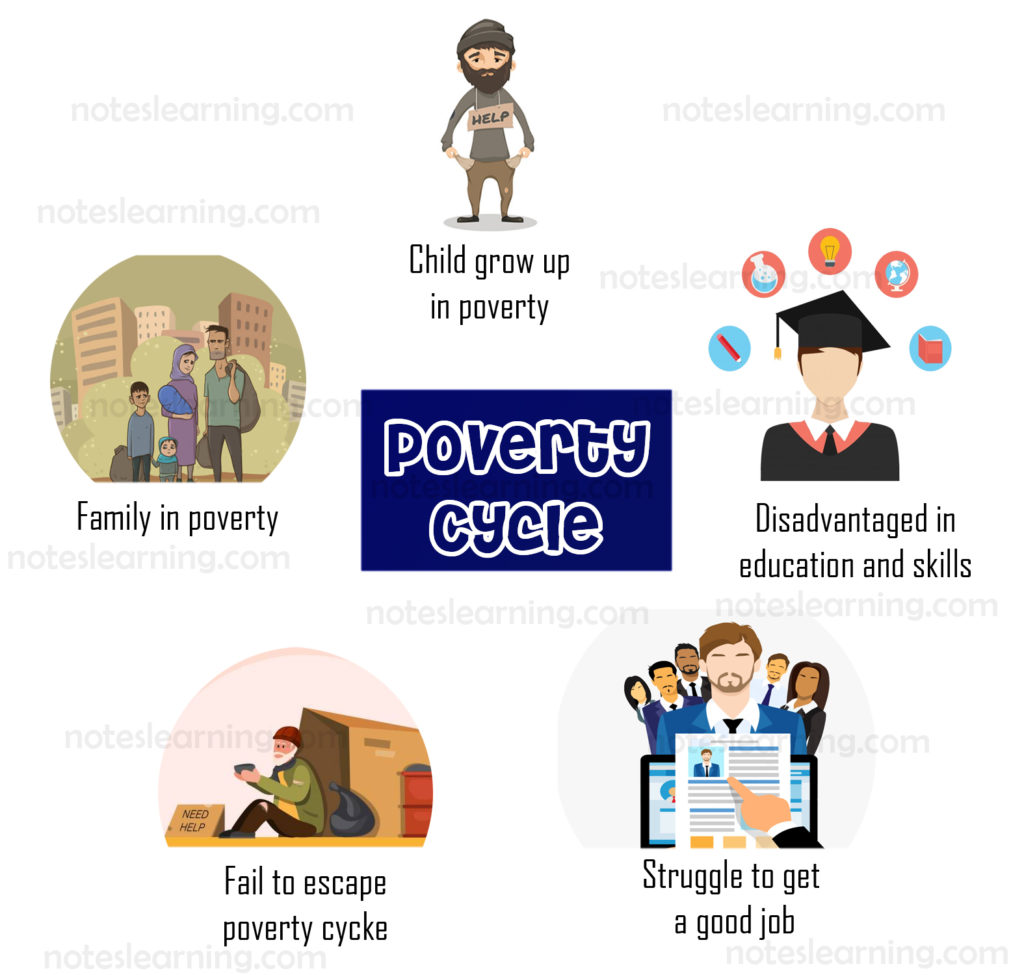
Poverty is an intersectional issue We don’t often look at the ways that poverty intersects with the issues of marginalized groups, and instead, tend to treat it as a separate ailment. In reality, poverty is caused by much more than just a lack of jobs or expensive housing. For many communities, poverty is a by-product of other systemic issues. Poverty is a complex cycle of factors. One of the most important aspects of conceptualizing how poverty impacts people is to understand that it is more than just not having money. We often think of poverty as monetary status – someone doesn’t have money right now; thus, they are poor – rather than a cycle. Put more simply, poor people are just like not-poor people, except they have less money right now. But chronic poverty (the kind that impacts families and entire communities) is not the same as being broke, and it’s not the same as being low on funds before your parents deposit your rent money.

In economics, a poverty trap or cycle of poverty is caused by self-reinforcing mechanisms that cause poverty, once it exists, to persist unless there is outside intervention.  It can persist across generations, and when applied to developing countries, is also known as a development trap. Families trapped in the cycle of poverty have few to no resources. There are many self-reinforcing disadvantages that make it virtually impossible for individuals to break the cycle. This occurs when poor people do not have the resources necessary to escape poverty, such as financial capital, education, or connections. Impoverished individuals do not have access to economic and social resources as a result of their poverty. This lack may increase their poverty. This could mean that the poor remain poor throughout their lives.

Controversial educational psychologist Ruby K. Payne, author of A Framework for Understanding Poverty, distinguishes between situational poverty, which can generally be traced to a specific incident within the lifetimes of the person or family members in poverty, and generational poverty, which is a cycle that passes from generation to generation, and goes on to argue that generational poverty has its own distinct culture and belief patterns
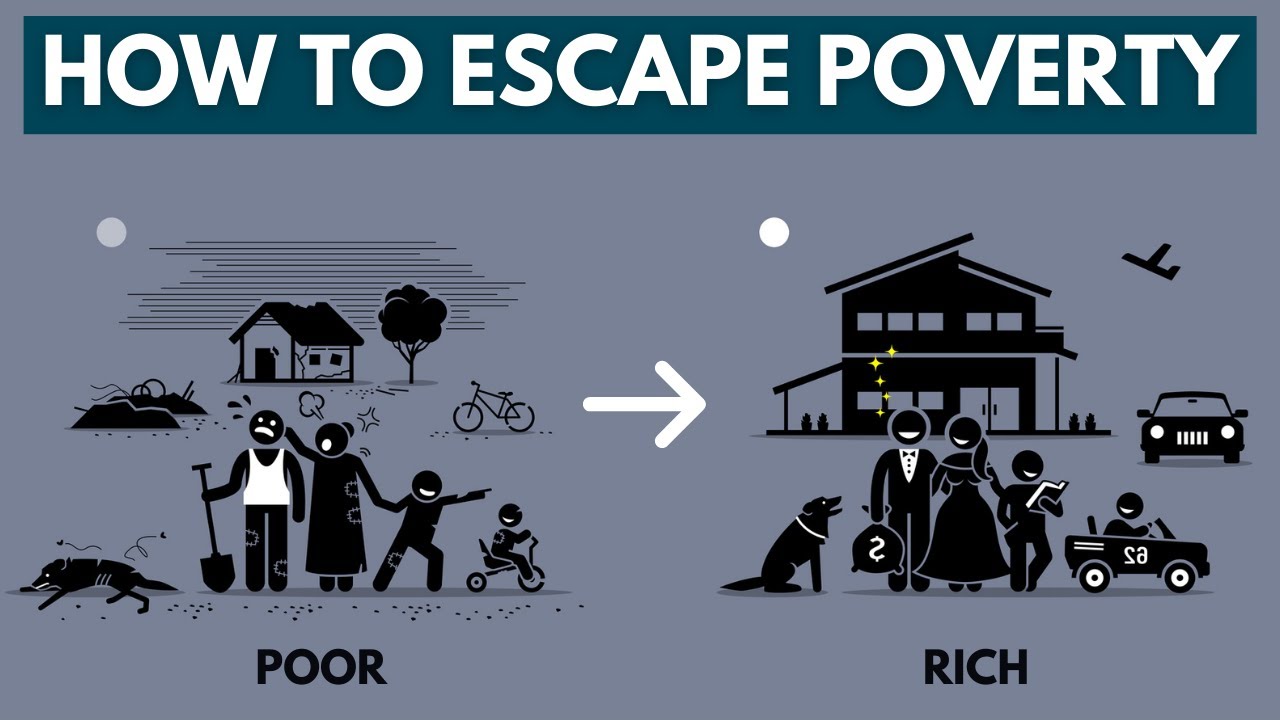
Factors maintaining personal poverty

Once poor, people can experience difficulty escaping poverty because many changes that would allow them to do so require money they don’t have, such as:

  • Education and retraining with new skills
  • Child care which would enable a single parent or second parent to work or take classes
  • Transportation to a distant job
  • Migration to an area with better economic opportunities
  • Starting a new business, which might require market research, technical assistance, and startup funding
  • Obtaining land for subsistence farming
  • Cure a health condition that prevents work, including diseases of poverty which don’t affect people outside of the “cycle of poverty”

This vicious cycle is harmful to those in poverty and those outside of it. Mainstream economic models think people are rational actors who weigh the costs and benefits of their options and choose the most advantageous path forward. If those in poverty know they’ll get no net benefit from working they’re incentivized to remain on government assistance. Of course, people works for many reasons including societal norms and personal values .but income is major incentive in pursuing new employment. When less people take on jobs the economy slows down keeping people in poverty and potentially pushing people in the cusp of  poverty over the edge. Some of them suggest feedback loop could be removed by eliminating government assistance programmes all together. But most agree this solution is neither realistic nor humane. So how can we redesign benefits in a way that doesn’t penalize people for working? Many countries have tried different ways to circumvent this problem. Some allow people to continue receiving benefits after finding a job. Others faze out benefits gradually as income increases. These policies still removes financial incentive to work but the risk for welfare trap is lower. Other Gov. provide benefits like education, Child care or medical care, equally across all their citizens. One proposed solution takes this idea of universal benefits even further. Universal basic income would provide a fixed benefit all members of society regardless of wealth or employment status this is the only known policy that removes welfare trap since earned wages would supplement benefit rather than replace it. In fact creating a stable income floor which no one can call basic income might prevent people from falling into poverty in the first place. Numerous economists, thinkers have championed this idea. Eighteenth century. But for now universal basic income remains largely hypothetical. Although it’s been tried in some places on a limited scale these local experiments don’t tell us much about how the policy will play out across the entire nation or a plant. Whatever strategy government’s pursuit, solving the welfare trap requires respecting people’s agency and autonomy. Only by empowering individuals to create long term change in their lives and communities can we begin to break the cycle of poverty.

Green consumerism: New way of life

Green Consumerism: Importance, Examples and Strategies - Conserve Energy  Future

We all are consumers in some way or the other. Even before we are born, we are consumers and this cycle completes only after our death. In this era of consumerism, it is extremely difficult for one to not be a consumer and being a consumer is something to be ashamed of.

Even though being a consumer is not bad, exploitation by consumer is something to worry about. Unlike a socialist economy in a capitalist world, the producers produce what the consumers demand. So, the responsibility vested with the consumer is rising day by day. When a consumer makes an irresponsible choice, he is encouraging the producer to be exploitative. Realising this power of consumers, a new term has originated, green consumer.

Who is a green consumer?

A green consumer is a person who makes a wise choice. They buy a product or avail a service after considering the environmental impact. They check the components of the product, the environmental effects of the product and such aspects in detail.

Economic, social, and cultural forces have set the framework for green consumerism. This is because it is a social attitude and movement in the modern era, especially aimed at encouraging people to be more aware of the firms’ production processes and only to buy or use products and services that do not harm the environment. For this reason, green consumerism has created a balance between the buyers’ behaviours and the organizations’ profit objectives as it mostly based on the sustainable and pro-environmental behaviour of consumers.

Why is it important to be a green consumer?

From second half of the twentieth century, world has started its efforts for environment conservation. Even though commerce and industries are one of the largest contributors to environment degradation, they were the last to act for environment protection. One such arena is green consumerism. In a world which spins on the axis of consumerism it is important for a consumer to make environment friendly choices. Also, there is shift in the mindset of the businesses from seller centric to consumer centric approach. Recognizing this immense power vested with them consumers could influence the market to produce environment friendly goods. Also, the fact that environment degradation could lead even to the extinction of humankind has opened the eyes of general public.

How to be a green consumer?

  • Use paraben free products.
  • Use cloth bags and don’t demand plastic carry bags.
  • Promote organic goods.
  • Avoid using synthetic materials that could harm the world
  • Avoid pollutants while choosing products.
  • Use recycled products.
  • Avoid the practice of use and throw.
  • Give importance to energy efficiency.
  • Practice modern methods of environment protection.
  • Shop according to the need.
  • Minimize paper usage
  • Check energy labels in daily utility products
  • Avoid using bottled water
  • Reduce electricity consumption
  • Reduce your carbon footprint
  • Check for environment friendly certification.

Ultimately change of mindset is the most significant factor in green consumerism. It requires people to avoid certain comforts and embrace the difficult but fruitful path. It is the duty of consumers to influence the producers to shift towards a greener path. The consumer is the king in the present scenario. They should use their power for the good of the world.

Let us all strive to act green for a better future. We should lead a sustainable living and preserve what inherited for the coming generations.

The Forest Man of India

Photo by mali maeder on Pexels.com

Jadav Peyang from Jorhat district in Assam was given the title of “The Forest Man” in Delhi by government of Indian on World Earth Day in 2010 for turning a barren land of 550 acres into a forest all by himself. It took him nearly 30 years to accomplish the task. It is officially called as Molai Forest. The locals call it “Molai” as a tribute to Jadav who used to be a fair child with pink cheeks, thus resembling a Mola(raddish in local language). At the age of 16, Jadav Payeng had experienced that a large number of snakes died due to excessive heat after floods washed them onto the sandbar. He then planted around 20 bamboo seedlings on the sandbar of the Brahmaputra river.

He started working in the forest from 1979 when the Social Forestry division of Assam’s Golaghat district had launched a scheme of tree plantation on 200 hectares of land at Aruna Chapori, situated about five kilometres from Kokilamukh in Jorhat district. He was one of the labourers of the project which was completed after five years.
Jadav has a simple solution to the global problem of depleting forest cover: teach our children to love Nature. “The rest will happen on its own,” he feels. According to wildlife experts, the forest atrracts around world’s 80% migratory birds.Jadav’s story also inspired a children’s book, Jadav and the Tree Place, that tells his story of how he made a forest that is now home to wild animals. He has been the subject of award-winning documentaries and now people travel across the globe to see the Molai forest. His inspirational story is also being taught in ecology classes at schools across the United States.

Top 5 Summer fruits to beat the heat

Photo by Bruno Scramgnon on Pexels.com

With the temperature gradually rising, it is very important to keep ourselves hydrated at all times. Due to dehydrating summer, the body loses water and henceforth we must replenish our body with vital nutrients.
Here are a list of 5 summer fruits we can consume to keep our body cool –

1) Watermelon

Watermelons are mostly made up of water and contains electrolytes that helps in dehydration. Further, they are also rich sources of Vitamin A and are good for the eye muscles.

2) Papaya
Papaya has multiple uses. It contaims an enzyme names “Papain” which helps in digestion. Further, it is also rich source of potassium that strengthens our immune system. Papaya can also be applied externally for healthy and glowing skin. It reduces tan and helps with sunburn.

3) Citrus Fruits

Citrus fruits like oranges, mosambi and lemons are rich sources of Vitamin C that helps with collagen production for healthier skin and hair. They also have antioxidants and flavonoids that are good for healing peptic ulcers and boosts our immune system. Fruit juices are an excellent alternative ti carbonated beverages and will keep our body cool and restore all the essential vitamins and minerals.

4) Cucumber
Cucumbers contains 95 percent water and are very hydrating. They contain fibre and helps with digestion and constipation. The anti flammatory properties help in flushing out toxins from our body. When outdoors and water is hard to obtain, one can eat a cucumber to restore the water defeciency.

5) Plums
Plums are packed with nutrients. They keep our heart healthy my maintaining blood pressure levels. Further, they are rich in dietary fibre and helps with constipation and other digestive problems as well.

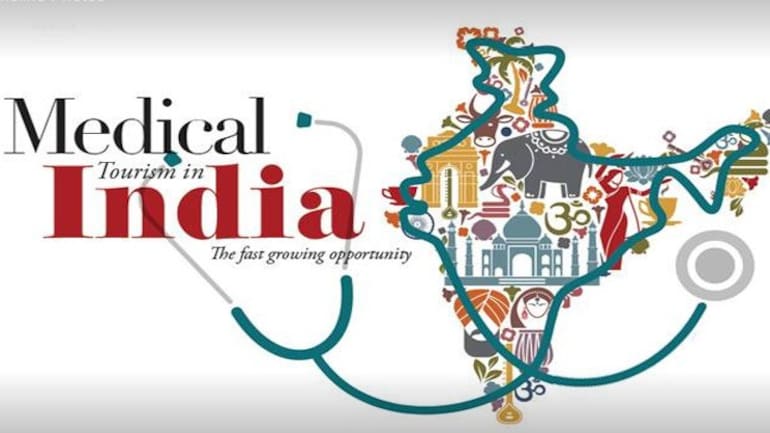
Medical tourism in India – a great opportunity

You might have seen and heard on TV news are read papers about foreigner looking to India for surgeries liver transplant dental and even cosmetic care. Why? Because our health services combined the latest medicinal Technologies with qualified professional and are cheaper for  foreigners as compared to cost of similar Healthcare services in their own countries. In 2016, as many as 200000 foreigners visited India for medical treatment. Speaker is likely to increase by 15% each year. Expect that by 2020 India could earn more than 500 billion rupees research medical tourism. Health infrastructure can be upgraded to attract more foreigners to India.

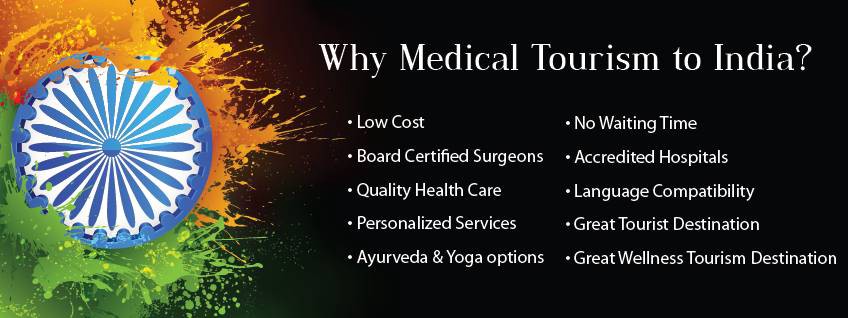
India in the recent years has emerged as a major hub for medical tourism and is now considered amongst the top 6 medical value travel destinations in the world. Foreign tourism arrivals for medical purposes have increased from 1,39,447 in 2014  to 4,95,056 in 2017. Some of the factors which make India a compelling destination for medical travel are reputed health care professionals and hospitals, English speaking health care workers, cutting edge global technology, personalized service, lower cost, lesser waiting time and rich cultural and leisure destinations.

The potential of wellness systems, developed through centuries of wisdom of this ancient civilization would be fully tapped. This is being done by positioning India as a centre of Ayurveda, Yoga, Sidha, Naturopathy, etc. together with the spiritual philosophy that has been integral to the Indian way of life. Ministry of Tourism has drafted guideline for wellness tourism. These guidelines address issues regarding making available quality publicity material, training and capacity building for the service providers, participation in international & domestic Wellness related events, etc.

 Mushrooming of wellness centres in the country has given rise to the concern for quality service. The Guideline for Accreditation of wellness centres have been developed by National Board for Accreditation of Hospitals & Healthcare Services (NABH) in consultation with AYUSH and released during the workshop on wellness tourism organized by Ministry of Tourism on 15 Feb 2011. The Ministry of Tourism has also extended its Market Development Assistance (MDA) scheme to wellness tourism service providers including accredited wellness centres. Presently the wellness centres accredited by State Tourism Departments are also eligible for the MDA. After the accreditation guidelines of NABH is in place, all wellness centres seeking MDA would be asked to be as close to the accreditation guidelines of NABH as possible.

The initiative of accreditation of wellness centre by NABH and AYUSH has been greatly driven be the Ministry of Tourism as also consultation with the Wellness Tourism Service Providers, State Governments and other stakeholders.

MEDICAL TOURISM

Medical tourism (also called medical travel, health tourism or global healthcare) is a term used to describe the rapidly-growing practice of travelling across international borders to seek healthcare services. Services typically sought by travellers include elective procedures as well as complex surgeries, etc.

India has emerged as the fastest-growing medical destination around the world and is expected to grow more with time. Anyone from any nation can get their medical treatment done in the country at an affordable cost. Several medical tourism companies in India are readily available to help out the patient from across the world. India holds advantage as a medical tourism destination due to following factors:

  • Most of the doctors and surgeons at Indian hospitals are trained or have worked at some of the medical institutions in the US, Europe, or other developed nations.
  • Most doctors and nurses are fluent in English.
  • Top -of-the-line medical and diagnostic equipment from global international conglomerates is available at many Indian hospitals.
  • Indian nurses are among the best in the world. Nearly 1000 recognized nurses-training centres in India, mostly attached to teaching hospitals, graduate nearly 10,000 nurses annually.
  • Even the most budget-conscious traveller can afford first-rate service and luxury amenities
  • Lower cost of treatment when compared to the other developed countries
  • Getting a visa for medical treatment in India is easier
  • The patients can get access to immediate service
  • India provides the world-class and standardized medical facility with the help of latest technology
  • The patients can receive post-treatment recovery with therapies like Ayurveda, yoga, and naturopathy
  • The patience taking the medical tourist trip can visit some of the most alluring and inspiring places in India
  • The nation is full of qualified and skilled doctors in various fields

Getting medical treatment in India was never so easy. With an increase in the demand for medical treatment, there is an increase in the medical tourism companies in India, who are there to provide the patients with the best and affordable medical tourism in India.

MUST WATCH FILMS FOR REAL NATIONALIST

Nationalism always been most  forgettable ideology. Nationalism seeks to pressure & foster a nation’s traditional culture. Nationalism dominant the loyalty and devotion towards nation. It aims to build and maintain a single National identity based on shared social characteristics of culture, ethnicity, geographic location, language, politics, religion traditions and belief in a shared singular history to promote National unity or solidarity.

The moral value of nationalism the relationship between nationalism patriotism and the compatibility of nationalism and cosmopolitanism are all subjects of philosophical labels. Nationalism can be combined with diverse Political goals & ideologies such as conservatism (Right Wing) or socialism (Left Wing). Nationalism is seen as positive or negative depending on it’s actions and outcomes.

Scholars frequently place thebeginning of nationalism in late 18th century or early 19th century with American declaration of Independence or with the French Revolution. Nationalism as a concept was firmly established by 19th century. The template of nationalism, as a method for mobilising Public opinion around new state based on popular sovereignty, Due to Industrial Revolution there was an emergence of an integrated, nation encompassing economy & National Public sphere, where the people began to identify with the country at large, rather than the smaller units of their provinces, town or family.

Union Jack was adopted in 1801 as the rational one. The political development of nationalism and the push for popular sovereignty culminated with the ethnic/ national revolution of Europe. It has also been used to legitimate racial, ethnic and religious divisions, suppress or attack minorities and undermine human rights and democratic tradition. Radical nationalism combined with racial hatred was a key factor in the Holocaust perpetrated by Nazi Germany. In 1749, Thomas Arne composed the patriotic song “Rule Britannia”!. Cartoonist John Arbuthnot invented the character of John Bull as the personification of the English national spirit in 1712.

Imposing the idea of one language in 1772 through his “ Treatise on the origin of language” focusing on the role of common language the instance observe in modern politics. He attached exceptional importance to the concepts of nationality and of patriotism.

Sociological or modernist interpretation of nationalism & nation building argues that nationalism arises and flourishes in modern societies that an industrial economy capable of self sustainability, a central supreme authority capable of maintaining authority and unity, few prominent figures developed the modernist interpretation of nation and nationalism include: Carlton J H Hayes, Rabindranath Tagore, Emile Durkheim, Max weber, Talcott Parsons, Arnold Joseph Toynbee.

 Now, think about it, how preferable to have nationalism as development ideology that emphasis on destroying the diversity; diversity that intact the entire nation in oneness without holding on discrimination. If people understand each other with different culture & religion the world will become the better place to live; politicians will not take advantage & will not turn up entire region in war.

Conflict will resolve quickly if sit & have table talk. Far – Right leader Marine Le Pen in France emerging as second highest vote collector candidate belongs to National Rally Party. National Rally believes in strong French centric ideology same as Trump reign during his tenure like “ Make America great again” to have strong immigration policy and secure the American individual identity . VÖLKISH MOVEMENT (Body of people) – German ethno nationalist movement from late 19th century through to Nazi Era impose the “blood and soil”.

However, It is difficult to amaze the world with far right nationalism as we have example of Vietnam War reaction when people saw the images from Vietnam War people protested against the government, Movements like Black life matters, Protest against CAA.

So, Now what should be the real meaning of Nationalism – Simple we believe in democracy and diversity (ironically scrapped from new CBSE syllabus) when we embrace the different culture. Encouraging tolerance for people of different cultural and racial background. When we send off ethnic & racial difference, religion, socio – economic background, intelligence. So whatever movies are mentioned here are based on true meaning of Nationalism. These movies asking question from Society in terms of socio – economic difference, war, racial discrimination, gender biases if you concern about these matter then you are real nationalist and kind of facets of society that Government wants us that we must not talk about these situations.

Movies Like: –

1)Never look away – Werk ohne Autor

2)Dr. Strangelove: Or How I learned to stop worrying and love the bomb

3)Full metal jacket

4)The lives of others – Das Leben Der Anderen

5)Ardh Satya

6)Mathilukal

7)Shyam benegal’ s films

8)Apu Trilogy

9)Bimal Roy’s films

These above mentioned movies list here in this article because of their Challenging Attitude towards for bringing something better for disadvantaged groups. More Can include in it with time and how we will evolve.


India’s democracy and the social reformers of India

Enough is enough: Take a stand for equality and inclusiveness - Tricentis

India is the largest democracy in the world. The country is known for the multiplicity of culture. In the words of Jawaharlal Nehru, India is the land of unity in diversity. But when we look back, we could identify several aspects were Indian culture lacked humanity and compassion.

People around the world are coming to India to experience and study the rich culture of the nation. But when we look back, we could identify several aspects which faced severe criticisms from humanitarians around the globe. So, how did this change happen?

The paradigm shift in the culture and practices are a result of combined efforts of the social reformers in the pre independent India.

Let us check some social reform movements during the independence struggle:

  • Prathana samaj

Prarthana Samaj or “Prayer Society” in Sanskrit, was a movement for religious and social reform in Bombay, India, based on earlier reform movements. Prarthana Samaj was founded by Atmaram Pandurang in 31 March 1867. The movement was started as a movement for religious and social reform in Maharashtra and can be seen much more alike Brahmo Samaj.

  • Brahmo samaj

It was one of the most influential religious movements in India and made a significant contribution to the making of modern India.[2] It was started at Calcutta on 20 August 1828 by Raja Ram Mohan Roy and Dwarkanath Tagore as reformation of the prevailing Brahmanism of the time (specifically Kulin practices) and began the Bengal Renaissance of the 19th century pioneering all religious, social and educational advance of the Hindu community in the 19th century.

  • Atmiya sabha

Atmiya Sabha was a philosophical discussion circle in India. The association was started by Ram Mohan Roy in 1815 in Kolkata (then Calcutta). They used to conduct debate and discussion sessions on philosophical topics, and also used to promote free and collective thinking and social reform. The foundation of Atmiya Sabha in 1815 is considered as the beginning of the modern age in Kolkata. In 1823, the association became defunct.

  • Satyashodhak Samaj

Satyashodhak Samaj (Truth-seekers’ Society) was a social reform society founded by Jyotiba Phule in Pune, Maharashtra, on 24 September 1873. It espoused a mission of education and increased social rights and political access for underprivileged groups, focused especially on women, Shudras, and Dalits, in Maharashtra. Jyotirao’s wife Savitribai was the head of women’s section of the society.

  • Young Bengal movement

The Young Bengal was a group of Bengali free thinkers emerging from Hindu College, Calcutta. They were also known as Derozians, after their firebrand teacher at Hindu College, Henry Louis Vivian Derozio.

  • Tattwabodhini sabha

The Tattwabodhini sabha was a group founded in Calcutta on 6 October 1839 as a splinter group of the Brahmo Samaj, reformers of Hinduism and Indian Society. The founding member was Debendranath Tagore, previously of the Brahmo Samaj, eldest son of influential entrepreneur Dwarkanath Tagore, and eventually father to renowned polymath Rabindranath Tagore. In 1859, the Tattwabodhini sabha were dissolved back into the Brahmo samaj by Debendranath Tagore.

As a result of the concerted efforts, there were several changes in Indian society. The abolishment of Sati, promotion of widow remarriage, education of women several other changes were the result of these activities.

Last two centuries were not only the period of independence struggle but was also the phase of Indian renaissance. There were many reformers who fought against the social evils and acted as the eye openers for the general public. These values have also contributed towards the framing of constitution.

Let us uphold the values shared by these great people.

Panchayat Raj Institutions vital force for Indian democratic structure

Source: latestlaw.com

Evolution and development of the local self Government has long history. The notion of direct democracy in janapada and mahajanapadas, that said to be precursor of panchayati Raj Institutions in Post – independence India. The idea of local self – Government  (LSG) was also extended to the urban areas, thereby making the notion of local self government two dimensional i.e. rural local self Government and urban local self Government.

Local Self Government based on basic human needs having direct bearing on the lives of the individual and the community as whole, better fulfilled by a government to which the individual and the local community have direct and easy access. Panchayati Raj in India signifies the system of rural local self Government.

Post independence times, democratisation of the Polity in the members of the constituent assembly, Gandhian plea for a village based system of political formation fostered by a stateless, classless society was initially rejected by the Congress Constitution committee. The idea of Panchayati Raj finding a place in the Constitutional framework of the country persuaded to provide a place of relative insignificance to the dream of Panchayati Raj by placing part IV of the Constitution.

It was created to establish democracy at the grassroot level.  It was constitutionalised through 73rd Constitutional Amendment Act 1992. The Ministry of Rural Development looks after the matters relating to panchayati Raj bodies. The 5th entry of state list of the 7th schedule to the Constitution of India deals with local government. The government to operationalize the panchayati Raj with the inauguration of the Constitution on 26th January 1950.


Committees on Local Self Government

Balwant Raj Mehta Committee

In 1957, Government of India appointed a committee under Balwant Mehta to examine the working of the community development Programme and National Extension services. The committee recommended the establishment of democratic decentralization, which ultimately came to known as Panchayati Raj.

Recommendations of Balwant Mehta Committee are as follows;

Establishment of a 3 tier panchayat Raj system Gram panchayat at the village level, panchayat samiti at the block level, Zila Parishad at the district level.  

The village Panchayat should be constituted with directions elected Representatives. The panchayat samiti and Zila Parishad should be constituted with indirectly elected members.

These bodies are entrusted with all developmental activities. The Panchayat samiti should be the executive body while the Zila Parishad be the advisory body.

The district collector should be the Chairman of Zila Parishad.

National Development Council accepted these recommendation, but left to states to evolve their own patterns.


Ashok Mehta Committee

In December 1977, the janta Government appointed a committee on panchayat. Raj Institutions under the chairmanship of ashok mehta. It submitted it’s report in August 1978 and made 132 recommendations to revive and strengthen the declining Panchayati Raj system in the country.

The 3 tier system of Panchayati Raj be replaced by the two tier system, Zila Parishad at the district level. A district should be the first point for decentralization under popular supervision below the state level. Zila Parishad should be the executive body and made responsible for planning at the district level.

There should be an official participation of political parties at all levels of panchayat elections. The panchayat Raj Institutions should have compulsory powers of taxation to mobilize their own financial resources.

A minister for panchayat Raj should be appointed in the state council of ministers to look after the affairs of the panchayati Raj Institutions. Seats for SC and ST should be reserved on the basis of their population.

GVK Rao Committee

The planning commission of India in 1985, appoint GVk Rao as the Chairman of the committee on administrative arrangement for rural development and poverty alleviation programmes. The commission found that bureaucracy side lined Panchayati Raj in developmental process. The phenomenon of bureaucratisation of development administration’ results into grass without roots.

The committee made following recommendations:

Zila Parishad should become the principal body for management of all development programme at the district level. Planning functions at the state level should be transferred to the district level planning units.

A post of District Development commissioner should be created. He should act as the chief Executive officer of Zila Parishad.

The Panchayati Raj Institutions at the district and lower levels should be assigned an important role with respect to planning implementation and monitoring of rural development programme. Election to Panchayati Raj Institutions should be held regularly.

LM Singhvi Committee

Rajiv Gandhi Government in 1986, appointed a committee on “Revitalization of Panchayati Raj Institutions for democracy and development” under the  ‘Chairmanship of LM Singhvi’.

Constitutional recognition of the Panchayati Raj Institutions were recommended. It suggested Constitution provisions to ensure regular , free and fair elections to the panchayati Raj bodies.

Nyaya panchayat should be established for cluster of village. The village Panchayats need to be equipped with financial resources.

The judicial tribunals should be established in each state to adjudicate controversies about the election to the panchayati Raj Institutions their dissolution and other matter related to their functioning.


73rd Amendment Act 1992

The Constitutional Amendment Act of 1992 has added Part – IX to the Constitution of India. It is entitled as The Panchayats’ and consists of provision from Article 243 to 243. The act also add 11th schedule to the Constitution. It contains 29 functional items of the panchayat and deals with Article 243- G.

Panchayati Raj Institutions get a constitutional status and State Government are oblised to adopt the new Panchayati Raj Act. Constitution balance between the center and state is not disturbed by the act.

Gram Sabha

Gram Sabha as the foundation of the panchayati Raj system. The Gram Sabha is a body consisting of persons registered in the electoral rolls of a village comprised within the area of panchayat at the village level. The Gram Sabha exercise such powers and functions at the village level. The Balwant Rai Mehta committee report, which envisaged a three tier structure at local level, made no formal mention of the Gram Sabha.

Gram Sabha exists as a statutory body in almost all states except in Kerala and Tamil Nadu. In states like Bihar, Odisha and Rajasthan, all the audit residents of a village or a group of village are it’s member.

Functions of Gram Sabha

To help implementation of the development programme and schemes of the panchayat. To support the programme of mass education and family welfare.

To solicit support in cash or kind or both and voluntary labour from the Public for community welfare programme. To discuss and appropriate action with regard to reports of the vigilance committee.


How to spot a pyramid scheme.

A pyramid scheme is a fraudulent system of making money based on recruiting an ever-increasing number of “investors.”  The initial promoters recruit investors, who in turn recruit more investors, and so on. The scheme is called a “pyramid” because at each level, the number of investors increases. The small group of initial promoters at the top require a large base of later investors to support the scheme by providing profits to the earlier investors.

Let’s assume the following: Founder Mike sits alone at the top of the heap, represented by the number “one.” Assume Mike recruits 10 second-tier people to the level directly below him, where each newbie must issue him a cash payment for the privilege of joining. Not only do those buy-in fees funnel directly into Mike’s pocket, but each of the 10 new members must then recruit 10 tier-three members of their own (totaling 100), who must pay fees to the tier-two recruiters, who must send a percentage of their takes back up to Mike. According to the hard-sell pitches made at recruitment events, those bold enough to take the pyramid plunge will theoretically receive substantial cash from the recruits below them. But in practice, the prospective member pools tend to dry up over time. And by the time a pyramid scheme invariably shuts down, the top-level operatives walk away with loads of cash, while the majority of lower-level members leave empty-handed. It should be noted that because pyramid schemes heavily rely on fees from new recruits, the vast majority do not involve the sale of actual products or services with any intrinsic value.

Unfortunately, these types of scams sometimes prey on people who need income quickly. For example, if you lost your job and are having a hard time finding a new job, you might be more willing to look into an opportunity that offers a fast return. But avoid the temptation to overlook the feeling that something is too good to be true. Instead, take a moment to calm yourself so you can make a legitimate plan after losing your job. Go over your budget—or create one for the first time—so you can manage your money in the best way possible while you try to increase your income.

How to Spot a Pyramid Scheme

Pyramid schemes and MLM sound a bit alike, don’t they? Here are some signs of a pyramid scheme, provided by the US Securities and Exchange Commission, to help you understand whether you’re considering a scam or a legitimate MLM opportunity:

  • You’re not selling something real. Legitimate MLMs sell tangible goods—many times there’s a ready-made market for them.
  • Get-rich-quick promises. If you’re being offered overnight success, get-rich-quick guarantees, or passive income promises, it’s probably too good to be true. People who make money with legitimate MLMs put a lot of time and effort into their businesses.
  • The company can’t prove it generates retail income. If the business can’t show you financial statements that demonstrate income from the sale of product, it could be generating all its income from recruiting people into the pyramid.
  • Strange or unnecessarily complex commission processes. Legitimate MLMs have easy-to-understand, product-based commissions.

The Bottom Line

Pyramid schemes are illegal in many countries. The model of profiting by using the network effect often traps individuals into recruiting their acquaintances, which can feel slimy for everyone involved and can ultimately strain relationships. Some people may shoot their shot each time and invest in multiple schemes losing money each time. Victims of pyramid schemes are often embrassed into silence and keep blaming themselves for not being tenacious enough to earn the promised returns, when in truth it’s the system that is faulty. Get rich quick schmes never work and will allways have some strings attached to it that can put people into legal trouble. Vigilance and knowledge about where your money goes are important factors that people must know, preventing them from falling pray for traps like the pyramid scheme.

sources – https://www.investopedia.com/insights/what-is-a-pyramid-scheme/ https://www.credit.com/blog/what-is-a-pyramid-scheme/

All you need to know about an Economic Recession.

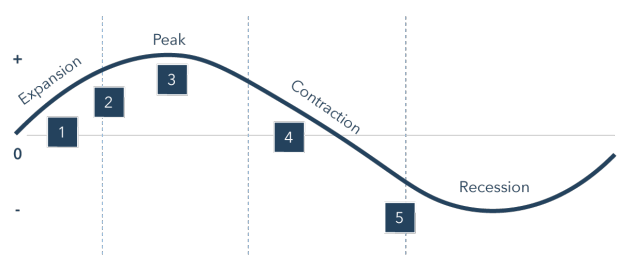
The National Bureau of Economic Research (NBER) defines a recession as “a significant decline in activity spread across the economy, lasting more than a few months, visible in industrial production, employment, real income, and wholesale-retail trade.” A recession is also believed to be signalled when businesses cease to expand, the GDP diminishes for two consecutive quarters, and the unemployment rate rises. The nature and causes of recessions are simultaneously evident and uncertain. Recessions are, in essence, a cluster of business failures being realized simultaneously. Firms are forced to reallocate resources, scale back production, limit losses, and, usually, lay off employees. Those are the clear and visible causes of recessions. There are several different ways to explain what causes a general cluster of business failures, why they are suddenly realized simultaneously, and how they can be avoided.

What Causes a Recession?

Some recessions can be traced to a clearly-defined cause. For instance, the recession of 1973-1975 began as a result of the 1973 oil crisis. However, most recessions are caused by a complex combination of factors, including high interest rates, low consumer confidence, and stagnant wages or reduced real income in the labour market. Other examples of recession causes include bank runs and asset bubbles.

Psychological Factors of a Recession

Psychological factors are frequently cited by economists for their contribution to recessions also. The excessive exuberance of investors during the boom years brings the economy to its peak. The reciprocal doom-and-gloom pessimism that sets in after a market crash at a minimum amplifies the effects of real economic and financial factors as the market swings. Moreover, because all economic actions and decisions are always to some degree forward-looking, the subjective expectations of investors, businesses, and consumers are often involved in the inception and spread of an economic downturn.

Economic Factors of a Recession

Real changes in economic fundamentals, beyond financial accounts and investor psychology, also make critical contributions to a recession. Some economists explain recessions solely due to fundamental economic shocks, such as disruptions in supply chains, and the damage they can cause to a wide range of businesses. Shocks that impact vital industries such as energy or transportation can have such widespread effects that they cause many companies across the economy to retrench and cancel investment and hiring plans simultaneously, with ripple effects on workers, consumers, and the stock market. There are economic factors that can also be tied back into financial markets. Market interest rates represent the cost of financial liquidity for businesses and the time preferences of consumers, savers, and investors for present versus future consumption. In addition, a central bank’s artificial suppression of interest rates during the boom years before a recession distorts financial markets and business and consumption decisions.

What Are the Indicators of a Recession?

Economists determine whether an economy is in recession by looking at a variety of statistics and trends. Factors that indicate a recession include:

  • Rising in unemployment
  • Rises in bankruptcies, defaults, or foreclosures
  • Falling interest rates
  • Lower consumer spending and consumer confidence
  • Falling asset prices, including the cost of homes and dips in the stock market

All of these factors can lead to an overall reduction in the Gross Domestic Product (GDP). The European Union and the United Kingdom define a recession as two or more consecutive quarters of negative real GDP growth.

Impact of Covid-19 Pandemic on the Economy

In February 2020, the National Bureau of Economic Research (NBER) announced that according to their data, the U.S. was in a recession due to the economic shock of the widespread disruption of global and domestic supply chains and direct damage to businesses across all industries. These events were caused by the COVID-19 epidemic and the public health response. Some of the underlying causes of the two-month recession (and economic hardship) in 2020 were the overextension of supply chains, razor-thin inventories, and fragile business models. The pandemic-related recession, according to NBER, ended in April 2020, but the financial hardship caused by the pandemic is still impacting Americans.

For simpler understanding-

WINTER,SUMMER ANY SEASON UTILITIES OF LIFE

Source: lifehack

Modern time teaching us whatever we do in our lives must focus on mental peace and stability or at least provide importance in our daily routine meaning by listing few activities in our lifestyle make a huge impact on our personalities and Change outlook for life. Rather, only chasing the material aspect of life yet nothing against money to have even basic subsistence requires Money but one should aware with toxication of materialistic side of life.

 Mind is extremely is extremely fickle effected by any small incidents of life that could lead towards mental stress. If we work on mind by doing some things which makes unfavorable situation favourable. Moon denotes our mind, that changes frequently in days where other plants take much longer time to move like Saturn.

 However, several prevention are useful to calm down the mind. It will not provide 100% guarantee but gradually ensure the difference. The activities such as :

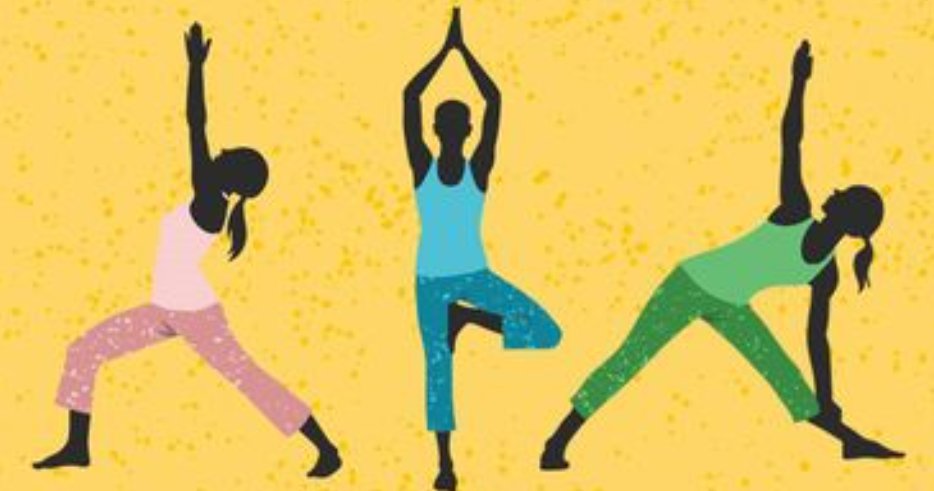
 Yoga

Source: Everyday health

Yoga is great method to relax your body and mind. It is not only improve flexibility of your body but help to heal the mind & soul simultaneously. It is helpful in arthritis, heart health, back pain, improves sleep disorder, determine more energy and higher moods, manage anxiety, reduce inflammation, boost immunity and improves mental health. Studies suggested, yoga is profitable to recover from cancer.

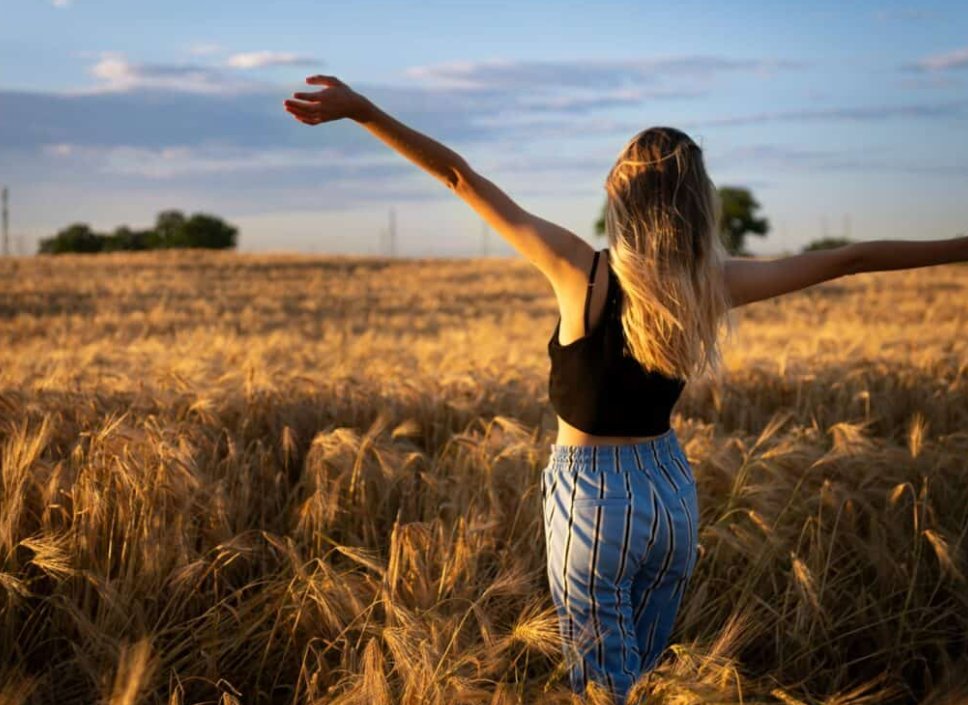
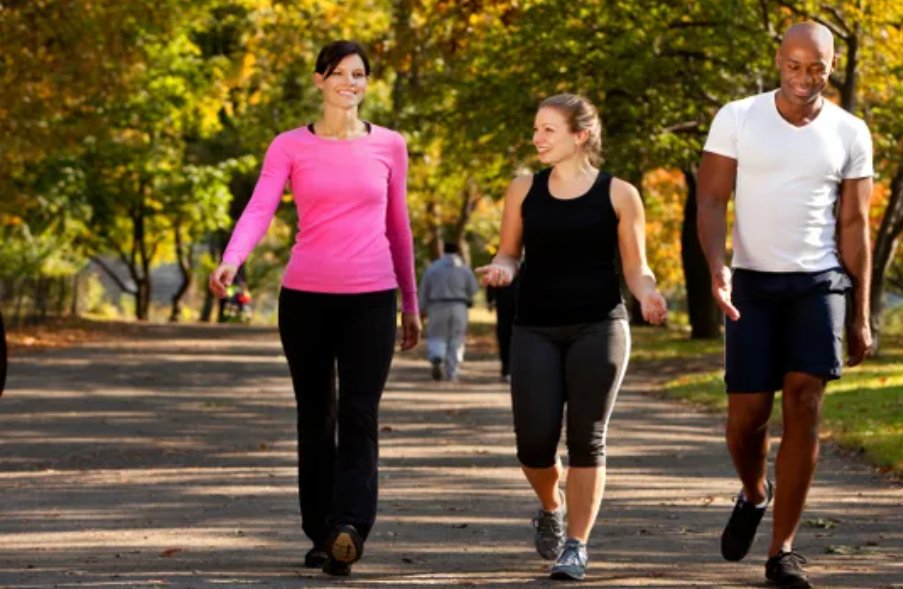
 walking

Source: Getty image

Walking is good for lung capacity improves heart diseases, reduces the chances of chronic diseases, stroke risk in ,work well on dementia risk, speed the digestive system, boots immunity, improves mood swings, lower blood pressure, delays the ageing, decrease the diabetes risk, beneficial for bones, boost memory and lower the risk of osteoporosis.

Engage in physical activities

Source: Loop – ca.com

Physical activities like dancing, swimming, running, aerobics, bicycle and riding. Any physical burnout immediately improve quality of sleep, reduces the feeling of anxiety and blood pressure. In long term, provides benefits for chronic diseases prevention for instance, brain health, heart health and bone strength.

Meet with good vibe people

Source: Rakuten viber

Good people (co – workers, neighbor) friends uplift the individual with all affection without logic & second hand emotions, this is a kind of friend we all desire in our life but relationship based on barter have no future no matter, how long we were together but what matters how much you grow together.

Sit Alone

Source: Mindful.org

Sitting alone works as therapy, through it we can easily evaluate yourself but, here also a catch to evaluating need to Know ourselves and life. It build mental strength, improve the ability to stress management  and increased happiness, increase empathy, creativity, productivity and this is a best way to know ourselves.

 Run away from negative thoughts

Source: Mindful.org

Negative thoughts pinch everyone but to some people this pinch is too hard. It is our responsibility to stay away from those thoughts. How it will work as by above mentioned solutions.

Meditation

Source: Medium

Finally, now we reach to meditation part because starting meditation at first place will not work. We need to understand the essence of life then we incorporate something higher or divine like meditation. Meditation helps to gain new perspective on stressful situation, increase self awareness, patience & tolerance,. Reduce negative emotions, helpful to have focus. It can help us manage unwanted impulses.

Not in doing what you like, but in liking what you do is the secret of happiness – J.M Barrie

Defining tourism in modern world

Career in Travel and Tourism- Top 6 Jobs Around the World - Leverage Edu

Tourism is one among those economic activities that existed since the ancient times. During ancient and medieval era people travelled to experience the cultural differences. Over the time tourism has also evolved and has become a significant contributor to the national income of many countries. There are many nooks and corners of the world which solely depends on tourism and its allied activities for their living.

Earlier the main motive behind visiting places were to see and experience their culture along with enjoying the natural beauty of the area. But, in this era of globalization the scope of tourism has widened and many nations are trying to gain a competitive edge in this industry. Let us take a look at various types of tourism now prevailing around us:

Cultural tourism

Cultural tourism is a type of tourism that allows the tourist to participate in local cultural activities, like festivals and rituals. As a result, the tourist can enjoy a genuine cultural exchange with the locals.

Religious tourism

Religious tourism, spiritual tourism, sacred tourism, or faith tourism, is a type of tourism with two main subtypes: pilgrimage, meaning travel for religious or spiritual purposes, and the viewing of religious monuments and artefacts, a branch of sightseeing.

Environmental tourism

Environmental tourism typically defined as travel to destinations where the flora, fauna, and cultural heritage are the primary attractions. Responsible ecotourism includes programs that minimize the adverse effects of traditional tourism on the natural environment, and enhance the cultural integrity of local people.

Health tourism

Health tourism is a form of tourism that consists of patients traveling to other countries to get medical treatment or assistance. It comprises all the services associated with tourism like transport, accommodation, and hospitality.

Culinary tourism

Culinary tourism is the focus on food as an attraction for exploration and a destination for tourism. Although food has always been a part of hospitality services for tourists, it was not emphasized by the tourism industry until the late 1990s.

Adventure tourism

Adventure tourism is defined as the movement of the people from one to another place outside their comfort zone for exploration or travel to remote areas, exotic and possibly hostile areas.

Enotourism

Enotourism, oenotourism, wine tourism, or vinitourism refers to tourism whose purpose is or includes the tasting, consumption or purchase of wine, often at or near the source.

Rural tourism

Rural tourism focuses on actively participating in a rural lifestyle. It can be a variant of ecotourism. Many villages can facilitate tourism because many villagers are hospitable and eager to welcome (and sometime even host) visitors. Agriculture is becoming highly mechanized and therefore, requires less manual labor.

Sports tourism

Sports tourism refers to travel which involves either observing or participating in a sporting event while staying apart from the tourists’ usual environment. Sport tourism is a fast-growing sector of the global travel industry and equates to $7.68 billion.

Eco tourism

Ecotourism is defined as “responsible travel to natural areas that conserves the environment, sustains the wellbeing of local people and involves interpretation and education”

Agritourism

Agro-tourism refers to people visiting working farms or other agricultural operations for the purpose of enjoyment, education, or other active involvement. Agri-tourism encompasses a wide variety of activities and provides a means for farmers to diversify and supplement their income.

Sustainable tourism

Sustainable tourism is defined by the UN Environment Program and UN World Tourism Organization as “tourism that takes full account of its current and future economic, social and environmental impacts, addressing the needs of visitors, the industry, the environment and host communities.”

Space tourism

Space tourism is a type of space travel that allows individuals to visit outer space for the purpose of recreation or leisure. Suborbital flights, orbital trips, and missions to distant planets are all examples of space tourism

Business tourism

  Business tourism is the provision of facilities and services to the millions of delegates who annually attend meetings, congresses, exhibitions, business events, incentive travel and corporate hospitality.

India is a country with wide scope for tourism. It should try to incentivize the emerging trends in tourism industry and strive to be a global leader.

World immunization week

Vaccination Tracker for COVID-19 | UL

After two long years of Covid 19 and its difficulties world is getting back to normalcy. Covid vaccines are the most important weapon which helped the human kind to defeat this virus which bought the entire world to a halt. Similarly, there are several instances when vaccines came to the rescue of mankind.

Recognising the significance of immunization, world health organization observes the last week of April as world immunization week every year. It aims to highlight the need for collective action to promote the use of vaccine. The theme for this year is “Life for all”. On this instance, let us learn more about vaccines:

What are vaccines?

A vaccine is a biological preparation that provides active acquired immunity to a particular infectious disease. A vaccine typically contains an agent that resembles a disease-causing microorganism and is often made from weakened or killed forms of the microbe, its toxins, or one of its surface proteins. The agent stimulates the body’s immune system to recognize the agent as a threat, destroy it, and to further recognize and destroy any of the microorganisms associated with that agent that it may encounter in the future.

The administration of vaccines is called vaccination. Vaccination is the most effective method of preventing infectious diseases widespread immunity due to vaccination is largely responsible for the worldwide eradication of smallpox and the restriction of diseases such as polio, measles, and tetanus from much of the world.

Even though vaccines have got all these positives many are still hesitant to get vaccinated. This is termed as vaccine hesitancy. The major reasons are:

  • Lack of confidence

Most of the times people will show hesitancy towards vaccine if they are not confident about the manufacturers. In order to solve this issue, the government has to ensure the general public about the reliability of vaccines.

  • Lack of sufficient testing

In some cases, vaccines may not be pre tested sufficiently before administering to the general public. In such instances government has to clarify regarding the surety of vaccines.

  • Illiteracy

Lack of knowledge among people also act as a barrier to vaccination drives. Due to ignorance people will not give importance to vaccine.

  • Religious and cultural beliefs

Some religions lay down restrictions to their followers in case of immunization. As a part of cultural or religious beliefs there exists some inherent resistance towards vaccination

  • Lack of access

Inaccessibility to vaccines also restricts vaccination process. Lack of health care services and facilities in remote areas prevents vaccination.

  • Inconvenience

Sometimes the long process and follow ups are difficult for people and many people find it inconvenient. In this case people should be made aware of the importance of vaccination. Also, efforts should be made to make the process less tiring.

  • Economic barriers

In many cases the vaccines are costly and downtrodden masses are unable to pay the price for vaccines. The government subsidies must be provided properly to solve this issue.

  • Future health implications

Some people don’t take vaccines fearing the health impacts in future. Believing the rumours many people fear to take loans.

  • Personal beliefs

The inherent beliefs and thoughts May also restrict people from getting vaccinated. Their political inclination and other such factors will affect this process.

Ultimately, it is the duty of general public to educate the hesitant population about the benefits of vaccination. The government should also play significant role in educating people and encouraging research.

So, let us work together and ensure a healthy life for all.

Need for switch from physical to human capital

Human capital refers to stock of ‘skill and expertise’ embodied in humans. Human capital is as important as physical capital for economic development. Human capital formation is the process of adding to stock of human capital over time. Human capital can be developed through creation of skilled, trained and efficient labour force by providing better education, health care facilities, etc. Highly skilled people can create new ideas and methods of production. Thus, expenditure on education, on health and on on-job-training are key instruments of human capital formation. Expenditure on education is one of the most important way of enhancing and enlarging a productive workforce in the country. Expenditure on health can create more efficient and more productive human capital. Further, on-the-job-training helps workers to update skills. Training enhances the productivity and is expected to accelerate the process of human capital formation.

Human Capital and Economic Growth

When we talk about economic growth, human capital is the main reason for the accelerated growth and expansion for many countries that provide investment in human capital. This gives the best advantages to these countries for providing the best situations for work and lifestyles.A significant advantage in generating a stable environment for growth is that the nation has the expanded high-quality human capital in fields like health, science, management, education, and other fields. Here, the main components of human capital are definitely human beings, but presently, the principal component is a creative, educated, and enterprising person with a high level of professionalism.

Human capital in the economy manages the central portion of the national wealth. Hence, all researchers consider that human capital is the most important resource of the community, which is more powerful than nature or wealth. In most countries, human capital determines the rate of development, economic, technological, and scientific progress.

(i) Inventions, innovations, and technological improvement

 (ii) Higher productivity of physical capital

 (iii) Raises production

 (iv) High rate of participation and equality

 (v) Improves the quality of life

The difference between human capital and physical capital

Both forms of capital formation are outcomes of conscious investment decisions. Decision regarding investment in physical capital is taken on the basis of one’s knowledge in this regard. The entrepreneur possesses knowledge to calculate the expected rate of return to a range of investments and internationally decide which one of the investments should be made. Physical capital is the outcome of the conscious decision of the owner the physical capital formation is mainly and economic and technical process. A substantial part of human capital formation takes place in one life when she or he is unable to decide whether it will maximize her or his earnings. Children are given different types of school education health care facilities by parents and society. The peers, educators and society influence the decisions regarding human capital investment even at the tertiary level, at the college level. Human capital formation at this stage is dependent upon the already from human capital at the school level. Human capital formation is partly a social process and partly a conscious decision of the possessor of the human capital. The owner of a physical capital, does need not be present in the place where it is used; a bus driver who possesses the knowledge and ability to drive the bus should be present when the bus is used for transportation of people and other materials physical capital is tangible and can be easily sold in the market like any other commodity. Human Capital is intangible it is endogenously built in the body and mind of its owner. Human Capital is not sold in the market; service of human capital is sold and hence there arises the necessity of owner of the human capital to be present in the place of production. Physical capital is variable from its owner where does the human capital is in separable from its owner. The two forms of capital differ in terms of mobility across space. Capital is completely mobile between countries except for some artificial trade restrictions. Human capital is not a perfectly movable between countries as movement is restricted by nationality and culture. Physical Capital formation can be built it even do import, human capital formation is to be done through conscious policy formulations in consensus with nature of society and economy expenditure by the state and the individual.

Both forms of capital depreciate with the time but the nature of depreciation differs between the two continuous use of machine lead to depreciation and change of Technology makes a machine of solute. Human capital, eating but can reduce, for large through continuous investment in education and health on the job training. This investment also facilitates the human capital to cope with change in technology which is not the case with physical capital. Natures of benefits flowing from human capital are different from that of physical capital. Human Capital benefits not only the owner but also the society in general. This is called external benefit. Educated person can effectively take part in a democratic process and contribute to the socio economic progress of a nation. Healthy person, by maintaining personal hygiene and sanitation, stops the spread of contagious diseases and epidemics. Human Capital creates both private and social benefits where as physical capital creates only private benefits. That is, benefits from a capital good flow to those who pay the price for the product and services provided by it.

Importance of Human Capital Formation:

Although the accumulation of physical capital is quite important in the process of economic growth of a country but with the passage of time, it is being increasingly realised that the growth of tangible capital stock depends extensively on the human capital formation must get its due importance.In the absence of adequate investment in human capital, utilisation of physical capital will be at low pace, leading to retardation of development.Prof. Galbraith observed, “We now get the larger part of our industrial growth not from more capital investment but from investment in men and improvements brought about by improved men.” Unless these developed economies spread education, knowledge, know-how and raise the level of skills and physical efficiency of their people, the productivity of physical capital would have been reduced at this moment.

Most of the underdeveloped countries are suffering from low rate of economic growth which is again partially resulted from lack of investment in human capital. These underdeveloped countries are facing mainly two basic problems. They lack critical skills very much needed for the industrial sector and again have a surplus labour force.Thus human capital formation wants to solve these problems by creating necessary skills in man as a productive resource and also providing him gainful employment.In order to remove economic backwardness of the underdeveloped countries as well as to instill the capacities and motivations to progress, it is quite necessary to increase the level of knowledge and skills of the people.Thus in the absence of proper development of the quality of the human factor, the underdeveloped countries will not be able to attain the desired rate of progress.

Takeaway

Economic and social benefits of human capital formation and Human Development are well-known. The spread of education and Health Services across different sectors of the society should be ensured so as to simultaneously attain economic growth and equity. The need of the hour is to better it qualitatively and provide such conditions so that they are utilised in our own country.

GENDER BASED VIOLENCE AND MENTAL HEALTH COUNSELING

Source: Love Uganda Foundation

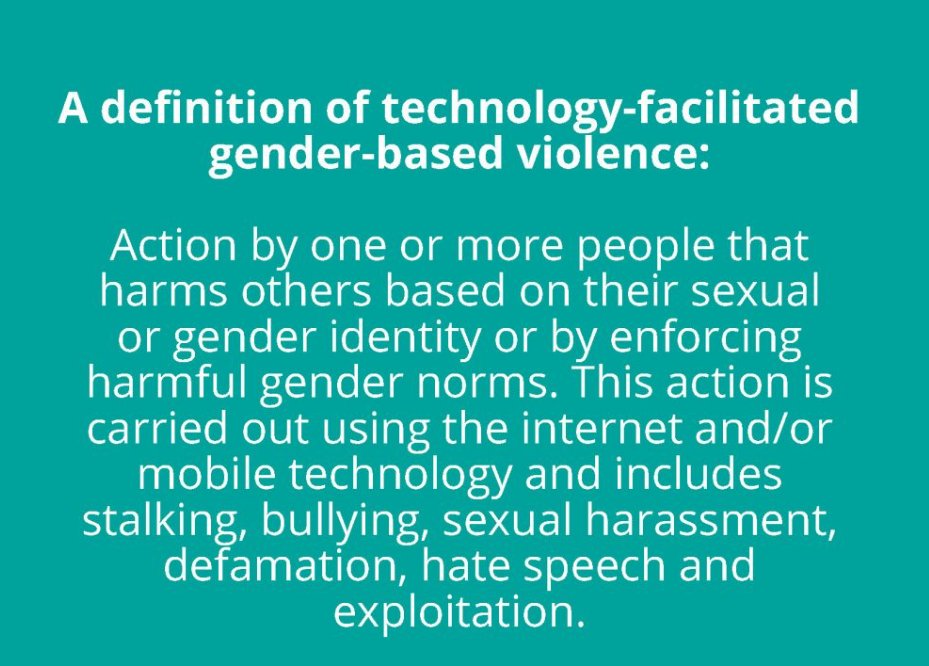
Gender-based violence impact the enormously on mental health of person. In this case, mental health counselling has significant role to eradicate gender based violence. Post-violence survivor possibly suffer with depression, anxiety and post traumatic stress disorder. Accurate role of mental healthcare prevent the increasing number of GBV; to reduce negative thoughts. Countries having Gender Based violence prevention based on rigid public health model that do not carry mental health component, though GBV must require concepts, competencies and standards of mental health to interdicte the GBV. Inequality of gender, gender stereotypes & prejudice, difference of feminity and masculinity capabilities,  Upbringing in patriarchal society or mindset aggression, male ego are several elements increasing insensitivity and hideousness and intricate to control the GBV.

Source: International Centre for Research on women

 Listen to and invest believe in survivors because prepetrator is only responsible for actions. Teach in schools what is to be men and make them aware of their emotional side. Call for responses and services require mandate for solution, Understand consent is extremely vital as men hard time to evaluate NO, learn the signs of abuse and how can we help and talk extensively and exclusively of gender based violence. In 2013 UNFPA and UN Women initiated Joint Global Programme on Essential Services giving to people who suffering with Gender based violence; providing access to services and quality of these particularly focus on health, Justice and social science ( such as psycho – counseling, helplines and safe house) and programmes on sexual & reproduction health because health services should be first place that survivors of abuse seek assistance.

Source: OSCE

 1) Mental health professionals well aware of how to help and support the survivors,  what are their emotional & psychological requirements in case of physical,verbal, sexual violences, anxiety and depression mental health professional (MHP) capable to encounter accordingly.

 2) Counselling is a faithful forum where anyone can be vulnerable, survivors can find easy to open up & release themselves emotionally in front of mental health Counselors. MHP can maintain solidarity to survivors, value their experience, understand their needs, ensure faith of confidentiality that no word will go out in fact each word will taken into consideration.

 3) In gender-based violence, survivor evidently confront the issue of acceptance and believing. Professionals competent enough to provide acceptance and build confidence in them

 4) Survivors needs emotional Support as  Counselors understand it  entrust  emotional assistance.5) Mental health counselling significantly help survivors to uplift their lives by feeling confident that help them to know about themselves and find sustainability on financial level. For it, Health professionals must support the idea of high level of self awareness for themselves for more influencial results.

5) Mental health counselling significantly help survivors to uplift their lives by feeling confident that help them to know about themselves and find sustainability on financial level. For it, Health professionals must support the idea of high level of self awareness for themselves for more influencial results.

6) Different Mental health counselling Programs and survey research increase the  efficiency and credibility of Counselling for survivors. Research determine the effectiveness of orientation of work,  conclude the conceptual results that enhance the relevancy and realiability of survey.

 7) Mental health professionals helps survivors to overcome of feeling of unwantedness just by listening and understanding their outputs, that give them  sufficient emotional support.

 8) Mental health counselling must provide 24×7 through E – Governance and from NGOs online portals. Government initiatives become extreme important regarding gender Based violence, their women empowerment Policies must confirm the positive results on society that ultimately helps women socially.

 9) Determining mental health counseling in rural areas is crucial because women especially in marginalized community found far more difficult to come out and express their needs because social structure & norms. Mostly do not aware of what to do in such situations. At this time, mental health counselors untapped them & make them aware of their legal, social and political rights; moreover their human rights.

 10) Gender based violence survivor do not know what to do now it at first, self doubt engraved in them strongly. Mental health professional advisory assistance support them to better their condition by doing counselling sessions and penetrate positivity.

 11) By community Awareness program, self employment, skill development program, self help group , support health care & group insurance support evidently proved to be helpful to the survivors.

Gender based violence anywhere is a threat to peace & security everywhere – John.F.kerry