Ancestral Worship in South-east Asia

What is Ancestral Worship?

‘Ancestral worship’ is the custom of worshiping or reverence of the deceased ancestors. The whole custom is based on the belief that the deceased ancestor is still a part of the family, and whose spirit is believed to have powers to affect the lives of the living descendants in every walks of life.

It is believed that the deceased ancestor’s spirits have supernatural potential, which affects the lives of the descendants according to how ‘they are honored, and are hence, venerated as a deity or spiritual figure.

The rituals and practices of the ancestral worship vary, however, the belief remains common, that the spirits of the deceased ancestors have a hold on the lives of their descendants; rewarding or punishing them according to whether offerings are provided or not.

The roots of the ancestral worship are said to have grown in the primitive culture but its traces can still be found in various religious communities. While it is often associated with Confucianism, this custom of ancestral worship prevails across boundaries of religious traditions.
The custom of ancestral worship not just bases on spiritual belief or religious belief, but is also practiced to cultivate social values of filial piety which means to show love, respect, support and to take care of one’s parents, loyalty towards one’s family, and upholding the family lineage.
South-east Asia is one of the oldest practitioners of ancestral worship. Different offerings are provided to the deceased ancestors like- special food, clothing, and paper money on the ancestor’s altar by commemorating them on special days such as death anniversaries or funerals.

The deceased descendants are commemorated and the offerings are presented by the families as a gesture of commemoration and veneration. It is believed, descendants who fail to present any offerings are punished and the ones to do without any fail are rewarded by the spirits of the deceased ancestors. The practice of ancestral worship is evident in parts of Southeast Asia like India, Vietnam, Thailand.

Vietnam

Vietnam includes various religious communities including Taoism, Buddhism, Cao Dai, Confucianism, and Hoa Hao. Even after having this diverse religious belief, almost every Vietnamese household believes and practices ancestral worship.

The practice of ancestral worship is carried out by the family members of the deceased ancestor. Children are not only obliged to respect their parents and grandparents in life, but also after they die. Vietnamese families place the ancestral altar in prominent places of the house, with the picture or a wooden tablet with the name of the deceased ancestor carved on it, with a burning incense stick. The incense stick is believed to make the spirit feel welcoming to return to their home. Two candles are burned on both sides of the altar. The candle on the left representing the ‘sun’ and the candle on the left representing the ‘moon’. Red is believed to be the colour of happiness and thus, a red and gold coloured cloth is also used.

Regular offerings are made to the altars and afterward consumed by the living members of the family. These rituals of veneration must be followed upon the death of a family member. Failing to practice these rituals after the death of a family member is believed to unable the spirits to find their way back home, forcing them to wander. The wandering and homeless spirits are believed to bring bad luck to their families.

Special rites are performed on special days or special occasions like the ancestor’s death anniversaries or Lunar New Year, to communicate with the dead ancestors. On these days, every home tray consists of five different types of fruit which are placed on the ancestral altar. The fruits are of a different colour. The fruits may include pomelo, banana, pear, persimmon, and tangerine or oranges. These different colors represent the desire for “Phu” (prosperity), “quy” (notability), “tho” (longevity), “chang” (health), and “ninh” (peace). To drive the evil spirits away the altar is decorated with peach blossoms in warm pink.

A prominent place is occupied by the ancestral altar in every Vietnamese family, showing respect for the past and future both.

Thailand

Offerings are made to house spirits in Thailand. A house spirit (phi ruan) is made an offering with the construction of a house. When a family member dies, after the funeral a procession is carried out, leading the spirit of the deceased member back home, ensuring the spirit does not wander. Also, there are rituals for calming down the spirits that are thought to have caused an illness to any living member of the family. When an argument takes place among the family members or any disputes on the inheritance of property, the spirits become anxious and troublesome.

Singapore

Instead of wooden tablets having the names of the deceased ancestor carved on them, a piece of red paper is used in Singapore, on which the name of the deceased ancestor is written. This red paper inscribed with the name of the deceased ancestor is called ‘kong-ma-pai’. Kong-ma-pai is placed with the idols of family Gods on the household altar. Regularly, the offering is made and incense stick is burned.

The commonality of Ancestral Worship in India and Southeast Asia

Like most of the parts of Southeast Asia, India also believes in and practices ancestral worship. ‘Pitri-Paksha’ is an annual ancestral worship ritual followed and practiced by the Hindus in India.
A period of 15 days is devoted to the commemoration of the ancestors of a family. Food is donated to the hungry; be it any human being, animal, or bird. It is believed that feeding them will result in the feeding of their deceased ancestors.

These 15 days of pitri-paksha are devoted to the forefathers as a remembrance of the ancestors’ contributions for the betterment of the descendants as an act of paying respect and thanking them for their contributions and efforts.

No matter what degree of difference prevails in the practice of the rites and rituals of ancestral worship among the parts of Southeast Asia and India, the believes remain common. Every country, every society, every religion, every community, believes that even the deceased ancestor matters to the family and affects the lives of their living descendants. It is believed that the deceased ancestor does not cease to be a part or member of the family.

On one hand, people worship and pay respect even to the deceased ancestors of the family, considering them to be still a part of the family, and on the other hand, families or some members of the family do not count the living elders as a part of the family. They are often left out, disrespected, and abused.

Ancestral worship is not just about spiritual belief, but also about the belief and respect for the elders of the family. The elderly are the foundation stones of a family, supporting on which the family stands.

Early practices, rituals, and rites are also moral educators. Like the custom of ancestral worship is a way of remembering and paying a tribute to the ancestors for all they did for us. It is the efforts of our forefathers for what we are today……for what we are able to achieve.
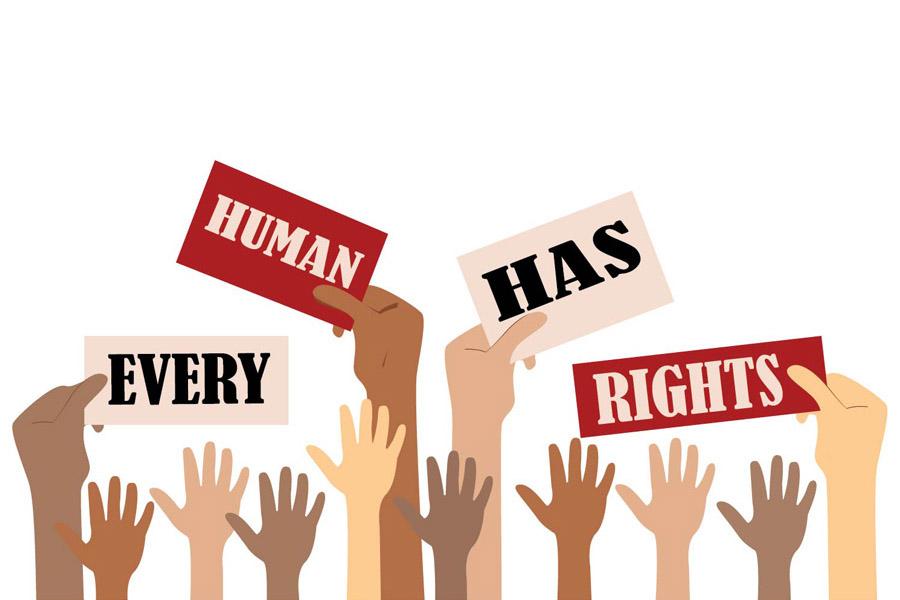
The Inherited Right- Human Rights

What are Human Rights?

The society operates on some moral principles and norms, which regulate human behavior. Human rights validate these principles and norms and protect the rights of humans internationally. 

Human rights follow the concept of ‘natural right’. These rights are inherited by birth just because he or she is a human being. Every human being is entitled to these rights irrespective of their place of birth, religion, age, or any other regard.

Human rights are universal i.e., it is applicable everywhere in the world, irrespective of which nation you are in. The rights are also said to be egalitarian, which means these rights are equal for every human being without any discrimination.

Origin of Human Rights

The roots of human rights can be dated back to 1215, when the first king of Persia, Cyrus the Great, conquered Babylon. Unlike other conquerors, he freed all the captive slaves and provided them with the freedom of right to choose, and the abolition of slavery by signing the ‘Magna Carta’, also known as the ‘Great Charter’. The Magna Carta significantly proved to be the start of the evolution of human rights. The Universal Declaration of Human Rights (UDHR) has taken the two rights mentioned in the Magna Carta.

The most important right human right is based on is ‘right to life. The right to life believes that every human being has the right to live, and should not be killed by anyone including the government. It does not merely mean to have a right to live, but have a life of dignity, which helps in laying down the rest of the human rights such as the right to equality and freedom from discrimination, right to equality before the law, freedom of belief and religion, and more such rights that affect the life of a human being.

What is the Universal Declaration of Human Rights (UDHR)?

Every law or right is drafted in a document. One such international document, comprising of 30 articles is the Universal Declaration of Human Rights (UDHR). The UDHR is the drafted document that has all the rights of human beings mentioned in it. The United Nations General Assembly ratified the document on 10th December 1948, in Palais de Chaillot, Paris.

The UDHR along with the International Covenant on Civil and Political Rights (ICCPR), AND International Covenant on Economic, Social, and Cultural Rights is called the International Bill of Human Rights.

Human Rights Governing Bodies

The Human Rights Council works for the protection and promotion of human rights around the world. It is an intergovernmental body made up of 47 United Nation member states. The former governing body, United Nations Commission on Human Rights was replaced by The Human Rights Council in 2006. 

Nationally, in India, the National Human Rights Commission (NHRC) operates as a statutory public body. It works for the protection and promotion of human rights in the state (nation).

Every state in India has a Human Rights Commission that works for the protection of human rights in that particular state. If any person finds his or her human rights are violated can file a complaint with the respective state commission.

Why Discuss Human Rights?

Human rights are not something that should be only known to a lawyer, judge, or any other individual working in the field of law, but by every human being. It is important to know one’s rights and duties. 

Inheriting the rights is not the end of it. It is important to know what is rightful and what is not. Unless we know our rights and duties there is no way to analyze what is right and what is wrong. 

If any violation of these rights takes place, it is important to be brought to the notice of the governing body for seeking justice. We often see in our surroundings discrimination taking place based on caste and colour most commonly, but often ignore it. Victims of such discrimination also don’t raise their voices against it due to a lack of knowledge about their rights. Awareness must be created among people regarding their rights, and they can seek justice not just for themselves but also help others facing such issues. Raising your voice against such issues is important to create and maintain a balance in society and making the world a better place to live

Female Feticide

Even after years of development and advancement misogyny still prevails in society. And this issue prevails because of the existence of social evils. Even in the 21st century, many people find girls as a burden on the family and not capable of achieving anything, but doing household chores. The stigma still exists mostly because of the dowry culture. As still having a girl child means giving hefty dowry for their marriage. Other than that, ‘preference of son over daughter as for old age security’, and the thought that ‘daughters can only be only involved in domestic work as they are ultimately going to be married off, and thus there is no need of education for them’, and more such narrow-minded thoughts exist in the society. All such thoughts and beliefs result in female feticide.

What is Female Feticide?

Female feticide the process of identifying the sex or gender of the fetus or the unborn child still in the mother’s womb, and aborting it if found out to be a girl. The sex of the fetus is determined through prenatal diagnostic tests. Sex-selective abortion results in the murder of a female fetus.

India Government’s Take on the Matter

Female foeticide hampered the child sex ratio. Some parts of India have a critically low child sex ratio. As per the 2011 census, the number of girl child in the age group of 0 – 6 years is 75,837,152 out of 158,789,287 which accumulates to 47.8%, and the number of girl child in the age group of 7 years and above is 540,772,113 which accumulates to 48.6% of the total number of children in this age group, which is 1,051,404,135. Even the literacy rate is low in girls. The literacy rate of male children stands at 80.9% whereas the literacy rate in girls stands at 64.6%, as per the 2011 census data. It is even seen that the rate of dropping out of school and higher education is more for girls.

 ‘Pre – Conception and Pre – Natal Diagnostics Techniques Act, 1994 (PC & PNDT), was enacted by the Parliament of India to put a curb on female foeticides. The act banned prenatal sex determination and regulates the pre-natal diagnostic techniques that are capable of determining the sex of the fetus, only for detecting any abnormalities.

Beti Bachao, Beti Padhao Scheme – Beti Bachao Beti Padhao Scheme (BBBP) was launched on 22nd January 2015 at Panipat, Haryana by Prime Minister Narendra Modi. An initial fund of Rs 100 crore was accumulated for the implementation of this scheme. It mainly targets Uttar Pradesh, Uttarakhand, Haryana, Bihar, Punjab, and Delhi, where the child sex ratio is critically low.

The scheme involves enforcement of ‘Pre – Conception, and Pre – Natal Diagnostics Techniques Act, 1994 (PC & PNDT) and spreading nationwide awareness and multi-sector action focused on 100 districts throughout the country in its first phase where the child sex ratio is specifically low. Pre – Conception and Pre – Natal Diagnostics Techniques Act, 1994 (PC & PNDT) was enacted to stop the practice of female feticide.

The scheme aimed at eradicating the practice of female feticide which is the reason for the declining child sex ratio (CSR) as the practice of abortion of female fetus and murder of girl child is done as the girl child is seen as a liability on the family.

Today, the world collectively talks about equality and where women are performing at par with the men; where women are stepping on the moon; marking excellence in the field of science, technology, and inventions, still is divided by a society that believes in killing a child which has not seen the world just because it is a female, and is believed to be of no good and a burden because of the social evils they created themselves.

Female feticide is a crime and also threatens the human right of ‘right to life’. It is important not just to literate but educate and aware the society about such social stigmas existing in the society.

International Yoga Day

Since 2015, every year on 21st June Yoga Day has been celebrated, after it gained recognition in 2014, by the United Nations General Assembly. The idea of celebrating Yoda Day internationally and the date of 21st June was suggested by Indian Prime Minister, Narendra Modi on 27th September 2014, in his speech in United Nations General Assembly.

What is Yoga?

The term ‘yoga’ has been originated in the Sanskrit language, which means ‘union’. That’s what yoga does. It unites the body, mind, and soul. Yoga has its origin in ancient India. Yoga is a form of exercise consisting of various asanas (body postures) and breathing techniques.

The asanas make the body flexible and healthy while the breathing techniques help in the better working of the lungs and the respiratory system. Meditation is also a part of yoga. When all of these are collaborated along with the chants it is said to help in the spiritual awakening of an individual.

Why is Yoga Day Celebrated?

Yoga has its roots in ancient Indian culture. It has mentions in various Indian scriptures and Vedic texts like- Rigveda and Upanishads. India has always been a practitioner of yoga but now yoga has gained international recognition after the idea was proposed by Indian Prime Minister, Narendra Modi on 27th September 2014. Now yoga is performed and celebrated internationally. 

International Yoga Day is celebrated to mark the importance and benefits of yoga around the world. In the past years, more people have engaged in practicing yoga. On International Yoga Day, different nations celebrate it with major yoga events taking place. People in masses come together to perform yoga.

2021’s Theme for International Yoga Day

This year’s theme for International Yoga Day is- “Yoga for Wellness”. The theme has been aligned with the motive to overcome the current situation of the pandemic. This year Yoga Day is marked amidst the raging pandemic. The COVID-19 pandemic has not taken a toll on the physical health of the people but also has hampered their mental health to a great extent.

As the pandemic has imposed restrictions over commuting and lockdown been imposed, people have been inside their houses since then. As we all know human beings are ‘social animals’, which means they need social interaction.  But the pandemic has resulted in the inability of people to socialize with each other, and living in isolation has immensely impacted people psychologically. People have become patients of anxiety and depression.

To promote physical as well as mental health, yoga is the best way. Yoga helps in making you physically fit and flexible, as well as promotes mental peace. The pandemic has also sown a seed of fear in the minds of people. This fear has been the root cause of many physical and psychological issues. People are overly stressed as to take precautions and that they might not get infected with the coronavirus. Taking precautions is a must, but overly stressing about it would lead to psychological issues.

Yoga helps in the holistic healing of the body and mind. And to keep oneself calm and healthy it is advised to practice yoga regularly. And this is the approach that has been adopted by the United Nations General Assembly and resulted in 2021’s theme for International Yoga Day.

Every year events take place on this day where people in masses come along to do yoga. However, this year is not the same because of the pandemic as distancing needs to be followed.  

tHE nEW wAY OF gROWING Business- Social Media Marketing

The Internet has made the world a global village. You can not only interact and engage with people nationally but also internationally. This has not only expanded the scope of personal interaction but also business engagement.

What is social media marketing?

Let’s get to know what social media marketing means by breaking up the term into two parts, ‘social media and ‘marketing’.

Social media is a collective term for an interactive online platform for the creation of social relations with people, communicating information and ideas. Social media lets you socialize virtually with the convenience of ‘anytime anywhere’.

Marketing on the other hand means, the activities taken up by companies to promote their products and services by bringing it to the notice of the potential customers and clients by advertising it through different platforms, be it print, broadcast, digital, or any other. So, the term social media marketing collectively means the use of social media platforms by companies to grow their audience base for their products and services by reaching out the potential customers through advertisements posted on social media. it can contain text, images, videos, or any other elements that can increase audience engagement.

Today, there are so many social media applications available, that can be easily accessed through the internet. This has made it so much easier and faster to connect with people around the world. Facebook, Instagram, Twitter, Linked In, Snapchat, and YouTube are some of the most commonly used social media apps.

Algorithms

Social media has an algorithm that it works according to. The algorithm decides which posts the users would see as they refresh their feed. The algorithm aims at recommending posts to the users so that they keep scrolling and can see more ads.

You might have noticed the moment you search for some product on a search engine or through an app to buy, the next moment you scroll through your social media you would get advertisements of more such products or more products from that shopping app.

Even the companies and brands have their page on social media. The more people engage in and see their posts, the more it gets recommended to other people as the algorithm identifies it as something people would like to see. This algorithm is prominent in the case of YouTube.

The analytics of such social media platforms lets you see the number of impressions the post has, the number of views, comments, and even the shares made. It also lets you see the graph of day-to-day, weekly, monthly and even yearly views gained. This acts as a great help in analyzing how the particular type of content is being accepted by the audience so that you can make changes in the way of your presentation of advertisements or posts accordingly for a better audience base.

Usage of appropriate hashtags also contributes to spreading the reach. Hashtags that can be well associated with your brand or the product contribute a lot to the performance of the content. 

Moreover, it is very crucial to do market research before posting up your content on social media for the product or brand, as to know what people like and accordingly design your content to meet the taste and preference of the people for greater success.

Body Shaming- Too Fat Too Skinny

Body shaming is not just limited to making fun of someone just because they are fat or thin. It has wide scope for shaming someone for their height, body shape, any physical mark, physical features, muscularity or femininity, or any other external elements on the body such as tattoos.

What is Body Shaming?

Body shaming is the mocking of people based on their physical appearance. Fat-shaming might be the most common shaming that you must be knowing, but that’s not the end. Today, people are even mocked for their masculinity or femininity (even lack of it). Some physical features are stereotypically gender-associated. Some features like- broad shoulders, hairy body, facial hair, muscular body, and short hairs are associated with men, while features like- broad hips, prominent breast, long hairs, and smooth hair-free skin are associated with women. 

Sometimes these features, if visible in the opposite gender becomes the reason for bullying. A man having a prominent breast or a woman with small breasts are often bullied for their appearance and are put up with questions on masculinity and femininity. A woman with facial hair and a man without a beard (both of them are normal and naturally possible) are also mocked as they are expected to have the opposite. 

Movies and TV shows have contributed to a great extent in developing such a mindset of mocking someone or judging oneself by comparing self with others based on physical appearance. You must have seen, a ‘fat’ or a ‘bald’ character is always a subject of a joke and is bullied and called names. These visuals leave a psychological impact on the viewers and make it seem normal to bully someone for their appearance. 

Body shaming can take various forms;

  • Judging and commenting on someone’s physical appearance on their face.
  • Self-judging and comparison of one’s physical appearance with others.
  • Mocking on someone’s appearance without their knowledge.

Body shaming has increased with the increase in the use of social media. People tend to put up themselves much different way than they are in real life. People get flattered with other people’s posts and want to have such lives or look the way the other person looks in the posts. Also, the photo filters or filter apps available make them want to look “perfect”, without any flaws. These filters can make you look thinner if you are fat or vice-versa, make your skin look smooth and flawless, make you look tall if you are short, or the other way.

Bullying people traumatizes them and leaves them in self-doubt and immensely low self-esteem. Having acne or marks is all-natural, but the fear of your appearance not getting accepted by people makes it difficult to accept oneself the way you are. Every individual has their natural height, hair type, body shape, skin type, and skin colour. Sometimes few of the physical aspects evolve because of underlying disease or health issues. You never know what someone might be going through. 

Your physical appearance doesn’t define you. What makes you stand out is how your behavior and actions. Beauty is very distinctive for everyone. What might not be appealing to you might be liked by someone else. That’s why it’s said, “beauty lies in the eyes of the beholder”. There is no standard appearance to be socially accepted. It’s just made up of people around which has no significance. So, neither bully someone for their appearance nor stay quiet if you see anyone bully someone or you. If you see someone body shaming someone, take a stand. Stay positive and love yourself and everyone the way they are.

Keeping It Clean- The Garbage Man

Sanitation and a clean environment are every human being’s right. The ones who keep the environment clean for us are often not recognized. The sanitation workers or the garbage man collect the garbage generated by us just so that we can have a tidy and healthy surroundings.


Imagine living in a stinky and littered world. It won’t be just gross but unhealthy too; breeding ground for so many germs, viruses, and diseases. Fortunately, we have sanitation workers who are dedicated and available to regularly collect and dispose of the garbage generated by us.

The garbage men play a vital role in maintaining a hygienic civilization. Not just garbage from homes, but different sectors generate different sorts of waste or garbage. These waste products can be hazardous. To safely get rid of it and to maintain public health the garbage men step ahead to collect and dispose of such waste products. However, these people are not always appreciated for the tenacious work that they do for their local community.

History of Garbage Man Day

The owner of JDA (special waste management and sanitation firm), John D. Arwood first recognized the exceptional work of his waste disposal staff and celebrated Garbage Man Day. It was initially celebrated nationally, and John D. Arwood in 2011, funded the first Garbage Man Day. Since then, every year 17th June is recognized as Global Garbage Man Day to recognize the efforts and appreciate the work of sanitation workers.

The day got renamed officially in 2019, as Waste & Recycling Workers Week as sanitation workers don’t just consist of garbage men but many other people, like the waste recyclers.

Why Garbage Man Day?

The garbage men work in a hazardous environment. The garbage or waste they deal with has many elements that can cause them physical harm. The surroundings are also odorous which can make them fall sick, and inhaling foreign particles can even cause respiratory issues.

Medical wastes can be very harmful. Broken glass bottles can not only cause injury but the chemicals or bleaches pouring out or a little bit left in those bottles can cause burns or injuries if came to skin contact. Garbage collection and disposal are not easy tasks. Severe injuries often lead the workers to end up in hospitals, in some cases causing disabilities and even death due to severe injuries or infections.

The day should not just be celebrated to appreciate the extraordinary work of the sanitary workers but also to spread awareness about the risk and severity of the job. Every job has its importance and need. Every job and the one doing it should be applauded for their efforts and dedication.

Globally more and more organizations, companies, and communities are coming together to recognize the efforts of the sanitization workers. Even as individuals we can celebrate this day to appreciate them and contribute to keeping the environment clean by not littering in our surroundings. Participation can be marked in various awareness programs, educating the public about the sanitation workers’ work, and awarding the workers in whatever way possible.

silence: Menstruation Ahead

Shhhhh…… “it’s that day of the month”.

Menstruation or period has always been taboo. People don’t want to talk about it. It is a natural cycle. And that’s how a female body functions, doesn’t it?

Taboos around menstruation have always explained it to be something to be kept hidden. Religious taboos on menstruation consider women on their periods as “impure”. It is weird how a normal body function can be considered impure.

In Indian, it is not allowed to enter the temple for a woman on her period, or touch the pickle jar. This misogyny doesn’t just prevail in India, but all around the world in their unique ways. Women in Nepal are kept secluded in a menstruation hut, not allowed to enter the kitchen or touch anyone while they are on their periods. Indonesian women face similar issues in India and Nepal. The political boundaries couldn’t have succeeded to unite the nations with menstruation taboos.

Misconceptions, cultural norms and silence has led to living in the dark, letting such taboos build up. People are not enough educated about it as they find it shameful. Many girls around the world don’t know about periods till they have them for the first time. Because of this lack of knowledge and social humiliation women around the world risk their lives. As the period is not talked about, women at some places use clothes to soak up their period blood; at times use the same cloth after washing because, either they feel shameful to buy a sanitary napkin or don’t have access to it.

Even when these sanitary napkins or pads are bought, are wrapped around with newspapers and then put into a black polythene bag, just to ensure double safety so nobody sees it. It is treated as something nobody should find out. Even while asking for it women almost whisper so that nobody in the vicinity could hear about it as it has been taught to them it shouldn’t be talked about.

We have even watched advertisements of sanitary pads on television, where a blue coloured liquid is poured on the pad just to show them how much the pad can soak. But the question here is- do women bleed blue? And the answer is an absolute no. Then why do the advertisements show so? It is just so that the viewers don’t feel gross. But shouldn’t the reality be shown as it is? These aspects also contribute to misconceptions and often confuse.

Out of curiosity, boys in the class often take out sanitary napkins from female classmate’s bags. Lack of menstrual awareness often leads to period shaming, where a girl getting stained from period blood is shamed and mocked leading to humiliation. Not women but men and every human being should know about it. Schools should have awareness programs to aware the students about menstruation and menstrual hygiene. It should also be taught how a person on periods can be taken care of. Periods are a healthy and natural function of a women’s body.

Not just women but also men should know about menstruation and menstrual hygiene. Schools should have awareness programs to aware the students about it. It should also be taught how a person on periods can be taken care of. There is nothing to be embarrassed about girl blood staining her dress, or having a sanitary napkin in her bag. Periods are a healthy and natural function of a women’s body.

World Elder Abuse Awareness Day

Every year on 15th June World Elder Abuse Awareness Day (WEAAD) is celebrated. The United Nations General Assembly officially recognized it in December 2011, on the plea of the International Network for the Prevention of Elder Abuse (INPEA). Every year many awareness programs take place globally to voice against the abuse taking place on elderly people.

What is Elder Abuse?

Elder abuse can be defined as “any act or lack of appropriate conduct that causes any harm or hampers the well-being of an elder person. Elder abuse is a global issue that requires attention internationally.

People often exploit and neglect the elderly. Their age makes them much vulnerable to abuse. Being old, body and mind become weak, making them unable to resist or take any action against any sort of exploitation or abuse. Elder abuse takes place in every corner of the world but is still taboo as no one talks about it.

The old people are often beaten, neglected, abandoned, and even sexually exploited. The elderly are not only exploited by outsiders, but even by their families. It mostly happens because people find them weak and feel them as a burden on them. There are many cases where children have abandoned their old parents after transferring all their parents’ property on their names by forceful means.

Abuse of the elderly can take many forms.

•          Neglect- Life necessities such as food, clothing, shelter, and medical care are not provided.

•          Verbal Abuse- Using threatening and foul language to create a sense of fear within the elderly.

•          Physical Abuse- Causing physical harm by beating and even trying to kill the elder person.

•          Social Abuse- Restricting the elderly from having any social contact with anyone to restrain them from sharing about the abuse they are facing.

•          Financial Abuse- Forcefully taking upon the elder person’s property or illegal use of their money.

These abuses not just harm the elder person physically but also mentally. Such abuses may lead to traumatic experiences by the elderly and deteriorate their mental health, which might result in depression or anxiety.

There are laws for protecting the rights of the elderly. But when no voice is raised against the abuse, how would the laws help? The person facing such abuse often declines to lodge any complaint against it. Either they have no will left to do so after suffering so much, or they think “what the society would think if they come to know about it”.

2021’s Theme for World Elder Abuse Awareness Day

This year (2021) the theme for World Elder Abuse Awareness Day is ‘Access to Justice’. It aims at reminding the importance to address the elderly peoples’ needs who seek recourse for any wrong happening taking place with them.

The elderly deserve and need just love, care, and respect. If today’s youth is tomorrow’s future, then the elderly is the foundation of tomorrow’s future. The knowledge we have today is what has been passed on to us through generations, through our parents; our grandparents. The elderly are the tressure box to this knowledge and life lessons who need to be cherished and not abused.

Every human has the right to live a life of dignity. And the old people are nowhere to stand distinct. They deserve the same rights as any other human being. They have the same right to enjoy their rights as others do.

Peer Pressure

We often talk about the pressure we deal with in our day-to-day lives. But, do we talk or think about peer pressure? People can be happy and content with their lives. But the sense of dissatisfaction arises as soon as they start comparing their lives and materials with others. They want to “fit in” with their groups or the people they socialize with.

What is Peer Pressure?

Peer pressure is the way how peers (people sharing the same age group or social position) influence each other. This influence is so powerful that it can even lead to going on the wrong track. This influence results in a behavior change, change in attitude and values, to follow their peers.

Not many people know about peer pressure as something that can leave a strong psychological impact on one’s life. It psychologically affects a person to do things according to/or as done by their peers or like groups, to gain social validation. The person may or may not feel good personally about doing something under the pressure of their peers but at the same, the validation from them might feel rewarding.

The most affected group from peer pressure are children and adolescents. Children and adolescents pick up different habits, attitudes, and behavior according to their age. Children, as we know have a habit of imitating what they see happening, and accordingly, they pick up habits from there. A child might what the same kind of bag pack, tiffin box, or any such material stuff as they see in their friend’s circle. They might want a phone or imitate the walking or talking style as their parents, or any celebrities they like. It can be said that children usually pick up attitudes and behaviors that are important to them.

On the other hand, adolescents are the most vulnerable to peer pressure. At this age, the group they are in is of utter importance to them.  They try to get in conformity to their peers’ ideas, styles, ideas, and values.

Peer pressure can have positive effects when people are pressured in a positive direction such as achieving excellent academic or any co-curriculum performance. However, the hunger for social acceptance and validation leads the youth to engage in risky and even at times illegal activities. They often fall prey to wrong deeds and get into alcoholism, drug abuse, life harm, or even sexual abuse.

Adolescence is a crucial and delicate age. Parents need to monitor their children’s activities, behavior, and attitudes. And, if any alarming signs are sensed, immediate action such be taken. However, the monitoring should not make the youth feel suffocated; unable to make any decisions on their own. It should be done in a way that the youth should feel free to talk about his/her feelings and problems with the parents.

Only shouting and scolding is not the solution to keep your child secured from peer pressure and its reputations, rather understanding the age and its impact is important. To keep youth away from the negative impacts of peer pressure, parental support and parental guidance are of utter importance.

Dementia in elderly people

Senior citizens face various issues in their day-to-day life. With the growing age, a weak body and weak cognition make almost every task difficult for them to perform. Getting older is not just about wrinkles and greying hair. Physical illness is not just the issue of the elderly, but also mental illness. Depression and dementia are the most common psychological diseases.

Dementia is a syndrome that deteriorates the cognition and ability to perform everyday tasks of an individual. Dementia is not itself a disease, but a collective term used to describe symptoms of impairment in thinking, memory, and communication.

Although dementia mostly affects older people it is not a normal part of aging. Possible symptoms of dementia are-

  • Recent memory loss- A person asking the same question might repeatedly be a sign.
  • Forgetfulness- The person may be forgetting where he/she kept his/her everyday items.
  • Mood swings- Sudden or unexplained change in mood.
  • Bewilderment- Getting lost or confused in familiar places.
  • A problem in speech- difficulty with familiar language, forgetting words, or using wrong words in place of some other word.
  • Loss in interest- Showing less or no interest in doing something that they earlier enjoyed or going somewhere.

With these symptoms, dementia is acting as a major reason for the abuse of the elderly. The elderly suffering from dementia is easily negligible for some people as the sufferer is not capable of saying anything or raising any questions to them. The old aged people with dementia are often abandoned o the streets by their own families and children so that they don’t have to give any special care to them and also they know that the patient is not in a condition to report these incidents.

Abandonment is not the only abuse an elderly with dementia has to face. There are more abuses that they have to face like:

  • Negligence- The elderly with dementia suffers from forgetfulness and may not remember to take meals, bath or medicine on time and the caregiver may keep neglecting the patient there is no to rebuke
  • Sexual abuse- as a sufferer of dementia and a weak body the elderly is easy prey for the abusers and are hence, forced into sexual acts without their consent.
  • Financial abuse- old aged people are often tricked into handing over all their property to their family, by their family members, either by forcing or by forging the signature of the property holder.

People often use the words ‘Dementia’ and ‘Alzheimer’ interchangeably, but the two diseases are different. Alzheimer is itself a disease, whereas dementia is a collective term.

Aging affects differently on different people but it has a common way of handling it- love and care. The person who nurtured us yesterday needs some care and affection today. And love is deserved by every being and so by the elderly. Elderly suffering from dementia is not an opportunity for abandoning and abusing them, rather a human being to be taken care of.  

Yoga- An Ancient Legacy

‘Yoga’ is performed to channelize the energies of body and mind in one direction. Yoga is often misconceptualized by people as mere asanas(postures). But actually, it is a holistic health approach with the harmonization of body and mind with nature, with an essence of spirituality. It is the awakening of conscience with the realization of one’s oneness with the universe.

‘Yoga’ derives its meaning from the Indian classical language of ‘Sanskrit’, which means “union” or “to yoke or join”. ‘Yoga’ has its roots grown around 5000 years ago, long before any belief system started budding. It is believed as an ‘immortal cultural product’ of the Indus Saraswati Valley Civilization- dating back to 2700 B.C. Fossil remains with figures performing Yoga Sadhana indicate the presence of yoga in ancient India.
Yoga practices are also mentioned in the ancient literature like- Vedas, Upanishads, Smritis, teachings of Buddhism, Jainism, Panini, Epics, Puranas, and more. The existence of yoga in ancient India can also be marked by the presence of yoga shlokas in ‘Bhagwat Geeta’, like- Yujuate arena it yoga; meaning “yoga is that which joins”. Yoga joins the individual self with the universal self.

June 21 marks the International Day of Yoga. Every year since 2015, the government of India organizes mega yoga events on this day across the country. Yoga is not only an ancient Indian culture but also a tourist attraction from abroad. The Morarji Desai National Institute of Yoga, in New Delhi has students from parts of India and abroad.
In today’s time where everyone is a sufferer of work pressure and stress, yoga is a great escape. It provides calmness and relaxation to the mind and body. Especially the students can benefit a lot as yoga is said to improve IQ and memory.

The harmony between the body, mind, and soul is what yoga aims at, for a better life experience. It soothes the mind and heals the body. Increases physical flexibility and strength and increases concentration and mental stability, helping you create a calm environment for yourself that shields you from the chaotic and stressful life of today.
In today’s time, more people have become conscious about their physic and physical strength. More people tend to exercise. Many people opt for gyms to exercise than doing yoga at home, without the need for any complex and expensive equipment.

Many people from abroad come here to India to learn and practice yoga. In fact, in this pandemic Americans started online yoga classes to keep people healthy and stress-free. The people there responded enthusiastically to the initiative.

Over the years, yoga has gained international recognition. Especially in this time of pandemic where it is advised to stay indoors, yoga is the best way to stay physically as well as mentally healthy. It is easy as well convenient to perform yoga inside the boundaries of your home, without any load on your pockets to buy any expensive equipment.
Simple breathing techniques contribute a lot to your health. However, it is advised to consult your doctor before performing any yogasnas if you have any underlying health conditions such as asthma, hypertension, or hypotension.

Breathe in Peace and Exhale the Stress

‘Stress’ is a word so often used these days. People often tend to say they are ‘stressed’. It might be because of some work pressure or any personal issues. But do we really know what stress actually means?

Stress is the adaptive response of the body and mind against an external situation, when an individual is unable to meet the demands of the opportunity or the situation, and the outcome of it is crucial and uncertain at the same time.

Stress is evident when there is physical, psychological and/or behavioral change in an individual. However, stress is not always negative or adverse. Heart attacks are very common in people with high stress levels.

Stress is actually a neutral word. It can be either negative or positive. The stress becomes negative when it is developed because of an undesirable events or situations, known as ‘distress’. On the flip side, when stress is developed because of some desirable events or situations with successful effects, it is called as ‘eustress’.

Distress has a negative impact on the physical, psychological and/or behavioral aspects of an individual which results in degradation of performance and/or routine work that he/she might otherwise would have done efficiently. The decision-making ability becomes inefficient and ineffective, sleep cycle is hindered resulting in insomnia or oversleep, and health deteriorates.

 Any sort of personal or organizational loss can result in distress. Death of a dear one, loss of job, divorce, all such events leave a negative impact and sense of grief and sadness in an individual. When this feeling of grief and sadness takes over an individual and gets out of his coping abilities, it contributes to distress.

Eustress on the other hand, positively impacts an individual. It is the healthy and developmental stress resulting in improved performance levels, when the level of stress is at optimum level. It ignites a feeling of excitement and keeps an individual motivated to perform his best. The stress for submitting your project within the given deadline or stress for performing your best at your job pushes you to perform the best you can. As there is a sense of competition and will to earn appreciation. You work hard and put all your efforts to achieve the desired result. This is how eustress works. However, this is only possible when the stress level is optimum and under control of the individual. Otherwise, if the stress level is high it might result in distress because of breakdown of the individual, hampering the performance negatively.

How Can You Deal with Stress?

Every individual is unique and has differing stress coping levels. An event that is making a person uncomfortable or anxious might be exciting for another person. A person may be hesitant to speak in public, but another person might love to speak in public. This is how diverse people are. When people are so diverse, how can there be a common solution for stress? There is no “one size fits all” concept in coping with stress.

Often people start to seclude themselves when stress levels are high, as they think no one would understand them. This might be an effect of their experiences where they might have talked about their feelings, but people would have mocked them for it or just ignored, not understanding the seriousness of the issue. But talking about your feelings with someone actually relieves and decreases the burden inside you. Bottling up your feelings actually acts as a ticking time bomb which would explode at some point. Talk to anyone you like to or is close to you.

Indulge yourself into activities you like. It might be listening to music, reading books, sketching, stitching or anything you like. It would help you keep your mind busy, not letting you think of any unnecessary or hyper thoughts. This would help your mind stay peaceful and gradually decrease the stress level.

Yoga and meditation are of immense benefit to heal yourself of stress. It helps you maintain a harmony between your mind and body, increasing your focus and concentration levels, and lowering your stress levels.

Use affirmations for yourself. Stand in front of the mirror and tell yourself “I can do it”, “I have the power to overcome my fears”. This is important because people with stress often give up and think they can’t do anything in the situation prevailing or anything in general. Such affirmations provide a sense of positivity to deal with the stress.

Sometimes stress in not self-curable. It needs medical help at times. When nothing works for you seek foe medical help. Contact a certified psychiatrist or therapist.

However, it is crucial to have proper details about the psychiatrist or therapist so that any wrong treatment doesn’t contribute further scaring to their mental health.

Same-Sex Marriage in India- Is Homophobia Prevalent?

It is said, “love has no boundaries”, and thus, same-sex marriage is no longer a weird fare and just limited to heterosexual couples. Many countries have legalized the marriage of heterosexual couples, giving them the freedom to enjoy their rights equally to the LGBTQ+ community. However, the Indian Constitution still has not shown a green flag to the idea of heterosexual marriage.

LGBTQ and Hindu Mythology

It can be established that homosexuality was prevalent in ancient India from the epics of Ramayana, Mahabharat, and the temples of Khajuraho. Many instances of deities transforming into the opposite gender to serve a sacred purpose have been mentioned in these epics, such as the ‘Ardhanarishvara’. Lord Vishnu took the form of the charmer, Mohini to trick the demons to hand over ‘Amrita- the elixir of life’. Even ‘Arjun’, one among the Pandavas, is an example of gender variance where he took the form of ‘kliba’, a member of the third gender as a result of the curse, and took the name of ‘Brihannala’, which helped him survive the last year of exile. Many other instances have been mentioned in the epics about such gender variance and homosexual interactions, although it had sacred purpose than mere sexual pleasure.
Recently, the Central Government opposed couple in Delhi supreme court stating that a wedding in India is often recognized as long as it’s between a “biological man” and a “biological woman” capable of producing children. Living together as partners or during a relationship with a same-sex individual is “not comparable” with the “Indian family unit concept” of a husband, wife and youngsters, the govt said, arguing that the institution of marriage features a “sanctity”. “In our country, marriage necessarily depends upon age-old customs and societal values” despite statutory recognition of the connection of marriage between a biological man and a biological woman,
However, on 6 September 2018, the Supreme court of India decriminalized gay sex marking a historic judgment in the Indian judiciary. The court defined love to be without boundaries.
Supreme Court’s judgment within the Navtej Singh Johar case “does not extend the proper to privacy to incorporate a fundamental right within the nature of a right to marry by two individuals of the same gender”. The government also said that while the court can look over existing rights for this, it cannot create a new right. It is not “permissible” for the court to override the legislative intent regarding limiting the legal recognition of marriage to heterosexual couples, the Centre said. Marriage between two individuals of the same gender is “neither recognized nor accepted in any uncodified personal law or any codified statutory law”, the Centre said.
“Any interference with the existing marriage laws would result in the balance of personal laws within the country and it would bring further irregularities in laws governing marriages of Christian or Muslim faith”.
The reply was in response to 3 petitions filed last year. In one among the petitions, Dr. Kavita Arora, a psychiatrist, and Ankita Khanna, a therapist, sought enforcement of the fundamental right to ‘choice of partner’, after their application for validation of marriage under the Special Marriage Act was rejected by a wedding Officer in Delhi because they’re a same-sex couple.
The second petition was filed by Parag Vijay Mehta, a foreign Citizen of India cardholder, and Vaibhav Jain, an Indian citizen, who got married in Washington DC in 2017. His application was rejected for registration of marriage under the Foreign Marriage Act by the Consulate General of India.
The third PIL was filled by defence analyst Abhijit Iyer Mitra and three others, for recognition of same-sex marriages under the Hindu Marriage Act.
The government in response to the three petitions seeking validation of same-sex marriages said there exists a “legitimate State interest” in limiting the popularity of marriage to persons of the opposite sex. It is important to keep in considerations of “societal morality” which is relevant in validating law and based upon the Indian ethos the Legislature has to enforce societal morality and public acceptance, said the Ministry of Law and Justice says.
A marriage in India majorly depends upon “age-old customs, cultural ethos, rituals, practices and societal values”, which contributes to the Section 377 of the IPC covering homosexuality, the Supreme Court had only decriminalized “a particular human behavior” but “neither intended to, nor did actually, legitimize the human conduct in question”, the Centre told the Delhi High Court.

Conclusion

Homosexuality has always been an affair of controversy for society. But having a different sexual orientation than the maximum of the world’s population should not be a reason for not providing them with the same rights as others.
Many such people are afraid of accepting their sexual orientation in front of society because of the humiliation and social exclusion they have to face.
An anti-discrimination law needs to be enforced that empowers the LGBTQ community and helps them build a productive life and relationship irrespective of gender identity or sexual orientation. The focus should be placed on changing the mindset of the state and society and not the individual.
Many countries have already legalized same-sex marriage. Now, India should also step forward with a progressive mind and legalize same-sex marriage as it is causing no harm to other individual’s rights in any way.
Same-sex attraction has existed since ancient times and is not something new that has arrived unprecedentedly with the new trends and styles of living.
Same-sex marriages should be legalized and given the right to be performed like every other marriage. The rituals and traditions should not differ between same-sex marriage from a heterosexual marriage.
When the government can decriminalize homosexuals or same-sex couples to indulge in sexual acts, then why can’t same-sex marriage be legalized? Marriage is a sacred practice of two souls unite for the love and care of each other, why can’t homosexuals wanting live a married life with the one they want to spend the rest of their life be allowed to perform this sacred ritual? India can’t just develop with the advancements of industries, innovation of technologies, and broadening of roads, but has to broaden up its thinking and accept the ones among them who are not in majority. This taboo needs to be acknowledged and the individuals should be given the same rights as others to be enjoyed.

Nasal Vaccine to Combat COVID-19

Covaxin,Covishield,Sputnik V (left to right)

The unprecedented onset of COVID-19 brought an unexpected storm in the lives of people all around the globe. The pandemic not only affected the jobs and social life of the people but also took a great toll on the lives of people, resulting in the death of lakhs of people in India.

Medical researchers around the world extensively worked for developing vaccines for the deadly coronavirus. India at present produces two locally developed vaccines for coronavirus: Covaxin and Covishield.

Covaxin is a product of Bharat Biotech, while Covishield is a product of Serum Institute of India. Both vaccines require two doses.

The government of India further approved for the use of Sputnik V vaccine, supplied by Russia. Unlike Covaxin and Covishield, the Sputnik V vaccine is a single dose vaccine. This vaccine is also locally being produced for fastening the vaccination drive.

Now, a new vaccine is in the process of developing- the nasal vaccine.

Prime Minister Narendra Modi on 07th June 2021, Monday said that researchers are working on the nasal vaccine, and hopefully it would turn out to be successful, which would further increase the pace of vaccination drive in the country.

What is a Nasal Vaccine?

As the name suggests, the nasal vaccine is a vaccine given through a person’s nose. It does not require to be injected in the body by a needle unlike the existing vaccines. It is a spray that is pumped via nostrils which would travel through the nasal passage and directly work upon the microbes that might have travelled through air.

As it is found out that the coronavirus commonly enters the body through the nose affecting the respiratory tract and lungs, damaging the respiratory system. The nasal vaccine would intercept the virus, helping combat the virus and prevent it from multiplication. It would also build a much widespread immune system against the coronavirus.

Currently, vaccination drive is going on for the people above the age of 18 years. The children below the age of 18 years are still left to be vaccinated. Which again is a matter of great concern as the old aged and the children are more vulnerable to coronavirus. The existing vaccines are not suitable for the children and hence the kids are left to be vaccinated.

Experts say, if the nasal vaccine turns out to successful, it would be safe to use nasal vaccine on children. It would also much easy to be administered in kids as it would not require insertion of needle on the skin, which children often resists because of the pain caused.

The nasal vaccine would be a single dose requirement unlike the existing vaccines. It is also expected to have no after affects like pain, fever or cold, as with the existing vaccines. The nasal vaccine could be self-administered with any medical help as it has a simple process of spraying the vaccine into the nostrils.

The self-assistance aspect of nasal vaccine would also reduce the crowd which is often seen for getting the present vaccines because of the que people have to stand in.