WHY ONE SHOULD ADOPT STRAY DOGS?

The human-dog relationship has been around for over 15,000 years.   A new study shows that even untrained, homeless and abused, stray dogs can understand the language of our bodies. India has the world’s largest number of stray dogs, approximately 30-35 million.

But still, many continue to regard street dogs as a threat and disease-causing animals. These ill-treated & famished animals often find it hard to feed themselves. They mostly depend on eatables lying in the waste, food left by people outside their homes & whatever little food some caring people feed them. They have no voice to word the many horrors faced by them, their pains, their suffering. But just like us, they have feelings. They too feel everything & most of the time, they feel rejected, ignored, scared, and like a menace. Covid hasn’t been hard only on humans. It has affected those poor creatures too, with little to no people leaving their homes & everything closed, it has gotten even harder for them to survive.

Pet dogs aren’t chased & captured by the Municipal dog vans & neither are they beaten. Having an average lifespan of 15 years and a high fertility rate, they may produce a puppy every six months. Their pups are also more likely to go on to have an easy and long life.

But these forlorn street dogs are less likely to complete even five years of their life. Having a low fertility rate, they also produce fewer and weak babies. The survival rate of their babies is even lower, with many of them dying within their first few days or months. Even if they somehow manage to survive, they can be at any moment, captured & taken away by the Dog catching vans.

THE COMPASSIONATE INDIAN YOUTH
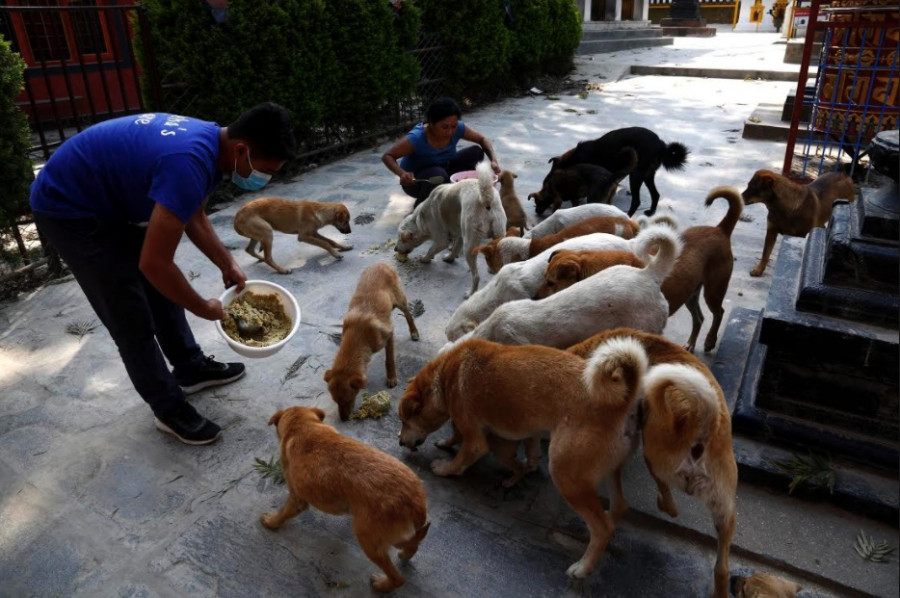
However, times are changing the youth is more aware, more compassionate & more giving towards these animals. Not only are they volunteering for good deeds, but they have also set up many NGOs, many organizations to feed and take care of the street dogs.  Many of them are even open to adopting the indies, providing them a happy and healthy life with a forever home. Adopting a stray dog means saving their life.

One such NGO is “Perroayuda Welfare Foundation” a youth-based organization with a simple and heart-warming motto, to lend a helping hand to stray animals in need. During COVID-19 lock-down, they fed over 900 dogs a day. “Thuvani Foundation” donated 1000kg of rice, feeding more than 9000 dogs. An Agra-based NGO fed and gave shelter to stray dogs during strict COVID-19 lockdown.

Udaipur based, Animal Aid Unlimited; People For Animals, Red Paws Rescue, Stray Relief And Animal Welfare (STRAW), The Blue Cross of India, International Animal Rescue Goa are just a few NGOs, making life a little better for stray animals.

REASONS TO ADOPT

  • The Indies are much well-suited to the heat of India, unlike pugs, huskies, Great Dane, dalmatians, golden retrievers, etc, as they are non-native to the country.
  • They have very high immunity & do not fall sick easily. They rarely suffer from obesity & hip dysplasia problems.
  • They are very low-maintenance. Basic nutrition, exercise & regular vaccines are enough to keep them in the best of their health.
  • They are not very picky and eat anything given to them with love.
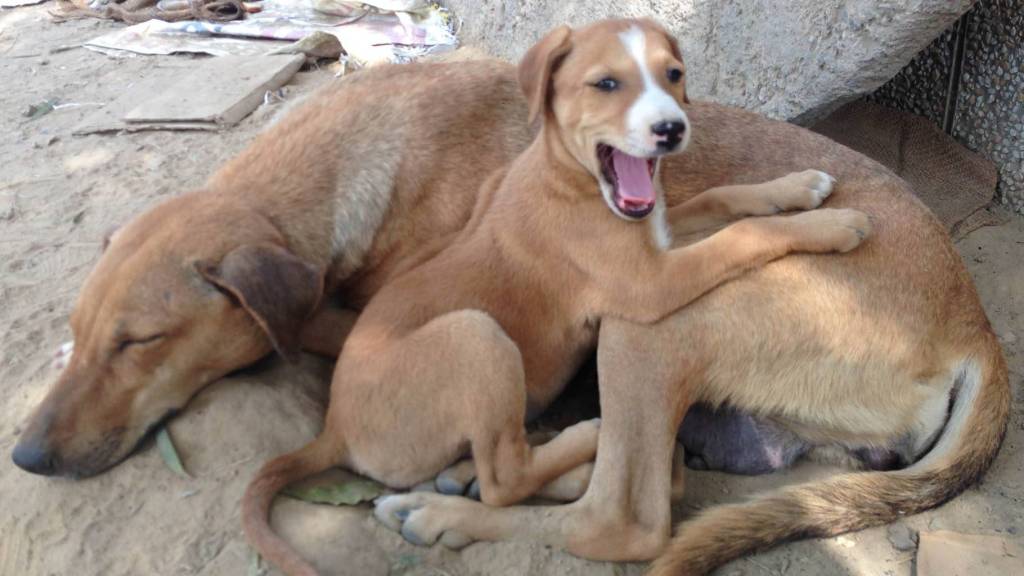
  • Extremely trainable & easily adaptable to changes.
  • The Indies are an unmatchable race when it comes to intelligence. They are very alert. Another factor that contributes to the intelligibility of these dogs is high competition to get through a day.
  • They don’t shed much.
  • They will love you far more if you love them a little. They love wholeheartedly & are very protective of their owners.

So, Let’s be human & start adopting & loving these adorable dogs. They need love more than anything & we should do our bit in making India a better place for them.
HOW INDIA ERADICATED SMALLPOX?

Smallpox-like lesions spotted on Ancient Egyptian mummies reveal that the nasty disease has been there for the past 3,000 years and remained one of the world’s most dreadful diseases until a global vaccination programme spearheaded by the World Health Organization wiped it off. In the 4th century CE, the first documented mention of smallpox-like sickness emerged in China. In the 7th century, early written accounts arose in India, and in the 10th century, they appeared in Asia Minor.

In 1977, the last confirmed natural case occurred in Somalia. Ever since, the only documented cases can be traced back to a laboratory mishap in Birmingham, England, in 1978, which claimed one life and resulted in a small breakout. In 1980, the World Health Organization declared smallpox eradicated. On average, three out of every ten people who contracted it succumbed. Those who survived suffered permanent scars.

INITIAL TREATMENT OF SMALLPOX

Smallpox was 60 times more lethal as prevailing Covid-19 and twice as contagious. It tormented humanity for millennia, blinding and scarring many survivors, and killing roughly 300-500 million people in the twentieth century alone.

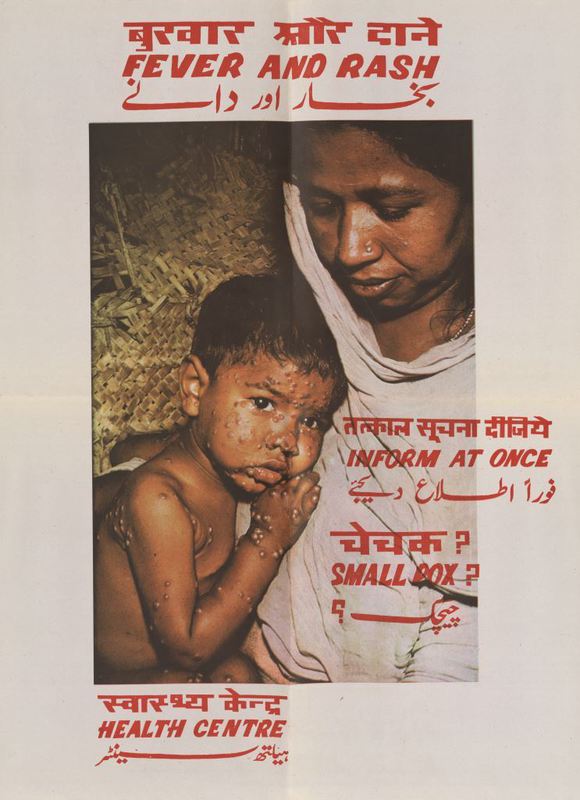
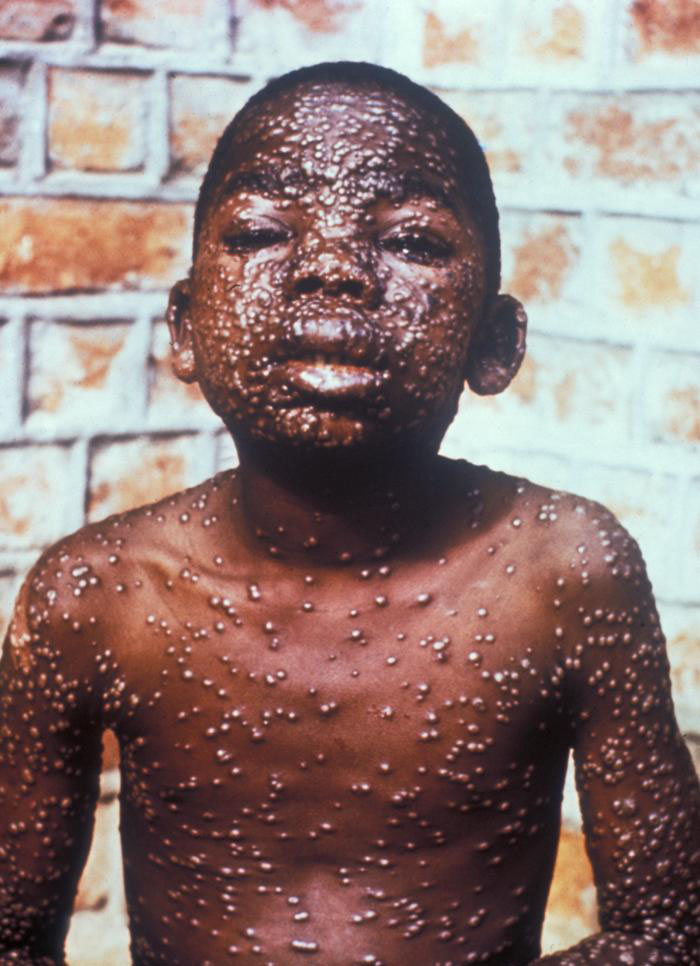
The variola virus causes smallpox. Early signs and symptoms include a high fever and weariness. The disease then induces a rash, most noticeable on the face, arms, and legs. The ensuing lesions swell with clear fluid, then pus, and eventually form a crust, which dries up and comes off.

Variolation, a process dubbed after the variola virus that causes smallpox, was one of the earliest treatments for controlling the disease. People who had never had smallpox were exposed to matter from smallpox sores during variolation by scratching it into their arm or inhaling it via their nose. People acquired smallpox-like symptoms following variolation, like fever and a rash. Variolation was not completely effective; up to 3% of persons died after being subjected to the puss.

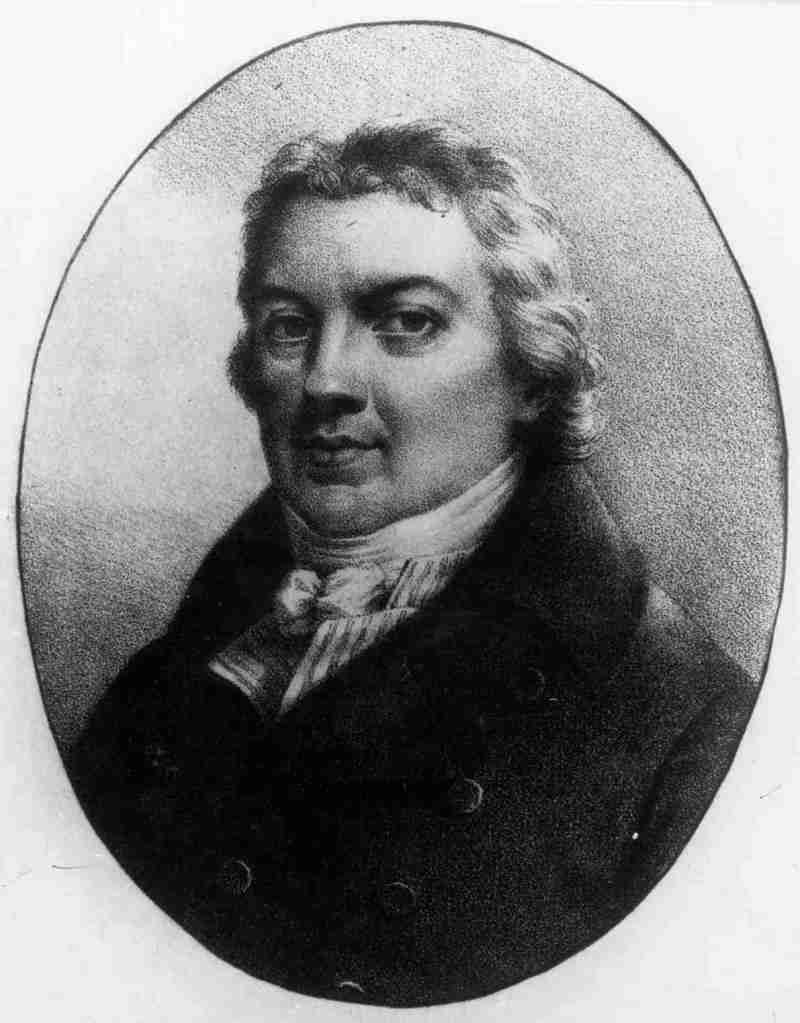
Edward Jenner

In 1796, English doctor Edward Jenner established the cornerstone for vaccination when he observed that cowpox-infected milkmaids were immune to smallpox. The cowpox virus is a member of the Orthopoxvirus family, which also includes the variola virus that causes smallpox.

Dr. Jenner put his idea to the test by inoculating James Phipps, Jenner’s gardener’s 9-year-old son, with matter from a cowpox lesion on milkmaid Sarah’s hand. James had a single blister on the spot, but he recovered quickly. Jenner frequently subjected Phipps to the variola virus, but Phipps never obtained smallpox. The vaccine was effective. Doctors all around Europe quickly embraced Jenner’s ground-breaking procedure, resulting in a significant reduction in new cases of the dangerous illness.

SMALLPOX ERADITION

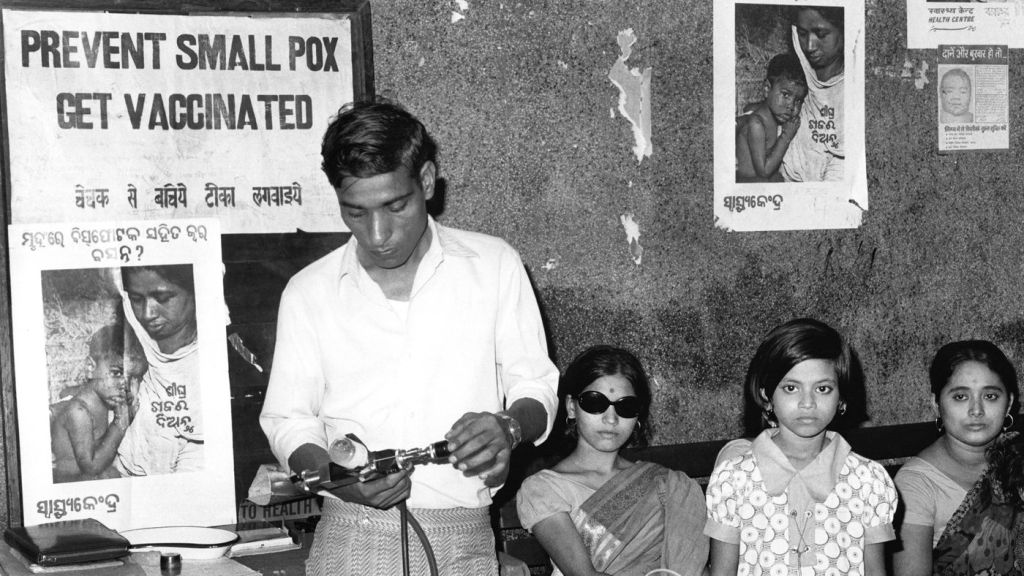
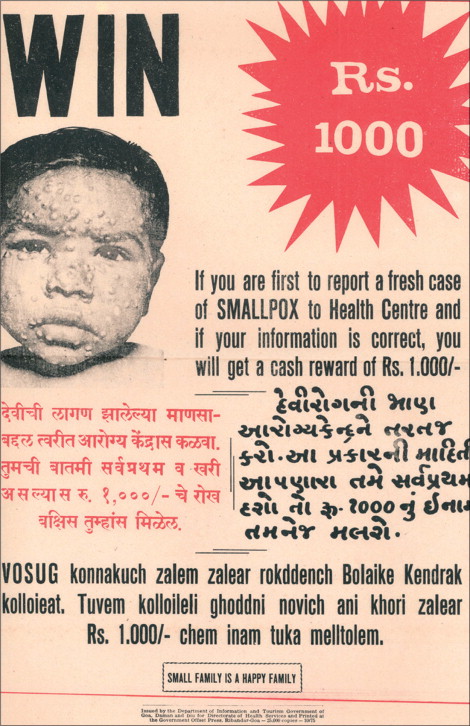
All Developed nations had huge success in eradicating Smallpox with mass vaccination campaigns; yet, developing countries had to adopt a different strategy. ‘Surveillance and containment’ were the term for this strategy. Intense house-to-house screenings and incentives for people who reported smallpox cases assisted surveillance. Ring vaccination and isolation of patients and everyone who had come into touch with them was among the containment strategies.

India represented almost 60% of the world’s reported cases of smallpox in the early 1960’s. Many cases went unreported because of the stigma associated with the disease. The strain of smallpox found in India was much deadlier than strains found in West Africa. The Indian Government introduced NSEP in 1962, the National Smallpox Eradication Program aimed at mass population vaccination. Money was invested & inoculation workers were employed. Around 60 million vaccines were administered by 1966, along with 440 million re-vaccinations.

By 1967, however, smallpox cases were growing in India, indicating the failure of the vaccination campaign. One of the greatest reasons being individual reluctance and refusal to participate in the vaccination programs, because of lack of trust in the vaccines or religious beliefs. The method of vaccination was also a problem. Before 1969, a drop of the vaccine was placed on the person’s arm and pushed into the skin with a single-point needle. This procedure was repeated for primary vaccination five times and for revaccination fifteen times.

In Sept. 1970, the Indian government and the WHO signed a Plan Of operation The World Health Organization partnership provided India with the opportunity to acquire better-quality freeze-dried vaccines. The jet injector swapped the standard single-point needle and did not require power. Frequent maintenance was essential for the device. The bifurcated needle was a cheaper and quicker vaccination method. For health professionals, minimal level training was needed. For the people, it was less painful.

Vaccinating 80 % of the population in 5 years was deemed adequate to avert smallpox transmission in smaller countries. But the high numbers of births each year (25 million new babies) made this target unfeasible in heavily populated countries like India. It wasn’t enough to contain smallpox.

The Indian Government put full force in the National Smallpox Eradication Program. A prize of 1000 rupees for reporting new cases of pox was the most unique but highly successful strategy implemented. The general public reported 11% of outbreaks of smallpox in 1975, as compared with 2.6% in 1973. To encourage vaccination, posters were crafted in native languages, showcasing young children.

The “surveillance-containment” strategy was straightforward. Healthcare professionals would actively look for possible cases of pox. Affected persons and their families or neighbors would be sequestered and vaccinated right away. To eradicate smallpox, active searches and detection and the control of disease outbreaks were necessary. 110 million houses were searched for new smallpox cases from March to November 1976 in over half a million Indian villages, and in 260 urban areas. Merely 5 cases of chickenpox were discovered.

The International Commission for Eradication Assessment of Smallpox visited the India in April 1977, conducting its own field assessments along with an analysis of the country’s documented evidence. Finally, the International Commission certified India Smallpox free.

WORLD’S MOST BIZARRE & OUTRÉ CREATURES

The animal realm is as ruthless as it is compassionate, as peculiar as it beautiful, as fascinating as it is perplexing. As a result of the fierce competition, species have evolved some of the most bizarre, incredible, and odd defense mechanisms. Below are a few instances of these one-of-a-kind creatures.

HORNED LIZARD

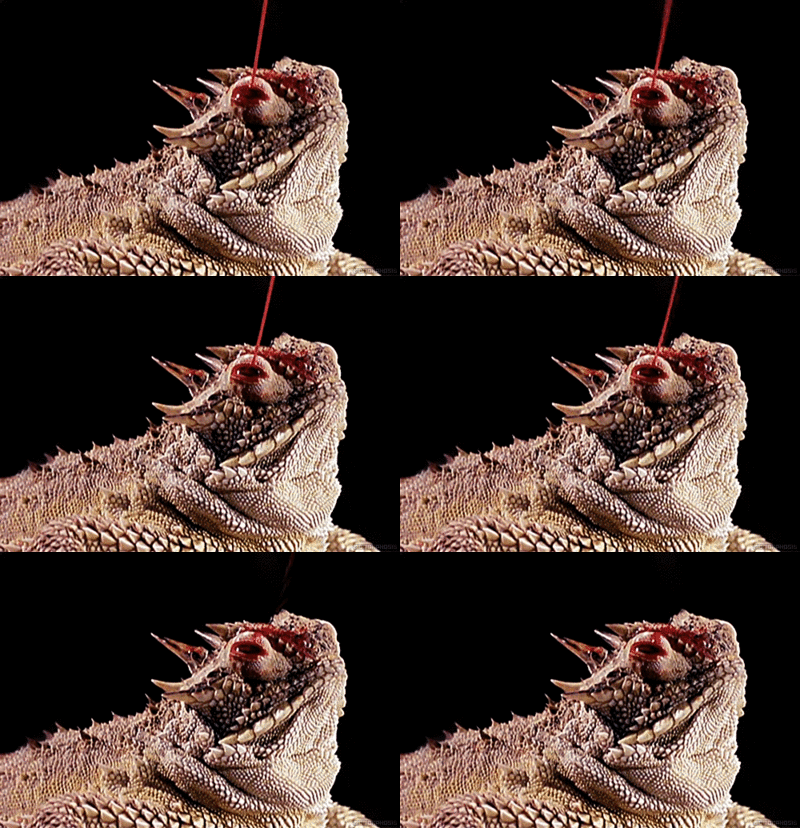
A number of predators prey on desert horned lizards in North America. As an unusual survival tactic, blood is pumped into their ocular sinuses, the tissues beneath their eyes. When a horned lizard is confronted by a predator, it will, as a defensive weapon, spew blood from its flooded sinuses and eye sockets. As a result, the predator usually becomes scared and flees. The lizard uses this approach to clean foreign particles from the surface of its eyes. It has the ability to strike a four-feet-long blood stream.  this process can be repeated multiple times in a short span of time if essential.

green basilisk lizard

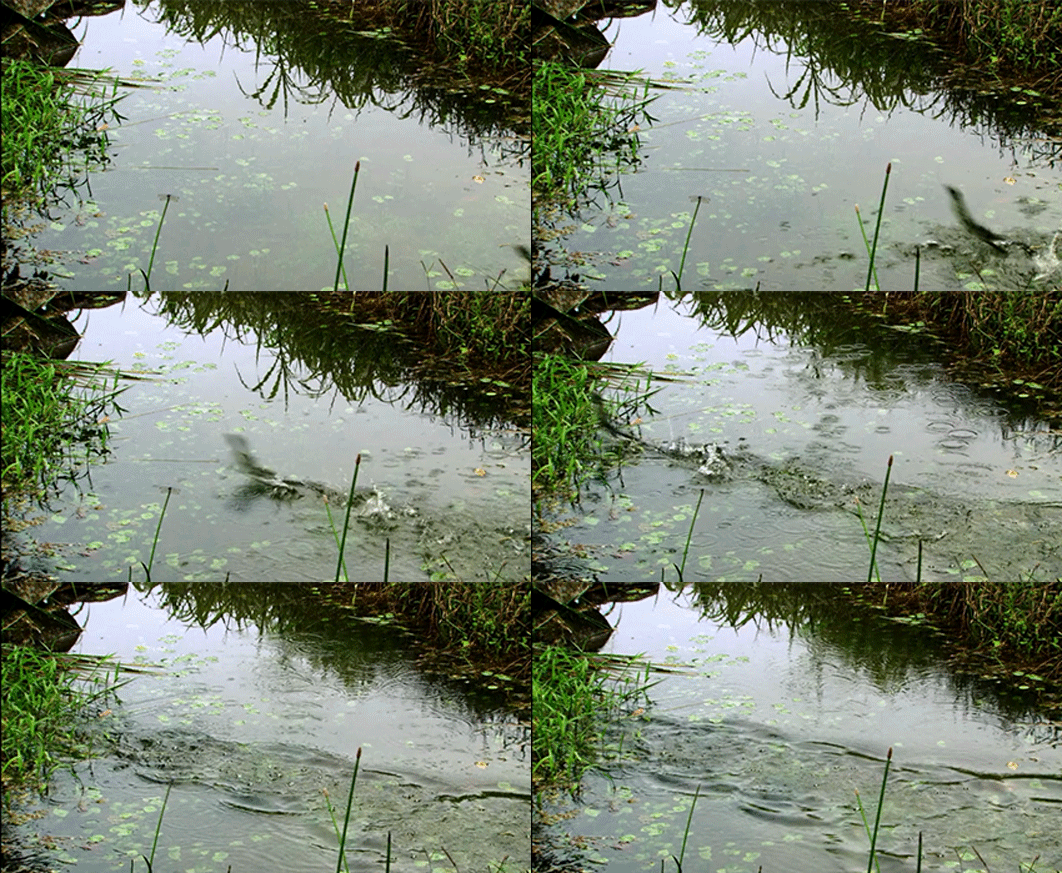
Famed for its exceptional ability to run on water, this unique lizard is ‘The green basilisk lizard’  also referred to as a plumed or double-crested basilisk. Green basilisks can be found in Central America’s tropical rain forests, from southern Mexico to Panama. They spend a lot of time in the woods and are seldom far from a waterway. When startled, they fall from the tree into the water and dash through the water at a rate of about 5 feet per second.

Long toes on its back foot, together with skin fringes that unfurl in the water and enhance the surface area, are what allows them to perform this incredible feat. They strike their wide feet into the water with power and immediately rotate their legs, generating a tiny air pocket that saves them from sinking as long as they remain going. They can travel up to 15 feet along the surface as a result of this. The basilisk uses its incredible swimming abilities to stay airborne until gravity finally catches up with it. Green basilisks, members of the iguana family, grow to a height of about 2 feet, including their long, whip-like tail.

Male seahorses

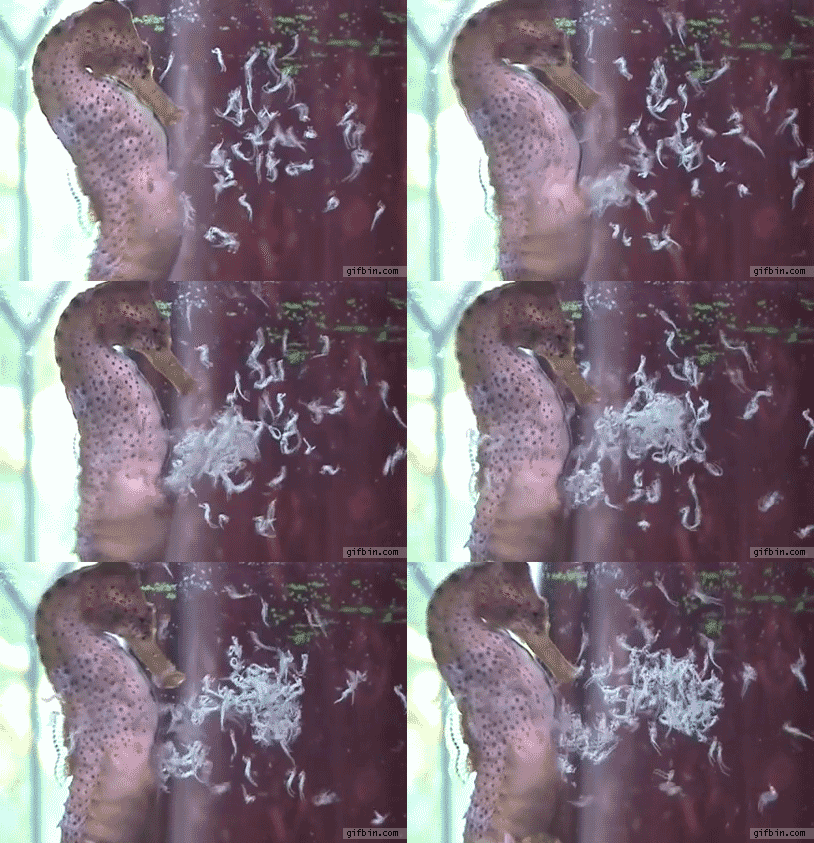
Male seahorses (and their near cousins) are the only male animals in the animal kingdom that can become pregnant and give birth to children. Male seahorses carry the eggs but do not produce them. The female seahorse places her eggs into the male’s pouch after the male and female have spent time mating. After that, the male fertilizes the eggs in the pouch.  Their pouch gives oxygen and nourishment to the maturing eggs while also regulating temperature, blood circulation, and salinity. Male seahorses normally carry their eggs for 2 to 4 weeks, depending on the species and can give birth to 100 to 1,000 babies.
Cymothoa exigua

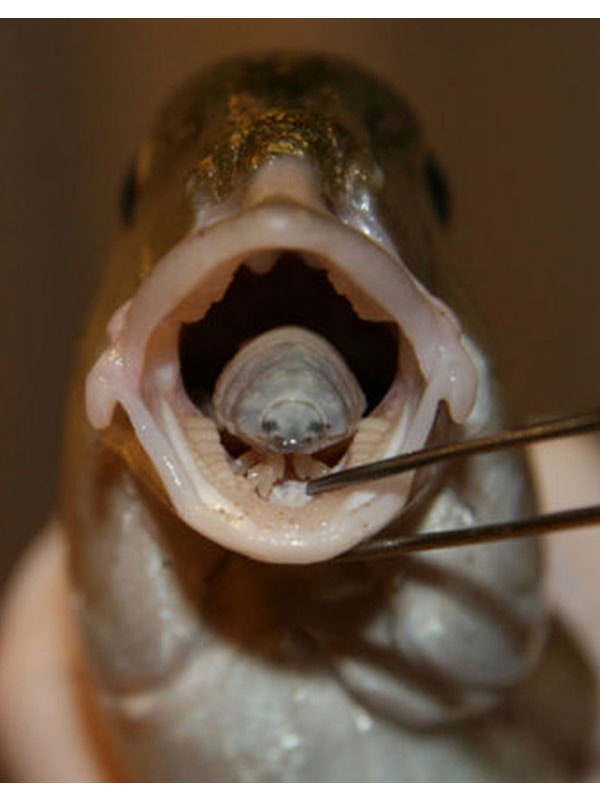
Cymothoa exigua is a parasitic isopod that is born male but can change sex later in life. The parasites penetrate a host fish’s gills and establish a stronghold to grow. The female then crawls out of the gills and latches onto the fish’s tongue. This is where things start to go horribly wrong. It penetrates the tongue and begins sucking blood as a source of nutrition, progressively getting larger and larger until it inhabits a huge portion of the mouth. It doesn’t drink enough to kill the fish, but she drinks enough that the parasite’s tongue dries away and falls off, putting the parasite as a faux in its stead. The fish lives on, with the infiltrator ingesting whatever the host consumes.

TERMITES

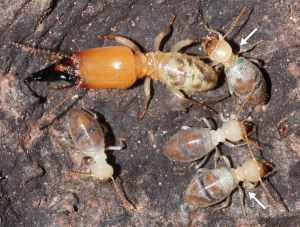
In the rainforests of French Guiana, a termite species appears to take selflessness to a new level by growing sacks of dangerous blue liquid that they blow up on their enemies in a suicidal deed of self-sacrifice. Neocapritermes taracua’s “explosive backpacks” are filled with blue crystals secreted over the course of their life by a specialized pair of glands on their abdomens. Older workers carry the heaviest and most dangerous backpacks.

PUDUCHERRY, INDIA’S FRENCH-SPEAKING CITY

Pandit Jawaharlal Nehru, the late Prime Minister of India, referred to Puducherry as “the Window of French Culture.”

Once the French’s primary headquarters in India, Puducherry is often nicknamed “The Paris of the East”. For 138 years, the French governed the Union Territory. It once had solely French as its official language. The town’s distinctiveness is intricately bound to its exquisite city planning and Franco Tamil architecture. The city is modelled after a late-eighteenth-century fortified French port town, “bastide”. This magnificent destination has incredibly beautiful geography along the seashores, coconut trees, and a diverse range of fauna and vegetation.

The former French settlements- Puducherry, Karaikal, Mache, and Yanam are all part of the Union Territory of Puducherry. The states of Tamilnadu and Kerala surround Puducherry and Karaikal, whereas Kerala and Andhra Pradesh surround Mahe and Yanam. It has many scenic places to visit like:

Paradise Beach

Paradise Beach, often known as Plage Paradiso, is located near Pondicherry town in Chunnambar. The beach fringed with golden sand, is relatively undiscovered.  a 20- to 30-minute ferry ride over the backwaters is the only way to get here. The breathtaking ferry trip from the boathouse to the beach adds to the thrills; the backwaters on the way to the beach are lush and densely forested with mangrove plants.   A plethora of birds can be seen while on the journey. Early morning, Paradise Beach is a great spot to catch a glimpse of the eastern shore’s dawn. A number of water sports facilities are also available. Visitors can also try their hand at fishing by renting fishing rods and nets.

White Town

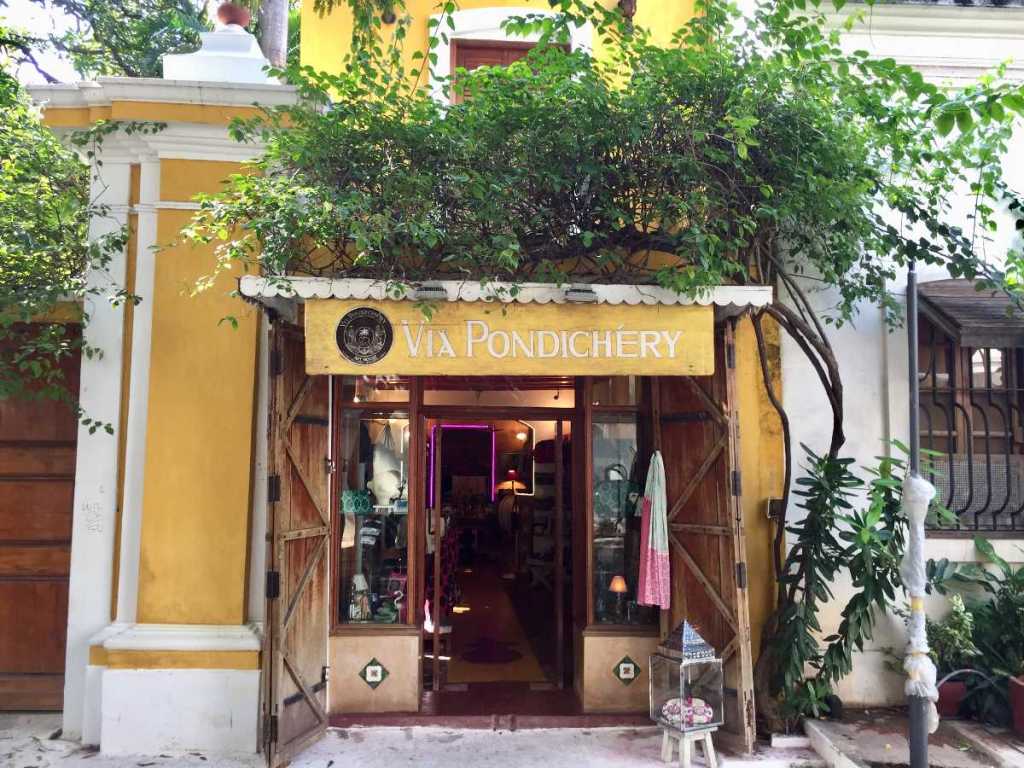
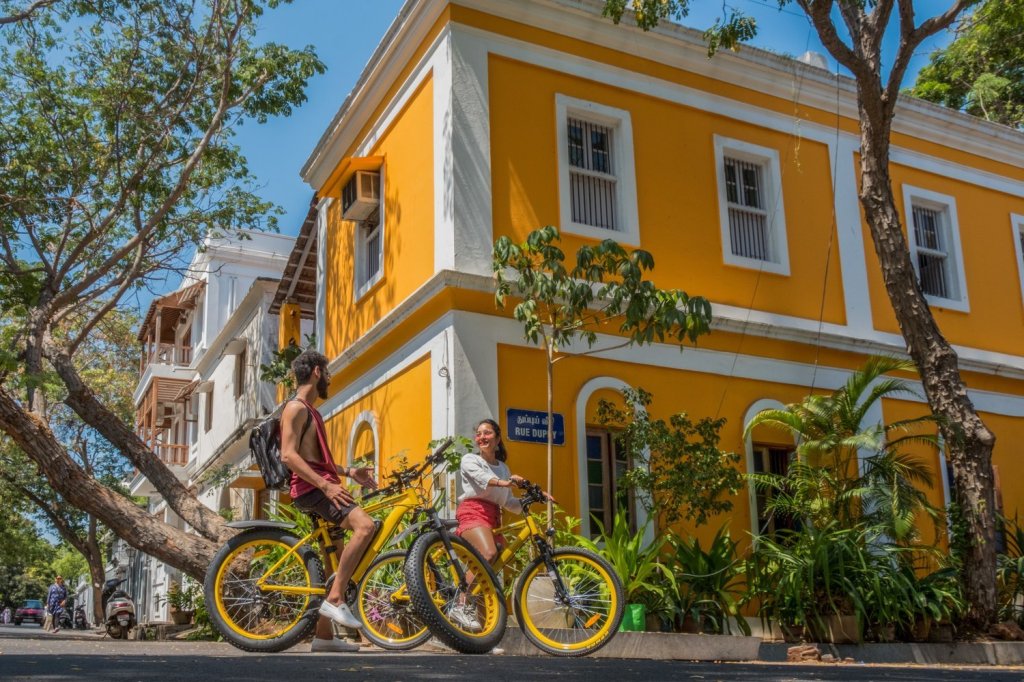
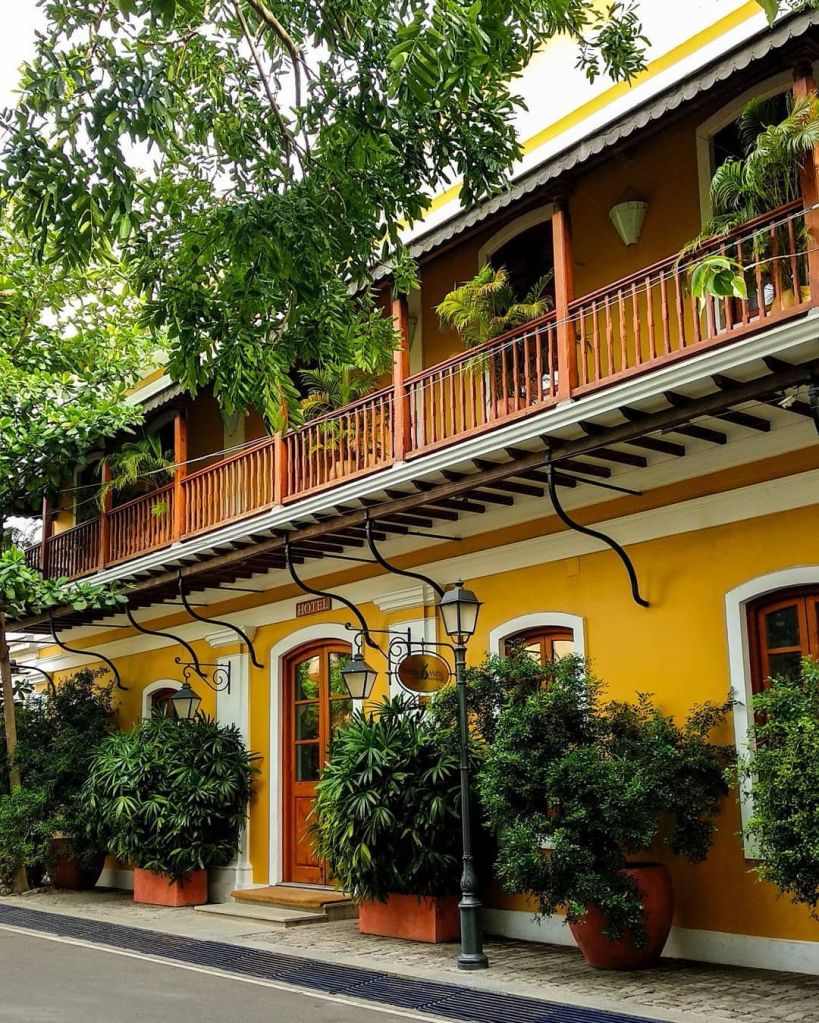
White Town, also dubbed as the French Colony of Puducherry, is a residential enclave in town with an intertwined culture of Tamils and primitive French families. The colony retains the old-world elegance, prettiness, and architecture of historic French Quarters, with cobblestone lanes and mustard yellow dwellings. The majority of them refurbished into vintage hotels, eateries, unique cafés, and art museums. The structures are typically painted in tones of pastel yellow, and the well-kept walkways are flanked with beautiful trees. White Town, known as the former French headquarters, borrows heavily from foreign culture, which is also a hallmark of the area. Furthermore, it is famed for its attractive but pricey marketplace, which is primarily comprised of boutiques, high-end labels, and stores that deal in highly customized stuff. The majority of those are still owned and operated by French nationalists.

Basilica of the Sacred Heart of Jesus

This church was built by French missionaries in 1908 and was accorded the status of Basilica in 2011. It is one of India’s 21 Basilicas and the only one in Pondicherry. The Church of the Sacred Heart of Jesus, one of Pondicherry’s most beautiful Catholic churches, is a stellar example of Gothic architecture. Biblical texts, as well as depictions of Jesus and Mother Mary, are etched in Latin on the entrance door. New Year’s Eve, Christmas Eve, and Easter Day are all lavishly celebrated in the church. The stained-glass panels of the architecture depict Christ’s life as well as the lives of the Catholic Church’s saints. The church is Pondicherry’s first basilica, the 6th in Tamil Nadu, the 20th in India, and the 50th in Asia.

Scuba Diving

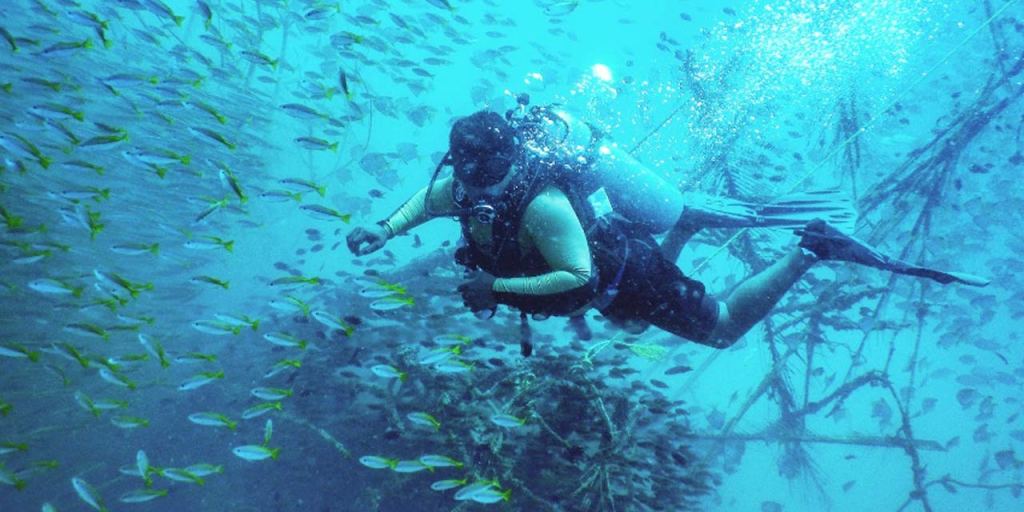
Pondicherry, rich in stunning marine life, provides an unparalleled scuba diving expedition off the country’s Eastern Shore. A dive into the sea will allow you to see spectacular coral reefs as well as fascinating creatures including manta rays, kingfish, sea snakes, lionfish, butterflies, crustaceans, moray eels, and more. Whale sharks, sharks, dolphins, and turtles are all possible sightings. Pondicherry is an enticing diving destination.

Auroville Ashram

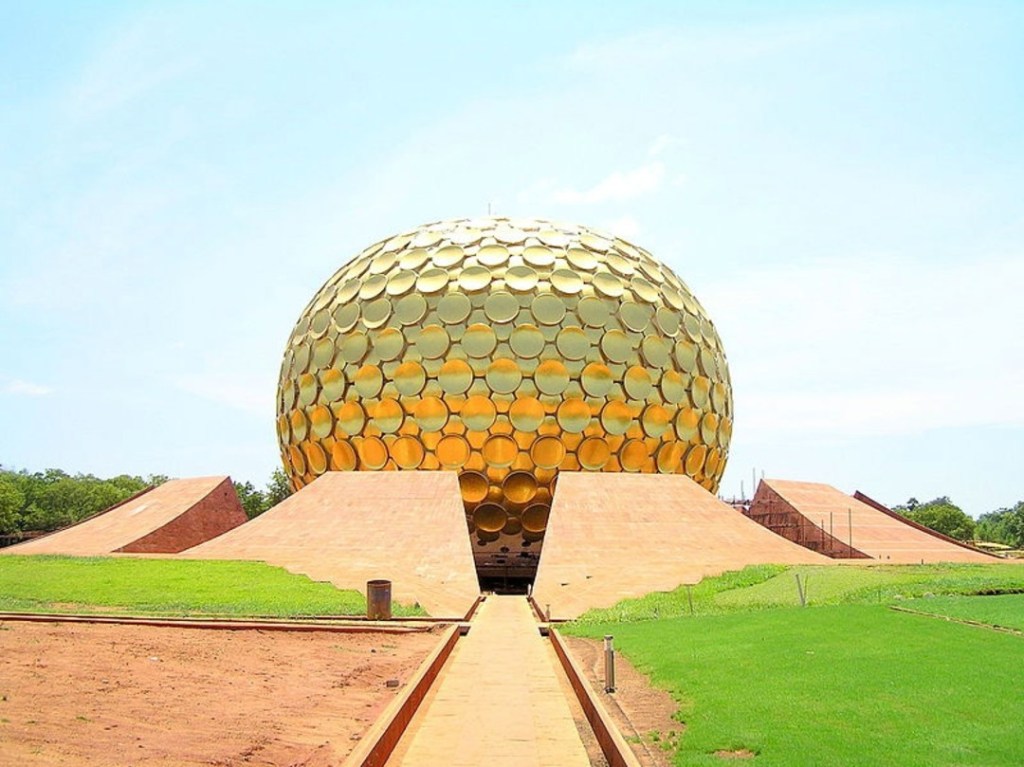
The Auroville Ashram dubbed the “Universal Town,” is an experimental township whose goal is to build a community wherein folks from all nationalities and faiths could dwell together in harmony. It was founded in 1926 by Sri Aurobindo and a disciple of Shri Aurobindo, a French Lady known as ‘Maa’ or ‘The Mother.’ The Indian government backed the initiative, and UNESCO praised it in a 1966 resolution, calling it “a project of vital importance to humanity’s future.” In 1968, the town was formally established.

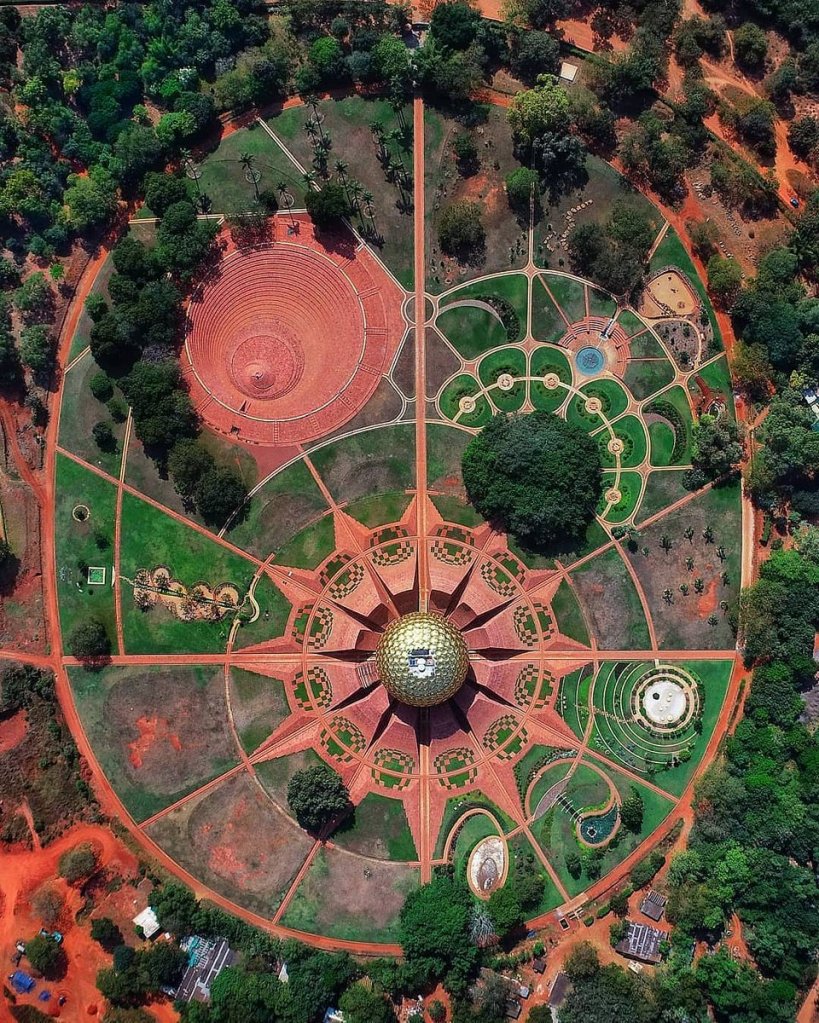
The architecture of the city is as remarkable as the concept. With the famous Matrimandir in the core and gardens ringing it, the city is laid out in a circle with a radius of 1.25 kilometres. The city’s central business district, cultural corridor, peace zone, and residential zone are all located just beyond the city borders. The city is surrounded by a “green belt” that acts as a wildlife habitat, a food/timber source, and a buffer against urban development, among other things.

LIFE-GIVING GANGA’S PLIGHT

“Best of rivers, born of all the sacred waters,” the Ganges, Described in the Mahabharata.

Ganga river, also deemed as the Ganges River, flows 2,700 km from the Himalayas mountains to the Bay of Bengal in northern India and Bangladesh The Ganga rises from the Gangotri glacier about 4,000 metres above sea level on the southern slopes of the Himalayan Alps. The Bhagirathi is joined by the tributaries Alaknanda and Mandakini to form the Ganga in the Himalayan region. Its river basin covers over 1 million square kilometres and is home to more than 650 million people. The Ganges is vital for the survival of millions of people and a diverse range of biodiversity.

The Ganga and its tributaries support a diverse range of fauna and flora. The Ganges supports 104 species of Rotifers, or minute creatures, 378 species of fish, eleven amphibian species, twenty-seven reptile species, eleven types of mammals, and 177 species of aquatic birds, according to the Zoological Survey of India. The Ganges River dolphin, the Sundarbans’ Royal Bengal tiger, freshwater turtles, Gharial crocodiles, Sarius Crane, egrets, herons, and terns are just a few well-known species.

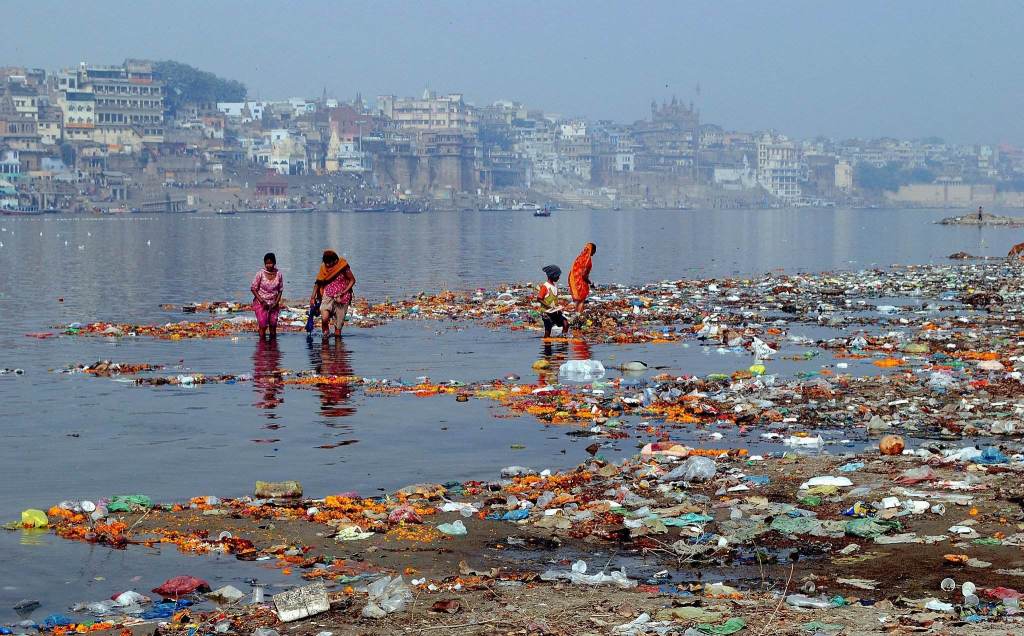
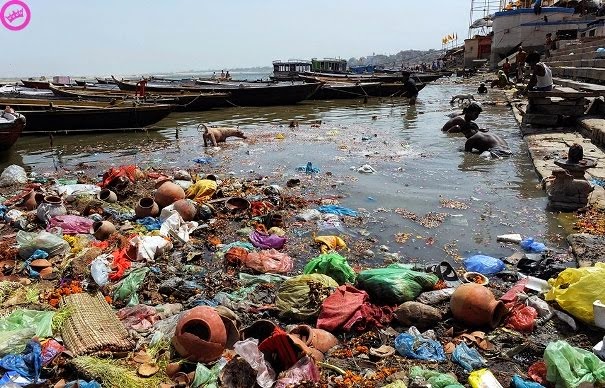
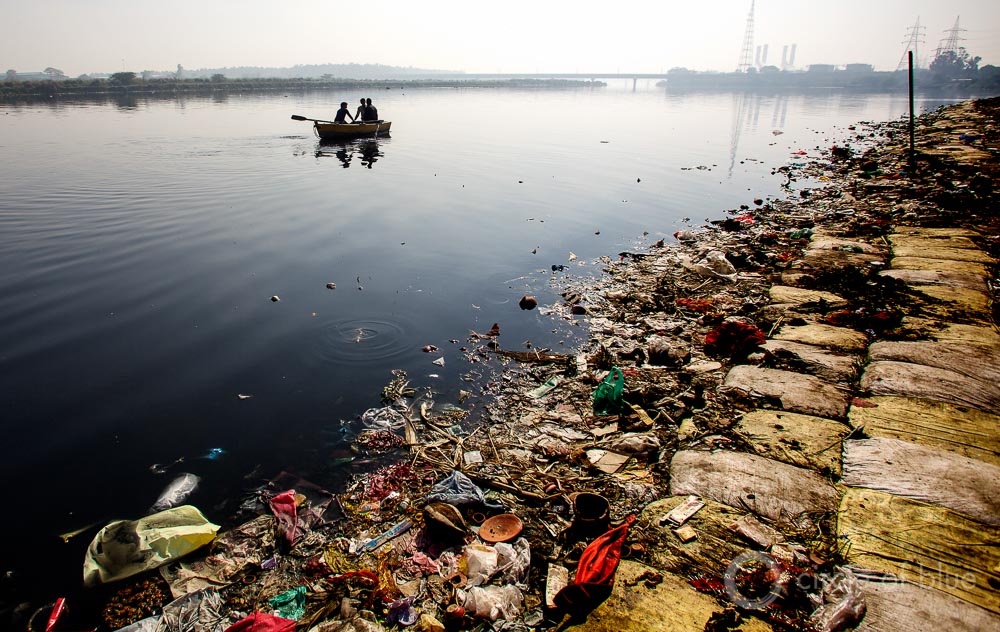
But due to the rapid rise of urbanization, farming, and commercialization in recent decades, the Ganges currently faces serious concerns. The Ganga has now become one of the five highly polluted rivers on the planet. Excessive water drawn-out for cultivation and other purposes, barrages, dams hindrance in the natural movement of the Ganges, and trash from households and industries have irreparably damaged this once pure and mighty, free-flowing river.

River pollution’s key sources

  • Hazardous trash from textile mills, slaughterhouses, abattoirs, hospitals, distilleries, and chemical facilities, being discharged into the river in large quantities.
  • The massive number of fertilizers and pesticides regularly employed in agriculture activities is washed into the Ganga with rainwater, endangering marine life.
  • Dams disrupting the river’s natural movement are also responsible for polluting the Ganga.
  • Open defecation on the river banks, some 70% of those living in rural areas have no access to toilets.
  •  Disposal of lost loved ones’ remains in the river since it is a river worshipped by a larger religious community.

Sewage- the most prominent contaminant

A report published by The Inter-Ministerial Group, established by the Indian government to study the pollution sources in the Ganga River, revealed that sewage and contaminated water dumped in the river are the principal sources of pollution in the Ganga. It also discovered a significant disparity between the quantity of garbage produced along the Ganga and the scale of waste treatment. It identified that plenty of cities along the Ganga’s banks, such as Kanpur, Varanasi, and Allahabad, lack any kind of sewerage systems at all. Approximately 2.9 billion liters of sewage, residential, and industrial wastewater are discharged straight into the Ganga daily. Millions of people who rely on the Ganga for all of their water needs are harmed by pollution. Many of these individuals have little choice but to continue to rely on the Ganga’s contaminated waters for survival, exposing themselves to waterborne diseases like dysentery, cholera, diarrhea, and typhoid.

OVerburdened Sewage Treatment Plants (STPs)

Among wastewater treatment capacity and ‘official estimated’ production, there is an 80% disparity. As per the Central Pollution Control Board, sewage is produced at a rate of 6,087 million liters per day (MLD), with a treatment capacity of 1,208.8 MLD. Since most cities are already established and overpopulated, constructing new conveyance and treatment systems isn’t just a difficult but an enormously expensive undertaking. Many of the already set up STPs are no longer functional or are underused due to a lack of financing from cities and local municipalities.

INDUSTRIAL & COMMERCIAL WASTE

More than 500 million liters of industrial wastewater is thrown straight into the Ganga daily. With toxic chemicals and pollutants flooding its waters at levels far past any form of permissible or safe levels, the Ganga has now become a toxic supplier of drinking and bathing water. 764 of the factories, approximately utilize 1123 MLD of water and dump 500 MLD of contaminated water in the Ganga’s mainstream. Tanneries produce the most hazardous types of toxins, and in a location like Unnao, more than 790 times the permitted level of chromium (about 1,125 tonnes), is dumped into the river. Small-scale companies continue to pollute the Ganga with over a billion gallons of toxic chemicals due to the lack of efficient and economical treatment methods.

FLAWED SOLID WASTE MANAGEMENT 

Many cities along the Ganga and its tributaries lack solid waste management systems, & even if they have, they are never adequate to handle the volume of waste generated each day. This solid trash is carried into the Ganga and its tributaries, either deliberately or because of rains during the monsoon. Vast quantities of biodegradable debris in the water consume a lot of oxygen as it breaks down, inflicting illness or death in aquatic animals like the threatened Gangetic dolphin. There were once tens of thousands of Ganges River dolphins in the river, but there are currently only about 1,200-1,800 left. Non-biodegradable materials float through rivers, obstructing the natural flow of air and gradually releasing their harmful toxins into the river. Aquatic species frequently eat these items obliviously and perish as a consequence. The general public lacks environmental awareness and education, inadvertently throwing their litter into the surroundings, utterly oblivious to the effects.

INAPPROPRIATE AGRICULTURAL PRACTICES

Over 80% of the river’s water is used for irrigation, while numerous hydro-power projects dry out vast swathes of the river, upping levels of pollution drastically. Evaporation and other variables cause around half of the water drawn from the Ganga for irrigation to be wasted before it can nurture a single crop. Out-of-date infrastructures, such as damaged and poorly assembled pipes and unsustainable farming techniques, are to blame for much of this damage. Groundwater depletion as a consequence of over-extraction for irrigation purposes.

The Ganges River nurtures the entire country and is crucial for everyone’s survival. Therefore, it must be rescued from its current plight. The public must be educated and made aware of the problem; efficient drainage systems must be built; and illegal dumping of harmful and hazardous materials by industries and households must be prohibited, promotion of water conservation for irrigation, Enactment of rules to keep dangerous chemical run-off out of the Ganga, Increasing farmer awareness of the practices and benefits of sustainable, organic farming, Solid waste collection and treatment at the source, minimizing and repurposing solid waste need to be done.

THE LUXIRIOUS LOTUS SILK

Lotus silk is one of the world’s most exquisite and rare fabrics, made exclusively in Myanmar, Cambodia, Vietnam, and parts of Manipur. Lotus silk can ultimately cost ten times as much as regular silk.       

LOTUS SILK possesses incredible features such as lightweight, soft-touch, breathability, Crease-resistant, pilling resistance, tear-resistant, Cellulosic fibre, stiffness, neatness, moisture absorption, Antibacterial, Self-cleaning and tensile strength. The stems of lotus flowers are used to produce this silk thread. As a result, this fibre is free of animal cruelty.

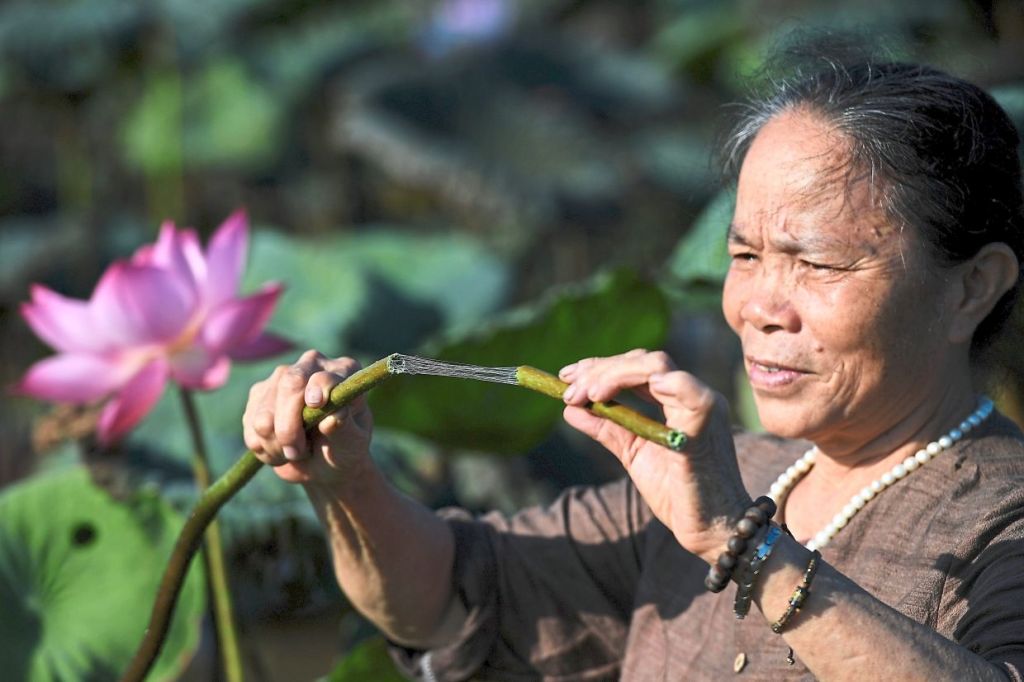
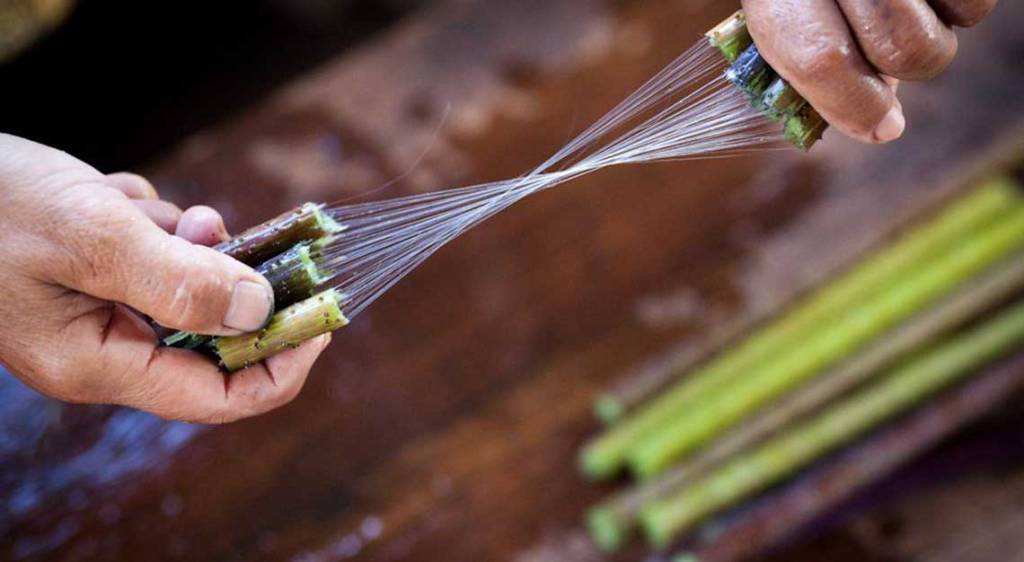
Vietnamese weaver, Phan Thi Thuan checking the quality of natural raw material from a lotus stem to be processed into silk, at a pond in Hanoi.

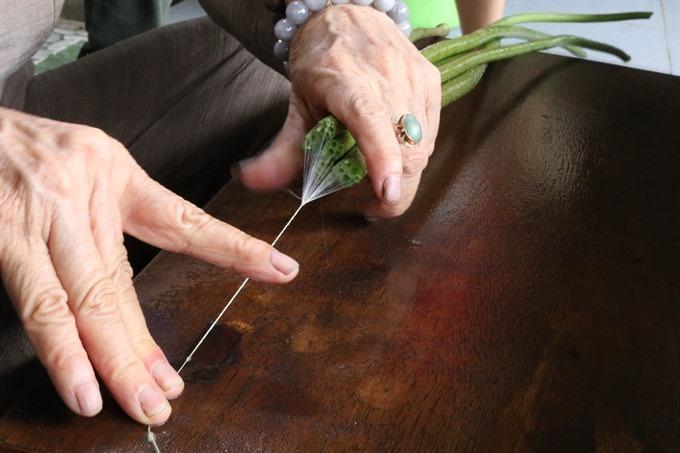
Lotus stems first cut in small portions. A single lotus stem contains a tiny quantity of fine, sticky fibre which is twirled and pulled to reveal a web of thin filaments. The filament is placed on a wooden surface and kept damp by intermittent water splashes. The artisan rolls the wet fibre together to create a denser and stronger thread as the practice occurs with new stems. A new length is welded on to the last to form a continuous thread. dried off together.

To preclude fibre degradation the lotus fabric must be woven in 24 hours. These parched yarns would then be weighed carefully, skillfully hand-crafted, and put into the loom at last. The natural fibre is delicate at this stage but, it can be just as workable as traditional silk once woven.

Lotus fibre is manufactured entirely by hand and is only obtained by a few skilled craftsmen worldwide.  It also takes a lot of time. To extract one kilogram of fibre, it can take up to two months. In addition, only a minuscule amount of fabric can be produced.

STEP 1- Gathering

Lotus plant stems for the production of fibre are collected from the lake. The lotus flower is ideally expected to flower in full when the stem is collected. the deep pink flowers make the best lotus fibres.

Step 2- Extraction of lotus fibre

5-6 Lotus plant stems are gleaned with a shallow knife, sliced, tore and contorted to reveal 20-30 fine white filaments of fibre. These stalks are cut with a low cube and the 5-6 stalks are simultaneously snapped, revealing 20-30 fine white fibre filaments.

Step 3- Yarn production process

Prepared skeins are placed on the bamboo spinning frame and then relocated to winders for the warping phase. Yarn is coiled in plastic bags to mitigate tangling. The weft yarn is wound on bamboo bobbins. Crude lotus threads are a creamy colour, and coloration is usually done with natural dyes.

Step 4 – weaving

To weave the material in an outfit, strands of 120,000 lotus stalks are required. In a single day, a spinner can produce a thread of up to 250 metres. Around 30 kg of stems is required to produce 250 metres of thread. A skilled weaver could weave one metres of lotus fabric daily.

INDIA’S DEADLIEST SNAKES

In India, there are approximately 350 snake species however, only 15 to 17 percent of all snakes, including sea snakes, are venomous. Russell’s viper, Pit vipers, Saw-scaled vipers, Trimeresurus stejnegeri, Ptyas mucosa, Echis carinators, and many other venomous and poisonous snake species can all be found in India.

In India, approximately two lakh people are bitten by snakes each year, with about 50,000 of them dying. According to recent data, 1.2 million individuals in India have died as a result of snake bites in the last 20 years. Some of the snakes accounting for the bulk of casualties are mentioned below.

RUSSELL’S VIPER

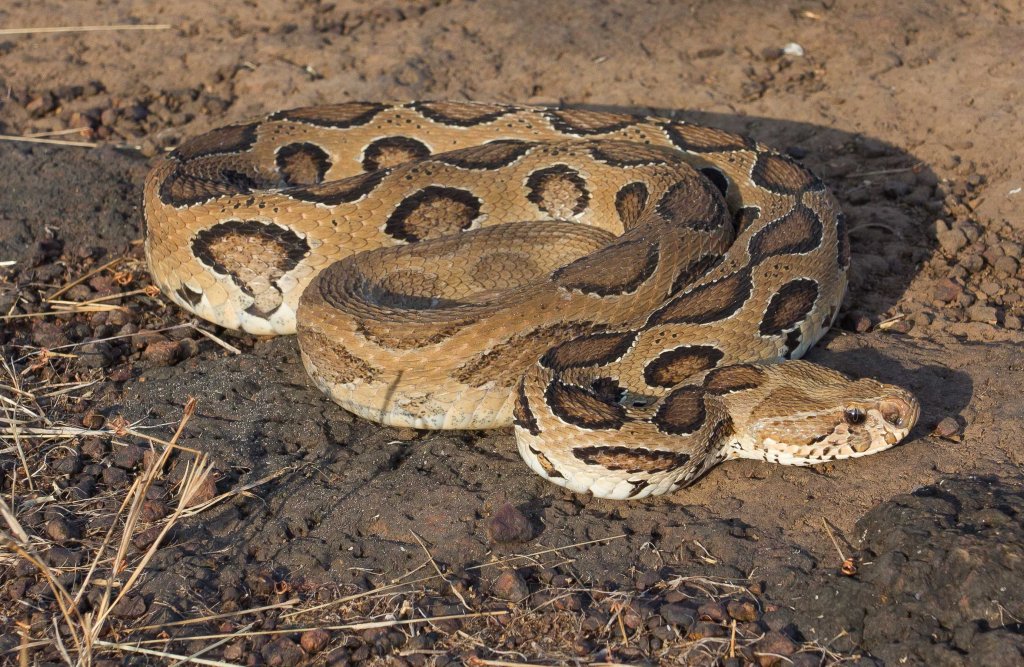
Russell’s viper (Daboia russelii), often known in the community as “Daboia” or “Koriwala,” is a highly venomous terrestrial snake belonging to the Viperidae family. The Russell’s viper has killed more people in India than any other snake because it dwells in farmlands where there is a lot of human contact and rodent preys. Its bites have the potential to be fatal. Its venom is a hemotoxin, which affects the nervous system of any creature. Its bite can kill a human after internal bleeding, excruciating pain, and a brain hemorrhage. This dark brown or brownish-gray snake- with an average length of 4 feet, strikes and envenomates rodents, small birds, and lizards. The viper reaches a maximum size of 5 feet. It has a life expectancy of 10-17 years. Vipers have a pair of long, hollow venom-injecting fangs that are linked to moveable upper jaw bones and retracted in the mouth when not being used. Without antivenom, its bite can kill a human in 45 minutes.

King Cobra

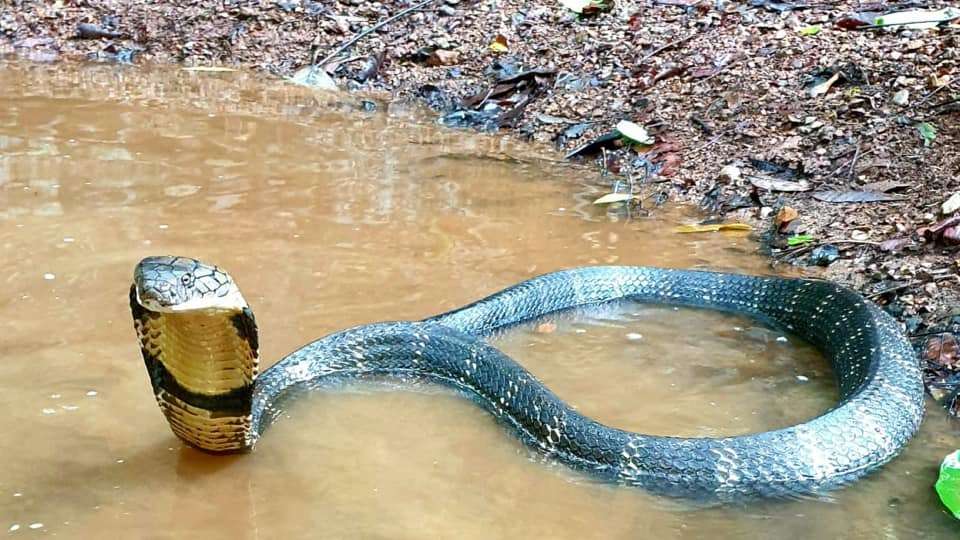
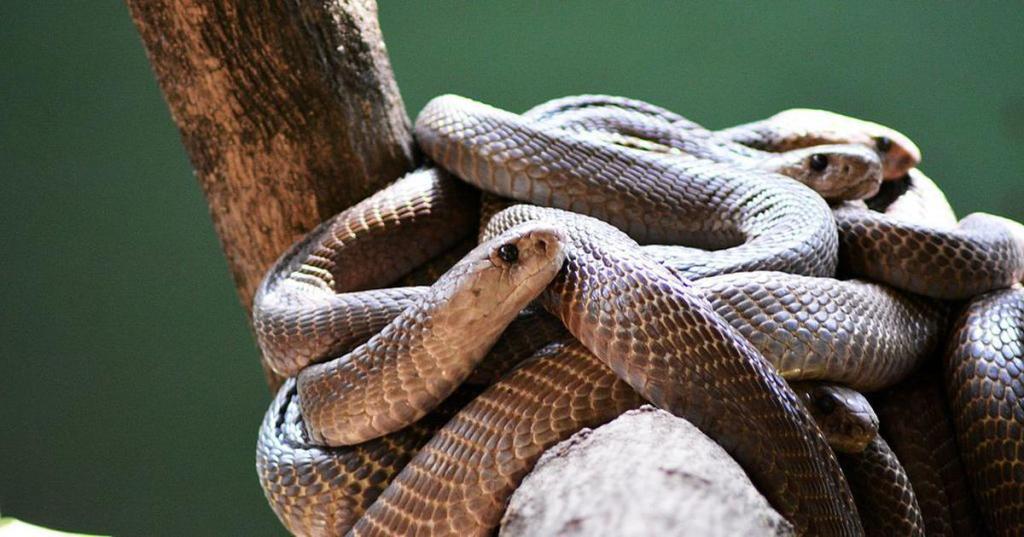
The king cobra (Ophiophagus Hannah) also called hamadryad, is the world’s biggest venomous snake, with a length of up to 5.5 meters and the ability to elevate its head 2 meters above the ground. It’s a creophagous snake that eats other snakes as well. The non-venomous rat snake, other cobras, kraits, and small pythons are among its preferred targets. It is not often belligerent toward human beings but is hostile and threatening during breeding season or when frightened. The front section of the king cobra hoists when provoked. It can swerve or dart forward in this stance to strike its target.

The venom of a king cobra is lethal enough to kill an elephant in just three hours after being bitten. Without antivenom, its bite can kill a human in 30 minutes. It can be encountered in India’s deep jungles, damp wetlands, bamboo clusters, and tropics. This colossal and powerful snake with pale yellow crossbars can be brown, olive green, or black. The king cobra is distinguishable from other cobras by the presence of 11 enormous scales on the crown of its head. They have an average life-span of 20 years.

saw-scaled viper

The saw-scaled viper (Echis Carinatus) has a robust body with a distinct pear-shaped head, vertically elliptical pupils, tough and strongly keeled scales, and a short thin tail. Both sides of the body are covered in several rows of obliquely oriented serrated scales. Adults range in length from 1 to 3 feet. Echis, come in a range of colors including brown, grey, and orange, with darker dorsal blotches and lateral patches. They have an average life-span of 23 years. Saw-scaled vipers use sidewinding propulsion. They are nocturnal, emerging at dusk to forage on mammals, birds, snakes, lizards, amphibians, and invertebrates such as scorpions and centipedes.

Although saw-scaled vipers are diminutive, they are incredibly dangerous due to their irritability, aggressive temperament, and lethal venom. Saw-scaled vipers are believed to be responsible for more human deaths than all other snake species combined, in the areas where they dwell. The oblique scales brush against each other, creating a hissing sound that serves as a defensive warning to potential predators. These snakes strike quickly and bite victims have a high death rate.

Spectacled Cobra

The Indian Cobra (Naja naja), often referred to as the Spectacled Cobra, belongs to the Naja genus, found all across India. This species is one of the four snakes in India that are responsible for most human bites. The geographical region in which a Spectacled Cobra is found has a big influence on its coloration and patterning.  This species might be grey, yellow, tan, brown, reddish, or black in hue. On numerous specimens, a hood mark with two circular motifs joined by a curved line, resembling spectacles, can be seen. They have an average life-span of 9 years.

The remarkable hood of this species, which widens when alarmed, makes it easy to identify. It hisses and strikes viciously if disturbed. The length of an adult specimen varies between 3.3 and 4.9 feet. Dense forests, broad plains, agricultural belts, rocky terrain, and marshes are all locales where it can be spotted. Rodents, toads, frogs, birds, and snakes make up the prey base.

The Spectacled Cobra is an oviparous species that produces its eggs from April to July, the female cobra lays up to 10 to 30 eggs. The female stays with the eggs for roughly 60 days, until they hatch. The hatchlings range in length from 20 to 30 centimeters. They are self-sufficient from the beginning of life and have fully working venom glands. The Spectacled Cobra can swim proficiently. Without antivenom, its bite can kill a human within 2 hours.

Indian Krait

Kraits (Bungarus Caerulus) belong to the Elapidae family, which includes cobras. The average adult krait stands 5 feet tall. With little dark eyes, the head is short and rather flat. To the tip of the tail, they exhibit a bold pattern of contrasting dark and light bars. The body is long and narrow, with a triangular cross-section. Kraits have a smooth and shiny appearance. It has a 10-to-17-year life expectancy. Kraits are nocturnal creatures that feed on other snakes, including their own kind. The krait holds on to a victim snake’s body until it is motionless after plunging its fangs into it. Bites to humans are uncommon, yet they can be fatal.

Female kraits lay 5 to 12 eggs at once. Hatchlings are around 12 inches albeit they are not as colorful. Without anti-venom, its bite can kill a human within 45 mins.

AIR POLLUTION IN INDIA

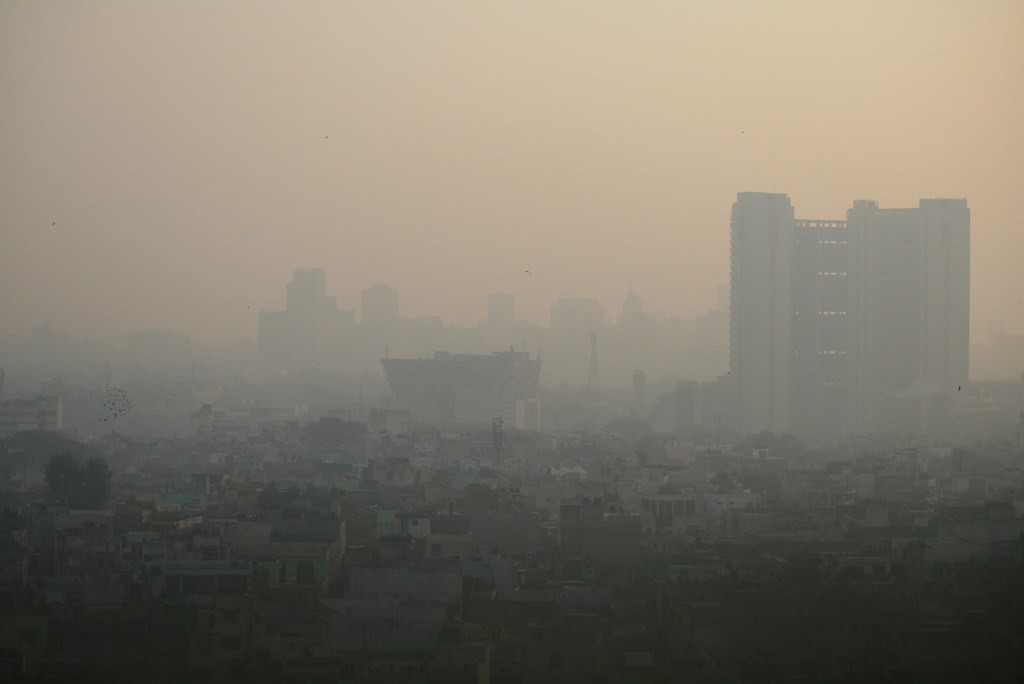
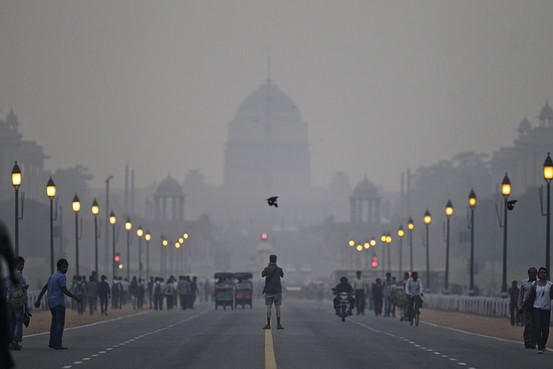
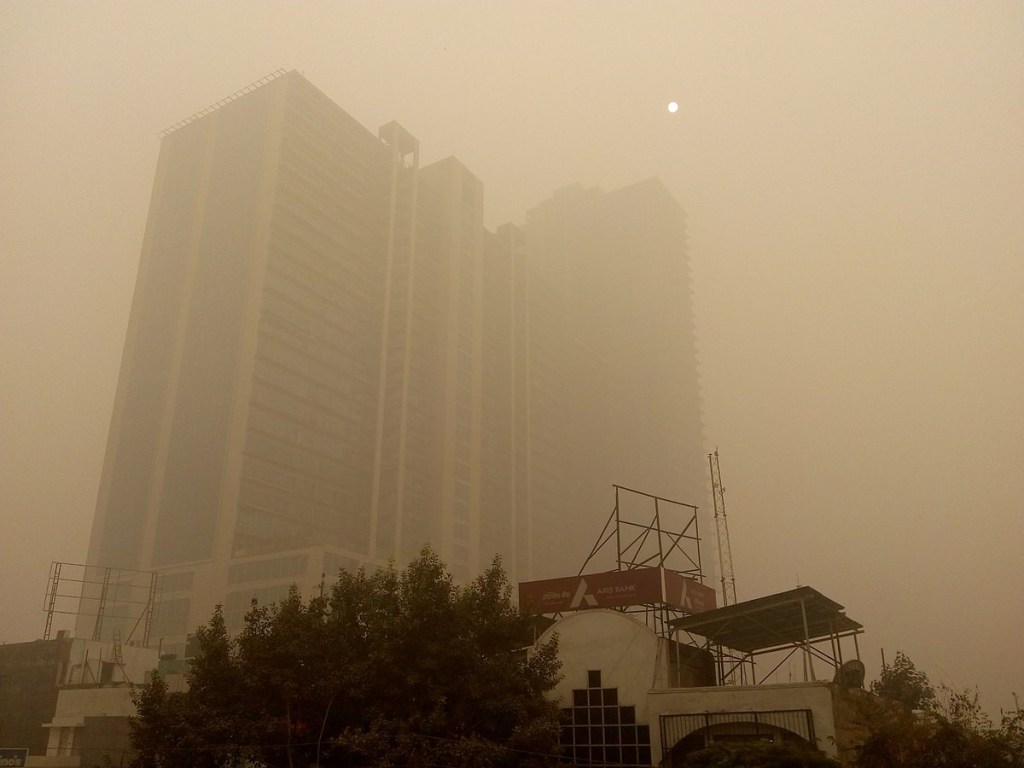
The Air (Prevention and Control of Pollution) Act was passed in the early 1980s, but due to lax regulation, it has failed to make an impact. India ranks third in the world in terms of greenhouse gas emissions, trailing only China and the United States.

India was marked the fifth most polluted country by WHO (2019) based on PM2.5 emission concentrations, with 21 of the top 30 contaminated cities being in India.

According to WHO (2016), air pollution was responsible for one out of every nine deaths in 2012, with roughly 30 lakh deaths entirely attributable to outdoor air pollution.

In India alone, air pollution was estimated to have caused approximately 11 lakh premature deaths in 2017 (HEI 2019), with 56 percent of those deaths linked to exposure to outdoor PM2.5 concentrations and 44 percent to domestic air pollution. Indians are susceptible to an average of 83.2 g/cubic meter of PM2.5 pollutants, opposed to a much lower level of merely 8 g/cubic meter in cleaner countries.

SOURCES OF POLLUTION

Over time, India’s air quality has deteriorated due to large expansions in industries, population density, human activities, and the increased usage of automobiles. Transportation, factories, agriculture, power, waste management, biomass burning, household, construction, and demolition waste are the seven key sectors that contribute to air pollution.

Industry accounts for 50% of the pollution, with cars accounting for 27%, agricultural burning for 17%, and household cooking accounting for 7%. Air pollution-related diseases claim the lives of about 2 million Indians.

 In practically every city, the transportation sector is the primary source of air pollution, although this situation is exacerbated in metropolitan areas.

 In recent decades, the country has undergone considerable industrialization. As a corollary, the air quality in most metropolitan areas has plummeted. Polluting firms were divided into 17 categories by the Central Pollution Control Board (CPCB), all of which were small and medium-sized businesses. Seven among those industries designated as “essential,” namely iron and steel, sugar, paper, cement, fertilizers, copper, and aluminum. SPM, SOX, NOX, and CO2 emissions being the principal pollutants.

The main pollutants emitted by farming activities are ammonia (NH3) and nitrous oxide (N2O). Farming methods such as ‘slash and burn’ are major contributors to photochemical smog.

Power plants constitute a substantial amount of air pollution in India. The biggest source of SO2 and TSP emissions are thermal power plants. Between 1947 and 1997, emissions of SO2, NOX, and PM grew by more than 50 times, according to The Energy and Resources Institute (TERI).

Households are a prime source of pollution in India. Although most metropolitan areas use liquefied petroleum gas (LPG) as a cooking fuel, the bulk of rural Indians rely on cow dung cakes, biomass, charcoal, or wood for cooking and other needs. These emissions have dire impacts on air quality, especially indoor air quality, and may significantly impact health.

People living in polluted cities are prone to a myriad of health concerns, ranging from mild respiratory issues to life-threatening illnesses. PM, O3, SOX, and NOX emissions have the power to damage people’s cardiovascular and pulmonary systems.  

More than 100,000 new-borns died as a result of indoor and outdoor harmful pollutants during their first month of life. The usage of charcoal, wood, and dried dung cakes for cooking and heating homes was associated with a substantial number of these deaths.

According to a study, over 30% of Delhi’s population experienced respiratory illnesses in 2016 as a result of air pollution. Another study indicated that between 1990 and 2010, the fatality rate in Delhi due to air pollution doubled. In 1995, 2800 individuals died prematurely in Mumbai as a result of air pollution; which climbed exponentially to 10,800 in 2010. In 2010, the number of premature deaths in Kolkata was projected to be around 13,500 whereas, Delhi recorded 18,600 annual fatalities.

MEASURES IMPLEMENTED TO CUT EMISSIONS

The Central and State governments have taken several steps to reduce pollution and enhance air quality. The use of compressed natural gas (CNG) as an alternative fuel, the odd-even measures enforced in Delhi, the introduction of Bharat Stage VI vehicle and fuel standards, the Pradhan Mantri Ujjwala Yojana (PMUY), and the National Clean Air Programme (NCAP) are all examples of initiatives in this direction.

Adoption of zig-zag technology for stack emissions from brick kilns, online surveillance of emissions via the Online Continuous Emission Monitoring Systems (OCEMS), and the installation of webcams in environmentally damaging factories are some of the steps taken to combat Air pollution in the industry sector.

Initiation of door-to-door collection of separated waste and various compost pits have been installed in metro areas to mitigate the issue of open burning of garbage and domestic wastes. Furthermore, varied steps have been taken over the years to limit the particulate matter (PM) and dust particle densities, such as green buffer around cities, the maintenance of a 33 % green cover around city environments, and the installation of water fountains throughout cities. On city streets, any car that is more than 15 years old or does not satisfy the BS6 emission regulations will be banned.

But it will take a lot more than this; to control pollution, all citizens of the country must work together.

Let’s talk about period!

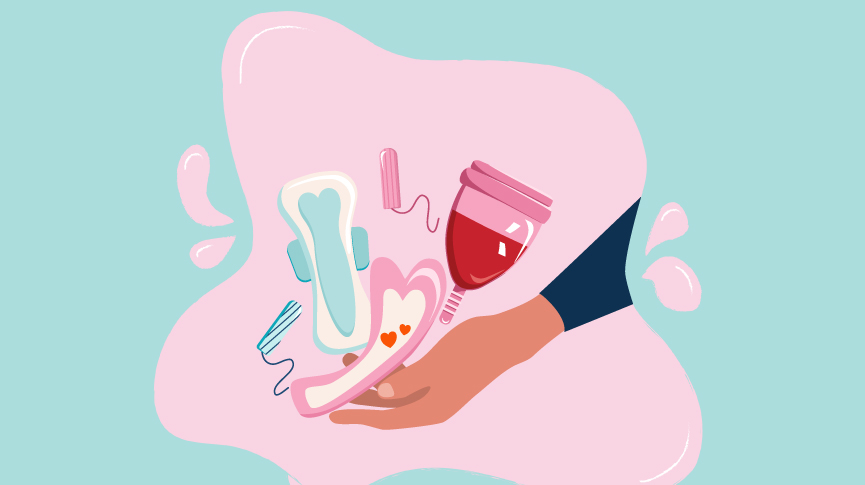
What is Menstruation or A Period?

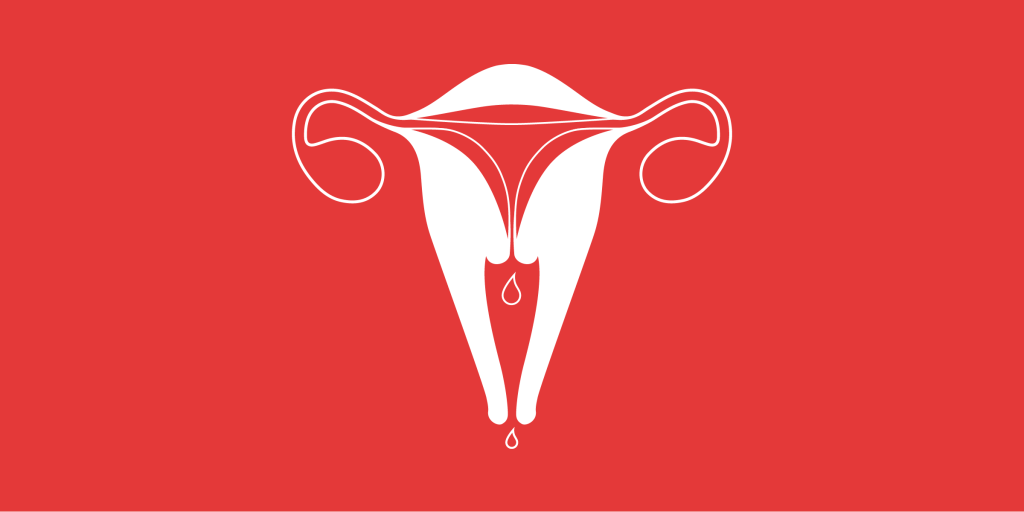
The level of estrogen and progesterone, reproductive hormones, climbs every month as the uterus prepares for pregnancy. The uterine lining becomes dense and spongy as a result of these hormones. This lining is made up of tissue and blood, much like everything else inside our bodies. It provides a variety of nutrients that help pregnancy progress. If there isn’t a pregnancy, progesterone levels drop, and the thick endometrial lining sheds and leaks out of the vaginal orifice. And Menstruation is the result.

Red Wedding . shark week . Time of the week . code red.
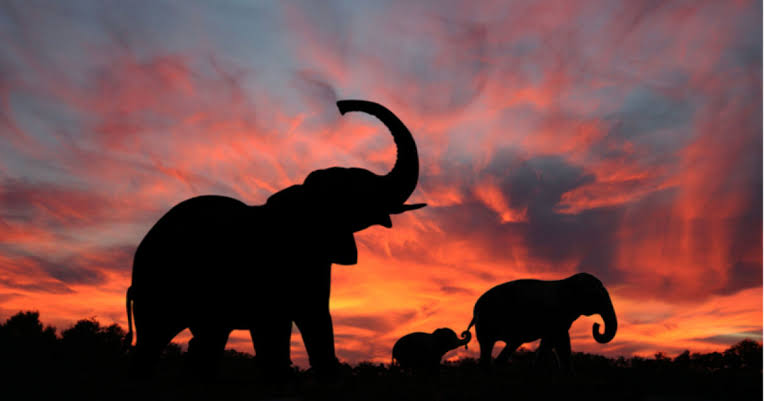
A slew of terms for one utterance – Menstruation. And not just human beings; Other mammals, such as Old World monkeys and apes, 3-5 kinds of bats, and the elephant shrew, have periods as well.

Only 121 million (roughly only 36% of the women) of India’s 336 million menstruating women use sanitary pads, according to the National Family Health Survey 2015-2016. Many women still refuse to use sanitary pads for a variety of reasons, including personal preference and familiarity, a lack of access to or affordability for high-quality commercial sanitary pads, and a lack of adequate knowledge regarding pads.

“More than a third of girls in South Asia miss school during their periods, as they lack access to toilets or pads, and many receive no education about menstruation before reaching puberty,”- A recent report by charity WaterAid and UNICEF revealed.

Because they cannot afford these expensive sanitary goods, many girls and women utilize a new soft cloth or some homemade product. Women may also use hay, ash sand, ash, wood shavings, newspapers, dried leaves, or plastic in extreme circumstances.

In both urban and rural India, qualitative investigations and surveys have revealed the most common reason for not using a sanitary pad is its high price. Pads from high-end commercial manufacturers can cost up to 1.5 times as much as pads from low-cost vendors. Quality sanitary pads are desirable, but the majority of girls from low-income homes cannot afford them.
TAX-FREE SANITARY PRODUCTS

“I am sure all mothers and sisters will be very happy to hear that sanitary pads are now 100 percent exempt from tax,” India’s interim finance minister, Piyush Goyal, at a news conference in New Delhi.

In 2018, India abolished its 12% tariff on all sanitary items, declaring tampons and sanitary napkins tax-free.

But is it enough?

A bundle of ten sanitary napkins, which used to cost roughly 100 rupees, will now cost around 88 rupees when the 12 percent GST is abolished. This could be a woman’s monthly outlay on menstrual products. However, given that 65.07% of India’s population lives in rural regions and relies on manual labor, with many of them subsisting on less than 120 rupees per day, the price of 88 rupees for a packet of sanitary napkins remains exorbitant.

Recently, The Period Products (Free Provision) (Scotland) Act 2021 was approved by the Scottish Government, making sanitary products free for all women and making Scotland the first country in the world to do so in the battle against “period poverty.” It is also the world’s first regulation requiring all public institutions to distribute menstrual sanitary goods, such as tampons and pads.

But why only in Scotland?
Periods are not a choice for women. They occur monthly and are a natural phenomenon. Therefore, every woman or girl who is menstruating deserves access to adequate sanitary products, regardless of her family’s income bracket.

It is high time for India and other countries to follow Scotland’s lead and make sanitary products free & accessible for their women.

ENDANDERED ANIMALS – NATIVE TO INDIA

India has a high level of biodiversity, with roughly 8% of all species on the earth found there.  It is home to 7.6% of all mammals, 12.6 percent of all avian, 6.2 percent of all reptilian, 4.4 percent of all amphibian, 11.7 percent of all fish, and 6.0 percent of all flowering plant species, making it one of seventeen megadiverse countries.

The country is home to 4 of the world’s 34 biodiversity hotspots: the Himalayas, the Western Ghats, the North-East, and the Nicobar Islands. India plays host to a plethora of rare & exotic animals like The Greater One-Horned Rhinoceros, Nilgiri tahr, Nilgiri marten, Bengal tiger, Kashmir Hangul and, pygmy hogs, to name a few.

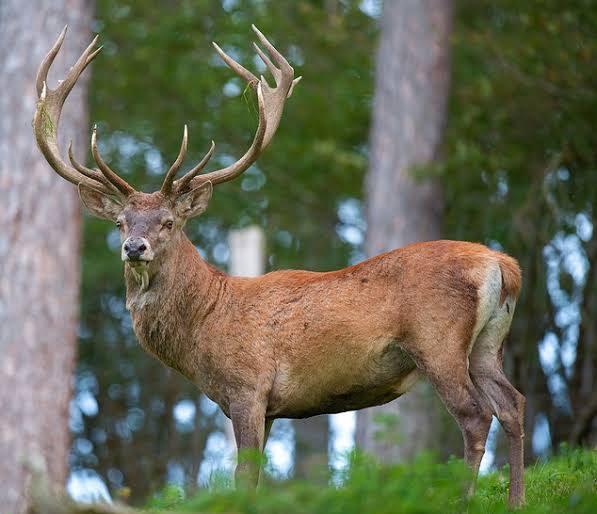
Kashmir Hangul (Kashmir Stag) 

Hangul, Jammu & Kashmir’s state animal, previously widely distributed throughout Kashmir’s mountains, is now limited to the Dachigam National Park in Kashmir. The Hangul’s population has steadily dropped throughout the decades, from a peak of 5,000 in the early 1900s. Experts have highlighted habitat fragmentation, a lack of favorable breeding, predation, and a relatively low fawn-female ratio as the most significant obstacles to Hangul conservation and population expansion. The Kashmir Hangul’s fawns are preyed upon in huge numbers by the Common Leopard, Himalayan Black Bear, and nomads’ dogs, threatening their survival. The Kashmiri Red Stag, famed for its 11- to 16-point antlers, has been designated as a critically endangered species by the International Union for Conservation of Nature (IUCN).

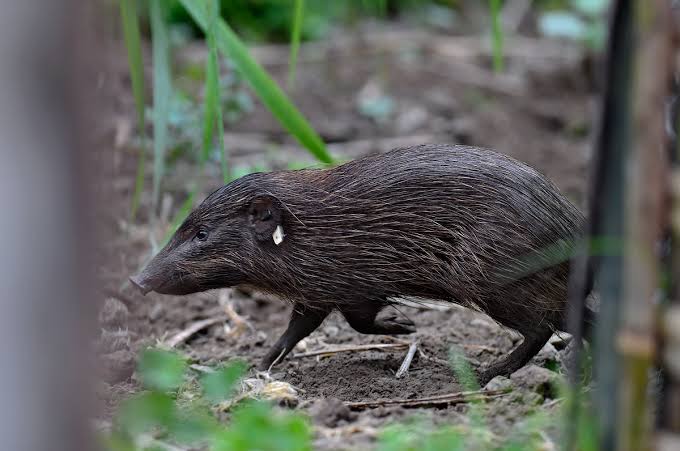
Pygmy Hog

They are indigenous to India and can only be seen in a few scattered sites near Manas National Park in north-western Assam. Pygmy hog (Porcula salvania) is the world’s tiniest pig, standing at 20-30cm in height – with its sporadic hair and streamlined body that is nearly the size of a cat, it is also exceptionally rare.

 Unfortunately, with only 200 left, they have been classified as an Endangered species in the IUCN red list. Habitat decay and degradation result from human settling, farming, seasonal burning, livestock pasture, and commercial forestry constitute the main challenges confronting the already jeopardized pygmy hogs.

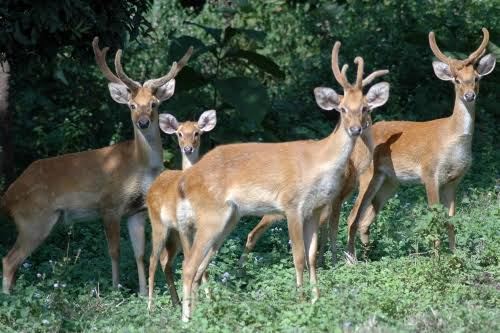
Sangai Deer 

The recherché Sangai as know as  the brow-antlered deer or the dancing deer, is only found in the Keibul Lamjao National Park, the world’s sole floating national park, and is indigenous to Manipur. Sangai eats a diverse range of aquatic plants, grasses, herbaceous plants, and shoots, including Zizania latifolia, Saccharum munja, S bengalensis, Erianthus procerus, E ravernnae, and others. According to the latest wildlife estimation undertaken by the Manipur Forest Department, the sangai deer’s population is static at 260. Marked endangered by the International Union for Conservation of Nature (IUCN), The Sangai population continues to dwindle as a consequence of low genetic diversity, disease proneness, hovering biomass habitat depletion, and hog deer competition.

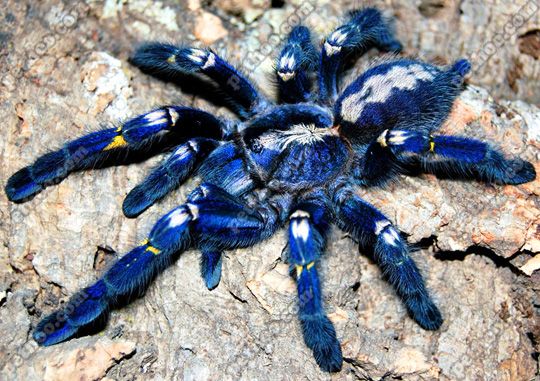
Gooty Tarantula

The Peacock Parachute Spider, sometimes referred as the Gooty Tarantula, is a spider belonging to the genus Poecilotheria. The blue colour is caused by the arrangement of nanocrystals in their body hairs, which reflect blue wavelengths of light.  P. metallica, endemic to India, lives in the wild in holes in towering trees, where it weaves asymmetric funnel webs. They prey on a myriad of flying insects. The “quality of habitat” of spiders that seek cavities and deep cracks in old woods is also dwindling. The spiders have been labelled as critically endangered by the International Union for Conservation of Nature (IUCN).

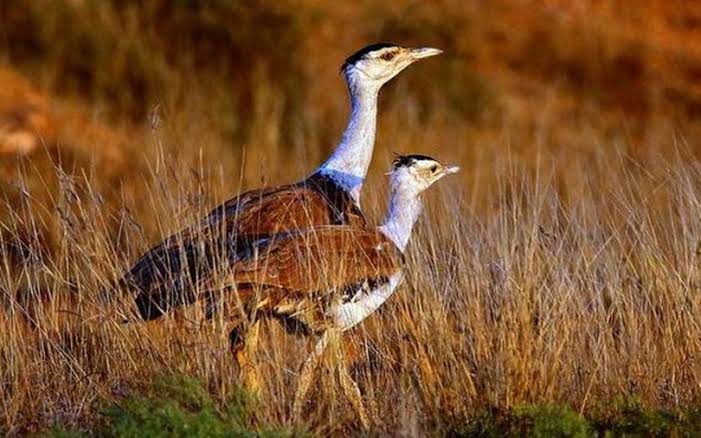
great Indian bustards

Rajasthan is home to about 122 of India’s estimated 150 critically endangered great Indian bustards (GIB), which are clustered in the Desert National Park on the western flank. Great Indian bustards are big birds with long legs and a long neck, with the tallest individuals reaching 1.2 metres (4 feet) in height. The males and females are about the same size, with the largest weighing 15 kg (33 pounds). The colour of a bird’s feathers distinguishes males from females.

YOGA – MAGIC FOR BODY

Yoga is the art work of awareness on the canvas of bodymind and soul” – Amit Ray. 

Over 5,000 years ago, the Indus-Sarasvati civilization in Northern India formed the foundations of Yoga.  Yoga is generally misconstrued to mean merely “union,” or the merging of one’s own consciousness with that of the cosmos, but it also alludes to a “technique or approach.”

“Yogas chitta vritti nirodha”—Patanjali.

“Chitta vritti” is a Sanskrit term that means “mind chatter.” “Vritti” translates to “fluctuating or mercurial whims that clog the mind.”

YOGA FOR BACK PAIN

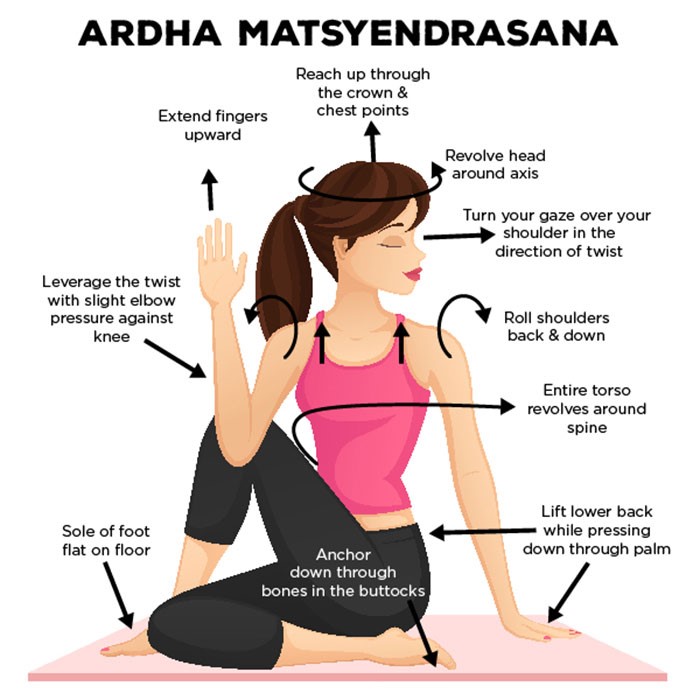
ARDHA MATSYENDRASANA

  • stretches the spine, shoulders, neck, and hips.
  • It helps to ease back pain.
  • Helps digestion by igniting the digestive fire in the stomach.
  • Reduces the likelihood of contracting a respiratory disease.
  • Boosts the functioning of the liver and kidneys.
  • Energizes and enhances spine flexibility, which is beneficial for people with slip disc.

TRIKONASANA

  • Stretches & exercises the hips, thighs, shoulders, chest, arms, and spine muscles.
  • Relieves back pain.
  • It aids digestion.
  • Assists in the lowering of stress and anxiety.
  • Stimulates the spinal nerves by stretching the spine.
  • reduces the rigidity of the neck, shoulder, and knees.
  • Timbre the reproductive organs and fortify the pelvic area.
  • Assists in the relief of menopause symptoms.

YOGA FOR MENSTRUATION

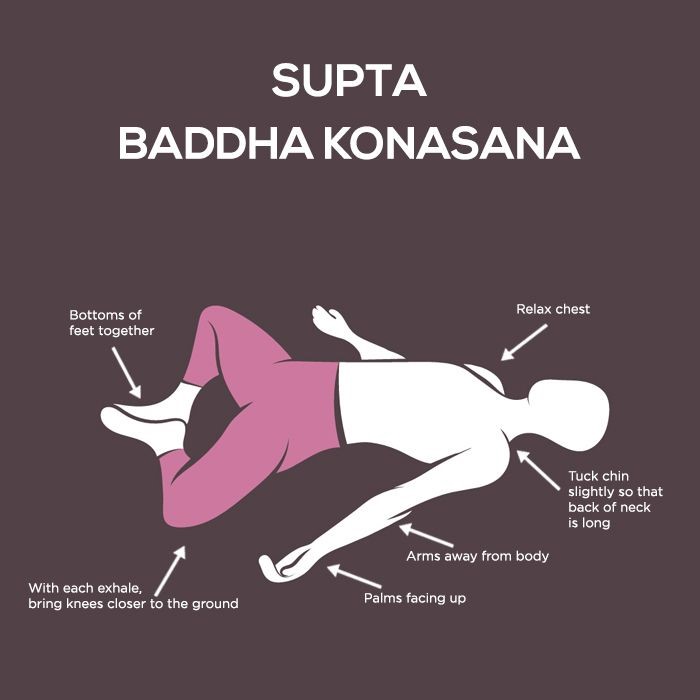
SUPTA BADDHA KONASANA

  • Relieves headaches by lowering stress levels in your nerve system.
  • Stimulates the ovaries, bladder, kidneys, and prostate gland.
  • It boosts the reproductive and digestive systems’ efficacy.
  • Improves overall circulation and accelerates the heart.
  • Helps reduce symptoms of menstruation and menopause.

PADMASANA

  • Promotes physical and mental balance.
  • Relaxes the mind and body
  • The pelvis, spine, abdomen, and bladder are all stimulated.
  • Helps to stretch the ankles and knees.
  • Relieves menstruation pain 
  • allows one a lot of arm and leg flexibility.

YOGA FOR BLOOD PRESSURE

SAVASANA

  • Decreases weariness and stress.
  • It relaxes the nervous system.
  • Relaxes the body 
  • Reduces headache 
  • Enables you to relax both your mind and body.
  • Relieves stress and mild depression by calming the brain.
  • Helps to decrease blood pressure by relaxing the body.

BADDHA KONASANA

  • This asana is thought to help with childbirth.
  • The organs of the abdomen are activated.
  • Improves flexibility in the inner thigh, groin, and knees.
  • assists in the relief of anxiety and stress
  • Hip joint stiffness is reduced.
  • Menstrual Cramps are relieved.

Why is vaccination important?

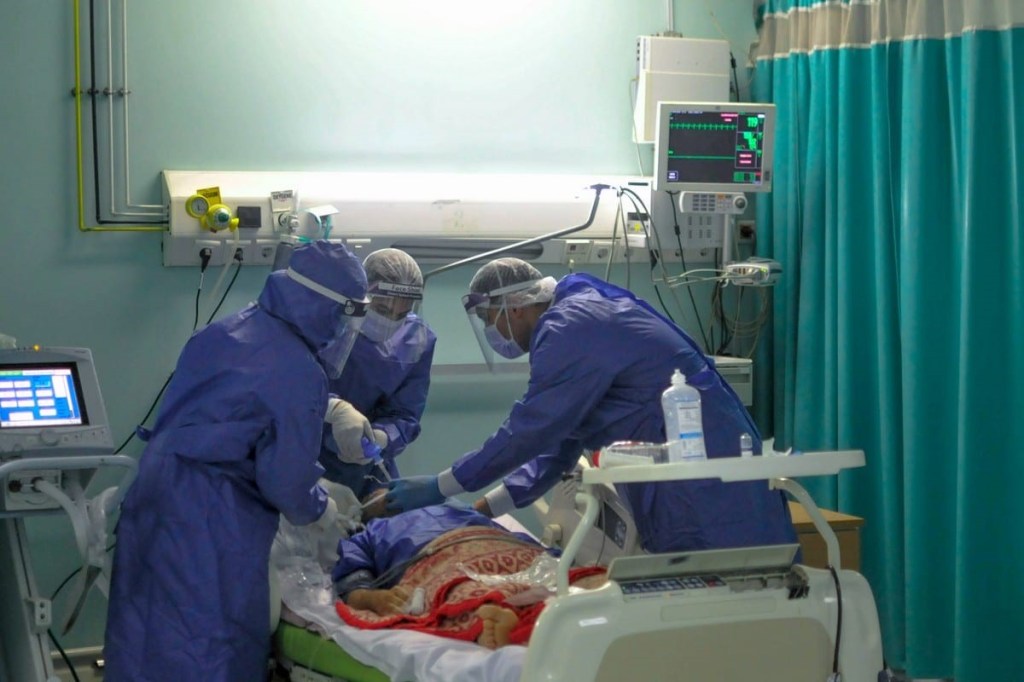
COVID-19’s catastrophic second wave left India crippled. Shortage of oxygen, hospitals on the brink, unbridled Covid deaths, rampant Covid cases, people in agony pretty much sums up the second wave.

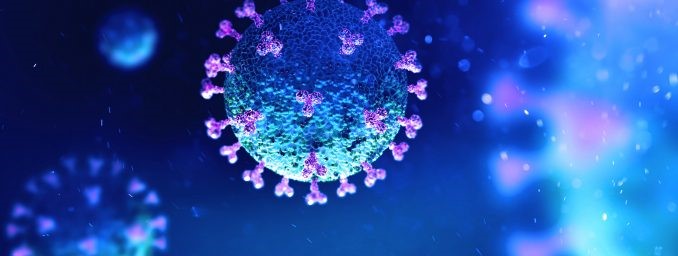
The virus evolves as it spreads. India is coping with the UK version, South African variant, Double mutant, Kappa variant, and Delta variant- to name a few.

When will COVID-19 come to an end?

Some of the viruses responsible for previous pandemics, such as the H1N1 swine flu virus, continue to spread today, so does H3N2.

And, the bitter truth is, this may also be the case with COVID-19. COVID-19 is far more difficult to eradicate since it may spread from animals to humans and from humans to humans.

“The virus sticks around, but once people develop some immunity to it — either through natural infection or vaccination — they won’t come down with severe symptoms. The virus would become a foe first encountered in early childhood, when it typically causes mild infection or none at all,” quoted Jennie Lavine, an infectious-disease researcher at Emory University in Atlanta, Georgia.

Eradication, on the other hand, isn’t the sole option. We’ve previously controlled and confined Ebola, hepatitis B, measles, and SARS, all of which were similar to the current COVID-19.

“The end of the pandemic is not the end of this virus — it’s the end of an unsustainable impact on health systems,” ANDREW J POLLARD, FRCPCH PhD FMedSci, is Professor of Pediatric Infection and Immunity at the University of Oxford said. “If we can convert it into something more innocuous, then we’ll have the end of the pandemic in sight.”

COVID-19 can also be contained and controlled with vaccination. Covishield has a 90% efficacy rate, while Covaxin has an 81 percent efficacy rate. Russia’s Sputnik V has a 91.6 percent efficacy rate. It’s time to get vaccinated for your own and your family’s protection, as vaccination is the only way out of this pandemic.

Post-vaccination symptoms & why they are good?

After taking the vaccination, one may experience some side effects like pain at the injection site, joint pain, redness, headache, chills, swelling at the injection site, fever, nausea, or fatigue.

But it’s perfectly normal and, in fact, beneficial. Side effects are the immune system’s response to the vaccine & a sign that the vaccine is working.

The good news on our part is that a brisk response equals an effective response,” Dr. Mark Loafman, chair of family and community medicine for Cook County Health in Illinois, told NBC 5. “It tells us that the vaccine is working. Our body’s forming a robust immune response and we feel that that’s a positive thing. So, we tend to see the vaccines that have a higher efficacy rate also have more of the so-called side effects or the symptoms because they work so well.”

Vaccines are designed to give you immunity without the dangers of getting the disease. Common and mild or moderate side effects are a good thing: they show us that the vaccine is working. Experiencing no side effects doesn’t mean the vaccine is ineffective. It means everybody responds differently. 

RATAN TATA – INDIA’S REAL RATN

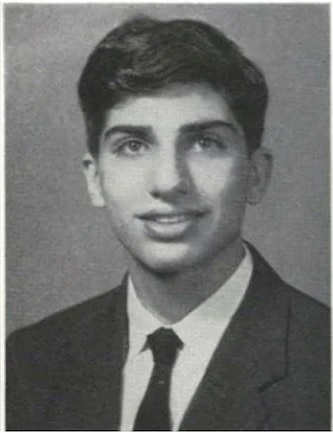
Ratan Naval Tata- an epitome of benevolence, nobility & perspicaciousness. He is the country’s true treasure. He was born to Naval Tata and Sooni Tata. Naval Tata was the adopted son of Ratanji Tata, the younger son of Jamsetji Tata, founding father of the Tata group.

Ratan Tata received his early education at Campion School, Mumbai. Later, he enrolled at The Cathedral & John Connan School, Mumbai & at the Bishop Cotton School, Shimla. he graduated from New York’s Riverdale Country School in 1955 & holds an architecture degree from Cornell University, USA. He is also a Harvard Business School graduate.

During his tenure as Chairman of the Tata Group (1991-2012), Revenues soared over 40 times & profits increased by 50 times. The company’s revenue grew from $5.7 billion in 1991 to an astounding $103 billion in 2016. His efforts propelled India’s ascension to the forefront of global trade. His acquisition of renowned and fabled foreign companies made Tata more global.

 Tetley, the UK’s largest tea brand; a 25% stake in VSNL; NatSteel, Singapore’s single largest steel producer; South Korea’s Daewoo Motors; New York’s iconic – The Pierre hotel; Boston’s Ritz-Carlton hotel; San Francisco’s Campton Hotel; and Ford’s Jaguar and Land Rover are just a few of his cardinal acquisitions.

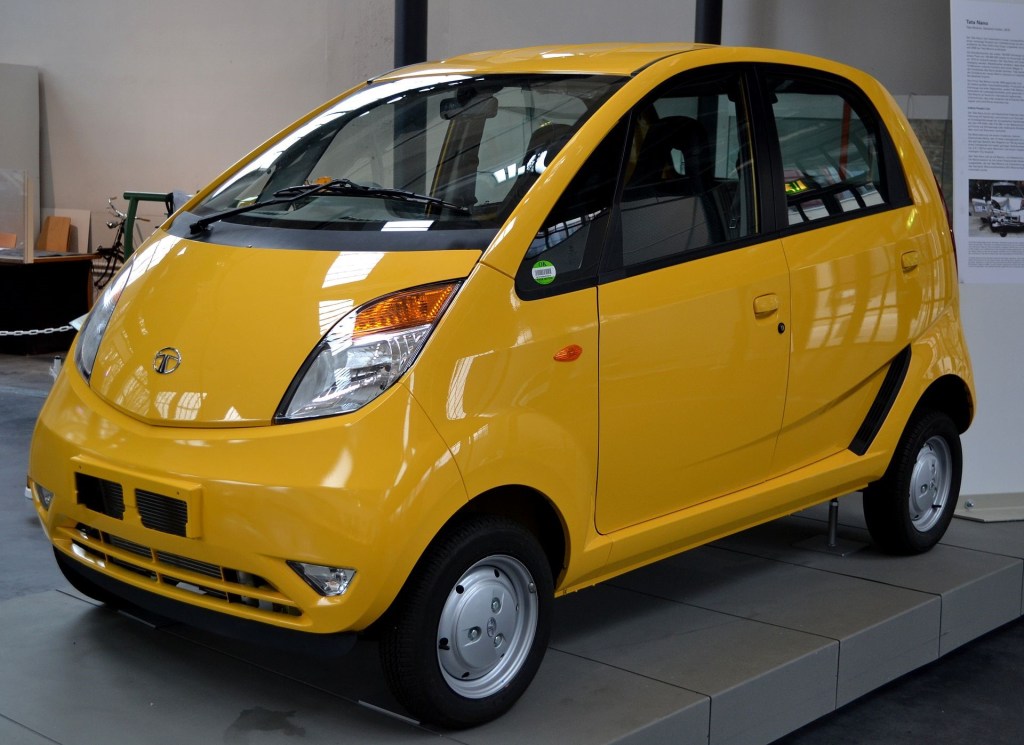
TATA NANO- Ratan Tata’s Dream Project

Nano cleped as the “World’s Cheapest Car” has a backstory worth knowing. The idea of an ‘economical and safe transport’ was devised in Sir Ratan Tata’s mind when he saw a family of 4 on a scooter, riding away in the rain on the treacherous road. It made him worried, not just about their safety but for many other families just like them.
“The fact of unsafe travel was bothering me,” said Ratan Tata, Chairman Emeritus, Tata Sons and Chairman, Tata Trusts.

 “What really motivated me, and sparked a desire to produce such a vehicle, was constantly seeing Indian families riding on scooters, four or five on a scooter, maybe the child sandwiched between the mother and father, riding to wherever they were going, often on slippery roads in the dark.” He further quoted.

His initial idea wasn’t a Car, it was to make scooters safer. “That mutated into four wheels, no windows, no doors, just a basic dune buggy. I finally decided it should be a car.” stated Tata.

Nano was more than just a car, it represented a promise. He promised the people an “economical and safer” mode of transportation, quoting a price of 1,00,000 Rupees. Even though ‘The People’s Car’ had a bumpy ride in the market and is now discontinued, Sir Ratan Tata’s gesture will live on in the hearts of all Indians.

PHILANTHROPY- THE TATA WAY

Ratan Tata has done a lot of humanitarian work, following in the footsteps of Jamshedji Tata, the Century’s Greatest Philanthropist. But it was his grandmother, Navajbai Tata’s, generosity that truly inspired him and has lingered with him to this day. “She had homes for the poor all over the country…she operated in that way not to gain visibility for herself, but she was a very Kind-hearted & passionate in terms of doing away with misery,” Tata said, talking about his grandmother.

To help India battle the baneful & virulent COVID-19, he donated 1500 crores. “The COVID 19 crisis is one of the toughest challenges we will face as a race. The Tata Trusts and the Tata group companies have in the past risen to the needs of the nation. At this moment, the need of the hour is greater than any other time.” In an Instagram post, he stated.

Tata Education and Development Trust – a philanthropic affiliate of India’s Tata Group – a $25 million endowment, that allows Cornell to provide financial aid to undergraduate students from India.

The Tata Trust also teamed up with khan academy, a Non-Profit-Organization, to provide free online education to all Indians.

Tata group donated a 551 bedded COVID-19 Hospital, built from scratch utilizing prefabricated shipping containers.

Tata Steel’s 1000 school project, awarded the “Most Impactful CSR Project, 2018″, Aimed at improving the quality of education in Government schools as well as strengthening the governance against child labour & increasing access to schools.

Tata’s contribution to building India is unmatchable & prodigious.

GAGANYAAN- INDIA’S FIRST CREWED MISSION

ISRO (Indian Space Research Organization), with its astounding & momentous achievements, has proved that even – Sky isn’t the limit. It has come very far, from launching Aryabhata, the first Indian satellite, with the help of the Soviet Union- to set up a world record by launching 104 satellites in a single flight.

NASA’s budget of USD 23.3 billion dwarfs ISRO’S budget of a mere USD 2.0 billion by a whopping 168.38%.But the Indian Space agency didn’t let the spartan budget hinder them from successfully reaching Mars in its very first attempt. Neither did it stop them from discovering water on Moon, with the help of chandrayaan-1.

What is Gaganyaan?

ISRO is looking forward to making India proud with its formidable 10,000-crore Gaganyaan Mission. “Gaganyaan” is a Portmanteau word made by combining two Sanskrit words – ‘Gagan‘ meaning sky & ‘Yana’ meaning craft.

Gaganyaan will be India’s first crewed mission to space. Its success will make India the 4th country to do so, following Russia, the US, and China. This very ambitious mission aims to take a crew of 3 astronauts to Low Earth Orbit (LEO) for a stretch of 5 to 7 days. ISRO’s GSLV MKIII (Geosynchronous Satellite Launch vehicle Mark III), an evolved, unequivocal & futuristic version of the GSLV MK II, will launch the crewed vehicle. Nicknamed “Bahubali”, it is India’s heaviest launch vehicle, weighing about 640-tonne.

Prime minister, Narendra Modi, also mentioned Gaganyaan during his “Mann ki Baat” in 2020. – “Gaganyaan mission will be a historic achievement in the field of science and technology for India in the 21st century. It will provide to be a milestone for New India,” he said.

Two uncrewed orbital test flights will be launched before the first-ever Indian crewed mission, Gaganyaan. Gaganyaan’s first orbital test flight formerly scheduled for this year, owing to the current dire Covid-19 situation in the country, has been delayed for the year 2022. “Owing to the spread of coronavirus infection and the lockdowns across the countries, vendors are working at a lower capacity or closed which in turn has impacted the supply of components. Even our officials are working from home due to the lockdown,” K. Sivan, Chairman, ISRO and Secretary, Department of Space said.

Vyommitra, ISRO’s humanoid robot, will board the first test flight of the Gaganyaan schedule. “This humanoid will basically mimic human functions, will record parameters such as blood pressure, heart rate, etc. This is getting ready. The two unmanned flights will let us ensure whether everything is working well, whether the environment in the modules are controlled, whether it is safe for humans. Like any programme, after two successful test flights, we will undertake the operational flight,” said K. Sivan apropos of Vyommitra & the two test flights.

The second orbital test flight is also lined up for launch in 2022 and India’s first Maiden human spaceflight, Gaganyaan, is slated to ride to space in 2023.

Future missions

Another momentous mission adjourned due to the Covid-19 is Aditya L-1, which aims to study the Sun. It will cover a stretch of 1.5 million km from the Earth’s surface. The satellite will be sent to the Lagrangian point 1, between the Earth and the Sun.

Shukrayaan-1, ISRO’s mission to Venus in 2024, which will orbit the Earth’s closest neighbor & study its surface and atmosphere, is also worth mentioning.