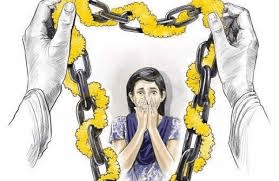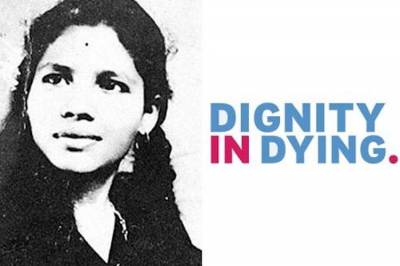
Passive Euthanasia in India

What is Passive euthanasia?
Passive euthanasia is a condition where there is withdrawal of medical treatment with the deliberate intention to hasten the death of a terminally-ill patient.Euthanasia  is the practice of intentionally ending a life to relieve pain and suffering.

The word “euthanasia” was first used in a medical context by Francis Bacon in the 17th century, to refer to an easy, painless, happy death, during which it was a “physician’s responsibility to alleviate the ‘physical sufferings’ of the body.” Bacon referred to an “outward euthanasia”—the term “outward” he used to distinguish from a spiritual concept—the euthanasia “which regards the preparation of the soul.”

In current usage, euthanasia has been defined as the “painless inducement of a quick death”

On 9 March 2018 the Supreme Court of India legalised passive euthanasia by means of the withdrawal of life support to patients in a permanent vegetative state. The decision was made as part of the verdict in a case involving Aruna Shanbaug, who had been in a Persistent Vegetative State (PVS) until her death in 2015.

On 9 March 2018, the Supreme Court of India, passed a historic judgement-law permitting Passive Euthanasia in the country. This judgment was passed in wake of Pinki Virani’s plea to lust highest court in December 2009 under the Constitutional provision of “Next Friend”. It is a landmark law which places the power of choice in the hands of the individual, over government, medical or religious control which sees all suffering as “destiny”.

Active euthanasia, including the administration of lethal compounds for the purpose of ending life, is still illegal in India.

In 2018 the Supreme Court of India declared through a five-judge Constitution bench that, if strict guidelines are followed, the government would honor “living wills” allowing consenting patients to be passively euthanized if the patient suffers from a terminal illness or is in a vegetative state.

The Supreme Court delivered a landmark judgment allowing “living will” where, an adult in his conscious mind, is permitted to refuse medical treatment or voluntarily decide not to take medical treatment to embrace death in a natural way. In the judgment, the court laid down a set of guidelines for “living will” and defined passive euthanasia and euthanasia as well.

The court stated the rights of a patient would not fall out of the purview of Article 21 (right to life and liberty) of the Indian Constitution.
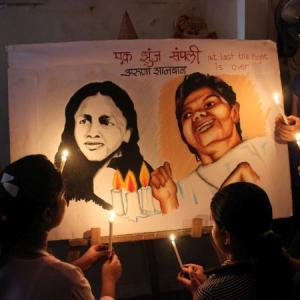
NEW DIMENSION IN INDIAN HISTORY- ARUNA’s CASE


Aruna Shanbaug, who was working as a nurse at KEM Hospital, was assaulted on the night of November 27, 1973 by a ward boy. He sodomised Aruna after strangling her with a dog chain. The attack left Aruna blind, paralysed and speechless and she went into a coma from which she has never come out. She is cared for by KEM hospital nurses and doctors. The woman does not want to live any more. The doctors have told her that there is no chance of any improvement in her state. Her next friend (a legal term used for a person speaking on behalf of someone who is incapacitated) describes Shanbaug: “her bones are brittle. Her skin is like ‘Paper Mache’ stretched over a skeleton. Her wrists are twisted inwards; her fingers are bent and fisted towards her palms, resulting in growing nails tearing into the flesh very often. Her teeth are decayed and giving her immense pain. Food is completely mashed and given to her in semisolid form. She chokes on liquids and is in a persistent vegetative state.” So, she, through her ‘next friend’ Pinki Virani, decided to move the SC with a plea to direct the KEM Hospital not to force feed her. And on 16th December 2009, the Supreme Court of India admitted the woman’s plea to end her life. The Supreme Court bench compromising Chief Justice K G Balakrishnan and Justices A K Ganguly and B S Chauhan agreed to examine the merits of the petition and sought responses from the Union Government, Commissioner of Mumbai Police and Dean of KEM Hospital.

On 24th January 2011, the Supreme Court of India responded to the plea for euthanasia filed by Aruna’s friend journalist Pinki Virani, by setting up a medical panel to examine her. The three-member medical committee subsequently set up under the Supreme Court’s directive, checked upon Aruna and concluded that she met “most of the criteria of being in a permanent vegetative state”. However, it turned down the mercy killing petition on 7th March, 2011. The court, in its landmark judgement, however allowed passive euthanasia in India. While rejecting Pinki Virani’s plea for Aruna Shanbaug’s euthanasia, the court laid out guidelines for passive euthanasia. According to these guidelines, passive euthanasia involves the withdrawing of treatment or food that would allow the patient to live.

Conclusion

Ms Shanbaug has, however, changed forever India’s approach to the contentious issue of euthanasia. The verdict on her case allows passive euthanasia contingent upon circumstances. So other Indians can now argue in court for the right to withhold medical treatment – take a patient off a ventilator, for example, in the case of an irreversible coma. This judgement makes it clear that passive euthanasia will “only be allowed in cases where the person is in persistent vegetative state or terminally ill.”
IPL 2020

indian government has given green signal to ipl 2020 in UAE,ipl starting from SEP 19 th & final is on 10 th November at three venues in the UAE — Dubai, Sharjah and Abu Dhabi — subject to government approval, which is expected in the next couple of days.

Teams will be allowed to replace players in case they get unwell during the course of the tournament. The Governing Council met on Sunday to discuss the route map for the successful execution of IPL 2020 in United Arab Emirates (UAE).

IPL franchises will be allowed 24-player squads for the 13th edition of the tournament which is all set to go to the UAE

Real friends are fake

Every person is a friend until he wants something from you. I thought that real friends are rare but now realised that they never exist. I believed in friendship and was happy to have such friends until a day came. I never thought atleast it in a dream. I was happy being with them untill I became sad.

My friend’s friend became my friend until he became my enemy in an incident. May be I was wrong and may be I might deserve that. I thought of having a good relationship with them until a day then. No one ever tried to console me. They had their priorities until I left with none. I never cried in my under graduation but that pain of being ignored ny your true friends can’t be expressed. The pain of being ignored made me feel more than the pain that left after quarrelling.

There’s no need to share happy moments but it’s important to share your sadness with your friend. A friend should hold us in sadness. I felt alone at that moment and felt being ignored by them. I too tried to fake a friendship with them. But that never existed long. I am not like them. I feel the pain of my sorrow and as well as them. I don’t why I am feeling alone during friendship day. Till yesterday I was ok with what I feel. But all of sudden something happened to me because of my expectations on my friend. Friend never helps it’s we who hope a lot from him. Stop depending on them and start believing in yourself.

I feel like writing more and more because it’s the only thing with whom I can share my feelings. Last year this day was different. I completely believed in friendship. May be its due to my bitter experiences in life made me so. Hope someday someone make me feel what true friendship is. I don’t know why am I feeling like this that too this day. I never felt to cry while writing because I quit writing while I am about to cry. But this sorrow is making me to write more and more so as to minimise my sadness. I was always alone and felt as though I had got everything I needed untill then. Everyone will feel the same at some saturated point in your life. Friendship ends sooner or later. It’s you or the person on the other side had to leave a thread and make you fall like thug of war.

It’s not what I wrote it’s what I felt. So never try to have expectations because till yesterday bI was fine till I started thinking. If you wanna hold fake friendships then start being fake because no one gonna make you feel happy when you are sad. I am the victim of my own expectations.

Superiority of “knowing it all”

Calculating all the technicalities of what type of influencers we see in today’s society gets us to a point of being aware that there are people who are yet to do their evolvement as a rational human being because , being an influencer must teach you to be open to all sorts of learning and if there’s any learning left to do the certain influencer should be ready to do it. The “I know it all” attitude doesn’t go well with today’s influencers because everyone’s just a basic human who needs a lot of learning to do even though they’ve been seeing all types of factors effecting their work. And basically, if you get into what makes them tick, they think, “My opinion is worth more than gold in my space.” Now, they understand that they are not experts in everything but in their community, in their area, they are the ones that people turn to. Well, the key here is to create value for their community. In other words, they can’t be bought, but they can be convinced. So, they’re interested in anything that brings value to their audience. And if you can help them on that quest, on that mission, you reinforce their authority and their community, and they’re with you even though no paychecks pass hands. looking at influencers and trying to analyze what bucket do I put them in, understand that the authority works a little differently than the celebrity and, oh, by the way, it’s going to work a little differently with some of the other types that we’ll take a look at. Now, there is a third kind of influencer I like to call connectors. Even if the influencer is partly evolved he needs to be open for rational thinking and sensible learning which helps him get through hard and robust times.

If you understand that these connectors like to connect the dots, they like to create links, that’s what makes them tick. Basically then, that means you need to figure out a way to help them grow their network because they live in a network. They would look at your product and they would write papers and other people would base their purchasing decisions based on what they wrote. And at one point in time, I was actually in charge of analyst relations for one of the high tech companies I worked at. So these type of connectors and influencers are essential for today’s world and there are certain assortments in that too. You want to give them access to insider insights and to new data that they can analyze, but you don’t want to try to impose your analysis on them. They’re experts in this field. Eventually , all these connectors and influencers get through it.

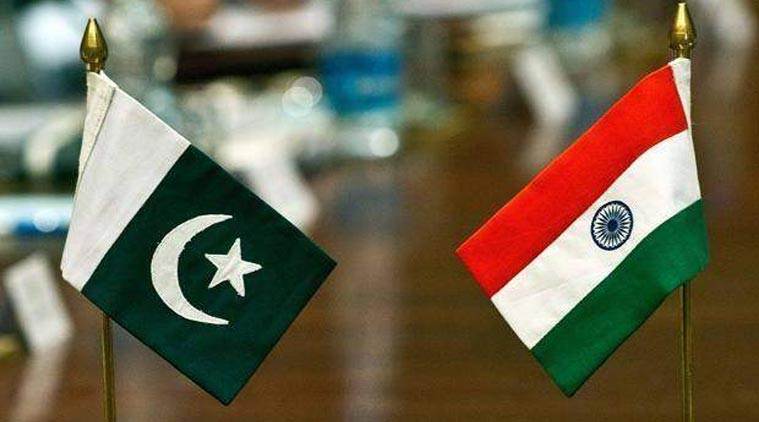
India vs Pakistan, Let’s explore the most tensed parameters.

Cricket

The India–Pakistan cricket rivalry is one of the most intense sports rivalries in the world.  The tense relations between the two nations, resulting from bitter diplomatic relationships and conflict that originated during the Partition of British India into India and Pakistan in 1947, the Indo-Pakistani Wars, and the Kashmir conflict, laid the foundations for the emergence of an intense sporting rivalry between the two nations who had shared a common cricketing heritage.

The two sides first played in 1952, when Pakistan toured India. Test and, later, limited overs series have been played ever since, although a number of planned tours by both sides have been cancelled or aborted due to political factors. No cricket was played between the two countries between 1962 and 1977 due to two major wars in 1965 and 1971 and the 1999 Kargil War and the 2008 Mumbai terrorist attacks have also interrupted cricketing ties between the two nations.

The growth of large expatriate populations from both countries across the world led to neutral venues, including the United Arab Emirates and Canada, hosting bilateral and multilateral One Day International (ODI) series involving the two teams and the teams have met during International Cricket Council (ICC) competitions. Tickets for matches in which the two teams play each other at international competitions are in high demand, with over 800,000 applications for tickets made for the 2019 Cricket World Cup meeting between the two sides.

Players from both teams routinely face intense pressure to win and are threatened by extreme reactions in defeat. Extreme fan reactions to defeats in key matches have been recorded, with a limited degree of hooliganism. At the same time, India–Pakistan matches have also offered opportunities for cricket diplomacy as a means to improve relations between the two countries by allowing heads of state to exchange visits and cricket followers from either country to travel to the other to watch the matches.

IAF’s Wing Commander Abhinandan

On the day of February 27th 2019 both India and Pakistan said they shot down each other’s fighter jets on , with Pakistan capturing an Indian pilot a day after Indian warplanes struck inside Pakistan for the first time since the 1971 Liberation War, reports Reuters.

Earlier, India carried out air raids on rebel camps inside Pakistan weeks after a suicide attack in the disputed Kashmir region, raising fears of a war between the nuclear-armed South Asian nations.

Indian Prime Minister Narendra Modi vowed a strong response in the wake of the worst attack on soldiers in decades.

Pakistan will return a captured pilot “as a peace gesture” to India, Pakistan’s Prime Minister Imran Khan said on next day.

But the actual scenario seems to differ, it was reported later that the United States weighed in on the Pakistan Army through high-level military channels to release Wing Commander Abhinandan Varthaman within hours of his capture on February 27, making it clear to Rawalpindi that it was the only way to de-escalate matters. United States warned Pakistan of India’s strong military response if their wing commander isn’t released at the earliest.

We have seen in the case of Sarabjeet Singh (an Indian abducted and jailed by Pakistan police) that how Pakistan treats Indians into its side of territory. Mr. Sarabjeet was allegedly tortured to death and when his dead body was returned to India, it was later found that vital body parts of Sarabjeet were removed while he was still alive. So it’s obvious that there’s nothing like “peace gesture from Pakistan”. If someone really wish to see a peace gesture, then they should see Shimla treaty signed between India and Pakistan post 1971 Indo-Pak war in which Pakistan lost miserably and around 90,000 of Pakistani soldiers who were initially kept as war prisoners were later released under this treaty.

Hence its clear that which nation wants actual peace and which nation use the term of peace only for causing propaganda at United nations and the rest of world. It seems Pakistan would never change its attitude but India has moved on with its motive to boost its economy and parallel help other countries in Humanitarian operations. Where Pakistan is seen as terror camping underdeveloped and unsafe nation for business, India’s potential is being explored by great economies of the world.

Khadi India

Khadi India launched a portal to sell various kinds of khadi products made by Indian artisans. Keeping in mind the pandemic COVID-19 this is a very good step to support our artisans and be “aatmanirbhar” or self-reliant.

When the portal was first launched it only had masks which have become a very essential commodity during this time. There were two types of masks, Khadi cotton masks and Khadi silk masks. The Khadi cotton mask comes in white colour whereas the Khadi silk mask is available in various colours. After this the portal also began selling Khadi fabrics, Khadi handkerchiefs, herbal soaps and Papad. You can buy Khadi fabrics like cotton muslin, dupion silk fabric, Khadi denim fabric and Khadi ikat. All these fabrics are available in various colours.

The Khadi handkerchiefs are all white in colour made up of 100% cotton fabric. They are handmade by the women artisans of Jammu and Kashmir. They are available in packs of 1 piece, 3 pieces and 5 pieces each. Similarly the herbal soaps are also handmade. Currently there are 10 different varieties of soaps to choose from on the portal and also a gift pack which has four different varieties of soaps. Likewise there are five varieties of Papad available. When there are Khadi kurtas for men, Khadi yoga dress set Khadi yoga dress set and also a limited edition collection by designer Ritu Beri. All these wearable pieces and the Khadi mass are available in different sizes. Make sure you choose the the correct size because the products are non returnable/ non-exchangeable. The shipping is free and the products can be ordered from anywhere in India. The dispatch schedule is given as “5 working days from the date of order”. And you can always track your order on “Track my Order” section given in the portal.

“Justice delayed is Justice denied” – The case of police brutality in Sathankulam, Tamilnadu.


The very phrase “Justice delayed is Justice denied ” is an antonym for the word “justice” because justice means the quality of being fair and reasonable which in the very least is considered in our country. Everyday we see innocent people being charged for something they did not do, women being victims of sexual assaults, people being murdered in the name of honour killing etc . But are the people who commit these crimes arrested?. Justice has become a joke material in our country. Justice is something people talk about in social media platforms, create memes and write articles about, but nothing can ever change the delay in justice because after months and years of yearning for justice the only thing innocent people receive is their justice being denied.
India is a country known for dragging innocent people all their lives for justice. The recent incident of the police assault done to Felix and Jeyaraj is the perfect example of a manifold denial of justice. Jeyaraj aged 58 and his son Fenix aged 31 who resided in Sathankulam, Tuticorin, were arrested on the night of June 19, 2020 for having their shop open beyond the curfew time of coronovirus induced lock down but a video evidence proved that they weren’t guilty of the charge. Yet the duo was arrested and tortured throughout the night only because the police had some personal vengeance against them. They were tortured in ways that was extremely inhuman and cannot be explained. The police used their power and authority to murder those men and shamelessly blame the men for their fate. Justice was murdered in the first place when the men were taken under custody for a crime they did not commit. Justice was crushed into pieces when these men became the victim of assault by the police. And justice was denied to them when they were deprived of their basic Human Rights. The men were not allowed to exercise their right to life and liberty and freedom from torture.
The incident became the recent best example of the phrase ” Justice delayed is Justice denied” because justice was not given even at the cost of two lives and the plight of their family members. The policemen who assaulted these men were only suspended and transferred not dismissed or put in jail for the crime they committed but the innocent lost their lives with peace being shattered for the rest in their family. Here is a serious delay in justice because the policemen have not received the punishment they deserve which by all means is a pure denial of justice in our country. This alone is not a pathetic situation of our country, there is more to it, an article stated that a senior police officer told the press that hardly any police officer had been put behind bars for any custodial deaths. This is just one case among the thousand other cases of police brutality which is often not addressed. Policemen are supposed to be the protectors of the people in a country. But rather they have instilled fear in the minds of people and have failed to be man’s best friend. Fenix and Jeyaraj are not the only ones who have been deprived of their justice but the entire nation because it is very evident that when justice is delayed eventually it leads to its denial creating a scenario where anybody who is in power and authority can get away with whatever crimes they commit.
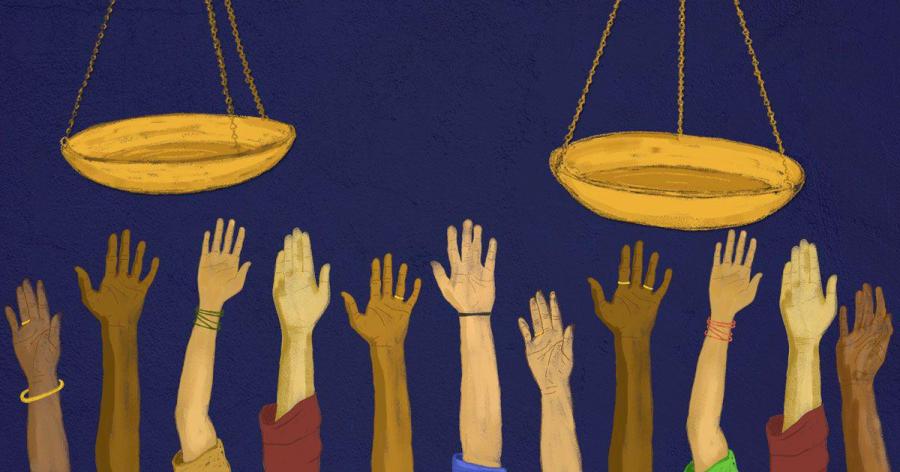
Such incidents do not just reflect badly on the police force of our country but also on the justice system which is supposed to give people hope that their lives and words matter. Social media posts, memes, videos, petition letters, rally, strike or anything of that sort will not advance justice. The government must realise that every single life in the country has a right to justice and it must be bestowed upon them irrespective of their power, authority etc. Everybody must be equal in the eyes of justice because that is what the scales of justice stand for. There are good people and there are bad people but justice must always on the side of the good and it should be provided immediately otherwise it looses it’s meaning and purpose.

RACISM; a modern devil

 Racism, also called racialism, the belief that humans may be divided into separate and exclusive biological entities called “races”; that there is a causal link between inherited physical traits and traits of personality, intellect, morality, and other cultural and behavioural features; and that some races are innately superior to others. The term is also applied to political, economic, or legal institutions and systems that engage in or perpetuate discrimination based on race or otherwise reinforce racial inequalities in wealth and income, education, health care, civil rights, and other areas. Such institutional, structural, or systemic racism became a particular focus of scholarly investigation in the 1980s with the emergence of critical race theory, an offshoot of the critical legal studies movement. Since the late 20th century the notion of biological race has been recognized as a cultural invention, entirely without scientific basis.

Racism takes many forms and can happen in many places. It includes prejudice, discrimination or hatred directed at someone because of their colour, ethnicity or national origin.

People often associate racism with acts of abuse or harassment. However, it doesn’t need to involve violent or intimidating behaviour. Take racial name-calling and jokes. Or consider situations when people may be excluded from groups or activities because of where they come from.

Racism can be revealed through people’s actions as well as their attitudes. It can also be reflected in systems and institutions. But sometimes it may not be revealed at all. Not all racism is obvious. For example, someone may look through a list of job applicants and decide not to interview people with certain surnames.

Racism is more than just words, beliefs and actions. It includes all the barriers that prevent people from enjoying dignity and equality because of their race.

The police killings of Breonna Taylor and George Floyd have galvanized anti-racism protests throughout the United States, Canada and elsewhere. As a result, lawmakers have made pledges to divest from

police and school districts have cut ties with law enforcement. The organizing of the Black

Lives Matter (BLM) movement and their provocative protest tactics have played a significant role in this shifting public discourse.

BLM has been resisting dominant narratives in new ways. The movement amplifies knowledge and counter-discourses that affirm the identities and needs of Black communities. The BLM movement can be seen as a “subaltern counterpublic,” defined by critical theorist Nancy Fraser as a space dedicated to centring marginalized voices.

The dominant public often expects marginalized groups to use persuasion to educate them about their grievances. However, some have argued that persuasion alone cannot facilitate substantive systemic change. Dominant society will generally tolerate only those transformations in public discourse that leave

distributions of power and privilege untouched. For instance, white Americans may support calls for incremental police reform, but once activists utter the phrase “abolish the police,” the discourse is deemed too radical.

Counterpublics, like BLM, have successfully cultivated their power and drawn attention to their messaging by forcing their narratives onto the public.

That painful past is still present today — not only in the form of violence, but in the everyday experience of deeply rooted discrimination. We see it in our criminal justice system, in the disproportionate toll of the disease on Black and Brown communities, in the inequalities in neighbourhood services and the educations our children receive.

While our laws have changed, the reality is that their protections are still not universally applied. We’ve seen progress since the America I grew up in, but it is similarly true that communities of colour continue to endure discrimination and trauma.

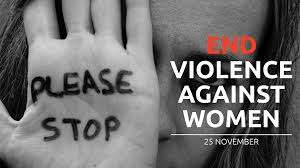
DOMESTIC VIOLENCE AGAINST WOMEN

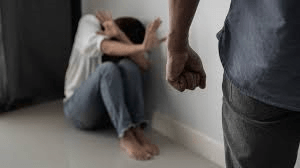
Many other factors in urban areas lead to differences at the beginning and then are domestic violence. Violence against young widows is also increasing in India. Other forms of physical abuse of women also include beating, grabbing, burdening them with bullying, public humiliation, and neglecting health problems.

This form of domestic violence is the most common. The most common causes of harassment and torture of women are dissatisfaction with the dowry and abusing women for more, arguing with a partner, refusing sex with him, neglecting children, leaving home without telling the partner, improper cooking or on time, engaging in new matters, not caring for my parents-in-law, etc.

Domestic violence is a global issue reaching across national boundaries as well as socio-economic, cultural, racial and class distinctions. This problem is not only widely dispersed geographically, but its incidence is also extensive, making it a typical and accepted behavior. Domestic violence is wide spread, deeply ingrained and has serious impacts on women’s health and well-being. Its continued existence is morally indefensible. 

“Domestic violence is a burden on numerous sectors of the social system and quietly, yet dramatically, affects the development of a nation… batterers cost nations fortunes in terms of law enforcement, health care, lost labor and general progress in development. These costs do not only affect the present generation; what begins as an assault by one person on another, reverberates through the family and the community into the future”.

WHAT IS DOMESTIC VIOLENCE?

“Domestic violence is not simply an argument. It is a pattern of coercive control that one person exercises over another. Abusers use physical and sexual violence, threats, emotional insults and economic deprivation as a way to dominate their victims and get their way”.

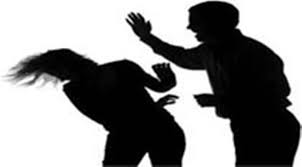
Domestic violence can be described as the power misused by one adult in a relationship to control another. It is the establishment of control and fear in a relationship through violence and other forms of abuse. This violence can take the form of physical assault, psychological abuse, social abuse, financial abuse, or sexual assault. The frequency of the violence can be on and off, occasional or chronic.

The Protection of Women from Domestic Violence Act, 2005 says that any act, conduct, omission or commission that harms or injures or has the potential to harm or injure will be considered domestic violence by the law. Even a single act of omission or commission may constitute domestic violence – in other words, women do not have to suffer a prolonged period of abuse before taking recourse to law. 

The law covers children also. Domestic violence is perpetrated by, and on, both men and women. However, most commonly, the victims are women, especially in our country. Even in the United States, it has been reported that 85% of all violent crime experienced by women are cases of intimate partner violence, compared to 3% of violent crimes experienced by men. Thus, domestic violence in Indian context mostly refers to domestic violence against women.

WHAT LEAD TO DOMESTIC VIOLENCE?

Cultural mores, religious practices, economic and political conditions may set the precedence for initiating and perpetuating domestic violence, but ultimately committing an act of violence is a choice that the individual makes out of a range of options. Although one cannot underestimate the importance of macro system-level forces (such as cultural and social norms) in the etiology of gender-based violence within any country, including India, individual-level variables (such as observing violence between one’s parents while growing up, absent or rejecting father, delinquent peer associations) also play important roles in the development of such violence.

Domestic violence against women is an age old phenomenon. Women were always considered weak, vulnerable and in a position to be exploited. Violence has long been accepted as something that happens to women. The gender imbalance in domestic violence is partly related to differences in physical strength and size. Moreover, women are socialized into their gender roles in different societies throughout the world. In societies with a patriarchal power structure and with rigid gender roles, women are often poorly equipped to protect themselves if their partners become violent.

The disparity relates to how men-dependence and fearfulness amount to a cultural disarmament. Husbands who batter wives typically feel that they are exercising a right, maintaining good order in the family and punishing their wives’ delinquency – especially the wives’ failure to keep their proper place.

PHYSICAL AND EMOTIONAL VIOLENCE:

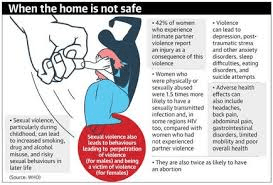
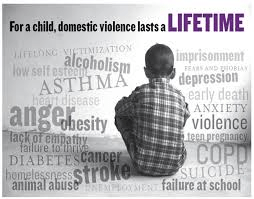
Violence against women has a far deeper impact than the immediate harm caused. It has devastating consequences for the women who experience it and a traumatic effect on those who witness it, particularly children.

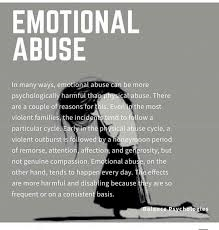
Psychological and emotional violence covers “repeated verbal abuse, harassment, confinement and deprivation of physical, financial and personal resources”. Undermining an individual’s sense of self esteem can have serious mental and physical health consequences and has been identified as a major reason for suicide. Quantifying psychological abuse is extremely difficult, and very few studies have been conducted to establish prevalence rates of this type of violence.

For some women, the incessant insults and tyrannies which constitute emotional abuse may be more painful than the physical attacks because they effectively undermine women’s security and self-confidence. Qualitative studies that have been undertaken conclude that it is just as damaging to one’s health to be continuously psychologically abused as it is to be physically abused.

IMPACT OF DOMESTIC VIOLENCE ON CHILDREN:

Children who witness domestic violence may develop serious emotional, behavioral, developmental or academic problems.

As they develop, children and teens who grow up with domestic violence in the household are:

  • more likely to use violence at school or community in response to perceived threats
  • more likely to attempt suicide
  • more likely to use drugs
  • more likely to commit crimes, especially sexual assault
  • more likely to use violence to enhance their reputation and self esteem
  • more likely to become abusers in later life.

WHY DO WOMEN STAY?

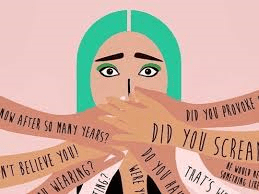
Lack of information about alternatives also forces women to suffer silently within the four walls of their homes. Some women may believe that they deserve the beatings because of some wrong action on their part. Other women refrain from speaking about the abuse because they fear that their partner will further harm them in reprisal for revealing family secrets, or they may be ashamed of their situation. They also fear the consequences of reporting violence and declare an unwillingness to subject themselves to the shame of being identified as battered women. 

Violence against women is a violation of basic human rights. It is shameful for the states that fail to prevent it and societies that tolerate and in fact perpetuate it. It must be eliminated through political will, and by legal and civil action in all sectors of society. Economic dependence has been found to be the central reason. Without the ability to sustain themselves economically, women are forced to stay in abusive relationships and are not able to be free from violence. Due to deep-rooted values and culture, women do not prefer to adopt the option of separation or divorce.

CONCLUSION:

An effective response to violence must be multi-sectoral; addressing the immediate practical needs of women experiencing abuse; providing long-term follow up and assistance; and focusing on changing those cultural norms, attitudes and legal provisions that promote the acceptance of and even encourage violence against women, and undermine women’s enjoyment of their full human rights and freedoms.

The health sector can play a vital role in preventing violence against women, helping to identify abuse early, providing victims with the necessary treatment and referring women to appropriate care. Health services must be places where women feel safe, are treated with respect, are not stigmatized, and where they can receive quality, informed support. A comprehensive health sector response to the problem is needed, in particular addressing the reluctance of abused women to seek help.

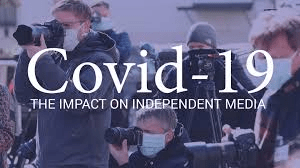
COVID-19 ROLE OF MEDIA

The spread of the COVID-19 has proved deadly, and this is a challenging time for the union as well as state governments as they work to address this health emergency. However, shows that in times of crisis, democratic governments may take a dangerous autocratic turn. In such a situation, journalism has a great role to play in a democracy, as it has been ideally visualized as a platform for objective information and critical-rational discourse. Thus, the health of journalism in a country can be examined in the times of a crisis. 

Corporate control over most media bodies also means that they become an instrument of the ideological apparatus of the state. There are many concerns associated with the COVID-19 crisis: ill-equipped public health systems, policies to combat the pandemic, and the lack of planning and support to the vulnerable sections. These issues demand serious examination, but the mainstream media, barring some courageous exceptions, seems to be forgetting its democratic role.

Manipulation of Discourse

Just before the announcement of the nationwide lockdown till 14th April 2020, Prime Minister Narendra Modi reportedly called upon print and electronic media owners and editors of the country and asked them to support government efforts to combat the pandemic and also advised them to present “positive news” related to COVID-19 (Sagar 2020).

Plainly put, these were the owners and editors who control most of the Indian media at the national and regional levels who were advised to abide by the official narrative and present information as provided to them by the government about COVID-19.

Why would media houses follow government diktat rather than investigating the real state of affairs, unless they have associated business interests? Journalism is considered to be an ethical communicative practice in a democracy, but corporate ownership subverts the autonomy of journalism and the freedom of the press. Unfortunately, this conflict of interest has become a common feature of Indian journalism.

However, even though a majority of Indian media is under corporate control, there are many counter-voices both within and outside this grouping. Thus, the Indian mediascape has become a battleground of ideologies. Many of these alternate counter-voices have raised genuine issues of social concern during the pandemic outbreak.

The prevalence of international media on the internet and small media organizations in the country has played an important role in disseminating factual and more nuanced information, but unfortunately, these platforms do not have the vast access that big corporate media platforms are privy to. 

Media Shows Its Islamophobic Side

Media’s ugliest moment, however, was its coverage of the news surrounding Delhi’s Tablighi Jamaat Markaz (meeting). Many participants had left after the markaz, but many were stranded in the mosque due to the lockdown and were later found infected. However, the media outrage that followed was clearly an extension of the already prejudiced and polarised coverage, as the Tablighi Jamaat was blamed for violating lockdown rules and for “corona jihad,” “Islamic insurrection,” and “corona terrorism.” This is clearly an example of fake news propagated by the mainstream media to further the predominant agenda (BBC 2020; News Laundry 2020). Muslims were also attacked in various parts of the country. 

People of other religious groups also gathered at religious places in large numbers even after the lockdown, but they were not criticised in a similar manner. However, when some journalists did raise questions, they were threatened with legal action (Scroll 2020).

The Need for Greater Accountability 

Since most of the people are at home during the lockdown, it is natural to see a growth in media consumption. People are using various media platforms for COVID-19-related information,   but what is provided is far from factual and does not further a critical rational discourse.

 Some television news channels see a Chinese conspiracy in the spread of COVID-19. In such a “positive” atmosphere, the news related to labourers’ mass exodus and the markaz was mostly presented due to its sensational value.

The pandemic is also threatening an already-deteriorating economy, which also demands a thorough investigation beyond the official narratives. The media, however, has worries related to its own economic situation. Print media, especially, is dealing with a resource crunch, dwindling advertisements, and worries of reduction in circulation and readership. With concerns of job security, inadequate resource support, and abuses faced by the police, many journalists are putting their health at stake to cover the COVID-19 situation. This scenario does little to add to the morale of honest and responsible journalists. Some media houses have already begun cutting wages; an extension in the lockdown can create a new crisis in Indian journalism. 

The role of larger media as observed during the pandemic, however, is not an overnight shift. It has been visible for some time now.  The media has seen phenomenal growth during the last three decades, and India has become one of the biggest media markets in the world.


SEX SLAVE, BUYING AND SELLING

Sexual slavery and sexual exploitation is attaching the right of ownership over one or more people with the intent of coercing or otherwise forcing them to engage in sexual activities. This include forced labor, reducing a person to a servile status (including forced marriage) and sex trafficking persons, such as the sexual trafficking of persons.

The crime also includes forced marriages, domestic servitude or other forced labour that ultimately involves forced sexual activity. In contrast to the crime of rape, which is a completed offence, sexual slavery constitutes a continuing offence. … Forms of sexual slavery can, for example, be practices such as the detention of women in “rape camps” or “comfort stations”, forced temporary “marriages” to soldiers and other practices involving the treatment of women as chattel, and as such, violations of the peremptory norm prohibiting slavery.

Commercial sexual exploitation of adults:

Commercial sexual exploitation of adults (often referred to as “sex trafficking” is a type of human trafficking involving the recruitment, transportation, transfer, harbouring or receipt of people, by coercive or abusive means for the purpose of sexual exploitation. Commercial sexual exploitation is not the only form of human trafficking and estimates vary as to the percentage of human trafficking which is for the purpose of transporting someone into sexual slavery.

Commercial sexual exploitation of children:

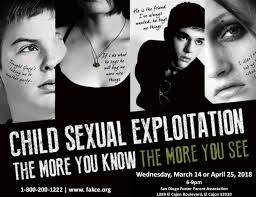
Commercial sexual exploitation of children (CSEC) includes child prostitution (or child sex trafficking), child sex tourism, child pornography, or other forms of transactional sex with children. The Youth Advocate Program International (YAPI) describes CSEC as a form of coercion and violence against children and a contemporary form of slavery.

Types of Sex Slavery:

  1. Child prostitution- Child prostitution, or child sex trafficking, is a form of sexual slavery. It is the commercial sexual exploitation of children, in which a child performs the services of prostitution, usually for the financial benefit of an adult. In some parts of the world, child prostitution is tolerated or ignored by the authorities. Reflecting an attitude which prevails in many developing countries, a judge from Honduras said, on condition of anonymity: “If the victim [the child prostitute] is older than 12, if he or she refuses to file a complaint and if the parents clearly profit from their child’s commerce, we tend to look the other way”.

2.Child sex tourism- Child sex tourism is a form child sex trafficking, and is mainly centred on buying and selling children into sexual slavery. It is when an adult travels to a foreign country for the purpose of engaging in commercially facilitated child sexual abuse. Child sex tourism results in both mental and physical consequences for the exploited children, who may include “disease (including HIV/AIDS), drug addiction, pregnancy, malnutrition, social ostracism, and possibly death”, accord to the State Department of the United States. Thailand, Cambodia, India, Brazil and Mexico have been identified as leading hotspots of child sexual exploitation.

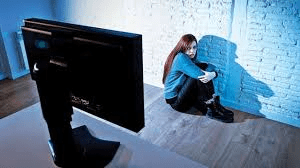
3.Cybersex trafficking- Victims of cybersex trafficking, primarily women and children, are sex slaves who are trafficked and then forced to perform in live streaming] shows involving coerced sex acts or rape on webcam. They are usually made to watch the paying consumers on shared screens and follow their orders. It occurs in ‘cybersex dens,’ which are rooms equipped with webcams.

4. Forced marriage- A forced marriage is a marriage where one or both participants are married, without their freely given consent. Forced marriage is a form of sexual slavery. Causes for forced marriages include customs such as bride price and dowry; poverty; the importance given to female premarital virginity; “family honour”; the fact that marriage is considered in certain communities a social arrangement between the extended families of the bride and groom; limited education and economic options; perceived protection of cultural or religious traditions; assisting immigration.

Health Implications:

Victims of sex trafficking are likely exposed to adverse conditions that can negatively affect their physical, mental, and emotional health. Physicians, nurses, midwives, and other healthcare providers can play critical roles in helping to identify victims of sex trafficking as a first step in providing both assistance and advocacy for affected women and girls. As a provider, one can play an essential role in providing interventions to improve physical and psychological health among victims and advocating on behalf of victims to help improve their social circumstances.

  1. Physical- Sex trafficking victims are particularly susceptible to sexually transmitted infections such as gonorrhoea, syphilis, urinary tract infections, and pubic lice. Human immunodeficiency virus/ AIDS infection is known to be prevalent. They may experience pelvic pain, vaginal/anal tearing, rectal trauma, and/or urinary difficulties as a result of commercial sex work. Sex trafficking victims are often physically abused and tortured. Providers should screen women and girls for physical injuries such as broken bones, bruises, burns, scars, and broken teeth/ dental problems.
  2. Psychological-Victims of sex trafficking may face moderate to severe psychological trauma from daily mental, emotional, and psychological abuse and torture. Post-traumatic stress disorder, acute anxiety, and depression are all common psychological issues among sex industry workers.
  3. Social- Although there are insufficient data that report the social effects of sex trafficking, anecdotal evidence suggests that victims have a greater prevalence of illiteracy, homelessness, poverty, and societal isolation. Trafficked women engaging in sex work tend to have fewer resources, limited options, and increased vulnerability to violence and abuse than women who are not trafficked.

conclusion:

Victims of sex trafficking acquire adverse physical and psychological health conditions and social disadvantages. Thus, sex trafficking is a critical health issue with broader social implications that requires both medical and legal attention. Healthcare professionals can work to improve the screening, identification, and assistance of victims of sex trafficking in a clinical setting and help these women and girls access legal and social services.

 Sex trafficking involves some form of forced or coerced sexual exploitation that is not limited to prostitution, and has become a significant and growing problem in both the United States and the larger global community. The costs to society include the degradation of human and women’s rights, poor public health, disrupted communities, and diminished social development.

EUTHANASIA: DEATH WITH DIGNITY

ABSTRACT:

Death is not the opposite of life but a part of it – Haruki Murakani Euthanasia is the highly effective form of pain management which allows assisting people who are suffering from a painful and incurable disease or incapacitating physical disorder or allowing them to die. The concept of Euthanasia, Mercy killing comes from the very belief that losing some faculties are worse than losing one’s life. However, through with the religious belief against premature death and also a moral dilemma in respective to legalising Euthanasia across the globe, but it was considered the best way to go rather see a person degenerating to his fate which is worse than death. Hence, countries across the globe had legalized Euthanasia with strict rules and stringent legal sanctions.

INTRODUCTION:

The term Euthanasia has been derived from two Greek words ‘eu’ and ‘thanotos’, which means, “Good death.” The phrase Euthanasia was coined by Sir Francis Bacon. Euthanasia is requesting for the premature ending of life in the plight of suffering terminal illness who undergoes unbearable pain.

TYPES OF EUTHANASIA:

The dimension of Euthanasia encompasses from Voluntary Euthanasia: Euthanasia is performed with the patient’s consent. Further, the voluntary euthanasia is of two kinds Active Euthanasia: A person takes action to cause a patient’s death that is where a person intentionally intervenes to end someone’s life with the use of lethal substances or forces. Passive Euthanasia: Death is brought about by withholding or withdrawing treatment to let the person die.

Non-Voluntary Euthanasia:

The person is unable to give their consent as the patient is in a state of coma or are severely brain-damaged and so another person takes the decision on patient’s behalf, often because the ill person might have expressed the wish to end their lives previously in certain circumstances.

Involuntary Euthanasia:

This kind of Euthanasia is administered without asking consent or against the patient’s will. Involuntary Euthanasia is also termed as murder if conducted against the will of the patient.

Assisted Suicide:

Patient is provided help in dying Physician-Assisted Suicide: Doctor assists a patient in shortening their dying process.

The doctrine of Double Effect:

Doctor gives drugs to relieve symptoms even though this may shorten patient’s life.

Indirect Euthanasia:

The treatment provides side effects that would speed up the patient’s death. DNR order: Doctor is not required to resuscitate a patient if their heart stops. A living will: Person decides in advance to refuse life support system in case of a terminal illness.

DNR order:

Doctor is not required to resuscitate a patient if their heart stops.

A living will:

Person decides in advance to refuse life support system in case of a terminal illness.

LEGALITY OF EUTHANASIA ACROSS THE GLOBE

The subject of euthanasia has spun the world regarding legalising euthanasia. However, only a handful of countries has to grant citizens the right to die in cases of a terminal illness. The debate of legalising euthanasia cuts across complex and dynamic aspects such as legal, ethical, human rights, health, religious, economic, spiritual, social, and cultural aspects of civilised society. In April 2002, it was the Netherlands the first country to legalise euthanasia and assisted suicide. Belgium stood second in the same year and legalised Euthanasia with strict rules that doctor can assist patients to end their lives when they freely express their wish to die if they suffer intractable and unbearable pain and sometimes in a vegetative state.

EUTHANASIA: INDIAN SCENARIO

The issue of Euthanasia rose to prominence in India after Aruna Shanbaug’s case and several other noteworthy cases filing pleas demanding euthanasia but the case of Aruna Shanbaug’s was most alarming as she remained in a persistent vegetative state for 42years since 1973 when she was sexually assaulted. However, in 1996 the Supreme Court in its landmark judgement in the case of Gyan Kaur Vs State of Punjab[1] held that both euthanasia and assisted suicide is not lawful in India and confusingly stated.

“The right to life under article 21 of the constitution does not include the right to die. The court held that article 21 is a provision guaranteeing protection of life and personal liberty, and by no stretch of imagination can extinction of life be read into it. The right to live with dignity does include the right to die with dignity.” However, the court could not come up with any practical rules and passed the buck to lawmakers to come up with laws regulating euthanasia, and that’s how in 2006 the 196th report of law commission of India had brought out The Medical Treatment of Terminally ill patients (Protection of Patients and Medical practitioners) Bill 2006, but no law was made on euthanasia.

CONCLUSION:

Euthanasia is a form of a merciful killing or peaceful death which has raised significant controversies as for and against it. Nevertheless, despite some potential benefits of this process the analysis of Euthanasia reveals that the society as a whole should exercise some responsibility for such an activity as it is even morally challenging. Hence, it must be used only as a last resort to preserve harmony within the society, when faced with a complex medical, social and legal dilemma. There is also an urgent need to invest in our health care system as ‘Right to health’ is bestowed under ‘Right to life’ of our constitution.


[1] 1996 AIR 946

The Golden city :Jaisalmer

Jaisalmer nicknamed “The Golden city”, is a city in the Indian state of Rajasthan, located 575 kilometres (357 mi) west of the state capital Jaipur. The town stands on a ridge of yellowish sandstone and is crowned by the pad Jaisalmer Fort. This fort contains a royal palace and several ornate Jain temples. Many of the houses and temples of both the fort and of the town below are built of finely sculptured sandstone. The town lies in the heart of the Thar Desert (the Great Indian Desert) and has a population, including the residents of the fort, of about 78,000. It is the administrative headquarters of Jaisalmer District. Jaisalmer was once the capital of Jaisalmer State.
Jaisalmer is named after Rawal Jaisal, a Bhati ruler who founded the city in 1156 AD. Jaisalmer means the Hill Fort of Jaisal. Jaisalmer is sometimes called the “Golden City of India” because the yellow sandstone used throughout the architecture of both the fort and the town below, imbues both with a certain golden-yellow light.

Loaction:
It is the largest district of Rajasthan and 3rd largest Town by territorial region in the country, hugged on the west & south-west by the Pakistani border. The length of the international border attached to Jaisalmer District is 464 km (288 mi). It is located 790 kilometres away from the national capital Delhi.
Places to visit
Jaisalmer fort:
Built in 1156 by the Bhati Rajput ruler Jaisal, Jaisalmer Fort, situated on Meru Hill and named as Trikoot Garh has been the scene of many battles. Its massive sandstone walls are a tawny lion colour during the day, turning to a magical honey-gold as the sun sets. The famous Indian film director Satyajit Ray wrote a detective novel and later turned it into a film − Sonar Kella (The Golden Fortress) which was based on this fort. About a quarter of city’s population still live inside the fort. The main attractions inside the fort are: Raj Mahal (Royal palace), Jain temples and the Laxminath temple.

Gadsisar Lake:
Excavated in 1367 by Rawal Gadsi Singh, it is a scenic rainwater lake surrounded by the small temples and shrines of Amar Sagar. Earlier, this lake was used to be the main water source of Jaisalmer. Due to an
increased water demand for agriculture, the lake is increasingly threatened to dry out.

Festival:
Desert Festival of Jaisalmer is the most awaited and famous cultural and colourful event of Rajasthan. Camel races, Turban-tying and Mr. Desert competitions are organised. It is held in the month of February every year. The festival showcases Rajasthani folk songs and dance and it is very attractive to foreign tourists. Gair and Fire dancers which are the major attraction of the Jaisalmer desert festival celebrations. This is the best time to visit Jaisalmer to witness performing arts like Kalbelia dances and folk songs and music.

Desert:
The Thar Desert, also known as the Great Indian Desert, is a large arid region in the northwestern part of the Indian subcontinent that covers an area of 200,000 km² and forms a natural boundary between India and Pakistan. It is the world’s 17th largest desert, and the world’s 9th largest subtropical desert.

Travelling after corona

We will travel again, but it will not be the same. Even if borders reopen, travellers must trust that boarding a plane is safe and that they will be able to enter the destination country. New health safety protocols and systems will need to be in place, and these have yet to be defined. As governments and industry plan for recovery in this new context and adapt to changing traveller behaviour, the use of digital identity and biometrics technologies could restore trust while also ensuring a seamless journey. However, these tools will only be effective if users feel that their data is protected. Privacy, consent and transparent data governance must be at the heart of any technical solution.

1. The queue at immigration will be longer than ever before

We’re already seeing with China, Singapore, and South Korea, countries that feel like they are on top of their outbreaks, that the biggest worry now is new infections coming from outside. Korea is ordering all persons entering from the US and Europe to isolate for two weeks, even if they test negative for COVID-19. Those without a permanent residence are being sent directly to an isolation ward. Manufacturers of heat cameras are seeing a spike in demand. Even when lockdowns in Europe are over and we start to travel again, countries will test at the border. If you thought the line at JFK immigration control was torturous before, now consider what it’ll be like as you line up, take a swab test, and wait for the results. 

2. You’ll need more than a passport

Some countries will not even take the chance of testing at the border. Especially if you’re coming from an outbreak hotspot. Entrance will be refused unless you have a certificate of immunity since you’ve recovered from an infection or because you’ve been vaccinated (once there are vaccines available). Wristbands with barcodes like those in the movie Contagion are a very real prospect. Certainly in the short-term, travel will become more defined by purpose. Any business travel will need to be strictly validated as an economic activity, with companies tightening the numbers of employees who travel for them. Countries will likely only open their borders where there is merit and it’s safe to let travellers through. This may mean temporary visas and more documentation that you’ll need to take with you when travelling. 

3. Travel will have different (expensive) seasons

A very influential paper from Imperial College London speculates that governments will need to turn lockdown measures on and off to keep demands on healthcare systems at a manageable level. This means there will be windows of opportunity to travel that last only weeks or even days. Even with airlines desperate to get airborne again, seats will be limited and we could see dramatic increases in pricing during those windows.

4. Recovery will be uneven

We’re seeing already that the factors influencing this pandemic are numerous. Strictness and timing of lockdown measures, robustness of healthcare systems, the weather, luck, and other factors are all at work. Meaning some countries and regions will recover first. We will see corridors of recovery open back up one by one. 

5. You’ll pack differently

We may well see the relaxing of liquid carry-on restrictions as travellers want to take more than 100ml, especially on long-haul flights. Along with hand sanitizer travel packs, it’s a pretty easy prediction to make that a lot more people will travel with masks. In the same way that companies like Away have made luxury, fashionable travel baggage, we will most likely see “desirable” travel masks worn by Instagram influencers. 

6. You’ll tick that little box every time

We’re all very used to aeroplane bookings coming with tens of add-ons once we’ve chosen our flight. Let’s be honest, most of us skip past speedy boarding, extra baggage, car rental, and even seat selection. One box that we won’t be skipping past as much as the one asking us if we want to ensure the flight. Be careful though, often this “insurance” doesn’t cover you for many things, including the outbreak of a pandemic. Either airline providers or insurance companies are going to have to change to accommodate our new reality.

7. Society won’t like you when you’re sick

Even those who have recovered from COVID-19, and have built up immunity (if the virus doesn’t mutate too much) won’t want to travel with a cold. The current situation and the conviction with which the world is adopting social distancing will make it socially unacceptable to travel with a cold or any symptoms. The looks you will get if you cough or sneeze at an airport or on a plane will be scathing.

8. You’ll take the train before the plane

Domestic travel will recover first (there’s no border control) and for most countries that means taking a train. Not only will we be able to get back on tracks (ha, a pun) first, we’ll also be more secure about it. Trains are less crowded, have windows that open, and also are much more environmentally friendly. Once the lockdowns we see in Europe now are lifted, I predict people will rush to take a train, just because they can. 

9. Air quality will be an advertised feature

Any idea what grade air filter Lufthansa uses on their flights? How about British Airways? Korean Air? Which Airbus model has the cleanest air? Do Boeing planes have fewer microbes in the air? No idea? Well, you may not know now, but once we’re flying again, airlines will start boasting about their filtration systems. Some have already started emailing customers about their current systems in a bid to stop people cancelling. By the end of the year, it’ll be a question many people will be asking—how safe is the air onboard?

Touchless travel

The most immediate and perhaps most visible change will be a shift to touchless travel from airport curbside to hotel check-in. Even with strict cleaning protocols in place, exchanging travel documents and touching surfaces through check-in, security, border control, and boarding still represent a significant risk of infection for both travellers and staff.

Automation across the entire sector will become the new norm. Biometrics is already a widely accepted solution for identity verification, and their use will become more widespread as physical fingerprint and hand scanners are phased out. More touchless options will come into play including contactless fingerprint, as well as iris and face recognition. Moreover, technology for touchless data-entry such as gesture control, touchless document scanning and voice commands are already being tested. Care must be taken to ensure these technologies are inclusive and to eliminate the risk of potential biases.

Greenwashing – blurring the line between green and greed


“Green” is becoming one of the pressing words almost for the past two decades with the increasing need for sustainability. As the demand for green practices is increasing by the day, companies are striving to appear more sustainable than they are in actual practice for which they inevitably opt for the easy out by using green washing through marketing and advertisements, misleading consumers regarding the environmental practices of a company in order to appear environmentally responsible.

Green washing is the practice of making an unsustainable or misleading claim about the environmental benefits of a product, service, and technology or company practice attempting to capitalize on the growing demand for environmentally sound products. It is also referred to as “green sheen”. These so called “Green” products promote green washing by not just using it as a catch phrase but rather as a marketing strategy. The world is embracing the pursuit of greener practices which has encouraged Companies to produce and sell the so called “green” products. These companies employ green washing techniques to cover for their environmentally destructive business operations and elude from the influx of litigation.
Greenwashing is applied to the daily products that people use almost everyday. For example, many popular tooth paste brands which claim to be “herbal” are not just herbal but harmful too. A study conducted by Prof .Agarwal of DISPAR suggests that some tooth paste brands consists of 18 and 10 mg of nicotine, which is equivalent to the quantity found in nine and five cigarettes respectively which in turn can cause cancer.
A 2019 class action against Nestle’s sustainably sourced cocoa beans claimed that this act cannot be called sustainable when the production of the key ingredient in the company’s chocolate products is helping drive massive deforestation in West Africa. It is also said that the cocoa comes from farms that use child and slave labour.
H&M is a fast fashion brand with stores rapidly popping up in India. It had an initiative called the “garment brand collection program” where people received a discount voucher for giving a bag of their old clothes to any of their stores. The company claimed that those clothes would be recycled. In simple words, leaving nothing to waste. But this brands entire shtick of providing this feel good environmentally sustainable image is a classic case of green washing. The problem doesn’t lie in the classic reuse or recycle approach but the fact that these brands themselves are a part of the problem. The best way to reduce textile waste is buying fewer clothes.Dropping a bag of clothes for coupons will only get the cycle going on and on.
Origin of the term “Greenwashing “:
The term “greenwashing” was coined by Jay Westerveld in 1986 in a critical essay which was inspired by the irony of the ”save the towel” movement in the South Pacific hotel where he happened to pick up a card having the recycling symbol that read “Save Our Planet: Every day, millions of gallons of water are used to wash towels that have only been used once. You make the choice: A towel on the rack means, ‘I will use again.’ A towel on the floor means, ‘Please replace.’ Thank your for helping us conserve the Earth’s vital resources.” the world embraces the pursuit of greener practices. Westerveld saw the irony in the statement since hotels consume and waste a lot of resources that are on the line and not washing the towels would not make a lot of difference. But eventually he found out that this act of sustainability was not to save resources but rather to save money used on laundry. This enlightenment pushed him to coin the term “green washing”.
DIFFERENT WAYS OF GREEN WASHING
Green washing can be based on two grounds, firstly, a company can adopt an eco-friendly directive for an existing production method as if they were influenced by the concern for the environment to claim credit. For example, a company will ban the use of plastic bags under the name of green initiative but the actual motive of this initiative would have been to cut costs that the company spends on baggage. Secondly, a company will lie about the eco friendliness of a product by using catchphrases as marketing strategies to appear green and organic . For example, phrases like “paraben-free” “eco-friendly” etc. Further green washing can be done by using environmental imageries, misleading labels, hidden trade offs, irrelevant or unproven claims and red herring.
Seven sins of Green washing :
Terra choice in the year 2010, investigated the claims of 4,744 “green” products carried in the stores across the U.S, UK and Canada finding that more than 95% of these products were guilty of at least one of what they call as “the seven sins of green washing”
Sin of Hidden trade-off
It refers to labelling a product as environmentally friendly based on a small set of attributes when other concerns that could cause greater damage to the environment are not addressed. This might make a bigger impact on the eco-friendliness of a product as a whole.
Sin of no proof:
It is the making of an environmental claim without providing easily accessible evidence on either the label, product website with no reliable third party certification.
Sin of vagueness:
It is when a product description uses broad terms that cannot be properly understood.
Sin of irrelevance :
Starting something that is technically true but not a distinguishing factor when looking for eco-friendly products.
Sin of lesser of two evils:
Claiming to be greener than the other products in its category when the category as a whole may be environmentally unfriendly.
Sin of fibbing:
Advertising something that just isn’t true. Environmental claims that are simply false.
Sin of worshipping false labels:
Implying that a product has a third party endorsement or certification that doesn’t actually exist often through the use of fake certification labels.

How to avoid being green washed?
It is important that people don’t just assume something is truly natural because there’s a pretty sticker on the front label that claims so. One should head straight to the full ingredient list on the back of the product because that might tell the full story. It is important to look beyond pretty packaging and buzzwords because a green leaf on a package, pretty herbs on a shampoo bottle or any number of phrases that claim to be natural, eco – friendly or non toxic can paint a picture of health and sustainability which are meant to be a hook, prompting shoppers to pick up that product without digging deeper. Every person must strive to become an expert label reader and must look for proof, research and verify every product. It is important to draw the line between green and greed.