Hyderabad’s high COVID-19 positivity rate worries experts

Telangana State Disaster Response and Fire Services Department workers sanitise the area surrounding Charminar in Hyderabad, to prevent the spreading of COVID-19

Report points to abysmally low testing rates in the State of Telangana Amidst apprehension that COVID-19 community transmission may be under way in large urban cities, Hyderabad’s high COVID-19 positivity rate (32.1% on June 23), the highest among major infected cities in India, coupled with low tests per 10 lakh population compared to other cities has been repeatedly red-flagged by worried Central government experts.

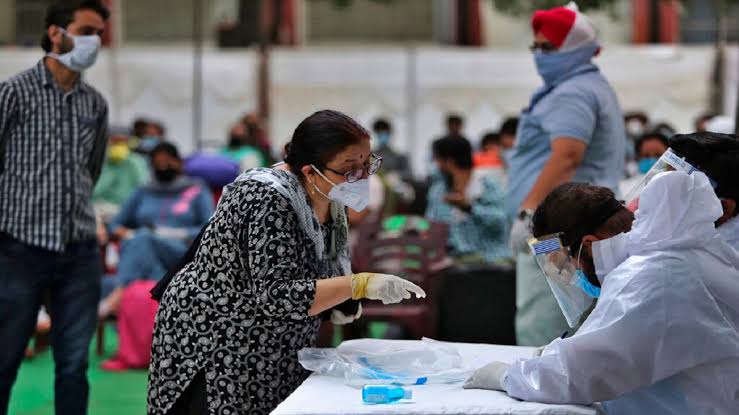
Pointing to the abysmally low testing rates in Telangana, the report ‘Testing Status: Hyderabad and Telangana’ accessed by The Hindu notes, “Only 1 out of 19 private labs in Telangana is conducting more than 500 tests per week and testing in Telangana is heavily focussed on Hyderabad. Tests per 10 lakh population in other highly infected districts (Ranga Reddy, Sangareddy, Warangal Urban and Jagaon) is extremely low.”

The document adds that Telangana has the highest positivity rate (June 10-23) in India (27.7%) and consistently ranges from 20 – 40% daily with the lowest tests per 10 lakh population (June 10-23) in India.

“All COVID-red States are being closely monitored and have been instructed to hike testing. Testing is vital to map out the growth and concentration of the virus in the general population. Several States have been instructed on this multiple times,” said a senior government official with ICMR who added that letters were issued to all States recently asking them to ramp-up COVID-19 testing.

The ICMR also has noted that COVID-19 escalation is sharpest in urban cities with Delhi, Gurugram, Mumbai and Chennai, also witnessing significant rise in the spread of the virus and added that Telangana has been repeated told to improve its testing scope and reach.

Bringing in the contrast, a senior health official added that neighbouring Andhra Pradesh is testing over 12,000 persons/day and also ramping-up testing to maintain a low mortality rate. “Andhra Pradesh has 336 TruNat machines and 42 labs for COVID-19 testing while Telangana has 21 machines and one lab,” the official added.

According to the Health Ministry, a Central team led by Lav Agarwal, Joint Secretary, in the Ministry is now in Gujarat, Maharashtra and Telangana to interact with the State officials and coordinate with them to strengthen ongoing efforts for management of COVID-19 there.

The Ministry added that they are expanding the COVID-19 testing labs network across the country, ICMR has inducted 11 new labs in the last 24 hours and the country now has 1,016 diagnostic labs dedicated to COVID-19 which includes — 737 in the government sector and 279 private labs.

“At present, India has Real-Time RT PCR based testing labs — 560 (Govt: 359 + Private: 201), TrueNat based testing labs : 369 (Govt: 346 + Private: 23) and CBNAAT based testing labs : 87 (Govt: 32 + Private: 55),” said ICMR.

‘Bring all helathcare facilities under one umbrella’

Meanwhile, in a statement issued by 26 national and Karnataka-based civil society organisations including Naavu Bharathiyaru Karnataka, All India Drug Action Network, All India Central Council of Trade Unions (AICCTU), Karnataka and Campaign for Dignified and Affordable Healthcare (CDAH), the group has noted that in order to successfully curtail the pandemic, a whole health systems approach is sorely required. This is missing in the current approach where provision of healthcare is seen in a segmented manner. There is a dire need to bring public, private, charitable, medical colleges, corporation facilities under a single umbrella with transparent and well-functioning referral and reporting mechanisms, said the group.

It added that the government could use the COVID-19 situation as a good opportunity to improve the reporting and assisted referral mechanisms from the various public as well private facilities so that the patients are not distressed going from one hospital to another and the treatment given to COVID-19 patients must be in strict adherence to Standard Treatment Guidelines, which should be issued by an appropriate government agency.


Jaipur Hospital Served Notice Over Trials in Patanjali COVID Drug

The Rajasthan Health Department has served a notice to the National Institute of Medical Sciences in Jaipur seeking an explanation on the trials of the Patanjali drug that claims it can cure COVID-19. Reports suggest that trials for the controversial ‘Coronil’ drug by Patanjali were conducted at NIMS, Jaipur before it was launched.

Chief Medical and Health Officer, Jaipur, Dr Narottam Sharma told PTI, “We served notice to the hospital on Wednesday evening seeking explanation in three days. The hospital did not inform the state government nor sought permission.”

NIMS has now however, reportedly distanced itself from the drug stating that no clinical trials for the drug were conducted at the hospital. NIMS Chairman, Dr. B.S. Tomar told The New Indian Express that there was no serious case in the patients admitted at the hospital.

“Only 100 asymptomatic patients were given few Ayurvedic medicines under the sponsorship of Patanjali. But we did not prepare any medicine nor did we know its name,” he reportedly said.

Dr. B.S Tomar reportedly claims that he had the ICMR’s trial wing, the Clinical Trials Registry – India’s permission for five ayurvedic medicines to be tested on coronavirus patients.

Earlier, the AYUSH ministry had sought information on the trial of the drug and banned Patanjali from advertising it as a medicine to cure COVID-19.

While the Uttarakhand government has served a notice to Patanjali for its claims about the drug, the states of Rajasthan and Maharashtra have reportedly refused to allow the Patanjali product to be used in their respective states till it received clearance from the AYUSH ministry.

We’ll get through this!

Vitamin D tips for home, COVID Lockdown

At present Corona, the virus is continuing its spread across the world with more than four million confirmed cases in 188 countries. Many people have lost their lives so far because of this pandemic. This is moving like a jet- one that may yet crash on those least able to cope. The best way to boost our immunity is healthy eating practices which may play a main role in determining our overall health during this pandemic period. All vitamins play a huge part in helping us maintain homeostasis and better health. In the age of “the virus” and many other bugs that seek to injure us, our immune system is called upon to soldier up and defends its home.  Many of are unaware of what does vitamin D dowhat are the benefits of vitamin D and so on. So here is an article on Vitamin D tips for home and everywhere.

Vitamin D

Vitamin D is also known as the sunshine vitamin, and the reason behind that nickname is that the primary source of vitamin D is the sun. Calcium and vitamin D should be combined to work correctly. Its primary functions are to protect and repair every bone structure which in return helps to grow immunity.

Vitamin D tips for home

Vitamin D is important. It acts differently than other vitamins. It acts like a hormone and every cell in your body has a receptor for Vitamin D. As it is an important component needed by our body we should start maintaining levels of vitamin D.

Bioavailability

Vitamin D can be activated by respiratory epithelial cells. Metabolism is directly involved in the immunity response to respiratory viruses.

Food enriched with Vitamin D

  • Salmon, Tuna, or fatty fish.
  • Orange juice
  • Egg yolks
  • Mushrooms
  • A supplement of cod liver oil
  • Yoghurt
  • Shrimp
  • Sardines

Fortified Food Sources of Vitamin D

Though there are very few foods which naturally contain Vitamin D, fortified products like milk, cereals, yoghurt and orange juice are readily available to boost your daily dosage. Vitamin D tips for the home include all these enriched foods which are easily available at home.

Supplements

There’s a big question in our heads that what are the supplements of vitamin D.

There’s no risk of your body making too much vitamin D from sun exposure, but always remember to cover up or protect your skin from sunburns. We are often told that if we don’t go a day call at the sun without sunscreen, we’ll eventually develop vitamin D deficiency, but that’s not gonna happen. Our bodies store vitamin D to such an extent, that you simply can go months without sun exposure in the least, and still not develop the deficiency. We surely get vitamin D through the exposure of our skin to short UV wavelengths (260-290), so blocking all UV seems to stop us from taking our daily vitamin D dosage right?

Well, actually no. which is because most folks don’t cover every inch of our exposed body with sunscreen. Maybe, we are really careful with our face, but are we that careful with the remaining of our body? Our ears, the rear of our neck, the rear of our knees? albeit we are at the start of the day, I don’t think most folks reapply on these areas throughout the day, so there’s no harm done, as far as vitamin D cares.

Deficiency Symptoms

  • Hair loss
  • Muscle and bone pain, Back pain
  • Getting sick often
  • Women, especially young, pregnant and breastfeeding.
  • Little exposure to sunlight
  • Darker skin tones
  • Depression and/or anxiety, mood swings
  • Hip, leg or pelvic stress fractures
  • Muscle pain or weakness
  • Bone pain and/or osteoporosis
  • Fatigue, general malaise

Benefits

  • Creates strong bones and teeth
  • Prevents depression
  • Helps with anxiety
  • Reduces the risk of cancer (different forms) and heart disease
  • Boosts immune function prevents colds and influenza
  • Boosts weight loss goals by suppressing appetite

Conclusion

Our immune system performs the task of protecting us from both foreign and domestic invaders.

Vitamin D promotes immunity by increasing the absorption of calcium from our diet via small intestines. It stimulates osteoclast activity (osteoclasts are cells within the bones responsible for bone restoration).

The Centers for Evidence-Based Medicine (CEBM), states that low vitamin D serum levels are the results of acute respiratory infection rates.

We need our lungs to be healthy and able to work properly. I think now you are clear with all the reasons and importance of conscientiously take your vitamins, get enough sunlight, nutritious diet, rest and exercise and be as healthy as you can.

Disclosure:

Consult a doctor for your health and supplements you take.

With the Covid-19 pandemic and everyone being indoors, we need to very carefully, get outside, and get some vitamin D from the sun. Vitamin D wards off depression and makes us happy. It also helps out immune systems, and various studies state that it can prevent flu.

However, we just can’t go out to a crowded park, or beach, and contribute to the pandemic. What we can do is go for walks in secluded places, go for walks early in the morning or at times when not many people are out. We can read in our back yards or front yard. We can do some gardening. Use a little sunscreen. Sunscreen can prevent skin cancer, and ageing your skin. Get outdoors anywhere, where there is not a bunch of people.

Acquire enough amount and start maintaining levels of vitamin D, with the help of our Vitamin D tips for home.

STAY SAFE AND HEALTHY!

Duty and power of prime minister

India is a democratic country. The Prime minister is indirectly selected by the citizens of India.

india, Prime minister is the head of government, cabinet and union council of ministers. He distributes the work or ministry among the ministers, he decides which department should be given to which ministers and can also change their departments & duties. Prime minister is also the prime advisable of President. He has the power to dismiss cabinet ministers. He can also recommend the president to dismiss any minister. Prime minister is the head of army. The new policies, strategies made for the army are implemented by the prime minister only. He is responsible for making and implementing foreign policies & rules. During disasters or natural calamities, prime minister is the head of disaster management department also, he takes all the decisions. He is the head of space and research department. Duty of Prime minister is to report to the president about the works done by the ministers, chief ministers at indian and foreign level.

In india, a prime minister is selected for a period of 5 years. Prime minister should be a member of a one of the two houses i.e. “Rajyasabha” or “Lok shabha”. He has to be a member of any of the political party. The prime minister is the member of party who has the majority in lok sabha.

During the tenure of a prime minister, if anything goes wrong with the prime minister and if there is no prime minister of a country at any time then all the works of the ministers are stopped.
Prime minister has so many powers along with huge responsibility on shoulders to handle everything which is not easy.

Apple catches TikTok reading user clipboards; won’t do now, says Chinese app

Chinese short-video-making app TikTok has announced it will no longer automatically access user clipboards on Apple iPhones after iOS 14 in Beta exposed the app’s constant reading of user clipboards.

TikTok told The Telegraph that it would stop “snooping on users’ clipboards after iPhone update showed app constantly reads copied text”.

“A security patch from Apple has suddenly exposed just how many smartphone apps are reading users’ clipboards every time they are on screen,” said the report.

In iOS 14 Beta, one of these features is a new banner alert that lets users know if an app is pasting from the clipboard.

This has exposed the behaviour of some popular apps like TikTok as annoyed users who upgraded to iOS 14 Beta went on social media with such complaints.

“For TikTok, this was triggered by a feature designed to identify repetitive, spammy behaviour. We have already submitted an updated version of the app to the App Store removing the anti-spam feature to eliminate any potential confusion,” the Chinese company said in a statement.

According to the report, other apps that read the iOS clipboard include AccuWeather, Call of Duty Mobile and even Google News.

iOS 14 is limited to developers now and the company plans to release a public beta version next month ahead of the launch later this year.

In iOS 14, all apps will now be required to obtain user permission before tracking.

Later this year, App Store product pages will feature summaries of developers’ self-reported privacy practices, displayed in a simple, easy-to-understand format.


Protection is must’: Experts call for following guidelines as India’s Covid-19 cases surpass 5 lakh

Medical professionals and security personnel during the inauguration of Sardar Patel Covid Care Centre and Hospital by Union home minister Amit Shah and Delhi chief minister Arvind Kejriwal at Radha Swami Satsang Beas campus in Chhatarpur New Delhi on Saturday

Medical professionals and security personnel during the inauguration of Sardar Patel Covid Care Centre and Hospital by Union home minister Amit Shah and Delhi chief minister Arvind Kejriwal at Radha Swami Satsang Beas campus in Chhatarpur, New Delhi on Saturday. (Vipin Kumar/HT Photo)

India’s Covid-19 tally crossed the five lakh mark on Saturday and it stands at 5,08,953, with the death toll at 15,685 according to Union health ministry. On the other hand, Delhi has 28,329 active cases with the total count reaching 80,188 and 2,558 deaths.

In this regard, medical experts told ANI that the rise in cases in India is still not high as compared to other countries but said that people should follow Covid-19 guidelines such as wearing face masks.

Dr Suresh Kumar, Medical Director, Lok Nayak Jai Prakash (LNJP) Hospital said that urban mobility is a likely cause in the spike in cases.

“I think as the numbers are rising, protection is must and we must follow the guidelines by the government wholeheartedly. There is a lot of urban mobility, especially in Delhi and Mumbai which may be a cause for the spike. The population density increases the chances of spreading the infection further. However, our recovery rate is also steadily rising which is encouraging,” Dr Kumar said.

Dr SP Byotra, Chairman, Department of Medicine, Sir Ganga Ram Hospital said, “We are yet to reach the optimum number of cases. However, there has been flouting of rules by people. We have been continuously insisting that wearing masks is of foremost importance and mandatory. We should be more responsible as a nation until there is specific treatment/vaccination available.”

In addition, Dr Byotra said, “One more important factor is testing. Now, almost 20,000 tests are being conducted which is helping in the detection of cases and ascertain whether they are symptomatic or asymptomatic.”

The Delhi government, in its media bulletin, stated that 19,180 tests were conducted on Saturday taking the total tests to 4,78,336.

Dr Randeep Guleria, Director, All India Institute of Medical Sciences (AIIMS), told ANI, “Rise in cases in India is still not as high as compared to other countries. In the United States, there have been almost 40,000 cases per day in the last two days. Compared to that, our numbers are not that high.”

“Cases per million population continues to be low and we still have low mortality. Considering the size of our population, the number of cases will be large in absolute terms. But if we are able to keep mortality down, it will be a big success for the country,” he said.

Union health minister Dr Harsh Vardhan stated that the Covid-19 recovery rate has surged over 58% in India with around three lakh cured and discharged patients.


A brief look at the history of the Leaning Tower of Pisa

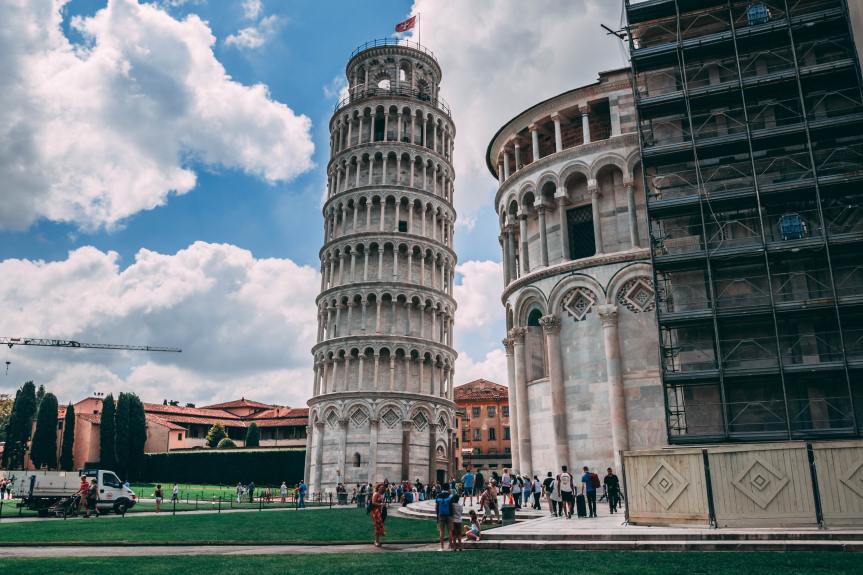
Monuments, a reminder of proud heritage or history as well as architectural wonders, they are present throughout the world. These sites are also a source of revenue for their respective cities or towns. Most of the monuments that fall under the category of architectural wonders are tourist places with a lot of monetary value, people tend to visit them to gaze upon the marvelous creations of man. One such monument is the leaning tower of Pisa. In 1990, the Italian government enlisted the help of the world’s finest engineers to stabilize the famous leaning tower. There have been many attempts in its 800-year history but this one was a race against time as the tower had already leaned on to a 5.5 degree whereas it had been projected that the tower would topple should it reach an angle of 5.44. It was a miracle that the tower was still standing but the crisis was still imminent.  

In the 12th century famous maritime town of Pisa, set about to turn its cathedral square to a magnificent landmark. So, in 1173, construction began on a free-standing campanile or bell tower and while the engineers and architects of the time were masters of their craft, they knew far less about the soil that they stood on. Pisa’s name had a Greek origin which meant “marshy land”, which clearly describes the clay, mud, and wet sand composition below the city’s surface. With a three-meter foundation to support the structure, it was no surprise that within less than five years the tower’s southern side began to sink beneath the surface. Such a mistake should normally have been a fatal flaw however, the construction halted for nearly a century while the tower was at the fourth story due to prolonged warfare that descended onto Pisa.  This long pause allowed the soil beneath the tower to settle and when the construction resumed in 1272, the workers saw the structure to be on slightly more stable ground. Under the guidance of architect Giovanni de Simone, the workers compensated the minor tilt by making the southern side slightly taller. But due to the extra weight of the masonry, the southern side continued to tilt even further. And by this time the tilt had increased to 1.6 degrees. For centuries engineers tried numerous strategies to address the lean, they even tried to dig a walkway to examine the sunken foundation but the removal of the supporting sand only worsened the problem, and thus with many such failed attempts all the engineers managed to do was worsen the ever-increasing tilt. However, in the years following WWII, researchers developed tests to examine the problem whereas, in 1970, engineers finally managed to calculate the center of gravity of the tower. Thus, with the modern tools at hand, the engineers could finally address the real problem and calculate different ways in order to stabilize the monument. They finally calculated the amount of excavation needed to stop the tilting of the monument and in 1992, a team drilled diagonal tunnels to remove 38 cubic meters of soil from underneath the tower’s north end, and temporarily balanced its weight with 600 tonnes of lead ingots and subsequently anchoring the base with steel cables. Thus, nearly six centuries after the completion of the tower, it had finally been straightened…to a tilt of about 4 degrees. The Italians didn’t want the tower to fall but they also didn’t want to lose the landmark’s most iconic feature. Today the tower stands at about 56 meters height and according to the estimates made by the engineers of the project, it should remain standing for another 300 years or so.

This is the tale of the monument that stands to show the beauty in imperfection. As Haruki Murakami wrote, “Don’t pointless things have a place too, in this far-from-perfect world”.

In Delhi Serological Survey Conduct for COVID 19……

In Delhi the cases of corona patients crosses 75,000 remark. And day by day the situation is going into critical phase. For the combat through it, Delhi government announced to conduct Serological Survey. In this survey basically government tries to investigate the movement of Corona patients before their report comes. Also young citizens also traced down.

Delhi will conduct 20,000 survey from today to 10 July.This will be a comprehensive assessment of the spread of virus in the state. It also helps govt to make a strategy for draw up this stage of contamination of virus.Survey can be used on people who have already been tested positive for the virus or even those who are asymptomatic, and can reveal insights on immunity against Covid-19.

This test is conducted jointly by the National Centre for Disease Control (NCDC) and Delhi government, to get down to a comprehensive analysis of coronavirus in Delhi. This Survey ‘s plan comes after the meeting of central home Minister Amit Shah with Delhi cheif minister Arvind Kejriwal.

This type of Survey may be help in decreasing the no of corona patients and also for finding the no of hidden peoples who have this virus but they are not aware about it. This types of tactics are aimed for the control of this pandemic disease. We should support this types of plan and also follow all the guidelines related to this too……

This too shall pass away

Art thou in misery, brother? Then I pray
Be comforted. Thy grief shall pass away.
Art thou elated? Ah, be not too gay;
Temper thy joy: this, too, shall pass away.
Art thou in danger? Still let reason sway,
And cling to hope: this, too, shall pass away.
Tempted art thou? In all thine anguish lay
One truth to heart: this, too, shall pass away.
Do rays of loftier glory round the play?
Kinglike art thou? This, too, shall pass away!
Whate’er thou art, where’er thy footsteps stray,
Heed these wise words: This, too, shall pass away.


Paul Hayne’s poem won wide popularity in his own day; and it has kept circulating ever since, continuing its influence on the afflicted, the distraught, the discouraged. Every now and then it makes a tour of the newspapers, or is featured in magazines. Sometimes it appears with a different title, or with lines changed to suit the times, or with verses added or subtracted. Many other poets have used the same theme, before and since; and occasionally a hodgepodge of verses from various sources is collected and published as “anonymous” or “author unknown.” But the philosophy is always the same, and always helpful to the troubled or despairing. This, too, shall pass away.


When Ray Stannard Baker was Ill and in great pain, he remembered the famous phrase and found it comforting. He wrote in his notebook: “Nothing lasts-not even pain.”


When Stevenson was suffering bodily torment, weakened and wearied by the long struggle against tuberculosis, he kept reminding himself of the famous phrase, hoping each morning would find him better. It helped him to put his suffering out of his mind, helped him to keep writing. “A chapter a day I mean to do,” he wrote to his friend William E.Henley- a man whose brand of courage matched his own.


When Lincoln was forced to endure the hatred of millions because of his steadfast loyalty to purpose and principles, when he was bitterly reviled and condemned for refusing to consider an unjust peace, he reminded himself that this, too, would pass in time … and that with God’s help he would weather the storm.


Countless other stories could be told of this inspiring phrase, these five magic words which legend says were engraved by wise men on a monarch’s ring many centuries ago. They are comforting words for all of us to remember in times of trial or trouble in times of hardship or affliction. When nothing else helps, it is comforting to know that no pain or grief can last forever, that whatever burden may be – this, too, shall pass away.


Taken from Light from many lamps by Lillian Eichler Watson.

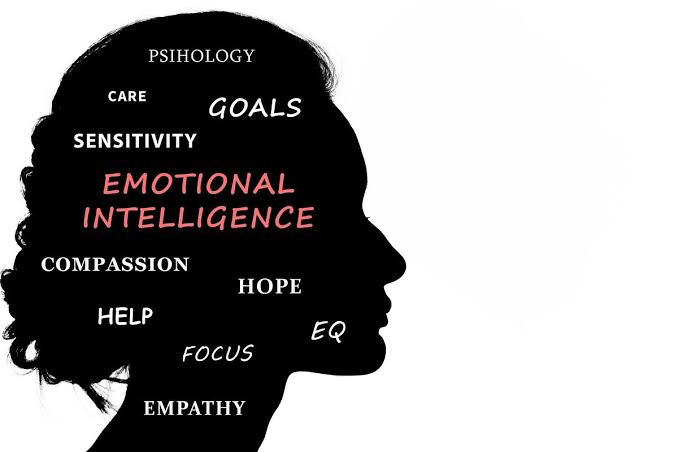
How Emotional Intelligence contributes to IQ+EQ=SUCCESS.

When we visit our relatives, we often hear this child is so intelligent. But that’s not actually what they are defining. They basically complement the kid’s emotional intelligence and not on their IQ. Emotional intelligence is a slippery topic, people usually have misconceptions about it. We all have different ways to show our emotions and different ways to deal with them too. 

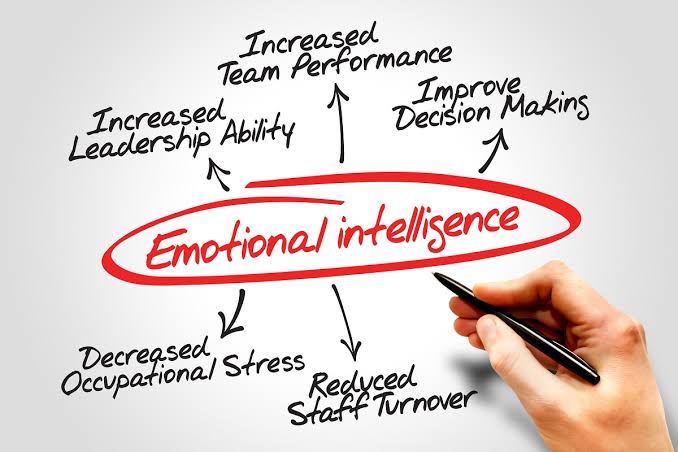
Emotional intelligence or emotional quotient (EQ) is the ability to understand and recognize your emotions and how to deal with numerous emotional situations of an individual. People with high emotional intelligence have more chances to become successful in most aspects of their life. If a job requires emotional labor, it is demanding to be emotionally intelligent.

Characteristics of Emotional Intelligence.

In a book titled “Emotional Intelligence – Why It Can Matter More Than IQ” 1995, Daniel Goleman, an American psychologist, expanded a framework of five components that characterize emotional intelligence:

  • Social skills– People find it attractive to talk with individuals with good social skills. People with emotional intelligence are good communicators too and are excellent in maintaining relationships.
  • Motivation– High emotional intelligence improves motivation. These people are usually motivated and make the surroundings too. These are productive and very effective in whatever they do.
  • Self-regulation– They can easily regulate their emotions which means they can control emotions and can tackle every situation and these think before they act. 
  • Self-awareness– These people understand their emotions and don’t let them rule them. These are super confident and believe in their intuition.

More the emotional intelligence, more maturity.

How to improve?

The biggest mistake that people make is that they are judgemental. They make a judgment without even knowing the whole story. This stuff should be avoided. Put yourself in their situation and then react. Humility can be a good thing and practicing this can make you confident about things. Just give opportunities to outshine others and don’t bother much to get applause for yourself. Self- evaluation also plays a crucial role. Admit your weakness and know where you have to work on in spite of giving false gratification that you’re perfect. In the business world or any other sector, it is highly necessary to be patient. Also taking responsibility, the responsibility of your work, or even hurting someone and apologizing. By being empathic and responding to their feelings we can make them feel comfortable. 

For example, if you ask an employee overtime and even if he agrees you may see a slight disappointment in his voice, so in spite of just ordering and walking off, appreciate his will to work.

What emotional intelligence affects.

Physical health – If you’re unable to manage your emotions probably you may affect your health by suffering from various diseases.

Mental health – Anxiety and depression can be a result of a lack of emotional intelligence.

Relationships – Communicating emotionally can be a booster in a relationship. Lacking this skill can also ruin your relationship.

Social intelligence – Tuning with your emotions may help you connect with the surrounding. Whereas being anti-social may cut your presence and make you feel less loved and less needed.

The basic idea of EQ:

  1. Identify your feelings.
  2. Identify other’s feelings.
  3. And then reacting accordingly.

Yes, of course, IQ matters but EQ enhances the value of IQ and every organization expects employees to be emotionally strong and intelligent.

Useful and widely used language to learn

Intro

The best we have been able to do is to narrow down the timeline for origin of language and studying human phycology to know when we developed mid-brain for language. Magpie is the name given to English language as it has a mix of many languages that picks up word from all other language. Some language has understandably widened vocabulary of English than others. Modern English dictionaries contain more of a geographical melting pot than ever before.

 Global lists that are famous worldwide are listed down. There are some seventy thousand languages in world that are famous worldwide also English has borrowed language from these different languages.  Here goes the list of six such important languages that are spoken worldwide in large number.

CHINESE: 1197 million native speakers

So far it is the widely spoken language in the world. According to the Oxford English Dictionary, Chinese words have been recorded in English since the mid-16th century, with the earliest examples including the likes of tai chi (1736), ginseng (1634), yin and yang (1671), kumquat (1699) and fang shui (1797). One of the earliest of all is lychee (1588). Chinese is a linguistic that is also referred as macro language that comprises many forms to derive a different form and dialects that together have of 1.2 billion native speakers

2. SPANISH: 399 million

Mainly spoken in Mexico, but other part of the world where this language is spoken as a major language is Colombia (41 million) Argentina (38.8 million), and Venezuela (26.3 million). They are many native speakers in the United States of America. In English, Spanish loanwords like weaponry and military in termed as guerrilla, flotilla, armada, machetealso the animals name are as follow like chinchilla, alligator, cockroach, iguana.

3. ENGLISH: 335 million

As per Ethnologies the English language has some 335 million native speakers, that incudes2 55 million in United States itself, 55 million in the United Kingdom and 19 million in Canada. Few other main countries have also 15 million in Australia and 5 million in New Zealand. Though English is spoken in almost every Asian countries of the world and is most wide spread it is recorded to be spoken in 101 different countries and territories worldwide.

Additionally, the number of people that has opted English as a second linguistic Franca included, the total no of speaker could rise globally to one billion.

HINDI: 260 million

Hindi is native language of the world’s 260 million speakers that are mainly found in India and Nepal. Although some 120 million projected people in India uses Hindi as a second language.  Also it is spoken in many part of the world such as in Mauritius, Fiji, Suriname, Guyana, Trinidad & Tobago and Nepal. Hindi is declared to be official language of the union. The Indian constitution in 1950 declared the Devanagari script and made it an official one. However, Parliament decided the use of English for an official purpose was announced fifteen years after the constitution came into effect, i.e. on 26 January 1965.

PORTUGUESE: 203 million

The population of Portugal is around 12 million but Portuguese is enjoyed and spoken in large belt and it has 187 million native speakers. People in many of these countries adopted these languages mainly forcibly and many took it over their own language.  Adopting these languages made it spread too many other communities in a country.

Poverty – A Global Concern

“Overcoming poverty is not a gesture of charity. It is an act of justice. It is the protection of a fundamental human right, the right to dignity and a decent life.” – Nelson Mandela, former President of South Africa.

Poverty is generally considered to be a measure of deprivation of the basic needs that a person, household or community requires to have a basic standard of living. Deprivation can be measured either in terms of a lack of resources (for example: income, other assets), capabilities (such as skills, knowledge, technology) or both. Children who grow up in poverty are more likely to be deprived of having health problems and shorter life expectancy , not attending preschool, dropping out of high school and having lower educational attainment.


People can be said to be in poverty when they are deprived of income and other resources needed to obtain the conditions of life such as diets, material goods, amenities, standards and services that enable them to play the roles, meet the obligations and participate in the relationships and customs of their society. Understanding and addressing poverty requires a dynamic view of how poor people and households fare overtime in terms of income and expenditure thresholds. Hence vulnerability is a risk for a person or a household of falling deep into poverty. The other factors include household demographics (which is the size of the household [number of people], the age structure, the dependency ratio and the geographical location which may be rural or urban) , and individual characteristics (such as a person’s sex, age, employment status, level of educational attainment, property owned and socio-economic profession.)

Poverty has various indications such as lack of income and productive resources sufficient to ensure sustainable livelihoods, hunger and malnutrition, ill health, limited or lack of access to education and other basic services, increased morbidity and mortality from illness, homelessness and inadequate housing, unsafe environments , social discrimination and exclusion and is characterized by lack of participation in decision-making and in civil, social and cultural rights. The root cause of poverty is considered to be the increasing population. Rising population is putting the burden on the resources and budget of countries. Governments are finding difficult to provide food, shelter and employment to the rising population. The other causes include lack of employment opportunities ( people who face situations of unemployment and joblessness are unable to fulfill the basic necessities of their family resulting in poverty), lack of education and skills ( limits people’s ability to access decent jobs to develop themselves and participate fully in society) , war, natural disaster, lack of infrastructure , political instability etc. Natural disasters like flood, earthquake also contribute to poverty.


Poverty encompasses not only material deprivation but also many other forms of deprivations in different aspects of life such as unemployment, ill health, lack of education, vulnerability, powerlessness, social exclusion etc. Hence, poverty should be viewed as the deprivation of basic capabilities rather than merely as low level of income and strong, effective economic and social policies should be taken to eradicate poverty and improve people’s lives and the economic productivity of the country.

Life hacks to be Successful!

Treat Failure Like a Scientist

When a scientist runs an experiment, there are all sorts of results that could happen. Some results are positive and some are negative, but all of them are data points. Each result is a piece of data that can ultimately lead to an answer.

And that’s exactly how a scientist treats failure: as another data point.

This is much different than how society often talks about failure. For most of us, failure feels like an indication of who we are as a person.

Failing a test means you’re not smart enough. Failing to get fit means you’re undesirable. Failing in business means you don’t have what it takes. Failing at art means you’re not creative. And so on.

But for the scientist, a negative result is not an indication that they are a bad scientist. In fact, it’s quite the opposite. Proving a hypothesis wrong is often just as useful as proving it right because you learned something along the way.

Your failures are simply data points that can help lead you to the right answer.

Failure Is the Cost You Pay to Be Right

None of this is to say that you should seek to make mistakes or that failing is fun. Obviously, you’ll try to do things the right way. And failing on something that is important to you is never fun.

But failure will always be part of your growth for one simple reason…

If you’re focused on building a new habit or learning a new skill or mastering a craft  of any type, then you’re basically experimenting in one way or another. And if you run enough experiments, then sometimes you’re going to get a negative result.

It happens to every scientist and it will happen to you and me as well. ‘ Failure is simply a cost you have to pay on the way to being right.’

Treat failure like a scientist. Your failures are not you. Your successes are not you. They are simply data points that help guide the next experiment.

To Boost Happiness, Stack the Pain

Here is an example…

On a normal day, you might have something annoying or painful to do (like paying the bills). And you also might have something good happen to you (like a friend sending you a thoughtful email).

If you read the email on your lunch break and then pay the bills when you get home from work, you will remember your day as going from a good experience to a bad experience. That’s the opposite of what you want.

However, if you decide to stack the pain early in your day — for example, if you pay your bills in the morning before you go to work and then read the email from your friend on your lunch break — you will remember your day as going from bad to good. As a result, you’ll feel happier because your brain likes it when experiences improve as time goes on.

Stacking the Pain for the Long-Term

It’s easy to worry about making the right choices with your life. However, if you choose to pursue things where the pain of the experience is largely in the beginning — like building a business, losing weight, or creating art — then you will tend to look back on those experiences fondly because they improve over time.

By comparison, doing things like trying to beat the stock market or become a professional gambler are very inconsistent. They can provide big wins, but they can also provide big losses at any time. The pain isn’t necessarily in the beginning. Because of this, these experiences are less likely to make you happy over the long-run.

­­

How To Build The Self-Confidence You Need To Win At Life

Do you ever feel dumb about yourself? Do you ever feel like you have zero self-confidence? It happens all the time to most of us. Although you are preparing for any compitative exam , you are doing job or planning something for your future . It happen when you are feeling very low and you don’t have confidence on your self.

Whether you want money, fame, travel, or none of that stuff, it doesn’t matter because it always comes down to this: How confident are you? Everytime your confidence decide your success. If you don’t have confidence on you, you can’t do anything. While giving any exam if your confidence is nill you became nervous and expoil your eaxm, while you work hard. So trust in yourself.

You see? Self-confidence is important if you want to win at life — no matter what you’re after, a lack of confidence will always hold you back. And you never grew up. You are always feel scary.

Research even shows that lack of self-confidence is associated with:

  • Depression
  • loneliness and feeling left out
  • Lower academic achievement
  • Lower life satisfaction
  • Never trying to follow dreams
  • Introvert person
  • Not taking own decisions
  • Always confused
  • Live lost

If you look up the definition of self-confidence, you always get more or less the same description. Moore describes it as “a trust in self, a faith in one’s ability to be able to meet situations as they may arise.”

But more importantly, she says:

“Self-confidence without competence is of as little use as is competence without self-confidence.”

It means this: Going to business school is competence. But using your business competence to lead a company is self-confidence plus competence. They are only useful when combined.

That analogy goes both ways. Just confidence in yourself, without the competence, is also useless — talking the talk is not a sustainable strategy.

You need the talk and bravado, but you also need to develop the skills to back up your talk.

Building Your Self-Confidence

So you become more self-confident if you become better at what you do. Enhance your confidence, if your confidence increase so your performance as well as success already increase. That’s the system, and it’s backed by research.

The process is easy—but completing the steps takes hard work. Confidence + hard work = success. This is the secret of success and formula to become a successful person.

It goes like this:

  1. Improve your competencies
  2. Put them into practice
  3. See results
  4. Grow more confident
  5. Repeat
  6. Focus on your drawbacks and improve side by side
  7. Never lose hope if any failure come

That’s the process.

“That’s great and all, but what if I don’t see results? Plus, I don’t have the time to practice.”

If you want to make excuses, that’s fine. It’s your life. But this method of building self-confidence is based on real, tangible steps, and not intangible stuff like affirmations. Confidence doesn’t appear magically by itself. You have to build it and it takes time. You have to stay positive, calm and trust in yourself. After practicing all these then your confidence build.

You can tell yourself every day that you’re confident, lucky to be alive, or whatever — but if you lack the skills to get shit done, you’ll never truly believe in yourself. Revise this sentence that you have trust on yourself, you are confident about your work.

And that’s my biggest issue with a lot of self-help theory and writers. Yes, affirmations, positive thinking, goal setting, is all great, but it’s NOTHING without execution. You have to apply it’s practically not only think or write theoretically. Implement whatever you think or want to do.

How can you expect to build confidence if you never do anything? It’s impossible.

“Nothing builds self-esteem and self-confidence like accomplishment.” — Thomas Carlyle

Don’t fool yourself into thinking that your life will be better as long as you wish for it. Don’t wish only work for it. Improve your skills. Be confident in any situation, never let down your confidence.

When you put in work and see the results — like a stronger body, more energy, more money, or whatever you’re after — you start believing in your ability to get shit done.

Now go out there, do things, get better at them, see results, repeat that process and grow more confident. 

Robbing Tune and Rhythm Out of Music: The Discordant Pandemic

Music industries have seen various ups and downs since the introduction of modern technologies. COVID-19 has recently contributed to the huge loss in the music and live entertainment industry globally. Shutdown of transport and maintenance of social distancing have forced several concerts and festivals to be cancelled or postponed. The artists are uploading several videos to entertain their fans on social media platforms. They have to use their family members to shoot the video at home. They are participating in several fun challenges and giving real talk advice to cut off the boredom and to stay connected with the fans. Live music concerts and gigs remain cancelled in the foreseeable future. But the industry is adapting to the ‘new normal’.  Greater number of people are tuning in radio channels.  Sensing this the musicians are focusing more on radio connectivity and creative performance suited to radio audience to bring a change.

The gig artists, bartenders, technicians, roadside artists and many more who earn their livelihood through live music concerts are facing a really hard time in the pandemic times. They are out of work for around three months and running out of savings. Popular celebrities can reach out to fans through innovative programmes. But those who are struggling to be in the industry do not have any clear idea of the road ahead. According to the members of the Indian Music Industry, several of them have started suffering because of lack of cash flows caused by absence of film releases and continuing ban on public performances. Many daily wage musicians are the worst sufferers due to the postponement of recordings. Smaller music labels need lot of public performances to earn  revenue and sustain themselves. They are now forced to seek financial help from different government sources.

Various artists are performing individual home concerts to entertain fans and also to raise funds for charity. Lady Gaga’s ‘One World: Together at Home’ has raised over $127million for the World Health Organization. John Legend, Justin Bieber and many more are playing their songs on Instagram Live. The Indian music community and Instagram conducted a live virtual music festival— ‘Live In Your Living Room’ with several artists like Armaan Malik, Naezy and Lisa Mishra performing. One of the popular music streaming apps, Spotify, has started working with a number of organizations as Spotify COVID-19 Music Relief. It is offering financial relief to creators around the world. YouTube Music and Amazon Music are also coming to the aid of music industry workers through the MusiCares’ COVID-19 Relief Fund.

In such crisis times the music industry all over the world is experiencing lesser productivity, slower work rate and uncertainty— not to speak of the declining curve in creativity. The dreaded virus has huge impact on the production, distribution, marketing and sales chain. It has taken a drastic hit of ten to fifteen per cent of the production and marketing of music in three months.

Come what may, everybody knows that we all need music to live life with jest. Not only that, we need it to have a healthy mental condition. Music is entertainment surely, but it is also a ‘medicine’ to save us from boredom, stress and alienation, the symptoms particularly evident in these trying times. It is a good sign that the music industry is fighting the bad times and trying to strategise its recovery. Didn’t Shakespeare write, ‘If music is the food of love, play on’?