One emerging trend in media is the glorification and romanticization of mental health disorders. As a result of the same, a lot of Young Adult (YA) novels have integrated various mental health issues into their plots while still bearing inaccurate representations as young adults look at these serious issues through rose-tinted glasses. Ofter, it ends on a high note thus masking the dark reality of these problems and wrongly depicting the healing process.
My Heart and Other Black Holes by Jasmine Warga is a transitional piece of literature to me. I find that it balances the scale- it depicts certain aspects of mental health issues that are appealing to young adults through the form of romance while also portraying very dark aspects of depression in a fairly blunt manner.
This book follows the bittersweet tale of two teenagers with traumatic childhoods. Aysel is a sixteen-year-old girl who was raised by her father- however, her father murdered a local boy and she carries that stigma everywhere. She pushes her friends and family away to the point where they barely interact with her anymore. Roman, a sixteen-year-old boy blames himself for his sister’s death and bears the weight of that guilt on his shoulders. Both of them want to end their lives and they become Suicide Buddies through a website. Roman wishes to die by drowning on the anniversary of his sister’s death. They both decide to die together.
Naturally, they begin to fall for each other. Warga artfully depicts the contrast between the thought processes of the two teenagers. For Aysel, all she really needed was to be close to someone again, so meeting Roman helped her heal. Roman, on the other hand, was plagued by guilt and was in his own head which meant that the chances of love changing his thoughts and feelings were far less likely. She showcases this beautifully as we can see Aysel’s determination to take her own life reduce and Roman’s determination to do the same be unwavering. Roman’s final suicide attempt without Aysel shows that he loved her enough to want a good life for her but not enough to live his life. The book ends on an ambiguous note and the readers are left wondering about the uncertain future of Aysel and Roman.
Jasmine Warga displays a clean and slightly poetic writing style throughout the book. The language and narration remain consistent throughout the book. There is clear character development for the main characters and adequate character development for others.
All in all, My Heart and Other Black Holes is a very well written piece of YA fiction. I would highly recommend this book to those looking for a quick yet meaningful read.
I have always been a rather easily bored person (much to the annoyance of my parents and friends). I have also been a very creative person. It was not until very recently that I learnt that the two go hand-in-hand with each other.
A lot of neurologists suggest that boredom is good for you. The only problem is that no one allows themselves to experience the benefits of boredom. Why is this, you may wonder? Well, boredom has been demonised in popular culture. People go about saying “An idle mind is a devil’s workshop.” As a result, we instantly seek relief from boredom through some or the other engaging activity- even something as simple as watching a YouTube video or scrolling through Instagram or TikTok.
Boredom makes you itch to do something, anything. But the only way one can reap the benefits of boredom is to wallow in that discomfort. Instead of seeking relief from the boredom, staying bored and letting your mind wander and work its magic is the perfect way to boost and stimulate creativity.
So, every now and then, just sit there and do nothing and see where your thoughts take you!
Google has been able to acquire the best of the best in almost all the sections of the technology world. YouTube has been one of its prized possessions. But at the end of the day. There are some demerits of every app.
In the latest development, some YouTube users are getting a new trial run in their apps. Some premium users are able to see a premium sign alongside the 4k video resolution in their video settings. It means that 4k resolution will only be available for the premium subscribers.
This particular change will help Google in getting more subscribers and will also increase their revenue. But it is not confirmed, as the trial is still going on and the decision will be taken after some time. Until now, there is still no update from Google regarding this change.
In the recent past, Google has been trying to increase its revenue through different methods. One of them has been evident with the trial that is going on with the several ads for the free account users.
Google also shut down its Stadia gaming platform to redirect the revenue flow. It will also increase their focus on the selective few options, that are the real money maker for them.
Now, there has also been speculations that Google is trying various things to increase its user base for subscriptions because it has lesser revenue this year than the last year. But on the bright side, the number of subscriptions is increasing on various platforms for Google. One of them is YouTube music.
Now, on the evidence part, users are posting the screenshots of the new premium option on Reddit. In return, Google has confirmed that some of the users are getting such options as a part of the trial program. It will let them analyze that whether users are willing to pay for such options or not.
Now, it remains to be seen that whether users will accept such a change or not. On the contrary, users can also look at a future where there will be two different options for the users in various settings option of Google on various platforms like YouTube, YouTube Music, and many others.
Bigger subscriber base here does not mean that it is the end for the free account users because there are quite a few. Google will support the free users also as it is the first reason that users are using YouTube in the first place. The other reason is the rapidly increasing traffic on the platform for the content that allows the users to learn various things, that are related to various fields.
With 5G, taking on the world in different parts of the world, at a fast pace. As the network coverage will improve, the users will be willing to experience better and advanced forms of the technological world. They will like to experience a video in 4k resolution. So, in return it might help Google in getting more subscribers. On the other hand, it might not help Google as people will get comfortable with 2k or even Ful HD. All of these are just speculations, and the future is uncertain, but exciting.
If you’re reading this, then chances are that you are looking for some way to improve your life. Maybe you need help with personal development or maybe you’ve been thinking about starting a new job or volunteering at an organization. Whatever your reason for wanting to make changes in your life, it’s important that we keep our eyes open and try new things so we can be successful in achieving our goals.
Without encouragement, it is difficult to change.
Without encouragement, it is difficult to change. You need to believe in yourself and think that you can improve your life by making positive changes. The first step is believing that you can improve for the better—that’s because it will make all the difference. If you do not believe that things can get better, then no one else will either.
If someone says they are going through hard times or struggling with something difficult right now, try giving them some words of encouragement as a way of showing them how much strength there is inside themselves despite their circumstances (or lack thereof). This could mean saying something like “I know what it’s like when things keep getting worse instead of better.” Or maybe even just “I’m sorry about everything happening right now.” These small gestures go a long way towards helping those around us feel supported during times when we feel isolated from others’ understanding due to our own struggles.
You are most likely to succeed if you focus on one change at a time.
The key to success is to focus on one change at a time. This can be as easy as focusing on improving your diet, or it may be more complex—it depends on what you’re trying to accomplish and how long it will take for you to reach your goal.
For example: If you want to lose weight, then focus on eating healthier food and making more exercise a part of your daily routine. Once that’s accomplished and needs adjusting (such as adding more fruits or vegetables), move onto the next step by increasing the amount of exercise in your schedule again until all of these changes have been completed successfully.
Changing your life takes time and daily effort.
Changing your life takes time and daily effort. You can’t change a habit overnight, nor can you expect to change your lifestyle or attitude overnight.
You have to commit to making positive changes in the way you think and act for them to stick. This includes changing negative beliefs about yourself and others, as well as changing other people’s perceptions of you—for example, by doing something nice for someone else instead of taking advantage of them.
The changes you make will have an impact on other people, so talk to them about what you are doing.
Make sure you have a support network:
You can’t do it alone! You need people who believe in you and want to help support your goals.
Be honest with yourself:
Don’t let yourself get discouraged by results because they won’t always be immediate or easy to achieve; this is just another step in the process of self-improvement.
You are more likely to change your behavior if you write down your goals and track your progress toward them.
If you want to make changes in the way that you live your life, it’s important to write down your goals. The more specific and detailed they are, the easier it will be for you to stay focused on achieving them.
You can use a notebook or spreadsheet as a place where you put down all of the things that matter most to you—including what motivates each goal and any additional details about how long until completion or other deadlines associated with achieving each goal (if applicable). Then once per month or so (depending on how often progress is made toward those goals), go back through this list of ideas and see where there are still opportunities for improvement or new additions which may help bring about change faster than otherwise would be possible otherwise.”
Sometimes people need a second or third try before they can achieve their goals.
Change is a process that can happen gradually if we give ourselves permission to not be perfect.
It’s okay to fail. You don’t have to make every mistake in the world, but you do need to take risks and learn from them. If you’re going through a difficult time, it may feel like everything is stacked against you, but remember: You’re stronger than that! Don’t let anyone else dictate what your limits are; set boundaries for yourself so that everyone around you knows where they stand with respect toward how much weight/pressure/stressors they bring into your life (and vice versa).
You can’t change everything at once! Change takes time and effort—you might not see results right away on day one of starting something new at work; sometimes there are things we need practice doing before learning how good our new skills actually feel like coming out of our mouths (or fingers). Make sure whatever goal(s) this month has been focused on has been well-thought out beforehand so as not waste valuable resources unnecessarily trying out half-baked ideas prematurely – because even though change doesn’t happen overnight…it does happen eventually
Conclusion
If you are ready to start changing your life and make some changes in your life, then this is the right time. Start now.
Stress is a natural part of life, and like many things, it’s important to learn how to manage it. If you’re suffering from stress, here are some helpful tips for coping:
Find a hobby
If you’re looking for a way to manage stress and unwind, a hobby can be an excellent option. It doesn’t have to be something specific or intense; you could simply enjoy doing something that inspires you every day.
Whatever it is that makes your heart race with excitement, there’s probably an outlet for it in your life—if not now then at some point in the future. Taking up knitting or painting might seem like an odd choice when you’re stressed out by midterms and finals, but these activities can become routine sources of relaxation as well as hobbies!
When we were kids growing up, many of us were fond of playing sports: football or baseball games were favorite pastimes at our houses during the summer months because they gave us something physical (and occasionally competitive) to do together after school hours were over. Nowadays however there are plenty other ways for parents and kids alike alike enjoy getting involved together outside on weekends – whether through volunteering with community organizations like Habitat For Humanity; going camping together on family camping trips; taking part in organized activities such as dance lessons where everyone learns new moves together while having fun at once too 🙂
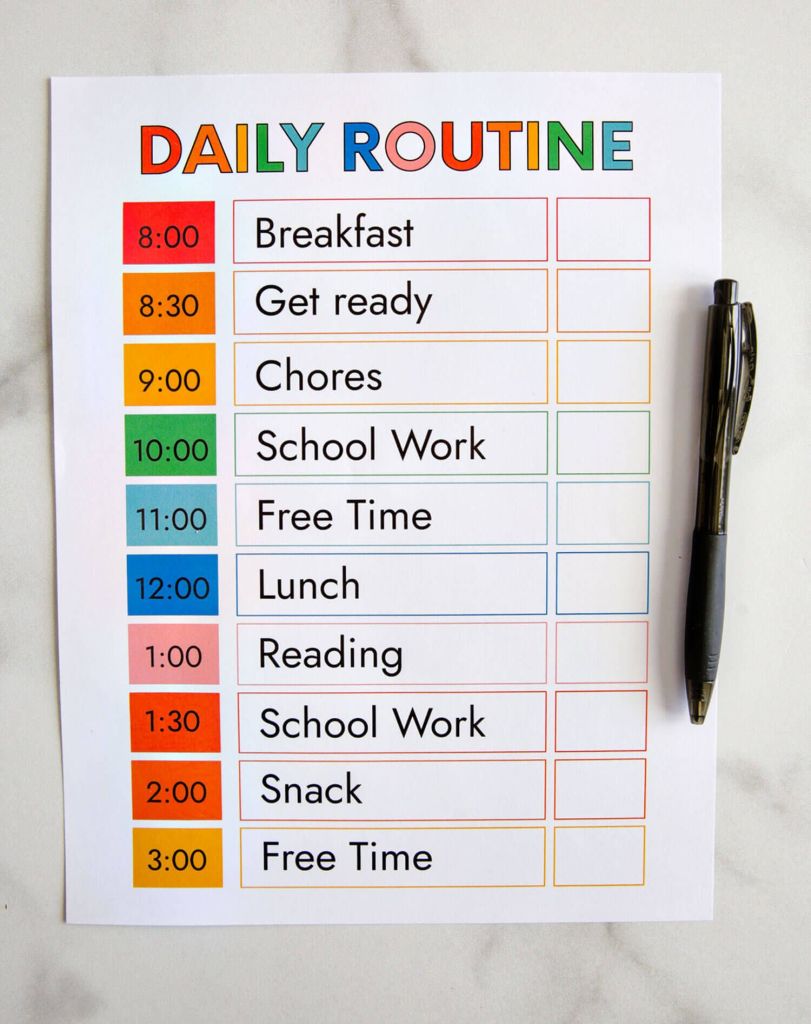
Build a daily routine
The first step to managing stress is building a daily routine. A morning routine, afternoon routine and evening routine are all good places to start.
Make sure you have your coffee (or tea) before 7:30 AM. This will help you get going in the morning and prevent late-night cram sessions later on in the day when you’re tired or distracted by something else that needs doing.
Get through at least one workout session per week—even if it’s just walking around campus for 30 minutes with friends or playing basketball with teammates after class! Exercise helps burn off energy so that mentally challenging tasks don’t seem insurmountable anymore; moreover, exercise has been shown to reduce anxiety levels as well as improve moods overall.* Go grocery shopping once per week rather than buying food from convenience stores because they tend to have higher prices than supermarkets do; however replacing fast food with healthy alternatives like salads instead of burgers will save money while still providing nutritious meals throughout each day.* Try not using social media sites like Facebook or Twitter too frequently either during lunch breaks at work because this causes users’ lives outside office hours become blurred together into one giant blur which makes everything seem more difficult than before since now there’s no separation between work life & personal life anymore.
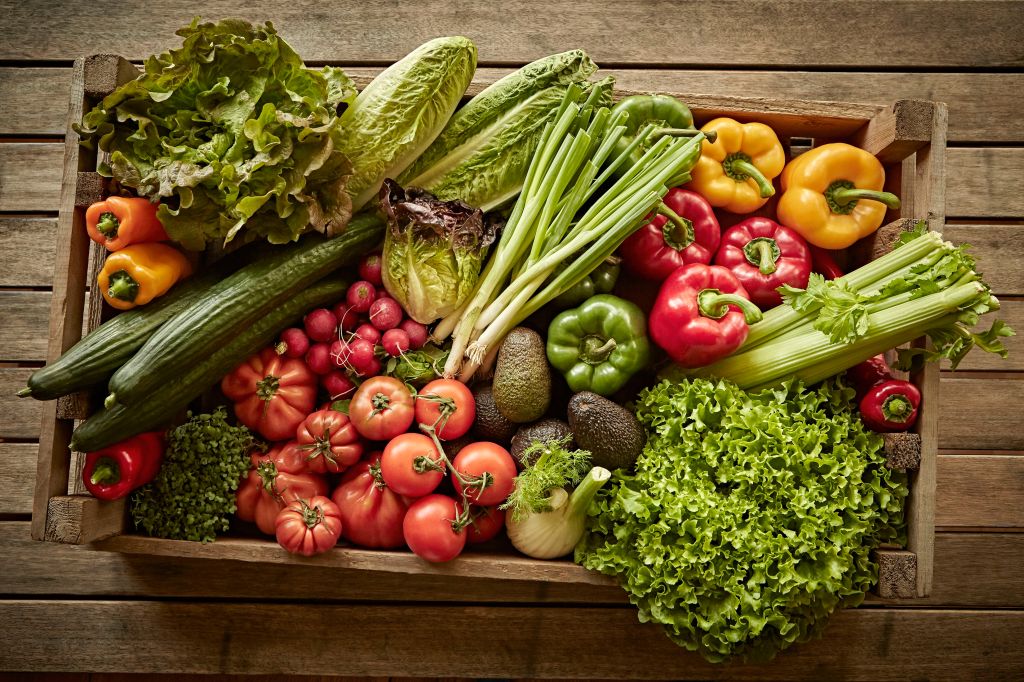
Eat healthy food
Eating a balanced diet is key to managing stress. It helps you feel more energized and less tired, which can help you avoid getting sick or stressed out by hunger pangs. If possible, eat a healthy breakfast every morning—this will give you the energy boost that makes it easier for you to get through your day!
If eating junk food is something that stresses out your stomach (and let’s be honest here: who doesn’t love pizza?), try finding healthier snacks like fruit salad bites or even granola bars instead of sugary ones. The key here is moderation; no one should ever eat too much junk food because this will only make them feel worse afterwards.
Get in touch with your family
Stress is a normal part of life and as such, it’s important to find ways to manage your stress. One way you can do this is by talking with your family about how they can help.
Family members are a great source of support when it comes to helping you manage stress—and they may not even realize how much they’re helping! If you have parents or siblings who live nearby, consider asking them if they’d like some help managing their own lives and those around them. You could even offer up some of your time (or money) in exchange for their assistance so that everyone benefits from their efforts together.
Get enough sleep
Sleep is important for learning and memory.
It’s also linked to stress reduction.
Getting enough sleep can help reduce your stress levels, which will make you more productive at school or work.
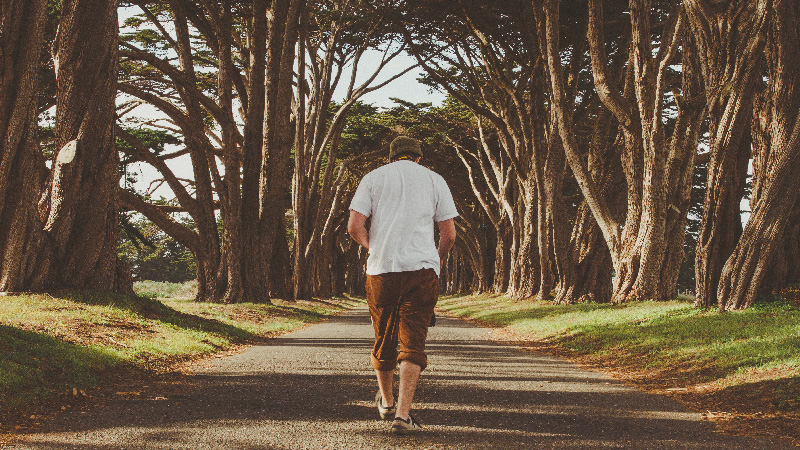
Go for a walk
You can get away from the stress of school by going for a walk.
Go for a walk alone or with friends if you’d like, but don’t worry about being seen—the point of walking is just to move your body, not impress others. Listen to music while you walk (or listen in silence), and try to take in some fresh air too. Take your dog for a long walk around the neighborhood; they’ll love it! If possible, try walking at least 10,000 steps each day—that’s equivalent to running one mile per hour continuously for 30 minutes straight! When I was younger and had more energy than I do now as an adult who’s trying everything she can think of not only stay healthy but also keep fit at age 55+.
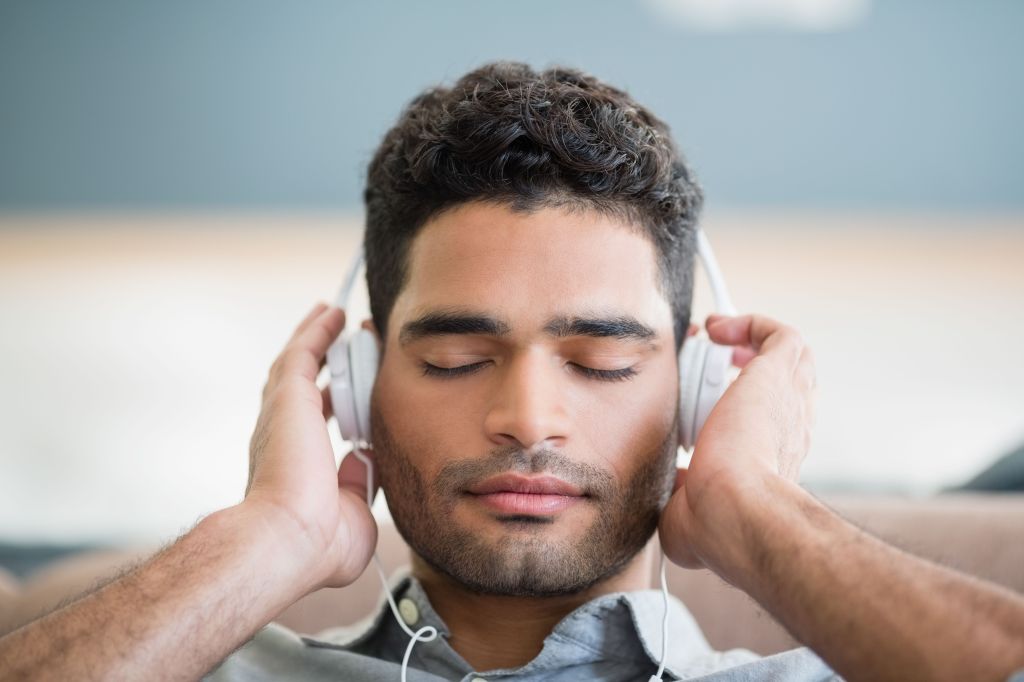
Listen to music
Music is a great way to relax and de-stress. You can listen to any music you like, but try not to choose something that’s too hard or fast. Music can also help you focus on what’s important in your life, which will help keep things in perspective when they get overwhelming.
Music can also help with sleep! I recommend listening before bed because it helps calm your mind enough so that it doesn’t keep tossing and turning at night because of all the stressors going through your head during the day (or even week).
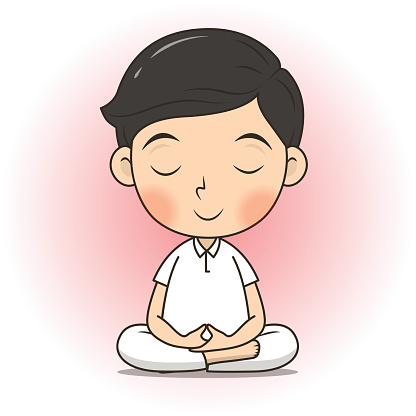
Meditate
Meditating is a great way to relax and unwind. It can help you deal with stress, anxiety and depression, improve your memory and creativity, even slow down the aging process.
If you’re new to meditation or have never tried it before there are plenty of ways that beginners can begin:
Sit comfortably in a comfortable position (sitting or lying down).
Close your eyes if possible – this might help you focus better on what you are doing (most people choose not to cover their eyes).
Start by breathing normally through both nostrils for one minute without counting the breaths or trying anything else at first; this will help clear any thoughts from your mind so that when they come back again later on during meditation they won’t distract us from our task at hand which is meditating.
Talk to someone about your stressors
Talking to someone about your stressors is an important part of managing them. You can talk to your friends and family, but it’s also helpful to talk about the stressors with a therapist or counselor. If you feel comfortable talking about this issue with a doctor, go for it! The same goes for religious leaders, coaches and mentors who have experience dealing with similar issues in their own lives. And if none of these people are available yet, teachers are usually willing to listen when students come seeking guidance from them (or even just want advice on how they should handle their own problems).
Few more steps to encounter stress
Stress can be caused by a variety of factors including work-related issues, relationships with friends and family members or even just having too much on your plate at once. In order to manage stress effectively there are some steps that you can take:
Start taking breaks from time to time during the day (even if only for 5 minutes). This will help you relax and recharge so that when you return back into work mode again; everything feels fresh again.
Try getting outdoors more often during the day so that there’s less time spent indoors where all these feelings tend to accumulate over time because there isn’t much else going on besides watching TV shows while eating pizza as opposed being outside enjoying nature around us all… You get what I mean? 🙂
I hope this article has given you some useful tips for managing your stress. Remember that the best way to deal with a stressful situation is to stay calm and take action. Use our tips above and find something that helps you relax, like giving yourself time away from your responsibilities or getting some exercise – anything will do.
India is home to some of the most stunning natural attractions and historical sites in the world. With so many places to visit and things to do, it’s hard to know where to start. But if you want something off-the-beaten path, these 10 destinations are sure to satisfy your wanderlust.
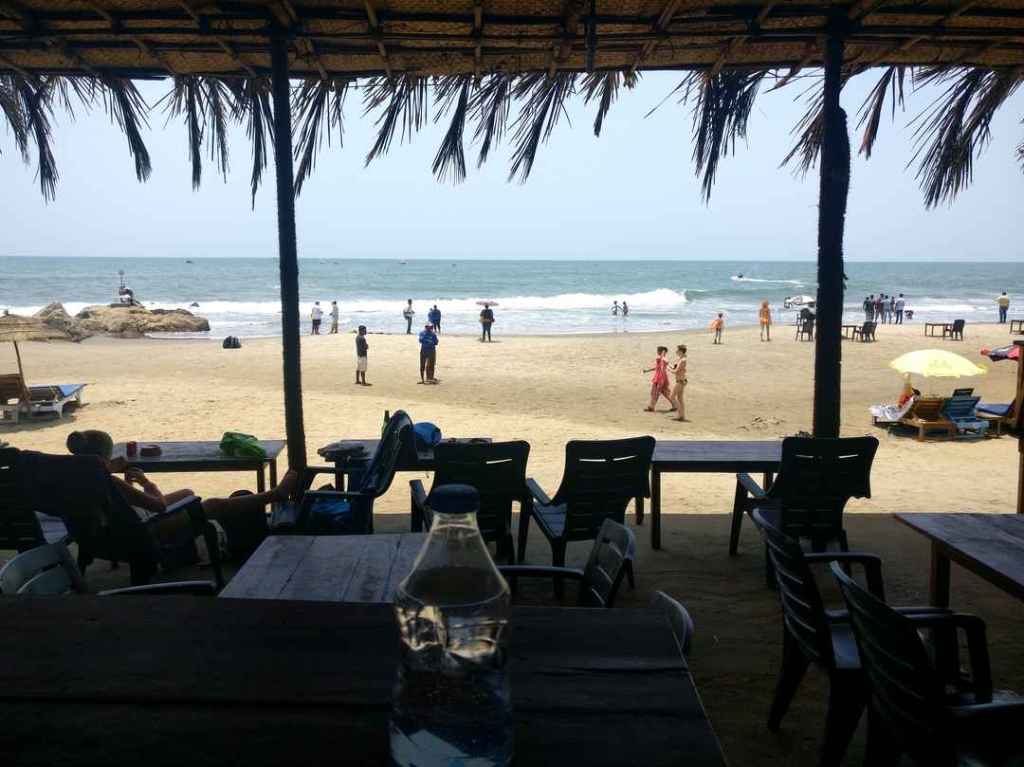
1. Goa
Vagator Beach, Goa
Goa is a popular tourist destination in India and has been attracting visitors for years. It’s known for its beaches, which are clean and have plenty of space to relax on them.
Goa also has great food, music and culture. The best way to experience all this is by staying at an airbnb or other bed & breakfast type place that hosts travelers from around the world!
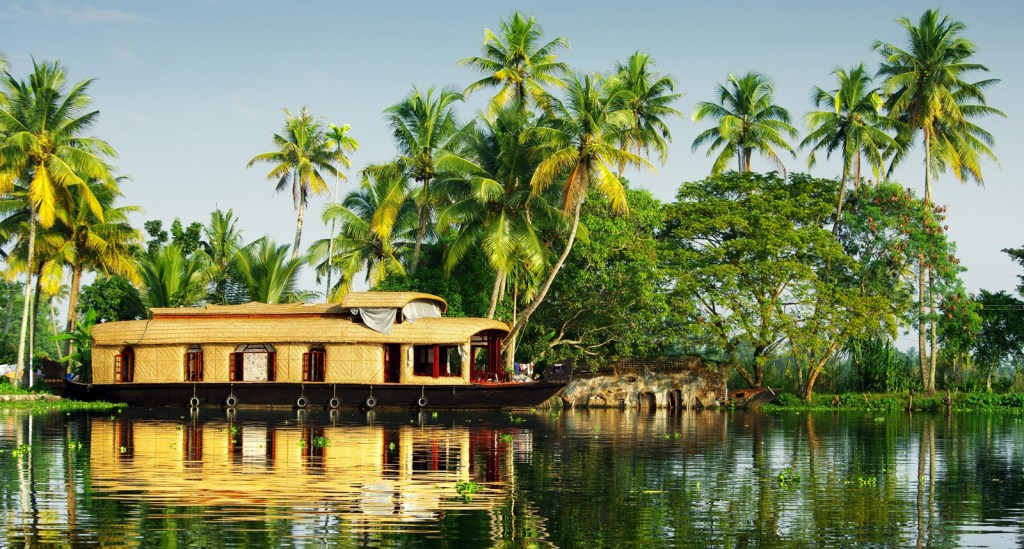
2. Kerala
Kumarakom, Kerala
Kerala is a beautiful place to visit in India. It has many beaches, backwaters and historical sites. One of its most famous attractions is the backwaters of Alleppey that are home to some interesting wildlife sanctuaries. The state also has many temples which are a must-see during your trip here.
3. Andaman and Nicobar Islands
Andaman
The Andaman and Nicobar Islands are located in the Bay of Bengal, just off India’s coast. These islands are a part of India and home to many different tribes. The islands have a great climate for relaxation, as well as beaches with white sand.
4. Pondicherry
Serenity beach, Pondicherry
Pondicherry is a city in the union territory of Puducherry. It was formerly known as Pondicherry and it is located on the Coromandel Coast, India’s east coast, which is known for its beaches and resorts. The city has an old-world feel to it with buildings that date back to French rule over India during the 19th century.
Pondicherry has many beaches where you can go swimming or just relax on your day off from work.
5. Leh Ladakh
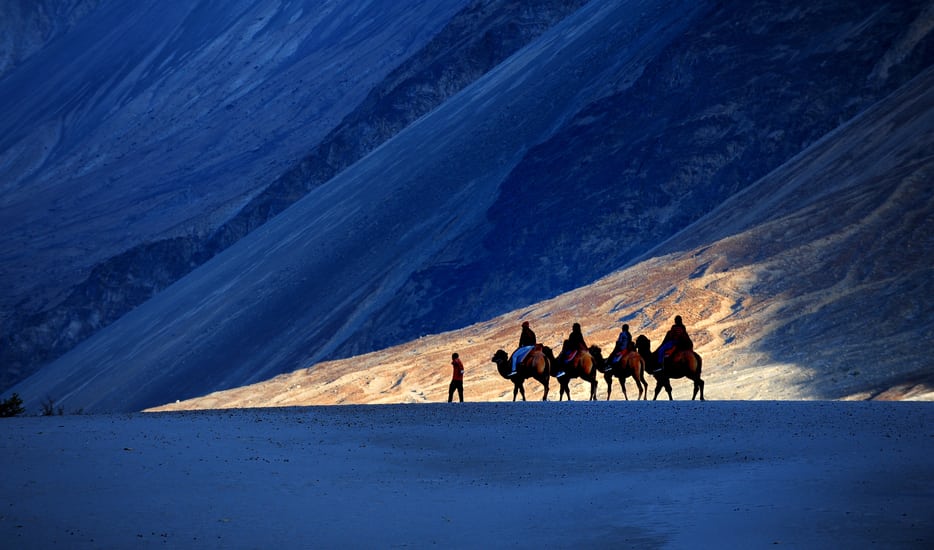
Nubra Valley, Ladakh
Leh Ladakh is a cold desert in the Himalayas, close to the Chinese border. It’s a great place to visit if you want to see the mountains and enjoy some hiking or trekking. There are many places where you can go for this activity, but one of them is called “Nubra Valley”. In this valley there are many different things that you can do: horseback riding (on horses), skiing down from a mountain peak or just walking around looking at all those beautiful views.
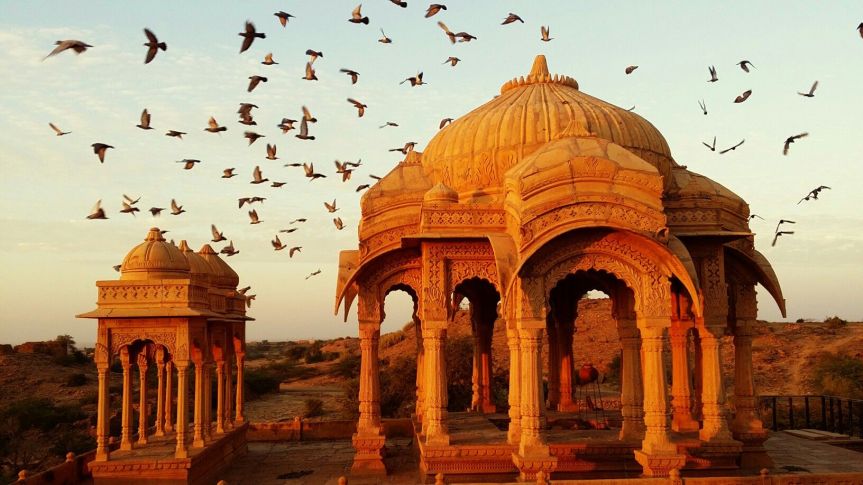
6. Rajasthan
Amer fort, jaipur
Rajasthan is a state in northern India. It has a desert climate, but it’s also known for its palaces and forts. The city of Jaipur is home to several of these attractions, including the Amber Fort and Jantar Mantar Observatory. It also has many lakes, some famous (Lake Pichola) and some not so much (Kumbhalgarh). Some people visit these lakes during wintertime because they’re warm then; others go there in summer because it looks like an ice skating rink. There are plenty of temples as well: we’re talking about hundreds of them.
7. Darjeeling
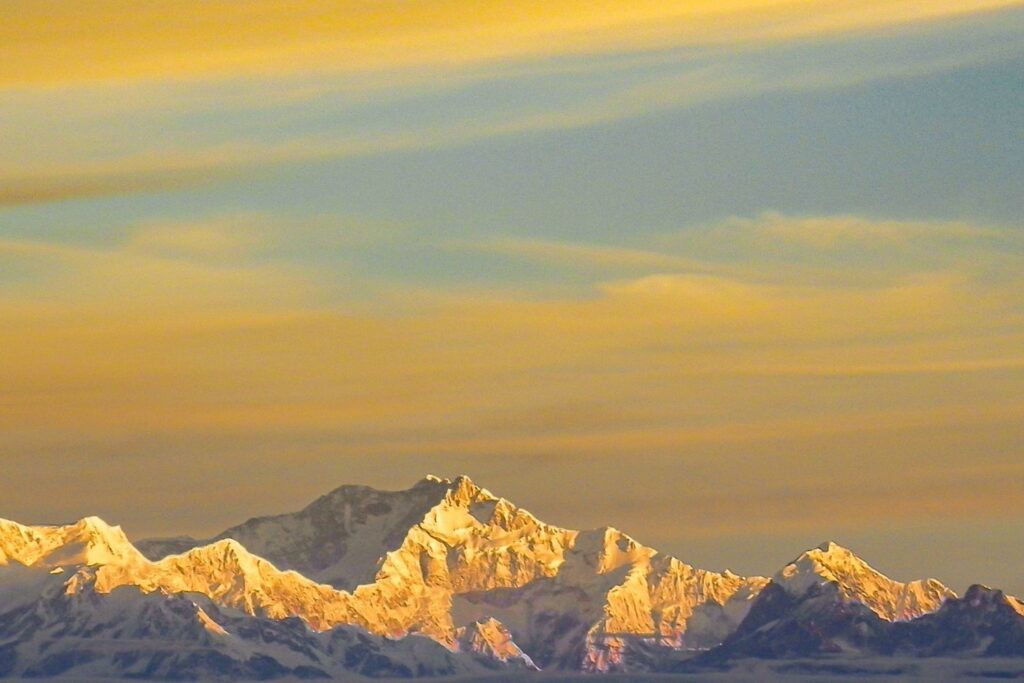
The Kanchenjunga
Darjeeling is a hill station in West Bengal. The city is located on the foothills of the Himalayas and offers panoramic views of the plains below.
The town has been known for its tea plantations since 1834 when it was first discovered by British colonists. It’s also a popular destination for trekkers, who can choose from several trails to explore this beautiful area along with its rich history and natural beauty.
8. Varanasi
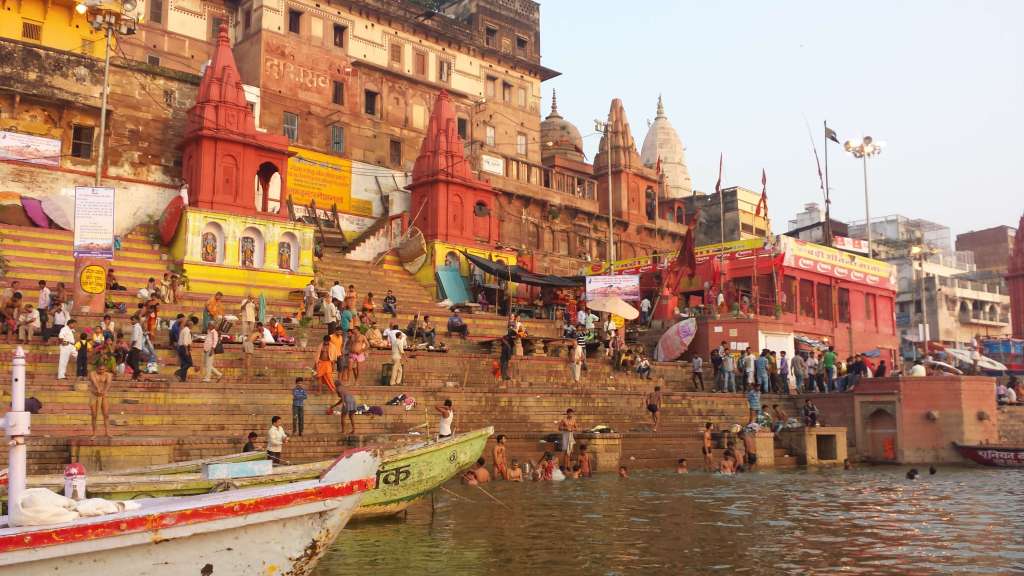
A ghat in varanasi
Varanasi is a religious, cultural and historical city located on the banks of River Ganges. It has been called one of the most sacred places in India as it’s believed that Lord Shiva resided here for some time before passing away.
The city is known for its ghats (steps leading down to the river), temples and food which are all part of its rich history. Varanasi offers tourists everything they need during their stay – from budget accommodation options to luxury hotels & resorts offering everything from pampering spa treatments to yoga classes at sunrise. Not only this but there are plenty of things to do when you visit Varanasi including visiting one or more ghat sites where pilgrims perform rituals during monsoon season when temperatures rise up high enough so visitors can bathe in freezing waters without getting cold feet.
9. Rishikesh
Rafting in Rishikesh
Rishikesh is full of amazing sights—from its spectacular natural surroundings to its historic temples and churches. Other sights include Lakshman Jhula Bridge built between 1822–1823 across River Ganges near Yamuna Sagar Lake during British rule; Vishwanath Temple dedicated specifically because he was considered Hindu god Vishnu’s favorite son; Kedarnath Temple built by King Bhagwan Nand Lal in memory of his father who died while building this temple during his lifetime. River rafting and other fun activities are organised here.
10. Gulmarg, Jammu and Kashmir
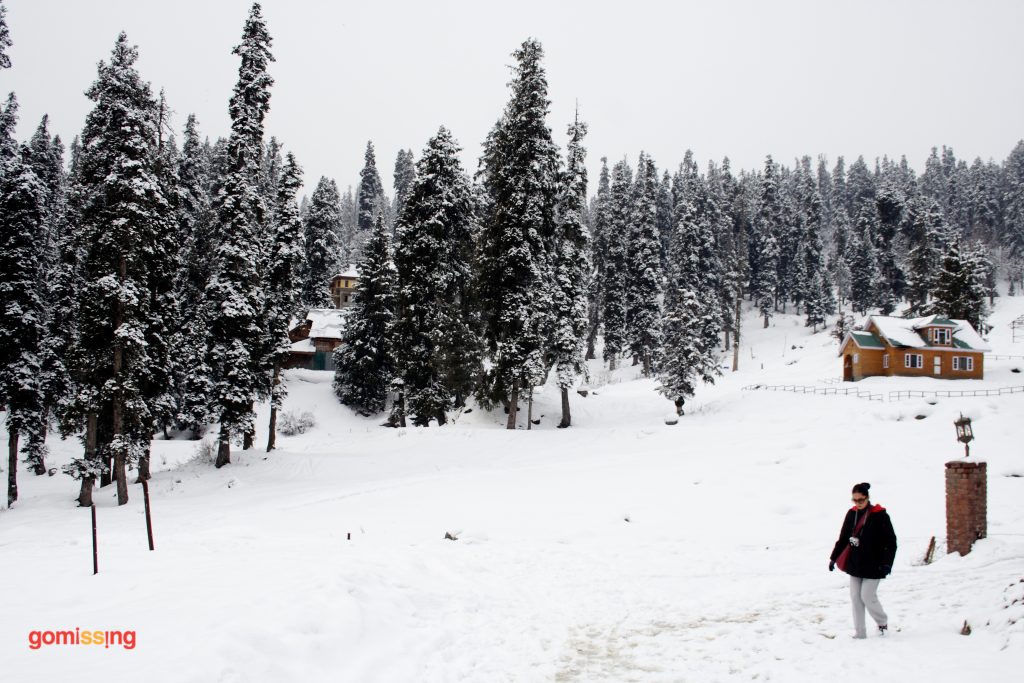
Gulmarg Golf Club area
Gulmarg is a ski resort in Kashmir, located at an altitude of 11,500 feet. It is one of the oldest and most popular tourist destinations in Jammu and Kashmir. The area has 300 km of pistes that can be reached by cable cars or snowshoes. Gulmarg also hosts many other activities like skiing, heli-skiing, snowboarding and more.
These are just a few of the travel destinations in India that you can experience and enjoy.
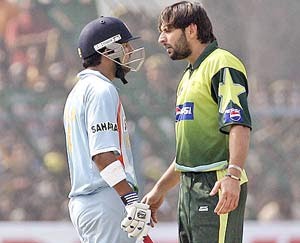
Pakistan’s Shahid Afridi and India’s Gautam Gambhir in an argument during a 2007 ODI in Kanpur
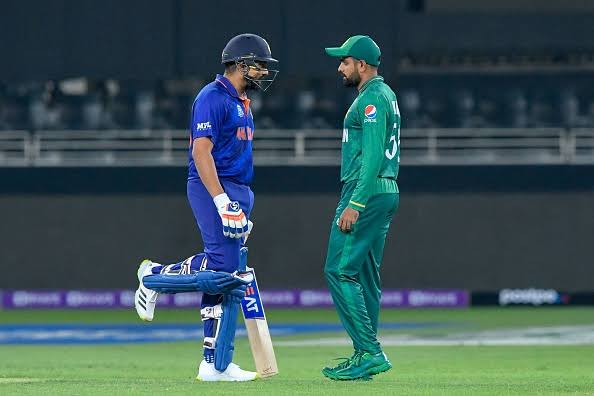
Sunday evening will be spiced up as the two arch-rivals India and Pakistan will lock horns in the T20 Asia cup match, to be played in the Dubai international stadium at 7:30 pm.
While India is Playing without Jasprit Bumrah and Harshal patel. Pakistan will have to carry on without the services of Shaheen afridi and Mohammad Wasim Jr.
Team India
Team india practice session
The revival of Indian batting has reached a turning point. Since the lethargic Tournament that occurred last October in the UAE, much exertion has been put into attaining a do-over. Commencing on Sunday, there seems to be an opportunity to try it for the very first time in a cross competition. India could use an adversary that regularly wins in the UAE as a beginning point to determine whether their 180 degree batting turnaround will break their 15-year T20 WC winless streak subsequently this year.
With such a decent top, India currently has the chance to adhere to this destruction strategy after improving their batting results over the past ten months in every part of the Twenty20 game by accepting the dangers and benefits about not performing cautiously. After their respective sabbatical, KL Rahul and Virat Kohli return, giving VVS Laxman and Rohit Sharma a crucial decision to make at the start of this campaign. Hardik Pandya, Dinesh Karthik, and Ravindra Jadeja make up India’s 5-6-7 finishing axis, with Suryakumar Yadav and Rishabh Pant acting as useful floaters. However, with their back to regular fortitude and as a sign of the batsman dominance hierarchy, this strategy may need to be adjusted.
Tactics: In this year’s T20Is, 12 of Bhuvneshwar Kumar’s Twenty strikes had arrive inside the PowerPlay. India will seek to utilise this skill against a team with a top-3 and middle-order batting average of 42.35 and 15.59, accordingly, since January 2021, which shows a noticeable talent gap amongst sides. Since January 2021, Babar Azam and Mohammad Rizwan have scored 1000 or more runs in T20I, therefore breaking that opening partnership should be India’s top bowling priority.
Team pakistan
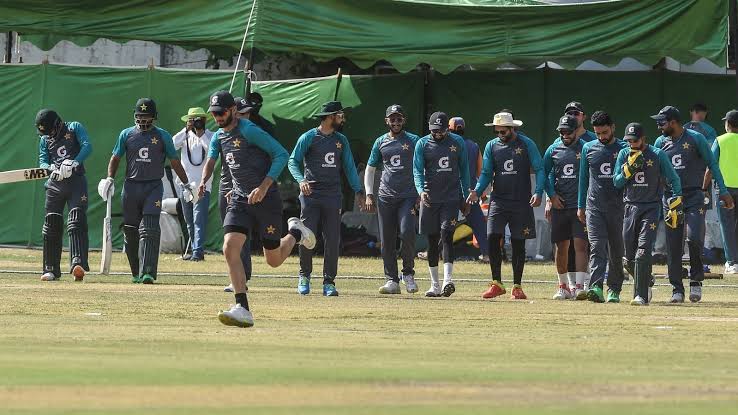
Team pakistan practice session
All tempo issues and decision-making difficulties for Pakistan are related to its bowling. Due to Shaheen Afridi’s injuries, Pakistan has now been hindered vs an outfit that has had trouble handling the left-hander in previous matches. Mohammad Wasim Jr. is now unavailable due to injuries sustained during practise.
Shahnawaz Dahani and Naseem Shah are Pakistan’s two quick bowlers, and they have a cumulative total of two T20 Internationals of encounter. Hasan Ali, who had not been initially selected after a lacklustre year with ball, is now returned to the side. With his left-armer-free bowling options, Babar Azam must be precise, while leggie Shadab Khan, making his first Limited – overs match since December 2021, must also get going right away.
Tactics: Babar must use his skills wisely in Shaheen’s absence against an enthusiastic Indian batting lineup. It is important to wisely utilise the large sizes of the Dubai stadium, especially in the PowerPlay overs, when India has struck 71 sixes in 37 innings since January 2021. Pakistan has only hit 30 of them throughout this time period (in 10 less innings), which helps put the level of risk-taking into perspective. Timing the insertion of leggies Shadab and Usman Qadir will also be crucial, depending on where Rishabh Pant bats.
Head to head encounter
India has a better 8-5 win ratio over Pakistan at Asia Cups. Five of 6 Asia Cup competitions among the two teams since 2010 have been won by India.
Expectations
Dew’s effect causes problems for teams that bowl second. However, India has prepared for this possibility by electing to bat first if it is feasible since their last participated overseas. In 16 T20Is played following the 2021 World Cup, India has batted first 12 times and has lost just three of those contests.
Key players
Virat Kohli, Babar Azam,Rohit Sharma, Mohammad Rizwan,Bhuvneshwar Kumar and Haris Rauf.
What Captains have to say before match
Rohit Sharma (India): “The mood in the camp is buzzing. It will be a challenge to play against Pakistan without a doubt. We do talk about our losses, that’s how we improve as a team. That loss [in Dubai last year] did hurt us at that point, but I think it’s been a while since that game has been played. We learn from our mistakes. For now, it’s a fresh start for us and obviously, the team is coming out of playing a lot of T20 cricket. We will not think too much about what happened in October, that was a long time back.”
Babar Azam (Pakistan): “No heat at all [between the two sides]. It’s normal and we have to adjust to everything as a professional. Every match is important for me and it is my responsibility as captain that I give my 100 percent. Injuries are part of the team. We have a good bench strength and we have a young battery of fast bowlers who have performed well and I have belief in them.”
Pakistan : Babar Azam(c), Mohammad Rizwan(w), Fakhar Zaman, Iftikhar Ahmed, Khushdil Shah, Asif Ali, Mohammad Hasnain, Shadab Khan, Usman Qadir, Haris Rauf, Naseem Shah, Shahnawaz Dahani, Mohammad Nawaz, Hasan Ali, Haider Ali
Visual design is a creative concept that aims to communicate to the visitor what is needed for the business. At its core, it’s an environment that focuses attention on. Visual design with the help of results and applications used performs the function of informing. The task of a visual designer is to show the organization of the process and lead the client to purchase a specific product or service. Visual designers focus on the look and feel of the product and brand, showing their best sides.
Web studio Laroche www.laroche.co reports that design is a complex art that can motivate the client to action. A competent designer not only uses theoretical knowledge, tries to introduce new “chips” and apply special techniques. With the help of a combination, you can really create an extraordinary, memorable site.
Basic principles of visual design
Visual design concepts will help to implement the set goals and lead the site visitor to the final result. To accomplish this task, you should be guided by certain principles of site design.
Lines. The simplest connection of two points, which is used to create a form and its derived components. All lines have length, width and directions. They create a motion effect. Emphasize the right data.
Blocks. Certain areas that carry functionality and perform the assigned task. To outline the areas, lines are used, different colors are used. The blocks have a task – to hold the visitor’s gaze.
Color. Selected for specific tasks. The purpose of the chosen color is to divide objects, focus attention, organize the presentation of information. Shades and halftones are used in order to psychologically affect visitors. The game of shades can both distract and retain the visitor.
Texture. An element that visually shows how the surface is represented. It creates and forms models. They are used to attract or distract attention, lead the visitor to the ultimate goal. Textured visualization will be able to create the effect of realism.
Printing house. You should know that the use of fonts is important. Something needs to be highlighted, something is lowered down, into the “footer” of the site. Depending on which font was chosen, the functional value of the information is determined. The correct font decorates the site, contributes to the visual representation of the site.
Form. This includes three-dimensional objects that are depicted in a realistic style. A form is created by combining multiple objects. It can be expanded or differentiated using tones, textures, or colors. With the help of the form, it is possible to “play” with the attention of visitors.
Space. With the help of an area that focuses attention or looks away, you can visually convey information. Space is used to convey the necessary to the client or distract him. Performs an important role in the design of the site and the demonstration of objects for site guests.
Visual concept. In fact, this is the most important thing in design. The main thing for a designer is to keep in mind the goal for which the site is made. A strong concept will necessarily fulfill the task and help to convey information to the consumer. Competently thought-out design will fulfill all the tasks and lead to their implementation. All actions should lead to a positive result.
These are the basic principles of visual design. In addition to the main ones, there are several others. This includes scale, dominance and similarities. Applying the basic formulas, it will be easy for the designer to perform the task, to convey the necessary information to the visitor.
Top5 THINGSTHAT YOU MUST KNOWABOUT CANADIAN VAPING LAW.
As we know, Vaping is rapidly becoming a lot more famous with Canadians. Too much is not good for anything, It looks quite confusing but, because of its use as a method to quit smoking, but also because young people are getting addicted to it. Vaping, or e-cigarettes, are battery-powered devices that simulate your smoking experience by using an inhalation procedure that vaporizes liquid within the device.
According to the study, youth who are between 15 to 19 years old and young adults who are aged between 20 to 25 years, have the highest rate of using vaping in Canada, and now it is serving a problem for the government about the further increased use of vaping in youth.
Delivering the shortage of study on the long-term health effects of vaping products and their addictive essence, e-cigarettes should not be consumed by youth, by non-smokers, or by ex-smokers who have stopped completely.
But right now, vaping products are only allowed under the Tobacco and vaping products act, TVPA will be liable to significant restrictions to communicate the questions containing these products. These restrictions mainly focus on dealers, distributors, address manufacturing, sale, labeling, and growth. The laws, as defined by the TPVA will be are as follows:
1 . Availability and age limitations.
The sale of such products is prohibited, tobacco sales are prohibited and promotional materials for vapor products are not visible in the shops where they are sold. Advertising, advertising, and sponsorship of e-cigarettes are limited to products displayed at the point of sale. The bans on tobacco advertising also apply to vaping.
In May 2018, the Federal Government passed Act S-5, the Tobacco and Steam Products Act (TVPA), which is in part intended to provide a legal framework to regulate the manufacture, sale, labeling, and promotion of nicotine-containing steam products sold in Canada.
2. Health clues on vaping products.
In May 2018 the federal government passed Act 5 the Tobacco and Steam Products Act (TVPA), the purpose of which is in part to provide a legal framework to regulate the production, sale, labeling, and promotion of nicotine-containing steam products sold in the country. TVPA aims to protect Canadians from nicotine dependence and tobacco incentives, in particular, from the consumption of juvenile vapor products.
In addition to the Tobacco and Steam Products Act and related provisions, several provinces have imposed restrictions on the use of steam appliances, many of which include age limits, sales and sale restrictions for flavored products, and nicotine ceilings.
Vaping products that make health claims to stop smoking contain products that contain nicotine and other medications within the meaning of the Food and Drug Act (FDA). The regulations adopted by Health Canada do not define requirements to inform consumers that vaping products contain nicotine, how much nicotine is present, or that nicotine is addictive. However, the rules require that the packaging of vapor products must include information on the presence or absence of nicotine, whether the product contains nicotine, and warnings about the risk of addiction to nicotine.
3. Advertising and promotion restrictions.
The new rules, which make strict limits on the promotion of steam products and the advertising and promotion of steam products and make health warnings for steam products mandatory, are intended to ensure that young Canadians do not see advertisements for steam products in public spaces and convenience stores. Steamy product advertising rules are rules aimed at reducing the impact of steam advertising on young people by prohibiting the advertising of a steaming product or associated brand elements when the advertising is in a way that can be seen or heard by a young person. Advertising is permitted in some cases, but the new rules require that advertising of the product and its related brands and elements must include the necessary health warnings about the product and its emissions.
On May 23rd, 2018 the Act S-5, Amending the Tobacco and Non-Smoking Health Act and the resulting amendments to other laws entered into force in Canada, a significant change to the Canadian regulatory framework. Implementation of the Tobacco and Vapor Products Act (TVPA) established a national approach to regulating vapor products and tobacco products.
4. Public space bans.
Federal law prohibits the use of e-cigarettes at all places where smoking is forbidden, including federal workplaces (with a few exceptions), residential premises, and workplaces where a person has access to during the shift, such as vehicle workplaces. Advertising, advertising, or sponsorship of an e-cigarette is limited to product displays at outlets.
In Canada, smoking is prohibited indoors, on public transport, and in the workplace, including restaurants, bars, and casinos in all territories, provinces, and the federal government. Since 2005, smoking in public spaces and workplaces has been prohibited in all provinces under the Smoke-Free Environment Act, including liquor stores and bingo halls licensed under the law. Subnational legislation prohibits smoking in all public indoor spaces and workplaces with the limited exception of designated smoking areas in residential groups and nursing facilities as well as some hotel rooms.
5. Marketing restrictions.
The new regulations are part of a 10-point plan to protect young people from the harm caused by vaping by introducing limits on the nicotine content of vapor pods and liquids, restricting the sale of flavored products, introducing new labeling requirements, including plain packaging and health warnings, tightening restrictions on the public advertisement and increasing the national sales tax on vapor products and accessories from 7% to 20%. The proposals are expected to affect teens and adults who smoke or vaporize, as well as the vaping industry in Nova Scotia, NS, Prince Edward Island, and PEI provinces and territories, where regulations prohibit the sale of all flavored e-cigarette liquids except tobacco flavors, which will be in effect from April 2020 to March 2021.
Most forms of tobacco advertising, promotion, and sponsorship are prohibited with a few exceptions. Advertising and sponsorship of e-cigarettes are limited to product displays at the point of sale.
They also prohibit the use of tobacco products in many retail stores. The restrictions on outdoor advertising and advertising materials in vape shops are visible from the outside. The bans that apply to tobacco advertising also apply to vape shops.
CONCLUSION:
Other serious concerns about the risks of tobacco use include recent reports of serious lung damage in young people who smoke. In addition to the development of an addiction that can lead to tobacco smoking, research has shown that nicotine can alter adolescent brain development, impair memory and concentration and impair adolescents’ ability to learn.
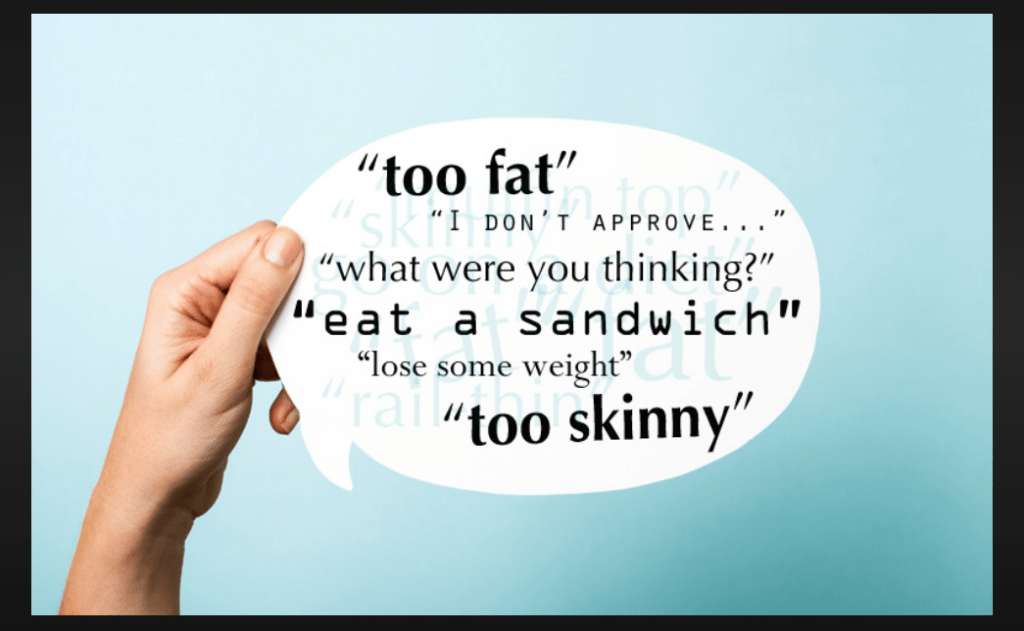
Ever heard these? I hear them daily and it’s either about my self or a group of people or a person talking , to be more clear gossiping about some one else.
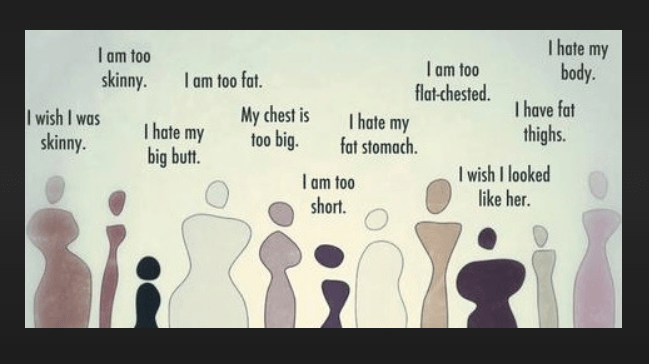
So the society expects one to be perfect ,like fair color, good height and slim and fit ,but are every one built in the same way? of course no , just like all the five fingers of our hand are different ,every human being is different and beautiful in their own ways.
If a girl is dark the whole society gives advices ,how to become fair ,if she or he is fat they are given advices about how to reduce weight , if skinny then how to increase their weight, if short ,how to become tall , I just keep wondering if the society has problem with every one’s appearance ?
From my personal experience , I can tell you that I faced such things , I was bullied in my school by my classmates , my friends and even my relatives bullied for my appearance , I could not tolerate them and even I cried due to that , and used to be envious of others for their personalities. I too wanted to achieve what they had and for that I used to skip meals some times and due to that I would feel more hungry than ever and used to over eat. As the time passed I started to accept my body and for my health and fitness , I took healthy steps in my life and started exercising and developing good healthy food habits.
I understood that everyone is beautiful in their own ways and its something that everyone has to accept , I understood that this bullying and body shaming is not good , not for your mental neither for your physical health, body shaming can lead to mental health issues , people start to overthink and worry about their appearance and in order to look perfect and beautiful they will choose faster and dangerous ways , like trying to reduce fat in just a week or trying to increase height and all this is really dangerous for one’s health and can lead to other dangerous consequences.
People of every gender and of all ages must deal with body shaming , it not a big issues , but this can damage one’s mental health the one at whom we are laughing at , whom we are body shaming, or mocking, this may also lead to emotional damage and trauma and depression.
So who are the culprits behind this , one is the society and the other is we ourselves , the product advertisers are the main ones for creating a pain point and then offering a solution to it, making ourselves think that we are not worthy and if we are not of certain skin tone ,height or weight and all , secondly we have ourselves to blame because we do not believe in ourselves and our bodies and we do not treat them well , we do not accept ourselves for how we are and then all this leads to a solution to overcome our issues and that too in a quick and unhealthy way ,leading to more disasters .
I just want the society to accept everyone as they are and to appreciate everyone’s personality since its unique for everyone and to stop body shaming or bullying . Society can be more beautiful if we accept people how they are and try not to change their appearance and instead help build confidence with in them about how unique they are and how to accept and love your body . Not only the society but firstly you yourself have to accept your body and treat it in a proper way and you have to love yourself the way you are , because self love comes first and you have to your first priority.
In India women are given the paid maternity leave from 12 weeks to 26 weeks for working women under the new maternity benefit (Amendment) Act 2017 ,which was passed by the Rajya Sabha in the year August 2016,has now also been approved by the Lok Sabha in the same year ,March 2017.
Women are given maternity leave but what about men, the father of the new born, don’t they need any leave? Do they not wish to be with their new born and be helpful to their families, they too have responsibility towards their family right? Many parents have raised their concern regarding not getting leaves during their child birth and this is actually a growing concern ,if women can get maternity leave then even the father’s should also get their paternity leave .
The maternity leave policy was started back then in 1961,the Maternity benefits act ,by which women got different benefits, facilities and perks, but what about the father , there was nothing sort of paternity leave, and in a country like India where family is considered utmost important , its necessary to provide both maternity and paternity leave.
In 1991 the central government ,under the central civil services (leave) rule 551(A) introduced some provisions for paternity leave like a central government male employee can take leave up to 15 days to take care of child and wife with less than two children.
Paternity leave is sanctioned for the government employees, but there is no law that mandates private sectors when it comes to paternity leave. Therefore, it is decision made by by the individual companies themselves.
Its important for all the sectors to grant these type of leaves , therefore Three years ago in 2017, After the Maternity Benefit Amendment Act happened, there was a new bill proposed, known as The Paternity Benefit Bill. Rajeev Satav, an MP from Maharashtra, stood up for the benefits of fathers of newborn babies.
The Objective of the Bill is “Child care is the joint responsibility of both parents. They must devote time to the newborn to ensure its proper well-being,” said Congress MP Mr. Rajeev Satav.
This new bill states that all workers, both in unorganized and private sectors, should get paternity leave of fifteen days, which is also extendable up to three months. One of the most important features is that it emphasized the equal parental benefits for mothers and fathers. The paternity leave will also allow the mother to get some much-needed support from their husbands and the fathers of their children, both during and after childbirth.
Currently, the Central employees who fall under the All India and Central Civil Services Rules, are all allowed to take a paid fifteen-day paternity leave. This puts India in the top fourteen countries with the highest maternity leave. By providing fifteen days of paid paternity leave to all sectors, India will among the top thirteen countries that provide the highest paternity leave, alongside other benefits.
It is high time the idea of Parental became commonplace so that it can well resonate with the needs of working families today.
One of our Indian cricketer and former captain Mr. Kohli took paternity leave and it was a national news ,even Mark Zuckerberg and Prince William took paternity leave ,but why did this become such a big news only in India
There should be no discrimination says the society ,but what about granting paternity leave ,when women can get maternity leave ,then even the father of child has right to get leave and share responsibilities with mother and support her during and after child birth. The new born needs both of the parents ,its a joint responsibility and they must devote their time to the new born to ensure proper well being .So I think paternity leave should be granted to everyone either government or private sector employee.
So how is your career planning going on? Is everything going according to your plan or did you even plan your career or not ? If not, then when are you going to? what about promotion ,bonus or salary? – same regular typical ,annoying and boring questions right asked by many of our near and dear and even far ones right?
I know , I know how it feels ,even I passed from that stage ,sorry I’m still in that stage ,so yeah I know how irritating and annoying those questions feel and how those questions even make us feel guilty about our career planning.
As a student I felt and even do feel that career planning is the most important part of my education ,but the thing was I used to be always confused about what to choose, in my +1 and +2 should I choose the stream which I like or should I play safe and choose stream which is offering more number of opportunities. ok somehow I played safe and choose a stream, but later again after choosing the stream find the exams which you have to take in order to get a good college and after joining the college struggle or say competition to find a good decent job ,so this is it ?
For a good decent job or further studies you have to start planning from 5-6 years before ,and if the plan goes well then there you have you job and if not then a back up plan and all this to enjoy good ,peaceful life, so much of planning and execution right, I know but what can we do ,this thing feels so important in one’s life specially if you are from a brown household .
If you ask me I would tell that career planning is important if you really want good career and growth in career and start doing this from early stage like in your tenth standard mostly and research about what options do you have and take opinions and advices from people of that field and get to know about their work their other opportunities .
One advice from my side is choose the stream you like ,follow your passion but also play safe and try to grab as many opportunities as possible and I can definately tell that people who work with their heart ,follow their passion and choose what they like are much more happy than people who just choose the stream because of the opportunities they are offering.
”Find out what you like doing best, and get someone to pay you for doing it.”
so what comes to your mind when you hear the words economy ,agriculture and industries ,they are somewhere linked right ?we do have a basic idea that agriculture does contribute to our country’s economy and so do these industries but how do they?
India is known as an agricultural country, as most of the population of villages depends on agriculture. Agriculture forms the backbone of the country’s economy. The agricultural sector contributes most to the overall economic development of the country.
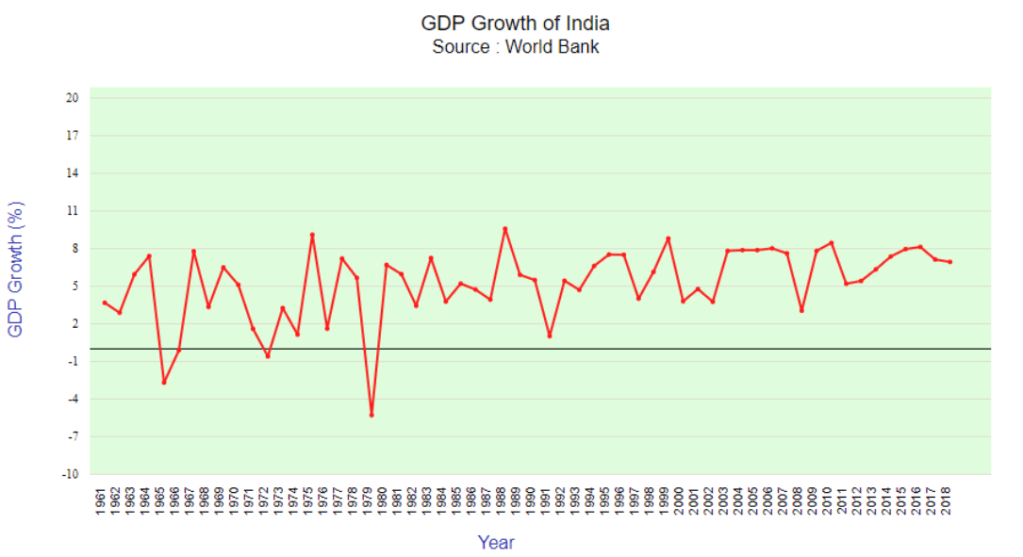
Did you know that historically, India was the largest economy of the world for most of two millennia from the 1st until the 19th century .Since the start of the 21st century, annual average GDP growth has been 6% to 7%,and from 2013 to 2018, India was the world’s fastest major growing economy, surpassing China. . The economy slowed in 2017, due to shocks of “Demonetisation” in 2016 and the introduction of the goods and service tax in 2017.In 2020, pandemic has affected trade and India was the world’s 14th largest importer and the 21st largest exporter.
For a continuous duration of nearly 1700 years from the year 1 AD, India was the top-most economy, constituting 35 to 40% of the world GDP .Under British rule, India’s share of the world economy declined from 24.4% in 1700 down to 4.2% in 1950. India’s GDP (PPP) per capita was stagnant during the mughal empire and began to decline prior to the onset of British rule .India’s share of global industrial output declined from 25% in 1750 down to 2% in 1900. At the same time, the United Kingdom’s share of the world economy rose from 2.9% in 1700 up to 9% in 1870.
There is no doubt that our grievances against the British Empire had a sound basis. As the painstaking statistical work of the Cambridge historian Angus Maddison has shown, India’s share of world income collapsed from 22.6% in 1700, almost equal to Europe’s share of 23.3% at that time, to as low as 3.8% in 1952. Indeed, at the beginning of the 20th century, “the brightest jewel in the British Crown” was the poorest country in the world in terms of per capita income. -MANMOHAN SINGH
In the 1980s and early 1990s the tides began to change. Liberalisation came to India and a growing belief contrary to what Nehru believed, began to rise . By the turn of the 21st century, India had progressed towards a free-market economy, with a substantial reduction in state control of the economy and increased financial liberalisation .
India experienced high growth rates, averaging 9% from 2003 to 2007. Growth then moderated in 2008 due to the global financial crisis. In 2003, Goldman Sachs predicted that India’s GDP in current prices would overtake France and Italy by 2020, Germany, UK and Russia by 2025 and Japan by 2035, making it the third-largest economy of the world, behind the US and China. India is often seen by most economists as a rising economic superpower which will play a major role in the 21st-century global economy.
India started recovery in 2013–14 when the GDP growth rate accelerated to 6.4% from the previous year’s 5.5%. The acceleration continued through 2014–15 and 2015–16 with growth rates of 7.5% and 8.0% respectively. For the first time since 1990, India grew faster than China which registered 6.9% growth in 2015. However the growth rate subsequently decelerated, to 7.1% and 6.6% in 2016–17 and 2017–18 respectively, partly because of the disruptive effects of 2016 Indian banknote demonetisation and to goods and service tax India. India’s GDP growth has been slowing rapidly, from a high of 8.3% in 2016 to just 4.2% in 2019.
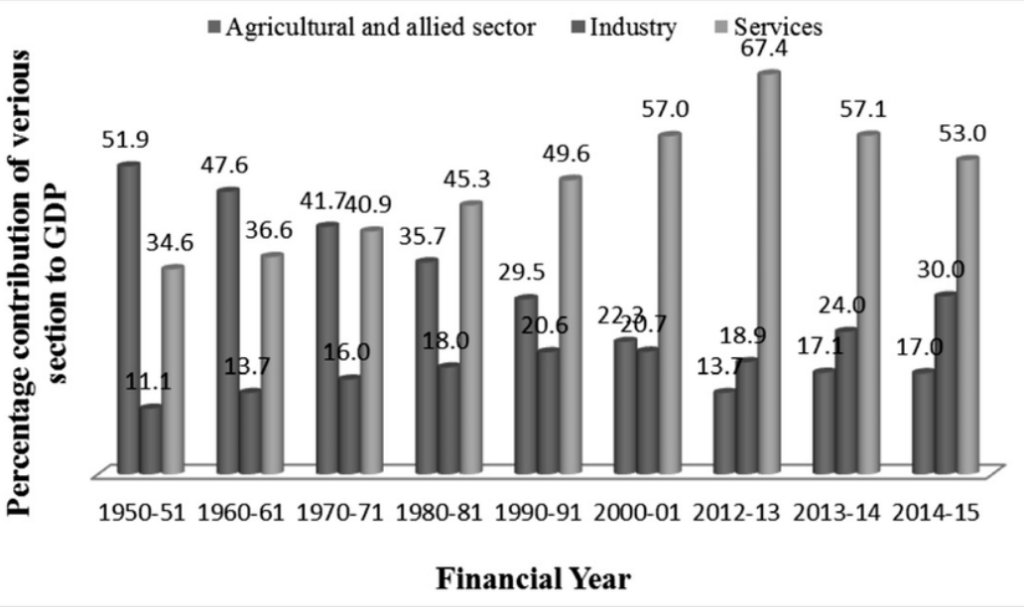
Historically, India has classified and tracked its economy and GDP in three sectors: agriculture, industry, and services.
Agriculture and allied sectors like forestry, logging and fishing accounted for 17% of the GDP, the sector employed 49% of its total workforce in 2014.Agriculture accounted for 23% of GDP, and employed 59% of the country’s total workforce in 2016. As the Indian economy has diversified and grown, agriculture’s contribution to GDP has steadily declined from 1951 to 2011, yet it is still the country’s largest employment source and a significant piece of its overall socio-economic development. Crop-yield-per-unit-area of all crops has grown since 1950, due to the special emphasis placed on agriculture in the five-year plans and steady improvements in irrigation, technology, application of modern agricultural practices and provision of agricultural credit and subsidies since the Green Revolution in India. However, international comparisons reveal the average yield in India is generally 30% to 50% of the highest average yield in the world. The states of Uttar Pradesh, Punjab, Haryana, Madya Pradesh, Andhra Pradesh, Telangana, Bihar, West Bengal, Gujarat and Maharashtra are key contributors to Indian agriculture.
At around 1,530,000 square kilometres (590,000 sq mi), India has the second-largest amount of arable land, after the US, with 52% of total land under cultivation.
Agriculture farming in India is a century-old activity, and is currently the highest contributor to the GDP of India. Agriculture remains the largest contributor to the country’s GDP and farmers constitute 58% of India’s population .Farming is one of the oldest economic activity in our country.
As per 2018, agriculture employed more than 50% of the Indian work force and contributed 17–18% to country’s GDP.
The economic contribution of agriculture to India’s GDP is steadily declining with the country’s broad-based economic growth. Still, agriculture is demographically the broadest economic sector and plays a significant role in the overall socio-economic fabric of India.
The main pillar of the rural economy is based on agriculture. Agricultural land and livestock are the primary means of production for people of the rural areas in any society. Livestock farming consists of the major part of the economy of the majority of people. It relies typically on labor-intensive methods for raising crops and healthy livestock. Livestock feed is shipped all over the country, and land is frequently needed for cultivation, farrowing, watering, and other activities.
The advent of modern technology has also revolutionized the agriculture sector. Farmers are adopting more sophisticated techniques to get more production from small pieces of land. So the use of advanced techniques is urging the farmers to focus on small land in order to get more production. But the farmers also need support from the government and also they need help in hard times like no enough rainfall or over rainfall etc. The government must extend a helping hand towards the farmers ,they are the ones who work selflessly and for the sake of the whole country’s population and they do not worry about in which season they are working in ,they put all their hard work and efforts into their work and they are the ones who worship their proffesion .
The rural economy mainly depends upon agriculture. Even though traditional farming still exists, the use of advanced technology has revolutionized the agriculture sector. It has proved a blessing for small-scale farmers. They can adopt modern agricultural techniques to get more produce from their small farms. Organic farming is another window of opportunity for farmers. They can grow more food to generate better revenue.
The cottage industry or the small scale industry plays a vital role in the rural economy of India. Majority of the population of India lives in rural areas; it is where the real India resides. Apart from agriculture, the cottage industry is the primary source of livelihood in rural India. Cottage industry or the small scale industry are those where the business is carried on at home with small numbers of workforce or labours . the members may be of the same family, religious groups or the community. Most of the workers of the small scale industry are the traditional artisans who have inherited their work as art from their ancestors.
In India, more than 74 per cent of the total population lives in the villages where their lot is linked with agriculture. They have to live in the villages as they cannot leave their fields which give them their ‘living’. Side by side they must be provided with some kind of cottage industries upon which they can depend during that period in which they remain idle and unengaged’.
After independence, our country has been taking gigantic strides towards industrialisation. Cottage industries can become and alternative means of employment for the people living in the rural areas. Cottage industries will be of benefit for our villages, which form the back bone of the nation.
The place of cottage industries in the national economy in the country has been unique since time immemorial. India was famous, in the past, for the wealth of the land and for the high artistic skill of her craftsmen. India was exporting wonderful jewellery and superfine embroideries to Europe. European merchants were attracted towards India more by her craft and industry than by the rich raw material.
It must not be forgotten that cottage industries are the back-bone of our rural economy and no rural uplift is possible without the protection of and encouragement to these small-scale industries. Apart from all other considerations, small-scale or cottage-industries are essential for providing employment to our tillers of soil in their leisure time or when they remain idle.
To improve and encourage the cottage-industry in our country we have to change the views of the general public. The people should be made interested in patronizing home-made goods. A ready market is a further urgency in this direction.
Rural Co-operatives and Rural Banks should be established and stabilized by the Government for advancing short-term loans on nominal interest.
Lastly, adequate marketing facilities should be arranged for them, as sale of goods has now-a-days become as complicated an affair as production itself.
Hence, the artisans must be helped to get the best price of their goods. Frequent exhibitions should be organized to enable the artisans to show their art and industry and give them impetus and inspiration to create still better patterns of handicrafts.
Basically the agriculture and cottage industries are the main sources of livelihood in India and they contribute most to our economy , we all know that these both professions are being practiced from very long period of time ,like around some centuries in India ,they have been contributing to the country’s economy from very beginning. the rural economy’s most percentage is received from agriculture and cottage industry and without their contribution our country’s economy might destroy or decline very rapidly ,even a small change in their contribution percentage might affect the economy of country ,but its economy right and GDP ,it wont stay constant there are many ups and downs ,in a year our GDP might good where as in the other it might be bad we cannot predict that ,there might be various reasons for the decline of GDP, like in 2017 it was demonitisation and in 2020 the pandemic hit us and it affected the whole world’s economy , and India’s GDP has been declined by 23.9% by 2020.
Agriculture and cottage industry are major contribution of rural economy , and for these people if government is trying to extend a helping hand to them then probably our economy might go to better figures and it’s a fact that our rural economy can be developed by agriculture and cottage industries and the Rural Economy in India is wholly agriculture based and it is of tremendous importance because it has vital supply and demand links with the other Indian industries. Agriculture is the main stay of the Indian economy, as it constitutes the backbone of rural India which inhabitants more than 70% of total Indian population.
Primary health care is a broad term that means providing affordable and quality health care facilities to the whole society necessary to maintain good health by prioritizing those in need. It aims to recognize the needs of the people and then provide the health care facilities accordingly.
Primary health care has three pillars. These are primary care and essential public health functions, multisectoral policy and action, and empowered people and communities.
TECHNOLOGY’S IMPACT ON PRIMARY HEALTH CARE
Day by day integration of technology in primary care is increasing. There was a time when technology was in its naive stage, and its penetration into human life was minimum. The complexity, cost, and limitation to use it in improving primary health were also nil. Technologies like mobile phones, tablets, computers, and laptops are very common to us now but were alien concepts long before. However, by 1990, the advent of revolutionary technologies, especially the internet, had impacted the health care sector vastly.
TECHNOLOGY’S IMPACT ON PRIMARY HEALTH CARE
Day by day integration of technology in primary care is increasing. There was a time when technology was in its naive stage, and its penetration into human life was minimum. The complexity, cost, and limitation to use it in improving primary health were also nil. Technologies like mobile phones, tablets, computers, and laptops are very common to us now but were alien concepts long before. However, by 1990, the advent of revolutionary technologies, especially the internet, had impacted the health care sector vastly.
PRIMARY CARE AND ESSENTIAL PUBLIC HEALTH FUNCTIONS
The usage of technology has increased since then, and now we can see its presence in bringing secondary and tertiary health facilities to the home of the people. Now people can check their blood pressure, sugar, etc., at home through telemedicine, remote care, and mobile health. Technology is increasing the protection of patients by monitoring their health in day-to-day life. Electronic sensors can help inform the risk related to the health issue within time by monitoring and measuring required signs and symptoms. It is common to see technology tracking the stock of medicines and drugs, searching for information related to health, facilitating clinical support, monitoring and mapping transmissible diseases, and monitoring care facilities.
MULTISECTORAL POLICY AND ACTIONS
Gathering, analyzing, and managing the information related to the health sector has become digitally equipped. Handling data accurately and timely is possible now. Data collected and shared can improve the monitoring and surveillance of diseases. The recorded data will increase the chances of better dealing with emergencies. Doctors can also access patients’ medical history through digitally recorded data within a few seconds, making diagnosing and treating easier and more time-efficient. Partnering with other sectors like the information and communication sectors and the innovation sector can help disseminate the innovations to those in need. Those located in low-resource settings can also benefit from this partnership with the different sectors. Innovations like hand-held ultrasound and pulse oximeters will provide a quick diagnosis to the primary health care centers. Dissemination of the word about these technologies will be easier with the help of the information and communication department.
EMPOWERING PEOPLE AND ENGAGING COMMUNITIES
No matter how far a patient is, he can connect with the doctor online. Not only that, connecting and forming a community of patients and discussing and emotionally connecting with them has become easy. Accessing high-quality health information has become relatively effortless with the help of the internet. Technology aids transparency, and the process of feedback giving of the experience of health care is available one click away from the patients.
CHALLENGES
The Healthcare sector deals with the sensitive and confidential data of patients that need a proper set of security. Handling the data of every patient with utmost security is a necessity. A proper algorithm needs to be there for encryption, transmission, and decryption. Technology is making its way in the healthcare sector, but understanding technology is also necessary for healthcare professionals and patients. In many studies, researchers discovered that doctors are reluctant to adopt this technology or have no time to learn this technology. Further, patients also do not find it necessary to learn and adopt these technologies in their lives. Another problem lies in the cost of the technology, which is higher than we expect it to be. Many hospitals are reluctant to purchase these technologies; only because they find them costlier. To utilize technologies, we need stable and secure internet services in our country; that are unavailable in many parts of our country.
CONCLUSION
The inclusion of technology has opened tons of opportunities for improving primary health care facilities. They have changed the way of diagnosing and treating patients. They have created new patterns of communication, empowerment, and engagement. The government’s commitment to improving primary health care and protecting its commitment to inclusive and equitable growth promises a lot of development soon.
1.You owe it to yourself to experience a total solar eclipse | David Baron
Ever heard of the word ‘umbraphile’ ? Meet David Baron : not-mystical, not-spiritual eclipse evangelist. In 12 minutes and 20 seconds David tells the story of his first tryst with eclipses and subsequent adventures. A gifted story-telling episode that makes you want to sit in the front row and experience it live. He then passes on the advice that changed his life –’before you die, you owe it to yourself to experience a total solar eclipse’
I’ve lived as a man & a woman — here’s what I learned | Paula Stone Williams | TEDxMileHigh
“Now, I get my hair cut about half as often as I used to, but it costs ten times as much.So, I can go on vacation or I can get my hair cut ”
Paula stone was fired from her job as the president of the christian church planting organization Orchard Group when she came out as a transgender woman. Unfortunately that wasn’t it, she went on to face many obstacles because of her transition. But she was now gifted with knowledge only few on earth would possess: to have lived as a man AND as a woman. In her hilarious and eye-opening talk she tells us anecdotes on her experiences of mansplaining, gender politics and of course womens’ jeans pocket sizes!
3.Your elusive creative genius | Elizabeth Gilbert
Elizabeth Gilbert, no doubt, is one of the most gifted speakers of all time. As an aftermath of the success of her memoir Eat,Pray,Love, Elizabeth has a realization that leads her to uncover the truth of creative mindset.I can only describe this talk as her splitting and disintegrating our society’s stereotypes of artists and creative geniuses. She makes us question if we should stick to our renaissance-cy thought process that has only brought our artists pain and anguish or if we should re-invent.
4. I got 99 problems… palsy is just one | Maysoon Zayid
Listen to the hilarious comedian maysoon as she tells us about her life with cerebral palsy. Her anecdotes are charming and inspirationa.At the end you will be in awe of her positive attitude and determination to achieve her dreams.You will appreciate life a little more.
5. Inside the massive (and unregulated) world of surveillance tech | Sharon Weinberger
Thanks to dystopian novels, we all know surveillance is a weapon in the information age. But it might shock you to know that selling surveillance technology does not require you to have an export license in most countries including the United States(the way most arms sales would). It’s this unregulated weapon technology that journalist Sharon Weinberger warns us about. From devices that can collect DNA just by swiping across the skin to devices that can identify a person and their exact geographical location just based on their unique voice print technology in the spy bazaar is alarming. This talk will open your eyes to the dangers of an unregulated market.





















 Eduindex
You must be logged in to post a comment.