OLD IS NOT ALWAYS “GOLD”

Introduction

The expression “old is gold” has grown quite popular in your culture. On the surface, the statement appears to be highly subjective, and it certainly cannot be applied to every situation. People, on the other hand, have transformed this statement into a mantra to justify their conviction that everything was better in the past than it is now. They frequently prefer to reject that our contemporary civilization has anything nice or pure to offer.

The TRUE meaning

“Old is Gold” is a notion that encourages us to value something even if it is beyond its prime. This might be anything from a toy boat in the corner of one’s room to our grandparents or parents. The phrase serves as a reminder that just because something has aged substantially does not mean it is no longer valuable. With the passage of time, things can sometimes get better. The value of wine, for example, increases with age. “Old is Gold” takes a multiculturalist rather than a nationalistic perspective. We shouldn’t detest something that isn’t ours.

Setting the record straight

There are certain things from the past that would take years and years to replicate. That is undeniable. But the present has gifts, as impeccable as then. Women for example has better opportunities than they ever did in the past. In the past 1 out of 100 women would be allowed to pursue their dreams. The term “women” was used as a synonym for slaves and maids. Nowadays women has sored towards the sky like Shelly’s Skylark, and have their feet firmly planted in every field of life, ranging from education to sports. Dowry is no longer permitted. Thousands of families have died in the past as a result of their inability to pay the dowry. From a period when educational scope was extremely low, the school system has vastly improved. Education has evolved into a much larger notion, with students having a plethora of options to pursue. Superstations and its ill effects have slowly started to get wiped off the face of our society.

The one’s who misunderstand it

Those who misunderstand the notion are those who have not progressed. Couldn’t keep up with the fast pace of time. People who have slandered everything that the world has to offer. In their minds, they have conjured up a beautiful world. They imagined a future in which things are either infinitely better or exactly the same as they were in the past. However, this is not feasible. The world has changed.

Conclusion

Humans are distinguished from other beings by their ability to “grow.” We grow, we learn, we love, we go on, and we let go. The world will never grow if things stay the same forever. It would lose the gifts that have been given to it. It would rob mankind of the ability to learn, comprehend, love, and progress forward via the use of senses. Humanity is defined by our ability to accept and improve. Mourning over what’s gone and what’s could be, wouldn’t improve what it is. As the great Mahatma Gandhi once said “Be the change you want to see in the world”.
Mental Health

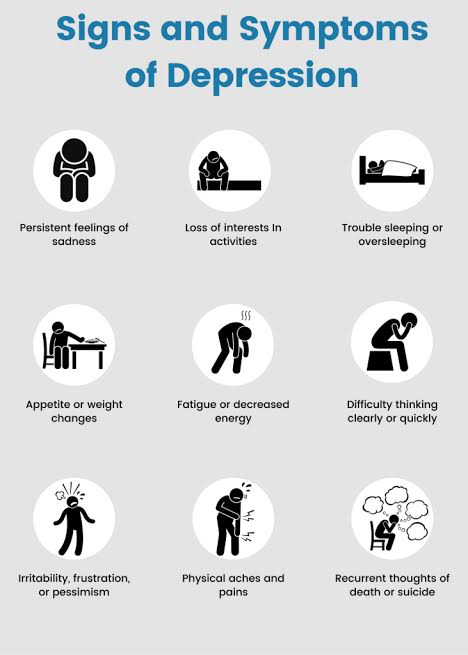
Mental health is all about behavioural and emotional well being. Mental health refers to how we feel, behave and think. Sometimes we feel low and sometimes we feel extreme rush of happiness. It’s not a big deal if you feel sad or happy or furious because we all are human beings afterall, we all have feelings and emotions. But what if those emotions take over our mind so harsh that it’s almost impossible to control them? What if you’re sad continuously for one weeks or months? This is something to worry about. This is what we call mental illness when a person himself can’t control his emotions and ultimately it ruins his life. Sometimes, the burden is so much that people often have suicidal thoughts and some even commit suicide because self killing seems easier than dealing with those emotions.

Most common mental illness:-

1) Anxiety:-

Anxiety is your body’s natural response to stress. It’s a feeling of fear or apprehension about what’s to come. The first day of school, going to a job interview, or giving a speech may cause most people to feel fearful and nervous.

But if your feelings of anxiety are extreme, last for longer than six months, and are interfering with your life, you may have an anxiety disorder.

Anxiety is your body’s natural response to stress. It’s a feeling of fear or apprehension about what’s to come. The first day of school, going to a job interview, or giving a speech may cause most people to feel fearful and nervous.

But if your feelings of anxiety are extreme, last for longer than six months, and are interfering with your life, you may have an anxiety disorder.

This type of anxiety may cause you to stop doing things you enjoy. In extreme cases, it may prevent you from entering an elevator, crossing the street, or even leaving your home. If left untreated, the anxiety will keep getting worse.

Anxiety disorders are the most common form of emotional disorder and can affect anyone at any age. According to the American Psychiatric Association, women are more likely than men to be diagnosed with an anxiety disorder.

Depression:-

Depression is classified as a mood disorder. It may be described as feelings of sadness, loss, or anger that interfere with a person’s everyday activities.

People experience depression in different ways. It may interfere with your daily work, resulting in lost time and lower productivity. It can also influence relationships and some chronic health conditions.

Mood swings:-

Mood swings refer to rapid changes in mood. The term may refer to minor daily mood changes or to significant mood changes as seen with mood disorders such as major depression or bipolar depression. Mood swings can also occur in women who suffer from premenstrual syndrome or premenstrual dysphoric disorder. The menopausal transition, specifically the time around approaching menopause or perimenopause, is associated with mood swings in some women. Mood swings can be seen with other conditions as well, including schizophreniaattention deficit hyperactivity disorderdementia, and thyroid conditions.

Symptoms

  • not eating enough or overeatinghaving insomnia or sleeping too much
    distancing yourself from other people and favorite activities
    feeling fatigue even with enough sleep
    feeling numbness or lacking empathy
    experiencing unexplainable body pains or achiness
    feeling hopeless, helpless or lost
    smoking, drinking, or using illicit drugs more than ever before
    feeling confusion, forgetfulness, irritability, anger, anxiety, sadness, or fright
    constantly fighting or arguing with friends and family
    having extreme mood swings that cause relationship problems
    having constant flashbacks or thoughts that you can’t get out of your head
    hearing voices in your head that you can’t stop
    having thoughts of hurting yourself or other people
  • being unable to carry out day-to-day activities and chores

How to overcome:-

Get plenty of sleep

Eat well

Avoid alcohol, smoking and drugs

Get plenty of sunlight

Manage stress

Activity and exercise

Do something you enjoy

Connect with others and be sociable

Do things for others

Ask for help

Conclusion:-

Mental illness is a bigger concern for today’s generation. It is a serious issue and no one should take it lightly. If you’re facing some sort of mental illness then please do cure as soon as possible. It’s not a myth, but a harsh reality that everyone needs to be understood.

Indian culture

Different types of cultures in India

And Indian culture is the one of the most liked culture by all other countries in the world. The around the world get attract to our culture fastly. Because our culture is not boughted by sentimentally. There is a scientific reason behind every culture in India.

In india the culture is different from North to South. We can see lot of difference.

North culture

Traditions

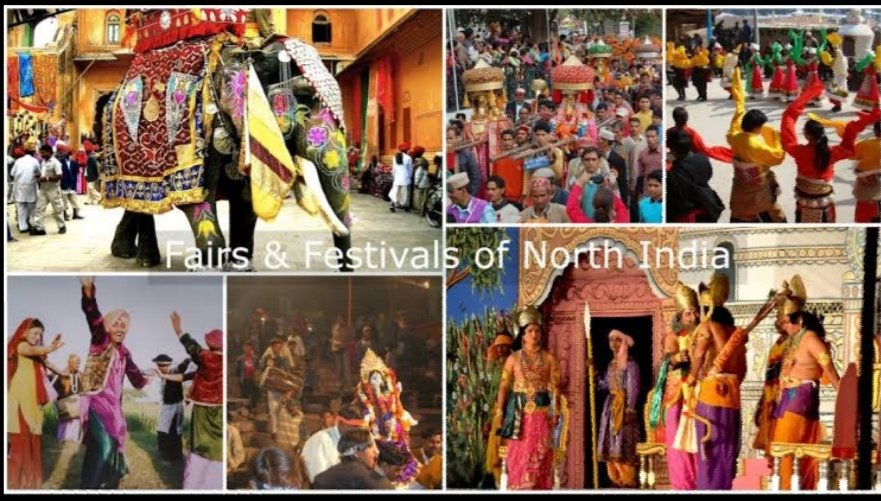
There are so many festivals that are celebrated widely in North India with pomp and show like Dusshera, Diwali, Karvachauth, Holi, Navratri, Shivratri, Guru Nanak Jayanti. Many festivals are called with different names in various regions but are same North India festivals are celebrated in Uttarayana. Ram Navmi and Janamasthami related to Lord Rama and Krishna are give importance in the North

Different festivals in North

Food

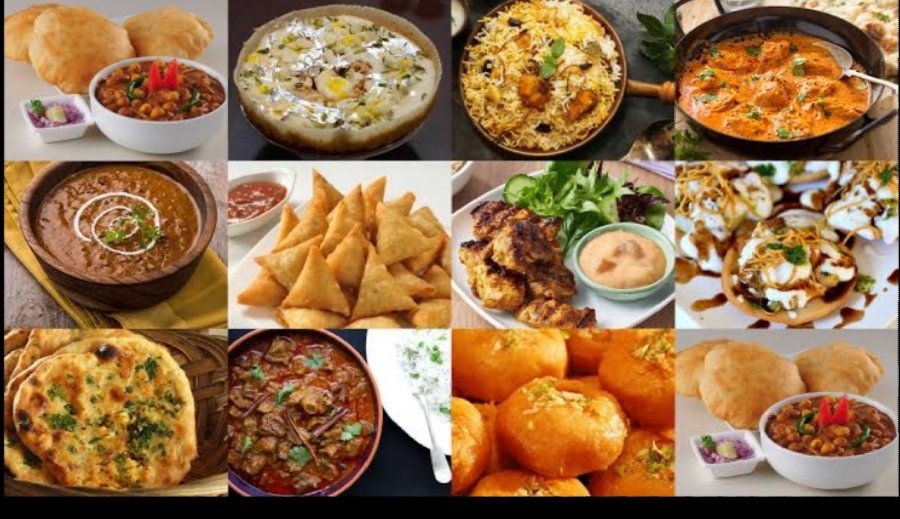
Differnt foods in north are samosa, chats, tandoori chicken, chloe bhatore, amristari kulcha, dal makahani, in north most of them eats roti every night.

North Indians eats very spicy food compare to South Indians they also eats street food a lot

South culture

Traditions

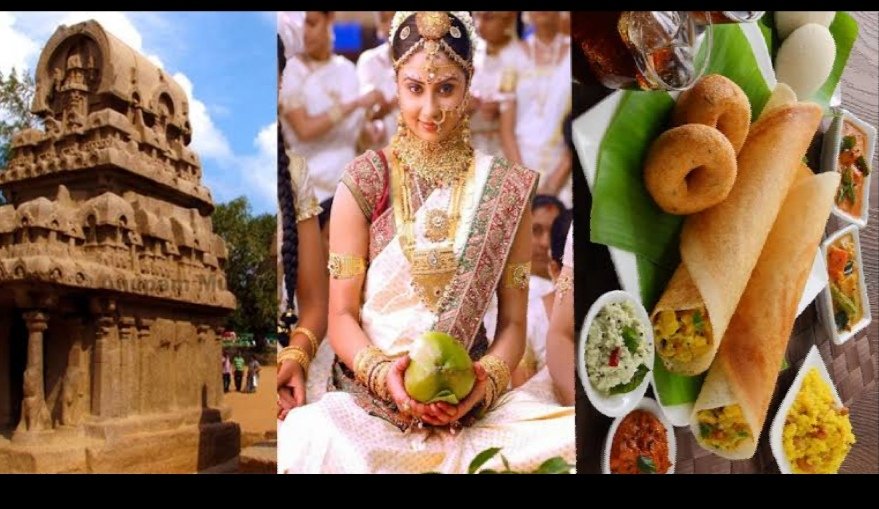
South Indian culture refers to the culture of the South indian states of andhra pradesh, kerala, tamilnadu, telangana. South Indian culture, though with its visible differences, forms an important part of the Indian culture. The people from different place attract to the South indian culture enteranally. Not only the people from India also from other countries like the South indian culture and they also follow these. And the clothing, dancing and scluputers are very famous from India. And for entertainment purpose there is a huge cinema following in South and there are different types of dances like bahartahnatyam, kuchipudi, kathak and etc.. And the languages speak in South are malyalam, tamil, telugu mostly.

FOOD

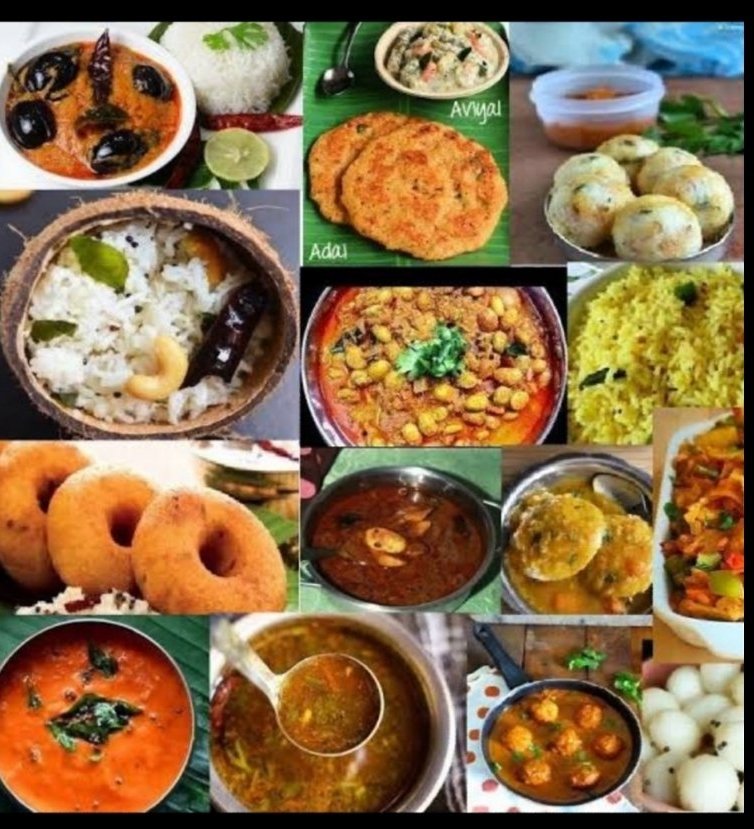
South indian food is very tasty. there are differnet types of food items idly, vada, sambar, dosa and onion dosa and in South mostly the people were brahmins and non veg items fish, chicken and mutton are also very famous. And avakay is very famous for telugu people. And for tamil people sambar. And in kerala there were many coconut trees. And they use mostly tha coconut oil. And pulihora is very famous dish in South.

CONCLUSION

And at last the culture is different in South and North but over all the culture of india is very famous in over all universe because it hits very different and attractive from culture in another counties.

GAP YEAR

Gap year time : A Life Changing Opportunities.

First, we have to know what is a Gap Year ?

Gap year is a break time where all the career aspirants think and take a step ahead for learning new skills or looking better ways to track back in career line, basically it’s about the career decision time to figure out the new steps.

Many people take gap year to do internships, preparing for their upcoming competitive exams. Some people also take a break from career to get away from their busy path and enjoy their time .

Whenever anyone is stuck and stressing about what to do in their career basically they take a gap to figure out their choices. It’s better not to take rush and settle down for their decision making time. Some people also start learning about interesting skills, taking care of their mental health and stop pressuring themselves.

Many people feel scared to take a gap year because of their family reputation or you can say comparison with others and also from pressure they can’t able to decide their path and start working against their choice. And some people continue their study without gaining any interest just because of their fear and mental stress.

For my opinion Gap Year is really important for decision making, we should not feel ashamed or blame ourselves for taking gap , it is very major to know our interest and shape it for our better life.

Getting New Tempo of Life from Nanak Singh

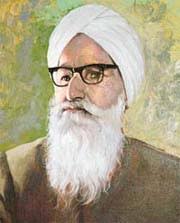
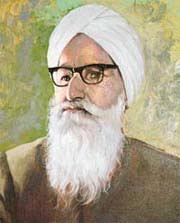
Nanak Singh 1998 stamp of India.jpg
Nanak Singh (Source: Wikipedia)

Looking Back to inmost salient lion from North-west corner of India:

The milieu where we are going through, reminds us of such a beacon whose life was out of the world of ceramic painting. In the prevailing situation in where myriad of youths are gloomy and distracted, all the deluge of depression and ‘break-up’ with our soul & courage, that poet-cum-author pillages our interest towards his escapade in the worrit situation he passed through, not lying on fortune’s lap.

“It seems to imply that in the lifeblood of our society, red corpuscles have disappeared.”

From Novel Chitta Lahu (White Blood), by Nanak Singh

Yes, we are talking about that very Panjabi author — Nanak Singh. This Indian poet, songwriter & novelist of Panjabi language made a royal entry to this world on the 4th July, 1897 through a poor Punjabi Hindu family. His literature produced crackles in the period of India’s Independence movement. If we take a magnificent lens on the pages of Modern Indian History, Nanak Singh was more prominent of them who wanted to eliminate the dual mentality of that ‘babu’ who went soft on the fierce deeds of the British.

The revolutionary identity got influenced and involved in the Jallianwala Bagh Massacre. On that auspicious day (April 13, 1919), of Punjabi New Year, Singh saw a lot of kin shot to death by the British troops, even two of his friends drooped on his lap for their last time. Then the author entity of Singh’s inner mind erupted in anger — invented an epic poem, mocking colonial rule — “Khomeini Visayans” (Bloody Baisakhi) from native heart. While conducting ‘Akali Movement’, in charge of the editor of ‘Akali’ papers, he became the subject of crimson eyes of the British — that resulted in the imprisonment of that new leader. In the meanwhile, he converted himself into Sikh. Hence, he portrayed the savagery and ‘legal violence’ of the British on peaceful Sikhs — and published his second anthology called “Zakhmi Dil ” (1923), which got banned within a fortnight of its publication, as expected.

Implementation of Singh’s Views in Present time:

This legend’s natural inclination towards protest against coercion, unjust & inequitable feud, as well as bluffing at every step, pulled him to pick-up ink as well as the flag of Mother India. Under Singh’s tenure, both the fallacy of British & dogmatism of Literature (specially in regional languages) got curtained. Yes, we agree delightfully that the British are no longer in power in India. But the orthodoxy, bigotry & undesired fanaticism has prepared a lot of arrest warrants for Indians. This situation reminds us of that nonesuch person:

Who escaped the boundary of patriarchy — implemented the quote of Lalan Fakir in reality —

“Everyone Sees Male & Female/ But, I see Only Humans” 

“সবাই দেখে নারী পুরুষ, আমি দেখি শুধুই মানুষ”

Lalan Fakir

We get a lot of views in his novels.

Nanak Singh (Source: ‘The Watchmaker‘ book written by Singh & translated by Navdeep Suri)

He’s Nanak Singh, whose voice was full of courage & pluck that successfully punctured British’s confidence, gives a message to us to belabor the deception of socio-political hand-cuffs. In his writing, always one thing got itself highlighted — the search for celestial happiness through fraternity, integrity & Liberty. 

However, all Indians, not only Panjabis draw inspiration from this icon who gives birth to every Indian from the previous fluffy life of usual inertia — that erects pillars to build a Happier nation for Future.


So, don’t delay to come forward to blow the conch of Humanity with the previously chanted hymns of Nanak Singh.

INCREDIBLE INDIA

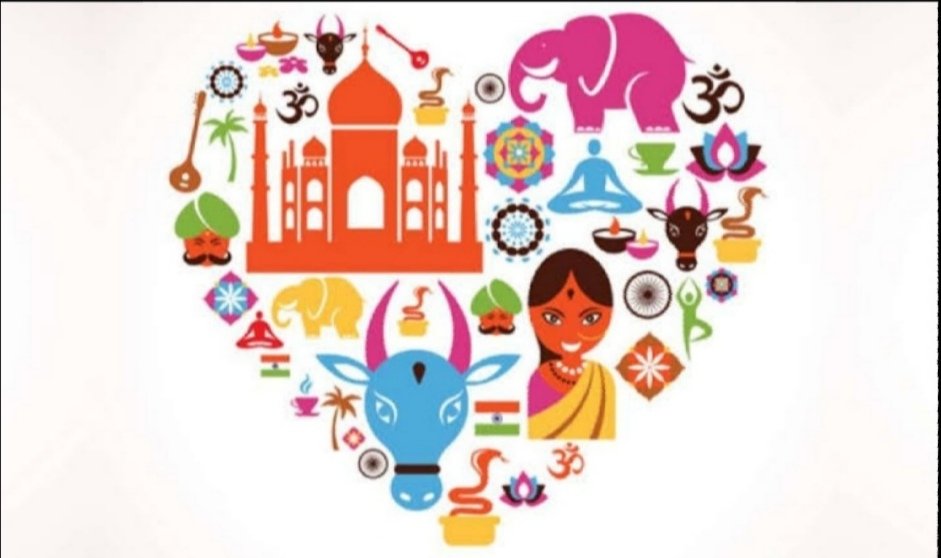
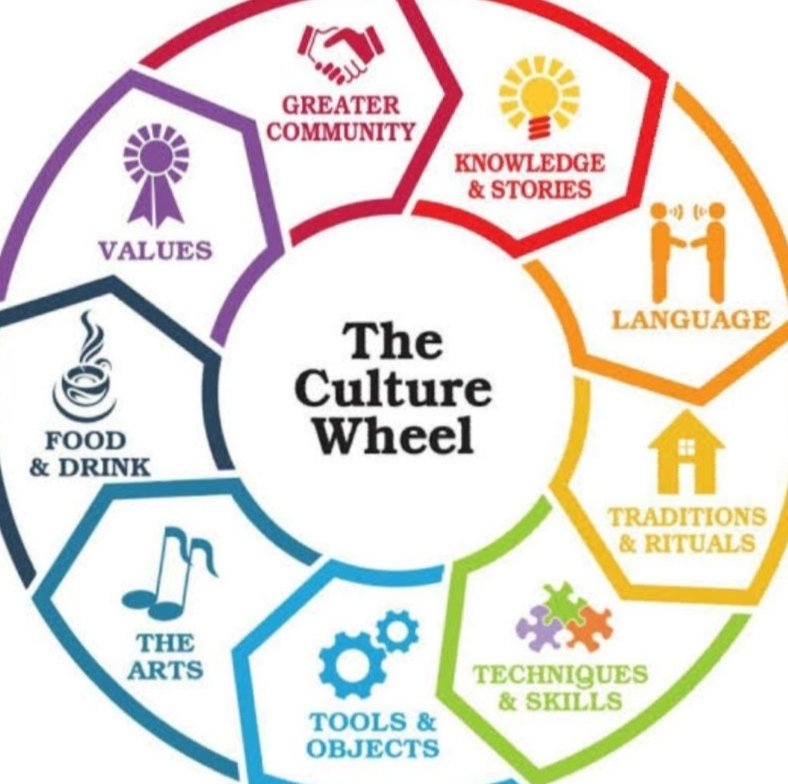
Indian culture is the heritage of social norms, ethical values, traditional customs, belief system, political systems, artifactcs and technologies that originated in or are associated with the Indian subcontinent. Over the centuries, there has been a significant fusion of cultures between Buddhists, Hindus, Muslims, Jain, sikhs and various tribal population in India.

>Importance of Indian Culture :

Indians are proud of its culture. In our country it is traditional to respect elders, be truthful and honest and also to help out others in need. It is also considered traditional to celebrate our cultural festivals and religious activities with the family and neighbours.

>Indian culture and values :

The two most tenents of Indian culture are Human Values and Holism. Human values refer to moral, spiritual and ethical values whereas Holism means unity.

>Features of Indian culture :

Unity in diversity, tolerance , longevity and continuity , amalgamation of spirituality and materialism.

India is the land of ‘UNITY IN DIVERSITY’, and our dances are no different. Different forms of dances find origin of different parts of the country, and they are a way of representation of the particular culture from which they originate.

INDIAN CULTURE IS VERY RICH AND DIVERSE AND TEACHES US TO BE TOLERANT TO OTHERS.

EXTERNAL REFERENCE

•India and World Cultural Heritage

•India’s intangible cultural heritage

LONG DISTANCE RELATIONSHIP

Old school love: Sending letters: Via courier? Via pigeon? Via travelers? Waiting for calls? Sending cute but short text messages? (With ‘don’t reply, mom, will read it) Seeing each other for the first time? (With those shy eyes) This is what we are searching for.

 People nowadays think relationships don’t last. And here I am talking about a long-lasting long distant relationship. GOD! But yes, it does work. Only if you want it to work.

You know long distance relationship still has a touch of old-school love somewhere. You know; where you wait all day long to talk to them; where you wait for months/years to see each other’s faces; where you still look at the moon at the same time to feel each other’s presence(cliche, but true); where you’re always there virtually to be a part of each other’s success and failure; where you find ways to do things together. (watching series/movies, having online dates, playing online games, having late night antakshri sessions) All of these sounds so perfect, doesn’t it? But as I say, not every day is rainbows and flowers. There are clashes in every relationship. A long-distance relationship has some pieces of stuff to spice the clashes.

For example DISTANCE. You live far away from your partner, there is a problem in matching your timings. You cannot frequently see each other, which isn’t a problem unless you need a hug/cuddle after a long tiring day.

COMMUNICATION GAP. You can only talk over phone calls, and solving fights over phone calls is something one shouldn’t try. Just kidding, conveying your point of view over a call, is tough. You will never know how the other one is perceiving it. Then misunderstanding takes place. There are times when you barely have a good conversation for over a month.

DISTRACTIONS. Maybe he/she won’t be able to be there for you and someone else is doing their part. Don’t just let that affect your relationship. All you need to remember is where your heart belongs. Where do you belong? Not everyone stays.

 “आखों मे बसी हो पर दूर हो कही, दिल के करीब हो ये मुझको है यकिन”

There are times when you just feel that this is not going to work. Everyone feels that. But don’t give up easily. Now by this, I don’t mean that continue being in a toxic relationship. Just don’t give up on something, you know will last long.

 Long-distance relationships do last, you just need the right partner to go along with. You just need to remember the love you have for them. And also I believe LOVE lasts. Long-distance or short. It lasts forever.

Laws in India children need to know

Out of tons of subjects and important topics missing from our Indian curriculum, laws are one of the most important.

Here are some laws each and every child needs to be aware of, regardless of all variable factors:

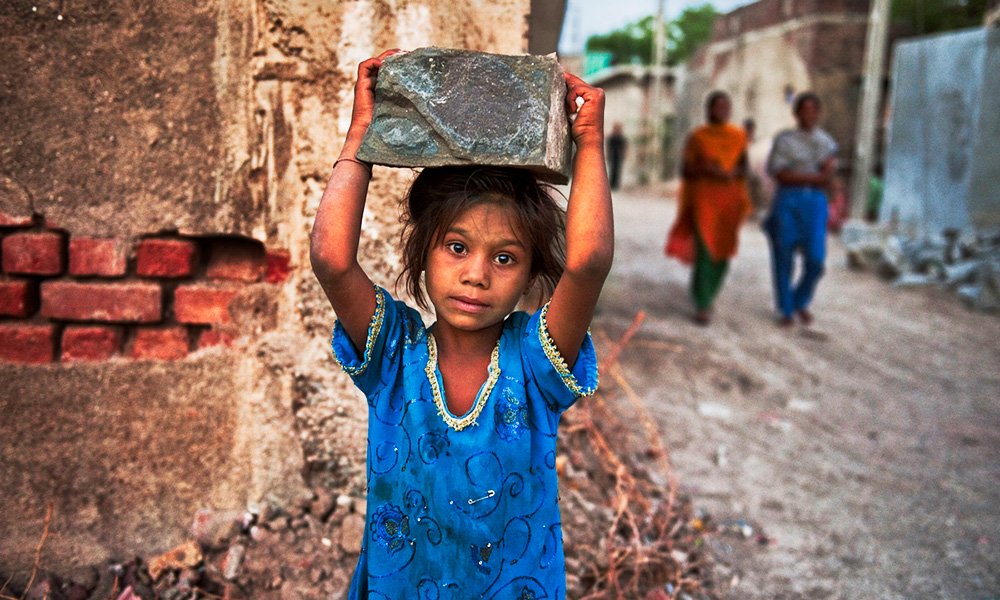
I LAWS AGAINST CHILD LABOUR

Image source: Google | Image by: Nikita Roy 

Children below 14 years of age – can work in family enterprise or entertainment industry as artists with certain conditions

Children between 14-18 years of age- cannot work in any factory, mine or any other hazardous setting, without exception

Children cannot be made to overwork or even work night shifts.

These laws are made clear in article 24 of the Indian constitution and acts that were passed in its pursuance.

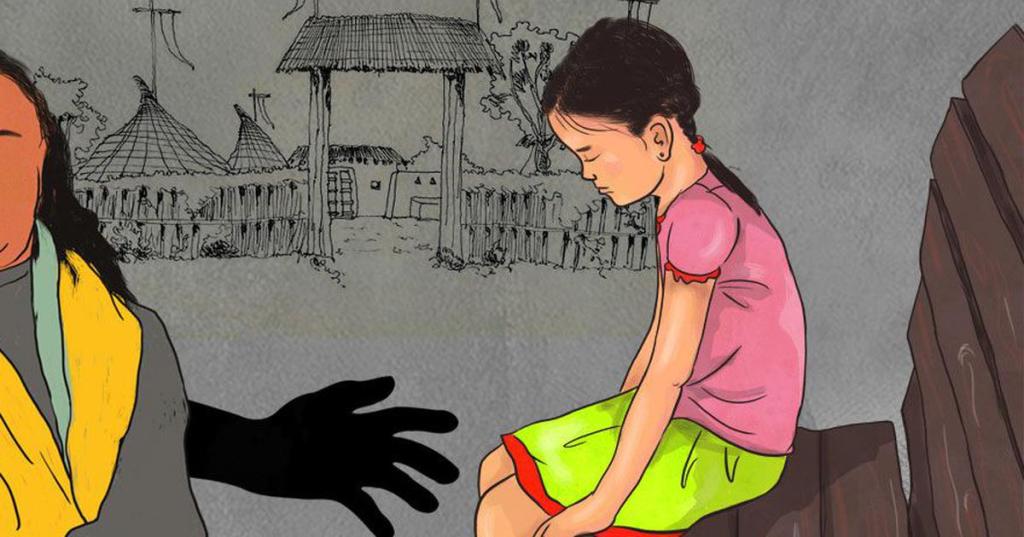
II LAW AGAINST SEXUAL OFFENCES

Image source: Google | Image by: Manisha Yadav scroll.in

The Protection of Children from Sexual Offences(POCSO), amendment Bill 2019 protects children below 18 against:

  • Sexual assault against children
  • Child pornography
  • Harassment
  • Drugs being administered to them to bring about early sexual maturity

POCSO aims at making offences against children gender-neutral.

III ENSURING FREE AND COMPULSORY EDUCATION

Image source: Google | Image by: Aprajita Jha

The Right of Children to Free and Compulsory Education Act or Right to Education Act (RTE), 2009, Article 21A of the Indian constitution, ensures free and compulsory education to everyone between 6 to 14 years of age. 25% of seats in all private institutions are reimbursed by the state to which kids are admitted based on economic status or caste-based reservations.

The Right to education of a specially enabled child (under 18 years of age) has separate legislation that is laid down under the Persons with Disability Act.

IV PROHIBITION OF CHILD MARRIAGE

Image source: Google | Image by: OBJECTIVE IAS

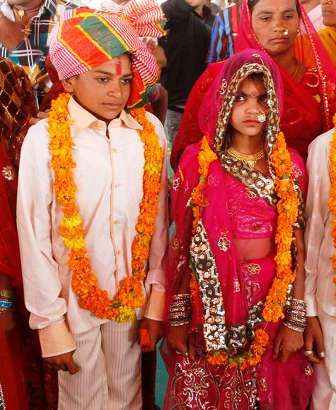
Any marriage in which either the boy is under 21 or the girl is under 18, is child marriage.

Prohibition of Child Marriage Act, 2006 serves the following purpose:

  • Prevents child marriages
  • Protects the children involved
  • Prosecutes the offenders

Child marriages, under the above-mentioned act, are cognizable and non-bailable offences. This law also prescribes punishment for performing, conducting and abetting child marriage. Permitting or promoting these marriages by the parents of a child is punishable.

POCSO penalizes penetrative sexual assault on a child by anyone related to the child through marriage

Section 375IPC penalizes sexual acts with a girl below 18 years of age, with or without her consent.

V LAWS AGAINST TRAFFICKING

Image source: Google | Image by: Jessica Gooding

The Trafficking of Persons (Prevention, Protection and Rehabilitation) Bill of 2018 addresses this crime affecting mostly children and women.

This bill addresses:

  • Aggravated trafficking for forced labour
  • Begging
  • Trafficking by administering chemical substances or hormones for the purpose of early sexual maturity
  • Trafficking for marrying, under the ploy of marriage or after marriage.
  • Promotion or facilitation of such crimes

So these were some of the children specific laws other basic laws such as the right to equality, right to life, right against discrimination etc. should also be taught to children.

Here are some of the basic ways we can spread awareness:

  1. Including basic laws and fundamental rights in school textbooks.
  2. Making young parents aware of the laws.
  3. Workshops, seminars, etc. in educational institutions.
  4. Including them in cartoon shows and podcasts for children.

To all the parents reading this, ensure your child is safe and comfortable and make them aware of all the laws to ensure their well-being.

To all the children reading this,

If you’re being hurt in any manner, verbal abuse, beatings, bad touch, not being provided with essentials or absolutely anything that is making you feel uncomfortable, REPORT.

Here are some of the few actions you can take:

Image source: Google | Image by: Sage Day

Tell a trusted adult, your parents, grandparents, school counsellors or teachers. You can also tell a friends’ parent, or any other adult you trust.

Don’t have an adult you trust, don’t worry as there is support available, you can always call childline number 1098.

As a child being harassed, you might be threatened to stay mum, but it’s important you raise your voice.

If you think any of your friends or someone you know is being abused or suffering in any manner, you should tell your parents or teachers.

Child-friendly mechanisms are used in all stages of your case and you don’t ever need to hesitate to report when something unfair is happening to you. You don’t deserve that ordeal.

References:

  1. https://byjus.com/free-ias-prep/right-against-exploitation-articles-23-24/
  2. https://www.firstpost.com/india/child-labour-act-govt-allows-under-14-children-to-work-in-non-hazardous-family-enterprises-2242120.html
  3. https://www.business-standard.com/about/what-is-pocso
  4. http://righttoeducation.in/know-your-rte/about
  5. https://timesofindia.indiatimes.com/blogs/legally-speaking/legal-status-of-child-marriages-in-india/
  6. https://www.thehindu.com/opinion/op-ed/preventing-trafficking/article23325538.ece

Biriyani & best biriyani joints in kolkata

Biryani is a mixed rice dish originating among the Muslims of the Indian subcontinent. Biryani is an Indo-Aryan word derived from the Persian language, which was used as an official language in different parts of medieval India by various Islamic dynasties.Biryani is popular throughout the Indian subcontinent, as well as among its diaspora. It is also prepared in other regions such as parts of Afghanistan, Iran, and Iraq.

Biriyani made with Indian spices, rice, and meat such as chicken, beef, goat, lamb, prawn, fish and sometimes, in addition, eggs or vegetables such as potatoes in certain regional varieties.different varieties of biryani developed in the Muslim centres of Delhi (Mughlai cuisine), Rampur, Lucknow (Awadhi cuisine) and other small principalities.According to historian Lizzie Collingham, the modern biryani developed in the royal kitchens of the Mughal Empire (1526–1857) and is a mix of the native spicy rice dishes of India and the Persian pilaf.[14] Indian restaurateur Kris Dhillon believes that the dish originated in Persia, and was brought to India by the Mughals.

Different kind of biriyani around all over India :-

Based on preparation style and technique there is two kind of biriyani. Such as – (1). Pakki Biriyani, (2). Kacchi Biryani.

Pakki Biriyani :- In a pakki biryani, the rice, marinated meat, and any vegetables are partially (“three-quarters”) cooked separately, before being combined into layers in a cooking vessel. Different layers of rice may be treated with different spices (e.g., with dissolved saffron or turmeric give the rice different colors and flavors).

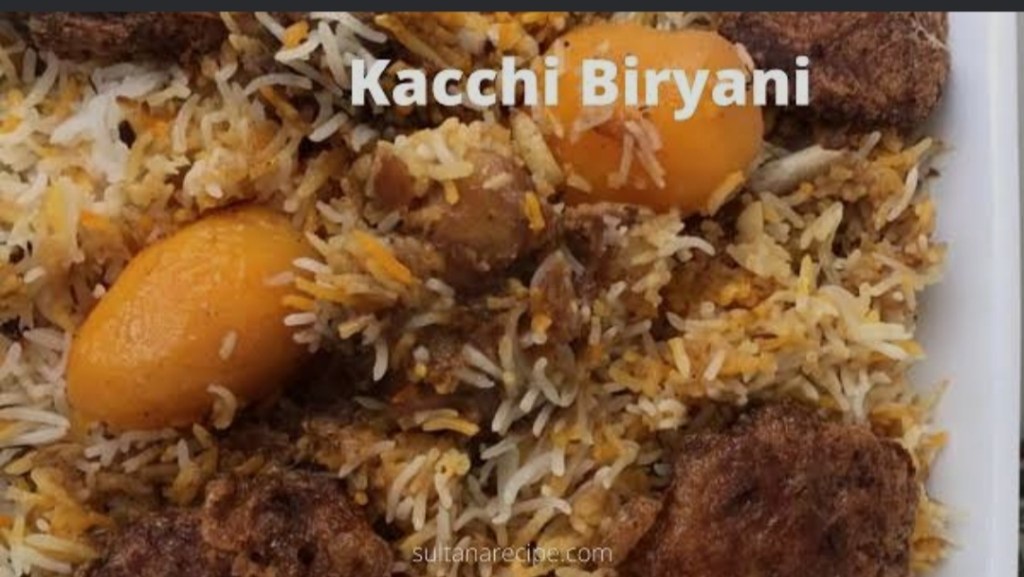
Kacchi Biriyani :- In a kacchi biryani, layers of raw marinated meat are alternated with layers with wet, pre-soaked, raw rice (which may be treated with different spices as above), and cooked together by baking or medium-to-low direct heat (typically, for at least an hour). Cooking occurs by a process of steaming from the ingredients’ own moisture: the cooking vessel’s lid is sealed (traditionally, with a strip of wheat dough) so that steam cannot escape.

In Indian Subcontinent there is various kind of biriyani, such as :-

1). Ambur/Vaniyambadi biryani.

2). Beef biriyani.

3). Bohri biryani.

4). Sindhi biriyani.

5). Bhatkali/Navayathi biryani.

6). Dhakaiya biryani.

7). Degh Ki biryani.

8). Hyderabadi biryani.

9). Kolkata biryani.

10). Chettinad biryani.

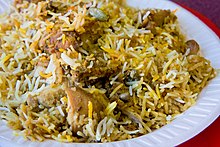
Dhakaiya Biriyani
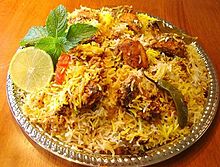
Kolkata Biriyani
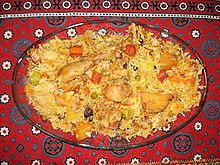
Sindhi Biriyani
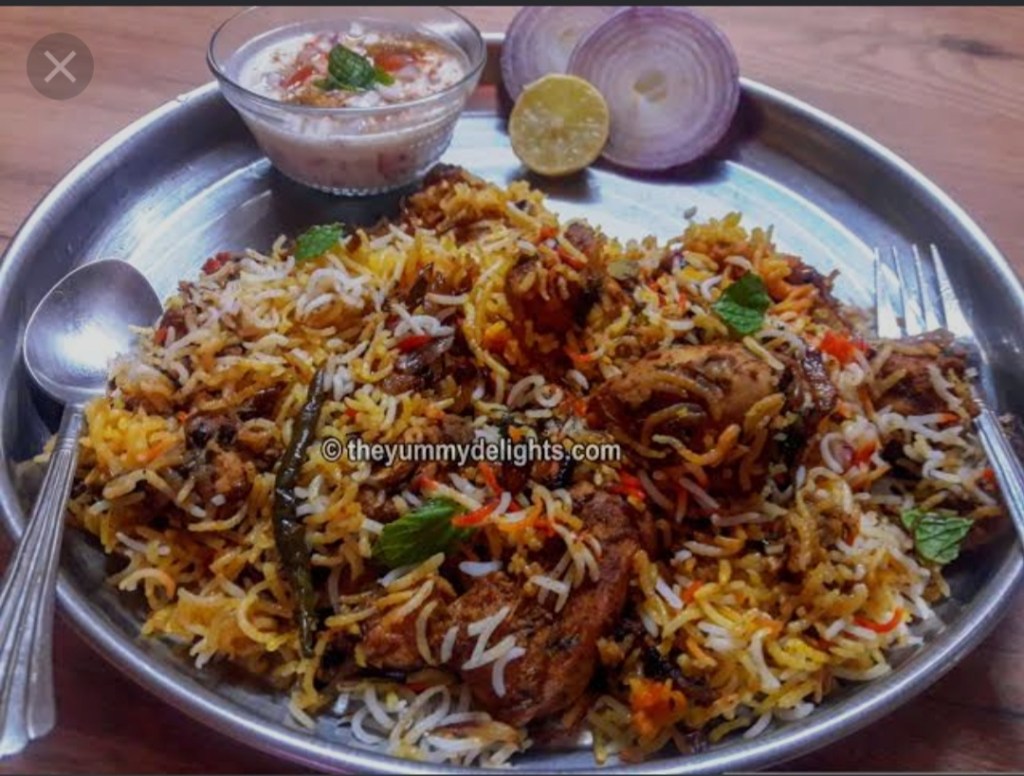
Hyderabadi Chicken Biriyani

Top 3 famous Biriyani Joints in Kolkata :-

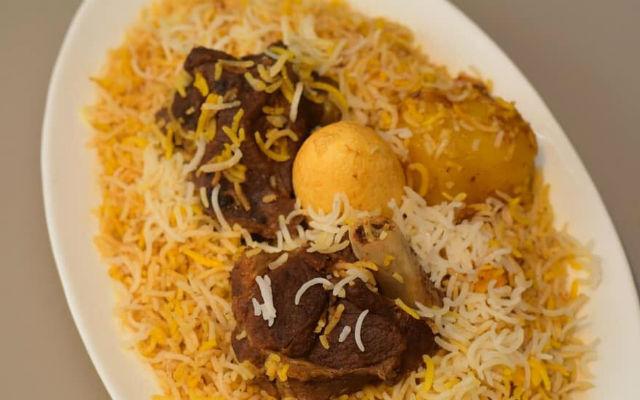
1. Aminia :- Aminia has been treating people to delicious Awadhi style biryani in Kolkata ever since its first outlet opened up in 1929, and its popularity shows no sign of waning.In addition to the succulent meat and the tasty rice, you’re treated to a side of rezala when you order their biryani, which is a curry made from coconut, yoghurt, cream, and cashew nut paste.

Details :- Where: Aminia, 201/1, Rajarhat Road, Meena Tower Central Area, Chinar Park (multiple locations)

When: 11:00 AM to 11:00 PM

Cost For Two: Rs 600

Contact: 8335036781

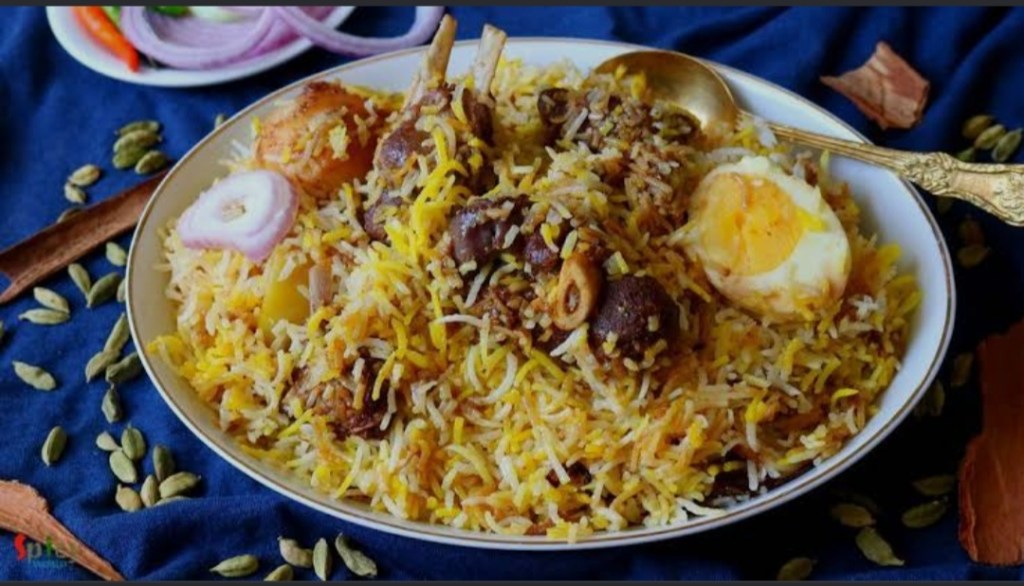
Aminia’s Mutton Biriyani

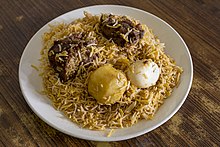
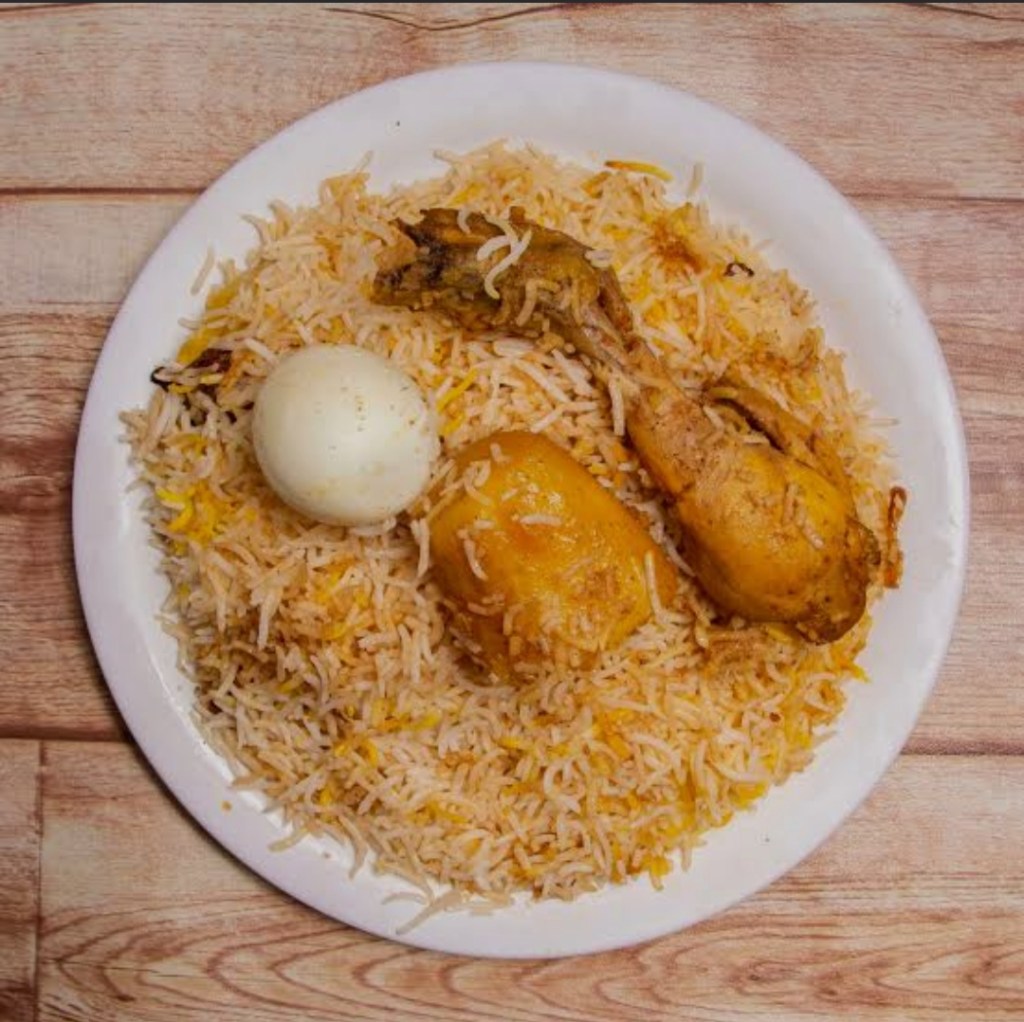
2. Arsalan :- To get a taste of authentic Mughlai cuisine in the city, one place that cannot be missed is Arsalan. Their legendary chicken biryani is served with one succulent piece of meat and a perfectly cooked potato on a bed of rice. There is a must tried sweet iteam called ‘firni’ is amazing.

Details :- Where: Arsalan, 28, Circus Avenue, Near A.J.C. Bose Road Flyover, Park Circus Area

When: 11:00 AM to 11:00 PM

Cost For Two: Rs 700

Contact: 9007007921

Arsalan’s Chicken Biriyani

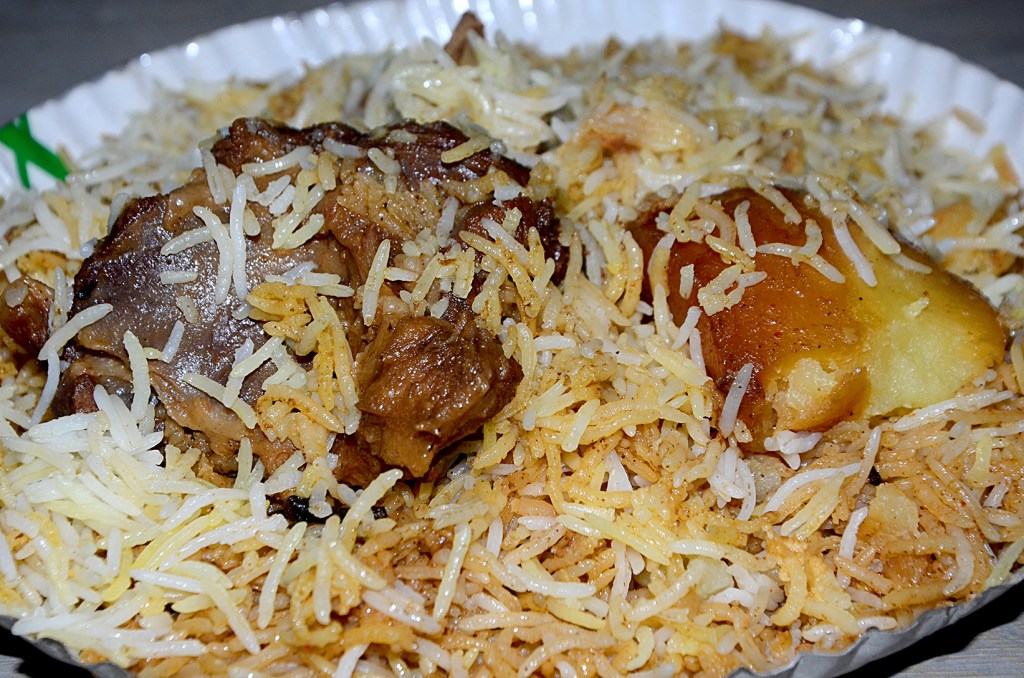
3. Dada Boudir Biriyani :- There’s an eternal love affair between the people of Kolkata and Biryani.The Biryani Md Kalim Khan, head cook at Dada Boudir Hotel was a childhood friend of Sanjib Saha. Before he joined the restaurant, Sanjib was continuing with the family tradition of serving Bengali meals. Khan started working at Dada Boudir Hotel from 1988 and he brought with him his panache and expertise in Biryani – Dada Boudir Hotel has been serving Biryani since then.

Details :- where : 213, Shri Aurobindo Sarani Rd, Manicktala, Khanna, Kolkata, West Bengal 700006

When : 10am-11pm .

Cost for Two : 500.

Contact : 08276802938.

Dada Boudi’s Chicken biriyani

Paragliding Capital of India

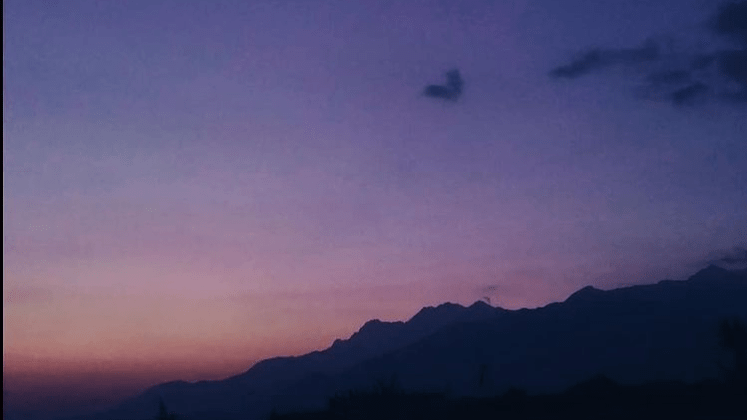
Bir Billing, Himachal Pradesh beautiful evening sky .

Bir Billing the land of beautiful human birds you can see here , known as ” Paragliding Capital of India”.

This place is famous for ecotourism, spiritual studies and meditation , Bir is also a hometown for Buddhist monasteries where you can visit and suit yourself to their hospitality.

The famous thing is paragliding where Billing is the takeoff site for paragliding and Bir village is for landing , so two words together and here is Bir Billing . We can find here many small cafes and their traditional food square which is amazing , people are very friendly nature loving and they have small markets , selling their traditional accessories .

Bir is also famous for mountain biking , by cycling bikes you can visit around the Buddhist monasteries. Zig Zag roads are so beautiful surrounded with beautiful mountains and greenery.

In Bir you can also find here beautiful hostels very affordable and homestay is a great experience where you can connect with so many new people and share about your experiences. The hostels they organized fun games and adventures tales , you can show your talent to people it’s a very artistic place.

If you ever want to experience the most pleasing sunset just as a flying bird , then obviously you should visit the Bir Billing by experiencing the aerial sports.

Majestic views of the higher Himalayas and Tibetan settlements can be best explores walking down its narrow lanes while appreciating the beauty all around surrounded with Himalayas mountains .

New Social Media Laws in India

Introduction

In the year 2020, the deadly covid 19 pandemics brought a technological revolution in the world. The digital and social media were reborn as the people shifted from the real world to a virtual world. The digital space has become a new world by itself. Every human activity is performed through the internet be it shopping, learning, working as well as parties and events.

As the world shifted from the real to a digital world, regulation of social media platforms became even more important. As the pandemic arrived, the use of social media increased along with its users. India became the only country to put a foot forward in regulating the social media platforms with its new social media laws. In order to operate in India, the tech giants Facebook, Twitter, WhatsApp and LinkedIn are required to abide by the new IT laws set up by the Indian government.

The social media intermediaries should follow a set of guidelines when it comes to doing business in India. The new guidelines say that they should comply to take down any content posted on its platform if the government finds it unlawful. They should also assist the government in tracking down the originator of that unlawful content. The intermediaries should also set up a grievance redressal mechanism where the users are free to lodge a complaint against any unlawful activity taking place on the social media site.

The new laws aim to incorporate law and order in the digital space

Just like our cities, states and country, the digital space should also have law and order in place. Law and order are essential in a community to maintain discipline and accountability of the people. It also keeps a check on crime. The new laws would help in preventing the spread of fake news, sexually explicit content as well as violent, inciteful, abusive content. The government can ask the intermediaries to put down such content that can cause public disorder or harm the honor and reputation of an individual. Therefore, the social media platforms would be under check and deter people from misusing it.

The laws are meant to make social media platforms a safe and secure place to be in

Majority of the people in the country are on social media platforms like Facebook, Twitter and WhatsApp. These platforms are highly populated with people of various age groups across the states. They are a community beyond geographic, cultural, socio-economical and political boundaries. People from all walks of life come together in a community like Facebook. In such a populated space security of each and every person is a major concern. Previously, people used to hesitate in posting pictures on these platforms in fear of their images getting morphed and distorted and misused unlawfully. The new laws are meant to cut down such fears. People can easily make a complaint if any such cyber crime takes place and their complains are meant to be heard and acted upon by the intermediaries.

Help in detecting cyber crimes

The grievance redressal mechanism would bring more illegal activities taking place in the cyber space to the notice of the government via the intermediaries. The complains of the people would help in understanding the nature and frequency of the crimes. More such illegal practices would come to the forefront which are not found out before. This is the first major step taken to fight cybercrimes in India.

Make the tech giants do responsible business in the country

Big tech companies like Facebook and Twitter are doing business in India for quite a long period of time. Till now they were mere intermediaries through which people expressed their thoughts and opinions and connected with people across the globe. However, with the increase in the ways the social medias are misused, the intermediaries should take up responsibility for what is happening on their platform. The new IT laws of India would facilitate them to be more than mere intermediaries and become responsible for the security and well-being of the people.

The laws are in place. Now it all comes down to its proper enforcement

A law cannot bear its effect and fulfill its objectives if it are not implemented properly. The responsibility of the government does not end with the passing of the laws. They are also responsible for their enforcement. The grievance officer, compliance officer and nodal officer should perform their duties with honesty and diligence. The government should never fail to keep a check on them.

The global nature of social media can act as a limitation to these new reforms

The IT laws are effective only in India. This contradicts the fact that social media platforms are global platforms. People from across the globe are connected through them. Indian laws have no way of stopping the people from other countries posting provocative, extremist and pornographic contents which could affect the people of our country. In my opinion, the IT laws should be declared as international laws and all the countries should follow them. The United Nations should look into this matter and create and operate social media laws with the consent of all the nations across the globe.

The Third Planet and its facts…

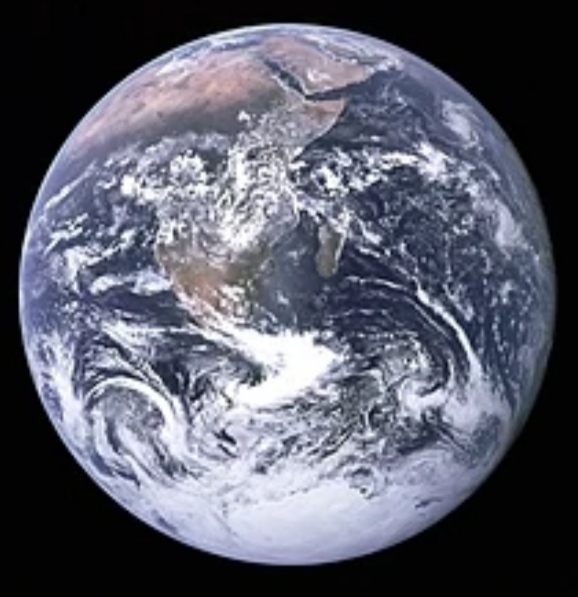
Earth is the third planet from the sum and the only astronomical object known to harbour and support life. About 29.2% of Earth’s surface is land consisting of continents and islands. The remaining 70.8% is covered with water, mostly by oceans, seas, gulfs, and other salt-water bodies, but also by lakes, rivers, and other fresh water which together constitute the hydrosphere. Much of Earth’s polar regions are covered with ice .

FACTS ABOUT THE EARTH :–

• The earth’s rotation is gradually slowing : The declaration is happening almost imperceptible, at approximately 17 millisec per hundred years.

• The earth was once believed to be the centre of the universe : Due to the aparent movements of the sun and planets in relation to their viewpoint, ancient scientists insisted that the earth remained static .

• Earth has a Powerful magnetic field : This phenomenon is caused by the nickel- iron core of the planet, coupled with its rapid rotation. This field protects the earth from the effects of solar wind.

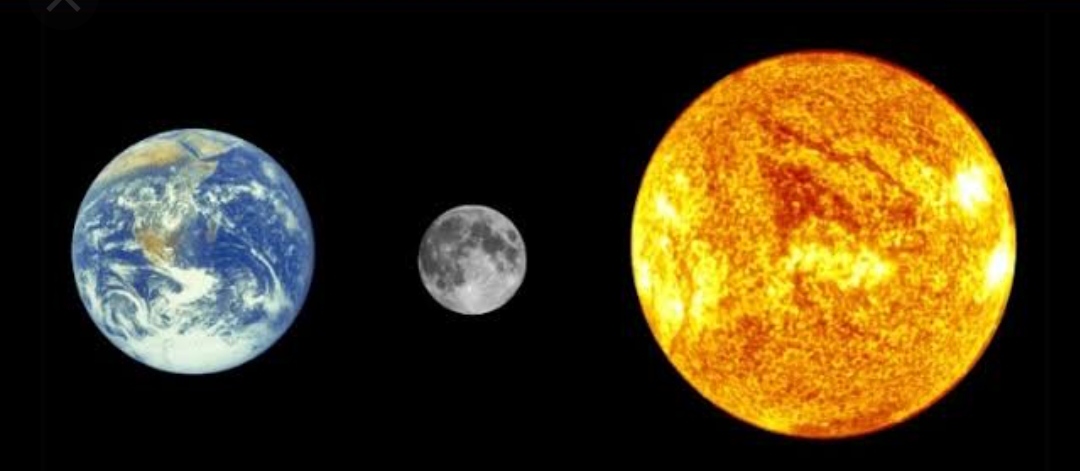
• There is only one natural satellite of the planet earth : As a percentage of the size of the body it orbits, the moon is the largest satellite of any planet in our solar system.

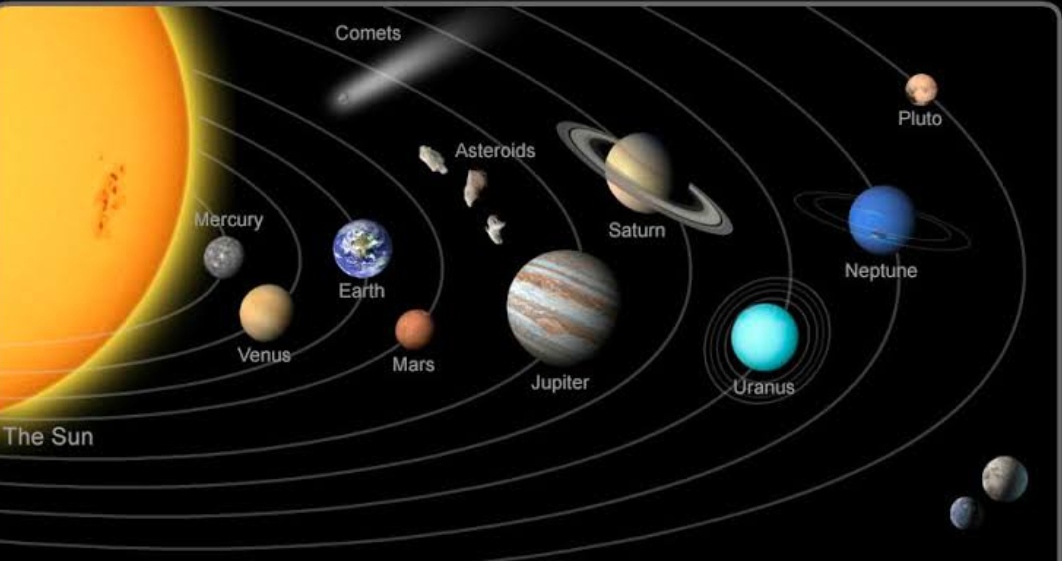
• Earth is the only planet not named after a god : The other seven planets in our solar system are all named after Roman gods and goddesses.

• The earth is the densest planet in the solar system : The average density of the earth is approximately 5.52grams per cubic centimetre.

Referel links :

Earth – Profile

Earth Observatory

Google Earth 3D

Conflicts and Screening

Conflicts and their screening

What image comes to your head when you listen to the word conflict. You might be thinking of wars, religious disharmony, or any kind of violence. Yes, true they come under conflicts but we can’t say that anything becomes a conflict only when it’s violent because conflicts can also be due to any kind of narrative or message that is going in the society and some people agrees with that, and some don’t but that doesn’t take the shape of violence.
Now here comes the question that why there is a need to show these conflicts in the movies, what is the need for screening or production of these movies which shows some recent conflicts. To this, we first need to understand that these conflicts are only shown once they have reached a conclusive state and when there is no harm to the national security of the country. People have misconceptions that they can harm national security but there is a need to understand that movies never do live telecasts so there is no need to get worried about any kind of harm. Also, scripts are written by knowing all sides of the incident and they are written by experts. Also, any movie is released in the air after checking that it doesn’t hurt any community’s sentiments.
Now if we talk about the benefits of screening these movies then firstly there comes the abundant source of information. We see that not every house has internet, not everyone has the urge to surf and get knowledge of things but even in rural areas we will find the television, it is more affordable and people can at least come to know about the conflicts that are going on in the country or that happened in the country at a very affordable price. For example, many people would not have been able to know about the attack on Taj, but through the movie, many people became aware of the incidents. So sometimes it plays an important role in spreading some information or making people aware of something.
Moving to the second benefit, these movies help in preserving history. For example, a Bollywood movie named Kesari showed the bravery of 21 Sikhs who fought against 10000 Afghani warriors. This is how by making a movie on such war, we became able to preserve our History and thousands of people now and many more in future will get inspired by the bravery of Indians and will learn how to fight and take stand until the last breath.
Now coming to the third benefit, by making movies on war, we give representations to the people who have lost their lives, who have sacrificed their lives just for the sake of their motherland selflessly. Their families get a representation who supported them during the difficult times and many people get motivated with the same.
Now, the conclusion which we have reached is that people doesn’t have same opinion about the things that doesn’t mean that they shouldn’t be shown in the movies, that doesn’t mean that other people shouldn’t be made aware about those problems exist in the society.People need to know and should get a chance to make their opinions .

Why do Indians eat with hands?

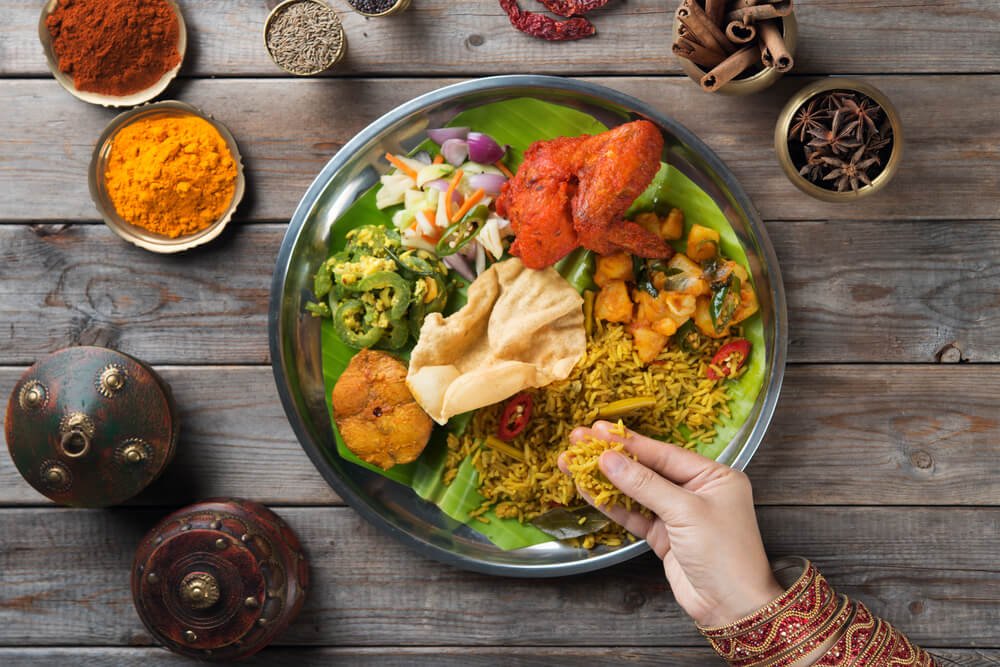
Eating with bare hand is a traditional Indian culture, which people still follow. Eating is a mindful process since the sensory organs like touch and taste are involved. Fingertips are used to feel the temperature and texture of our food. Nerves at our fingertips send a signal to our brain, and the brain activates the human body’s digestive system and further improves the digestion process. In practice, Indians sit down on the floor in comfortable clothes and eat in a big banana leaf or Saili leaf. This process activates your senses and makes you enjoy your meal.

Eating with hand is a mindful eating…

But, is it good or bad to use hands?

Stay till the end…

Imagine eating roti with a spoon and dosa with a fork. Sounds weird right? Oh well, it is!

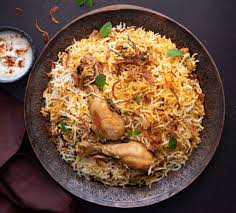
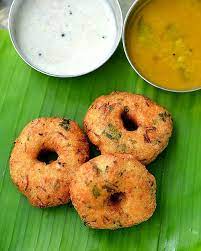
Traditional Indian foods are made to eat with hand. We use hands to eat foods like rice, chappati, vada, dosa, chicken, fish, papad, Pongal, and many more. While eating, curry is mixed with rice or stuffed in a roti that gives a flavor of multiple spices added while preparing the dish.

Here raises a question…

Is eating with your hand “unhygienic”?

Washing hands before eating is a habit of everybody. Indian tradition follows hygiene and cleanliness during dining. The hand once used by a person to consume their food is not used to serve or to share because that is treated as ‘jootha’ meaning contamination and treated as an unhygienic way of eating. People are supposed to wash their own dishes after eating which reduces the intermixing of saliva of two individuals as a concern of one’s health.

Significance of eating with hands:

According to the ancient theory, all five fingers of our hand has its own spiritual significance and it symbolizes the 5 elements of nature. 

  1. Thumb finger- Fire
  2. Index finger- Air
  3. Middle finger- Space
  4. Ring finger- Earth
  5. Little finger- Water

Apart from those theories, it was proved that using hand while eating improves the healthy digestion of food. Our palms and fingers are protected by a bacteria called Normal Flora. Normal Flora protects our skin from harmful microbes. Hence your hand is safe to use.

Is India the only country where people eat with their hands? 

Obviously Not!! 

India is not the only country where people follow the tradition of eating with hands. People from large swaths like the Middle East, Africa, South Asia, South America follow the norm of using their hands to eat. Tribes in Nigeria, Amazighs (Berbers) in North Africa, Black Africa, the Arabs of the Middle East also follow this tradition.

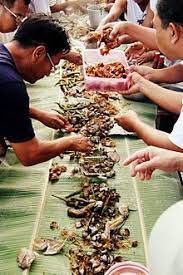
‘Kamayan‘ meaning “with hands.” Kamayan is an ancient tradition traditional Filipino practice of eating with the hands. They believe that eating with hands has its own significance than eating with fork and knife. It is also referred to specific type of Filipino feast known as the “boodle fight”.

Ethopian eating culture

Conclusion

Remember, it’s your culture and there is nothing to be ashamed of using your hand. Every culture in this world deserves respect. This article is all about bringing out the importance of Indian culture and not to dishonor western dining etiquette. Nowadays, restaurants and cafes are all westernized. As the customs and lifestyle changes it is our responsibility to hold and accept our own culture first. 

Creating an awareness among the people about the science behind our culture is the main motive of this article!!

References:

https://en.wikipedia.org/wiki/Customs_and_etiquette_in_Indian_dining

https://www.indiatoday.in/fyi/story/eat-hands-indians-357398-2016-12-14

http://www.timotis.com/news-1/eat-with-your-hands

credits to the right owner of the images used.