10 Best Places to visit in Bhutan

Bhutan is a landlocked country in the Eastern Himalayas, officially known as the Kingdom of Bhutan. Bhutan is the world’s only Vajrayana Buddhist country, and the tradition’s profound teachings are carefully preserved and have a tremendous effect on many parts of society.

Some places you must visit if you are visiting Bhutan are –

Buddha Dordenma, Thimphu

Buddha Dordenma is a massive golden Shakyamuni Buddha statue built to honor the fourth monarch of Bhutan, Jigme Singye Wangchuk’s, birthday. The monument, which stands atop a golden meditation hall in Kuenselphodrang Nature Park, overlooks Thimphu’s southern gate. It stands at 169 feet tall and has 1,25,000 smaller Buddha sculptures. The monument was built in 2015 at a cost of over $100 million. Buddhists regard it to be a holy location. 

Simtokha Dzong, Thimphu

Simtokha Dzong’s historical significance may be understood from the fact that it was the first of its type when it was built in 1629. It is currently a museum as well as a prominent Dzongkha language study facility.

The Tashichho Dzong (Thimphu Dzong), Thimphu

The Tashichho Dzong (Thimphu Dzong) is a Buddhist monastery and fortress in the city’s northern outskirts, near to the Wang Chu’s western bank. It has been the seat of government since 1952, and it now houses the throne chamber as well as numerous other royal departments such as the ministries of Home Affairs, Finance, and the Secretariat.

Dochula Pass, Thimphu

Dochula Pass, on the route from Thimphu to Punakha, is a mountain pass in the Himalayas. Dochula Pass, at 3100 meters above sea level, is 30 kilometers from the country’s capital. The eldest Queen Mother, Ashi Dorji Wangmo Wangchuk, constructed 108 memorial stupas here.

Philatelic Bureau

The hobby of collecting and analyzing stamps is known as philately. The main post office in Thimphu, Bhutan, serves as a one-of-a-kind philately facility that will wow you with the variety of gifts you may offer yourself for a small fee. All you have to do is bring a photo of yourself or have a portrait taken on the spot. The staff will then turn your photo into a personalized stamp for you, and they will even give you a whole sheet of these stamps.

Thimphu Chorten (Memorial Chorten)

For Bhutanese people, Memorial Chorten is one of the most important religious sites where they pray on a regular basis. As a sacred rite, people walk around the Chorten’s circumference throughout the day. It is an exceptional example of Buddhist culture and architecture, having been built in 1974.

Punakha Suspension Bridge, Punakha

Prior to Thimphu, Punakha was the capital of Bhutan. Punakha Suspension Bridge, which spans the Po Chhu River and is 160 meters long, is one of Bhutan’s longest suspension bridges. Punakha Town and Punakha Dzong are connected by this bridge.

Punakha Dzong, Punakha

Punakha Dzong literally translates to “the palace of great happiness or bliss” and a visit to this dzong will convince you of its significance. It is quite popular with tourists because of its stunning architecture. This dzong is historically significant since it is where all of Bhutan’s monarchs have been crowned. The building of Punakha Dzong, which now serves as the administrative headquarters of Punakha District, began in 1637.

Taktsang Palphug Monastery, Paro

Taktsang Palphung Monastery, often known as “Tiger’s Nest,” is one of Bhutan’s most famous tourist destinations, attracting photographers, explorers, and pilgrims alike. Everything about the monastery is unique, from its location to its architecture. The Taktsang Palphung Monastery is surrounded by hills that are covered with beautiful green vegetation. Though getting to this magnificent monastery might be difficult, it is well worth the effort.

Rinpung Dzong, Paro

Rinpung Dzong, or ‘Fortress on a Heap of Jewel,’ is the name of this dzong. The Dzong is home to 14 shrines and chapels, making it one of Bhutan’s most significant religious sites. The majority of the chapels, however, are currently closed to travelers. It is also the seat of the Bhutan Supreme Court, which is located in Paro Town in Western Bhutan.

The Dream Catcher

Globalisation has brought the world under a big digital umbrella, which helps everyone across the globe to connect, understand and imbibe with people all around them. As a part of this, we see a world that moves alongside the trends adapting and taking inspiration from any possible nooks and corners. One such pop-culture artefact that caught the eyes of the netizens was the Dreamcatcher. If you have watched the Twilight series, the enigmatic hoop that Jacob gifts Bella might have caught your eye. The dainty piece famous for its rusty looks, not only is a collection piece that could decorate your room but is also a powerful tool used by the Native Americans. 

Photo by cottonbro on Pexels.com

In the traditional Native American narrative, dreamcatchers are handmade hoops made out of willow wood, embellished with feathers and beads, which would act as an armour of protection against bad dreams. The Native American tribe of Ojibwes are known to be the founders of the dreamcatchers. The Godmother of the Ojibwes, Asibaikaashi or the Spider Woman, found it extremely difficult to look after her people as the Ojibwe community started being nomadic. According to the old Objiwen tales, their women had to find an alternative method to protect their families. As a solution to it, they started weaving magical webs with charms for protection. 

Dreamcatchers in the present day are decor pieces that add a pop of indigenous feeling to your living space. But the Native American myths compare the dreamcatchers to sieves, which would filter your dreams while you are sleeping and only let the good dreams reach you. The structure of dreamcatchers also has an interesting myth behind it. The circular pattern that it is made in symbolises the shape of the earth. The web that is woven within is said to absorb the bad dreams and the feathers, the path that would lead the good dreams into you. If you are interested in owning a dreamcatcher you can find several DIY videos on how to make one. Let me know in the comments below if you own a dreamcatcher and whether you knew about the history of dreamcatchers even before.

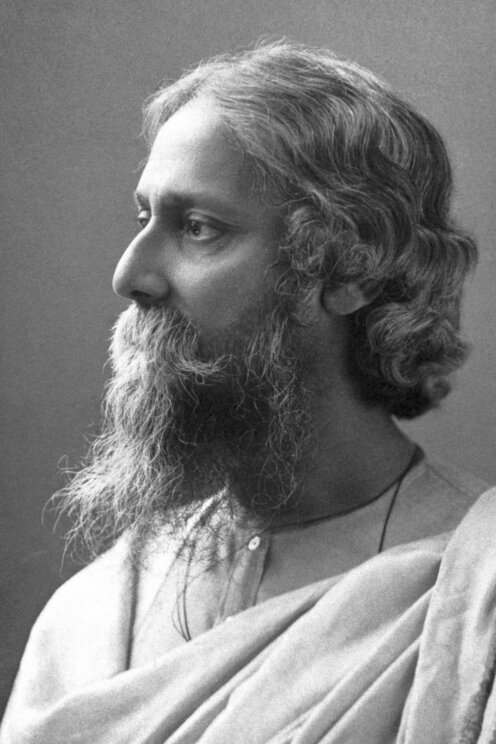
RABINDRANATH TAGORE

Rabindranath Tagore was a legendary Indian poet. Furthermore, he was also a great philosopher, patriot, painter, and humanist. People often made use of the word Gurudev with regard to him. This exceptional personality was born on the 7th of May in 1861 at Calcutta. His early education took place at home by a variety of teachers. Also, through this education, he got knowledge of many subjects. His higher education took place in England. Above all, Rabindranath Tagore began writing poems from a very young age.

Works of Rabindranath Tagore

Rabindranath Tagore began to write drama from sixteen years of age. At the age of twenty, Rabindranath Tagore wrote original dramatic piece Valmiki Pratibha. Most noteworthy, Rabindranath Tagore works focused on feelings and not on action. In 1890 he wrote another drama work Visarjan. Visarjan is probably the best drama work of Rabindranath Tagore.
Similarly, from the age of sixteen Rabindranath Tagore began to write short stories. His first short story was Bhikarini. Most noteworthy, he is the founder of the Bengali-language short story genre. Tagore certainly wrote numerous stories from 1891 to 1895. Also, stories from this period form the collection of Galpaguchchha. It is a big collection of 84 stories.

Rabindranath Tagore was certainly in touch with novels as well. He wrote eight notable novels. Furthermore, he wrote four novellas.

The best collection of poetry of Rabindranath Tagore is Gitanjali. Most noteworthy, Rabindranath Tagore received the Nobel Prize in 1913 for Gitanjali. Furthermore, his other important poetry works are Manasi, Sonar Tori, and Balaka.

Rabindranath Tagore’s contribution to politics

Rabindranath Tagore was active in politics. He was in total support of Indian nationalists. Furthermore, he was in opposition to British rule. His work Manast contains his political views. He also wrote a number of patriotic songs. Rabindranath Tagore increased the motivation for Indian independence. He wrote some works for patriotism. There was great love among the masses for such works. Even Mahatma Gandhi showed his favor for these works.

TEA CONNOISSEUR – “HERBAL TEA”(2)

So in the previous article we have discussed about the new variety of tea that are not actually tea but called so. Herbal teas are not true teas as they are not brewed from the leaves of the Camellia sinensis plant. They are infused from fruits, flowers and plants. However, what makes them healthy is the absence of caffeine and presence of high amount of antioxidants.

Some of the types included :

Tulsi tea

Tulsi or the holy basil is famous worldwide for its innumerable properties. It is called the “Queen of Herbs” as it is bestowed with a myriad of complex biochemical compounds including eugenol, urosli acid, carvarcol, apigenin, luteolin and other flavonoids. Moreover, its also imbued with essential nutrients like vitamin A, C, calcium, zinc, iron and chlorophyll which is valuable in healing the body and mind. Tulsi tea, infused from dry or fresh leaves has various anti-inflammatory, antioxidant, antidiabetic, anticancer, antimicrobial and radioprotective properties. It is also considered a tonic for the body, mind, and spirit.

Chrysanthemum tea

Chrysanthemum tea is one of the most popular flowers teas in China, infused from its dried flowers. Studies showed it has a strong antioxidant activity and may help fight free radicals. It’s used for its cooling effect, especially during warm season, for potential sedative effect and lowering blood pressure. Chrysanthemum tea is rich in potassium, which helps reduce the risk of serious health conditions like cancer, diabetes, stroke, and heart disease. It is super rich in beta-carotene and vitamin A, that helps in eliminating oxidative stress and damaged cells in organ systems around the body and promote eye health.

Eucalyptus tea

Eucalyptus tea is infused from its dried leaves. It a famous herb native to Australia, providing numerous health benefits. The consumption of fresh or dried leaves is considered toxic because its hard to digest. However, it can be consumed in the form of tea to tap to its various benefits. The main flavonoids in eucalyptus include catechins, isorhamnetin, luteolin, kaempferol, phloretin, and quercetin. Diets rich in these compounds are known to protect against certain cancers, heart disease, and dementia. It possesses multiple antiseptic and antibacterial properties. Hence, they can be used for different breathing and lungs related problems–from treating the common cold and flu to sore throat and pneumonia.
Blue tea

Blue tea has been around in the market for ages. It is infused from dried flowers called Asian pigeonwings, bluebellvine, blue pea, butterfly pea, cordofan pea or Darwin pea. However, they are becoming more easily and widely available for consumption in stores due to its popularisation through travel blogs and shows. The tea is said to have stress busting effects that may also help reduce symptoms of anxiety. It contains anthocyanin, a compound known to increase blood circulation in the head and therefore helps maintain a healthy scalp. Blue tea has more antioxidants than green tea, hence they protect the body against free radical action and promote anti-ageing.

Guava leaf tea

Guava leaf tea is infused from the young leaves of the guava tree. It has in been a part of traditional medicine for centuries in Mexico and parts of South America. The leaves are a powerhouse of antioxidants like vitamin C and flavonoids such as quercetin. The polyphenols in guava leaf tea have been shown to regulate the absorption of carbohydrates from food and hence are beneficial for diabetic patients. The contain flavonoids (antioxidants), tannins, and acids (gallic and betulinic) that has various anti-bacterial and anti-fungal properties.

Don’t forget to read more from the series 🙂

TEA CONNOISSEUR

TEA CONNOISSEUR – ‘HERBAL TEA’

TEA CONNOISSEUR – ”HERBAL TEA” (1)

Unlike the major broad varieties of tea, Herbal teas are not true teas. They are not brewed from the leaves of the Camellia sinensis plant. They are infused from dried fruits, flowers, spices or herbs. Hence, they are also called “tisanes”.

Herbal tea however is often considered a much better option due it the absence of caffeine. The polyphenols in herbal teas load them up with antioxidants that benefit our body in several ways. Antioxidants nurture a healthy lifestyle and gives us the boost of energy we need to get through a busy day.

Diving right into the types of herbal teas:

Chamomile tea is infused from dried Chamomile flowers. It contains Chamazulene, an aromatic chemical compound that possesses anti-inflammatory, analgesic and antispasmodic properties. Camomile tea is often known for its calming properties as it smoothens the nervous system and promotes muscle relaxation. Soothes . It relaxes the uterus and decreases the production of prostaglandins. Chamomile tea helps eliminate and prevent dandruff, soothe scalp irritation and promote healthy hair.

Peppermint tea is infused from dried or fresh peppermint leaves. The menthol in peppermint provides the cooling properties and the minty scent. This tea provides a cooling sensation that possibly eases pain. Peppermint has various antibacterial, antiviral and anti-inflammatory properties that helps them fight cold, allergies and infections caused by a clogged sinus. It aids in digestion and soothes the stomach.

Rosehips tea is infused from the pseudo fruit of the rose plant, which gives it a delicate, floral flavour and a distinct tart aftertaste. The high levels of polyphenols, carotenoids, vitamin C and E, provides powerful antioxidant properties. The presence of tiloroside promotes fat-burning and weight-loss. The antioxidants in rosehip helps to protect the brain and boosts the formation of collagen that prevents skin from aging.

Ginger tea is infused from dried or fresh ginger. It has been used for medical purposes since the old times. Ginger contains nutrients like vitamin B3 and B6, iron, potassium, vitamin C, magnesium, phosphorus, zinc. It has volatile oils, which have anti-inflammatory properties similar to that of non-steroidal anti-inflammatory drugs. It is known to prevent the nausea and vomiting associated with motion sickness. The vitamins, minerals and amino acids in ginger tea can help restore and improve blood circulation, which may help decrease the chance of cardiovascular problems. Ginger may prevent fat from depositing in the arteries, thus preventing heart attacks and stroke.

Lemongrass tea is infused from dried or fresh Lemongrass stem. Compounds like chlorogenic acid, isoorientin, and swertiajaponin promotes to its anti-inflammatory properties. According to the Memorial Sloan Kettering Cancer Centre, smelling lemongrass may help people with anxiety. It increase haemoglobin concentration, packed cell volume, and red blood cell count in the body. It soothens the symptom of premenstrual syndrome (PMS) by preventing water retention in body that leads to bloating.

Do not forget to read more from the series 🙂

TEA CONNOISSEUR

TEA CONNOISSEUR – “HERBAL TEA”(2)

Religion in India

Being a part of a mixed economy , where politics tend to exploit the peace between different religions and so on …….. .

“India was the motherland of our race, and Sanskrit the mother of Europe’s languages: she was the mother of our philosophy; mother, through the Arabs, of much of our mathematics; mother, through the Buddha, of the ideals embodied in Christianity; mother, through the village community, of self-government and democracy. Mother India is in many ways the mother of us all.”

Will Durant, American historian

And now you want to know why I am being so dramatic over such things . Well , if you want to know than start reading the editorial .

Introduction

Indians say it is important to respect all religions, but major religious groups see little in common and want to live separately

More than 70 years after India became free from colonial rule, Indians generally feel their country has lived up to one of its post-independence ideals: a society where followers of many religions can live and practice freely.

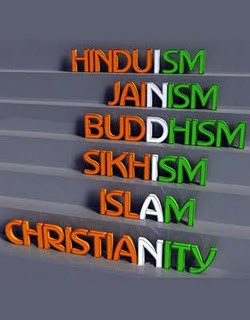
Religion has historically influenced Indian society on a political, cultural and economic level. There is a sense of pride associated with the country’s rich religious history as the traditions of Hinduism, Buddhism, Sikhism and Jainism all emerged out of India. Moreover, while a majority of people in India identify as Hindu (79.8%), the medley of religions that exist within the country continually impact contemporary society.

Census

The 2011 Indian census indicated that 79.8% of Indians identified as Hindu, 14.2% identified as Muslim and 2.3% identified as Christian. A further 1.7% of the population identified as Sikh, 0.7% identified as Buddhist and 0.37% identified as Jain. Due to the massive population size of India, religious minorities still represent a significant number of people. For example, although only 0.37% of India may identify with Jainism, that still equates to over 4 million people. While not all religions in India can be discussed in detail, the following provides an overview of the major religions in the country as well as sizable religions that originated in India.

Social beliefs

“India has two million gods and worships them all. In religion all other countries are paupers; India is the only millionaire.”

Mark Twain

Karma, Acceptance and Personal Choice . Many Indians tend to have a sense of acceptance towards one’s life position or a belief that, due to actions in one’s past life, good or bad personal circumstances are deserved. This attitude partly stems from religious ideas such as ‘karma’ (the idea that one’s actions will affect their current or future life) and ‘samsara’ (the cycle of rebirth).

The interplay of these social, cultural and religious factors allows people to be accepting of life events and trajectories. However, this is not to be interpreted as Indians being unwilling to take responsibility for life circumstances. Many often contemplate how their actions may impact their future and make decisions accordingly. Some of India’s youth are challenging a fatalistic perspective by asserting their free will to choose their vocation, spouse and other life factors. Indeed, as social mobility becomes more common, there is a growing belief that one can change their circumstances.

It’s Role

Religion plays a major role in the Indian way of life. Rituals, worship, and other religious activities are very prominent in an individual’s daily life; it is also a principal organizer of social life. The degree of religiosity varies amongst individuals; in recent decades, religious orthodoxy and observances have become less common in Indian society, particularly amongst young urban-dwellers. As of the politics , they play with religion , people’s belief and with their trust .

Link :

WHY  GEOFFRRY CHAUCER IS CALLED AS THE FATHER OF ENGLISH LITERATURE?

Geoffrey Chaucer is the first person to write well known poems and stories in the language of the common people of his time.

HIS LIFE: (c. 1340-c. 1400)

From the records of his time it is found, his name is mentioned with some references and remarks. These references and remarks in his poems are sum of what we know about his life. His birthdate is unclear. But from some documents it is accepted as 1340. He was born in London. He entered the household of the wife of the Duke of Clarence and saw military service and caught there. He is often mentioned as the person of royal pensions and bounties and was confirmed in his offices and pensions. In 1386 he was sent to Italy on one of his diplomatic missions. He was the first poet to be buried in poet’s corner in Westminster Abbey.

HIS POEMS:

The poems of Chaucer poems cannot be confirmed with certainty, but from interval evidence they can as a rule approximately dated.His poems are divided into French, the Italian and the English stages.

The poems of French stage are modelled upon French originals. The style is clumsy and immature. The longest poem is The Romaunt of the Rose, a lengthy allegorical poem written in octosyllabic couplets and based upon Le Romaunt de la rose of Guillaume de Lorris and Jean de Meung. This poem is only a fragment of 8000 lines. The Italian stage shows advancement than the first. Handling of the meters, the technical ability is greater. The Hous of fame, a poem in octosyllabic couplets, is one of the dream allegory type. The Legend of Good Women is the first known attempt in English to use the heroic couplet, which is handled with great skill and freedom. The English group contains work of the greatest individual. The Canterbury Tales is one of his achievements. Chaucer draws together twenty nine pilgrims including himself. The journey of the pilgrim is to tell two tales in the outward journey, and two on the return. Chaucer’s own Tale of Melibeus and The Parson’s Tale are composed in powerful and versatile species of the heroic couplet.

The first thing that strikes the eye is the unique position that Chaucer’s work occupies in the literature of the age. He was the man of the world, mixing freely with all types of mankind and he used his opportunities to observe the little peculiarities of human nature. Chaucer’s best descriptions of men, manners, and places are the first rank in their beauty, impressiveness and humour.

The bisy larke, messages of day,

Salueth in her song the morwe gay,

And firy phoebus riseth up so brighte

That all the orient laugheth with the lighte.

-The knight’s Tale

The prologue contains generous material to illustrate Chaucer’s power in describing his fellow men. In the literature of his time, the humour of Chaucer is healthy and delightful. As a story teller his narrative posses a curious stealthy speed. In poetical technique, English literature owes much to Chaucer. Chaucer is no great lyrical poet but in some of his, he shows a skill that is as good as the very best apparent in the contemporary poems. He stands alone, and for nearly two thousand years none dare claim equality with him.

This experimentation by many critics, authors, literariness etc, left a lasting mark upon English poetry is a contribution of Chaucer’s that is also cause for considering him the father of English poetry. He also one of the persons to contribute new words to English language.

International Nelson Mandela Day 2021!

Why do we celebrate this day and its significance, his life and theme for 2021.

‘This day is also known as 67 Minutes Mandela Day, as for 67 years he fought for social justice.

The theme for 2021 Nelson Mandela International Day is “One Hand Can Feed Another.”

To further this recognition of his legacy, the month of July is also unofficially recognized as “Mandela Month” in South Africa.

About Nelson Mandela:

Nelson Rolihlahla Mandela was a South African anti-apartheid revolutionary, who served as President of South Africa from 1994 to 1999. He was also a statesman and philanthropist. Influenced by Marxism, he secretly joined the banned South African Communist Party (SACP). Although initially committed to non-violent protest, in association with the SACP he co-founded the militant Umkhonto we Sizwe in 1961 and led a sabotage campaign against the government. He was arrested and imprisoned in 1962, and subsequently sentenced to life imprisonment for conspiring to overthrow the state following the Rivonia Trial. Mandela served 27 years in prison

He was the country’s first black head of state and the first elected in a fully representative democratic election.

Over the course of his life, Mandela was given over 250 awards, accolades, prizes, honorary degrees, and citizenship in recognition of his political achievements. Among his awards were the Nobel Peace Prize, Bharat Ratna, the Soviet Union’s Lenin Peace Prize, and many more. Within South Africa, he was widely considered “The Father of the Nation” and “The Founding Father of Democracy.” Worldwide, he was regarded as a “Global Icon” and was described as “One of the most revered figures of our time” by Rita Barnard.

In the 1950s, he was elected as the leader of the youth wing of the African National Congress (ANC) liberation movement. He first resorted to peaceful protests. But he was met with violence by the government, he went on to support an armed movement. Mandela was an important symbol for the oppressed in South Africa who were fighting for their rights. He was extremely instrumental in tearing down the oppressive government and laid the foundation of democracy.

He started the Nelson Mandela Foundation to combat HIV or AIDS, support educational and rural development. In 2009, the United Nations proclaimed July 18th to be International Nelson Mandela Day. On this day, people are asked to spend 67 minutes doing something good for others, which represents all the 67 years he spent working towards change.

The 1st UN Mandela Day was held on 18th July 2010.

WHY ?

We celebrate this day to remember his struggle and contribution to the world which helped to pave a path for growth from the 20th – 21st century. It is a movement for all of us to renew and imbibe the values that inspired Nelson Mandela.

 "It is easy
 to breakdown and destroy.
  The heroes are those
 who make peace and build."
                                                              - Nelson Mandela

Things to do:

  • Learn about human rights!
  • Get acquainted with what you can do to fight alongside communities you most connect with.
  • Read about what inspired Nelson Mandela and the steps to took to fight injustice.
  • Talk with NGOs nearby you and find out how can you help the cause they are working on.
  • Talk to the friend you miss!
  • Find shelters, volunteer, or contribute food, amenities to help our beloved furbabies!!
  • Take a minute and appreciate everything that made you who you are.
  • Look into your strengths and use them to give back to the world.
  • Never underestimate the words, actions that you put out in the world! You matter!

Refences:

https://en.wikipedia.org/wiki/Nelson_Mandela

https://www.dosomething.org/us/facts/11-facts-about-nelson-mandela

The concept of Arranged Marriage

Arranged marriage is a sort of marriage in which the bride and groom are chosen mostly by people other than the couple, especially family members such as parents. A professional matchmaker may be used to find a spouse for a young person in some cultures.

Photo by Secret Garden on Pexels.com

Going for an arranged marriage may seem a little out of date in this day and age of online dating and love affairs that lead to marriage. Surprisingly, this concept has been a part of our culture for centuries and continues to have a significant impact on our society.

Many people choose arranged marriages for a variety of reasons, and according to the findings of a few studies, arranged marriages have the lowest divorce rate in the world.

In an arranged marriage, you hardly know your spouse and must take your time to learn more about them. You enter the partnership with low expectations, and both spouses monitor and alter things in order to make the marriage work.

In truth, you accept the individual for who he or she is and do not have the right to complain that you dated someone else before marrying and that he or she changed after the wedding.

When it comes to arranged marriages, you may be spoiled for choice. You may find the perfect companion online while sitting in the comfort of your own home with your parents, thanks to matrimonial applications and services.

It is not required for your interfering relatives or neighbors to bring you ‘rishta’ and connect you with the family of a potential groom or bride.

You don’t simply marry your partner; you marry his or her entire family, as they say. Your parents are concerned about your prospective spouse’s cultural background, educational qualifications, social standing, and ability to adjust to a new family, all of which contribute to a smoother married life. You have no choice but to accept everything in a love marriage.

Photo by Vinu00edcius Vieira ft on Pexels.com

The concept of an arranged marriage is evolving along with society. Before making a decision, couples want to meet numerous times and discuss their expectations from marriage. Not only that, but even families are fine with a protracted courtship period if it allows the bride and groom to get to know each other better.

Parents, without a doubt, have greater experience with what comes after marriage and know what is best for their children. They have a deeper understanding of you, your needs, and the nuances of your connection.

Whether it’s love or arranged marriage, you must take a leap of faith and hope for a happy married life at the end of the day. Marriage is a gamble, and there is no way to know if it will work out.

What important is that no one should be pushed to make this decision and that they should only tie the knot when they are ready.

RACISM

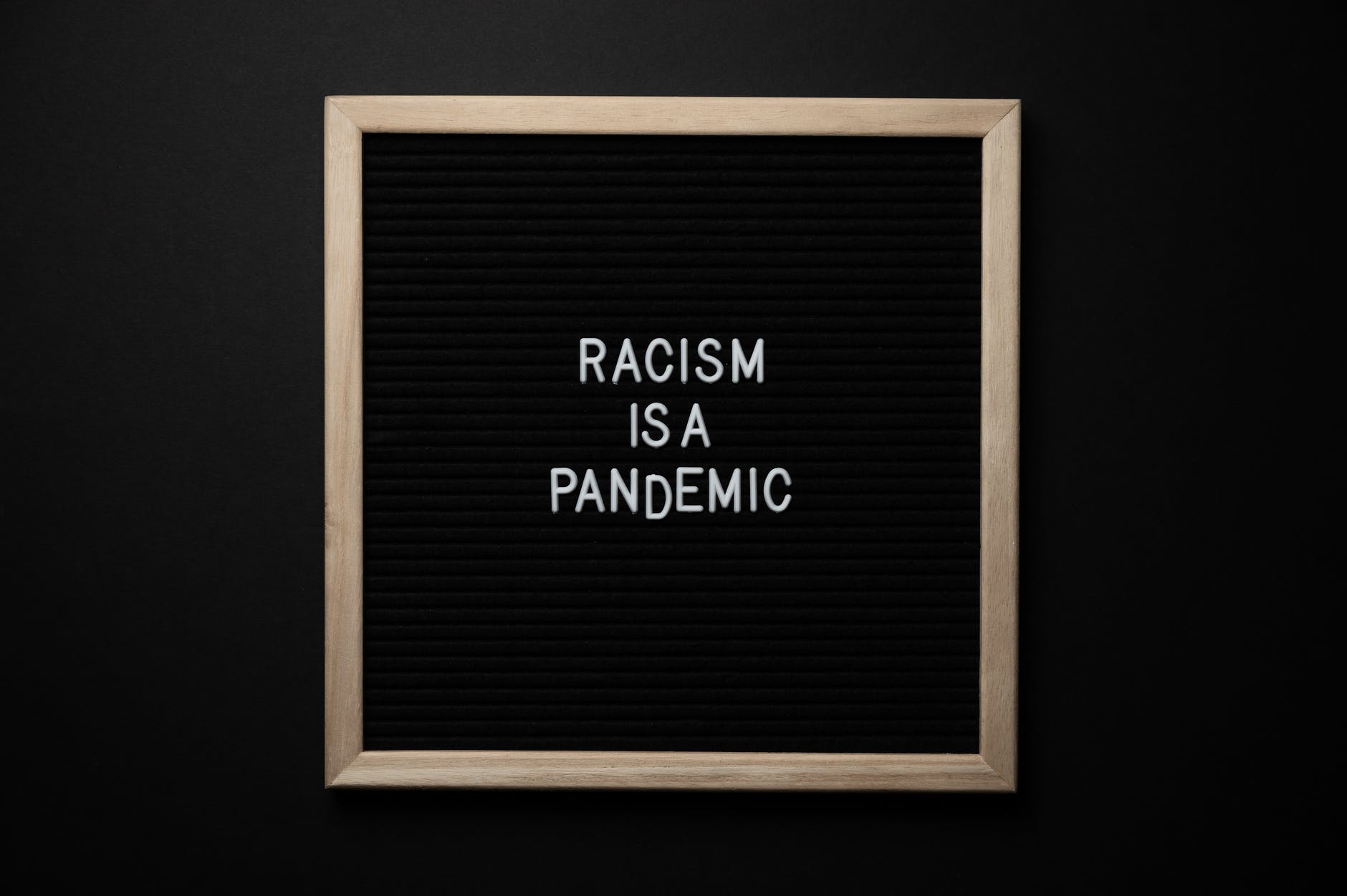
Racism, also known as racialism, is the belief that humans can be divided into distinct biological entities known as “races,” that there is a causal link between inherited physical traits and personality, intellect, morality, and other cultural and behavioral characteristics, and that some races are innately superior to others.

While contemporary social science considers race and ethnicity to be distinct categories, the two terms have a long history of equivalency in public usage and earlier social science literature.

“Ethnicity” is frequently used in a sense similar to that of “race”: the classification of human groups based on attributes thought to be inherent or necessary to the group.

The term “racial discrimination” refers to any distinction, exclusion, restriction, or preference based on race, color, descent, national or ethnic origin that has the purpose or effect of nullifying or impairing the recognition, enjoyment, or exercise of human rights and fundamental freedoms on an equal footing in the political, economic, social, cultural, or other fields of public life.

The phrase also refers to political, economic, or legal institutions and systems that participate in or perpetuate racial discrimination or otherwise exacerbate racial disparities in wealth and income, education, health care, civil rights, and other sectors.

With the rise of critical race theory, an extension of the critical legal studies movement, such institutional, structural, or systemic racism became a special focus of scholarly research in the 1980s.

Since the late twentieth century, biological race has been recognized as a cultural construct with no scientific foundation.

Racism dictated that different races (primarily blacks and whites) be separated from one another, that they should have their own distinct communities and develop their own institutions such as churches, schools, and hospitals, and that it was unnatural for members of different races to marry in North America and apartheid-era South Africa.

BLACK LIVES MATTER

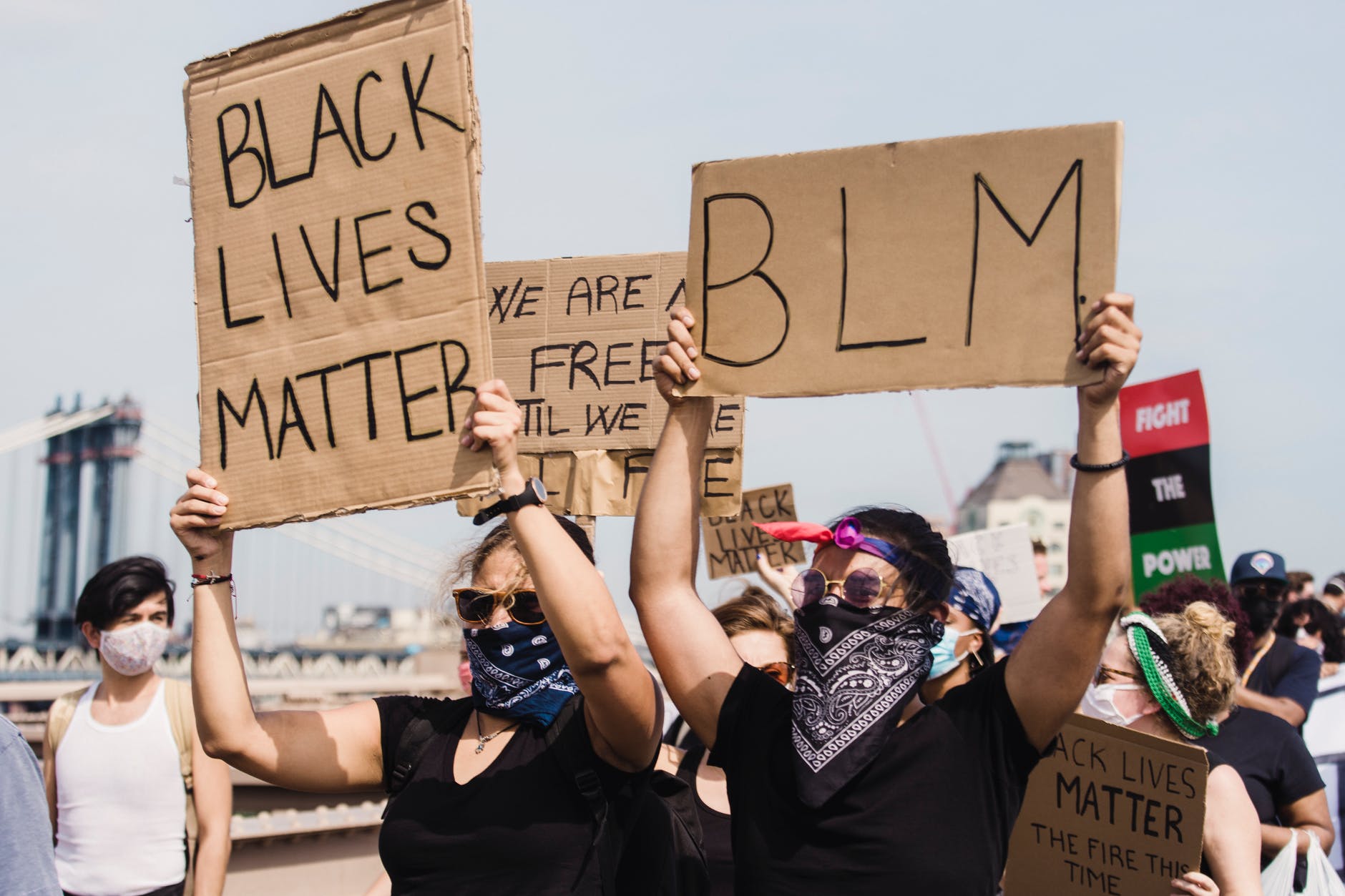
On June 6, half a million people showed out in approximately 550 locations around the United States for the recent Black Lives Matter rallies, which peaked on June 6. That was just one day in a month of protests that are still going on today.

Photo by Life Matters on Pexels.com

Four recent polls, including one released this week by Civics Analytics, a data science firm that works with businesses and Democratic campaigns, estimate that between 15 million and 26 million people in the United States have participated in protests in recent weeks in response to the death of George Floyd and others.

These figures would make the recent protests the largest movement in the country’s history, according to interviews with scholars and crowd-counting experts.

While it’s likely that more people stated they protested than actually did, even if only half of them were telling the truth, the surveys indicate that over seven million people took part in recent protests.

There have been protests in more than 40% of counties in the United States (at least 1,360).

Unlike previous Black Lives Matter events, approximately 95 percent of counties with recent protests are majority white, with nearly three-quarters of counties having a white population of more than 75 percent.

Half of those who claimed they demonstrated indicated it was their first time participating in some type of activism or protest.

Within the recent year, the majority of people claimed they had seen a video of police violence against protestors or the Black community. And half of those polled thought it strengthened their support for the Black Lives Matter movement.

According to the Crowd Counting Consortium, the number of protests has decreased significantly over the last two weeks, notwithstanding a rise on Juneteenth.

“Our ability to reach unity in diversity will be the beauty and the test of our civilization.”

– Mahatma Gandhi, 1925

Professor McAdam stated, “It appears, for all the world, that these protests are accomplishing what very few do: putting in motion a period of profound, persistent, and broad social, political change.” “We look to be on the verge of a social transformation tipping point, which is both rare and possibly significant in society.”

Mother Earth – Our home planet

Earth is the only planet where life can exist.

Earth is also called Blue planet.

If we destroy the earth, we destroy the chance of life.

Earth is our mother as we born here,we grow here,we eat ,play and our whole life cycle take place on earth.
Earth  provide everything that we use today whether it is directly or indirectly.

Life existed on earth is as it is suitable for having an atmosphere, suitable temperature and water is present in its liquid form on Earth due to the position of Earth on solar system.

Earth is the third planet from the Sun at a distance of about 93 million miles (150 million km).

We called Mother earth because Earth provide everything to us like a mother. Our existence become possible only due to earth.
Everything that we needed to survive and thrive is only due to our mother earth it provide us  food, shelter, home , water, air, medicine , suitable temperature and everything that we need for our existence.
But we affect our mother Earth in various ways only for the sake of our greed.

Due to our greedy behaviour natural environment of Earth get changes.

Earth provides enough to satisfy Every man’s needs but not Every man’s greed

Mahatma Gandhi

Earth day is celebrated on 22 April.

Thus ,there is a need to  save our mother Earth.

The optimal temperature of earth rises ,the glaciers are melting  and every type of pollution like air pollution water pollution ,soil pollution ,noise pollution every thing are going on its peak and that’s why why every living organism get affected by this.


Due to this anthropogenic action every single living organism get affected even when they don’t take part in this  destructive action.

Anthropogenic action is referred to as the action which is done by humans.

Impact of anthropogenic activities on  earth
First of all the major impact is  due to overpopulation –
● Due to overpopulation the overconsumption of resources are at its peak .
Even after the implementation of various sustainable act but it doesn’t make any major changes on environment.
● To fulfill the requirements of population we need more food supplies that’s why there is increase in uses of fertilizers and various chemicals to increase the food production.
■ And it will leads to lack of nutrients in grains ,soil infertility or or it may leads to desertification.
● To fulfill the requirements of people there is need to increase the land area so it has been observed that it leads to deforestation.
● Anthropogenic activities are responsible for an intensive emission of greenhouse gases to the atmosphere, leads to an increase of 35% of carbon dioxide (CO2, greenhouse gases) emissions between 1990 and 2010.
● Emission of large amount of carbon dioxide and other greenhouse gases leads to rise in temperature of Earth, increase pollution and it causes various type of disease also.
● For affordable price and easy to use the production of plastic also increases.


These all are the the main factors that affect the ecosystems too.

Measures taken to save mother earth:-

  • Reduce, reuse and recycle
  • Choose sustainable development
  • Volunteer for clean up our environment
  • Choose long lasting light bulbs
  • Try to use renewable resource more than non-renewable resources
  • Save water
  • Plant more trees
  • Use public transport system
  • Try to avoid plastic use
  • Try to minimise pollution at individual level
  • Use reusable shopping bags
  • Educate others about anthropogenic activities or the impact of anthropogenic actions on our environment and what can we do to prevent its bad effects

Save earth, save home

Sedition

Introduction

The definition of sedition is the conduct or speech inciting people to rebel against the authority of a state or monarch. Sedition is a crime under Section 124A in the Indian Penal Code (IPC). On 15th July 2021, the Supreme Court questioned the Central government asking whether the provision of Sedition in the Indian Penal Code is still required after 75 years of independence. This question was addressed by Chief Justice Ramana, heading a three-judge bench to the Attorney General K.K. Venugopal and Solicitor General Tushar Mehta, who were appearing for the Centre. Chief Justice Ramana said that Sedition is a colonial law that suppresses freedom and was used against Mahatma Gandhi and Bal Gangadhar Tilak. And it is a law prone to misuse by the government, so is it even necessary?

History

The Indian Penal Code came into force during the colonial Indian period, in 1860. But it did not have a section for sedition when it was introduced. Sedition was made part of the IPC in 1870 claiming that it got excluded from the original draft by mistake. The provision of sedition at that time was used by the British to hush the nationalists. This law was used against Bal Gangadhar Tilak, Mahatma Gandhi, Bhagat Singh and Jawaharlal Nehru.

Bal Gangadhar Tilak was the first person to be accused and convicted under the law of sedition. He was charged with it because of his articles in Kesari, a Marathi newspaper. He was convicted in 1897 by the Bombay High Court for 18 months. But the interpretation of Section 124A was changed by the Federal Court in 1937.

The word “sedition” was removed from the draft Constitution because of an amendment moved by KM Munshi specifically for this reason. It was meant to be in the Constitution as a ground to impose restrictions on the constitutional freedom of speech and expression. So, when the Constitution was adopted, the word “sedition” was not in it but it stayed in the Indian Penal Code.

In the Code of Criminal Procedure, 1973 which came into force in 1974, during the Indira Gandhi government, sedition was made a cognizable offence, which means that the police can make arrests without warrants.

The Law

Section 124A of the Indian Penal Code says Whoever by words, either spoken or written, or by signs, or by visible representation, or otherwise, brings or attempts to bring into hatred or contempt, or excites or attempts to excite disaffection towards the Government established by law in India, shall be punished with imprisonment for life, to which fine may be added, or with imprisonment which may extend to three years, to which fine may be added, or with fine.

Case Laws

In 1951, Tara Singh Gopi Chand vs The State, the Punjab High Court held that Section 124A was a restriction on the freedom of speech and expression and it invalidated the provision as it was in violation of a fundamental right. But because of this judgement, the Nehru government introduced Article 19(2) which gives the grounds on which the freedom of speech and expression can be restricted.

In 1954, Debi Soren & Ors vs The State, the Patna High Court upheld the validity of Section 124A. In 1958, the Allahabad High Court declared that Section 124A is void, in Ram Nandan vs The State. In the Kedar Nath case in 1962, a Constitution bench upheld the validity of Section 124A saying that the purpose of the crime was to save the government from being subverted.

In August 2018, the Law Commission of India said that sedition is essential to protect national integrity but it should not become a tool to restrict free speech.

Conclusion

It is clear that sedition came into existence because of the British. It was also removed from the Constitution as it was assumed to curb free speech yet it has still remained in the IPC and that is why the question is asked by Chief Justice Ramana. The law of sedition has been debated for a long time and has also been greatly criticized for its misuse. Hopefully this time the question will be answered properly and the debate will turn out differently.

References

17 July 2021- What is celebrated today!

1)World Day For International Justice Day

2)Toss Away the “Could Haves And Should Haves Day

3)World Emoji Day

4)National Lottery Day

5)National Tattoo Day

1-World Day for international day 2021:

Also known as International Criminal Justice Day or International Justice Day. This day is celebrated in order to recognize and encourage the growth of the emerging systems of international criminal justice and protect basic human rights around the globe. To spread awareness about injustice happening around, emphasizing human rights, to laud, and support the growth of ICC.

The International Criminal Court (ICC) was adopted at a diplomatic conference in Rome, Italy on 17 July 1998. On 1 June 2010, at the review conference held in Kampala (Uganda), the Assembly of Parties decided to celebrate 17 July as the Day of International Criminal Justice

2) Toss Away the “Could Haves And Should Haves” Day

On the third Saturday in July, Toss Away the “Could Haves” and “Should Haves” Day is celebrated in America. This day is celebrated in order to encourage people to let go of the guilt for what they could/should have done. To let go of regrets and turn a new leaf. To learn from the past and begin an afresh journey with a clean slate (plus experiences that will help us sustain better).
Accept that you cannot change the past, accept every act you did, and move forward knowing you acknowledge them and you will believe in yourself to achieve the goals you wish.

3) World Emoji Day

We use emojis to expresses emotions, feelings, or messages which we can’t put into words. Emojis make our communication easier and more vibrant. In 1999, the first emoji was created by a Japanese engineer, Shigetaka Kurita, who worked in a mobile operating company. He created 176 emojis for the release of an integrated service i-mode.
In 2010, Unicode approved the usage of emojis.

Fun fact: The calendar emoji Depicts the date July 17 to celebrate its existence.

Jeremy Burge, the founder of Emojipedia, declared 17 July as the World Emoji Day in 2014.

4) World Lottery Day

Lotteries are believed to have come into existence since the 15th century. They were mainly used to help economically weaker sections by providing them food and clothes. It was also used to fund the defense forces. Although in present times, it is banned and illegal in some places. Others have their stakes high.
Massachusetts State Lottery founded National Lottery Day in 2018.
This day is used to encourage this sector and to give special offers to mark its origin.

5) National Tattoo Day

The word “tattoo” is derived from the Polynesian language for tatau, which means “to tap or to mark.”  A tattoo is a form of art wherein we mark our treasured moments or quotes to remember.
We can consider tattoos as an individual’s self-expression and sometimes tells you things that matter to the person who adorns them.
The culture of body ink dates back to Egyptian and ice mummies which reveals several forms of symbols and status.
Although the history of celebrating Tattoo day is unclear, it is being officially celebrated since 2016

THE FATHER OF OUR NATION

— MAHATMA GANDHI

Mahatma Gandhiji

A Great soul who struggled endlessly till his last breath for the independence of our nation. Mohandas karamchand Gandhi was commonly known as Mahatma Gandhi . Mahatma was a name assigned to Gandhi for his pure soul which is reffered as great soul.

Gandhi was an Indian lawyer , spiritual leader ,anti-colonial nationalist and political ethicist. He was born in a Gujarati Hindu Bania family on 2 October 1869 , Porbandar , India . His main motive is Peace .He is very dedicated to it and teached everyone how to be calm and relaxed when even at toughest situations . The power of Gandhi’s words still inspire us to be able to fight just by changing our attitude towards a situation.He strongly believes nonviolence is a weapon of the strong and fought for it until it become true. The words that he express were soo inspiring and true : Here are some :

“Earth provides enough to satisfy every man’s needs ,but not every man’s greed.”

This was so true , a person should never hope for more when he already have enough. He’s such a great personality .

“The best way to find yourself is to lose yourself in the service of others “

” Freedom is not worth having if it does not include the freedom to make mistakes.”

” The greatness of humanity is not in being human,but in being humane.”

“Live as if you were to die tomorrow . Learn as if you were to live forever.”

“In a gentle way , you can shake the world.”

He’s a living legend in our heart . He’s usually a desire for justice and equality and is motivated by a strong sense of right and wrong .He tends to be a empathetic ,warm-hearted and supportive.He believes in resistance and persistence- “first they ignore you ,then they laugh at you , then they fight you ,and then you win. He always suggests to build love about a person instead of hate ,it will always effect you in a positive way.

He lead so many missions such as salt satyagraha, Quit India movement,Kheda agitation ,Champaran agitation, Khailafat movement , non-corporation movement, and many more . He’s one of the main reason for the inpendence of our country.Gandhi’s statements, letters and life have attracted much political and scholarly analysis of his principles, practices and beliefs, including what influenced him. Some writers present him as a paragon of ethical living and pacifism, while others present him as a more complex, contradictory and evolving character influenced by his culture and circumstances.

Being a active leader ,he fought for swaraj- self rule by his motto “DO OR DIE”. He believed that swaraj can also be possible by non-violence.According to Gandhi, a non-violent state is like an “ordered anarchy”.Swaraj to Gandhi did not mean transferring colonial era British power brokering system, favours-driven, bureaucratic, class exploitative structure and mindset into Indian hands. He warned such a transfer would still be English rule, just without the Englishman. “This is not the Swaraj I want”, said Gandhi.

‘INDEPENDENCE DAY’ Celebration

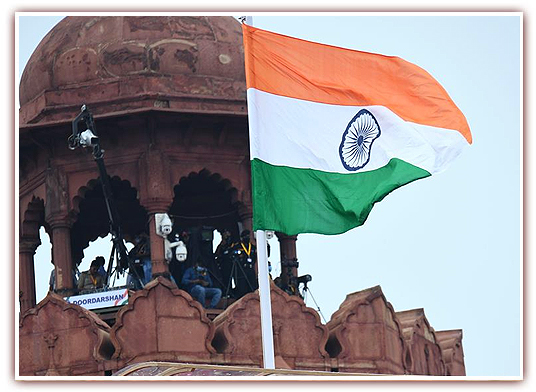
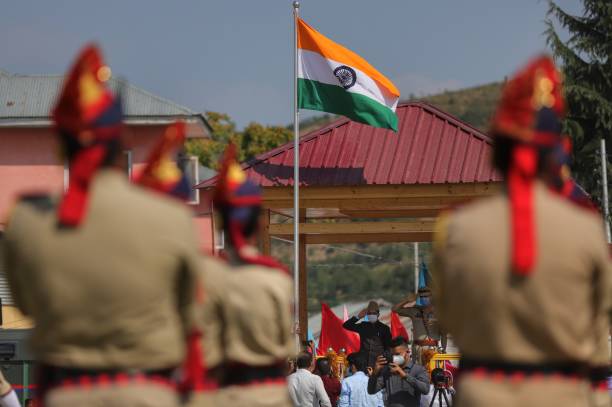
Mother India breathed the fragrance of freedom on 15 August, 1947. In the picture, we can see the hoisting of the national flag presumably by a senior and respected member of some community. This is a common sight in India where patriotic feelings are expressed at this time of the year. It is but natural that we should all feel strongly for our country, and what better time to express these feelings than on Independence Day!

However, the happy look on the faces of these people cannot hide the ugly truths that stare us in the face even after more than sixty years of independence. It is good that we celebrate our freedom with great enthusiasm as depicted in the picture. But mere smiles, celebrations and flag hoisting ceremonies are of no use unless we imbibe the spirit of Indianness in us. The spirit exhibited on this day should become a part of our very being.

CRPF and Jammu and Kashmir Police personnel takes part in the parade on India’s 74th Independence day in Baramulla, Jammu and Kashmir, India on 15 August 2020. (Photo by Nasir Kachroo/NurPhoto via Getty Images)

Generally we sing the national anthem with a lot of enthusiasm and then forget all about the relevance of the day as soon as the function is over. We throw sweet packets here and there and litter our surroundings. Moreover, in a country where more than fifty per cent of the population has a hand-to-mouth existence, the wastage of food is no less than sacrilege. If we do not respect the dignity of our people and surroundings, all the respect showered on the national anthem and the national song become meaningless

We must raise our voices in unison against the hypocritical phenomenon of paying lip-service to the concept of patriotism but stooping to grossly lackadaisical behaviour when it comes to performing our roles as Indians. Spitting or relieving ourselves in public places, not obeying the law while availing of transport facilities, disrespecting public property, joining mobs to create nuisance, calling strikes and bringing life to a halt on working days, remaining spectators to the corruption around us are all different patterns of behaviour that lower the prestige of our nation.

When we hoist the national flag, it is important that we feel clear in our conscience. One may argue that a small number of people setting the right example would not make much of a difference. This would indeed be a myopic interpretation of reality. The truth is that you may be a drop in the ocean, but the ocean is incomplete little gesture of respecting your country At least without in the true sense of the term would make a reasonable difference to the jawans on the border who risk their lives day and night to ensure that we can smile, secure in our knowledge of security when we look at the national flag fluttering high in the air.

History:

India was ruled by the Britishers for many years. The East India Company ruled India for about 100 years. It was in 1757 when the East India Company won the battle of Plassey. It was after the win went the Company started exerting power over India. Our nation had its rebellion against the foreign rule for the first time in 1957. The entire country united against British power. It was an unfortunate event as India was defeated back then but after that time. Indian rule was then passed to the British who ruled our country till India got its independence. Our nation faced a long campaign to gain independence. Britain then began to weaken after two world wars and India was finally free. India’s freedom struggle has always been an inspiration to the work as it was the most non-violent campaign in the world.

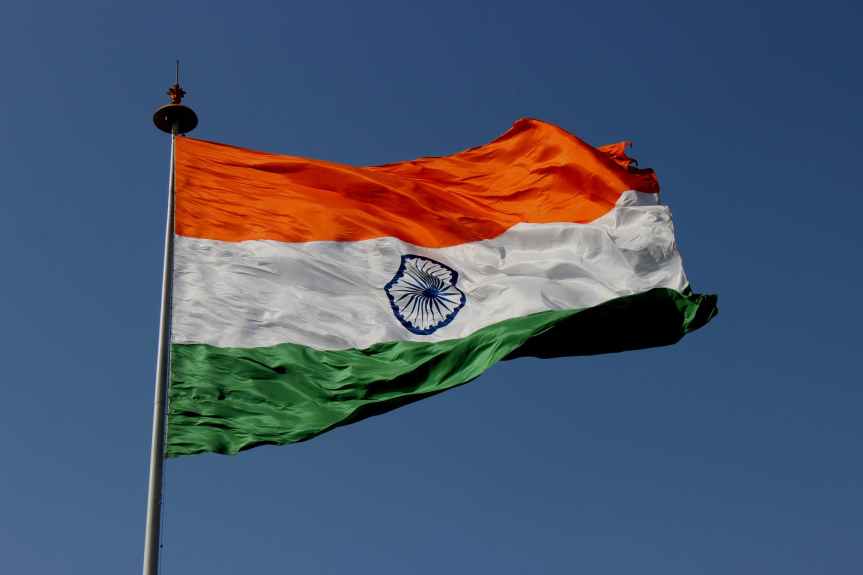
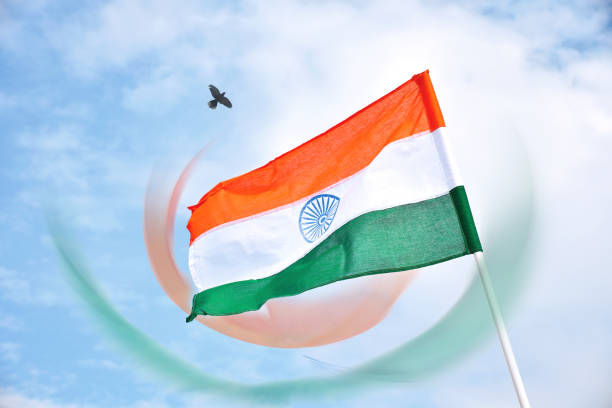
National Flag of India

Facts:

India has been independent for 73 years.

India is named after the river Indus.
India has had 14 Prime Ministers out of which one has been a female Prime Minister.
India has had 13 full-time Presidents out of which only one has been a woman.
The Indian National Flag was designed by Pingali Venkayya who was one of the freedom fighters and also an agricultural from Andhra Pradesh.
India’s national anthem was adopted three years of post-independence.
Mahatma Gandhi wasn’t able to celebrate the first Independence Day in Delhi.