Rath Yatra is a Hindu festival associated with Lord Jagannath. It is held at Puri in the state of Odisha, India. It is the oldest rath yatra in the whole world, and it’s description can be found in Brahma Purana, Padma purana, etc. It is among the most famous Vaishnavite rituals in India and abroad, so, usually witnessed much fervour and enthusiasms among devotees who come to pray- Lord Jagannath, Lord Babhadra and Lordess Subhadra.
For the festival, in the Lord Jagannath Puri Rath Yatra, special chariots are built every year, and this year has been no different. But, this year due to corona restrictions, no devotee’s are allowed during the most awaited Rath Yatra, even though Lord Jagannath is one of the principal deities in the state of Odisha. Though, this year the chariot pullers who had participated in the procession had been tested Covid-19 negative and had been fully vaccinated before the festival.
2.Egyptian women enjoyed a great deal of legal and financial independence.
3. Egyptian women also had the right to divorce and remarry.
4.Egyptian couples were even known to negotiate an ancient prenuptial agreement. These contracts listed all the property and wealth thewoman had brought into the marriage and guaranteed that she would be compensated for it in the event of a divorce.
5.The pyramids were not built by slaves . IT WAS BUILT BY PAID LABOURERS.
6.Both Egyptian men and women wore make-up.
7.The Great Pyramid of Egypt took centuries to build.
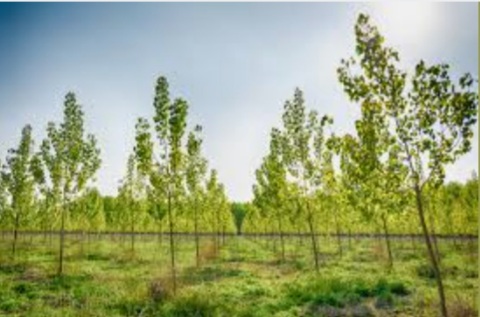
Afforestation is very useful to prevent and maintain the oxygen levels. Due to the deforestation, many of the trees are being cut and the oxygen supply has been reduced very drastically. Afforestation will help to maintain the oxygen levels in the atmosphere and helps the individual and the world to be healthy all the time. Oxygen is the minimum need for the individual to survive on the earth. If there is no oxygen, then which will cannot live or survive. When there is no o2, It is equally difficult for the animals to survive.
It also helps to maintain good forests. Deforestation, that is cutting of the trees makes the land abandoned and trees life less. When an individual takes a step forward to plant trees that is afforestation, good number of trees will be grown and the forests will be developed.
The most important thing for the animal’s survival is trees that give shelter and plants for the food. When the trees are being cut, some of the animals find no shelter and sometimes no food to eat. When afforestation takes place animals will find good shelter and also good food to eat.
Importance of Afforestation :
Afforestation helps to addess all the issues of soil erosion and barren land at the same time. Tress acts as wind barriers thereby weakening the speed of the wind and reducing its impact and ability to carry big soil particles.
The impacts of afforestation is occuring in many parts of world, can modify the nature and transformations of soil organic carbon and associated soil prevents, which in turn can affect plant diversity and ecosystem function. Afforestation also decreased soil bulk density and pH, and increased soil water content.
Types of Afforestation :
Afforestation materials are mainly divided into three categories: seed,seedling,and cutting. The choice of these three types of afforestation materials and methods is related to site conditions, tree species and age.
Various causes of Afforestation :
* Afforestation is highly fundamental in creating an alternative source pool of nature resource.
* Afforestation aids in tackling global warming and stabilizing global temperatures.
* protection of sensitive areas, biodiversity, and natural cycles.
* Afforestation can support wildlif.
* Afforestation creates employment and can provide a source of livelihood.
Advantages of Afforestation :
* A constant supply of forest products.
* prevents soil erosion.
* stabilizes the climate.
* Has the potential of reversing global warming and climate change.
* Better quality air.
* Improve watershed.
* preservation of wildlife.
* provision of employment and economic opportunities.
Disadvantages of Afforestation :
If not properly managed, afforestation can result in a reduction of local biodiversity, the modification of particular biomes, the intriduction of non – native and potentially invasive species, reduced stream flow and lost revenue from agricultural.
I WAS SUPRISED TO HEAR THAT THERE IS SEPARATE MUSEUM FOR CUP NOODLES IN JAPAN .JAPAN AS WE ALL KNOW THAT IT A PLACE FAMOUS FOR ELECTRONICS AND TECHNOLOGY BUT THAT PLACE ALSO HAS THIS ASTONISHING MUSEUM. LETS SEE WHAT ARE THE SERVICES ARE PROVIDED INSIDE CUPNOODLES MUSEUM.
CHICKEN RAMEN FACTORY:
Here we can Make Chicken Ramen by hand and enjoy the entire process of kneading, spreading, steaming and seasoning the wheat flour and drying it in the factory.
My CUPNOODLES Factory :
In here We can Create our own original Cup noodles packet, which is unavailable in the world. we can design, select our favorite soup as well as toppings among 12 varieties for our cup noodles.
CUPNOODLES Park:
In Here An huge facility offers us the virtual experience of how cup noodles are made from starting (manufacturing) stage to ending stage (i.e,shipping).
Instant Noodles History Cube:
In here An astounding quantity of packages was placed to show how instant noodles which started as Chicken Ramen grew into a global dietary culture.
Momofuku’s Work Shed:
This shed is a Recreation of the work shed where the world’s first Instant ramen( chicken ramen) was invented.
Momofuku Theater:
This Theater has MOMOFUKU TV which uses CG animation to tell the story of how Momofuku Ando overcame great adversity to achieve.
Museum Shop:
This shop has original goods from the CUPNOODLES MUSEUM and other items related to instant noodles and it has some items which is not available anywhere else.
the World war 2 took place when Hitler invaded Poland from the west after which 2 days later France and Britain declared war on Germany beginning World war 2. The second World war conflict that involved virtually every part of the world the principal where the axis power Germany Italy and Japan and the allies France great Britain the United States the Soviet union. The world war 2 conflict that involve virtually every part of the world during the years World war 2 change the political alignment and social structure of the globe. The united nations was established to foster International cooperation. The Soviet union and the United States emerged as rival super powers setting the stage for the nearly of century long cold war. Most countries industries had been damaged mood towards economic recovery and expansion .
The outbreak of the World war 1 was a global war that lasted from 1939 to 1945. In a total war directly involving more than hundred million personal from more than 30 countries the major participants to their entire economic industrial and scientific capabilities behind the war effect blurring the distinction between civilian and military resources. The aircraft played a major role in the conflict enabling the strategic bombing of population centres and the only 2 uses of nuclear centre in the war to this day. In the wake of the axis defeat Germany and Japan were occupied and was tribunal where conducted against Germany and Japanese leaders that allied victory resulted in fall of Nazi Germany fascist Italy and imperial Japan allied military occupation of Germany Japan Austria and foundation of the Italian republic in place of the kingdom of Italy. Beginning of the nuclear age dissolution of the league of Nations and creation of the United Nations emergence of the United States and the Soviet union was rival super powers and beginning of the cold war. The casualties and losses the military date over 16000000 and the civilian stat over 40 5000000 total death over 610000000.
The second world war is generally considered to have big and under Nazi Germany e Adolf Hitler invaded Poland in the wake of European devastation the influence of its great powers waned triggering the decolonisation of Africa and Asia most countries whose industry had been damaged mood two words economic recovery and expansion despite strong Pacifists sentiment after World war 1, irredentist and revanchist nationalism emerged in several European states in the same period the sentiments where is specially marked in Germany because of the significant territorial colonies and financial losses imposed by the treaty of Versailles . From 1922 to 1925 the fascist movement seized power in Italy with nationalist totalitarian and class coloboratronist agenda that abolished the representative democracy repressed socialist left winning of liberal forces and pursued and aggressive expansionist foreign policy aimed at making Italy a world power. The world war two resulted in the extension of the Soviet union power to nations of eastern Europe.
The German dictator Adolf Hitler has become determined to invaded and occupied by Poland at to neutralize the possibility that the Soviet union would resist the invasion of its Western neighbour. Adolf Hitler leader of Nazi party e re armed the nation and signed strategic treaties with Italy and Japan to further his ambition of world domination Hitler after becoming chancellor of Germany swiftly consolidated power after assigning alliance with Italy and Japan Hitler sent troops to occupy Austria World war 2 prove to be the deadliest International conflict in history who died at the hands of Nazi. The legacy of the war includes spread of communalism global shift in power that would soon face different it against each other in cold war. World war 2 ended when vs general accepted Japan’s formal surrender abroad the US Battleship Missouri anchored in Tokyo Bay along with a flotilla of more than 250 allied warships.
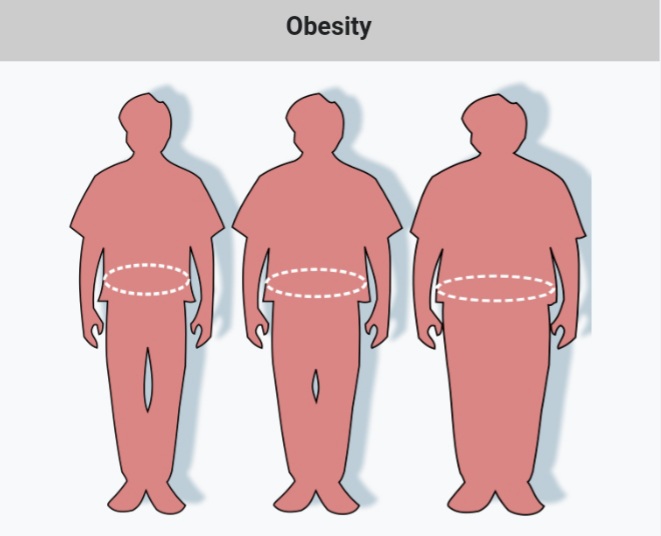
Obesity is described by the BMI (Body mass index). The obesity in the body is nothing but the high level of fat stored in the body. It is a very bad thing which in future leads to many health problems.
Many of the children are falling obese now a days. This is because of not having good food. Many of the children are highly addicted to the junk food. The junk food intake in the body increases the fat levels in the body.
A disorder involving excessive body fat that increases the risk of health problems. Obesity often results from takingin more calories than are burned by exercise and normal daily activities.
Symptoms:
Obesity occurs when a person’s body mass index is 25 or greater . The excessive body fat increses the risk of serious health problems.
What causes obesity?
Obesity is generally caused by eating too much and moving too little. If you consume high amounts of energy , particularly fat and sugars, but do not burn off the energy through exercise and physical activity, much of the surpluse energy will be stored by the body as fat.
8 Most common causes of obesity :
* physical inactivity.
* overeating.
* Genetics.
* A diet high in simple carbohydrates.
* A frequency of eating .
* Medications.
* psychological factors.
* Diseases such as hypothyroidism, insulin resistance, polycystic ovary syndrome, and caushing’s syndrome are also contributors to obesity.
Let us now look at some methods to prevent obesity.
*Healthy and nutritious food :
It is very important to consume healthy and nutritious food every day. To gain a sufficient amount of nutrients and and to be healthy it is very important to consume nutritious food. Consuming nutritious food helps us to gain sufficient energy. Being healthy prevents us from Many deadly diseases.
*Exercise :
Exercising at least for 10 to 15 minutes a day help the individual to be physically fit and also mentally strong. Exercising every day is a very good habit which everyone need to make it and perfect habit to do. Exercising 10 to 15 minutes also relieves us from the stress and the tension we have had. So, it is better to spend at least 10 to 15 minutes even in our hectic schedule an exercise.
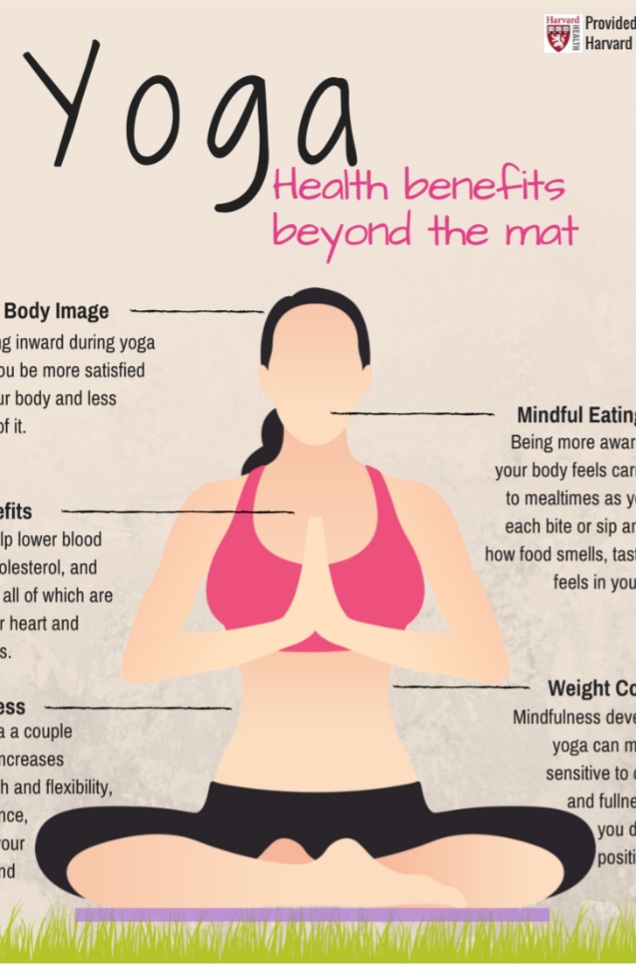
* yoga :
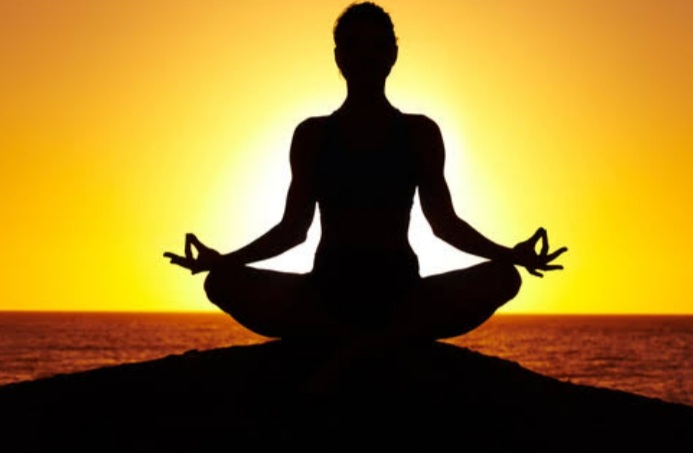
Yoga relives from the stress and tension we have had. Sparing at least 10 to 15 minutes time on yoga benefit is a lot. It relaxes the muscle and comes to mind. It helps to be physically fit and mentally strong. All the asanas and pranayama helps to Gain strength and to be physically fit.
*Meditation :
Meditating for certain minutes helps to calm the brain and soul. It helps and relieving the stress and the tension we have had. It helps us to focus on the things which we are willing to do. It also equally helps us to be mentally strong. It is such a good and a mandatory practice an individual must obtain and must follow without any delays.
* Monitor your weight regularly.
* Be consistent.
Who obese people?
BMI is calculated by dividing a person’s weight in kilograms by the square of their height in metres. A BMI of 25.0 – 29.9 is classified as overweight but not obese, while a BMI of 30.0 or over is classified as obese. A BMI of graeter than 35.0 is classified as severely obese.
Adult BMI calculator
BMI WEIGHT STATUS
Below 18.5 underweight
18.5 – 24.9 Normal
25.0- 29.9 overweight
30.0 and above obese
The negative effect of obesity :
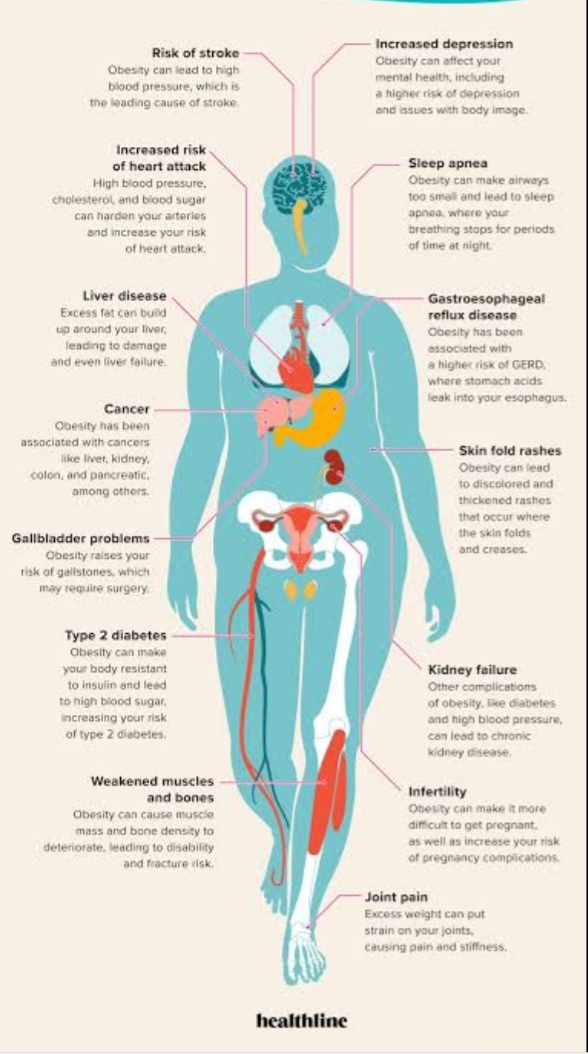
Obesity is serious beacause it is associated with poorer mental health outcomes and reduced quality of life. Obesity is also associated with the leading causes of death in the united states and worldwide, including ,diabetes, heart disease, stroke, and some types of cancer.
World war 1 which is also known as great for begin in 1914 after the assassination of Archduke Franz Ferdinand of Austria. The World war 1 was a global originating in Europe it led to the mobilization of more than 70 million military personnel including 60 million euro peons making it one of the largest was in the history it was one of the deadliest conflict in history the World war 1 started in 28 July 1914 and came to an end on 11 November 1918 which was the estimate of four years three month and two weeks after the declaration of the World war 1 the allies won war World war and gain the treaties. The treaties of Versailles that was signed on 28 June 1919 and the treaty of saint- Germaine-laye which was signed on 10th of September the treaty of Neuilly- sus-seine which was signed on 27 Nov. The treaty of Trainon which was signed on 4th June 1920 and treaty of sevres signed on 10 aug 1920 and the United States Austria’s peace treaty e which was signed on 25th August 1921, US Hungary peace treaty which was signed on 29 aug 1921 and finally the treaty of Lausanne which was signed on 24 July 1923.
There are the most positive outcome from the World war 1 and in the peace treaty that ended World war 1 set the stage to World war 2. World war 1 was a significant turning point in the political cultural economic and social climate of the world the war and its immediate aftermath sparked numerous revolutions and uprisings. The world war resulted in allied victory which was Central power victory on the eastern front nullified buy defeat on the Western front and Italian front. Secondly fall of our continental empires in Europe including Germany Russia Ottoman Empire and Austria Hungary. Tali Russian revolution and Russian civil war with the collapse of the Russian empire and the subsequent formation of the Soviet union widespread unrest and revolutions throughout Europe and Asia. Finally creation of the league of nations. Now looking into the changes that took place in the territory after World war 1 was formation of new countries in Europe and the middle East transfer of German colonies and territories partitioning the former Ottoman Empire Australia Hungary and the Russian Empire. Transfer of territory to other countries. The lives for the losses of the soldiers around 552500 military dead hand around 12832000 Ande Ande casualties and losses of 43 86000 military and around 80 388000 military wandered around approximately 18357000 and 12794000 Ross their life and the civilian around 400000 and 3700000 civil lines lost their life and network of inter locking alliances in largest the crisis from a bilateral issue in the balkans to one involving most of Europe.
Ful Russians mobilization was announced on the evening of 30 fully Austria Hungaryand Germany did the same while Germany demanded Russia demobilized within 12 hours when Russia fail to compel Germany declared war on Russia in support of Austria Hungary and lettered shift on 6 August 1914. Ultimately as a result of this was the Austro- Hungarian German Ottoman and Russian Empire ceased to exist and numerous new states were created from there remains. However despite the the conclusive allied victory and the creation of the league of nations during the peace conference intended to prevent future.
A second world war was followed just over 12 years later it ended with the defeat of the central powers the war was virtually unprecedented. in the slaughter, Carnage and destruction it caused. The main conflict during the world war took place with the Germany Austria Hungary Ottoman Empire and the Bulgarian. Work called Central powers fought against great Britain France Russia Italy Japan United States and the Romanian. The allied powers by the time the war was over the allied powers claimed victory more than 16 million people soldiers and civilians alive were did. The blood shed on the battlefield of the Western front and the difficulties the soldiers had for years after the fighting ended failure to deliver mandated reparationsLeads to the armed occupation. Imperial dynasty in Australia and Aryan Germany the Ottoman Empire and Russia collapsed.
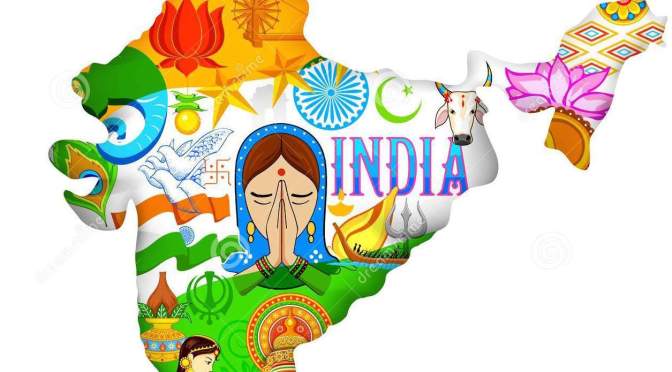
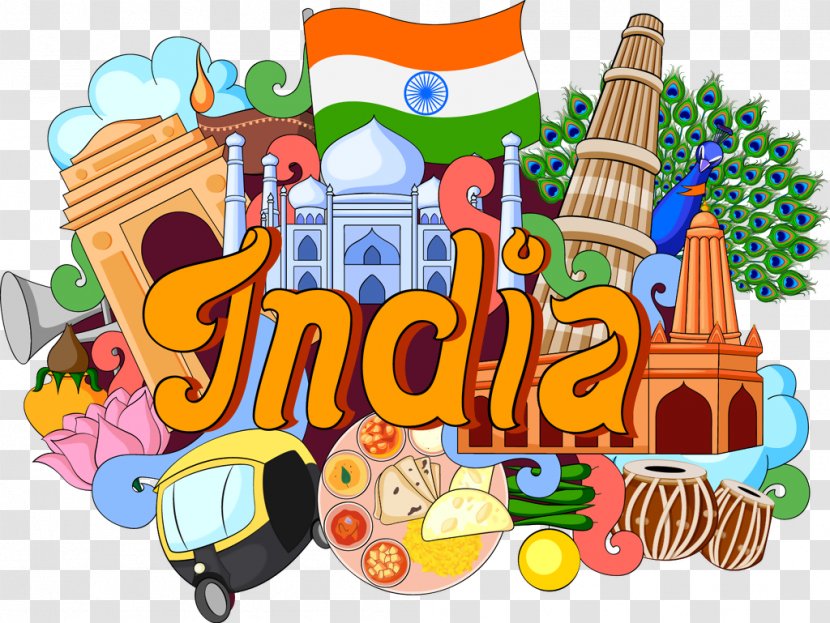
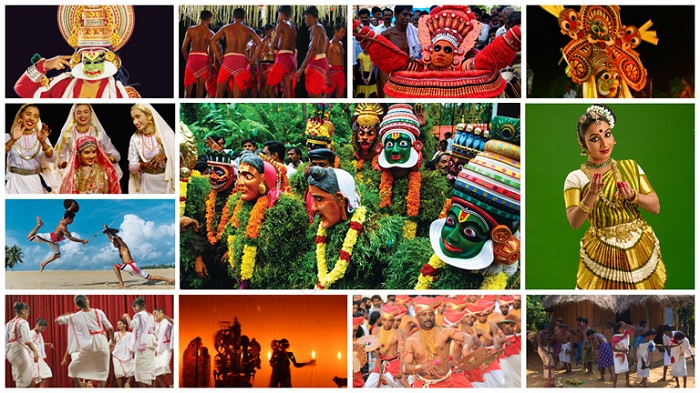
The Indian Culture is known to be the most versatile culture in the world. From the ethical values of our heritage, the social norms, many traditional customs in the country, Various belief systems present in each family to a state to a country as a whole, different political parties, beautiful artifacts and the present technology that have originated in or the country is associated with in the Indian land or subcontinent. The term which also applies and is used beyond our motherland India to countries and different cultures whose histories are considered to be strongly connected to India’s by its immigration phase, their colonization, or its influence. Indian culture has often been labelled and is popularly known as a combination of numerous cultures, and has been influenced by a history that is many millennials old, beginning from the Indus Valley Civilization. Many elements of the Indian culture can be identified in the country and it proudly take prides in contributing in various mathematics, religions, philosophy of the world, different cuisines, various languages that are present (many words from English are influenced by Sanskrit, which is considered to be the oldest language in the entire human existence), its art which included dance, music, movies, sculptures, various art items and this has made a huge impact in the world.
India is considered to have a long romance with the form of art which is the art of dance. The Hindu language Sanskrit has texts like Nātyaśāstrawhich is Science of Dance and also Abhinaya Darpana which is the Mirror of Gesture. The Indian artform of dance is known to be taught in these ancient books and this is present in the country, according to Ragini Devi, who is an Indian classical dancer states that it is considered to be the expression of one’s inner beauty and the divine in a man. It is a deliberate form of art, nothing in this form of art is left to a chance, each gesture in dance seeks to communicate the ideas of an individual, each facial expression is the artist’s emotions which makes it personal and valuable for the viewers as everyone has a different way to approach art and that is the beauty of the dance forms and other forms of art in the country. In the Indian culture it’s drama and theatre has had a long history alongside its dance and music. Many plays which are performed by Indian artists are recognized by UNESCO as a masterpiece. One of the most renowned pieces of art in the country is its cave paintings from Ellora to Ajanta to Bagh and Sittanavasal there are a plethora of paintings and sculptures which are enough to testify the love of art, history and culture which is present in the country.
Yoga is also equally important to be mentally calm. Practicing 15 minutes of yoga is so beneficial. All the asanas helps to get stronger muscles with the fitter body and good lifestyle with mental calmness. Yoga relives from the stress and tension we have had. Sparing at least 10 to 15 minutes time on yoga benefit is a lot. It relaxes the muscle and calms the mind. It helps to be physically fit and mentally strong. All the asanas and pranayama helps to Gain strength and to be physically fit.
It helps to be fitter and healthier. It helps to have a healthy lifestyle. Exercise helps to have healthy muscles and it also helps in weight loss who is suffering from obesity and excessive weight. Exercise is the healthy habit that must be added in the healthy lifestyle and must be practiced without any delay.
Exercising, meditation, yoga etc. are great things to regain the strength and to be fitter and also happy.
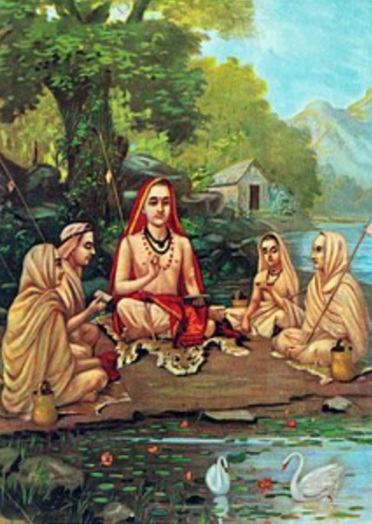
Types of yoga :
Bhakti yoga :
Bhakti yoga, also called Bhakti marga, is a spiritual path or spiritual practice within Hinduism focused on loving devotion towards any personal deity. It is one of the three paths in Hinduism which lead to moksha, the other paths being jnana yoga and karma yoga.The tradition has ancient roots.
The purpose of bhakti yoga is the practitioners of Bhakti yoga ,known as bhaktas, or loving devotees, express their religious devotion through prayer, ritual, and chanting. Their purpose is to develop feelings of unconditional love and devotion
Karma yoga :
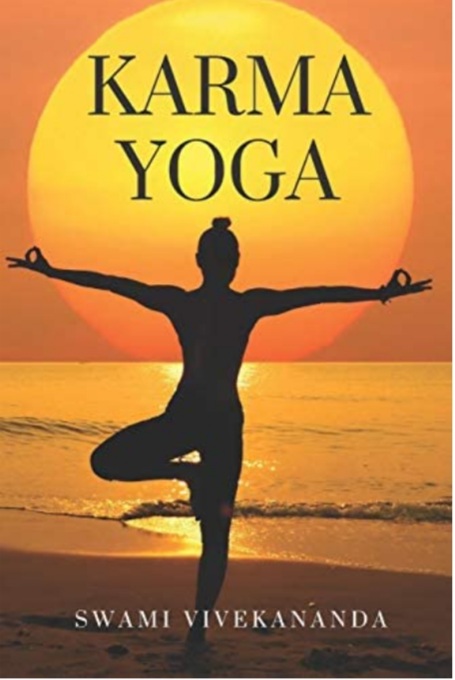
Karma yoga, also called karma marga, is one of the three spiritual paths in Hinduism, one based on the “yoga of action”, the others being jnana yoga and Bakti yoga.
Patanjali Ashtanga yoga :
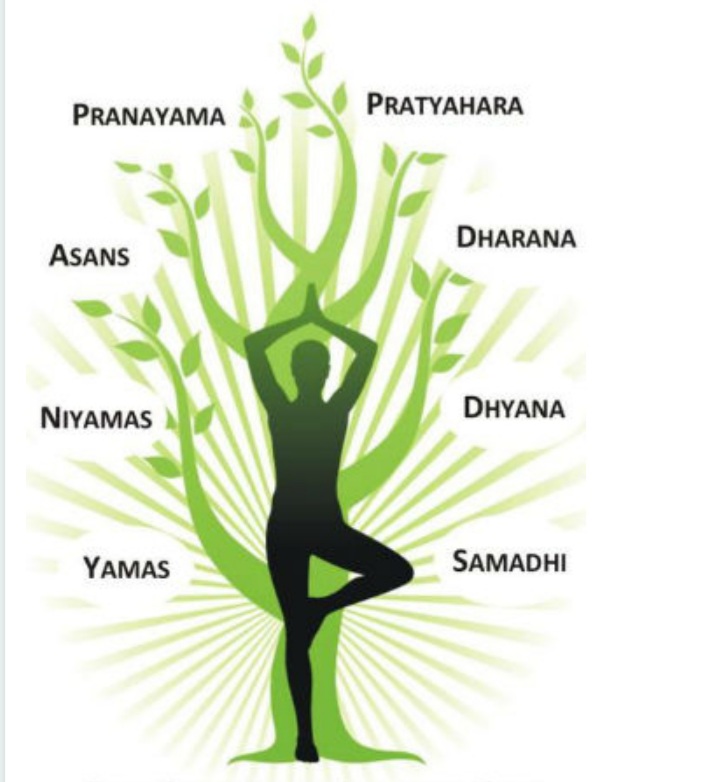
The eight limbs of of yoga is patanjali’s classification of classical yoga, as set out in his yoga sutras. He defined the eight limbs as yamas (abstinences), niyama ( observances), asana ( postures), pranayama (breathing) , pratyahara ( withdrawal), dharana ( concentration), dhyana (meditation), and samadhi( absorption).
The eight limbs form a sequence from the outer to the inner. Postures, important, in modern yoga as exercise, form one limb of patanjalis scheme; he states only that they must be steady and comfortable.
Jnana yoga :
Jnana yoga , also known as jnana marga, is one of the three spiritual paths in Hinduism, which emphasizes the ” path of knowledge”, also known as the ” path of self- realization”. It is one of the three classical paths for moksha. The other two are karma yoga and bhakti yoga.
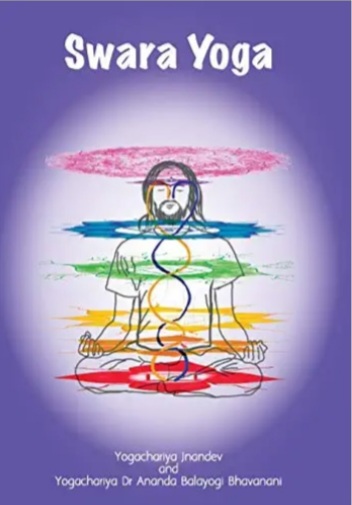
Swara yoga :
Swara yoga is an ancinet tantric science which involves the systematic study of the breath flow thriugh the nostrils irrelation to the prevalling phases of the moon,time of day and direction. Mainly practiced through the connection of breath and movement, swara yoga creates levels of harmoney that are difficult to reach with other yoga styles. Our main tool is the movement and flow of body through the postures, guided by the breath.
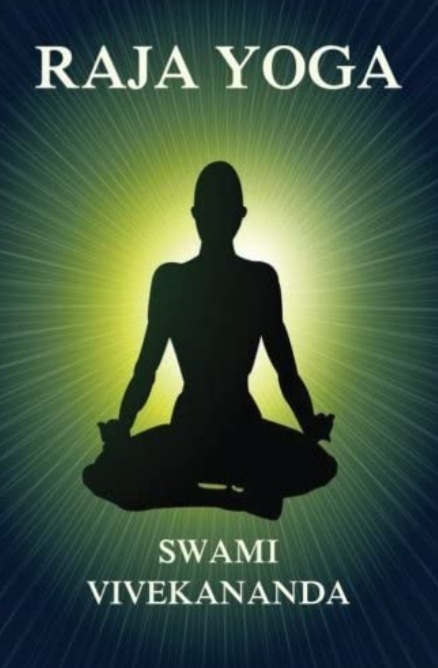
Raja yoga :
In sanskrit, Raja yoga was both the goal of yoga and a method to attain it. The term also became a modern name for the practice of yoga in the 19th century when swami vivekananda gave his interpretation of the yoga sutras of patanjali in his book raja yoga
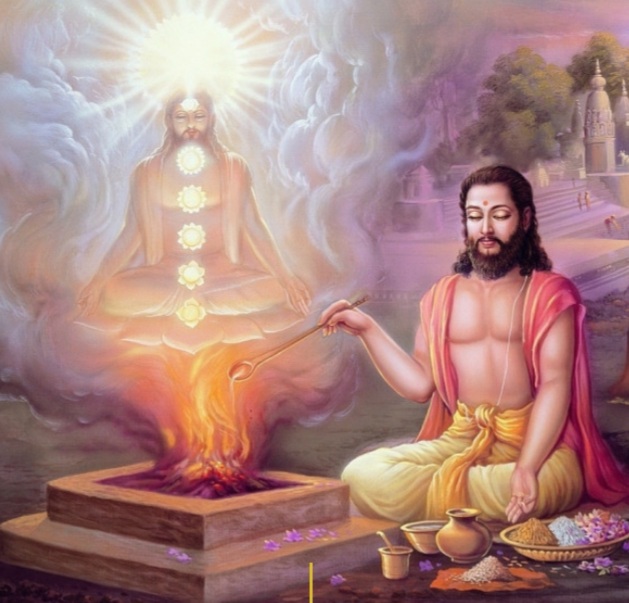
Kriya yoga :
Kriya yoga is a simple, psycho – physiological method by which the human blood is decarbonized and recharged with oxygen. The atmos of this extra oxygen are transmuted into life current to rejuvenate the brain and spinal centers.
Advanatges of yoga :
* yoga improves strength, balance and flexibility.
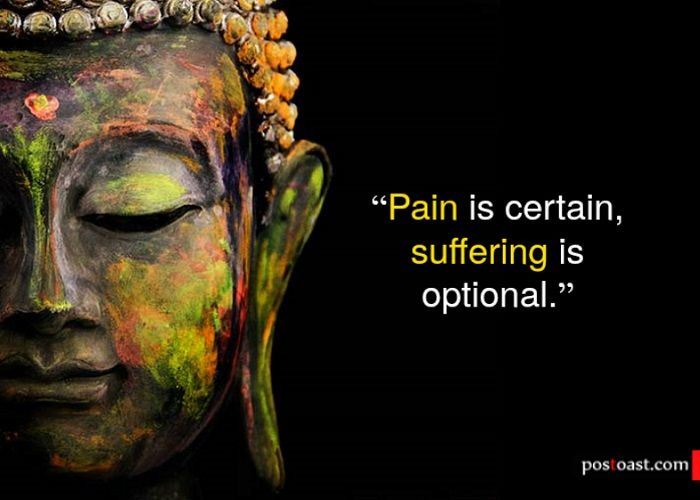
We are what we think. All that we are arises with our thoughts. With our thoughts, we make the world. Peace comes from within. Do not seek it without.
Lord Buddha
Introduction.
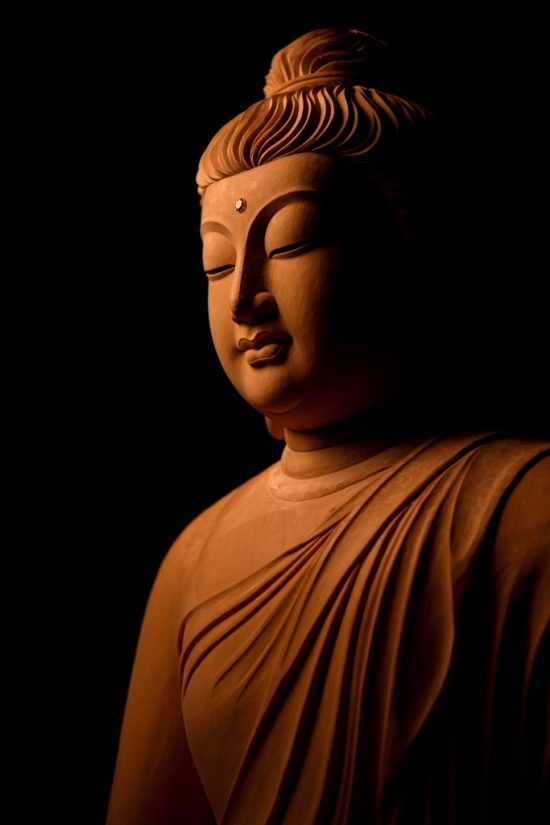
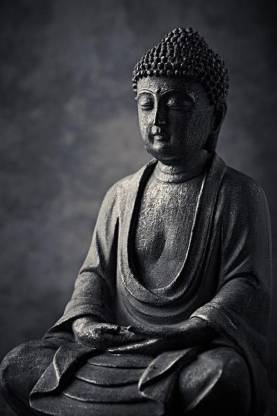
He was a spiritual personality . An ancient teacher and enlightened many . A founder of world religion Buddhism . He was popularly known as Gautama Buddha (also known as Siddhattha Gotama or Siddhārtha Gautama or Buddha Shakyamuni ) .
The Enlightened One who rediscovered an ancient path to release clinging and craving and escape the cycle of birth and rebirth. He taught for around 45 years and built a large following, both monastic and lay. His teaching is based on his insight into the arising of duḥkha (the unsatisfactoriness of clinging to impermanent states and things) and the ending of duhkha—the state called Nibbāna or Nirvana (extinguishing of the three fires).
Buddhism
Buddhism, one of the major religions and philosophical systems of southern and eastern Asia and of the world. Buddha is one of the many epithets of a teacher who lived in northern India sometime between the 6th and the 4th century before the Common Era.
The title buddha was used by a number of religious groups in ancient India and had a range of meanings, but it came to be associated most strongly with the tradition of Buddhism and to mean an enlightened being, one who has awakened from the sleep of ignorance and achieved freedom from suffering.
According to the various traditions of Buddhism, there have been buddhas in the past and there will be buddhas in the future. Some forms of Buddhism hold that there is only one buddha for each historical age; others hold that all beings will eventually become buddhas because they possess the buddha nature (tathagatagarbha).
According to Buddhist doctrine, the universe is the product of karma, the law of the cause and effect of actions, according to which virtuous actions create pleasure in the future and nonvirtuous actions create pain.
Your work is to discover your world and then with all your heart give yourself to it.
Lord Buddha
History
Gautama Buddha ( born c. 6th–4th century BCE, Lumbini, near Kapilavastu, Shakya republic, Kosala kingdom [now in Nepal]—died, Kusinara, Malla republic, Magadha kingdom [now Kasia, India]).
Buddha is one of the many epithets of a teacher who lived in northern India sometime between the 6th and the 4th century before the Common Era.
Learnings from Gautama Buddha.
1. “Three things cannot be hidden: the sun, the moon and the truth.”
2. “You will not be punished for your anger; you will be punished by your anger.”
3. “You can search throughout the entire universe for someone who is more deserving of your love and affection than you are yourself, and that person is not to be found anywhere. You, yourself, as much as anybody in the entire universe, deserve your love and affection.”
4. “We are shaped by our thoughts; we become what we think. When the mind is pure, joy follows like a shadow that never leaves.”
5. “Believe nothing, no matter where you read it, or who said it, no matter if I have said it, unless it agrees with your own reason and your own common sense.”
12 July is the day to Honors transcendentalist Henry David Thoreau.Born on 12 July Thoreau was an advocate of living a simple life .He belives that “As you simplify your life,the law of the universe will be simpler.”He was an environmentalist , poet and transcendentalist .He was the man of simplicity who believes “less is more”.
National simplicity day was created to help people to enjoy their life.As simple the word sound ,as complex is when you practice it. livinga simple life,you will find the most beautiful thing in the world.
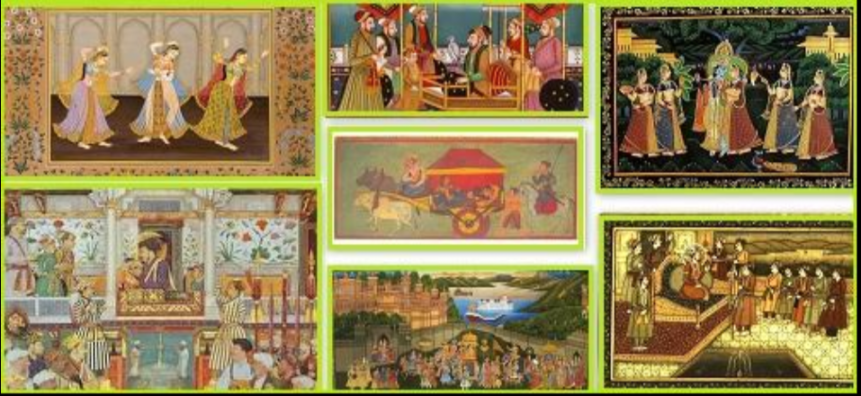
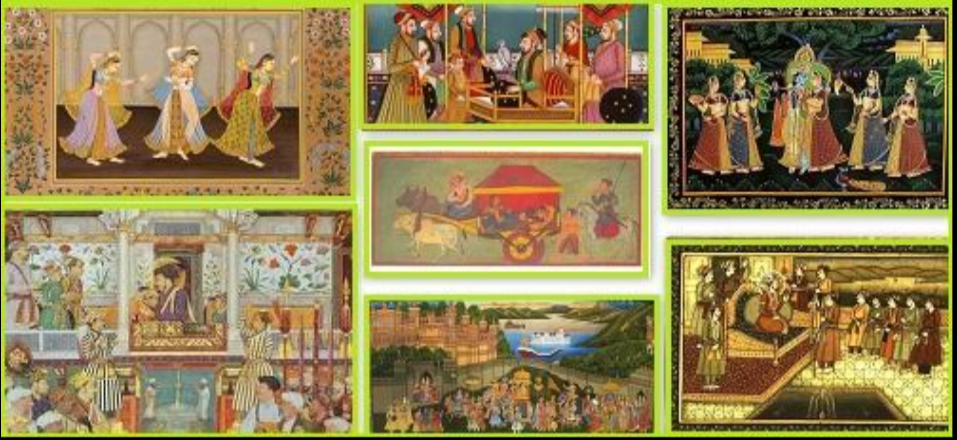
Miniature Art refers to paintings, sculptures, engravings etc. That have small dimensions. Though they are small, they are well detailed. The origin of miniature paintings dates back to the prehistoric times and is profoundly influenced by Indian literature. A miniature painting is generally less than 25 square inches or 100 square centimetres. The subjects in the painting are one -sixth of their actual sizes. Miniature paintings were generally done on materials like cloth, paper, leaves etc. which are quite perishable. These paintings are handmade and very delicate. Miniature paintings are considered as an ancient art in India and there were many schools for the same, including those of the Rajput’s, Deccan’s and the Mughals. These paintings give an insight into the life of the royals and the common man, the beauty of their womenfolk and the inspirations and devotions of the artists themselves. These paintings are often associated with the Ragas i.e. the melodies of Indian classical music. Rajasthani School of Miniature Paintings: This school developed around the areas of Rajasthan, Bundelkhand and Punjab regions. The Rajasthani paintings were greatly influenced by Tulsidas and Kabir. The main theme observed in the illustrations of this school is love in all of its form. Main emphasis is given on the love between human soul and god. This might have been influenced by the Bhakti cult which originated in those days. Paintings are left to the imagination and emotion of the viewers for interpretation. Features: Compositions are clear and simple. All figures are in same dimensions. The figure of a woman are duplicated for other women. This is painted as a symbol of femininity. Colours are used harmoniously and are bright with each colour having it’s own specific meaning. The medium mostly used was water colour in tempera hand made paper. The colour scheme is flat and paintings are two dimentional. Some of the famous Rajasthani miniature paintings: ‘Radha Bani Thani’by Nihal Chand ‘Maru Ragini’ by Sahibdin ‘Chaugan Players’ by Dana
Mughal School of Miniature Painting: With the advent of Mughal, the Indian miniature paintings shifted to the portraits and richness of colour effects with the unique Persian flavour. During this period, the art specialises in Court and Palace scenes. Themes from Indian epics such as Ramayana, Mahabharata, Bhagvata Purana etc. Are also included. The Indian Miniature painting was at it’s prime time during the period of Mughal Emperor Shah Jahan because he was a great patron of miniature painting. But after his regime, paintings lost their charm and started to decline in the 18th century. Features: Mughal paintings denoted the habits of the ruling class. Portraiture was done. Figures were drawn in profile or quarter profile. A decorative border called hasiah was also used. Calligraphy was also done in the paintings. The paintings were male dominated. Portraits of women were drawn from imagination. The medium generally used was water colour in tempera handmade paper. Some of the famous Mughal Miniature Paintings: ‘Kabir and Raidas’ by Ustad Faquirullah Khan ‘Falcon on a Bird Rest’ by Ustad Mansoor ‘Babur Crossing River Sone’ by Jagannath
Kerala is a state in Southern India is known as a tropical paradise of waving palms and wide sandy beaches. Parasurama, an avatar of Vishnu threw his battle axe into the sea after he reached Gokuram from Kanyakumari. as a result, the land of Kerala arose, reclaimed from the waters. He was the sixth of the ten avatar (incarnation) of Vishnu. It is a narrow strip of coastal territory that slopes down the western ghats in a cascade of lush green vegetation, and reaches to the Arabian seas. The culture of Kerala evolved through the Sanskritization of Dravidian ethos, revivalism of religious movements and reform movements against caste discrimination. Kerala showcases a culture unique to itself developed through accommodation, accumulation of various faculties of civilized lifestyle. Hinduism an Islam are the two major religions of Kerala. More than 50 percent of people in Kerala follow Hinduism, and more than 25 percent follow Islam. Around 20 percent are Christians, and others follow Buddhism, Jainism, and other religions. The cultural diversity of Kerala is well known. Kerala is also well-known for its mesmerizing backwaters, ecotourism initiatives, scenic beauty, beaches and mouth watering cuisine.
Old name of Kerala
A treaty brought it under British protection in 1795. Travancore was known for its relatively high literacy rate and its progressive government. After Indian Independence, Travancore and Cochin merged to form the state of Travancore-Cochin, boundaries were redrawn, and it was renamed Kerala in 1956.
Kerala famous spices
Kerala is famous for its spices and hence is popularly known as the Spice Coast of India. It flavor an assortment of species originating from the cultures of Jews, Christians, Muslims and merchants who settled down in this state. Kerala is one of the prominent tourist destinations of India, with coconut-lined, sandy beaches, backwaters, hill stations, ayurvedic tourism and tropical greenery as its major attractions. Kerala is a home to a variety of spices pepper, vanila, cardamom, clove, cinnamon, nutmeg, ginger and turmeric. The flavor of species lingers long in one’s tongue and even longer in one’s memory. Spices shaped Kerala’s tryst with destiny.
Major Festival
ONAM – Onam is a harvest festival celebrated extravagantly by the people of Kerala, India. It is also the state festival of Kerala with State holidays on 4 days starting from Onam Eve (Uthrdom) to the 4th Onam day. Onam Festival falls during the Malayalam month of Chingam (August-September) and marks the commemoration of Vamana avatara of vishnu and the subsequent homecoming of King Mahabali, who Malayalees consider to be just and fair King who was exiled to the underworld. It is one of the festivals celebrated with the most number of cultural elements. Some of them are Vellam Kali, Pulikali, Pookalam, Onatthappan, Thumbi Thullal, Onavillu etc. Another distinct feature of the festival is Ona Sandhya (Onam Feast) and consists of numerous dishes served on a banana leaf and Ona Kodi (Onam Dress).
VISHU – Among the various Hindu festivals in Kerala. Vishu occupies a unique position in more than one respect. As a symbol of the Keralite, Vishu, is free from the usual pomp and show and merry-making associated with other festivities. The frist day of the Malayalam month of medam is the unchangeable day of Vishu. The day on which Vishu falls is the astronomical New Year day. The Malayalees believe that the subject one sees first in the morning of Vishu day. In order to fulfill the desire to look at the auspicious articles, they prepare a “Kani” on the previous day for seening in the next morning. The eldest member of the family takes some silver coins and gives them to a junior member with some raw rice and konna poovu.
It is a well-known fact that a person without an aim is a person without a life. All the creatures in this universe have one or other specific aim. It is common for all things. As the human is the best creature among them all, he has given a right to select that what he wants to do in his life. The mindset of each and every person is of its own type. Therefore, his aim of life will also be different from others.
Importance of aim in life
There is a popular saying that a man without an aim is like an aim without a rudder. It means a ship without rudder faces danger. Thus similarly a man without aim cannot reach towards his goal of life. He stumbles in his way of life.
So every person must have a definite aim. So, the aim of life is to give your life a purpose and a meaning. Certainly, it is done by finding out what truly matters to you. Your purpose is to create more joy in life or to show others how you can live your life in the best possible manner.
How to Choose the right Aim of life?
It is the responsibility of the parents and the teachers to persuade their wards to select a profession according to their aptitude. Thus one can say that the right aim means right life and the wrong aim means wrong life. So, we should be very cautious while deciding on our aim.
Certainly, this is the most difficult problem that a young man faces is the selection of a profession. If a person does not choose his aim rightly, he will be always misfitted in his life. Thus, the best aim would be for one in which one feels happy always and he can do something worthwhile. Also at the same time, he assures about bright prospects in life.
Everyone should set a goal which is personal to him and will always inspire to reach new heights. Therefore, don’t follow the mob and mimic the ambitions of friends.
Conclusion:
Thus it is a fact that setting an aim and acting to achieve it is very important for a successful life. Everyone must start working towards it. Timely execution of an action plan with a proactive attitude is the key to success. One of the best ways to stay motivated is by visualizing the change and likewise by achieving step by step milestones.
Indian history is rich and diverse. For centuries, cultural beauty of India has inspired music, religion, heritage and ancient caves. Tradition and culture followed across India is intricately portrayed through hidden paintings and sculptures in enormous rock-cut cave temples that have been guarding the heritage of India. These paintings have been highlighting the evolution in Indian dynasties and culture for ages. We are able to witness the true beauty of ancient art through these magnificent creations. Cave Paintings were not confined to certain decorations but were tales of growing habitation.
One of the most valued cave paintings in India known as Bhimbetka Cave Paintings in Bhopal, Madhya Pradesh date back to 12,700 BC or earlier. Bhimbetka Caves was named after ‘Bhima’ – one of the five Pandavas of Mahabharat. It was declared UNESCO World Heritage site in 2003. These paintings exhibit the early human life. The inscriptions are monochromatic. Wild animals are shown like elephant, tiger, monkey with red and white color as the most commonly used with a rare hint of green and yellow color. There are more than 600 caves in this group of caves. Bhimbetka’s paintings artistically show culture and events.
Ajanta Caves located in Aurangabad district of Maharashtra are among the most commonly visited caves in India. These paintings were created in 1st Century BC. Ajanta Cave Paintings mainly depict the Mahayana Sector of Buddhism. The portraits and carvings are said to be masterpieces of Buddha’s life. Paintings and portraits are praised worldwide for its exceptional technique. Refined brush strokes and firm lines are breathtaking. This artwork is of spectacular extravagance. Meticulous representation of vivid human emotions like love, greed, compassion has left tourists awestruck.
Ellora caves date back to 600-100 CE, widely knowns as UNESCO World Heritage site. These caves are located in Maharashtra. Ellora Caves are also the world’s largest rock-cut monastery caves that symbolize Hindu, Jain and Buddhist traditions and culture. It conveys the message of secularism. Painting style adopted resembles painting style of Ajanta.
Kailasha or Kailasanatha is the largest temple in Ellora caves. Due to its huge breathtaking architecture, it is placed among the most remarkable temples. This temple is devoted to Lord Shiva. 12 caves of Ellora represent Buddhism and 5 cave temples represent Jainism.
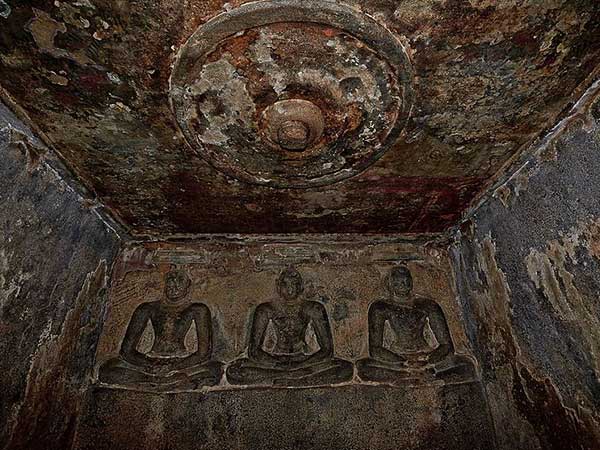
Sittanavasal Paintings located in Tamil Nadu is a Jain Monastery site, also known as the ‘Ajanta of Tamil Nadu’. These paintings represent the era of Pandyan reign. Mostly, these paintings are about animals, ducks and dancing figures. Ardhamandapam ceilings are covered with exquisite murals. Murals are painted with vegetable dyes. It is seen that that artwork of Sittanaval is similar to that of Ajanta Caves.
Cave paintings symbolize Indian culture and traditions that feature the pre-historic human life from various reigns. But sadly, these portraits are damaged to a greater extent. Lack of maintenance of these treasures have destroyed their beauty. Over the years, the condition of cave paintings have deteriorated. Cautious attention has to be given to the restoration of the caves to preserve ancient history and art.



























 Eduindex
You must be logged in to post a comment.