Why change your IP address Changing your IP address can be useful if you want to avoid being attacked by other users who are targeting your IP address, or if you simply want a new online identity from an IP standpoint. You can change your IP address on a Mac at any time through System.
Don’t worry. Changing your IP address is easy, even if you’ve never done it before. It’s also perfectly safe and — as long as you’re not using it to break other laws — it’s legal. Your computer and phone have several types of IP addresses (short for internet protocol, a unique series of numbers that identify your specific device with your online browsing), but we’ll focus on the type normally changed to protect your privacy as you browse, and those which make you appear like you’re in a different country.
If you just want to change your IP address without the additional privacy boost, you can either enter your preferred IP manually, or you can just force your device to retrieve a new one automatically.
Is it even legal to change your IP address?
Yes, it’s legal to change your IP address in the US. People change their IP addresses routinely when facing direct attacks on their online security, when testing a website before it goes live, or when they simply prefer to protect their privacy. Obviously, this FAQ is in no way offering legal advice and you should consult a licensed attorney for specific questions, but the legal boundaries on IP address changes usually start with what you change your IP to, and what you do with that new IP address.
If you’ve changed your IP to impresonate individual or a business — often called IP spoofing — you could be running afoul of the US Computer Fraud and Abuse Act. You might also run into trouble if you’re changing your IP address to access a website you’ve been banned from. IP spoofing is also a tool used by some cybercriminals to perform a handful of well-known attacks, most commonly those related to identity theft and those aimed at crippling websites with organized distributed denial of service bombardment.
Whenever I ask readers what the number one thing holding them back from traveling is I almost always get the same answer: Money.
Travelling the world with no money sounds like an impossible dream. But it is possible, and you can do it responsibly without breaking the bank. It should be said that there are some expenses you shouldn’t compromise on (like travel insurance) but there are tons of ways you can travel the world on a budget — including plenty of ways you can travel for free.
Travelling for free entails taking advantage of free accommodation, transportation, and activities that are already out there, thereby reducing your cost to zero. Here, you sacrifice comfort and convenience to extend your travels as long as possible.
And yeah don’t even worry about your food budget the restaurant often has eating challenges just take an insane challenge and fill your paunch
W HEN Gustavus Swift, a youngster in knee breeches, dressed and sold his first calf to the fisherfolk of Cape Cod, he laid the foundation of the largest meatpacking business in the world. The desire to make money—to have a business of his own—was a driving force in the make-up of young Swift. In Barnstable, he was known as a chap with a lot of “get up and go” to him. So it was not surprising that when he felt the desire to make money, he didn’t waste his time wishing, but took his courage in his two hands and started in the dressed beef business in his dad’s backyard.
No doubt there were other young men in Barnstable who wanted to make money too. But while they were wondering how they could make it, Gus Swift cut the Gordian knot. It meant work for him. It was not a pleasant way to make money. There was the possibility of his not being able to sell his calf after he had dressed it. He had to walk miles in order to market his veal, for Cape Cod in those days was a “spread out” sort of place.
But Swift didn’t care.
He wanted money
The work, the walking and the adventure were fun. And because he regarded making money as fun instead of work, he later was able to come to Chicago and start the great Swift packing business. How different from the average young men of today! They are usually more interested in having a good time than they are establishing themselves in a business of their own. Being in business is so confining! So they concentrate on enjoying themselves, serene in their philosophy that tomorrow is another day. If these people, and they are not all young people either, worked half as hard at making money as they do at having a good time, they would be rich.
Then there are people who are willing to work and do work hard at making money, but they are not successful because they lack a target. They are like the chap who hunts big game with a shotgun. They do a lot of shooting, but they bag very little game. Next to being willing to pay the price of success in hard work, the most important thing is to have a definite, clear-cut objective. Since it is necessary to crawl before you walk, it is suggested that you make that objective $1,000.
What you about this story of hard work and dedication
There is no definition of beauty, but when you can see someone’s spirit coming through, something unexplainable, that’s beautiful to me. …
Let us live for the beauty of our own reality.
One difficulty for understanding beauty is due to the fact that it has both objective and subjective aspects: it is seen as a property of things but also as depending on the emotional response of observers. Because of its subjective side, beauty is said to be “in the eye of the beholder”.
It has been argued that the ability on the side of the subject needed to perceive and judge beauty, sometimes referred to as the “sense of taste”, can be trained and that the verdicts of experts coincide in the long run.
This would suggest that the standards of validity of judgments of beauty are intersubjective, i.e. dependent on a group of judges, rather than fully subjective or fully objective.
Conceptions of beauty aim to capture what is essential to all beautiful things. Classical conceptions define beauty in terms of the relation between the beautiful object as a whole and its parts: the parts should stand in the right proportion to each other and thus compose an integrated harmonious whole. Hedonist conceptions see a necessary connection between pleasure and beauty, e.g. that for an object to be beautiful is for it to cause disinterested pleasure. Other conceptions include defining beautiful objects in terms of their value, of a loving attitude towards them or of their function.
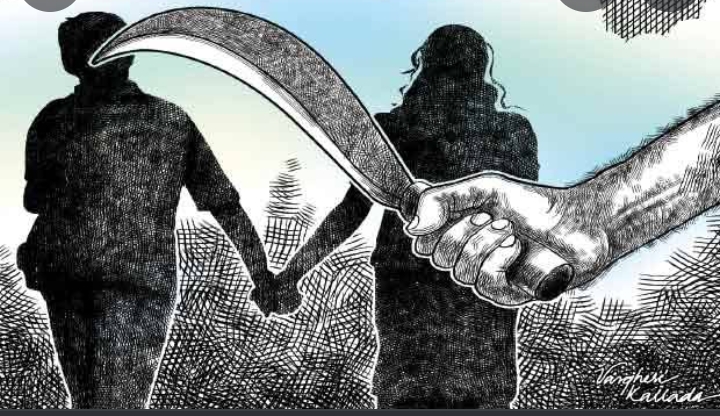
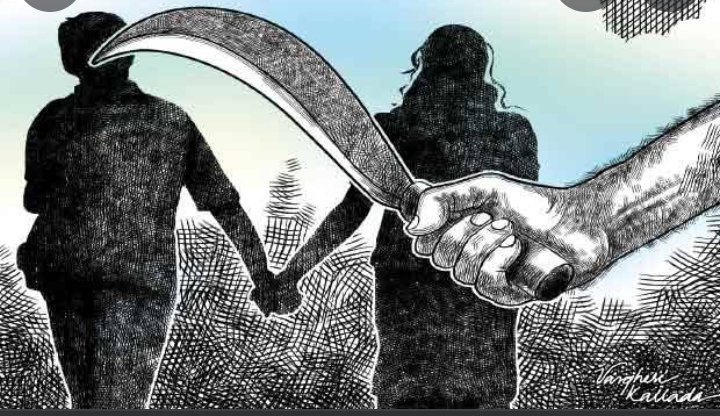
An honor killing or shame killing is the murder of an individual, either an outsider or a member of a family, by someone seeking to protect what they see as the dignity and honour of their family.
Honor killings are often connected to religion, caste and other forms of hierarchical social stratification, or to sexuality, and those killed will often be more liberal than the murderer rather than genuinely “dishonourable”. Most often, it involves the murder of a woman or girl by male family members, due to the perpetrators’ belief that the victim has brought dishonor or shame upon the family name, reputation or prestige.
Honor killings are often associated with rural and tribal areas, but they occur in urban areas too.
Though both men and women commit and are victims of honor killings, in many communities conformity to moral standards implies different behavior for men and women, including stricter standards for chastity for women. In many families, the honor motive is used by men as a pretext to restrict the rights of women.
Although such crimes are widely suspected to be underreported, the United Nations Population Fund estimates that as many as 5,000 women are killed annually for reasons of honor. These crimes take place throughout the world and are not limited to one specific religion or faith. However, they have rather significantly and consistently occurred in various parts of the Middle East and South Asia, with nearly half of all honor killings occurring in India and Pakistan.
Although such crimes are widely suspected to be underreported, the United Nations Population Fund estimates that as many as 5,000 women are killed annually for reasons of honor. These crimes take place throughout the world and are not limited to one specific religion or faith. However, they have rather significantly and consistently occurred in various parts of the Middle East and South Asia, with nearly half of all honor killings occurring in India and Pakistan.null
In the 21st century, there was an increased international awareness of honor killing, however, some countries remained reluctant to take the necessary steps to effectively criminalize it. In the relatively uncommon event that a man was prosecuted for the killing, the subsequent trial would often focus on the woman’s alleged behaviour, rather than the violence committed against her. When a man was found guilty, the defendant could claim that the crime had been committed to restore sullied family honor and petition the court for a reduced sentence. In India, for example, the government enacted strict penalties for violence against women during the 1980s. However, honor killings based on intercaste and interreligious marriages continued to take place in rural areas, where they were largely unreported to police because of direct or indirect support among village residents. Such murders were often ruled as accidents when reported. A woman beaten, burned, strangled, shot, or stabbed to death could be ruled a suicide, even if there were multiple wounds and there was no possibility the woman could have killed herself.
It’s will amuse you to know that you can sell your body parts and People will pay hundreds, and sometimes thousands, of dollars for certain body parts.
Note that “selling” a body part isn’t the same as putting your futon up for sale on Craigslist. Except for selling ad space on your skin, most forms of giving body parts are technically donations, but it’s common practice to be compensated in cash.
Being compensated for all of the parts listed below is legal, but we don’t necessarily recommend it. There are other — more conventional — ways to supplement your income.
1. Hair up to $1,000
Like blood, hair is easy enough to donate to a good cause (like Locks of Love). But it’s also entirely possible to sell it at a pretty sweet price point.
The trick is to keep it as long and “virginal” as possible. That means no harmful hair dyes or other chemical treatments that could damage the quality. Buyers are likely looking to make wigs, and they’re not going to be interested in your split ends.
According to Wisebread, one woman made as much as $1,000 on her locks in just a week by posting an ad on TheHairTrader.org.
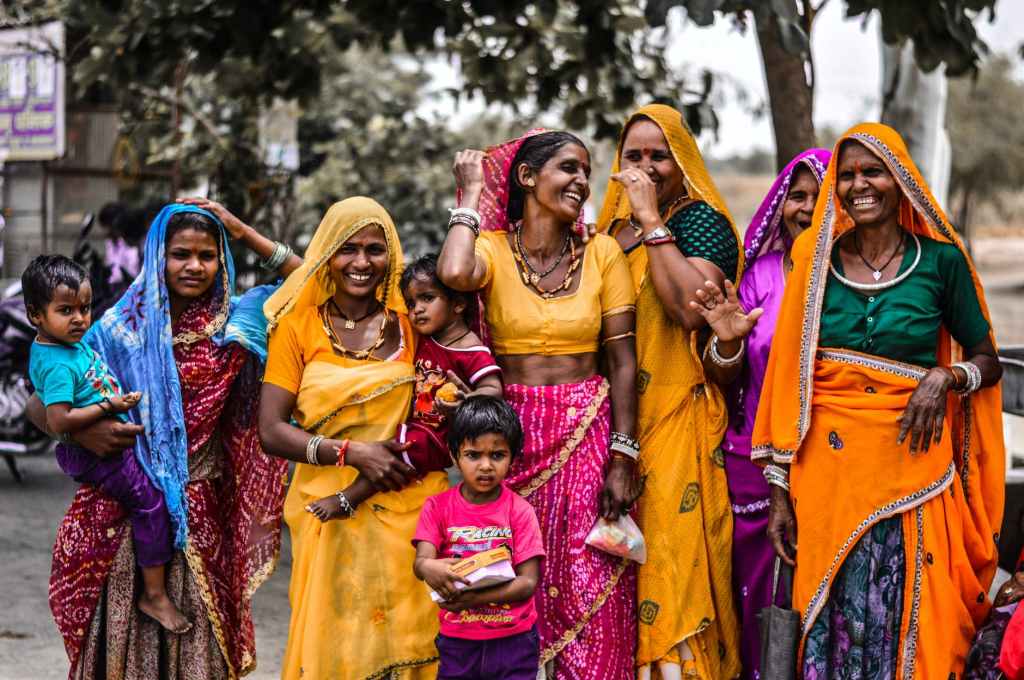
Currently, Rajasthan govt released an amendment “Rajasthan compulsory Registration of Marriage Amendment Bill 2021” it allowed registration of child marriages, it’s 21 century and we all are aware of how heinous child marriage is, here are some of my views on this act
In my views law is not wrong Those who commit or help in child marriage will still be punished, but those who already had marriage were not allowed to have registration and so they were not able to avail all govt schemes and benefits, those saying it will make it easier to do child marriage remember availing govt benefits are everyones fundamental rights.
Those saying it’s illegal look it like this rape is illegal but rape victim and culprit both have some rights that we can’t snatch, like culprit must be allowed to go court etc, ofcourse child marriage is as heinous as rape and here victims are both boy and girl but why they suffer whole life for it, they can’t get rashion, jobs, water, now as everything is more and more digitalizing and you can’t prove you’re married, it will become more hard to avail services like jacha bacha Suraksha and this are thee parents who most need it.
Also one negative point is it will make child marriage easier, but many people will not be able to avail fundamental rights isn’t it totally wrong also we can make child marriage hard by making strong rules. As we have data of child marriage we can ask govt employee who are posted there why they let it happen like police or magistrate, they will become more accountable this way.
If I’m missing some points or you want to share your views here’s my email soni362002@gmail.com
The very first thaught which comes to our mind when we think about jaipur is “The pink city” , but the glory of this historic city is not just limited limited to few historical events. It’s one of the most culturally rich city of india. Jaipur was founded in 1727 by the Kacchawa Rajput ruler Jai Singh II, the ruler of Amer, after whom the city is named. It was one of the earliest planned cities of modern India, designed by Vidyadhar Bhattacharya. During the British Colonial period, the city served as the capital of Jaipur State. After independence in 1947, Jaipur was made the capital of the newly formed state of Rajasthan.
Jaipur is a popular tourist destination in India and forms a part of the west Golden Triangle tourist circuit along with Delhi and Agra.On 6 July 2019, UNESCO World Heritage Committee inscribed Jaipur the “Pink City of India” among its World Heritage Sites. The city is also home to the UNESCO World Heritage Sites Amer Fort and Jantar Mantar.
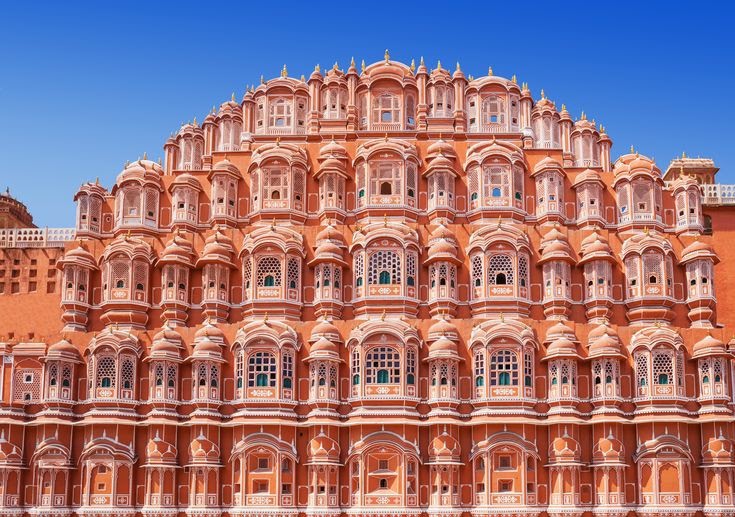
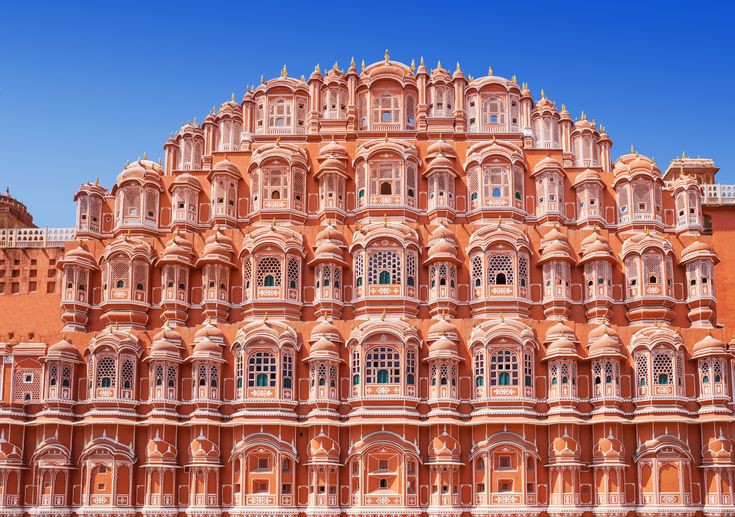
Hawa mahal e.g “The Palace of Winds”
History & Development
Unlike other medieval cities of the region, Jaipur was deliberately planned as a new city located on the plains and open for trade, as opposed to cities on hilly terrain and military cities of the past, though its planning still responded to the surrounding hill tops in all topography. The site selected within the valley that lay to the south of the Amber hills was comparatively flat and undeveloped. It was also adequately protected, nestled within hills having an array of forts and defence posts. Thus, the new city could be planned as an inviting trade and commerce city with an ambitious vision of the ruler Sawai Jai Singh II and his architect- planner Vidyadhar.
The City of Jaipur is an exceptional example of indigenous city planning and construction in South Asia. In a remarkable difference from the existing medieval practices where settlements developed in a more organic manner. It is an expression of the astronomical skills, living traditions, unique urban form and exemplary innovative city planning of an 18th century city from India.
The design of the new city was a breath-taking departure from the prevalent practices in city development in the sub-continent. Its urban morphology reflected the coming together of cultural elements from eastern and western planning, expressing a culture of a ‘trade and commerce city’ and townscape that is unparalleled anywhere in South Asia. Envisaged as a trade capital, the main avenues of the city were designed as markets, which still remain as characteristic bazaars of the city. Chaupar, or designed large public squares at the intersection of roads, is another feature that is distinct to Jaipur as are its single and multicourt havelis and haveli temples. Besides an exemplary planning, its iconic monuments such as the Govind Dev temple, City Palace, Jantar Mantar and Hawa Mahal excel in artistic and architectural craftsmanship of the period.
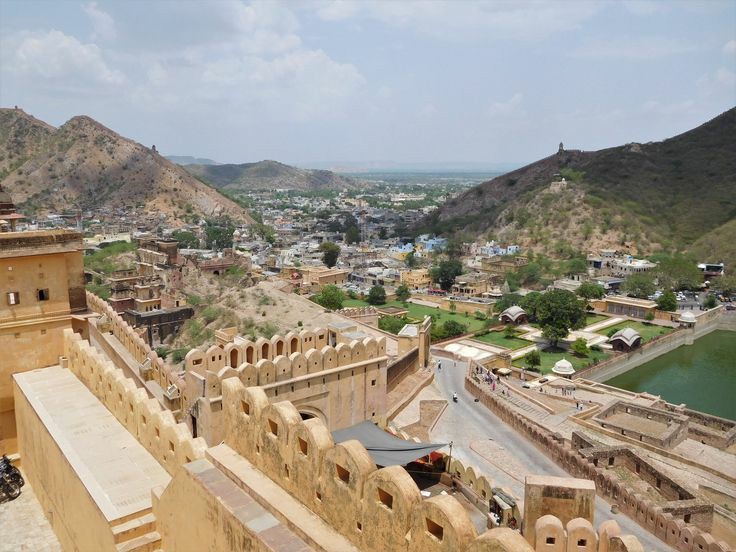
“Amer fort” is Constructed of red sandstone and marble.
The boundaries of the property conform to the original 18th century plans of Sawai Jai Singh II and relate to the surrounding topography as well as the original vision for the planned city. The size and scale of all town planning elements such as width of roads, hierarchy of public spaces, open spaces, water bodies, built form all are intact as per the original plan. The iconic built heritage structures retain their original form, character and architectural style. Though some areas of bazars and inside havelis in chowkris are undergoing major changes, but most are still intact form and location.
it is an exemplary development in town planning and architecture that demonstrates an amalgamation and important interchange of several ideas over the late medieval period. It shows an interchange of ancient Hindu, Mughal and contemporary Western ideas that resulted in the customised layout of the city. It is believed that Raja Jai Singh arrived at the final layout after a thorough analysis of several town plans sourced from across the globe. Following the grid-iron plan prevalent in the west but with traditional zoning, superimposed by the desire to rival Mughal cities, Jaipur reflected new concepts for a thriving trade and commerce hub that became a model for the later towns in the adjoining Shekhawati region and others parts of Western India.
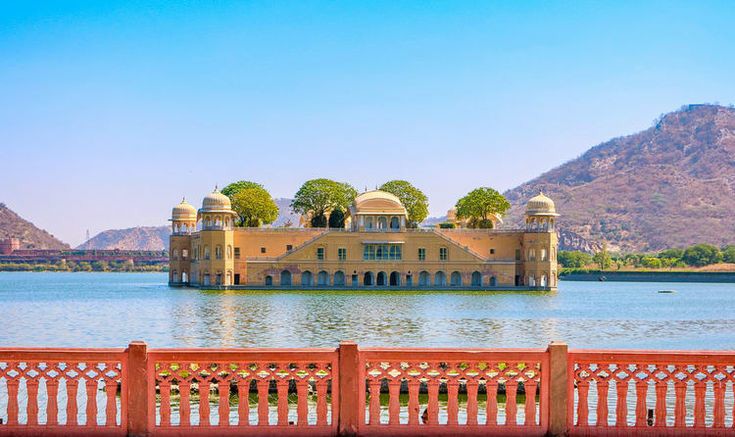
“Jal Mahal” is a palace in the middle of the Man Sagar Lake in Jaipur city
The inscribed area of the historic walled city of Jaipur within the walls and gates includes all of the attributes of the property (18th century town plan with its grid iron plan, chaupars, chowkris, city wall and nine city gates; urban form with 11 bazaar facades, shop typology along bazaars, havelis and haveli temples along bazaars and at chaupars, iconic monuments, gates leading to inner streets; craft streets and bazaar areas). The inner areas of chowkris and the related old havelis are not attributes of the property.
The tourist hub
Jaipur is always honored for its magnetic heritage beauty which is indiscreet from more than thousands of years. And, if you are a lover of the wild, culture and history, then travel to Jaipur and celebrate this day by visiting some of its Heritage Sites.According to TripAdvisor’s 2015 Traveller’s Choice Awards for Destination, Jaipur ranked 1st among the Indian destinations for the year.The Presidential Suite at the Raj Palace Hotel, billed at US$45,000 per night, was listed in second place on CNN’s World’s 15 most expensive hotel suites in 2012.
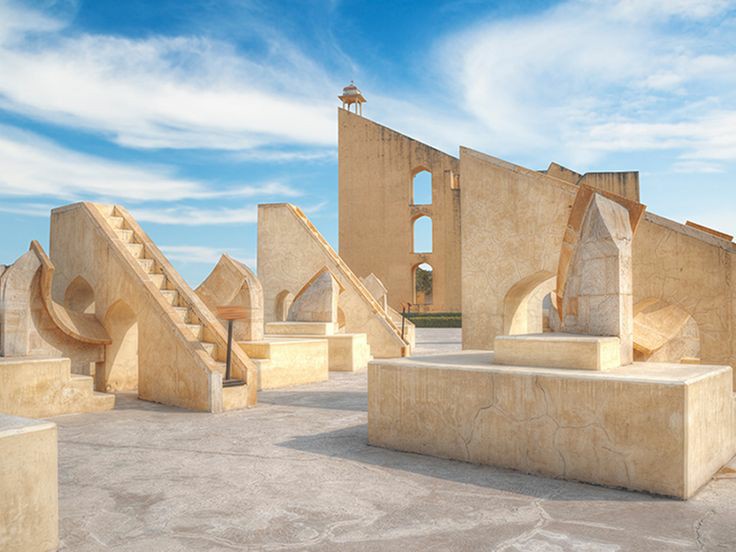
jantar mantar
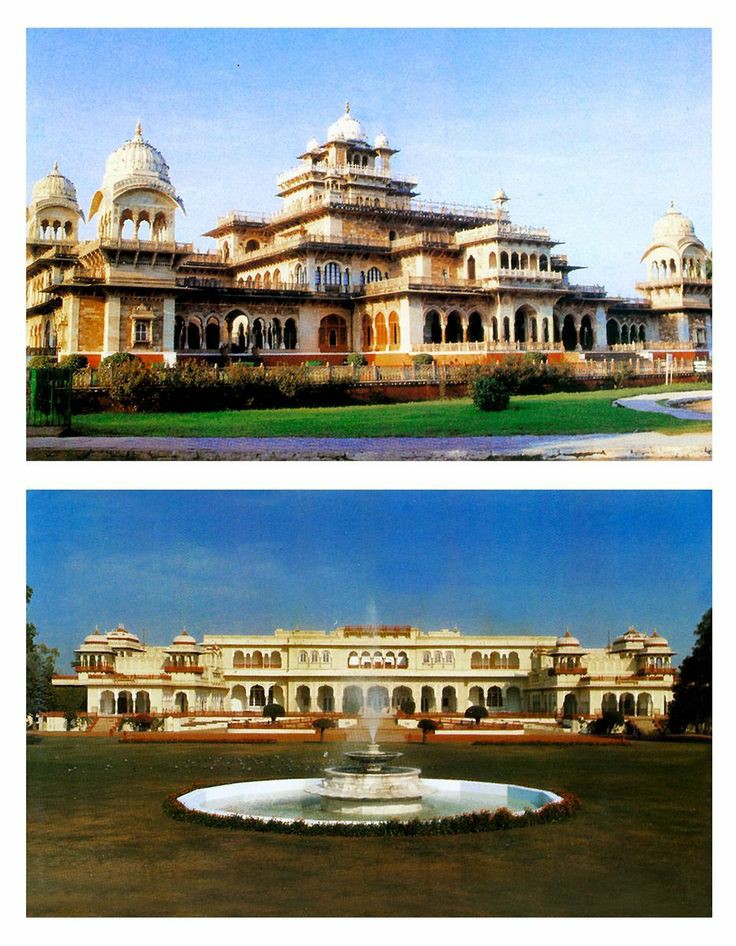
Visitor attractions include the Birla Auditorium, Albert Hall Museum, Hawa Mahal, Jal Mahal, City Palace, Amer Fort, Jantar Mantar, Nahargarh Fort, Jaigarh Fort, Birla Mandir, Galtaji, Govind Dev Ji Temple, Garh Ganesh Temple, Moti Dungri Ganesh Temple, Sanghiji Jain temple and the Jaipur Zoo.The Jantar Mantar observatory and Amer Fort are one of the World Heritage Sites.Hawa Mahal is a five-storey pyramidal shaped monument with 953 windows that rises 15 metres from its high base. Sisodiya Rani Bagh and Kanak Vrindavan are the major parks in Jaipur,Raj Mandir is a notable cinema hall in Jaipur.
The “Albert Hall Museum” in Jaipur, is the oldest museum of Rajasthan
Jaipur has many cultural sites like Jawahar Kala Kendra formed by Architect Charles Correa and Ravindra Manch. Government Central Museum hosts several arts and antiquities. There is a government museum at Hawa Mahal and an art gallery at Viratnagar. There are statues depicting Rajasthani culture around the city.Jaipur has many traditional shops selling antiques and handicrafts, as well as contemporary brands reviving traditional techniques, such as Anokhi. The prior rulers of Jaipur patronised a number of arts and crafts. They invited skilled artisans, artists and craftsmen from India and abroad who settled in the city. Some of the crafts include bandhani, block printing, stone carving and sculpture, tarkashi, zari, gota-patti, kinari and zardozi, silver jewellery, gems, kundan, meenakari and jewellery, Lakh ki Chudiya, miniature paintings, blue pottery, ivory carving, shellac work and leather ware.
From our childhood we are speaking daily with your family, friends, relatives but we can’t speak a good communication skills we the people who are strange to us. But few people have brilliant skill in communication. So, here are some steps to improve the communication skills.
1)BUILT A COMMUNICATION WITH EYE CONTACT
First and main steps to build the communication is eye contact. This plays a important role in the communication. Many of us do mistake while we are speaking like we don’t look at them, we use cellphone during the communication. So, first of all we should correct them and practice eye contact. Many business people use eye contact as the advantage in the negotiation for their purpose. So practice eye contact.
2) Be patience for their speech
Always be patience to the speaking partner. Patience is one of the most valuable skill in the world which may enables us to help in improve decision making, communication and power solving situation. Listen and explore them with your mind what they are taking.
PEOPLE WHO ARE GOOD COMMUNICATOR ARE THE GOOD LISTERS.
Here are some tips practising patience
Be a good listener
Be in present moment
Make smile
3)Look them with smile
When you are starting the conversation starts with smile which may boost your confidence and ensure that you will be kind. Many people things smiling may unwelcome to others but smiling will help you to better communications. Smile is the way to tell the feedback to your partner and also boost our mood.
THE GREATEST SELF IS A PEACEFUL SMILE, THAT ALWAYS SEES THE WORLD SMILING BAD
We all want to see ourselves strong. Often there comes a time when we think that I wish we could do this, I wish we had this power. One such power is the strength of the chair but it is the most special. Getting it can change the fate of generations, but somewhere we are all afraid of it, all the battles of the world have been done for it. All the freedom struggles have happened just to bring the power of the chair to the people.
Often the power of the chair is considered to be the power of the politicians, but it’s the strength of every person who has any position. A H.R. have the power of the H.R.s chair. Simply we can put it as, every person who has any position or responsibility has that chair of power.
There is a famous quote “With great power comes great responsibility”. Once everyone start treating it as responsibility rather than as a power world will have no fights.
Ok, so let me make it clear, I’m writing it because I know his autobiography and some other literature of that time.
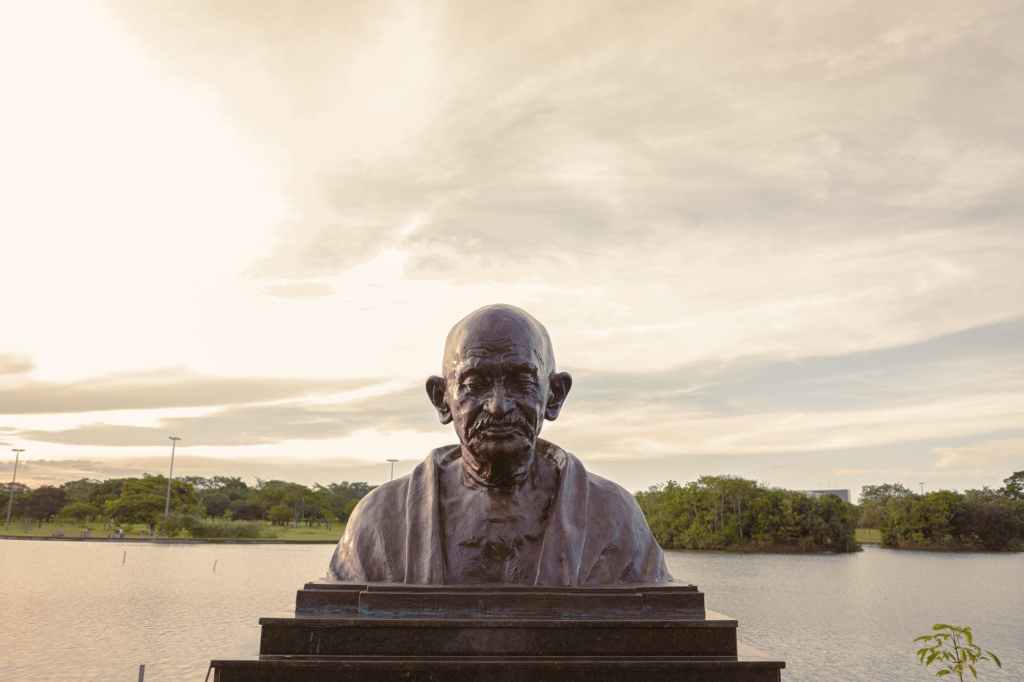
Many say Gandhi was Racist about Africans and didn’t fight for black people. When he reached Africa Indian merchants had a far better life there(compared to native Africans) and in that colonial time it was nearly impossible to make govt give some good rights, so he had to play small first. He fought for little rights of Indians couse there they have education and money to make pressure and start changes many others were fighting like him so it was a good start and solving in pieces is how he gave freedom to India(it’s not like India got freedom from one movement it was succession of events, movements, rights that made Britishers slowly give rights to Indian). And for all the documentation and stuff of that time sorry but all wise guy knows about propaganda, narratives that time every resource of information was controlled by whites even if they try acting well you know deep down they are just harshly judging(I know this point will be hard to clear for some.).
Treated women and low cast badly. He had done lots of good things to remove discrimination(this is more hard topic then second one) when you are between people who have lots of discrimination in mind and you want to correct them you have to start small not like give education and abuse your wife but he respected his wife from whole heart but for others, he made like educate them later treat with respect too. Also even if he seems great like Budha or written characters like Optimus, superman(where I believe his morals are far stronger than our most moral fictional characters even now. He has given all his life rechecking his ideas improving himself morally so it’s really hard our fictional characters can reach that height.)
I’m not saying to worship him or idealize him just be as hard critique as you can but remember that all info was recorded by those who were deep inside biased or willing to spread propaganda.
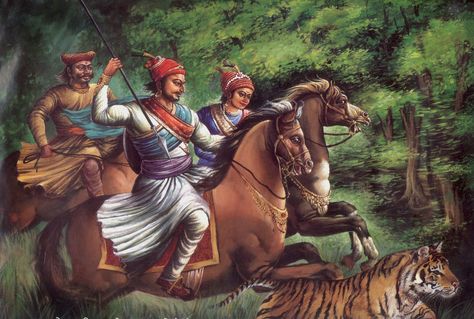
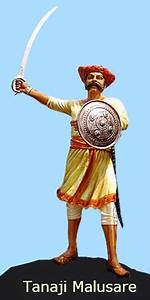
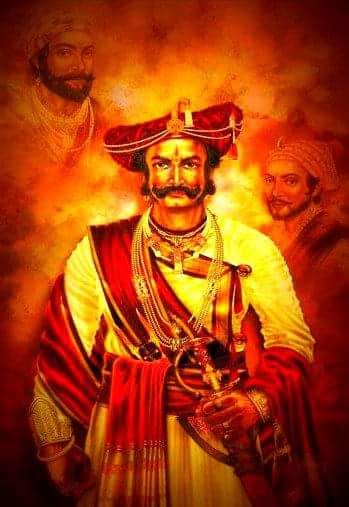
Sinhagad was one of the first forts which Chhatrapati Shivaji Maharaj re-captured from the Mughals. The capture was made possible by scaling the walls at night with ladders made of rope. A fight followed in which Tanhaji Malusare was killed but the fort was won. The battle and Tanhaji’s exploits are still a popular subject for the Marathi ballad.
During the siege, Malusare scaled a steep cliff that led to the fort through the assistance of a monitor lizard called Yashwanti (also referred to as ghorpad in Marathi) This type of lizard was tamed since the 15th century and Yashwanti was trained to pull the rope up the cliffs for Malusare and wind it around the fort’s bastion. Climbing up the fort, the Marathas were intercepted by the garrison and combat ensued between the guards and the few infiltrators that had managed to climb up by this time. Both Tanhaji and Udaybhan were killed in the battle but the overwhelmed Maratha forces managed to capture the fort after the reinforcements penetrated the gateway of the fort from another route.
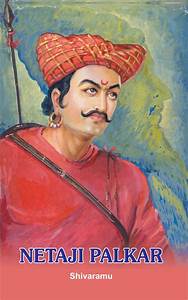
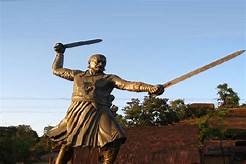
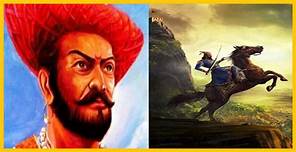
Netaji Palkar:
During the period of the rise of Shivaji Maharaj from 1645 to 1665, Netaji was given charge of many expeditions which he successfully completed. His greatest success was the campaign against the Adilshah of Bijapur that followed the killing of Afzal Khan. His standing among the local population was such that he was known as Prati Shivaji (Image of Shivaji Maharaj). After an agreement between Mirza Raja Jai Singh and Shivaji Maharaj, Shivaji Maharaj was made to give 23 forts to the Mughals and also fight against the Adilshah of Bijapur. During this period, Netaji Palkar, as a tactic joined the Bijapur forces and weakened the Mughals by counter-attacking them using Adilshah’s army. In turn, Shivaji Maharaj used Mirzaraja Jai Singh’s army to weaken the Adilshahi.
Baji Prabhu Deshpande:
Bijapuri forces under commander Siddhi Johar sieged Panhala Fort where Shivaji Maharaj was present. On a stormy full moon’s night a band of 600 men, led by Baji Prabhu and Shivaji Maharaj, broke through the siege. They were followed by the Bijapuri forces under Siddhi Masood. Tradition and legend describe feats of valor displayed by the Marathas during this rear-guard action. Baji Prabhu had mastered the art of using a weapon called “Dand Patta”. Through the entire battle, Baji Prabhu, even though grievously injured, continued fighting, inspiring his men to fight on until Shivaji Maharaj’s safe journey to Vishalgadh was signaled by the firing of three cannon volleys. It should be mentioned that when Shivaji Maharaj approached Vishalgad with 300 men, the fort was already under siege by Bijapuri sardars named Suryarao Surve and Jaswantrao Dalvi. Shivaji Maharaj with his 300 men had to defeat Surve to reach the fort. The pass where Bajiprabhu fought the enemies was later named as ‘Paawan Khind’
The Paawan Khind
Kondaji Farzand:
Farzand was a skilled warrior who was specialized in warfare (sword fight, wrestling), climbing high scale peaks, and planning battle strategies. Farzand only gathered 60 skilled warriors to take a might against 2500 soldiers guarding Panhala. Farzand not only captured the Panhala fort but also avenged the death of Tanaji by killing Beshak Khan. He was highly praised by Chattrapati Shivaji Maharaj for capturing Panhala. After the death of Chattrapati Shivaji Maharaj, his son Sambhaji Maharaj ascended the throne and continued the fight for Swarajya. The Janjira fort was under the control of Siddis and had to be gained back. Kondaji Farzand took this mission to recapture Janjira by befriending Siddi and attacking his artillery and ammunition. But Farzand’s plan to recapture Janjira was failed as his identity was revealed to the enemy by an inside mole. The brave Kondaji Farzand was taken captive and killed. Had Kondaji not been betrayed, he would have regained Janjira fort back for Chattrapati Sambhaji Maharaj. Sambhaji Maharaj was very devastated after hearing about the death of his great commander Kondaji Farzand.
Sarnobat Hambirrao Mohite:
Hambirrao was the Senapati of Maratha Army. At that time, the Koppal province of Karnataka was under Adilshah’s general Abdul Rahimkhan Miyana and his brother Hussain Miyana. Both brothers used to forcibly take the grain of the farmers. The people of Koppal complained to Shivaji Maharaj when sent his Sarsenapati Hambirrao. In Yelburga, on January 1677, both armies collided. Hambirrao and Dhanaji Jadhav showed incomparable valor in this battle. More than half of Adilshah’s army was killed in this battle. Hambirrao killed Abdul Miyana and imprisoned Hussain Miyana.
When Chhatrapati Shivaji Raje passed away on 3 April 1680. On 21 April, the corrupt ministers of Swarajya crowned Rajaram Maharaj. At that time Rajaram was only ten years old. Rajaram Maharaj was the nephew of Hambirrao. The ministers of Swarajya ordered Sambhaji to be imprisoned. When Hambirrao came to know about this, Hambirrao captured all the ministers and presented them to Sambhaji Maharaj. This shows how deep Hambirao’s undying loyalty to Swarajya was.
In India, people belonging to the lower cast, especially amongst the Hindus were considered outcastes. Hindus termed them as ‘untouchables’ and they were not allowed to live amongst them or take water from their wells and tanks. They were also not permitted to enter temples nor was education and learning imparted to them. Good jobs too were not for them. Menial labor like sweeping roads, working as servants, or as bonded laborers were the only kind of work for them. The ‘Untouchables’ lived a life of poverty hardship and endless sufferings.
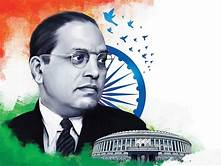
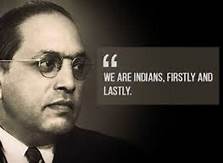
Dr. Bhimrao Ambedkar was born in one such ‘Mahar’ family on 14th April 1891. He challenged their ill fate and became the champion of the untouchables. The boy who suffered great humiliation in his childhood went on to become the first Minister of Law in free India and shaped the country’s revolution. When he was still at school, he felt the sting of untouchability. He was not permitted to sit with other students in the class. To drink water too, he had to wait for someone to pour it to him, and even then, he had to cover his mouth with one hand. As he grew up, he decided to go to Bombay to study and earn. He had a great liking for books and never tired of them. He passed his matriculation and then joined the Elphinstone College. He obtained his B.A. degree in the year 1912. He was very learned and also had degrees in M.A. and Ph.D.
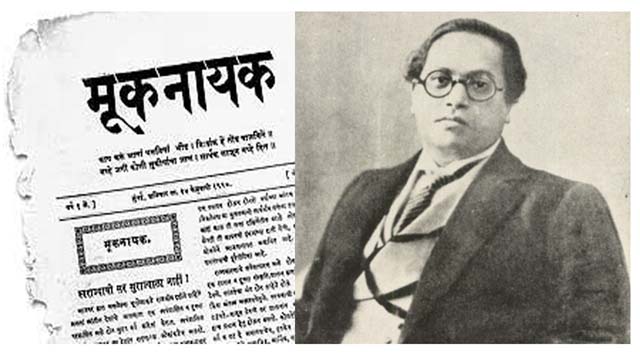
Bhimrao was married at a very early age, ie. 17 y/o. Ambedkar worked under the Maharaja of Baroda for some time. The Maharaja sent him to America. In America, Ambedkar experienced a new life. There was no ‘Untouchability’. All men were equal. But as soon as he reached India, he felt the sting of untouchability again. To proclaim and to bring light to the humiliation suffered by the ‘Untouchables’ he started a periodical called ‘Mook Nayak’. The Maharaja of Baroda as well as the Maharaja of Kolhapur gave their support.
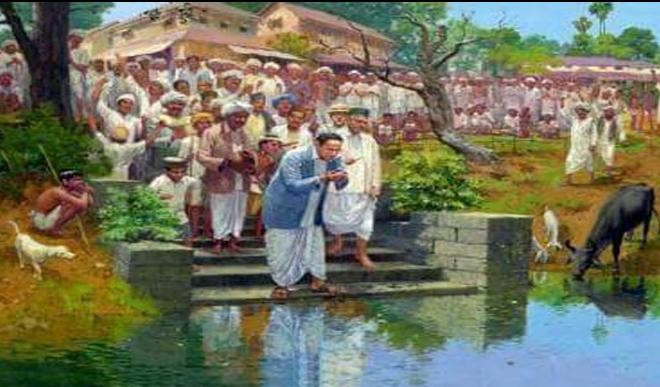
Ambedkar believed that people could attain self-elevation only if they learned self-help and respected themselves. Hence he intensified the fight. At that time the Bombay Legislature had passed a Bill that all could use public tanks as well; based on this decision, the Mahad Municipality in Colaba District resolved that the Chawdar tank could be used even by the untouchables. But the people feared the upper castes and did not go near the tank. Ambedkar himself led the people to the tank and first drank the water from it. All the followers then drank the water claiming their rights.
The Mahad Satyagraha.
Ambedkar wanted separate electorates for the lower castes, Gandhiji was unwilling as he too was for the cause of untouchables and felt that separate elections would only set them apart. Ambedkar was firm on his stand for separate electorates. Hence, Gandhiji went on a fast until death. Other leaders intervened and later an agreement was reached that there would be no separate electorates but ten percent seats in the legislature would be reserved for the Harijans. This famous treaty is called the ‘Poona Treaty’. Dr. Ambedkar’s entire life was dedicated to a single purpose securing equality and justice for the people called ‘Untouchables’. He lived to see untouchability declared as a crime. It was abolished, social equality was established. He was affectionately called ‘Babasaheb’. He was conferred with great honors, one being the Bharat Ratna. He passed away on December 6, 1956. His birth anniversary is celebrated with great fervor all over the country.
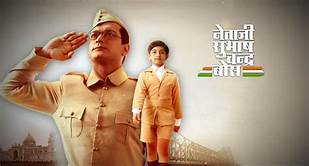
Netaji, as he was popularly known was born in Cuttack, Orissa on January 23. His father Janaki Nath Bose was a noted lawyer and his mother Prabhadevi was from a well-known family of Hathkola. They believed in English education alone, though they ignited in him a love for the motherland.
Subhash Chandra Bose was very brilliant and he passed his Bachelors of Arts Exam with Honours. In 1919, on September 15, he went to study at Cambridge in England to fulfill his father’s wish of appearing for the Indian Civil Services Examination. This period had a lasting effect on him, as at Cambridge there were students from various British colonies and there ensued a free discussion of problems faced by different countries. Subhash also noticed the way people lived in free countries and this left a great impact on him.
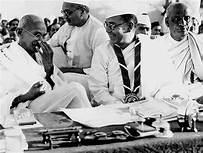
Under British rule people always lived in fear and insecurity. He also got to know the nature and the values of British people, who were not aware of the imperialistic nature of the rule which destroyed the values of India. The British people were not aware of how the British ruled in these countries giving the British a bad name back home. Though he was selected for the Indian Civil Services, he decided against joining the British government. Instead, he met Mahatma Gandhi and decided to join the Indian National Congress. His first activity was the boycott of the visit of Prince Wales to India. For this, he was arrested and sent to jail in Calcutta in December 1921.
Netaji realizes the potential of the youth of the country. Though an active member of the Congress he did not agree to some of Gandhiji’s principles and policies. His was a more revolutionary approach. He used to organize groups of young as volunteer corps and trained them on military lines. These men were dressed in military uniforms and used to maintain Law and Order at locations where Congress sessions were held. Groups like the Hindustan Republican Armed Group led by Bhagat Singh, the Anusilan Samiti, and many other revolutionary groups realized that Netaji was their supporter and held him in high regard. He was the unspoken leader of the youth and as the President of the Trade Union Congress, he realized the strength of the working classes in India for the freedom struggle. He was elected as the Mayor of Calcutta in 1930 and he was also elected as the President of the session on the Indian Nation Congress in 1938.
Netaji resigned as the President of the All India Congress in 1939. His views were opposed to Gandhiji’s and they had their individual supporters. Netaji believed in more forceful action while Gandhiji’s methods were ‘non-violence’ and ‘co-operation’. Subhash Candra Bose eventually resigned from the post after efforts to solve the dispute between him and Gandhiji failed. In May 1939, he formed the Forward Block within Congress. They opposed the non-violence policy of the Congress and after the outbreak of violence of the Second World war in September 1939, he launched more forceful anti-British and anti-war campaigns all over India.
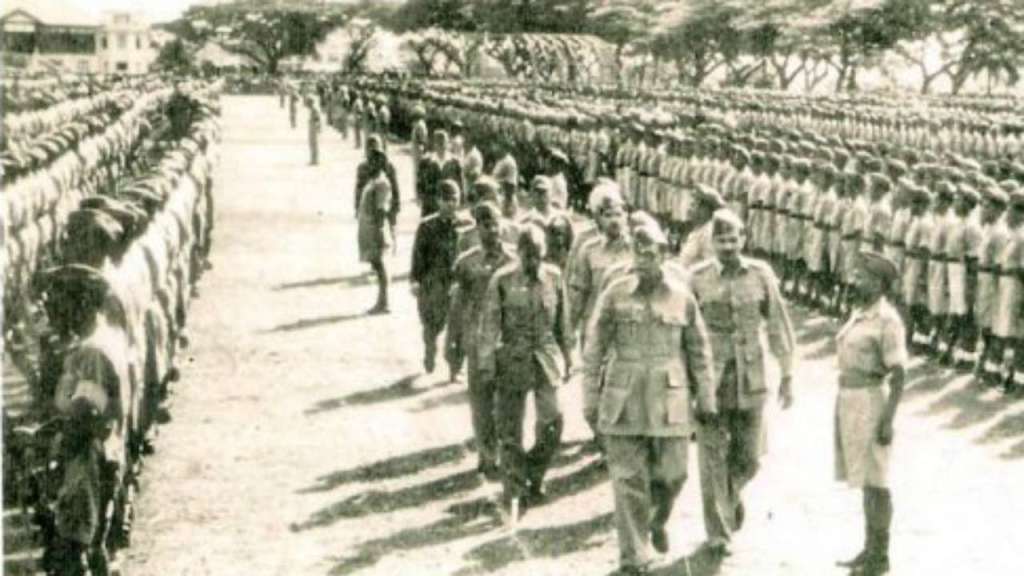
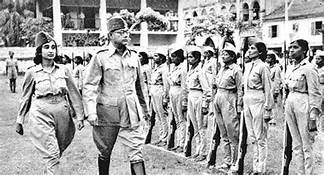
In 1940, after his arrest, he disappeared from his home in January 1941. He went to Germany to try and to enlist their support as they too were anti-British. He formed the Azad Hind Fauz (Indian National Army) and recruited Indian prisoners of War. He also enlisted support from the Japanese, for creating an army big enough to liberate India. He also assumed command of the Indian National Army at Singapore on October 21, 1943. He took over the Andaman and Nicobar Islands with the help of the Japanese government who decided to hand over these islands to India. The INA crossed the Burma-India border in 1944 and marched into the Imphal and Kohima area of Manipur. However, due to the surrender of Japan during the Second World War, the INA was isolated and did not receive any help from Japan. Hence they had to call off the war.
In Sanskrit, the term Raksha Bandhan translates as “bond of protection.”
It is observed on the full-moon day, on the 5th month in the Hindu lunar calendar, Raksha Bandhan is a popular Hindu holiday celebrating the love between a brother and sister.
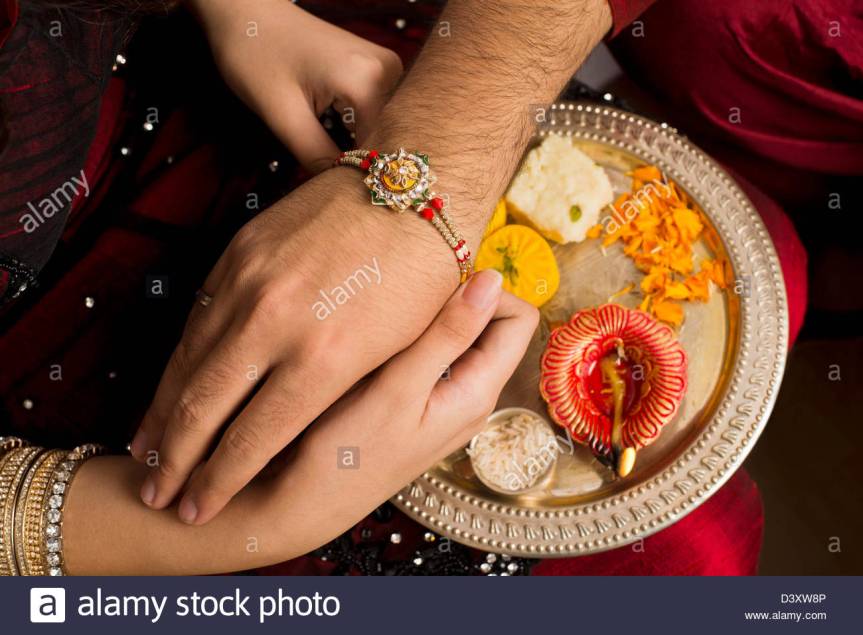
On this day, a sister ties a threaded amulet, known as a rakhi, around a brother’s wrist, honoring their relationship. The bracelet symbolizes the brother’s oath to protect his sister throughout her life, and the sister’s prayers and blessings for protection and wellbeing of her brother.
The origin of this celebration can be found in the Indian epic The Mahabharata, when Lord Krishna cut his finger. Draupadi, wife of the Pandavas who considered Krishna to be like a brother, immediately tore off a piece of her sari and tied the cloth around his bleeding finger. Smiling and grateful, Krishna promised to return the favor to her some day.
Another Legend has it that in 326 BCE, when Alexander the Great invaded India, Alexander’s wife Roxana, out of concern for his safety, had a thread sent to Indian King Porus, requesting him to not harm her husband in battle. Porus is said to have respected her wish, and refrained from killing Alexander during the famed “Battle of the Hydaspes.” Though Alexander ultimately won the battle, Porus had earned his respect, and was thus made a governor of part of his kingdom.
HOW TO CELEBRATE IT ?
Before the festivities begin, a sister first goes out to look for a talisman or amulet, which she thinks her brother might like and would suite his unique personality. A simple activity as such helps to cultivate appreciation for the brother’s personality.
On the D-Day, sister customarily turns on an oil lamp and offers it to a family deity and prays for her brother’s long health and happiness, then she ties the sacred thread to his hand and feeds him a sweet. Then the brother completes the ritual by reciprocating the action of feeding a sweet and giving a present to the sister.













 Eduindex
You must be logged in to post a comment.