Segmenting a market?

See everybody has their own likes and dislikes right? It is always possible that my need and your need can be different or even similar also. Market segmentation is just the most useful aspect in which a marketer can divide the whole market into subgroups of people having the same needs and wants. Must be wondering why it is done? So by this concept marketer gets the clear idea of the group demanding the same products and can easily satisfy their demand on that basis. Suppose if their is a group of teenagers than obviously their demand and needs about a product will be different from that of old age group. Likewise we have many different basis for market segmentation let us just understand them one by one:

  • Geographic Segmentation: This is the most simple method of market segmentation as in this the people living in one region of the country have different buying behaviours from that of the people living in some other region and thus this becomes the base for dividing the market .
  • Demographic Segmentation: Demographic elements such as age(teenagers/adults/retired), occupation, education, sex and income are used here for Segmentation.
  • Psycho-graphic Segmentation: Under this basis the consumers are divided into subgroups on the basis of their psychological attitude and also includes their personality and lifestyle.
  • Behavioral Segmentation: Consumers are here divided on the basis of the knowledge , attitude and use of actual products.
  • Volume Segmentation: It is assumed that most of the product is sold to a certain percentage of people. There are light , medium and heavy users of products. It is important for the business to give due consideration to the heavy users so that they must not switch to some other brand and also along with that they are required to adopt various techniques to convert light , medium and non users into the heavy one.
Easy explaination of its benefits.

THE AGRARIAN REVOLUTION

The term Agrarian Revolution implies the great changes that took place in the agricultural methods of England during the second half of the 17th century and the first half of the eighteenth century.

Causes of the Revolution:

  • The old open field system was wasteful of land because, according to this arrangement, every year one of the three fields was to be out of cultivation.
  • Secondly, come the old system of distribution of land was wasteful of time.
  • Thirdly, there was the necessity of confirming the customs of the village and thus made experiments in agriculture method possible.

In the 18th century, the population was increasing and so more food was needed. Owing to the scarcity of food materials there was a rise in prices. The old-fashioned farmers thought that they could get more money if they produce more. This idea was an incentive for them to improve their agricultural methods.

Reallocation of Lands:

Reallocation of lands in consolidated blocks which could be enclosed, several Enclosure Acts were passed in the reign of George II and George III. There were many cases of the poor peasants being not satisfied with the reallocation. Such people sold their small holdings to wealthy businessmen of the city who were eager to possess lands of their own. The final result of this tendency was that the class of rural inhabitants known as yeomen disappeared.

Advantages of enclosure system:

One of the advantages of the enclosure system was that it gave scope for many enterprising people to make experiments. Jethro Tull of Berkshire was the inventor of the drill for sowing seeds. He also emphasized the necessity of capital selection of seeds if good crops were to be obtained.

Another pioneer is Charles Townshend of Norfolk. He adopted Tull’s principles and paid much attention to the question of rotation of crops. He introduced the four-course rotation of turnips, barley, clover, and ryegrass, and wheat. These measures prevented an unprotective fallow. His innovation made Norfolk a leading agricultural country. With the result that in the thirty years the rental of the one farm rose from 180 pounds to 800 pounds a year.

The work of Townshend was continued by Thomas Cook. He followed the precepts of Tull and in addition fed the soil with manures including bones. In nine years he was able to grow excellent wheat crops. He also introduced new artificial foods such as oil cake under led the way in fattening cattle for the London markets. He held a yearly meeting for farmers at his house and these meetings farming topics were discussed and much advice was given and received. It is estimated that the annual rental of his estate Rose from 2,200 pounds in 1776 to 20,000 pounds in 1816.

Cattle farming:

While Norfolk landlords were thus making great improvements in arable farming, a Leicestershire farmer, Kama Robert Bakewell was revolutionizing English methods of stock breathing. Up to this time sheep had been valued chiefly for their wool, the production of mutton had been only secondary. Bakewell was the first to turn his attention to the production of meat as the main consideration of stock breeding. By patient choice and experiment, he succeeded in producing a new breed of sheep with fattened quickly and weighed heavy. His success attracted the attention of many. Farmers from far and wide visited his farm at Dishley and became converts to his new methods. Others who did pioneering work in this field were George Culley, Charles Colling, and John Salman.

Board of agriculture:

Royal patronage was also given to the moment of revolutionizing the agriculture methods. George III, affectionately known to his subjects as a farmer George, established a model farm at Windsor. The success of the moment was due to the writings of agriculture writers, the most famous was Arthur Young. When a board of agriculture was established in 1793. Young was made its secretary.

Conclusion:

With the advent of the enclosure system, the English banking system also grows, for even the wealthy landlords did not have money to do the fencing and other improvements. So they have to borrow money from the banks. Through all those methods was very desirable from the point of view of production, it had a harmful effect on the partition. The system deprived him of the privilege of grazing his cattle and cutting fuel from the commons.

What is a Novel

Picaresque Novel

The Wonders Of The World

Seven wonders of the world are identified because of their breathtaking design and monument. The true wonder we can say is artistic, mysterious, magnificent, stunning or in other words, it is a masterpiece, and due to these qualities, it attracts everyone towards itself. The most remarkable creations by mankind are included in the list of Seven Wonders of the World.

The Taj Mahal, a symbol of love is well known across the world for its historical value and its stunning beauty. Located in the historic Indian city of Agra, the Taj Mahal houses the tomb of Mumtaz Mahal, the wife of the Mughal Emperor Shah Jahan. It is believed that the Emperor’s immense love for his dear wife who died in 1631 giving birth to their 14th child prompted him to build the Taj Mahal as a testament of his love.

The construction which took approx 22 years was completed by 1632. Its construction cost is equivalent to US$827 million today. In 1983, the Taj Mahal has declared a World Heritage Site by UNESCO. Today, it attracts around 7 to 8 million visitors each year.

The Colosseum in Italy is one of the world’s new seven wonders of the world. The oval-shaped Colosseum, also known as the Flavian Amphitheatre is the largest amphitheater in the world located in the center of the city. It is constructed out of concrete and sand.

It can host around 80,000 spectators. Some of the public spectacles held at the Colosseum are mock sea battles, animal hunts, famous battle re-enactments, executions, and mythological dramas. Today, it is a popular tourist attraction and serves as the iconic symbol of Imperial Rome.

Chichen Itza is an archaeological site in Mexico’s Yucatán State. It is a pre-Columbian city built during the Terminal Classic period by the Maya people. The historical value contributes to its status as the modern wonders of the world. Chichen Itza is one of the major cities of the ancient Mayan world and constructions in the city exhibit a variety of architectural styles.

Machu Picchu is the dream destination of millions of people around the world. It is located in the Cusco of Peru’s Machupicchu District. Archaeologists believe that emperor Pachacuti of Inca built Machu Picchu as an estate in the year 1450. Developed as a city, it was abandoned a century later during the Spanish Conquest. Machu Picchu remained unknown to the rest of the world until it was discovered by the American explorer Hiram Bingham. Machu Picchu is a unique representation of the Incan era.

Brazil’s most iconic symbols statue of Jesus Christ in Rio de Janeiro is one of the new seven wonders of the world. The French sculptor, Paul Landowski build the statue. . The structure is 98 feet tall and has a 26-feet tall pedestal. Its arms stretch 92 feet wide. Located on Corcovado mountain, the 2,300 feet tall statue weighs 635 metric tons and is made up of soapstone and concrete

Petra, a Jordanian wonder and UNESCO World Heritage Site, is also listed as one of the “28 Places to See Before You Die” by the Smithsonian magazine. Apart from that, it’s immense archaeological, historical, and architectural value makes it a jaw-dropping tourist attraction. The most important features of the ancient city are its water conduit system and rock-cut architecture. The stone color from which it has been carved helped to get its nickname the “Rose City”.

The Great Wall of China is long associated with Chinese history. At the beginning of the 7th century, over a period of years, series of walls were initially built by Chinese empires of different states. Later, these walls were joined together resulting in today what we see like the Great Wall of China. It was declared as a UNESCO World Heritage site in 1987.

MY LOVE AFFAIR WITH …

My love affair with paper & pen is something that I would love to share with you all .At an early age of 8 I used to run my fingers through the corners of story books as I love reading them , I used to draw the characters with the help of pencil on the corners of the book . When ever I used to read I always used to have a pen in my hand , I feel paper & pen are the most powerful thing in this whole world , do you want to know how ? I will tell you !

I can put my thoughts on paper , for introverts , who are not able to express themselves in front of any one , writing diary every day works the best . When you have a paper & pen in your hand it has many benefits to you , some of them are :

Provides Clarity –Penning down our thoughts bring structure to the vast inner world of fragmented emotions and thoughts that goes on in our hearts and minds. 

Self-discovery– Journaling helps us to introspect, to gain great insights into ourselves- our strengths, weakness, ambitions, and obstacles which is a step towards personal growth and development. It is one of the roads to self-discovery, so when ever you write on a paper with you pen you are putting you best foot forward to know yourself a bit extra.

Alleviate Stress– Expressing our anger, frustration or sadness on paper reduces the intensity of our emotions and makes us feel calmer hence helping us to gain more clarity and make rational decisions. It lets loose the negativity that we have festering inside us and reduces its deleterious effects. 

Self Expression/Venting Out– When voice fails us, we can express ourselves through written words. While writing down our emotions and thoughts, boundaries of topic, structure, punctuation, grammar and syntax can be transcended to free flowing expression of ourselves. When we write, our thoughts fly from the cage of our restless minds and are clearly displayed on the paper in front of us.

You saw , paper & pen helps you reliving from your stress also . This is what I was talking about . In professional terms also a written statement is considered move valuable & powerful , penning down your thoughts on paper & publishing them will also work the best best for you . It’s not always easy to discern and express our emotions especially when we are going through dark storms in our lives. At that time we might have a cornucopia of turbulent thoughts and emotions which might not be easy to voice. While writing, we don’t have to fear that the paper or diary will have any bias or prejudice towards us or we have to make sense in order to clearly express ourselves. A paper & pen will never be biased towards you , though the whole world be , hence I am in love with them

What is Leadership?

Leadership, according to Peter DeLisle, is the ability to influence others, with or without authority. All successful endeavors are the result of human effort; thus, the ability to influence others is a derivation of Interpersonal Communications, Conflict Management, Problem solving. Leadership is a direct function of three elements of interpersonal effectiveness.

  1. Awareness : Awareness is a state of consciousness. It is the ability to recognize yourself, others, events and situations in real time.
  2. Ability : Ability to learn and understand technical issues is the basis of our careers – Ability to communicate, Ability to resolve conflicts, Ability to solve problems and make decisions.
  3. Commitment : Taking decisions without recognizing the impact in both positive and negative manner. To be dedicated and keeping engage.

Attributes or Characteristics of Leader

  • Guiding vision : Effective leaders know their strength to pursue the objectives and achieve the goals.
  • Passion :Leaders have a positive outlook on who they are, and they love what they do.
  • Integrity : Leaders know who they are, effective leaders are also aware of their weaknesses. They only make promises they can follow through on.
  • Honesty : Leaders convey an aura of honesty in both their professional and their personal lives.
  • Trust : Effective leaders earn the trust of their followers and act on behalf of their followers.
  • Risk : Effective leaders take calculated risks when necessary, to achieve their objectives . They learn from the
    mistake and use it as an opportunity to explore other avenues.
  • Dedication : The effective leaders are dedicated to their charge. The leader gives himself or herself entirely to the task when it is necessary.

Leadership Styles

1) Persuasive Leadership
• Leader engage his team through cooperation.
• Explains projects and values, stimulates, encourages, mobilizes resources.
• Remains accountable for every decision.
• Flexible on methods, supports co-workers.

2) Authoritative Leadership
• An Authoritative leader is self committed , gives instructions, structures the team activities.
• Sets precise objectives, defines evaluation criteria, solely accountable for decisions.
• Does not accept co-workers requests, does not accept failure.
• Always decides- does not listen

3) Delegative Leadership
• Defines the rules, mission and the responsibilities
• Plans and organizes the teams activities.
• Gives autonomy, only when required.
• Fosters mutual respect through expertise.

4) Democratic Leadership:
• Supports team work and offers collective projects
• Always encourages the team members to express freely
• Takes into account the individuals needs
• Fosters positive work environment and engages his team in decision making process.

Tips for better Leadership
• Be a good role model.
• Be clear about your rules and expectations.
• Leave room for input.
• Reward employees for good behavior.
• Be liked.
• Stamp out ‘them and us’ culture
• Honor the business roots
• Be passionate, enthusiastic and proud• Communicate effectively.
• Know your limits
• Learn from the past
• Keep meetings productive
• Walk your talk
• Presentations
• Motivational skills

World Hepatitis Day 2021: Theme, Hep types, and Significance.

What is hepatitis? Theme this year, few symptoms, about types of Hep, and how to contribute?

THEME 2021 : “Hepatitis Can’t Wait”

What is Hepatitis:

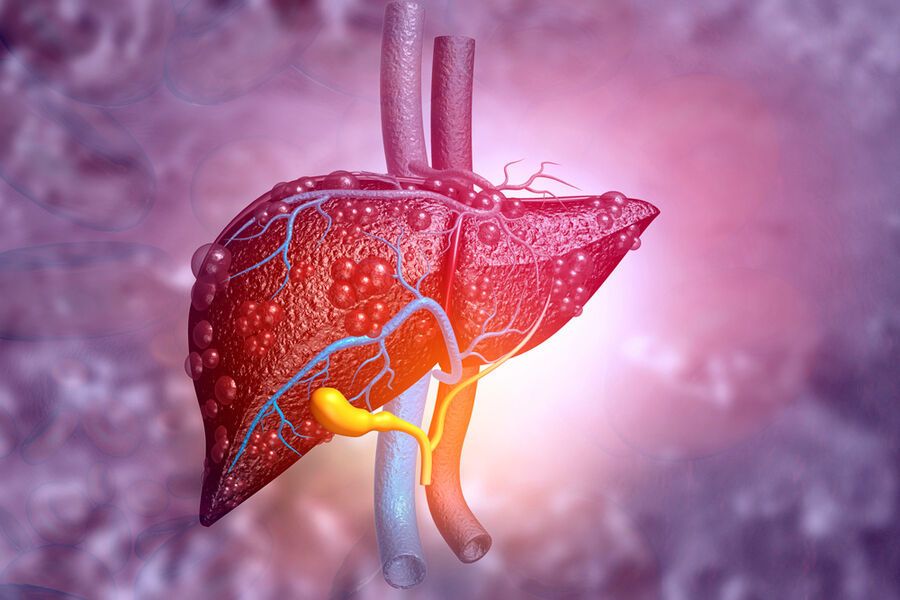
Hepatitis means inflammation of the liver. It can lead to scarring, cirrhosis, and liver cancer. There are 5 main hepatitis viruses: –

Types A, B, C, D and E. These 5 types are very serious since they cause severe illness, even leading to death. They can also cause outbreaks and spread of epidemic.

 A person dying every 30 seconds from a hepatitis related illness 

Causes :

Heavy alcohol use, toxins, some medications, autoimmune diseases can cause hepatitis

Ways of transmission: Have contact or receiving of contaminated blood or blood products, invasive medical procedures using contaminated equipment. Hepatitis B can transfer from mother to baby at birth, from family member to child, and by sexual contact.

Main symptoms:

  • Jaundice (yellowing of the skin and eyes)
  • Dark urine,
  • Extreme fatigue
  • Nausea
  • Vomiting
  • Abdominal pain. 

Types of hepatitis:

1 Hepatitis A Virus (HAV) :

Transmitted through consumption of contaminated water, food; sometimes sexual contact. It’s trace is present in faeces. In most of the cases, it is usually mild and when treated properly it can make one immune from further infections. But, left untreated it can turn life threatening.

Additional symptoms :

  • Abdominal pain or discomfort, (by your liver)
  • Clay-colored bowel movements
  • Severe itching

Safe, effective vaccines are available to prevent HAV.

2 Hepatitis B Virus (HBV): –

Transmitted through exposure to infective blood, semen, and other body fluids, mother to baby, family member to a child during early childhood, transfusions of HBV-contaminated blood and blood products, contaminated injections during medical procedures, and through injection drug use. Medical workers have a greater chance of exposure.

Add Symptoms:

  • Fever
  • Joint pain
  • Loss of appetite

Safe, effective vaccines are available to prevent HAV.

IT HAS NO CURE, BUT JUST CAN BE PREVENTED

3 Hepatitis C Virus :-

Transmitted through exposure to infective blood, instruments during surgeries; even though the chance is low, sexual transmission is possible. If detected soon it can be treated. But, most of them have no idea they have Hep C starts with it’s acute form which rarely shows symptoms.

Add. symptoms:

  • Bleeding easily
  • Bruising easily
  • Itchy skin
  • Fluid buildup in your abdomen (ascites)
  • Swelling in your legs
  • Spiderlike blood vessels on your skin

NO Vaccine yet

4 Hepatitis D Virus : –

It can transmit through blood and body fluids but it only occurs when the person is already affected with Hepatitis B. IT IS MOST SEVERE FORM OF HEPATITIS. It can lead to lifelong liver damage and even death. HBV vaccine gives protection from Hepatitis D virus. If you have HBV, haven’t taken HBV vaccine and live where HDV is more prevalent; the chance of contracting HDV is higher.

Add. Symptoms:

  • Not feeling hungry
  • Joint pain
  • Dark urine
  • Light-colored stool

NO CURE

5 Hepatitis E Virus (HEV): –

Transmission through contaminated food like undercooked meat from infected animals, such as pigs or deer, or water. The one that causes most outbreaks. It can get better by practicing hygiene, but pregnant women and people with weak immune system are at a risk.

Add. symptoms:

  • Light-colored poop
  • Skin rash or itching
  • Joint pain
  • Less hunger and throwing up

Safe and effective vaccines to prevent HEV infection have been developed but are not widely available.

Why 28th July?

It is the birthday of Dr Baruch Blumberg, the Nobel-laurate scientist discovered the Hepatitis B virus (HBV), diagnostic tests and vaccine for Hep B.

How to contribute:

  • Practice hygiene for yourself and encourage those around you.
  • Join drives which support sanitation of unhygienic, neglected areas.
  • Educate yourself and people around you.
  • Donate to legit Hep donations.
  • Before travelling to areas where Hep prevails, get yourself vaccinated against Hep.
  • Spread awareness, because it might help someone one day. (Learning about symptoms encourages one to go to Doctor)
  • Join the campaigns by WHO.

REF:

https://www.who.int/news-room/events/detail/2021/07/28/default-calendar/world-hepatitis-day-2021

Health & Ginger

Ginger is one of the common spices which is used all over the world .It is a very ordinary Spice which can be found in any kitchen . But did you know that it has extraordinary medicinal power? Yes ! Ginger is not only a spice but it is also an organic & aromatic medicine .Ginger is an important compound for making herbal tea which is used for various health purposes .Ginger is the important spice for Asian foods. Come and let’s talk about ginger .

Herbal tea
Ginger Powder as Spice

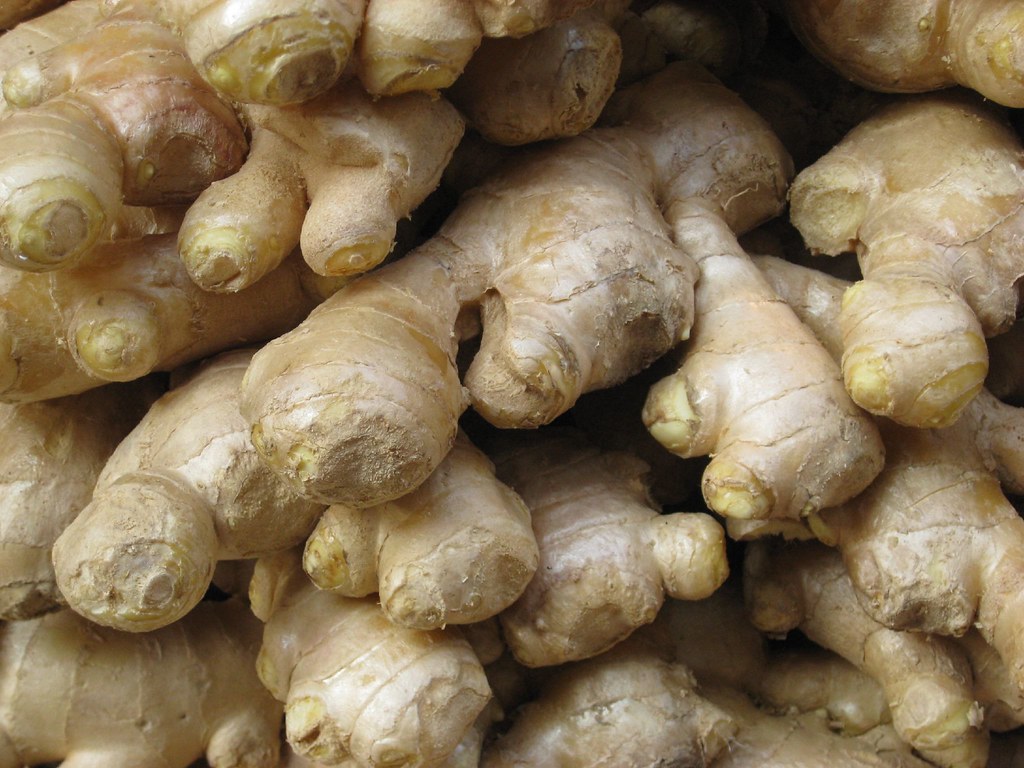
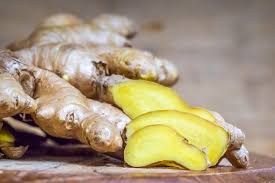
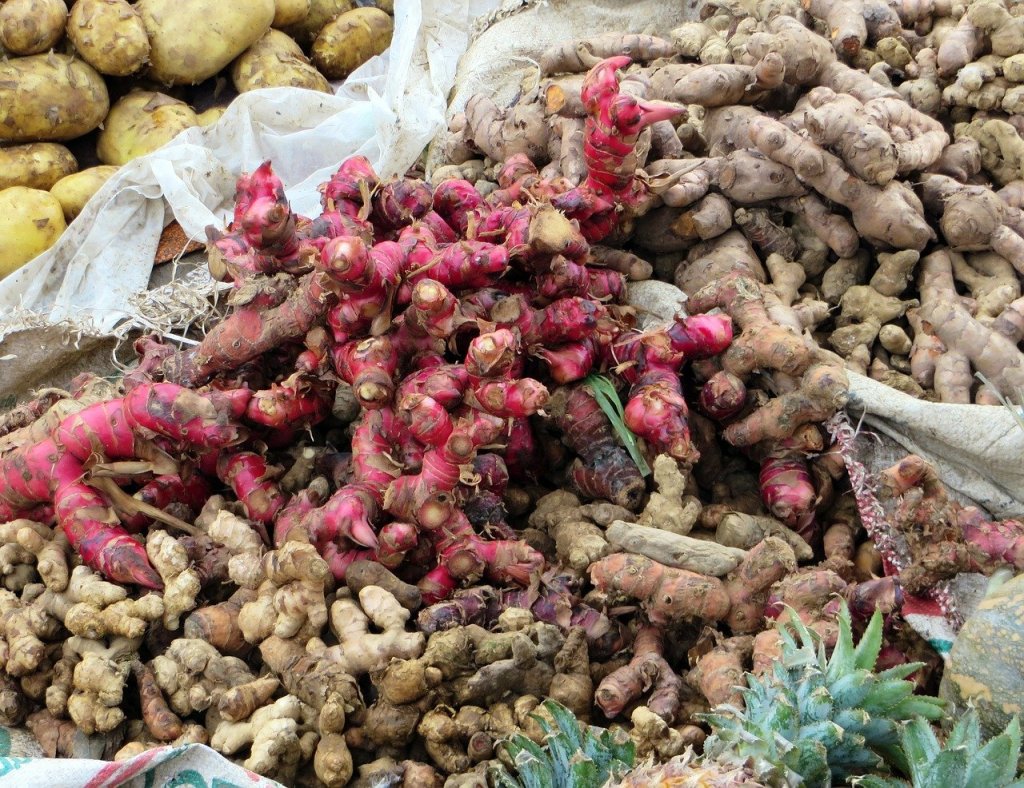
Ginger is the rooting part of a flowering Ginger plant . So obviously  we collect Ginger under soil .The binomial name of Ginger is Zingiber officinale . Ginger is closely connected to turmeric cardamom and some other spices .There are many types of Ginger all over the world .  The taste of the Ginger is very strong  & has a pungent smell .

Young ginger

Various Types of Ginger :   1) COMMON GINGER ( Its Scientific name is Zingiber Officinale . It is the most popular ginger in the world .)

COMMON GINGER

2) PEACOCK GINGER

PEACOCK GINGER Plant

3)MANGO GINGER (Its biological name is Curcuma amada .This type of Ginger has the taste and smell of raw sweet mango . )

Mango Ginger & its Paste

4)GINGER LILY

GINGER LILY Plant & Flower

5)CREPE GINGER ( Cheilocostus speciosus is its scientific name & grow in a white crepe paper flowering plant ) 

CREPE GINGER Plant & Flower

6)BUTTERFLY LILY GINGER (  Hedychium coronarium is its botanical name)

BUTTERFLY LILY GINGER Plant & Flower

7)DANCING LILY GINGER ( Scientific name is Globba winitii & have honey sweet smelling unique structural flower)

8)YELLOW GINGER (Its botanical name is  Hedychium flavescens )

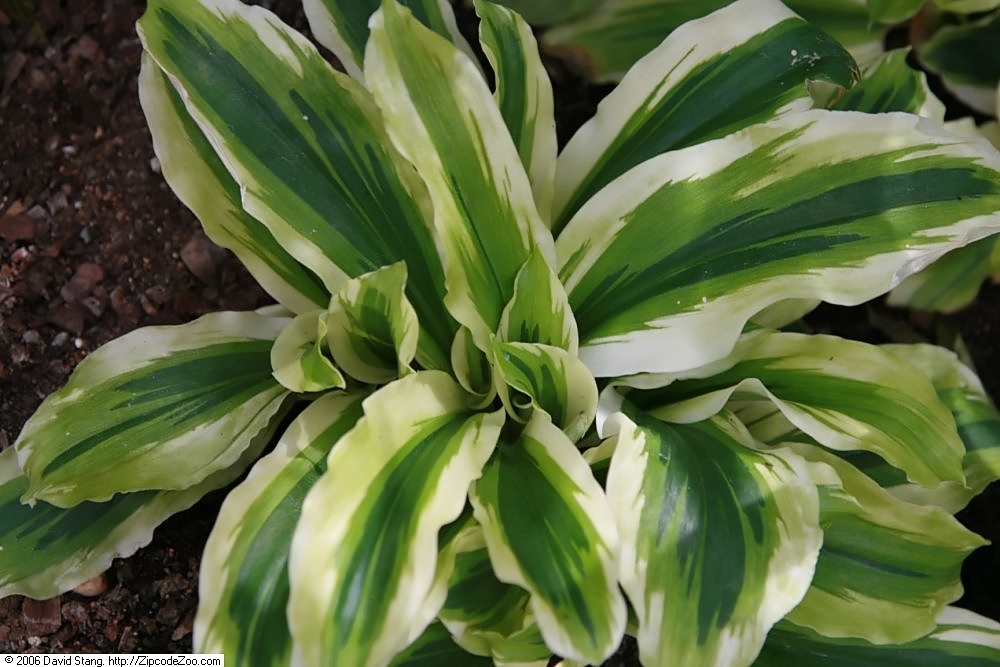
YELLOW GINGER

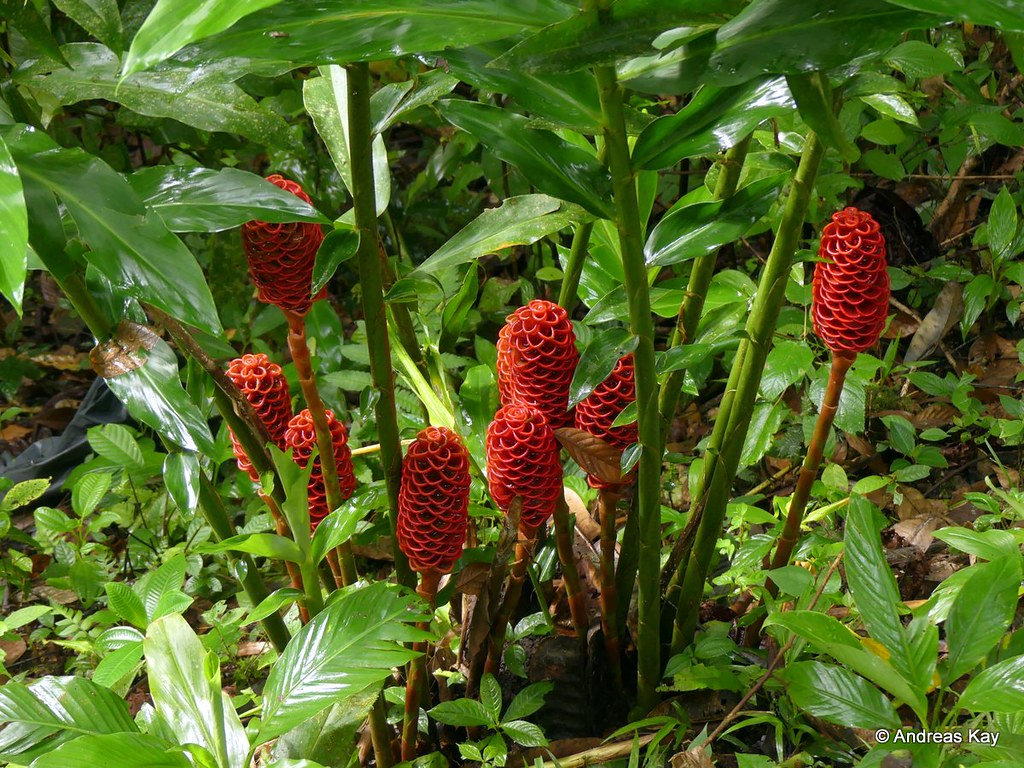
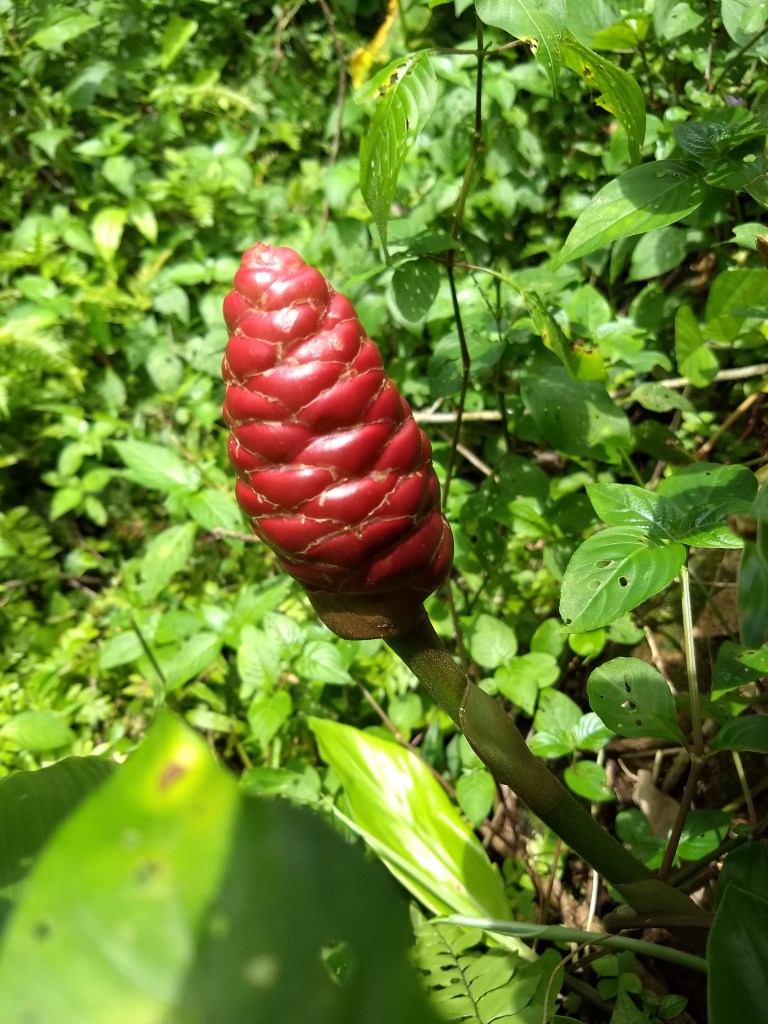
 Apart from this type of these Gingers there are many more  Red Ginger ,Thai Ginger, Japanese Ginger ,Torch Ginger ,Shell Ginger ,Blue Hawaiian Ginger ,Beehive Ginger ,Bitter Ginger , Culinary Ginger ,Spring Ginger , Red Ginger etc.

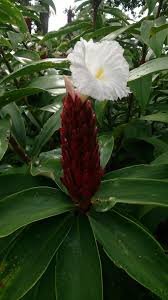
Beehive Ginger Flowering Plant
Bitter Ginger Flower
Culinary Ginger
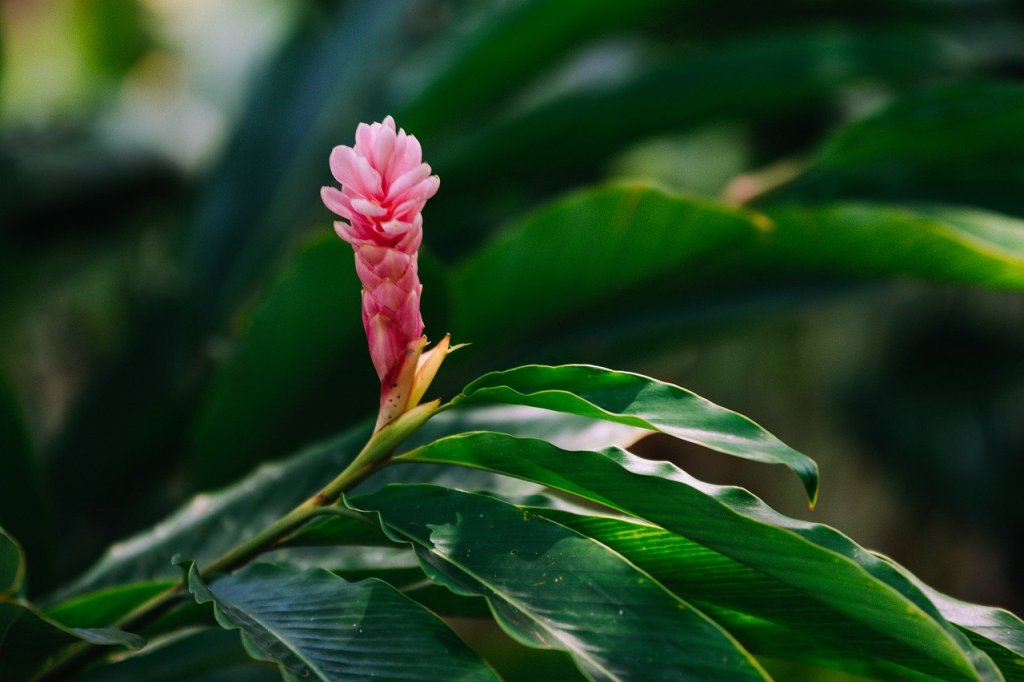
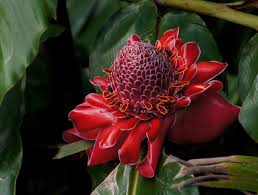
Flower of Torch Ginger Flower
Red Ginger
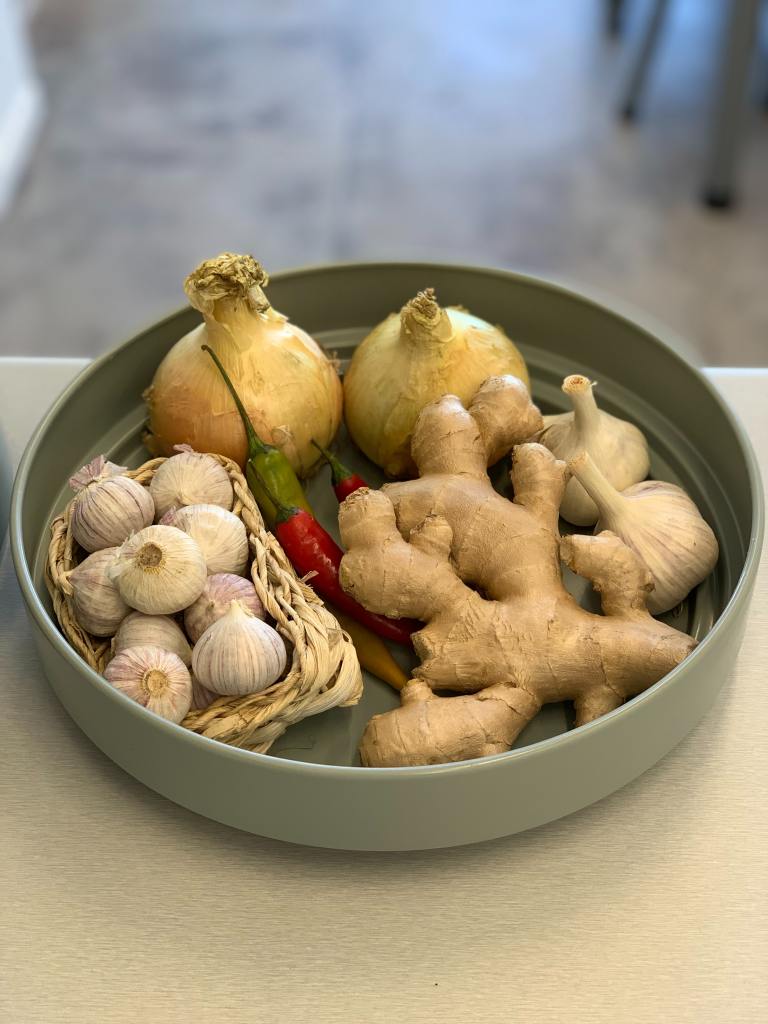
Ginger as common kitchen ingredient

Nutrients of Ginger :100 gm of ginger contain 

a)17.7 gram carbohydrate 

b) 1.7 gm sugar

c) 2 gram dietary fibre

d) 1.8 gram protein

e) 0.7 gram fat

f)  Some vitamins like – 0.7 mg vitamin B3 ,0.2 mg vitamin B5 ,0.16 mg Vitamin B6 ,5 mg Vitamin C ,0.26 mg Vitamin E                                                                                                                                        g) Some minerals – 16 mg calcium ,43 mg magnesium ,34 mg phosphorus ,415 mg potassium ,13 mg sodium ,0.6 mg iron ,0.2 mg manganese ,0.3 mg zinc .

h)Ginger also contains 79 gm water .

i) Ginger gives us 80 kilo cal energy .

j) Ginger also contains Vitamin B1 ,vitamin B2 ,folate . 

k)Ginger has excellent amount of Gingerol which is a powerful antioxidant

Effectiveness : 

1)Gingerol is a very strong and effective antioxidant ,which is found in Ginger in high amounts . It prevents the free radicals from damaging our body cells  by oxidation .

2)Ginger is very effective for pregnant women in the time of morning sickness . Ginger fights back the symptoms of nuisance .It is also helpful for nuisance created by chemical therapy for digestive nuisance and others .

3)Research in 2019 shows that Ginger has a low amount of fat so it is very good for a weight loss diet . 

4)Ginger is also helpful for osteoarthritis, joint pain and other bone problems . 

5)Ginger is able to act as a very powerful anti diabetic medicine which helps to decrease the amount of blood sugar in blood and protect our heart from any heart problems .

6)Menstrual pain during the monthly cycle is a very common problem for girls . This menstrual cramps is called Dysmenorrhea & Ginger is a very good pain reliever for Dysmenorrhea .

7)Some research  shows that Ginger has anticancer properties. It specially helps to prevent colorectal cancer .

8)Gingerol antioxidant which is present in Ginger , can ward off the infection problems .

9)Ginger is also good for an upset stomach ,indigestion and other digestion problems .

10)Ginger also prevents common cold and other symptoms of cold & cough .

Importance and Benefits of Reading Books.

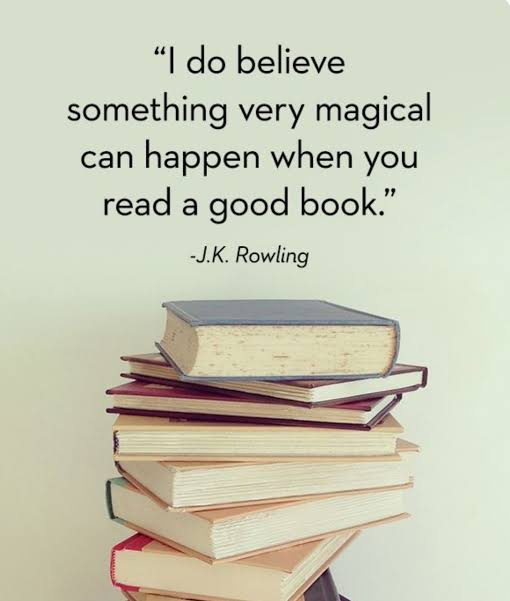
Growing up we all have learned basic skills and out of all the skills, our ability to read is the most significant. Whatever you read, it ends up enlightening you. And when it comes to books, each book that you read is an opportunity to learn something new. By reading you can broaden your vocabulary, improve your writing skills, train your mind, enhance your wellness, lower stress, and most important thing you can discover something new about yourself. 

Why is reading important?

It has been said that a person who can read can educate themselves in any field of life they’d like to. In this modern era, everything is flooding with fresh information. And reading is the best way to clarify and relate to further information. 

Although you can find it easier to watch a Youtube video or listen to a podcast, reading still tastes the cake when it comes to comprehension and enhancing your education. 

What are the benefits of reading books? 

If you are a bookworm, you already know many of the benefits of reading books. And if you are not then you are reading the right article. Mentioned below are some of the benefits of reading books:-

I) Improves Concentration

Reading requires concentration, time, and patience. In simple words, reading forces you to use your brain. According to One World Literacy Foundation, “when you read, you need to reason things out that are unfamiliar to you.”

II)  Broaden Vocabulary 

If you read, you uncover new words, that allow understanding on a greater level. If you read an hour per day, you’ll end up exposing yourself to approx 4 million words in a year. Isn’t it amazing?

III) Reduces Stress

According to a study by Sussex University, reading can reduce stress by 68%. When you read you involve your mind in reading, which takes away your focus from all the worries.  

David Lewis​ (a cognitive neuropsychologist) said, “It doesn’t matter what book you read. By losing yourself in a thoroughly engrossing book you can escape from the worries and stresses of the everyday world and spend a while exploring the domain of the author’s imagination.”

IV) Makes You A Better Communicator

When you learn new vocabulary, you become a far better communicator. With all the new vocabulary, you’ll know which word is right for which context. For example, when you feel bad, it can be anything like you are feeling hungry, you have a fever, you have a headache, etc. But if you say that I am feeling bad then you are not specifying the feelings, which results in another person not understanding what are you going through. In that case, your vocabulary can help, that you learn by reading.

V) It Helps Your Writing

With all the creativity, vocabulary, and communication skills gained from reading, imagine what you can do with your writing skills. By reading other’s work you can experience their way of explaining a feeling or certain situation. Hence, you learn how to use other writers’ experiences to improve yours.

VI) Reading Improves Empathy

Empathy is being able to put yourself in someone’s else shoes. Reading fiction or non-fiction can bring you as close as you’ll ever be in someone”s shoes. Studies have shown that readers have a better sense of empathy. 

There is a saying, “Books are man’s best friend.” I believe every one of us should follow this and start reading. 

The President

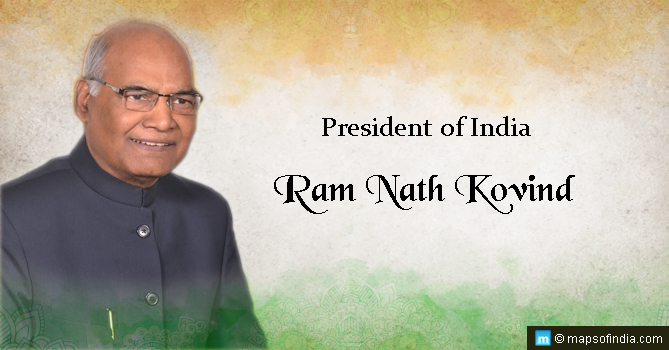
At the head of the Union Executive stands the President of India.

Election of the President of India:- The President of India is elected by indirect election, that is, by an electoral college, by the system of proportional representation using the single transferable vote. The electoral college shall consist of the following:

(a) the elected members of both the House of Parliament;

(b) the elected members of the Legislative Assembly of the state; and the elected members of the Legislative Assembly of the Union Territories [Article 54].

The system of indirect was criticized by some as falling short of the democratic ideal underlying universal franchise, but the indirect election was supported by the framers of the Constitution, on the following grounds-

(i) Direct election by an electorate of some 510 million people would mean an enormous loss of time, energy, and money.

(ii) Under the system of responsible Government introduced by the Constitution, real power would vest in the ministry; so, it would be bizarre to elect the President directly by the people without giving them real power.

Qualification of the President:- In order to be qualified as President of india, one must –

(a) be a citizen of India;

(b) has completed the age of 35 years;

(c) be qualified for election as a member of the House of the People; and

(d) must not hold any office of profit under the Government of India or the Government of any of the state or any local or other authority subject to the control of any of the said Government [Article 58].

Term of Office of President:- The President holds his office for five years from the date of the appointment in the office, and he is eligible for re-election [Article 56-57].

Appointment of the President:- The President is appointed by the Prime Minister into his office.

Termination:- The President’s office may terminate within the term of five years in either of the two ways-

(a) by written resignation in his handwriting, addressed to the Vice President of India.

(b) by removal for the violation of the Constitution [Article 61(1)].

Procedure for the impeachment of the President:- An impeachment is a quasi-judicial procedure in Parliament. Any of the House may charge for the violation of the Constitution, before the other, and shall either investigate the charges by themselves or may stimulate once to be investigated. But the charge cannot be preferable unless-

(a) a resolution passed by the any House of the Parliament with not less than 1/4 of the total members of that House within 14 days of notice.

(b) the resolution was then passed by a majority of not less than 2/3 of the members of both the House of the Parliament.

Employments Allowances of the President:- The President shall be entitled without payment of rent to the use of his official residence and shall also be entitled to such emoluments, allowances, and privileges as may be determined by the Parliament. The emoluments and allowances of the President cannot be diminished till he holds his office [Article 54(4)].

Difference between Robbery and Dacoity

Although they may appear similar in common usage, they are two distinct crimes under criminal law. What exactly is the legal meaning of robbery and dacoity? What are the requirements for a criminal act to be classified as a robbery or a dacoity? What is the distinction between robbery and dacoity? What are the punishments for these crimes under the Indian Penal Code? When you read the title, these thoughts may arise. This blog will attempt to answer these questions as thoroughly as possible.

Robbery

Robbery is a particular and intensified kind of theft or extortion that implies felonious stealing from the person of another or in his presence against his will, by violence or putting him in terror, and it becomes Dacoity when five or more people co-jointly do it.

When theft becomes robbery— Theft is “robbery” if, in order to commit the theft, or in committing the theft, or in carrying away or attempting to carry away property obtained by the theft, the offender voluntarily causes or attempts to cause death, hurt, or wrongful restraint to any person, or fear of instant death, hurt, or wrongful restraint.

When extortion becomes robbery.— Extortion is “robbery” if the offender is in the presence of the person put in fear at the time of committing the extortion, and commits the extortion by putting that person in fear of instant death, instant hurt, or instant wrongful restraint to that person or to some other person, and induces the person so put in fear then and there to deliver up the thing extorted.

Illustrations:-

(a) A restrains Z and steals Z’s money and diamonds from Z’s clothing without Z’s consent. In this case, A has committed theft and, in order to perpetrate that theft, has voluntarily restrained Z. As a result, A has committed robbery.

(b) A encounters Z on the high roads, brandishes a gun, and demands Z’s pocketbook. As a result, Z gives over his purse. Here, A has extorted the purse from Z by placing him in fear of immediate harm and conducting the extortion in his presence. As a result, A has committed robbery.

(c) On the highway, A encounters Z and Z’s child. A seizes the child and threatens to throw it down a cliff unless Z returns his purse. As a result, Z hands up his purse. Here, A has extorted the money from Z by making Z fearful of inflicting immediate harm to the kid who is present. As a result, A has committed robbery on Z.

Dacoity

When five or more people co-jointly commit or attempt to commit a robbery, or when the total number of people co-jointly committed or attempting to commit a robbery, as well as those present and aiding such commission or attempt, totals five or more, each person committing, attempting, or aiding is said to commit Dacoity.

In the case of Poolan Devi vs. State of Madhya Pradesh, Smt. Phoolan Devi has been in jail since February 12, 1983, when she claims to have willingly surrendered in the State of Madhya Pradesh despite having a criminal record. On this premise, it is argued that the petitioner’s custody for eleven years is sufficient to fulfil the criteria, and that all prosecutions pending against her in Uttar Pradesh courts should be dismissed. According to the petitioner, she is facing around 55 criminal trials in Uttar Pradesh courts for allegedly committing horrific crimes such as dacoity and murder.

Points of Difference between Robbery and Dacoity 

Robbery and Dacoity can be differentiated on the basis of various grounds:

Definition:

Robbery has been defined in Section 390 of IPC and Dacoity has been defined in Section 391 of IPC.

Essential Ingredients:

Essential ingredients of the offence of Robbery are as follows:

  • Theft as described in Section 378.
  • The offender caused or tried to cause the following to certain people: fear of death, bodily harm, or wrongful restraint.
  • Fear of sudden death, instant harm, or instant unlawful restraint.
  • The offender did not do such an act.
  • In order to commit theft.
  • While committing the theft.
  • In taking or attempting to take away the goods.

Essential ingredients of the offence of Dacoity are as follow:-

  • The accused commits or attempts robbery;
  • The number of people committing or attempting to commit robbery, as well as those present and assisting, must not be less than five.
  • All of these people should work together.

Note: The term “conjointly” refers to a coordinated or concerted action by five or more people in the act of committing the offence. In other words, five or more people must be involved in the commission of the crime and must commit or attempt to commit robbery.

Number Of Persons:

In Robbery the number of persons are less than five. It may be committed by a single person.

In Dacoity, the number of persons are five or more.

Seriousness:

Robbery is less serious in nature.

Dacoity is more serious offence than robbery because of the terror caused by the presence number of offenders.

Position of Abettors:

In Robbery, the abettors are liable independently.

In Dacoity abettors who are present and aiding when the crime is committed are counted in the number.

Jurisdiction of Court

In case of robbery, the offence is cognizable, non-bailable, non-compoundable and triable by Magistrate of the first class.

In case of dacoity the offence is cognizable, non-bailable, non-compoundable and triable by Court of Session.

Punishment:

Whoever commits robbery shall be punished with rigorous imprisonment for a term which shall not be less than three years, nor more than ten years and shall also be liable to fine.

Whoever commits dacoity shall be punished with imprisonment for life, or with rigorous impris­onment for a term which may extend to ten years, and shall also be liable to fine.

In the case of Ashfaq vs State, the Supreme Court ruled that weapon with which the offender is armed is a deadly weapon within the meaning of this section, if it is within the vision of the victim and is capable of creating terror in the mind of victim. It is also sufficient to satisfy the word ‘uses’ for the purpose of section 397 IPC.

Position In Highway:

If robbery is committed on the highway, the imprisonment may be extended to fourteen years.

The fact that the Dacoity is committed on the highway does not change the position or punishment. 

Conclusion

To summarise, the concept of robbery requires an accused to have the purpose to deprive another person of property from the start, and to that goal, either harm is caused or a person is placed. Under improper constraint, or it must be proven that the victim was put in immediate danger of death, bodily harm, or wrongful detention when the same conduct is committed by five or more severe offenders.


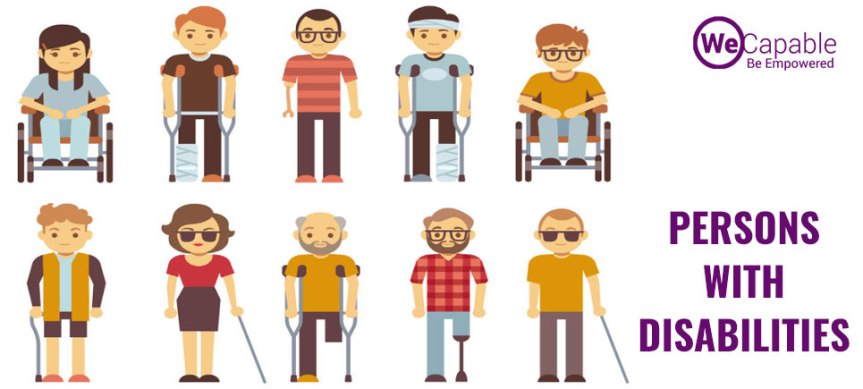
Person with disabilities and education system.

Introduction:  

Person with disabilities is considered a person who has different abilities to perform a task. Sometimes different abled people are born but sometimes they meet with an accident which causes the disability. A person can have one and more disabilities in themselves. There could be cured and uncured disabilities. 

In India the disabilities are connected with karma. If a person has some defect they might do something wrong in their past life. The karma concept believed that a person with disabilities must do some good thing so they can overcome their disabilities in upcoming life. The disable person should only focus on God so they get forgiven from god. 

 Earlier, the education system also excluded people with disabilities. They had an idea that PwD must have a different environment for their education. Their disabilities must affect the other children. Earlier the disabilities were considered touchable. So the school administration and parents do not want to include the people with disabilities in their so called normal children education system. 

The video shares an idea of inclusion at every level of society. People with disabilities discussed their struggles to get education along with their parents.  They put focus on the obstacles they had in their life. The video shows that hardly only parents accept children’s disabilities and love them as the other children of the family. 

The story of Krishna kanth and Sai Prasad who  were accepted by their parents with their disability and were encouraged to study in normal school. They said our children are our pride. No matter what they are, how they are- only the thing that matters is that they are our children. Acceptance of the people with disabilities  at home is important to their development. The love and care they get from their parents helps them to fight with their circumstances. As a family we don’t need to feel ashamed, instead we must feel proud that we have a person who has different abilities in itself. 

In our education system disabilities are considered as special cases. They don’t want to admit children with disabilities. They said we don’t have teaching staff and proper infrastructure for special needs children. 

The inequality is not only in the rural area urban education system but also part of this injustice. In rural areas, parents are economically weak; they can’t afford a special educator and any other alternative. Due to weak economic conditions both parents have to work. In that case, one of the siblings has to live at home to take care of the other child. In the end both the children remain uneducated.

In urban areas, parents have enough money but the schools don’t want to admit their children who have any disabilities. They considered the children with disabilities as the problem. They thought that their school image would be ruined because of people with disabilities.

Rekha Shani (trustee of a school) gave a statement that we have not  any issue or problem but the parents of other children deny. They said if the school admitted disable people in school or college we would not let our children go there. The statement shows how  society thinks about people with disabilities. They don’t see them with their children. The inequality is the reason many bright differently abled people are moved aboard or remain in darkness of life. Behaviour of society must be more positive toward the people with disabilities. Society is not only doing injustice to them but also other children missed the chance to learn many things from them. 

We should involve the inclusive education in our society and education system as the mandatory level. 

Uma tuli the founder of Amar Jyoti foundation new delhi said when I started the inclusive education under a tree with 30 students in which 15 children were differently abled and 15 were other people said the madam is mad. How could she teach those children with so-called normal children? But she was so determined to do her work that she opened an inclusive school for all children. The parents of other children are also happy that our children get a chance to learn more with the different abled children. The infrastructure of the school is designed to be considered for all the disabilities such as tactile path for blind children, enough length and width  of stairs and gate, ramps for wheelchairs,  special educator for differently abled children. 

People with disabilities often face physical abuse and mental harassment by the family or by society. We should encourage them, not motivate them. 

Governments play an important role to promote inclusive education among the schools. There are some policies and acts are

  • Samagra shiksha abhiyan – launched in 2018-19 by MHRD. It is an integrated scheme which promotes inclusive education in the school system. The scheme is regulated by RTE 2009.
  • Right to education- Right to free and compulsory education 2012 as per amendment, all the children ( differently abled) have right to get education. No school can deny the children in the school.
  • As per the Amendment of 2012, the RTE Act also mandates that a child with multiple and/or severe disabilities has the right to opt for home-based education.

Conclusion

In  the video clip we discussed what challenges faced by the person with disabilities. Society focused on the karma concept.

It’s the brain of other people who have become disable who can’t accept the diversity .

So it’s the people who are disable to see the special abilities of these children because it’s not the children who are disable it’s the environment and people’s minds who are not providing the appropriate environment. As we know all 5 fingers are different similarly all children are different and have different abilities .

Everyone should have faith in themselves and accept themselves as they are instead of feeling low or inferior . 

The external help or sympathy shouldn’t come out of pity but from the heart. 

So inclusion is not about the writing on paper but it’s important to bring inclusion in practice , action .

Drugs effect on Human body

Methodology

(i) Introduction

(ii) Physical harms of drugs on body

(iii) Addiction of drugs

(iv) Conclusion

(i) Introduction– Different substance affects the body in different ways, but all psychoactive drugs have chemical effects on the human body as well. The short-term effects that occur in drug users depend on the quantity they use and also whether it is mixed with any other mind-altering substances. Drugs have serious effects on the human body. It affects the thinking, mood, energy level, and also behavior of the person and sometimes also makes the human unconscious for several days and even further.

(ii) Physical harm from drug use:- Durg use can lead to risky and or out-of-character behavior. When affected by drug:

• One is more likely to have an accident wherever you are.

• One can commit sexual assault or other violent act.

• One may find unable to sleep, think, remember and solve the problem.

Drugs can also result in long-term health problems that include:

• harm to organs and systems of our body such as throat, stomach, lungs, liver, heart, brain, pancreas, and nervous system, etc.

• May cause cancer or other serious illness.

(iii) Addiction of drugs- All drugs cocaine, marijuana affects the brain. The brain reward circuit is a part of the limbic system. Drugs target this system causing a large amount of dopamine release, this flood of dopamine cause a high intoxication in the brain again and again and also from time to time. Although initial drug use may not be voluntary drugs. But continuous intoxication of the drugs makes the human body addicted to them which may affect the health of that particular person badly. And the addition can also become a cause of murder, robbery cases, etc.

Different drugs, different effects:- The three main types are depressants, hallucinogens, and stimulants.

Depressants- It slowdowns or depress the functions of the nervous system. They slow down the massage going to and from the brain. In small quantities, depressants can cause a feel relaxed and less inhibited. In large quantities, it can cause vomiting, unconsciousness, or even death.

hallucinogens- Distort one’s sense of reality. You can see or feel or hear things that are not real, or see things in a distorted way. Other effects include emotional and psychological euphoria, panic, upset, or nausea. Keta mine, LSD, PCP, magic mushrooms, and cannabis are some examples of hallucinogens.

Stimulants- Stimulate the central nervous system. They speed up massaging to and from the brain, which makes one feel more alter and confident. This can cause an increase to heart rate, blood pressure, and body temperature.

(iv) Conclusion:- Our body executes a natural cycle. And if we disturb this cycle, then it abruptly affects the working of the body. Taking drugs may sound cool for a while, but can cause serious illness for a lifetime. It can also lead to the death of an individual. Resisting these drugs at parties and celebrations is warned. Especially youth shouldn’t engage themselves in such activities which lead to the massive destruction of the one’s precious life.

5 best places to visit while you are travelling to Aurangabad

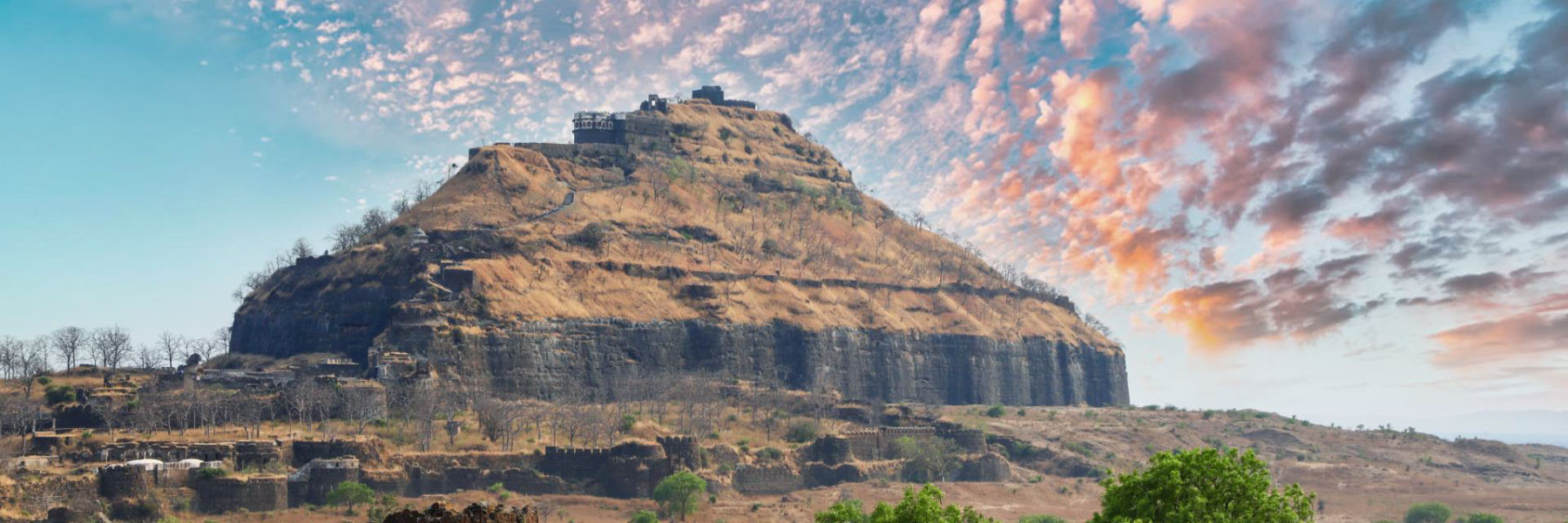
1. Daulatabad Fort

Daulatabad “The City of Fortune” also called as Devgiri. Daulatabad was built in 1187 by Yadava Dynasty. Later Muhammad Tughlak renamed it as “Daulatabad : the city of fortune”.
Just 15 km away from main city of Aurangabad, Daulatabad Fort is located. Often known as one of the “Seven Wonders of Maharashtra”, Daulatabad fort is the best example of powerful architecture. It’s built on a 200m high conical hill, surrounded by the greenery with architecture beauty and protection from enemies. The view after hiking about 700 odd steps up to the top is mesmerising, fascinating and irreplaceable. If you like trekking then you must visit Daulatabad Fort, reaching the top is the most challenging part for every trekker.
The one more reason to visit Daulatabad Fort is “Chand Minar” also called as Tower of the Moon located near the Fort.

Timing = 8am to 6pm

2. Bibi ka Maqbara

Bibi ka Maqbara (Tomb of Rabia) has similar architecture like “Taj Mahal”. A symbol of love and remembrance Bibi ka Maqbara is a beautiful place to visit in Aurangabad. Maqbara has a Charbagh styled garden and it sits pretty right in centre with the surrounding structure, having a water pool and 61 fountains. Located just 3km away from main city.

Timing = 8am to 8pm.

3. Jayakwadi Dam

The largest irrigation dam in Maharashtra and one of the largest earthen dams in Asia, the fascinating Jayakwadi dam is located on Godavari river at site of Jayakwadi village in Paithan taluka of Aurangabad. Watching the dam will make you feel like you are watching a real ocean with no end. Also visit the bird sanctuary near it and don’t forgot to buy famous “Paithani” for your lovely ladies from Paithan.

Timing = 10am to 6pm

4. Ajanta Caves

Located from just 107km away from Aurangabad, Ajanta caves is the most attractive place for foreign tourist’s. A group of around 32 Buddhist caves that are carved out of rocks, these caves date back to the 2nd century and is considered as the most brilliant form of ancient Indian art.
Since 1983, Ajanta caves has been declared a UNESCO World Heritage Site. On the walls of caves there are paintings which recounts the life of Lord Buddha. From the architecture, shape, and form of the caves, it is pretty sure that the ancient Buddhist monks used these caves for studying, living and worship purposes. The murals, paintings, and carvings on the wall reveal many unknown facts about the way of living, the cultures and tradition.

Timings: 8 AM to 5 PM

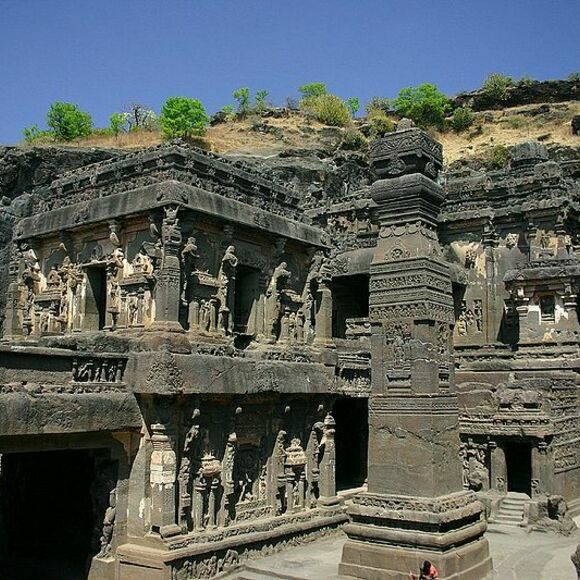
5. Ellora Caves

Another famous tourist place to visit near Aurangabad is Ellora caves, the another powerful example of Indian architecture. Located around 29 km from the city. This chain of caves were built by the Rashtrakuta dynasty of the Buddhist clan and Yadav group of the Jains.
A must visit UNESCO World Heritage site in Maharashtra, this series of caves also showcases the perfection and epitome of the pre historic times of the Indian culture.
There are all 34 caves of which, 12 are Buddhist, 17 Hindu and 5 Jain.

Timings: 6 AM to 6 PM

Why physical activity is important in this pandemic

Pandemic has changed our lifestyles , made us stuck in our phones & laptops , & left us with no physical activity .

The COVID-19 pandemic is an unprecedented time all across the world. Worldwide, extensive social distancing policies are put into place, restricting people’s daily activities and worldwide pleas from governments asking people to stay safe and stay at home. This of course means that most people will spend much of their time (if not all) at home.

These social distancing measures mean that people have far fewer opportunities to be physically active, especially if activities such as walking or cycling as transportation, or taking part in a leisurely activity (e.g. jogging, walking the dog, going to the gym) are being restricted. Furthermore, these drastic measures also make it so much easier to be sedentary at home for long periods of time. The impact of this physical inactivity may very likely be seen in many areas such as health and social care and the mental well-being of people all across the globe Though this social distancing is the need of now , but physical activities are also the need of now.

In light of the current situation worldwide, certain benefits of physical activity may be specifically pertinent to the COVID-19 Pandemic. These benefits are:

  • Physical activity enhances immune function and reduces inflammation therefore it could reduce the severity of infections which will automatically leads to good health.
  • Physical activity improves common chronic conditions that increase the risk for severe COVID-19 (i.e. Cardiovascular Disease, Diabetes) , but taking these physical activities in your daily lives , risk of death due to corona virus will reduce .
  • Physical activity is a great stress management tool by reducing symptoms of anxiety and depression.
  • Physical activity helps bring cortisol levels in balance. Stress and distress (such as during a pandemic) creates an imbalance in cortisol levels and this negatively influences immune function and inflammation.
  • Instead of always keeping an eye on your phone & laptops keeping an eye on your physical activities will leads to rest for your eyes, neck, & back.

We all know that this pandemic will stay with us for a long go , even if you are save with no corona virus symptoms , poor physical health will lead you to major heath issues . Instead of surrounding yourself with heath problems , indulge yourself into physical exercise, like yoga , meditation , exercise ,etc. ” STAK HOME , STAY SAFE , INDULGE YOUR SELF WITH INDOOR PHYSICAL ACTIVITES & HENCE SATY FIT”.

THE BIGGER THE AGE DIFFERENCE, THE SHORTER THE MARRIAGE

There are numerous factors which can affect a relationship. Some of them are income levels, age difference or commitment etc. With the help of different researches and studies, it was concluded that age difference can also emerge as one of the factors for divorce and for creating odds in an relationship. Studies have concluded that, the greater the age difference between couples, the greater is the chance of ending a marriage and having divorce. Different studies were conducted for understanding the situation of marriage in different age intervals . According to different studies, couples having one or less than one year age difference have only 3% chances of getting divorced. If there is a difference of 5 years then the risk increases to 18%. And if the age difference is 10 years then the risk factor is 39%. This rate keeps on increasing with the increasing age gap. Couples who have less age gap have lesser chances of getting divorced and ending the marriage than those with someone who is very young or old as compared to the other. Individuals who are close in age belong to the same generation and have similar mindsets and outlook towards society and life. This provides a strong foundation to the relationship. These people have similar cultural references and taste, life experiences and will be achieving milestones in the same time. According to different findings, the chances of ending a marriage is highly reduced if marriage is done with the person having same age.

SMALL GAPS : Researchers have found that the couples having small age gaps have less chances of getting divorced. That’s not to say those marriages will not end in divorce. They certainly could. But the age difference would not be the reason for the divorce.

LARGE GAPS :The problem arises when the age difference is higher and the bigger the gap there is between people’s age, the more likely they are to end in divorce.

Changes happen slowly. The marriage may feel to be successful in the starting but the feeling change with time if there are unsuitable conditions. And in case of large age difference, it is seen that the people of more age feel to be more satisfied than the younger one and this eventually pushes the couple to divorce. People find themselves in different places and phases of and in life. If one thinks about his career or good health while the other will be focusing on retirement or declining health due to old ages. Despite the age differences and perspectives, people also have similar feelings and must have felt the happiness but in the similar way there will be numerous differences also. While examining or understanding any relationship it is necessary to understand both the partners. Relative ages of spouses affect if the husbands will leave their wives or the wives leave the husband and mostly it is found that the older spouses are left by the younger. Hence, spouses start to look less appealing and the thinking styles differs more and more as he or she ages, and it is absolute age that is driving divorce.