
Misuse of Section 375 .

Section 375 of the Indian Criminal Code was created to protect women from rape. In Indian criminal law, in section 375 Men are said to commited rape if he :
(a) pierce the penis in some way or force a “rape” on a woman’s vagina, mouth, urethra, or anus.
(b) in some way insert an object or body part other than the penis into the woman’s vagina, urethra, or anus, or have the woman do so to him or others.
(c) manipulate any part of a woman’s body to penetrate or penetrate the woman’s vagina, urethra, anus, or other parts of her body.
(d) place the mouth in the woman’s vagina, anus, urethra.

Under Section 370 , If a person rape woman and do so in any of the following seven situations.
1) Against to their will. 2) Without their consent. 3)With consent and consent for fear of death or injury to them or those they are close to.
4) Consent is given because a man knows he is not her husband and believes that he is another man who is married, or that he is legally married. If so, with her consent
5) If she is under the age of 18, with or without her consent.

Abuse of power
One of the famous sayings used in connection with Section 375 is “Men are guilty until proved innocent, and women are not guilty until proved innocent.”
Laws enacted to empower women and reassure them in patriarchal societies soon turned into swords that killed the dignity of men in society by false accusations, or women misused laws and power made to protect them. The problem that is occurring in our world today is that women use verbal consent to have sexual intercourse and later refuse or refrain from having sexual intercourse or falsely accuse men that they had it without thier consent. In both cases, the man has the responsibility of proof and must prove his innocence.

According to an article published in The Times of India , only one person was convicted in each of the fourth cases of rape, and high probability that anyone who did not proven guilty after a full trial could be innocent. Leads to the high assumption that innocent people have been accused of rape. India’s conviction ratebin rape cases is 32%, which is self-evident from the fact that numerous false reports related to rape have been registered in India.

Being a victim of false rape allegations is as bad as being a victim of rape. You can’t imagine the shock, trauma, ridicule, and humiliation that someone experienced after being falsely accused of rape. Not only the man, but his family and close friends suffer from various consequences, and isolation and ridicule are just a few of them. Their future is shattered, the humiliation and shame that society suffers is enough to shatter it, and no one can think of them living as they used to.

What can be done ?
The creators of Article 375 of the 2013 Act and the Criminal (Amendment) having only one vision in context to the problem, consider only the safety of women and have not developed any means of protecting innocent men in society. Therefore, there is usually a debate about what we can do to protect innocent people from society who are falsely accused. Provision (Section 375) cannot be said to be gender-neutral to remove the slight justice that this section offers, as it acts as a hurdle for women to file genuine rape cases.
Then the question arises. What can you do? In such situations, the legislature and judiciary need to work together to strike the right balance between men and women so that the virtues of justice are provided to them equally.


Autism Spectrum Disorder

Photo by Polina Kovaleva on Pexels.com

What is Autism Spectrum Disorder?

  • It is a developmental disorder characterized by behavioral and communicational affections.
  • It impacts a person’s ability to navigate social interactions and causes repetitive and restricted behavior.
  • Many children show symptoms of autism by 12months to 18 months of age or earlier.

What causes Autism?

  • Genetic factor:
    • Something happens during fetal development that alters a gene.
    • Child inherits problematic gene/genes from one or both parents
  • Environmental factors: Mothers exposed to high levels of pesticides and air pollution may also be at high risk of having a child with ASD.
  • Brain Development: Children with ASD have more cells in their brain, than they require. Even the connections between the cells are not proper.

These factors by themselves, don’t cause autism. Rather, in combination with genetic factors, they appear to increase risk.

World Autism Day

  • Mozah Bint Nasser Al-Missned, the UN representative from Qatar proposed the idea of recognizing World Autism Day.
  • The UNGA unanimously declared 2nd April as World Autism Awareness Day to highlight the need to help improve the quality of life of those with autism, so that they can lead full and meaningful lives as an integral part of the society.

Facts about Autism

  • A puzzle ribbon is used as the new symbol for autism.
  • ASD now affects 1 in 68 children.
  • Boys are nearly 4.3 times more likely to be diagnosed with ASD than girls.
  • ASD is more common than childhood cancer, diabetes and AIDS combined.

Setting financial goals that one can achieve

Photo by Pixabay on Pexels.com

When we hear the term ‘goal’, the very first thing that comes to our mind is a certain objective that a person desires to achieve at some point of time of his life owing to his determination, capability and will power. We all have certain goals in our life. One of the most common goals that everyone shares is ‘to achieve financial stability’. Speaking about financial stability, here, we put forward the idea of being monetarily sufficient to lead a stable life without facing any issues related to money. Financial goals do vary from person to person. Although each one’s goals vary, it is not a compulsion or a possibility at everyone’s part to fulfill those goals. This is due to the difference between the determination and capability of different people. There are certain cases where a person sets much high of a goal than what he is capable of achieving, resulting in nothing but failure and discouragement. One has to keep certain things in the mind while setting the financial goals.

Given below are few basic points that a person should keep in mind while setting any financial goal:

1. When should a person start setting a financial goal? There is no particular age as to when a person should set a financial goal. The age can be as low as 16 to as high as 25-30. The most preliminary thing to be kept in mind is how much the person is aware of his/ her capabilities and validness of his/ her goals. Of course, this can be a bit confusing. This leads to our next point.

2. Know your capabilities: This is the very thing a person should be aware of while setting his/ her financial goal. There is no point of setting a very big goal irrespective of one’s capabilities, as it will result in nothing but inability to fulfill the goal followed by sheer disappointment. It is good to step out of the comfort zone but that does not mean setting higher goals and falling short in completing them.

3. Evaluate the validity of your goal and the deadline set to achieve the same: This is the second most important thing one should keep in mind. A person should set a valid goal that ensures success owing to his/ her capabilities and determination to complete them. It is also important to keep the deadline practical. There is no use of setting a high goal to be completed within a year or two but falling short in completing so due to lack of time and skills. Knowing one’s capabilities and evaluating the validity of his/ her goals go hand in hand.

4. Have appropriate knowledge regarding financial benefits of your goals: Having appropriate idea about how much benefit one is supposed to gain from his/ her goals is another important point one should keep in mind. Thoughts such as “Whether the goal will only provide short term benefit?” or “whether it will provide a long-term benefit?” must be taken into consideration.

5. Take help of a person who has already succeeded in achieving his/ her financial goals: Having some advice from experienced person can help a lot in setting the financial goal. With proper guidance it becomes easier to achieve one’s goal. For example, a student while facing a problem in mathematics asks the respective subject teacher his doubt and not to someone who specializes in any another subject. Similarly taking help of someone who has already achieved financial stability will give a person a true picture of his/ her goal validity and fulfillment.

6. Start investing during an early age and start from a small amount: Investment in various share markets, stock markets and mutual funds is the new age shortcut way of achieving financial goals. No doubt these markets have innumerable number of risk factors. Thus, first try investing in small amounts in different firms and thereafter go for any big amount. Also, investing at an early age is more beneficial than investing at the later age.

7. Do not make any hasty decisions while doing an investment: Do not make quick investments in the mentioned areas such as, mutual funds or share markets, without having proper and adequate knowledge about the entire thing. Do not fall prey to any fraudulent calls or messages and make quick decisions.

8. Consult a financial advisor, if necessary: While facing any difficulties, one can always take help of a verified financial advisor while setting his/ her financial goals. As stated previously, these are a few basic points to be kept in mind while setting a financial goal and actually being able to achieve them. One can always delve deeper into the ocean of knowledge before setting his/ her goal and making the achievement possible. Setting of goals on a long-term basis is very helpful in the modern world which is full of uncertainty and risk.

Assassination Of Former Prime Minister Rajiv Gandhi .

The assassination of former Prime Minister of India Rajiv Gandhi, , occurred on 21 May 1991 as a result of a suicide bombing in Sriperumbudur in Tamil Nadu, India . At least 14 others,we’re killed alongside Rajiv Gandhi in the suicide bombing.

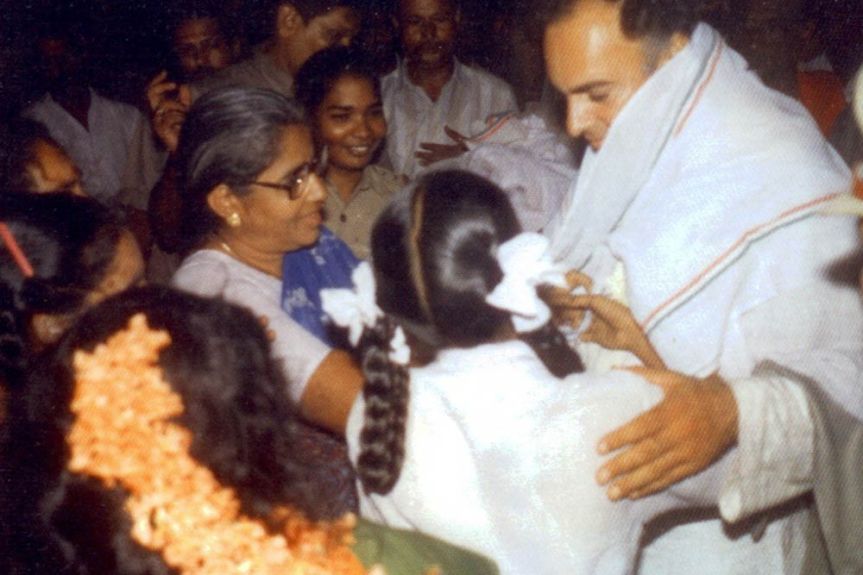
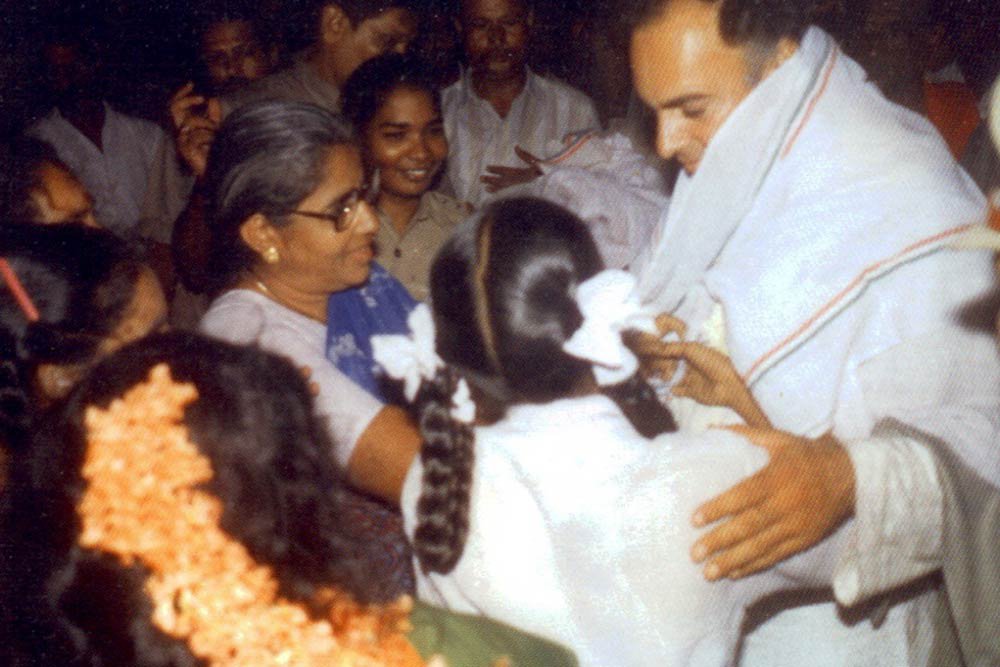
The assassination was carried out by Thenmozhi Rajaratnam, a member of the Tamil Liberation Tigers (LTTE), a Tamil separatist organization in Sri Lanka, and Dr. Jagjit Singh Chohan of the National Council of Khalistan (NCK) and Gurjant Singh Budhsinghwala of the Khalistan Liberation Force. At that time, India had just finished its involvement in the civil war in Sri Lanka through the Indian Peace Keeping Force. Rajiv Gandhi along with G.K. Moupanal started election campaign in southern state of India. After campaigning in Visakhapatnam, Andhra Pradesh on May 21, his next destination was Sriperumbudur, Tamil Nadu. Approximately two hours after arriving in Madras ,Rajiv Gandhi rode a white ambassador car to Slipelumbudur in a convoy, stopping at several other campaign sites along the way. Arriving at the campaign rally at Sriperumbudur, Rajiv left the car and went up to the podium, where he gave a speech. After the soeech the assassin Danu (Thenmozhi Rajaratnam) approached and greeted him. Then she bent over and touched his leg, and at 10:10 pm, detonated a belt loaded with RDX explosives place under her dress. Gandhi, his assassin and 14 others were killed in a subsequent explosion, and 43 were seriously injured. The assassination was filmed by local photographer Haribab. Haribab’s camera and film were found intact on the scene, but he also died in the blast.

Apart from Rajiv Gandhi, former Prime Minister of India and the suicide bomber Thenmozhi Rajaratnam , several people were killed in the blast on 21 May 1991:
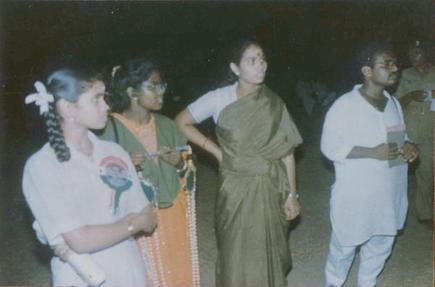
Including Pradeep K Gupta (personal security officer of Rajiv Gandhi ), K.S Mohammed Iqbal (police superintendent), Edward Joseph ( police inspector) ,Dharman,Chandra, Ethiraju Muruganand and Rajguru (police constables), Santhani Begum (Mahila Congressn Leader) ,Latha Kannan ( Mahila Congress worker,who was with her daughter Kokilavani ),Kokilavani (ten-year-old daughter of Latha Kannan, who sang a poem to Gandhi immediately before the blast), Munuswamy (former member of the Tamil Nadu Legislative Council) ,Saroja Devi (seventeen-year-old college student), Ravichandran (Black Cat commando).
Around forty-three spectator present in the campaign including police sub-inspector Anushiya Daisy were also injured in the explosion.

Immediately after the assassination, the Chandrasekhar government handed over the investigation to the CBI on May 22, 1991. Authorities, formed a special research team led by Karthikeyan to determine who is responsible for the assassination. A SIT investigation confirmed the role of the LTTE in assassination and was endorsed by the Supreme Court of India. Judge Millap Chand Jain’s interim report investigated the secret aspects of the assassination and accused DMK of working with the LTTE. The report concluded that the DMK provided the LTTE with shelter and made it easier for rebels to assassinate Rajiv Gandhi. The report also claimed that Jaffna’s LTTE leaders possessed confidential, encrypted messages exchanged between the federal and DMK state governments.Authorities also stated in reports “There is evidence that during this period some of the most important radio messages were exchanged between the LTTE agents stationed in Tamil Nadu and Jaffna. These later deciphered messages are directly related to the assassination of Rajiv Gandhi “. The Congress demanded withdrawal of DMK from the Union Front government, after claiming to have played an important role in Rajiv Gandhi’s death. According to reports Dr. Jagjit Singh Chohan supported the LITTE with logistic and tactical support. His involvement was first revealed in 2016, about 10 years later. Speculation. This was evidence of the Jain Commission’s report and was suspected that the LTTE had contacted Gurjant Singh Budhsinghwala with Jagjit Singh Chohan to plan the plot.

After the investigation on the assassination of former prime minister Rajiv Gandhi ,the court convicted and sentenced the seven persons who were involved in the assassination to life imprisonment. They are currently undergoing life imprisonment in prisons in India.
They are:
Murugan – A LTTE operative from Sri Lanka, Nalini – Wife of Murugan. Nalini is a citizen of India ,Jayakumar – The brother in law of Robert Pious ,Ravichandran – A Sri Lankan national ,T. Suthenthiraraja – A Sri Lankan national ,Robert Pious – A Sri Lankan national and A. G. Perarivalan – An Indian citizen who was arrested for supplying a 9-volt battery for the explosive device.

Success and mental health

Photo by Daniel Reche on Pexels.com

Mental health is a major concern worldwide these days and India is not far behind in sharing this. India is considered as one of the depressed countries in the world during the pandemic by WHO. Currently, the students are stressed, worried and anxious about the uncertainties of the future. One in seven Indians between 15-24 years of age feel depressed and lack interest in doing things. While the impact on children’s lives is incalculable, the economic loss due to mental health conditions between 2012-2030 is estimated to be USD 1.03 trillion in India, according to WHO 2020. This excessive online presence or screen time during the pandemic itself has created mood swings, irritability, social withdrawal, changes in sleeping and eating patterns, difficulty with attention, focus and concentration, and further detachment from family or the real world. Studies have shown that one third of the young people display poor knowledge of mental health problems. Regular fitness exercises like morning walks, yoga, and meditation have proved to be great medicine for curing mental health. Besides this, it is imperative to have a good diet and enough sleep. A person needs 7 to 9 hours of sleep every night on average , we should also stay connects with our friends and family , do what Piques our interest , be active and the most important we should reduce our screen time. When someone is tired yet still can’t sleep, it’s a symptom that their mental health is unstable. In students low self esteem , irritability, sudden anger, frequent absence, thoughts of suicide, reckless behavior, crying etc. could be some of the symptoms of depression.

As we speak, there is one suicide attempt every 3 seconds and one demise by suicide every 40 seconds by our youth and in most cases the causes are mental health problems.

The major cause of mental health problems in Indian students is seen due to academic pressure and the pressure created my families specially parents which ultimately leads to anxiety, over thinking and depression among students. This academic pressure is also driving kids to suicide.

Social standing is a big and also the main cause of parental pressure. Caring more about how the world perceives them, can render parents ignorant about the true talents of their children. Parents often generalize the definition of success and excellence, depending on how others are doing.

Majority of the Indian parents never try to understand why their children are not able to perform good in their academics or other fields. They never want to sit down with their children and talk about their problems with their children. Instead they prefer to scold or even beat their child which is somehow much more demoralizing and rather acts towards increasing the child’s stress level to a great extend. Kids who feel like they are under constant pressure can experience constant anxiety. Parents think that their only duty is to earn and pay for their children expenses but what they should really do is that they should build their relationship stronger. This means meeting there childs physical as well as emotional needs by taking care of them. They need to constantly instill into their next generation the importance of ‘resilience’ which is the inner strength. But parents are not the only one to blame or to take care of the children but we ourselves should take proper care of our mental health and should not ignore it.

If all these aspects are addressed at an earlier age and stage of a student’s life, it will not only make them emotionally stronger and healthier but also prepare them for future life with more mindfulness, respect, gratitude and strength.

Gaura Devi who played an important role in Chipko Movement.

Gaura Devi (1925 – 1991) was a social activist and a rural women community leader from Uttarakhand, India who played an important role in the Chipko movement in 1970’s .
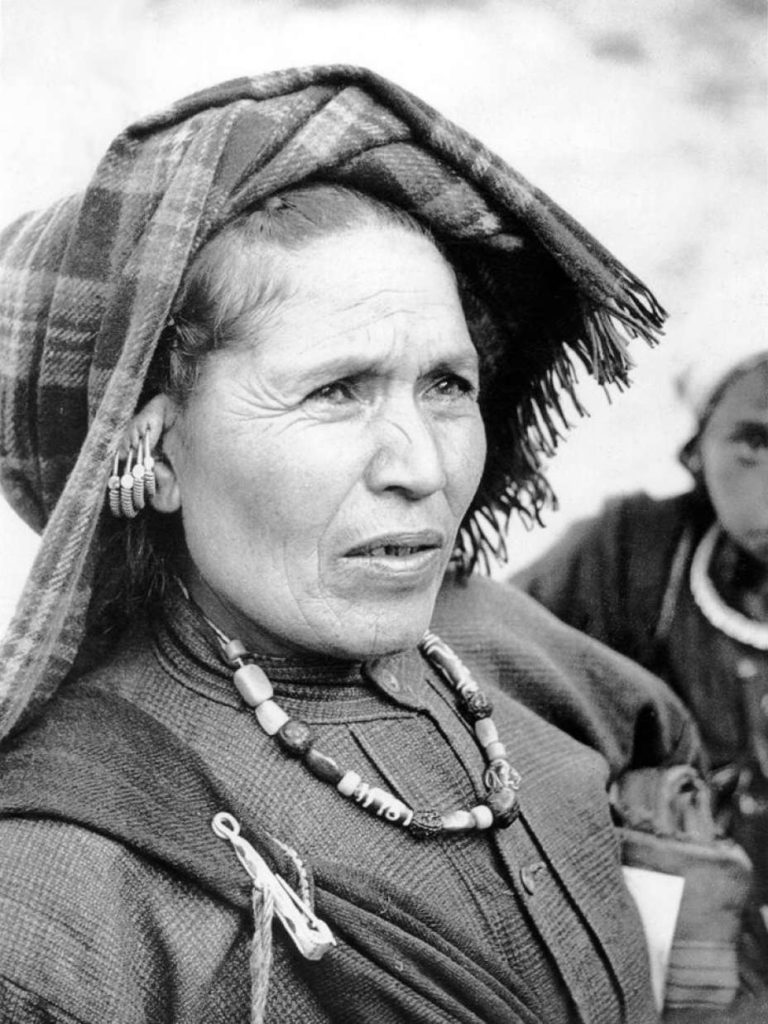
Gaura Devi was born in 1925 in a village named Lata of Chamoli district in the state of Uttarakhand. She got married at very young age, afer her marraige she moved to a nearby village named Reni by the Alaknanda River. At the age of 22 she was a widow with a child. After her husband death she moved to a new village which was near to the border of Indo-Tibet.

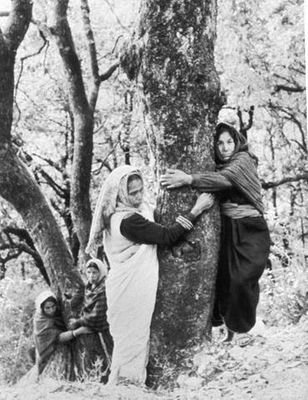
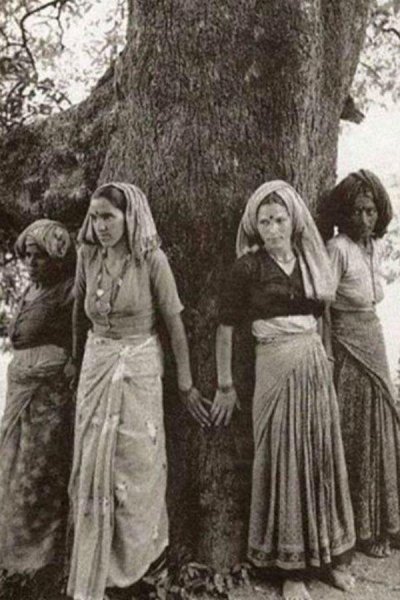
An environmentalist Sunderlal Bahuguna initially started the Chipko Movement . Gaura Devi became the leader of the Chipko movement in 1974. Gaura Devi was elected to lead the Mahila Mangal Dal (Women’s Welfare Association) in the wake of the Chipko movement. The organization worked towards protecting the forests of the community. On March 25, 1974, she learned from a young girl of the village that a local loggers of the village were logging a tree near the village. People in the village of Reni were told the news that according to government new policy, the government would pay compensation to the people for the land used by the army . Gaura Devi and 27 other women decide to take action against the loggers. She confronted the loggers and demanded that the men shoot her instead of cutting down trees, and she described the forest as “vandevta” (the jungle god) and her maika (mother’s house). Eventually, for the next three or four days Gaura Devi along with other village women’s protect the trees by hugging the trees , despite the insults and intimidation of the armed loggers,she was able to stop the logger’s work . After seeing the bravery of Gaura Devi and other village women’s how they protect the trees who are the important part of thier life other villagers from different villages joined the action with her . After this incident, the Uttar Pradesh government set up a specialized committee to investigate logging issues, and the logging company withdrew its subordinates from Reni. The Commission stated that the Reni Forest is an ecologically sensitive area where trees should not be logged. The Uttar Pradesh government who was in power of that area at that has since banned all logging in areas over 1150 km² for 10 years.

Some other important activist who played an important role in Chipko Andolan or Chipko movement along side Gaura Devi were :
Suraksha Devi, Sudesha Devi, Bachni Devi and Chandi Bhatt, Virushka Devi and others.

Gaura Devi passed away in July 1991, at the age of 66 in Reni village Chamoli.

“Ecology is permanent economy “

-Sunderlal Bahuguna

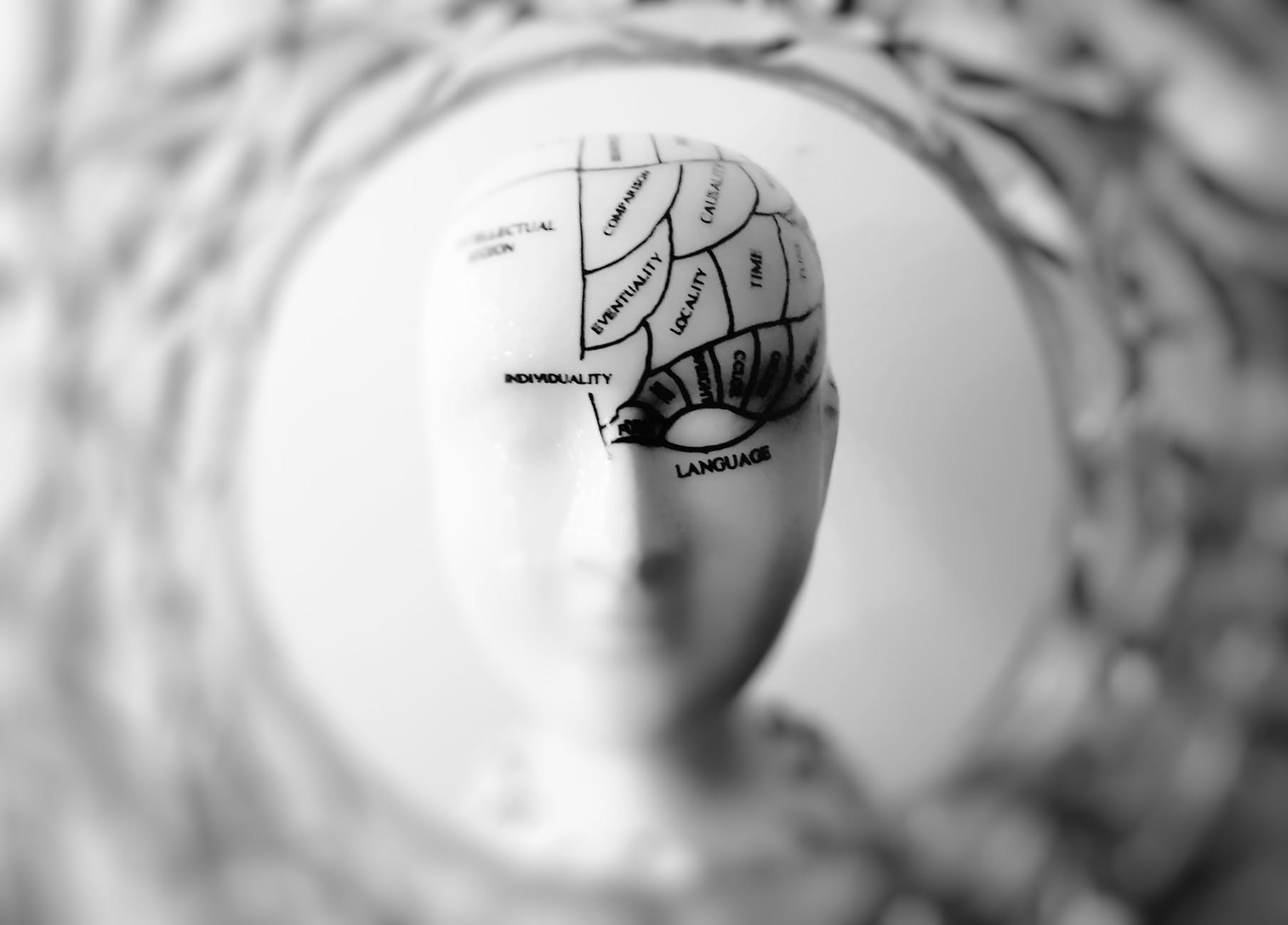
Applied Psychology

Photo by meo on Pexels.com

Applied psychology is the application of psychological principles and methods to resolve problems of human experience which may be related to human experience, health, family, workplace, etc. It is that field of psychology which validates psychological theories and focuses on putting practical research into action to achieve the desired result.

VARIOUS FIELDS OF PSYCHOLOGY:

  1. Educational psychology:
    1. Helps in developing strategies for better teaching approaches.
    2. Improves learning environment and gives advice on curriculum formation
  2. Occupational psychology:
    1. Helps in increasing the employee productivity, job satisfaction at work and overall effectiveness of an organization.
    2. Ids in organizational functions such as staff recruitment training, employee relations, performance appraisal, motivation, counselling and maintaining work environment.
  3. Health psychology:
    1. Helps diseases individuals to cope with illness, develop positive attitude, recover from illness and lead quality life.
    2. Educates and motivates people to make better health choices, contribute to improving the healthcare system and aid the government in designing healthcare policy.
  4. Cognitive psychology:
    1. Aids in treating learning disorders, structure. The educational curriculum to augment learning and improve desicion making ability.
    2. Provides help to cope with increased stress levels, memory disorders brain injury and additional difficulties.
  5. Clinical psychology:
    1. Helps in diagnosis,rention and treatment of emotional disturbances and behavioral problems.
    2. Helps the individual to promote well being and personal development.
  6. Sports psychology:
    1. Helps athletes and sports person to cope with the intense pressure generated out of competition.
    2. Enhances the performance of an athlete, motivates him and hastensthe recovery from injuries too.
    3. Teaches the common man to enjoy sport and promote well being by sticking to an exercise regimen.
  7. Developmental psychology:
    1. Aims to resolve individual’s issues mostly related to society, school, career, family and health.
  8. Criminal psychology:
    1. Assissts law enforcement agencies in apprehend in the criminals.
    2. Provides an understanding of will, intention, thoughts, feelings and reactions of criminals with the main goal of reducing crimes.
  9. Social psychology:
    1. Talks about social perceptions and interactions that are key to understanding social behavior.
    2. Looks at a wide range of other topics such as aggression, prejudice and non verbal behavior.

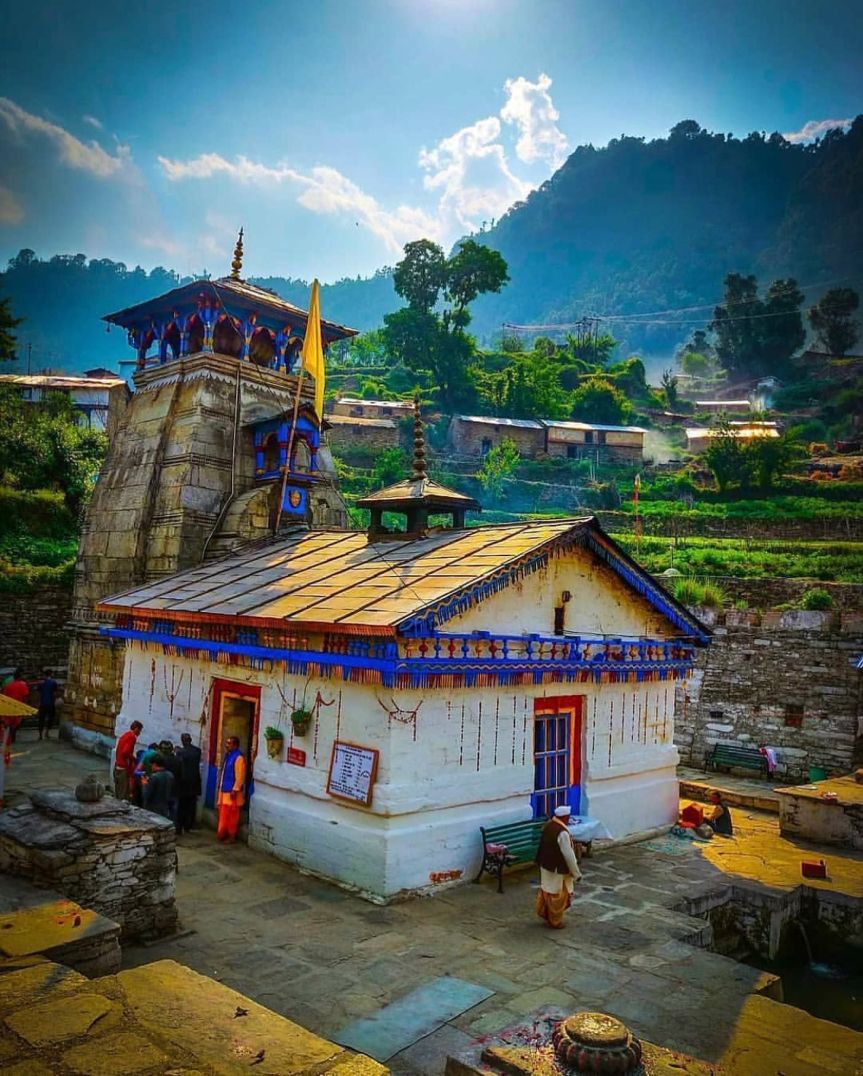
A temple believed to be a marriage place of Lord Shiva and Goddess Parvati.

Trijuginarayan Temple is a Hindu temple located in the village of Trijuginarayan in the Rudraprayag district, Uttarakhand, India. The ancient temple is dedicated to Lord Vishnu. Its a popular Hindu pilgrimage site because it is attributed to the legend that this is the place where the marriage of Lord Shiva and Goddess Parvati took place and which Lord Vishnu witnessed here. The hallmark of this temple is the eternal fire that burns in front of the temple. It is believed that the fire is burning from the time of Lord Shiva and Goddess Parvati marriage. Therefore, this temple is also known as Akhand Dhuni Temple. The temple courtyard is also the source of water that fills the three nearby sacred bathing ponds (Kund).

It is believed by many historian that Trijuginarayan Temple have been built by Adi Shankaracharya. Adi Shankaracharya is said to have built many temples in Uttarakhand. The shrine has a silver two-foot statue of Vishnu, accompanied by Consort (the goddess of wealth Lakshmi and the goddess of music and learning) Saraswati.The Trijuginarayan Temple is located at an altitude of 1,980 meters (6,500 feet), about 5 km from Sonprayag, the meeting junction of the Mandakini and Songanga rivers. During the three months of winter, the area is covered with snow. Apples and drupes are cultivated in this area for agricultural purposes.

According to Hindu Dharma, the goddess Parvati was the daughter of Himavat or Himavat-personification of the Himalayas. She was the reincarnation of Shiva’s first wife, Sati-who lost her life when her father offended Shiva. Parvati first tried to allure Shiva with her beauty, but failed. In the end, she suffered severe penance in Gaurikund, five kilometers from Trijuginarayan, and won Shiva. Pilgrim visitors to the Trijuginaryan Temple also visit the Gauri Kund Temple dedicated to Parvati, which is also the base camp for trekking to the Kedarnath Temple. According to mythology, Shiva proposed to Parvati in Guptakashi before getting married in the small village of Trijuginarayan .
Triwajinarayan is believed to be the capital of Himavat. It was the place where Shiva and Pearlvati married in heaven during Satya Yuga, and was witnessed in front of the eternally burning sacred fire in front of the temple of Havana Kund or Agni Kund. It is said Vishnu appeared at the wedding ceremony of Lord Shiva and Goddess Parvati as a brother of Parvati. Meanwhile, the Lord Brahma served as the priest of marriage which was witnessed by all the wise men of the time. The exact location of the wedding is indicated by a stone called Brahma Sila in front of the temple. The splendor of this place is also recorded in Stala Purana, a scripture unique to the Pilgrimage Center. According to the scripture , pilgrims visiting this temple consider the burning ashes of fire to be holy and carry it with them. The ashes from this fire are also believed to promote the bliss of the couple. There were no witnesses to the incident before the wedding, but it is believed that the gods taken bath from the four kunds: Rudra Kund, Vishnu Kund, and Brahma Kund. The stream of the three Kunds, according to legend, comes from Saraswati Kund, which is derived from the navel of Vishnu. Therefore, these Kund waters are considered a remedy for infertility.

Single Use Plastics

Photo by Marie Martin on Pexels.com

Single Use plastics are goods that are made primarily from fossil fuel based chemicals (petrochemicals) and are meant to be disposed off right after use, often in mere minutes. Single use plastics are most commonly used for packaging and service ware such as bottles, wrappers, straws and bags.

Plastic is among the most popular and important material used in the modern world. But due to the fact that it is non biodegradable, it is essential that it is prevented, recycled and recovered.

We produce 300million tons of plastic each year worldwide, half of which is for single use items. That is nearly equivalent to the weight of the entire human population. Reducing plastic use is the most effective means of avoiding this waste. Although single use plastic pollution accumulates most visibly on our streets, it is the water bodies which suffer even more. Litter can be the first stage in a waste stream thatenters waterways as plastics tossed on the street are washed away byrain or travel via storm drains into rivers and streams. Ten of the rivers carry 93% of the world’s totalampunt of plastic that enters the oceans via rivers each year. Marine animals bear the burden of this influx of garbage into their habitats.

Not only does banning single use plastic reduce pollution, but it also reducesdemand for plastic production that contributes to global climate change. These bans on single use plastic have many cultural effects too. Companies are forced to innovate, rethinking their designs and sourcing sustainable materials. The prevention action can include strategy for plastics in a circular economy, mandatory fee on single use place bags, phase out of single use bags.

The Central Government of India issued guidelines to states, asking them to ban the use of single use plastics effective from July1, 2022.

Some goals to keep in mind:

  • By 2030, only reusable or recyclable plastic packaging should be used,
  • 75% recycling of packaging waste should be achieved,
  • A binding agreement should be issued to reduce landfill to less that 10% of MSW,
  • Plans to coordinate beach cleanups.

These are a few goals that the states as well as the people should focus on while undergoing the ban of single use plastics. Such plastics give rise to numerous health as well as environmental hazards. Thus, it should be our prime responsibility for change our habits and go for the healthier options both for ourselves as well the environment.

Tuberculosis: a global emergency

Tuberculosis is a specific infectious disease caused by myobacterium tuberculosis. The pathogen primarily affects lungs and causes pulmonary tuberculosis. It can also affect the intestine, bones, joints, lymph gland, skin and other tissues of the body. Tuberculosis remains a worldwide public health problem. There are 15-20 million cases of infectious tuberculosis in the world. Eight million new victims and 2.9 million deaths are known to occur every year. The disease is credited with killing over one million women and nearly 1,70,000 children every year. WHO has declared TB as a global emergency.

FACTORS CAUSING TUBERCULOSIS:

  1. Agent Factors: Tuberculosis is caused by a facultative intracellular parasite myobacterium tuberculosis. The most common source of infection is the affected human himself whereas the milk of the bovine (affected cattle) is also an active source of spreading the disease. Patients remain infected as long as they remain untreated. Effective antimicrobial treatment reduces infectivity up to 90% within 48hours.
  2. Host factors: Tuberculosis affects people of all age groups. It is more prevalent in males than the females. It is not a hereditary disease but inherited susceptibility is an important risk factor. Man has no inherited immunity against tuberculosis. It is acquired as a result of natural infection or BCG vaccination.
  3. Social factors: Social factors include many non- medical factors such as poor housing, poor quality of life, overcrowding, population explosion, malnutrition, lack of education, etc.

Tuberculosis is transmitted mainly by droplet infection which is generated by sputum positive patients with Pulmonary tuberculosis. In most cases the bacteria affects the lungs. Pulmonary tuberculosis destroys the lung tissue, rupturing blood vessels in the process.

CONTROL OF TUBERCULOSIS:

The control measures consists of two components, namely:

  • Curative component
  • Peventive component

CURATIVE COMPONENTS include case find in and chemotherapy whereas PREVENTIVE COMPONENTS include vaccination. The first step in tuberculosis control is early detection of sputum positive cases followed by chemotherapy.

To tackle this global emergency, the National Tuberculosis Program me was initiated in 1962. The long term goal of the programme is to “reduce the problem of tuberculosis in the community sufficiently and quickly to the level where it ceases to be a public health hazard.”

Despite effective case finding and therapeutic tools and declined mortality, tuberculosis still remains to be a serious communicable disease worldwide.

Operation Cactus by Indian Armed Forces which saved Maldives freedom.

Operation Cactus, led by the Indian Armed Forces in 1988, to stop a group of Maldives mercenaries led by businessman Abdullah Rutufi, and armed mercenaries of the Tamil Elam People’s Liberation Organization (PLOTE), a separatist Tamil organization in Sri Lanka. It’s strategy was to overthrow the government in the Maldivian island republic.

Thier were two coup attempr done before 1988.The 1980 and 1983 coup attempts against President Maumoon Abdul Game were not considered serious, but the third coup attempt in November 1988 surprised the international community. About 80 armed PLOTE mercenaries boarded a speedboat from a Sri Lankan cargo ship hijacked in the capital Male before dawn. A similar number has previously invaded Male in the guise of a visitor. The mercenaries soon gained control of the capital. This includes major government buildings, airports, ports, television and radio stations. The mercenaries then marched to the presidential residence, where President Gayoom lived with his family. However, before they arrived at the presidential residence, President Gayoom was escorted to the Defense Minister’s house by a Maldivian national security forces. The Secretary of Defense then took the president to a safe home.

Meanwhile, the mercenaries occupied the presidential residence and managed to take the Maldivian Minister of Education hostage. President Gayoom called on Sri Lanka and Pakistan government to intervene in the military, but both refused to help because of lack of military power. The president then demanded Singapore’s intervention, but Singapore refused for the same reason. He then contacted the United States and was told that it would take a couple of days for the US military to reach the Maldives from the nearest military base in Diego Garcia, which was almost 1000 km away. The president then contacted Britain and who advised them to seek help from India. After that, President Gayoom sought help from the Indian government. India soon accepted their request and an emergency meeting was convened at the Secretariat Building in New Delhi. Within 16 hours of SOS, India was ready for thier missions.

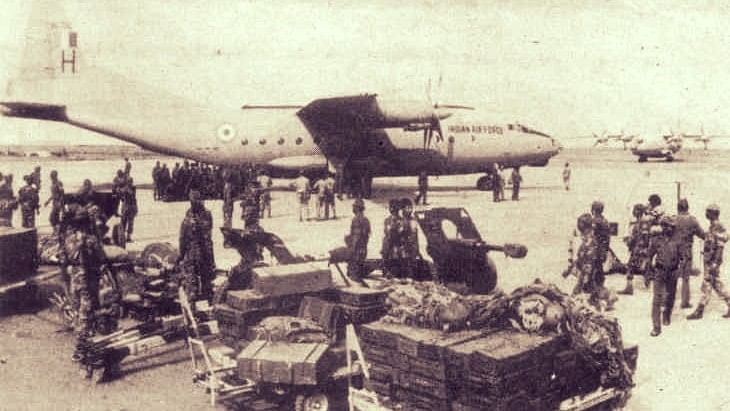
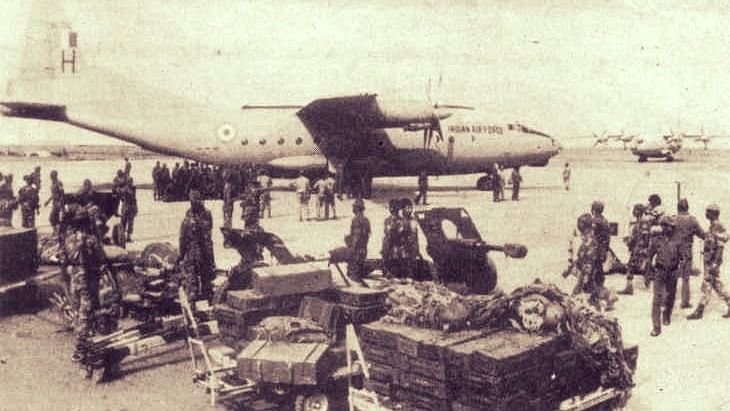
Rejaul Karim Laskar, a member of India’s then ruling party, the Indian National Congress, said that intervention of India in coup d’etat was necessary because without India’s intervention, outsiders powers were tempted to intervene and establish base in the Maldives. . Therefore, India intervened through “Operation Cactus”. On the night of November 3, 1988, the Ilyushin Il-76 aircraft of the Indian Air Force took elements of the 50th Independent Parachute Regiment, the 6th Parachute Regiment Battalion, and the 17th Parachute Field Paratrooper Regiment under Brigadier General Farsala from Agra Air. He flew non-stop for over 2,000 kilometers (1,240 miles) and landed at Male International Airport on Hulhule Island. Indian Army paratroopers arrived in Hulhule nine hours after President Gayoom proceedings.

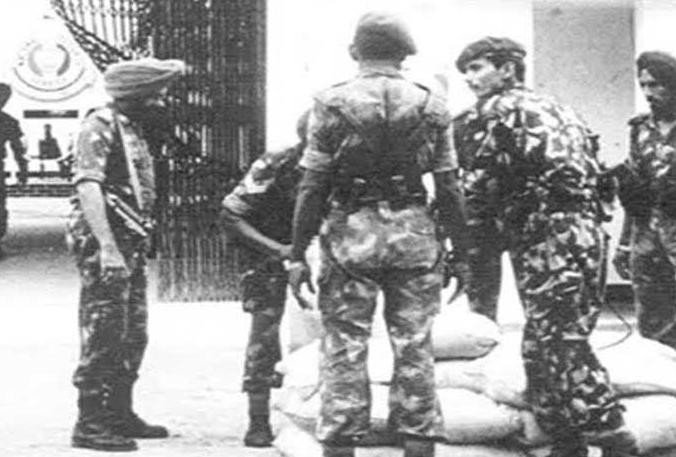
Indian paratroopers quickly secured an airfield and sailed to Male on a confiscated boat to rescue President Gayoom . Paratroopers handed over control of the capital to President Gayoom ‘s government within hours. Some of the mercenaries fled to Sri Lanka on a hijacked cargo ship. Those who could not arrive at the ship in time were immediately rounded up and handed over to the Maldivian armed Forces and government. According to reports, 19 people died in battle, most of them mercenaries. The dead included two hostages killed by mercenaries. And Operation Cactus took 18 hours for Indian Armed Forces from start to finish. Indian Navy frigate Godavari and Betwa intercepted a cargo ship off Sri Lanka and captured mercenaries. The swift intervention and accurate intelligence of the Indian Army was able to successfully subdue the coup attempted in the island nation.

Heat waves and their management

Photo by Merlin Lightpainting on Pexels.com

Heat wave is a prolonged period of excessive heat often accompanied by excessive humidity. Heat waves occur when there are a number of consecutive days with above average temperature that the body cannot tolerate. This unusual and uncomfortable hot weather can impact on both humans as well as animals health. Heat wave is one of the major disaster for many countries. It develops slowly and kills and injures many animals and people more than any other disaster. Apart from death, everyday more and more people get admitted to hospitals suffering from sunstroke, severe dehydration, vomiting and high fever.

The symptoms heat related illness include sunburn, pale skin, heat cramps, heat stroke, weakness, fainting, nausea, headache, dizziness, rapid pulse and drowsiness. Elderly persons, outdoor workers, children and military are the ones at higher risk of getting affected by the heat wave.

Like human beings, animals also suffer from heat wave. Domestic animals and poultry birds are particularly vulnerable to heat wave. When there is unavailability of enough water or shade for animals a change is seen in their behaviors. Heat waves also damage plants, crops and vegetables. When shearing winds blow and the temperature rises to around 45°C, exotic plants perish. In the grazing field not a single blade of grass is available for the cattle.

During hot summer, water consumption also increases drastically, often causing shortage of drinking water. Lack of water in most of the wells and other water bodies during hot summer seasons has an adverse effect on human beings as well as the animal population. Occurrence of drought conditions and wildfires are often the result of heat waves.

Prevention during heat wave:

  • Control the temperature at home.
  • Avoid direct sunlight while being out of the house/ in the street.
  • Take care of pets and other animals by avoiding direct exposure to sun.
  • Keep the rooms cool by using shade cloth.
  • Limit doing any physical activity at the hottest hour of the day.
  • Drink a lot of water, about 3-4 liters per day.
  • Avoid heavy protein foods like meat, dairy products, etc.

ORGANIZATION LEADS TO HEALTHY LIFESTYLE

Image credit : Ebuyer. Com https://images.app.goo.gl/BeK2ghi9m82o18kA9

Life organisation frequently resembles a delicate balancing act. As soon as you switch to grab one goal line, such as money, family obligations, or having fun with family and friends, the next one is rushing at you rapidly. Sadly, some pieces are destined to fall: weeks where rest was not prioritised, eating fast food rather than preparing meals, and slacking with limited chores rather than concentrating on substantial work.

Instead of tossing life’s responsibilities in the hopes that you’ll survive to grasp em all, stick to a plan to keep everything in its position.


1. Discipline – Organise your day and make a to do list of tasks and punctually do everything on its set time. You’ll feel content at the end of the day and not guilty when you’re chilling watching your favorite movie and having that slice of pizza because you know you’ve worked for it.
2. Awareness – Presence of mind increases with managing your time because it ultimately helps you manage your life and when that happens your mind is free of stress which allows you to focus more on the details that one otherwise is ignorant about.

3.Clear Vision – For ones particularly ,confused about their purpose or goal, managing a note of things that you enjoy from the one’s that you enjoy less will allow you to decide with more clarity on the areas that you should focus.

4.Unwavering Focus – When you lead a life of discipline your skill to concentrate enhances hugely and allows you to work with stability. You start to work more minutely on things and your end product is always the best

5.productivity – Enhances the quality of your work and you start to enjoy the work you do, all this because you’ve got time to do thing through your organisational skills.

6.Maintaining a list – keeping track of your daily activities ,writing down things and analysing your thoughts helps to understand your life better. Writing down things for each day and accomplishing them will give you clear headstart to your goals and life in general.


7.Prioritise – Allowing some things to fall into place consciously can help make navigating all of life’s obligations efficient. Get used to saying “no” so that you can spend more time for the things that are essential to you. A crucial technique in your suite for organising your life is prioritisation. The only way to get anything done is to prioritise what is most important. You can direct your intense focus on what matters by eliminating what doesn’t advance your best expectations.

8. value your time –
Time is not something you can control. Time is more valuable than money regardless of the lack of tangible value. Like money, time may be wasted or saved. Time is something you can’t earn back,like money. Choose accordingly to expend it and don’t use it all in one space. If you value time you don’t waste it. Instead use it to your advantage.

Source credit : How to organize your life by Fadeke Adegbuyi https://blog.doist.com/organize-your-life/

More like these – https://edupubnews.wordpress.com/2022/07/02/how-to-win-an-argument/ https://edupubnews.wordpress.com/2022/06/27/hustle-culture-a-trend-or-trending-problem-for-the-youth/

“Black Tiger” Of India Ravindra Kaushik.

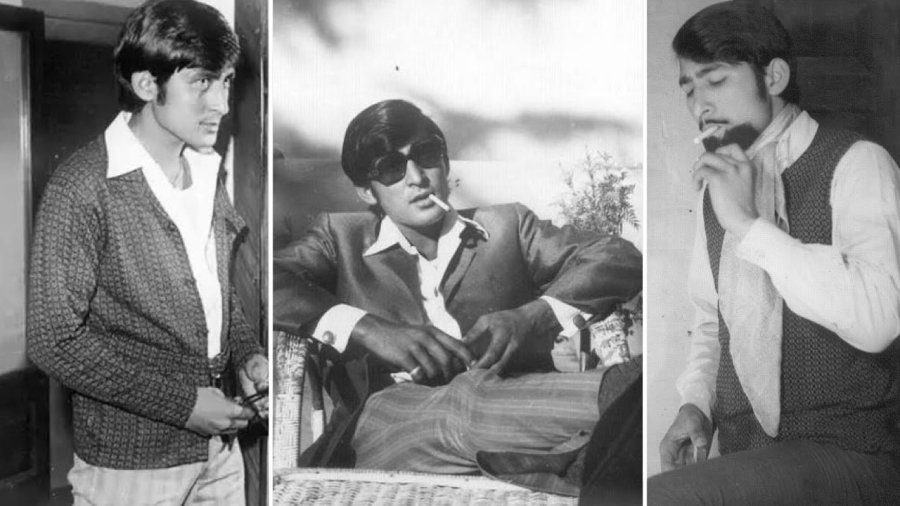
Ravindra Kaushik who served in (R&AW) ,famously known as Black Tiger was born in Sri Ganganagar, Rajasthan on 11 April 1952 in a Brahmin family.
Ravindra during his graduation days used to do drama plays and during this time Kaushik displayed his talent at the national level dramatic meet in Lucknow, Uttar Pradesh, which was witnessed by officials from the Research and Analysis Wing. After which he was contacted and offered a job of being an undercover Operative for Research and Analysis Wing in Pakistan.

After agreeing to work for R&AW Kaushik was given extensive training in Delhi for two years. He underwent circumcision so he could pass as a Muslim. He was taught Urdu, given Islamic religious education and acquainted with the topography and other details about Pakistan. Being from Sri Ganganagar, a city near Rajasthan’s border with Punjab, he was well versed in Punjabi, which is widely understood in Punjab and Pakistan as well., India. In 1975, at the age of 23, He was sent to Pakistan.
Kaushik was given the cover name “Nabi Ahmed Shakir” and entered Pakistan in 1975. He was successful in getting admission in Karachi University and from where he completed his LLB. He then joined Pakistan Army as a commissioned officer and eventually promoted to the rank of a major. While living in Pakistan under his cover he married a local girl named Amanat, the daughter of a tailor in one of the army units, and with whom he fathered a boy .

From 1979 to 1983, while working as an officer, he passed on valuable information to R&AW which was of great help to India. He was given the title of ‘Black Tiger’ by India’s then home minister late S. B. Chavan.

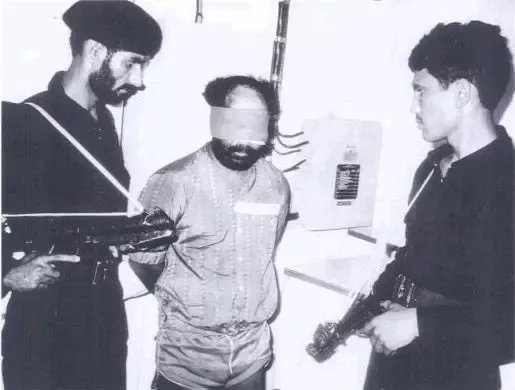
In September 1983, R&AW sent a low-level operative, Inyat Masih, to get in touch with Kaushik. However, Masih was caught by Joint Counterintelligence Bureau of Pakistan’s ISI and blew Kaushik’s cover. Kaushik was then captured, tortured for two years at an interrogation center in Sialkot. He was given the death sentence in 1985. His sentence was later commuted to a life term by the Supreme Court of Pakistan. He was kept in various jails in various cities, including Sialkot, Kot Lakhpat and in Mianwali jail for 16 years. He managed to secretly send letters to his family in India, which revealed his poor health condition and the trauma faced by him in Pakistani jails.He also adresses his thoughts on his country and department. In one of his letters he wrote:
“Kya Bharat jaise bade desh ke liye kurbani dene waalon ko yahi milta hai?” (Is this what people who sacrifice their lives for a big country like India get?”
In November 2001, he was caused with pulmonary tuberculosis and heart disease in Central Jail Mianwali in Pakistan.
He served for Research and Analysis Wing from 1975 to 1983.

“Writing about magic is harder than writing about spies because you’re dealing with something that doesn’t really exist.”

-Anthony Horowitz

Everything about cancer

Photo by Miguel u00c1. Padriu00f1u00e1n on Pexels.com

Cancer is a group of diseases involving abnormal cell growth with a potential to invade or spread to other parts of the body. There are over a hundred types of cancer that affect humans. In2015, bout 90.5 million people had cancer. About 14.1million new cases occur every year causing 8.8 million deaths. The not common types of cancer in males are lung cancer, prostrate cancer and stomach cancer whereas in females, the most common types are breast cancer, lungs cancer and cervical cancer. In children, acute lymphoblastic leukemia and brain tumors are most common.

Possible symptoms of cancer include a lump ( a compact mass of a substance without a definite shape), abnormal bleeding, prolonged cough, unexplained weight loss, etc. These symptoms may differ according to the type of cancer.

Causes of cancer:

  1. Environmental Factors:
    1. Tobacco: Tobacco in various forms of its usage (smoking, chewing) is the major environmental cause of cancer of lungs, pancreas and kidney.
    2. Alcohol: Excessive intake of alcohol is associated with oesophagal and liver cancer. It is estimated that 3% of all cancer deaths are caused by alcohol.
  2. Dietary factors: These factors are depended on our food consumption. For example, smoked fish is related to stomach cancer, dietary fiber is related to intestinal cancer and high fat is related to breast cancer.
  3. Occupational exposure to chemicals: Exposure to a wide variety of chemicals such as asbestos, arsenic, benzene, chromium, cadmium, etc, through work environment also causes cancer.
  4. Other factors such as unlught, radiation, water pollution and exposure to pesticides are also some causes of cancer.

Prevention of cancer:

  1. Primary prevention:
    1. Control of tobacco and alcohol consumption.
    2. Improving personal hygiene.
    3. Reducing the exposure to radiation.
    4. Protection from occupational exposure to chemicals.
    5. Immunization
    6. Consumption of healthy food
    7. Medical treatment
    8. Education and awareness
  2. Secondary Prevention:
    1. Camcer registration
    2. Early detection of cases
    3. Proper healthcare facility and treatment.

“Freedon from cancer” is now considered as the right of cancer patients.