Sustainable Development Goals SDGs

The Sustainable Development Goals (SDGs): A Blueprint for a Better Future

The Sustainable Development Goals (SDGs), adopted by the United Nations in 2015, provide a global framework to address the world’s most pressing challenges by 2030. These 17 goals, built on the foundation of the earlier Millennium Development Goals (MDGs), aim to eradicate poverty, protect the planet, and ensure prosperity for all. The SDGs emphasize interconnectedness, recognizing that economic growth, social inclusion, and environmental sustainability are interdependent.

1. No Poverty

Goal 1 seeks to end poverty in all its forms by 2030. Despite progress, more than 700 million people still live in extreme poverty. The SDGs advocate for inclusive economic growth and social protection systems, ensuring that the most vulnerable are not left behind.

2. Zero Hunger

Goal 2 focuses on achieving food security and promoting sustainable agriculture. With hunger and malnutrition affecting millions, the SDGs aim to ensure access to safe, nutritious, and sufficient food while promoting sustainable farming practices and supporting small-scale farmers.

3. Good Health and Well-being

Health is central to sustainable development. Goal 3 aims to ensure healthy lives and promote well-being for all at all ages. Key targets include reducing maternal and infant mortality, ending epidemics of diseases like HIV/AIDS, and promoting mental health.

4. Quality Education

Education is a powerful driver of change. Goal 4 seeks to ensure inclusive, equitable, and quality education for all. This includes ensuring free primary and secondary education, equal access to technical and vocational education, and lifelong learning opportunities.

5. Gender Equality

Achieving gender equality and empowering women and girls is essential for global development. Goal 5 aims to eliminate discrimination, violence, and harmful practices against women, and ensure equal participation in leadership and decision-making.

6. Clean Water and Sanitation

Access to clean water and sanitation is a basic human right. Goal 6 seeks to ensure availability and sustainable management of water and sanitation for all by improving water quality, reducing pollution, and investing in infrastructure.

7. Affordable and Clean Energy

Goal 7 focuses on ensuring access to affordable, reliable, sustainable, and modern energy. It aims to increase the share of renewable energy in the global energy mix and enhance energy efficiency, recognizing energy’s pivotal role in combating climate change.

8. Decent Work and Economic Growth

Promoting sustained, inclusive economic growth, full and productive employment, and decent work for all is at the core of Goal 8. The SDGs advocate for policies that stimulate entrepreneurship, job creation, and improved labor conditions, especially for young people and marginalized communities.

9. Industry, Innovation, and Infrastructure

Goal 9 underscores the importance of building resilient infrastructure, promoting inclusive and sustainable industrialization, and fostering innovation. This includes expanding access to financial services, technology, and the internet, particularly in developing countries.

10. Reduced Inequality

Goal 10 seeks to reduce inequality within and among countries by empowering and promoting the social, economic, and political inclusion of all, regardless of age, gender, disability, race, or income. It also calls for improved financial regulation to ensure fairer outcomes globally.

11. Sustainable Cities and Communities

With more than half of the world’s population living in urban areas, Goal 11 aims to make cities inclusive, safe, resilient, and sustainable. This includes improving housing, public transport, and urban planning, while reducing the environmental impact of cities.

12. Responsible Consumption and Production

Goal 12 encourages sustainable consumption and production patterns. It calls for reducing waste, improving resource efficiency, and promoting sustainable lifestyles, which are essential for decoupling economic growth from environmental degradation.

13. Climate Action

Climate change is one of the greatest challenges of our time. Goal 13 urges immediate action to combat climate change and its impacts, through both mitigation (reducing emissions) and adaptation (increasing resilience to climate impacts).

14. Life Below Water

Goal 14 focuses on conserving and sustainably using oceans, seas, and marine resources. It targets overfishing, marine pollution, and ocean acidification, while promoting the sustainable management of fisheries and marine ecosystems.

15. Life on Land

Goal 15 addresses the protection, restoration, and promotion of sustainable use of terrestrial ecosystems, forests, and biodiversity. It seeks to halt deforestation, combat desertification, and prevent the extinction of threatened species.

16. Peace, Justice, and Strong Institutions

Goal 16 promotes peaceful and inclusive societies, access to justice for all, and the building of effective, accountable institutions. It addresses issues like corruption, human trafficking, and violence, aiming to create more just and equitable societies.

17. Partnerships for the Goals

Recognizing that achieving the SDGs requires strong partnerships, Goal 17 focuses on enhancing global cooperation, financial support, and the exchange of knowledge, technology, and innovations. It emphasizes the need for collaboration across governments, civil society, and the private sector.

The Road Ahead

The SDGs represent an ambitious agenda that calls for transformative change. Governments, businesses, civil society, and individuals must work together to drive progress. While the goals are global, they require local action tailored to specific challenges. Meeting the 2030 deadline will require political will, investment, and an unwavering commitment to sustainable development for all.
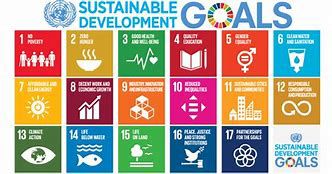
The SDGs offer a shared vision for humanity’s future—one where no one is left behind, the environment is protected, and prosperity is within reach for everyone.

World Habitat Day

World Habitat Day is observed annually on the first Monday of October to raise awareness about the state of human settlements and the importance of ensuring adequate shelter for all. It was established by the United Nations in 1985, with the first observance occurring in 1986. The day is an opportunity to reflect on the basic human right to adequate shelter, the challenges of urbanization, and sustainable urban development.

Objectives:

1. Promoting Sustainable Urbanization: As the global population becomes more urbanized, the day emphasizes the need for sustainable planning and management of towns and cities. Urban areas must provide good living conditions, infrastructure, and environmental health.

2. Advocating for Housing as a Human Right: Housing is central to people’s quality of life. World Habitat Day highlights that many people around the world live in inadequate housing, and it stresses the importance of policies that guarantee access to safe, affordable, and sustainable housing.

3. Environmental Awareness: The observance encourages reflection on how human settlements impact the environment and the need to adopt eco-friendly practices in construction and urban development.

4. Recognizing Global Issues: From homelessness and poverty to climate change and natural disasters, the day is a call to action for governments and communities to address challenges related to urban living.

Themes:

Each year, World Habitat Day is celebrated with a specific theme to focus on pressing global issues. Recent themes have included:

2023: “Resilient Urban Economies: Cities as Drivers of Growth and Recovery” – Focused on the role cities play in economic growth, especially after crises like the COVID-19 pandemic.

2022: “Mind the Gap. Leave No One and Place Behind” – Highlighted the growing inequalities in urban settings.

2021: “Accelerating Urban Action for a Carbon-Free World” – Focused on addressing climate change through sustainable urban practices.

Events and Activities:

1. Conferences and Webinars: Various organizations, NGOs, and governments host events that discuss urbanization, housing policies, and innovations in sustainable living.

2. Awards and Recognition: The UN often uses the day to announce winners of the “Scroll of Honour” award, which recognizes individuals or organizations that have made outstanding contributions to urban development, improving living conditions, and housing policies.

3. Community-Based Events: In many countries, local governments and civil society groups organize events such as exhibitions, tree-planting drives, community clean-up campaigns, and discussions on housing issues.

4. Global Observances: While many events are organized at local and national levels, a major global event is hosted in a specific city, focusing on global urban development challenges.

Importance in Today’s Context:

With more than half of the world’s population living in urban areas, the day has become more relevant than ever. Issues like rapid urbanization, climate change, inadequate housing, and slums continue to be significant challenges. World Habitat Day serves as a reminder of the collective responsibility to create more sustainable, resilient, and inclusive cities. It also brings into focus the need for international cooperation to address the housing crisis and ensure equitable access to resources and services in cities around the world.

In conclusion, World Habitat Day is not just about housing but encompasses broader issues related to sustainable development, environmental protection, and human well-being in urban areas. It encourages governments, organizations, and individuals to take action to create a better urban future for everyone.

Creating a Pandemic-proof Infrastructure

During the last few years, the world saw a crisis that shook every aspect of human life. A crisis that comes once in many decades. Almost every country experienced a complete lockdown at some point in time. Many countries with previously thought-to-be world-class health-care systems have also been tried, pushed to the limit, and in some respects found wanting. The pandemic took all countries by surprise and the discussion on appropriate national and global strategies is very diverse. The COVID-19 epidemic has demonstrated what is at risk, upending the lives of families worldwide. Millions of people have died, and a generation of kids has experienced a learning catastrophe.

The two years of the pandemic highlighted the current inadequacies of our healthcare delivery system and the need for urgent improvisation. The two years have seen us go through harrowing times—patients died for want of hospital beds and oxygen; the ventilator supply ran dry; high infections led to a severe manpower crunch at hospitals; there were not enough vaccines available then. Our healthcare system had crumbled under pressure, and our frontline workers, both in public and private hospitals, had burned themselves out. And now with cases rising, there is fear of a return to the past among healthcare workers.

Although the pandemic has eased, the virus is still alive and mutating and more pandemics are expected to follow. In the wake of this scenario, it is important for the world community to better equip ourselves to tackle such situations in the future. It is the moment that we realise the importance and need to strengthen healthcare infrastructure globally. It is time to work on making a pandemic-proof healthcare system for the future. Below are the areas that need to be focused on:

  • ·         Curative services – there is a need for the expansion of telemedicine from triage, diagnosis, and follow-up services covering all conditions (acute to chronic). Making institutions adapt and become centres of knowledge dissemination- telemedicine and all possibilities of e- and m-health and provide knowledge to people at home, on what symptoms to look out for, where to test, how to self-care, etc for not only Covid-19 but for other conditions too.
  • ·         Improve primary health care – Better primary health care will help us protect against future pandemics. Improving primary health care includes recruiting, training, and prioritising healthcare workers, and establishing effective surveillance and response systems, building confidence in health services through community outreach.
  • ·         Improve logistics and supply – There are a lot of logistics that are needed in a healthcare system. Some examples include masks, gloves, PPEs, disinfectants, etc. Apart from there’s also the supply of syringes and the cold chain storage that’s been necessary to make sure that the vaccines are stored at the proper temperature and don’t go to waste.  Increased investments in this type of infrastructure will assist to guarantee that communities obtain the immunizations they require while also protecting them from future outbreaks.
  • ·         Promotive and preventive healthcare services – The pandemic has demonstrated that having an underlying condition like diabetes, hypertension or obesity predisposes one to complications, long hospital stays, and mortality. Because of all these reasons, COVID-19 has been categorised as a syndemic rather than a pandemic. It is necessary to provide preventive and promotive health services like boosting one’s immune system through diet, exercise, and supplements, in different formats, online, face-to-face, or through home visits.
  • ·         Mental health services – Mental health issues during the pandemic are threatening to become the next pandemic. Stress and mental health issues related to lockdowns affect everyone but tend to affect the weaker segments of society more severely. It is necessary to create awareness about mental health and make mental health services available, accessible, and affordable to all.

It is true that we need to build pandemic-proof health infrastructure. But does Covid-19 expose our health sector only or show us the reality of other aspects also? Working only on health will not be sufficient. We also need to improve our social, educational and political infrastructure. The world saw a huge dropout of students because of online classes during pandemic. Some of the major reasons given for dropping are fairly obvious: technology problems, lack of support, poorly designed courses, and technologically inexperienced educators. This demands due consideration and commitment. The epidemic has impacted numerous nations’ governmental and political systems, resulting in declarations of emergency, suspensions of legislative activity, isolation or death of multiple lawmakers, and postponing of elections owing to worries of viral transmission.Furthermore, in certain areas, the epidemic has posed various problems to democracy, causing it to be weakened and harmed. Hence, building a pandemic-proof political infrastructure will not only ensure an efficient response to tackle the crisis but also provide basic institutional support to the nation and to the world as a whole.

This is a unique moment where we have an opportunity to learn from this pandemic and prevent others in the future. The legacy of COVID-19 mustn’t be one of disruption and disparity, but instead a moment of monumental change.

How the climate adversities hit India in 2022.

The year 2022 saw several extreme weather events all over the world due to climate emergency. These events are expected to increase if the effects of climate change are not mitigated.

Vulnerable countries also geared up this year for a renewed battle over compensation for the growing hazards of global warming from richer countries, also known as loss and damage, at the 27th Conference of Parties (COP27) to the United Nations Framework Convention on Climate Change (UNFCC).

There is more evidence of the worsening impact of global warming on the Indo-Gangetic Plain (IGP) that straddles eastern Pakistan, northern India, southern Nepal and the whole of Bangladesh. 

A loss and damage fund was created at the COP27, focusing on particularly vulnerable countries. But questions remain about who is eligible to receive money and who has to pay it.

Every state and Union territory (UT) reported dengue cases till November 2022. The increasing burden of dengue has often been linked with climate change, among other factors. India recorded 63,280 dengue cases as of September 30, 2022. 

The average global surface temperature January-December 2021 was the sixth highest since global records began in 1880.

Key points of UN COP15 summit held at Canada.

After four years of fractious talks, nearly 200 countries, including India, approved a historic Paris-style deal on Monday to protect and reverse dangerous loss to global biodiversity following an intense final session of negotiations at the UN COP15 summit here in Canada.

The UN Development Programme said the “historic agreement” meant people around the world could hope for real progress to halt biodiversity loss.

The main points include:

  • Maintaining, enhancing and restoring ecosystems, including halting species extinction and maintaining genetic diversity
  • “Sustainable use” of biodiversity – essentially ensuring that species and habitats can provide the services they provide for humanity, such as food and clean water
  • Ensuring that the benefits of resources from nature, like medicines that come from plants, are shared fairly and equally and that indigenous peoples’ rights are protected
  • Paying for and putting resources into biodiversity: Ensuring that money and conservation efforts get to where they are needed.

Furthermore, the framework also calls for increasing the amount of money sent to poor countries to at least $20 billion every year by 2025 which could be increased by $10 billion each year by the end of the decade. However, the document only calls for identifying subsidies by 2025 which can be reformed or phased out and work on reducing them by 2030. 

The draft comprised four broad goals and 22 targets addressing the protection of nature and sharing its benefits which included, the management of wildlife, working on the restoration of habitats and using less plastic. 

India likely to face extreme heat waves.

India, very soon, could experience heat waves that could exceed the survivability limit of humans.  This startling revelation was made in a report by the World Bank. 

According to the report, India will soon be one of the first countries in the world that will experience severe heatwaves that will break the human survivability limit.  India, over the past couple of decades, recorded several deaths due to intense heat waves. 

Frequency of extreme weather events such as heatweaves and floods is expected to increase in India as a result of the climate change.

According to one study, if the global mean temperature increases by more than 1.5 degrees Celsius from the pre-industrial level, the proportion of the total population and urban area that will be exposed to successive extremes will rise rapidly.

According to the researchers, under the lowest emission scenario, the length of a heatwave will grow from an average of 3 days in the current climate (1981-2010) to 11 days by the end of the twenty-first century (2071-2100).

Under the scenario with the highest emissions, however, they predicted that the length of heat waves would increase to 33 days by the end of the century.

World population hits 8 billion.

The world population surged past 8 billion people on Tuesday, the United Nations said, warning that more hardship is in store for regions already facing resource scarcity due to climate change.

Whether its food or water, batteries or gasoline, there will be less to go around as the global population adds another 2.4 billion people by the 2080s, according to U.N. projections.

Resource pressure will be especially daunting in African nations, where populations are expected to boom, experts say. These are also among the countries most vulnerable to climate impacts, and most in need of climate finance.

In sub-Saharan Africa, where some 738 million people already live without adequate food supplies, the population is projected to jump by 95% by mid-century, according to the Institute for Economics and Peace. The think tank warned in an October report that much of sub-Saharan Africa will be unsustainable by mid-century.

Globally, the 8 billion population milestone represents 1 billion people added to the planet in just the last 11 years.

Reaching 8 billion people is“a sign of human success, but it’s also a great risk for our future,” said John Wilmoth, director of the U.N.’s population division.

Middle-income countries, mostly in Asia, accounted for most of that growth, gaining some 700 million people since 2011. India added about 180 million people, and is set to surpass China as the world’s most populous nation next year.

However, births have been steadily declining in the United States, Europe, and Japan. China, too, has struggled with the legacy of its One Child Policy program and last year urged families to have a second and even third child as it also limited access to non-medical abortions.

Last solar eclipse of the year witnessed today.

For the uninitiated, a partial solar eclipse is one where the Earth moves through the lunar penumbra as the moon travels between the earth and the sun. It is referred to as ‘partial’ because the moon does not block the entirety of the sun, when witnessed from the Earth.

After Diwali on October 25, India and many parts of the world witnessed a partial solar eclipse which was visible in the different regions.

A Solar eclipse occurs when the Moon comes between Sun and Earth and blocks the light of the sun, casting a shadow onto Earth.

When the sun and moon are not perfectly aligned in a straight line, a partial solar eclipse occurs. The sun takes on a crescent shape as if the moon has taken a bite out of it and the Moon only reflects the outer part of Earth’s shadow, known as the penumbra.

Today’s eclipse is special as the last partial solar eclipse was seen from India in 2007 and the next such event would occur only in 2032. Although another partial solar eclipse will occur only in 2025 but that event would not be visible from India.

Sustainable Development.

Sustainable development refers to “the development which meets the needs of the present without compromising the ability of future generations to meet their needs.” Moreover, if we observe the term “sustainable development”, it means a development that heads over towards progress not decline.

The World Commission on Environment and Development popularized this concept in 1987. It aims to prevent the exploitation of natural resources and enrichment the natural resources. Basically, it is an action plan to help our future generations to live comfortable life. Sustainable development rests on three pillars – economic, social and environmental – which are often referred to as the triple bottom line. Achieving sustainable development requires balancing these three pillars in a way that meets the needs of present generations without risking the future generation.

We need many resources and a suitable environment to live our lives effortlessly. The population of the world is growing rapidly and so is the demand for resources. Human beings have been continuously exploiting resources and harming the environment.

In this condition, our future generations have to face a scarcity of resources to meet their needs and have to experience a less supportive environment. Sustainable development is the only solution to prevent this situation. It will prevent overexploitation and wastage of natural resources.

India is a rapidly developing country with a population of over 1.3 billion. The country faces many challenges in achieving sustainable development, including poverty, illiteracy, malnutrition, environmental degradation and climate change. In recent years, India has made progress in some areas of sustainable development, such as reducing poverty and increasing access to education and health care. However, much more needs to be done to meet the country’s development goals. There is a need for greater political will and financial resources to implement sustainable development initiatives in India. In addition, there is a need to raise awareness of sustainable development among the general public and create more coherent and coordinated policies at the national level.

Bipolar Disorder

Bipolar disorder, also known as manic depression, is a mental illness that brings severe high and low moods and changes in sleep, energy, thinking, and behavior.
People who have bipolar disorder can have periods in which they feel overly happy and energized and other periods of feeling very sad, hopeless, and sluggish. In between those periods, they usually feel normal. You can think of the highs and the lows as two “poles” of mood, which is why it’s called “bipolar” disorder.In bipolar disorder, the dramatic episodes of high and low moods do not follow a set pattern. Someone may feel the same mood state (depressed or manic) several times before switching to the opposite mood. These episodes can happen over a period of weeks, months, and sometimes even years.There is no single cause of bipolar disorder. Researchers are studying how a few factors may lead to it in some people.
For example, sometimes it can simply be a matter of genetics, meaning you have it because it runs in your family. When someone develops bipolar disorder, it usually starts when they’re in late adolescence or young adulthood. Rarely, it can happen earlier in childhood. Bipolar disorder can run in families.Men and women are equally likely to get it. Women are somewhat more likely than men to go through “rapid cycling,” which is having four or more distinct mood episodes within a year.

Women also tend to spend more time depressed than men with bipolar disorder.Bipolar disorder usually develops later in life for women, and they’re more likely to have bipolar disorder II and be affected by seasonal mood changes. A combination of medical and mental issues is also more common in women. Those medical issues can include thyroid disease, migraine, and anxiety disorders.Bipolar disorder can be treated. It’s a long-term condition that needs ongoing care. People who have four or more mood episodes in a year, or who also have drug or alcohol problems, can have forms of the illness that are much harder to treat.Treatment can make a huge difference. With a combination of things — good medical care, medication, talk therapy, lifestyle changes, and the support of friends and family — you can feel better. Bipolar disorder — or manic depression, as it is also still sometimes called — has no known cure. It is a chronic health condition that requires lifetime management. Plenty of people with this condition do well; they have families and jobs and live normal lives. Finding the right medication need weeks to months to take full effect. Generally only one medication is changed at a time so that your doctor can identify which medications work to relieve your symptoms with the least bothersome side effects. Medications also may need to be adjusted as the symptoms change.Treatments for children and teenagers are generally decided on a case-by-case basis, depending on symptoms, medication side effects and other factors.


You are either too happy, too sad or you just don’t care. Finding the feelings in the middle do not come naturally. You have to fight every day to find them.

Fracking

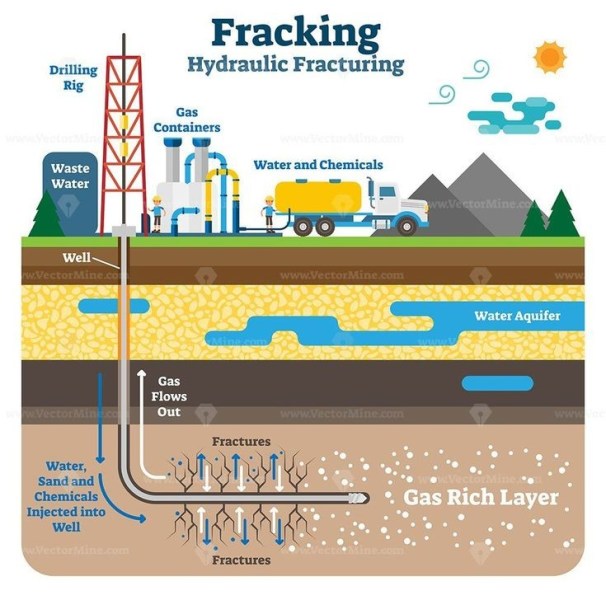
Fracking is short for “hydraulic fracturing”, which is the process of creating fractures in rocks and rock formations by injecting specialized fluid into cracks to force them to open further. The larger fissures allow more oil and gas to flow out of the formations and into the wellbore. It is easier to extract oil and gas there.Fracking has resulted in many oil and gas wells attaining a state of economic viability due to the level of extraction that can be reached. It has also allowed drilling firms access to previously difficult-to-reach sources of oil and gas.Fracking is an extraction technique for oil and gas wells in which rocks are fractured artificially using pressurized liquid. The process involves drilling down into the earth and injecting a highly pressurized mixture of water, sand, and thickening agent, also called “fracking fluid,” into a wellbore to create cracks in rock formations. Once the hydraulic pressure is removed from the well, the remnants of the fracking fluid hold the fractures open, making it easy to extract the oil and gas inside. Fractures can also exist naturally in formations, and both natural and human-made fractures can be widened by fracking. As a result, it is possible to extract more oil and gas from a given area of land.

Fracking increases the rate at which water, petroleum, or natural gas can be recovered from subterranean wells. It has also allowed the extraction of unconventional oil and gas resources from low permeability sites where traditional extraction technologies fail. Fracking as a method for oil and gas extraction is also more economically viable than conventional or horizontal drilling. In the United States, domestic oil production has grown significantly with the introduction of fracking. The process has driven down gas prices and offered gas security to both the United States and Canada for about 100 years.

Most of the opposition to fracking revolves around its potential negative impact on the environment. Fracking typically produces methane emissions, which reduce air quality. Furthermore, methane gas contributes significantly to global warming.Fracking requires forcing large volumes of water and chemicals into the ground, which can seep and contaminate local soil and water resources. Moreover, due to the high pressures involved, fracking is also associated with increased seismic activity. It also releases large quantities of methane gad and other air pollutants that can cause health problems and contribute to climate change.Fracking has allowed for the cost-effective extraction of harder-to-reach deposits of oil and gas, which has increased the supply of available fossil fuels. In general, greater supply leads to lower prices; however, several other factors also impact the price of oil and gas.


Millets: Future Superfood

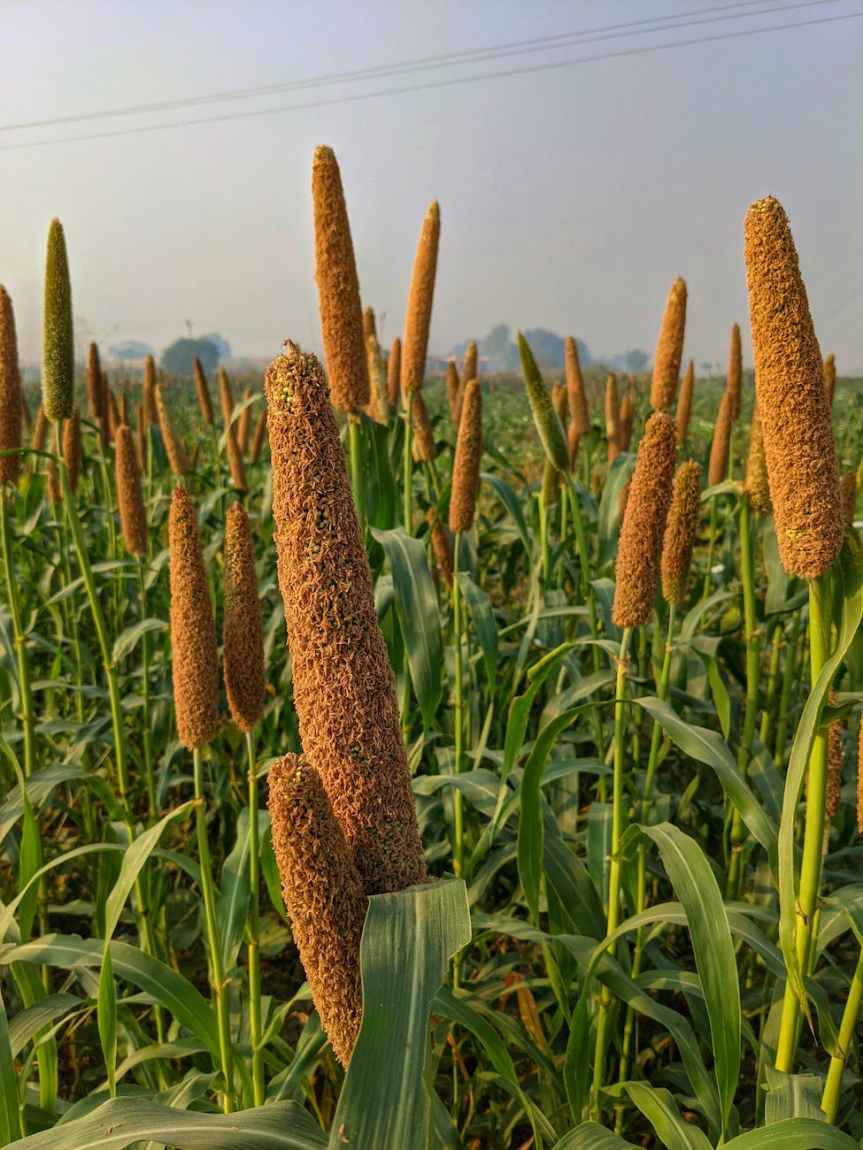
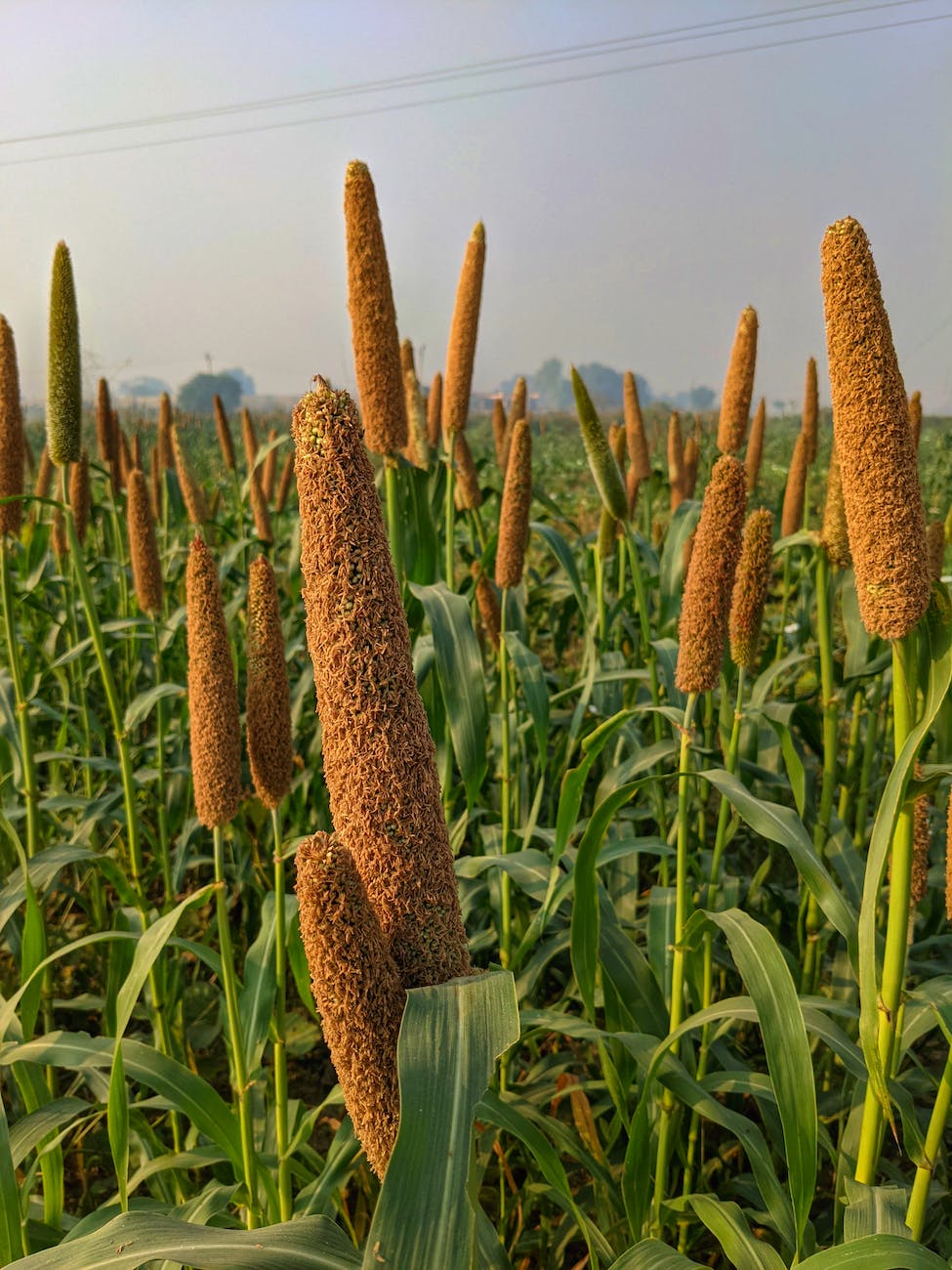
Millets are one of the oldest food known to mankind.These are group of highly variable small-seeded grasses, widely grown around the world as cereal crops or grains for fodder and human food.

Types of millet: Sorghum (jowar), Pearl millet (bajra), Foxtail millet (kangni), Finger millet (ragi), Barnyard millet, Kodo millet, Little Millet, Proso Millet are amongst the healthiest millet grains available.

Nutritional value: They are good sources of proteins, carbohydrates, dietary fibre and essential amino acids.

Millets have 65% carbohydrates, 9% proteins, 3% fat, and 2-7% crude fibre.

They are rich in various vitamins such as vitamin A, C and B-complex vitamins and minerals such as magnesium, manganese, phosphorus and also iron.

Major producers include Rajasthan, Andhra Pradesh, Telangana, Karnataka, Tamil Nadu, Maharashtra, Gujarat and Haryana.

Significance: Release of 13 High Yielding varieties including 4 bio-fortified varieties of millets. declaring 2023 as International Year of Millets (IYOM).

This proposal of India was supported by 72 countries and United Nation’s General Assembly (UNGA) declared 2023 as International Year of Millets on 5th March,2021.

Photo by Deep Malik on Pexels.com

Millets are climate resilient crop as they can be grown in rainfed area and are resistant to climatic stress, pest and disease as well. So it plays major role in sustainable agriculture.

People possess a perception of millet being poor man food but owing to it’s nutritional value it is rich in dietary fibres, amino acid, calcium, zinc, folate and various nutrients. It can even be easily consumed by diabetic people as it possess low glycemic index. Nowadays, being consumed by many more people it helps to provide food security.

They even provide economic security to farmers growing millet in dry, low fertile, rainfed area as it requires less investment and involves less cost of cultivation.

Initiatives are taken by government to promote millet production by farmers as they promote sustainable agriculture as well as generate employment opportunities by promoting value addition of millets.

Achievements of India in the field of Science and Technology

Today India’s achievements are numerous and include a strong Democracy, higher Education, Nuclear power, stunning economic growth and revival of numerous aspects of traditional Wisdom. Owing to the talent and will of the countrymen, we can see that India has reached among the top countries of the world especially in science and technology and various other fields. India has the 44th rank in technology level among the world. Also, India is considered one of the top five countries in space exploration. India has become an important source of creative and fundamental scientific development and in all the perspectives around the world. All great scientific discoveries and technical achievements have improved the Indian economic situation in our country and have created many new approaches for the new generation to develop a technologically advanced environment.
Much new scientific research and development is possible in the field of mathematics, architecture, chemistry, astronomy, medicine, metallurgy, natural philosophy, physics, agriculture, health care, pharmaceuticals, astrophysics, atomic energy, space technology, application, defence etc.
The introduction of scientific research, ideas and techniques in the field of education has brought a huge change in the new generation at large and has given a variety of new and innovative opportunities to work in their own interests. Modern science in India has made people aware of their constant and hard efforts by scientists. India’s scientist is great, who has made scientific progress of the highest international calibre.
Technical development in any area enhances the economy of any country. In order to improve the power of science and technology in India, the Government of India established the Council of Scientific and Industrial Research in 1942 and the Board of Scientific and Industrial Research in 1940. India has achieved so many achievements in the field of science and technology that every Indian is proud of his country. Let’s know all your achievements in detail.

Atomic clock by ISRO:
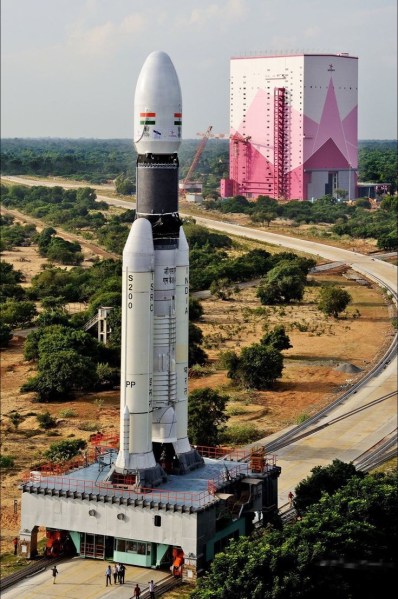
The atomic clock is an amazing technology developed by ISRO and it is used to measure precise location data in navigation satellites. Proudly, ISRO is one of the Few Space organisations in the world, those who have developed this amazing technology.

Mars Orbiter Mission :
Mars orbiter mission is a great success achieved by India in the field of science and technology. India is the only nation in the world to reach Mars in the first attempt. Indian space research organisation (ISRO) launched Mangalyaan on 5 November 2013 and it was placed into mars orbit on 24 September 2014. The cost of the project was 74 million US dollars which are cheaper than anything that others can achieve.

Chandaryaan 2 Mission
The moon landing of Chandrayaan 2’s Vikram lander is also a very special Indian technological achievement for India. Chandrayaan 2 mission marks India’s first lunar exploration mission and ISRO put lots of effort into making this mission a success. With this mission, India has emerged as the fourth country in the world to have hoisted its flag on the lunar surface. This achievement is a matter of great Honour for the nation.

PARAM – India first Super Computer
India’s first-ever super Computer named ‘Param’ is also a great achievement for India in science and technology. Param is designed and assembled by the Centre for the development of advanced computing in Pune. Today there are 11 supercomputers in India and they are used in the development of nuclear weapons and space programmes.

Even though India has only 140 researchers per 10 lakh population this has never been a shortcoming in the development of Science and Technology. We Indians must feel proud of our technological advancements and try to utilise them in the best manner possible.


Achievements of India in the field of Science and Technology 

-Dr APJ Abdul Kalam.

Physical Geography

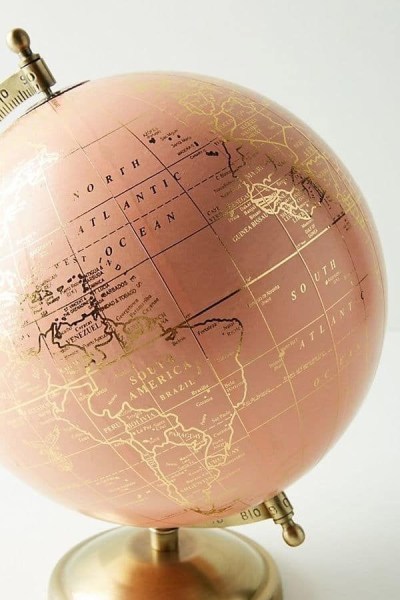
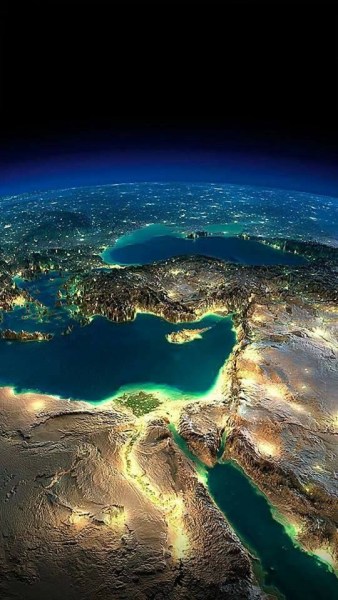
Physical geography is one of the two branches of geography viz., physical geography and human ge­ography. In fact, the study of physical aspects of the earth represents the core of spatial science i.e., geogra­phy. Most of geographers have pleaded for bifurcation of geography into physical and human geography but it is rather unwise to ignore biotic aspect of the biospheric ecosystem of the earth and hence there should be trifurcation of geography into physical ge­ography, human geography and biogeographyPhysi­cal geography in terms of its meaning and definition, scope (subject matter) and methods of study has under­gone sea-change in the past few decades. In the begin­ning, physical geography was defined as the study of only physical environment (namely reliefs, air and water) of the earth e.g., ‘the study of physical environ­ment by itself is physical geography which includes consideration of surface relief of the globe (geomorphology), of the seas and the oceans (ocea­nography) and of the air (meteorology and climatol­ogy) (Arthur Holmes).

Physical geography was considered as the ag­glomeration of different branches of earth sciences or natural sciences viz., sciences of atmosphere (meteor­ology and climatology); science of seas and oceans (oceanography); science of solid earth (geology); sci­ence of soil (pedology); science of plants (botany) and science of landforms (geomorphology).As a distinct branch of geography physical geography studies the spatial patterns and spatial relationships of environmental components of the globe in regional context, it also studies the causes of regional patterns of such spatial relationships, simultaneously it incorporates the ex­planation of spatial and temporal changes of environ­mental components and causes thereof.The study of features resulting from the interac­tions between endogenetic and exogenetic forces in­volves the discussion of mode of denudational proc­esses (weathering and erosion), hetherto termed as geomorphic processes, their mechanism of operation (machanism of erosion, transportation and deposition by running water-river, groundwater, sea waves, wind, glacier and periglacial agent) and resultant landforms.

The discipline of physical geography has evolved through successive stages of its development in terms of methodology and approaches to study. After taking its birth in the philosophical ideas and reports of ancient thinkers, philosophers and historians of the ancient seats of civilization and culture e.g., Greece, Rome and Egypt, the science of physical environment attained its present status wherein different compo­nents were added from time to time.


Geography is also memory. And loss of physical geography is also loss of narrative memory.

Agriculture

The word “Agriculture” has no rigid definition. It has been explained by many people very comprehensively. Agriculture has been defined as the science and art of cultivating the soil, and this definition emphasizes the primary nature of plant production in agriculture.Moreover, it is so frequent that the same person performs both the primary functions of growing plants and the secondary one of feeding the plants to livestock that these two industries are grouped together as agriculture. Therefore, it may be said that agriculture includes not only the production of crops by the cultivation of the soil, but also the rearing of livestock.
Thus, milk, meat and wool are as much agricultural products as are wheat, rice and cotton. In the words of George O’Brien, therefore, the word agriculture includes, “every industry which aims at producing vegetables or animals by the cultivation of the soil.”So, agriculture is the business of raising products from the land. The products raised may either be plants and their products or animals and their products. The former are the direct products while the latter are the indirect products of the land. Agricultural products are complex and diverse, in nature, and as such, agriculture may be regarded as complex industry.Modern agriculture is such broader in scope than merely the art and science of cultivating the land. It is the whole business of supplying food and fiber for a growing population at home and abroad. Again in agriculture we include all forms of soil production, from forestry to glass-house culture, from fishery to artificial insemination, and from breeding to horticulture.

Primi­tive men must have begun as food gatherers, eating whatever fruits, leaves and roots they could obtain. Nature must have been bountiful in those days when human numbers were so small and wild plants grew everywhere. As time passed and human numbers grew, fishing and hunting became increasingly im­portant in supplementing what was lacking in the field, and an endless search for food ensued.It was soon realized that some form of food pro­duction was necessary if men were to live long and secure. Animals were tamed, first to provide meat, milk and skin; later for use as draught animals. Seeds were sown in ploughed fields, carefully tended and harvested when the time came.Men were then able to live in settled communities. Because they were no longer continually moving they had time to develop the various arts, crafts and skills that formed the basis of modern industries and also evolved religious and political ideas. Without a settled agriculture, a meas­urable degree of civilization is not possible.


Agriculture
is not farming
it’s feeding