Types of Foods: A Detailed Overview

🍽️ Types of Foods: A Detailed Overview

Food can be classified in various ways depending on nutritional content, source, and function. Below is a comprehensive breakdown:
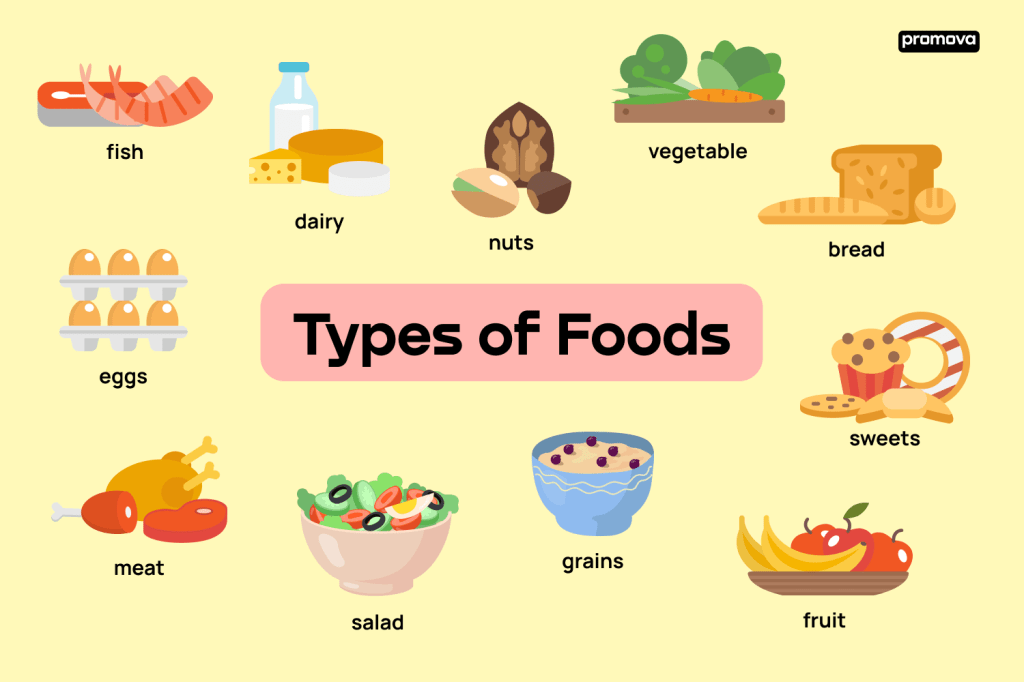

1. 🌾 Cereals and Grains

  • Description: Staple foods rich in carbohydrates, providing energy.
  • Examples: Rice, wheat, maize (corn), barley, oats, millet, rye, sorghum, quinoa.
  • Uses: Basis for bread, pasta, noodles, breakfast cereals, and baked goods.
  • Nutritional Value: High in carbohydrates, moderate protein, some vitamins (B-complex) and minerals.

2. 🥦 Vegetables

  • Description: Edible plant parts such as roots, stems, leaves, flowers, and tubers.
  • Examples:
    • Roots & Tubers: Carrot, beetroot, potato, sweet potato, yam.
    • Leafy Greens: Spinach, kale, lettuce, cabbage, fenugreek.
    • Other Vegetables: Tomato, cucumber, broccoli, cauliflower, brinjal (eggplant), okra.
  • Nutritional Value: Rich in dietary fiber, vitamins (A, C, K), minerals (iron, potassium), antioxidants, and low in calories.

3. 🍎 Fruits

  • Description: Edible fleshy products of plants, often sweet or sour.
  • Examples: Apple, banana, mango, orange, grapes, pomegranate, papaya, watermelon, berries, pineapple.
  • Nutritional Value: Source of natural sugars, vitamins (especially vitamin C), minerals, fiber, and antioxidants.
  • Types:
    • Citrus fruits (orange, lemon)
    • Stone fruits (mango, peach, plum)
    • Berries (strawberry, blueberry)
    • Tropical fruits (banana, papaya, pineapple)

4. 🥛 Dairy Products

  • Description: Foods made from milk and milk derivatives.
  • Examples: Milk, yogurt, cheese, butter, cream, paneer (cottage cheese), ghee.
  • Nutritional Value: Rich in protein (casein), calcium, vitamin D, vitamin B12, fats, and probiotics (in fermented dairy).

5. 🍗 Meat, Poultry, and Seafood

  • Description: Foods derived from animals and birds.
  • Examples:
    • Meat: Beef, pork, lamb, goat.
    • Poultry: Chicken, turkey, duck.
    • Seafood: Fish (salmon, tuna, cod), shellfish (shrimp, crab, lobster).
  • Nutritional Value: Excellent source of protein, iron, zinc, vitamin B12, and omega-3 fatty acids (in fish).

6. 🥚 Eggs

  • Description: Highly nutritious food from poultry birds, primarily chicken eggs.
  • Nutritional Value: Rich in protein, vitamins (A, D, B12), choline, minerals, and healthy fats.

7. 🥜 Legumes, Pulses, and Nuts

  • Description: Plant-based protein-rich foods.
  • Examples:
    • Legumes/Pulses: Lentils, chickpeas, kidney beans, black beans, peas.
    • Nuts: Almonds, walnuts, cashews, peanuts, pistachios, hazelnuts.
    • Seeds: Sunflower seeds, flaxseeds, chia seeds, pumpkin seeds.
  • Nutritional Value: High in plant-based protein, fiber, minerals (magnesium, iron), healthy fats, and antioxidants.

8. 🥥 Oils and Fats

  • Description: Foods that provide concentrated energy and essential fatty acids.
  • Examples: Vegetable oils (olive oil, sunflower oil, soybean oil), butter, ghee, coconut oil, animal fats.
  • Nutritional Value: Source of essential fatty acids, vitamins A, D, E, K, and energy (9 kcal/g).

9. 🍫 Sugars and Sweets

  • Description: Foods high in refined sugars, often used for taste and quick energy.
  • Examples: Sugar, honey, jaggery, chocolates, candies, desserts, pastries.
  • Nutritional Value: Provide quick energy but low in vitamins and minerals (“empty calories”).

10. 🍵 Beverages

  • Description: Liquids consumed for hydration, refreshment, or nutrition.
  • Examples: Water, tea, coffee, fruit juices, soft drinks, milkshakes, soups, alcoholic beverages.
  • Nutritional Value: Varies—water hydrates, milk gives protein and calcium, tea/coffee provide antioxidants, while sugary drinks may add empty calories.

11. 🌱 Herbs and Spices

  • Description: Plant-based flavoring agents used in cooking.
  • Examples: Turmeric, cumin, coriander, cinnamon, black pepper, cardamom, ginger, garlic, basil, thyme, oregano.
  • Nutritional Value: Rich in antioxidants, phytochemicals, and medicinal compounds.

12. 🥗 Processed and Convenience Foods

  • Description: Foods that are altered from their natural state for preservation, taste, or convenience.
  • Examples: Bread, biscuits, canned foods, frozen meals, instant noodles, packaged snacks.
  • Nutritional Value: Often high in salt, sugar, and unhealthy fats; limited vitamins and minerals depending on processing.

13. 🌿 Functional and Health Foods

  • Description: Foods that provide health benefits beyond basic nutrition.
  • Examples: Probiotic yogurt, fortified cereals, soy products, green tea, oats, spirulina.
  • Nutritional Value: Help in preventing diseases, improving immunity, and promoting overall well-being.

✅ Conclusion

Foods are broadly classified into plant-based and animal-based categories, and further into nutrient groups like carbohydrates, proteins, fats, vitamins, and minerals. A balanced diet should include a variety from all groups to maintain health, energy, and disease prevention.
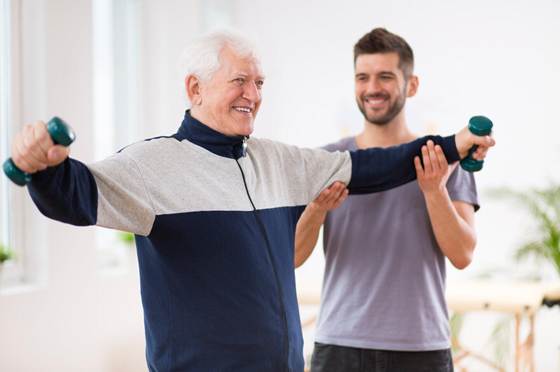

The Role of Fitness Certification in Enhancing Senior Health Care

Did you know that nearly 95% of older adults have at least one chronic health condition? This statistic highlights the urgency of prioritizing the health and well-being of the senior population.

One of the most effective ways to improve the care and health outcomes for seniors is through specialized fitness certification. As health care professionals and fitness trainers, it is vital to understand how obtaining such certifications can not only enhance our skills but also significantly benefit the seniors we work with. Keep on reading to learn more.

The Importance of Fitness Certification in Senior Care

The role of fitness certification is increasingly recognized in the field of senior health care. These certifications equip health care professionals and trainers with the knowledge and skills necessary to design safe and effective exercise programs tailored specifically for seniors. Here’s why this matters:

Understanding Medical Conditions

Trainers learn about health problems like weak bones and heart issues. They know how to keep these in mind during workouts. This helps older adults stay safe while moving.

Safety Protocols

Fitness training teaches how to keep people safe while they exercise. Trainers learn rules to stop accidents. This makes workouts better for seniors.

Customized Programs

Each person gets a plan made just for them. Trainers change the plan to fit the person’s needs. This helps make the workout work well.

Client Motivation

Trainers learn how to keep people going. They say the right things to help seniors stick with it. This keeps people moving and feeling good.

By holding a fitness certification, trainers and health care professionals can develop a positive rapport with the seniors they assist. Understanding their needs, limitations, and preferences allows for a tailored approach to fitness that encourages participation and promotes physical activity.

Improved Outcomes with Certified Professionals

The expertise and training received through fitness certification programs directly correlate with improved outcomes in senior health. Many studies have shown that seniors who participate in supervised exercise programs have enhanced physical function and a lower risk of falls. Moreover, exercise has been linked to better mental health, reducing symptoms of anxiety and depression among older adults.

Here are some additional benefits of certified fitness trainers in senior health care:

  • Enhanced strength and balance
  • Improved flexibility and mobility
  • Stronger cardiovascular health
  • Better overall quality of life

Finding the Right Fit

Choosing a certified fitness professional is essential for elderly clients. Look for trainers who have specialized certification in senior fitness, such as those offered by the American Council on Exercise or the National Academy of Sports Medicine. These certifications signify that trainers understand the unique challenges seniors face and how to address them effectively.

Moreover, locality matters. Finding certified trainers within community centers or senior living facilities can help seniors develop a routine that best suits their lifestyle. Localized support creates a familiar environment for seniors, making it easier for them to engage in physical activity. Check out sites like https://www.americansportandfitness.com/products/senior-fitness-certification to learn more about fitness certification.

Transforming Senior Health Care with Fitness Certification

Using fitness certification in senior health care can change how we help older people stay healthy. Special training teaches us how to support seniors better and help them feel happier and stronger.

No matter what you do trainer, nurse, or helper getting fitness certification can make a big difference. Working together, we can help seniors live healthier and better lives.

For more related topics, check out the rest of our blog!

CPR and First Aid Certification Courses for All Levels

Are you ready to make a difference? CPR and first aid certification courses teach vital skills. You can feel proud knowing you are prepared for emergencies.

Everyone can learn how to help others in need. Whether you want to volunteer, work, or help at home, these courses are for you.

Continue reading this article to learn more about CPR and first aid certification courses for all levels.

CPR and First Aid Certification for Beginners

Beginner CPR and first aid courses teach simple steps to help in emergencies. Students learn how to check for danger, call for help, and give care. The training is easy to follow and is made for those with no experience.

These courses show how to help someone who is hurt or not breathing. With practice and support, anyone can learn to respond with confidence. Learning these skills early can save lives.

Advanced Life Support Training for Healthcare Providers

Healthcare providers have special responsibilities. Advanced life support training prepares them for high-stakes situations. They learn complex skills to support patients during critical health events.

With these courses, healthcare professionals enhance their abilities. They ensure they are ready to respond swiftly. This training can make all the difference in saving lives.

Workplace CPR and First Aid Courses for Employees

Employers value safety. CPR and first aid courses for employees promote a healthy work environment. Staff learn practical skills to respond to emergencies at work.

These courses reduce risks and ensure preparedness. Employees gain confidence and knowledge. A well-trained team can handle emergencies efficiently and effectively.

Pediatric CPR and First Aid Certification for Childcare Providers

Childcare providers face unique challenges. Pediatric CPR and first aid certification prepares them for emergencies involving children. They learn special techniques tailored for younger patients.

Every caregiver should feel capable and confident. This training helps them respond when children need help. Safeguarding our children is a priority, and training is the best first step.

CPR and First Aid Refresher Courses for Recertification

Skills can fade over time, so refresher courses offer updates. Recertification keeps responders informed about the latest techniques. It’s essential to stay current with first aid practices.

These courses are quick and effective. They ensure that knowledge remains sharp and ready. Keeping skills fresh helps responders act with assurance when needed most.

Online and In-Person CPR Certification Options for All Skill Levels

Many training options are available today. Both online and in-person CPR certification options cater to various learning styles. Participants can choose what works best for them.

Online courses are convenient and flexible. For those who prefer hands-on training, in-person classes are available. Explore options like CPR/first aid & BBP online certification to find the right fit.

Why CPR and First Aid Certification Courses Matter

CPR and first aid certification courses give you the power to act fast and help others. These skills can make the difference between life and death. The training is clear, useful, and made for people at any level.

Now is the time to get prepared and stay ready. You can learn these skills at your own pace. Start your training today and be ready to respond when it counts.

Did you find this article helpful? Visit more of our blogs!

Creative and Artistic Activities for Seniors: Keeping the Mind Sharp

Daily writing prompt
What book are you reading right now?

Have you ever wondered how to keep your mind sharp as you age?

Engaging in creative and artistic activities can be a powerful way to stay mentally active, improve mood, and bring joy to daily life. Whether it’s painting, writing, or even gardening, these activities not only spark creativity but also help you stay connected to the world around you.

cognitive health with memory care in Kansas City

In this article, we’ll explore fun and simple ways for seniors to keep their minds vibrant and healthy through creative and artistic pursuits.

Painting or Drawing

Painting and drawing are great ways for seniors to express their creativity. They can use different mediums like pencils, charcoal, or paints to create art. These brain boosting art activities help improve focus and fine motor skills as they work on details and shading.

Starting with simple sketches or watercolors is a good option for beginners. More experienced artists may enjoy trying oils or acrylic paints. Creating art can be a relaxing activity that gives seniors a sense of accomplishment.

Crafting

Crafting includes activities like knitting, crocheting, and making jewelry. These activities help keep the hands and mind busy with creative projects. Seniors can create items that are both functional and decorative, such as scarves or bracelets.

Crafting can be a social activity when done with others. It also offers a way for seniors to express their personal style and preferences. The sense of completion from finishing a project can boost self-esteem and well-being.

Writing and Journaling

Writing is an excellent activity to keep the mind active. Seniors can write about their memories, stories, or poems. This allows them to reflect on their life and express their thoughts in words.

Journaling is a simple and helpful way to organize ideas. Writing about daily events or personal experiences helps with memory. It also encourages the practice of thinking critically and creatively.

Music and Dance

Learning to play an instrument can keep the mind sharp and focused. Seniors may also enjoy listening to music, which can bring back memories and boost mood. Music activates different parts of the brain and can be a source of relaxation.

Dance helps with physical coordination and balance. Seniors can enjoy simple movements to music or follow dance routines. It also provides an outlet for self-expression and can increase energy levels.

Puzzles and Brain Games

Puzzles and brain games like Sudoku or crossword puzzles help keep the brain active. These games can improve memory, logic, and problem-solving skills. Seniors can enjoy these activities alone or with friends, making them both fun and beneficial for cognitive health.

Engaging in regular brain exercises, such as puzzles, is a proven way to promote improved cognitive health with memory care in Kansas City. These activities support mental well-being by keeping the brain sharp and alert.

Unlock Your Potential With Creative and Artistic Activities for a Sharper Mind

Engaging in creative and artistic activities can improve the overall well-being of seniors. These activities help maintain mental sharpness and promote a sense of purpose. They also provide opportunities for self-expression and can bring joy to daily life.

By participating in these creative activities for the brain, seniors can stay active, improve their mood, and feel more connected to themselves and others. Creativity offers a powerful way to enhance quality of life.

Did you learn something new from this article? If so, be sure to check out our blog for more educational content.