So I think you must have the name by the title…. Yes you are absolutely right none other than Ur. A.P.J Abdul Kalam. Dr. Avul Pakir Jainul Abideen Abdul Kayam, the missile magician who became the President of India (2002-2007). His name is synonymous with India’s technological development in satellite launch vehicles missile, main battle tank and light combat aircraft.
He was born on 15th October, 1931 in Rameshwaram in Tamil Nadu. He graduated from St. Joseph in Trichy and later specialized in aero – engineering at the Madras Institute of Technology . His only stunt abroad was a four month visit to NASA in the United States. In 1958 , he joined the Defence Research Organization (DRDO) and five years later he joined the Indian Space Research Organization (ISRO).
Dr. Kalam left the Vikram Sarabhai Space Centre in 1982 and joined the Research and Development Establishment Hyderabad as Director. It was here he conceived Integrated Guided Missile Development Programme and laid a solid foundation for indigenous design development of critical technology projects. In 1986 the Guided Missile Board took the decision to take up Missile Technology Control Regime from there on the short range anti tank Nag, surface to air Trishul and Akash 250 km, range Prithvi and Intermediate Range Ballistic Missile (IRDM) Agni came into existence.
Over the 15 years the Kalam team has delivered five missile to the nation of gradually improved efficiency and this was primarily due to the kind of leadership and vision that, Kalam provided. The nuclear test conducted on May 11 and 13, 1998 by the joint efforts of DRDO team led by Dr. Abdul Kalam and the atomic energy team had made India the 6th nuclear in the world.
He was awarded the Bharat Ratna, highest civilian award of the country in 1997. He was a man of victory who was at peace with himself. He never changed himself. His simplicity, politeness, humility and thoughtfulness is still remembered and alive among us. On 27 July, 2015 while delivering a lecture at Indian Institute of management, Shillong he was collapsed and then died of sudden cardiac arrest. Dr. Kalam was basically a man of peace.
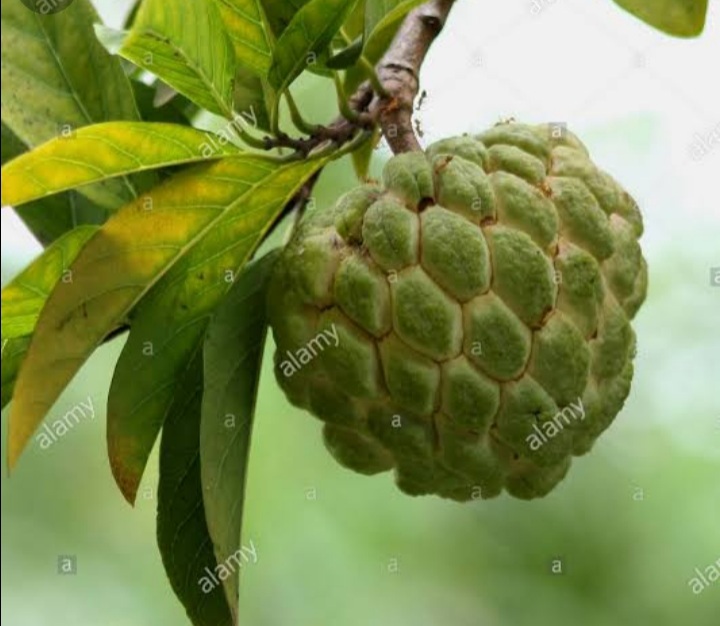
Custard apple, also known as “sitaphal” in Hindi, is a delicious fruit that is popular for its creamy, sweet flesh. This soft and creamy fruit has a hard rind and is full of nutrients. The fruit contains antioxidants and is high in nutrients like magnesium and potassium, offering a plethora of health benefits. In this post, we have outlined some of the most amazing health benefits of custard apple along with its nutritional value, and an easy recipe to go with.
Nutrition Value of Custard Apple
Custard apples are a rich source of nutrients and minerals required by the body. Let’s take a look at the table below to understand the nutritional values of the fruit.
A fresh, 100-gram custard apple contains:
Calories – 94
Proteins – 2.1 gms
Dietary Fiber – 4.4 gms
Total Fat – 0.0 gms
Carbohydrates – 23.6 gms
With that in mind, let’s discuss the potential health benefits of consuming custard apples.
Health Benefits of Custard Apple
There are several advantages to eating custard apples. Various research and studies have proven the potential health benefits of custard apples. Listed below are some of the known health benefits of consuming custard apples.
1. Better cardiovascular health
Custard apple is one of the few fruits that contain a well-balanced ratio of potassium and sodium that helps in regulating and controlling blood pressure fluctuations in the body. The high magnesium content in custard apple relaxes the smooth heart muscles, thus preventing stroke and heart attack. Moreover, fiber and niacin in the fruit help in lowering bad cholesterol while increasing good cholesterol in the body. Most importantly it helps in preventing the absorption of cholesterol in the gut and averts the free radicals from affecting lipid.
2. Helps fight fatigue
Fatigue can result from a number of factors, including daily lifestyle as well as diseases. A 100-gram serving of custard apple contains 101 kilo calories (Kcal), which is roughly around 5% of the recommended dietary allowance. The fruit will keep you going with your day to day activities without any hassle.
3. Boosts eyesight
Custard apple is a rich source of vitamin C and riboflavin, two most essential nutrients that are responsible for keeping the eyes healthy. They also help in fighting free radicals from damaging the cells. As we age, weak eyesight is a common problem. In this day and age where we are glued to the screens of our phone, TV, tablets, and laptops, it is important to take good care of your eyes. The essential nutrients in custard apple prevent your eyes from drying out allowing them to function properly.
4. Boasts natural anti-cancerous properties
Custard apples are rich in flavonoids which are helpful in treating numerous types of tumors and cancers. The fruit also contains elements like alkaloids and acetogenin that are known to reduce the risk of renal failure and cancer. The antioxidant properties of custard apple act against cancer-causing cells, without affecting the healthy cells. Bullatacin and asimicin are two antioxidant compounds that have anti-helminths and anti-cancer properties. They help in counteracting the effects of free radicals, thus avoiding cancer.
5. Lowers the risk of arthritis
Custard apples are a rich source of magnesium. When consumed, magnesium helps in equalizing the water balance in the body, therefore eradicating acids from the joints. This ultimately helps in reducing the symptoms of arthritis and rheumatism. According to experts, regular consumption of the fruit also helps in fighting muscle weakness. Custard apples also contain calcium which is essential for bone health.
6. Custard apple for better brain health
Custard apples contain B complex vitamins in abundance. B complex vitamins are known for controlling your brain’s GABA (gamma-aminobutyric acid) neuron chemical levels. This is what influences different emotions, including depression, irritability, tension, and stress. The B complex vitamins help the brain to calm down, especially when you are stressed about something or are depressed. According to experts, it is a great food to have to protect against Parkinson’s disease. 100 gms of custard apple contains 0.6 gms of Vitamin B6 which is 15-20% of the daily recommended value.
7. Remedy for inflammatory diseases
Custard apple is a highly recommended fruit for people suffering from inflammatory diseases like gout and rheumatoid arthritis. The antioxidants present in the fruit can help curb pain related to auto-inflammatory diseases and conditions. Not only the fruit, but the leaves of custard apple have also been known to possess anti-inflammatory properties.
8. Keeps skin youthful and delays aging
Eating custard apple has shown to stimulate and increase collagen production in the body. Collagen is a protein that gives the skin its elasticity, plumpness, and smoothness. As we age, collagen production becomes slow. This results in the formation of crease lines on the skin, sagginess of the skin, and wrinkly skin. Consuming custard apple thickens and stimulates the production of collagen, therefore reducing the fine lines and wrinkles. The compounds present in custard apple slow down the breakdown of collagen, improving the elasticity of the skin and keeping the skin hydrated. The presence of antioxidants in the fruit ensures that signs like blemishes and age spots are delayed. Last but not least, it is essential for the regeneration of the skin cells, which keeps the skin look youthful all the time.
9. Prevents anemia
Anemia occurs due to a disorder within the body. It leads to the body having less than regular amounts of hemoglobin or red blood cells in the body. The red blood cells use hemoglobin for transporting oxygen all around the body, allowing the body to perform numerous functions. Lower amounts of red blood cells or hemoglobin result in the blood lacking an adequate amount of oxygen. This makes the lungs and the heart work harder to produce more oxygen. Custard apple is known as a haematinic as well as an expectorant, which helps in dealing with conditions like anemia.
Best Ways to Consume Custard Apple
While custard apple is better served raw and fresh, it can be used as seasonings or dressings. You can mix the white creamy pulp with other fruits in salads or can use the pulp as a topping for your ice cream.
Custard apples are not only delicious but also boast several health benefits. From lowering the risks of arthritis to fighting cancer-causing cells, preventing inflammation, boosting brain health, and more. Custard apple is among the top foods that can help you lead a healthy life. It is filled with mineral, nutrients, and vitamins in the right amounts that make up for your daily recommended intake. You can have it raw or as dressing for salad and shakes.
A friend is someone who can take us from a bad day at work to a crazy day at the breaks, so what if you can find this type of friendship in every relationship you have around yourself?
Won’t it be a good day start when you have someone to come home for aside from your parents and spouse of course?
That friend, the same friend you can find in the name of the species we call animal but wait why in that category if we could have one in human only right? You must be thinking about this so don’t worry let me answer this for you.
Right away in the article!
Packed Answers
We might think that as we humans are superior species then we can’t get anything out of those animals but it’s not all true though you might think you know everything about the tail, it’s contrary to the truth and there might be few facts about the faithful friend here I am referring that can leave you in awe with it.
So, here are few facts that can leave you surprised and might be you will be going for the adoption of another one of faithful friends after knowing these.
Be aware: Though it may sound gibberish but your dog or any dog can sense the difference in the time. They can even predict with regular practice of the same event that this is going to happen without you telling them about it.
They feel: A study has shown that even dogs can tell the difference in your affection meter as you behave with other creatures and they can become jealous of that creatures as well.
As smart as “US”: In Russia, even stray dogs are learning to ride subways and they carefully stop at the desired location in search of food as we all do in the search of jobs or any other task.
Carrying from the past: when it was not so normal to breed dogs as pet dogs used to stay in wild and from that they have learned this thing we see today in them when they curl up and sleep to protect their internal organs.
Sniffing it all: The power or strength of the sniffing over of the dogs are on the other level, according to some studies they can sniff the cancer cells production in our body as they release different types of waste and it can be sniffed by the dog if they are trained enough.
Alignment with magnetic field: Don’t be too shocked if you find your dog being picky for pooping as they tend to discrete the waste out of their system by finding the place in perfect alignment with the magnetic field of the earth.
Unique Print: Just like us humans they also have something unique other than height weight and appearance to brag about. They have a unique nose print that stays always wet as they can sniff all the scents around them or almost anything they can sniff.
Humanity, something that should always be treasured more than anything else in the world prevails when someone actually carries it in their work.
So did the wonder women of needy people, our Mother Teresa, she was the epitome of kindness, this is the story of the woman who was an extraordinary mother of the whole nation who proved that no matter how many obstacles are going to be there on the path she would never deviate and will always abide by the utmost dedication and indomitable courage.
She might be the only one when she started this wave but she comes out to be a much bigger inspiration for many others out there who all are in the path of dedication and peace.
Undying Spirit
The call of God is something that every one of us gets at least once in our whole day still are we able to grasp it clearly without the disturbance of the world’s attachment?
No, most of us don’t even have time to spare for the things which could deliver peace to our soul, to our society, and everyone else around us because we are living in a speedy world after all.
If we talk about the 19’s then the things were different and difficult for everyone out there but women, it would be an understatement that it was tough for them, they were going through much evil practice of the society at that time, and even if times like that couldn’t stop the will of a girl named Agnes Gonxha.
A girl so young and pure devoted her whole life to spread the message of humanity and love too far lands without the attachment yet feeling the pain of every poor and needy out there.
The capacity and ability of one’s soul to dedicate the whole life without even thinking for yourself even for once is a virtue not many of us can ever achieve.
Yet there she left her home and parents to give us the message, No not to leave home but to not stop till you achieve what you think is right and peace bearer for the upliftment of the society.
Born as a Mother
In the young age of Agnes when her father died, she was just 8 years of age and that was the time Agnes’s mother stilled the deep compassion and love for the whole of humanity. She taught her daughter that one need not be wealthy to help others one needs to be considerate and compassionate to help.
When Agnes was young her mother even set an example to teach her daughter how to be a human above every caste, creed, color.
Even when not stable enough her mother invited every destitute to din with them and taught Agnes that you don’t unless they do and that was the point and learning she took which changes Agnes to Mother Teresa, a symbol of peace for humanity, an epitome of boundless love and care for the poor.
Can nutrition affect height? Well according to our parents, greatest nutrition does affect height which is why during our childhood they feed us literally entire brands of best nutrition food and supplements which they strongly believe it affect in growing our height in time even though about 60 to 80 percent of the difference in height between individuals is determined by genetic factors which scientifically proved, whereas 20 to 40 percent can be attributed to environmental effects and mainly nutrition. It’s a process passed by generations and decades humans believe and tend to follow the trend. In general, it is studied that boys will reach their maximum height in their late teens, whereas girls reach their maximum heights around their mid-teens. Thus, the adequate nutrition before puberty is crucial for height. Nutrition plays a very important role in growth of your child. Different survey of studies have proved and known that Children without good nutrition may not be as tall as children with adequate nutrition. Nutritionists recommend that children and young people eat a varied, balanced diet with plenty of fruit and vegetables. This will ensure that they get all the vitamins and minerals they need to thrive. While your genes predetermine a possible range of growth, your childhood nutrition establishes just how far along that range you ultimately reach come adulthood. One of the best examples of how nutrition affects children are the second-generation Asian children who were born in the United States. Many of their parents are very short compared to other kids’ parents who were born there. And they grow up to become much taller than their parents. Clearly their genes haven’t changed, but their nutrition has. Reason, in this growing pace of time, technologies growth is massive as well as the human knowledge. Humans tends to not hold having their desire appearance and height blaming the DNA of their parents and bloodline. Hence, it birth a new solution, a new business opportunity for many and a hope for many young minds to achieve their desire and wants. Producing different sorts of nutrition which will affect in growth of our height, isn’t it impossible. No. Pharmaceuticals have improvise various effective nutrition to improve individual’s appearances which satisfied certain age of young children. One can observe there are certain difference and clarified results in growth of height or physical appearance of a child who received proper nutrition during age compare to non-nutrition child. Many physiologist guides the parents prescribing certain nutrition which will aid to growth of height. Hence, it is visibly proved that nutrition does affect height of a person.
Bloating, normally is a feeling of fullness in the abdomen, burping continually it will make you uncomfortable. Although many people think that they pass gas too often or have too much gas, it is rare to have too much gas. Changing what you eat and drink can sometimes cut down on gas and relieve discomfort caused by gas. Hence, supplements can also cause bloating to one. Certain nutritional supplements and vitamin are associated with gastrointestinal side effects that cause abdominal bloating. Every Medical Supplements has its effect and cause due to which people often suffer from bloating and other side effects such as nausea and vomiting etc. Supplements cause bloating due to various reasons such as: Reason no.1 consuming the supplements without any proper consultation and prescription of concern doctor. As study mentioned every supplement or health oriented medicines and supplements have its own certain effects and cause. Without any proper prescription is total welcome to certain health issues as bloating and on. Hence, proper prescript supplements are efficient. Reason no.2 People often tends consume excessive amount of supplement to achieve their respective goals in which they rather take the excess prescribed amount by concerned doctors which will lead them to bloating and other health issues. Doctors prescribed the supplements in certain amount measuring one’s need and capabilities a body can hold. Which is very important to avoid such health hazards. Reason no.3 the most obvious mistake you might be making and probably the easiest to fix is taking them first thing in the morning before you’ve eaten breakfast. Taking supplements on an empty stomach can frequently upset the GI tract. Hence, it is strictly instructed on supplements need to be taken after taking food for your stomach. Reason no.4 DON’T take them before exercising, which is one of the strongest reason one suffers from bloating. Instead of improving your immune it’ll just slosh around in your stomach and induce gastric acid production resulting in bloating and etc. Reason no.5 DO try easy to digest formats. Tablets tend to be harder to digest due to the binding agent used to hold them together. There are certain nutritional supplements associated with gastrointestinal side effects that cause abdominal bloating. Some supplements may cause gas, water retention or constipation any of which can cause bloating. To minimize the risk of side effects or serious drug interactions from taking vitamins, always consult a health professional before taking any nutritional supplement that is not prescribed by a doctor.
Entering the twenty- first century, six billion people inhabit the earth. A number that is expected to double in a hundred and twenty years, yet only 4% of that world population lives in the Untied States. Even though the Untied States is only 4% of the population of the world, it still uses 25% of the world’s resources. This statistic is most important with the argument of food consumption, with so many countries starving, but it also means that the United States uses 25% of the world’s energy resources. Coal and oil are a major energy provider around the world, particularly in the US. (See figure 1) Many countries without these abundances have turned to nuclear energy, due to its supreme effectiveness. Nuclear energy produces more energy per unit weight than coal and oil, releases no pollutants into the atmosphere and is less cancer causing than the burning of coal and oil. Yet nuclear power has been attacked in the US since the day that it was instituted as being a non-safe and environmentally non-friendly form of energy.
Right now the United States does not have to worry about running out of fossil fuels for a long time, even though they generate 51.7% of the US’s power, and power almost all forms of modern transportation. But what happens down the road, when all of the natural resources are gone? In many countries, such as France, nuclear power is accepted and welcome. Why is this not the same way in the US? The media and all forms of entertainment have misconstrued the facts of nuclear energy. Most people are sacred of nuclear power, the word unsafe is synonymous with nuclear power in this country, but time has shown that there is so reason for this feeling. Americans do not hold the facts on this issue. They have the unwarranted fears of a mass and free speaking culture. Nuclear energy is safe, clean, and effective.
There exists within the developmental psychology realm several cases of severely neglected, abused and socially isolated children. These children have been for the duration of their short lives kept in inhumane conditions. Such children when eventually found, are often suffering severe physical and psychological deficits. This essay will discuss the effects of severe social isolation, neglect, and abuse on the development of children subjected to such conditions. The areas of physical, emotional, cognitive and social development will be carefully scrutinized by examining both literature and case studies in this field. The essay will also discuss the possible mitigating factors of isolation and examine whether recovery of affected areas is possible.
Both the theory of attachment and the modern view of nature versus nurture debate emphasise the importance of a stable, stimulating the home environment for the normal development of children. This, therefore, suggests that a child subjected to a severely negative, hostile or unstimulating environment for prolonged periods of time where the normal attachment is not cultivated may be severely impaired, and suffer from numerous adverse developmental effects. The nature versus nurture debate has long played a pivotal role in the field of developmental psychology. Extensive research into both genetic and environmental influences on the development of an individual has led to the modern, widely held belief that both nature and nurture are critical in examining development. The maturation and physical and mental progress of an individual is greatly influenced by not only biological predisposition but also exposure to the external environment and other forms of stimuli (Cole & Cole 2001).
We tend to think of water in terms of a particular purpose: is the quality of the water good enough for the use we want to make of it? Water is fit for our own use but may be unfit for another’s. We may, for instance, trust the quality of lake water enough to swim in it, but not enough to drink it. Along the same lines, drinking water can be used for irrigation, but water used for irrigation may not meet drinking water standards. It is the quality of the water, which determines its uses.
There are many causes for water pollution but two general categories exist: direct and indirect contaminant sources. Direct sources include sewage outfalls from factories, refineries, waste treatment plants etc. that emit fluids of varying quality directly into urban water supplies. In the United States and other countries, these practices are regulated, although this doesn’t mean that pollutants can’t be found in these waters. Indirect sources include contaminants that enter the water supply from soils/groundwater systems and from the atmosphere by means of rainwater. Soils and ground waters contain the remains of human agricultural practices (fertilizers, pesticides, etc.) and improperly disposed of industrial wastes. Atmospheric contaminants are also resulting from human practices (such as gaseous emissions from automobiles, factories and even bakeries. Contaminants can be broadly classified into organic, inorganic, radioactive and acid/base. Examples from each class and their potential sources are too numerous to discuss in great detail in this paper. The effects of water pollution are varied. They include poisonous drinking water, poisonous food animals (due to these organisms having bioaccumulated toxins from the environment over their life spans), unbalanced river and lake ecosystems that can no longer support full biological diversity, deforestation from acid rain, and many other effects.
Human interference with our environment is excessive, and the situation is rapidly worsening due to our population growth. Policies must therefore be changed. These policies affect basic economic, technological, and ideological structures. The way to these policy changes is in the
“Deep Ecology” ecosophy (110). Deep ecology is a philosophical way of looking at our environmental problems that was founded in 1972 by Norwegian Arne Naess, a former head of the philosophy department at the University of Oslo. Naess’ writings show us what is wrong with the world and give us a blueprint by which we can bring about change. In its most basic form, deep ecology is a necessary wisdom, requiring humans to see themselves as part of the bigger picture. That picture is our sacred relationship with Earth and all beings. Many believe overpopulation, the greenhouse effect, global warming, and loss of habitat are no cause for alarm. Some, in fact, claim media and politicians perpetuate the hysteria regarding our environmental decline because they have something to gain by painting such a bad picture. Countless studies I have read or am personally involved with, however, have convinced me these problems are real and can be resolved if the following are supported: 1. Continued inquiry into the appropriate human roles on our planet. 2. Root cause analysis of unsustainable practices. 3. Reduction of human consumption. 4. Conservation and restoration of ecosystems. 5. A life of committed action for Earth. (Oslo 1973) The solution to our ecosystem mess is through the principles Dr. Naess has developed. These principles begin with a statement that all life, human and nonhuman, has intrinsic value. This means everything about life is valuable, including individuals, cultures, species, habitats, and populations.













You must be logged in to post a comment.