Indian Dance Forms

By Anshiki Jadia

India has many moves, coming from each state in the nation, despite the fact that there are just six types of the old style moves perceived by India on a public level. They are Bharatnatyam, Kathak, Kathakali, Manipuri, Kuchipudi, and Odissi. The society moves of India are significantly more than simple body developments, from the exceptionally antiquated occasions the traditional dance types of India is considered as a discipline and an approach to commit yourself to God through craftsmanship.

Bharatanatyam Generally famous in South India, Bharatanatyam is the most antiquated of all the traditional Indian dance structures. Beginning in the sanctuaries of Tamil Nadu, today it is the most mainstream and broadly performed of all the traditional Indian dance styles. Viewed as a fire-dance, the developments of the Bharatanatyam dance looks like a moving fire. Generally, this dance is a performance dance structure that can be performed by male or female artists and is portrayed by various elements—lasya for ladylike developments and tandava for the manly viewpoint. In more current occasions, this dance has been performed by gatherings.

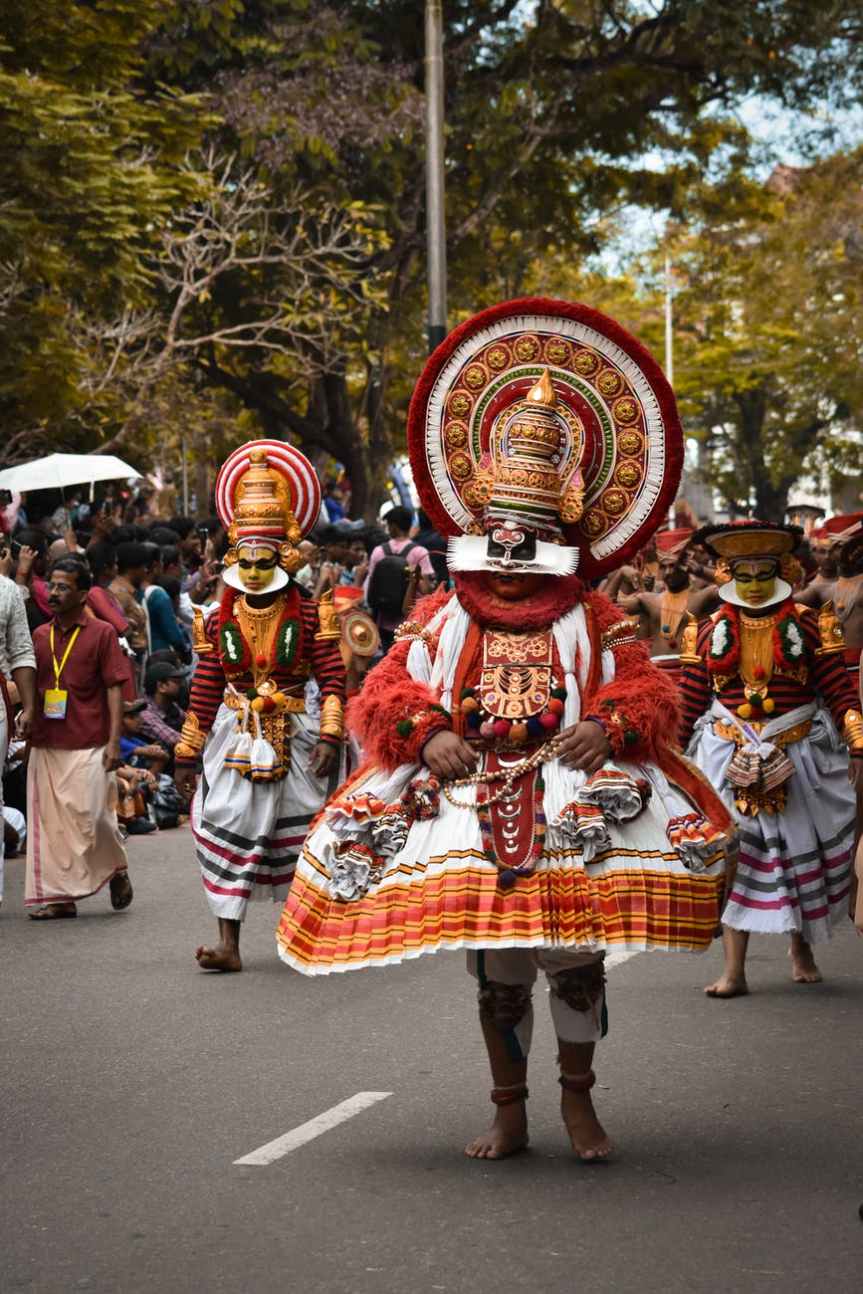
Kathakali This dance structure comprises of a gathering of artists who depict different jobs with content dependent on Hindu folklore. This dance structure began in southwest India in Kerala. Described by its emotional cosmetics and elaborate ensembles, crowds are taken on a visual excursion in this dance structure. Shadings are utilized to depict character’s mind-sets and status. Furious and underhanded characters wear red cosmetics, ladies are enhanced with yellow appearances, and the artists wear enormous crowns to add to the emotional impact. The hands, looks, and body developments encapsulate and recount the tales in the Kathakali dance structure. Customarily, these moves would begin in the evening and last as the night progressed, yet presently Kathakali can be acted in three-hour introductions.

Manipuri Viewed as quite possibly the most significant of the moves, the Manipuri dance began in Northeast India. Absolutely a strict dance and its point is a profound encounter. This dance structure is related with customs and customary celebrations. Manipuri, as Bharatanatyam, joins the tandava and lasya developments. This dance is smooth and liquid with no sharp, jerky developments. A dance-dramatization, the cymbals, and drums are normally a piece of the visual presentation.

Kuchipudi Kuchipudi was generally an all-male dance however is presently performed by a greater number of ladies than men. This dance structure began in the Krishna area of Andhra Pradesh yet is mainstream all over south India. The Kuchipudi dance style recounts a story through liquid, effortless and energetic developments that are all around controlled and bring the piece alive. The moves depend on Hindu religion, otherworldliness and folklore.

Kathak A dance of northern India, Kathak is regularly a dance of adoration. It is performed by all kinds of people. The developments incorporate complicated footwork highlighted by chimes worn around the lower legs and adapted signals adjusted from typical non-verbal communication. It was begun by Kathakas, proficient narrators who utilized a combination of dance, melody, and show. Like other Indian moves it started as a sanctuary dance, yet before long moved into the courts of administering houses.

Odissi / Odisha Odissi dance structure arose out of the east Indian territory of Odisha and is chiefly gotten from the old Hindu sanctuaries in Odisha. The entire dance depends on signals and developments or mudras. The dance is performed to communicate the legendary accounts of the Hindu divine beings, like Lord Shiva and Surya. It is additionally considered as the most seasoned enduring dance types of India.
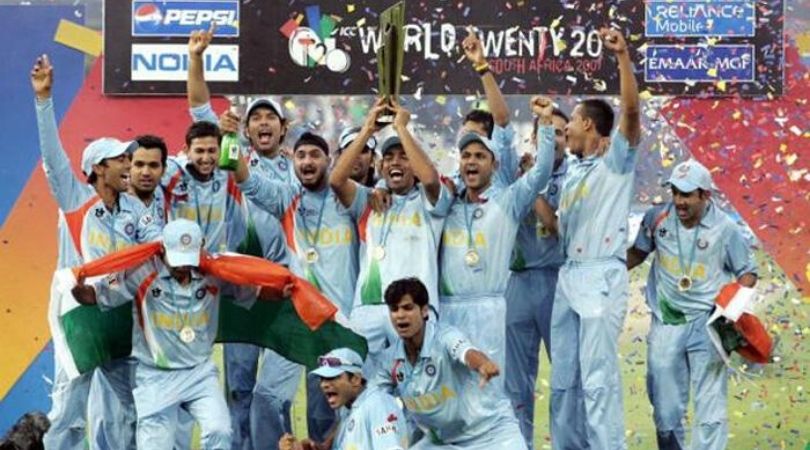
My favorite Cricket moments.

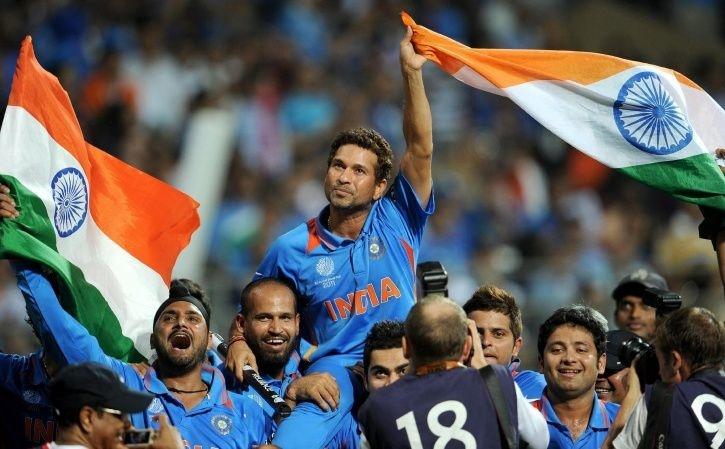
1-Who in our country can forget the finishing six of MS Dhoni in World Cup 2011 and that iconic commentary of Ravi Shashtri -“…India lifts World Cup after 28 years and it’s the Indian captain who has been absolutely magnificent in the night of finals.”It just gives me goosebumps every time i watch it. This is my one of the favorite moments being a fan of Indian Cricket team.It was a dream farewell for the God of Cricket Sachin Tendulkar and he really deserved it.

2-Everyone was confused with the choice of Joginder Sharma on bowling the last over of the First ever t20 World Cup that was played and there was dismay over the choice of then novice captain MS Dhoni. I remember clearly the chaos in my family over this choice but then what happened was history.Joginder Sharma defending 5 on 3 against Misbah was no less than magic. This being the first t20 World Cup and India winning it made another great moment for me in Indian Cricket History.

3.Another moment that i remember is not a happy one but gloomy. It was 2019 World Cup and everything was fine till Jadeja and MS Dhoni were on strike.Jadeja was out after an outstanding knock against kiwis but still there was hope and it was MS. That bowl i remember clearly when MS couldn’t bat it well and started for a single, it was fine and then he ran for a second and that direct hit by Martin Guptill shattered the hopes of billion people and that was evident on Umpire’s expression. It was there we lost and thus MS bid farewell from International Cricket.

4.The ICC champion’s trophy 2013 final was ambiguous as it rained chronically but even in uncertainties our Indian team delivered it’s best performance.

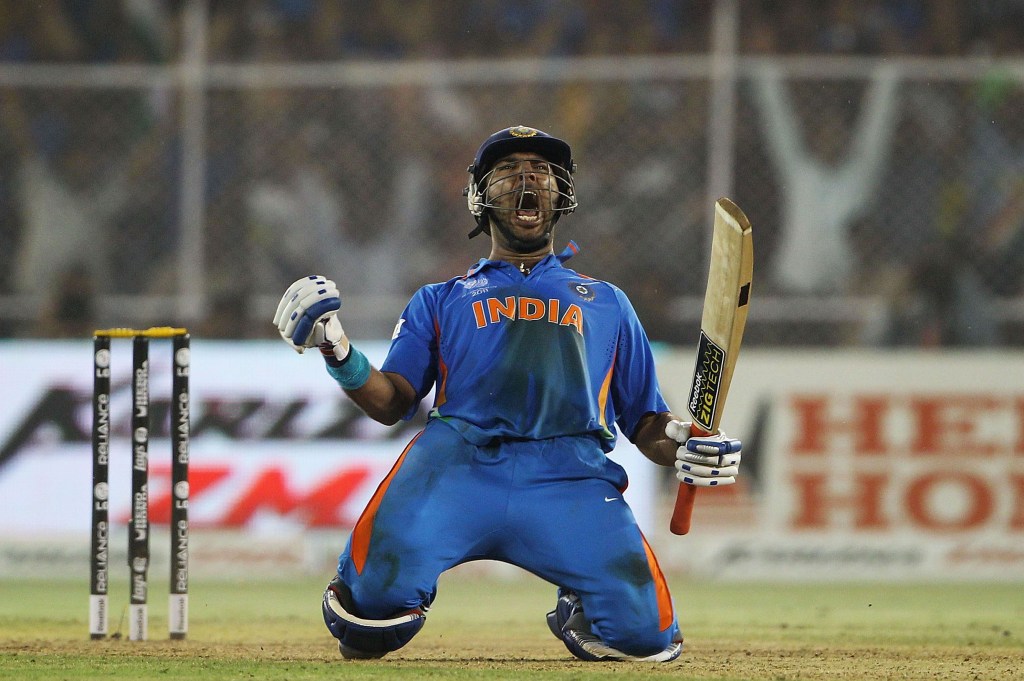
5.Cricket is not just a game it’s an emotion and Yuvraj Singh proved it to be true. Yuvraj Singh was suffering from Cancer still he played in World Cup 2011 and was awarded Man of the tournament for his stellar performance throughout the World Cup, he was everywhere taking wickets, scoring runs, mind-blowing fielding. He was perfect as a cricketer. Eventhough he was in pain it was after World Cup that everyone got to know of it but that might be as he wanted but all through eternity he would be remembered for his contributions even at his worst.

Dowry system

In ancient time parents used to give some important things to his daughter at the time of marriage for their future use. At that time it is called as a gift. But after passing some years this gift system changes. At that time parents gave these thing with their own happiness but now the situation is completely changed. Now the groom’s father directly asked the girl’s father to gave the thing. This custom have turned into malpractices.

This system destroyed the whole society. Society in which the birth of girl called them that Laxmi is birth in our house but now when the girl birth the family started thinking about her marriage not only the family the whole society started talking about. If a girl born in poor family then our society started to talking that how they marriage their daughter they never thought that only few hours passed to get the birth of that child.

If the parents are not able to pay the money to groom’s family then the girl is harasses the whole life by the groom’s family. The girl’s parents saving the money from the birth of the girl. The reason behind them is that if they not full fill the condition of groom’s patients then her daughter never be happy. They do all this thing only for her daughter happiness. Even doing all these things their daughter not live happily in his law house. Sometimes if parents are not capable to complete the all conditions at the time of marriage then they get insulted between the whole society and their daughter is tauchered. Some times the girl take wrong decision or some times the groom’s family do wrong thing with the girl.

The boy who earned more money they are more cleaver. In our society boys are sailer. The boy is more educated her price is more.

Some laws are made against this system but none of them is followed by the people some action is taken against this and this is very useful. It save the life of girl not completely but around 25 % it save the life of girl.

Dowry is not a good thing because it take someone’s life.

ITC

ITC | As part of its ‘ITC Next’ strategy, the business expects to invest $2 billion in the medium term to generate growth vectors. Chairman and managing director Sanjiv Puri announced at a news conference on August 12 that the company wants to invest across its FMCG, hotel, agriculture, education, and stationery divisions. Godrej Industries, Grasim Industries, NBCC (India), NHPC, Oil and Natural Gas Corporation, Hindustan Aeronautics, Indraprastha Gas, Inox Wind, Burger King India, Sun TV Network, Archies, D B Corp, Gayatri Projects, Glenmark Pharmaceuticals, Gujarat Mineral Development Corporation, GMR Infrastructure, Godfrey Phillips India, Indian Railway Finance Corporation, IL&FS Investment Mgmt, IL&FS Investment Mgmt.

Seven Wonders Of The World

By Anshiki Jadia

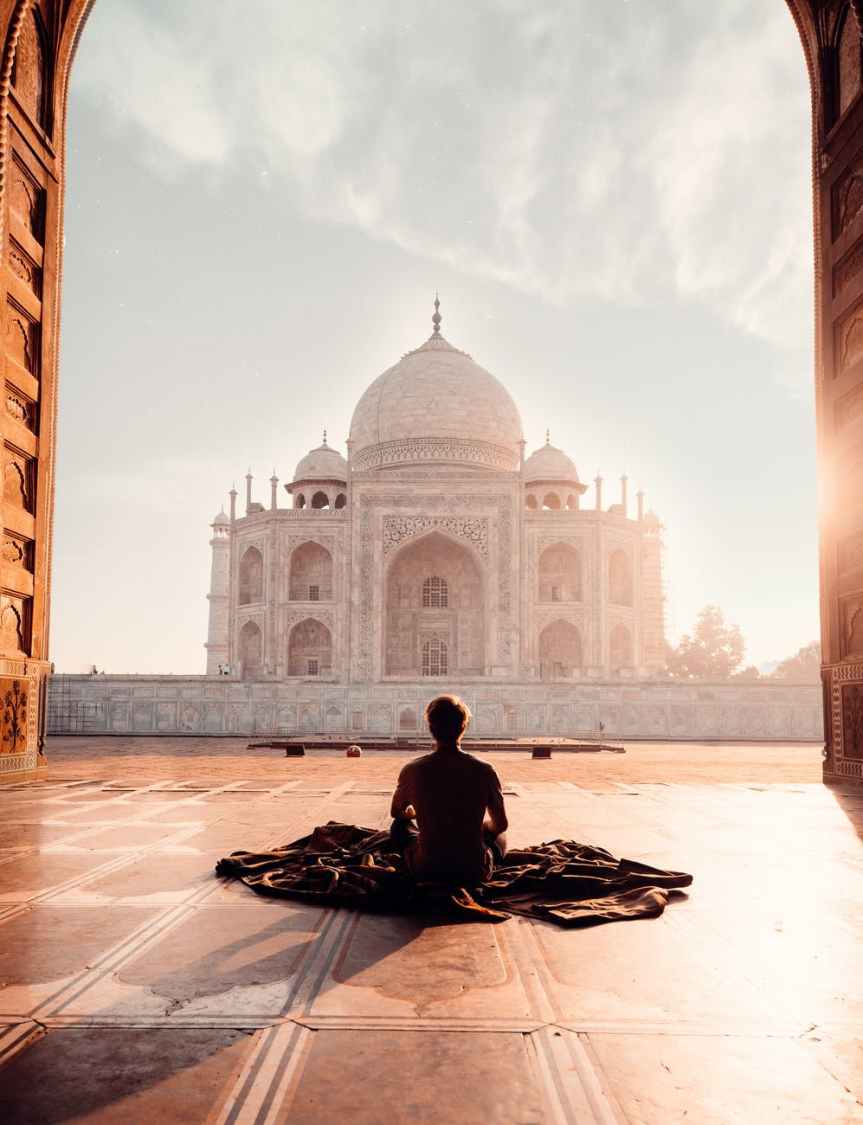
The Taj Mahal It is situated in Agra, in the Indian territory of Uttar Pradesh. Mughal Emperor Shahjahan built it in 1631 as a tomb for his significant other Mumtaz Mahal. The development work started after the demise of Queen in 1632. It was finished in 1648. The landmark is considered as the best illustration of Mughal design. The white marble tomb is the most natural piece of the landmark. As an UNESCO World Heritage site, the landmark is cited as, The gem of Muslim workmanship in India’. It is one of the all around appreciated magnum opuses. It is an image of adoration and has represented hundreds of years to act as an illustration of most excellent human feeling.

THE STATUE OF CHRIST REDEEMER (BRAZIL) The Christ Redeemer is the sculpture of Jesus. It was initiated in 1931. It stands 125 feet tall on the Corcovado Mountain ignoring the Brazilian capital of Rio de Janerio. It was worked by the Brazilian architect Heitor da Silva Costa. It required five years to fabricate the sculpture. It is made of solid cement. Its external layers are produced using soapstone assisting it with opposing outrageous climate. This sculpture is one of world’s most popular landmarks, which is presently being remembered for the Seven Wonders of the World.

THE GREAT WALL OF (CHINA) The Great Wall of China was worked more than 2200 years prior by the principal Emperor of China, Qin Shi Huandi during the Qin administration in 220 BC. It is the biggest structure at any point built by man. It extends across the mountains of northern China, bending north and northwest of Beijing. It is developed of brick work shakes and stuffed earth. It is around 5,000 kilometers in length, with thickness going from 4.5 to 9 meters and stature up to 7.5 meters.

THE COLOSSEUM (ROME) The Colosseum is quite possibly the most renowned structures of Rome. Its development was started by the Emperor in around 72 AD. Later his child surrendered over its culmination.

THE RRUINS OF PETRA (JORDAN) Petra of Jordan is one more one of the Seven Wonders of the World. On the edge of Arabian Desert, Petra was the eminent capital of the Nabataea Empire. It is well known for having many stone designs cut into the stone. In 1812, the since a long time ago secret site was uncovered toward the western world by the Swiss wayfarer Johann Ludwig Burckhardt.

THE CHICHEN ITZA PYRAMID (MEXICO) It is situated in Maya, Mexico. This archeological site is appraised among the most significant of the Maya Culture shows. It covers a space of roughly 6 square miles where many structures once stood. Today, thirty of them might in any case be seen by sightseers.

The MACHU PICCHU (PERU) The vestiges of Machu Picchu, rediscovered in 1911 by classicist Hiram Bingham, bend the most wonderful and baffling old locales on the planet. It is said that Machu Picchu was saved as a consecrated spot from before times. One of its capacities was that of galactic observatory.

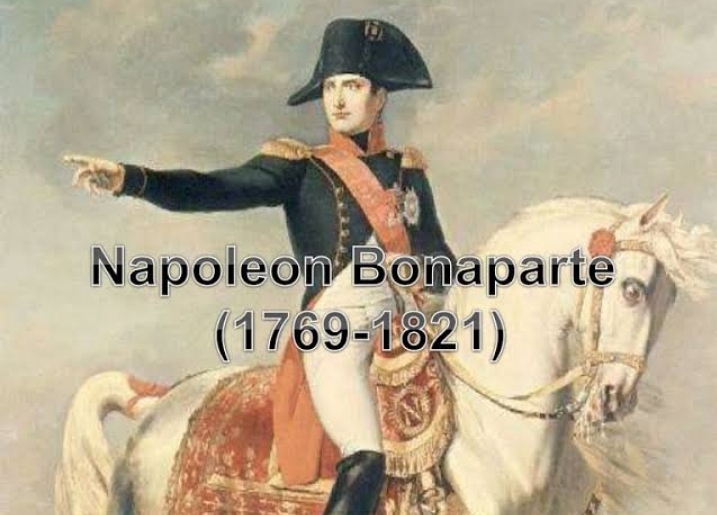
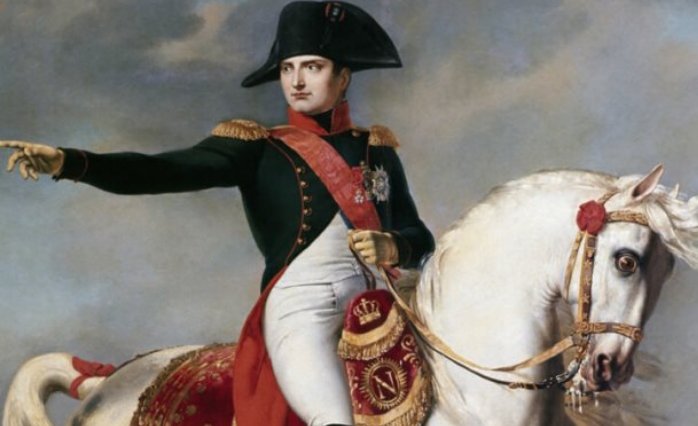
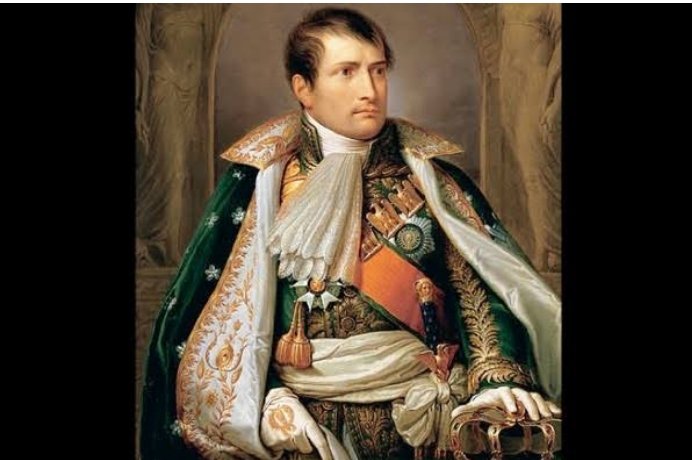
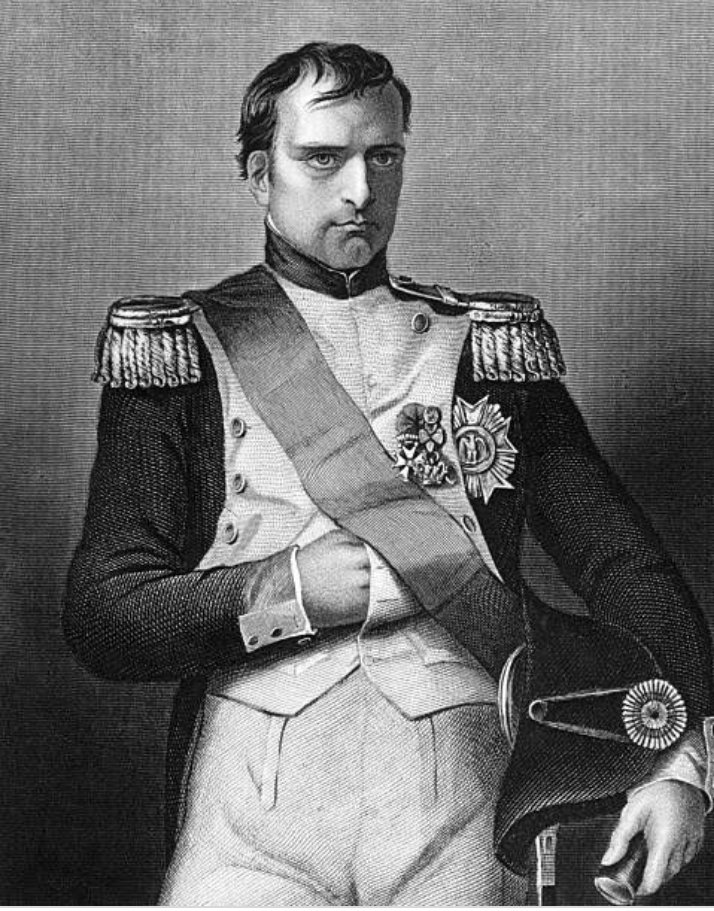
Napoleon Bonaparte – French General!

The Guardian..

Napoleon Bonaparte (b. Aug 15, 1769 Ajaccio, Corsica- d. May 5, 1821 St. Helena Island) French general and emperor (1804-1815) born to parents of Italian ancestry he was educated in France and became an army officer in 1785. He fought in the French revolutionary was and was promoted to brigadier general in 1793. After victories against the austrians in Northern Italy, he negotiated the Treaty of campo Formio (1797). Attempted to conquer Egypt (1798-99) but was defeated by the British under Horatio Nelson in the battle of the Nile.

The coup of 18-19 Brumaire brought him to power in 1799 and he installed a military dictatorship with himself as first consul. He introduced in numerous reforms in government including the napoleonic code and reconstructed the French education system. He negotiated the comcordate of 1801 with the Pope. After victory against the austrians at the battle of moringo (1800), he embarked on the napoleonic wars. The formation of coalitions of European countries against him led Napoleon to declare friends hereditary empire and to crown himself emperor in 1804. He won his greatest military victory at the battle of Austerlitz against Austria and Russia in 1805. He defeated Prussia at the battles of Jena and Auerstedt (1806) Russia at the battle of friedland (1807). He then imposed the Treaty of Tilsit on Russia, ending 4th coalition of countries against France.

Despite his loss to Britain at the Battle at the Battle of Trafalgar, he sought to weaken British commerce and established the Continental System of port blockades. He consolidated his European empire until 1810 but became embroiled in the peninsular war (1808-1814) . He led the French army into Austria and defeated the Austrians at the Battle of Wagram (1809), signing the Treaty of Vienna. To enforce the treaty of Tilsit, he led an army of about 6,00,000 into Russia in 1812 winning the battle of Borodino, but was forced to retreat from Moscow with disastrous losses. His army greatly weakened, he was met by a strong coalition of allied powers, who defeated him at the battle of leipzig ( 1813).

Did you know? In 1799, during Napoleon’s military campaign in Egypt, a French soldier named Pierre Francois Bouchard (1772-1832) discovered the Rosetta Stone. This artifact provided the key to cracking the code of Egyptian hieroglyphics, a written language that had been dead for almost 2,000 years.

After Paris was taken by the allied coalition, Napoleon was forced to abdicate in 1814 and was exiled to the island of Elba. 1815 hi mustard a force and returned to France to re-establish himself as emperor for the hundred days, but he was decisively defeated at the battle of Waterloo. He was sent into exile on the remote island of Saint Helena, where he died six years later. One of the most celebrated figures in history, Nepolean revolutionized military organisation and training and the bought about reforms that permanently influenced civil situations in France and throughout Europe.

Napoleonic wars (1799-1815)series of wars that ranged France against shifting alliances of European powers. Originally an attempt to maintain French strength established by the French revolutionary wars they become efforts by Napoleon to affirm his supremacy in the balance of European power. Napoleon’s successes resulted from a strategy of moving his army rapidly, attacking quickly and defeating each of the disconnected enemy units. His enemies responding strategy was to avoid engagement while withdrawing forcing Napoleon’s supply lines to be over extended. The strategy was successfully used against him by the Duke of Wellington in the peninsular war and by Mikhail Prince barclay De Tolly in Russia. With his second abdication the exile, the era of the napoleonic wars ended.

Soil less farming: Hydroponics System

World’s population is increasing day by day, consequently need of food is also increased. We have to apply modern technologies to the Agricultural sector for assured and high yield for fulfilling the need of food. Hydroponics system is one of the modern approach of farming.

What is Hydroponics:

Hydroponics is a system where instead of soil liquid nutrient mixture is used for cultivation. It is also known as soil less farming. It is one of the best way of smart farming.

Types of Hydroponics:

A. Standing aerated nutrient solution or Deep water culture system ( DWC)

B. Nutrient film techniques (NFT)

Benefits of Hydroponics System:

  • As there is no soil, so there is no chances of soil borne disease infection in the crop.
  • Water usage is also very lower than traditional method.
  • High productivity than traditional method.
  • In hydroponics system under controlled climate crops are grown, so there is no chance of any pest or disease attack.
  • Wastage of nutrient is very less in case of hydroponics system.
  • Through hydroponics system off seasonal crops can be cultivated all over the year.

Best plants that can be cultivated in hydroponics system:

1.VEGETABLES:
TomatoLettuce Radish
CucumberSpinachBeans

2.HERBS:
MintChivesBasil
3.Fruits:
StrawberryBlueberryPeppers

Top motivational quotes to awaken the beast hiding in you

Motivation is something that helps you grow. Not only from inside but also from all aspects, all ups and downs in your life, whenever you feel low why do you need motivation? Have you ever thought about it. Here, is the answer because motivation is something that helps you to grow, that helps you to be you, that makes you. It has the power to awaken the beast hiding inside you.

” Your perspective with either become prison or your passport.“

-Steven Furtick

” Realise deeply that the present moment is all that you ever have. “

– Eckhart Tolle

” How you love yourself is how you teach others to love you.“

– Rupil Kaur

” The Secret of your success is determined by your daily agenda.“

– John C. Maxwell

” Burn the past, Turn the page, Move on.”

– Safura Arsh

” Act as what you do makes a difference, IT DOES.”

– William James

” Excessive fear is always powerless.”

– Aeschylus

” A good Education is the foundation of better future.”

– Elizabeth Warren

” Between thinking and seeing there is a place called knowing.”

– Carolyn Myss

” You can’t build a reputation on what you are going to do.”

– Henry Ford

” Believe you can and you are halfway there.”

– Theodore Roosevelt

” Take care of your body, It is the only place you have to live.”

– Jim Rohn

” If you hear a voice within you say ‘ you cannot paint,’ then by all means paint and that voice will be silenced.”

– Vincent Van Gogh

” Ofcourse motivation is not permanent. But then, neither is bathing: but it is something you should do on a regular basis.”

– Zig Ziglar

” The only way to do a great work is to love what you do.”

– Steve Jobs

” It’s not the load that breaks you down, it’s the way you carry it.”

– Lou Haltz

” Nothing will work unless you do.”

– Mayo Angelo

” Do one thing everyday that scares you.”

– Anonymous

” If you are not willing to risk the usual, you will have to settle for the ordinary.”

– Jim Rohn

” When I hear somebody sigh, ‘ Life is hard,’ I am always tempted to ask, ‘Compared to what?’

– Sydney Harris

” Success is walking from failure to failure with no loss of enthusiasm.”

– Winston Churchill

” All progress takes place outside the comfort zone.”

– Michael John Bobak

” The only place where success comes before work is in the dictionary.”

– Vidal Sassoon

Here are some of the motivational quotes that if you implement in your lives will be successful for sure. Motivation will help you to achieve all your goals and so are these quotes.

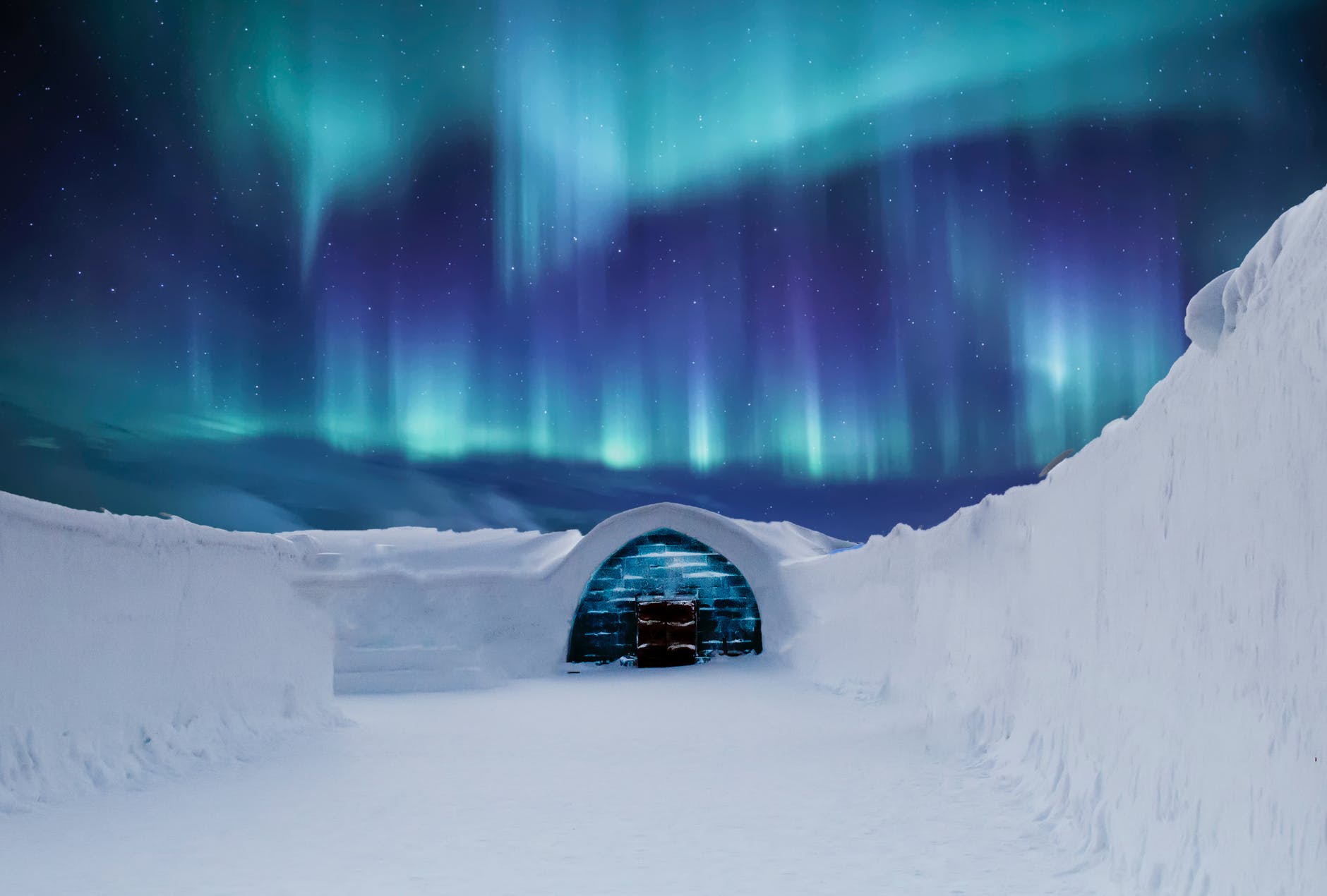
The Polar Nights

Photo by Frans Van Heerden on Pexels.com

You must have heard this phrase somewhere or might also have seen the movie based on the 30 Days of Night but what we all don’t know is that people of that particular place are afraid of facing the continuous period of Polar nights.

The night which doesn’t end and the day which always lasts, yes there are places on our earth giving meaning to something absurd phrases like this also.

Norway, Alaska, Finland, Sweden, Iceland, and many more add up to the list of this unique phenomenon of earth’s tilt.

But, you might not know what all this is about So let me get you through this interesting phenomenon of that visit the same marked places every year.

The Barrow

In the northernmost town of the United States, Alaska is also known as Barrow, which is widely talked about for its extended period of darkness and light as well each year.

The sunsets and rises just once a year in regions of high altitude and near the arctic circles because of the earth’s tilt.

These changes occur when the season changes from fall to spring with the visit of 2 months of darkness enveloped and the same for the summertime of never setting sunlight.

The Scar it has:

Now, imagine the terror of not witnessing the light for straight 66 or 60 days with the tease of sunlight below the horizon.

Yes, it is not as easy as just saying and thinking about it as for, getting immersed in the dark cold, and long night they do need to prepare themselves for any kinds of effects it will have on their physical as mental health.

As the sun is the source of vitamin D, the land for that duration of time also becomes D starved as they don’t witness the warmth of the sun till next year’s month of January.

The people also fear that this straight duration of the polar nights can also make their nightmare of blood-sucking creatures true and alive.

The Beauty it holds

The coin has two-phase so do the polar nights of Alaska, even though people might be getting stuck in the cold and long night for the whole 24hr a day till the next sunrise still the nature has many things to offer.

The amazing and dancing belt of polar light and the sky showering you with the light of millions and billions of stars altogether to celebrate in the only language they know, you can witness something much of worth for these polar nights every year.

In those frigid nights of cold one could see the dazzling ribbons of colored light of Red, Violet, Green, and many more unimaginable combinations.

The Aurora

Last but not least, places like Alaska also give us this dynamic and brilliant skylight stretched far away and yet so near and close that you might think you can touch them by extending your hand.

Nature has everything balanced out even though we might think that having half of the year in darkness and another half in light may be doing unfairness to the equation but it’s not.

Importance of newspaper

Importance of Newspaper in Life Essay - Let's Learn

Newspaper is quite a powerful tool that circulates information to people. It is one of the greatest means of communication between people and the world. In addition, they are also a great medium of knowledge. We get our daily dose of news from newspapers early in the morning. It is quite a reliable source which gives us information only after thoroughly investigating the information.

Newspapers are easily available in the most remote regions as well. They are also very economical which gives an abundance of information at really low cost. Most importantly, newspapers are published in various languages that make it easier for people of all regions to get news in their local language. thus, we see how newspapers have numerous advantages that help the common man stay informed of the worldly issue.

Significance of Newspaper

The newspaper has created a positive impact on society. It helps people become aware of current affairs and stay curious about them. When the public will question, it means they are aware. This is exactly what a newspaper does. It is also the finest link you can find between the government and its people. Newspapers provide people with every detail no matter how small.

Essay on the Importance of Newspaper and Press - Ilmi Hub

Furthermore, it helps us become informed citizens. Whenever there are any changes in the rules and regulations of the country, newspapers make us aware of them. Moreover, they are very informative for students. A student can learn all about general knowledge and current affairs from here. We stay updated with the technological advancements, government policies, research studies and more.

Other than that, newspapers also have incredible articles that tackle social issues, cultures, arts, and more. It conveys the public opinion to the people on important issues. This will, in turn, help people review the government and ministers well. Similarly, people get great employment opportunities from newspapers. Those seeking jobs look through newspapers to get reliable job opportunities.

In short, the newspaper carries a lot of significance for humans. If we read the newspaper daily, it can develop our reading habit and make us more fluent. It also has mind-brain exercise games like puzzles, Sudoku and more to sharpen people’s brains. Furthermore, you can also go through the comic strips and cartoons to keep yourself entertained.

A World Without Newspapers

As the world is advancing rapidly, everything is becoming digital. From our shopping to news, we can easily do it on our smartphones or computers. This digitization has also affected the newspaper scenario. As people are getting instant updates on their phones about the latest news, the sales of newspapers have gone down massively.

Importance of Newspaper Essay for Students | 500+ Words Essay

Does this mean the digital era will wipe out the newspapers? Looking at the present scenario, this possibility might soon become a reality. However, are we ready to have a world without newspapers? A world without newspapers is like having a home without mirrors. This means we won’t be able to see our own reflection.

Now, compare this situation to that of the world and newspaper. Imagine the world has lost its national mirror, resulting in you not being able to get an honest reflection of what is happening around. What’s even worse is the fact that instead of the national mirror we are getting a fun-house mirror which is distorting the information and making you see what’s not real.

In short, the world will become a free rein for politicians to propagate their advertising and agendas to the public. The information won’t be reliable and won’t even be scrutinized. We won’t have any journalists to decipher the PR spin of the governments and corporate firms robbing the common man of their money.

ENVIRONMENTAL DISASTERS

An environmental disaster  is defined as a catastrophic event regarding the natural environment that is due to human activity . This point distinguishes environmental disasters from other disturbances such as natural disasters and intentional acts of war such as nuclear bombings. Environmental disasters show how the impact of humans’ alteration of the land has led to widespread and/or long-lasting consequences.

These disasters have included deaths of wildlife, humans and plants, or severe disruption of human life or health, possibly requiring migration .Environmental disasters historically have affected agriculture, biodiversity  including wildlife, the economy and human health. The most common causes include pollution that seeps into groundwater or a body of water , emissions into the atmosphere and depletion of natural resources, industrial activity or agricultural practices.

Environmental disasters have a severely detrimental effect on ecosystems. These catastrophes are often short in duration, but have a lasting impact on the animals and plants that live in the affected habitat. Occasionally, environmental catastrophes change the physical environment so much that the damage to the ecosystem is irreversible. In other cases, environmental damage can be contained and the habitat rehabilitated.

Photo by Luciann Photography on Pexels.com

Environmental disasters fall into two general categories. Some disasters are caused by natural climate or weather events. These include wild fires, landslides, floods, earthquakes, droughts, tornadoes, tsunamis, and volcanic eruptions. Although the causes of these natural environmental disasters do not involve human activities, in some cases the effects are worsened by the influence of people. For example, the environments that suffered the most damage during the Indian Ocean tsunami of 2004 were those where urban development and construction had damaged coral reefs. In places where coral reefs were healthy, the reef acted like a buffer, deflecting the power of the giant wave.

A second category of environmental disasters includes those caused by human activities. Examples of human-induced environmental disasters include oil spills, chemical spills, and nuclear incidents. In addition, wars and terrorist activities can be disastrous to ecosystems. In many cases, environmental disasters caused by humans have longer lasting effects on the environment than catastrophes brought on by natural events. For example, the enormous oil spill that occurred when the Exxon Valdez supertanker ran aground in Prince William Sound in 1989 continues to have major environmental repercussions. Twelve years after the oil spill, significant deposits of oil, which is toxic to many species, persisted throughout the affected area. In 2002, the population size of at least eight species of fish and mammals was still severely impacted from the oil spill.

Although environmental disasters take a terrible toll on ecosystems, they can bring increased attention to threatened habitats. In some cases, the increased oversight by governmental, intergovernmental, and non-governmental agencies results in legislation, which reduces the impact of future environmental disasters. For example, the Exxon Valdez oil spill led to much stronger regulation of the oil shipping industry. Also, additional funds were allocated for cleaning up oil spills, should they occur again. In the wake of the 2004 tsunami, the United Nations began organizing an Indian Ocean Tsunami warning system to alert citizens when another gigantic wave is heading to shore.

Humans have long believed that their scientific creativity could meet the challenges of natural forces. However, as Earth’s resources continue to be eroded by the growing population and its demand for natural resources, it is ever more likely that environmental disasters will increase both in number and intensity. It delves into the effects that these catastrophes have taken on the environment and on the human communities involved.

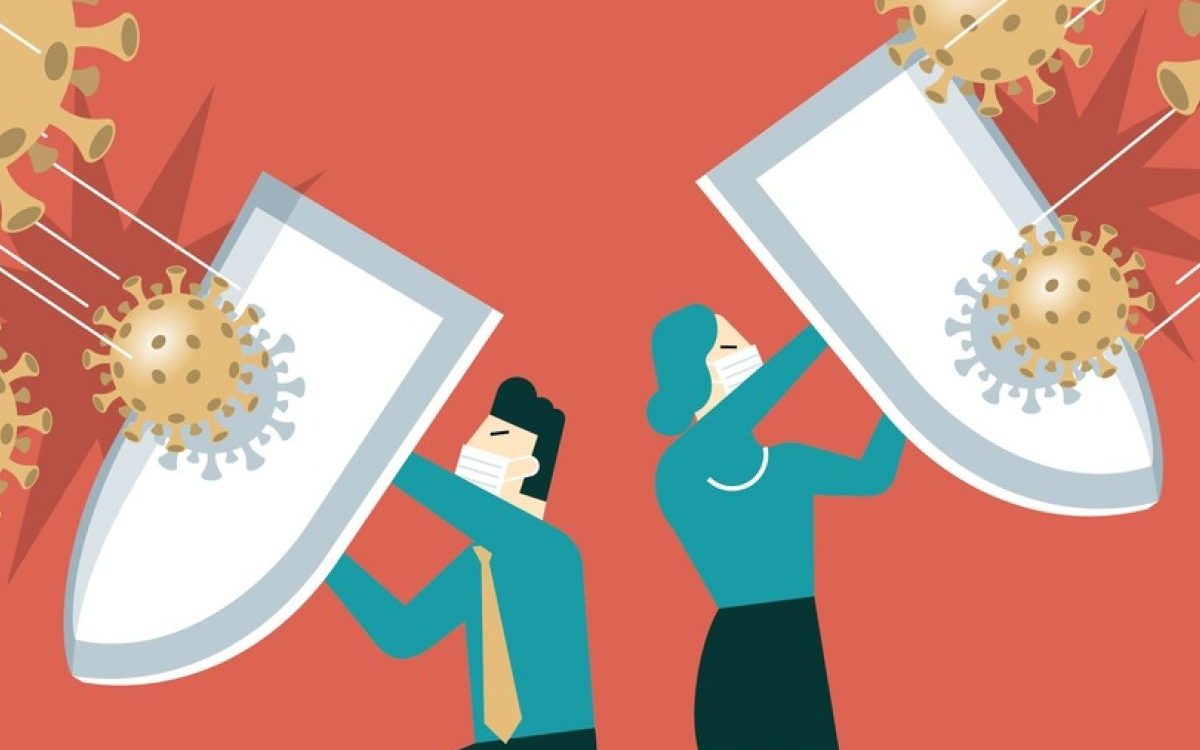
IMMUNITY – A WAY OF DEFENCE!

Our human body is continuously exposed to microorganisms that may or may not be infectious. Millions of microorganisms exist in our body that includes our mouth, eyes, ears, and the other various part of our body.
But in the same way, our body is also exposed to disease-causing microorganisms such as viruses, bacteria, fungi, protozoans, etc. So in order to keep us healthy, there is a certain process that our body undergoes in order to defend ourselves from such microorganisms, this is done by our immune system. The branch of science that deals with the components of the immune system are called Immunology.

NOW, WHAT EXACTLY IS IMMUNITY?

It is the ability of an organism to fight against disease-causing agents.
It is further divided into two categories.

  1. Innate immunity.
  2. Acquired immunity.

INNATE IMMUNITY:

It is a non-specific type of immunity that includes all the defense elements with which an individual is born. It is present at the time of birth and is genetic i.e, it is passed down genetically from parents to children.
This includes skin, mucous membranes, and blood cells along with the white blood cell which forms an important component of innate immunity.

The different types of barriers to innate immunity are:

  1. Physical barrier: This includes skin and mucous membrane
  2. Physiological barrier: This comprises hydrochloric acid, bile, cerum, lysozyme, and our body temperature.
  3. Cellular barrier: Certain types of cells called leucocytes(WBC), neutrophils and monocytes, natural killer cells (lymphocyte) as well as macrophages constitutes this barrier.
  4. Cytokine barrier: There are certain cells which once infected by a virus, release a glycoprotein called interferons (IFNs). This causes the nearby cell to get alert, as it is a signal which basically says pathogens have been entered and have infected it.
  5. Inflammatory barrier: This is a type of barrier that causes redness, swelling, pain, and the production of heat from the infected tissue.

ACQUIRED IMMUNITY :

It involves the active functioning of an individual’s own immune system, which leads to the synthesis of antibodies.

Types of active immunity :

  1. Natural active immunity: Natural infection by a pathogen generates antibodies and specialized lymphocytes.
  2. Artificial active immunity: Vaccines are administrated to the body which generates antibodies.

PASSIVE IMMUNITY :

In this case of immunity, the antibodies from one individual are passed into another individual. It also gives immediate protection. But this type of immunity is short-lived, generally lasts for only a few weeks.

Types of passive immunity:

  1. Natural passive immunity: It is gained naturally, for example, antibodies from a mother can cross the placenta and enter her fetus.
  2. Artificial passive immunity: Here the antibodies formed in one individual are extracted and are then injected into the blood of another individual.

CONCLUSION :

We have an immune system in our body that help us fight against the disease-causing microorganisms or pathogen. Some Immunity may be passed to us during our birth and can also be passed to our next generation, this type of immunity is called innate immunity. While the immunity that is acquired after birth that has the ability to recognize and selectively eliminate a certain specific type of pathogens is called Acquired immunity.

Sinistral

Photo by Ave Calvar Martinez on Pexels.com

As of today, the 13th of Aug is celebrated as the day to recognize 10% of the overall population as being the left-handed one.

So every one of us has been around the person who uses his left hand just like most of us do with our right, But most often this question do swarms that what makes them do it with their left hand and what is that makes them different from us in the field of creativity, intuition and many more fields like these?

To know more and also to celebrate this day, the article will take you through many facts terms and everything about the start to end on this day about left-handed peoples.

“1976”:

Why we have chosen this day of 13th Aug to celebrate the uniqueness of left-handed is still a mystery to many of us, so to clear the clouds here we go with its first-ever appearance.

Lefthanders International Inc. founder Dean R Campbell first observed the day in 1976 to showcase the sinister and their advantages and disadvantages.

Handedness

Handedness is the use of any side of your hand which a person prefers moreover another side for doing any task.

This is just not about how you can prefer any side it’s mostly related to which side of your brain is more active, fast, and stronger resulting in the opposite side of the hand working faster.

According to the researchers, left-handed people are epigenetic which means their DNA has inherited extra information apart from the standard or basic inheritance from the environment around them or the physical factors around them too.

The fallacy of Smartness:

Many of us think that being left-handed means they will be smarter than any of the right-handed, I mean this is a given, not to pop up your bubble but the researchers think differently.

According to the study on a large number of data and people, they have concluded that they can not make a visible difference every time with different left-handed and right-handed person in this case of smartness, as both of them all around have performed same only when put into the situation or given the task.

NO, Not an anomaly!!

Before these ’20s people used to think of left-handed as an anomaly and they were forced to use their right hand, as at that time this was a rare of rare condition to happen.

And now they are considered as the brainy ones but apart from this the functioning of left-handed is indeed different from the right-handed and being only 10% of the population do add up in their special card.

Creativity and Communication at their Feet!!

We don’t know for sure if they are smart than right-handed ones or not but what we have seen is they are better in communication, more confidant with their memorizing power and also they got the knack for productivity, creativity and also taking things with a different way of the view.

Conclusion

We celebrate this day not just to celebrate the lefties but to also acknowledge the struggle of the lefties in the world for right-handed people as most of the things around us are made by keeping right-handed people in mind.

Career opportunities after acquiring bachelors degree in journalism

☆This article is especially for those who consider that journalism is all about NEWS. Actually it’s not…..

In today’s changing world, Journalism and Mass Communication has a very significant role to play in educating and enlightening the masses about the things happening around the world. With the changing economy, increasing news channels, advertising agencies, and radio stations, there are numerous career opportunities for you across the nation and even abroad, if you plan to take up Bachelor of Arts: Journalism and Mass Communication (BAJMC). You can plan which field to opt for, keeping in mind your area of interest, your communicating & writing skills, the job which will help you upskill  the future scope.

If you aspire to study BJMC, but are uncertain about which career option to choose after completing the course, then consider the various engaging and popular career options as given below.


■Career Options after BJMC:
Talking about the job perspective in Journalism and Mass Communication, then you can prefer to make your career in either Print Media or Electronic Media. While Print Media deals with newspapers, journals, digests, magazines and news agencies, the Electronic Media consists of television, radio, graphics, film events, advertising, corporate communications and the new media.

¤Career Options with Print Media
If you plan to go into the print media field dealing with newspapers, magazines, journals etc. then you can become:

•Reporter

•Correspondent Reporter

•Feature Writer

•Editor

•Critic

•Cartoonist

•Columnist

•Proofreader

•Photojournalist


¤Career Options with Electronic Media:
•Radio Jockey

•Video Jockey

•Researcher

•Anchor

•TV Correspondent

•News Analyst

•Broadcast Reporter

•Researcher


¤Career as a Web Journalist

Moreover, you can also become a Web journalist. As a Web Journalist, your work will be to make news sharp and interesting. Editing and presentation of news, making use of eye-catching captions and key facts will also be a part of your work.


¤Other Career Options after BJMC:
Apart from the media industry and broadcasting career, you can also go for other options such as-•Graphic Designer

•Marketing Manager

•Professor of writing and reporting

•Run own business

CARTOON

Photo by Pixabay on Pexels.com

A cartoon is a type of illustration that is typically drawn, sometimes animated, in an unrealistic or semi-realistic style. The specific meaning has evolved over time, but the modern usage usually refers to either: an image or series of images intended for satire, caricature, or humor; or a motion picture that relies on a sequence of illustrations for its animation. Someone who creates cartoons in the first sense is called a cartoonist, and in the second sense they are usually called an animator.

The concept originated in the Middle Ages, and first described a preparatory drawing for a piece of art, such as a painting, fresco, tapestry, or stained glass window. In the 19th century, beginning in Punch magazine in 1843, cartoon came to refer – ironically at first – to humorous illustrations in magazines and newspapers. Then it also was used for political cartoons and comic strips. When the medium developed, in the early 20th century, it began to refer to animated films which resembled print cartoons.

Fine art:

A cartoon (from Italian: cartone and Dutch: karton—words describing strong, heavy paper or pasteboard) is a full-size drawing made on sturdy paper as a design or modello for a painting, stained glass, or tapestry. Cartoons were typically used in the production of frescoes, to accurately link the component parts of the composition when painted on damp plaster over a series of days (giornate). In media such as stained tapestry or stained glass, the cartoon was handed over by the artist to the skilled craftsmen who produced the final work.

MASS MEDIA:

In print media, a cartoon is an illustration or series of illustrations, usually humorous in intent. This usage dates from 1843, when Punch magazine applied the term to satirical drawings in its pages, particularly sketches by John Leech. The first of these parodied the preparatory cartoons for grand historical frescoes in the then-new Palace of Westminster. The original title for these drawings was Mr Punch’s face is the letter Q and the new title “cartoon” was intended to be ironic, a reference to the self-aggrandizing posturing of Westminster politicians. Cartoons can be divided into gag cartoons, which include editorial cartoons, and comic strips. Comic strips, also known as cartoon strips in the United Kingdom, are found daily in newspapers worldwide, and are usually a short series of cartoon illustrations in sequence. In the United States, they are not commonly called “cartoons” themselves, but rather “comics” or “funnies“. Nonetheless, the creators of comic strips—as well as comic books and graphic novels—are usually referred to as “cartoonists“. Although humor is the most prevalent subject matter, adventure and drama are also represented in this medium. Some noteworthy cartoonists of humorous comic strips are Scott Adams, Steve Bell, Charles Schulz, E. C. Segar, Mort Walker and Bill Watterson.

Scientific:

Cartoons such as xkcd have also found their place in the world of science, mathematics, and technology. For example, the cartoon Wonderlab looked at daily life in the chemistry lab. In the U.S., one well-known cartoonist for these fields is Sidney Harris. Many of Gary Larson‘s cartoons have a scientific flavor.

Animation:

Because of the stylistic similarities between comic strips and early animated movies, cartoon came to refer to animation, and the word cartoon is currently used in reference to both animated cartoons and gag cartoons. While animation designates any style of illustrated images seen in rapid succession to give the impression of movement, the word “cartoon” is most often used as a descriptor for television programs and short films aimed at children, possibly featuring anthropomorphized animals,  superheroes, the adventures of child protagonists or related themes.

Political Cartoon:

Political cartoons can be humorous or satirical, sometimes with piercing effect. The target of the humor may complain, but can seldom fight back. Lawsuits have been very rare; the first successful lawsuit against a cartoonist in over a century in Britain came in 1921, when J. H. Thomas, the leader of the National Union of Railwaymen (NUR), initiated libel proceedings against the magazine of the British Communist Party. Thomas claimed defamation in the form of cartoons and words depicting the events of “Black Friday”, when he allegedly betrayed the locked-out Miners’ Federation. To Thomas, the framing of his image by the far left threatened to grievously degrade his character in the popular imagination. Soviet-inspired communism was a new element in European politics, and cartoonists unrestrained by tradition tested the boundaries of libel law. Thomas won the lawsuit and restored his reputation.

Photo by Teona Swift on Pexels.com