Dogs, often hailed as humans’ best
friends, have been the topic of many scientific studies looking into how they
might boost our well-being. According to the American Society for the
Prevention of Cruelty to Animals (ASPCA), an estimated 78 million dogs are
owned as pets in the United States. It is unclear when dogs were first
domesticated, but a study Trusted Source published last year claims that, at
least in Europe, dogs were tamed 20,000–40,000 years ago.
It is likely that humans and dogs have
shared a special bond of friendship and mutual support ever since at least the
Neolithic period — but why has this bond been so long-lasting? Of course, these
cousins of the wolves have historically been great at keeping us and our dwellings
safe, guarding our houses, our cattle, and our various material goods.
Throughout history, humans have also trained dogs to assist them with hunting,
or they have bred numerous quirky-looking species for their cuteness or
elegance.
Also, researchers at the University of
Harvard in Cambridge, MA, suggest that dog owners have a lower risk of heart
disease.
Why is that? It is difficult to establish
a causal relationship between owning a dog and enjoying better health. However,
the benefits may appear thanks to a series of factors related to lifestyle
adjustments that people tend to make after they decide to adopt a canine
friend. The most prominent such lifestyle factor is physical activity. There is
no way around it: if you own a dog, you have to commit to twice daily walks and
sometimes even more.
The Benefits of Having a Dog are Numerous
Firstly, dogs promote health. They help
people cope with anxiety and improve an overall mental health, not to mention a
number of other health benefits. In addition, dogs are widely used to help
people recover from very serious illnesses including cerebral palsy and insult.
Secondly, dogs provide social benefits as
they influence their owner’s well-being. The pets make people happier, provide
greater self-esteem and prevent depression. Dog owners are better socialized
and are closer to important people in their lives than those who have no dogs.
Thirdly, dogs prevent stress and decrease
it. These animals are considered masters at helping people feel calm and
relieve stress. Dogs are the best listeners and they do not care about human
actions and thoughts. When a person is upset or sad, a dog can give a stress
outlet helping to cheer up.
Fourthly, dogs improve mood. Stroking a
dog may reduce blood pressure and bring balance to our emotional state. The
eyes of a favourite dog help people who are in a bad mood.
Fifthly, dogs ensure home security and
safety. Dogs are extremely protective when a stranger comes to the door. In
addition, a barking dog may put off many potential burglars and intruders.
Sixthly, dogs have a favourable influence
on children. Children who own dogs perform better at school and are more
successful. Moreover, bringing up, feeding and regular walks create a sense of
responsibility.
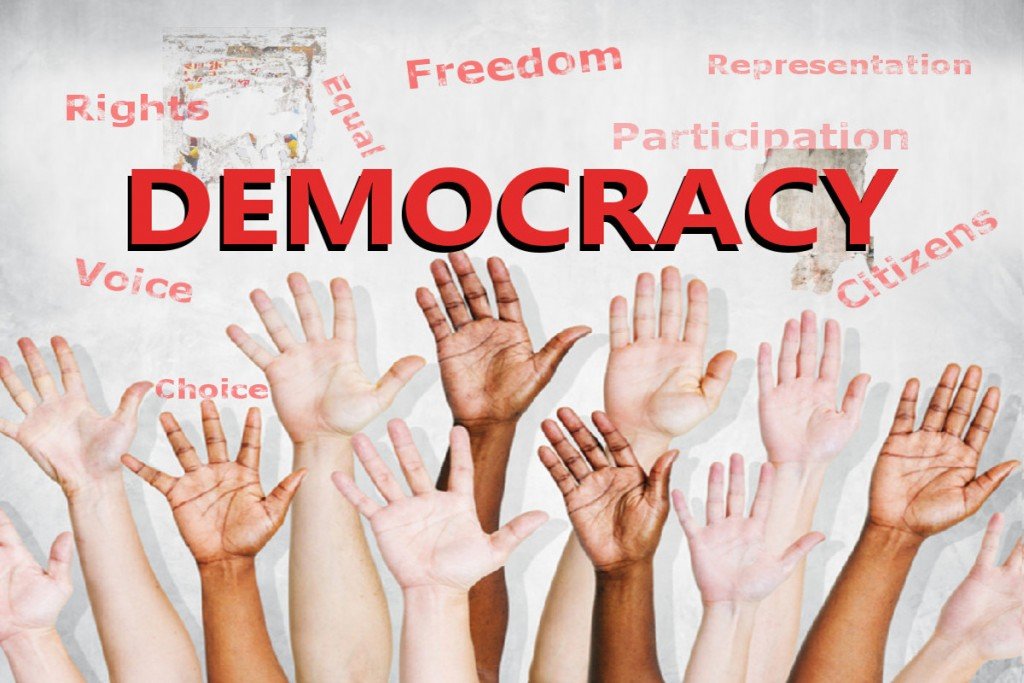
India is one of the largest democracies in the world. Here the government is formed directly by the people, for the people and of the people. Every citizen of India who is above 18 years has the right to choose his/her leader and representative through voting, without discriminating on the basis of caste, class, religion and gender.
All the politicians except the President and the Governor all are elected by citizens of the country. India has a proper pyramidal system of conducting elections. The central election Commission of India was established on 25th of January 1950, which conducts elections at central.
Similarly each state has its own election Commission known as state election Commission for conducting elections at state and local elections within state.
For electing Prime Minister, Members of Parliament, Chief Ministers and Members of Legislative Assembly, elections are conducted by the Election Commission of India (ECI).
It monitors the indirect elections conducted for electing the President by the consent of both the houses of Parliament and Legislative Assemblies of States.
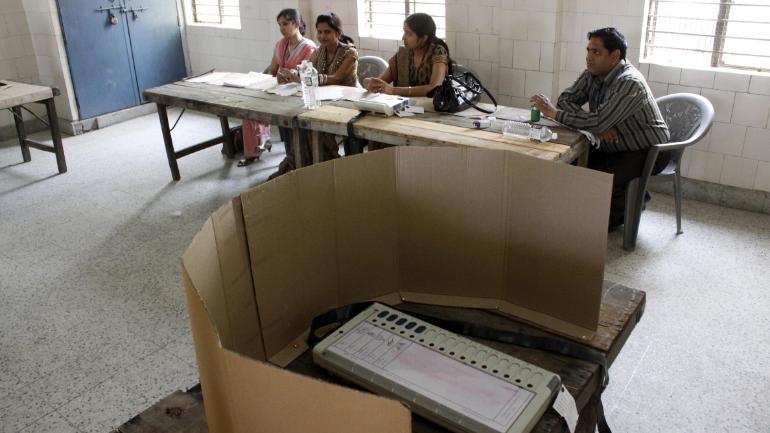
ECI is responsible for all the head to toe management for conducting elections. It prepares voters list, provides voting booths, makes voter's ID cards, provides voting machines to each booth, manages election campaigns, monitors for preventing any type of scam in votes and voting machines. It is responsible for implementing model code of conduct 144 before 72 hours of elections. It is responsible for the delimitation of places according to population.
For both Central and State election commissions, commissioners are appointed as the heads of the commission.
After the President, the second citizen of the country is the Prime Minister, he has the executive power for implementing and amending any law. He is elected by direct elections, by the citizens of India who are above 18 and has been listed in voters list. Places are divided into constituencies over 10 lakh population each. Each constituency has one representative known as Member of Parliament, of the same political party to which the candidate for the post of Prime Minister belongs to. Which means if a person is voting for a particular representative he is voting for the leader of that political party who has stood for the post of the Prime Minister.Same is with the Chief Ministers of the states.
Municipalities and Nagar Nigam heads are elected directly by the people through voting. Same is with the case of Councillor and Sarpanch.
All this process is what one can see from a bird's eye view, the reality is always beneath the surface. Entire process of elections seems to be truly democratic and constitutional. It is fixed that the party and the representative who will get the majority of votes will be the leader, but the votes which they get in majority are they real ones?
Whenever we say politics or politicians, the first thought which comes to mind is of fraud and corruption. It's a fact that a politician is never an honest and dedicated man. He tries every means to come into power, because history is the evidence that everybody has greed for the throne, everybody wants to be superior and can rule among others. The hunger of that seat can turn every honest and responsible person into a dishonest and irresponsible one.
In order to come into power the menadatory thing is securing a majority of the votes. Therefore leaders of political parties use their financial power. They spread their workers in their areas where they give money and bribe to the voters who are either poor or in need of money. This is called purchasing of votes by giving money. By giving money they assure their votes. Even when that candidate loses the elections, the person who has been given money is mentally harassed by them.
Another way which they try out is malpractices in voting machines. They change or adjust machines in the manner that no matter to whom the vote is given it automatically goes into the account of one particular party who had changed it. Though ECI keeps an eye over such kind of malpractices but still this happens in the country.
One more way which these politicians try out is changing the settings of counting machines where it miscounts the vote.
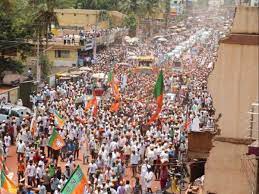
When a candidate conducts election campaigns in order to get votes he tries to influence backward classes people by promising them various kinds of opportunities and privileges. Secondly, he tries to influence people of poor sections who don't have shelter and money. He promises them to provide groceries either for free or at cheap rates. Thirdly, he influences farmers by promising them to give maximum profit of their production. All the grains will be purchased by the government at a good rate.
Poverty, corruption, slums, cleanliness, improper roads, security of women and unemployment are some of the common and huge problems almost every corner of India is facing. Hence politicians promise to eradicate all the problems. Once they win the elections they never look back at their promises and they misuse their power by every means they can and just fill their own pockets.
There are many more things regarding elections. The list is never ending. The people choose their leaders with the hope that their problems will be listened to and can reach a solution. Leaders are those who shape the nation and are responsible for its growth as all the laws and schemes are launched by their government. He is the one who leads the nation who runs the nation. He has the responsibility to take the nation towards development and progress. A leader is someone who is never selfish and is always dedicated to the society and his work. The responsibility of administration and of being a head, a captain and a leader is not a matter of joke. If a captain is not responsible, the ship will for sure drown.
India has potential to be one of the most prestigious and developed nations of the world. It has the power to emerge as a well known nation. India has so many young talented people who can take the country to higher levels but it's lacking in opportunities and shaping, since the very early time India has always gone in wrong hands and hence this is the condition of the nation. For sure politics is never so honest in any country but the United States and Britain are developed because of their laws and administration of the country which is done by the leader who is leading it.
India, a land with vast geography where every hundred kilometers, there is a change in the language and culture of the people residing in that area; it is safe to say that the land has been influenced by its major civilization and, of course, a long duration of invasions from the foreigners and adaption of their culture to the indigenous civilization. The name India is derived from the name of a nurturing river, Indus. I would like to share my views about one of the oldest civilizations, the Indian civilization. As we know, the birth of a civilization conveniently starts from the riverbanks of a flourishing river. Similarly, we can date back the dawn of the Indian civilization to the river Indus and two major cities, Mohenja Daro and Harappa, in the third millennium BC. These cities were exceptionally well-planned cities with urban establishments, well-built homes with separate cooking areas and toilets, roads, underground drainage systems, centers like ports near the riverside, and irrigation systems. In the second millennium BC, the Indus civilization collapsed with a much suspicion of fluctuations of the nature of the Indus river, which gave rise to the Vedic civilization with the migration of the Indo-Aryans into the north-west of the Indian landmass.
As the name suggests, in this period, the concept of Vedas and Varna was introduced. This period contributes to the present-day religions of the Indian peninsula such as Hinduism based on Dharma, Kama, Artha, and Moksha and also Buddhism and Jainism. There are also principal contributions to literature such as Vedas, Upanishads, Mahabharata, and Ramayana. There were also new cultural and social practices like the caste system, which eventually caused the emergence of various kingdoms and states and political foundations that initiated developments of industrialization and technology, arithmetic system, astronomy, medicine, and better use of natural resources, and metallurgy. Sushruta, the father of Indian medicine, is one of the founders of surgery and plastic surgery who deveOne of the famous mathematician and astronomers is Aryabhata, who discovered the concept of zero decimal systems and also presented the theory of heliostat. Due to the fact that the Aryans worshipped stars and comets, some of the first astronomical concepts and lunar calendars can be dated back to the Vedas. And such immense developments and technological advancements brought a lot of attention to the rich land, which paved the way to quite a few.
Permafrost is any earth material on or under the surface at or below 0 degrees Celsius for two or more consecutive years. The range of permafrost thickness can be from one meter to one mile and, in some cases, even beyond that. Permafrost can be found on land and even under the ocean floor. It is primarily found in places where temperatures rarely rise above freezing. Permafrost is often found in Arctic regions such as Greenland, the US state of Alaska, Russia, China, and Eastern Europe.
The top few inches (up to a few feet) of the permafrost is what’s known as the “active layer.” This topsoil does thaw with yearly seasonal changes and is home to a thriving ecosystem. If you go deep enough, you will arrive at a solid layer; the permafrost rising temperatures are chipping away at this layer. Every year, more permafrost grows closer to thawing and the “active layer” depth.
THAWING PERMAFROST IS ONE OF THE TIPPING POINTS FOR CLIMATE BREAKDOWN, AND IT’S HAPPENING BEFORE OUR VERY EYES THIS PREMATURE THAWING IS ANOTHER CLEAR SIGNAL THAT WE MUST DECARBONIZE OUR ECONOMIES AND IMMEDIATELY
JENNIFER MORGAN, EXECUTIVE DIRECTOR OF GREENPEACE INTERNATIONAL
Direct Effects:
Half the volume of permafrost may be frozen water. When this thaws, the water runs off and may head downhill, leaving a vacuum. The ground slumps and falls apart.
For tens of thousands of years, permafrost has acted as a freezer, keeping 1,400 to 1,600 gigatons (billion tons) of plant matter carbon trapped in the soil.
When plants growing in permafrost regions die, they don’t fully decompose because of the cold temperature, so some organic carbon is left behind.
When the permafrost thaws, this starts to rot and decompose, releasing carbon dioxide and methane. The average temperature of the Earth is rising at nearly twice the rate it was 50 years ago.
This rapid warming trend cannot be explained by natural cycles alone. The only way to describe the pattern is to include the effect of greenhouse gases emitted by humans, which have accelerated the rate at which permafrost has been thawing due to rising temperatures.
Deforestation and Tree Clearing
Burning of Fossil Fuels
Fluorinated Gases
Livestock Farming
These are indirect causes propagated through human activities that have led to a dramatic increase in global temperatures and fastened the permafrost’s thawing.
Oil Drilling and Mining are some of the more direct causes.
The impact caused can create huge repercussions, such as :-
Release of Mercury
According to a study conducted by the University of Colorado, we were able to find out that permafrost contains the biggest pool of mercury on the planet.
– If mercury leaches out of the soil into surrounding waterways, it could be transported across waterways and taken up by microorganisms and transformed into methylmercury
-Mercury is a powerful neurotoxin and can have negative impacts on the cognitive, visual and cardiovascular well being of children and adults
-More mercury winds up in the high northern latitudes than anywhere else It’s already known to build up there in birds, fish, seals, walrus, polar bears, and some whales, even in areas thousands of miles from pollution sources.
2. Release of Methane and Carbon Dioxide
Permafrost in the Arctic alone, there are an estimated 1,400 gigatons of carbon are frozen in permafrost, making the Arctic one of the largest carbon sinks in the world. Thawing can also open pathways for methane to rise up from reservoirs deep in the Earth. Thawing permafrost will release large amounts of carbon dioxide and methane, which will lead to rising global temperatures, which will lead to further permafrost thawing, which will lead to rising global temperatures And that trend is projected to continue through the rest of the century
3. Risk of Ancient Disease & Zombie Pathogens
Just as permafrost locks in carbon and other greenhouse gases, it can also trap – and preserve – ancient microbes. There maybe “a resurgence of anthrax, smallpox, and influenza” that have been frozen in permafrost for hundreds of years.
Diseases like the Spanish flu, smallpox, or the plague that have been wiped out might be frozen in the permafrost. As The Arctic warms, more activity, like mining for rare Earth or precious metals, could potentially put us in contact with them again.
4. Crumbling Infrastructure and Altered Landscapes
Degradation of permafrost makes it difficult to build and maintain infrastructure, including roads, buildings, pipelines, and airports.
Thawing permafrost alters natural ecosystems in many ways as well.
New season of English domestic football tournament Premier league( PL ) is starting 13th august (14th august according to IST). PL is considered as one of best top tier league in football world. 20 team contest with each other playing 38 games( 19 home and 19 away) in a 8 month long season from august to may. This league operates on system of promotion and relegation. Bottom three teams gets relegated to English football league( EFL ). PL was founded on 20th February 1992. Total 49 clubs have participated in PL, seven of them have won the title. Also the PL is the most watched sports league in the world with potential TV audience of 4.7 billion.
Build Up
Before PL, EFL was the top tier league in English football system, founded in 1888. Decline of English football in late 1980s and money were the main reasons behind PL’s foundation. Late 1980’s was a difficult period for English football as stadiums were crumbling, violence in stadiums was rising. In addition English clubs were banned from European competition for five years after Heysel stadium disaster in 1985. EFL was behind from other European leagues in attendance and revenues.
This made change in system necessary. During 1980’s major clubs of English football started transforming in business ventures to maximize revenues. Manchester united, Everton, Tottenham Hotspurs and Arsenal were among the top leaders in this transformation. To increase the power and revenue, top clubs threatened to break away from the league. They succeeded and begged 50% share of income. By the beginning of 1990’s, big clubs again considered breaking away for EFL. This time they also had fund for the upgradation of stadiums.
In 1990 managing director of London weekend television, Greg Dyke met with representatives of “BIG 5” for establishing Premier league, but they required backing of The football association (the governing body of English football). Luckily The FA didn’t have good relationship with football league so they agreed and released a report in June 1991 which supported the idea of Premier league.
Foundation
At the close of 1990-91 season, a proposal was tabled to create a new league that would bring more money into the English football. The idea was to make English clubs compete with teams across the Europe. The newly formed league was given commercial independence from The FA and EFL. Even though Dyke played a significant role in establishment of PL, he and his company lost out in the bidding for broadcast rights to Sky.
In 1992 resigned from football league and on 27th may of same year The FA Premier league was formed as a limited company. 22 clubs from football league joined the PL including big clubs like Arsenal, Manchester united, Liverpool, Leeds, Everton, Tottenham hotspurs etc.
It broke up the 104 years old football league that had operated till then with four divisions. Now PL would operate as top tier league and and football league with bottom three divisions. The competition format was not changed and the rules and regulations of promotion and regulations were adopted from football league as it is.
The first season was help in 1992-93 with 22 clubs. The first ever PL goal was scored by Brian Deane of Sheffield united. Sheffield united won the match by 2-1 against Manchester united.
So that was the brief history of Premier league. If you want watch the new season in India, tune in to star sports select.
Education is a critical aspect of one’s life. It boosts your self-confidence, acquires skills and knowledge, and shows your capabilities.Female education continues being a trending topic since many years. There is consistently a notion created that girls are born to do household chores, get married, and look after their families. Is this why women are born? Education is medium to take wise decisions and have great control in life and women have the ability to do so.
EQUAL RIGHTS TO QUALITY EDUACTION IS IMPORTANT.
Women encounter multiple barriers when they are on a journey of gaining education. The pressure of their families and society restrict them from doing so.
When women have the ability to look after their families and perform household chores, aren’t they capable enough to educate themselves? Why is there discrimination between men and women in this field? As the Indian Constitution says ALL HAVE EQUAL RIGHTS TO QUALITY EDUCATION, why isn’t no one following it? Our nation is in a development phase in all the fields. No doubt we are gaining our motive, but once give a thought, if women involve in this movement what would the success rate be? Women should have the rights to contribute their ideas, articulate their thoughts to the world.
IMPORTANCE OF FEMALE EDUCATION
If females are provided with education, the poverty in our nation will gradually decrease.
According to UNESCO, if all females in developing countries completed primary education then child mortality would drop by a sixth, saving nearly one million lives annually.
Girls are definitely the future of our nation. Girls who receive an education will undoubtedly make it a priority for their children.
By educating women, they can uplift their families, support them financially.
Educating females can reduce the chances of child marriage as this can deliver a negative impact on female education.
PROMOTION OF FEMALE EDUCATION
The awareness of female education should start from rural areas.
Schools should be constructed in villages so that women can feel safe to attend.
Security should be provided to women so that they don’t hesitate to come out of their house to attend schools.
Stern actions should be initiated for any crime against women.
Abortion of female feticide should be banned and if it is practiced, punishment should be given.
Beti Bachao Beti Padhao campaigns should frequently be conducted to bring awareness about the importance of education in a woman’s life.
Women shouldn’t hold themselves back assuming what people will think about them. They should do what their heart says. In today’s world, people do believe female education is important. Frequent encouragement is needed to completely stop this act. When women can look after her family, why can’t she look after her nation? Women can inevitably cause a change in society, if she is given a chance. She doesn’t expect much from her family and close ones. She merely wants them to support her decisions and help her achieve success.
It is important for women to voice out their thoughts, ideas and decisions. They should reveal to the world that they are capable enough to balance both their personal and professional life. That day is not too far when all the women in this world would be happily attending schools and colleges and gaining abundance of knowledge.
We all know that we are surrounded by air, we feel it in the form of wind. But have you ever thought why it gets cold as we go up? Or how is it that our earth never heats up even when the sun supplies it with so much energy? Or how is the temperature at night maintained even when there is no sun? Or how is fog formed? And why is it formed mostly in winters (or in areas having low temperature)?
The troposphere is the bottom-most layer of the Earth’s atmosphere (contains 75% of the total mass of the planetary atmosphere, 99% of the total mass of water vapor and aerosols, source-Wikipedia). It is the densest layer of the atmosphere (owing to the highest gravitational force experienced in this layer). Most types of clouds are found here. All the weather and climate activity take place in this layer. The troposphere has the highest amount of water vapor and the temperature decreases as we go up.
The troposphere extends 10 km up above the sea level. The height of the top of the troposphere varies with latitudes, lowest at the poles and highest at the equator: the poles have low temperature and the equator has high temperature (low density) and by season, lower in winter and higher in summer, again a function of density. It is approximately 20 km near the equator, and about 7 km over the poles in winter. Air is warmest at the bottom of the troposphere near ground level, because of terrestrial radiation of earth. Air gets colder as one rises through the troposphere, as the molecule density decreases and inter-molecular space increases and so less radiation is absorbed. That’s why the peaks of mountains are many-a-times snow covered throughout the year. Air pressure and the density of the air also decrease with altitude, all a function of the number of molecules.
The layer immediately above the troposphere is called the stratosphere separated from the troposphere by tropopause. The tropopause is the area between the two atmospheric layers where the temperature is constant.
The sun emits short wavelength radiations that are absorbed by the earth’s surface (note, surface not atmosphere). The earth’s surface later emits long wavelength radiations that are absorbed by the molecules of air (the Green house gases) which is responsible for maintaining the earth’s temperature. The oceanic currents and the wind movements, due to change in pressures is what is responsible for distributing the earth’s heat so that heat is distributed and no region experiences any extreme. The radiations absorbed by the gas molecules are reflected back towards the earth as well as towards the space. This heat, thus, absorbed by the earth goes back to the atmosphere. The terrestrial radiation is what maintains the earth’s temperature when there is no sun.
Now, can you guess the formation of fog. It is formed in areas where cold and warm air or ocean currents meet. It is the condensation of water molecules, around nuclei (molecules to act as bases) near to the earth’s surface. Now you can guess why it happens in winters. The temperature difference increases making condensation easier. The phenomenon, where the temperature of earth increases with height is known as temperature inversion, like what happens when terrestrial radiation heats air upwards or when hot air rises due to convection. It is the condition of instability.
A zombie doesn’t scare me nearly as big sky country, where there’s nowhere to hide. Yikes! That’s why I connect with cosmic horror. Cosmic horror stories are a whole different kind of nightmare: the terrifyingly unknowable. These cosmic horror tales draw upon the power of the sublime to make us feel small, inconsequential, and totally helpless against something vast and natural. For instance, that featureless white landscape of a total whiteout snow storm. Or the panic you might feel if the electricity has gone out and you encounter a pitch black house.
Cosmic horror is about finding those moments where the unknown crashes up against the known. Maybe you’ve always avoided open water because it makes you feel powerless. A good cosmic horror story would play on that fear, driving you to a startling encounter with the ocean where you are forced to confront how little you can do to change vast cosmic forces that shape humanity. If you thought we have control over our natural world, cosmic horror will make you think twice.
Cosmic horror can also be intensely psychological. This genre of horror will often ask us to doubt our default psychological experience. What is “reality” if not a construct we take for granted? Psychology still has blind spots in understanding the brain. Cosmic horror delights in exploiting that endless unknown of the mind. Some of the best cosmic horror crosses over into psychological thriller.
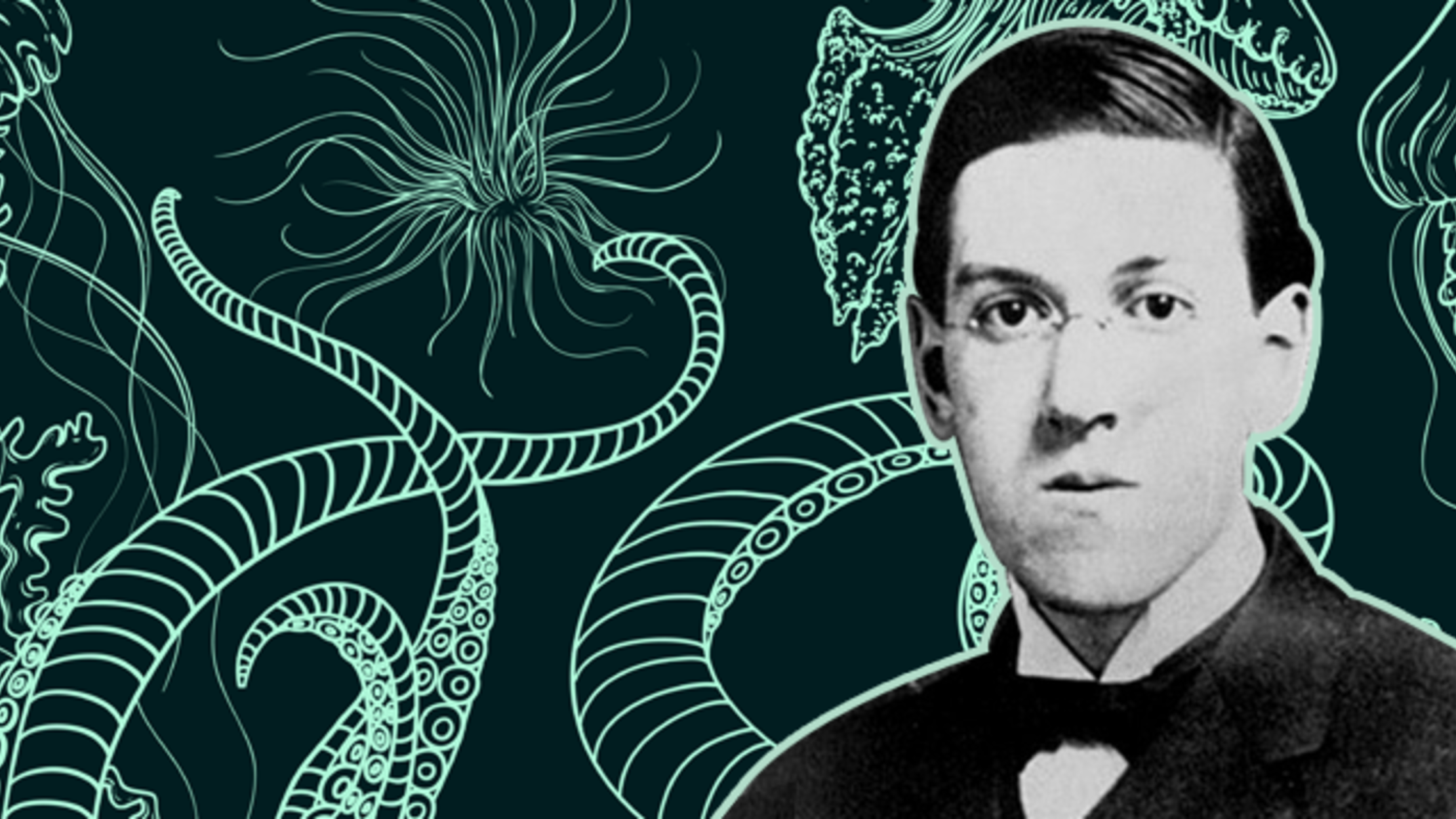
Lovecraft’s Influence
The cosmic horror genre generally credits American writer Howard Phillips Lovecraft as its founder, and, indeed, “Lovecraftian horror” and “cosmic horror” are often used interchangeably. A prolific author, Lovecraft penned many stories and novels that are often grouped together in the Cthulhu Mythos. Some of his most widely known work include the novellas At the Mountains of Madness (1936), The Shadow over Innsmouth (1936),and The Shadow Out of Time (1936). A few acclaimed short stories are “The Rats in the Walls” (1924) and “The Call of Cthulhu” (1928).
Lovecraft’s fiction established the Cosmicism literary philosophical movement, of which cosmic horror is one example. At the Mountains of Madness, for instance, is written as a narrative by the leader of a failed Antarctic expedition. The crew encounter a lost prehistoric alien civilization. When this seemingly dormant community shows itself to be active, the men come face to face with an—unnamed and once unknowable—evil. In “The Rats in the Walls,” a man moves back to his ancestral home, a mansion where he hears rats crawl in the walls, a paranoia he cannot prove to be true. As buried family secrets are unearthed, the man’s quest for understanding leads him into the heart of sinister forces. But it’s the sound of the rats—invisible and unknowable—that begin to erode his mind.
The Imago Sequence and other stories by Laird Barron
Laird Barron is a leading author of cosmic horror known for high-concept terrors. In this collection, read some of his acclaimed short fiction like the titular novella, “The Imago Sequence,” which was nominated for a World Fantasy Award.
Meddling Kids by Edgar Cantero
Love Netflix’s Stranger Things? You’ll devour Edgar Cantero’s Meddling Kids, an ode to the unique way that horror scares us when we are young. In this cosmic horror novel, a band of teen detectives have grown up after one divisive summer trying to unmask the Sleepy Lake monster in 1977. Fast forward to 1990 when they team up again to find the truth about their past.
The Shape of Water by Guillermo Del Toro
In this novelization of Guillermo del Toro’s Academy Award-winning film The Shape of Water, a mute woman takes pity on a sea creature being studied in secret by the U.S. government. She rescues the creature, only to fall in love with it. This exquisite study of a romantic connection between humans and the unknowable others is classic cosmic horror.
Cthulhu’s Daughters by Silvio Moreno Garcia
Inspired by Lovecraft, this collection of cosmic horror by female authors brings another perspective to the traditionally male-dominated genre. In 25 chilling tales, authors like Selena Chambers and Arinn Dembo give voices to the women characters in Lovecraft’s work. (Note: Cthulhu’s Daughters is the American edition of the anthology She Walks in Shadows).
Annihilation by Jeff Vandermeer
Jeff VanderMeer’s Annihilation helped make new weird mainstream. The opening in the Southern Reach trilogy, this gripping thriller traces the escalating terror among an all-women scientific expedition to the mysterious classified Area X. The narrator, a biologist, is after more than plant observations: she’s trying to solve the mystery of her husband’s disappearance in Area X. Annihilation was made into a feature film starring Natalie Portman. The movie is an excellent adaptation of the novel. Personally, one of my favorite movies of all time.
Magic for Beginners by Kelly Link
Kelly Link’s debut short story collection, Magic for Beginners, almost defies words, winning comparisons to Alice Munro, George Saunders, J.K. Rowling, and others. What’s clear, though, is Link’s voice is distinct and wholly original. Blending magical realism, surrealism, and the absurd in stories featuring fairies, zombies, and rabbits, Link’s work celebrates the weird.
Made for Love by Alissa Nutting
Hazel has recently escaped a psychologically abusive marriage to a tech CEO. Seeking refuge with her father and his lifelike sex doll, Hazel settles into the trailer park for senior citizens. Meanwhile, a conman has a born-again moment after which he can only get aroused by dolphins. As their paths intersect, things get weird.
The impact on India as a result of the trade war is a double edged sword, there is potential for India to capitalise on the fraught bilateral economic relationship between the US and China to extend its own gains but the long term implications can be severe. Experts have continually stated that India might not get negatively impacted as a result of the on-going trade war. But, this isn’t exactly correct. India can be impacted both negatively and positively.
“South-East Asia is considered one of the areas along with India that should benefit in the medium term for diversification out of the crosshairs of tariffs between the US and China, but this structural trend has to be supported by policies.”
The US is highly dependent on China for access to low cost component parts. Retaliatory tariffs by China have increased the cost of production, driving up consumer prices and leading to a “potential cascading inflationary impact”(Sasi, 2018).
This could propel the Federal Reserve to increase interest rates and limit spending to slow down inflation. This has serious repercussions for India as foreign investors would look for higher returns in the US and pull out capital from investments in India. Money outflow from market bonds and equities would destabilise Indian equity and debt markets and increase market volatility. Stressors can add on pressure on India’s banking system which has already been in the throes of a bad loans crisis.
BENEFITS
The benefits for India are categorised to be short term gains, presenting as an opportunity to be a significant trading ally and exporter.
“There are multiple US exports such as flue-cured tobacco, fresh grape chemicals, etc. to China which align with India’s export.” (Niraj, 2019)
There is a chance for India to gain a substantive share in the Chinese market, considering high demand levels. But realising this opportunity requires significant government spending and investments to ramp up production and focus on technological and quality upgrades.
It is also crucial for India to solidify its “trade footprint”, especially in areas where tariffs have been imposed on China.
“India gained about $755 million in additional exports, mainly of chemicals (243 million USD), metals and ore (181 million USD), electrical machinery (83 million USD) to the US in the first half of 2019 due to the trade diversion effects of Washington’s tariff war with China. This was also in the form of increased exports in areas such as agri-food, furniture, office machinery, precision instruments, textiles and apparel and transport equipment.” (Nicita, 2019)
There is significant scope to extend these gains in the form of increased exports to the US and strengthen an existing trade relationship.
There are a few third-party economies which have gained from the trade war by becoming substitute and alternative sources for consumer products, industrial equipment, component parts and microchips.
Example Based Analysis:
Vietnam is considered to be one of the largest beneficiaries of the trade war between the US and China and according to a study conducted by the Nomura Bank of Japan, the biggest beneficiary of the diversion of imports (in the form of additional US imports).
“Vietnam has continued to expand its economy, growing the fastest in Southeast Asia in 2019, in part due to the US-China trade war.”
(Samuel, 2020)
Chinese companies lost significant market share to Vietnam, in the form of companies producing car tires, refrigerators and furniture. Vietnam has been particularly shrewd and capitalised on an opportunity to try and bypass China by boosting production, providing a stable environment for foreign investors and increasing exports to the US.
Vietnam’s GDP in 2019 remained robust at 7%, the highest in Southeast Asia. It recorded the second strongest first-quarter growth in the past decade, surpassed only by 7.45% in 2018. And their exports to the US jumped by 34.8% year on year in the first nine months of 2019. (Vietnam Briefing, 2020)
(Vietnam has gained substantially as a result of China and US import substitutions)
Vietnam does face challenges when it comes to sustaining this economic advantage. Ramping up production depends on a focused labour supply. The Vietnamese culture doesn’t look favourably upon working overtime and skill cultivation is lacking.
Vietnam’s present supply chain network, on ground contacts and infrastructural capacity needs to be strengthened and its efficiency enhanced. Sudden, surging demand can put unnecessary pressure and lead to the collapse of an already weak system.
The Vietnamese government must put in concentrated effort to improve the business environment and keep the domestic economy competitive on a global and regional scale.
Conclusion:
While a trade war between two major economies can have a devastating global impact, South-East Asian markets (which were previously overshadowed by the sheer magnitude and the export-driven nature of the Chinese economy) have emerged as winners
The benefits of this trade war is massive for third party smaller economics and can provide a significant boost to their exports, making these countries much more competitive globally (relative to just American and Chinese firms dominating the market). While there is a rapid increase in the number of companies relocating from China, it is essential that policy-making on a government level is strengthened to extend these benefits.
These gains can slip away easily owing to the limited infrastructural capacities of smaller South-East Asian economies which have traditionally lacked the scale to transform into a “mini China”.
Jellyfish are mainly free-swimming marine animals with umbrella-shaped bells and trailing tentacles. Jellyfish and sea jellies are the informal common names given to the medusa-phase.
Special about jellyfish
Jellyfish have tiny stinging cells in their tentacles of stun or paralyze their prey before they eat them. Inside their bell shaped body is an opening that is its mouth. Tentacles hang down from the smooth baglike body and sting their prey. Jellyfish stings can be painful to humans and sometimes very dangerous.
Where do jellyfish live
They are found in oceans all over the world : at the surface, deep beneath the sea, in warm water, in cold water, some species of hydrozoa , even live in fresh water.
Jellyfish made of
Lacking brains, blood or even hearts, jellyfish are pretty simple critters. They are composed of three layers; an outer layer, called the epidermis, a middle layer made of a thick, elastic, jellyfish-like substance called mesoglea, and an inner layer called the gastrodermis.
Jellyfish reproduction
Jellyfish reproduce both sexually and asexually.one generation (the medusa) reproduces sexually and the next generation (the polyp) reproduce asexually….For both species, fertilized eggs developed into a multi-cellular plan planula and then into polyps that live on the sea floor .
Jellyfish purpose
Researchers describe jellyfish as a ‘Gingerbread house ‘ for fish,providing both food and shelter. Scientists at Queen’s University ,belfast,have discovered that jellyfish are providing habitat and space for developing larval and juvenile fish.
Colors
Some jellyfish are clear, but others are in vibrant colors such as pink,yellow, blue, and purple and often are luminescent.
Abstract: The Art of Design, a Netflix Documentary Series featured Paula Scher, one of the most influential graphic designers in the world.
STYLE She has the innate ability to create a distinctive body of work with just letters. Design needs to take human behavior into account. She gets her best ideas when her mind can freely observe and associate. She calls it ‘state of play’. Her work provides sensibility and spirit. Ideas can be triggered by working with a team.
WORK Her work ethic is very strategic and intuitive. Strategic is when she observes exactly what the client wants. Because designing isn’t the hard part, persuading the people to consider it norm is the hard part. She is well knit with the team, very quick paced. She is a part of Pentagram- a large firm where everyone gets to act like an individual. It consists of the best designers in the world.
She’d been working with the Public theatre since 1994. Her work was always considered to be loud and proud. The style that she used while designing a logo for Public was to use the same typeface to draw in the whole city, the same typeface with different weight. Paula usually liked to relate with the very motive of the company that she is designing for.
For example, The logo she made for High Line, she made the H look like a railroad track. That itself made it seem industrial and neat. It totally changed the spirit. When she came up with attaching a picture of the same beach view from different streets. This helped orient people and emotionally connect the community and give the people identity and icon.
HISTORY
She used to paint fonts by hand when she was younger. But when the world advanced with computers, that art form slowly faded away. The loss of touch and feel with her material was huge for her so she adapted painting maps. She loved indulging in things that took a long period to complete.
She fell in love with typography after being influenced by contemporary culture comics, magazines, record covers. Her First job when she was a teenager was when she started doing record labels for CBS. Her labels were on demand and she gained a lot of experience from the same.
She did exactly what her customer wanted to do most of the time. The more she worked on the covers, the more she realized she like to have control and typography was meant for her.
There are many unsolved mysteries in the world that we currently inhabit. Add curious human minds that try to provide reasons for every unexpected occurrence and we enter an interesting world of myths, theories, and the most absurdly entertaining possibilities.
Atlantis, the land of Atlas, was believed to be a myth created by Plato in 330 BC. It was described as a utopian, technologically advanced civilization that was inhabited by god-like humans. It was an island of sorts, where exotic vegetation, animals, minerals, and metals existed in abundance. Their naval force was described as impenetrable and unbeatable, which could only mean that they were indestructible.
Greek legend has it that as generations of Atlanteans were born, the kingdom was overcome with the need to conquer even when they were well-endowed with riches and resources. As a punishment for their hubris, Poseidon, The God of Seas and Earthquakes, sunk the city.
In recent ages, historians and experts believe that Atlantis once existed though the location of the sunken city varies. It could be in the Atlantic Ocean, under Antarctica, or even in the Caribbean. One of the most popular theories of Atlantis possibly existing is that it is lost in the Bermuda Triangle.
A professional diver, Ray Brown, claimed to have seen advanced structures and buildings when he went diving for treasures near Miami. He also claimed to have found the top of a pyramid. Given that the Bermuda triangle is actually a sight for malfunctioning technology, mystical disappearances, and mysterious sightings, Brown’s statements were highly plausible. Under further investigation by French divers and explorers went to the same area and also reported finding the top of a glowing pyramid, which, with SONAR readings, was confirmed to be bigger than the Pyramids of Giza. Their documentation stated that the pyramid appeared to have two holes that sucked in and released water at an alarming rate which caused turbulence and vortexes.
Furthermore, believers of this theory stated that there were sightings of other structures on the coasts of Bimini, which were quickly evaluated and dismissed as plain bedrock formations.
Time, with the help of technological advancements, will only pave the path for more possibilities of the existence of Atlantis. Hopefully, we will stumble upon concrete evidence that a possible myth, was indeed a reality.
Erik Erikson was a German-American developmental psychologist and psychoanalyst who was famous for his theory on the psychological development of human beings across a period of eight definitive stages. He stated that at each stage of development, the individual deals with a conflict which is a turning point in his/her development, and when the conflict is successfully resolved, the person is able to develop the psycho-social quality associated with that particular stage of development.
Each stage in Erikson’s theory builds the foundation for the succeeding stages and paves the way for the psychological development of the individual over his/her lifespan. According to Erikson, these ‘conflicts’ that every individual faces are largely centered on them either developing a psychological quality as a result of succeeding or failing to develop that quality in the case that they fail to surpass that stage. He also strongly believed that a sense of competence serves as motivation for positive behaviors and actions that will benefit growth in whichever stage of development. Each particular stage in Erikson’s theory is specifically concerned with an individual gaining the qualities to become proficient in that area of life.
There are eight stages of development consistent with Erikson;
Stage 1: Trust vs. Mistrust
During childhood, if a child is able to successfully establish trust, the child will feel safe and secure in the world. Those caregivers who are emotionally unavailable, inconsistent, negative, or extremely unaccepting of the child, largely contribute to strong feelings of mistrust in the children under their care. This will thereby result in a constant sense of fear and a belief that the world is negative and unaccepting. No child is going to develop a perfectly complete sense of 100% trust or 100% mistrust. Successful development was all about striking a balance between the 2 opposing sides. When this happens, the youngsters acquire hope, which Erikson described as an openness to new experiences tempered by some wariness that danger could also be present.
Stage 2: Autonomy vs. Shame and Doubt
This stage occurs during early childhood and is primarily focused on children developing a greater sense of control and personal independence. Children who struggle with gaining this independence and who are discouraged by their accidents may be left without a sense of personal control. Children who successfully complete this stage feel confident and secure in themselves, while those that don’t are left with a way of inadequacy and self-doubt.
Stage 3: Initiative vs. Guilt
The main theme of the third stage is that children need to begin asserting control and influence over their environment (their surroundings, the people near them, etc.). A sense of purpose is achieved in this stage if the child is successful. Children who try too much to exert their power experience discouragement or disapproval which results in a sense of embarrassment.
Stage 4: Industry vs. Inferiority
Children whose parents encourage and commend them for their actions develop strong feelings of competence and belief in themselves and their skills. Those who receive little or no encouragement from parents, teachers or embarrassment from peers will doubt their abilities to achieve success. Those who aren’t able to appropriately navigate during social interactions and academic challenges may end up feeling inferior and lack self-confidence.
Stage 5: Identity vs. Confusion
This stage plays an essential and integral role in the development of a sense of personal identity which will continue to strongly influence behavior and personality development for the rest of an individual’s life. During adolescence, adolescents explore their independence and develop a strong sense of self which becomes the foundation of their future personalities as they grow and cross each of the remaining developmental stages. Those who receive proper encouragement and reinforcement through personal exploration will emerge confident and guaranteed in themselves with a robust sense of self and feelings of independence and control. Those who remain unsure of their opinions and desires will feel insecure and confused about themselves and their future.
Stage 6: Intimacy vs. Isolation
Young adults need to form strong loving, intimate relationships with other people. Erikson believed that having a strong individual sense of personal identity was extremely important for developing strong intimate relationships. Studies have demonstrated that those with a poor sense of identity tend to possess less committed relationships and are more likely to struggle with loneliness, emotional isolation, and depression. Successful completion of this stage leads to the virtue referred to as love. It is marked by the power to make lasting, meaningful relationships with people.
Stage 7: Generativity vs. Stagnation
As adults, humans have the primitive sense of need to create or nurture things which will outlast them, often by having children or creating a change that causes a positive effect on society or benefits other people. Success in this stage leads to a sense of having purpose and an intense sense of accomplishment, while failure in this stage results in little to almost no involvement in society and the world as a whole.
Stage 8: Integrity vs. Despair
The final stage occurs during old age and is mainly focused on the reflection of one’s life, past actions, and decisions taken. Those who don’t successfully complete this stage will feel like their life has been nothing but a waste and they may experience strong feelings of worthlessness or regret. Others who do complete this stage to succession feel proud of their achievements and will feel an assured sense of dignity and integrity. These individuals will always possess a certain wisdom about themselves, even when confronting death.
An individual’s personality is the behavioral and mental characteristics that differentiate and makes them unique from other people. It includes all of an individual’s patterns of thought and the emotions that cause them to say and do things in ways that are specifically aligned to suit that particular individual’s interest. One’s personality makes up the most important, and most noticeable parts of an individual’s psycho-social life. People act the same or similar ways during a huge range of different scenarios. Personality does not just influence how we respond and move to stimuli in our environments, it also causes us to act in certain ways. Personality is expressed in more than just one’s behavior or mannerisms. It can also be seen in our feelings, thoughts, familial, platonic, and romantic relationships, and other social interactions.
Both explicit and implicit social norms guide individual behavior and consequently one’s personality. From early stages of development and throughout the course of our life we grow and learn to adapt our behavior appropriately according to societal expectations and requirements, which may differ across various cultures and may be relevant in various degrees for men and women of different ages and/or races.
In many contemporary societies, people differ greatly within the extent of their religious beliefs and practices. Some reject all belief in the supernatural, whereas others have deep religious convictions that greatly change and influence many aspects of their lives. Understanding the psychological characteristics that incline persons toward religiousness and spirituality is an important question for psychologists of religion and for psychologists who study individual differences.
Despite the importance of religion, there is a huge variation in the extent to which formal religious beliefs and practices are a part of the routine life of people in several cultures. Religion and spirituality are also recognized as potentially favorable aspects of psychological development in general for every individual, and personality development in particular.
Adding to the complexity of culture’s role in shaping our personalities are two important factors. First is the degree to which an individual is integrated into their culture, and vice versa. It is exceedingly rare that a person is either totally integrated into their culture or not integrated into it in the least. Thus, culture provides a framework within which each individual variation is feasible, but at the same time, there’ll always be some consistent basis for understanding the people within a given culture.

















You must be logged in to post a comment.