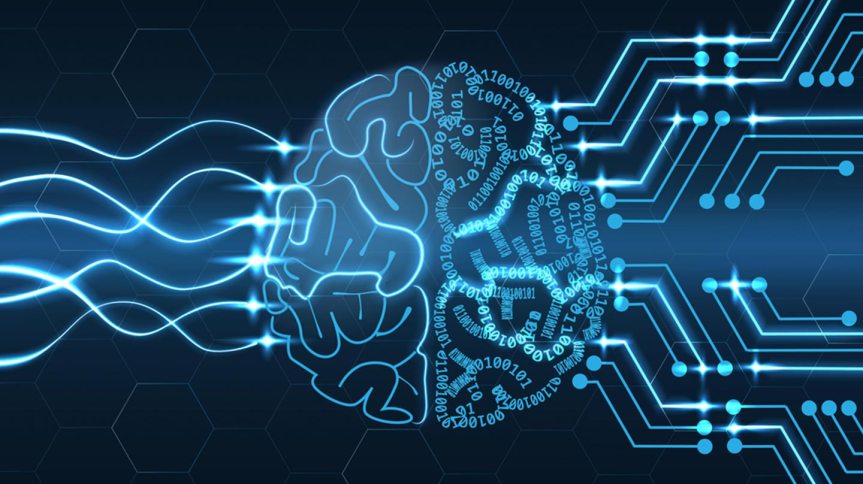
Synthetic Intelligence: Is it the new 7th kingdom?

From watching ‘I am mother’ to binging ‘Is the world going to be invaded by robots in the future?’ at 2am in your bedroom, the human mind has always weighed the possibility of synthetic intelligence taking up human roles in the near future. Even though I may be a tech person, somewhere in the least of my concerns, there is a red light that blinks whenever I come across such content. So is this red light just a jitter or does it scream the doomsday of humankind?

Spoiler alert for the book ‘Origin’!

If you have read the book ‘Origin‘ by the renowned author Dan Brown, then you may have been horrified when you reached the climax. The synthetic intelligence product Winston, much like our present-day Alexa and Google Assistant, but way advanced, plots and kills it’s own creator. Now, the twist here is that Winston did nothing but what it was said to do. Yes! Shocking right?

The only disturbing fact is the lengths it goes to execute that command. Because, unlike humans, they don’t have a way out. They are programmed to carry out a task and do whatever it takes to do it. The factor of unpredictability or ‘escape’ doesn’t exist here. But humans use it all the time. My job stresses me too much? Quit it! I’m unable to concentrate on online classes? Then don’t! Scroll Instagram!

Yin-Yang symbol and synthetic intelligence
The yin-yang symbol represents order and chaos

The human mind strives to maintain order. It does not like chaos. So it eliminates negative outcomes/thoughts automatically. If you don’t believe it, then think about the fear that would engulf each person if they consider the fact that the probability they could die right now is 4%. Maybe this is what makes us humans. The ability to accept failure. The ability to ignore problems and take a positive outlook. The ability to expect good from everyone.

Humanity and synthetic intelligence

The chances that synthetic intelligence could be the 7th kingdom is definitely high. Statistics don’t lie. But that doesn’t mean its judgement day for humankind. It took million years of Darwinian evolution to end up to the species that we are now. All the fetish around synthetic/artificial intelligence, Iot and automata was formed within a few decades. For these intelligences to reach human maturity it could take a million more years. Until then, it is safe to say that you needn’t worry about sci-fi documentaries or films that romanticize robot invasion.

I hope I’ve given you enough to think about for the day. Here is a quote to conclude the post, which ironically was the inspiration behind it.

One machine can do the work of 50 ordinary men. No machine can do the work of one extraordinary man

-Elbert Hubbard


Are underground cities the answer to climate change?

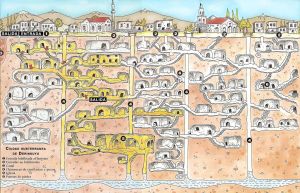
   Underground cities are not unknown to humankind. Mankind has planned, made, and inhabited underground cities from ancient times. The most fascinating of them is the underground city of Derinkuyu in Turkey which was discovered in 1963. The underground city of Derinkuyu was made in the 8th century to hide from continuous wars and extreme climatic conditions. It is an eighteen-storied underground town containing living rooms, schoolrooms, kitchens, wells, and even a winery that could hold 20,000 people inside. Ventilation, water, and light could reach every level and there were systems to seal each level during an attack. Such subterranean cities can be a solution to changing climatic conditions. As surface temperatures are increasing, governments are devising underground city master plans.    

 Extreme weather events like harsh winters and scorching summers can be avoided in such subterranean cities where ambient temperatures will be maintained throughout the year and heat loss is also significantly reduced. Drinking water sources are comparatively purer than surface water contaminated by runoffs and moreover, with the ever-growing population, there will be a shortage of land in the very near future. These could be some of the reasons why many countries around the globe have started focussing on such subterranean architecture.    

  Helsinki is an underground city that covers a massive area of 214 square kilometers containing tunnels, museums, swimming pools, and other recreation areas. This underground master plan was made to avoid extreme winters, war threats from Russia. Further such examples in today’s world can be seen in the Earthscraper in Mexico City, The Subtropolis Kansas city, and the proposed underground science city in Singapore.    

 Therefore, with the increasing risk of global warming and its consequences, it is very logical to plan underground spaces that can help to save both space and energy on the surface. With more and more countries showing interest in such architecture, underground plans could be the future of cities.   


FACTS ABOUT DRONES

In the tech world, we call a drone as ‘Unmanned Aerial Vehicle’. Started as a military invention in the US, drones and their scope of use is growing day by day. At present, civilians and police departments around the world are also enjoying the benefits of the drone technology at an increasing rate. Photography, videography, food-delivery, farming, environmental and crime surveillance, etc. are the activities for which we are using the features of drones. We can buy drones for personal of professional use from any local or online tech or gadget store starting from a range of USD 50 or INR 45,000 to 50,000.

Scope of drones

Drone is another rapidly growing and adaptive gadget which the humans can manipulate for humanitarian causes and as well as causing harm to life and property. From delivering food packets for flood-relief to deadly gunshots on people, drone industry is much diverse and is rising soon creating a boom into the ecommerce delivery system and agricultural industry in the coming years.

But before that, let’s have a look at some important facts about drones which you probably don’t know.

  • Drones are not always remote controlled.

It will surprise you that there are three types of drones according to their piloting methods:

  1. Remotely Piloted Drone–Piloted from a remote station where the drone is not directly visible.
  2. Model Remotely Piloted Drone-Piloted for educational, recreational or experimental usage only within a visible area of sight.
  3. Autonomous Drone–Does not require a pilot. We feed the flight and working instructions into its system before taking off, just like any targeted missile.
  • Drones can legally invade your privacy.

To your shock, there is no national framework or statutory body to govern the use of drones by the police. Police don’t even require a warrant or permission to survey using drone. The drones flown by the police or military drones have ungoverned access to all parts of the United States to gather data except government properties and lands. Many other countries act similarly for regulating drones by government authorities.

  • Can you fly a drone easily in your country?

The drone rules of each country are different and very complex. It takes days or months for common people to get certain licenses and permissions to fly drones in a particular country.

Examples:

  1. A foreigner or a foreign company cannot fly drone in India. To use drone for commercial activities, a foreigner is bound to lease their drone to an Indian company who will get Unique Identification Number (UIN) and drone permit called UAOP (Unmanned Aircraft Operator Permit) from DGCA (The Directorate General of Civil Aviation) for the foreigner.
  2. A non-US citizen is bound to take permission and licenses 15 days prior to using drone in the US.
  • Drones have killed lakhs of children

The military, police, and terrorists use attack drones or weaponized drones at the time of warfare. Drones work as small weapons, which is very hard to notice for a common citizen. This reckless use of drone technology by military, police and criminals over the years is taking many lives. Most of the victims are civilians and children.

  • Resolving worst farming and food problems by using drones.

Thermal cameras installed on drones can identify water leakages and identify which crops are getting enough water. A drone can zoom down to even an individual plant. Farmers in Canada and other countries are using drone data for years to calculate the health of the plants.

Bioenzymes : Feed Your Soil

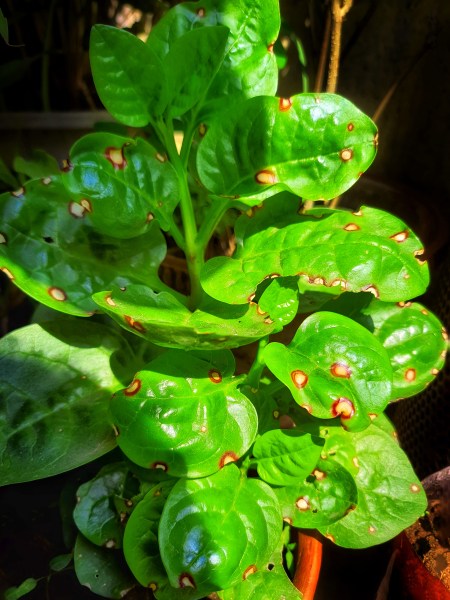
Bioenzymes are organic soil growth supplements which has natural and essential nutrients to replenish the soil. Also known as “Jeevamrit“, does exactly what the name says!
It contains growth stimulants like potassium humate, amino acids, vitamin B complex, probiotics as well as blends of various enzymes like proteases, lipases, amylase, etc. Proteases breaks down bigger proteins into smaller amio acid units. Lipases acts on fats molecules and Amylase breaks down carbohydrates like starch.

Benefits of using bioenzymes:
Talking about the benefits, it works miracles. The enzymatic activity increases the concentration of good bacteria thereby, increasing the overall biological activity of the soil. It also increases the NPK levels, boosting plant growth and the difference is quite visible. Plants appear greener and fresher. Flowers are more fluffy n bright. Fruits, bigger and better resulting in good yield. Its a good natural herbicide, insecticide and pesticide which repels pests, enriching the soil of your home garden and orchards, helping plants to grow well in full potential.

Bioenzyme : works miracles

Bioenzymes : DIY
Making bioenzymes at home is extremely easy and simple. All you need is water, fruit peels and jaggery in 10 : 3 : 1 ratio. The peels could be dried or fresh, whatever is available. Even rotten fruits could be put to use. Do not replace jaggery with sugar. Chop the fruit peels into small pieces and mix them all together in an air tight container. Smaller the fragments, better the results. And that’s all! To speed up the process, a pinch of yeast is added. It would be ready to use in a month. If you don’t want to add yeast, have patience and wait for 3 months. Make sure that you don’t fill the container completely. Leave some space, about 1/4th, for the gases to evolve during fermentation. Don’t forget to open the container and stir once in a day or two for at least a few weeks. This is because the gases evolved should be released time to time or the container may explode.

Strain the liquid in a separate bottle for convenience. The fruit peels could be used to make next batch or it could be decomposed to add to the fertility of soil. As long as you maintain the proper ratio, results would be the best!

Vegetable peels can also be utilized but fruit peels, preferably citrus peels are used as they are full of antioxidants and the final product has a very pleasant fruity smell. Even flowers like dahalia are used to make bioenzymes. They have a mild fragrance which gives an aesthetic touch to your house and garden.

How to use bioenzymes?
Bioenzymes could be used in multiple ways. It acts as an excellent cleaner and could be replaced with floor and bathroom chemical cleaners which are extremely polluting & lead to fat bergs in the sewer system. They are also used in rest rooms as surface cleanerns, odour eliminators and even more!
Bioenzymes can be added to the plant roots as liquid fertilizer, mixed with water in the ratio 1:50. Its good to always start with a more diluted solution.
Or it can be applied as foliar spray. Just add a teaspoon of it to 1 litre of water and there you go! Spray it all over the plants. It could be added once or twice a week depending on the vegetation.

Happy Gardening!

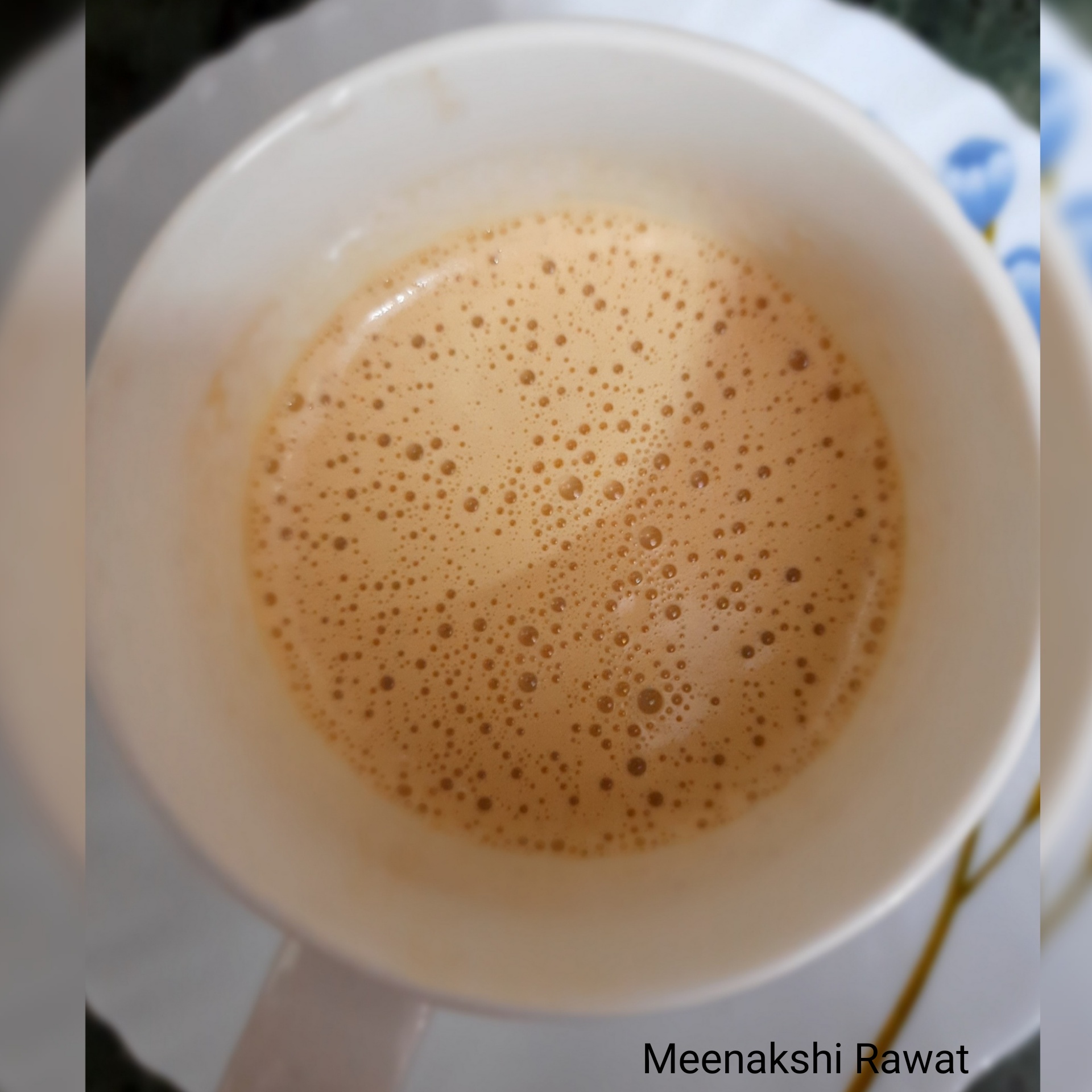
➢ How a hot cup of coffee left in a cool room gets colder?

This process is an example of second law of thermodynamics, which states that heat transfers occur spontaneously only from higher to lower temperature bodies. If a hot object comes in contact with any cold object physically, then there will be transfer of energy from hot object to cold object. After some time, the temperature of the hot body will fall down and the temperature of the cold body will rise up till the time they both achieved the same temperature (situation of thermal equilibrium). So, the hot cup of coffee gets cold because it transfers heat to its surroundings.

Why artificial pollination industry is blooming?

Decline in bee population, forcing some farmers to pollinate crops by hand.

Pollination is the main mode of reproduction in plant’. It’s a method of transferring pollen grains from the male anther of a flower to the female stigma, later enabling fertilisation and the production of seeds and a pollinator is an animal that moves pollen from the male anther of a flower to the female stigma of a flower, Majority of the flower’s plants rely on pollinators move pollen from plant to plant. Honey bee is the most widely knows pollinator. Without pollinators we won’t be able to grow the crops necessary for food, majority of our staple crops and food crops requires pollinators. Increasing air pollution, climate change, loss of habitat and over- development, pollinators are pollinating less. To overcome this problem artificial techniques have been developed.

In artificial pollination the plants are hand pollinated. In this method pollination is done by manually transferring pollen from the stamen of one plant to the pistil of another and for pollinating tall trees mechanical devices have been developed. The devices used in mechanical pollination is generally made of long telescopic light metal or plastic tubing to reach the target. The existing methods for mechanical pollination are difficult, uneconomical and time consuming also.

Recent studies revealed that electrostatic forces play an important role in pollination. Electrostatic is a scientific study and application of electric charges which accumulate on a surface. Electrostatic devices can be used for both non-contact detachment as well as electro-deposition of pollen. The biggest advantage of non detachment method using electrostatic forces is that it reduces physical damage to the pollen grains and flowers, enables safe and healthy pollination which ensures higher field, better quality and expected market rates. Electrostatic pollination is very important, it could reduce the pollen requirement to one third of conventional artificial pollination and could double the full seed percentage without reduction in viability. It is the need of the hour to bring in expertise from both plant breeding and agricultural engineering fraternity to develop a versatile and cost-effective electrostatic artificial pollination technology system. AS the population of natural pollinators in the world is declining so the Electrostatic pollination technique seems to be the saviour of the global food security and food-supply chain.

In conventional hand pollination method, there is a high wastage of pollen grains that need to be produced to ensure fertilization occurs, which greatly raises production costs. On the other hand, the process of artificial pollination using electrostatic charging would scatter lesser pollen mass to pollinate similar number of plants. The concept of electrostatic non contact detachment and deposition of charged pollens in plant pollination ensures less physical damage to pollen therefore, it has better potential to increase the fruit set and its quality. Moreover, the Electrostatics in artificial pollination is reliable, economic and much convenient while dealing with pollination of larger tress which is a very tedious job while working with manual method.

At present, electrostatic pollination method is routinely used for date palms in Arab countries, for larch in forestry and pistachio pollination, etc.

The Shark that glows in the deep,dark sea

Kitefin Shark

The world is full of mysterious and interesting creatures and this year is proving especially lucky for scientists to identify unique organisms. In February, a rodent named Springshare was identified, which glows pink and orange in ultraviolet rays. Living in the savannah forests of East Africa, this organism produces this color with the help of the porphyrin pigments present in its hair.

Recently, the world’s largest luminous vertebrate has been identified near New Zealand. This blue glowing creature is a kitefin shark (Biological name- Dalatias licha), which can grow to be around six feet tall. It shows the property of bioluminescence. Scientists have published an article about it in the Frontier Marine Science Journal, however they have not yet found what process it uses to shut off or turn on its luminescence.

Bioluminescence is the production and emission of light by a living organism. It is a form of chemi-luminescence i.e. using chemical substances to produce light. Bioluminescence occurs widely in marine vertebrates and invertebrates, as well as in some fungi, microorganisms including some bioluminescent bacteria, and terrestrial arthropods such as fireflies.

Scientists at the Catholic University of Belgium conducted a sea search expedition to identify kitefin sharks. According to Jerome Melfet, he was successful in taking a picture of a living shark. Their samples were also taken to research about the science behind the bioluminescence the shark shows.

According to scientists, bioluminescence is advantageous to this creature as this glow is meant to dodge big enemies. The blue glow of these sharks helps them to camouflage in the blue light coming from the sky and hide to avoid becoming the food of bigger fishes.

The hormone that helps us sleep makes the shark glow. This glow is not caused by hormones, but from their brain or nervous system. This hormone is melatonin, which helps us sleep, but gives shine to the sharks. However, it is not very clear whether these hormones have anything to do with the brightness of the shark.

Green Warriors ~ Women in woods

“Two roads diverged in a wood , and I took the one less traveled by , and that has made all the difference…”

These lines fit well on those women who choose the paths which aren’t meant for them , according to the society.

On 8th March, everyone talks about the women in space , in politics , in engineering , in mining , in medical , in Police, in writing , in this , in that. So I think I should also write about the women in most underrated service of India, The Forest Services.

Well , I searched a lot , but couldn’t get any extra information about the first Green Warrioress of India except their names and their years of joining the woods.

” In 1980,three young Women, C.S.Ramalakshmi, Veena Sekhari and Meera Agarwal, made history by entering into the Indian Forest Service. “

Later , Veena Sekhari was also appointed as the principal chief conservator of forests of Uttarakhand in 2015. She was the first woman to reach at the post of PCCF.

Presently, there are 284 women IFS officers , three of them are heads of forest force in different states.

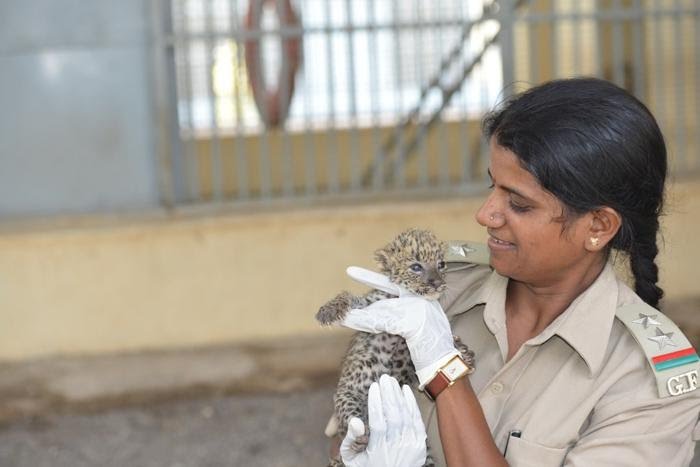
But women aren’t only limited to the post of IFS. It was only in year 2007, the Gujarat Forest Department recruited its first batch of 43 women.One of them was Rasila Wadher who was the first woman to join the the Forest Department in Gir. Since then she has managed to rescue around 1,100 animals.

Rasila Wadher, one of the lion queen of India.
~ From the forest guard to the head of Gir’s Rescue Department ~

Life in woods, isn’t that much easy , as everyone thinks. Unlike a policeman/woman in a city , a forest ranger is in a situation where there’s no one to help. They spend their nights and days in maintaining the coordination between humans and wild animals.

From the forest officers to forest guards, green warriors work not only for the welfare of forest and wildlife but also for the local tribes.And of course dangers are always there, from wild animals to bullets of poachers, from the rough terrains to the angry locals. Well , this explains that why I’m calling them Green Warriors.

And yes, the training is that much difficult & comprehensive as the job is. From the horse riding , shooting , swimming, rafting , trekking ,scuba diving to paragliding, it teaches the trainees everything from the endurance to the courage.

But these challenges are the love of our Green Warrioress ~

“We didn’t join as women guards, but as guards”, that’s what female guards say.

“Life needs purpose & empowerment needs confidence , IFS gives you both.” thinks a female IFS officer.

Women have came a long way , but still there’s a long way ahead. But as our inspiring warriors are risking their lives to save the wild & the wood, I remember these beautiful lines —-

“Woods are lovely dark & deep, but we have promises to keep.”🤝

I believe that there’s still beauty, peace & magic left in the world , & that’s in the forests. But these woods also have challenges. Ohh yeah , magic comes up with some challenges & responsibilities. If you also think of joining the green warriors club , then All The Very Best…

May the peace prevail on our Earth. May the hope abide in our Hearts. 🕊️

Happy Reading…🙂

Save Trees…💚🌱

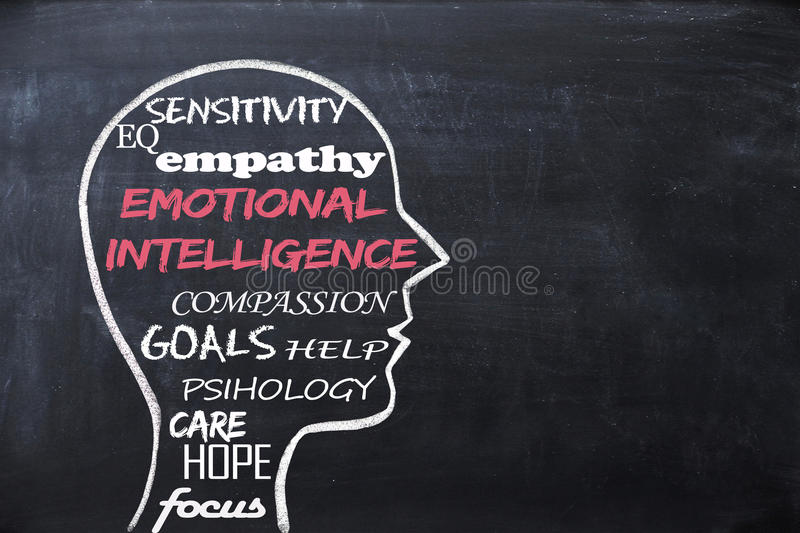
Real key to success- High IQ or High EQ?

Most of the people believe that high IQ is really important to be successful in life and we also had evidence to prove the fact. Just look at some of the most famous people in the history like Shakespeare, Leonardo Da Vinci, Albert Einstein, Isaac Newton, Stephen Hawkins or Marie Curie; they all something in common and that is high IQ.

And it is only recently that scientists have started realizing the importance of emotional intelligence and its contribution in our journey to be successful.

Emotional intelligence is a form of intelligence that is required to function effectively in a workplace. A good IQ is not enough to be successful in life. You may find many people who are academically talented, but are unsuccessful in their own life. They experience problems in family, workplace and interpersonal relationships.

Emotional intelligence is defined as “the ability to monitor one’s own and other’s emotions, to discriminate among them, and to use the information to guide one’s thinking and actions”. Emotional Quotient (EQ) is used to express emotional intelligence in the same way as IQ is used to express intelligence. A person with high EQ is able to express empathy and is able to cooperate and work effectively with colleagues.

Emotional intelligence is receiving increasing attention by schools and employers. Many programmes are being made for improving emotional intelligence as they encourage cooperative behavior, develop better teamwork and are very useful in preparing students to face the challenges of life outside the classroom.

It helps to manage your emotions in stressful situations and encourages positive thinking. It helps us in handling criticism better and instead of getting offended, work on self improvement.

In a world full of speakers, be a listener

Listening- more than a skill

Listening is an important skill that we use daily. You might not give it much thought but it does have a huge impact on your academics, job success and even personal relationships and happiness. Even though it might seem to you that it is a passive behavior as it involves silence, but it is not true.

Sometimes when you’re distressed because of a problem be it work related or a personal issue you just dial your best friend without giving it much thought, have you ever thought why? Most of the times we just want someone to listen to our side of the story patiently without being judgmental. We are not looking a solution for our problems but sometimes it just feels good to vent out that stuff. Everybody has a person to whom they can confide in about anything, for most people it’s their best friend, it’s because they feel understood and not judged.

Good listening is an important skill required in many professions these days. It is one of the main skills required by the people working as counselors and therapists. Because the person feels heard by the counselor, they find it easier to confide into them.

In some cultures, it is taught to emphasize on listening by being a silent communicator when receiving messages from elders or seniors. Buddhism, for instance, has a concept of mindfulness which means devoting your complete attention to the task you’re doing at the moment. It helps in developing longer attention span and good listening skill.

Listening requires a person to be attentive and therefore it is an active skill. Hearing and listening are not the same. Hearing is only a part of listening. When a person actually listens, he/she pays attention to what is being said and if required respond to it. Being a good listener means you listen to others without getting distracted and with their full attention and have the capacity to  analyze and then respond.

Now there are many people out there who listen just to respond without understanding completely the context of what is being said. We must be a patient listener and not be in a hurry to respond. We should refrain from forming an early judgement, prejudices and be open to all ideas.

When in doubt about the meaning of what is being said we should paraphrase it and check with the speaker whether or not they have been clearly understood by you. In the long run, developing active listening skills is sure to help you in various areas of your life.

Green nanotechnology and Sustainability

Everybody knows what is nanotechnology, it is the study and control of matter at the nano-scale, rearranging atoms and molecules. Nanotechnology has made marvelous contributions in the world of science especially in computer science and medical science.

But have you heard of green nanotechnology? The name itself suggests that it has something to do with greenery. It is the study of how nanotechnology can benefit the environment, such as by using less energy during the manufacturing process, the ability to recycle products after use and using Eco-friendly materials.

It builds on the principles of green chemistry and green engineering, and focuses on using the unique effects that occur in nano-scale materials.

Green nanotechnology can help to provide clean water to billions of people via novel filtration techniques, and has the ability to decontaminate dirty water. It can help in increasing the use of renewable energy and help in waste management too.

It can also influence the design of nano-materials and products by eliminating or minimizing pollution from the production of these materials.

It is all about making green nano-products and using them in support of sustainability. Sustainable development refers to a development that meets the needs of the present of the present, without compromising the ability of future generations to meet their own needs. It will aim at producing nano-materials without harming environmental or human health.

Nanotechnology can help reduce agricultural waste and bring down pollution levels. Scientists are working on nano-engineered enzymes that will allow simple and cost-effective conversion of cellulose from waste plant parts into ethanol.

Another example is rice husk that can become a source of renewable energy with nanotechnology. When rice husk is burned into thermal energy or bio-fuel a large amount of high quality nano-silica is produced, which can be further utilized to make other materials such as glass or concrete.

Nano sensors dispersed in the field can also detect presence of plant viruses and the level of soil nutrients.

Nanotechnology can reduce manufacturing costs for solar cells as a result of using a low temperature process.

Nanotechnology is being hailed as the next sunrise industry for India. The Department of Science and Technology of the Central Government has announced a national initiative in nano-materials, while the Jawaharlal Nehru Center for Advanced Scientific Research, Bangalore, has pioneered the study of nanotechnology in India. Prof. C.N.R Rao and the center has done world class research in nanotechnology using state of the art equipment.

A stream of nanotechnology-based products is beginning to emerge in India, with applications in the security realm. Besides D.R.D.O. (Defense Research & Development Organization) serious researches are also taking place in institutions like IIT, and Madras University.

Hopefully, in the near future as we advance further in the field of green nanotechnology, it will help us in replacing existing products with Nano-products that are more environment friendly.

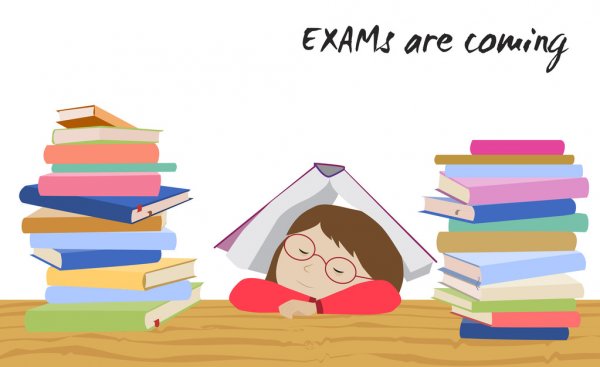
Exams coming up? Here’s how to battle examination anxiety

With the examination schedules being declared its hard not to get anxious about our exams. Examination anxiety is a fairly common among students of all age groups, you would think a grown-up would know how to prepare for exams without being stressed out given all their previous experiences but that’s not the case. It is the uneasiness that occurs before, during, or after an examination and is not age-restricted.

Many people experience feelings of anxiety around examinations and find it helpful in some ways, as it can be motivating and create the pressure that is needed to stay focused on one’s performance. Examination nerves or fear of failure are normal for even the most talented student.

However, stress of examination results in such high degrees of anxiety in some students that they are unable to perform at their full potential, like they have shown in less stressful situations.

Sometimes it can result from the pressure to perform well in examination so that they don’t get judged by others (relatives, classmates, teachers), which is often the root cause for their negative thoughts about themselves, feelings of inadequacy, helplessness, and loss of status and self-esteem.

High stress can interfere with the student’s preparation, concentration, and performance so it is very important to manage it effectively so that it doesn’t get in the way of you giving your best performance in the exams. Just like other stressful situations, it is very easy to cope with examination anxiety and here are some ways to do so-

  • Prepare well– Plan it out and give yourself enough time to familiarize yourself with the content and the pattern of the question papers.
  • Multiple rehearsals- Practice as many mock papers as possible, when you are with your friends’ test each other by asking each other questions on the examination topics.
  • Inoculation- When practicing for examinations try to do so in an environment that is similar to the examination hall to prepare yourselves physically and mentally.
  • Think positive- Have faith in your abilities and emphasize on your strengths and try to think positively to motivate yourself.
  • Seek help- When facing a problem, do not hesitate to ask for help from your friends, seniors, teachers or parents. It will help you to feel stress-free and also give you an insight into the problem.

While preparing for examinations, exercising regularly even if a little bit and resting properly before the exam will be really helpful. Overview and weigh one’s strengths and weaknesses, plan a revision timetable, space out revision periods, and most importantly on the examination day concentrate on staying calm.

Memories- Are they real or is your brain playing tricks on you?

All of us are aware of the tricks our memory plays on us in our lives. Like the time when you spend the whole night before exam cramming information from your textbooks and when you try to remember your mind goes blank. Or when you remember the most embarrassing event that happened to you but nobody else remembers it. Some people remember the smallest things that happened in the past while the others cannot remember any of those things. Ever had an argument with a friend when they forgot your birthday, when you never fail to wish them every year. Well it’s not all their fault. Our memory is partly at fault.

The study of memory is a fascinating field and researchers have reported many new phenomena which show the dynamic nature of human memory. Here are some interesting types of memories-

False memories-

Did you know that you cannot trust all of memories? False memory is an interesting phenomenon that is induced by powerful imagination of an event that did not even take place at all. Research suggests that memory can be induced and implanted through inflation of imagination.

Flashbulb memories-

There are memories of some events that are very surprising. Such memories are very detailed, they are like a photo from a camera that are stored in our brain and you can take a look at it whenever you want. They are like images tied to a particular time, place and date.

Autobiographical memories-

These are personal memories. Kind of like our Facebook timeline, they are not evenly spread across our lives. Some periods of our lives produce more memories than others. For e.g. In early childhood especially during the first 4-5 years, we have no memories related to those years, it is also known as childhood amnesia. After that there is a dramatic increase in the frequency of the memories i.e. during the twenties. Around 30 years of age, there is a decline in certain kinds of memories.

Implicit Memories-

This is the kind of memory that a person is not aware of. It is a memory that is stored automatically. For e.g. One interesting example of implicit memory comes from typing, if someone knows typing that means they also knows the particular letters on the keyboards.

Repressed memories-

Some individuals undergo traumatic experiences. Memories of those events are hurtful, such memories are repressed into the unconscious. It is a kind of repression- painful, threatening and embarrassing memories are held out of consciousness.

Forgetfulness or loss of memories under stress and high anxiety is not uncommon.

But we can still improve our memories by using some techniques such as chunking (learning in several small chunks that are combined to form large chunks) and by deeply analyzing a particular piece of information makes it easier to remember it.

SLEEP DEPRIVATION CAUSED BY THE UNHEALTHY USE OF GADGETS

It is said that “Sleep deprivation will kill you more quickly than food deprivation.” A good night’s sleep is one of the basic necessities of the human body for its active metabolism and better productivity. An average adult human requires 8 hours of continuous sleep each day. Any interference in the natural regular sleeping patterns can have a tremendous impact on one’s health: mentally as well as physically. Nowadays, people tend to sleep less than they did in the past and their quality of sleep has also faced a downturn.

We live in the middle of a world full of technologies and are surrounded by screens of smartphones, laptops, tablets, e.t.c. Though these gadgets make our lives easy and fast, we are least bothered about its negative effects on our lives. The overuse of technology causes eye strain, musculoskeletal health issues, sleep deprivation, etc. not only in adults but also in teens and kids. According to the American Optometric Association (AOA), prolonged use of computers, tablets, and cellphones can lead to digital eye strain which results in blurred vision, dry eyes, headaches, due to screen glare, bad lighting, and improper viewing distance. The unnatural way of holding the smartphones induces a lot of stress on the neck, shoulder and spine. Initially, these physical strains might seem negligible but can cause severe health impacts in the long run. 

Technology in the bedroom can interfere with sleep in a number of ways. Studies have found that 90% of US citizens use screening devices in the hour before going to bed, which can cause immense psychological and physiological impacts, capable enough to disrupt one’s sleep. Scientifically speaking, the blue light emitted from the gadgets suppress the sleep-inducing hormones like melatonin disturbing the biological clock. Lack of sleep causes stress, increased blood pressure, memory issues, weakened immunity, increased risk of heart diseases etc, thus dramatically decreasing our quality of life. Studies reveal that the increasing number of depression and anxiety among people, especially youth, has a correlation with the overuse of gadgets and social networks. Kids who are exposed to television, video games, mobile phones, and tech toys beyond the recommended time limit is seen to have retarded brain growth than other kids. They too experience sleep problems in addition to behavioural and social problems. 

From buying groceries to attending online classes, from consulting a distant doctor virtually to paying bills and dues, technology and gadgets plays an intangible role in making our lives smooth and less hectic. The technologies which we depend on for our comforts should never be the reason for our own distress. For that, we should always make sure to keep a balance between technology and healthy lifestyle.

Celebrating Indian Women Scientists on International Women Scientist’s Day

The United Nations celebrates International Women’s Scientific Day on 11 February every year. The aim is to encourage women and girls to take up the field of STEM i.e. Science, Technology, Engineering and Mathematics.

This time the theme is laid out by leading lady scientist in the struggle against Covid-19.

According to the Ministry of Science and Technology, approximately 20% percent of women in 2019-20 are directly involved in research and development (R&D) in the country.

Females in technology education

According to the United Nations, 43% of students in STEM are studying in India. India ranks first on the list of 17 countries in this case. Russia ranks second in this list, while America is ninth with 34%. Among 2.80 lakh scientists, engineers and technologists working in India only 14% of them are women.

Women had significant involvement in the fight against Corona. From treatment and testing, women were ahead in drug discovery and patient care. Dr. Soumya Swaminathan of the country is working as a Chief Scientist in the World Health Organization to carry out the fight against the epidemic.

According to UNESCO, there are only 33% of women researchers worldwide. The percentage of women taking admission to Bachelors or Masters under STEM is 45 and 55 percent. Approximately 70% of women are in the field of health and social work but they are given 11 percent less salary than men. Hopefully as we advance into the future we will see more women achieving greater heights in Science and Technology.

Here are some of the female scientists of India who inspire us with their achievements in the field of STEM-

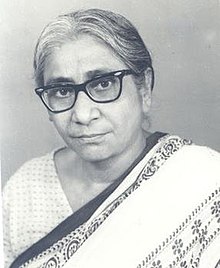
  • Asima Chatterjee

First Indian women to earn a doctorate in science, her research concentrated on natural products chemistry and resulted in anti-convulsive, anti-malarial, and chemotherapy drugs. She also discovered anti-epileptic activity which led to the development of an epilepsy drug called Ayush-56 and several anti-malarial drugs.

She won the C.V Ramen award, P.C Ray Award, and the S.S Bhatnagar award.

  • Janaki Ammal

an Indian botanist who worked on plant breeding, cytogenetics and phytogeography. Her most notable work involved studies on sugarcane and the eggplant and co-authored the Chromosome Atlas of Cultivated Plants (1945) with C.D. Darlington. She was awarded a Padma Shri by the Indian government in 1977. The University of Michigan conferred an honorary LL.D. on her in 1956 in recognition of her contributions to botany and cytogenetics.

  • Rohini Godbole

Prof. Godbole is part of the International Detector Advisory Group (IDAG) for the International Linear Collider in the European research lab, CERN. She is the Chair of the Panel for Women in Science initiative of the Indian Academy of Sciences.

She received Padma Shri for her contributions in science and technology (2019).

  • Tessy Thomas

Tessy Thomas joined DRDO in 1988, where she worked on the design and development of the new generation ballistic missile, Agni. She was appointed by Dr. APJ Abdul Kalam for the Agni Project. In addition, Tessy was the associate project director of the 3,000 km range Agni-III missile project. She was the project director for mission Agni IV which was successfully tested in 2011. Later, Tessy was appointed as the project director of the 5,000 km range Agni-V in 2009, which was successfully tested on 19 April 2012.

In 2018, she became the Director-General, Aeronautical Systems of DRDO

Thomas received the Lal Bahadur Shastri National Award for her contribution for making India self-reliant in the field of missile technology.

  • Ritu Karidhal

Dr. Ritu Karidhal Srivastava is an aerospace engineer, working with the Indian Space Research Organisation (ISRO). She was a Deputy Operations Director to India’s Mars orbital mission, Mangalyaan. She has been referred to as a “Rocket Woman” of India.

Karidhal received the ISRO Young Scientist Award in 2007 from A. P. J. Abdul Kalam, then president of India

  • Anna Mani

The only woman scientist to work with C.V. Raman, is well known for her work in atmospheric physics and instrumentation. She contributed to the study of radiation, ozone and atmospheric electricity, both on the surface and in the upper air using special sounding techniques. Joining the India Meteorological Department in 1948 she rose to become the Deputy Director General of Observatories in Delhi.

  • Soumya Swaminathan

Soumya Swaminathan is an Indian pediatrician and clinical scientist known for her research on tuberculosis and HIV Since March 2019, Swaminathan has served as the Chief Scientist at the WHO. Previously, from October 2017 to March 2019, she was the Deputy Director General of Programmes (DDP) at the WHO. In March 2019, Swaminathan became Chief Scientist of the World Health Organization, where she participated in regular bi-weekly press briefings on the COVID-19 Pandemic.

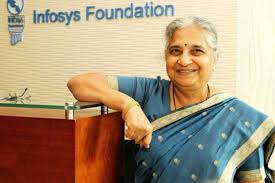
  • Sudha Murty

Sudha Murthy became the first female engineer hired at India’s largest auto manufacturer TATA Engineering and Locomotive Company (TELCO). She joined the company as a Development Engineer in Pune.

In 1996, she started Infosys Foundation & till date has been the Trustee of Infosys Foundation and a Visiting Professor at the PG Center of Bangalore University. She has written and published many books.

She won India’s fourth highest civilian award Padma Shri.