We were Liars: A book review

Cadence is a girl born to rich family that owns large estates and an island. Her best friends are her cousins and the son of the manager. This group together is called the liars. The liars are the best of friends, and enjoy each other more than their families which are bound quite unlovingly in threads of race and economic dependencies. One day Cadence is found unconscious near the shore and is not allowed to visit the island again for the next couple of years. The worst part is she remembers nothing of what happened to her. Her mother even forces her to improve relationships with her estranged father. She returns however to the island only to find the liars living in a far end of the island and her family broken down and her once strong headed and commanding grandfather suffering from dementia.

She roams around the island and is saddened that the liars do not want to get very close to her. She discovers not only the ugly relationships and secrets of her family but also slowly comes to remember and accept the fate that she has given to her friends and her family.

Awarded the Good Reads Book of the year in young adult literature in 2015, We were liars is a book that deals with love, romance, a decaying aristocracy and the decaying state of mind within it, not to forget issues like mental health and defenses.

Buy We Were Liars Book Online at Low Prices in India | We Were Liars  Reviews & Ratings - Amazon.in

Happy Reading!!!

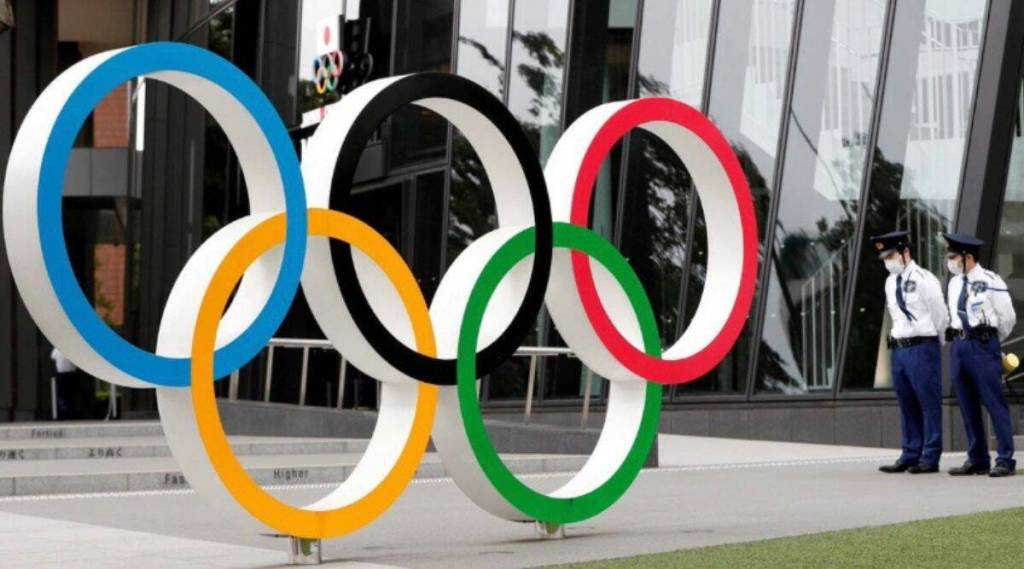
Olympics 2021: India (4,5,6,7th Aug)

4th August2021 – Neeraj Chopra and Shivpal Singh (Javelin Throw), Lovlina Borgohain (Boxing), Aditi Ashok and Diksha Dagar (Golf), Indian hockey Hockey Team (Women), Rahi Kumar Dahiya and Anshu Malik ( Wrestling).

5th August 2021: Havildar Irfan Kolothum Thodi, Sandeep Kumar, Rahul Rohilla ( Men’s 20km walk ), Aditi Ashok and Diksha Dagar (Golf), Indian Men’s Hockey Team, Ravi Kumar(Finals), Deepak Punia(Bronze match), Vinesh Phogat and Anshu Malik(Wrestling).

6th August 2021: Aditi Ashok and Diksha Dagar (Golf), Gurpreet Singh(50km walk), Bhawna Jat and Priyanka Goswami (Women’s 20km Walk Finals), Anas, A. Jacob, N.N. Tom, N. Pandi ( Men’s 4x400m relay ), indian women’s hockey team, Bajrang Punia and Seema Bisla (Wrestling)

7th August 2021: Neeraj Chopra(Javelin Throw FINAL), Aditi Ashok and Diksha Dagar (Golf FINALS), Bajrang Punia (Wrestling Bronze Match)

,

Athletics

Men’s javelin throw

Neeraj Chopra bagged First position by throwing at a distance of 86.65m in Qualifications of Group A.  

The first javelin thrower to enter an Olympic final and also the first to finish on top of the qualification round. 

Shivpal Singh secured 12th in the Group B Qualifications. But, only Top 8 qualify for the seccon round.

Neeraja Chopra to compete in The finals on 7th August at 4:30pm.

Subedar (Indian Army Rank) Neeraj Chopra created history by winning Gold Medal in Athletics.

Men’s 20km walk

Sandeep Kumar came 23rd in the 20km finals on 5th August. Massimo Stano from Italy bagged 1st position.

Men’s 50km Walk

Gurpreet Singh failed to complete 50km walk. He tagged out after 35km by putting up a good fight.

Womens 20km walk finals

Bhawna Jat and Priyanka Goswami will be competing on 6th August in the finals of 20km Walk. Priyanka complete the competition and ranked 17th.

Men’s 4x400m relay

A. Rajiv, M. Anas, A. Jacob, N.N. Tom, N. Pandi will be competing on 6th august at 5pm. India fought till the end and missed the 3rd pace by mere mere seconds failing to qualify for finals.

Boxing

Women’s welterweight

Busenaz Surmeneli gave Lovlina Borgohain a tough fight in the Semi-Finals. B. Surmeneli won by the scores as 5-0.

Lovlina Borgohain fought for the Bronze Medal and won it.

Golf

Women’s individual

Aditi Ashok had an excellent start as she finished Round 1 in second position and Diksha Secured 56th position.

Aditi Ashok fabulously played and came second in the round 2 on 5th August and Diksha secured 53rd position.

On 6th August she continued her lead and went into next round by securing 2nd position and Diksha Dagar secured 51th position.

Aditi Ashok and Diksha Dagar will be competing in finals on 7th August at 3am.

Aditi Ashok had a great lead throughout the Match. But, she slipped to 4th position at the eleventh hour. Yet, Aditi Ashok has paved a way for Indian Golfers by reaching finals and remaining in top5 through and through.

Hockey

Women’s tournament

A grueling match between Argentina and India at the Semi- Finals today. It ended with Argentina scoring 2-1 to enter the Finals.

On 6th August, India played against Great Britain for the Bronze medal match.. India put up a brave fight but went down to Britain by marginal scores of 4-3.

Men’s Tournament

Indian Men’s Tournament will be fighting for the Bronze Medal against Germany team on 5th August at am. India won Bronze Medal.

Wrestling

Men’s freestyle 57kg

Ravi Kumar Dahiya wrestled amazingly through 1/8th Finals, 1/4th Finals and Semi- Finals and entered finals at Multiple rounds today – 4th Aug.

Ravi Kumar vs Zaur Uguev will be putting on a wrestle for the Gold Medal on 5th August. It was nail-biting and split decision match. Zaur Uguev won Gold medal and Ravi Kumar won Silver Medal.

Men’s freestyle 86kg

Deepak Kumar lost to David Taylor Iii in semi-finals on 4th aug.

D. Kumar vs Myles Amine on 5th August will be wrestling for the Bronze Medal. The match was grueling from the start. By mere seconds, Myles won the Bronze Medal.

Women’s freestyle 53kg

Vinesh Phogat Vs Sofia Mattsson for 1/8th finals on 5th august. Vinesh Phogat won the 1/8th match and went for the 1/4th match. Wherein she wrestled against Vanesa Kaladzinskaya. Vanesa Won the 1/4th match by fall.

Women’s freestyle 57kg

Iryna Kurachkina from Belarus defeated Anshu Malik in 1/8th Finals with scores 8-2.

Anshu malik vs Koblova Valeria in Repechage round 2 on 5th August. Valeria won this round with scores 5-1.

Men’s freestyle 65kg

Bajrang Punia wrestled his through multiple matches against Iran and Kyrgyzstan to enter the semi-finals of multiple matches on 6th August.

He will be wrestling against Haji Aliyev from Azerbaijan in the semi-finals.He barely slipped through the crack and lost to his opponent.

Bajrang Punia won the bronze Medal in his match against Daulet Niyazbekov, Kazakhstan.

Women’s freestyle 50kg

Sarra Hamdi from Tunisia defeated Seema Bisla in the 1/8th finals.

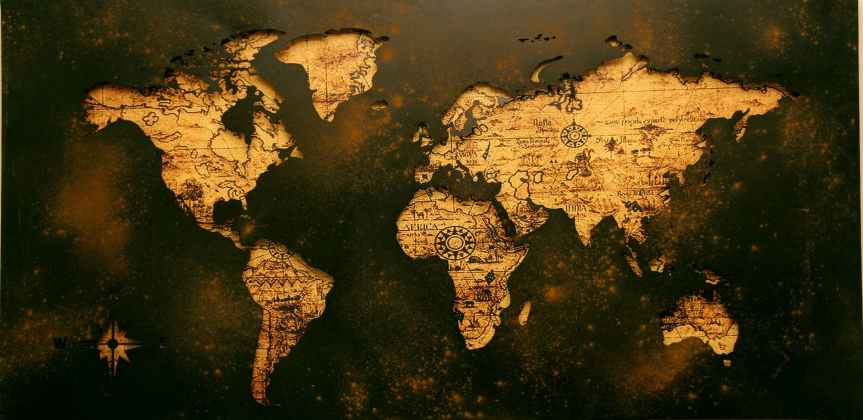
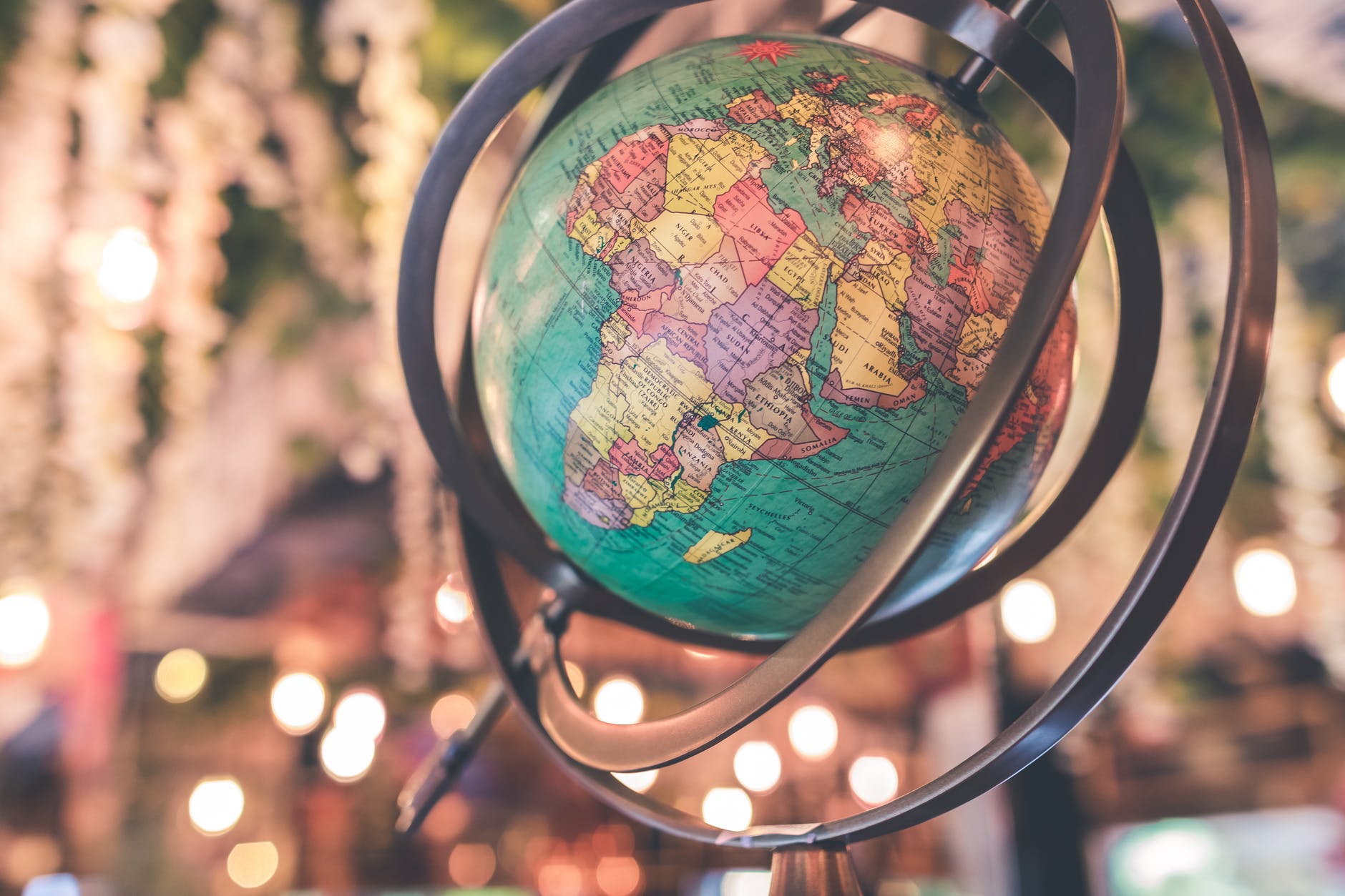
Well, It’s geographically strange…

Photo by Artem Beliaikin on Pexels.com

Hey you all there!!

Here are some facts, I heard or read somewhere and it stuck my mind as strange or unique or interesting and I thought that why not share them with you all. And so here we go-

  1. If most of the sunlight falls on the equator then naturally the oceans in this region should have the highest temperature. But, it turns out that the temperate region’s oceans waters have the highest temperature. And here’s why. The temperature at the equator is high but so is the average yearly rainfall. The higher rainfall sort of counter balances the high temperature. But the rainfall at the temperate regions isn’t that high and so the overall temperature there is higher.
  2. The Norwegian sea lies near the Arctic ocean and its neighbouring countries include Iceland, Greenland and Russia. But, even after being in such a low temperature zone, the water of Norwegian sea doesn’t freeze in winters and the ships are still able to pass while those travelling through Russia aren’t. Well, it is due to a warm oceanic current that goes by the name of Norwegian current that keeps the water way above the freezing point.
  3. The northern part of the Indian ocean experiences both clockwise and anti-clockwise direction of ocean current and it is a feature of the country’s seasons. It was a reason of flourishing trade as well as inter-mixing of the Arabian and the Indian people as the ships travelling had to wait for the seasons to change so that the currents could effectively be used to travel.
  4. Japan has a very high land area as mountainous and a very small area of land. Combine this with the steep continental shelf of the nearby Pacific ocean and the meeting of warm and cold oceanic current, it provides for a very good fishing ground. It is why the Japanese people have a staple diet of fish (in addition to some cultural reasons).
  5. Most of the world’s active volcanoes are concentrated in the Pacific ocean in the ring of fire that is a junction point of several tectonic plates, followed by the Mediterranean sea.
  6. The South pole has a lower temperature as compared to that of the North pole. It is because south pole is a land region surrounded with water and the land region has high altitude mountains that help in lowering the temperature. Most of the ozone holes occur in this region.
  7. The Pacific ocean is sinking and after some million years, it won’t be the largest ocean of the world. Oh! And the Atlantic ocean is expanding, all a result of tectonic plate interaction. This is also why the Himalayas in our country is growing(at the rate of 1 cm/year, though the rate might be soon slowing down as the collision between the Eurasian and Indian plate is slowing down.).
  8. 31 December in Alaska is 1 January in Russia. Now, you know what to do if you happen to stumble upon in Russia during the new year’s eve.

Well, this is all in ‘geographically strange’. If you all like it, I will do a part 2 . Next in this series is ‘biologically strange’. So, stay tuned..

ARUNIMA SINHA

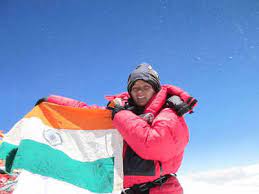
Arunima Sinha was born on 20 July 1989 in Lucknow, Uttar Pradesh. She is the World’s first female amputee to scale Mount Everest, Mount Kilimanjaro (Tanzania), Mount Elbrus (Russia), Mount Kosciusko (Australia), Mount Aconcagua (South America), Carstensz Pyramid (Indonesia) and Mount Vinson, she is additionally seven time Indian volleyball player.

EARLY LIFE AND TRAIN ACCIDENT

Arunima preferred football and furthermore was a public volleyball player. She needed to join paramilitary powers. Be that as it may, when she was going to Delhi in a train a few burglars entered in train mentor to take her pack and gold chain. She had a go at opposing yet they pushed her out of the train and fell on the track. She attempted to get up yet couldn’t and afterward the train run over her leg.

She was raced to the clinic with genuine leg and pelvic wounds and lost her leg after specialists removed it to save her life.

She was offered remuneration of ₹25,000 (US$350) by the Indian Sports Ministry. Following public shock, the Minister of State for Youth Affairs and Sports Ajay Maken declared an extra ₹200,000 (US$2,800) remuneration as clinical help, along with a suggestion for a task in the CISF. The Indian Railways additionally extended to her an employment opportunity.

On 18 April 2011, she was brought to the All India Institute of Medical Sciences for additional therapy, going through four months at the Institute. She was given a prosthetic leg liberated from cost by a private Delhi-based Indian organization.

MOUNT EVEREST ASCENT

While as yet being treated in the All India Institute of Medical Sciences, she set out to climb Mount Everest. She was propelled by cricketer Yuvraj Singh (who had effectively struggled malignant growth) and other TV programs, “to accomplish something” with her life. She dominated in the essential mountaineering course from the Nehru Institute of Mountaineering, Uttarkashi, and was urged by her mom to ascend Everest. She climbed Mount Everest with a prosthetic leg, which was orchestrated by raising assets with the assistance of a master of Ramakrishna Mission, Vadodara.

She reached Bachendri Pal. When she met Pal and Arunima disclosed to her story to her, Bachendri Pal said to Arunima “My youngster You chose to climb Mount Everest in these circumstances with Prosthetic (Artificial) leg. You had climbed, accomplished Mount Everest my youngster now the date is staying to the World to know”.

Furthermore, after that Arunima join essential mountaineering course from Nehru Institute of Mountaineering and TATA Steel Adventure (TSAF) in Uttarkashi (India) and she was energized or roused by her senior sibling Omprakash to ascend Mount Everest.

Sinha climbed Island Peak (6150 meters) in 2012 as groundwork for her rising of Everest.

Sinha and Susan Mahout, a USAF educator, who had together climbed Mount Chaser Sangria (6,622 meters or 21,726 feet) in 2012 under the direction of Hendrick Pal began their rising of Mount Everest.

After a hard work of 17 hours, Sinha arrived at the highest point of Mount Everest at 10:55 am on 21 May 2013, as a component of the Tata Group-supported Eco Everest Expedition,becoming the primary female amputee to scale Everest. She required 52 days to arrive at the highest point. She composed a little message saying thanks to the Almighty on an enveloped fabric and squeezed it by the snow. Relating the occurrence, she said:

It was my recognition for Shankara Bhagawan, and Swami Vivekananda who has been a motivation for the duration of my life.

The Chief clergyman said that Sinha had made history, because of her persistent effort and assurance, by climbing Mount Everest. She was complimented by the Indian Sports Minister Jitendra Singh on her accomplishment.

Arunima Sinha is presently devoted towards social government assistance and needs to open a free games foundation for poor people and distinctively abled individuals. She is giving every one of the monetary guides she is overcoming grants and courses for a similar reason. The foundation would be named Shaheed Chandra Shekhar Vikalang Khel Academy.

She composed the 2014 book Born Again on The Mountain.

She is a motivation to every one of the ladies and individuals with handicap. She demonstrated that one requires difficult work and energy to achieve objective. She has a solid resolve which caused her to achieve her objective even get-togethers around her pity her. She genuinely demonstrated that “the sky is the limit”.

why is china so successful in olympics ?

In terms of athletes from a young age, training hard, and often away from families to go to training centers, this is true, but one needs to understand the context within China, the opportunities that present to these athletes (pay, education, better life), and these athletes’ background (from low socioeconomic families), before passing simple judgment. I will elaborate on this below at the bottom, as I also did in comment on someone else’s answer.

These facts below however are true of why China athletes succeed at the Olympics:

1) The Chinese train harder than anyone else in the world; as other foreign coaches working with China’s Olympic Team have stated in media in past: The Guardian. Following Confucius beliefs, the Chinese believe hard work gets results, and following a progressive long-term athletic development model with repetition of technique and skill they perfect every movement until optimised (thus why they succeed in sports like table tennis, diving, gymnastics, and even weightlifting requires perfection of technique).

2) Centralised Training Program with High Government Support & Funding: The Chinese government has a heavily fund and centralized top-down training model; with the one goal to achieve Olympic Gold. The exact figures of the funding are unknown, and not as transparent as other nations, but still estimated to be the highest funded high performance program in the world. These funds help to pay athletes’ salaries, have full-time staff supporting those athletes, get the best coaches & foreign expertise to improve it further, build big training facilities, and really do anything they want. With a structured pyramid program, with around 5000 sports schools, filtering into province training centers, and then the best up into the Olympic center. Ensuring that the Chinese Olympic program can run smoothly and succeed at its goal.

3) Foreign Expertise: The big jump made at Beijing 2008 and beyond, had a lot to do with foreign expertise. The sourced the world for the best coaches, the best staff. Head coaches alone, there were 28 foreign coaches for the last Olympics; so to say Chinese coaches are “torturing” kids, then ask yourself but what about the foreign coaches? I even know examples where athletes get injured and they fly in experts from around the world for their opinions. This spending of money for an athlete is rarely done elsewhere.

4) Strong talent Identification and Long-term Athletic Development Model: At young ages they look for kids who have the physical capabilities that will allow them to succeed in a sport, and then build on-top of that strong base with a long-term athletic development plan. E.g., start with basic skills and foundation until that is perfected, then build on top of that with another skill, etc.

5) Top-down sports system vs. bottom-up: China is a top-down sports system, a system where the top level controls and manages everything with the goal to achieve Olympic success. Meaning the entire reason athletes enter the system at the bottom (the sports schools), is with the aim to achieve the government’s goal of Olympic success. Some other Asian nations however have similar systems. This contrasts however to Western nations, whereas it’s a bottom-up system, whereas the community and club levels develop athletes, and athletes enter sport for their own goals. One where they just naturally develop going through lower levels, until they have a talent, and then get recognised and selected for national program (and not until then does the government or national sports governing body have much influence on that athlete’s life). Of course arguments and debate on which is optimal. However it’s not hard to see that if you have a control of athlete’s life and sports development from the day they enter sport, and plan & goal for those athletes to succeed at Olympics, then it is much easier to plan for accomplishing that goal (in point 4 above), e.g., what education do they need, what skills do they need, what physical requirements do they need, how much sleep do they need, what medical support do they need, etc.

6) Year round structured training (More prepared): Not to say not all athletes train year round, but the Chinese have a 365 days/year training together as a team generally in most sports. Although some sports like Basketball they have around 6 months (as they spend the other 6 months in their professional teams), but that’s still lot more time together in national team than other nations. What does this mean? Well it means they are going to function better as a team, be more prepared to work with the national coach, better skilled, and better in team environment & teams culture, and with the physical resilience and technical skills to succeed. A lot of other programs in Olympic sports around the world do not follow such a professional program, for example some Olympic teams athletes train independently and then only come together to join the national team in the months or even just weeks before the games.

7) Smart Allocation of Funding: They concentrate on sports that they can win, or succeed at, be it sports that they see an opportunity (less competitive) or sports that they know they win (e.g., table tennis). For example many gymnasts are changed into snow boarding, aerial skiing, and diving. Because of the Chinese athletes’ great gymnastic abilities, they thus would make a good for a similar sports that requires these skills to help and thus can become more competitive then people without those same gymnastic abilities. They also focus on sheer medal numbers; they concentrate on sports with different weight classes (e.g., weight lifting or wrestling) or sports with more medals (e.g., swimming). But then this same approach is done by most centralized sports systems, including Australia.

8) Repetition of Skill or Technical Focused Training: the old rule, repeat until you are perfect or ‘practice makes perfect’. Very much following Confucius thinking here, in China the kids do ONE sport, and repeat the same skill over and over, day in and day out. This is something not done or rare in many nations, for example kids in Australia or America would play many sports in their childhood, they develop better motor skills and coordination but not fine tuning one skill like the Chinese. Is thus the reason China often succeed in technical focused sports like table tennis, diving, gymnastics, because they have trained until they perfected the routine. However all sports do have a technical focus, even track & field, weightlifting, and swimming; related to efficiency and ease of movement.

9) Rewards for Athletes & Better Life: The rewards for those who make it are great. Some Olympic athletes earn more a week than their poor family can in a year. That way it’s a great way forward for poor families to jump to a better social class. This provides excellent motivation for them to train hard. China Olympic champions are suggested to get $200,000USD for an Olympic Gold (figure appears to vary in different sources), and add in houses, a high level job within the government upon retirement; even winning the All-China Games grants athletes $100,000USD (depending on the province). Most of these athletes come from families that work in factories, and/or farms, earning just enough to feed the family.

10) National Pride: sports is seen as a sign of power similar to GDP. A collective culture still, looking to better the community they are within. They do it for the family, nation, and less for themselves (opposite to the west). A way to show a strong and powerful nation.

However above all, one big factor: they want it more than anyone else in the world (similar to the Kenyans in distance running), that motivational factor is big thing in elite sport.


WORLD’S LARGEST SHIP BREAKING YARD: ALANG, GUJARAT

Alang is the biggest ship breaking yard in the world and is situated in Gujarat, India. Hundreds of ships get scrapped here every year. With the increasing popularity of the yard, the number of ships getting scrapped here is also increasing steeply. With this the number of threats on the health of the workers working there and the marine environment is also increasing. There is a steep increase in threats on them. Unlike other countries, India had lacks strict policies and regulations for protecting and preserving the marine environment. This leads to irreversible harm on the surrounding flora and fauna as well as the health of the laborer’s. Indian coasts have coral reefs and due to the unregulated practice of ship breaking activity, the coral reef of the coast has vanished and destroyed completely. It is having serious impacts on the marine life. Alang has now become the storage of toxic wastes, radioactive elements, poisonous gases and waste, unusable oil which have now entered into the marine food chain and and are also affecting the health of the workers working there. The laborer’s work in dilapidated condition with least safety measures and poor health care facilities.

Ship Breaking Yard at Alang, Gujarat

EXISTING SHIP RECYCLING CAPACITY OF ALANG

Currently the ship breaking yard has 153 plots or ship breaking yards on 10 kilometer long coast in Bhavnagar District of the state. Out of these 131 plots practice ship breaking activities and just 80 plots have ships for breaking. So, 48 per cent of the ship breaking capacity is laying idle in the site. In the year 2011 -12, 415 ships with a total 3.85 million Light Displacement Tonnage (LDT or weight of a vessel without fuel, cargo, etc.) came to the site and the capacity of the site was almost full. And after that there was a decrease in the number of ships coming. In 2021, only 199 ships came to the site.

In this entire process of ship breaking, there are numerous factors and aspects which are not being considered and are neglected. The protection of health, safety and sanitation of the workers is not considered, the negative impacts of the practice on the marine ecosystem and the surrounding environment is not being considered properly and the potential threats on the flora and fauna are not considered properly. Some of the regulations and rights of the workers which are being violated are:

  1. Violation of Legal Frameworks for Adequate Health Facilities: One of the major problems in the ship breaking site is the absence of proper health care facilities for the workers. The region as 2 hospitals only which are under staffed and don’t possess necessary health care infrastructure for treating fatal emergencies. There is no ambulance facility in the area as well. Regulations Violated: the International Labor Organization (ILO) guideline of 2003, which outlined detailed provisions for the safety and health of workers in ship-breaking industries etc.
  2. Violation of Regulations provided for secured employment of laborer’s: The ship breaking yard of Alang is labor intensive and does not use modern technologies like China and Japan. Thousands of people migrants migrate from different parts of the state (especially Odisha, Uttar Pradesh, Bihar etc.) to Alang Sosiya for getting employment but there is no employment security here. A number of workers are Alang Sosiya Ship Breaking YARD (ASSBY) have also said that there is a always a delay in payment of wages and they do not receive any financial benefits as laid down by different labor laws of India. The workers are not even paid for extra work on Sundays and when they are on leave. Regulations Violated: The Workmen’s Compensation Act 1923; the Payment of Wages Act 1936; the Factories Act 1948; the Employees’ State Insurance (ESI) Act 1948; The Minimum Wages Act 1948; the Employees’ Provident Funds Act 1952; the Payment of Bonus Act 1965 etc.
  3. Absence of database providing details of migrant workers: The District Authority does not maintain any database regarding the number of migrant workers working in the ship – breaking yard. Regulations Violated: Chapter II of the Inter-State Migrant Workmen (Regulation of Employment and Conditions of Service) Act, 1979, specifies that the state government shall appoint a registering officer for the purpose of registering interstate migrant workmen. Ship-breaking industries continue to recruit migrant workers without registering under this Inter-State Migrant Workmen Act.

THE LYRIC

Introduction:

The Lyric is the most delightful and pleasing form of poetry. It is generally subjective. Lyric poetry, in its original meaning, was poetry composed to be sung to the accompaniment of a lyre. The lyre was a simple Greek musical instrument. The Greek idea of the lyric suggests its intimate connection with music.

A lyric is defined as a poem that Expresses a single emotion. Over elaboration of emotion results in the loss of effectiveness. So a lyric is generally short. In a lyric the quality of emotion is important. It must embody emotion and it must impress us by the sincerity of its utterance. The language and imagery of a lyric must be characterized by beauty, propriety, and harmony.

Personal poetry touches almost all aspects of experience. As a result, there are various types of lyric poetry such as the love lyric, the lyric of patriotism, the lyrics of religious emotion, the lyric of joy, and so on. The essence of a lyric is the personality of a poet, the majority of the world’s good lyrics express also what is typically human. The reader finds in them the expression of experiences that he can share with the poet. The reader finds this experience in the poetry of Keats, Shelley, and the metaphysical poets like Donne and Marvell

In lyric poetry, the poet is occupied with himself. His thoughts, feelings, and emotions constitute the subject matter of his lyric. The lyric becomes a mirror to his personality. Even the titles of poems are no indication as to their themes. “Ode to a Nightingale” and “An ode to a skylark” are not about birds. In highly composite poetry it is difficult to distinguish between subjective and objective. So it is generally said that the Epic, The ballad and dramatic poetry are objective and lyric is subjective. Some forms of lyrics lead us to meditative and philosophic modes as in them the elements of thought and reflection or dominant.

Another trait of a lyric is its unity. A lyric is self-contained and everything in it it is related to the central idea or emotion. So there is hardly any place for descriptions or elaborations in a lyric. Since the lyric is a unified experience, generally, it is not very long. Edgar Allen Poe said, “a long poem does not exist” this is true of a lyric.

It is difficult to identify the I in a lyric poem. Through the poet express his own emotions and feelings, they are also universal. Thus, Wordsworth Tintern Abbey lines or Milton’s Sonnet on his blindness, express universal emotion. Most of the Elizabethan songs, poems of the metaphysical like Donne and the short poems and the dramatic monologues of Browning and Tennyson come under the category of lyric.

Three parts of Lyric:

Structurally, a lyric can be divided into three parts.

Motive:

The first is the motive. It states the emotion and comprises the first few lines. The motive is the sudden provocation for the poet to compose. It may be Nightingale’s song as in the case of kids are the song of reaper girl as in the case of Wordsworth. The motive is only an excuse for the poet to express his own emotions and feelings.

Statements:

The second part of the lyric consists of the poet’s emotions and feelings. These may be termed as statements. In “the ode to the west wind” Shelley muses over evolution. In “The Ode to Nightingale” Keats meditates over the weariness of life and the ease of death.

Conclusion:

The third part of the lyric is the conclusion that comes when the emotions subside. It is a conclusion, reflection, or resolution. Keats reflects on beauty at the end of the famous Ode on a Grecian urn” Herrick reflects on the fragility of beauty and power of death towards the close of “To blossoms”.

Much of the beauty of a lyric depends on its expression. So the poet has to choose words and their arrangements with great care. The combination of lines, rhyme scheme, and rhythm are important. Each stanza should correspond to the mood expressed. Smoothness or hardness of the words, slowness or rapidity of the movements, alliteration, rhyme, rhythm, melody, and even some irregularities get hold upon the reader’s imagination and intensify his enjoyment of the lyric. Every lyric poet must be conscious of this fact.

What is a short story?

Traits of an Epic

Child obesity

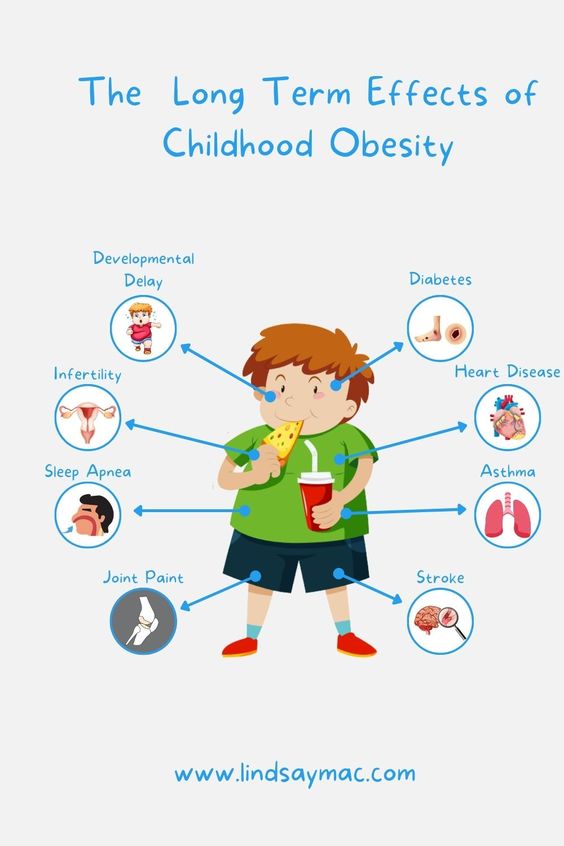
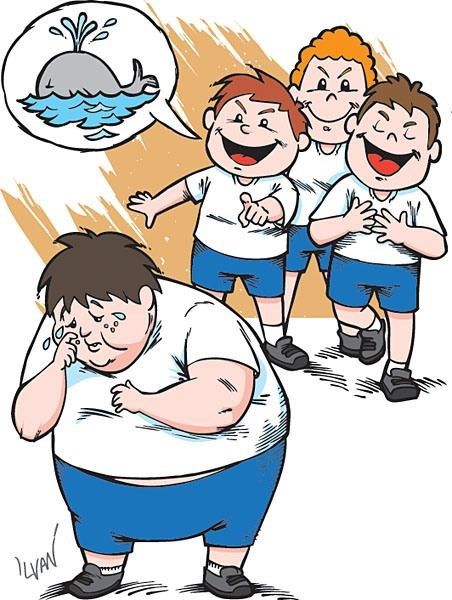
Childhood obesity is a condition where excess body fat negatively affects a child’s health or well-being. As methods to determine body fat directly are difficult, the diagnosis of obesity is often based on BMI. Due to the rising prevalence of obesity in children and adolescents its many adverse health effects it is being recognized as a serious public health concern. One of the best ways to reduce childhood obesity is to improve the eating and exercise habits of your entire family. Treating and preventing childhood obesity helps protect your child’s health now and in the future.

Symptoms

Not all children carrying extra pounds are overweight. Some children have larger than the average body so they may carry weight according to their body. And children normally carry different amounts of body fat at the various stages of development. So you might not know by how your child looks if weight is a health concern.

The body mass index (BMI), which provides a guideline of weight in relation to height, is the accepted measure of overweight and obesity. Your child’s doctor can use growth charts, the BMI and, if necessary, other tests to help you figure out if your child’s weight could pose health problems.

Causes

Lifestyle issues like too little activity and too many calories from food and drinks are the main contributors to childhood obesity. But genetic and hormonal factors might play a role as well.

Risk Factors

  • Certain medications- Some prescription drugs can increase the risk of developing obesity. So, you should always be in touch with your family doctor while your child is in medication.
  • Socioeconomic factors- People in some communities have limited resources and limited access to supermarkets. As a result, they might buy convenience foods that don’t spoil quickly, such as frozen meals, crackers and cookies. Also, people who live in lower income neighbourhoods might not have access to a safe place to exercise.
  • Lack of exercise- Children who don’t exercise much are more likely to gain weight because they don’t burn as many calories as they should.
  • Diet- Eating high-calorie foods, such as fast foods, baked goods and vending machine snacks, on a regular basis can led your child in a risk of Child Obesity.
  • Family factors- If your child comes from a family of overweight people, he or she may be more likely to put on weight. This can even be possible if the environment is where food with high calorie are always available.
  • Psychological factors- Personal, parental, and family stress can increase a child’s risk of obesity.

Complications

Child obesity can cause various life-threatening complications that can affect their physical, social and emotional well-being.

Prevention

  • Make sure that your child gets enough sleep
  • Include green vegetables and protein enriched food in his/her diet
  • Exercise is must to keep your chil’s health healthy

Woh Din

When you are wasting another important year of your life but this time it’s isn’t your fault.

Now it’s been more than a year, the students haven’t seen the colleges and schools, even some of the students are now gonna start their second year in colleges but still they don’t even know how their college campus look like. It is the most hurtful thing that we are spending our most beautiful years of life like this, infront of the laptop and smartphone screens. When the lockdown started I was studying in first year and now I’m third year engineering student, I still don’t know how my classroom, classmates and faculty members look like in real life.

The “Woh Din” which were supposed to filled with joy, happiness, fun with friends and lots of travel are ending with “ Am I audible? Yes sir”. In this lockdown many students suffered and some are still suffering from stress, anxiety and demotivation, besides some are just enjoying it like holidays. Lockdown and the online mode education is pretty nice, just enjoy your time with family, learn new things and many more, until then, the thoughts of future knocks at the door.

While the students are struggling to learn through online mode, the teachers and the colleges are mostly focusing on how they can complete the syllabus as early as possible, teachers are also want to help the students and they are doing their best from their side but everything have some advantages and disadvantages like this, online education also have it’s own disadvantages and advantages.

First we thought that the world is testing our patience but, even the nicest person has it’s limit and now we all have had enough of this, we are too young to dealing with all this but we haven’t given up, but now we really want our college life back, those cafeteria talks, waiting for your friends in parking lot, computer lab fun, bunking class and hanging out with your friends, campus rides and many more.

Now we all are going to complete 2 years, while fighting against this covid19 situation and online mode, in this period we all have experienced a lot of good and bad things like, the time we spent with our family. Similarly, we all struggled with lack of oxygen cylinders, hospital beds and most important is FOOD and after all this time we want is to end this “ Mask-World ”. Hope it will really end very soon and we all will get our old life back with No-Mask and the colleges will start soon, hope the world will come to it’s oldself very soon. But until then please give mental support to them who are suffering from depression and those who are tested covid positive.

And last but not the least please stay home and don’t worry this time also will pass very soon.

Take care.


Bailment

Section 148 defines the terms ‘bailment’, ‘bailor’ and ‘bailee’.

A bailment is the delivery of goods by one person to another for some purpose upon a contract that they shall when the purpose is accomplished be returned or otherwise disposed of according to directions of the person delivering them. The person delivering the goods is called the bailor and the person to whom the goods are delivered is called the bailee.

Essentials of Bailment

1.Delivery of the goods for some purpose

2.Return of the goods after the purpose is achieved, or their disposal according to the bailor’s directions.

Kinds of Bailment

  1. Gratuitous Bailment: In gratuitous bailment it is without any consideration for benefit of bailor or bailee.
  2. Non-Gratuitous Bailment: Benefit for both bailor and bailee. Also known as bailment for reward.
  3. Bailment for benefit of bailor: Bailor delivers his goods to bailee for safe custody without any benefit or reward.
  4. Bailment for benefit of bailee: Bailor delivers his goods to a bailee without any benefit for his own use.
  5. Bailment for benefit of bailor and bailee: It is beneficial for both i.e. bailor and bailee.

Duty of Bailor

Section 150 mentions the following duty of bailor in respect of the goods bailed by him:

  1. The bailor is bound to disclose the faults to the bailee in the goods bailed, of which the bailor is aware and materially interfere with the use of them, or expose the bailee to extraordinary risks; and if he does not make such disclosure, he is responsible for the damage arising to bailee directly from such faults.
  2. If the goods are bailed for hire, the bailor is responsible for such damage, whether he was or was not aware of the existence of such fault in the goods bailed.

Duties of Bailee

  1. Duty to take reasonable care of the goods bailed (Section 151 and 152).
  2. Duty not to make unauthorised use of the goods bailed (Section 153 and 154).
  3. Duty not to mix the bailor’s goods with his own goods ( Section 155,156,157).
  4. Duty to return the goods on fulfillment of the purpose (Section 160,161 and 165,166,167).
  5. Duty to deliver to the bailor increase or profit on the goods bailed (Section 163).

Nature of Partnership

When two or more persons join hands to set up a business and share its profits and losses it is called Partnership. Section 4 of the Indian Partnership Act 1932 defines partnership as the ‘relation between persons who have agreed to share the profits of a business carried on by all or any of them acting for all’.

Partners are the persons who have entered into partnership individually with one another. Partners collectively are called ‘firm’. The essential features of the partnership are as follows:

Two or More Persons:
There should be at least two persons coming together to form the partnership for a common goal. In other words, the minimum number of partners in a partnership firm can be two.
Indian Partnership Act, 1932 has put no limitations on maximum numbers of partners in a firm. But however, Indian Companies Act, 2013 puts a limit on a number of the partners in a firm as follow:
1.For Banking Business, Partners must be less than or equal to 10.
2.For Any Other Business, Partners must be less than or equal to 20.
3.If the number of partners exceeds the limits, the partnership becomes illegal.

Agreement
The partnership is an agreement between two or more persons who decided to do business and share its profits and losses. To have a legal relationship between the partners, the partnership agreement becomes the basis. The agreement can be in written form or oral form. An oral agreement is equally valid. But, preferably the partners should have a written agreement, in order to avoid disputes in future.

Business
To carry on some business there should be an agreement. Mere co-ownership of a property does not amount to the partnership. The business must also be legal in nature, a partnership to carry out illegal business is not valid.

Mutual Agency
The business of a partnership firm may be carried on by all the partners or any of them acting for all. This statement has two important implications. First, to participate in the conduct of the affairs of its business, every partner is entitled. Second that a relationship of mutual agency between all the partners exists.
For all the other partners, each partner carrying on the business is the principal as well as the agent. He can bind other partners by his acts. And also is bound by the acts of other partners with regard to the business of the firm.

Sharing of Profit
The agreement between partners must be to share profits and losses of a business. Sharing of profits and losses is important. The partnership is not for the purpose of some charitable activity.

Liability of Partnership
Each partner is liable jointly with all the other partners. And also when is a partner, severally liable to the third party for all the acts done by the firm. Liability of the partner is not limited. This implies that for paying off the firm’s debts, his private assets can also be used.

Partnership Deed
Agreement to carry on a business between the partners, partnership comes into existence. The partnership agreement can be either oral or written. The Partnership Act does not require that the agreement must be in writing. But when the agreement is in written form, it is called ‘Partnership Deed’. Partnership deed should be duly signed by the partners, stamped & registered.

Partnership deed generally contains the following details:
1)Names and Addresses of the firm and its main business;
2)Names and Addresses of all partners;
3)A contribution of the amount of capital by each partner;
4)The accounting period of the firm;
5)The date of commencement of partnership;
6)Rules regarding an operation of Bank Accounts;
7)Profit and loss sharing ratio;
8)The rate of interest on capital, loan, drawings, etc;
9)Mode of auditor’s appointment, if any;
10)Salaries, commission, etc, if payable to any partner;
11)The rights, duties, and liabilities of each partner;
12)Treatment of loss arising out of insolvency of one or more partners;
13)Settlement of accounts on the dissolution of the firm;
14)Method of a settlement of disputes among the partners;
15)Rules to be followed in case of admission, retirement, a death of a partner; and
16)Any other matter relating to the conduct of business. Normally, all the matters affecting the relationship of partners amongst themselves are covered in partnership deed.

Termination Of Agency

Introduction

In a contract of agency, a person appoints another to act on his behalf with the third party it is called ‘Agency’. According to Section 183 of the said Act, Principal must be competent to contract. Any person may be an agent (Section 184). According to Section 185, in the contract of agency, consideration is not necessary. Termination of agency means putting an end to the legal relationship between principal and agent. Section 201 to 210 of the Indian Contract Act 1872 lay down the provision relating to the termination of Agency.

As above said termination of agency means putting end to the legal relationship between principal and agent. Section 201 to 210 of the Indian Contract Act 1872 lay down the provision relating to the termination of Agency.

Section 201, Indian Contract Act 1872 provides for termination of an agency –

An agency is terminated by the principal revoking his authority, or by the agent renouncing the business of the agency; or by the business of the agency being completed; or by either the principal or agent dying or becoming of unsound mind; or by the principal being adjudicated an insolvent under the provisions of any Act for the time being in force for the relief of insolvent debtors.

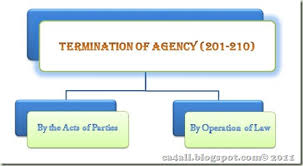
Agency may be terminated two ways –
1) By the Act of the Parties
2) By Operation of Law

1) By the act of the parties
i) By agreement – The Contract of Agency can be terminated at any time by mutual agreement between the principal and agent.
ii) By revocation of the principal – The Principal revoke agency at any time by giving notice to the agent.
iii) By Renunciation of an agent – Renunciation which means withdrawing from responsibility as Agent. Like Principal, Agent can also renounce the agency. According to Section 206 of the Indian Contract Act 1872, the agent must give to his Principal reasonable notice of renunciation. Otherwise, he will be liable to make good for the damage caused to the principal for want of such notice.

2) By operation of law
Agency can be terminated by operation of law-
i) By the completion of agency – Agency can become to an end after the completion of work for which the agency is created.
ii) By expiry of the time – Agency can also be terminated by the expiry of time. if the agency is created for the specific period, it is terminated after the expiry of the time.
iii) Death or insanity of principal or agent – Section 209 of the Indian Contract Act 1872 imposes an agent, duty to terminate the contract of agency on the death of the principal. In other words, Agency comes to an end on the death or insanity of the principal or agent.
iv) Insolvency of principal – According to Section 201 of the Indian Contract Act 1872, an insolvent or bankrupt is a person who is unable to run the business due to Excess of liabilities over assets. In this way, if the principal becomes an insolvent agency can be terminated.
v) Destruction of the subject matter – If this subject matter of the agency is destroyed agency comes to an end.
For example – Any agency is created for sale of an Airplane if the Airplane caught fire before the sale the agency comes to an end. In this contract Airplane is the subject matter.
vi) Principal becoming an alien enemy – If the Principal becomes an alien enemy the contract of agency comes to an end. vii) Dissolution of company or firm – A Firm or company may be regarded as a Principal in the contract of Agency. If the company or firm is dissolved the agency comes to an end.

Relationship between Principal agent and sub agent

Relationship between principal agent and sub-agent depends on the question whether the agent has an authority to appoint sub-agent and whether the sub-agent is properly appointed.
If then sub-agent is properly appointed:
1) The principal is bound by and responsible for the acts of a sub agent;
2) the agent is responsible to the principal for the acts of the sub-agent;
3) the sub agent is responsible for his acts to the agent, but not to the principal except in case of fraud or willful wrong.

It is of interest to observe clause (3) above. Sub-agent is responsible and accountable to the agent and not to the principal by clause (1). Principal is liable for acts of the sub-agent if he is properly appointed. Sub-agent is not responsible to the principal because there is no privity of contract between the principal and sub agent. It is case of fraud or willful wrong that the principal can proceed against the sub-agent. Principal can, however, against the agent for acts of a sub-agent. As far as the rights of a third party are concerned, he can enforce the wrongs of a sub-agent on the principal if the sub-agent is properly appointed. Principal is therefore liable for acts of the sub-agents if he is properly appointed.

If the sub-agent is not properly appointed: Where an agent has appointed a person to act as sub agent without having authority to do so, the principal shall not be deemed to be represented or responsible for the acts of the sub-agent so employed, nor is such a sub-agent responsible to the principal. The agent is responsible for the acts of such a sub- agent both to the principal and to third persons.

Sub-agent is said to be improperly appointed where agent delegates his powers without authority from the principal or where none of the circumstances stated above exist which necessitate appointment of a sub agent.

It will be observed that where a sub-agent is not properly appointed, the liability of agent is also towards third parties. As a rule, we have seen that an agent is responsible to the principal and it is the principal who is responsible for the acts of his agent to the third party. However, the section throws additional liability on the agent where he has improperly appointed a sub-agent. Agent stands liable to the third party for the acts of a sub-agent.

Termination of sub-agent’s authority: (Sec 210) Lastly it must be noted that the termination of the authority of an agent causes the termination of the authority of all sub-agents appointed by him

Liabilities of principal, agent and sub-agent: The agent is responsible to the principal for the acts of a sub-agent and the sub-agent is responsible for his acts to the agent but not the principal, except in cases of fraud and willful wrong.

Where an agent improperly appoints a sub-agent, the agent is responsible for his acts both to the principal and to third parties. The principal in such cases is not responsible for the acts of the sub-agent nor is the sub-agent responsible to the principal. But where a sub-agent is properly appointed, the principal as regards third person, is represented by the sub-agent, and is bound by and responsible for his acts, as if he were an agent originally appointed by the principal.

Where an agent under an express or implied authority has named another person to act for the principal, such a person is not a sub-agent, but an agent of the principal. There is no liability on the agent appointing him provided the agent so appointing exercises discretion as a man of ordinary prudence would exercise is his own case (Sec 194 & 195). Such an agent is called a substitute agent.


4 Most Sought After Fields in Germany

German education standards are pretty high. Germany is known for the quality of education it provides as well as its globally recognized qualifications. German universities are highly regarded worldwide, besides being among the highest-ranked in the world.

Planning to study in Germany? Here are the four most popular courses to study there!

Engineering

Every student in the world who wants to do Engineering, for them Germany is like a dream country, all of them wants to complete their Engineering in Germany.

Of course you saw this coming, didn’t you? if you didn’t, where do you think most of your luxury cars are made? Comprising nearly 25% of international students, it is one of most popular courses in Germany. Specializations include – Automobile, mechanical and electrical engineering amongst others. Technical University of Munich, RWTH Aachen University, Karlsruhe Institute of Technology, and the Technical University of Berlin are some of the most renowned universities for this course. 

It takes more or less than 4.5 or 5.5 years to complete your Engineering program in Germany including the time required for learning German and the foundation courses. According to recent statistics, Germany has the second highest number of Engineering workers among all employees in the EU. German Universities offers numerous scholarship opportunities for Engineering students, while studying Engineering in Germany you can research and collaborate with the Engineering Industry. If the student manages to secure a position in any of the public university, study in Germany is free for Indian students, just like students from other part of the world. Students just have to pay a nominal semester fee (around 250 to 500 Euros) per semester        

Humanities

Surprised to see this on the list? Well, Germany offers around 6000 courses in the field of humanities. With some of the best- ranked universities in the world for courses in the Humanities. more than 11,000 international students in Germany were seeking a degree in the humanities, in 2019 only.

A majority of the humanities degree programmes in Germany offer integrated modules which give students the opportunity to obtain the necessary practical skills, besides the theoretical ones. German universities make sure to provide students with both, theoretical and practical skills, in order to ensure that once these students graduate, they will be fully equipped to enter the job market with confidence. Humanities programmes will comprise of professionally related events, study semesters abroad, as well as research projects or internships so students understand exactly what they will encounter in the future, in their professions. Students can also choose from a variety of combinations, which further enhances the experience.  There are many best universities where you can purse your love for languages and the social sciences in Germany. Studying the humanities in Germany, in comparison to other countries, slightly more affordable.

Business and Finance

Boasting of one of the best economies in Europe, Germany is one of the best countries to earn a degree in Business and finance and gain practical knowledge. The strong German economy means a constant influx of educated workers – including many English speakers, who are highly sought in Frankfurt’s finance and business communities. The nation’s GDP has continued to grow in recent years. Economic freedom is partly responsible for why the city has become a seedbed for innovation and entrepreneurial initiative. According to Eurostat, amongst the 28 countries in the European Union more than 40% of all patents are held by Germany. Half of the cities in top-30 metropolitan areas for patents are in Germany.

Germany also has one of the lowest unemployment rates at just over 5%. Germany is a global leader in R & D investment that further assures access to top – notch training and resources.

Computer sciences and Mathematics

Due to Germany’s extremely advanced technology, disciplines intertwined with it are always in demand. Germany is an excellent place to work as a computer engineer, as it’s companies invest heavily in development and research, maintaining the country’s results as the biggest economy in Europe and the third in the world. In a 2015 OECD/PISA study, Germany ranked 16th in mathematics as well as in science.

In turn, the employability rate for careers related to these degrees is also extremely high. Once again, these aren’t restricted to these, one can explore course like Scientific computing, knowledge – Based Systems and robotics among other!

URBAN FLOODING: DROWNING CITIES AND INCREASING VULNERABILITY

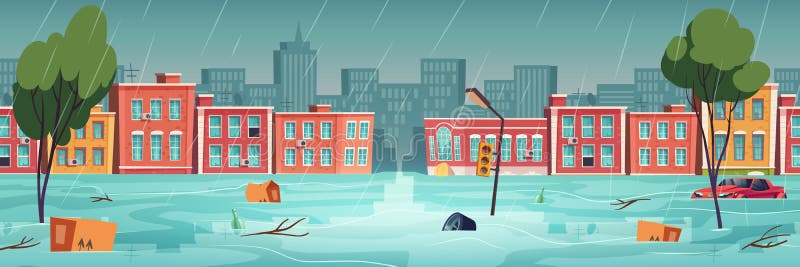
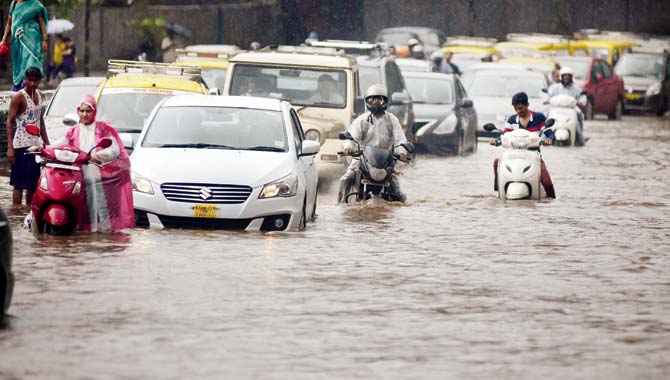
The cities are continuously experiencing extreme flooding events which requires attention and proper solution before it gets converted to a deadly disaster. URBAN FLOODING is a chronic process which is caused due because the city landscapes fail yo absorb or manage the rainfall. Urban Flooding is separate and different from coastal and riverine flooding and are more frequent and localized.

What is Urban Flooding ?

Urban Flooding is the flooding happening in urban areas due to excessive runoff in urban areas and because the runoff doesn’t get managed properly. This phenomenon can be caused during heavy rainfalls as well as in small amount of rainfall. Even small amount of rain can deteriorate or cause flooding due to inadequate infrastructure and actions taken by neighborhood or city to manage the storm water, especially in impoverished, neglected and socio-economic isolated urban communities. Urban flooding has three components: (i) caused by rainfall; (ii) falls on impervious surfaces; and (iii) increases the level of local storm water drainage capacity. These components along with heavy rainfall or precipitation, climate change, outdated drainage infrastructure and storm water management infrastructures and increased urbanization can cause major challenge and disaster in urban areas. Urban Flooding is caused due to the climate change and extreme weather conditions of the cities. The phenomenon becomes more and more frequent and common in urban areas these days. While untimely heave rains can be seen as a consequence of climate change, the urban flooding can be seen as the consequence of unplanned urbanization.

URBAN FLOODING

Urban Flooding in India

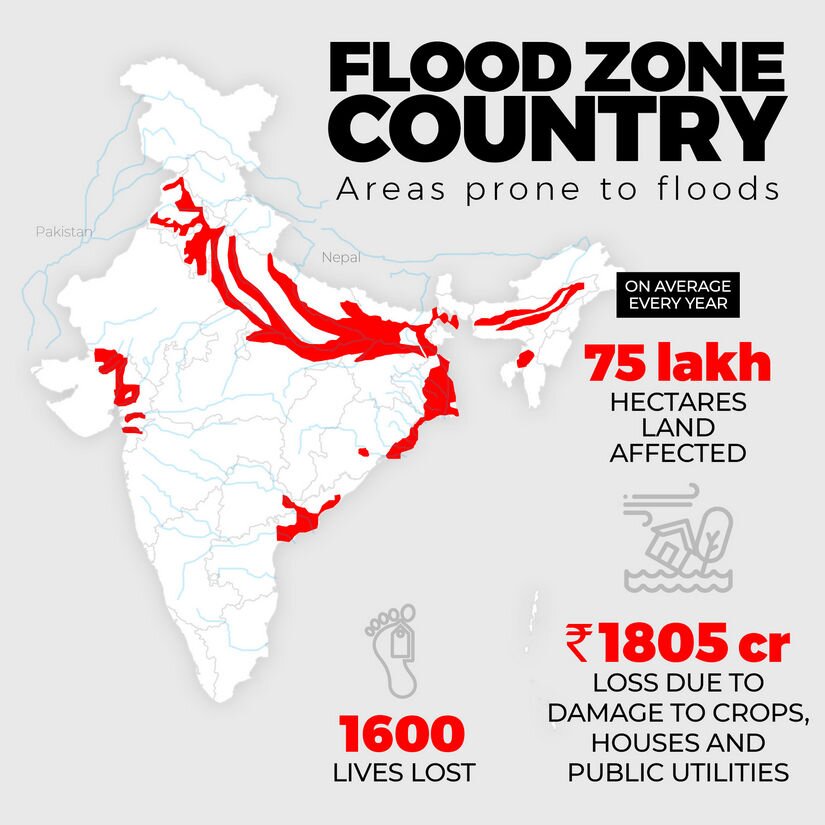
The rate of urban flooding has been increasing in India and it is severely affecting the major cities. Some of the most disastrous urban flooding were found in Mumbai (2005), Kolkata (2007), Delhi (2009), Bangalore (2015) and Hyderabad (2020) the most recent doubt. Flooding in India is mostly found in its peak in monsoons seasons and many times when the storm surges at coastal cities urban flooding is caused. There are many other causes of urban flooding also, like failure to release water from dams, increasing proportion of built up area etc. In addition to these causes, Urban Heat Island effect has also resulted in an increase in rainfall over urban areas. Global climate changes results in extreme weather patterns and increased incidences of heavy rainfall occurring over shorter periods of time. This phenomenon is also increasing sea level and threatening all the coastal cities.

URBAN FLOODING IN INDIA
URBAN FLOODING IN NEW DELHI, INDIA

Factors behind Urban Flooding

There are number of factors behind the phenomenon and some of the major factors behind this phenomenon are

  1. Inadequate Drainage Facilities: There are many cities in the country who are relying on age old drainage systems which are efficient in carrying the rainfall when heave rainfall happens. These drains don’t have adequate capacity for carrying them.
  2. Alteration of Natural Drains: Cities have been built and developed by flattening the natural terrain and altering and manipulating the natural drainage routes.
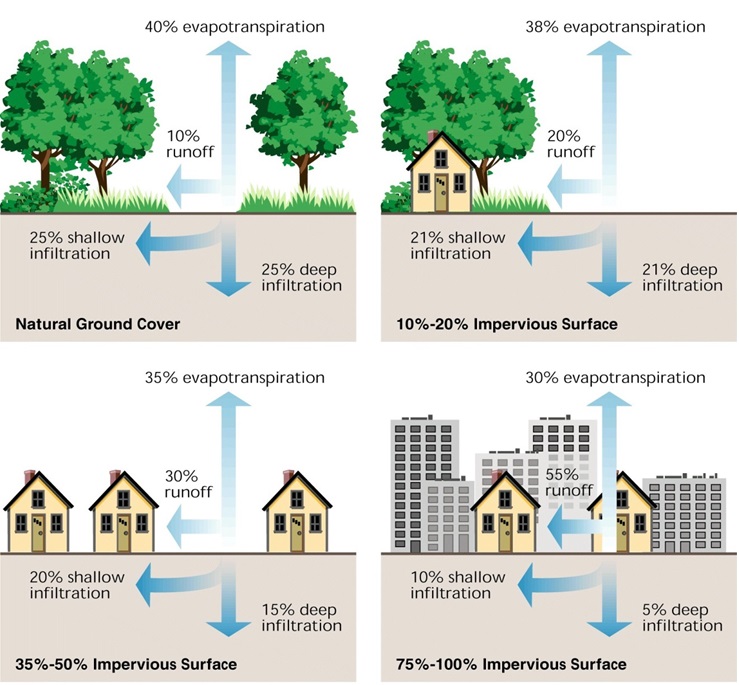
  3. Increasing Imperviousness and Reducing Seepage: With increasing urbanization, the proportion of impervious areas is also increasing. With this the seepage of rainwater decreases and leads to flooding.
  4. Encroachment over Natural Spaces: The developments are encroaching the green spaces, water bodies, open spaces etc. which are natural areas and have the ability to seep water.
HOW URBANIZATION CAUSES URBAN FLOODING
HOW INCREASING BUILT UP AREA CAUSE URBAN FLOODING ?

With the increasing rate of urbanization the capacity of natural drains has decreases and results in flooding. Improper solid waste disposal and dumping of construction debris into the drains which also contributes significantly to the reduction in capacity of the natural drains. This problem will keep on increasing with increasing population because the demand of living spaces and infrastructures are met by encroaching over floodplains and green spaces. Hence, it is important to manage and regulate the developmental works taking place in the city.

How Covid-19 pandemic has hit the fashion industry hard?

The coronavirus outbreak has negatively impacted the fashion industry on every imaginable level; production has ceased, retailers have closed, and demand has plummeted.

As we all know that fashion is an industry that runs on change with new trends, styles, and whole new ranges offered up every season. To meet those demands, it must keep the supply chain working at full steam to stitch up and ship out new fashions at breakneck speed.

According to reports the Global Fashion Agenda in its Pulse of the Fashion Industry 2019 study “Fashion companies are not implementing sustainable solutions fast enough to counterbalance negative environmental and social impacts of the rapidly growing fashion industry”.

Now the global coronavirus pandemic has brought sustainability to the forefront. As an immediate threat to everyone’s health, it demonstrates how fragile we are as human beings and how our future health and happiness depend on the healthy environment that we have around us.

The coronavirus crisis has crumpled the social fabric of our lives and the fashion industry as well. Be it the way we address our financial goals or the way we dress are in our hands which has been automatically crushed after the attack of this deadly virus.

Even as fashion titans like Louis Vuitton, Prada, Gucci and some Indian designers are casting their bread upon the waters to create safe and sustainable clothing (including PPE kits), the most that we can do is wait. and watch!

Fashion historians believe that people changed their dressing style after the 1918 Flu Pandemic, the Great Depression and World War II. The 2020 Covid-19 pandemic is no exception.

But after all this, fashion has not been put down but has found new ways. The outbreak of the coronavirus pandemic has impacted all spheres but be its online retail, or traffic on e-commerce sites like Amazon.com, E-commerce sales grew during the initial six months of 2020 as everything became online. The online market of second-hand and recycled clothes, shoes and accessories has also seen a spike during this period. Many retailers from the fashion industry in the U.S. and other countries went all out to find a different way to send products into the hands of the shoppers and started shipping as it can be time-consuming but profitable. Added to that, many consumers simply aren’t interested in buying clothes right now. There’s so much focus on purchasing essential items to survive during the lockdown and I think everyone’s minds have naturally been focused on that. So fashion just becomes an after-thought or no thought.

You may nod and naff in equal measure, but it looks like Back to Basics. Now fashion trends are varying as the world slowly emerges from the global quarantine. With weddings now becoming more intimate, smaller in size, the fusion trends will find favour with both brides and bridesmaids. Mirror lehengas, organza skirts, pre-stitched sarees, necklet gowns, dhoti-crop tops in handwoven fabrics and hand-done embroideries with traditional textile techniques will trend. It will also help support the rural artisans and handloom communities.