The Tiananmen Square Protests

What was it?

Tiananmen square is a city square in Beijing, China. In 1989, there were student-led protests and demonstrations calling for democracy, free speech and free press in China that culminated in this square. The pro-democracy student protestors had marched through Beijing to Tiananmen Square following the death of Hu Yao bang, a former communist party leader who had worked to introduce democratic reform in China. In mourning Hu, the students called for a more open, democratic government and also demanded the resignations of Chinese Communist Party leaders who were deemed repressive and inadequate. For nearly three weeks, the protesters kept up daily vigils, marched and chanted. The event drew around one million participants and was being captured and reported on by news channels all over the world. It had become a global event, but one which would have a terrifying ending.

The Tiananmen Square Massacre

The government had considered negotiating with the demonstrators and offering concessions. However, many in power were opposed to this and decided that to avoid anarchy, the protests needed to be suppressed forcibly. To this end, martial law was declared in Beijing, and army troops were stationed around the city. Initially, attempts by the troops to reach Tiananmen Square were thwarted by the citizens of Beijing who flooded the streets and blocked their way. Eventually however, the Chinese government decided to crack down on the protestors in Tiananmen square with all their might. They sent soldiers and security police that stormed through Tiananmen Square, firing indiscriminately into the crowds of protesters. Tanks and heavily armed troops advanced toward Tiananmen Square, opening fire on or crushing those who tried to block their way.

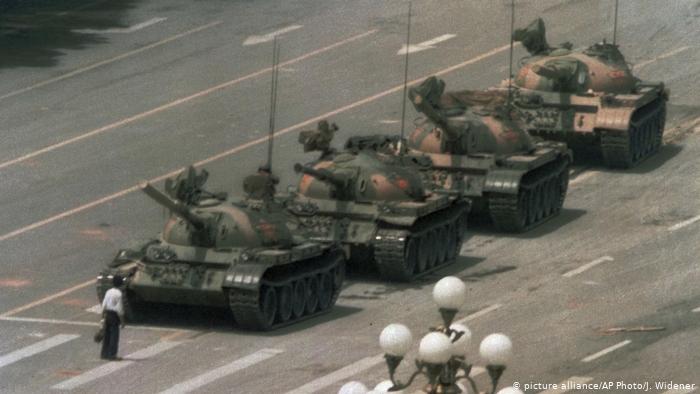
Hence, carnage ensued as tens of thousands of the young students tried to escape the terrorizing Chinese forces. Other protesters fought back, stoning the attacking troops and overturning and setting fire to military vehicles. Once the soldiers reached the square, a number of the few thousand remaining demonstrators chose to leave rather than face a continuation of the confrontation. By morning the area had been cleared of protesters, though sporadic shootings occurred throughout the day. By June 5, the military had secured complete control, though during the day there was a notable, widely reported incident involving a lone protester momentarily facing down a column of tanks as it advanced on him near the square. This incident is now a famous picture that serves as a representation of what happened at Tiananmen (featured image of the article).

The Aftermath

In the aftermath of the massacre and crackdown, the United States instituted economic and diplomatic sanctions on China for a time, and many other foreign governments criticized China’s handling of the protesters. Leaders and governments worldwide condemned the Chinese government’s military actions. Still, the Chinese government arrested thousands of individuals who were suspected to have been involved in the protests, and many of them received prison.

From the outset of the incident, the Chinese government’s official stance was to rationalize their actions, calling the protesters ‘counterrevolutionaries’ and minimizing the extent of the military actions. The government’s count of those killed was 241 (including soldiers), with some 7,000 wounded. However, most other estimates have put the death toll much higher. In the years since the incident, the government has attempted to suppress all references to it, and public commemoration of the incident is officially banned. However, the residents of Hong Kong have held an annual vigil on the anniversary of the crackdown, even after Hong Kong reverted to Chinese administration. It remains a sensitive topic to date in China, and there is little to no discussion or debate about in Chinese public forums. Regardless, everyone in China and in the world knows and remembers the tragic events that occurred in Tiananmen square and the protestors that died while wishing for a better China.

About Global Warming!

Although the terms global warming and climate change are often used interchangeably, they apply to different phenomena. Climate change refers to changes in Earth’s temperature, humidity, air pressure, wind, clouds, and precipitation patterns over time. Global warming is a contributing factor to climate change and refers specifically to the effect of greenhouse gases on Earth’s average surface temperature. When discussing rising temperatures caused by greenhouse gases, global warming is an acceptable term. However, climate change is the more accurate term when describing other long-term changes to the planet’s weather patterns.

The term global warming first appeared in geochemist Wallace Broecker’s 1975 Sciencemagazine article, “Climatic Change: Are We on the Brink of a Pronounced Global Warming?” Scientists began studying the effect of greenhouse gases on Earth’s climate more than a century prior, however, as early as 1820. It was during this time that French scientist Joseph Fourier first discovered that Earth’s atmosphere functions to retain the sun’s heat. In the early 1900s, Serbian astrophysicist Milutin Milankovitch also identified the long-term climate effects of natural fluctuations in Earth’s orbit as well as the tilt and precession of its axis. Since then, scientists and policymakers have worked to better understand the workings of the atmosphere, as well as how to respond to challenges created by climate change.

 
Causes of Climate Change

Earth’s atmosphere contains various gases that act as a blanket to trap heat from the sun and prevent it from escaping back into space. This process is known as the greenhouse effect, and the gases are referred to as greenhouse gases. The main greenhouse gases that occur in nature are carbon dioxide, methane, and nitrous oxide. Without the greenhouse effect, the planet would be too cold to support life. Over time, the amount of greenhouse gases trapped in Earth’s atmosphere has increased significantly, causing worldwide temperatures to rise.

Natural processes on Earth constantly create and destroy greenhouse gases. The decay of plant and animal matter, for example, produces carbon dioxide, which plants then absorb during photosynthesis. This natural cycle keeps the level of carbon dioxide in the atmosphere fairly stable. Shifts in the planet’s crust and changes in ocean patterns impact weather, as do fluctuations in the sun’s output of radiation. Volcanic activity also affects the climate because eruptions discharge greenhouse gases and other pollutants into the atmosphere. Climate change scientists at the National Aeronautics and Space Administration (NASA) and other federal and international agencies recognize that these natural factors continue to play a role in climate change but contend that the impact of these factors alone does not explain the substantial rise in Earth’s temperature. Natural causes of climate change are referred to as naturogenic, while human-made causes of climate change are referred to as anthropogenic.

Earth’s vegetation releases and absorbs more than two hundred billion metric tons of carbon dioxide annually. Human activities, such as the burning of fossil fuels, add an extra seven billion metric tons per year. Over time, these additions have had a dramatic effect on the atmosphere. In the past 150 years, the concentration of carbon dioxide in the atmosphere has risen by more than 30 percent. Deforestation has also played a role in this increase by eliminating forests that would otherwise absorb tons of carbon dioxide.

Increased levels of other greenhouse gases such as nitrous oxide and methane have also resulted from human activities. Several agricultural and industrial activities, such as the use of certain fertilizers in agriculture, produce nitrous oxide. Methane emissions come from the production of fossil fuels, from landfills, and from livestock. These gases may cause even more harm than carbon dioxide, even though less of them exist, because they have a much greater effect per pound on Earth’s temperature. Methane, for example, is a greenhouse gas that is twenty-one times as potent as carbon dioxide. Beginning in October 2015, a methane gas leak from a California storage facility vented about five billion cubic feet of gas into the atmosphere. The leak took more than three months to seal and was finally capped on February 18, 2016. The incident constituted the largest accidental discharge of greenhouse gases in US history, releasing the equivalent of the yearly exhaust emissions from 572,000 automobiles.

Humans have created and released greenhouse gases that do not occur in nature. These include hydrofluorocarbons (HFCs), perfluorocarbons (PFCs), and sulfur hexafluoride (SF6). These gases, released during such industrial processes as aluminum production and electrical transmission, have thousands of times greater effect on the planet’s temperature than carbon dioxide.

Happiness

Happiness is a state of mind which we possess when something good happens to us and we feel that goodness at our heart. This is an abstract feeling which is not materialistic and cannot be bought by money or some other possession. Happiness brings with itself a lot of positivity and also provides us with the motivation to go ahead and achieve other milestones. Happiness also maintains the zeal and enthusiasm for doing things and experiencing new paths. Happy state of mind also increases the age of people and lets them live a longer life.

Happiness is a key to healthy life; it sets a soul free and encourages it to explore the world and also gives us power. Happiness is a part of being successful in life it is that fruit which we all want to grow and thus we do so much of hard work throughout our entire life so that we can live a happy peaceful life after all. Happiness cannot be ever faked it comes straight out from our heart and it is priceless. At the end of a hard-earned day all we care for is some peace and happiness in our families and ourselves so that we can start another fresh day ahead.

4 levels of Happiness :

” Happiness is the meaning and the purpose of life, the whole aim and end of human existence” . Of course, there are a number of different types of happiness and each person has different things in life that make them happy and unhappy. It is important for people to be self- aware and to truly understand what makes them happy and content as individuals. Take a look at the different types of happiness below and think about the things in your life that maku you happy.

There are main types of happiness, these being related to; pleasure, passion and purpose.

Pleasure :

Pleasure is important to us human beings but its related benefits are relatively short term. A delicious meal, a nice meeting with friends or listening to our favourite music all produce endorphins and offerus happy moments that can be the highlights of our day. However, these singular moments don’t equate to long- term satisfaction.

Passion :

Being passionate about something whether a hobby cause or group activity and actively being involved with it can be a great source of happiness. These activites deliver contentment in the medium term and provide a sense of achievement and variety in life

Purpose :

Feeling like you are part of something bigger than yourself and that your actions will really matter can lead to a deep sense of fulfillment and long- term happiness. We all like to think that our lives have menaing and if you can find your ” calling” or be part of great team, group or organisation that are making a difference then chances are you will be truly happy.

Ultimate Good :

The fourth level of happiness is known as ultimate good. This is a fundamental desire we have as human beings for perfect truth, goodness beauty and love . Many people find this form of happiness through their religious beliefs. Even those who don’t believe in a higher power can find happiness in their pursuit of truth, beauty, love and goodness in themselves and in helping others. This level is happiness is often considered the most enduring and profound.

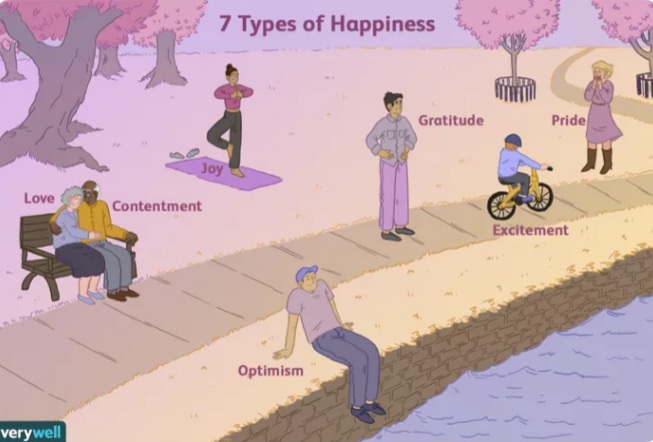
Different types of Happiness :

1. Joy :

Joy is when you win a hard- fought competition, you finally accomplish a project you’ve wanted to or times when you doible over in uncontrolled laughter when someone relates a hilarious story. Joy makes you feel great about yourself, makes you feel confident, assertive, capable, loved and fulfilled.

The feeling of joy is fleeting joy is presemt at the moment. It is possible to feel joy despite grief or uncertainty. Happiness can be found in many things. It transforms tough times into blessimgs and turns heartache into gratitude.

2. Love :

Second, on the list pf different types of happiness is love. Which means other things to different people still, a wholesome ,reciprocared love with another person seems to be the fundamental predictor of happiness. Here, we are not just talking about romantic love, it means to love with friends and family, as well as partners. When you’re in love, you’ re blissfully happy all the time.

3. Contentment :

The secret of Happiness is contentment which means a state of happiness or satisfaction . It isn’t a matter of being satisfied with what you have. Contentment not only holds the power tobmake you happy, but it will transforms your life in many ways.

4. Optimism :

Optimism is a type of happiness that reflects the belief that events or experience outcomes will generally be positive. The key to attaining happiness is to have an optimistic approach to life, as optimism reflects hope and faith, helping people believe that this world is the right place

5. Gratitude :

Gratitude creates positive emotions, like different types of happiness, joy, love, and contentment, it can undo the hold of negative emotions. It goes hand in hand with mindfulness in its focous on the present and greatfulness for what we have now, rather than wanting more and more.

6. Excitment :

Excitment can be anything from about a new job or moving to a different place and motivates youbto work harder and channel that positive energy into more constructive activity. Excitements is fleeting. It dissipates rather quickly and can turn into ennui. It sometimes acts as a motivating factor , and execitment often leads people to likely make a decision. Even a bad one as excitment leads to impulsivity.

7. Pride :

Last on the list of different types of happiness is pride. Yes, pride and happiness go hand in hand. You can take pride in your work and your family, your haome and yourself, and in anything you put effort, attention, and love into. It is a positive feeling in reactive to a jouous event.

There are 7 essential keys to happiness and success that will help to materialize both those things in your life:

* Gratitude.

* Be present

* Manage time Effectively

* Set smarter Goals

* Embody an Empowering morning Routine

* Tackle the MITs

* Focus on Health and wellbeing.

To get the most bang for the happiness buck, I’ve realized that I should complete four stages of reveling in a moment of happiness :

* Anticipate with pleasure.

* Savor the moment as I experience it,

* express my happiness to myself or others,

* reflect on a happy memory.

Four happy hormones :

* Dopamine

* serotonin

* Endorphins

* oxytocin

Strategies of Happiness :

* Do more activities that truely engage you

* savor life’s joy

* Learn to forgive

* Practice acts of kindness

* Nature relationships

* cultivate optimisim

* Avoid overthinking and social comparison

* Develop strategies for coping

STAY HAPPY 🤩AND KEEP SMILING ALWAYS😁 .BE HAPPY 🥳

When the caged birds sing.

How important is it to have a voice ? And how important is it for that voice to be heard ?

A few months back ,Loujain al-Hathloul, one of the most prominent women’s rights activists from Saudi Arabia was released after spending more than 1000 days in prison. Her release came about a week after the US called on Saudi Arabia to improve its human rights record, including releasing all political prisoners and women’s rights activists.In December 2020, she was sentenced to five years and eight months in prison by a Saudi Specialised Criminal Court. The Saudi Arabian authorities charged her under the state’s broad counter-terrorism laws for undermining national security and trying to change the political system of the country.

The Saudi women's rights activists who remain behind bars | Human Rights  News | Al Jazeera

Being branded as a terrorist, she must have done something which could have endangered her country and the people. So what exactly did she do?

She had played a fundamental role in the movement to lift the driving ban on women and the “Wilayah” male guardianship system. It was only last year in August that Saudi Arabian women were allowed to travel abroad without obtaining permission from a male guardian, apply for passports and register their marriages and divorces. So trying to abolish ages old patriarchal dictum which had chained women for years, yes you can say that’s somewhat fulfills the definition of terrorism.

In 2014, al-Hathloul, who had a driving license issued in the UAE, was detained for 73 days for attempting to drive into Saudi Arabia from the UAE. Following this, weeks before the Saudi Arabian authorities lifted the ban on women drivers in 2018 (the last such ban in the world) she was arrested along with several other women’s rights activists. Before the ban was lifted, any women caught driving, could be sentenced to flogging (a beating administered with a whip or rod)

In 2015, she made an unprecedented move ,when she stood for elections , which was also the first time women were allowed to vote and stand for elections. But according to Amnesty International , her name was not even added to the ballots.

She was detained in 2018 on grounds of national security.For over 10 months after she was detained, she was not charged and there was no trial. According to Amnesty International, she was waterboarded, given electric shocks, was sexually harassed and was threatened with rape and murder during this time. Finally she was able to see the light of the day , after spending days locked up, for having a voice.

Princess Latifa is the daughter of Dubai’s billionaire ruler Sheikh Mohammed bin Rashid al-Maktoum and his second ” official” wife Her Royal Highness Princess Haya bint Al Hussein. A video of her had surfaced a couple of months back in which she claimed she was being kept hostage by her father in a villa converted into a jail in Dubai. Talk about actually being caged, that to in your own house, that to for years, by your own father.

Amnesty accuses India of violating rights, capturing runaway Dubai princess  - India News

As per the ‘Free Latifa’ campaign, the princess tried to escape from the family residence in Dubai in 2002. She was 16 at the time. She was, however, easily tracked and brought back to the palace where she was allegedly detained by her father for over three years, the campaign says.

Latifa made a second attempt to escape in February 2018, when she met up with her friend at a coffee shop in Dubai. After which they drove out of town and managed to cross the border into Oman. From there, she got on a boat and sailed into international waters. However, she was held just off the coast of Goa in India by a “significant Indian and UAE military force”, and taken back to Dubai again.

Since they were published, the videos have led to a call for an investigation into the matter by the United Nations (UN), which has responded to these demands affirmatively saying it will raise the matter with the UAE.

As per recent pictures uploaded on social media, she was seen at various places with her friends . And the update regarding her actual whereabouts is under process.

Let’s get back to the where we began, How important is it to have a voice ? and how important is to be heard ?

Dahl and Democracy

Paragraph 1

In Democracies and its Critics, Robert Dahl defends both democratic value and pluralist democracies, or polyarchies (a rough shorthand term for Western political systems). Dahl argues convincingly that the idea of democracy rests on political equality—the equality capacity of all citizens to determine or influence collective decisions. Of course, as Dahl recognizes, if hierarchical ordering is inevitable in any structure of government, and if no society can guarantee perfect equality in the resources that may give rise to political influence, the democratic principle of political equality is incapable of full realization. So actual systems can be deemed democratic only as approximations to the ideal. It is on these grounds that Dahl defends polyarchy.

Paragraph 2

As a representative system in which elected officials both determine government policy and are accountable to a broad-based electorate, polyarchy reinforces a diffusion of power away from any single center and toward a variety of individuals, groups, and organizations. It is this centrifugal characteristic, Dahl argues, that makes polyarchy the nearest possible approximation to the democratic ideal. Polyarchy achieves this diffusion of power through party competition and the operation of pressure groups. Competing for votes, parties seek to offer different sections of the electorate what they most want; they do not ask what the majority thinks of an issue, but what policy commitments will sway the electoral decisions of particular groups. Equally, groups that have strong feelings about an issue can organize in pressure groups to influence public policy.

Paragraph 3

During the 1960s and 1970s, criticism of the theory of pluralist democracy was vigorous. Many critics pointed to a gap between the model and the reality of Western political systems. They argued that the distribution of power resources other than the vote was so uneven that the political order systematically gave added weight to those who were already richer or organizationally more powerful. So the power of some groups to exclude issues altogether from the political agenda effectively countered any diffusion of influence on decision-making.

https://www.google.com/url?sa=t&source=web&rct=j&url=https://en.m.wikipedia.org/wiki/Robert_A._Dahl&ved=2ahUKEwilybne7OfxAhVZzDgGHdOUBFoQFnoECAQQAQ&usg=AOvVaw1m7je4vjO_kQPSVhYbQsjr

https://www.google.com/url?sa=t&source=web&rct=j&url=https://www.annualreviews.org/doi/full/10.1146/annurev.polisci.6.121901.085839&ved=2ahUKEwilybne7OfxAhVZzDgGHdOUBFoQFnoECC8QAQ&usg=AOvVaw26r49rfyW0ZAyxHODvBrYt

PANDEMIC POVERTY AND ITS CAUSES IN INDIA

The word poverty itself kind of making me feel poor. Because that one word alone hold so much pain, sympathy, empathy and so on. Then think about the people who are suffering from poverty. The country we live in is known to be well developing nation with respectable economic growth. But at the same time the poverty is still a major problem.

Especially during this pandemic poverty has hit people in different ways. Middle and lower class people who has managed to survive at the start of the pandemic have completely lost their will to survive in the end. We even heard of some sensitive news that people died of covid not being able to get treated without any access to money. Still some people couldnt able to get food and shelter.

WHAT IS POVERTY?

Poverty refers to a situation when people are deprived of basic needs of life. It is often characterized by inadequacy of food, shelter and clothes. A state of situation when there is a lack of essential needs of subsistence. The study of poverty is a complex one because there is no easy way, or standard definition of who is poor or who is not. The living conditions of people has been widely used to get an idea of their situation. It is situation when someone experience a fundamental loss in well being.

According to Human Rights Commission’s Report, Poverty is seen “As a failure to meet the basic needs or to remain deprived from such needs is a state of poverty. The basic human need include not only food, clothing and dwelling, but also health and education’.

CAUSES:

The continuous problem of poverty in the country is the results of many factors and need to be identified in order to be addressed properly.

1. POPULATION BURDEN:

The growth of population in the country has till now exceeded the growth of economy and also ended up in poverty. India is known to be second most populated country in the world. But this Covid-19 has taken many lives that even may be our loved ones. In this pandemic, in rural areas, size of the family is bigger and that means in lowering the per capita income values and ultimately lowering of standard of living. Still the population is one of the major causes of poverty.

2. POOR AGRICULTURAL INFRASTRUCTURE:

Agriculture is the backbone of India and Indian economy. But old farming practices, lack of proper irrigation infrastructure, lack of knowledge of crop handling has affected the productivity. Sometimes lack of working lead to decreased wages become the reason for attaining daily needs of the labourers family pushing them into poverty. Pandemic have locked us all inside the home. But for the farmers they are being seperated from their soul, their farming land which feeds them and also us.

3. UNEQUAL DISTRIBUTION OF ASSETS:

This occurs with the economy changing directions rapidly. Upper and middle income groups sees a faster increase in earnings than lower income groups. Also assets like cattle, land are distributed disproportionately among the population. In India it is said that 80% of the wealth is controlled by 20% of the population.

4. UNEMPLOYMENT: 

Another big factor which is the cause of poverty in the country. Many youngsters without the job become the major cause of the poverty. Work from home for the people with jobs sounds good to earn and feed their family but what about the people who are unemployed. Even before the covid there were no proper jobs for youngster in the nation.

5. INFLATION:

Inflation is an increase in prices of goods overlapping with the fall in the purchasing value of money. After the long lockdown, the Government has permitted to open the particular stores. This made the consumers to sell the products with a little higher price. Upper and middle class people have survived the situation but lower class people have suffered a lot.

5. EDUCATION AND LITERACY:

Online classes have  become the normal classes. In rural areas, families have managed to provide their child or children the proper education. But not all have enough money to provide their kids education some only have enough resources to feed their children. They have to prefer food than education. Children started to contribute to families by taking up the jobs. On the other hand, lack of education and illiteracy prevent individuals from getting better paying jobs and they get stuck at jobs offering minimum wages.

7. LACK OF SKILLED LABOURS:

Lack of adequate vocational training makes the huge labour force available in India largely unskilled. Lack of education, much lesser higher education is also a factor.

8.GENDER INEQUALITY:

The weak status attached with women, deep rooted social criticism and force fitting, being dominated renders about 50% of the country’s population unable to work. The women of the family as a dependent that needs to be fed instead of contributing to the family income. There is no need to talk about their equality during this situation.

The pandemic also brought out many good wills to help the people suffering from poverty. Its all in the hands of future generation to create a poverty less nation. We are not talking about to give away all your money to poor but just one hand helping another hand. Stay away from corruption.

Our School Classroom ‘Scene’

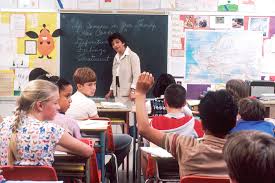
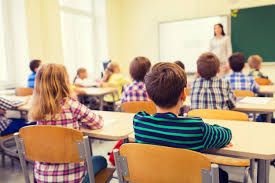
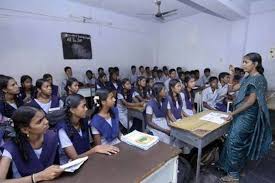
The picture presents before us the familiar sight of a teacher teaching in the classroom. The first bench is paying attention to her. The second bench is busy having fun and so is the third bench. This is my classroom, and that is my class teacher, Mrs Aarti Mishra. She teaches us History and indeed, we are all ears when we listen to her, but some of my classmates do not respect her presence the way they should. Madam tries her best to get them involved in the classroom activities but they usually ignore her. Madam is tremendously talented and goes out of her way to make the class interesting, but more often than not, some students miss out on the solid content that they can learn from her. Ours is a small school where the facilities are limited. For example, we do not have internet in our school, and very few computers. Under these circumstances, the work involved in getting printouts and interesting literature from the Net from a cyber café speaks volumes about our teacher’s dedication.

History can be a very interesting subject when the teacher transforms the classroom into a storehouse of unknown and intriguing facts from the past. This is what Mishra Madam does. The most charming thing about Madam is that she never loses her temper, be it when the backbenchers in the class misbehave or when the Principal simply walks into the classroom ,and starts pulling up students for their indiscipline interrupting an interesting class being given by our teacher. We wish he had the courtesy of respecting the teacher’s presence in the class. But everything changed on that fateful day.

I remember the day clearly. Mishra Madam lost her temper a spoiled brat in our class continuously disturbed the class by whispering, laughing etc. She went and gave the menace a slap on his face and asked him to leave the class. The next day the boy’s influential father came and created a huge scene in front of the classroom. The Principal supported the father instead of our teacher. What was amazing was that the man was abusing the dignity of our school and teacher in public, and he was being allowed to get away with it! Madam left the school premises that very day, never to come back again. Our Principal was nothing more than a servile flatterer. As a peace offering he invited the man to be Chief Guest at our annual function that year. We lost a fantastic teacher, but the school gained a generous ‘friend’ who donated lavishly towards the ‘infrastructural’ development of our school.

At the end of the session, we met Madam Mishra at a neighbourhood library. She smiled cheerfully and welcomed us when we rushed towards her to explain how much we missed her and her wonderful classes. I told her that I wanted to be a teacher like her. She smiled and replied that India is no longer the land where a teacher is treated like God and teaching a religion. She added that my desire to be a teacher would make me swim against the tide. She walked with a pat of encouragement, but to this day I remember her away as a lady who stood apart as a teacher and a human being.

My school is big and has a lot of classrooms. Each classroom is different and special in its own way. For example, we have special classrooms for art, music, history and geography, chemistry, physics and biology, and history and geography. In addition to all this, we have a cabinet of Informational material and gyms.

The largest of all the classrooms for art. It is spacious and transparent and has large windows to make it anything more natural light and walls are white. Benches are placed on the circle so that all of us are sitting next to each other. In the middle of hundreds of teachers of art, as well as her easel, when it from time to time some paint or a draft to show us. On the walls of our work with classes. On Saturdays in the classroom and held an art section in which talented students are leaving and those who love to draw.

Right next to the classrooms for art’s classrooms for music. There is no dock, but only chairs with pads for writing. On the board are drawn lines and it reminds of our sheet music. In the classroom, we also have a grand piano, for which the teacher sits and plays while we sing. There are two speakers, as well as a tape recorder, through which our teacher let various compositions. On the walls are portraits of great artists, such as Mozart, Beethoven, and Vivaldi. Before or after hours, members of the choir of our school here hold their rehearsals with the teacher

In addition to this special classroom, each class has its own, but they are all quite similar. In each of the walls, bright blue curtains are white, almost translucent. Large neon lights, huge green blackboard with chalk and sponges, chair of the teacher and the bench where we sit two by two. In our classroom, we have always Serbian, math and English, and sometimes other items, especially when they are on the wrong control tasks if they have special classrooms occupied.
And finally, a favorite place of all the students, room for a physical in which we play volleyball, basketball or football, gymnastics train, and sometimes table tennis.

Vaccination drive could save lives

The corona virus pandemic hits all of us so hard; it has impacted the lives and livelihoods of the people around the world. Second wave was a warning sign with thousands of death reported due to covid.

Image : FDA

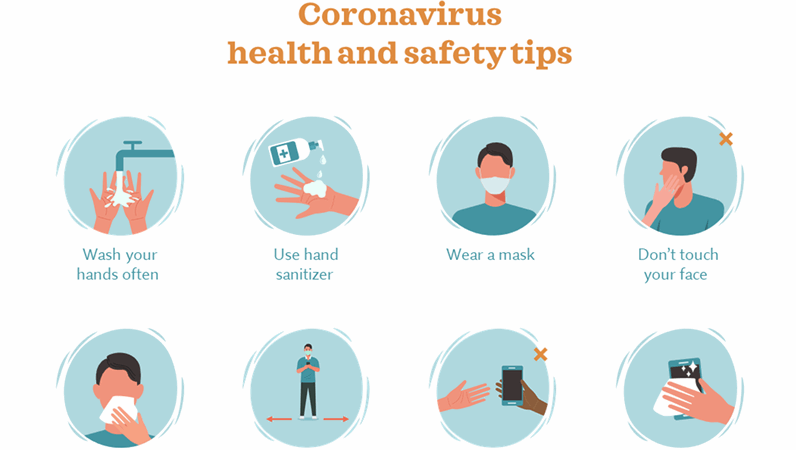
Although, during first wave India have managed well by following norms and guidelines issued by our government.  People followed social distancing, hand washing and masking along with other preventive measures. The whole country was under lockdown to break the chain of transmission but had a devastating impact on the country’s economy.

However, we should thankful for the advances made in the field of medical technology and research for the discovery of covid-19 vaccination. This will strengthen our fight against corona virus. Even after vaccination it is important to follow the covid appropriate behavior.

Image: Microsoft templates

As extraordinary situations required extra ordinary measures, mandatory vaccination for all could help us to achieve herd immunity. This will help us to increase the capacity of healthcare system. 

Why the need and demand increases with time?

High Time – This is the high time to make vaccination mandatory to protect the lives of people, protecting the vulnerable and preventing the devastating effect of lock down.

Public Safety – Clinical trials and ongoing researches have shown vaccinated people are at lower risk of developing severe diseases than the unvaccinated ones. Mortality is rare for fully vaccinated ones, researchers and scientists have developed vaccines which have negligible side effects and higher efficacy rates.

Continuous Supply – As per the current situation it is important to maintain the pace of vaccination drives to break the chain of transmission and to achieve herd immunity. The central and state governments should work in collaboration to make the vaccination drive successful by ensuring proper supply.

Healthcare System – Healthcare workers or frontline warriors should be fully vaccinated along with their family members. So, that everyone could be safe because they are the ones who are taking care of the patients in this time of emergency. Their safety should come first to strengthen healthcare infrastructure.

Image: India Tv

India is pressuring Twitter with requests for user data and content removal.

This year, Twitter is under a lot of pressure in India. However, even before the country imposed stringent new regulations on tech firms, the corporation was bombarded with requests from the government to delete material or disclose user data.

Indian authorities requested more account information from Twitter in the final six months of 2020 than any other nation, according to the Silicon Valley-based company’s newest transparency report released on Wednesday. The number of requests for content removal submitted by India increased by 152% to over 7,000.

This journalist explains why one of her tweets vanished.

India’s demands for user information amounted to 25% of the total it received during the reporting period, which runs from July 1 to December 31, 2020, according to Twitter (TWTR). Over 99 percent of the requests were ignored by Twitter.

“Notably, this is the first time since we began releasing our transparency report in 2012 that the US is not the top worldwide requester,” the firm stated, adding that the US came in second in terms of global volume.

According to the company, the information requests comprised normal legal demands as well as emergency requests from government agencies and law enforcement authorities.

“Where appropriate, Twitter will push back on requests for account information that are incomplete or inappropriate,” according to the firm, such as those that are “invalid or overbroad in scope.” In the event of an emergency involving the risk of death or serious harm, the firm may reveal account information if sufficient proof is presented that such information will prevent the hazards.

Just over 150 information requests from India were classed as emergencies by Twitter. According to the firm, the United States sent the most such requests in the globe, with 822.

Meanwhile, legal requests from India to delete or withhold information increased by 152% in the latter six months of 2020 compared to the previous reporting period. Just over 9% of the 6,971 demands were met, according to Twitter.

After Japan, which made over 16,000 requests mostly connected to narcotics, obscenity, or money lending, India became the world’s second-highest submitter of such requests. The number of requests from Japan decreased by 16 percent from the previous quarter, but it still accounted for 43 percent of all worldwide requests.

According to the firm, 361 requests for information removal were made on 199 verified journalist and news outlet accounts throughout the world. It went on to say that India accounted for 128 of the requests.

The research excludes 2021 when Twitter is embroiled in a heated standoff with the Indian government over new information technology regulations.

During a series of farmer demonstrations in February, the business fought with the Ministry of Electronics and Information Technology over accounts that the agency wanted to be taken down. Some of the requests were granted, but Twitter declined to take action against accounts belonging to journalists, activists, or politicians.

Weeks after the feud, India issued new rules requiring social media companies to establish three roles in the country: a “compliance officer” who will ensure that their platforms comply with local laws, a “grievance officer” who will handle complaints from Indian users about their platforms, and a “contact person” who will be available to Indian law enforcement 24 hours a day, seven days a week. They are all required to live in India. If authorities demand it, companies must track out the “first originator” of messages.

In May, the firm raised worries about “fundamental components of the new IT Rules” as well as the country’s “potential threat to freedom of speech.” It promised to fulfill the new standards a few days later.

A Delhi court recently chastised Twitter for failing to comply with the new guidelines promptly. In a court filing last week, the business stated that it had appointed an interim compliance officer. It also stated in the filing that it will “attempt in good faith to make an offer of employment to a qualified candidate” for all of the positions within eight weeks.

The company’s website featured a complaints officer and a Bangalore location where Twitter could be reached as of last weekend.

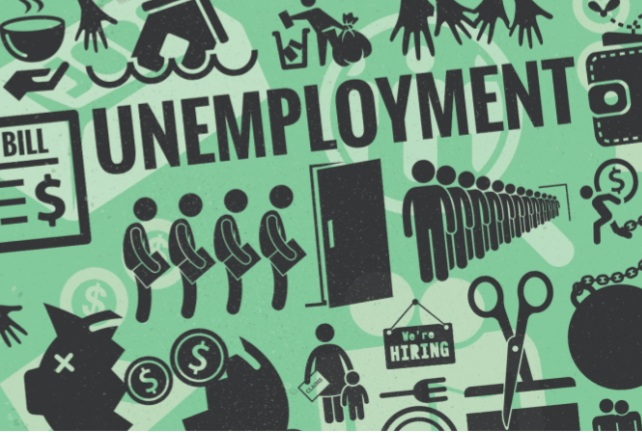
Unemployment

Unemployment has become one of the biggest problems around the world. When an individual is an implied, he or she will know very less about the mankind. It is so difficult to face situation and handle situations when the individual is unemployed. Unemployment leads to many silly mistakes. And an unemployed person cannot take over the family and lead the family as well. There is a huge competition in highly populated countries like India. In order to be employed, the only method is to study hard and improve the skills and score better. Basically, the students are not showing good amount of interest towards the studies. Let us now see how to motivate them.

Covid crisis has made many people unemployed. It has taken away the basic need of living. Many people are left with the unfilled stomachs. Some people are dead about by not finding a way to live.

Types of unemployment :

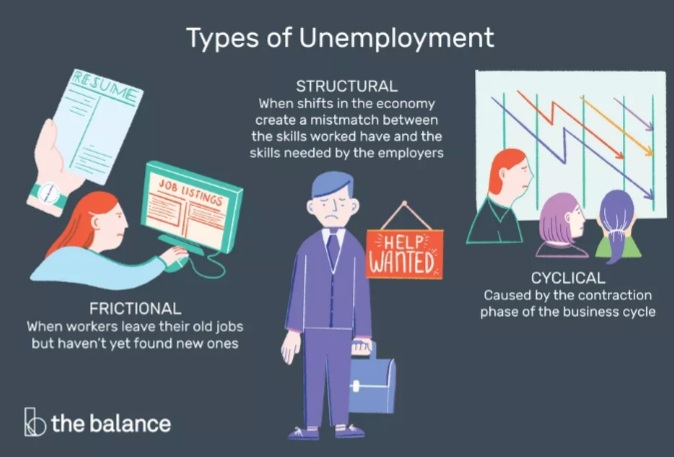
There are four main types of unemployment in an economy frictional, structural, cyclical, and seasonal and each has a different cause.

1. Frictional unemployment :

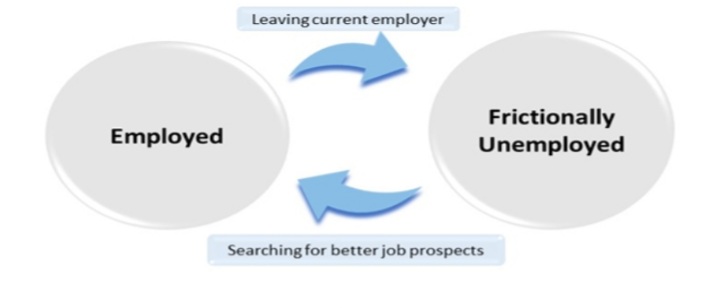
Frictional unemployment is caused by temporary transitions in workers lives, such as when a worker moves to a new city and has to find a new job. Frictional unemployment also includes people just entering the labor force, such as freshly graduated college students. It is the most common cause of unemployment, and it is always in effect in an economy.

2. Structural unemployment :

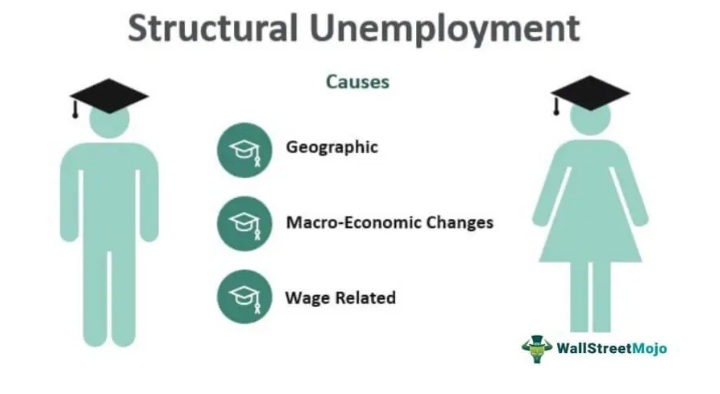
Structural unemployment is caused by a mismatch in the demographics of workers and the types of jobs available, either when there are jobs available that workers don’t have the skills for, or when there are workers availabes but no jobs to fill. Structural unemployment is most obvious in industries undergoing technological advancements.

3. Cyclical unemployment :

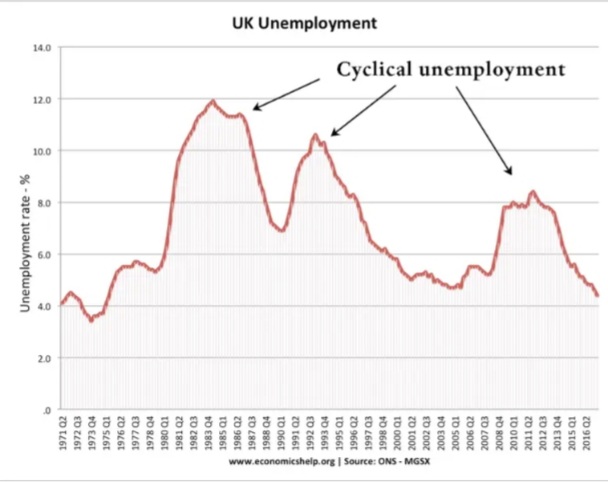
Cyclical unemployment is caused by declining demand. When there is not enough demand in an economy for goods and services, businesses cannot offer jobs . According to keynesian economics , cyclical unemployment is a natural result of the business cycle in times of recession: if all consumers become fearful at once, consumers will attempt to increase their saving at the same time, which means there will be a decrease in spending, and businesses will not be able to employ all employable workers.

4. Seasonal unemployment :

Seasonal unemployment is caused by different industries or parts of the labor market being available during different seasons. Fot instance, unemployment goes up in the winter months, because many agricultural jobs end oncr crops are have harvested in the fall, and those wotkers are left to find new jobs.

Consequences of unemployment in an Economy :

Low unemployment is key to economic stability High and long- term unemployment can cause significant stress on a nation in three key areas.

* Individuals :

Unemployed people have no ability to fulfill their financial obligations and can become mentally stressed, ill, and even homeless.

* Economic efficiency :

During times of high unemployment many job seekers will accept new jobs below their skill level, a situation called “underemployment ” which translates to a loss of human capital for an economys labor market. Unemployed workers will also significantly decreases their consumer spending, which is one of the driving forces of economic growth. Without consumer spending, the economy will slow dramatically.

* socio- political stability :

If unemployment remains high, citizen dissatisfaction can rise to the point of widespread civil unrest.

Possible solutions for Unemployment :

Solving unemployment is a hotly debated topic, and no economists agree on one simple way to do it. However, in the U.S ,if unemployment rises noticeably, the government usually steps in with specific policies designed to lower the total number of unemployed people.

1. Monetary policy :

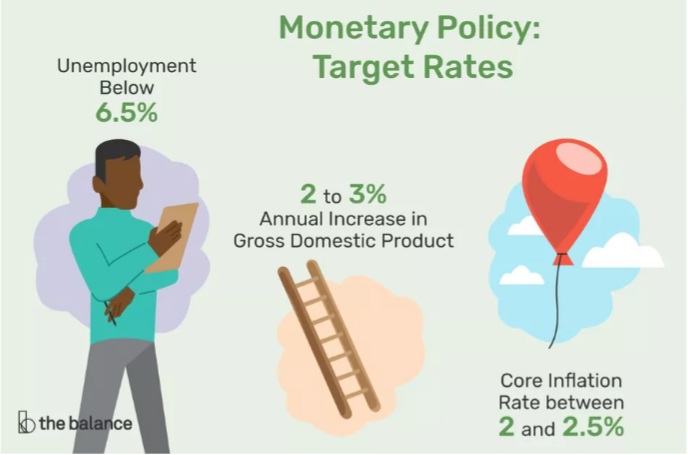
Monetary policy is financial influence implemented by a central bank . Monetary policies usually come in the form of lower interest rates, which increase the total money supply within an economy by allowing banks and businesses more access to loans and therefore, more accessible spending power.

2. Fiscal policy :

If expansionary monetary policy doesn’t adequately lower the unemployment rate government agencies will turn to fiscal policy. Fiscal policy is fiscal stimulus implemented by the national government and fiscal policies include spending on infrastructure, proposingtax cuts , increasing the minimum wage, or implementing unemployment benefits. These methods are designed to inject more demand into private economy and strengthen economic activity.

Let us now see some of the ways to motivate the students to study and get employeed.

Make things easier :

Showing the things easier and explaining them with clarity helps the students to show better interest on the subject and makes them to pay more attention on what the teacher is trying to convey. When the topics are shown easier for the students, they start learning them and they feel achieved and they pay more attention to study. When a student learns a particular topic or a question, he/she feels comfortable and happy for getting it. Once if they start reading, they develop the interest in them and they continue to read more and more.

Tell the importance :

The students must be motivated with good number of words to understand the need of studying and what happens if they don’t study. A student is like a bird without the wings when they don’t study. So, it is very important to motivate students to study and to make them understand the need of the situation. Motivation brings the right change in the students who are not interested in learning. It develops the interest in them to study.

It seems good if the government provides good number of jobs.

Health Education

A sound mind lives in a sound body’.

Introduction

Health education is a profession of educating people about health. Areas within this profession encompass environmental health, physical health, social health, emotional health, intellectual health, and spiritual health, as well as sexual and reproductive health education.

Health education teaches about physical, mental, emotional and social health. It motivates students to improve and maintain their health, prevent disease, and reduce risky behaviours. It also focuses on emotional, mental and social health too. Educating students on the importance of health builds their motivation.

Health education is one strategy for implementing health promotion and disease prevention programs. Health education provides learning experiences on health topics. Health education strategies are tailored for their target population. Health education presents information to target populations on particular health topics, including the health benefits/threats they face, and provides tools to build capacity and support behavior change in an appropriate setting.

History

From the late nineteenth to the mid-twentieth century, the aim of public health was controlling the harm from infectious diseases, which were largely under control by the 1950s. By the mid 1970s it was clear that reducing illness, death, and rising health care costs could best be achieved through a focus on health promotion and disease prevention. At the heart of the new approach was the role of a health educator.

Code of ethics

The Health Education Code of Ethics has been a work in progress since approximately 1976, begun by the Society for Public Health Education (SOPHE).

“The Code of Ethics that has evolved from this long and arduous process is not seen as a completed project. Rather, it is envisioned as a living document that will continue to evolve as the practice of Health Education changes to meet the challenges of the new millennium.”

Importance of Health Education .

Health education builds student’s knowledge, skills, and positive attitudes about health. Health education teaches about physical, mental, emotional and social health. It motivates students to improve and maintain their health, prevent disease, and reduce risky behaviours.

Health education curricula and instruction help students to learn skills so that they will use to make healthy choices throughout their lifetime.

Health education teaches people of all ages about how diet and exercise contribute to a healthy lifestyle. It also encourages positive changes in behaviour and lowers the risk of addiction to drugs, alcohol and unsafe sexual practices. The majority of schools around the country have courses aimed at teaching health education to students. These courses often revolve around the body, healthy eating, sex and exercising. Some students are taught basic health and physical fitness early on. More in-depth courses are designed for middle and high school students.

Health education encourages a person to make healthy choices. They are instructed to avoid unhealthy habits. ‘A sound mind lives in a sound body’. Rabindranath Tagore and C.V. Raman, if they were confined to sick bed, could not have won the Nobel Prize. In fact, a sickly student with all his talents and abilities lags behind in the race of life.

Health education also teaches about the emotional and mental health of the student. A healthy person is the happiest person in the world.

Link

Paris Agreement and Climate Change

Introduction

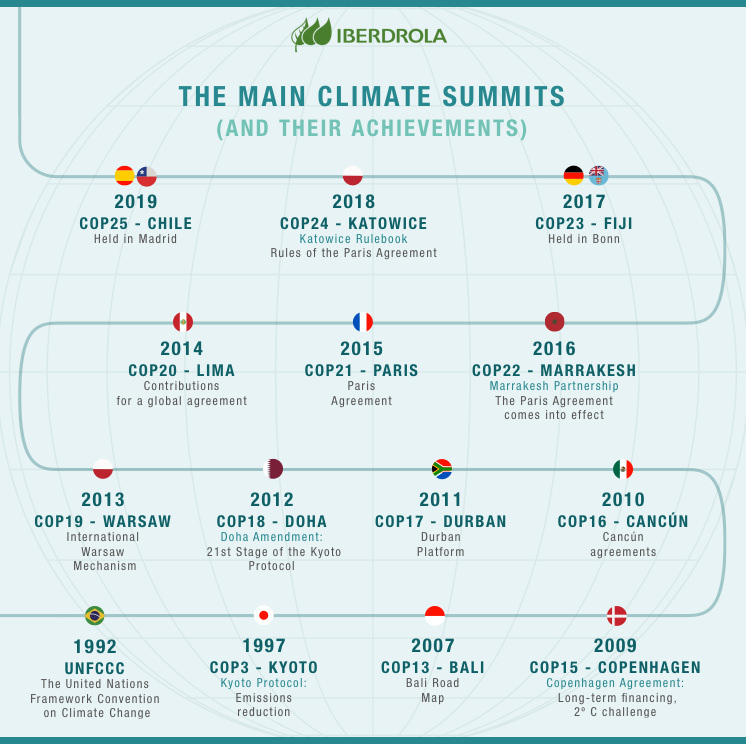
The Paris Agreement is an international treaty on climate change which is legally binding. It was adopted on 12th December 2015 by 196 parties at the Conference of the Parties (COP) 21 and it came into force on 4th November 2016. The goal of this agreement is to limit global warming to almost 2 degrees Celsius but ideally 1.5 degrees Celsius, as compared to the pre-industrial levels. Every country creates an NDC (Nationally Determined Contributions) wherein the countries mention the actions they will take to reduce their Greenhouse Gas emissions. The Paris Agreement also recognizes the financial differences of the countries and says that the developed countries should take the lead when it comes to providing financial assistance and help the vulnerable countries. The progress of the agreement is being tracked by the creation of the Enhanced Transparency Framework (ETF), under which, starting from 2024, the countries will report on the actions taken and the progress, transparently.

COP 26

The 26th Conference of the Parties was originally scheduled from 9th to 19th November 2020 but due to COVID-19, it was postponed to 1st to 12th November 2021, in Glasgow, UK. Several unresolved issues from the Paris Agreement are to be resolved during this Conference, such as governing of carbon markets and the accountancy of climate finance. The developing nations pointed fingers at the rich nations to fulfil their promise of finance. They also highlighted the lack of urgency from the recent G7 and G20 summits.

COP 26 has to finalize the rulebook that implements the 2015 Agreement. The nations have to give the climate-vulnerable nations the $100 billion annually as promised in 2009. They have called for almost 50% of funding to be allocated towards future climate adaptation, plus a separate allocation for the loss and damage that has already been inflicted on the poor nations.   

Other Climate Change Agreements

Montreal Protocol, 1987 – This agreement is not aimed towards dealing with climate change however it is an important environmental agreement. This agreement required the countries which have ratified it, to stop producing products that damage the ozone layer, such as, chlorofluorocarbons (CFCs).

UN Framework Convention on Climate Change (UNFCCC), 1992 – This is the first-ever global treaty that directly addresses climate change. This treaty established the annual forum named the Conference of the Parties (COP). Agreements such as the Kyoto Protocol and the Paris Agreement came into existence through these forums.

Kyoto Protocol, 2005 – It was adopted in 1997 and came into force in 2005, it is known as the first legally binding climate treaty. The goal of this treaty is to reduce emissions by an average of 5% below the 1990 levels although the treaty did not force developing countries.

Effects of Global Warming

  • Shrinking of Glaciers
  • Ice on rivers and lakes break earlier than usual
  • Plants and animal ranges have shifted
  • Trees flower sooner
  • Loss of sea ice
  • Accelerated rise of sea level
  • Intense heatwaves
  • More droughts
  • Changes in precipitation patterns
  • The frequency of cyclones will increase and will be more intense
  • The Arctic is likely to become Ice-Free

Conclusion

Heat Waves have been recorded in the United States of America and Canada this 2021. This is only just more proof of Global Warming and its effects. This will keep increasing if the countries don’t take the agreements like the Paris agreement seriously. More importantly, the rich countries need to finally start acting responsibly and fulfil their promises to save the planet.  

References

Brazilian economy is in a “jobless recovery” following a spike in inflation

According to a Reuters poll, the Brazilian economy will continue to experience a so-called “jobless recovery” following this year’s inflation spike, while forecasts for recovery in Mexico appear stronger amid concerns about a possibly tougher monetary policy in the United States.

On the outside, Brazil’s macroeconomic picture appears to have improved as consumers shake off the COVID-19 epidemic, firms experience a resurgence of M&A activity, and the agriculture industry flourishes on huge international demand. Recent increases in GDP estimates, however, are at conflict with a number of issues. Rising inflation, which is presently the major topic, is expected to be followed by consistently high levels of joblessness into next year’s national elections in Brazil.

Because the economy will need some more time to reabsorb people and restore jobs, average unemployment is estimated to stay in the double digits this year, reaching around 13.6 percent. The rising unemployment rate will restrain services inflation, which accounts for nearly 40% of the headline figure.

According to the median estimate of 20 economists surveyed between July 5 and July 13, Brazil’s average jobless rate for 2021 was projected at a record 14.2 percent in the Reuters survey. This is in contrast to a large increase in GDP estimates.

According to a larger group of 40 respondents, Latin America’s No. 1 economy is expected to grow 5.1 percent in 2021, considerably above the relatively moderate 3.2 percent growth rate recorded in April’s survey. Inflation forecasts have also risen, reaching 6.5 percent from 5.1 percent in the previous quarter.

Many Brazilians have lost their livelihoods as a result of the virus. Many also point the finger to President Jair Bolsonaro’s pro-business stance. Other figures suggest robust employment creation, according to the government.

Bolsonaro and his expected opponent, former center-left President Luiz Inacio Lula da Silva, have not formally announced their candidacies yet, despite the fact that the 2022 presidential election remains just a year away.

President Andres Manuel Lopez Obrador of Mexico, however, looks to be on a more solid foundation than his Brazilian counterpart. Although both are embroiled in corruption allegations, Lopez Obrador is under far less scrutiny. Similarly, Mexico’s economy is getting better, with stronger growth and relatively low inflation than that of Brazil. Mexico’s GDP and consumer pricing are anticipated to grow 5.9 percent and 5.1 percent this year, respectfully, compared to 4.7 percent and 3.9 percent in the April survey.

Mexicans are keeping a very close eye on the Federal Reserve of the United States’ intention to gradually phase off its massive assistance. Thus far, this has been welcomed positively from across the border, instead of as a hindrance to financial movements.

In contrast to a drop in Brazil’s anticipated growth in 2022 to 2.2 percent from 2.3 percent, the study predicts Mexico’s GDP would increase 2.9 percent next year, up from 2.5 percent in April.

Analysts at BBVA Mexico said in a statement that they have raised their 2022 GDP projection to 3.0 percent from 2.8 percent due to a better investment picture. This increase will most probably encourage formal private employment to return to pre-pandemic levels in 1Q22.”

Music – Unarticulated yet a Beautiful Language

Photo by cottonbro on Pexels.com

Every living creature living in this universe is divided into different fragments of communities and societies. These societies are present in different countries and parts where we are all unique by the language and culture which we follow which represents our originality.

One thing which we all are united with each other is “Music”. It is one simple form of Art that makes all of us as one human being Community. The beautiful thing about Music is that it doesn’t need any language to be understood neither one tries to understand, rather music is a language of the heart. It is a feeling that everyone connects when they hear music.

Music in Diversity

A language, country, and Culture have always made a bridge among people and created consequences and war between them, but the only thing which unities all humans and breaks these boundaries are the presence of Music.

 In Today’s era, we are all Living in Multicultural communities where we have different types of music tastes and our preferences are unique just like us,  We have people around us who listen to different types of music which don’t match with ours, yet we are all united by music.

Music always creates a sense of belongingness among each other, even though we are unaware of each other’s religion, language and country but through music, it keeps us closer to each other.

We all have some kind of music that connects to our hearts and feelings, we get more connected because the magic a musician uses connects with our own life.

Music is a medium through which our soul remains blissful and we feel stressed from our bustling lives.

For decades, Music is one of those art forms which have revolutionized in many versions but have always gained popularity due to the sense of connectedness between the audiences and the Musicians.

Dated back then, when people used to watch operas which were one of the common elite forms of entertainments, which not only portrayed music but traveled through many stories through the tune of every string played through the music Instruments.

Music took a major role in plays and dramas, which is still Engraved in our magnificent history. It has also contributed a massive hand in legends of  Literature. There were many prominent writers like Jane Austen and Pablo Neruda who claimed music as one of the key factors of human harmony.

Music always renovates as the decades passed by, presently music comes under the Category of Pop Music or Pop culture where many bands are popularizing music by making people aware of how music is important and how it plays a vital role to connect and how even in today’s generation music is helping society to know about the moral attitudes which we all need as human beings.

There are several forms of Music, taking one of the examples is K Pop Music which is gaining worldwide recognition with a high amount of social awareness. We can never forget some great bands like “The Beatles”, who are still considered one of the best Classical bands to date.

BTS“, one of the famously known Boy Bands who are on the top-notch with the extraordinary songs and contribution they are providing to the music industry. There is a fandom for BTS all over the world that shows us that people don’t need any language to get connect rather it’s a heart-to-heart language to understand and feel the music.

Music was never meant to be always vocal, sometimes just a tune is all you need to connect, as rightly some artists like Mozart, Chopin’s explained us through their beautiful music.

Music Is a language that not only connects with a mind and body but also with a soul. No matter whatever the occasion is we humans were bound with music and music has different versions for different situations. The world of Music accepts a very living being that has a soul to connect with.

“We all just need a music to connect, rest the music will ultimately unite us with its alluring tune which strings with our heart forever”.

Plastic bags

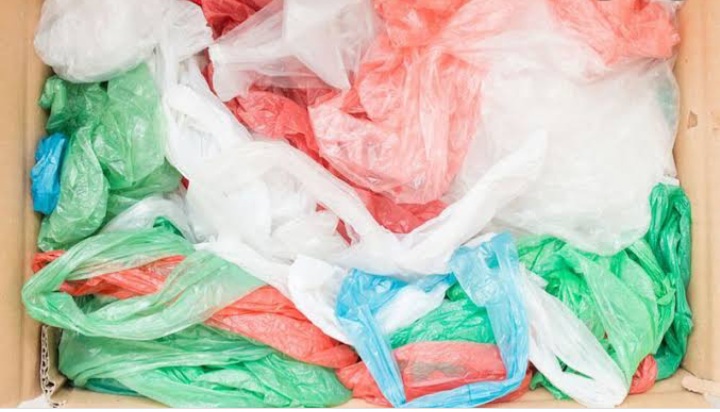
We human beings are the one who is responsible for polluting our nature and thus in turn nature also takes its revenge through various calamities, diseases, pandemic and so on. We all know that pollution is mainly caused by non-biodegradable wastes and plastic is such a non-biodegradable product which we human beings use very frequently in our everyday life, starting from plastic bags to toys, containers, food packaging almost everything has the use of plastic in it and thus is also generates a lot of waste daily. Plastic being a non-biodegradable waste stays into the soil or water for years and does not decompose rather they choke animal and water creatures also restricts plant growth and leads even to their death sometimes when the roots get entangled into them. Non-biodegradable plastic waste if burnt emits toxic fumes which in turn causes severe air pollution and is extremely harmful for living beings. We have got so much use of plastic that we cannot completely stop the use of plastic we can reduce it to some extent. To save the nature and environment from pollution we can follow the 3R’s i.e., Reduce, Reuse and Recycle. Recycling plastic is a great method which is even sustainable and can help us save our nature.

Package :

Several design options and features are available. Some bags have gussets to allow a higher volume of contents, special standup pouches have the ability to stand up on a shelf or a refrigerator, and some have easy opening or reclosable options. Handles are cut into or added into some. Bags can be made with a variety of plastics films. Polyethylene is the most common. Other forms, including laminates and co- extrusions can be used when the physical properties are needed. Plastics to create single use bags are primarly made with Fossil fuels. International plastic bag free day is celebrated on july 3.

Medical uses :

Plastic bags are used for many medical purposes. The non purpose quality of plastic film means that they are usefu for isolating infections body fluids ; other porous bags made of nonwoven plastics can be sterilized by gas and maintain this sterility. Bags can be made under regulated sterile manufactoring conditions ,so they can be used when the infection is a health risk. They are lightweight and flexiblr, so they can be carried by or laid next to patients without making the patients as uncomfortable as a heavy glass bottle would be. They are less expensive than re- usable options, such as glass bottles.

Flexible intermediate bulk container :

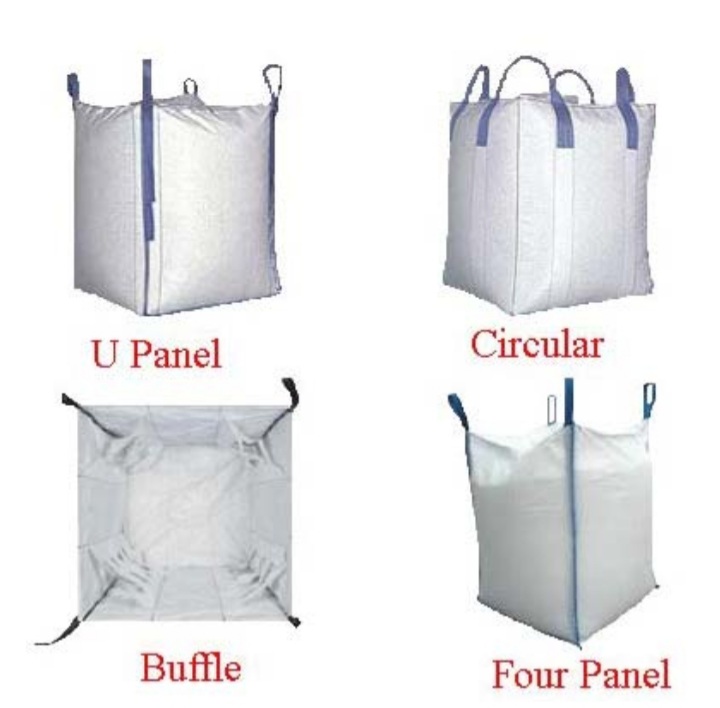
Flexible intermediate bulk containers are large industrial containers, usually used for bulk powders or flwables. They are usually constructed of women heavy-duty plastic fibers.

Plastic shopping bags :

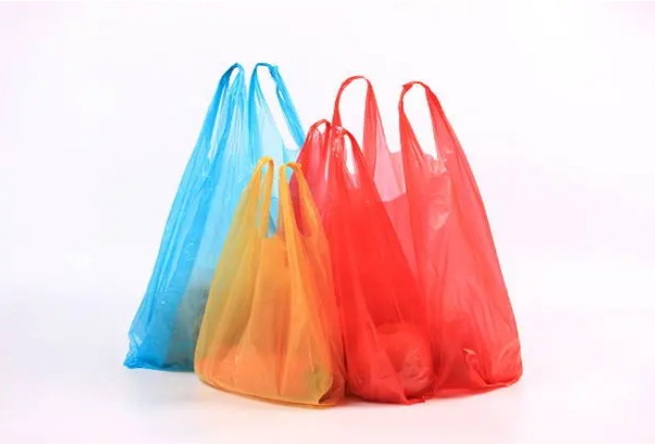
Open bags with carrying handles are used in large numbers. Stores often provide them as a convience to shoppers. Some stores charge a nominal fee for a bag. Heavy duty reuseable shopping bags are often considered environmentally better than single use paper or plastic shopping bags. Because of envirpnmental a little problems, some locations are working toward a phase- out of lightweight plastic bags.

Danger to children :

Thin, comfortable plastic bags, especially dry cleaning bags, have the potential to cause suffocation. Because of this about 25 children in the united states suffocate each year due to plastic bags, almost nine- tenth of whom are under the age of one. This had led to voluntary warning lables on some bags posing a hazard to small children.

Uses :

Plastic bags are used for diverse applications. Bags of crisps, gardening supplies, bagging vegetables, blood platelets, inner bladder for bag-in – box , pastry bag with convenience closure, ostomy bag, bin bag, string bag made of plastic fibers, porous bag for cooking rice, Intravenous therapy, evidence bag, travel toiletries in a reclosable plastic bag, woven plastic fiber bags used for sand, A plastic body bag.

Different Types of plastic Bags :

* High Density polyethylene (HDPE)

* Low Density polyethylene ( LDPE)

* Linear Low Density Polyethylene ( LLDPE)

* Medium Density polyethylene (MDPE)

* polypropylene ( pp)

* The problem with plastic bags. Plastic bags start out as fossil fuels and end up as deadly waste in landfills and the ocean. Birds often mistakes shredded plastic bags for food, filling their stomachs with toxic debris.