A cheque is a piece of document/paper which orders the bank to transfer money from the bank account of an individual or an organization to another bank account.
TYPES:
Bearer Cheque- The bearer cheque is a type of cheque in which the bearer is authorized to get the cheque en-cashed that is the person who carries the cheque to the bank has the authority to ask the bank for encashment.
Order Cheque- This type of cheque cannot be endorsed, i.e., only the payee, whose name has been mentioned in the cheque is liable to get cash for that amount.
Crossed Cheque- In this type of cheque, no cash withdrawal can be done. The amount can only be transferred from the drawer’s account to the payee’s account. Any third party can visit the bank to submit the cheque.
Account Payee Cheque- This is the same as the account payee cheque but no third party involvement is required. The amount shall be transferred directly to the payee’s account number.
Stale Cheque- In India, any cheque is valid only until 3 months from the date of issue. So if a payee moves to the bank to get withdrawal for a cheque which was signed 3 months ago, the cheque shall be declared a stale cheque.
Apart from it there are some other types of cheques too. Like the post dated cheque,self cheques,blank cheque and multinated cheques.
LGBTQIA+ is an acronym for lesbian, gay, bisexual, transgender, queer, or questioning, The “plus” represents other sexual identities including pansexual and Two-Spirit or any other sexual identity not included in the acronym. A stands for asexual and ally. today we’ll be focusing on the latter.
First, let’s understand what is the meaning of an ally.
An ally, straight ally, or heterosexual ally is a heterosexual and cisgender person who supports equal civil rights, gender equality, and LGBT social movements, challenging homophobia, biphobia, and transphobia.
We don’t have proper sex education in our schools or at homes, as a matter of fact, it’s considered a taboo and a violation of our deeply held religious values.
but Traditional Hindu literary sources do speak of homosexuality even though indirectly, changes of sex, homoerotic encounters, and intersex or third gender characters are often found both in traditional religious narratives such as the Vedas, Mahabharata, Ramayana, and Puranas as well as in regional folklore.
Homophobic memes and slurs that have been normalized in our daily life further increase and normalise the existing homophobia, and even after knowing the right facts people do not want to unlearn their previously learnt bad belief systems.
Today’s article will be about unlearning these wrong belief systems and deciphering the ultimate guide to be an ally.
Step 1 is to gather up the courage and to start talking about the things that are considered taboo in your friend circle and with your friends. yes, This can be really uncomfortable and awkward. But the fact that you are uncomfortable can be a good thing. That discomfort can be a sign that you are growing and changing as you learn. Trust it.
Step 2 is to listen, It is not uncommon for lesbian, gay, bisexual or transgender (LGBT) young people to spend years working up the courage to come out to their parents, family and friends. LGBT youth tend to fear rejection by those closest to them and feel isolated as if they are the only ones who feel the way they do. They often fear being “discovered” at school by saying the wrong thing or dressing a certain way. And they feel pressure to fit in by laughing at homophobic jokes even when it hurts their sentiments deeply. Being an ally you should be there for your friends who belong to the LGBT community. listening to them talk about their experiences can be difficult. It can be emotionally intense to hear people talk about the hurt and suffering they experience. There are very few places and groups in India where people can talk freely about their sexual identity and not having a space to talk about things that are going on in your mind can make anyone feel overwhelmed, by listening you can reduce that feeling of being closeted and overwhelmed.
Listening as an ally requires that you make space for others to talk and that you trust and believe what they tell you. and Remember: just because you can’t see the evidence for something right away doesn’t mean it’s not happening.
Step 3 is learning from people who experience oppressions is important, but it’s not fair to expect them to teach you everything you need to know about it. As an ally, it’s your responsibility to spend your own time and energy learning more. Reliable resources tend to be ones created by people who are knowledgeable on the issues, either through research or lived experience Learning about social injustice can be complicated and difficult. Most of the learning that you do as an ally is about letting go of what you thought was true. Often times this is called “unlearning” because it involves questioning and rejecting oppressive beliefs that you may have held for a long time. Family, friends, media, and community beliefs are the sources of some of your most deeply held knowledge about the world, but they can also be the places where you learn prejudiced and oppressive things too. When unlearning, dig deep and be honest with yourself about what you believe and how it informs your actions. As you learn about your privilege as a non-oppressed person, try to be honest with yourself about how that privilege has affected your life and who you are. It can be really uncomfortable to realize that stuff and that’s ok. Again, trust your struggle.
Step 4 is speaking up when you hear people say things that are wrong or prejudiced is another way to act as an ally. Having social power or privilege means that you have a social responsibility to use and acknowledge that power in ways that are for the good of others. The ability to stay silent and not acknowledge oppression or speak out about it is one of the stolen advantages that you inherit as privileged people.
Sometimes it can help by starting to say even just a few words in response to an oppressive or disrespectful comment. You can try saying things like, “That’s not cool,” “That’s disrespectful,” or “Why’d you say that?” to try and let people know that their actions are oppressive/prejudiced/disrespectful/wrong and that you noticed. Applying your knowledge in real-life situations is going to take practice. Not everyone is comfortable speaking up in all situations with everyone. It can take time to learn how to say things in the way that you want them to be heard. The more comfortable you get at speaking out, the closer you might get to teaching others about oppression and social justice which is an important part of being an ally.
Step 5 is educating Others as an ally, it’s your responsibility to use what you’ve learned to educate others in your own privileged communities (e.g., think straight people educating straight people, men educating other men, etc.). You have the power to stop resist prejudiced and oppressive beliefs in your family, friends, communities, and the media. Information is often better received when it’s peer to peer, and being a member of a privileged group means that your voice and opinion are more often heard when you speak on an issue. Basically, when people see you as part of their community they’re more likely to listen to you! You can use that advantage to speak about what you believe is right; challenge others when they say something oppressive or take the time to teach others what they may not know about oppression.
In conclusion, being an ally is not always easy, but it’s always worth it. Using social privilege to oppress others is one of many terrible injustices of our world, but just having privilege doesn’t make you a terrible person; it’s all about how you use it. Allyship is a journey. It never really stops or ends, but continues as a constant opportunity for growth and learning in your life. Being an ally is really about nurturing a sense of humility within yourself. Allowing yourself to be a learner can be a fulfilling role. Being an ally is about showing love and recognizing a sense of community. Knowing you made the world a more loving or accepting place is worth it in the end.
As we know India in famous for its culture and traditions. India is a land where there are full diverse cultures. Even geographically the cultures and tradition are suitable to India. The physical of India is so much matched with its cultures and tradition that I became forced to talk about the geographic region of India. Well, Indian art can be defined as the theological, hieratic or is the best of all as traditional. As India is a multi religious country so each religious has its own kind of arts and paintings. I would like to talk about some kinds of paintings in India. Mughal Paintings, Heena paintings, Acrylic paintings and painting texture. If there is a quality, richness, and innovativeness then Mughal paintings are highly admired. I liked Mughal paintings because of its style and unique. Art & Culture plays an important role in the development of any nation. It represents a set of shared attitudes, values, goals and practices. Culture and creativity manifest themselves in almost all economic, social and other activities. A country as diverse as India is symbolized by the plurality of its culture. India has one of the world’s largest collections of songs, music, dance, theatre, folk traditions, performing arts, rites and rituals, paintings and writings that are known, as the ‘Intangible Cultural Heritage’ (ICH) of humanity. In order to preserve these elements, the Ministry of Culture implements a number of schemes and programmes aimed at providing financial support to individuals, groups and cultural organizations engaged in performing, visual and literary arts etc.
Sanitation and a clean environment are every human being’s right. The ones who keep the environment clean for us are often not recognized. The sanitation workers or the garbage man collect the garbage generated by us just so that we can have a tidy and healthy surroundings.
Imagine living in a stinky and littered world. It won’t be just gross but unhealthy too; breeding ground for so many germs, viruses, and diseases. Fortunately, we have sanitation workers who are dedicated and available to regularly collect and dispose of the garbage generated by us.
The garbage men play a vital role in maintaining a hygienic civilization. Not just garbage from homes, but different sectors generate different sorts of waste or garbage. These waste products can be hazardous. To safely get rid of it and to maintain public health the garbage men step ahead to collect and dispose of such waste products. However, these people are not always appreciated for the tenacious work that they do for their local community.
History of Garbage Man Day
The owner of JDA (special waste management and sanitation firm), John D. Arwood first recognized the exceptional work of his waste disposal staff and celebrated Garbage Man Day. It was initially celebrated nationally, and John D. Arwood in 2011, funded the first Garbage Man Day. Since then, every year 17th June is recognized as Global Garbage Man Day to recognize the efforts and appreciate the work of sanitation workers.
The day got renamed officially in 2019, as Waste & Recycling Workers Week as sanitation workers don’t just consist of garbage men but many other people, like the waste recyclers.
Why Garbage Man Day?
The garbage men work in a hazardous environment. The garbage or waste they deal with has many elements that can cause them physical harm. The surroundings are also odorous which can make them fall sick, and inhaling foreign particles can even cause respiratory issues.
Medical wastes can be very harmful. Broken glass bottles can not only cause injury but the chemicals or bleaches pouring out or a little bit left in those bottles can cause burns or injuries if came to skin contact. Garbage collection and disposal are not easy tasks. Severe injuries often lead the workers to end up in hospitals, in some cases causing disabilities and even death due to severe injuries or infections.
The day should not just be celebrated to appreciate the extraordinary work of the sanitary workers but also to spread awareness about the risk and severity of the job. Every job has its importance and need. Every job and the one doing it should be applauded for their efforts and dedication.
Globally more and more organizations, companies, and communities are coming together to recognize the efforts of the sanitization workers. Even as individuals we can celebrate this day to appreciate them and contribute to keeping the environment clean by not littering in our surroundings. Participation can be marked in various awareness programs, educating the public about the sanitation workers’ work, and awarding the workers in whatever way possible.
Solid waste refers to unwanted materials generated as a result of human activities. It is basically everything that goes out in trash. It can be domestic, industrial or commercial based on its source of origin. As the human population is increasing, so is the waste produced by them. Solid wastes have a lot of problems attached to them. Not only they result in pollution of varried forms but also cause many diseases by being the breeding grounds for vectors. It is therefore very important to dispose solid wastes safely. Solid waste management deals with the process of treating solid wastes. Different methods are applied to treat different sorts of solid wastes. Municipal solid wastes refers to the waste produced at offices, schools, homes etc. It usually comprises of paper, food waste, plastic, metal, glass etc. It is usually collected by the municipality and taken for their treatment. One way of doing so is burning. This reduces the volume of the waste but this method causes air pollution of course. A substitute for this method is sanitary landfills wherein wastes are dumped in a trench and covered with dirt everyday. This method is less polluting than the former but has its own flaws. It is very effective for biodegradable wastes but when it comes to wastes like plastic, metals or glass, i.e.. non biodegradable wastes, this method can do more bad than good. So separation of wastes before putting them in a sanitary landfill is a must or else there will be soil pollution. The disposal of biodegradable wastes is quite easy, so the actual problem is non biodegradable wastes. This can be further divided as wastes which can be recycled and the ones which cannot. The most effective solution can be reducing the use of non biodegradable products, as it is their disposal procedure which takes a lot of time and resources.
Another source of solid wastes is hospital. The use of chemicals and disinfectants make the solid wastes produced by hospitals more hazardous than others. It also contains pathogenic microbes. The disposal of such wastes has to be carried out very carefully. These wastes are usually incinerated. Incinerators are furnaces used for burning wastes. It involves combustion of solid, liquid and gaseous wastes. Incinerators, however produce harmful gases which possess a threat to health of workers and nearby community. Electronic wastes are also difficult to dispose off. Irreparable parts of electronic gadgets are known as e-wastes. In its process of disposal, first metals like iron, copper, silicon etc are recovered and the rest of the junk is incinerated. This procedure usually involves manual participation and therefore possess a risk to human health. The works can be exposed to toxic substances present in the e- wastes or the harmful by-products of incinerators. The most difficult waste to dispose is radioactive waste. The radiations emitted by nuclear wastes is very harmful for living organisms as it causes mutations which can lead to problems like cancer. Another problem is the fear of accidental leakage. Radioactive waste is usually pre-treated and then buried deep underground inside shielded containers.
As it can be seen that every solid waste disposal method has its own flaws. There is no perfect method for management of solid wastes. Reduction in waste generation should be our prime concern.
INTRODUCTION– Living a life free of poverty and hunger is a basic human right. One of the paradoxes of our swiftly rising and increasingly progressive world is that poverty remains prevalent and rampant, and the disadvantaged population appears to be becoming increasingly vulnerable. The number of underprivileged and oppressed people in India is a source of great worry for policymakers and scholars. Poverty in India is mostly caused by a lack of adequate government policies and the upper class’s exploitation of the financially weaker part. India has one of the world’s largest economies, with a gross domestic product (GDP) of $1,644 billion US dollars. However, only a small portion of India’s population has benefited from the country’s amazing economic success thus far, with the bulk of the population still living in abysmal poverty. Two-thirds of the Indian population is impoverished: 68.8 percent of the Indian population lives on less than $2 per day. Over 30 percent live on less than $1.25 a day, classifying them as extremely poor. As a result, the Indian subcontinent is one of the poorest countries in the world, with women and children bearing the brunt of the burden.
MAIN REASONS– The population has grown at a staggering rate of 2.2 percent per year during the last 45 years. Every year, around 17 million individuals are added to the population, significantly increasing demand for consumer products, which is followed by low productivity in agriculture due to lack of capital, subdivided and fragmented holdings, use of traditional methods of cultivation, illiteracy, etc. Low productivity results in an increase in price rise and the poor becoming poorer. The price rise benefits a smaller section of people and persons with lower income find it difficult to fulfill their basic requirements. In India, there is chronic unemployment and underemployment as a result of the country’s ongoing population growth. Rather than an increase in work prospects, the number of job seekers is expanding at a faster rate. There are two types of unemployment: educated unemployment and disguised unemployment. Poverty is simply a symptom of unemployment. Our country’s social structure is very backward in comparison to the rest of the world, and it is not conducive to faster progress. The caste system, inheritance law, inflexible traditions, and customs are impeding speedier progress and exacerbating the poverty problem. From the outset of our independence, our development plans have been influenced by political objectives.
NATIONAL RURAL LIVELIHOOD MISSION AAJEEVIKA
STEPS TAKENAND WHAT CAN BE DONE– Since India’s independence government has taken various steps to eradicate poverty. This includes programs to provide subsidy, bank credit, employment, food security, housing, good economic infrastructure, and pensions. But a numerous more steps can be taken to make India poverty free. Goovernment should reduce inequality of income and keep a check on concentration of wealth followed by monetary policies. The present Public Distribution Systems(PDS) should be reorganised and extended to rural parts of country, Government should offer special discounts to attract private capital investment to backwards region. The government should take care of basic requirements like healthy food, clean water, primary medical facilities of the poor. Public sector should make expenditure on uplifting the weaker section. With this goverment should focus more on providing education, generating employment, and uplifting the agriculture sector as majority of population is dependent on agriculture.
CONCLUSION-Many initiatives have been developed by the Indian government. schemes/programs to improve the lives of those who falls into the BPL category However, the situation remains the same, with the poverty rate increasing year after year. India’s government has to pay more attention to the poorer members of society across the country in order to identify human fundamentals right and a higher quality of life.
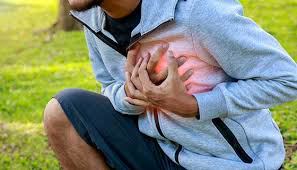
Heart disease comes in many forms. All of its forms can lead to serious, fatal complications if undetected. More than one in three adult men have some form of cardiovascular disease.Stroke targets more than 3 million men. High blood pressure is common in males under the age of 45.Routine checkups can help keep that heart beating.
Your doctor can calculate your risk for cardiovascular disease based on several risk factors, including your cholesterol, blood pressure, and smoking habits.
COPD and other respiratory diseases:
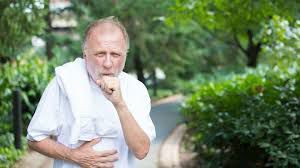
Many respiratory diseases start with an innocent “smoker’s cough.” Over time, that cough can lead to life-threatening conditions, such as lung cancer, emphysema, or COPD. All of these conditions interfere with your ability to breathe.each year more men are diagnosed with and develop lung cancer than in years past. African-American men have a higher risk of dying from the disease compared to other racial or ethnic groups. While exposure to occupational hazards like asbestos increases your risk, smoking remains the leading cause of lung cancer.
If you have smoked for more than 30 years, a low-dose CT scan maybe prudent to screen for lung cancer.
Alcohol: Friend or foe?
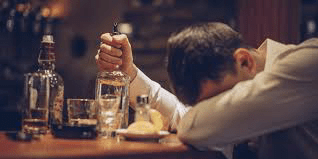
Men face higher rates of alcohol-related deaths and hospitalizations than women do. Men binge drink twice as much as women. They are also prone to increased aggression and sexual assault against women. Alcohol consumption increases your risk for cancer of the mouth, throat, esophagus, liver, and colon. Alcohol also interferes with testicular function and hormone production. This can result in impotence and infertility. men are more likely than women to commit suicide. They also are more likely to have been drinking prior to doing so.
Depression and suicide:
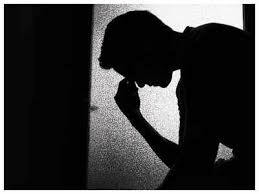
Researchers at The National Institute of Mental Health (NIMH) estimate that at least 6 million men suffer from depressive disorders,including suicidal thoughts, annually.
Some ways to combat depression include:
1.Getting regular exercise, even just going for routine walks around your neighborhood
2. Journaling or writing down your thoughts, communicating openly with friends and family
3.Seeking professional help
Guidelines for suicide prevention
If you think someone is at immediate risk of self-harm or hurting another person:
• Call 911 or your local emergency number.
• Stay with the person until help arrives.
• Remove any guns, knives, medications, or other things that may cause harm.
• Listen, but don’t judge, argue, threaten, or yell.
Unintentional injuries and accidents:
Unintentional injury is a leading cause of death for men in 2006. This includes drowning, traumatic brain injuries, and fireworks-related mishaps.
Motor vehicle death rates for male drivers and passengers ages 15 to 19 were almost twice that of females in 2006. Male workers incurred 92 percent of the 5,524 total reported fatal occupational injuries. Remember, safety first.
Liver disease:
Your liver is the size of a football. It helps you digest food and absorb nutrients. It also rids your body of toxic substances. Liver disease includes conditions such as:
Viral hepatitis
Autoimmune or genetic liver diseases
Vile duct cancer
Liver cancer
Alcoholic liver disease
Diabetes:
If left untreated, diabetes can lead to nerve and kidney damage, heart disease and stroke, and even vision problems or blindness. Men with diabetes face a risk of lower testosterone levels and sexual impotence. This can lead to increased depression or anxiety. The best way to control your diabetes is to eat healthy and exercise. If you have a family history of diabetes, it is important to see your doctor to have periodic screenings for diabetes.
Influenza and pneumonia:
Influenza and pneumococcal infection are two leading health risks for men. Men who have compromised immune systems due to COPD, diabetes, congestive heart failure, sickle cell anemia, AIDS, or cancer are more susceptible to these illnesses. Men are about 25 percent more likely to die from these diseases than women. To prevent against influenza and pneumonia, it is recommended to get vaccination.
Skin cancer:
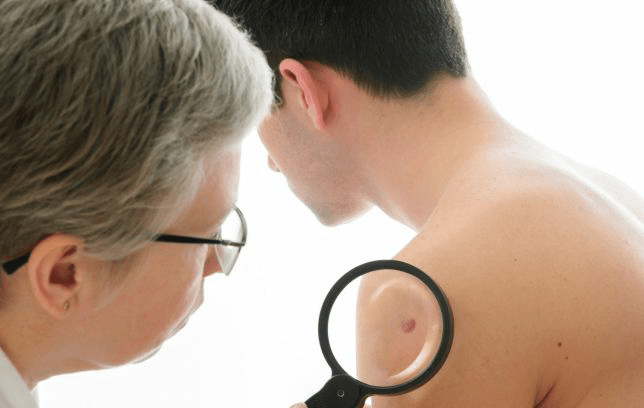
According to the Skin Cancer Foundation,two-thirds of melanoma deaths in 2013 were men. This is more than twice the rate of women. Sixty percent of all melanoma deaths were white men over the age of 50. You can help protect against skin cancer by wearing long sleeves and pants, hats with wide brims, sunglasses, and sunscreen when outdoors. You can also lower your risk of skin cancer by avoiding exposure to UV light sources, such as tanning beds or sunlamps.
Become proactive:
Now that you know about the top 10 health risks that affect men, the next step is to change your habits and become proactive about your health.
Addressing your health can be scary, but avoiding it altogether can be deadly. The many organizations cited in this slideshow offer information, resources, and support if you are experiencing any symptoms, feel you may have a condition, or just want to get a checkup.
The second wave of COVID-19 pandemic has made us susceptible to the life-threatening effects of the corona virus and such is its effect that people are focusing more on building immunity and strengthen body’s immune system to fight the deadly virus. Well it’s not that easy however, if one takes the right steps at the right time it can be instrumental for faster recovery from COVID-19. According to experts the key to faster recovery is by modifying the diet and adding healthy and nutritious foods which can help in improving the slackening immunity.
“Good nutrition helps your battered body build up its energy levels as fast as possible “says Dr Kavitha Fenn Arunkumar who is a Madurai based psychiatrist. Moreover, she recommends the intake of easy to digest food frequently rather than taking three big elaborate meals.
So what are the things which are essential for the recovery from COVID-19?
1.Say yes to protein rich foods –
Protein helps in building muscles and repairs cell damage, which further helps in boosting your immunity. The reason why experts suggest increasing the intake of protein rich foods is because it helps in healing the cell damage caused due to COVID-19.
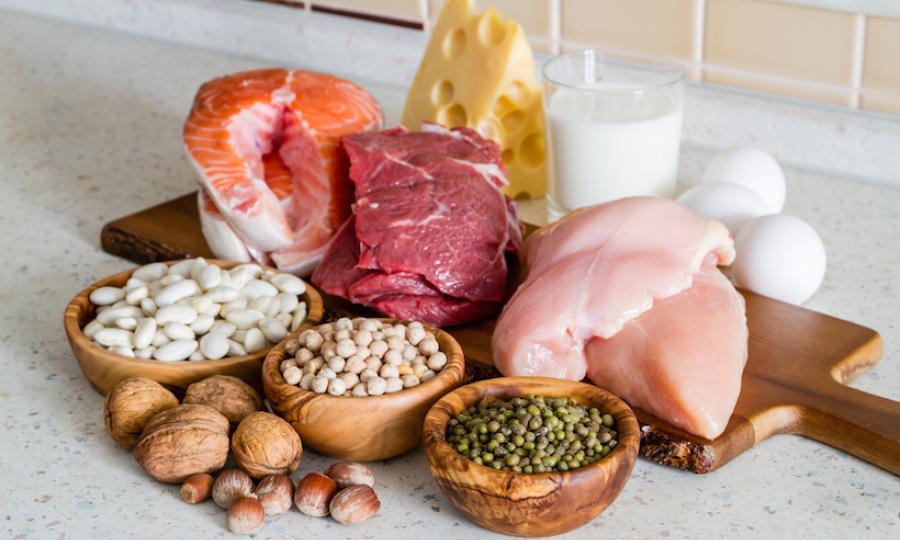
Adding protein rich foods like fish, lean meat, nuts and seeds, legumes and pulses to your diet during or post COVID-19 helps in replenishing the lost nutrition. These protein rich foods are also a great source of omega 3 fatty acids that help in boosting metabolism thereby improving gut health.
2. Vitamins should be your best friend –
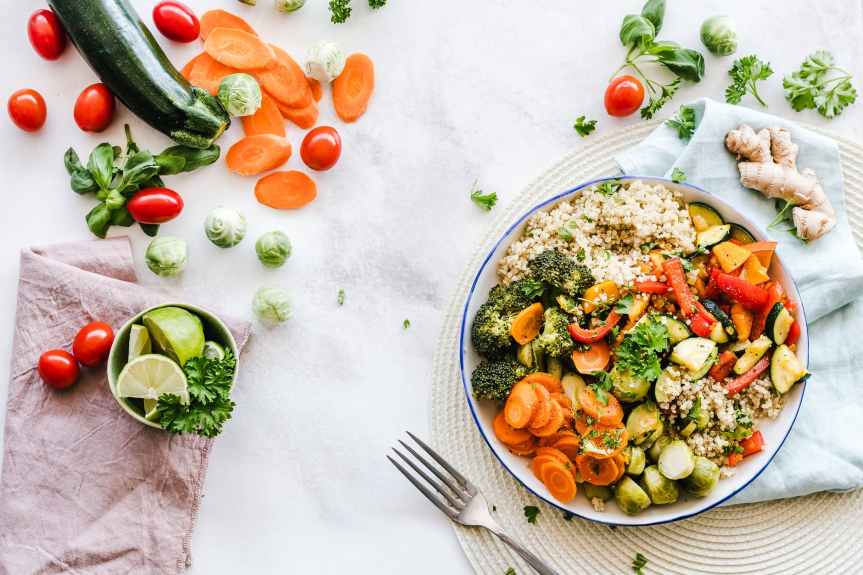
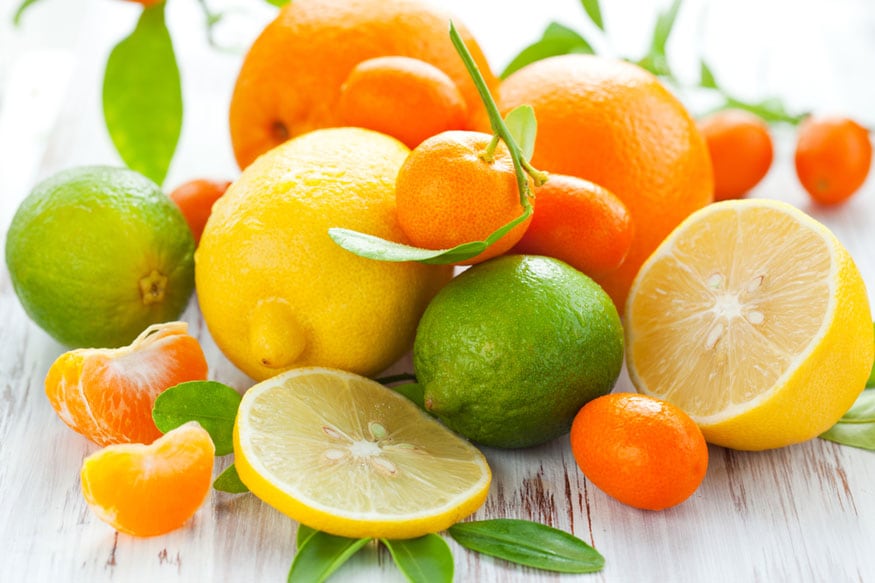
Adding fresh fruits and veggies help in faster recovery, this is the reason why experts suggest to include them in the diet during any recovery. Adding fresh fruits and veggies rich in vitamins and antioxidants help in strengthening the body’s resistance to combat deadly virus attacks like COVID-19. The addition of Vitamin C and multivitamin rich fruits like oranges, mango, pineapple, lemons help in reviving lost nutrients, hydrates the body and helps in boosting respiratory system.
3. Add soya to your diet–
The addition of protein rich soy in your daily diet can help in healing and faster recovery post COVID-19. As per the Food Safety and Standards Authority of India, it has been suggested that adding high protein soy based foods can help in boosting immunity naturally. Also going for a nutrient dense vegetarian diet can improve overall health and immunity, post COVID-19.
4. Keep check on sugar intake –
Apart from adding these healthy foods to your daily diet, you must keep a check on the intake of sugar and salt as they may lead to a spike in sugar levels or blood pressure levels, which eventually slows down the recovery process
5. Hydrate yourself –
During any sort of illness, dehydration and its associated challenges remain a major risk to our body. During such times, it becomes imperative to prioritize basic self-care, including drinking adequate fluids. One can also add lassi, coconut water or ORS during their COVID-19 recovery phase.
In today’s world, the youth has its contribution in almost every field like politics, research, sports. etc but they have the most important role in not getting the things they deserve
Let me clear this with an example aj ki date me boht km hi aisa hota h ki youth politics me dekhe vrna humesha koi aged ya experienced hi hota h .Agr koi young ldka ya ldki politics me jana chahta h to use ye bolkr hta diya jata h ki tum abhi bche ho abhi experience nhi h tumhe is field ka . Aur jb uski age ho jati hand tb agr vo ata h to tb uske pass experience hi nhi hoga kyuki jb uska experience lene ka time tha tb use ane nhi diya ab jb age ho gyi hai to uske pass experience hi nhi h. Aur isi tarah wo kabhi politics me aa hi nahi sakta. Taking another instance Agr koi kam hai koi bhi kam to usme automatically youth age aa jayega by the society ki yeh ladka ya ladki jawan h ye sare kam kr degi , tb hum automatically bde ho jate h. Mtlb jaha advantage lene ka chance h vha youth ko training period me dal dete h aur bad me experiance nhi h bolkr hta dete h aur jaha kam ki bari ayegi tb youth ko age kardenge kyuki vo jawan h aur sb kam kr skta h. This means ki ye kahte h ki humne duniya nahi dekhi h aur dusri taraf ye hume duniya dekhne bhi nhi dete h. So basically Is cheez me sabse important role h youth ka to hold his or her emotions. Vo kbhi show nhi krte h ki vo andar se depressed h ya mentally disturbed h kyuki vo apne elders ya parents ko pareshan nahi karna chahte h ya unke samne nahi rona chahte h aur isi vjh se vo sari preshani apne andar hi rakh lete h and that’s the reason youth have an role to sacrifice his /her emotions for not letting their families and elders worried and sad, either they have job problems or problems in their love lives or being trolled or bully by any reason or not get any attention from the one you want or don’t have any friends any many more uncountable reasons, And this is definitely an important issue every teenager or student or young men and women can relate.
Lending hefty loans to financially unstable economies, China’s BRI policy tends to capture territories of the countries that are unable to pay the amount on the specified time bound. Srilanka is one such example and as per the experts, pakistan could be the next.
What is Belt & Road Initiative (BRI)?
China’s Belt & Road Initiative (BRI) scheme, launched in 2013 by XI jinping, involves development and investment initiative that would stretch from Asia to Europe and beyond it. All together, more than hundred countries across the globe have signed an agreement with China to co-operate in BRI projects like Railways, ports, highways and various infrastructural projects. The countries that went against this had to face threats from China over other trade deals such as UK.
Few major priorities of this initiative are as: 1) Policy coordination 2) Infrastructure connectivity 3) Financial inclusion 4) Unrestricted trade 5) People-to-people bond.
Drawback of the loans provided by China: 1) Lack of transparency. 2) Poor environmental and labour standards 3) Coercive approach.
Although, G7 countries had come with a counter Scheme called Build Back Better World (B3W) to ensure that China’s monopoly over the smaller countries could be ended with what-so-ever it takes.
Before talking about B3W Initiative, let’s take a look at what is the G7 summit and why is it valued so high across the world.
What is G7?
It is a group of seven richest democracies of the world. It includes UK, Canada, France, Germany, Italy, Japan and the United States as its members. It was formerly known as G5 and G6. G7 summit 2021 was held in Cornwall, UK from June 11th to June 13th. This year’s main agenda of G7 summit was to talk about counter approach to China’s BRI initiative. The countries were searching for a better plan to surge China’s economic and military rise over the past 40 years and so finally this year’s G7 summit came with a better and effective plan.
What is B3W and how will it counter BRI?
Build back better world initiative calls for spending billions of dollars by 2035 to help developing countries in building railways, ports and other infrastructure projects. Government will collaborate with private sectors will adhering to climate standards and labour practices. This initiative is strongly backed by United States president Joe Biden. There wasn’t much details given yet and the plan seems to be underway now. Neither did they disclose the total spendings to be made by the year 2035 through this project. But one thing is sure that, this initiative will help many countries in getting a break free from China.
As far as India is concerned, India has always shown concern over China-Pakistan Economic Corridor (CPEC), a project of BRI which passes through the disputed territory of Pakistan Occupied Kashmir. India has officially not reacted to the G7 countries’ latest plan, but it is expected to be a welcome news for New Delhi.
The Family Man is an Indian ‘espionage action thriller streaming television series’ on Amazon Prime Video created, directed, and produced by Raj Nidimoru and Krishna D.K. who also co-wrote the story and screenplay with Suman Kumar, with dialogue penned by Sumit Arora and Suman Kumar. The series features Manoj Bajpayee as Srikant Tiwari, a middle-class man secretly working as an intelligence officer for the Threat Analysis and Surveillance Cell (TASC), a fictitious branch of the National Investigation Agency. It also stars Priyamani, Sharad Kelkar, Neeraj Madhav, Sharib Hashmi, Dalip Tahil, Sunny Hinduja and Shreya Dhanwanthary. Samantha Akkineni was hired for the second season of the series making her foray into the digital medium.
And to be honest it’s one of the best series I’ve had ever watched. Manoj Bajpayee is one of the finest actor of all the time. His acting gives a example to our new generation actors and he’s the god of acting for those who wants to become a actor.
From his struggle to his success, he implied all those thing he was willing to. And he has many awards and was nominated for best acting award (national award) for Gangs of Wasseypur. Rather than this all the actors/actresses in TFM1 and TFM2 contributes a huge part to make a series a super hit series of all the time. As in, Manoj Bajpayee Priyamani Samantha Akkineni Sharib Hashmi Neeraj Madhav Pawan Chopra Kishore Kumar G. Sharad Kelkar Devadarshini Gul Panag Shreya Dhanwanthary Sundeep Kishan Sanyukta Timsina Sunny Hinduja Abhay Verma Shahab Ali Ashlesha Thakur Vedant Sinha Aritro Rudraneil Banerjee.
All these actors/actresses had different roles and they had persued that particular Roel very well with pure perfection. And if you ask who is My favourite among these so I’ll obviously say Manoj Bajpayee. But rather than him I love the role and character of Sharib Hashmi. He had done his job very well and the way he acted was truly unconditional.
And one main point It is only and only streaming of Amazon prime. And if you ask me that ‘it’s a boring day’ what should we do then I’ll recommend you this series to watch both season one and two.
Overview Life is so unpredictable, no one knows what’s going to happen next. No one knows for much time you are here and what will be the reason for death and everything else. Life is unpredictable. When something unexpected does occur in your life, good or bad, it’s OK if it throws you off your game. If it’s favorable, bask in the excitement and joy at this unexpected event brought you. We have to enjoy the good things that happen and give them the time they deserve. Similarly considering today’s situation all around no one even imagined that something big would happen and would change the entire life. Not only a particular place, or a country but every creature on this planet is suffering from one or the other thing. The whole world is facing this Coronavirus pandemic. India and several other countries are facing economic slowdown and several other problems. Each individual has been into something or the other, which in return affects their physical and mental health. Whenever I interact with people, I always come to know about a lot of problems they face. Problems Faced Life is a journey, and the challenges you face, are obstacles that you have to overcome. They are what allow you to expand yourself, become more inclusive and more compassionate. Every other person is suffering from a disease or serious mental health issues such as anxiety, and depression, etc. In a book, I read that a little stress is necessary but the one with a lot of stress is not good for life. It may affect you in any way. It can impact your health, it can cause you a mental problem, and many other problems. The major challenges we face in life can be the loss of something, or someone, Failure, Setbacks, Feeling lost, or out of control, etc. Remember all the problems you face are not problems, they are challenges that you have to overcome and become stronger and better. Ways to a Good Healthy Life It’s important to keep yourself healthy. Mental Health is equally important as being physically healthy. It has been seen that most people neglect Mental Health problems, which in turn becomes a lifetime depression or maybe sometimes it takes people’s life. Life is short, as anything can happen anytime and you don’t have any clue what’s going to happen in the future. And, each and every person here has a purpose in life. It is certainly important to find that the purpose for which you are here. It might take some time to find it out, but it is necessary. It is just that doing what makes you and your inner feel happy and makes you refreshing. As said life is unpredictable and short and most importantly, you are here to find your meaning, your purpose for life. And making yourself happy will provide you with lots of positivity and strength to do more and make you a strong and better person in life. You have to be who you are and do excel in whatever field you are in and remember you are here for a purpose which you have to find and fulfill no matter what.
Tuberculosis, MTB, or TB (short for tubercle bacillus) is a common, and in many cases lethal, infectious disease caused by various strains of mycobacteria, usually Mycobacterium tuberculosis. Tuberculosis usually attacks the lungs but can also affect other parts of the body. It is spread through the air when people who have an active MTB infection cough, sneeze, or otherwise transmit their saliva through the air. Most infections in humans result in an asymptomatic, latent infection, and about one in ten latent infections eventually progress to active disease, which, if left untreated, kills more than 50% of those infected. The classic symptoms are a chronic cough with blood-tinged sputum, fever, night sweats, and weight loss (the last giving rise to the formerly prevalent colloquial term “consumption”). Infection of other organs causes a wide range of symptoms. Diagnosis relies on radiology (commonly chest X-rays), a tuberculin skin test, blood tests, as well as microscopic examination and microbiological culture of bodily fluids. Treatment is difficult and requires long courses of multiple antibiotics. Social contacts are also screened and treated if necessary. Antibiotic resistance is a growing problem in (extensively) multi-drug-resistant tuberculosis. Prevention relies on screening programs and vaccination, usually with Bacillus Calmette-Guérin vaccine. One third of the world’s population is thought to have been infected with M. tuberculosis, and new infections occur at a rate of about one per second.In 2007 there were an estimated 13.7 million chronic active cases, and in 2010 8.8 million new cases, and 1.45 million deaths, mostly in developing countries. The absolute number of tuberculosis cases has been decreasing since 2006 and new cases since 2002. In addition, more people in the developing world contract tuberculosis because their immune systems are more likely to be compromised due to higher rates of AIDS.
The distribution of tuberculosis is not uniform across the globe; about 80% of the population in many Asian and African countries test positive in tuberculin tests, while only 5–10% of the U.S. population test positive.
Risk factors There are a number factors that make people more susceptible to TB infections. Worldwide the most important of these is HIV with co-infection present in about 13% of cases. This is a particular problem in Sub-Saharan Africa where rates of HIV are high. Tuberculosis is closely linked to both overcrowding and malnutrition making it one of the principal diseases of poverty. Chronic lung disease is a risk factor with smoking more than 20 cigarettes a day increasing the risk by two to four times and silicosis increasing the risk about 30 fold. Other disease states that increase the risk of developing tuberculosis include alcoholism and diabetes mellitus (threefold increase). Certain medications such as corticosteroids and Infliximab (an anti-αTNF monoclonal antibody) are becoming increasingly important risk factors, especially in the developed world.There is also a genetic susceptibility for which overall importance is still undefined.
Transmission When people with active pulmonary TB cough, sneeze, speak, sing, or spit, they expel infectious aerosol droplets 0.5 to 5 µm in diameter. A single sneeze can release up to 40,000 droplets.[44] Each one of these droplets may transmit the disease, since the infectious dose of tuberculosis is very low and inhaling fewer than ten bacteria may cause an infection.
Prevention Tuberculosis prevention and control efforts primarily rely on the vaccination of infants and the detection and appropriate treatment of active cases.The World Health Organization has achieved some success with improved treatment success and a small decrease in case numbers. Vaccines The only currently available vaccine as of 2021 is Bacillus Calmette-Guérin (BCG) which while effective against disseminated disease in childhood, confers inconsistent protection against pulmonary disease. It is the most widely used vaccine worldwide with more than 90% of children vaccinated. However the immunity that it induces, decreases after about ten years. As tuberculosis is uncommon in most of Canada, the United Kingdom and the United States, BCG is only administered to people at high risk. Part of the reason against the use of vaccine is that it makes the tuberculin skin test falsely positive and thus of no use in screening. A number of new vaccines are in development. Public health The World Health Organization (WHO) declared TB a global health emergency in 1993 and in 2006 the Stop TB Partnership developed a Global Plan to Stop Tuberculosis that aims to save 14 million lives between its launch and 2015. A number of targets that they have set are not likely to be achieved by 2015 due to the increase in HIV associated tuberculosis and multi-drug resistant tuberculosis. Treatment Treatment for TB uses antibiotics to kill the bacteria. Effective TB treatment is difficult, due to the unusual structure and chemical composition of the mycobacterial cell wall, which makes many antibiotics ineffective and hinders the entry of drugs. The two antibiotics most commonly used are isoniazid and rifampicin and treatments can be prolonged. Latent TB treatment usually uses a single antibiotic, while active TB disease is best treated with combinations of several antibiotics, to reduce the risk of the bacteria developing antibiotic resistance. People with latent infections are treated to prevent them from progressing to active TB disease later in life.
The Indian Constitution endows every individual with certain fundamental rights. These rights grant every citizen equality regardless of the person’s race, caste, faith, place of birth, or gender. Articles 12 to 35 of the Constitution of India deal with these rights. The Indian Constitution provides certain remedies in case of violation of fundamental rights. Decision regarding the remedy is left to the discretion of the judiciary. Part III of the Indian Constitution deals with legal remedies. Legal remedies protect the fundamental rights against their violation. It gives individuals rights to seek remedies for violation of their fundamental rights.
The Indian Constitution also restricts the state from framing laws that violate fundamental rights. These fundamental rights are an important part of our Constitution. These rights have no value without the right to seek remedy against their violation. Without this right, other fundamental rights become meaningless. For this reason, it is referred to as the heart of our Constitution. Dr. Ambedkar calls it as the “spirit of the constitution and exceptionally heart of it”. Article 32 of the Constitution of India designates the Supreme Court as the protector and underwriter of the fundamental rights. The power to issue writs comes under the original jurisdiction of the Supreme Court. This enables an individual to move the Supreme Court directly for a remedy.
Article 32 and Scope of Article 32
Article 32 is a fundamental right that is entitled to every the citizen of the country by the Indian Constitution. It deals with remedies in case of violation of fundamental rights. This right enables an individual to move the Supreme Court to seek compensation. Article 32 is a remedial right and is not substantive. According to this article, the Supreme Court “shall have power to issue directions or orders or writs, including writs in the nature of habeas corpus, mandamus, prohibition, quo warranto and certiorari, whichever may be appropriate, for the enforcement of any of the rights conferred by this Part”. This right “shall not be suspended except as otherwise provided for by this Constitution”. Part III of the Constitution of India contains this article including other fundamental rights. Right to constitutional remedies is available only when there is a violation of fundamental right.
Right to constitutional remedy cannot be removed without a constitutional amendment. Article 32 can be suspended during an emergency and not otherwise. The Indian judiciary has played a significant role in protecting fundamental rights. The courts have used judicial review in an efficient manner in cases of violation of fundamental rights. The right to constitutional remedy cannot be suspended when the issue is related to Article 20 and 21. According to article 32, the Supreme Court “shall have the power to issue directions or orders or writs, including writs in the nature of habeas corpus, mandamus, prohibition, quo warranto and certiorari, whichever may be appropriate, for the enforcement of any of the rights conferred by this Part”. An individual can approach both the Supreme Court and the High Court for remedial action. The responsibility to protect the fundamental rights of citizens is assigned to the judiciary.
Article 32 gives the Supreme Court the power to issue orders, or writs in relation to violation of fundamental rights. The Supreme Court has the power to issue 5 kinds of writs. These are: Habeas Corpus, Mandamus, Certiorari, Writ of Prohibition, and Quo Warranto. Habeas Corpus is a writ related to personal liberty. This is issued in case of unlawful detainment. The meaning of habeas corpus is ‘produce the body’. When a person feels he has been imprisoned for no fault of his, he can file this petition. Mandamus is issued to a lower court by the higher court. It can also be issued to government officers or institutions. This writ is issued to ask the concerned person to perform a duty he has failed to perform. Certiorari is issued by a higher court directing the lower court to re-examine its decision. It is issued when the decision by a lower court violates natural justice. It is also issued in cases where procedure established by law has not been followed. The Writ of Prohibition is issued to prevent a lower court from proceeding in cases exceeding the jurisdiction of that particular court. Quo Warranto is issued to examine the legality of a position exercised by an official. It stops people from claiming positions that he is not entitled to hold. Public Interest Litigation is a distinctive jurisdiction taken over by the Supreme Court. A person can move the Supreme Court in issues concerning common interest. When there is a violation of fundamental right of an individual due to arbitrary laws or actions, he may move the the Supreme Court seeking a compensation. This article enables the court to relax the position of locus standi and allow any person to file a PIL petition. It is an expansion of the right to be heard. The burden of proving the common cause rests on the petitioner. This allowed any person file to PIL petition for the benefit of society. This is an exception to locus standi.
Article 32 contains four parts. The first clause guarantees the right to move the Supreme Court by appropriate proceedings. Here, “appropriate” does not refer to the procedure.The position that Article 32 guarantees remedy was confirmed in the case of Romesh Thappar vs State of Madras (1950). It refers to the purpose of the proceeding. In some cases, even postcard and telegram have been accepted as appropriate proceedings. Letters are also permitted. The second part endows the Supreme Court with the power to issue different writs. The Supreme Court can choose to issue any writ that is appropriate. The third clause allows the parliament to grant powers to lower courts to protect fundamental rights. The fourth clause talks about an exceptional situation. It mentions a situation of emergency during which this right cannot be enforced and remains suspended. This remedy is not available in cases where alternative remedy is present. The right to constitutional remedies is an urgent remedy. Except in cases of emergency, any law in conflict with the right or the Supreme Court’s power becomes void. The scope of Article 32 is limited and restricted as compared to Article 226. Unlike Article32, Article 226 is not a fundamental right. There is some difference between the jurisdictions of the Supreme Court and the High Court when it comes to issuing writs. The Supreme Court’s power of issuing writs is restricted to violation of fundamental rights. Whereas, the High Court can issue writs even if ordinary laws are violated. The area of the High Courts is wider compared to the Supreme Court in this regard. This power is, however, restricted by territorial jurisdiction. The Supreme Court’s power to issue writs extends to the whole of India. Article 32 is restricted to fundamental rights under Part III. Under Article 32, the Supreme Court does not deal with any other issues. The writs issued by the Supreme Court are powerful and strong instruments.









 Eduindex
You must be logged in to post a comment.