

Do you often procrastinate? Well, everybody procrastinates at times. Procrastination is however found to be more common in students. If you are a student and you keep pushing your assignments to the next day, to be done and in the end, you are stress-induced and often had to pull an all-nighter to finish your work before the deadline, then you are a hardcore-procrastinator. Anyway, there’s nothing much to worry as there are certain ways by which you can get rid of this habit of procrastinating, and put your life together. All that you have to do is just implement the ways mentioned below in your life, and change your life for the better.
1) Create a schedule – make a schedule, and plan you work beforehand so that you don’t have to break your head just before the deadlines. Mark on the calendar or set reminders on your phone as to how many days you have to devote to one subject to be studied before an exam or assignments to be done before the deadline arrives. Plan your timeline according to your work schedule and sincerely adhere to it.
2) Set achievable goals- Do not try to do the entire assignment in one day, otherwise, it would look like a daunting task to ever get completed, and in the end, you would find yourself procrastinating on your couch. So, it’s better if you divide your work into small chunks and work accordingly. For example, completing one chapter of English, per day or doing some part of an assignment in a day would be fruitful. Try to set your goals for a day, and try to achieve it at any cost. Do not go to sleep before completing your task. Make it a rule!
3) Stay away from distractions – while working on your assignment or studying for your exam, try your best to stay away from any distraction that might pull you out from your already prioritised schedule. So, it would be better if you put your phone out of your sight and use it once you are done achieving your goal for the day.
4) Reward yourself- the human brain gets a boost to function at it’s best if it gets tricked of being rewarded for its work. So, reward yourself every damn time you achieve your set goal for the day. For instance after completing a chapter, reward yourself by watching one episode of your favourite series. Tell yourself about it, and your work would be done in no time, as you would be filled with motivation with the thought of getting the reward.
5) Time management – managing your time plays an important role in deciding if you would be able to complete the given task before the deadline. In order to get a good night’s sleep and complete your work on time, you have to be very careful in allocating your time to the different tasks in a day. So, prioritise your work, and devote time accordingly. For instance, if you have a lot to cover for a specific subject before the exam day, you need to devote more time to it, and less to the subject you have already studied earlier.
Moreover, in order to complete your assignments, try to start doing from the one’s which you know would require more time than the rest. Start your work from the difficult part and then get to the easier ones. Once you complete the difficult assignments, you would get the motivation to complete the rest in no time. So, plan and use your time wisely.
Next time, if you find yourself
procrastinating, apply the above-mentioned ways in your life, and you would see the difference for yourself!
Dissent v/s Contempt

In Indian legal system, concept of contempt is older than the India herself, but the earlier recorded roots can be traced back to the Regulating Act of 1773. This Act stated that the Mayor’s Court of Calcutta would enjoy the same power as the court of the English Bench to penalize in case of Contempt of Court.
Contempt of court is the act of being defiant or disrespectful to the judiciary institutions. Conducts that amount to contempt of court are:
• disobeying or opposing court’s order
• scandalizing or prejudicing court and it’s proceedings
• interfering with administration of justice
Though the Indian Constitution doesn’t explicitly state the definition of Contempt of Court, it categorises this offence into
Civil and Criminal Contempt.
• Civil Contempt: Section 2(b) of the Contempt of Court Act defines Civil Contempt as “wilful disobedience to any judgment, decree, direction, order,
writ or other process of a court or wilful breach of an undertaking given to a court”;
• Criminal Contempt: Section 2(c) defines Criminal Contempt as the publication of any matter or the doing of any other act whosoever which,
(i) scandalise or tends to scandalise, or lowers or tends to lower the authority of, any court; or
(ii) prejudices, or interferes or tends to interfere with, the due course of any judicial
proceeding; or
(iii) interferes or tends to interfere with, or obstructs or tends to obstruct, the administration
In 1926, the first Contempt of Court Act was passed, affirming the power of the High Courts to punish or judge contempt offences committed against the subordinate courts. And again, the Contempt of Court Act of 1952 replace the previous Act and also expanded the power of penalizing from High Courts to the other courts as well.
Dissent v/s contempt
The Court is the pedestal from where the divine light of justice blankets the whole nation. It is the place of faith. And this is the place where should arise impartiality, independence, and fairness in their crude form. This third pillar of democracy not only supports the democratic structure of the country, but also the faith of each individual, regardless of age, gender, caste, power and so on. While it is believed that justice served must be accepted as it is, people often tend to have varied opinions, disagreeing with the Court or the Judge. This dissent sometimes, intentionally or unintentionally, takes the form of contempt.
In Indian legal system, concept of contempt is older than the India herself, but the earlier recorded roots can be traced back to the Regulating Act of 1773. This Act stated that the Mayor’s Court of Calcutta would enjoy the same power as the court of the English Bench to penalize in case of Contempt of Court.
What is the Contempt of Court?
Contempt of court is the act of being defiant or disrespectful to the judiciary institutions. Conducts that amount to contempt of court are:
• disobeying or opposing court’s order
• scandalizing or prejudicing court and it’s proceedings
• interfering with administration of justice
Though the Indian Constitution doesn’t explicitly state the definition of Contempt of Court, it categorises this offence into
Civil and Criminal Contempt.
• Civil Contempt: Section 2(b) of the Contempt of Court Act defines Civil Contempt as “wilful disobedience to any judgment, decree, direction, order,
writ or other process of a court or wilful breach of an undertaking given to a court”;
• Criminal Contempt: Section 2(c) defines Criminal Contempt as the publication of any matter or the doing of any other act whosoever which,
(i) scandalises or tends to scandalise, or lowers or tends to lower the authority of, any court; or
(ii) prejudices, or interferes or tends to interfere with, the due course of any judicial
proceeding; or
(iii) interferes or tends to interfere with, or obstructs or tends to obstruct, the administration.
A brief history.
In 1926, the first Contempt of Court Act was passed, affirming the power of the High Courts to punish or judge contempt offences committed against the subordinate courts. Further, the Contempt of Court Act of 1952 replaced the previous Act and also expanded the power of penalizing from High Courts to the other courts as well. But, there continued to be disagreeing opinions about the law. Hence, in 1961, a committee was adopted to examine the application of contempt laws. The committee recommended that the proceedings of the Contempt should be initiated on the recommendation of government law officer, unlike the previous legislation that the Court itself can initiate the proceedings. These recommendations were carried forward in the Contempt of Court Act of 1971. And this, 1971 Act, is the current legislation which governs contempt of court in India.
What is dissent?
Dissent can be regarded as “a strong difference of opinion on a particular subject, especially about an official suggestion or plan or a popular belief”. A person in India, is allowed to differ in opinions with other citizens and also those in power and can propagate his belief as his own. Freedom to dissent is one of the most important rights guaranteed by the Constitution.
There is a very thin line between dissent and contempt which often goes blurred. If there’s no freedom without dissent, then contempt is the exploitation of that freedom. But not to forget, if contempt is a punishable offense under Indian law, then free dissent is the right of every man. A democracy without the tolerance for dissent is actually a totalitarian regime, for there’s no greater idea of democracy than free men. “Freemen, in the exercise of free thoughts, will give vent in free speech”.
India is so confusing!!!

The most confusing country in the world is our country India. We live in a very confusing country because when you and I think about India, we get confused whether we should be proud or ashamed of India!
Because there are two Indias hidden in our country. One Indian is full of absconding millionaires!, and second India where businessmen think of the people before profit. One Indian which is spreading hatred based on religion and second India which has moved on and embracing peaceful tomarrow. One India which houses few of the most polluted cities in the world and second India which is powering homes using solar energy.
So which India are we part of!? Let me explain three stories that sounds impossible but are actually true.
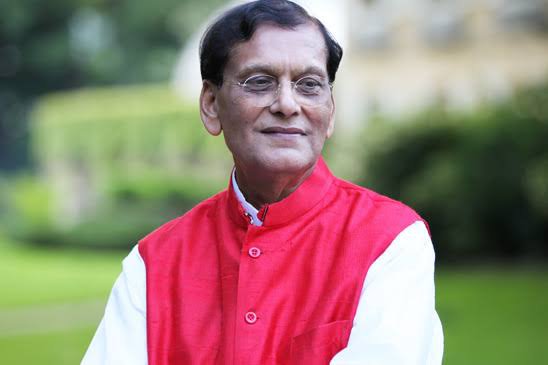
- Can India make electricity from POOP! 💩 sounds impossible, right? But Padmabhushan Dr. Bindeshwar Patak has made it reality. India had 60.4% people without access t toilet. Then in 1970s he has made 15 lakh toilets in India. You know these pay and use toilet as ‘Sulabha Shouchalayas’. But let’s go one step further he asked himself what happens to this waste? “Biogas”. 190+ toilets convert poop into energy. Over here waste gets processed and decomposed and ultimately it is used to generate electricity, to cook and to light street lamps too! Your outgoing is utilized and not just gas. The water left after this process is used to grow plants. Your waste treasure for plants. This gives them nutrients. This is so cool! It sounds impossible but it’s true.
- Poor people can’t afford a surgery but they can give 10/- per month. The Government can add 30/- in it and make a health insurance for them. In 150 per year get a health coverage. Today more than one crore people are part of this low cost health insurance. 100000+ low cost surgeries and this was all possible because of Dr. Devi Shetty.
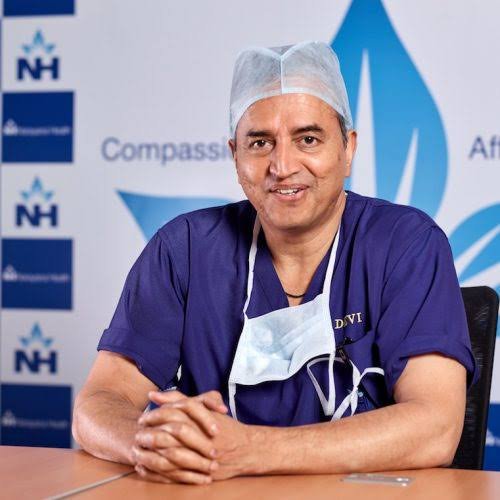
He is cardiac surgeon who founded Narayan Health. Poor people aren’t a problem, problem is poverty. Narayan Health isnonr of the cheapest hospital in the world but cheap doesn’t mean loss making?
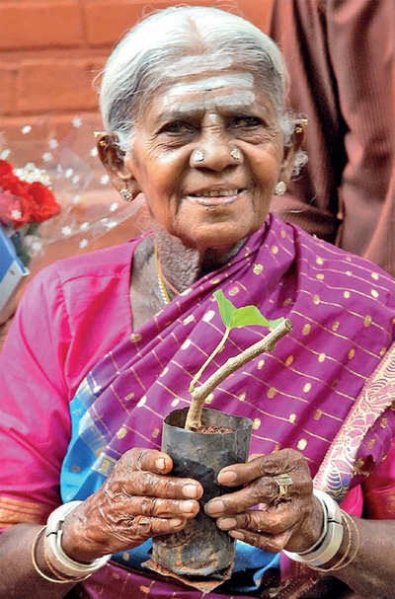
- Can women have 800 children? Even after 25 years of marriage Timmakka from Hulikal could not have baby of her own. So what did she do? She planted 380+ banyan trees and 8000+ other trees and she raised them as her own children. Today she is 109 years old! and since last 70 years she has been planting trees on the highway. She never went to school, she knows nothing about the climate crisis but what she knows is this it feels nice to sit in the shadow. When we see an environmentalist from a small village receiving Padmashree from Presidentnsnd giving blessing in return. Then this cute moment sounds impossible but it’s true.
It is true that India has all the problems of the world but it also means that all its solutions to the problem can come from India! Maybe we have complicated patriotism beyond recognition. Maybe it is very simple. What can we do? Let’s ask this question. Which India do we want!? The first India that see the problem and runs away at the 1st chance? or second India which doesn’t depend upon anyone else to find a solution. India’s 50% population is below 25. That means there is 50% chance that you’re yet to make a choice. Then why not support India that you want to grow? It’s simple demand and supply. The news you share becomes the news you see. The people you support are the people who grow. Every small step in the right direction takes our country one step forward. Today we need more practical patriotism who are ready to take small step at their level. They treat their work as their religion and move ahead and turn the things that looks impossible. Today’s interest becomes tomarrow’s truth. Because freeing the second India from the first one makes difference to us.
Indian Railways go Solar: Clean Energy
Indian Railways has over 960 solar powered railway stations and placed an order for 198 MW solar rooftop capacity for 550 stations. This is going to speed up Indian Railways’ goal of becoming ‘Net Zero Carbon Emission Railway’ and being100% self-sustainable for its power consumption.
The Railways recently organised a meet of leading solar power developers who shared their expectations of being partners in the journey of Indian Railways to become “net zero carbon emitter” before 2030. About 51,000-hectare vacant land is available for the Indian Railways to extend support to the developers for installing solar power plants.
Some solar powered stations are New Delhi, Old Delhi, Jaipur, Varanasi, Kolkata, Guwahati, Secunderabad, Hyderabad and Howrah.
Railways is also seeking for 100% electrification by the year 2023 by utilizing solar energy to meet its traction power needs and become a complete ‘Green mode of transportation.’ This will contribute to national solar power needs.
All this is in line with the recent orders of Prime Minister Narendra Modi to solarise railway stations and use vacant railway land for renewable energy projects. These solar projects will also protect the land by the construction of boundary walls along the track.
Significance & Evolution of Western music
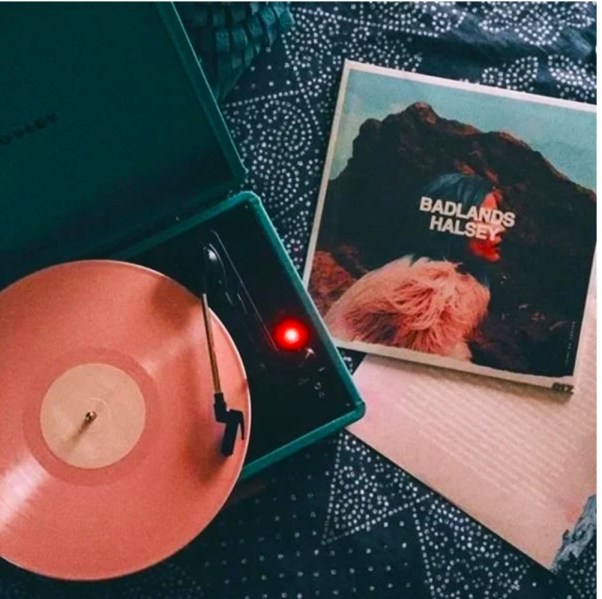
The Mid & the late 2000s was the era of songs when you had the most beautiful songs. The lyrics, rhythm & music just made so much sense & blended so perfectly to fit in each other. I still remember swaying my head listening to these tracks, whilst sitting by the window seat of local trains. As the cool breeze hit my face & the music captivated my soul. Truly an underrated experience.
Be it pop, jazz, heavy metals, or blues every musical composition had some deep & pleasant meanings to lend.
Remember the days back when we used thomp our feet on Shakira’s ‘Waka-Waka’ & ‘Closer’ by Chainsmoker’s. And if you are a fan of laments, then you may also recall sinking your heart listening to ‘A Thousand Years’ by Christina Perri or ‘Let Her Go’ by Passenger.
You bet I didn’t forget all-time fave & heartthrobs of millions right? The One Direction! Giving a series of popular hits back then . ‘Live while we are young’ & ‘What makes you beautiful’ being the liveliest tracks I’ve ever heard. I don’t know if you’ve ever heard to the songs of this American musical drama movie called ‘The Sound of Music.‘ It was made in the mid-1960s. But if you haven’t, you must give it a try.
To the present, where we are mindlessly mesmerized by the songs that hold no proper significance of lyrics. No wonder why the current generation songs aren’t sought for traces of culture & ethics. Well, this is a never-ending debate that can be conquered by none.
A good song helps not only to have a rest but it’s also helpful for learning new vocabulary. If you like listening to music, your hobby can prove to be quite beneficial to you. As many people including myself, believe in music therapy. This helps you deal with your physical, mental & emotional by establishing a therapeutic relationship with music.
“One good thing about music is when it hits you, you feel no pain”
~Bob Marley
Listening to these Billboard chart artists like- Taylor Swift, Marshmello, Dua Lipa, Ed Sheeran, Selena Gomez, Billie Eilish, Cardi B, Beyonce, Ariana Grande, Harry Styles are treat to ears. Similarly, bands like The Beatles, Maroon 5, The Weeknd, Imagine Dragons. The list goes on & on. Also, pardon me if I missed out on some importants.
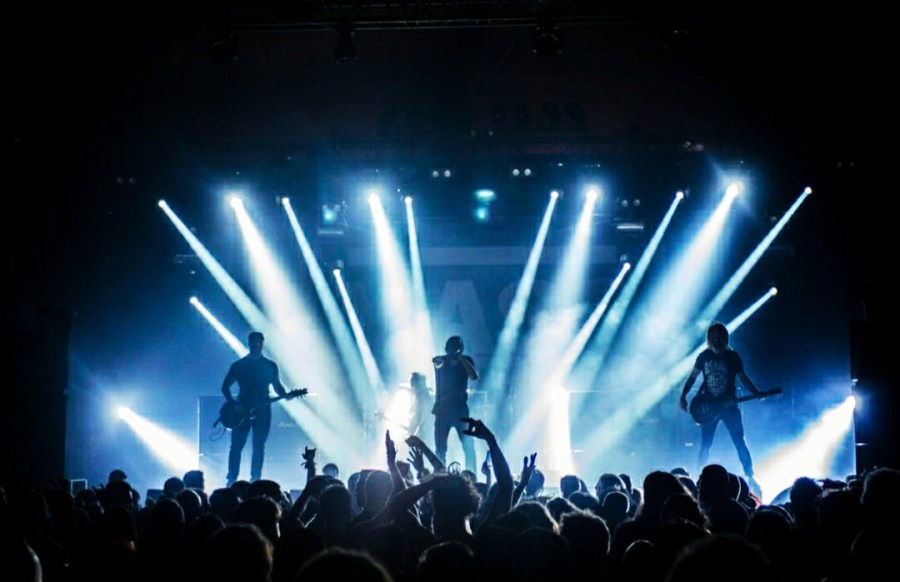
From the era where one used to feel at bliss listening to music through gramophone to attending live gigs. We have come a long way. Attending the live concerts where the audience sings in chorus with the singer over & over again. And then finally as it ends, a sudden silence falls for a fraction of seconds. Moments later the crowd breaks into a round of applause. Isn’t it intoxicating & magical all at the same time?
K-pop bands like BTS, Army, Blackpink are no behind in taking the music levels to new heights & breaking the internet. Despite the fact of being unable to understand their language, fans all over the world haven’t given up on them. As songs sometimes doesn’t need understanding all it needs is music & soul to connect with. But that doesn’t necessarily imply mindless lyrics are all the same.
Have you ever heard of this newly emerging virtual artist called, Lil Miquela? She’s currently taking the music world by storm & has a booming fan base. A CGI character created by Trevor Mcfredries & Sara DeCou. Precisely a robot of 19-years who has released some crackling electro-pop singles. Thus taking the internet by storm.
So this is how time flew by, from using instruments to produce musical notes to just using certain software to produce EDMSs. The simple lyrical songs overtime replaced the hearts of the masses by rap songs.
The Power of Believing in Yourselves

Haven’t we all came across a situation in our lives that we felt like we should just give up? On an average everybody has dealt with situations like that. We all clearly know that we don’t live in a bed of roses, we have our ups and downs in life but something that we all should follow is the magic of believing in ourselves.
We hear stories of success all the time but have anyone of you noticed something common in all of it, it was this very small and accurate thing ever. The power of believing in yourself and never giving up. People who have never stopped believing in themselves have reached heights beyond imagination. Have you all heard the story behind the author of the Harry Potter Series. J K Rowling was rejected 12 times before her novel got published and now it has become one of the highest selling books across the world. What we must notice here is the will power of J K Rowling. Getting 12 rejections never stopped her. She mailed it to many people because she believed in herself and she knew that she could change the world with her books.
Today we cannot find a person or a child who don’t know the 9 ¾ platform at Kings Cross, that was the magic she penned down. Her life story give us all the true meaning of self esteem and confidence and the will to stay strong through bad times. Not everyday will be a good one and not everyone you meet will be worthy of your trust or love but what is important is mastering the art of moving on and forgiving people by your principles.
It is human nature to naturally feel low and letting negativity in each time you fall down. We always forget about our capabilities and what we can achieve. Giving ourselves the right emotional space matters the most whenever we receive a setback. If you don’t then you will break like glass each time you fail. Nobody reaches success nor win on their first times, people work hard day and night to reach their respective goals. What is important is the strong sense of self love.
In our lives we all encounter with people who will pull us down, always keep in mind that your mind is the only thing which can bring you down. Nothing else can. So let the barking dogs bark, ignore people who pull you down and never throw stones at a barking dog, because it is always a waste of our time and energy.
“Once you replace negative thoughts with positive ones, you’ll start having positive results.” Said Willie Nelson an American Singer. This is something that we all should take in deep consideration. It doesn’t really take much effort to think positively about ourselves, neither does it cost too.
Listening to our inner voice can always connect us back to reality because inside all of us is a person who wants to succeed and never give up. Always learn to forgive ourselves from mistakes we do rather than putting ourselves down. Self love is a choice. Own it.
Coronavirus Latest News: Top 10

- AstraZeneca’s coronavirus vaccine reached Phase 3 clinical trials in the United States and is very close to get an approval. It could get launched before the November 3, 2020.
- The Institute of Medical Sciences and SUM Hospital, Bhuwaneshwar, is preparing for the second phase of the human clinical trial of ‘Covaxin’. There were zero side effects in the reports of first trials.
- The German scientists claim that they found that cancer drugs stop the growth of coronavirus. A total image of all correspondence channels of a human cell contaminated by coronavirus is recorded and observed for the first time. If these flagging pathways are interrupted and stopped, the virus can not duplicate and spread in the body anymore. Read the study here.
- Auckland, the largest city of New Zealand, successfully controls coronavirus spread and exits the lockdown.
- China has successfully controlled the transmission of coronavirus and did not find any new community spread reports of the coronavirus in the past few days. After Beijing and Shanghai, Wuhan reopens all the schools.
- Reopening of schools in the U.S. proves to record a lot more cases of coronavirus in the country when school children and staff are tested positive.
- Anti-mask protestors still on the rise in many parts of the U.S.
- Coronavirus protestors come out on the streets of Berlin in Germany, to fight for basic human rights.
- Peru, South America now has world’s highest coronavirus death rate.
- Japan plans to extend coronavirus loan for India to fight the pandemic.
Vacations Over!
The European countries have finally decided to reopen the schools after months of shutdown due to the Covid-19 pandemic. Realizing the limitations of online learning, several countries are now finding ways to restart the classroom studies. The governments have brought forward various rules and regulations to minimize contagion in schools and protect the students from the virus attack. Let’s have a look on the different approaches that the countries are taking to reopen the schools in this “new normal”!
In Britain, the schools started opening in June and finally all years are back full time this week. The classes have been split into small groups or “bubbles”, with each group keeping a safe distance from the others to prevent any widespread infection. The recess periods are changed and the start times staggered, to prevent crowding. The face masks rules depend upon the lockdown situation in the area.
In France, the schools have opened from today September 1st. The masks are compulsory at all times, regular disinfection of classrooms and proper ventilation shall be ensured. The school attendance is mandatory though schools can temporarily shutdown according to the outbreak in the neighborhood.
In Germany, the schools started in early August with compulsory mask wearing for students except while sitting at their desks. The classes should keep to different places during the interval time. The doors and windows are kept to open at all times.
In Italy, the schools are set to get back on track from 14th September with new single desks being introduced to ensure a social distancing norms. Mask wearing is mandatory while entering and leaving the school, though can be removed during the lessons. Some secondary schools with larger class sizes say they will use a mix of distance learning and on-site teaching to prevent overcrowding
In Norway, the schools have reopened with normal routine and even the masks are not compulsory for the pupils. The break times are staggered and different classes have been assigned specific area of the playground. The students having symptoms of Covid-19 are required to stay at home and get tested.
The case of India is significantly different, with daily record-breaking high cases of Covid-19. The schools are shut and no reopening can be possible in the near future. For how long the students will have to stick to their screens for daily lectures is the million dollar question!
Is Plasma therapy a useful treatment for COVID-19?
The emergency use approval authorisation by US Food and Drug Administration (US FDA) to use plasma as a potential therapy for Covid in US is expected to provide impetus to its used as yet ‘promising’ treatment option in India, even as doctors say clear scientific evidence is needed.
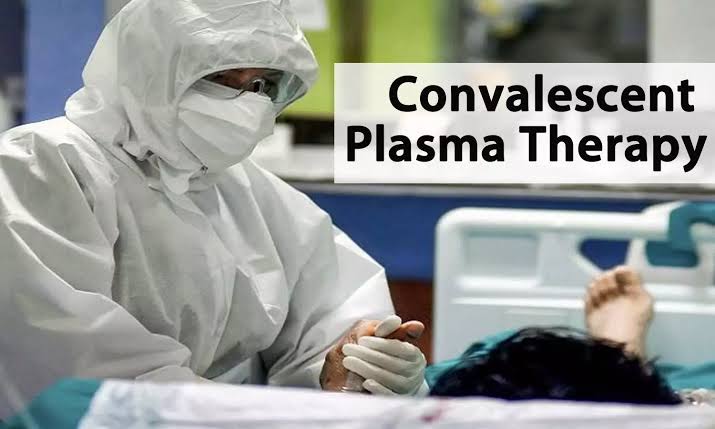
The US President announced US FDA approval on August 23, though the agency put it on hold over doubts on it’ efficiency. Doctors claim that the therapy of using recovered Covid-19 patients plasma to treat infected people will get even more widespread in India, given the endorsement from US. This would be similar to the sharp surge in demand witnessed for anti-malarial drug hydroxychloroquine as a potential covid 19 treatment, after President Trump’s repeated backing and later failed in global trials.
US FDA previously issued an EUA to allow hydroxychloroquine sulfate and chloroquine phosphate donated to the Strategic National Stockpile (SNS)to be distributed and used for hospitalized Covid-19 patients. In fact, these two drugs have been used for decades for the therapy and control of malaria and autoimmune diseases.
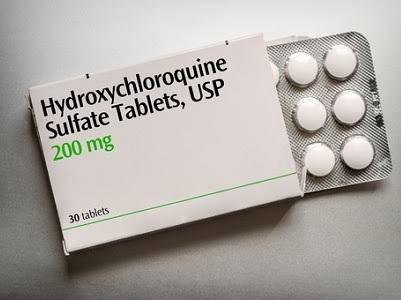
Preliminary studies have suggested HUQ may have utility in fighting covid-19. Distinct possible effects may be selected to its function in the treatment of covid-19 patients : A. anti-virus, B. anti-inflammation and C. anti-thronebotic. As until now there have been no data indicating HCQ has any immunity boosting effect, here we will mainly discuss the anti-virus and anti-inflammation effects. Both CQ and HCQ have been shown to possess anti-viral activity against various viruses such as human immunodeficiency virus (HIV), hepatitis A virus, hepatitis C virus, influenza A and B viruses, influenza A HSNI virus and others. Recent studies reported that CQ and HCQ could also inhibit SARS-CoV-2 in vitro, suggesting that they are potentially applicable to Covid-19 patients. However, there is to date no convincing report of the in viro anti-viral effects of HCQ/CQ. Several randomized controlled trials brought comforting news that CQ and HCQ showed potential effects in reducing respiratory symptoms and pulmonary inflammation as evaluated by computed tomography (CT) of covid 19 patients. It led to panic buying as people attempted to acquire this purpoted ” life saving drug”. Even some physicians stocked up CQ and HCQ for personal use in US and some European countries.
One person in US died and another become seriously ill after using verterinary formulation of CQ tablets intended for use in fish tanks in an effort to present Covid-19. Shortly after permitting the use of CQ and HCQ for treating covid-19, the US FDA issued precautions on using those drugs. Hence, we believe that serious discussions of the potential mechanisms are urgently needed to guide the potential clinical application, evaluation of efficacy and prevention of adverse effects of these drugs.
Plasma therapy has become the most common and simple treatment used niw-a-days in Covid-19 treatment. The US FDA announced that convalescent plasma may be effective in treating covid-19 and potential benefits of the product outweigh the risks based on scientific evidence available.
In India, multi-centre clinical trials to study whether plasma therapy is a useful covid-19 treatment are underway by the Indian Council of Medical Research. Further, States like Maharashtra are running the world’s largest plasma therapy trials, Project Platina, in 18 medical colleges, but response from donars reportedly has been lackluster. Covid therapy is highly individualised. The use of plasma therapy can be life-saving in certain cases and is being used in compassionate grounds. It is a promising treatment option if used earlier in the cycle of the disease. It has been used as therapy for over 100 years, but for COVID-19, we need to document this in a research programme. We also need better methodology for its use while screening donors so as to know the adequate level of neutralizing antibody, ortiters”, told Dr.Shashanka Josh.
Significantly, World Health Organisation on Monday remaind cautious about endorsing the use of plasma to treat infected people. “The results are not conclusive”, its chief scientist Soumya Swaminathan said’ adding ” We recommend that convalescent plasma is still and experimental therapy, and should be continued to be evaluated in well-designed randomised clinical trials.”
The US FDA decision was based on an observational study that gave “some positive signals that convalescent plasma can be helpful in treating COVID-19” and might reduce the mortality if administered early after diagnosis. This article is posted on preprint service and is yet to find its way into a medical journal. However, the claims made by the US FDA commissioner have considerably done more harm to the science and raised unrealistic hopes among the public.
In India, plasma is being promoted asking people to donate plasma to save lives, and shaming COVID-19 survivors who chose not to donate. We seem to have accepted plasma therapy widely without any good quality evidence supporting its use. This is likely to give even more widespread with the endorsement from the US, said Dr.Lancelot Pinto consultant respirologist at Mumbai-based PD Hinduja Hospital.
Plasma reduces death rates if there are enough neutralizing antibodies in the donor plasma. As of now, our labs are not accurately measuring the titres of antibodies in donor plasma – thus it is a wild guess if plasma administered to the COVID patient would indeed benefit the patients”, Kalantri added.
US FDA’s statement implies a 35% absolute improvement in outcomes, when the reality is a 32% improvement and that two comparing early late plasma, Dr.Pramesh said, adding, the danger of such a public statement is that ongoing randomised trials of convalescent plasma will struggle to recruit patient. However, the US FDA still recommend that randomised trials of plasma continue.
Final Year Exams 2020: Maharashtra University exams not to be held in September- Uday Samant

Photo credit: Google
Uday Samant has recently tweeted that the Maharashtra University Final Year exams 2020 would not be held till September 30, 2020. He said, “the universities are trying to ensure that the final year exams can be conducted to the students from home. The exams will not be held until September 30. The Vice-Chancellor suggested that the government should request the UGC to extend the term till October 2020”.
Maharashtra government is all set to announce the decision on the conduct of Final Year Exams 2020 in the state. The announcement would be made for both graduation and post-graduation courses.
The team or committee formed by the state government comprises of six-members headed by Dr. Suhas Pednekar, Vice-Chancellors from Mumbai, Pune, Aurangabad, Nagpur, Nanded, and SNDT universities along with two former Mumbai University Vice-Chancellors and directors of Higher and Technical education. The committee will decide on the conduct of final year exams in the state and would also give recommendations on how to conduct the exams in the state.
The state government will also disclose uniform guidelines for the conduct of exams and also that the committee will ask the universities to check the feasibility of the online exam from college
The committee was formed by the state after Uday Samant, state higher and technical education minister raised concerns over the conduct of exams followed by the Supreme Court’s verdict to conduct the final year exams. In his tweet he has asked the center to clarify as to how the exams will be held by September 30, if schools and colleges are closed and what exactly should the state governments and students do.
Meanwhile, the students’ body of Maharashtra has written to the state government, suggesting ways to conduct final year exams. This comes after the Supreme Court ruled in favour of the University Grants Commission (UGC) to conduct exams for final year students in India. Reportedly, 16 bodies of student organization
Social impact of Covid 19 :-
The COVID-19 pandemic has had far-reaching consequences beyond the spread of the disease itself and efforts to quarantine it, including political, cultural, and social implications.
pandemic on politics :-
A number of provincial-level administrators of the Communist Party of China (CPC) were dismissed over their handling of the quarantine efforts in Central China, a sign of discontent with the political establishment’s response to the outbreak in those regions. Some experts believe this is likely in a move to protect Communist Party general secretary Xi Jinping from people’s anger over the coronavirus pandemic. Some commentators have suggested that outcry over the disease could be a rare protest against the CPC. Additionally, protests in the special administrative region of Hong Kong have strengthened due to fears of immigration from mainland China. Taiwan has also voiced concern over being included in any travel ban involving the People’s Republic of China (PRC) due to the “one-China policy” and its disputed political status. Further afield, the treasurer of Australia was unable to keep a pledge to maintain a fiscal surplus due to the effect of the coronavirus on the economy. A number of countries have been using the outbreak to show their support to China, such as when Prime Minister Hun Sen of Cambodia made a special visit to China with an aim to showcase Cambodia’s support to China in fighting the outbreak of the epidemic.
The United States president Donald Trump was criticised for his response to the pandemic. He was accused of making several misleading or false claims, of failing to provide adequate information, and of downplaying the pandemic’s significance. Trump was also criticised for having closed down the global health security unit of the United States National Security Council, which was founded to prepare the government for potential pandemics.
The Government of the Islamic Republic of Iran has been heavily affected by the virus, with at least two dozen members (approximately 10%) of the Iranian legislature being infected, as well as at least 15 other current or former top government officials, including the vice-president. Advisers to Ali Khamenei and Mohammad Javad Zarif have died from the disease. The spread of the virus has raised questions about the future survival of the regime.
Sovereignty
Geoeconomics and country risk-experts have emphasized the potential erosion of political and economic sovereignty that may affect some already-enfeebled countries like Italy: Edward Luttwak has called Covid-19 “the virus of truth”. M. Nicolas Firzli, director of the World Pensions Council (WPC) and advisory-board member at the World Bank Global Infrastructure Facility (GIF), refers to the pandemic as “the Greater Financial Crisis”, that will “bring to the surface pent-up financial and geopolitical dysfunctions … [many] national economies will suffer as a result, and their political sovereignty itself may be severely eroded”.
Civil Rights and Democracy :- Iran, Jordan, Morocco, Oman, and Yemen banned the printing and distribution of newspapers. On 30 March, the parliament of Hungary granted Prime Minister Viktor Orban the power to rule by decree for an indefinite period.
World Peace :- The coronavirus pandemic appears to have worsened conflict dynamics; it has also led to a United Nations Security Council resolution demanding a global ceasefire. On March 23, 2020, United Nations Secretary-General António Guterres issued an appeal for a global ceasefire as part of the United Nations’ response to the COVID-19 coronavirus pandemic. On 24 June, 2020, 170 UN Member States and Observers signed a non-binding statement in support of the appeal, rising to 172 on 25 June, 2020. On 1 July 2020, the UN Security Council passed resolution S/RES/2532 (2020), demanding a “a general and immediate cessation of hostilities in all situations on its agenda,” expressing support for “the efforts undertaken by the Secretary-General and his Special Representatives and Special Envoys in that respect,” calling for “all parties to armed conflicts to engage immediately in a durable humanitarian pause” of at least 90 consecutive days, and calling for greater international cooperation to address the pandemic.
Education impacts ;- The pandemic has affected educational systems worldwide, leading to the widespread closures of schools and universities. According to data released by UNESCO on 25 March, school and university closures due to COVID-19 were implemented nationwide in 165 countries. Including localized closures, this affects over 1.5 billion students worldwide, accounting for 87% of enrolled learners.
Coronavirus and inequality :-
Low income individuals are more likely to contract the coronavirus and to die from it. In both New York City and Barcelona, low income neighborhoods are disproportionately hit by coronavirus cases. Hypotheses for why this is the case include that poorer families are more likely to live in crowded housing and work in the low skill jobs, such as supermarkets and elder care, which are deemed essential during the crisis. In the United States, millions of low-income people may lack access to health care due to being uninsured or underinsured. Millions of Americans lost their health insurance after losing their jobs. Many low income workers in service jobs have become unemployed.
Religious Impact :- The pandemic has impacted religion in various ways, including the cancellation of the worship services of various faiths, the closure of Sunday Schools, as well as the cancellation of pilgrimages surrounding observances and festivals. Many churches, synagogues, mosques, and temples have offered worship through livestream amidst the pandemic. Relief wings of religious organisations have dispatched medical supplies and other aid to affected areas. Adherents of many religions have gathered together to pray for an end to the pandemic, for those affected by it, as well as for the God they believe in to give physicians and scientists the wisdom to combat the disease; in the United States, Trump designated 15 March 2020 as a National Day of Prayer for “God’s healing hand to be placed on the people of our Nation”.
Psychological impact
On 18 March 2020, the World Health Organization issued a report related to mental health and psychosocial issues by addressing instructions and some social considerations during the COVID-19 outbreak.
Due to doubts if pets or other livestock may pass on coronavirus to humans, many people were reluctant to keep their pets fearing transmission, for instance in the Arab World, celebrities were urging people to keep and protect their pets. Meanwhile, people in the U.K. tended to acquire more pets during the coronavirus lockdown.
Suicide :- The coronavirus pandemic has been followed by a concern for a potential spike in suicides, exacerbated by social isolation due to quarantine and social-distancing guidelines, fear, and unemployment and financial factors.
Personal Gatherings :-
The impact on personal gatherings has been strong as medical experts have advised, and local authorities often mandated stay-at-home orders to prevents gatherings of any size, not just the larger events that were initially restricted. Such gatherings may be replaced by teleconferencing, or in some cases with unconventional attempts to maintain social distancing with activities such as a balcony sing-along for a concert, or a “birthday parade” for a birthday party. Replacements for gatherings have been seen as significant to mental health during the crisis. Social isolation among alcohol users has also adopted a trend towards Kalsarikänni or “pantsdrunking“, a Finnish antisocial drinking culture.
Domestic violence :- Many countries have reported an increase in domestic violence and intimate partner violence attributed to lockdowns amid the COVID-19 pandemic. Financial insecurity, stress, and uncertainty have lead to increased aggression at home, with abusers able to control large amounts of their victims’ daily life. United Nations Secretary-General António Guterres has called for a domestic violence “ceasefire”
Elderly care
Older people are particularly affected by COVID-19. They need special attention during the COVID-19 crisis, and their voices, opinions and concerns are important in formulating responses.
Global data are extremely uncertain at present, nonetheless, the heightened risks of COVID-19 for older persons are evident in all national data. The scale of testing and nature of reporting vary between governments and hence there is risk of misinformation by generalizing from the experience and reports of a given country.
While the number of older persons is relatively and absolutely smaller in developing countries, particularly in Africa, this coincides with other serious structural risks. Countries with the fewest older persons (such as many of the least developed countries), have the fewest health resources, limited experience caring for older patients (including few geriatric specialists), less institutional care for older persons, and far fewer public or NGO support structures for outreach, screening and community-based care of older persons.
Older persons living in long-term care facilities, such as nursing homes and rehabilitation centers, are particularly vulnerable to infection and adverse outcomes from COVID-19. Older persons who live alone may face barriers to obtaining accurate information, food, medication, and other essential supplies during quarantine conditions and community outreach is required. Older persons, especially in isolation, those with cognitive decline, and those who are highly care-dependent, need a continuum of practical and emotional support through informal networks (families), health workers, caregivers, and volunteers.
Is US economy hit the worst?
We are all aware that this pandemic has hit our lives and economies badly. But how bad is it and what’s the truth?
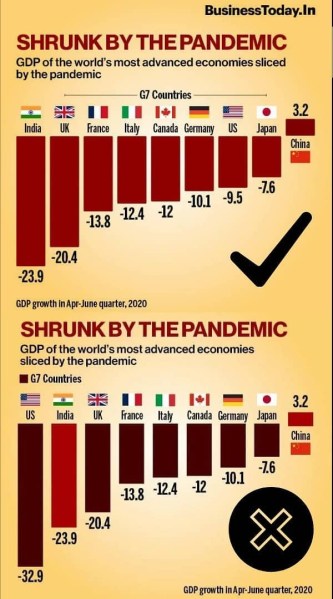
1. India’s GDP is the worst performer.
2 . US is the worst performing economy.
Reality behind these headlines. The ADVANCE gross domestic product showed that in the second quarter of 2020, US GDP declined at an annualised rate of 32.9%.
32.9% is an ‘annualised rate’. This is the fact which is hidden in the media to create a false frenzy.
What is ‘annualised rate’? The US has traditionally reported GDP and some other economic statistics as annual rates. Rather than simply giving a percentage change from one quarter to the next, the government reports, how much GDP would grow or shrink if that rate of change were sustained for a full year. ( Because growth rates are compound on themselves this calculation is abit more complicated than simply multiplying by four. The figures also adjusted for seasonal patterns so they’re more properly described as “seasonally adjusted annuall rates”.
Annualised GDP data can be misleading. When it reports quarterly GDP, the BEA presents the data in several different ways to aid the analysis. Among them are: 1) Growth or contraction from one quarter to the next (which was – 9.5% in the preliminary Q2 GDP report). 2) Growth or contraction in the quarter on an annualised basis (which was -32.9% in preliminary Q2 GDP report).
The latter ‘annualised rate’ projects how much economy would grow or shrink if the rate of change seen in the quarter continued at the same pace for four consecutive quarters with some adjustability for seasonality and compounding effects.
In order for the economy to actually contract as a whole by an annualised rate of -32.9% , the GDP would need to contract in Q3 and Q4 at least by -9.4%.
This pandemic is a big jerk to the economy. The difference in economic activity will be large from one quarter to another, it cannot be considered same across the year.
Hence the comparison made by some news articles is very much misleading and blinding the public. This does not portrait the true picture of the economic condition.
What is NTA and who conducts JEE-NEET and many other examinations?

National Testing Agency (NTA) conducts competitive examinations like NEET, JEE, CAT, UGC NET, G-PAT. NTA was established under the Indian Institution Registration Act-1860. It is an autonomous institution that conducts entrance examinations for admission and scholarship in higher educational institutions of the country. The objective of this agency is to be efficient, transparent and test based on international standards to assess the eligibility of candidates for admission and recruitment.
Now, academic sessions of all medical colleges, IITs, NITs, CFTIs and ICAR-AU depend on these entrance exams, know why NTA is insisting on getting these exams early. This agency conducts the examination in online medium for which it has to select such schools and universities where all basic facilities are available and the conduct of the examination does not affect their academic routine
Why this exam is very important for NTA?
This entire exercise is to save the academic calendar. It is necessary for many candidates to conduct entrance examinations to save one year. So the NTA’s is trying very hard and giving their full effort to save one year of students, even if the sessions are slightly delayed for courses.
NTA Functions
-Making question papers of all subjects with the help of state-of-the-art technology.
-To create a panel of subject matter experts for testing along with a strong R&D culture.
-Providing training and advisory services from time to time in Indian educational institutions.
-Working closely with international organizations such as Educational Testing Services.
-Conduct of an examination in case of various ministries and central government departments and state governments entrusted with the responsibility of conducting the examination.
-To ensure improvement along with training in schools, boards and other bodies and periodically check the testing standards of entrance examinations.
-The President of NTA is a noted educationist and is appointed by the Union Ministry of Education.
-Its Chief Executive Officer is a Director-General who is appointed by the Central Government.
-The establishment of a specialized testing agency like NTA has reduced the burden of conducting examinations from institutions like Central Board of Secondary Education All India Council for Technical Education.
-NTA is helping all the individual colleges and universities in the country in the field of testing, training and providing advisory services to the institutions in India. To provide quality testing services for the institutions in India.
-NTA conducts examinations at least twice every year through online medium thereby increasing the chances of admission for candidates preparing for competitive examinations.
-This agency is setting up its centers at the district level and sub-district level to increase the reach in rural areas and for the convenience of the candidates.
-The National Testing Agency has set up practice testing centers along with the introduction of a mobile app, with the help of which candidates can also conduct mock tests on their smartphones and do their pre-test evaluation.
Education minister wishes goodluck to students appearing for JEE MAINS today
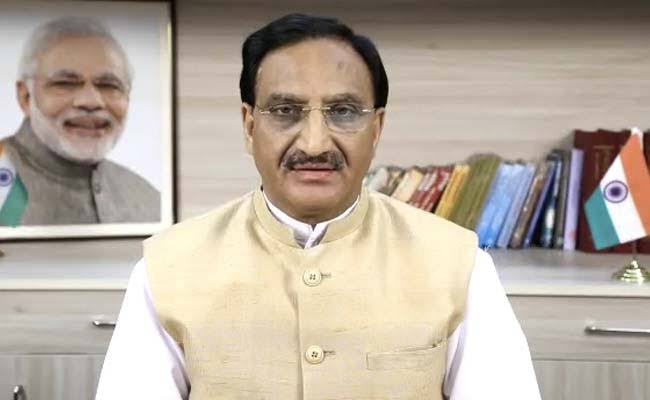
Union Education Minister Ramesh Pokhriyal ‘Nishank’ on August 31 via Twitter wished good luck to students preparing for JEE examinations which are going to commence from September 01.
“I wish best of luck to all students who are going to appear for the JEE tomorrow. I am also glad that over 7,77,465 have downloaded their admit cards. I have spoken to the CMs of most states to ensure that students don’t face problems,” Ramesh Pokhriyal said in a tweet.
“I have spoken and appealed to the Chief Ministers of most states to help students in their states and I am sure that the SOPs issued by the Health, Education and Home Ministries will be followed,” Mr Pokhriyal said in a video he tweeted last night. He also added “JEE and NEET had to be postponed several times due to the coronavirus pandemic. JEE and NEET exams are being held to ensure that students don’t lost a year. I am happy that nearly all students have downloaded their admit cards and there is enthusiasm among students.”
Meanwhile, Union Railway Minister Piyush Goyal has said that the Indian Railways has allowed students and their guardians to travel by special suburban services in Mumbai on exam days.
“Supporting students appearing for NEET and JEE exams, Railways has permitted them, and their guardians to travel by special suburban services in Mumbai on exam days. General passengers are requested not to commute,” Goyal said.
Following steps will be taken at all exam centers so as to not put a students life in danger:
1) As per the COVID guidelines, the seating area will be sanitised before each shift starts. And the gap between 2 seats will be maintained.
2) The NTA has already said that the hand sanitisers will be available at entry points for candidates and centre staff.
3) For social distance, students need to maintain a space of at least 6 feet from each other at all the time.
4) Candidate will be offered a fresh 3 Ply mask before their entry into the exam hall.
Guidelines that Candidates need to follow:
1) Students need to reach the exam centres at least 30 minutes before the reporting time.
2) Students need to carry all the important documents to the exam hall. They also need to make sure that they carry JEE Main 2020 hall ticket.
3) And lastly to stay calm and confidently write the examinations.
The National Testing Agency (NTA)has scheduled JEE Main to be held from September 1 to 6 while NEET to be held on September 13. The JEE Advanced on September 27. These exams were postponed twice this year due to the coronavirus pandemic.
 Eduindex
You must be logged in to post a comment.