

I watched as my sister knelt down beside me
Tears running down her face calm face
I watched as she gently raised me up to her chest and the loud scream coming out from her mouth
People ran past us to hide for their dear lives
Then she detached me from chest and place my head on her lap
Gently rub my face with her hand and tears continue to flows down like a waterfall
My lifeless body on her lap and keep saying words but she seems not to care
And suddenly she start singing calling out my name softly
I could remember the song, our parents sings the song a lot to us
“Oh Dil-ara!! You are bold, you are beautiful,oh my Dil-ara! If the stars were your dream,I will give you my whole sky,oh my little princess”
Just then,her breath caught in her throat and the tears continue to stream down
People keep running to hide
But my sister is here with my lifeless body
A body that knows no wounds nor pain
Seeing with me, I believe that her love is so boundless towards me.
20 Tips for Mastering the Art of Public Speaking
When my class was asked to describe our greatest fear- some said spiders while some said ghosts. But when the fingers were pointed at me and the entire class was staring at me for an answer, I froze. That is exactly when I knew my greatest fear was public speaking. The best way one can get over their fear is by practising it hence I made it my goal to be an ace at it. Today I’m a teacher and I speak in front of my students with ease and charisma.

Here are some of the tips that helped me through my process of practising public speaking:
1. Know your audience.
If you are speaking in front of an audience, there is usually a reason. Know who you are speaking to and what they want or need to take away. If it’s friends and family, entertain them. If it’s a corporate event, teach and inspire them. Knowing the demographic of the audience is imperative.
2. Rehearse, rehearse, rehearse.
Nothing becomes muscle memory unless you practice relentlessly. If you have a big speech coming up, make time every day to practice. Prepare your goals and the content well ahead of time. This can be done while driving, exercising, in the car, on a plane…anywhere.
3. Practice with your friends and family.
Once I know the content, I like to add a little bit of distraction to test how well prepared I really am. Turn on the TV or rehearse while pushing your child in the swing. Anything that adds a little more challenge. While taking a shower or even while dinner with your parents.
4. Maintain your own style.
Different events will often require a different approach or style. Sometimes reading a prepared speech is fine. But know it backward are forward so you’re not staring down at the pages the whole time. Some use notes. Others prefer to be 100 percent scripted and memorized. If that’s your style, memorize the content so well that you can go off script if needed — and so you don’t sound like you’re reciting a poem. Use the proper approach for the appropriate event.
5. Know the environment.
Know the venue where you will be speaking. Get there well ahead of time. Walk the room. Walk the stage. Get a feel for the vibe of the environment so you are more comfortable when its “go time.”
6. Test all equipment.
Nothing sucks more that last-minute technical difficulties. Avoid adding even more stress by testing any and all equipment and audio visual functions ahead of time. And have backups.
7. Practice in front of a mirror.
Practicing in front of a mirror is a good way to learn the proper amount of body motion, hand usage and facial expressions.
8. Take every opportunity to speak.
The only way to get better at anything is to do it all the time. Rehearsing is good, but nothing compares to actually getting up in front of an audience and doing it for real.
9. Practice body language and movement.
Remember, communication is much more about tone and body language than the words we say. The words of course matter, but emphasis comes with movement and body language.
10. Slow down.
We have some great sayings in the SEAL teams: “slow is smooth, and smooth is fast, ” and “don’t run to your death.” Nothing shows nerves more than racing through your presentation. If you want to impact the audience in a meaningful way, make sure they actually hear what you are saying. Slow it down.
11. Make eye contact, but avoid heavy body movements.
This one is very important, and it doesn’t matter how big the audience is. Make eye contact with as many people as possible. It makes the audience members feel like you are speaking directly to them. And don’t just stick to people in the first couple rows. Look at the people in the back too.
12. Know your material.
If your goal is to become a thought leader or actually teach the audience something, only a truly authentic understanding of the material will get you there.
13. Take long pauses.
Similar to slowing things down, make a point to take long pauses. And make them longer than you even think is appropriate. It can have a great impact on emphasizing key points and emotionally connecting to the audience.
14. Practice tone and voice modulation.
Don’t just eek your way through a speech using the same tone and volume. Tone and projection add a layer of entertainment and help keep the audience fully engaged from start to finish. These too must be practiced religiously.
15. Use humor and emotion.
It doesn’t matter what you are talking about. There is always a place for emotion or humor, or both. I find self-deprecating humor to work the best. And if you are starting to get emotional, so what? Use it. The audience may not remember everything you said, but they will remember how you made them feel.
16. Mentally prepare.
Find time during the hour before your speech for some solitude. Get your mind right. Clear your head. If it’s five minutes before, just relax. The time for making sure you know the material perfectly has passed.
17. Exercise before you go on.
It’s almost impossible to feel stress and anxiety after a good workout. If you have the time, exercise. The closer to your speech, the better. It’s also a good time to practice. I like to rehearse while running or swimming.
18. Project confidence.
The more you project confidence, the more confident you are likely to feel. Get out there and own the room. Even if you are terrified. Fake it. Look people in the eye and command their attention.
19. Don’t go over the allotted time.
When in doubt, go under the allotted time. Less is sometimes more. But never, ever, go over. It’s poor speaking etiquette and shows you are not prepared. It’s also disrespectful of the agenda for the event. Again, just practice.
20. Ask for feedback.
Most of us don’t like to ask for feedback, especially when we know the response may include some constructive criticism.
However feedbacks if taken positively can do wonders for your speech improvisation especially from a third-party point of view.

Speaking is a great way to connect with people and a skill we all should master.
It’s a must for leaders and managers. It’s a must for sales. It’s basically a requirement for all entrepreneurs and business leaders.
So go on and practice this skill which will be your life saver!
Village Life
A lot of people think that it is just impossible to live in some under-developed rural areas while modern city life can provide a person with almost everything that one could only imagine. However, such active and bustling way of life is not for everyone. There are a lot of people who do not pursue a crazy success and luxury and just want their life to be simple and plain. A village is a perfect place to live if you are in search of harmony with nature. People have everything for their minimum requirements of life. Villagers are just satisfied with the necessities of their living. They are always provided with fresh fruit, vegetables, fish, water, and clear air. It is the simplicity, natural beauty, and tranquility that make the rural life unique and special. Moreover, living in a concrete jungle can be quite stressful and it can make you more vulnerable to depression.
Villages preserve our national customs and traditions. The village people usually hold various festivals and fairs where they represent the wealth of our culture. Villagers think in the terms of religion and God. The village temple is the divine place where people draw inspiration for their further work and pray for their families and themselves. There is a unique closeness between the elder and younger generations. Young people treat their parents and grandparents with great respect and follow their valuable advice.
In spite of everything good that the village can give us, there are a lot of important things that rural areas lack. Peasants lack the utilities and convenience a more developed area can offer, such as hospitals, stores, police stations, firefighters, public health, mass education, proper cell phone coverage, and internet access. So, there should be some progress in rural areas in order to make such places more pleasant and comfortable to live.
Conclusion
A lot of philosophers and great thinkers admired the rural life because the country people are able to gain a sense of well-being from the purposefulness of a simple country existence. You can easily find a certain spiritual serenity and enjoy the pleasures of meaningful time among the magnificent rural landscapes. There may come a time when you just want to escape from everyday stresses and complexities of city life. At village you can feel the time and make your life move slower.
Farming and agriculture are one of the most difficult jobs. The Indian farmer, in particular, is a hardworking and diligent man. The land and the crops need close attention and efforts day and night for a successful harvest. Life in an Indian village is not a walk in the park by any means.
The farmer will usually start his day before sunup and work throughout the whole day. It involves a lot of manual labor and persistence. They plow the land, sow the seeds, harvest the crops, etc. And a lot of the farmers do not enjoy the luxury of machines or tractors and have to rely on intense manual labor. Rain or shine, they can never take a day off.
Invites for the Frontline COVID Warriors: A special feature of the I-Day 2020 celebrations in India this year


INTRODUCTION
The Ministry of Home Affairs (MHA) has issued the guidelines for the Independence Day celebrations that will take place amid the cloud of novel coronavirus pandemic. Due to this unfortunate and extraordinary situation the Independence Day celebrations on the 15th August will be subdued and low key.
THE LETTER
Joint Secretary Anuj Sharma has written a letter to all States and Union Territories sharing with them how the celebrations should be carried out in these testing times. In the letter preventive measures like social distancing, wearing of masks that are absolutely imperative have been mentioned in order to make sure that the celebrations are carried out without any collateral damage.
“In view of the spread of Covid-19 pandemic, while organizing various programmes or activities for the Independence Day celebrations, it is imperative to follow certain preventive measures such as maintaining social distancing, wearing of masks, proper sanitization, avoiding large congregations, protecting vulnerable persons, etc.; and follow all guidelines related to Covid-19 issued by the Ministry of Home Affairs and Ministry of Health a Family Welfare,” the letter read. Hence one can assume and infer that all the functions organised countrywide will be deprived of large gatherings.
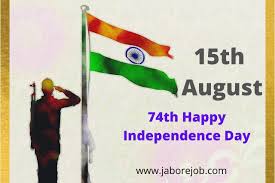
CELEBRATIONS AT THE LAL QILA
The Ceremony at Red Fort consisting of the presentation of a Guard of Honour by the Armed Forces and the Delhi Police to the Prime Minister (Pradhan Mantri), unfurling of the National Flag accompanied by playing of the National Anthem and firing of 21-gun salute, speech by the Prime Minister, singing of the National Anthem immediately after PM’s speech, and release of tricoloured balloons at the end. This will be followed by “At Home” reception at Rashtrapati Bhawan. As regards holding of “At Home” reception at Raj Bhawan /Raj Niwas by the Governor/Lt. Governor on the Independence Day, the matter is left to the discretion of Governors/Lt. Governors.
CELEBRATIONS AT THE STATE LEVEL
A ceremony in the morning (after 9.00 AM) in the State/Union Territory Capitals consisting of unfurling of the National Flag by the Chief Minister; playing of the National Anthem; presentation of Guard of Honour by the Police including Para-Military Forces, Home Guards, NCC, Scouts, etc; speech by the Chief Minister; and singing of the National Anthem.
In view of Covid-19 pandemic, large congregation in the ceremony be avoided. It is imperative that social distancing norms, wearing masks, etc., are followed. It would also be appropriate that Covid-19 warriors like doctors, health workers, sanitation workers, etc., are invited in the ceremony as a recognition of their noble service in fight against Covid-19 Pandemic. Some persons cured from Covid-19 infection may also be invited.
CELEBRATIONS AT THE DISTRICTS, SUB DIVISIONAL BLOCS AND PANCHAYAT HEADQUARTERS
The Districts, Sub Divisional blocs, Panchayat headquarters will have to follow similar protocols as the states. In view of the COVID-19 pandemic, preventive measures such as maintaining social distancing, wearing of masks, proper sanitization, avoiding large congregations, protecting vulnerable groups, etc., and other measures as prescribed and recommended by the Ministry of Health a Family Welfare, are to be followed. It would be appropriate that frontline warriors and workers like the doctors, health workers, sanitation workers, etc., are invited in the ceremony as recognition for their noble service in fight against the COVID-19 Pandemic. Some persons who have been cured from the infection may also be invited.
Performance of Police/Military bands may be recorded at places of historic importance associated with the Independence movement; and recorded versions thereof may be displayed through large screens/digital media, during public functions and on social media.
Other functions of the day may include activities like planting of trees; inter-school/inter-college debates on digital platforms; online quiz contests/patriotic essay writing and poetry competitions; launching of any important scheme, singing patriotic songs/delivering patriotic talks by selected boys/girls on the social media; illumination of Government Buildings/State Bhawans, etc; thematic webinars; online campaign by NSS and NYKS centered around patriotic themes; or any other activity deemed appropriate by the State Government/Union Territory Administration befitting the occasion. Other innovative ways of celebrating Independence Day may be considered like propagating patriotic or national integration messages/songs through digital and social media platforms, sound shows/lighting of important public buildings, waving of National Flags by people at rooftops/balconies, etc.
“It would be appropriate that the theme of “Aatmanirbhar Bharat” is suitably spread and publicized amongst the masses through various activities/messages in the functions and on social media during Independence Day celebrations,” the letter signed off with.
WEBSITES REFERRED
4. https://secure.mygov.in/group/ministry-home-affairs/
5. https://www.jaborejob.com/happy-74th-independence-day-wishes-india-15th-august-2020/
WORLD BREASTFEEDING WEEK
World Breastfeeding Week is celebrated every year from 1 to 7 August to encourage breastfeeding. World Breastfeeding Week (WBW) is a global campaign to raise awareness and galvanise action on themes related to breastfeeding. The 2020 theme is “Support breastfeeding for a healthier planet”. Breastfeeding promotes better health for mothers and children alike.
BREASTMILK
- It is the best gift a mother can give her baby ever.
- It contains all the nutrients for normal growth and development of a baby from the time of birth to the first 6 months of life.
- Ensuring exclusive breastfeeding for 6 months has a potential to reduce under-5 mortality rate by 13% and it assures maximum benefits of the breastfeeding.
Nutritional Superiority
Breast milk contains all the nutrients a baby needs for normal growth and development, in an optimum proportion and in a form that is easily digested and absorbed.
Carbohydrates
Lactose is in a high concentration (6-7 g/ dL) in breast milk. It helps in absorption of calcium and enhances the growth of lactobacilli, the good bacteria, in the intestine.
Proteins
The protein content of breast milk is low (0.9-1.1 g/dL) compared to animal milk. Human milk contains amino acids like taurine and cysteine which are necessary for neuro-transmission and neuromodulation. These are lacking in cow milk and formula.
Fats
Breast milk is rich in polyunsaturated fatty acids, necessary for the myelination of the nervous system.
Vitamins and Minerals
The quantity and bioavailability of vitamins and minerals is sufficient to the needs of the baby in the first 6 months of life.
Water and Electrolytes
Breast milk has a water content of 88% and hence a breastfed baby does not require any additional water in the first few months of life even during summer months.
Immunological Superiority
A breastfed baby is 14 times less likely to die of diarrhea and almost four times less likely to die of respiratory infection.
Protection against other illnesses
Breastfed babies have a lower risk of allergy, ear infections, orthodontic problems, diabetes, heart disease and lymphoma in later life.
Mental Growth
Studies have shown that babies who were breastfed had a higher IQ than those babies who were given other forms of milk.
Benefits to Mother
Not only the baby, the mother will also have number of benefits by breastfeeding.
- Breastfeeding soon after birth helps uterine involution, reducing chances of postpartum hemorrhage.
- It provides protection against pregnancy due to lactational amenorrhea.
- It reduces the risk of cancer of breast and ovary.
- Breast-feeding is the most effective way of shedding extra weight that mother has gained during pregnancy.
- More than everything, it gives a satisfied feel of motherhood and improves the emotional bonding between the mother and the baby
Technique of Breastfeeding.
Women becoming mothers for the first time require substantial assistance to learn the technique of breastfeeding. With correct technique, breastfeeding is natural and a pleasurable experience for the mother.
Position of the Mother
The mother can assume any position that is comfortable to her and the baby.
She can sit or lie down.
Her back should be well supported and she should not be leaning on her baby.
Position of the Baby
Make sure that baby is wrapped properly in a cloth.
- Baby’s whole body is supported not just neck or shoulders.
- Baby’s head and body are in one line without any twist in the neck.
- Baby’s body turned towards the mother (abdomens of the baby and the mother touching each other).
- Baby’s nose is at the level of the nipple.
Attachment
- After proper positioning, the baby’s cheek is touched and that initiates rooting reflex.
- Allow the baby to open his mouth widely and at that point, the baby should be latched onto the breast ensuring that the nipple and most of the areola are within baby’s mouth.
- It is important that the baby is brought on the mother’s breast and mother should not lean onto baby.
Signs of good attachment
- The baby’s mouth is wide open.
- Most of the nipple and areola in the mouth, only upper areola visible, not the lower one.
- The baby’s chin touches the breast.
- The baby’s lower lip is everted.
Effective Suckling
- Baby suckles slowly and pauses in between to swallow (suck, suck, suck.. and swallow).
- One may see throat cartilage and muscles moving and hear the gulping sounds of milk being swallowed.
- Baby’s cheeks are full and not hollow or retracting during sucking.
This is some information about the breastfeeding to create awareness among the general public.
“Spirits can never be conquered”Book Review: Living Courageously
The book “living courageously” written by Lipa Rath; an angel therapist, a true healer is a self-help
book which helps the reader to discover the true meaning of life. Author Lipa Rath, did not believe in
God until she was shaken up by the sudden death of her elder sister and her broken marriage which
lead her to the discovery of spiritual path which gave her the strength to tackle life’s numerous
problems. “Living Courageously” has come from the author’s heart. “Going through a long, dark
tunnel makes you wonder if you are ever going to see light.” Her crisis became so severe that she
thought of killing herself at one point. But eventually, she came out of darkness. Lipa suffers from no
hatred. “Today,” she says, “I feel very proud of the sufferings that I bravely suffered.”
As Lipa retraces her path with us in this journey, she shines bright throughout the end. Love and
forgiveness, surrender to God, deep devotion, power of the mind, fear and negativity, health and
happiness, will power, introspection, health, healing, affirmation, karma, spirit within, desires, death.
A proper disciple of Paramhansa Yogananda, Lipa covers every aspect of life with a rare candor.
Memories can never be replaced. Book review: “Million Memories”
The book Million Memories written by Pallavi Kodan is a narrative of 3 best friends which makes the
reader dwell into memories and relate it on every aspect. It is a story of three friends and their journey
of life. Aashima, Karishma and Siddhant, from classes to tuitions, they grew up together. Higher
education made them drift apart and they left with promises to stay in touch. Karishma who was the
misfit among the valued Siddhant and Aashima, had a great deal of ups and downs, fallings and
heartbreaks, she ignored her old friends for the new found fun but returned back to them, every time
with the guilt that proved her wrong. Being madly in love with her, Siddhant always found her in her
heart while the all forgiving Aashima was always more than a friend who cared. Siddharth finds the
way to make a profession out of his passion but somewhere there are distractions that don’t let him
live. Ashima falls in love but is confused about the right time. Time takes it’s leaps and Karishma’s
series of misfortunate adventures don’t seem to end.
The story is full of roller coaster ride and will make the reader fill up with multiple emotions at
various stages. This book is the wonderful combination of various emotions and experiences.
Amazing health benefits of Corn.
You will find the reason very easily during the monsoon days. In this era of coronavirus epidemic, if you are missing out for a snack in the evening then you can consume it. It is used for eating even after roasting it at home and it also provides excellent benefits for health.During the monsoon days, we often feel like eating spicy foods. Especially in the rain, there is more to eat these dishes. Right now the coronavirus epidemic has imprisoned people in their homes during this period, so it is better to avoid eating outside things. At the same time, corn is consumed the most in this season.
You will find it very easily at the vegetable shop. You can also roast it at home and consume it. Corn intake will not only change your test, but it also provides many good benefits to your health. Let us tell you below, what are the benefits of consuming corn to your body.
Correct digestion Those who are struggling with digestive problems or their food is not digested properly, then such people should definitely consume corn. The amount of fiber present in corn actively acts to correct digestion.
Beneficial for the eyes Corn intake can also prove beneficial for good eye care. The amount of vitamin-A present in it maintains the eye’s ability to see. Along with this, the amount of carotenoids present in it is also considered very beneficial for the eyes.
Beneficial for the skin The amount of antioxidants present in it works to improve the skin. The risk of skin pigmentation is also reduced manifold due to the number of antioxidants.
Boost immunity Corn intake is also considered to be the most effective for maintaining immunity. According to a scientific study, the special properties present in corn have the potential to strengthen immune cells. For this reason, if you consume corn, your immunity can also be strong.
Strengthen bones Foods rich in calcium nutrients should be consumed to make bones strong. This nutrient is also found in corn. So if you want to keep your bones strong, then eating corn can also prove to be a portion of good food.
CANCER: LIFE ALTERING, NOT DEFINING

Cancer is a group of diseases involving abnormal cell growth with the potential to invade or spread to other parts of the body. These contrast with benign tumors, which do not spread. Cancer is a very complicated disease characterized by uncontrolled, unregulated cell growth.
Cancer is what happens when one of the cells in the body “forgets” that it’s supposed to be part of a multicellular organism, and starts acting like one of its single cell organism ancestors instead. Rather than performing a specific role that benefits the organism as a whole, it acts selfishly, evolving to produce as many offspring as it possibly can, and undergoing mutation and natural selection to evade the body’s attempts to eliminate the disease.

The process starts when a cell picks up a mutation in a gene that controls cell division. The cell passes the mutation on to all its progeny; more mutations start to accumulate as the cells divide faster and faster. The group of tumour cells behave and evolve like a colony of bacteria, or other single cell organisms; the forces of natural selection allow the cells best able to survive the body’s attempts to control them to predominate.
The cells that can divide the most often produce the most “offspring”; some cells in the tumour mass develop the ability to escape their location and colonize new environments around the body; some cells develop resistance to drugs, or to the body’s immune system. It really is just like a bacterial infection within the body, except that the “bacteria” are the body’s own cells – similar enough to normal cells that it’s incredibly difficult to kill the cancer cells without killing normal cells, but different enough that they can overcome and kill the entire organism. This is why it’s so difficult to treat, especially once the cells have started to spread around the body.
The formation of a cancer tissue can be roughly classified into 5 stages that are tightly controlled: 1. the birth of a cancer cell; 2. a game of survival; 3. a game of hanging on: colonization into a cell clump; 4. winning out and the formation of a malignant tumor; 5. the final blow: metastasis.

1. The birth of a cancer cell: the first step onto this long, ominous journey is genetic mutations.
Of a total of ~ 20,000 genes in our body, ~ 100 genes are known to directly affect the birth of a cancer cell. Overall, it requires at least two independent mutations in two classes of these 100 genes to make a cancer cell: one in the category called proto-oncogenes (Oncogene), whose mutations enhance the transition from a normal cell to a cancerous one; the other mutation in the category called tumor suppressor genes (Tumor suppressor gene).
So you can see the cancer cell as an anomaly caused by an aberrant core (genes).
There are three main ways that result in aberrant genes:
a. hereditary, in which the faulty genes are passed from one’s ancestors. A relatively well-known example is the BRCA mutations involved in breast cancer.
b. spontaneous mutations caused by the built-in mechanisms through which our DNA is replicated each time a cell divides. This happens much more often than one expects. In fact, it is estimated that in every cell of the new generation ~ 60 new mutations (called somatic mutations, Mutation rate) will happen in a cell’s genome.
However, the vast majority of such mutations are harmless — only the very rare ones that affect the activities of the oncogenes will result in the birth of the cancer cells.
c. “catalyzed” mutations caused by environmental factors such as radiation (UV, X-ray, and others), toxic chemicals such as tobacco and pollutions, and certain viruses.
All those external risk factors do one thing in terms of carcinogenesis, which is to greatly enhance the mutation rates during cell replication. In the case of a virus such as a human papillomavirus (HPV) which causes cervical cancer, the mutation rates in oncogenes are drastically increased.
Overall, a double-hit in the categories of oncogenes is the most important determinant factor that results in the birth of a cancer cell, although not necessarily the sole one. As described above, the birth of a single cancer cell happens much more often than one might expect. However, by no means does it have an easy life to live, and the chance of its winning out is still very, very slim at this stage (under normal circumstances).
2. A game of survival
Now in an ocean of normal cells and other natural defenders in the body, there is a lonely cancer cell that needs to first hang on for its life. Although the genetic mutations give it more power in terms of lifespan and proliferation, they also bring other significant obstacles for its life.
Believe it or not, the beginning of a cancer cell’s life is rather tough. Just like all natural ecological systems, in the human tissue environment this abnormal cell has to compete for nutrients, adapt to an environment that may not favor its survival, and evade the natural killer — the immune system.
As a result, the vast majority of newborn cancer cells die before they even have a chance to reproduce.
Correspondingly, many internal and external factors kick in at this step in terms of cancer development, which could be affected by one’s life style, further decreasing the chance of carcinogenesis.
Examples include: a. natural body metabolism and integrity. The more healthy and robust of one’s normal cells, the less likely a cancer cell will be able to survive, simply because of the power-imbalance. b. the surrounding micro-environment that could be affected by metabolism, cell-cell interactions, human microbiota (Microbiota), etc. For example, the cancer cell may prefer a different PH, or oxygen concentration, etc. Thus keeping a healthy microbe population is also beneficial for fighting against cancer. c. The killing machine, the immune system.
3. A game of hanging on
Once a cancer cell beats all the odds and survives, it will employ its most powerful weapon – fast replication – and starts proliferating.
However, at this step, the cancer cells are still outnumbered. In addition, since there are only a few of them, they are still trying to adapt to an unfavorable environment rather than building their own fortress. It’s still weak, and all the factors described in 2. (A game of surviving) could still eradicate them.
Thus it’s never too late to adopt a healthy habit, such as quitting smoking, starting to boost immunity, adapt to a more healthy diet, etc. By doing so you may just give your body the extra power it needs to get rid of those budding malignant cells.
4. The winning out phase
Only at this phase cancer cells really become dangerous. Now that the cancer cells have defeated a number of obstacles and outcompeted the normal cells, they start to proliferate at a crazy rate. In addition, since there are a large number of them, they start to connect to each other and change the micro-environment to their favor.
At this step one’s own defense system is not enough to handle the insults. But still, since the cancer cells just build one solid foundation in one area, they are still prone to be defeated by additional reinforcement, such as surgery and a series cancer therapies. That is why the earlier they are detected, the easier it is to destroy.
5. The final blow: metastasis
This is the final tipping point beyond which there is less hope of returning. The final blow of a cancer tissue is its migration. By doing so the most robust and devastating malignant cells are starting building their fortresses in other areas of the body, which are typically vital organs.
Yet even in this step there are still ways to deal with them. The most powerful weapon is still one’s own immune system, which is what the recent highly promising immunotherapy is based on.
In all, the majority of a cancer cell’s (tough) journey is just like that. Despite the notorious name it has, there are really numerous steps that it can be beaten. And the first step always starts with a balanced healthy life style.
treatment options
- Surgery: The goal of surgery is to remove the cancer or as much of the cancer as possible.
- Chemotherapy: Chemotherapy uses drugs to kill cancer cells.
- Radiation therapy. Radiation therapy uses high-powered energy beams, such as X-rays or protons, to kill cancer cells. Radiation treatment can come from a machine outside your body (external beam radiation), or it can be placed inside your body (brachytherapy).
- Bone marrow transplant: Your bone marrow is the material inside your bones that makes blood cells from blood stem cells. A bone marrow transplant, also known as a stem cell transplant, can use your own bone marrow stem cells or those from a donor.A bone marrow transplant allows your doctor to use higher doses of chemotherapy to treat your cancer. It may also be used to replace diseased bone marrow.
- Immuno therapy: Immuno therapy, also known as biological therapy, uses your body’s immune system to fight cancer. Cancer can survive unchecked in your body because your immune system doesn’t recognize it as an intruder. Immunotherapy can help your immune system “see” the cancer and attack it.
- Hormone therapy: Some types of cancer are fueled by your body’s hormones. Examples include breast cancer and prostate cancer. Removing those hormones from the body or blocking their effects may cause the cancer cells to stop growing.
- Targeted drug therapy: Targeted drug treatment focuses on specific abnormalities within cancer cells that allow them to survive.
- Cryoablation: This treatment kills cancer cells with cold. During cryoablation, a thin, wandlike needle (cryoprobe) is inserted through your skin and directly into the cancerous tumor. A gas is pumped into the cryoprobe in order to freeze the tissue. Then the tissue is allowed to thaw. The freezing and thawing process is repeated several times during the same treatment session in order to kill the cancer cells.
- Radio frequency ablation: This treatment uses electrical energy to heat cancer cells, causing them to die. During radio frequency ablation, a doctor guides a thin needle through the skin or through an incision and into the cancer tissue. High-frequency energy passes through the needle and causes the surrounding tissue to heat up, killing the nearby cells.
Since there are many aspects for causes of cancer all we can do is leading a healthy and disciplined lifestyle with a positive attitude is the best way to deal with cancer.
10 Unhealthy food items one should avoid.
Just like it is important to know about the foods that enhance good health, it is equally important to give attention and have knowledge about the top foods that are unhealthy for the body and should be avoided as much as possible. The foods mentioned below are not only unhealthy but also hampers with the regular functions of the body making you more prone to diseases and health problems.
Candy Bars
Candy bars are loaded with sugar. They cause cavities in teeth, which can lead to tooth loss over a period of a time. Candy bars also cause insatiable hunger and can up your sugar glucose levels. They also cause liver failure and excess weight gain. They are one of the factors that cause insulin resistance in the body.
Ice Cream
Ice creams are irresistible foods for both adults and kids alike. However, these sugar loaded desserts are high on carbohydrates and can cause several health issues. They cause diabetes, weight gain and even teeth sensitivity issues. They also increase the blood triglycerides in the body.
Fast Food
In the modern era, people prefer something that is quick and tasty. Fast foods are the most eaten food across the world. These are extremely dangerous to health, as they can cause excessive weight gain. They also cause depression due to the presence of harmful chemicals. Studies show that fast foods are also responsible for dementia.
Coffee Drinks
Intake of coffee must be restricted to no more than 2 cups per days, as it can increase caffeine levels in the body. It can cause restlessness, stomach disorders, vomitings, nausea, acidity and irregular functioning of heart. It is always better to limit your coffee intake per day.
Processed Foods
Processed foods may be easy to consume, but they are extremely harmful to health. They are loaded with sugar and fructose corn syrup. These have very little amounts of nutrition and fill body with empty calories. This causes increases heart diseases, obesity and sudden deaths in people.
Pasta
White pasta of any form or shape is one of the unhealthiest foods that one should stay away from. There are no vitamins and minerals that are provided to the body and a minimum amount of fiber which is not even significant. The only thing it has is empty carbs. The unhealthy fat is only an add on in most of the cases.
Soda
Aerated drinks are another of the unhealthy foods that totally deserves to be in this list. Soda is only a hundred percent calories without any nutrient or health gains for a person. It also has high levels of sugar that affects the body in a negative way. It damages the teeth; weaken the bones and leads to cavities.
White Bread
White bread is just another form of pasta and one that provides no nutrients to the body and only empty calories. White flour based products are unhealthy snacks and you can always adhere to healthier substitutes like brown bread.
Tomato Ketchup
Tomato ketchup is full of preservatives and high levels of sugar. It is one of the processed foods that bring only bad health to the body. Make sure you stay away from this unhealthy food as much as possible.
Processed Cheese
Have you ever seen the slice of cheese in hamburgers? These are nothing but processed cheese and something highly unhealthy and full of saturated fats. There is nothing else in this food apart from calories and the way to obesity.
Chaloung Sukapha in the light of a recent controversy
Chaolung Sukapha, the founder of Ahom kingdom, was recently referred to as a “Chinese invader”. The name-calling broke media as it showed the illiteracy of knowing his/her own history and culture. To know of Chaolung Sukapha is the least we can do to pay a tribute.
This 13th-century ruler founded the Ahom kingdom that went on to reign over Assam for six centuries.
The contemporary scholars have traced his roots which evidentially belong to Myanmar. He is also widely referred to as the architect of Assam that is recalled as “Bor Asom” or “Greater Assam”. This shows the gratitude given by the indigenous people towards his successful efforts to assimilate so many different communities and tribes that make today a dignified society.
As the state today is fighting with floods, it is the best time to commemorate Sukapha and his rule, which Assam celebrates as “Asom Divas” on the 2nd of December every year.
The Ahom Kingdom ruled from 1228 to 1824. In the 13th century, the Ahoms migrated from the regions of present-day Myanmar to the Brahmaputra valley.
In 1253, this tributary ruler established his capital at Charaidau, Assam. They recognized new states by suppressing the older political systems of the landlords locally called as Bhuiyas. The same was done in 1523 by conquering one of the powerful kingdoms of those times, the Chhutiyas and in 1581 the Koch-Hajo. By the 16th century, Sukapha had subjugated different tribes into their community.
These unpopular kingdoms faced many invasions from the south-western areas of the Indian subcontinent on a repetitive basis and remained under as shackles as they were finally defeated by the Mughals in 1662.
The Burmese invasion of Assam ended the dynasty of this kingdom and later the subsequent annexation was done by the British East India Company which followed the Treaty of Yandaboo in 1826.
The Administration of Ahom society was then divided into clans or khels. A khel in turn was often in control of several villages. A census was done and the people were transferred from the more populated to the less populated areas.
By the beginning of the 17th century, the administration transformed into almost a centralised version.
The administration involved labourers called ‘paiks’, system of forced labour prevalent in the Ahom kingdoms, who in the name of economic structure were sent and received from each village by rotation.
The Men of the kingdoms were mostly involved in agriculture, construction of dams and other similar public works. During the times of wars, the men also served in the armies. There were also employed in different home manufacturers and cottage industries.
Inclusive of this, the State impressively saw flourishment as the agriculture thrived. It saw many new methods of rice cultivation which were developed by the Ahoms.
The Culture of the Ahoms was originally the worshipping of their tribal gods. But gradually with other developments, Hinduism became a predominant religion during the mid-eighteenth century due to the rule of Hindu kings. However, the entire community of the Ahoms did not adopt Hinduism completely.
Various arts and literature also had a separate culture in the Ahom kingdoms. The Poets and Scholars were specifically given land grants on their valuable performances. Theatre was encouraged thoroughly as well.
The translation works carried out from Sanskrit into the local languages with time. It involved the historical works, known as Buranjis, to be written and converted into first the Ahom language and then in Assamese language.
The technology in the Ahom Kingdoms as the usages of firearms suggest even in the 1530s reflect advancement. The kingdom began to make gunpowder and cannons by 1660s.
The kingdom may not be highlighted by bright colors but their reflection is very well noticed in the developments of the State and importantly, the country as a whole. To be giving them terms without proper knowledge only reflects signs of disrespect towards our own country.
Podcasts I Love
“Journalists have linked this online podcasting boom to the ubiquity of smartphones, time spent in transit, and online music services. Others attribute it to the brain-stimulating and addictive effects of audio learning, or the multitasking potential of listening. The beauty is in the overlap.”
Jeff Desjardins, Editor-in-Chief of Visual Capitalist
The Seen and Unseen:
Amit Verma.
Writer, Journalist, and Podcaster.
“The Seen and the Unseen is a weekly podcast hosted by Amit Varma. It takes its title from Frédéric Bastiat’s famous essay, ‘That which is seen and that which is unseen’. In his essay, Bastiat uses the example of what later came to be known as the “Broken Window Fallacy”, and pointed out that to evaluate the consequences of any action, we need to look at both its seen effects, which are often the rationale behind the action, and its unseen effects, which include unintended consequences and ripple effects.
The Seen and the Seen started off looking at the unintended consequences of public policies, and then evolved into a deep-dive interview podcast. It has tackled subjects such as the life and thought of Mahatma Gandhi, the Emergency, Hindutva, cricket, Demonetization, the Bangladesh War, Plato, Venezuela, the Harappans and the Me-Too Movement. Its guests have included Ram Guha, Srinath Raghavan, Steven Pinker, Matt Ridley, Tyler Cowen, Shashi Tharoor, Tony Joseph, Aakar Patel and Harsha Bhogle.
The Seen and the Unseen is supported by the Takshashila Institution, an independent centre for research and education in public policy.
The Seen and the Unseen is owned and produced by Amit Varma. It releases every Monday.”
I Weigh:
Jameela Jamil.
Actress, Model, Writer, and Activist.
“What started with a social media post has become a movement, and now a podcast. On I Weigh, Jameela Jamil challenges society’s definition of worth through weight by asking different thought-leaders, performers, activists, influencers, and friends about how they are working through their past shames to find where their value truly lies. With hilarious and vulnerable conversations, I Weigh will amplify and empower diverse voices in an accessible way to celebrate progress, not perfection.”
Ted Talks Daily:
“TEDx is a grassroots initiative, created in the spirit of TED’s overall mission to research and discover “ideas worth spreading.” TEDx brings the spirit of TED to local communities around the globe through TEDx events. These events are organized by passionate individuals who seek to uncover new ideas and to share the latest research in their local areas that spark conversations in their communities. TEDx events include live speakers and recorded TED Talks, and are organized independently under a free license granted by TED. These events are not controlled by TED, but event organizers agree to abide by our format, and are offered guidelines for curation, speaker coaching, event organizing and more. They learn from us and from each other. More than 3000 events are now held annually.”
Work in Progress:
Sophia Bush.
Actress, Director, Producer, and Activist.
“Work in Progress with Sophia Bush features frank, funny, personal, professional, and sometimes even political conversations with people who inspire Sophia about how they’ve gotten to where they are, and where they think they’re still going. These discussions stem from her “aha” moment of realizing you are allowed to be both a masterpiece and a work in progress, simultaneously.”
BBC Global News Podcast:
“We’re impartial and independent, and every day we create distinctive, world-class programmes and content which inform, educate and entertain millions of people in the UK and around the world.
The day’s top stories from BBC News. Delivered twice a day on weekdays, daily at weekends”
Daily Dose:
News Laundary.
News Channel.
“News Laundry is a news, current affairs and media analysis organisation. We value independence and transparency and believe the two are integral to democracy and a healthy society. This applies to news media too, often referred to as the fourth pillar of democracy. You can read about our mission here and see our ownership structure here.
We will question established ways and models that get too comfortable and cozy. No one should be above scrutiny: Not politics, industry, civil society, and certainly not the media. Not them, not you, not us – no one.”
“City of Girls” by Elizabeth Gilbert: Book Review
You may have heard of Eat, Pray, Love, the memoir that spent 199 weeks on the New York Times Bestseller List thanks to the writing of American author Elizabeth Gilbert. Similarly, the most recent book of Gilbert’s, City of Girls, has thus far met quite satisfactory reviews and is a New York Times bestseller itself. In addition to this, the book is a winner of the 2020 Audie Award for fiction because of its jazzy style, sexy characters, and indisputable New York glamour.
Book Summary
Vivian Morris is a nineteen-year-old girl who is rich, beautiful, and second-to-last in grades out of every single student at Vassar college. When she inevitably flunks out, her parents don’t know what to do with her, so they decide to send her to New York. There, she will live with her estranged Aunt Peg and assist her with the old, decrepit live theater she owns, which Vivian comes to know fondly as the Lily Playhouse.
When she arrives, Vivian is aghast at the fiery glamour of the Big Apple. She’s swept up in it, in fact, so much so that this rather innocent girl becomes a late-night lock-the-door partygoer, romping along with her new showgirl and actress friends from the Lily Playhouse as they put on their first hit show: City of Girls. Vivian describes her adventures, and does so in a chatty, fun tone—even when she comes to the part in the story where a regretful sexual encounter leaves her as almost nothing more than a piece of gossip in the tabloids, she keeps up her high-spirited style.
Because of the ruckus that said sexual encounter caused, Vivian, now twenty, decides to leave New York out of guilt and shame. She comes back a few years later out of necessity—Aunt Peg needs her help putting shows on for the soldiers of the second World War—but in the time that she’s back with her parents, she still has her adventures, one of them being narrowly escaping an engagement. When she finally arrives back in New York, Vivian sews costumes for the political skits that Aunt Peg and her secretary, Olive, put on, and she’s happy to be home at last.
In the last leg of the book, Vivian talks about the aftereffects of the war and the destruction it caused, the death of her brother being an example of that. One day, Vivian meets a soldier named Frank who knew her brother—and although the pair do share a small but terribly unpleasant piece of history involving why Vivian left New York, they gradually move past it and become the best of friends. As the pair grow older and Vivian settles down, becoming a happy, independent seamstress, she recounts all the wild events of her past and allows them to flow into the much calmer events of her present, graciously allowing readers to join her in the process.
Review
In my humble opinion, I think City of Girls lives up to its expectation in every way. It’s an effervescent, witty, and sexy adventure that reintroduces us to colloquial things we thought we forgot, giving readers insight and wisdom along the way. As a story of a young girl growing up and discovering the real world, it has its share of heartache, but never fails to swing back into the shameless you-only-live-once style that Vivian never quite grows out of.
My favorite thing about City of Girls was probably the characters—each one more unique and interesting than the last, you’ve got girls that sound like boys and boys that look like girls and playwrights that respond to “Good morning!” with “I fail to see your argument.” Elizabeth Gilbert spared no expense in giving even the smallest characters a trait unique to them, and that kind of patience is admirable among authors.
INTERNATIONAL TIGER DAY

It is said that Where tigers thrive, it is a sign that the ecosystem is healthy. International Tiger Day is celebrated on 29 July annually to promote the protection of natural habitat of tigers and to increase awareness about the conservation of tiger. International Tiger Day is also known as Global Tiger Day. International Tiger Day was established in 2010 at Saint Petersburg Tiger Summit in Russia to raise awareness about the decline of wild tiger numbers, leaving them in the brink of extinction and to encourage the work of Tiger conservation. In the Summit, a declaration was made that Governments of tiger populated countries had vowed to double tiger population by 2020. The largest species of cat in the world, tigers are powerful hunters with sharp teeth, strong jaws and agile bodies. They range across Asia from Russia all the way to the Sumatra and Indochina. Researchers still have much to learn about these beautiful, critically endangered, solitary cats.
There is currently one recognized species of tiger, Panthera tigris. Scientists have further classified the tiger into nine subspecies: the extinct Bali, Caspian and Javan subspecies, and the living Malayan, Sumatran, South China, Indochinese, Bengal and Amur (or Siberian) subspecies. Of these six subspecies, AZA-accredited zoos currently manage three: Amur, Malayan and Sumatran. The Smithsonian’s National Zoo is home to Sumatran and Amur tigers.
Physical Description
Tigers have reddish-orange coats with prominent black stripes, white bellies and white spots on their ears. Like a human fingerprint, no two tigers have the exact same markings. Because of this, researchers can use stripe patterns to identify different individuals when studying tigers in the wild. Tigers are powerful hunters with sharp teeth, strong jaws and agile bodies. They are the largest terrestrial mammal whose diet consists entirely of meat. The tiger’s closest relative is the lion. In fact, without fur, it is difficult to distinguish a tiger from a lion.
Size
Tigers are the largest cat species in the world, and the Amur tiger is the largest subspecies with males weighing up to 660 pounds (300 kilograms) and measuring 10 feet (3 meters). Sumatran tigers are the smallest subspecies, maxing out at 310 pounds (140 kilograms) and 8 feet (2.4 meters). Female tigers of all subspecies tend to be smaller than their male counterparts.
Native Habitat
Historically, tigers existed throughout much of Eastern and Southern Asia, as well as in parts of Central and Western Asia and the Middle East, surrounding the Caspian Sea. Their range has diminished significantly as human populations have expanded. It is believed they currently occupy just 7 percent of their historic range.
Presently, tigers are found in a variety of habitats across South and Southeast Asia, China and Eastern Russia. They thrive in temperate, tropical or evergreen forests, mangrove swamps and grasslands. Amur tigers are primarily found in Far-East Russia, although there are small populations across the border into China and potentially North Korea. Sumatran tigers are found only on the Indonesian island of Sumatra. A tiger’s range within these regions is determined by the availability of prey.
Communication
Despite their solitary nature, communication is a very important part of tigers’ behavioral ecology. They communicate through vocalizations, such as roaring, grunting and chuffing, and through signals, such as scent marking and scratches on trees. Tigers are fiercely territorial animals, so these signals are particularly important to communicating where one tiger’s home range ends and another’s begins.Food/Eating Habits
Tigers are solitary ambush predators that rely on stealth and strength to take down prey. These apex predators primarily hunt large ungulates, such as wild boar and deer, but are also known to consume monkeys, buffalo, sloth bears, leopards and even crocodiles. When tigers are found in close proximity to humans, they may also feed on domestic animals, such as cattle or goats. Tigers are adept swimmers and have even been recorded hunting in the wild.
These powerful cats hunt primarily at night, using sight and sound to identify prey. Their striped coats help them blend into their surroundings, where they lie in wait for prey to pass by. At the opportune moment, tigers pounce on their prey, take it to the ground and finish the kill by breaking or biting the neck. Tigers hunt about once a week and consume as much as 75 pounds (34 kilograms) of food in one night.
At the Zoo, tigers eat ground beef, and their diet is supplemented with enrichment items each week. They receive knucklebones or cow femurs twice a week and rabbits once a week to exercise their jaws and keep their teeth healthy.
Social Structure
Tigers are solitary creatures, except when mating or raising young. Cubs stay with their mothers until they learn to hunt successfully, usually at about 18 to 24 months old. They reach full independence after two to three years, at which point they disperse to find their own territory. Female tigers often remain near their mother’s’ territory, while males disperse farther from home.
Reproduction and Development
Female tigers reach sexual maturity between age 3 and 4. Males are sexually mature at about 4 or 5 years old. Mating can occur at any time of year but most often takes place during cooler months between November and April. Tigers are induced ovulators, which means females will not release eggs until mating occurs. Gestation lasts approximately 100 days, and females give birth to between one and seven offspring at a time, averaging between two and four cubs. Once cubs become independent, at about age 2, females are ready to give birth again. However, if a female’s offspring do not survive, due to causes such as infanticide or starvation, she is able to conceive another litter right away.
Lifespan
The life span of tigers in the wild is usually between 10 and 15 years. In human care, or on rare occasions in the wild, a tiger can live up to 20 years. However, approximately half of all wild tiger cubs do not survive past the first two years of life. Only 40 percent of those that reach independence actually live to establish a territory and produce young. The risk of mortality remains high for adult tigers due to their territorial nature, which often results in direct competition with conspecifics, or members of the same species.
Tigers are a part of our planets’ natural heritage‘ they also have a great cultural and historical significance. No doubt they are also crucial for the ecosystems in which they live. We can’t ignore that tigers not only protect the forest by maintaining ecological integrity but also they bring highest levels of protection and investment to an area. Therefore, we call them as “umbrella species” that is their conservation also conserve many other species in the same area.
So, protect and conserve tigers!
Cronyism
“It’s the most familial-based societies where the sense of obligation is strongest, that breed the worst nepotism and cronyism.”
Franklin Foer
Nepotism
“The practice among those with power and/or influence of favouring relatives or friends, especially by giving them jobs or opportunities.”
Favouritism
“The practice of giving unfair preferential treatment to one person or a group at the expense of another.”
Cronyism
“The practice of appointing friends and associates to positions of authority, without proper regard to their qualifications.
All of them exist in every field, work, or education. We are compelled to be more forgiving to our loved ones’ mistakes and shortcomings. We forgive ‘our’ people more easily and hold grudges against strangers.
Similarly, it is common to prefer our people over others. It’s deeply instilled in us and we are also under fire with others if we don’t prefer our own. It comes to us naturally.
But!
Not everything that comes naturally is correct. Natural Disasters exist right?
Each time we make biased choices, we are not only taking away another’s opportunities but we are also cutting their growth. Merit and Skill are the only reasons a person should be chosen. No matter the field or the influence.
Having said that, it is undeniable that a few people have a slight advantage over the others most times.
Taking, for instance, Bollywood. Every ‘star kid’ has a slight advantage, no one can deny that. Some have it more than others. Denying them an opportunity is also wrong.
In the business world, the offspring takes over the family business. Would you call them out on their nepotism? No. You’d say, that the parent worked hard in building the business and the offspring deserves it. How are Bollywood actors and actress’s kids getting a head start any different?
While I understand the majority’s point, it’s completely different. We are confusing Cronyism with Nepotism.
Cronyism. That’s our culprit.
It’s wrong to blindly accuse someone of something without knowing the whole story. It is important to first educate ourselves before pointing a finger at another.
The reason for this post is the blind hatred towards celebrities and the abuse they are receiving. Social Media is now a vital part of our everyday life. Likes and Comments or the lack thereof affect us. With the death of one of our beloved actor, it is more important now, than ever to be kind, and compassionate towards everyone. The kind of abuse is encouraging more hatred and malice.
Amid a pandemic, with millions affected and thousands lost, we should be a bit more compassionate. The world is already being affected so harshly by a virus, do we need hatred? Do we deserve to see more people break?
We have seen so many cases where bullying ending in horrible ways. We cannot afford any more of this. We cannot deal with more premature deaths caused by violence.
Let’s stop spreading hatred and spread compassion. If you can’t say something nice, don’t say anything bad. If you see someone saying something wrong, correct them nicely. Help people in need to the best of your abilities. Educate yourself and then, others.
 Eduindex
You must be logged in to post a comment.