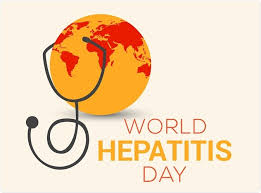
WORLD HEPATITIS DAY

Hepatitis D Symptoms and Transmission

World Hepatitis Day, observed on July 28 every year, aims to raise global awareness of hepatitis — a group of infectious diseases known as Hepatitis A, B, C, D, and E — and encourage prevention, diagnosis and treatment. The date of 28 July was chosen because it is the birthday of Nobel-prize winning scientist Dr Baruch Blumberg, who discovered hepatitis B virus (HBV) and developed a diagnostic test and vaccine for the virus. This year’s theme is “Hepatitis-free future,” with a strong focus on preventing hepatitis B among mothers and newborns. On 28 July, WHO will publish new recommendations on the prevention of mother-to-child transmission of the virus. According to the World Health Organization (WHO), after tuberculosis, the second major killer infectious disease is Hepatitis.

Your liver is located in the right upper area of your abdomen. It performs many critical functions that affect metabolism throughout your body, including:

  • bile production, which is essential to digestion
  • filtering of toxins from your body
  • excretion of bilirubin (a product of broken-down red blood cells), cholesterol, hormones, and drugs
  • breakdown of carbohydrates, fats, and proteins
  • activation of enzymes, which are specialized proteins essential to body functions
  • storage of glycogen (a form of sugar), minerals, and vitamins (A, D, E, and K)
  • synthesis of blood proteins, such as albumin
  • synthesis of clotting factors

Hepatitis is an inflammation of the liver. The condition can be self-limiting or can progress to fibrosis (scarring), cirrhosis or liver cancer. Hepatitis viruses are the most common cause of hepatitis in the world but other infections, toxic substances (e.g. alcohol, certain drugs), and autoimmune diseases can also cause hepatitis.

There are 5 main hepatitis viruses, referred to as types A, B, C, D and E. These 5 types are of greatest concern because of the burden of illness and death they cause and the potential for outbreaks and epidemic spread. In particular, types B and C lead to chronic disease in hundreds of millions of people and, together, are the most common cause of liver cirrhosis and cancer.

Hepatitis A and E are typically caused by ingestion of contaminated food or water. Hepatitis B, C and D usually occur as a result of parenteral contact with infected body fluids. Common modes of transmission for these viruses include receipt of contaminated blood or blood products, invasive medical procedures using contaminated equipment and for hepatitis B transmission from mother to baby at birth, from family member to child, and also by sexual contact. 

Acute infection may occur with limited or no symptoms, or may include symptoms such as jaundice (yellowing of the skin and eyes), dark urine, extreme fatigue, nausea, vomiting and abdominal pain.

Scientists have identified 5 unique hepatitis viruses, identified by the letters A, B, C, D, and E. While all cause liver disease, they vary in important ways.

Hepatitis A | Bureau of Infectious Disease Control | Division of ...

Hepatitis A virus (HAV) is present in the faeces of infected persons and is most often transmitted through consumption of contaminated water or food. Certain sex practices can also spread HAV. Infections are in many cases mild, with most people making a full recovery and remaining immune from further HAV infections. However, HAV infections can also be severe and life threatening. Most people in areas of the world with poor sanitation have been infected with this virus. Safe and effective vaccines are available to prevent HAV.

Hepatitis B virus (HBV) is transmitted through exposure to infective blood, semen, and other body fluids. HBV can be transmitted from infected mothers to infants at the time of birth or from family member to infant in early childhood. Transmission may also occur through transfusions of HBV-contaminated blood and blood products, contaminated injections during medical procedures, and through injection drug use. HBV also poses a risk to healthcare workers who sustain accidental needle stick injuries while caring for infected-HBV patients. Safe and effective vaccines are available to prevent HBV.

Hepatitis C virus (HCV) is mostly transmitted through exposure to infective blood. This may happen through transfusions of HCV-contaminated blood and blood products, contaminated injections during medical procedures, and through injection drug use. Sexual transmission is also possible, but is much less common. There is no vaccine for HCV.

Hepatitis D virus (HDV) infections occur only in those who are infected with HBV. The dual infection of HDV and HBV can result in a more serious disease and worse outcome. Hepatitis B vaccines provide protection from HDV infection.

Hepatitis E virus (HEV) is mostly transmitted through consumption of contaminated water or food. HEV is a common cause of hepatitis outbreaks in developing parts of the world and is increasingly recognized as an important cause of disease in developed countries. Safe and effective vaccines to prevent HEV infection have been developed but are not widely available.

How hepatitis is diagnosed

History and physical exam

To diagnose hepatitis, first your doctor will take your history to determine any risk factors you may have for infectious or noninfectious hepatitis.

During a physical examination, your doctor may press down gently on your abdomen to see if there’s pain or tenderness. Your doctor may also feel to see if your liver is enlarged. If your skin or eyes are yellow, your doctor will note this during the exam.

Liver function tests

Liver function tests use blood samples to determine how efficiently your liver works. Abnormal results of these tests may be the first indication that there is a problem, especially if you don’t show any signs on a physical exam of liver disease. High liver enzyme levels may indicate that your liver is stressed, damaged, or not functioning properly.

Other blood tests

If your liver function tests are abnormal, your doctor will likely order other bloodtests to detect the source of the problem. These tests can check for the viruses that cause hepatitis. They can also be used to check for antibodies that are common in conditions like autoimmune hepatitis.

Ultrasound

An abdominal ultrasound uses ultrasound waves to create an image of the organs within your abdomen. This test allows your doctor to take a close at your liver and nearby organs. It can reveal:

  • fluid in your abdomen
  • liver damage or enlargement
  • liver tumors
  • abnormalities of your gallbladder

Sometimes the pancreas shows up on ultrasound images as well. This can be a useful test in determining the cause of your abnormal liver function.

Liver biopsy

A liver biopsy is an invasive procedure that involves your doctor taking a sample of tissue from your liver. It can be done through your skin with a needle and doesn’t require surgery. Typically, an ultrasound is used to guide your doctor when taking the biopsy sample.

This test allows your doctor to determine how infection or inflammation has affected your liver. It can also be used to sample any areas in your liver that appear abnormal.

This year’s theme is “Hepatitis-free future,” with a strong focus on preventing hepatitis B among mothers and newborns. On 28 July, WHO will publish new recommendations on the prevention of mother-to-child transmission of the virus. According to the World Health Organization (WHO), after tuberculosis, the second major killer infectious disease is Hepatitis.

Worldwide, 290 million people are living with viral hepatitis unaware. Without finding the undiagnosed and linking them to care, millions will continue to suffer, and lives will be lost. On World Hepatitis Day, 28 July, we call on people from across the world to take action and raise awareness to find the “missing millions”.

When the existence of supreme Hindu Lord Rama, was questioned in the courtroom. Good or Bad of Democracy? |You Decide

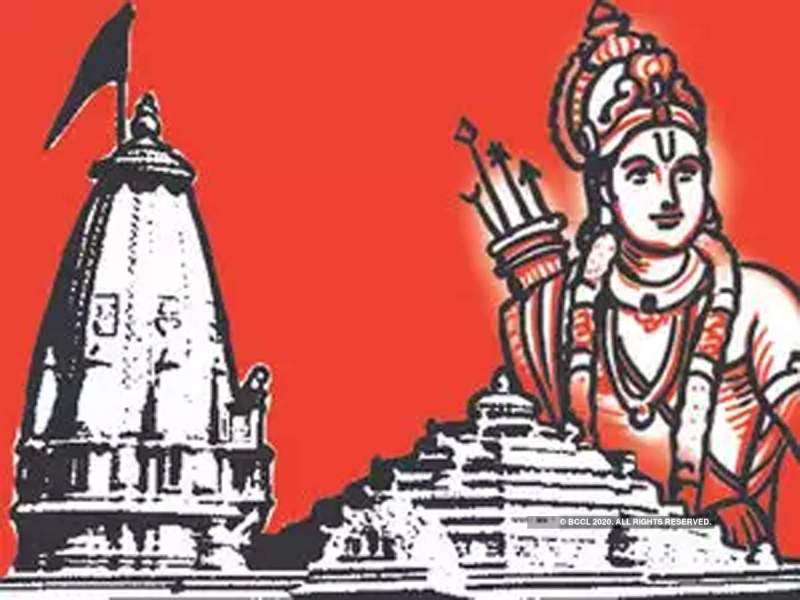
Representation of Ayodhaya’s Rama Temple

India being a Hindu majority, unlike many other countries never called itself a Hindu Rashtra (Nation). This is obviously so great of Indian constitution that has no religious identity of its own, this was done so that people of other faiths in India feel safe and secured under a non-religious constitution. This sets India different in many ways like we’ve seen and are well aware of atrocities being faced by many religious minorities in the neighbouring Islamic countries of India. Every year thousands of non-muslims from countries like Pakistan, Afghanistan, and Bangladesh are migrating to India for shelter and safety. Recently on 26th july 2020, 11 people of Sikh community from Afghanistan were granted visas and safely brought to the New Delhi. These people had faced the recent terrorism against Sikhs and Hindus of Afghanistan where many of them were slaughtered, abducted and raped by the talibani terror groups. These men, women and children feel lucky and like home India. The Sikh refugee who was priest to a Gurudwara (Sikh temple) who was abducted by the talibanis and later rescued by the Afghan Government in his recent interview on arrival said “India is home, India is Mother, there’s no other country like India”.

This was the sole reason that government of India had formed Citizen Amendment Act (CAA) to ensure that minorities in Islamic constitution of Pakistan, Afghanistan, and Bangladesh gets a safe house in India. The CAA grants Indian citizenship to all minorities i.e. Sikhs, Hindus, Christians, Zoroastrians, Parses, Jains, Buddhists and all other non-muslims facing inhumane atrocities in these three muslim majority nations.

In the same India that has room for all religions, a country that welcomes all whole heartedly and lends a helping hand. This country in Asian subcontinent is known for its good deeds of Humanity. India being Hindu majority never showed any form of biases in the case of Ram Janam Bhoomi (Birth Place of Lord Ram) case. Like its neighbours, India could’ve used its religious majority might to wind up the case decades earlier but unlike any other nation India had to wait for almost 500 years for reconstructing once demolished Ram Temple. It’s just like questioning the existence of Jerusalem and Jesus, Mecca and Madina.

Lord Ram who is believed to be the supreme avatar of Hindu God Vishnu was born in the capital of Ayodhaya in the solar dynasty that existed thousands of years before any other civilisation on the planet.

History of the Dispute

The land on which the Babri mosque was built in 1528 is the ‘RamJanmabhoomi’ (birthplace of the god-king Rama). But, Mir Baqi, one of Mughal king Babur’s generals, is said to have destroyed a pre-existing temple of Rama and built a mosque called Babri Masjid (Babur’s mosque) at the site.

The Babri Mosque was destroyed during a political rally which turned into a riot on 6 December 1992.

A subsequent land title case was lodged in Allahabad High Court, the verdict of which was pronounced on 30 September 2010. In the landmark hearing, the three judges of The Allahabad High Court ruled that the 2.77 acres (1.12 ha) of Ayodhya land be divided into 3 parts, with 1/3 going to the Ram Lamlash or Infant Rama represented by the Hindu Maha Sabha for the construction of the Ram temple, 1/3 going to the Islamic Sunni Waqf Board and the remaining 1/3 going to a Hindu religious denomination Nirmohi Akhara. While the three-judge bench was not unanimous that the disputed structure was constructed after demolition of a temple, it did agree that a temple or a temple structure predated the mosque at the same site.

The excavations by the Archaeological Survey of India were heavily used as evidence by the court that the predating structure was a massive Hindu religious building.

The disputed holy site of Ayodhya in northern India should be given to Hindus who want a temple built there, the country’s Supreme Court has ruled.

Supreme Court’s verdict

The case, which has been bitterly contested for decades by Hindus and Muslims, centres on the ownership of the land in Uttar Pradesh state. Muslims would get another plot of land to construct a mosque, the court said. Many Hindus believe the site is the birthplace of one of their most revered deity, The Lord Ram.

Court’s reason for verdict

In the unanimous verdict, the court said that a report by the Archaeological Survey of India (ASI) provided evidence that the remains of a building “that was not Islamic” was beneath the structure of the demolished Babri mosque.

The court said that, given all the evidence presented, it had determined that the disputed land should be given to Hindus for a temple to Lord Ram, while Muslims would be given land elsewhere to construct a mosque.

It then directed the federal government to set up a trust to manage and oversee the construction of the temple.

The Golden Birdwing – India’s Largest butterfly

By Udbhav Bhargava

The News

 A Himalayan butterfly called Golden Birdwing has been registered as India’s largest butterfly. The discovery was made at Bhimtal, UK’s Butterfly Research Centre. With a wing span of 194 mm, the species’ female at 106 mm is much larger than the male.  The female Golden Birdwing was reported in Didihat, Uttarakhand from. The specimen is housed at the Bhimtal Butterfly Research Centre. The zoological or scientific name of the newfound butterfly is Troides Aeacus. Butterflies and moths belong to the zoological order of Lepidoptera. The only measurement used in the study of Lepidoptera is wingspan. With a wingspan of 194 mm, the Golden Birdwing has dethroned the previous owner of the title, the Southern Birdwing having a wingspan 190 mm.

The Previous Record

Southern Birdwing (Wingspan – 190 mm) , zoological name – Troidos Minos

It had been recorded by British military officer and lepidopterist Brigadier William Harry Evans in 1932. He provided wingspans of all then known butterfly species from the Indian subcontinent and his book remains the standard work on the subject. But the specimen which he measured was unknown, and no other species butterfly measured as much as the 190 mm one, that he reported.

Lepidopterist is a person who studies or collects butterflies and moths.

The world’s biggest butterfly Queen Alexandra’s Birdwing is the world’s largest in terms of both size and wingspan in butterfly species, with females reaching slightly over 250 mm (9.8 inches) of wingspan. Mainly found in the Eastern Papua New Guinea.

List of Butterfly Parks/House in India

  • Bangalore 
  • Srirangam
  • Trichy 
  • Pune 
  • Chandigarh
  • Thane 
  • Goa 
  • Sikkim

Importance of butterflies

Pollination – Butterflies are attracted to colorful flowers, so they need to feed on nectar. As they do so their bodies collect pollen and transfer it to other plants.

Indicator Species – An indicator species in that environment offers details about the overall state of the environment and of other organisms. They represent the condition and changes in environmental conditions as well as compositional aspects of the population.

Butterflies in India – India currently has 1,327 Butterfly species.

Sardar Vallabh Bhai Patel Hospital; 1000-bed hospital built by DRDO in 12 days

By Udbhav Bhargava

ABOUT THE HOSPITAL

On July 9th, the Sardar Vallabhbhai Patel COVID Hospital, a temporary 1,000-bed medical center spread over 25,000 sq meters of Indian Air Force land near the domestic T1 terminal at Delhi airport, opened its doors to patients. The facility has been designed by the Defense Research and Development Organization (DRDO)-from scratch in just 12 days. The Union Home and Health Ministries, and Tata Sons were also active in constructing the hospital. The humungous project was sponsored by a handful of corporations as well as employees of DRDO who donated the salary for a day.

ITS IMPORTANCE

The hospital’s 250 ICU beds would increase the capacity of Delhi’s ICU bed by 11% and would help Delhi battle COVID-19 during critical situation. Delhi Chief Minister Arvind Kejriwal had said on the day of the inauguration, that currently there was no shortage of hospital beds and that has over 15,000 beds, 5,300 of which are occupied. But he laid high emphasis on the paucity of ICU beds in Delhi and further said that these ICU beds will be extremely critical for us, if spike in Covid cases is noticed.

The facility is open to any positive Covid-19 patient; given they have a test report. All in-hospital medical care is safe. The hospital will have a total of 146 physicians. They are from the Medical Services Directorate General of the Armed Forces (DGAFMS), and from the Medical College of the Armed Forces (AFMC) in Pune. Around 50 nursing personnel and paramedical and support staff will be in attendance. A patient on the facility may also have an RT-PCR test conducted. The patient’s samples would be obtained and sent to the Defense Institute of Physiology and Allied Sciences, to perform the study. The result will be given in just a couple of hours.

MORE ABOUT THE HOSPITAL

The hospital has 4 main hangars with 250 beds each. One hangar is reserved for the ICU – it is named Shaheed Col. B Santosh Babu ICU Ward After the Army officer who lost his life along with 19 others in the clash with Chinese soldiers in Galwan, Ladakh. The other general wards are named after other fallen soldiers – Shaheed Nb Sub Satnam Singh Medical Ward, Shaheed Nb Sub Nuduram Soren and Shaheed Nb Sub Mandeep Singh Medical Ward.

UNIQUE FEATURE OF THE HOSPITAL

  • One of the hospital’s special characteristics is the central air conditioning and negative pressure gradient indoors. It means that the air is not re-circulated, possibly causing cross-infections, and that the hangar is not allowed to be used. In hospitals, air conditioning is typically such that the air inside the wards is recirculated. The system is such that the air inside, which may have the virus, is thrown out, allowing fresh air to always be present inside. This ensures there is no cross-contamination.
  • Covid-19 causes a major breathing problem, and when one is heavily infected, oxygen is essential for survival. With this in mind, a vertical cryogenic medical oxygen tank is mounted at the hospital. This tank has enough liquid oxygen for 1,000 patients for a 4-day duration.
  • There are 250 ICU-ventilator beds in the hospital, each with a ventilator that has been procured by the DRDO through the PM-CARES Fund. Some of the ventilators have been built by Bharat Electronics in collaboration with the DRDO; others by AgVa Tech. A pharmacy is being run by Apollo Pharmacy at the site. The facility will employ four medical robot trolleys. The trolleys are remote-controlled and can carry food and medicines, as well as provide distance video chat services to patients.
  • Biomedical waste shall be disposed of at the plant as per policy. A waste treatment facility located on the property will handle the water from toilets. The water is chlorinated and treated with UV.

India’s 2018 Tiger Census creates Guinness record

By Udbhav Bhargava

The National Tiger Conservation Authority (NTCA) and the Wildlife Institute of India (WII) have conducted a nationwide assessment of the tiger population and habitat of the country every four years since 2006.

2018 CENSUS

The survey’s fourth iteration, conducted in 2018–19, has been the most comprehensive to date, both in terms of resource and data amassed. Camera traps (outdoor photographic devices fitted with motion sensors that begin recording when an animal moves by) were installed at 26,838 locations across 141 sites and surveyed an effective area of 121,337 square kilometres. In total, 34,858,623 photos of wildlife were taken by camera traps (76,651 of which were tigers, and 51,777 were leopards; the rest were other native fauna). The survey was awarded Guiness World Record for largest camera trap wildlife survey.

FOOT SURVEY

The 2018 “Status of Tigers in India” assessment also conducted comprehensive foot surveys that covered 522,996 km of trails and tested 317,958 habitat plots for vegetation and prey dung. It’s reported that the total area of forest surveyed was 381,200 km2 (147,181 sq mi) and cumulatively the compilation and analysis of data equated to some 620,795 labour-days. The assessment was performed over three phases, then the various datasets were combined to be extrapolated via statistical computation, informing the final results reported in the survey report.

Region Tiger Population (2014 Census)

 1. Western Ghats 776

2. Central Indian Landscape and Eastern Ghats 688

3. Shivalik Gangetic Plain 485

India 2226

Region Tiger Population (2018 Census)

1. Central Indian Landscape and Eastern Ghats 1033

2. Western Ghats 981

3. Shivalik Gangetic Plain 646 India 2967

In 2018–19, ground surveys and camera traps recorded tiger presence in 88,985 square kilometers of forests across 20 Indian states. The biggest chunk of tiger population has been reported in Madhya Pradesh (526), Karnataka (524), and Uttarakhand (442) states. Together, there were 1,492 tigers in those three Indian nations.  The highest jump in Tiger population was witnessed in Madhya Pradesh (71%), followed by Maharashtra (64%) and Karnataka (29%).  Th worst performers were Chhattisgarh and Mizoram that reported a decline in the overall population of tigers. Pench Tiger Reserve of Madhya Pradesh and Periyar of Kerala, emerged as the country’s best-managed tiger reserves.

INSTITUTIONS INVOLVED IN THE SURVEYS

National Tiger Conservation Authority was launched in 2005, following recommendations of the Tiger Task Force. Given statutory status by 2006 amendment of the Wildlife Protection Act, 1972. The Minister for Environment, Forests, and Climate Change is the Chairman of the NTCA. Wildlife Institute Of India is an autonomous organization under the Ministry of Environment Forest and Climate change, was established in 1982.

Fear

I have never been more frightened than when I came back home and met everywhere messed up,my eyes suddenly caught an envelope on the table beside me, I picked it up with my hands shaking and heart beating fast as if trying to escape my rip cage. My eyes almost fell out of it’s socket as saw what was written on and no time I was out running on the dark lonely road.
My phone ranged and I picked it up, a strong masculine voice came in,“don’t inform the police and hanged up the call.

My heart pounded again
The sideway of the of my mind
Darkened as I ran fast
as I could to the meeting place
And the sun had gone down

Only me running the street
With each footsteps taken
Something departs in me
New thought arrives
And new thought depart
My clouded mind with despair

What have I gotten myself into?
Should I call police on myself?
An hour had passed
Two hours speaking to
Each others on the phone

And now I stood at the meeting place,
peered at the window of my heart
find no light inside myself
Only some voices.

Went in and out of me
Only some bags of trash
So so terrifying
Each contained different body part of me
The limbs crawling
They eyes shading tears
The ear listening
The legs kicking

There is decapitated woman’s head
her eyes still open
Staring pieces me
Her mangled hair was all but gone
And lips parted
As if trying to tell me something

I couldn’t help myself
I screamed no words
I run but go nowhere
the arms took me away from my escape and hauled me a room With
A gasp I took in the gruesome and horrifying scene in front of me
Was A lifeless body, multiple wounds in her stomach and neck
Her arms and legs lay bent sideways and backwards
Blood soaked her hair and surrounded the girl’s face
It Pained me to admit
The Lifeless body is my sister
My Breath caught in my throat and couldn’t help the tears stream from my eyes.

DEATH ANNIVERSARY OF A MISSILE MAN DR.A.P.J. ABDUL KALAM

A person who went to distribute newspapers in childhood, whose entire family lost their money and business and that person later launched everything from missiles to satellites and in India the name of “the missile man of India” These great men became famous from DR. APJ Abdul Kalam.

APJ Abdul Kalam’s full name was Abdul Pakir Jainulabdeen Abdul Kalam. He was born on 15 October 1931 in Rameshwaram. Abdul Kalam was born into a Tamil Muslim family. His father Jainulabudeen was the owner of a mosque and yacht and his mother Ashiamma was a housewife. From the boat that his father had, he used to take Hindu people from Rameshwaram to Dhanuskodi and from Dhanuskodi to Rameshwaram.

Abdul Kalam had three elder brothers and a sister. He was very attached to his brothers and he was spending his whole life for little money. Abdul Kalam was known for his simple life. He never bought T.V. and his habit was to get up between 6:30 am- 7:00 am in the morning and sleep at 2:00 am in the night. Religion and spirituality meant a lot to him, even he wrote a book called “Transcendence”.

The ancestors of APJ Abdul Kalam were very rich and had many acres of land. When the bridge was built on the river on which they carried the people across, then their family lost the entire business of bringing and carrying the people, because now the bridge was no longer needed by the people. After this incident, his business completely collapsed but at the same time, his money and land also ended slowly.

APJ Abdul Kalam’s Primary Education

By the time APJ Abdul Kalam was born, his family had become very poor and he had to distribute newspapers at a young age. When he went to school, his marks used to be very simple, but the teachers told him to work very hard and he also succeeded in it, seeing his success, the teachers called him a hardworking student and he was encouraged. He always wanted to study since childhood. He always worked on mathematics for hours.

After his studies at Schwartz Higher Secondary School, he moved to Tiruchirapalli. He attended Joseph’s College, Tiruchirapalli and became a Physics graduate in 1954. Moved to Madras in 1955 and did Aerospace Engineering, Madras Institute of Technology. While he was working on the project, one of his college teachers saw his progress and he was not impressed with them. He called Abdul Kalam and said: “If you don’t complete the project within three days, your scholarship will be returned.” Will be taken “.

APJ Abdul Kalam had a great desire to join the Indian Air Force but was left with only one position, he was in the 9th position and only eight positions were vacant. APJ Abdul Kalam joined the Aeronautical Development Establishment after finishing his studies from Madras Institute of Technology in 1960. There he started working as a scientist. He started his career with a small hovercraft designAPJ Abdul Kalam was also involved in Incospar Committee where he worked under Vikram Sarabhai. Vikram Sarabhai was a well-known space scientist.

Then transferred to ISRO (Indian Space Research Organization) in 1969. At ISRO, he was the project director of India’s first satellite vehicle, SLV-3. This vehicle placed the Rohini satellite in the orbit of the earth. APJ Abdul Kalam then worked alone on the expendable rocket project but in 1969 the Government of India gave permission to his project and said that a team should also be formed on his project.

He also went to NASA Research Center in 1963. Raja Ram Anna called Abdul Kalam, India’s first nuclear test to see the smiling buddha. Abdul Kalam also worked on Project Devil and Project Valiant and in these projects he made ballistic missile. Union Cabinet did not allow  Abdul Kalam’s projects, but even then Prime Minister Indira Gandhi secretly funded him so that his Aerospace projects could be completed. Abdul Kalam then told the Union Cabinet about this secret project and explained its importance. All these things made the name of  Abdul Kalam very high, that is why the Government of India asked him to start the High Missile Program. He is also called “The Missile Man Of India” because of being a participant in many Missile Programs.

APJ Abdul Kalam had a major contribution in making Agni Missile and Prithvi Missile. Agni Missile and Prithwi Missile were severely criticized because it took a lot of time and money to make them and its management could not be done properly. He was the chief scientific advisor from 1992 to 1999 and during this period also conducted Pokhran 2 nuclear test. In the nuclear test, the media had raised the name of APJ Abdul Kalam quite high. But the director of the side k Santhanam said that the trial of thermonuclear bomb did not give the expected result, it was an unsuccessful event and he criticized APJ Abdul Kalam saying “what he has reported is wrong”, but then Chitambaram and APJ Abdul Kalam both rejected this

There was a huge turn in the life of APJ Abdul Kalam, on 10 June 2002 the NDA (the national democratic alliance) nominated APJ Abdul Kalam for the President. Both the Samajwadi Party and nationalist congress party supported this and then he became the proud President of India. Elections were held in 2002 and APJ Abdul Kalam won a huge victory. He got more than nine lakh votes and his rival Lakshmi Saygal got one lakh votes, which was a big win. APJ Abdul Kalam was honoured with India’s highest honour Bharat Ratna, along with Padma Bhushan and Padma Vibhushan.

As long as he remained the President, he continued to be known as the President of the people. When his five years were over at the President’s end, he expressed his desire to be back as President, but just two days after speaking, he decided that he would not stand for the primary election.

He then went on to become IIM visiting professor from Shillong, Ahmedabad and Indore. He became a chancellor of the Indian Institute of space science and technology Thiruvananthapuram and also a professor of aerospace engineering at Anna University and joined all the institutes. In 2012, he created a program for young people of India, what can I give moment. This program was to end corruption.

APJ Abdul Kalam Death

APJ Abdul Kalam also wrote a lot of books like Agni Ki Udaan, India 2020, Ignited Minds And this whole book became very popular. On 27 July 2015 APJ Abdul Kalam moved to Shillong where he was to deliver a lecture. This Lecture was to be given to him in IIM Shillong. While he was climbing the ladder, he got some restlessness and took some rest after going to the auditorium. The Lecture started at 6:35 minutes and it was five minutes before he fell, then he was admitted to ethnic hospitality. At 7:45 minutes he left this world. He spoke his last words to Srijanpal Singh, he said: “funny gay are you doing well”.

APJ Abdul Kalam remains a source of inspiration for everyone, especially the young people consider him as their idol.

Abdul Kalam thoughts

“Dream, dream, dream. Dreams transform into thoughts and thoughts result in action.”

“To succeed in your mission, you must have single-minded devotion to your goal.”

“If you fail, never give up because FAIL means “First Attempt In Learning”.

“Don’t take rest after your first victory because if you fail in second, more lips are waiting to say that your first victory was just luck.”

“All of us do not have equal talent. But , all of us have an equal opportunity to develop our talents.”

“You have to dream before your dreams can come true.”

“Thinking is the capital, Enterprise is the way, Hard Work is the solution.”

APJ Abdul Kalam list of awards

  1. IEEE Honorary Membership, IEEE in 2011
  2. Doctor of Engineering, University of Waterloo in 2010
  3. Hoover Medal ASME Foundation, USA in 2009
  4. International von Kármán Wings Award, California Institute of Technology, USA in 2009
  5. Doctor of Engineering (Honoris Causa), Nanyang Technological University, Singapore in 2008
  6. King Charles II Medal Royal Society, UK in 2007
  7. Honorary Doctorate of Science, University of Wolverhampton, UK in 2007
  8. Ramanujan Award, Alwars Research Centre, Chennai in 2000
  9. Veer Savarkar Award, Government of India in 1998
  10. Indira Gandhi Award for National Integration, Government of India in 1997
  11. Bharat Ratna, Government of India in 1997
  12. Padma Vibhushan, Government of India in 1990
  13. Padma Bhushan, Government of India in 1981.
  • Dr APJ Abdul Kalam wrote total 12 motivational and useful books.
  • There are various documentaries made on Dr. apj abdul kalam’s his life. The famous Bollywood movie, I Am Kalam, was inspired by his work and life.

Dr. APJ Abdul Kalam is no more But He Is Still Inside Our Heart on July 27 2015,around 6:30 P.M. While teaching a lecture at IIM Shillong, apj abdul Kalam suffered a massive heart attack. He was rushed to the Bethany Hospital in critical condition, and eventually passed away due to heart failure.

Vata, Pitta, Kapha in Ayurveda

Have you ever wondered what actually accounts for difference in people ? Why are some people hyperactive and why are some people very lazy and slow ? Why can some people eat six course meal in a day with ease, while others barely finish their one course meal ? Modern genetics provide some insight, But what about the other characteristics that make every person unique ?

Ayurveda answers all these answers with the three doshas : Vata, Pitta and Kapha.
Just as everyone has a unique fingerprint, each person has a particular pattern of energy.

Vata is characterized by the mobile Nature of wind (air) energy.

Pitta emobies the transformative nature of fire energy.

Kapha represent the binding nature of water energy.

Vata, Pitta, and Kapha are each essential to our physiology in some way, so no one dosha is better than, or superior to, any other. Each of them has a very specific set of functional roles to play in the body. That said, when the doshas are out of balance, they can wreak havoc on our health. But before we get into the specifics of each of the three doshas, it is helpful to understand their elemental composition, and their broader role in the natural world.

Vata

Vata is characterized by the mobile Nature of wind (air) energy. It is the energy of movement and the force governing all biological activities. vata is often called ” the king of doshas”. It gives motion to vata and pitta. 

Vata characteristics :

1. Lean body frame,

2. Very active,

3. Lack of sleep,

4. Very agitated,

5. Digestive issues,

6. Intolerant to cold.

Pitta

Pitta derives from the elements of fire and water and translate as “that which cooks”. It is the energy of digestion and metabolism In the body such as organic acids , enzymes and bile.

Pitta characteristics :

1. Short tempered,

2. Very cheerful,

3. Very social,

4. Intolerant to hunger,

5. Quick digestion.

Kalpha

Kapha derives from the elements of earth and Water and translates as “that which sticks”. It is the energy of building and lubrication that provide the body with physical and structure form.


Kapha characteristics :

1. Calm and composed,

 2. Firm judgment,

3. Large body frame,

4. Slow digestion,

5. Sleeps Deeply.

Conclusion : 

Vata, Pitta or kapha ? The combination of Doshas is essential for your health. When You know what constitution you have .You better understand who you are the wayYou are. You discover what nutrition is Suitable for you and how you can stay healthy.Because any imbalance of doshas leads to Diseases. Everyone has these three doshas But one of them usually primary the other Is secondary and the third one is least Prominent.

Unemployment fear in the eyes of graduates

Pour one out for 2020 grads. It’ll be hard to find a job in this market

Says Los Angeles Times

The current economic conditions could take this year’s grads 10 years or more to recover from

The Atlantic

The unemployment rate has been growing in the country for the last couple of years. The rates were higher in urban areas than in rural areas and saw a similar trend among gender. The unemployment situation in the country was the major cause of worry and anxiety among many Indians. The coronavirus (COVID-19) pandemic had only accelerated the unemployment rates, and the situation is expected to improve with many joining the labor force in the days following lifting of lockdown restrictions.

As of now, it’s not clear for just how long their progress will be stalled. “I would talk [in terms of] years,” Till von Wachter, an economist at UCLA who has studied how young workers fare during and after economic downturns, told me. “If [the economy] recovers in the first year, there’s some hope. If it’s bad into the spring of 2021”—an eventuality that seems more and more likely—“then these individuals should worry.”

The cause for worry is the record of previous graduates who stumbled into an inhospitable economic climate. Researchers have shown that the economic scars of graduating into a recession—sustained higher rates of unemployment (for high-school graduates) and lower earnings (for everyone) compared with peers graduating as little as a year or two earlier or later—can last for as long as 10 or 15 years. This bad luck may also be dangerous for people’s health: Workers who were launching their careers during the recession of the early 1980s were found to have a heightened risk of dying in middle age, often due to increased incidence of heart disease, lung cancer, or drug overdoses.

In line with previous research, the cohort that graduated into the most recent economic catastrophe, the Great Recession, is still struggling overall. According to a paper by Jesse Rothstein, an economist at UC Berkeley, the pay and employment rate of those who graduated from college during the downturn remained relatively low throughout the 2010s.

As per the budgetary estimates by the Indian government, there has been a deficit in the estimates of the number of jobs to be created compared to the actual jobs created over the years. Even though only 24 percent graduates were being hired, the organized sectors of employment in the country grew at nearly 29 percent in financial year 2020.

Sandhya keelery

Dowry System: A social stigma

“Any young man, who makes dowry a condition to marriage, discredits his education and his country and dishonours womanhood”— Mahatma Gandhi

Dowry or Dahej, one of the deep-rooted social evils, is flourishing in our society at an unprecedented rate. There is no denying the fact that modern citizens condemn it, yet this practice varies according to the region, caste, and creed.

Although it is difficult to determine the exact cause, here is a tentative list of responsible factors:
• Greed Factor
• Patriarchal Society
• Religious Constraints
• Constraints related to Caste/Creed
• Lack of Formal Education
• Conservative Thinking
• Desire to flaunt Social Status
• Low Status of Women
• A False Sense of Prestige
• Illiteracy & Ignorance
• Lack of Knowledge about Anti-Dowry Laws

From being a financial burden on a daughter’s family to wastage of money, this evil is silently claiming the lives of innocent married women. Dowry deaths are relatively higher in developing and underdeveloped economies, including India, Pakistan, Bangladesh, and Iran, to name a few. Although our Constitution grants equal rights to women but has our patriarchal society stopped seeing them more than a personal possession? Simply put, the infamous dowry system dehumanizes females by treating them as exchangeable commodities. Creating social awareness among the masses should be the first step in the fight to eradicate this social evil.

No doubt, several laws have been enacted so far, including the Dowry Prohibition Act, 1961, but the action needs to be taken on the front of enforcement. Our conscience needs to be fully awakened to the evils of the dowry system. Also, educated males must refuse to be sold and choose their partners in a fair manner. Dowry system entails giving huge amount of cash, jewellery and other gifts to the groom’s family by the bride’s parents as a condition at the time of marriage. However, it has turned into an evil social system over the years.

Many cases of brides being tortured physically and emotionally for not bringing enough dowry have come up. In many cases, the bride turns to her family to meet the demands of her in-laws while others end up giving their lives to end the torture. It is time the government of India should take strict action to stop this evil practice.

Increase of child marriage after COVID-19 pandamic

The coronavirus pandemic is reversing progress on ending child marriage and female genital mutilation (FGM), jeopardising the futures of millions of girls, a senior UN official said.

“The pandemic both makes our job harder and more urgent as so many more girls are now at risk,” Natalia Kanem, head of the United Nations’ sexual and reproductive health agency, UNFPA said on Tuesday.

An additional 13 million girls could be forced into child marriage, and two million more could undergo FGM in the next decade, beyond what would have been expected, as COVID-19 disrupts global efforts to end both practices, UNFPA said.

Deepening poverty caused by the crisis may also push more parents to marry their daughters off while they remained children.

“When so many girls and women are unwanted, cut, erased, given, traded and sold, our common future is undermined. We should all be outraged,” she told a news conference.

There are at least 19 harmful practices, including violent sexual initiation rites, witchcraft accusations, branding, dowry-related violence, force-feeding and body modifications such as neck-elongation.

“stubbornly widespread” despite almost universal condemnation: child marriage, FGM and the preference for sons over daughters, which leads to high numbers of female foetuses being aborted.

More than 140 million females are “missing” in the world today, mostly in China and India, due to prenatal sex selection or parents neglecting baby girls so badly that they die, UNFPA said.

Some 33,000 girls are forced into early marriage every day, usually to much older men, the report added, and an estimated 4.1 million are at risk of FGM this year.

Major gender imbalances caused by a preference for sons can leave men unable to find partners, which exacerbates the risks of rape, sexual exploitation, trafficking and child marriage.

Despite legal interventions over the years, India has the largest number of child brides in the world, according to a 2019 report published by UNICEF; one-third of the global total.

Firstpost

“To delay girls’ age of marriage, it will be far more important to improve overall access to education and also invest in better infrastructure. A legal revision alone cannot solve the problem.”

Importance of Online Education in this Covid 19 pandamic.

“Online learning is not the next big thing, it is the now big thing.” –

Donna J. Abernathy
E learning platforms

The internet and technology have made the world so small that just a click makes everything possible. Even our education system is not untouched by this development. The education system is experiencing unexplored realms. Over the years, technological advancements have placed online learning before school students and made the world realize that it’s a boon with end number of advantages. The e-education system has expanded so fast that the school students of all ages are benefitted from its advantages.

Referring to the current scenario of COVID-19, no one would have foreseen that online learning could play an important role in imparting knowledge digitally to the school students when it’s uncertain regarding schools to reopen. While online learning has come to rescue students in completing their syllabus irrespective of the nationwide lockdown owing to the pandemic.

Further, the school-from-home concept has also enabled parents in having a close watch of the interpersonal and communication skills, their wards are being taught while counting the benefits of online learning. Parents have also enthused e-learning resources while enabling their children with such a technological advanced concept.

Counting advantage of digital learning, the students will not only be taught at a low cost but also they may have flexibility in choosing their schedules, availability of study materials, learning new technological tools and in-demand experts whenever needed.

The education system is changing rapidly with all schools preferring online learning platforms to improve the student learning experience. With the help of communication technology and increased internet connectivity, it has given rise to hope for students to improving individual learning experiences.

Studies show that students do better with their learning when the parents are involved in their education. In an online learning environment, parents act as instructors for their e-learning experience. They ensure that their assignments and coursework are completed in a timely manner. Practically they provide support and encouragement to their children.

Parents not only encourage in an online school environment but also support in online learning.  They are with you at any age of your learning process. As a school student, you need more attention and support from them. You should see parents as your secondary educators. Whenever you have any technical problems on the website or related to any concept and theories, parents help you in rectifying those problems for effective learning.

Students do not learn much just sitting in classes listening to teachers, memorizing prepackaged assignments, and spitting out answers. They must talk about what they are learning, write reflectively about it, relate it to past experiences, and apply it to their daily lives. They must make what they learn part of themselves.

– Arthur W. Chickering and Stephen C. Ehrmann

Again ban of chinese apps

The Government banned chinese apps again.As we all know there was 59 applications which include tiktok, shareit , uc browser, camscannner, club factory which were part of tension admist the border were banned  on june 29. They were banned due to  engagement of activities prejudicial to sovereignty and integrity, defence , public security and  order. They were matter of threat  to people. Some of the apps like tik tok were banned under  sec 69  A  of the Information technology Act as it was containing some of the pornographic contant.

This occured when there occured a sad and sorrowful incident  admist the tense border  standoff between India and china  beijing ,a incident which killed 20 indian army in June 15 by china troops  along the line of  actual control .Even we came to know from Minister of Information Technology that there is  misuse of mobile apps  available on Android and Ios platforms where stealing  and transmitting user’s data  in an unauthorised manner to servers which have location outside India. It was hostile to national security,defence of India, which impunges upon 
Sovereignty and integrity of India ,was matter of concern. For this situation , sufficient steps required to be taken. 
Therefore , government came forward with the task of banning all these apps whether used with internet or not . There were variety of apps like  starting from  e commerce  to gaming, social media browsers, sharing file and message to china. All are geting transmitted to beijing  agencies.
At present , india again banned  47 apps which arè variants of chinese apps. the apps are  Tiktok lite,  helo lite,  shareit lite, BIGO live lite, VFY lite.
Chinese company was having 300 million users of their apps , 2/3 rd of mobile phones downloaded their product.
 Tiktok apps  ban led to drastic effects to people  especially youngsters . A 18 years old tiktok creator  committed suicide.   People mentally became sick for these chinese apps.

Advantages and Disadvantages of Online Shopping

Who doesn’t like to shop? Buying new things is fun—except for when it takes so much time that it becomes more of a chore than a pleasure. Of course, now with online shopping and banking, you can go on a spree from your home.

Purchases are just a click away on the Internet—life never has been so easy! Online shopping is a very popular kind of e-business where one consumer can shop over the Internet and have their goods delivered. Ebay and Amazon are the two most popular and trusted websites for shopping online, selling millions of products each.

Nowadays many people prefer to shop online because of its numerous benefits. However, the practice has disadvantages as well as advantages. 

Advantages of Online Shopping

  1. Quicker to Find Products: Finding a product online is much easier than looking for it in the local store. In a store, you have to search for the product you want; if it’s not there, you may have to visit several locations, which is frustrating and time-consuming. However, when going for online shopping, you can easily search for any product by using the website’s search feature, and complete the transaction with click of a button. If the website doesn’t have it, you can simply go to another without wasting your time.
  2. Easy to Compare & find Cheaper Products: Products are often cheaper at online than they are in stores. Online stores do not have the overhead costs of renting their location and paying for the electricity, AC, cashiers, etc. Also, sometimes a product can be much cheaper in another country than in your country. In this case, it would be wise to shop online to save some money. It is also easier to compare a product with different online vendors and grab the best deal.
  3. It saves time and energy: You don’t have to waste your time going to stores, dealing with crowds, and standing in lines. The whole process of shopping from a local store becomes even more time-consuming if you do not have your own car. You can solve all of these hassles by shopping online.
  4. Online Deals: Often online stores gives good discount when they want to get rid of their old stocks. You can search for those deals and save money.
  5. There is buyer protection: Dependable websites like eBay provide buyer protection. This means that the website will give your money back if any seller fails to deliver the item or delivers an item that does not match the description.
  6. Locate rare products: Shopping online is very useful in buying rare products. For example, I recently bought a rare car part through through eBay. Not only was I able to find it, but the part was relatively inexpensive.
  7. Discrete Shopping: There are some things that you just don’t want to buy publicly. You can buy any kind of product online while maintaining your privacy.
  8. Support e-businesses: The progress of online business is actually helping countless people. Now people who cannot afford to buy or rent a shop, can easily open an online store and sell items from their homes. This is playing a very important role in reducing the unemployment rate.

Disadvantages of Online Shopping

  1. There is a delay before receiving your package: The main disadvantage of online shopping is that there is no instant gratification. Because the item must be shipped to you, you will have to wait a few days.
  2. You may receive an inferior product: Because you cannot hold the it and look at it in your hands, you don’t always know the quality of the product. Sometimes the description or photograph of the product might be of something slightly different. As a result, you might end up with an inferior-quality item.
  3. There are shipping charges: As previously mentioned, many of the disadvantages of online shopping stem from shipping. Shipping charges and delays are both common problems. Though items are generally cheaper in online store, sometimes the addition of a shipping charge makes the total price similar or more expensive than that of your nearby store.
  4. There can be delivery problems: Sometime you may face delivery risks. This means that the seller might fail to deliver the specified product or it deliver a product that has been damaged during shipping.
  5. Now it’s easy to be a shopaholic: Since it’s so easy to search and purchase different items online, many people end up becoming at-home shopaholics who buy things they actually don’t need.Online shopaholics think they are saving money because they can find such inexpensive products, when, in reality, it’s actually a waste because you don’t need those objects in the first place. So buy smart!
  6. Some items are better to buy from the real store: For example, it’s best not to buy clothing products online because you won’t be able to know whether they will look good on you without first trying them on.
  7. There’s a danger of being scammed: As online shopping becomes more and more commonplace, the number of online scams is also increasing. This is why a buyer should always buy from trusted websites only—trusted websites will take care of any fraud in order to maintain their reputations.
  8. Warranty issues: Many electronic items are sold without international warranty. So, if warranty is important for you, make sure you contact the seller to verify whether the item has international warranty or not.
  9. Less Business for Local Retailers: If most of the people are shopping online, then local retailers will be running out of their business. This might increase the unemployment rate in your own community.