It is no secret that the cost of living is on the rise the whole world over. Many are already feeling the squeeze and it is only going to get harder to make ends meet. This is when having a little side hustle to your permanent job could be a real benefit.
If you are not worried about heights, there are plenty of people that are wanting to have their windows, guttering, and fascia cleaned by willing participants. You are not going to want to clean the windows of the high-rise compartments or office buildings as these are much better left to the professionals with the correct gear but working either within an area that has one or two-story residential properties where all you will require is a bucket, ladder, and some cloths could be ideal.
#2 Ad-Hoc Delivery Driver
If you have a vehicle and a clean driver’s license, you could set yourself up to be an ad-hoc delivery driver. There are shipping sites such as https://www.shiply.com/ where you can not only look for shipping services for moving your products and items, but you can also find delivery work that is needed to be carried out, some local and some not so.
As you will be an ad-hoc delivery driver, you will be able to source deliveries to make when you are free with no commitment to any time that you are not.
#3 Handy Person
Within any community, some require a little extra assistance from those around them. Unfortunately, some of these people have no younger or more able friends or family to ask when they require a little help. This is when the role of a handy person will come into play, whether it is in helping them decorate their home, collecting their groceries, or performing some light gardening tasks, you will find that your efforts do not go unrewarded.
#4 Uber Driver
You would be amazed at how easy it is to set yourself up as an Uber driver. In fact, all you need is a four-door vehicle, a clean driver’s license with a certain amount of driving experience, and the willingness to put yourself forward. Different states do have different laws and regulations when it comes to driving, so you will have to make sure that you are aware of these before you offer your services to make sure that you completely comply.
To Wrap It All Up
When it comes to any of the job roles that are mentioned above, you are in control of your hours, how many hours you work for as well as when you work. The main benefit is that should you feel that you require extra money to get you through the month you can put yourself forward for more work, and in addition to this, if you feel that you would like a break or do not need the extra money, you can take your time off to pursue other interests.
There are many rewarding aspects of embarking on a nursing career. Nurses are in high demand and can find many opportunities for advancement. Nurses also have the opportunity to help others and make a real difference in their lives. Nursing can be a very rewarding career both emotionally and financially, and local travel nursing is on the rise. However, as the cost of living and housing continue to rise, many travel nurses are looking for ways to save money. One way to do this is by choosing local assignments. Keep reading to learn more about the benefits of travel nursing locally.
It’ll Save You Money
There is no doubt that traveling for work can be expensive. Between airfare, hotels, and other incidentals, the cost of traveling for work can add up quickly. This is especially true for nurses who have to travel to work on a regular basis. However, there is a way to reduce some of those costs: local travel nursing. Travel nursing locally is a great way to save money on travel and housing expenses. Because you are staying in the same city, you do not have to pay for airfare or hotels. Additionally, you can often find housing that is less expensive than what you would find in a larger city. This can be a great way to save money on your travel expenses.
You’ll Be Familiar with the Area
When you are looking for a travel nursing job, it is important to consider the location. Ideally, you want to be in a place you are familiar with, or at least a place you can easily get to know. That is why travel nursing locally is a great option. This nursing type means you will be familiar with the area and the hospitals in it. You will know the best places to eat, the best places to live, and the best places to explore. This is a huge advantage, especially if you are looking to travel with your family. When you are a local travel nurse, you also get first priority for jobs in your area. This means you can be more selective about the jobs you take and the hospitals you work for.
You’ll Have a Support System
Traveling nurses have the unique opportunity to experience life in different parts of the country. And while the thought of living in a new place every few months is exciting, it can also be daunting. One of the biggest concerns for travel nurses is the lack of support system they may have in a new location, but don’t worry, because local travel nursing means you will have a support system nearby. Your fellow nurses at the hospital, as well as your friends and family, will be just a short drive or flight away. This support system is one of the biggest benefits of travel nursing locally. So, if you’re considering a travel nursing assignment, don’t let the fear of being alone stop you. With a little planning, you can easily find a local nursing opportunity that fits your needs. And with a supportive network of friends and family nearby, you’ll be able to enjoy your new experiences to the fullest.
You Can Network with Professionals in Your Area
If you’re a travel nurse, one of the many benefits of choosing to work locally is that you’ll be able to network with other professionals who live nearby. This can be a great opportunity to learn about new opportunities, find mentors, or simply make new friends. When you’re looking for a job, talking to other nurses in your area can be a great way to learn about what’s available. You may find out about new opportunities that you didn’t know about before or get recommendations for good places to work. Networking with other professionals can also be a great way to build your professional network. Having a strong network of professionals can be helpful when you’re looking for a new job, want to get a promotion, or need to find a mentor. So, if you’re looking for a great way to network with other nurses, working locally is a great option. You’ll be able to meet nurses who live nearby, learn about new opportunities, and build your professional network.
It’s an era of digitisation that is transforming the education sector beyond conventional perceptions. E-Learning is the new trend that offers high-quality tutoring, intuitive courses, and remarkable convenience.
In fact, by 2024, the Indian online education market is projected to reach the staggering INR 360 billion mark. This growing market presents a golden opportunity for you to explore a wide array of digital courses. Amidst the plethora of options, you should follow specific tips to make the most of this hi-tech learning mode.
To help you with this, this blog aims at offering valuable advice to overcome the practical challenges in eLearning. Read on to discover how you can capitalise on the present and future of education.
Top 9 Tips to Consider
Some top tips to consider for effective online learning include the following.
1. Allocate a Fixed Time Schedule
Online courses offer a wide level of flexibility. You can watch a lecture or attend a seminar as per convenience.
But despite this benefit, you might procrastinate and delay attending an online lecture. You end up watching multiple videos, only to reduce the effectiveness of the course. So, to maximise the output from eLearning courses, create a set timetable.
Here are general pointers to simplify this process:
Allocate a time slot to pursue the online course
Maintain consistency in your routine
Treat these courses as in-person learning sessions
Reward yourself after completing an assignment
This technique of time allocation will instil discipline in your daily routine. Consequently, you can stand a good chance of learning the concepts in an effective way.
2. Create an Uncluttered Study Space
You may prefer the convenience of studying an online course from your laptop or smartphone. In such cases, how do you study exactly?
The bed or couch might be your go-to space to study. However, these habits might impact your concentration.
In order to understand the content of online courses in-depth, dedicate a separate study space. This area should be devoid of any distractions. Also, try sitting on a chair that helps maintain your posture and focus.
Here are some additional points that can help you create an ideal eLearning study space:
Clear the table area from any possible distractions
Place the chair and table in a well-ventilated space
Arrange sufficient lighting to reduce eye strain
Keep the space in close proximity to an electric panel
Following these tips will help you create an ergonomic study space.
3. Invest in a Stable Internet Connection
It is a cliché that effective online learning requires a good internet connection. Still, you might neglect this fact altogether.
Investing in a stable Wi-Fi router can prevent issues like getting disconnected frequently. Also, fast internet connectivity helps swiftly load the visual content of online courses.
Signal boosters are another practical device that can improve your household internet speed. Consider these gadgets as long-term investments.
4. Virtual Study Groups
Online learning can make you feel a tad disconnected from the feeling of studying with classmates. To overcome this challenge, virtual groups can be a viable solution.
You might have friends who also study a common online eLearning course. In such a case, you can connect with them and plan sessions through video conferencing.
Furthermore, your group can contribute to forum discussions on prominent digital education platforms. A virtual study group also gives you the feeling that you are studying with a colleague in the room.
So overall you won’t feel disconnected from the outside world through technology.
5. Note Taking is Vital
What is the one thing you absolutely adore about online classes?
Well, it might be the benefit of going paperless. You can go back online and read a specific section of the course as per requirement.
While this advantage can seem convenient, it can reduce the impact of grasping knowledge. As such, you need to treat online classes as live lectures to solve this problem.
So, sit in front of your laptop with a notebook and pen in hand. Jot down the essential points similar to an in-person lecture. This way, you engage better with the content of the teaching module.
Not to forget, keeping notes during online courses helps you boost the following aspects:
Retention
Comprehension
6. Avoid Multitasking
To eliminate stress during eLearning, you need to focus on limited activities.
It is especially tempting to scroll through your smartphone during an online lecture. After all, nobody’s keeping a check on you, right?
But such multitasking can hamper your productivity in grasping the necessary content. So, to absorb more information and complete the online tasks, focus only on a maximum of two things:
Listen and watch the online content
Take notes simultaneously
These two activities often run in tandem. Hence, it’s better to keep all other distractions away from the study space. This includes keeping your phone away in a different room perhaps.
7. Adhere to Strict Deadlines
Some online courses have deadlines for assignments. The creators plan these deadlines to match the course structure and content. As such, following them promptly will keep you in the loop with the syllabus. Moreover, timely submissions of these assignments will help with high scoring.
Additionally, follow these tips in planning your routine according to course deadlines:
Read the overall online course structure at the beginning
Create a calendar to simplify your schedule
Follow each activity as per the defined deadlines
Look out for any task changes regularly
8. Take Frequent Breaks
Too much time in front of a digital screen can hamper your focus and increase eye strain. So, it is crucial to take frequent breaks to improve your online learning efficiency.
The side effects of prolonged screen time can also impact your productivity. So, it is essential to take a 10-minute break after an hour. During this time, do not scroll through your smartphone.
Instead, here’s what you can do during break time:
Go for a stroll
Listen to some music
Indulge in stretching exercises
Talk to a friend or family member
These activities will refresh your mind to restart the online course. You will notice a considerable boost in your grasping ability after taking adequate breaks.
9. Do not Overcomplicate
Using technology can often lead you to utilise various features and tools. While these tools can help manage eLearning better, they are not always necessary.
In fact, you can simplify your online learning schedule according to your requirements. For instance, do not invest in too many courses or fancy software as you might end up facing academic burnout.
Taking the help of advisors or expert online teaching academies can also streamline your schedule. This simplicity will help you study only the most required courses and extract sufficient knowledge.
In a Nutshell
The education sector will keep on transforming continuously. Soon, you can witness the increased implementation of artificial intelligence in online courses.
As such, you need to keep a disciplined schedule to extract the best output from this speedy transformation. Treat eLearning classes and modules seriously. Visualise that you are sitting in a classroom. For this purpose, creating an uncluttered study space works well.
Furthermore, simplifying your schedule, adhering to the given deadlines, and taking breaks impact your efficiency positively. Finally, you can request the guidance of specialised online course institutes to make the most of this learning mode.
Applied behavior analysis (ABA) is a scientific approach to understanding and changing behavior. Behavioral analysis has been shown to be effective in treating a variety of conditions. Keep reading to learn more about ABA and how it can help you or a loved one.
What is applied behavioral analysis?
Applied behavioral analysis is a scientific discipline that uses the principles of learning theory to improve socially significant behaviors. ABA has been used to treat autism spectrum disorder (ASD), attention-deficit hyperactivity disorder (ADHD), anxiety, and various other conditions. Applied behavioral analysis is commonly delivered one-on-one, in a home or clinic setting, but can also be delivered in a group setting.
ABA is based on the theory that all behavior is learned and can be changed. Behavioral analysis practitioners use a variety of methods to change behavior, including positive reinforcement, punishment, and extinction. Positive reinforcement is the most common and is used to increase the occurrence of desired behaviors. Punishment is used to decrease the occurrence of undesired behaviors. Extinction is used to stop behaviors that are no longer desired by eliminating the source of negative reinforcement.
Behavioral analysis can help children with ASD learn to communicate and interact with others.
One of the most important goals of ABA is to help children with ASD learn to communicate and interact with others. This can be done by teaching them specific social skills, as well as providing opportunities for them to practice these skills in real-world situations.
One of the ways in which ABA can help children with autism spectrum disorder learn to communicate and interact with others is by teaching them specific social skills. Some of the social skills that may be taught include greetings, making eye contact, sharing, taking turns, and responding to questions.
Applied behavioral analysis can also help children with ASD learn to interact with others in real-world situations. One study found that children who received ABA therapy were more likely to initiate interactions with others, compared to children who did not receive ABA therapy. ABA can also help children with autism spectrum disorder maintain social interactions, and respond to feedback from others.
ABA can improve academic skills among children with developmental disabilities.
Another important reason to use ABA is that it can help improve academic skills among children with developmental disabilities. ABA has been shown to be helpful in teaching children how to read, do math, and other important academic skills. This is important because it can help children to be successful in school and learn the skills they need to be successful in life.
Applied behavioral analysis has been shown to be especially effective in helping children with autism learn to read. Many children with autism struggle with reading, but with behavioral analysis they can often learn to read at or above grade level. Applied behavioral analysis can also help children with autism learn other academic skills, such as math and writing.
Children who receive ABA therapy often make significant improvements in their academic skills. This can help them to be successful in school and in life.
How can you work in ABA?
Behavior analysts help people with autism spectrum disorder, intellectual disabilities, and other developmental disabilities lead more productive and fulfilling lives. If you want a career in applied behavioral analysis, you’ll want to consider an ABA Master’s program.
ABA Master’s programs will give you the skills you need to work with individuals with behavioral challenges. You’ll learn how to design and implement behavioral programs, collect and analyze data, and troubleshoot problems. You’ll also learn how to work effectively with families, caregivers, and other professionals.
An ABA Master’s program can prepare you for a career as a behavior analyst, autism consultant, or ABA therapist. With a Master’s degree in ABA, you can work in a variety of settings, including schools, clinics, and private practice.
If you want to pursue this degree program, consider reaching out to a college application help service. The college application process can be daunting, but a college application service can guide you through every step of the way. They can help you choose the right degree program, complete the application, and even help you write your college application essay. They can also help you prepare for your college interview.
ABA is an invaluable tool for behavioral therapy.
Altogether, applied behavioral analysis is a highly important approach to helping individuals with autism spectrum disorder and other developmental disabilities. It has been shown to be effective in improving social skills, communication, academic skills, and overall behavior.
If you are willing to invest in News Spy, then you must go through the recent developments and the future trends that will allow you to harness the best returns on your investment. There are strategies, everyday policies, and returns that you can get.
In short, the statistical data that is available at present show that there will be a remarkable growth in the price and value of Bitcoin over the next few years. It is true that the entire crypto market is extremely volatile, and before you invest and also compare the market of gold and Bitcoin, you must go through the pros and cons of each of the investments.
Market conditions, economic and political growth and changes in the country, value of international coins and currency, oil price etc. are essential factors that determine the overall future craze for Bitcoins and any form of crypto.
It is not about extremely huge gain or tremendous loss, but you must know how to balance the whole technique of investing in crypto. Bitcoin can be used for online purchase, and it was also initially launched as one of the most potent payment methods for a number of items. Hence, the future statistics shows its growth to a large extent. In March 2020 the Bitcoin price was approximately 5000 Dollar, and it got raised to an amount of around 30,000 Dollar in the year 2021. Ultimately, by the end of the year, Bitcoin’s worth had hit the highest price of $69000.
Why are people interested in investing in Bitcoins?
People are actively investing in cryptocurrencies like that of Bitcoins due to a plain hype or for the target of reaping a large amount from the investments.
As compared to gold and many other forms of investment, Bitcoin shows a steady growth in economic and social sectors. These sectors will be much-benefitted from the usage of Bitcoin in mere future as well. Now there are limited users, but at the same time, a large number of traders and merchants also take care of the digital currency, cash and cards to buy goods, while others simply go for using Bitcoin for getting high value returns.
If you manage your business and transaction from a safe platform, then you will not be the loser. Along with that, several new companies are now coming up as part of the market to invest in Bitcoin, and to give you the finest returns on investment.
You can check out reliable Bitcoin platforms that allow you to retain your password in the safest and the most secure manner. Along with that, if you carry on with your transaction mechanism via Bitcoin, then you will not have to invest in cash or card.
Even during the pandemic, there was no significant fall in the dealing with Bitcoin, and it did not suffer from any negative impact. Along with all other businesses therefore, many individuals and companies are now going for Bitcoin investment to harness maximum returns and benefits. You need not invest a huge amount initially when you start to deal in crypto. On the other hand, check the trends, read and analyse the news about Bitcoin, then start the methods of investment accordingly. Choose from a diverse portfolio where your investment shall not be restricted to a single zone only.
If you decide to compare gold and Bitcoin as future methods of investment, and want to know the trends as well, then you must know that Gold as a metal can be stored, stocked, and it also gives you a somewhat stable return/ fixed outcome of investment. Bitcoin is volatile, but Gold also has a certain form of depreciation value.
In case of Fiat currencies also, inflation can affect their overall growth and harnessing potential. But Bitcoin or any other form of crypto is part of a larger system, and trading in goods and services can go on with the larger Bitcoin network. Any type of value for the digital asset cannot be predicted much before, but just like any other form of investment, you should also check the growth and development of Bitcoin in the long run.
The future trends and statistics also show that Bitcoin cannot be the ultimate alternative to fiat currency. People who have a poor internet connection etc. shall not be able to carry on Bitcoin transaction.
There are various types of cryptocurrencies that are available in the market. Although Bitcoin is much popular, many investors prefer investing in various Stablecoins due to the scalability factor. It is not that Stablecoins became popular instantly after coming to existence but it did not take much time ruling over the hearts of millions. There are various factors for choosing Travelling with Bitcoin due to its high market volatility. However, you would not face any volatility issue while investing in Stablecoins as their market value goes up and comes down with particular Fiat currencies and precious metals which are scalable to some great extent.
Even when the price of other crypto diminishes to a large extent, with Stablecoins, there is no such case. They provide stable values, and they are more utilized as a store of value rather than only getting restricted as a medium of exchange. In case of Stablecoins, there is less volatility as there are collaterals formed as reserves, and these may be in the valuation of U.S. dollars. The algorithm of the Stablecoins also provides a rich and steady value about the adjustment of supply which is based on certain pre-set regulations. The Stablecoins also maintain proper valuations. It is important to note in this direction that historically, there were some forms of currencies that were pegged to gold. Along with that, countries like Great Britain took off the gold standard around 1931, and this was followed by the United States after two years. There is also something called the reserve currency and many of the currencies of the world are also pegged to gold. In addition, you can also get some of the Stablecoins in the market that reduce the volatility of price, by attaching their price to the U.S. dollar. They can also back the value with liquid reserves.
Stablecoins and the groups in which they are divided: Know why you can prefer Stablecoins
There are Fiat-collateralized stablecoins which are backed with the help of fiat currencies like the U.S. Dollar. Along with that, in case of collaterals, there can also be precious metals like gold and silver that become part of the collateral structure, and also used in commodities like crude oil.
There is a custodian that you can choose for the Stablecoin, and there are regular audits, with the help of which you can go for the redemption of the Stablecoin tokens. Apart from this, if you want an example, then you can choose Tether and also TrueUSD that get pegged to the US dollar. In short, you do not have to suffer from any sudden fall or any sudden change in the price of the Stablecoin, and you can check out the best options that are available for the storage of the coin.
Apart from this, you can also go for the crypto-collateralized coins, basket of crypto instead of a fiat currency or any type of commodity. If you are worried about the overall volatility of the market, then in order to accommodate the negative impacts of collateral crypto volatility, you can use Stablecoins that provide the much-needed financial support.
For example, if you consider that there is a need for a reserve of Bitcoin around 1 million dollars to issue 5 lakh dollar of Stablecoin. This means that even if Bitcoin loses its value, the Stablecoins will have sufficient collaterals to work in the best possible manner.
There can be very frequent use of audits, and for Stablecoins, if you need, you can also go for regular top-ups that might manage any kind of shortfall. Although Stablecoin is backed by crypto and it works on the Blockchain mechanism, there are enough ways through which you can utilize the coin to your best possible benefits.
Also, there is the Dai Stablecoin that uses a crypto basket and a collateral of around 150% related to the value of tokens. Dealing with any type of crypto is not what we call the perfect system. If there is a need for top-up, or if you want to get collateral, then know the purpose and the utility of the Stablecoin first. Along with that, check the Algorithm Stablecoins once, their supply and what the current value in the market is.
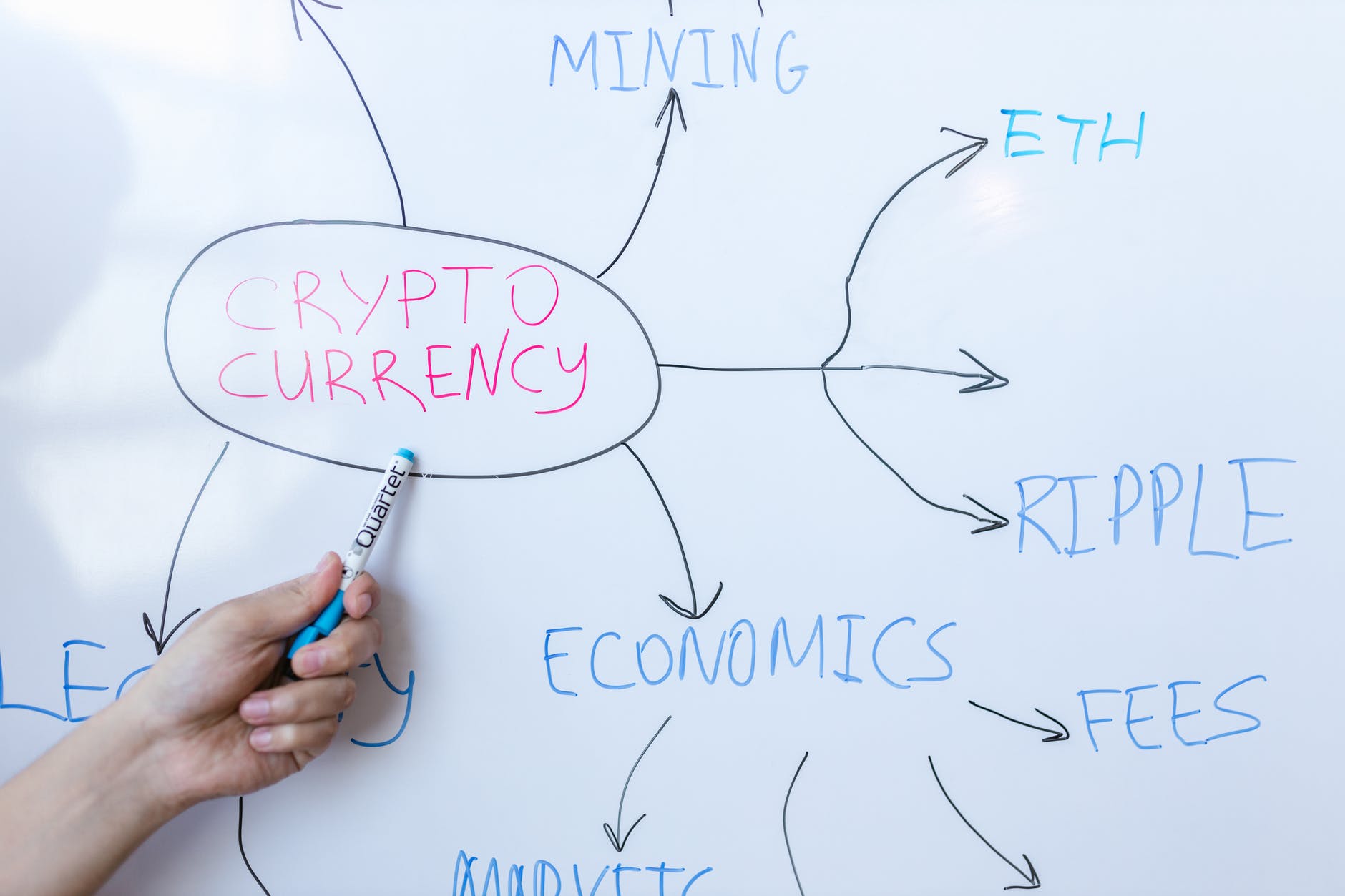
If you are bored with the traditional ways of investment and have invested in gold and other types of stocks , then you can try once the varieties of crypto that are ruling the market for a long time now. Apart form Future of Tether, there are also Ethereum, Stablecoins, Solano, XRP and many other names that you can hear in the market, and you can use these coins accordingly. There is something called market volatility and you need to check the news to get ideas about the fluctuating prices and then choose a crypto accordingly.
Crypto is basically a digital asset and it uses public ledger and Blockchain management techniques to give you the finest returns. Along with that, when you invest in crypto, you go through peer-to-peer networks, and there is something called a ledger distribution network over which crypto gets distributed.
There is the need of computer and internet connection, and all types of crypto dealing is done online. You need to check whether you are going for the transactions from a safe and secure platform and then check the crypto ideas accordingly.
Besides the fact that these digital assets have got store values, there is no central bank or any other authority that regulates the working of crypto, so you can stay safe from any kind of external interference.
In case of a distributed ledger, you can get hold of common database, but in crypto dealing, you should remain assured that no private information of any of the users get shared. Along with that, the networks are maintained all over the world, the chain system and the peer-to-peer network helps in the mining of crypto faster and in an easier manner. To add, when you go for Blockchain and any kind of distributed ledgers, then you can find the arrangement of data in chunks and also in chains. In Blockchain, there is a unique way of dealing with the data structures and also they can be used to store a large number of coins. Along with that, when you invest in crypto, you also get an additional security as all Blockchain transactions are completely irreversible.
A few common Cryptocurrency names that you hear in everyday life
There are some of the common crypto varieties that you get in the market, when you start the trading process, you can check out the following and find out which will be the most suitable one for you:
There are cryptocurrencies and also security tokens, non-fungible tokens that you can go for, depending on the need to find out the overall output.
Crypto is one of the most well-known forms of asset that you get. The benefit of crypto that you get include exchanging products, services just like Fiat currency like Canadian dollars, or US dollars. If there is any market speculation, then you can check up the trading on any type of crypto asset trading platform and also verify it as a store of value.
Crypto is different from Fiat money, but in many countries, there are laws that do not allow trading via crypto. It is a case that crypto has no inherent value of its own, and the value is largely motivated by the demands and supply in the market. Bitcoin, Ether, Ripple and Litecoin are some of the varieties that you get.
Crypto is not any form of security that you get, and there can also be some forms of security laws. When you buy crypto and take immediate delivery of this as part of your stored online wallet, then you find there are not many hurdles or security laws. If you work via CTP and the CTP is used as part of the digital wallet, then there can be a need of a contract as per security regulation. All the users need to register with the correct form of security regulator, and while you start the transaction process, you can check whether the CTP is registered or not. This can be checked from the National registration Search Tool that are available in different countries.
You must understand how to obtain Bitcoin if you spend your cash in virtual currencies. However, knowing when and where to trade the shares is essential if you’re a true believer who anticipates it to start replacing cash transactions. You should also be ready to do so even more. Virtual Trend Lines does not offer advice in this area, but it can teach you the fundamentals of analysis, such as how to sell cryptocurrencies. Here are a few pointers for swiftly and easily purchasing and selling cryptocurrencies visit at: thecryptogenius.io
You’ll need a crypto wallet to keep your virtual money before purchasing it. They have numerous names, including “hot wallet,” “hardware wallet,” and “software wallet” however, there are primarily two types:
Cold Wallet: A real, hardware-based digital wallet that is not online and is used to store cryptocurrencies. It is similar to an extremely sophisticated flash drive. Compared to a world wide web wallet, cold wallets have additional protection levels and are harder to hack.
Hot Wallet: A software-based, online digital wallet that frequently takes the shape of an application.
BuyingBitcoins- What You Need To Know
Even while some organizations are working toward making this possible in the future, How to Buy Bitcoin cannot currently be acquired via your bank or investment agency. For the time being, you’ll need to use a cryptocurrency trading website to convert your dollars into Bitcoin or other virtual currencies.
When purchasing other cryptocurrencies, you should take the same steps you did when purchasing Bitcoin. However, if your objective is to invest in cryptocurrency as a long-term store of value, investment professionals advise sticking with the two biggest cryptocurrencies, Bitcoin and Ethereum.
You may purchase cryptocurrencies online using any one of hundreds of exchanges, but here are a handful of the more well-known ones. With the use of thesemarketplaces, you can seamlessly purchase and trade Ethereum online.
Selling Bitcoins- What You Need To Know
Now that you’ve created the trade details, linked your bank account, and listed your bitcoin on the market, it’s time to make a sell. The most current version of Coinbase makes this exceedingly simple.
Select Buy/Sell from the navigation window before moving to the Sell category. Make careful to choose the right deposit recipient in the Transfer To box after selecting Bitcoin as the foreign currency. You can select this option for money transfers here if your profile is connected to a checking account.
Check the connected wallets to determine how many cryptocurrencies you have and how many to sell. Finally, select whether you want to repeat this purchase and, if so, how frequently. First, there’d be some waiting until the transaction was finished. During this time, you are free to make as many purchases as you like, but they won’t be finalized until the sitting period has ended.
Although the stock bubble has further thrown everything out of balance, bitcoin has recently seen a lengthy period of devaluation and readjustment.
Alternative Methods To Take Note of
When it comes to markets, cryptocurrency coordinates transactions between the parties concerned. Alternatively, the selling process is unique in concept. When you trade, the seller and the customer deal directly. The website tells you every time someone displays an incentive to sell at the price you specify in your order to sell.
Once everyone involved has agreed to the terms, the selling receives cash from customers, and the seller transfers the cryptocurrency to the buyer; the Transfer may be considered complete. Some methods take a lot of effort, but they enable online banking while maintaining privacy and security, making them worthwhile. Ensure you get it in a particular venue if you trade through touch.
Conclusion
A great investment opportunity is cryptocurrency. The digital currency has many applications, making it an intriguing and alluring investment choice. However, prospective investors should be aware that they cannot be assured huge returns on their crypto investment.
Some trading platforms do not offer advice in this area, but theycan teach you the fundamentals of analysis, such as how to sell cryptocurrencies. Always, rarely spend more resources than you could ever potentially lose since you’re more prone to losing it than becoming a millionaire overnight.
Rising costs of care homes often dictate that elderly family members need to find an alternative when it comes to a place to call home. Caring for a loved one requires hard work, patience, and understanding.
There is also the financial burden of unforeseen expenses along the way. You might have to install ramps around the house to accommodate a wheelchair. In some cases, minor renovations need to take place to make bathrooms and bedrooms more practical.
However, the family member that you are taking care of might not be considered a senior. It may be a younger member of your family who has been injured in an accident.
If a member of your family or someone close to you is dealing with a long-term disability as a result of an accident, a personal injury lawyer can help to ensure that every effort is made to make sure the injured person gets compensated. This can go a long way in managing the on-going care costs of anyone who has a disability.
There are a few common mistakes people make when caring for a family member or close friend with a disability. One of these is to rush through tasks and not be present. A person dealing with a disability already feels discouraged because they often can’t do things for themselves.
Quite often, despondent patients become depressed and feel helpless. They need someone to sit with them and talk to them. They want conversation and to have a connection either emotionally or physically. Humans have an innate need to be loved and cared for; it is no different from people who suffer from medical conditions.
Be Patient
We live in a world where instant gratification is a reality. Unexpected obstacles throw us off course, and we find ourselves losing our patience with our loved ones. Tasks that seemed simple yesterday are suddenly monotonous and impossible to deal with.
It’s essential to slow down and remember why you are doing what you are doing. Taking care of someone who can’t help themselves is challenging, but it teaches us humility and to appreciate what we have.
Have A Support Network
It’s perfectly normal to reach out to other family members and share the load. Schedule regular family meetings to discuss how you can each work together to provide care and support. Giving yourself time to do the daily tasks needed for your personal care. This will also give the loved one in your care a fresh face to spend time with.
Remember To Take Care Of Yourself
After devoting hours to caring for another, we often aren’t compelled to pamper ourselves and take some time out. Instead, we try to tackle all our other chores and burn the candle at both ends. We end our days feeling exhausted and empty.
Self-care is a gift you can give yourself. To care for someone else, you need to make sure that you are healthy and well. Maintain doing the things that you love. Whether it’s baking or reading or riding a bike, take breaks and enjoy some sunshine and fresh air.
The Bottom Line
There are many ways that you can support loved ones suffering from a disability. It’s perfectly normal to feel frustrated and tired; at times, it’s necessary to allow you to blow off some steam.
Listen to your own body and lookout for signs that you need a break. Let friends and family members in; don’t be afraid to ask for help when you need it.
Madhur Day Matka is a popular card game in India that people of all ages enjoy. With a significant impact on the economy of the gaming industry, it has become one of the most popular games in the country. In Madhur Day Matka, players use combinations of two cards to make as many points as possible. A player’s objective is to score more points than your opponent, and the first player to reach the score of 25 points or more wins the game. The game is also known by a few other names, such as Madhur Day, Madhur Matka, or Madhur Day Re.
As online gambling in India continues to grow, so too does the significance of Madhur Day Matka Gambling. The game became increasingly so popular that it is estimated to be worth over $3 billion annually. The impact of Madhur Day Matka Gambling on Indian society and culture has been significant, not only financially but also socially and culturally. Online gambling has provided a convenient platform for bettors to put their part in playing Madhur Matka efficiently across India and get Madhur matka results more rapidly by logging in through a potential website like Matka.bet. Popular and is growing at a significant rate.
The industry is expected to reach above $1.9 billion by the end of the year among the state dwellers. The country’s population of over 1.3 billion people gives it a significant advantage over other countries regarding online gambling. Madhur Day Matka Gambling is available in several different languages, including English, Hindi, Punjabi, Tamil, and Telugu.
Association with Satta Matka Game
Madhur Day Matka is an Indian card game closely associated with the popular Satta Matka game. Both games are based on mathematical calculations and involve betting on the outcome of specific cards. However, The key difference that makes both the games variational is that in Madhur Day Matka, you don’t need to calculate the exact sum of a number or a combination. Instead, you have to bet on the outcome of specific cards.
Potential Tips for Beginners
Madhur Day Matka is a popular game in India where two players compete to earn points by matching cards. There are several tips that beginners can consider when playing the game, including learning the basic strategy and picking the right betting options. It is a two-player game with a unique scoring system. If you’re new to the game, here are five tips to help you get started:
1. Learn the basic rules of Madhur day Matka
Madhur Matka is a popular board game in India. It is similar to the game of chess but with more moves per turn. The game’s objective is to capture all of the opponent’s pieces or put them into a position where they cannot move. Several basic rules should be followed while playing Madhur Matka day in India. It’s equally important for a bettor to look out for basic rules before jumping onto the game.
2. Strategize your moves
In Madhur Matka, good planning strategies are important to win the game. This is because many different types of combinations can be played, and each can lead to a different outcome. Therefore, players must carefully consider which combination to play and when to make the most advantageous decisions. By using effective planning strategies, players can maximize their chance of winning.
3. Practice regularly
Regular practice with a friend in the Madhur Matka game can effectively improve one’s skills. Playing with a friend provides an opportunity to share notes and strategies and help one another improve. This type of practice can also help promote positive competition, leading to improved results on the playing field. Also, it helps the player anticipate the wrong move’s outcomes and how they impact your winnings.
4. Look out for better odds
Looking out for better odds in Madhur Matka is an effective move to increase your chances of winning the game. Playing with better odds means you can win more hands, which will increase your chances of winning the game. You can do a handful of things to improve your odds in Madhur Matka: play more hands, bet high when possible, and avoid playing with Pros in the first place. Playing more hands does a couple of things.
5. Be patient – it can take some time to get good at the game
There is no doubt that patience while playing Madhur Matka can be effective in winning the game. However, knowing when to back off and press on is essential. Knowing when to stay and when to go is highly important. Sometimes it will be best to hold onto your cards and play defensively; other times, it is better to take risks and attack your opponent. There are times when it will be best to play aggressively and other times when you must hold onto your cards. It completely depends on what is happening in the game and what strategy you want to follow. The chances are that the more patient you are, the longer it will stay in the game and increase your winning chances.
Mining is essential to the Bitcoin system since it allows the network to establish a consensus network on the current ledger state. The users of trading platform must be able to execute transactions securely. One record in the catalog may state that Person ‘A’ sent one bitcoin to another user at ten o’clock on Monday morning. A new ‘block’ containing a list of recent transactions is appended to the ledger at ten-minute intervals.
Mining bitcoins serves multiple uses, including the following:
Mining is how newcoins are dispersed into circulation.
This function is an integral component of a broader process designed to ensure that only valid transactions are allowed to get added to the blockchain.
Within the framework of a throughput limitation, it refers to a method for ranking the importance of individual transactions. It creates a fair market for unlimited block space.
Because participants or the miners are rewarded for their efforts, the network is protected from potential attackers thanks to its resources. Here the term “attackers” refers to the people mining the cryptocurrency. To put it another way, the difficulty of mining Bitcoin ensures that miners adhere to the standards set by the network.
How Exactly Does One Accumulate a Singular Bitcoin Throughout a Certain Time?
A Bitcoin mining pool is a cooperative effort in which all members pool their hash power and divide the prize evenly among them as per the ratio of power the individual miners put. The payout for the block reward is divided among all the miners in the pool by the amount of hash power (mining “power” from mining equipment like ASICs) each miner contributes. This ensures that each participant receives an equal share of the reward if the equal hash power is put by all of them.
But, even if you don’t have access to many ASICs like in a mining pool, and you are a single miner, you still have the potential to mine Bitcoin with time. For example, you might mine 0.01 Bitcoin per day using five or ten ASICs, and you would have successfully mined a whole Bitcoin over one hundred days. The amount of time necessary to mine a Bitcoin is, as a matter of course, contingent on several different elements.
The amount of time required to mine a Bitcoin can be significantly impacted by how well a Bitcoin mining machine is maintained. Because they are routinely operated nonstop for 24 hours without any breaks, ASICs are prone to malfunctioning. If you want to maximize your earnings, you will need a method that allows you to repair your machinery quickly.
Is it worthwhile to mine bitcoins at this time?
Mining Bitcoins is a competitive industry with shallow margins for profit. In addition to an initial source of electricity, you will need to invest in the necessary hardware, the room to keep it, and high-power electricity. The Application Specific Integrated Circuit, or ASIC, is a crucial piece of hardware for executing the Bitcoin hashing algorithm. This type of integrated circuit can only perform the Bitcoin hashing algorithm but setting all these is a big arrangement and expensive too. So, if you are good at this work and can manage all these, mining can be profitable.
What kind of impact does the mining of bitcoin have on its price?
Most of the time, miners put the bitcoins they’ve mined toward paying for the costs associated with maintaining their mining rigs. So, the rewarded bitcoin is getting into circulation. As a direct result of this, there is a rise in the amount of pressure that is being put on the total net sales. So, the rise decreases the percentage of demand to some extent due to adequate supply at that time. It may affect the price volatility of bitcoin. To put it another way, miners may continue their work for a more extended period in the hope of making more money if the price of Bitcoin increases.
As a consequence, there would be less overall pressure to sell, resulting in a quicker ascent in price. When bitcoin prices lower, miners are incentivized to liquidate any freshly acquired coins to make a profit. Consequently, the market’s volatility would grow in a bearish direction.
Conclusion:
Most of the time, miners put the bitcoins they’ve mined toward paying for the costs associated with maintaining their mining rigs. As a result of this, there is a rise in the amount of pressure that is placed on the company’s net sales. Bitcoin price volatility could be influenced by miners’ efforts to maximize profits by buying and holding or selling the cryptocurrency, depending on the market’s direction. Pro-Bitcoin traders utilize this BitIQ App to make better trading decisions thanks to its well-programmed software.
Trading cryptocurrencies has recently gained a wide attraction among people. Recently, the total sum of money invested in cryptocurrencies or traded for them has seen a meteoric rise in the United States. In the beginning, Bitcoin was one of the few cryptocurrencies that were open to trading and investments at the same time. Because of this, trading Bitcoin is much easier than trading any other currency. Bitcoin Technology Affects is multiplying in number for a reason of sprouting out many easy-to-use bitcoin exchanges also. But, dealing with this high-value asset need reliable platforms always rather than choosing the easiest one.
There has never been a time when purchasing bitcoins was more straightforward or convenient than today. On the other hand, investors should proceed with extreme prudence and choose a cryptocurrency exchange venue with great care when dealing with digital tokens. When evaluating a platform for trading cryptocurrencies follow the factors.
The accessibility of the Exchange:
Because any central authority does not control cryptocurrencies, consumers need to have faith in the underlying technology and have a thorough understanding of the risks involved. Every nation provides access to a diverse selection of trading exchanges. In the shortlisting method, examining the audit history of the exchange is one way to establish whether or not it can be trusted. Other ways must be reading the rules and regulations and reading customers’ reviews.
Ease of Doing Business:
When selecting an exchange, it is also necessary to consider the ease with which trades may be carried out on that exchange. Some exchanges offer numerous trading tools that make your trading easier.
In-Game Items: Tokens and Coins:
Take into consideration the current value of the coins and tokens that are traded on the exchange, as determined by the market that gives potentially lucrative possibilities. Because the market is in constant flux, an exchange must be dynamic and flexible.
Order Book Volume:
The large order book volume proves there is an increase in the number of traders and investors using the Exchange. As a direct consequence of this development, existing cryptocurrency investors will have access to a more significant amount of liquid capital when it comes time to liquidate their holdings.
Settlement Mechanism
This preliminary research is fundamental since it can uncover instances of fraud. The transfer of funds resulting from the completion of a transaction, including a sale or purchase, is the settlement process. Investors in cryptocurrencies must always maintain a balance in their respective accounts. Find the system that you are comfortable withamong the available systems like net banking, UPI, debit or credit cards, or any other digital wallet.
Make an exchange of your reputation for that of another
The reputation of the transaction is possibly the factor that is open to the most extraordinary personal interpretation. If a market has made significant investments in media companies to create its reputation, it may appear to have positive and shiny characteristics.
Consequently, the investor is obligated to carry out a comprehensive analysis of the goodwill connected to the transaction. You could be considering trading but feel unclear about where to begin. If so, we invite you to test BITIQ.
Methods for the Detection of Fraud
Trading in cryptocurrencies is fraught with a significant amount of danger because of its online presence. Con artists take advantage of the unclear regulatory landscape that surrounds cryptocurrencies. Scam swaps should never, ever be participated in, although doing so may result in price reductions. It is essential to focus on protecting the money that an individual has worked so hard to obtain.
Charges incurred when exchanging money
The total cost of the fees levied by each Exchange is different. Some cryptocurrency exchanges charge a set fee, while others charge a fee for each transaction made.
The Friendly and Convenient User Interface
To guarantee user protection, the user interface of the Exchange must be subjected to exhaustive testing. It is essential not to overlook this fact, given that digital tokens are susceptible to being stolen and hacked.
Conclusion:
Because Bitcoin exchanges require users to pay a fee for their services, using these platforms does not come without cost. Because the charges can differ based on the payment method, you should always make sure you are aware of them before making any decisions on an exchange. The most OK Bitcoin exchanges provide high products and services without charging exorbitant costs for using their platform.
Running your own dental practice is no easy feat. There are so many things that are associated with making sure that everything runs smoothly. Sometimes, trying to keep track of everything yourself may seem like too much to handle. However, it does not have to be that way. It is important when running any sort of small business to hire people to help you make sure that everything is happening that needs to be. A dental practice is no exception. Dental accountants can be just the help that is needed to help a dental practice run smoothly and more efficiently. In this article, we are going to talk about three signs that indicate that you may need to hire a dental accountant for your practice.
A lot of times, small business owners have the belief that they should save their money by not hiring an accountant for their business. However, it usually costs them a lot of time, headaches and mistakes by choosing not to hire an accountant. When a dental accountant is hired, there will not be any mistakes made on the taxes, as the accountant will be well versed as to what needs to be on taxes for the dental industry specifically. Cooper Norman dental accountant will take the time and make sure that all of your taxes are done correctly, and in a way that will maximize the return that you will be getting.
It is Taking Your Focus Away from Dentistry
Another common sign that you should hire a dental accountant is that the accounting portion of the business is taking away from the dentistry that you are specialized in. If you are constantly focused on accounting and are having a hard time focusing on or making time for dentistry, then this is an apparent sign that you should hire a dental accountant. As you choose to hire an accountant for your practice, that will open up the better opportunity for you to focus on your specialty, which is dentistry. It is better to have someone who is specifically trained to be an accountant so that you can worry about the teeth of your patients.
It Is Taking up too Much of Your Free Time
When trying to accomplish all of the accounting is taking away all of the time from your family, this may show that you should consider hiring an accountant. As a business owner, it may sometimes feel as though you need to do everything yourself, which ends up taking all of your time and efforts. This is something that causes a really quick burnout in most business owners. It is important to not spend so much time on your business that it completely takes over your life and all of your free time. If you hire an accountant, it will ensure that you will have some extra free time.
Conclusion
Although it may not seem like the best investment to hire a dental accountant, it is something that is worth your money. It will save you a lot of time and headache. If you see any of these signs in your practice, you may want to consider hiring an accountant.
If you have a loved one who is aging, then you may want to consider moving them to an assisted living facility. A lot of times this is a hard decision to make, and many people are hesitant about sending their loved one to an assisted living community. Assisted living Brigham City is a great option to consider when sending your loved one to an assisted living community. Your loved ones will be taken in and treated as family. In this article, we are going to discuss the benefits of assisted living facilities for those who are getting too old to take care of themselves.
One of the hardest things of growing old is missing out on social experiences. As human beings, we desire to connect with others, and to have friends. As people grow older however, the opportunities become more sparse. However, in an assisted living community, there are people there who are in the same stage of life, that your loved ones can interact with. This is a good chance for them to socialize with others, as they can relate to everyone else in that same stage of life as them. This can help them find happiness as your loved ones will have the opportunity to connect with others.
Receive the Needed Care
Another benefit of an assisted living facility is that your loved ones will receive the care that they need at all times. When your loved one gets too old to handle all of the everyday tasks, that can not only be difficult on them, but it also can take a lot out of you. Having to care for a loved one is very taxing and can take a lot of your time and energy. But, if you consider moving your loved one into an assisted living facility, they will receive the care that they need all of the time from assisted living nurses as well as caregivers. You will be able to go and visit whenever, but will not have to deal with the stress of having to take care of them all of the time.
Personalized Care
Each resident of an assisted living facility has their own struggles and difficulties. Because of this, it is so important that they receive care that is personalized to their needs. At an assisted living facility, your loved one will receive care that is personalized to fit all of their needs. There are specific meal plans, and activities that are available to help your loved one have the best experience possible. They will receive the attention that they need that will specifically help them.
Conclusion
Although the decision to put your loved one in an assisted living facility is always a difficult one, there are many benefits with putting your loved one in a place where they can get the care that they need. The next time that you are unsure about placing your loved one in a facility, remember the benefits in this article.
Are stablecoins the future? Are they an answer to the problems and volatility issues of cryptocurrency? The exposure of the world to cryptocurrencies also highlights how important trip to currencies is becoming. While it is touted to be the future but there are certain downsides associated with it. Other details click at this link.
One of the concerning key factors is the volatility. The changing dynamics of cryptocurrencies have made many prospective investors skeptical about investing in them. With the introduction of stablecoins, we might have an answer to all the apprehensions surrounding the price volatility of cryptocurrencies. This is where stablecoins come into the picture.
These are basically dollars in digital form. But it is not just the dollars; the stablecoins can be algorithmically connected to other real-world assets like the euro or gold. As mentioned above, these points were introduced to counter volatility which is the hallmark of cryptocurrencies. It is a convenient way for traders to overcome the loss they encounter because of the dynamism of the value of cryptocurrency.
Key Takeaways of Stablecoins
1. These coins have a stable value and hence the name stablecoins
2. These are more useful and safe mediums of exchange.
3. It easily overcomes the price volatility associated with cryptocurrencies.
4. Algorithmic stablecoins provide a steady value by calibrating the supply based on the predefined rules
Types of Stablecoins You Should Know About
As we have mentioned above, there are different types of stablecoins. The value of stablecoins is associated with different real-world assets, which can range from fiat currencies to physical assets. Read on to know more about types of stablecoins.
1. Fiat-pegged Stablecoins: These coins are connected to real-world currencies like the euro or Dollar. The collateral can also be rude oil or metals like silver. In the case of fiat pegged stable coins, the collateral is held by a custodian, and this is audited to ensure the redemption of stablecoin tokens. One fine example is Tether
2. Crypto-pegged Stablecoins: customer list is crypto peg the stablecoins. These are similar to that of weird per the stablecoins, but here the collateral is cryptocurrencies. In simple terms, the crypto pegged coins are associated with other cryptocurrencies.
To help you understand better, let’s say, you have collateralized dollar 50,000 stable coins with Dollar 1 million bitcoins. If there is a situation where bitcoin loses its value by 30%, even in this situation, the stablecoins will have enough collateral for complete redemption. This will prevent you from suffering from heavy loss. One fine example is Dai.
Although we cannot say that this is a completely safe system because there can be a situation where the collateral cryptocurrency completely loses its value or its value plummets dramatically. If you are planning to invest in crypto collateralized stablecoins, then it is significant that you should first study the cryptocurrency with which the stablecoins have been collateralized and understand its future prospects and present market situation and based on that, you should invest in it.
3. Algorithmic Stablecoins- the third type of stable point is algorithmic stablecoins. Irrespective of the fact that stablecoins are collateralized or not, algorithmic stablecoins. Please have a set of rules which control the supply of tokens, thus ensuring the stability of value.
Let’s understand this with the help of an example; an algorithmic stablecoin operates on a rule which requires a change in token supply such that its value is not impacted and there are sufficient stablecoins in the market. You can compare it with the role of a central bank that keeps on increasing or decreasing the interest rate to ensure the stability of prices in the market.
Conclusion
So, these were some helpful points you needed to know about investing in stablecoins and its different types.. If You Are also willing to be a part of the crypto ecosystem, this is the right time to gain enough knowledge on different types of cryptocurrencies and their set of features. It helps in defining a clear strategy for the future. If You Are convinced and confident about investing in the cryptocurrency market, you can log onto https://bitcoinaussiesystems.com/. You can register yourself here and start exploring the crypto market.





















You must be logged in to post a comment.