Revolutionizing Animal Feed

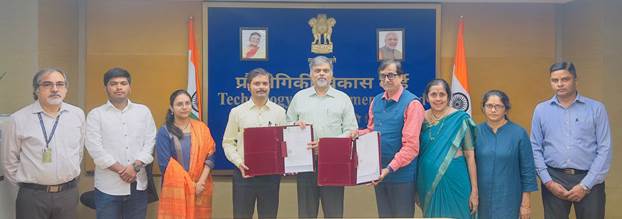
 The Technology Development Board (TDB), operating under the Department of Science & Technology (DST), is thrilled to announce its strategic partnership with M/s Chemlife Innovations Pvt. Ltd., headquartered in Bengaluru, Karnataka. This collaboration marks a significant stride in advancing the project titled “Commercialization and Manufacturing of Bio-Trace Minerals used in Feed for Animals,” a visionary endeavour that harmonizes seamlessly with TDB’s commitment to fostering impactful scientific innovation.

Amid the present urgency for innovative solutions propelling sustainable progress, a crucial dimension of this collaboration aligns harmoniously with the National Livestock Mission—a cornerstone of India’s strategic framework. Guided by the Prime Minister’s vision, the mission aims to enhance livestock productivity, optimize feed and fodder resources and infuse technology into livestock management.

Aligned with this national roadmap, TDB and M/s Chemlife Innovations Pvt. Ltd. embark on a transformative journey, marking a pivotal milestone in the “Commercialization and Manufacturing of Bio-Trace Minerals used in Feed for Animals” project. TDB’s unwavering support is evidenced by its commitment of ₹ 84 lakh, significantly contributing to the total project cost of ₹ 142.60 lakh.

Speaking on the occasion, Shri Rajesh Kr. Pathak, Secretary, TDB, said, “We’re thrilled to support Chemlife Innovations Pvt. Ltd. in their pioneering endeavour. This project exemplifies technological innovation and sustainable manufacturing, aligning seamlessly with TDB’s goals. As the project advances, it’s poised to enhance animal nutrition, transform livestock and poultry & dairy production, and set new eco-friendly manufacturing benchmarks. This collaboration aligns with the National Livestock Mission’s objectives, addressing vital aspects of animal nutrition through innovative bio-trace minerals in animal feed.”
Driven by innovation and sustainability, M/s Chemlife Innovations Pvt. Ltd. envisions revolutionizing the manufacturing of bio-trace minerals for animal feed, particularly targeting the livestock and poultry/dairy sectors. Anchored by the ground breaking ‘Accelerated Natural Bio Transformation’ (ANBioT) technology, the project introduces a proprietary nutrient medium that facilitates chelation reactions under milder conditions, aligning seamlessly with principles of environmental sustainability.

Central to this endeavour is the ingenious use of pupa proteins, rich in hydroxy amino acids, offering an economical alternative to imported ligands like yeast hydrolysate and Methionine hydroxy analogue (MHA). This strategic shift not only enhances economic viability but also aligns with India’s self-sufficiency goal.

The company’s unwavering commitment to quality is substantiated by its attainment of Global Certification for Animal Feed Additive Quality and Feed Safety, alongside the esteemed FAMI-QS certification—a globally recognized benchmark. Third-party validation confirms the efficacy of their developed product ‘MinBioZen,’ showcasing compatibility and promising results.

Beyond the realm of innovation, this project contributes to the circular economy by repurposing silk worm pupae meal, thereby mitigating waste generated by the silk industry. The company’s membership in Pharmexcil augments export prospects, fostering economic growth. Leveraging locally available by-products from the silk industry enhances economic viability, aligning with import substitution objectives and potential foreign exchange savings.

Their comprehensive approach, fortified by global certifications, exemplifies their commitment to green chemistry principles and sustainable resource utilization. Innovative products like MinBioZen address the indispensable need for bio trace minerals—zinc, copper, manganese, iron, and selenium—in optimizing livestock health and growth. Aptly named MinBioZen, the product seamlessly integrates bioavailability and stability, symbolizing their dedication to innovation and environmental stewardship.

*********

Advanced Horse Racing Betting Strategies for Experienced Horse Racing Enthusiasts

 Welcome to the world of advanced horse racing betting strategies. A realm where experienced horse racing enthusiasts hone their skills and take their best bet on horse race online – 1xbet to a new level. For those who have learned the excitement of the racetrack. The excitement of picking winners and watching outsiders triumph has become an art and a passion. Now, having become experienced players, you strive to improve your game. Armed with a deep understanding of this sport and an insatiable desire to uncover hidden secrets. Which can turn your bets into triumphant victories.

Photo by Helena Lopes on Pexels.com

In this research journey, we will look at strategies that go beyond the usual bets. And also let’s delve into the nuances that distinguish a knowledgeable player from a casual observer. We will go through the data analysis, the form of races. The views of the jockeys and the conditions of the track. Revealing the secrets that distinguish rivals from contenders for victory.

Harnessing the Power of Data Analysis

In the dynamic world of horse racing, where fractions of a second and instant decisions can determine the outcome of the race. The use of data analysis capabilities becomes paramount for experienced horse racing enthusiasts. In addition to the thrill of watching majestic thoroughbred horses. Racing along the tracks. This sport is a treasure trove of data – a huge layer of information. Which, with proper analysis, can give invaluable information. To make informed betting decisions. For those who seek to improve their betting strategies. Diving into the field of data analysis opens up a whole world of possibilities.

  • Going Beyond the Basics:

As experienced enthusiasts, you are well acquainted with the fundamentals of data analysis in horse racing. However, delving into the advanced techniques is where the real magic happens. Advanced data analysis – from building complex models to using complex algorithms. It takes you beyond the superficial and reveals hidden patterns and trends. Which may affect your choice of bets.

  • Utilizing Historical Data:

Historical race data is a goldmine for understanding a horse’s performance patterns. Past performances, racing records and speed indicators. They represent a treasure trove of information. Which can be used to assess the current shape of the horse and its potential for success in future races. Thanks to a detailed analysis of historical data. You can identify horses that do well under certain conditions. Or they have a track record of unexpected failures.

  • Advanced Handicapping Methods:

Handicapping is the cornerstone of horse racing betting, and advanced handicapping methods take it to new heights. Experienced enthusiasts are deeply versed in various methods of determining the handicap. From speed determination to tempo analysis and beyond. To get a comprehensive understanding of the strengths and weaknesses of the horse. The goal is to identify factors that others may overlook and to spot potential upsets.

  • Big Data and Machine Learning:

In the digital age. Big data and machine learning have changed the way data analysis is conducted at horse races. Powerful algorithms can process huge amounts of data in real time. Providing useful information that was previously unimaginable. Using machine learning models. Experienced enthusiasts can stay ahead of the competition and make informed decisions. About rates based on advanced predictive analytics.

  • Statistical Analysis and Probabilities:

Statistics and probabilities are indispensable tools for horse racing enthusiasts. Seeking to understand the probability of different outcomes. Advanced statistical analysis helps to identify trends. Measure the influence of variables on the results of races and calculate the probability of success of a horse. Armed with this knowledge, experienced enthusiasts can make calculated bets that optimize their chances of winning.

  • Integrating Data with Intuition:

Although data analysis is a powerful tool. Experienced enthusiasts understand that it should not replace intuition and knowledge of the racetrack. The art is to find a balance between knowledge based on data. And inner feelings. Because the race track is an ever-changing landscape. Where unexpected factors can affect the results. Combining data analysis with knowledge of the racetrack. Creates a comprehensive approach to betting that takes into account both science and art.

Unraveling the Complexity of Race Form

In the complex history of horse racing, the analysis of the form of arrival. It is one of the most important and complex aspects. For advanced betting enthusiasts. Apart from the thrill of watching majestic horses in action. Understanding the form of horse racing is an art that requires a sharp eye. Scrupulous attention to detail and a deep understanding of the subtleties. Which can be crucial at the racetrack. For those who seek to improve their betting strategies. Understanding the complexity of the form of racing opens the gates to the world of invaluable information.

  • The Art of Form Study:

Studying a horse’s past performances, or race form, is the foundation of informed betting decisions. Experienced enthusiasts know that simply skimming the surface of a horse’s recent races is not enough. Instead, they dive deep into the data. Thus carefully studying every detail. To identify patterns, strengths and potential weaknesses.

  • Evaluating Class and Competition:

The class of the race and the level of competition that the horse faced. They are the most important elements for understanding its racing form. Advanced enthusiasts analyze the level of competition in each race. In which the horse participated. Looking for cases when the horse successfully performed on stronger fields. Or demonstrated dominance in lower classes.

  • Weight and Handicap Factors:

Weighing a horse’s performance under different weight conditions is a key component of race form analysis. Handicap races add another layer of complexity, as horses carry varying weights to level the playing field. Experienced enthusiasts evaluate how the horse has performed under various loads. Taking into account both the absolute weight and the jockey’s norm.

  • Spotting Patterns and Trends:

Racing data reveals a wealth of information that can help uncover patterns and trends. Advanced enthusiasts keep a keen eye on a horse’s preferred distance, track surface, and running style. They are looking for horses that consistently perform well in certain conditions. Because this knowledge can be invaluable for predicting future success.

  • Identifying Race-Specific Factors:

Every race is unique. The nuances of a racetrack can play a significant role in determining the results of a horse. Factors such as the slope of the track, the running position, the position of the rack and the pace of the race. They are carefully studied to identify horses that may have a clear advantage in specific race conditions.

  • Balancing Recent Form vs. Historical Performance:

While the recent form is crucial for assessing the current condition of the horse. Experienced enthusiasts understand that historical indicators provide valuable information. About the general capabilities of the horse. A combination of recent form with a perspective for the future. It helps to get a more complete picture of the horse’s potential in the upcoming races.

  • Analyzing Workout Patterns:

In addition to sports uniforms. Analysis of the nature of horse training, during training. Gives additional information about her physical fitness and readiness for competitions. Training can indicate whether the horse is improving. Whether she is keeping fit or facing problems. Which may affect its performance.

The Jockey Factor: Understanding the Human Element

In the exciting world of horse racing, where speed and skill are intertwined. The human factor plays a key role in determining the outcome of each race. At the heart of this human element is the jockey – a skilled athlete, strategist, and master of the art of race-riding. For advanced horse racing enthusiasts, understanding the jockey factor. Is an important aspect of improving their betting strategies. In addition to the physical aspect of bringing the horse to victory. The jockey brings a complex mix of experience to the racetrack. Decision-making skills and psychological skills.

  • Jockey Insights and Race Strategy:

Experienced enthusiasts recognize that jockeys are not mere passengers on the backs of horses. They are astute strategists, capable of adapting their race plans based on changing race dynamics. Thanks to in-depth conversations with coaches before the race and studying the race conditions. Jockeys make informed decisions during the race. Adjusting your tactics to gain a competitive advantage.

  • Trainer and Jockey Combinations:

The partnership between a jockey and a horse’s trainer can significantly impact the horse’s performance. Experienced enthusiasts pay close attention to successful combinations of trainer and jockey. Because a strong bond and mutual understanding between them can increase a horse’s chances of success.

  • The Psychology of Jockeys:

The mental fortitude of jockeys is a crucial aspect of the human element in racing. The pressure of high-stakes racing. Split-second decisions. Thus, the pursuit of victory can greatly affect the mind of a jockey. Understanding the psychological aspect helps enthusiasts evaluate. How a jockey’s composure and temperament can affect their performance in stressful racing conditions.

  • Knowing the Jockey’s Style:

Every jockey has a unique riding style, and experienced enthusiasts study their tendencies and preferences. Some jockeys excel in front-running, others are adept at timing their moves, while some specialize in rallying from behind. Understanding the jockey’s style allows enthusiasts to define races. In which their strengths coincide with the track and competitions. Which potentially leads to successful bets.

  • Reading the Race:

The ability of a jockey to read the race as it unfolds is a critical skill. They should be aware of the location and actions of other horses. Feel the pace and anticipate potential problems. Experienced enthusiasts pay attention to jockeys who demonstrate exceptional situational awareness. Because their race reading skills can significantly affect the outcome of the race.

  • Balancing Experience and Youth:

In horse racing, it is necessary to maintain a balance between the experience of experienced jockeys. And the enthusiasm of young talents. Experienced enthusiasts appreciate the merits of both. Recognizing that an experienced jockey brings wisdom and skill to racing. While a young jockey can bring a fresh perspective and a thirst for success.

Conclusion

In the field of advanced horse racing betting, experienced enthusiasts have plunged into the depths of data analysis. We figured out the complexities of the form of racing and took into account the human factor of the jockey. Armed with a comprehensive understanding of these complex aspects. They have taken their betting strategies to new heights. Turning the racetrack into an arena of intellectual search and calculated risk.

The pursuit of excellence in horse racing betting goes beyond the thrill of winning. This is a way of constant learning and improvement. The world of horse racing is a dynamic canvas where science and art converge. Where data analysis and intuition are intertwined, and where the human spirit of athletes and enthusiasts creates the conditions for exciting moments.

Post Matric Scholarship for Scheduled Castes (SC) and Scheduled Tribes (ST) in Madhya Pradesh

Daily writing prompt
In what ways do you communicate online?

By Kavita Dehalwar

The scheme “Post-Matric Scholarship” started in 1945 by the Tribal Welfare and Scheduled Caste (SC) Department, Madhya Pradesh, provides scholarships to Scheduled Tribe students studying in classes 11th, 12th, Colleges, PhD, and Professional Courses.

The Post Matric Scholarship for Scheduled Castes (SC) and Scheduled Tribes (ST) in Madhya Pradesh is a government initiative aimed at promoting higher education among students belonging to SC and ST communities. The scheme provides financial assistance to help students meet the expenses of their education after matriculation (Class 10). Here’s a detailed overview of the scholarship:


Objective

The primary goal of the Post Matric Scholarship is to reduce the financial burden on students from economically weaker SC and ST communities and to encourage them to pursue education beyond the matriculation level.


Eligibility Criteria

To be eligible for the Post Matric Scholarship, students must meet the following criteria:

  1. Caste Requirements:
    • The applicant must belong to the Scheduled Caste (SC) or Scheduled Tribe (ST) category as recognized by the Government of Madhya Pradesh.
  2. Educational Qualification:
    • Students must have passed Class 10 (matriculation) from a recognized board or institution.
    • The scholarship is applicable for studies at the post-matric level, including higher secondary, undergraduate, postgraduate, diploma, professional, and technical courses.
  3. Income Criteria:
    • For SC students: The family income should not exceed ₹3,00,000 per annum.
    • For ST students: The family income should not exceed ₹6,00,000 per annum.
  4. Domicile:
    • The applicant must be a resident of Madhya Pradesh.
  5. Other Requirements:
    • The student should be enrolled in a government or recognized private educational institution.
    • Students receiving similar scholarships or financial aid from other sources are not eligible.

Benefits of the Scholarship

The benefits of the Post Matric Scholarship include:

  1. Tuition Fee Coverage:
    • The tuition fees for the course are reimbursed directly to the institution.
  2. Maintenance Allowance:
    • A monthly allowance is provided to cover living expenses, books, and other necessities. The amount varies based on the level of study and the type of institution (government or private).
  3. Other Expenses:
    • Examination fees, library fees, and laboratory charges are also covered under the scheme.

Application Process

The application process for the scholarship is entirely online through the Madhya Pradesh Scholarship Portal. Here’s a step-by-step guide:

  1. Registration:
  2. Fill the Application Form:
    • Log in and complete the scholarship application form.
    • Provide details about your academic history, institution, caste certificate, and income certificate.
  3. Upload Documents:
    • Upload scanned copies of the required documents (see the list below).
  4. Verification:
    • Submit the application. The institute will verify the details provided.
  5. Approval:
    • After verification by the institution and authorities, the scholarship amount will be credited to the student’s or institution’s bank account.

Required Documents

Applicants need to upload the following documents during the application process:

  1. Recent passport-sized photograph.
  2. Caste certificate issued by a competent authority.
  3. Income certificate of the family (issued within the past year).
  4. Domicile certificate of Madhya Pradesh.
  5. Previous year’s mark sheet.
  6. Admission proof (fee receipt or admission letter).
  7. Bank account details of the student (linked with Aadhaar).

Important Dates

  • Application Start Date: Generally announced in July or August each year.
  • Application Deadline: Typically by November, with extensions announced as needed.
  • Renewal Applications: Renewal students must reapply before the deadline, providing updated documents.

Key Points to Note

  1. Renewal Process:
    • Students who continue their studies in subsequent years need to apply for scholarship renewal annually.
  2. Monitoring and Transparency:
    • The scheme is monitored through the online portal, ensuring transparency in fund disbursement.
  3. Grievance Redressal:
    • Any issues related to the scholarship can be resolved through the helpline available on the MP Scholarship Portal.

Contact Information

For further assistance, students can contact:

  • Helpline Number: Provided on the official portal.
  • District Education Office: For offline inquiries and document submission.

This scholarship program plays a crucial role in ensuring that financial barriers do not hinder the education of SC and ST students in Madhya Pradesh. By covering tuition fees and providing maintenance support, it encourages higher education and helps bridge the gap in educational opportunities.

National Cooperative Development Corporation (NCDC)

 National Cooperative Development Corporation (NCDC), a statutory corporation under the Ministry of Cooperation, Government of India was established on 14.03.1963 under an Act of Parliament (NCDC Act of 1962) to promote cooperative movement and for economic development through cooperative societies across the country including the state of Chhattisgarh.

The major objective of the Corporation is to promote, strengthen and develop farmer cooperatives for increasing production and productivity and instituting post harvest facilities. The Corporation’s focus is on programmes of agricultural marketing and inputs, processing, storage, cold chain and marketing of agriculture produce and the supply of seeds, fertilizer and other agricultural inputs etc. In the non-farm sector, the Corporation endeavors to equip cooperatives with facilities to promote income generating activities, with special focus on weaker sections such as dairy, livestock, handloom, sericulture, poultry, fishery, scheduled caste & scheduled tribes, women cooperatives, etc. Details of various Central Sector and other Schemes being implemented by NCDC, are enclosed at Annexure-1.

In addition, Ministry of Cooperation with active participation of various States/ UTs has taken various initiatives to revitalize and strengthen the cooperative sector across the country and to achieve the vision of “Sahakar se Samriddhi”, as mentioned at Annexure-2.

(b): State-wise details and number of loans disbursed by NCDC during the last three years (2020-21, 2021-22 and 2022-23) is enclosed at Annexure-3.

(c): District-wise details and number of loans disbursed by NCDC during the last three years (2020-21, 2021-22 and 2022-23) to the States of Madhya Pradesh and Chhattisgarh is enclosed at Annexure-4 and Annexure-5 respectively.

This was stated by the Minister of Cooperation, Shri Amit Shah in a written reply to a question in the Lok Sabha today.


Annexure-1

SCHEMES IMPLEMENTED BY NCDC


A.     Central Schemes Implemented:

  1. Scheme for Formation and Promotion of 10,000 Farmer Producer Organizations (FPOs) – Ministry of Agriculture and Farmers Welfare
  2. Fisheries & Aquaculture Infrastructure Development Fund (FIDF) Scheme – Ministry of Fisheries, Animal Husbandry and Dairying
  3.  Pradhan Mantri Matsya Sampada Yojana (PMMSY) – Ministry of Fisheries, Animal Husbandry and Dairying
  4. Pradhan Mantri Formalisation of Micro Food Processing Enterprises (PM FME)- Ministry of Food Processing Industries
  5. Pradhan Mantri Kisan Sampada Yojna (PM KSY) Integrated Cold Chain and Value Addition Infrastructure Scheme – Ministry of Food Processing Industries
  6. Agricultural Marketing Infrastructure (AMI) – Storage Infrastructure, Sub-Scheme of Central Sector Integrated Scheme on Agriculture Marketing (ISAM) – Ministry of Agriculture & Farmers’ Welfare
  7. Agricultural Marketing Infrastructure (AMI) – other than Storage Infrastructure, Sub-Scheme of Central Sector Integrated Scheme on Agriculture Marketing (ISAM)- Ministry of Agriculture & Farmers’ Welfare
  8. Mission for Integrated Development of Horticulture (MIDH) /National Horticulture Board (NHB) / National Horticulture Mission (NHM)- Ministry of Agriculture and Farmers Welfare
  9. National Beekeeping and Honey Mission (NBHM)- Ministry of Agriculture and Farmers Welfare


B.        NCDC Sponsored Schemes/Activities Assisted:

  1.  

Marketing

  1.  

Processing

  1.  

Storage

  1.  

Cold Chain

  1.  

Distribution of essential consumer articles through cooperatives

  1.  

Industrial

  1.  

Credit & Service Cooperatives/ Notified Services

  1.  

Cooperative Banking Unit

  1.  

Agricultural Services

  1.  

District Plan Schemes:Integrated Cooperative Development Projects in selected districts

  1.  

Cooperatives for Weaker Sections: Fisheries, Dairy & Livestock, Poultry, Schedule Caste, Tribal Cooperatives, Handloom, Coir, Jute, Sericulture, Women, Hill area, Tobacco & Labour

  1.  

Assistance for Computerization of Cooperatives

  1.  

Yuva Sahakar– ­Cooperative Enterprise Support And Innovation Scheme

  1.  

Ayushman Sahakar–  For Healthcare Sector

  1.  

Nandini Sahakar– For Women Cooperatives

  1.  

Digital Sahakar

  1.  

Dairy Sahakar

  1.  

Krishak Dirghawadhi Punji Sahakar Yojana – for extending long Term Loan to Agricultural Credit Cooperatives

  1.  

Swayam Shakti Sahakar Yojana – for strengthening women Self Help Groups through Credit Cooperatives.

  1.  

Promotional and Developmental programmes


*****

Annexure-2


  1. Making Primary Cooperatives transparent and economically vibrant (14 initiatives)


  1. Model Bye-Laws for PACS making them multipurpose, multidimensional and transparent entities: Prepared and circulated to all the States/ UTs for adoption as per their respective State Cooperatives Act to enable PACS to undertake more than 25 business activities. Model byelaws have been adopted by 27 States/ UTs.
  2. Strengthening of PACS through Computerization: Process to onboard 63,000 PACS on an ERP based national software, with an outlay of ₹2,516 Crore started.
  3. New Multipurpose PACS/ Dairy/ Fishery Cooperatives in uncovered Panchayats: A plan has been approved to set up 2 lakh new multi-purpose PACS or primary dairy/ fisheries cooperatives covering every Panchayat/ village in the next five years.
  4. World’s Largest Decentralized Grain Storage Plan in Cooperative Sector to ensure food security: Pilot Project is under implementation to create godowns and other agri-infra for grain storage at PACS level.
  5. PACS as Common Service Centers (CSCs) for better access to e-services: More than 17,000 PACS onboarded as CSC to improve their viability, provide e-services and generate employment in rural areas.
  6. Formation of new Farmer Producer Organization (FPOs) by PACS: Approval of 1,100 additional FPOs by PACS in those blocks where FPOs have not yet been formed or the blocks are not covered by any implementing agency.
  7. PACS given priority for Retail Petrol/ diesel outlets: PACS have been included in the Combined Category 2 (CC2) for allotment of retail petrol/ diesel outlets. Existing PACS with wholesale petrol pump license permitted to convert into retail outlets.
  8. PACS eligible for LPG Distributorship for diversifying its activities: PACS have now been allowed to apply for LPG Distributorships.
  9. PACS as Jan Aushadhi Kendra for improving access to generic medicines at rural level: For providing additional income source to PACS, they have also been allowed to operate Pradhan Mantri Bhartiya Janaushadhi Kendras.
  10. PACS as Pradhan Mantri Kisan Samriddhi Kendras (PMKSK) for fertilizer distribution: PACS have been allowed to operate PMKSK for ensuring easy accessibility of fertilizer & related services to farmers in the country.
  11. Convergence of PM-KUSUM at PACS level for energy security: Farmers associated with PACS can adopt solar agricultural water pumps and install photovoltaic modules in their farms.
  12. PACS to carry out O&M of rural piped water supply schemes (PWS): PACS have been allowed to carry out the Operations & Maintenance (O&M) of PWS in rural areas.
  13. Micro-ATMs to Bank Mitra Cooperative Societies for providing doorsteps financial services: Micro-ATMs now being given to cooperative societies like Dairy, Fisheries.
  14. Rupay Kisan Credit Card to Members of Milk Cooperatives: Rupay Kisan Credit Cards being provided to the members of cooperatives through Cooperative Banks for providing credit at comparatively lower interest rates.


  1. Strengthening the Urban and Rural Cooperative Banks (9 initiatives)


  1. UCBs have now been allowed to open new branches to expand their business.
  2. UCBs have been allowed by RBI to offer doorstep services to their customers.
  3. Cooperative banks have been allowed to make one-time settlement of outstanding loans, like Commercial Banks.
  4. Time limit increased to achieve Priority Sector Lending (PSL) targets given to UCBs.
  5. A Nodal Officer designated in RBI for regular interaction with UCBs.
  6. Individual housing loan limit more than doubled by RBI for Rural and Urban Co-operative Banks.
  7. Rural Co-operative Banks will now be able to lend to commercial real estate/ residential housing sector, thereby diversifying their business.
  8. License fee for onboarding Cooperative Banks to ‘Aadhaar Enabled Payment System’ (AePS) has been reduced by linking it to the number of transactions.
  9. Non-scheduled UCBs, StCBs and DCCBs notified as Member Lending Institutions (MLIs) in CGTMSE Scheme to increase share of cooperatives in lending.


  1. Relief to Cooperative Societies in Income Tax Act (6 initiatives)


  1. Surcharge reduced from 12 % to 7% for co-operative societies having income between Rs. 1 to 10 Cr.
  2. MAT reduced for cooperatives from 18.5% to 15%.
  3. A clarification has been issued to remove difficulties in cash transactions by cooperatives under Section 269ST of IT Act.
  4. A flat lower tax rate of 15% has been fixed, compared with current rate of up to 30% plus surcharge, for new cooperatives commencing manufacturing activities till March 31, 2024.
  5. Limit increased from Rs. 20,000 to Rs. 2 lakh per member for deposits and loans in cash by PACS and PCARDBs.
  6. Increase in cash withdrawal limit for cooperatives from Rs. 1 Crore to Rs. 3 Crore, per annum, without being subjected to TDS.


  1. Revival of Cooperative Sugar Mills (4 initiatives)


  1. Relief from Income Tax to Sugar Cooperative Mills: Sugar cooperative mills not to be subjected to additional income tax for paying higher sugarcane prices to farmers up to Fair and Remunerative or State Advised Price.
  2. Resolution of decades old pending issues related to Income Tax of Sugar Cooperative Mills: Sugar cooperatives allowed to claim as expenditure their payments to sugarcane farmers for the period prior to assessment year 2016–17, giving a relief of nearly Rs. 10,000 crores.
  3. Rs. 10,000 crore loan scheme launched by NCDC for strengthening of Sugar Cooperative Mills: Scheme can be used for setting up ethanol plants or cogeneration plants or for working capital or for all three purposes.
  4. Preference to Cooperative Sugar Mills in purchase of ethanol: Decision has been taken to put Cooperative Sugar Mills at par with private companies for ethanol procurement by Government of India under the Ethanol Blending Programme (EBP).


  1. Three new Multi-State Societies at the National Level (3 initiatives)


  1. New National Multi-State Cooperative Seed Society for certified seeds: New apex multi-state cooperative seed society established under the MSCS Act, 2002 as umbrella organization for quality seed cultivation, production and distribution under a single brand.
  2. New National Multi-State Cooperative Organic Society for organic farming: New apex multi-state cooperative organic society established under the MSCS Act, 2002 as umbrella organization to produce, distribute and market certified and authentic organic products.
  3. New National Multi-State Cooperative Export Society for promoting exports: New apex multi-state cooperative export society established under the MSCS Act, 2002 as umbrella organization to give thrust to exports from cooperative sector.


  1. Capacity Building in Cooperatives (3 initiatives)


  1. Establishment of the World’s Largest Cooperative University: Decision for establishment of National Cooperative University for Cooperative education, training, consultancy, research and development and a sustainable and quality supply of trained manpower is at advanced stage.
  2. New Scheme of Cooperative Education and Training: To strengthen the cooperative movement, build capacity of faculty of VAMNICOM, NCCT and JCTC, promote quality research and studies on important areas of Cooperative sector, etc.
  3. Promotion of training and awareness through National Council for Cooperative Training (NCCT): NCCT conducted 3,287 training programs and provided training to about 2,01,507 participants in FY 2022-23.


  1. Use of Information Technology for ‘Ease of Doing Business’ (2 initiatives)


  1. Computerization to strengthen the Central Registrar’s Office: For creating a digital ecosystem for Multi-State Cooperative Societies and to assist in processing applications and service requests in a time bound manner a decision for computerization has been taken.
  2. Scheme for computerization of office of RCSs in States and Union Territories: To increase ease of doing business for Cooperative Societies and create a digital ecosystem for transparent paperless regulation in all States/Union Territories.


  1. Other Initiatives (7 initiatives)


  1. New National Cooperative Database for authentic and updated data repository: Preparation of a database of cooperatives in the country started to facilitate stakeholders in policy making and implementation.
  2. Formulation of New National Cooperative Policy: A National level committee comprising 49 experts and stakeholders drawn from all over the Country constituted to formulate the New National Cooperative Policy to create an enabling ecosystem to realize the vision of ‘Sahakar-se-Samriddhi’.
  3. Multi-State Co-operative Societies (Amendment) Bill, 2022 The Bill has been passed by the Lok Sabha and the Rajya Sabha to amend the MSCS Act, 2002 to incorporate provisions of 97th Constitutional Amendment, strengthen governance, enhance transparency, increase accountability and reform electoral process in the Multi State Cooperative Societies.
  4. Inclusion of Cooperatives as ‘buyers’ on GeM portal:  Cooperatives permitted to register as ‘buyer’ on GeM, enabling them to procure goods and services from nearly 40 lakh vendors to facilitate economical purchases and greater transparency.
  5. Expansion of National Cooperative Development Corporation to increase its range and depth: New schemes for cooperatives launched by NCDC in various sectors such as ‘Swayamshakti Sahkar’ for SHG; ‘Deerghavadhi Krishak Sahkar’ for long term agricultural credit; ‘Dairy Sahkar’ for dairy and ‘Neel Sahkar’ for fisheries. Total financial assistance of Rs. 41,024 Crores disbursed by NCDC in FY 2022-23.
  6. Computerization of Agriculture and Rural Development Banks (ARDBs): To strengthen the Long-term Cooperative Credit structure, a decision has been taken to computerise Agriculture and Rural Development Banks (ARDBs).
  7. Refund to Investors of Sahara Group of Societies: A portal has been launched for making payments to the bona fide depositors of the cooperative societies of Sahara Group in a transparent manner after proper identification and submission of proof of their deposits and claims.

*****

Top Coaching for Medical Exams

 Certainly! In India, several coaching institutes are renowned for their quality education and coaching for medical entrance exams like NEET (National Eligibility cum Entrance Test) and AIIMS (All India Institute of Medical Sciences) exams. Here are some of the top coaching institutes known for their excellence in medical exam preparation:

  1. Allen Career Institute: Allen is well-known for its comprehensive coaching programs for medical entrance exams. It offers structured courses, experienced faculty, and comprehensive study materials, helping students prepare effectively for NEET and AIIMS.

  2. Aakash Institute: Aakash is a prominent name in medical coaching, providing classroom programs, online courses, and test series for NEET and AIIMS preparation. It offers a well-structured curriculum, expert faculty, and regular assessments to track student progress.

  3. Resonance: Resonance is renowned for its rigorous coaching methods and personalized attention to students. It offers integrated classroom programs, study materials, and test series specifically designed for medical entrance exams.

  4. Bansal Classes: Bansal Classes has gained recognition for its quality coaching in the field of medical entrance exams. It offers structured courses, experienced faculty, and a conducive learning environment for NEET and AIIMS preparation.

  5. Brilliant Pala: Situated in Kerala, Brilliant Pala has been known for its consistent success in coaching students for medical entrance exams. It offers comprehensive courses and guidance, especially for students from Southern India.

  6. Career Point: Career Point provides coaching for NEET and AIIMS exams through its classroom programs, study materials, and online resources. It is known for its quality teaching and individual attention to students.

  7. FIITJEE: Though primarily known for engineering entrance coaching, FIITJEE also offers specialized programs for medical entrance exams. It emphasizes a strong foundation in subjects crucial for medical aspirants.

  8. PACE IIT & Medical: PACE offers coaching for NEET and AIIMS exams with a focus on concept clarity and in-depth understanding. It provides a structured curriculum and experienced faculty.

  9. Vidyamandir Classes: Vidyamandir is recognized for its quality teaching and result-oriented approach in medical entrance coaching. It provides comprehensive study materials, regular tests, and doubt-solving sessions.

  10. Narayana Institute: Narayana offers coaching for medical entrance exams with a focus on building a strong foundation and conceptual understanding. It provides well-structured courses and expert faculty guidance.

Students seeking coaching for medical entrance exams often consider factors such as faculty experience, study materials, teaching methodology, success rate, and infrastructure before choosing an institute. These coaching centers have consistently produced successful medical aspirants and continue to be among the top choices for NEET and AIIMS preparation in India.

Research Methods Definitions Types and Examples

Research Methods | Definitions, Types, Examples
Research methods are specific procedures for collecting and analyzing data. Developing your research methods is an integral part of your research design. When planning your methods, there are two key decisions you will make.
First, decide how you will collect data. Your methods depend on what type of data you need to answer your research question:
Qualitative vs. quantitative: Will your data take the form of words or numbers?
Primary vs. secondary: Will you collect original data yourself, or will you use data that has already been collected by someone else?
Descriptive vs. experimental: Will you take measurements of something as it is, or will you perform an experiment?
Second, decide how you will analyze the data.
For quantitative data, you can use statistical analysis methods to test relationships between variables.
For qualitative data, you can use methods such as thematic analysis to interpret patterns and meanings in the data.
Methods for collecting data
Data is the information that you collect for the purposes of answering your research question. The type of data you need depends on the aims of your research.
Qualitative vs. quantitative data
Your choice of qualitative or quantitative data collection depends on the type of knowledge you want to develop.
For questions about ideas, experiences and meanings, or to study something that can’t be described numerically, collect qualitative data.
If you want to develop a more mechanistic understanding of a topic, or your research involves hypothesis testing, collect quantitative data.
Pros Cons
Qualitative
Flexible – you can often adjust your methods as you go to develop new knowledge.
Can be conducted with small samples. Can’t be analyzed statistically, and not generalizable to broader populations.
Difficult to standardize research, at higher risk for research bias.
Quantitative Can be used to systematically describe large collections of things.
Generates reproducible knowledge. Requires statistical training to analyze data.
Requires larger samples.
You can also take a mixed methods approach, where you use both qualitative and quantitative research methods.
Primary vs. secondary research
Primary research is any original data that you collect yourself for the purposes of answering your research question (e.g. through surveys, observations and experiments). Secondary research is data that has already been collected by other researchers (e.g. in a government census or previous scientific studies).
If you are exploring a novel research question, you’ll probably need to collect primary data. But if you want to synthesize existing knowledge, analyze historical trends, or identify patterns on a large scale, secondary data might be a better choice.
Pros Cons
Primary Can be collected to answer your specific research question.
You have control over the sampling and measurement methods. More expensive and time-consuming to collect.
Requires training in data collection methods.
Secondary Easier and faster to access.
You can collect data that spans longer timescales and broader geographical locations. No control over how data was generated.
Requires extra processing to make sure it works for your analysis.
Descriptive vs. experimental data
In descriptive research, you collect data about your study subject without intervening. The validity of your research will depend on your sampling method.
In experimental research, you systematically intervene in a process and measure the outcome. The validity of your research will depend on your experimental design.
To conduct an experiment, you need to be able to vary your independent variable, precisely measure your dependent variable, and control for confounding variables. If it’s practically and ethically possible, this method is the best choice for answering questions about cause and effect.
Pros Cons
Descriptive
Allows you to describe your research subject without influencing it.
Accessible – you can gather more data on a larger scale. No control over confounding variables.
Can’t establish causality.
Experimental More control over confounding variables.
Can establish causality. You might influence your research subject in unexpected ways.
Usually requires more expertise and resources to collect data.
Research methods for collecting data
Research method Primary or secondary? Qualitative or quantitative? When to use
Experiment
Primary Quantitative To test cause-and-effect relationships.
Survey
Primary
Quantitative To understand general characteristics of a population.
Interview/focus group Primary Qualitative To gain more in-depth understanding of a topic.
Observation
Primary Either To understand how something occurs in its natural setting.
Literature review
Secondary Either To situate your research in an existing body of work, or to evaluate trends within a research topic.
Case study
Either
Either To gain an in-depth understanding of a specific group or context, or when you don’t have the resources for a large study.
Methods for analyzing data
Your data analysis methods will depend on the type of data you collect and how you prepare it for analysis.
Data can often be analyzed both quantitatively and qualitatively. For example, survey responses could be analyzed qualitatively by studying the meanings of responses or quantitatively by studying the frequencies of responses.
Qualitative analysis methods
Qualitative analysis is used to understand words, ideas, and experiences. You can use it to interpret data that was collected:
From open-ended surveys and interviews, literature reviews, case studies, ethnographies, and other sources that use text rather than numbers.
Using non-probability sampling methods.
Qualitative analysis tends to be quite flexible and relies on the researcher’s judgement, so you have to reflect carefully on your choices and assumptions and be careful to avoid research bias.
Quantitative analysis methods
Quantitative analysis uses numbers and statistics to understand frequencies, averages and correlations (in descriptive studies) or cause-and-effect relationships (in experiments).
You can use quantitative analysis to interpret data that was collected either:
During an experiment.
Using probability sampling methods.
Because the data is collected and analyzed in a statistically valid way, the results of quantitative analysis can be easily standardized and shared among researchers.
Research methods for analyzing data
Research method Qualitative or quantitative? When to use
Statistical analysis
Quantitative
To analyze data collected in a statistically valid manner (e.g. from experiments, surveys, and observations).
Meta-analysis
Quantitative To statistically analyze the results of a large collection of studies.
Can only be applied to studies that collected data in a statistically valid manner.
Thematic analysis
Qualitative
To analyze data collected from interviews, focus groups, or textual sources.
To understand general themes in the data and how they are communicated.
Content analysis
Either To analyze large volumes of textual or visual data collected from surveys, literature reviews, or other sources.
Can be quantitative (i.e. frequencies of words) or qualitative (i.e. meanings of words).

stevie Edward died at 58 by lung cancer

Expressions and CULTURE

Stevie Edwards, Design Originator Who Styled Diana Ross, Kicks the bucket At 58. The Washington Park local concentrated on design at Dunbar Professional Foundation, was found by Dark Magazine matron Eunice Johnson and got one of his greatest breaks from the Oprah Winfrey Show.

Style fashioner Stevie Edwards as of late sent off an internet based mission to assist with clinical expenses as he fights Stage 3 cellular breakdown in the lungs.

Edwards’ sister, Aretha Edwards, said the style creator kicked the bucket calmly Sunday encompassed by friends and family. He’d combat cellular breakdown in the lungs for over two years. The family will design a remembrance to respect him before very long, she said.

Woman disrupts American airlines

A Dallas lady started off an American Carriers departure from Texas to Orlando in the wake of going ballistic on video had the option to get back to the solid side of the air terminal after various endeavors to go through a Transportation Security Organization designated spot, police records uncover.


Tiffany Gomas, a 38-year-old promoting leader, was accused of intruding after the viral implosion before departure from Dallas-Post Worth Worldwide Air terminal July 2.

She deliberately got off the plane and left the terminal, however at that point supposedly attempted on numerous occasions to help back through air terminal security.

In spite of the fact that her ticket had been repudiated, evidently it was as yet dynamic in the TSA framework, as per a police report.

Tiffany gomes

Woman disrupts American airlines

A Dallas lady started off an American Carriers departure from Texas to Orlando in the wake of going ballistic on video had the option to get back to the solid side of the air terminal after various endeavors to go through a Transportation Security Organization designated spot, police records uncover.

Tiffany Gomas, a 38-year-old promoting leader, was accused of intruding after the viral implosion before departure from Dallas-Post Worth Worldwide Air terminal July 2.

She deliberately got off the plane and left the terminal, however at that point supposedly attempted on numerous occasions to help back through air terminal security.

In spite of the fact that her ticket had been repudiated, evidently it was as yet dynamic in the TSA framework, as per a police report.

Tiffany gomes

Agricultural and Processed Food Products Export Development Authority (APEDA)

 In a major boost to fruits exports prospects, Agricultural and Processed Food Products Export Development Authority (APEDA), which works under the aegis of Ministry of Commerce and Industry, has facilitated the export of the first trial shipment of fresh pomegranate to the USA through air route. The first export consignment of pomegranate to USA was initiated by APEDA in collaboration with National Plant Protection Organization (NPPO) of India, the US’s Animal & Plant Health Inspection Service (US-APHIS), Maharashtra State Agricultural Marketing Board (MSAMB), ICAR-National Research Centre on Pomegranate, Solapur (NRC-Solapur) and others.

Chairman, APEDA, Shri Abhishek Dev said that the increase in pomegranate exports to the USA would result in higher price realisation and increase in farmers’ income. There has been encouraging response from the importers of the pomegranate shipment.

The trial shipment of pomegranate was carried out by the APEDA registered ‘INI Farms’, which is amongst the top exporters of fruits and vegetables from India. It has built a value chain of banana and pomegranate by working directly with farmers. As a part of Agrostar group, complete services from agronomy, agri-inputs and off-take is provided to farmers with the produce exported to over 35 countries across the world. As the long-distance market and high cost was prohibitive in commencing commercial operations, the export of trial shipment of pomegranate would help in building capacities amongst Indian exporters and US importers by ensuring that quality fruits are exported.

Buoyed over the acceptance of Indian mangoes in US markets, exporters are hopeful that pomegranate would also become a successful product in the USA. For ensuring traceability in the export value chain of pomegranate, APEDA organizes sensitisation programmes on a regular basis in association with state governments to register farms under AnarNet – a system developed by APEDA. APEDA has played a significant role in gaining market access by opening the pathway to allow high quality Indian pomegranates in USA and Australia.

Because of its high antioxidant content and super fruit characteristics, ‘Bhagwa’ pomegranate from Maharashtra has a substantial export potential. The ‘Bhagwa’ variety of pomegranate has substantial demand in the overseas markets. The Solapur district in Maharashtra contributes almost 50 percent of the pomegranate export from the country.

In 2022-23, 62,280 metric tonne of pomegranate worth USD 58.36 million was exported to the countries including United Arab Emirates (UAE), Bangladesh, Nepal, Netherlands, Saudi Arabia, Sri Lanka, Thailand, Bahrain, Oman. India is the second largest producer of horticulture crops. In 2021-22, India recorded a total 333.20 million metric tonne (MMT) production of horticulture crops out of which the share of fruits and vegetables is 90%. The total production of fruits during 2021-22 was 107.10 MMT and pomegranate accounted for around 3 MMT.

India ranks seventh in production of pomegranate in the world and the total area under cultivation is around 2,75,500 hectares. In India, the major pomegranate producing states are Maharashtra, Gujarat, Karnataka, Rajasthan and Andhra Pradesh. APEDA has formed Export Promotion Forums (EPF) for Pomegranate to give an impetus to exports of pomegranate and remove bottlenecks of the supply chain. The EPF has representatives of the Department of Commerce, Department of Agriculture, state governments, national referral laboratories and top ten leading exporters of the product.

In a continuous process, APEDA has taken several initiatives to address the concerns of the pomegranate value chain from pre production, production, post-harvest, logistics, branding, to marketing activities. Besides, establishing more than 250 export oriented European Union compliant pack houses in the private sector, financial assistance has also been provided to state governments under Common Infrastructure Development augment capacity infrastructures for exports. APEDA has chalked out strategies for country-specific export promotional programmes and organized International Buyer Seller Meets for EU countries, Middle East and South East Asian countries to tap export potential in new markets.

The rise in the export of agricultural and processed food products is the outcome of APEDA’s various initiatives taken for the export promotion of agricultural and processed food products such as organising B2B exhibitions in different countries, exploring new potential markets through product-specific and general marketing campaigns by the active involvement of Indian Embassies. APEDA also organized a conference on the boosting export potential of natural, organic and GI-agro Products from the north-eastern states in Guwahati, Assam. The objective of the conference is to promote the export of natural, organic and GI agro-products grown in Assam and neighbouring states by creating international market linkages.

In collaboration with the Union Territory of Ladakh, APEDA recently organized an International Buyer Seller Meet, which aimed at boosting exports of Apricots and other agri-products from Ladakh.  Eighteen entrepreneurs from UTs of Ladakh and Jammu and Kashmir displayed a range of Apricots and other Agri Products. Twenty buyers from India, USA, Bangladesh, Oman and UAE participated in this event.

 ***

CS:GO Game Sense: Is There Any Chance of Improvement?

 CS:GO game sense may vary, depending on your playing style and individual success. However, it is a real thing that should not be ignored by any chance. There is even a chance to enhance your game sense through CS:GO live streaming, practice, and strategic experiments. Players should be ready to generate their own unique ideas which promise to make the game even more interesting and exciting.

The significance of game sense is still the subject of discussion in the fanbase. In this article, we will try to explore this feature from different perspectives.

Photo by Sean P. Twomey on Pexels.com

Game Sense CS:GO Cheat

Players can enjoy an unfair benefit. Cheats allow punters to see through walls, track the opponent’s location, and provide them with a crucial leg up in a game. While some individuals may like using these cheats for winning purposes, others may think about the “takeaway” feel that puts the fair yet random gameplay at risk.

When it comes to CS:GO, a cheating offence is not something to avoid. While a player uses external assistance in order to benefit, this can be viewed as a form of cheating. It is crucial to take action when spam, fraudulent activities, and special codes are involved. Nevertheless, many punters start accusing CS:GO matches of being unfair. But this doesn’t seem to be an issue in the near future.

Interestingly, cheaters are not the luckiest in the community. They are actually punished quite often due to lost battles and the necessary treatments. This is why they should devote a great amount of time and effort to practice. Otherwise, things might get darker than they actually seem.

When playing CS:GO, it is necessary to have a Steam account and buy the game. Once players are done with it, they can launch the game and join a server in a short time. After finding the server, players use the in-game server browser or an independent-party server browser. Thus, having a server can make it easier to join the community and start completing various missions.

Good Game Sense

The ability to take smart decisions throughout gameplay is a crucial value that might affect the game’s efficiency. It’s crucial to have good game sense, as it allows players to engage most of their team’s powers. Good game sense provides an idea of when to make particular scenes and how to manage them accurately.

For more efficiency, it takes time and effort to organize the activities that will assist you in mastering the game and developing a good game sense. Playing against individuals who stand above the rest, watching the collaboration between professional players is a great way to master the game from the inside out. The more they can improve, the better. This is especially the case when it comes to a long-term perspective.

Players can enhance their game sense in different ways. It is crucial to play against strong opponents to learn how to build effective strategies in the most complex battles. Players can also apply their skills in the long run as long as they learn to apply those skills correctly. No mistakes are allowed due to their instant effect on the situation. It’s in the best interest of players to checkCSGO live scoreseach time they join CS live streaming.

Pro Game Sense

Players try to comprehend the internal processes that take place throughout the game. This determines their ability to make smart decisions and take instant actions without worrying about future success. It happens to be a smart combination of knowledge, experience, and 6th sense.

At the professional level, it is always a good idea to know the best aim in advance. Of course, there are numerous factors that determine an individual’s ability to make accurate shots. While luck is never a reliable companion, players should be ready to develop proper technique and proceed with regular follow-through. Moreover, having an absolute understanding of the target and what you try to achieve with each shot can boost your performance once and for all.

Those who are fond of strategic shooting games should be able to surpass the gaming mark. When players enter the word aim into a search engine, there are a great number of practical recommendations. Not all of them can be taken seriously due to a diversified game scene.

Mina and Cross-Chain Interoperability: Connecting Blockchains for Seamless Integration

 In the fast-paced world of digital marketing, staying ahead of the competition is crucial. As an SEO and senior copywriter, I understand the importance of creating high-quality English content that can surpass other websites. Today, I will delve into the topic of Mina and Cross-Chain Interoperability, exploring how it connects blockchains for seamless integration. This comprehensive article aims to provide valuable insights and rank high in Google search results. Let’s explore this exciting concept and its implications in the world of blockchain technology. Online Website for trading named Immediate Profit has revolutionized the way people trade crypto. Try now!

Photo by David McBee on Pexels.com

Understanding Mina and Cross-Chain Interoperability

What is Mina?

Mina is a groundbreaking cryptocurrency project that aims to revolutionize the blockchain industry through its unique approach to scalability and decentralization. Unlike traditional blockchains that face challenges as transaction volume increases, Mina maintains a constant blockchain size by leveraging zk-SNARKs, a cutting-edge technology. zk-SNARKs enable Mina to reduce the size of transaction data while preserving its integrity, resulting in faster transaction processing, lower fees, and an improved user experience. Moreover, Mina’s lightweight blockchain design promotes decentralization, allowing anyone to participate in the network and contribute to its security and consensus mechanisms. By addressing scalability issues and prioritizing decentralization, Mina paves the way for a more efficient and accessible blockchain ecosystem.

Mina’s groundbreaking cryptocurrency project aims to revolutionize the blockchain industry by focusing on scalability and decentralization. By employing the unique technology of zk-SNARKs, Mina maintains a constant blockchain size regardless of the number of transactions. This scalability breakthrough ensures faster transaction processing, lower fees, and an enhanced user experience. Additionally, Mina’s commitment to decentralization fosters a democratic and robust ecosystem, allowing anyone to participate in the network and contribute to its security. With its innovative approach, Mina sets the stage for a more efficient and accessible blockchain ecosystem that can drive the industry forward.

The Significance of Cross-Chain Interoperability

As the blockchain ecosystem continues to expand, the need for seamless integration between different blockchain networks becomes increasingly important. Cross-chain interoperability enables the transfer of assets and data across multiple blockchains, unlocking a myriad of possibilities for decentralized applications (dApps) and decentralized finance (DeFi).

Mina: Pioneering Cross-Chain Interoperability

Bridging Blockchains with Mina

Mina is at the forefront of cross-chain interoperability, providing a robust framework for connecting different blockchains. By leveraging its zk-SNARKs technology, Mina enables efficient and secure transfer of assets and data across various chains. This capability opens up endless opportunities for developers and users alike.

Advantages of Mina’s Cross-Chain Interoperability

  • Scalability: Mina’s zk-SNARKs technology ensures that the blockchain remains lightweight and scalable. This scalability is essential for accommodating the growing demands of decentralized applications and supporting increased transaction volumes.
  • Enhanced Privacy: Mina’s privacy-focused approach enables users to transact and interact with other blockchains while preserving their privacy. The integration of zk-SNARKs allows for secure and anonymous transactions, protecting sensitive user information.
  • Interconnectivity: By connecting various blockchains, Mina promotes collaboration and synergy between different decentralized ecosystems. Developers can leverage the unique features of different chains, leading to the creation of more powerful and versatile applications.
  • Reduced Complexity: Mina simplifies the process of interacting with different blockchains. Through its cross-chain interoperability framework, users can seamlessly access and utilize assets and functionalities from disparate networks, eliminating the complexities of managing multiple wallets and accounts.

Real-World Applications of Mina’s Cross-Chain Interoperability

DeFi and Mina

Mina’s cross-chain interoperability is particularly valuable in the decentralized finance (DeFi) space. DeFi protocols can leverage Mina’s technology to interact with multiple blockchains, accessing liquidity and assets from different networks. This interconnectivity enhances the efficiency and effectiveness of DeFi applications, unlocking new possibilities for users and developers.

Cross-Chain NFT Marketplaces

Non-fungible tokens (NFTs) have gained immense popularity in recent years. Mina’s cross-chain interoperability offers exciting opportunities for NFT marketplaces. Artists and collectors can showcase their creations across multiple blockchains, expanding their reach and audience. Mina’s technology ensures that the ownership and provenance of NFTs are securely preserved during cross-chain transactions.

Decentralized Exchanges (DEXs)

Decentralized exchanges play a pivotal role in the cryptocurrency ecosystem. With Mina’s cross-chain interoperability, DEXs can access liquidity and trading pairs from various blockchains, facilitating seamless asset exchange. This integration fosters a vibrant and diverse trading environment, enhancing liquidity and market efficiency.

Conclusion

Mina’s innovative approach to cross-chain interoperability has the potential to reshape the blockchain landscape. By connecting different blockchains and enabling seamless integration, Mina empowers developers and users to harness the full potential of decentralized applications. Whether in the realms of DeFi, NFTs, or decentralized exchanges, Mina’s technology paves the way for a more interconnected and efficient blockchain ecosystem.To stay ahead in the ever-evolving world of digital marketing, it’s essential to understand the latest trends and technologies. Embracing Mina’s cross-chain interoperability and staying up-to-date with emerging blockchain developments can help businesses unlock new opportunities and maintain a competitive edge.

Quant and Internet of Things: Next Generation of Connected Devices

 The world of technology is constantly evolving, and one of the most exciting advancements in recent years has been the integration of quantitative finance (Quant) with the Internet of Things (IoT). This powerful combination has paved the way for the next generation of connected devices that are revolutionizing industries across the globe. In this article, we will delve into the synergies between Quant, and IoT, exploring how they work together to drive innovation, enhance decision-making, and unlock new possibilities in various sectors. Discover Bitcoin trading through Bitcoin Sprint and use its trading features. Explore further!

Photo by Jakub Zerdzicki on Pexels.com

The Convergence of Quant and IoT

Understanding Quantitative Finance

Quantitative finance, commonly referred to as Quant, is a field that applies mathematical and statistical models to financial markets and investments. It involves the use of complex algorithms and data analysis techniques to predict market trends, evaluate risks, and optimize investment strategies. Quants employ advanced mathematical models to gain insights into financial markets and make data-driven decisions.

Unleashing the Potential of the Internet of Things

On the other hand, the Internet of Things (IoT) refers to the vast network of interconnected devices that collect and exchange data through the internet. These devices, embedded with sensors and actuators, can communicate with each other and perform specific tasks autonomously. IoT has found applications in various domains, including healthcare, manufacturing, transportation, and agriculture, to name a few.

The Intersection: Quant Meets IoT

Enhancing Decision-Making with Real-Time Data

The integration of Quant and IoT offers unprecedented opportunities to enhance decision-making processes. By leveraging IoT devices, real-time data can be collected from diverse sources, including financial markets, supply chains, and consumer behavior. Quants can then utilize this data to develop more accurate models and algorithms, enabling them to make informed investment decisions and predict market trends with greater precision.

Risk Management and Predictive Analytics

Another significant advantage of combining Quant with IoT lies in the realm of risk management and predictive analytics. With IoT devices monitoring various environmental factors and market indicators, financial institutions can obtain a comprehensive view of the risk landscape. This comprehensive data allows quants to identify potential risks and mitigate them proactively, thereby minimizing the impact of market volatility and unforeseen events.

Smart Devices and Automated Trading

IoT-powered smart devices can play a pivotal role in automating trading processes and executing trades based on predefined algorithms. By connecting financial data streams directly to trading platforms, quants can develop sophisticated algorithms that leverage real-time market insights. This automation reduces the need for manual intervention and enhances the efficiency and speed of trading operations.

Industry-Specific Applications

The marriage of Quant and IoT is transforming industries across the board. Let’s explore some of the industry-specific applications that are benefiting from this powerful synergy:

  • Healthcare

In the healthcare sector, Quant and IoT are revolutionizing patient care, remote monitoring, and personalized medicine. IoT-enabled wearable devices can collect vital signs, monitor patients’ health conditions, and transmit data to healthcare providers in real-time. Quants can then analyze this data to identify patterns, predict health risks, and develop personalized treatment plans, ultimately improving patient outcomes.

  • Manufacturing

In manufacturing, IoT devices embedded in machinery and production lines gather data on performance, maintenance needs, and supply chain logistics. By integrating Quant techniques, manufacturers can optimize production processes, minimize downtime, and reduce costs. Quants can identify bottlenecks, optimize inventory management, and predict equipment failures, enabling proactive maintenance and streamlined operations.

  • Transportation and Logistics

Quant and IoT are reshaping the transportation and logistics industry by enhancing supply chain visibility, optimizing routes, and improving fleet management. IoT sensors placed on vehicles and containers can capture real-time data on location, temperature, humidity, and other relevant parameters. Quants can leverage this data to optimize logistics operations, reduce delivery times, and identify cost-saving opportunities.

  • Agriculture

In agriculture, the combination of Quant and IoT is enabling precision farming, smart irrigation, and crop monitoring. IoT devices equipped with sensors can measure soil moisture, temperature, and nutrient levels, providing valuable data for farmers. Quants can analyze this data to optimize irrigation schedules, predict crop yields, and identify the best time for planting and harvesting, leading to increased productivity and resource efficiency.

Conclusion

As we have explored in this article, the integration of Quant and IoT is unlocking a new era of connected devices that are poised to transform industries worldwide. The ability to leverage real-time data, automate processes, and make data-driven decisions has immense implications for businesses and individuals alike. By embracing the power of Quant and IoT, organizations can stay ahead of the curve, drive innovation, and gain a competitive edge in an increasingly interconnected world.

Greening Efforts by Coal/Lignite PSUs

 Coal/Lignite PSUs under the Ministry of Coal have not only enhanced their production level over the years to meet the rising energy demand of the country, but have also shown matching sensitivity and care towards native environment by adopting various mitigation measures, including reclamation of mined out areas and extensive plantation in and around coalfields.

Under the aegis of Ministry of Coal, Coal/ Lignite PSUs have set ambitious goal of plantation over an area of more than 2400 ha through plantation of more than 50 lakh saplings in FY 2023-24. Coal/ Lignite PSUs are making consistent efforts to achieve the envisaged goal of plantation and they have already planted more than 19.5 lakhs saplings of native species on 1117 Ha of land as on  August, 2023 through block plantation, avenue plantation, three tier plantations, high-tech cultivation and bamboo plantation. Coal/Lignite PSUs have envisaged to bring about 30,000 Ha of additional area in and around coalfields under plantation by 2030, thus enhancing the carbon sink significantly.

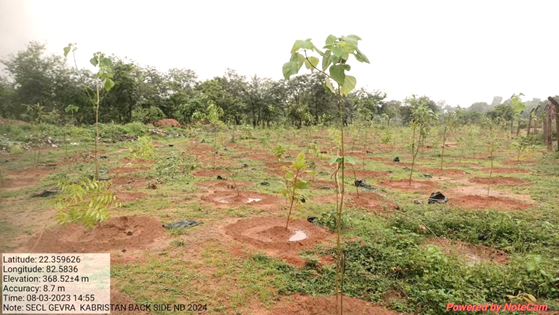
Plantation by SECL in Gevra Project, Korba, Chhattisgarh

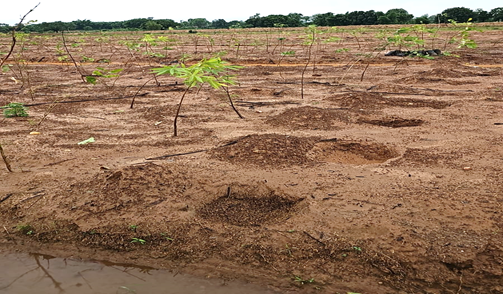
Innovative plantation techniques such as Miyawaki method of plantation have been adopted by Coal/Lignite PSUs. Mahanadi Coalfields Limited (MCL) has taken such initiative by planting around 8000 fast growing saplings in a hectare. Miyawaki Method, a Japanese technique of plantation, is one of the most effective tree planting methods for creating dense forest cover quickly on degraded land.

Miywaki Plantation technique adopted by MCL in Sundargarh district, Odisha

Plantation has been carried out on de-coaled areas which include diverted forest land as well as non-forest land. The plantation carried out on non-forest – backfilled as well as external overburden dumps, is best suitable for Accredited Compensatory Afforestation (ACA), a system of proactive afforestation to be used to obtain approval for non- forestry use of forest land. Under the guidance of Ministry of Coal, Coal/Lignite PSUs are making extensive efforts to identify non-forest afforested land for compensatory afforestation in future to promote ACA and expedite the Forest Clearance process. Coal/Lignite PSUs have identified about 2838 Ha afforested non-forest de-coaled land so far for compensatory afforestation as per the ACA guidelines.

ACA Land in Jamuna OCP, Anuppur, Madhya Pradesh

These efforts support India’s NDC commitment towards creation of additional carbon sink of 2.5 to 3 billion tonnes of CO2 equivalent through additional forest and tree cover and India’s long-term goal of reaching net-zero by 2070.

In addition, afforestation is a vital method for restoring damaged lands, including those affected by coal mining and other anthropogenic activities. It helps prevent soil erosion, stabilizes the climate, conserves wildlife and enhances air and water quality. Moreover, afforestation’s global impact extends to mitigating climate change through carbon sequestration and fostering economic growth in regions. Its proven benefits make it an essential tool in achieving sustainable rehabilitation of degraded landscapes and promoting environmental well-being.

****