April Fool’s Day – A Little Bit Of History

Source: History Channel


With cabin fever at an all time high in our students from what seems to be the never-ending chilly weather, we fully expect to get our fair share of practical jokes today on April Fool’s Day. We will no doubt try a few pranks ourselves on them as well.

But, as history teachers, we inevitably look for ways to give them a little bit of history about the day. The “Ask History: April Fools” video produced by the History Channel has the answers to how practical jokes became associated with April 1, complete with a little prank at the end.


For a little April Fool’s Day math, check out this graphic from Forbes on who is most likely to get fooled. By all accounts from the Harris poll survey, bosses are safe. We wonder if that will pan out for teachers, too. It might be a good opportunity to poll the students electronically using Kahoot to see whom they would put on their lists.

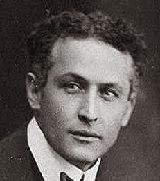
Short Essay on \’Harry Houdini\’ (141 Words)

\’Harry Houdini\’ was born on March 24, 1874 in Hungary. His real name was \’Eric Weisz\’. His parents were Rabbi Mayer Samuel Weisz and Cecília Weisz. When Harry was still a baby, his parents decided to go and live in the U.S.A.

Harry Houdini was a great escape-artist. When he was nine years old he gave his first public performance. Houdini was so very interested in magic, that he practiced many tricks until they were perfect.

Houdini\’s most famous trick was to escape. On stage he would be tied up or locked up with chains and in a few minutes he would get free. He performed many other famous tricks. Some of his tricks were very dangerous.

Harry Houdini died on October 31, 1926 at the age of 52. He had shown in his life that he was ready to meet any challenge. 

Short Essay on \’Harry Houdini\’ (141 Words)

\’Harry Houdini\’ was born on March 24, 1874 in Hungary. His real name was \’Eric Weisz\’. His parents were Rabbi Mayer Samuel Weisz and Cecília Weisz. When Harry was still a baby, his parents decided to go and live in the U.S.A.

Harry Houdini was a great escape-artist. When he was nine years old he gave his first public performance. Houdini was so very interested in magic, that he practiced many tricks until they were perfect.

Houdini\’s most famous trick was to escape. On stage he would be tied up or locked up with chains and in a few minutes he would get free. He performed many other famous tricks. Some of his tricks were very dangerous.

Harry Houdini died on October 31, 1926 at the age of 52. He had shown in his life that he was ready to meet any challenge. 

Short Essay on \’Harry Houdini\’ (141 Words)

\’Harry Houdini\’ was born on March 24, 1874 in Hungary. His real name was \’Eric Weisz\’. His parents were Rabbi Mayer Samuel Weisz and Cecília Weisz. When Harry was still a baby, his parents decided to go and live in the U.S.A.

Harry Houdini was a great escape-artist. When he was nine years old he gave his first public performance. Houdini was so very interested in magic, that he practiced many tricks until they were perfect.

Houdini\’s most famous trick was to escape. On stage he would be tied up or locked up with chains and in a few minutes he would get free. He performed many other famous tricks. Some of his tricks were very dangerous.

Harry Houdini died on October 31, 1926 at the age of 52. He had shown in his life that he was ready to meet any challenge. 

Short Essay on \’Harry Houdini\’ (141 Words)

\’Harry Houdini\’ was born on March 24, 1874 in Hungary. His real name was \’Eric Weisz\’. His parents were Rabbi Mayer Samuel Weisz and Cecília Weisz. When Harry was still a baby, his parents decided to go and live in the U.S.A.

Harry Houdini was a great escape-artist. When he was nine years old he gave his first public performance. Houdini was so very interested in magic, that he practiced many tricks until they were perfect.

Houdini\’s most famous trick was to escape. On stage he would be tied up or locked up with chains and in a few minutes he would get free. He performed many other famous tricks. Some of his tricks were very dangerous.

Harry Houdini died on October 31, 1926 at the age of 52. He had shown in his life that he was ready to meet any challenge. 

Short Essay on \’Harry Houdini\’ (141 Words)

\’Harry Houdini\’ was born on March 24, 1874 in Hungary. His real name was \’Eric Weisz\’. His parents were Rabbi Mayer Samuel Weisz and Cecília Weisz. When Harry was still a baby, his parents decided to go and live in the U.S.A.

Harry Houdini was a great escape-artist. When he was nine years old he gave his first public performance. Houdini was so very interested in magic, that he practiced many tricks until they were perfect.

Houdini\’s most famous trick was to escape. On stage he would be tied up or locked up with chains and in a few minutes he would get free. He performed many other famous tricks. Some of his tricks were very dangerous.

Harry Houdini died on October 31, 1926 at the age of 52. He had shown in his life that he was ready to meet any challenge. 

Short Essay on \’Harry Houdini\’ (141 Words)

\’Harry Houdini\’ was born on March 24, 1874 in Hungary. His real name was \’Eric Weisz\’. His parents were Rabbi Mayer Samuel Weisz and Cecília Weisz. When Harry was still a baby, his parents decided to go and live in the U.S.A.

Harry Houdini was a great escape-artist. When he was nine years old he gave his first public performance. Houdini was so very interested in magic, that he practiced many tricks until they were perfect.

Houdini\’s most famous trick was to escape. On stage he would be tied up or locked up with chains and in a few minutes he would get free. He performed many other famous tricks. Some of his tricks were very dangerous.

Harry Houdini died on October 31, 1926 at the age of 52. He had shown in his life that he was ready to meet any challenge. 

Short Article on \’Spices are the Essence of Indian cooking\’ (252 Words)

Spices have been used since ancient times. They have been mentioned in the ancient Hindu scriptures for example Vedas, ancient Egyptian papyruses and the Old Testament. Although it was not until the Roman conquests that western countries discovered their culinary possibilities. Spices have always been believed to have healing and magical qualities. They have been used to cast spells, as incense in religious rites, to embalm corpses, to add fragrance to perfumes and as medicines. The word Spice comes from Latin \’Species\’, meaning a commodity of value and distinction. During their long and fascinating history, spices have often been more valuable than gold or precious stones and the trade of Spices has been an extraordinarily influential factor in history.

Many researchers have attempted to explain why hot Spices are pleasant to taste. It seems the burning sensation is the pain of nerve endings on the tongue. This releases endorphins, the body\’s natural painkiller, giving rise to pleasurable and even euphoric sensations.

Flowers, leaves, roots, bark, seeds and bulbs (the simplest of natural ingredients) are used in endless combinations to produce an infinite variety of flavours: sweet, sharp, hot, sour, spicy, aromatic, tart, mild, fragrant and pungent. Their tastes and aromas combine to create a kaleidoscope of exotic flavours to delight the palate. It is best to obtain spices in whole seed form and to grind them just prior to use.

Indian spices offer significant health benefits and contribute towards an individual\’s healthy life. They add flavour and nutrients to dishes without fat or calories! 

Short Article on \’Spices are the Essence of Indian cooking\’ (252 Words)

Spices have been used since ancient times. They have been mentioned in the ancient Hindu scriptures for example Vedas, ancient Egyptian papyruses and the Old Testament. Although it was not until the Roman conquests that western countries discovered their culinary possibilities. Spices have always been believed to have healing and magical qualities. They have been used to cast spells, as incense in religious rites, to embalm corpses, to add fragrance to perfumes and as medicines. The word Spice comes from Latin \’Species\’, meaning a commodity of value and distinction. During their long and fascinating history, spices have often been more valuable than gold or precious stones and the trade of Spices has been an extraordinarily influential factor in history.

Many researchers have attempted to explain why hot Spices are pleasant to taste. It seems the burning sensation is the pain of nerve endings on the tongue. This releases endorphins, the body\’s natural painkiller, giving rise to pleasurable and even euphoric sensations.

Flowers, leaves, roots, bark, seeds and bulbs (the simplest of natural ingredients) are used in endless combinations to produce an infinite variety of flavours: sweet, sharp, hot, sour, spicy, aromatic, tart, mild, fragrant and pungent. Their tastes and aromas combine to create a kaleidoscope of exotic flavours to delight the palate. It is best to obtain spices in whole seed form and to grind them just prior to use.

Indian spices offer significant health benefits and contribute towards an individual\’s healthy life. They add flavour and nutrients to dishes without fat or calories! 

Short Article on \’Spices are the Essence of Indian cooking\’ (252 Words)

Spices have been used since ancient times. They have been mentioned in the ancient Hindu scriptures for example Vedas, ancient Egyptian papyruses and the Old Testament. Although it was not until the Roman conquests that western countries discovered their culinary possibilities. Spices have always been believed to have healing and magical qualities. They have been used to cast spells, as incense in religious rites, to embalm corpses, to add fragrance to perfumes and as medicines. The word Spice comes from Latin \’Species\’, meaning a commodity of value and distinction. During their long and fascinating history, spices have often been more valuable than gold or precious stones and the trade of Spices has been an extraordinarily influential factor in history.

Many researchers have attempted to explain why hot Spices are pleasant to taste. It seems the burning sensation is the pain of nerve endings on the tongue. This releases endorphins, the body\’s natural painkiller, giving rise to pleasurable and even euphoric sensations.

Flowers, leaves, roots, bark, seeds and bulbs (the simplest of natural ingredients) are used in endless combinations to produce an infinite variety of flavours: sweet, sharp, hot, sour, spicy, aromatic, tart, mild, fragrant and pungent. Their tastes and aromas combine to create a kaleidoscope of exotic flavours to delight the palate. It is best to obtain spices in whole seed form and to grind them just prior to use.

Indian spices offer significant health benefits and contribute towards an individual\’s healthy life. They add flavour and nutrients to dishes without fat or calories! 

Short Article on \’Spices are the Essence of Indian cooking\’ (252 Words)

Spices have been used since ancient times. They have been mentioned in the ancient Hindu scriptures for example Vedas, ancient Egyptian papyruses and the Old Testament. Although it was not until the Roman conquests that western countries discovered their culinary possibilities. Spices have always been believed to have healing and magical qualities. They have been used to cast spells, as incense in religious rites, to embalm corpses, to add fragrance to perfumes and as medicines. The word Spice comes from Latin \’Species\’, meaning a commodity of value and distinction. During their long and fascinating history, spices have often been more valuable than gold or precious stones and the trade of Spices has been an extraordinarily influential factor in history.

Many researchers have attempted to explain why hot Spices are pleasant to taste. It seems the burning sensation is the pain of nerve endings on the tongue. This releases endorphins, the body\’s natural painkiller, giving rise to pleasurable and even euphoric sensations.

Flowers, leaves, roots, bark, seeds and bulbs (the simplest of natural ingredients) are used in endless combinations to produce an infinite variety of flavours: sweet, sharp, hot, sour, spicy, aromatic, tart, mild, fragrant and pungent. Their tastes and aromas combine to create a kaleidoscope of exotic flavours to delight the palate. It is best to obtain spices in whole seed form and to grind them just prior to use.

Indian spices offer significant health benefits and contribute towards an individual\’s healthy life. They add flavour and nutrients to dishes without fat or calories! 

Short Article on \’Spices are the Essence of Indian cooking\’ (252 Words)

Spices have been used since ancient times. They have been mentioned in the ancient Hindu scriptures for example Vedas, ancient Egyptian papyruses and the Old Testament. Although it was not until the Roman conquests that western countries discovered their culinary possibilities. Spices have always been believed to have healing and magical qualities. They have been used to cast spells, as incense in religious rites, to embalm corpses, to add fragrance to perfumes and as medicines. The word Spice comes from Latin \’Species\’, meaning a commodity of value and distinction. During their long and fascinating history, spices have often been more valuable than gold or precious stones and the trade of Spices has been an extraordinarily influential factor in history.

Many researchers have attempted to explain why hot Spices are pleasant to taste. It seems the burning sensation is the pain of nerve endings on the tongue. This releases endorphins, the body\’s natural painkiller, giving rise to pleasurable and even euphoric sensations.

Flowers, leaves, roots, bark, seeds and bulbs (the simplest of natural ingredients) are used in endless combinations to produce an infinite variety of flavours: sweet, sharp, hot, sour, spicy, aromatic, tart, mild, fragrant and pungent. Their tastes and aromas combine to create a kaleidoscope of exotic flavours to delight the palate. It is best to obtain spices in whole seed form and to grind them just prior to use.

Indian spices offer significant health benefits and contribute towards an individual\’s healthy life. They add flavour and nutrients to dishes without fat or calories! 

Short Article on \’Spices are the Essence of Indian cooking\’ (252 Words)

Spices have been used since ancient times. They have been mentioned in the ancient Hindu scriptures for example Vedas, ancient Egyptian papyruses and the Old Testament. Although it was not until the Roman conquests that western countries discovered their culinary possibilities. Spices have always been believed to have healing and magical qualities. They have been used to cast spells, as incense in religious rites, to embalm corpses, to add fragrance to perfumes and as medicines. The word Spice comes from Latin \’Species\’, meaning a commodity of value and distinction. During their long and fascinating history, spices have often been more valuable than gold or precious stones and the trade of Spices has been an extraordinarily influential factor in history.

Many researchers have attempted to explain why hot Spices are pleasant to taste. It seems the burning sensation is the pain of nerve endings on the tongue. This releases endorphins, the body\’s natural painkiller, giving rise to pleasurable and even euphoric sensations.

Flowers, leaves, roots, bark, seeds and bulbs (the simplest of natural ingredients) are used in endless combinations to produce an infinite variety of flavours: sweet, sharp, hot, sour, spicy, aromatic, tart, mild, fragrant and pungent. Their tastes and aromas combine to create a kaleidoscope of exotic flavours to delight the palate. It is best to obtain spices in whole seed form and to grind them just prior to use.

Indian spices offer significant health benefits and contribute towards an individual\’s healthy life. They add flavour and nutrients to dishes without fat or calories! 

1st Grade Entrepreneurs Master Media And Marketing Techniques

Source: ASIDE 2016

Our Nifty Notes first grade entrepreneur project is in its fifth year, and so is our push to educate the young learners about media literacy. This collaborative project brings together their study of economics, including wants and needs, supply and demand, and scarcity and abundance, with an understanding of the art of persuasion, marketing, and hype.

Source: ASIDE 2016

This year the goal to produce 1500 Nifty Notes was ambitious, but the first graders stepped up to the challenge, because they understood that they were raising money for charity.

It was extraordinary to watch them during their library classes grasp how marketing techniques help sell products. The media influence is so pervasive that they easily adapted commercial slogans and jingles to their product. They looked at contemporary media messages and discussed how phrases such as \”limited editions,\” \”one-of-a-kind,\” and \”handmade\” help persuade consumers to buy products.

Source: ASIDE 2016

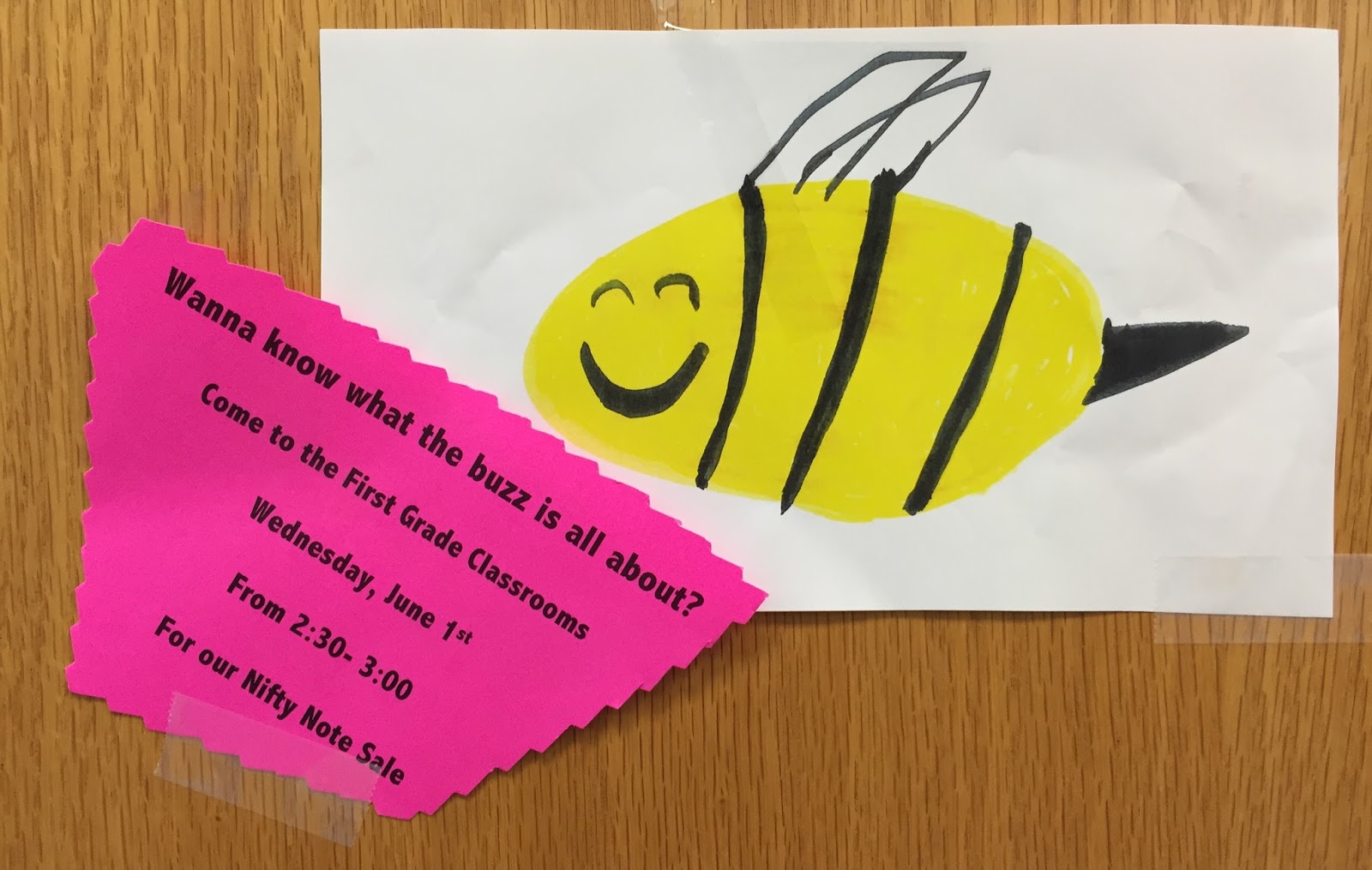
Their ideas were so electric that they started generating their own teaser advertising techniques to sell Nifty Notes. One student came up with the idea just to put images around the school of the ladybug and bumblebee, the two new designs for 2016.

A few of days later, they added hot pink notes that began with, “Wanna know what the buzz is all about?” It goes to show how when educators empowered learners, they take ownership of their ideas. It also demonstrates just how much they see in the media.

Source: ASIDE 2016

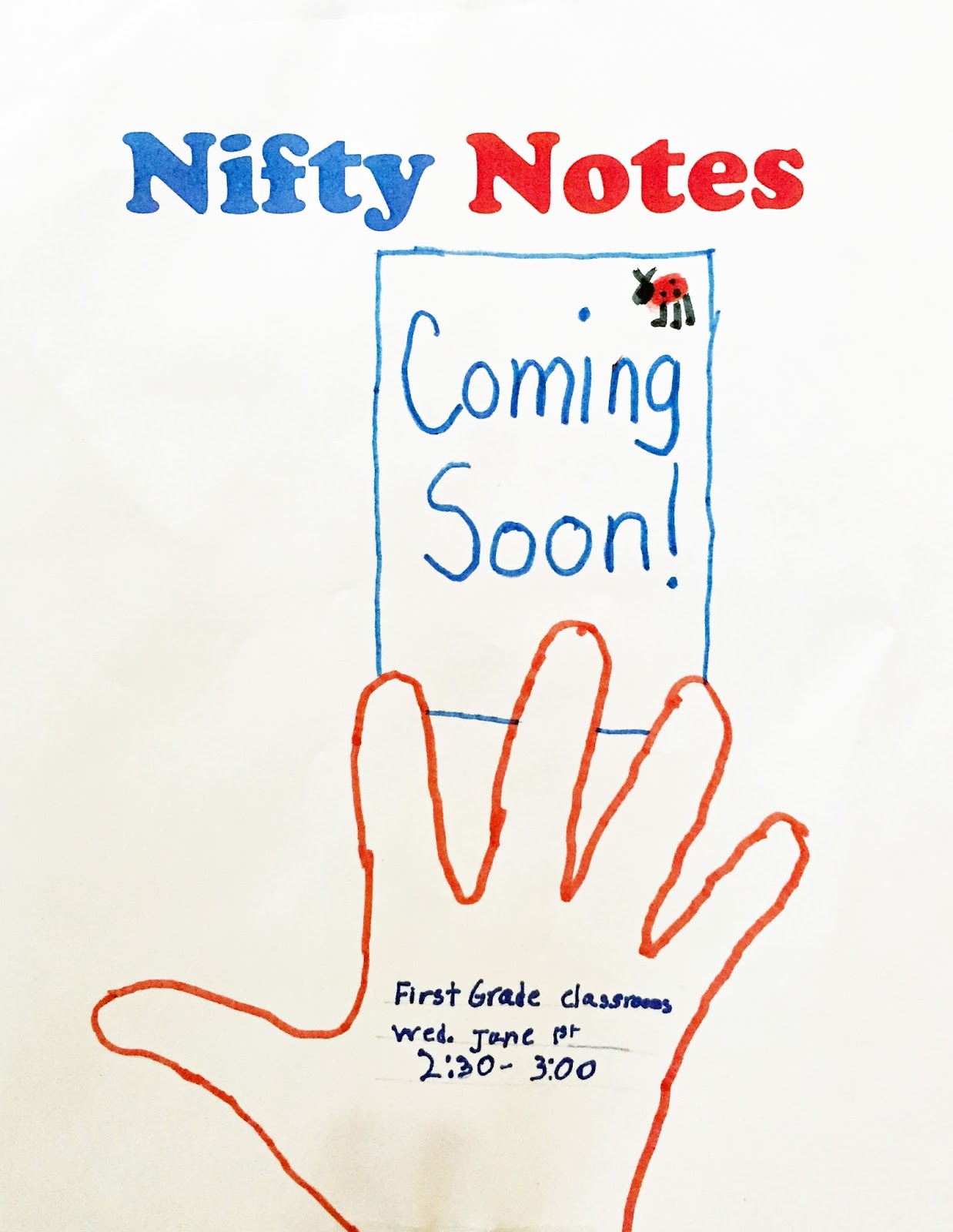
Their promotion of the Nifty Notes sale did not stop there. Another first grader designed fliers advertising, “Nifty Notes Coming Soon.” We can only imagine what this Tuesday will bring to help promote the sale.

These first grade entrepreneurs got the point, big time!

Source: ASIDE 2016

Short Biography of ‘Sarojini Naidu’ (250 Words)

‘Sarojini Naidu’ was born on 13th February 1879 in Hyderabad, Andhra Pradesh, India. Her father Aghore Nath Chattopadhyay was a carpenter of Science from Edinburgh University. From the years of her very early childhood, she showed signs of exceptional talent. She got married to Dr. Naidu of Andhra Pradesh in 1895. She was also known as the ‘Nightingale of India’. Her birthday is celebrated as ‘National Women’s Day’ in India.

This great leader and freedom fighter used to write poems and also sing very well. Sarojini Naidu began writing poems in English while she was still in school. With the help and inspiration of Gopal Krishna Gokhale, she found her way into the politics of India. She got closely involved with the freedom movement of the INC (Indian National Congress). She became a member of the Royal Literary Society London. She also became the President of the Indian National Congress. Sarojini Naidu took active part in the Civil Disobedience Movement, Satyagraha Movement and the Quit India Movement. She was also sent to jail several times.

Lastly India got independence in 1947 and Sarojini Naidu was made the Governor of Uttar Pradesh State. She was the first Indian woman to become the President of the Indian National Congress. She was also the first Indian woman to become Governor of any State in India. Sarojini Naidu passed away on 2nd March 1949. She has left a great name for herself in the History of India.