Handloom Sarees of India

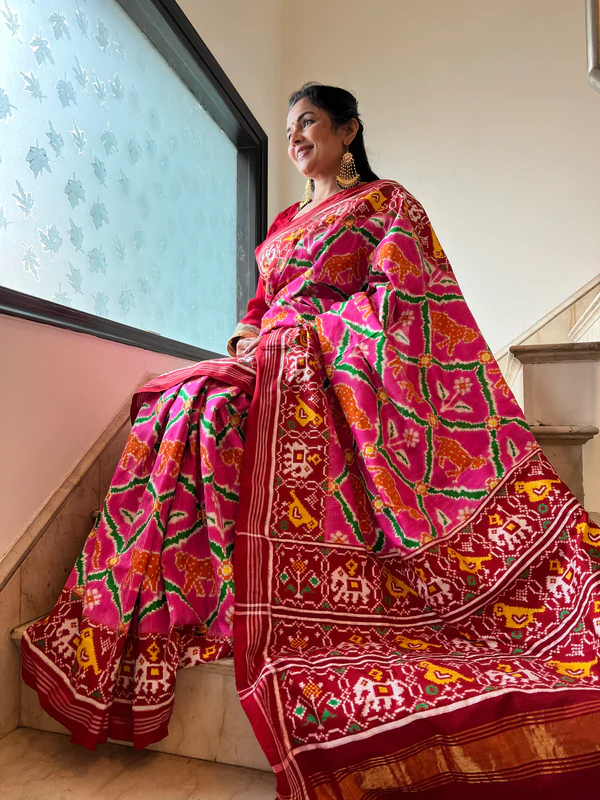
Handloom sarees are an integral part of India’s rich cultural heritage. These sarees are woven by hand using traditional techniques, making them unique and distinctive. They are available in a wide range of materials, designs, colors, and textures. Handloom sarees are also considered to be eco-friendly and sustainable as they do not require the use of electricity or heavy machinery for their production.

Handloom sarees are woven using a variety of techniques such as Jamdani, Banarasi, Patola, Kanjivaram, Chanderi, and many more. Each technique has its own unique style and texture, making handloom sarees a popular choice among women across India.

Jamdani sarees –

Jamdani sarees are woven using the traditional Jamdani technique, which involves weaving fine muslin cloth with intricate floral and geometric patterns. These sarees are lightweight and comfortable to wear, making them perfect for summer.


Banarasi sarees –

Banarasi sarees are woven in Varanasi, a city in Uttar Pradesh. These sarees are made from silk and have intricate designs woven with gold and silver threads. Banarasi sarees are considered to be one of the most expensive and luxurious sarees in India.

Patola sarees –

Patola sarees are woven in Patan, a city in Gujarat. These sarees are made from silk and have vibrant colors and geometric patterns. Patola sarees are considered to be a symbol of wealth and status in Gujarat.

Kanjivaram sarees –

Kanjivaram sarees are woven in Kanchipuram, a city in Tamil Nadu. These sarees are made from silk and have bold colors and intricate designs. Kanjivaram sarees are known for their durability and are considered to be a prized possession for every South Indian bride.


Chanderi sarees –

Chanderi sarees are woven in Chanderi, a town in Madhya Pradesh. These sarees are made from cotton and silk and have delicate designs woven with zari threads. Chanderi sarees are known for their lightweight and comfortable feel, making them a popular choice among women across India.


Handloom sarees are not just a piece of clothing but a piece of art that represents India’s rich cultural heritage. They are a symbol of tradition, elegance, and sophistication. With their unique designs and exquisite craftsmanship, handloom sarees are here to stay and continue to be an important part of India’s fashion industry.

Global Thematic Webinar on ‘Promotion of Cultural and Creative Industries and Creative Economy’

 As a part of the series of Global Thematic Webinars being organised by the Culture Working Group (CWG) under India’s G20 Presidency, the third webinar on “Promotion of Cultural and Creative Industries and Creative Economy” is scheduled on 19 April 2023, from 12.30 pm to 8.30 pm (IST).

The webinar will reflect on the current trends, challenges, and opportunities of the cultural and creative industries, bringing together experts from G20 members and guest nations, as well as relevant international organisations. Organised by the Ministry of Culture, Government of India, the webinar is being hosted and facilitated by UNESCO (Paris), knowledge partner of CWG.

The cultural and creative industries and creative economy, play a significant role in shaping our global landscape, contributing 3.1% to the worldwide Gross Domestic Product. This substantial economic impact contributes to the enrichment of our social and cultural fabric. Notably, the cultural and creative sector employs more people in the age group of 15-29, compared to any other and therefore demonstrates a strong potential for fostering youth employment.

Although the cultural sector makes a substantial contribution to the global economy, its long-term growth is hindered by the absence of a standard definition of the creative economy and insufficient collection of cultural data contributing to its informal nature. Today, 60% of the global creative economy is informal. These challenges not only affect the status of cultural practitioners but also have greater impacts on the larger economy.

The objective of this webinar is to foster an inclusive dialogue and facilitate an in-depth discussion from an expert driven perspective on promoting cultural and creative industries and creative economy. It seeks to encourage knowledge sharing; capitalise on the best practices and experiences; identify gaps, needs, and opportunities for increasing the creative economy’s share in the global GDP and improving cultural data collection for the creation of satellite accounts for the sector, a key step towards its formalisation. Being a subset of the national accounts, these will help better understand the economic impact of the sector and provide policy-makers with comprehensive data for developing policies and strategies that promote the growth and development of the sector. The webinar will also inform the reflection of the G20 membership in formulating tangible outcomes.

It will have three speaking segments and experts will be distributed across these segments based on their respective time zones. The webinar will be moderated successively by representatives of ILO, UNCTAD and WIPO with expertise on the topic. It will be live streamed on the YouTube channel of UNESCO (Paris). The final global thematic webinar is scheduled on 20 April 2023 and will discuss “Leveraging Digital Technologies for the Protection and Promotion of Culture”.

*****

Round Table Conference on ‘How to Effectively Redress the Grievances pertaining to Real Estate Sector’

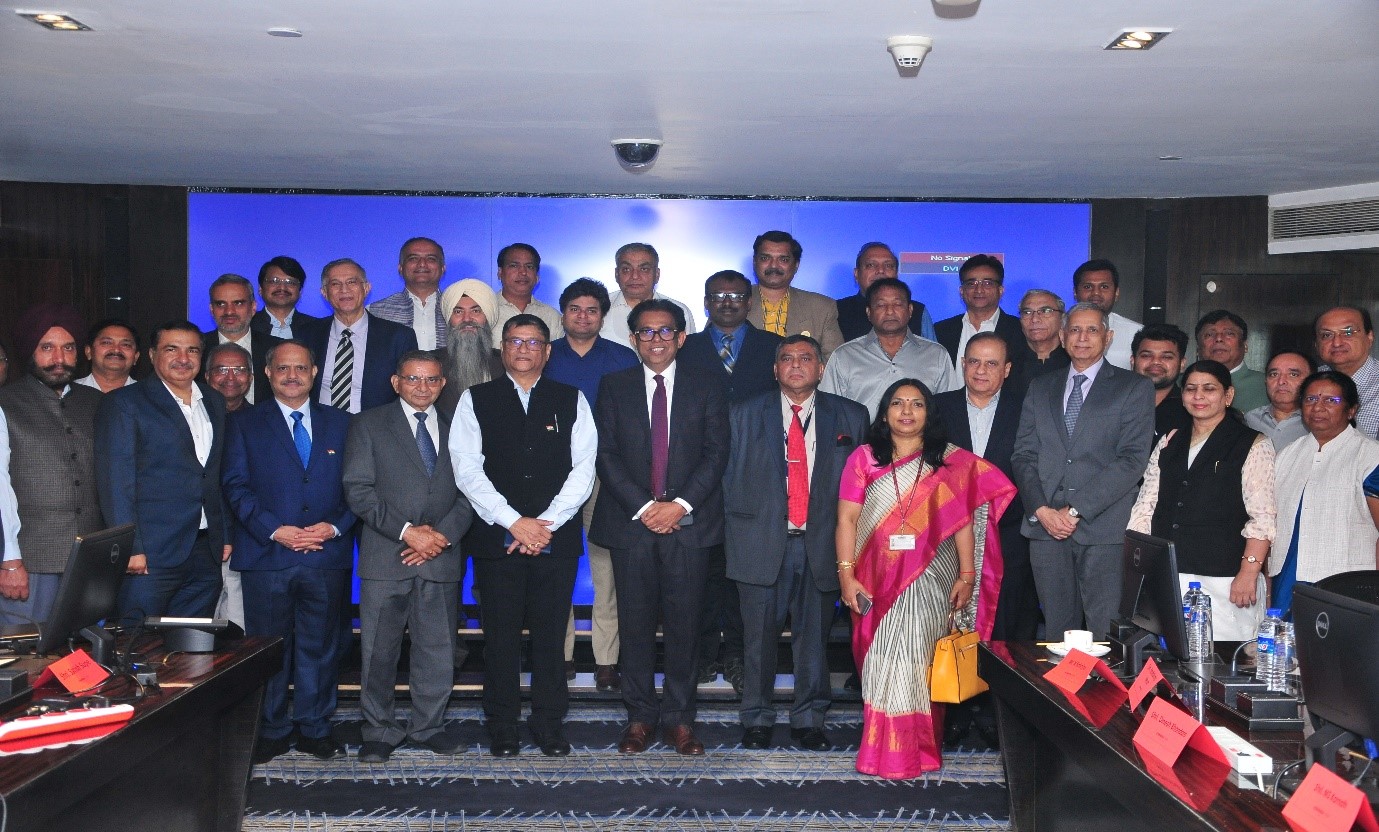
 Department of Consumer Affairs, in association with the Government of Maharashtra, organized a Round Table Conference on “How to Effectively Redress the Grievances Pertaining to Real Estate Sector” in Mumbai today (April 18, 2023). The conference had participation of a diverse group of stakeholders, including government officials,  Chairman of RERA, Delhi, Chairman MahaRERA, Officials  from MOHUA, IBBI, legal experts, industry leaders, and consumer rights activists, to identify actionable solutions to the pressing issues faced by homebuyers and builders in the real estate sector. Several topics related to real estate were covered during the conference, such as systemic policy interventions to reduce litigation in the housing sector, the reasons for the high number of cases filed before Consumer Commissions despite the existence of separate authorities like RERA specifically for housing sector cases, and ensuring effective and timely resolution of housing sector cases.

The Secretary of the Department of Consumer Affairs for the Government of India, Rohit Kumar Singh, in his address, highlighted the staggering number of pending cases in the housing sector at different consumer Commissions. Out of over 5.5 lakh cases currently awaiting resolution, over 54,000 cases  related to housing sector. This backlog of cases highlights the importance of providing speedy justice and streamlining the process for homebuyers.

To address these challenges, the Secretary suggested implementing a simple, model buyer agreement that could help to streamline the homebuying process and protect consumers from potential abuses. This agreement could help to reduce disputes between homebuyers and builders and ensure that consumers have access to effective, speedy, hassle-free, and inexpensive grievance redressal mechanisms.

The Secretary, Department of Consumer Affairs, also highlighted the significance of the Consumer Protection Act 2019, which recognizes housing construction as a service and categorizes developers as product sellers. This recognition helps to ensure that homebuyers have access to the same consumer protections that they would receive when purchasing any other type of product or service. It was also highlighted the need for continued focus on the housing sector in India, particularly when it comes to protecting consumers and streamlining the homebuying process. By implementing measures like model buyer agreements and effective grievance redressal mechanisms, the backlog of cases can be redressed and ensure that homebuyers are treated fairly and protected from potential abuses, he stated.

Additional Secretary, Department of Consumer Affairs, Govt of India, Nidhi Khare, in a detailed presentation outlined a comprehensive overview of the legal provisions under various statutes designed to protect the interests of homebuyers. She delved into the roles and responsibilities of homebuyers under the Real Estate (Regulation and Development) Act, 2016 (RERA), Consumer Protection Act, 2019, and the Insolvency and Bankruptcy Code, 2016. The presentation also addressed the increasing number of cases filed by homebuyers and the impact of these disputes on both homebuyers and builders, leading to distrust within the sector.

During the conference, Member NCDRC, Binoy Kumar, underscored the importance of the builder-buyer agreement as the fundamental document governing transactions in the real estate sector. He suggested that the buyer agreement should be made more efficient and in line with Supreme Court orders, which would subsequently reduce the number of cases filed by homebuyers.

During the conference, several key takeaways emerged as crucial points of discussion. The prevalence of real estate cases in consumer commissions led to suggestions for utilizing similar judgments to expedite the legal process and encouraging parties to engage in discussions to resolve disputes amicably. The success of conciliation in resolving disputes was emphasized, urging for better cooperation between consumer courts and RERA to prioritize conciliation over litigation. The importance of completing and distributing incomplete projects, rather than opting for insolvency under IBC, was stressed, along with a call for transparency among all stakeholders.

Insights were also provided on misleading advertisements in the real estate sector, emphasizing the need for enhanced transparency between buyers and developers to avoid future legal disputes. Lastly, recommendations were made to improve the Builder Buyer Agreement, including disclosing additional charges, outlining issue redressal processes, ensuring legal compliance by developers to keep consumers informed about project progress, and implementing initiatives to resolve minor issues through phone calls. These takeaways aim to enhance transparency and consumer protection in the real estate sector.

During the conference, key problems identified for the homebuyers are as follows:

  • Delay in delivery of possession of property to homebuyers.
  • No compensation for delay in possession to homebuyers.
  • Biased, one-sided, and unfair builder-buyer agreements.
  • Amenities not provided to homebuyers as per the agreement.
  • Misleading advertisements by developers and influencers for luring homebuyers.
  • Non-adherence to the model builder-buyer agreement proposed by RERA.

Key suggestions made during the deliberations included:

  • Sending the draft agreement to buyers before execution.
  • Clearly mentioning permissions and sanctions obtained from competent authorities on the first page of the agreement.
  • Prohibiting builders from launching projects before obtaining all necessary permissions and sanctions.
  • Including an exit clause for homebuyers in all agreements, valid until the Occupancy Certificate (OC) or Completion Certificate (CC) is obtained and possession is offered by the builder.
  • Including a schedule of additional charges beyond the cost of the unit/apartment in all agreements.
  • Requiring all agreements to contain mandatory declarations regarding no dues from any authority/banks and all necessary legal sanctions and approvals from competent authorities.
  • Taking strong action against unfair and misleading advertisements by developers and endorsers.
  • Forming a committee comprising members of the National Commission, various State Consumer Commissions, RERA, Department of Consumer Affairs, and IBBI to effectively deal with the issue.

The Department will also collaborate with other relevant authorities and organizations to ensure the effective implementation of the proposed measures, monitor their impact on the real estate sector, and make necessary adjustments as needed.

Furthermore, the Department of Consumer Affairs will maintain an open dialogue with stakeholders and the public, keeping them informed about progress in addressing real estate issues in consumer commissions and seeking their feedback for continuous improvement.

The Round Table Conference concluded with a commitment from all stakeholders to work collaboratively to establish a more effective and efficient framework for addressing disputes and grievances. This will ultimately lead to a more transparent and consumer-friendly real estate market.

In conclusion, the Round Table Conference on Consumer and the Real Estate Sector marks a significant step forward in tackling the pressing issue of pendency of real estate cases in consumer commissions. By bringing together key stakeholders to discuss and identify actionable solutions, the Department of Consumer Affairs demonstrated its commitment to protect consumer interests and ensuring a fair, transparent, and efficient housing market for all homebuyers.

*****

Department of Pharmaceuticals in partnership with Indian National Science Academy organizes a S20 Webinar on “An Integrated Approach to Combat Neo-Infections: A Way Forward, through Vaccines, Diagnostics and Therapeutics”

 Department of Pharmaceuticals (DoP), Ministry of Chemicals and Fertilizers, Govt. of India in partnership with the Indian National Science Academy (INSA), organized a S20 Webinar on “An Integrated Approach to Combat Neo-Infections: A Way Forward, through Vaccines, Diagnostics and Therapeutics” today with deliberation from eminent speakers across the G-20 counties like Australia, US, UK, Canada, South Africa, European Union, Brazil and Indonesia. This S20 webinar focused on discussing a need for collaborative models that would help to strengthen and support research and development (R&D) in Vaccines, Therapeutics, and Diagnostics (VTDs).

During the G20 Presidency of India, the Science 20 or the S20 engagement group has planned a number of webinars and workshops on topics of current interest. The Indian National Science Academy (INSA) is coordinating the S20 activities under the overarching theme, “Disruptive Science for Sustainable Development” with three subthemes focussing on “Clean Energy for Greener Future”, “Universal Holistic Health”, and “Science for Society & Culture”. The emphasis is on the disruptive innovation aspect of science that identifies with the nature and essence of the overarching theme.


An important objective of the sustainable development is to increase the healthy life expectancy of all humans, while promoting well-being across the whole life course. Indeed, creating better global health would not only mean creating better medical infrastructure or ease of access in medical care, it would also require sustainable practices which would help enhance cumulative global health standards. The idea is to create awareness among various stakeholders about disease agonistic platforms for new drug development and develop cost-effective therapeutics for priority pathogens. This could be done through a network of R&D institutions across G20 countries which would function in tandem in sustainable manner and contribute to collective preparedness for thwarting future pandemics.
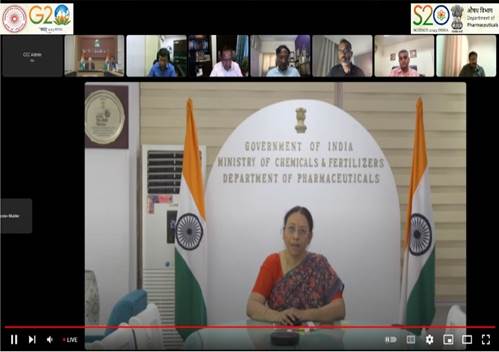
Sh. Rajneesh Tingal, Joint Secretary, Department of Pharmaceuticals, in his opening remarks highlighted various initiatives taken by DoP to foster innovation in India and the need of strengthening research collaboration in vaccines, therapeutics & diagnostics. This was followed by welcome address by Ms. S. Aparna, Secretary, DoP & Prof. Ashutosh Sharma, President INSA & S20 Chair. During her welcome address, Ms. S. Aparna, highlighted the need of creation of Global R&D Network which will help to fight future pandemics. She also emphasized in designing a roadmap by identifying and setting up priority areas for collaboration, strengthening cooperation and partnership among G-20 countries in the arena of Early stage research on vaccines therapeutics and diagnostics for coordinated approaches in fighting emerging disease threats and capacity building in medical countermeasures with the vision of strengthening the global health architecture “One Earth, One Health, One Future”. Prof. Ashutosh Sharma depicted the role of S20 in furthering the agenda of G20 where science will have to play a key role to achieve the economic growth to pull millions of people out of poverty while ensuring that development is inclusive and sustainable.

S20 Webinar featured notable eminent speakers across the G-20 counties. The therapeutics session was moderated by Dr. Girish Sahni, Ex-Director General, Council of Scientific & Industrial Research (CSIR), Govt. of India, involving speakers like Prof. Nicola Mulder, University of Cape Town, South Africa, Dr. Vishal Singh, Penn State University, Pennsylvania, United States, and Dr. Ahmed Aman, Leslie Dan Faculty of Pharmacy, University of Toronto, Canada.

The vaccines session was moderated by Dr. Pramod Kumar Garg, Executive Director, THSTI, Faridabad, India involving Mr. Sourabh Sobti, Coalition for Epidemic Preparedness Innovation, United Kingdom, Prof. Nikolai Petrovsky, Vaxine Pty Ltd., Flinders Medical Centre, Australia, and Dr. Marco Aurélio Krieger, FIOCRUZ University, Brazil as eminent speakers.

Finally, the diagnostics session was moderated by Dr. Anup Anvikar, Director, National Institute of Biologicals (NIB), Noida, India with the engagement of Dr. Nivedita Gupta, Scientist F, ICMR, New Delhi, India, Dr. Vinay K. Nandicoori, Director, CSIR-CCMB, Hyderabad, India, and Dr. Sara Frojdo, Senior Technology Officer, Business Intelligence, FIND, Diagnostics, Geneva, European Union.

Following this, a panel discussion for fireside chat was held, which was moderated by Prof. Narinder K. Mehra, Vice President (Int. Affairs), INSA, New Delhi, India with the engagement of peer-panelist across G20 countries representation from Prof. Nicola Mulder, University of Cape Town, South Africa, Prof. Satryo S. Brodjonegoro, Chairman, Indonesian Academy of Science, Indonesia, Prof. Anil Gulati, Chairman and CEO, Pharmazz Inc., United States.

Some of the key points deliberated by the esteemed speakers included:

  1. Creating a collaborative ecosystem for turning discovery into beneficial therapeutics.
  2. Collaborative efforts to generate important insights while keeping collaborators engaged and committed to their partnerships.
  3. Creating a self-sustaining network of industry-academia and cross-functional industrial collaborations.
  4. Workforce development as a key component of a robust discipline of innovative therapeutic development.
  5. Collaborative environment for innovation & learning to transform processes, technologies, and policy elements of innovation.

Various specific suggestions for building a collaborative ecosystem of the panel members to translate discoveries into effective therapeutics along with suggestions of the participants received during the feedback session were noted and the same would be utilized for developing a robust networked research ecosystem.

The webinar has got good response with more than 1500 registrations across the G-20 countries. This S20 webinar witnessed more than 500 viewers across the virtual platforms. Webinar concluded with a note of appreciation by Prof. USN Murty, Director, NIPER-Guwahati, India to all the S20 speakers, panellists, moderators, and wide participants for their valuable contributions & active participation.

*****

G20 Meeting of Agricultural Chief Scientists (MACS)

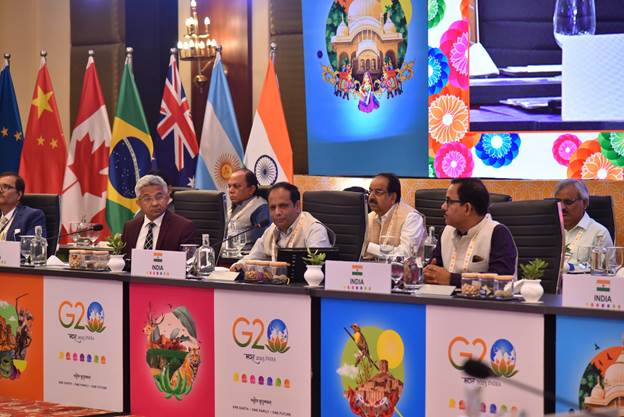
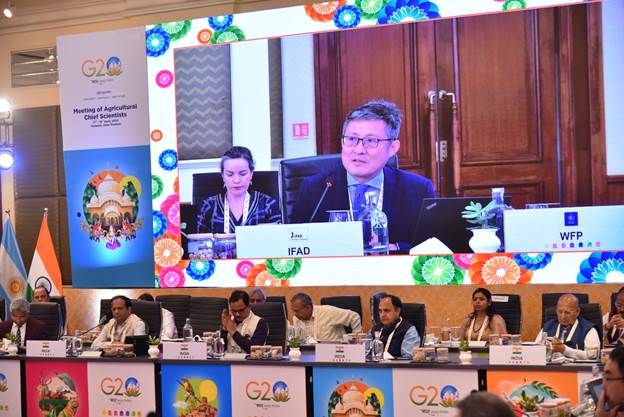
 On the second day of the G20 Meeting of Agricultural Chief Scientists (MACS) in Varanasi today, deliberations were held on Digital Agriculture and Sustainable Agri Value Chain & Public-Private Partnership in Agricultural R&D. MACS Communique was also discussed. Secretary (DARE) & Director General (ICAR), Dr. Himanshu Pathak, who is also the MACS Chair, led the discussions.

Morning session deliberations focused on Digital Agriculture and Traceability; Digital Technological Solutions for Reducing Food Loss and Waste; Agri-tech Startup Ecosystem; Pluralistic Agricultural Extension and Advisory Services (EAS): partnerships for improving lab to land and outreach, Smallholder and Family Farming: G20- Global South Cooperation for Agri-R&D, Public-private Agri-R&D for Public Goods: Experience in Generating and Accelerating Innovations.


Earlier today, a bilateral meeting was conducted with FAO. Dr. Pathak emphasized that the extension service through KVK to farmers would be a very important area of cooperation. FAO representatives also expressed keen interest in extending cooperation in extension service. Dr. Ishmahane Elouafi, Chief Scientist, FAO, and Dr. Selvaraju Ramasamy, Senior Agriculture Officer, FAO participated in the meeting.  They recognized India’s strength in the seed sector, which will be very useful to other countries.

Later in the evening the delegates visited the archaeological site and ASI Museum at Sarnath and witnessed the light and sound show.

The three-day G20 Meeting of Agricultural Chief Scientists (MACS) with the theme, “Sustainable Agriculture and Food System for Healthy People and Planet” is underway at Varanasi. The Meeting was inaugurated by the Union Minister of State for Civil Aviation, and Road Transport and Highways, General (Dr.) V K Singh (Retd) yesterday.

A session was conducted to discuss India’s initiative on Millets and Other Ancient Grains International Research Initiative (MAHARISHI). The representatives of G20 Nations, invited countries and International Organisations supported the MAHARISHI Initiative and expressed that millets being climate a smart crop and super health food, the International Research cooperation is pivotal for its promotion and adoption.

Dr. Himanshu Pathak and Mr. Philippe Mauguin, Chair & CEO, INRAE – National Research Institute for Agriculture, Food and the Environment (France) led their respective delegation in the bilateral meeting between India and France.

Both countries expressed keen interest in cooperation in the areas of climate change, crop diversification, soil & water conservation, natural farming and biofortified crops.

Last evening the delegates experienced Ganga Arati on a river cruise through the Ganges followed by an exhilarating cultural programme.

About 80 foreign delegates from the G20 Member States, Invited Guest Countries, International Organizations and Special Invitees by India are participating in the three day meeting.

On the concluding day on 19th April 2023 discussion on MACS Communique will continue.

World Liver Day, 19 April 2023: A Few Facts

 We all know at the international level or at the national level many events are celebrated by earmarking one day in a year to create awareness or as a celebration or for other reasons. Every year April 19, is organized as an event for World Liver Day so that everyone can be careful about the liver. A few lines about World Liver Day are presented here for the benefit of readers. The liver is the second largest and an important organ in the body. Lifestyle, food habits, etc., may damage a person’s liver over the years silently until it is 90 percent damaged.

According to Dr. Amit Miglani, Director and Head of the Department of Gastroenterology, at Asian Hospital Faridabad, “One of the most common liver diseases is fatty liver disease, which affects millions of people around the world. Fatty liver disease occurs when there is an accumulation of fat in the liver, which can cause inflammation and damage to the liver tissue in advanced stages. While the fatty liver disease is often asymptomatic, some signs can indicate the presence of the disease”.  Recent studies have revealed in India 75 percent of non-alcoholic fatty liver disease (NAFLD; a liver disease caused in patients who drink little or no alcohol) is observed in patients with low body mass index (<25 kg/m2), (pacehospital.com/world-liver-day). This happens due to excessive fat deposits in the liver. The common perception is that alcohol consumption puts one at risk for the condition. However, non-alcoholic fatty liver disease (NAFLD) is becoming increasingly prevalent. The risk factors include obesity, diabetes, and certain genetic diseases. It is pertinent to mention that NAFLD is a silent disease that progresses over years and could lead to liver damage, with symptoms occurring only at an advanced stage. In this context, Dr. Akash Shukla, Director, and Consultant, Department of Hepatology, Sir HN Reliance Foundation Hospital, Mumbai may be quoted “Very often you won't get any features of fatty liver on your face, eyes or skin. But we can get certain hints in some of the people. If somebody has darkening of the skin on the neck, which is typically what is called a nape of the neck, that indicates insulin resistance, and that would almost always be associated with fatty liver. Similarly, if there's a darkening of the skin, in your armpits, or in the groins, those are also indications that the person may have a fatty liver". He, however, cautions that the absence of any of these does not mean the absence of fatty liver disease. And therefore, anybody who has any risk factor for fatty liver like high cholesterol, high sugar, sedentary lifestyle, obesity, or a family history of fatty liver disease or consuming significant alcohol then they should consult doctors. 

This year, 2023, the World Liver Day theme is “Be Vigilant, Do Regular Liver Check-Up, Fatty Liver Can Affect Anyone.” The theme focuses to emphasise the practice of regular liver check-ups, as a fatty liver can affect anyone. 

Prof Shankar Chatterjee, Hyderabad 

Sub-Regional Conference on World Heritage “The Next 50: Ways Forward for South Asia World Heritage”

The Next 50: Ways Forward for South Asia

November 2022 marked the 50th anniversary of the UNESCO World Heritage Convention. Over the past 50 years, the notion of culture, in particular of cultural heritage, has shifted from monument-centered towards people-centered and holistic approach. The understanding of cultural heritage has expanded to encompass a wider spectrum, including cultural landscape, historic towns, industrial heritage as well as heritage routes. The Global Strategy, adopted by the World Heritage Committee in 1994, was established to make the World Heritage List more representative, credible and balanced and remains one of the most important strategies for World Heritage till date.

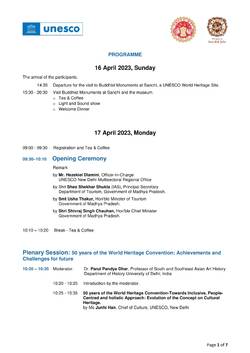
To mark this meaningful 50th anniversary of the World Heritage Convention, UNESCO New Delhi Multisectoral Regional Office is organizing, jointly with the State Government of Madhya Pradesh of India, a Sub-Regional Conference on World Heritage “The Next 50: Ways Forward for South Asia World Heritage” on 17-18 April in Bhopal, Madya Pradesh, India.

The Conference will look at the achievements over the past 50 years at a national, regional and international levels and brainstorm about ways forward for World Heritage in the next 50 years to come, focusing, in particular, on themes such as World Heritage and Sustainable Development for Local Community, World Heritage and Sustainable Tourism, Historic Urban Landscape, and World Heritage and Climate Change.

Approximately one hundred government officials, members of the civil society, universities and academics, as well as individual experts from Bangladesh, Bhutan, India, Nepal, the Maldives and Sri Lanka will take part in the Conference.                                                                        

Documents
<a class="d-block text-break" data-html="true" data-original-title="
Title: Programme

Author: preeti dhoundiyal ” data-toggle=”tooltip” href=”https://whc.unesco.org/document/199544&#8243; style=”background-color: transparent; box-sizing: border-box; color: #0077d4; display: block !important; overflow-wrap: break-word !important; text-decoration-line: none; word-break: break-word !important;” target=”_blank” title=””><a class="text-break" data-html="true" data-original-title="
Title: Programme

Author: preeti dhoundiyal ” data-toggle=”tooltip” href=”https://whc.unesco.org/document/199544&#8243; style=”background-color: transparent; box-sizing: border-box; color: #0077d4; overflow-wrap: break-word !important; text-decoration-line: none; word-break: break-word !important;” target=”_blank” title=””>Programme .pdf

History of Paris

Paris, the capital of France, is a city with a long and rich history dating back over 2,000 years. The city was originally founded by a Celtic people called the Parisii in the 3rd century BC and was known as Lutetia. It became a major city during the Roman Empire when it was known as Lutetia Parisiorum.

During the Middle Ages, Paris became the center of the French monarchy and the Catholic Church. The city grew in size and power, with the construction of famous landmarks such as Notre-Dame Cathedral and the Louvre Palace. In 987 AD, Hugh Capet was crowned King of France in the Notre-Dame Cathedral, which became a symbol of French royalty and power.


Source – Wikipedia

In the 14th century, the Hundred Years’ War between France and England began, and Paris was occupied by the English for several decades. However, it remained an important cultural and intellectual center, with the establishment of the Sorbonne University in 1257.

The Renaissance saw Paris become an important center of art and culture, attracting artists and writers from all over Europe. The reign of Louis XIV, known as the Sun King, saw the development of many grand buildings and the establishment of the French Academy of Sciences. The Palace of Versailles, located just outside Paris, became the center of royal power and extravagance.

During the 18th century, Paris became a center of Enlightenment thought and revolutionary ideas. The French Revolution of 1789 began in Paris, with the storming of the Bastille prison. The Revolution saw the overthrow of the monarchy and the establishment of the First French Republic. Many famous figures of the Revolution, such as Maximilien Robespierre and Georges Danton, were from Paris.

In the 19th century, Paris underwent major changes with the construction of wide boulevards, public parks, and the Eiffel Tower, which was built for the 1889 World’s Fair. The city became a center of the arts, with artists such as Claude Monet and Edgar Degas living and working in the city.

During World War I, Paris was heavily damaged by German artillery, but the city was quickly rebuilt after the war. In 1940, Paris was occupied by Nazi Germany, and many of the city’s landmarks and cultural treasures were threatened with destruction. However, the city was liberated by Allied forces in August 1944, and the Resistance played a key role in the city’s liberation.

Today, Paris is a major global city and a center of art, culture, and fashion. It is known for its iconic landmarks, such as the Eiffel Tower and the Arc de Triomphe, as well as its museums, such as the Louvre and the Musée d’Orsay. It is also a center of international diplomacy and home to many international organizations, including the United Nations Educational, Scientific and Cultural Organization (UNESCO).

Paris has a long and fascinating history, with each era leaving its mark on the city’s architecture, art, and culture. From its origins as a Celtic settlement to its role as a center of the Enlightenment and the French Revolution, Paris has been at the forefront of European history for centuries. Today, it remains a vibrant and dynamic city, beloved by visitors from around the world.

Book review of The Hobbit

The Hobbit, written by J.R.R. Tolkien, is a classic novel that has captivated readers of all ages for decades. The book tells the tale of a hobbit named Bilbo Baggins, who embarks on an adventure with a group of dwarves to reclaim their treasure from a dragon named Smaug. The story is set in a fantasy world called Middle Earth, which is inhabited by a host of fascinating creatures, including elves, wizards, and trolls.
One of the most remarkable aspects of The Hobbit is Tolkien’s masterful use of language. His descriptions of Middle Earth are so vivid that readers can almost feel themselves transported to this magical world. The characters are also well-developed and memorable, with Bilbo being the star of the show. He is initially hesitant to leave the comfort of his home and embark on an adventure, but as the story progresses, he grows in courage and resourcefulness.
The plot of The Hobbit is exciting and engaging, with plenty of twists and turns to keep readers hooked. From the moment Bilbo sets out on his adventure, the story takes on a fast-paced and thrilling tone, filled with danger and excitement. Tolkien’s use of humor also adds a lightness to the story, making it enjoyable for readers of all ages.
Overall, The Hobbit is a timeless classic that is sure to delight readers of all ages. With its engaging plot, vivid descriptions, and well-developed characters, it is no wonder that it has remained popular for so many years. Anyone who loves fantasy and adventure should definitely add this book to their reading list.

Online registrations for Yuva Sangam (Phase II) commences for participation of 1000 youth from 23 States and UTs


1st round of Yuva Sangam concludes with an overwhelming participation of 1200 youngsters visiting 22 States of India through 29 tours

The Registrations for Yuva Sangam (Phase II) started today through an online portal. It envisages participation of 1000 youngsters from 23 States and UTs of India. Under this initiative,  the exposure tours will be conducted in the months of April and May 2023. They will travel in a group of 45 to 50 to the paired State. It will provide an immersive, multidimensional experience of various facets under five broad areas of Paryatan (Tourism), Parampara (Traditions), Pragati (Development), Prodyogik (Technology)and Paraspar Sampark (People-to-people connect).Through the course of the program, students will interact with each other in the areas of language, literature, cuisine, festivals, cultural events and tourism. In short, they will get a first- hand experience of living in a completely different geographical and cultural scenario.

Interested youth in the age group of 18-30 years may register on the portal exclusively developed for the purpose at https://ebsb.aicte-india.org/

The first round of Yuva Sangam was recently concluded with an overwhelming participation of approximately 1200 youngsters visiting 22 States of India through 29 tours with main focus on North Eastern Region during February-March 2023.The participants have had an enriching experience which brought out the spirit of EK BHARAT SHRESHTHA BHARAT in its true sense.

An initiative of ‘Yuva Sangam’ under Ek Bharat Shreshtha Bharat has been conceptualized as a collaborative effort of various ministries with an aim to strengthen people to people connect and build empathy among youth across the nation. The initiative is inculcating common spirit of understanding among thousands of youth participating in the program, which shall resonate throughout the country and contribute immensely towards building a truly Shreshtha Bharat.

Young Authors’ Conference on&quot; Civilizational Dialogue Among SCO Member States”

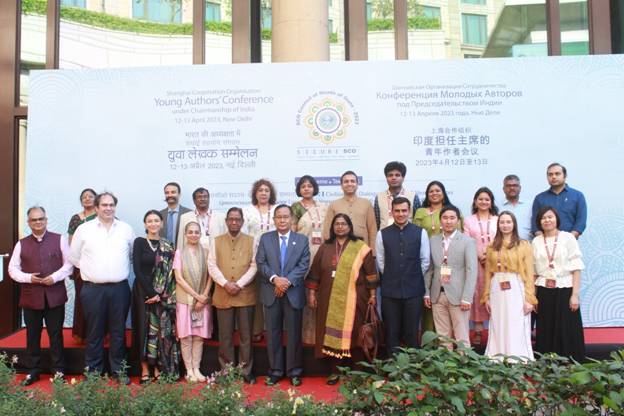
 The two-day Shanghai Corporation Organization (SCO) Young Authors’ Conference on” Civilizational Dialogue Among SCO Member States” with delegates from SCO Member Nations concluded on 13 April 2023.

Minister of State for External Affairs & Education, Shri Rajkumar Ranjan Singh presided as the Chief Guest at the Valedictory Ceremony of the SCO Young Authors’ Conference today. The Conference was organised by the Ministry of Education on 12-13 April 2023 at the Leela Palace, New Delhi with National Book Trust, India as the Implementing Agency.

Shri Rajkumar Ranjan Singh said that India has been actively taking part in all the cooperation activities of the organisation and is a highly valued member of the organisation. The focus on shared civilizational linkages at the SCO Young Authors’ Conference is the true reflection of the people of the region and the conference was a testimony of our commitment to contribute to the success of the organisation.   

Prof. Govind Prasad Sharma, Chaiman, NBT in his address said that Dialogue is the basic medium to keep any human society and civilization alive. The conference brought forth the connection youth have not only with their own society but also with neighboring countries, as well as the vision that they have to further deepen inter-cultural cooperation.

Shri Yuvraj Malik, Director, NBT while delivering the vote of thanks said that conference was an enriching experience witnessing the exchange of perspective and ideas. The dialogue shed light on the interdependence between human beings and society and explored language as a social tool that facilitates interaction between various communities promoting the advancement of knowledge.

The SCO Youth Conference was centered on the theme “Civilizational Dialogue Among SCO Member States” with six sessions focussing on History & Philosophy, Economy, Religion, Culture, Literature and Science & Medicine, respectively. The first session on History and Philosophy focussing on ‘Shared Civilizational Links and its impact on Modern Ethical Behaviour’ was chaired by Dr. Yuthika Mishra with Ms. Ekatherina S. Manoylo from the Russian Federation and Dr. Ayesha Gautam from India as the panelists. The session was moderated by Prof. Ajoy Karnati. The speakers delved into the commonalities that exist between the SCO nations, the need for dialogue and cooperation by looking back at historical exchanges that facilitate understanding, the relation between morality and traditions and the conditions that gave rise to thought systems which travelled between the countries. The discussants, Dr. Aarshi Dua, Dr. Ruchi Verma and Mr. Fahad Nahvi enriched the session with their detailed comments and questions.

The second session was on the sub-theme Economy, focusing on ‘Trade and Commerce Linkages’. Dr. Sunil Ashra was the Chair for the session with Ms. Anastacia V. Volodina from the Russian Federation and Dr. Pravesh Kumar Gupta from India as the speakers. The session was moderated by Mr. Kumar Vikram. The speakers delved into the connection between the film and the book industry in a fresh take on the different sides of the economy, the history of trade between India and Central Asian countries and how trade routes evolved over the ages. The discussants, Dr. Ritika Joshi and Dr. Tasha Agarwal contributed to the discussion with their insightful observations.

The third session dealt with the topic of Religion with emphasis on ‘Movement of Religious Ideas and Thoughts in the SCO Regions’. The session was chaired by Mr. Chamu Krishna Shastri and moderated by Ms. Deepa Singh. The panelists for the session were Ms. Nurlan Kyzy Begaiym from the Kyrgyz Republic, Dr. Pranshu Samdarshi from India and Ms. Ainur Akhmetova from Kazakhstan. The panelists spoke about the existence of multi-religious, syncretic societies in their countries, the centrality of spirituality, the ancient inter linkages between the SCO countries and the need to use this cooperative spirit to expand the concept of dialogue. The discussants, Dr. Aarshi Dua and Dr. Ritika Joshi continued the discussion with their perspectives on the role of storytelling and social media in the propagation of religious ideas.

Session four revolved around Culture, with an emphasis on ‘Civilizational Roots of Contemporary Cultures’. Dr. J.K. Bajaj was the Chairperson for the session and Ms. Neera Jain was the Moderator. Dr. Rashmini Koparkar from India, Mr. Erkanat Khuatbekuly from Kazakhstan and Ms. Anastacia V. Volodina were the speakers. The panel spoke about how in this era of rapid development, culture helps us preserve our identity and heritage. India and the Central Asian countries have been witness to exchange of ideas, commerce and language since time immemorial which has enabled the emergence of a shared cultural heritage. The discussants, Ms. Ivy Handique and Mr. Mayank Singh Singh took forward the dialogue with their comprehensive commentary.

The fifth session of the Conference took place on the sub-theme of Literature with focus on ‘Translation and Interpretation of Literary Texts’. The session was chaired by Prof. Badri Narayan and was moderated by Mr. Kumar Vikram. The panelists for the session were Ms. Ekatherina S. Manoylo from the Russian Federation, Ms. Tanvi Negi from India, Ms. Ainur Akhmetova from Kazakhstan and Dr. Sonu Saini from India. The speakers delved into the rich corpus of literature that exist in all SCO nations, translation as a mediation between cultures and languages and the complexities behind it. The discussants for the session, Ms. Anagha Gopal and Mr. Sumant Salunke facilitated the discussion with comments and insightful questions.

The last session of the two-day SCO Young Authors’ Conference was on the theme Science & Medicine, with special focus on ‘Perspectives on Science and Medicinal Knowledge Systems of SCO Member States’. The esteemed panellist of the session included Dr Aditya Kolachana from India and Ms Nurlan Kyzy Begaiym from Kazakhstan. Mr Maxim A. Zamshev from the Russian Federation was the Chairperson and Ms Neerja Anand was the moderator of the same. The panel highlighted the role of medicine in the 21st century and the need to strike a balance between traditional and modern medicinal practices. India has been successful in making traditional practices of medicine like Ayurveda, licensed practice of science. It was also highlighted that these traditional medicinal knowledge systems are evidenced in both Kyrgyz and India’s epics. The session was taken forward by discussant, Ms Damini Roy, who initiated a question and answer round with her perceptive points.

The Conference provided fresh perspectives from the participating delegates, scholars and speakers exploring the mutual and distinct characteristics in our cultures and heritage at the same time acknowledging the role of literature in aiding the connection between cultures.

*****

2-Day SCO Young Authors’ Conference Concludes Successfully

 The two-day Shanghai Corporation Organization (SCO) Young Authors’ Conference on” Civilizational Dialogue Among SCO Member States” with delegates from SCO Member Nations concluded on 13 April 2023.

Minister of State for External Affairs & Education, Shri Rajkumar Ranjan Singh presided as the Chief Guest at the Valedictory Ceremony of the SCO Young Authors’ Conference today. The Conference was organised by the Ministry of Education on 12-13 April 2023 at the Leela Palace, New Delhi with National Book Trust, India as the Implementing Agency.

Shri Rajkumar Ranjan Singh said that India has been actively taking part in all the cooperation activities of the organisation and is a highly valued member of the organisation. The focus on shared civilizational linkages at the SCO Young Authors’ Conference is the true reflection of the people of the region and the conference was a testimony of our commitment to contribute to the success of the organisation.   

Prof. Govind Prasad Sharma, Chaiman, NBT in his address said that Dialogue is the basic medium to keep any human society and civilization alive. The conference brought forth the connection youth have not only with their own society but also with neighboring countries, as well as the vision that they have to further deepen inter-cultural cooperation.

Shri Yuvraj Malik, Director, NBT while delivering the vote of thanks said that conference was an enriching experience witnessing the exchange of perspective and ideas. The dialogue shed light on the interdependence between human beings and society and explored language as a social tool that facilitates interaction between various communities promoting the advancement of knowledge.

The SCO Youth Conference was centered on the theme “Civilizational Dialogue Among SCO Member States” with six sessions focussing on History & Philosophy, Economy, Religion, Culture, Literature and Science & Medicine, respectively. The first session on History and Philosophy focussing on ‘Shared Civilizational Links and its impact on Modern Ethical Behaviour’ was chaired by Dr. Yuthika Mishra with Ms. Ekatherina S. Manoylo from the Russian Federation and Dr. Ayesha Gautam from India as the panelists. The session was moderated by Prof. Ajoy Karnati. The speakers delved into the commonalities that exist between the SCO nations, the need for dialogue and cooperation by looking back at historical exchanges that facilitate understanding, the relation between morality and traditions and the conditions that gave rise to thought systems which travelled between the countries. The discussants, Dr. Aarshi Dua, Dr. Ruchi Verma and Mr. Fahad Nahvi enriched the session with their detailed comments and questions.

The second session was on the sub-theme Economy, focusing on ‘Trade and Commerce Linkages’. Dr. Sunil Ashra was the Chair for the session with Ms. Anastacia V. Volodina from the Russian Federation and Dr. Pravesh Kumar Gupta from India as the speakers. The session was moderated by Mr. Kumar Vikram. The speakers delved into the connection between the film and the book industry in a fresh take on the different sides of the economy, the history of trade between India and Central Asian countries and how trade routes evolved over the ages. The discussants, Dr. Ritika Joshi and Dr. Tasha Agarwal contributed to the discussion with their insightful observations.

The third session dealt with the topic of Religion with emphasis on ‘Movement of Religious Ideas and Thoughts in the SCO Regions’. The session was chaired by Mr. Chamu Krishna Shastri and moderated by Ms. Deepa Singh. The panelists for the session were Ms. Nurlan Kyzy Begaiym from the Kyrgyz Republic, Dr. Pranshu Samdarshi from India and Ms. Ainur Akhmetova from Kazakhstan. The panelists spoke about the existence of multi-religious, syncretic societies in their countries, the centrality of spirituality, the ancient inter linkages between the SCO countries and the need to use this cooperative spirit to expand the concept of dialogue. The discussants, Dr. Aarshi Dua and Dr. Ritika Joshi continued the discussion with their perspectives on the role of storytelling and social media in the propagation of religious ideas.

Session four revolved around Culture, with an emphasis on ‘Civilizational Roots of Contemporary Cultures’. Dr. J.K. Bajaj was the Chairperson for the session and Ms. Neera Jain was the Moderator. Dr. Rashmini Koparkar from India, Mr. Erkanat Khuatbekuly from Kazakhstan and Ms. Anastacia V. Volodina were the speakers. The panel spoke about how in this era of rapid development, culture helps us preserve our identity and heritage. India and the Central Asian countries have been witness to exchange of ideas, commerce and language since time immemorial which has enabled the emergence of a shared cultural heritage. The discussants, Ms. Ivy Handique and Mr. Mayank Singh Singh took forward the dialogue with their comprehensive commentary.

The fifth session of the Conference took place on the sub-theme of Literature with focus on ‘Translation and Interpretation of Literary Texts’. The session was chaired by Prof. Badri Narayan and was moderated by Mr. Kumar Vikram. The panelists for the session were Ms. Ekatherina S. Manoylo from the Russian Federation, Ms. Tanvi Negi from India, Ms. Ainur Akhmetova from Kazakhstan and Dr. Sonu Saini from India. The speakers delved into the rich corpus of literature that exist in all SCO nations, translation as a mediation between cultures and languages and the complexities behind it. The discussants for the session, Ms. Anagha Gopal and Mr. Sumant Salunke facilitated the discussion with comments and insightful questions.

The last session of the two-day SCO Young Authors’ Conference was on the theme Science & Medicine, with special focus on ‘Perspectives on Science and Medicinal Knowledge Systems of SCO Member States’. The esteemed panellist of the session included Dr Aditya Kolachana from India and Ms Nurlan Kyzy Begaiym from Kazakhstan. Mr Maxim A. Zamshev from the Russian Federation was the Chairperson and Ms Neerja Anand was the moderator of the same. The panel highlighted the role of medicine in the 21st century and the need to strike a balance between traditional and modern medicinal practices. India has been successful in making traditional practices of medicine like Ayurveda, licensed practice of science. It was also highlighted that these traditional medicinal knowledge systems are evidenced in both Kyrgyz and India’s epics. The session was taken forward by discussant, Ms Damini Roy, who initiated a question and answer round with her perceptive points.

The Conference provided fresh perspectives from the participating delegates, scholars and speakers exploring the mutual and distinct characteristics in our cultures and heritage at the same time acknowledging the role of literature in aiding the connection between cultures.

*****

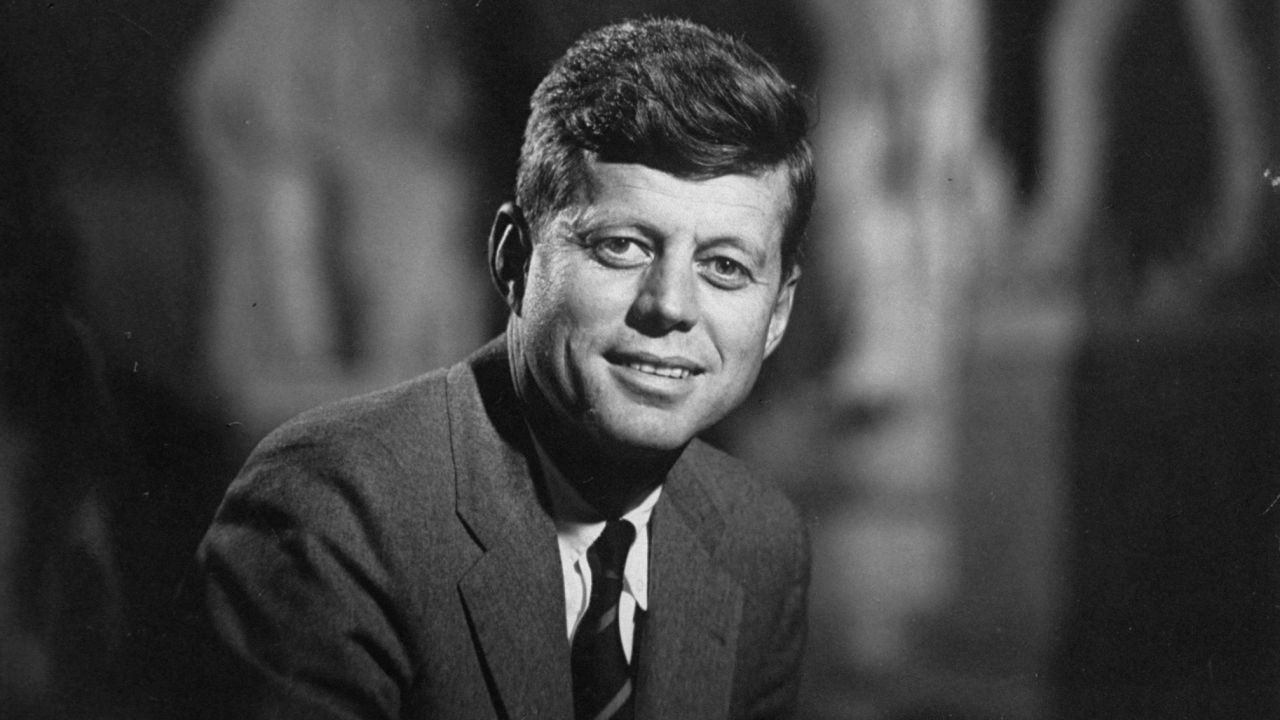
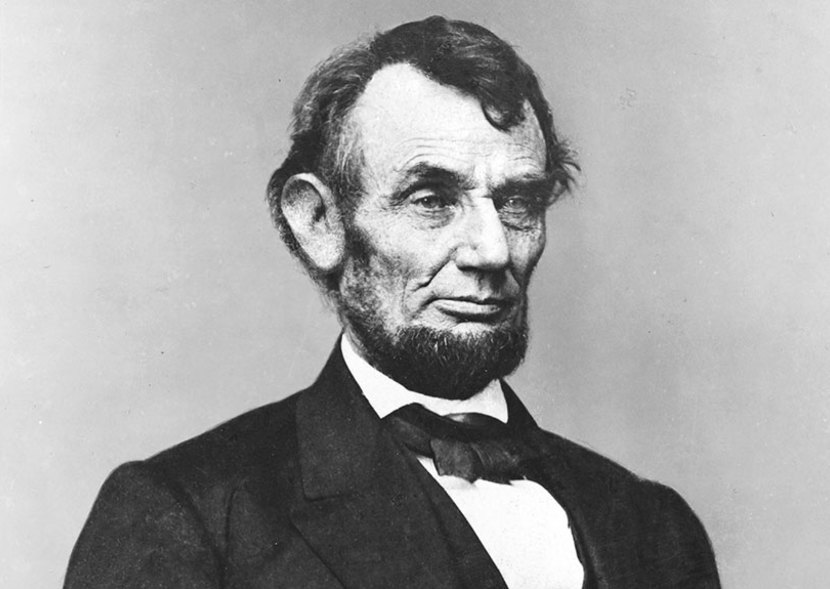
Uncanny coincidences between John F. Kennedy and Abraham Lincoln

Have you ever heard of the strange coincidences that occurred between Abraham Lincoln and John F. Kennedy, both presidents of the United States?

Despite having lived more than a century apart, former presidents of the United States John F. Kennedy and Abraham Lincoln have some truly bizarre coincidences in common.

In addition to having the same well-known job title and experiencing terrible and untimely deaths while in office, Lincoln and Kennedy also have some odd similarities.

Although it isn’t all that unexpected considering their final function as President, both Lincoln and Kennedy served in Congress prior to becoming the Presidency. The two did experience significant Civil Rights issues while serving as president.

Lincoln was elected to Congress in 1846, and Kennedy was elected in 1946. And in the years 1860 and 1960, the two men were each elected to the White House.

Both Presidents Kennedy and Lincoln lost a child while in office. In 1862, Willie Lincoln, age 11, died of typhoid disease, and in 1963, Patrick, the premature son of John F. Kennedy and Jackie, died at the age of two.

Assassinations Similarities

Even while the two horrific occurrences share the tragedy of being assassinated in public, there are some odd underlying similarities between them.

Both men were shot in the head: Kennedy from a distance while traveling in an open-air Dallas motorcade, and Lincoln at close range while watching a performance of “Our American Cousin”.

Kennedy was traveling in the seventh vehicle in his motorcade, while Lincoln was sitting in box number seven of Ford’s Theatre.

A guy with three names—Lee Harvey Oswald, John Wilkes Booth—killed both men on a Friday.

The aftermath

Both the assassins of Lincoln and Kennedy were assassinated before they could be brought to justice, despite the fact that they originally managed to flee the murder sites following the killings.
The two assassins, like Lincoln and Kennedy, had concurrent career trajectories since they were born 100 years apart, in 1839 and 1939, respectively.
Lincoln and Kennedy both had their vice presidents replace them, as is custom. However, Lyndon B. Johnson and Andrew Johnson had the same last name. The two successors were born in 1808 and 1908, respectively, one century apart from one another.
None of these coincidences stand out on their own as particularly compelling but taken as a whole, they create an odd web of similarities between the two presidents, who lived a century apart.

Disapperance of A Cessna 182 over Australia's Bass Strait

Frederick Valentich, 20, vanished on October 21, 1978, when he flew across the Bass Strait from Melbourne to King Island. He was flying a Cessna 182 that had been hired and had the registration. VH-DSJ.

One of three islands comprising the New Year Group in the Bass Strait, King Island is 125 miles from the Australian state of Victoria. Valentich, a RAAF Training Corps member and aviation enthusiast, had twice attempted to enroll in the Australian Air Force but had been turned down due to his lack of academic credentials.

Photo –  Robert Frola via wikimedia Commons

Additionally, according to his father, he was a UFO enthusiast who collected newspaper clippings and watched movies about extraterrestrials. He had accumulated 150 flight hours at the time of his disappearance and was certified to fly at night under ideal meteorological circumstances.
He initially said that he was going to King Island to pick up some pals before telling others that he was going to pick up crayfish. Later, investigators ruled out both justifications. Additionally, he did not follow protocol by notifying King Island Airport (TAS) of his plan to arrive there. This gave detectives reason to suspect that he could have orchestrated the entire incident. What specifically was Valentich doing then? Had he gone in quest of UFOs or was he trying to accrue additional flight time?
At 19:06, Valentich radioed Melbourne Flight Service to report that an unidentified aircraft was following him at 4,500 feet after taking off from Melbourne Moorabbin Airport (MBW) and crossing the ocean. He claimed to have seen four dazzling lights that resembled landing lights. He was unable to identify the plane’s brand; all he could say was that it was traveling at a breakneck pace and seemed to be playing a joke on him. A little while afterward, all radio communication was lost.
He reported seeing what seemed to be four landing lights above him in the bright night sky. Venus was the brightest planet at the time of the occurrence, making a diamond-shaped formation with Mars, Mercury, and the brilliant star Antares. These four white spots might have been misinterpreted for aircraft or UFO lights by Valentich.
Another private aircraft pilot overflying the Bas Strait a month, after Valentich vanished, reported seeing what he believed to be the form of a submerged plane. He flew over it again but could not be sure that it was an airplane in the water. A Cessna 182’s engine cowling washed found on Flinders Island five years after Valentich vanished.
Investigators came to the conclusion that Valentich being disoriented was the most likely cause of his disappearance. Valentich, being a novice pilot, could have been fooled by the appearance of a tilted horizon. Some of the horizons are still light as the sun sets, but the rest progressively grows darker. As a result of the illumination imbalance, the horizon may appear to be slanted, forcing the pilot to adjust the plane’s course. When the plane’s nose is pointed downward, its speed rises and it enters what is known as a “graveyard spiral.”

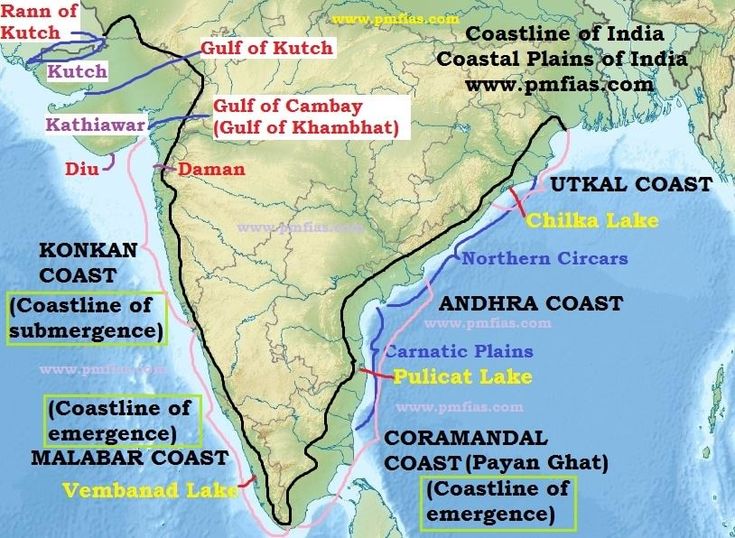
Define coastal zone and its characteristics. Also make a map highlighting the coastal lines of India.

Coastal zone is the area where land meets the sea, it’s a dynamic and constantly changing environment. It typically includes a range of habitats, such as beaches, dunes, cliffs, estuaries, and wetlands. The characteristics of coastal zones vary depending on the specific location, but some common features include:High biological productivity due to the mixing of nutrient-rich water from the ocean and freshwater from rivers.
High levels of biodiversity, with many unique species adapted to the coastal environment.
High levels of human activity, including residential and commercial development, fishing, and tourism.
Vulnerability to natural disasters, such as hurricanes, storm surges, and tsunamis.
India has a long coastline of approximately 7,517 km, which runs along the Bay of Bengal in the east, the Arabian Sea in the west, and the Indian Ocean in the south. The coastal zone of India is a unique and diverse environment that supports a variety of ecosystems and habitats, including beaches, mangrove forests, coral reefs, estuaries, and wetlands. The following are some of the characteristics of the coastal zone in India:

High biodiversity: The coastal zone of India is home to a wide variety of plant and animal species, many of which are endemic to the region. The mangrove forests of the Sundarbans, for example, are home to the Royal Bengal Tiger, while the coral reefs of the Andaman and Nicobar Islands support a diverse array of marine life.
High levels of human activity: The coastal zone of India is densely populated and supports a variety of economic activities, including fishing, aquaculture, tourism, and port development. This has led to significant environmental degradation, including pollution, habitat loss, and overexploitation of natural resources.
Vulnerability to natural disasters: The coastal zone of India is highly vulnerable to natural disasters, including cyclones, storm surges, and sea-level rise. In recent years, severe weather events such as the 2004 Indian Ocean tsunami, the 2017 Cyclone Ockhi, and the 2019 Cyclone Fani have caused significant damage and loss of life along the Indian coast.
Coastal erosion: The coastal zone of India is experiencing significant coastal erosion, particularly in areas of high wave energy and human activity. This is leading to the loss of beaches, dunes, and other important habitats, and is exacerbating the impacts of climate change on the region.
In conclusion, the coastal zone of India is a unique and diverse environment that supports a wide variety of ecosystems and habitats, but is also facing significant environmental challenges. It is important to implement sustainable coastal management practices that balance economic development with environmental conservation and protection of vulnerable coastal communities.