

‘Right to repair’ portal launched to handle repair related issues among consumers.

Food and Consumer Affairs Minister Piyush Goyal on Saturday introduced a host of new initiatives, including a right to repair portal and an NTH mobile app and opened new premises of the National Consumer Helpline centre in the national capital.

On the ‘right to repair’ portal, manufacturers will share the manual of product details with customers so that they can either repair by self, by third parties, rather than depend on original manufacturers. Initially, mobile phones, electronic, consumer durables, automobile and farming equipments will be covered.

Speaking on the theme “Effective disposal of cases in consumer commission” on the occasion of National Consumer Day, Mr. Goyal lauded the consumer commissions for disposing of higher number of pending cases in last six months and expressed confidence of eliminating the backlog of cases across the country.

“In a short span of six months, we have doubled disposal of pending cases. About 90,000 pending cases were disposed (between July and November this year),” he said. About 38,000 pending cases were disposed of by consumer courts in the year-earlier period.
'Right to repair' portal launched to handle repair related issues among consumers.

Food and Consumer Affairs Minister Piyush Goyal on Saturday introduced a host of new initiatives, including a right to repair portal and an NTH mobile app and opened new premises of the National Consumer Helpline centre in the national capital.

On the ‘right to repair’ portal, manufacturers will share the manual of product details with customers so that they can either repair by self, by third parties, rather than depend on original manufacturers. Initially, mobile phones, electronic, consumer durables, automobile and farming equipments will be covered.

Speaking on the theme “Effective disposal of cases in consumer commission” on the occasion of National Consumer Day, Mr. Goyal lauded the consumer commissions for disposing of higher number of pending cases in last six months and expressed confidence of eliminating the backlog of cases across the country.

“In a short span of six months, we have doubled disposal of pending cases. About 90,000 pending cases were disposed (between July and November this year),” he said. About 38,000 pending cases were disposed of by consumer courts in the year-earlier period.

Center to introduce Bhagavad Gita in NCERT syllabus.

On Monday, 19 December, the Centre informed the Lok Sabha that the National Council of Education Research and Training (NCERT) should include Shlokas from Shrimad Bhagavad Gita and knowledge from Vedas in textbooks in Sanskrit from classes 11th to 12th. Besides, references from Bhagavadgita should be incorporated in NCERT textbooks of classes 6th to 7th. 

Annapurna Devi, Minister of State for Education, stated in a written response that the ministry formed the Indian Knowledge System (IKS) Division in the All India Council for Technical Education (AICTE) in 2020 with the goal of promoting interdisciplinary and trans-disciplinary research on all facets of Indian Knowledge Systems (IKS), preserving and disseminating IKS knowledge for further research and societal applications.

Minister Devi stated that NCERT has begun the development of National Curriculum Frameworks (NCF) where inputs from various ministries, departments, states, and union territories are invited from grass root levels. 

She added that the National Education Policy (NEP) 2022, paragraph 4.27, refers to Indian traditional knowledge that is both sustainable and strives for the welfare of all. She also laid emphasis on teaching the world the “Indian way of doing things.”

Center to introduce Bhagavad Gita in NCERT syllabus.

On Monday, 19 December, the Centre informed the Lok Sabha that the National Council of Education Research and Training (NCERT) should include Shlokas from Shrimad Bhagavad Gita and knowledge from Vedas in textbooks in Sanskrit from classes 11th to 12th. Besides, references from Bhagavadgita should be incorporated in NCERT textbooks of classes 6th to 7th. 

Annapurna Devi, Minister of State for Education, stated in a written response that the ministry formed the Indian Knowledge System (IKS) Division in the All India Council for Technical Education (AICTE) in 2020 with the goal of promoting interdisciplinary and trans-disciplinary research on all facets of Indian Knowledge Systems (IKS), preserving and disseminating IKS knowledge for further research and societal applications.

Minister Devi stated that NCERT has begun the development of National Curriculum Frameworks (NCF) where inputs from various ministries, departments, states, and union territories are invited from grass root levels. 

She added that the National Education Policy (NEP) 2022, paragraph 4.27, refers to Indian traditional knowledge that is both sustainable and strives for the welfare of all. She also laid emphasis on teaching the world the “Indian way of doing things.”

Nation to hold mock drill for covid emergency responses.

During a virtual meeting with health ministers and senior officials of states in view of the recent surge in coronavirus cases in some parts of the world, he said, “The Centre and states need to work in tandem and in a collaborative spirit as was done during the previous surges for Covid prevention and management.”

“A mock drill for an emergency response to deal with Covid 9 cases will be conducted at hospitals across the country on Tuesday, 27th December, the Union health minister Mansukh Mandaviya will also be participating in the Mock drill,” official sources told ANI.The mock drill is being conducted amid fear of a Covid surge in the country in the wake of a spurt of Covid cases reported in China and other countries. The Union Ministry in India has started taking several proactive steps in this direction.

According to officials, travel guidelines have been revised and issued. 2% random screening of international passengers to be re-initiated from Saturday, December 24, the random screening charges will be charged to the passengers.

Nation to hold mock drill for covid emergency responses.

During a virtual meeting with health ministers and senior officials of states in view of the recent surge in coronavirus cases in some parts of the world, he said, “The Centre and states need to work in tandem and in a collaborative spirit as was done during the previous surges for Covid prevention and management.”

“A mock drill for an emergency response to deal with Covid 9 cases will be conducted at hospitals across the country on Tuesday, 27th December, the Union health minister Mansukh Mandaviya will also be participating in the Mock drill,” official sources told ANI.The mock drill is being conducted amid fear of a Covid surge in the country in the wake of a spurt of Covid cases reported in China and other countries. The Union Ministry in India has started taking several proactive steps in this direction.

According to officials, travel guidelines have been revised and issued. 2% random screening of international passengers to be re-initiated from Saturday, December 24, the random screening charges will be charged to the passengers.

India doubled its steel production capacity in the past 8 years, to become world 2nd largest steel producing country.

India’s steel production has reached a historic level of 120 million tonnes per year making it the world’s second-largest producer of Steel, the government informed the Rajya Sabha.

Steel Minister Jyotiraditya Scindia said India intends to double its steel production to 300 million tonnes per annum by 2030.

“There has been a doubling in the last eight years of steel production in the country, which has been historic and which is why we have become the second largest steel producer in the world today,” he informed the Rajya Sabha during question hour.

The minister informed that steel production in the country has increased at a historic level. In 2013-14, we had only close to about 60 million tonnes per annum production of steel, we are today at 120 million tonnes,” he said.

India doubled its steel production capacity in the past 8 years, to become world 2nd largest steel producing country.

India’s steel production has reached a historic level of 120 million tonnes per year making it the world’s second-largest producer of Steel, the government informed the Rajya Sabha.

Steel Minister Jyotiraditya Scindia said India intends to double its steel production to 300 million tonnes per annum by 2030.

“There has been a doubling in the last eight years of steel production in the country, which has been historic and which is why we have become the second largest steel producer in the world today,” he informed the Rajya Sabha during question hour.

The minister informed that steel production in the country has increased at a historic level. In 2013-14, we had only close to about 60 million tonnes per annum production of steel, we are today at 120 million tonnes,” he said.

Health minister holds a meeting today on covid rising concern.

Union Health Minister Mansukh Mandaviya today reviewed the COVID-19 situation in the country in view of a sudden spurt in cases in some parts of the world, and directed officials to be alert and strengthen surveillance. “Use a mask if you are in a crowded space, indoors or outdoors. This is all the more important for people with comorbidities or are of higher age,” he said. “Only 27-28% of people have taken precaution dose. We appeal to others, especially senior citizens, to take precaution dose. Precaution dose is mandated and guided to everyone.”

In view of the rise in cases in Japan, the United States of America, Republic of Korea, Brazil and China the Union Health Ministry, urged all states and Union territories to ramp up the whole genome sequencing of positive samples of Covid to keep track of emerging variants.

In India, more than 220 crore vaccination doses have been administered, including booster shots. Many got reinfected or have already been exposed to omicron, its sub-variants, and sub-lineages. As a result, many Indians have developed ‘hybrid immunity’ or ‘super immunity’, due to a combination of extensive vaccination and natural infection. Nevertheless, in view of the sudden spurt of cases abroad, the government is reviewing the situation and has directed all relevant agencies to be alert.

Health minister holds a meeting today on covid rising concern.

Union Health Minister Mansukh Mandaviya today reviewed the COVID-19 situation in the country in view of a sudden spurt in cases in some parts of the world, and directed officials to be alert and strengthen surveillance. “Use a mask if you are in a crowded space, indoors or outdoors. This is all the more important for people with comorbidities or are of higher age,” he said. “Only 27-28% of people have taken precaution dose. We appeal to others, especially senior citizens, to take precaution dose. Precaution dose is mandated and guided to everyone.”

In view of the rise in cases in Japan, the United States of America, Republic of Korea, Brazil and China the Union Health Ministry, urged all states and Union territories to ramp up the whole genome sequencing of positive samples of Covid to keep track of emerging variants.

In India, more than 220 crore vaccination doses have been administered, including booster shots. Many got reinfected or have already been exposed to omicron, its sub-variants, and sub-lineages. As a result, many Indians have developed ‘hybrid immunity’ or ‘super immunity’, due to a combination of extensive vaccination and natural infection. Nevertheless, in view of the sudden spurt of cases abroad, the government is reviewing the situation and has directed all relevant agencies to be alert.

Central Government raised more than 4 lakh crore trough disinvestment since 2014.

The government raised over Rs4.04 lakh crore through disinvestment and strategic sale of public-sector enterprises (PSEs) since the Modi government came into power in 2014, the Finance Ministry said on 20 decm.

Of this, the largest amount totalling over Rs1.07 lakh crore through offer for sale in 59 cases. This was followed by a stake sale through Exchange-Traded Fund (ETF) in 10 tranches, aggregating to Rs98,949 crore. Strategic sales in 10 companies, including Air India, yielded Rs69,412 crore to the exchequer in the last 8 years. Share buyback in 45 cases fetched Rs45,104 crore.

17 CPSEs were listed since 2014-15, which yielded Rs50,386 crore. Of this, the initial public offering (IPO) of LIC alone fetched the government Rs20,516 crore. The additional market capitalisation of Rs7.31 lakh crore was achieved through new listings, the ministry said. Besides, the government has sold its residual stake in Paradeep Phosphate Ltd, IPCL, and Tata Communication for Rs472 crore, Rs219 crore and Rs8,847 crore, respectively. 

Central Government raised more than 4 lakh crore trough disinvestment since 2014.

The government raised over Rs4.04 lakh crore through disinvestment and strategic sale of public-sector enterprises (PSEs) since the Modi government came into power in 2014, the Finance Ministry said on 20 decm.

Of this, the largest amount totalling over Rs1.07 lakh crore through offer for sale in 59 cases. This was followed by a stake sale through Exchange-Traded Fund (ETF) in 10 tranches, aggregating to Rs98,949 crore. Strategic sales in 10 companies, including Air India, yielded Rs69,412 crore to the exchequer in the last 8 years. Share buyback in 45 cases fetched Rs45,104 crore.

17 CPSEs were listed since 2014-15, which yielded Rs50,386 crore. Of this, the initial public offering (IPO) of LIC alone fetched the government Rs20,516 crore. The additional market capitalisation of Rs7.31 lakh crore was achieved through new listings, the ministry said. Besides, the government has sold its residual stake in Paradeep Phosphate Ltd, IPCL, and Tata Communication for Rs472 crore, Rs219 crore and Rs8,847 crore, respectively. 

“60% of China may get infected by Covid-19 in the next 90 days”, says experts.

Epidemiologists estimate that over the next few days more than 60 per cent of China’s population and 10 per cent of Earth’s population would likely to get infected by Covid-19 and this would be just the ‘start’. 

Skyrocketing infections, inundated hospitals, overflowing morgues — elation from the lifting of zero Covid curbs proved tragically short-lived as China reels under a Covid explosion.

Amid this grim state of affairs, a top infectious disease expert has projected that more than 60 per cent of China’s population is likely to be infected by the coronavirus in the next three months and witness millions of Covid-related deaths.

Chinese authorities have failed to bolster the elderly vaccination rate, upping surge and intensive care capacity in hospitals, and stockpiling antiviral medications, which could spell disaster for the country’s 1.4 billion citizens, warned experts.

"60% of China may get infected by Covid-19 in the next 90 days", says experts.

Epidemiologists estimate that over the next few days more than 60 per cent of China’s population and 10 per cent of Earth’s population would likely to get infected by Covid-19 and this would be just the ‘start’. 

Skyrocketing infections, inundated hospitals, overflowing morgues — elation from the lifting of zero Covid curbs proved tragically short-lived as China reels under a Covid explosion.

Amid this grim state of affairs, a top infectious disease expert has projected that more than 60 per cent of China’s population is likely to be infected by the coronavirus in the next three months and witness millions of Covid-related deaths.

Chinese authorities have failed to bolster the elderly vaccination rate, upping surge and intensive care capacity in hospitals, and stockpiling antiviral medications, which could spell disaster for the country’s 1.4 billion citizens, warned experts.

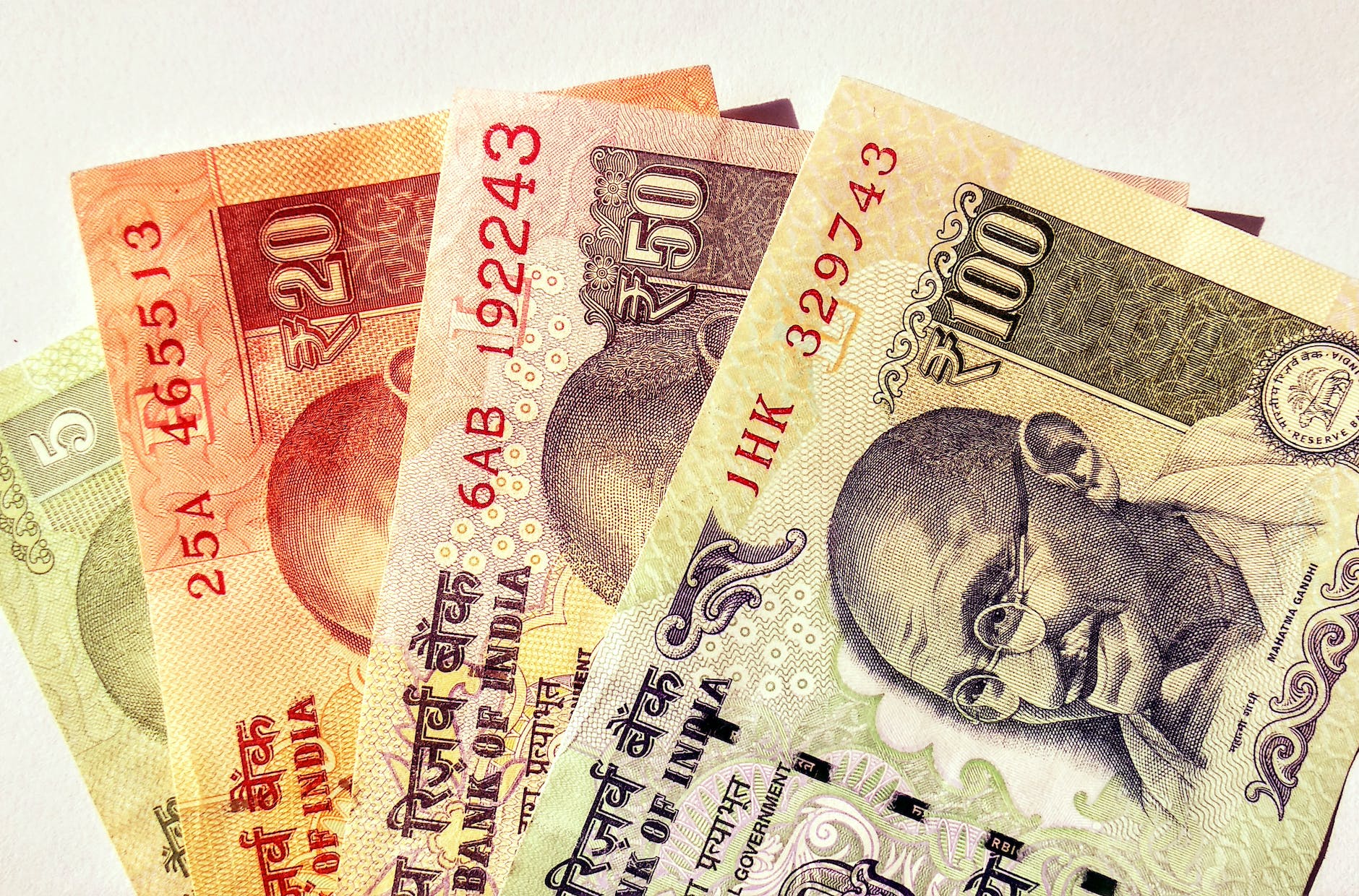
After Russia, Sri Lanka to use Indian rupee(INR) for internation trade.

India’s rupee trade settlement mechanism, which was set up by the Reserve Bank of India in July 2022, is attracting interest from more countries apart from Russia.

The mechanism is a means of using rupees instead of dollars and other big currencies for international transactions in order to promote growth of global trade with emphasis on exports from India and to support the increasing interest of global trading community in the rupee.

Dollar-strapped Sri Lanka and sanctions-hit Russia will be the first countries to use the Indian rupee trade settlement mechanism.

Sri Lanka has agreed to use Indian rupee (INR) for international trade. It comes days after the Government of India said it is looking at ways to bring countries that are particularly short of dollars into the ambit of Indian rupee trade settlement mechanism. Central Bank of Sri Lanka (CBSL) said it is waiting for RBI’s (Reserve Bank of India) approval to designate Indian rupee as foreign currency of Sri Lanka.

Tajikistan, Cuba, Luxembourg and Sudan have begun talking to India about using the mechanism, reported Reuters, quoting two sources and an official document. It has already been used by Russia following the imposition of sanctions on Moscow over the Ukraine war.