National Farmers Day

Kisan Diwas, or National Farmers Day, is held on December 23 across the country to honour farmers, who are the backbone of India. The day was picked to honour Choudhary Charan Singh, India’s fifth prime minister, on the occasion of his birth anniversary.

Every year, National Farmers Day is observed, particularly in farming-intensive regions such as Uttar Pradesh, Punjab, Haryana, and Madhya Pradesh.


Farmers are the foundation of society. They are the ones that work around the clock and throughout the year to ensure that people do not go hungry, yet they themselves struggle to eat two square meals a day. Every year, Farmers Day is observed to support, honour, and promote public awareness of the contributions that farmers provide to society.


National Farmers’ Day: Significance


India is a rural country with agricultural surpluses. Farmers and agricultural workers make up the vast majority of the country’s rural population. A large proportion of the country’s soldiers are from farming backgrounds.

Kisan Diwas is celebrated every year to honour farmers’ passion and sacrifice. That we must also pay attention to them and ensure their social and economic well-being. The day also aims to provide farmers with the latest recent agricultural information.

National Farmers Day 2020: History


Between July 28, 1979, to January 14, 1980, Chaudhary Charan Singh, the Kisan Leader, governed the nation for a brief period of time. He established multiple welfare schemes for farmers and produced several books about farmers and their difficulties, illustrating several solutions to better the life of the nation’s farmers. As a result, the government declared Charan Singh’s birth day as Kisan Diwas in 2001.

Chaudhary Charan Singh used the renowned motto “JAI JAWAN JAI KISAN” that Lal Bahadur Shastri, India’s second Prime Minister, gave to farmers.


Choudhary Charan Singh was born on December 23, 1902, to a middle-class peasant family in Noorpur village, Meerut district, Uttar Pradesh. He served as Prime Minister of India from 1979 to 1980, during which time he was instrumental in the execution of various farmer-friendly land reform programmes.

During his brief stint as Prime Minister, Chaudhary Charan Singh worked relentlessly for the welfare of farmers. He set up a variety of aid programmes for them. Singh has had a special heart for the oppressed since his days as a liberation warrior.

In 1939, Charan Singh proposed the Debt Redemption Bill to safeguard farmers from moneylenders and their misdeeds. From 1962 to 1963, he was Minister of Agriculture and Forests in Sucheta Kripalani’s Ministry.

The then-government designated Charan Singh’s birth day as Kisan Diwas in 2001.

Singh spent the majority of his free time reading and writing since he believed in living a simple life. Throughout his life, Singh wrote a number of books and pamphlets. Co-operative Farming X-rayed, India’s Poverty and its Solution, and Abolition of Zamindari are among his most well-known publications.


Top 5 women entrepreneurs

Top 5 women entrepreneurs

The rise of female entrepreneurs in India shows that women in business are capable of matching the success of male entrepreneurs.

It is not only challenging but also rewarding for women entrepreneurs, especially in countries with strong patriarchy in some areas. Women here are still emotional, unambitious, and not seen as destined to lead an initiative and turn it into a profitable business.

But here are the facts. A woman is no longer bound by her perception of it.

Equal to men when it comes to starting or running a profitable business. And we know it because we’ve seen it.

Despite the increase, women entrepreneurs continue to face some unique challenges. These challenges often range from declining personal financial wealth to sexism and social taboos.

Here are some women entrepreneurs in India who defied norms, took risks, faced obstacles and reached the pinnacle of success.

1. Falguni Nayar – Founder of Nykaa 

When it comes to women entrepreneurs in India, Falguni Nayar cannot be ignored. Nayar, who was born and raised in a time when her father ran small businesses, retired as managing director of Kotak Mahindra Capital at the age of 50 to start her own company from scratch. I was. Thus, the unicorn of the future was born.

Moment of Inspiration

Nayar graduated from IIM her Ahmedabad for almost 20 years. She worked as a venture investor and merchant at Kotak Mahindra Group. After leading the group’s global operations in the US and UK, she was head of institutional equities. In 2005, she was appointed Managing Director of Kotak She Mahindra She Capital.

She took the plunge and quit her job to launch Nykaa, an online retailer of beauty products, in her 2012. She looked at the market and found a gap.

Inspired by real world hits like UTV’s Ronnie Screwvala and PVR Cinemas’ Ajay Bijli, she built Nykaa’s headquarters in Mumbai, where she was born and raised.

Remarkable Success

Nayar’s story and the growth of her brand is phenomenal.

2. Aditi Gupta – Co-Founder of Menstrupedia

Not every day can we get to peer marketers who start their journey to make a exchange. A exchange that could actually assist resolve a real hassle for tens of millions of humans. Such an entrepreneur is Aditi Gupta.

Aditi’s small initiative helped hundreds of ladies get an education about some thing Indians don’t like to speak approximately overtly, even today.  

second of inspiration 

Through an Indian conservation circle of relatives perception – a woman, at some stage in her menstrual duration is prohibited to go into the kitchen or the location of worship. She is not allowed to cook or do various chores even at her personal residence.  

whilst how absurd this sounds, it’s a totally not unusual notion in the majority of rural and specific urban regions in India.  

Born and taken up in a totally small town of Jharkhand in India, Aditi got her first length at the age of 12. Even at that smooth age, she had to sleep in a separate place in her residence, wash her clothes one at a time, and wasn’t allowed to participate in any worship-related interest, every time she got her duration.  

That’s what Aditi desired to trade together with her small but powerful initiative – Menstrupedia. 

Aditi began Menstrupedia, a Hindi comedian e-book with her husband Tuhin Patel in 2012. The complete idea at the back of that comic was to create awareness and know-how approximately menstruation and hygiene.  

Now, Menstrupedia has knowledgeable over 10,00,000 ladies and educated 10,000+ educators to spread focus approximately puberty, menstruation, and hygiene. 

3. Vani Kola – CEO of Kalaari Capital

Born in Hyderabad, Vani graduated from Osmania University with a degree in Electrical Engineering. After he graduated, he went to the United States and got his master’s degree from Arizona State University. After completing her education, in her 1996 she began working in the technology industry with reputable companies (procurement companies) such as Empros, Control Data Corporation and Consilium Inc. Her chain of supplies in San Jose deals with the development of her software. A software called Certus was developed under this company and later acquired by PepsiCo.

Emotional Moment

After working as an employee and starting two companies, Vani returned to India for the first time in his 22 years and in 2006 decided to embark on a new adventure.

That same year, she began her career as a venture capitalist.

For a month she traveled and met people across India to better understand the Indian market.

After extensive market research, Vani noticed signs of growth potential in the startup. That same year, with Vinod Dham, she partnered with New Enterprise Associates (NEA) to form Indo-US Venture Partners (IUVP).

Four years later, she started her own business and renamed her company Kalaari Capital. Kalaari focused on investing in early-stage technology-based startups across India.

No other company willing to invest in, She said has the potential to grow and become a leader in its niche market. This is how Kalaari started backing new startups and built its reputation in the industry.

Today, Kalaari has raised over $740 million with her 200+ assets.

4. Priya Paul – Chairperson of Park Hotels

Priya Paul is considered one of India’s most successful entrepreneurs and a legend in the hospitality industry. She comes from a respected business family, Apeejay Surrendra Group.

After graduating in economics from Wellesley College in the United States, Priya joined the marketing department of the family-run Park She Hotel. She initially reported to her father, her chairman, Salendra Paul. Less than two years later, she became the acting general manager of The Her Park in New Delhi.

However, she lost her father in a tragic incident in 1990 when a ULFA fighter shot down Salendra Pole. Just a year before this incident, Priya’s younger brother Anand died in a car accident. These incidents have left a void in both my family and my workplace.

Moment of Inspiration

At the young age of 23 and with little experience, Priya had to manage all three of her hotels at The Park. She solemnly accepted it. She soon realized that the hotel needed a major overhaul, revolutionizing the Indian hospitality industry.

Priya has single-handedly introduced the boutique hotel concept to India.

She has also introduced trendy and contemporary designs and interiors. This is in contrast to her 5 star hotels which are typical in this country. The innovative concept is: menu and music. Her initiative helped her chain of hotels survive her early 1990s depression.

Remarkable Success

Currently, she owns her six hotel chains in major cities such as Kolkata, New Delhi, Chennai, Bangalore, Hyderabad and Visakhapatnam.

5. Kiran Mazumdar-Shaw, Founder of Biocon

Kiran graduated from college in the late 1970s with a Bachelor of Science degree. He in biology and zoology. However, in her later years she was eager to follow in her father’s footsteps. Her father’s job as a senior brewmaster at one of India’s largest beer companies gave her the impetus for a career change.

Shortly thereafter she went to Australia to train as a master brewer. Her intention was for her to return to India and use her newfound knowledge to get her job.

However, the Indian brewing industry has (until now) been male-dominated and employers have refused to offer her a job.

Financial In her Times interview, Kiran recalled: She decided to start her own business with little support and began building her own business from scratch. She understood that her entrepreneurial spirit was traditionally a bastion of men and that the country was not friendly to women’s businesses, but decided to persevere anyway.

Fortunately, She met Irish entrepreneur Leslie Auchincloss. She was looking for an Indian partner to produce enzymes. She’s a good job for her interest in biology. Kiran founded Biocon India in 1978 as a joint venture with her Ireland-based Biocon Biochemicals, where she held 70% of the company’s shares.

She started her business in a rented garage in Bangalore with a capital of Rs. 10,000.

Apple iPhone will get the largest manufacturing unit in India

iPhones have been able to grab eyeballs everywhere. They have the best hardware for all users. For convenience, various form factors are available for the users. Every year, new iPhones give users something new to experience.

But pandemic has been able to affect the overall manufacturing of the iPhones worldwide. It has been mainly due to the disruption at the China plant. China has the largest iPhone manufacturing plant. It was due to the lockdown due to the COVID pandemic. The plant is the Zhengzhou plant.

On the positive side, India has started to gain due to this loss. Now, there is positive information that Hosur near Bangalore, will get the largest iPhone plant in the country. Now, iPhones will be manufactured at the new plant where approximately, 60000 people will get to work with new iPhones. Among these 60000 workers, 6000 are tribal women from the areas of Ranchi and Hazaribagh. These women have been trained to manufacture the latest iPhones. The new plant is under the control of Tata Electronics. Other than this, Apple also has other manufacturers in the country namely Foxconn, Wistron and Pegatron.

To reduce the stress on the parts supplier, Apple has given a contract to LG as a new display supplier. This will ensure that Samsung will have less burden in terms of display supply during and after the pandemic period.

https://unsplash.com/photos/nxo1dv5tkmo

This new change has some major effects on the overall supply of the latest iPhones. The new devices will not face supply chain disruptions anymore. It will also ensure that India will be one of the major suppliers or exporters of iPhones to other markets.

But there have also been rumours that iPhones can get a price cut in India. But this is not true. As there will be no reduction in the prices of the iPhones in India. But there will be some relief to the availability of parts in our country. If the need arises, then there can also be a great market for refurbished iPhones. It will help in increasing the number of iPhone users in our country.

iPhones are also facing a little bit of a slowdown in terms of sales. This can be due to the weak financial conditions of several sections of society. So now, this kind of effect has also been seen in companies like Samsung. Samsung is currently planning to reduce the production of mobile phones by 30 million. The reduction of production will also enable the unnecessary stacking up of inventory in various warehouses.

All the above points depict that iPhones will have a great future. India will also play an important part in making a more user-friendly iPhone. The device will be more easily accessible to general users. Maybe there can also be a reduction in the prices of the iPhones. The newer models will also get the opportunity to be assembled or manufactured in countries like India. It will also help in increasing employment in the manufacturing field. The number of skilled people will also increase in terms of electronic manufacturing in our country.

Importance of Adult Education

Importance of Adult Education 

Adult Education provides opportunities for adult citizens to enroll in educational programs to improve their knowledge and skills. This is a great initiative to empower adults and help expand their career horizons. Adult education plays an important role in the development of a country. This is useful not only for those who did not have the opportunity to study in their childhood, but also for those who had to drop out of school mid- or long-term in order to pursue another degree.

Everyone knows the importance of education. An educated person is knowledgeable and worldly about various subjects. He is more confident and has a better ability to make decisions on various issues. he is an asset to society. Adult education should be promoted because many people are deprived of their right to education at an early age for various reasons. Adult education programs allow education to continue into adulthood.

The Importance of Adult Education

Adult Education: Essential to a Democratic System

In democracies like India, adults have the right to vote regardless of educational qualifications and are free to choose right or wrong as they see fit . The illiterate can never understand the nature of the political system. He is ignorant of the rights and duties of his elected leader.

What is the use of the political system in delegating the power to elect its leaders to people who do not know when, how, or what will be done? It is to increase the literacy rate of the country so that we can make better decisions when choosing a government.

Adult education must be given a special place in democratic systems so that people can exercise their right to vote in a meaningful way.

• National development: Adult education also plays an important role in national development. Countries with more educated people are more likely to develop and prosper. Well-educated people enter different career fields and work hard to acquire the skills necessary to effectively manage their positions.

Cultivate a desire to learn and grow. As they grow professionally, so does their organization, and ultimately the country as a whole. It goes without saying that if our country has a large number of educated and qualified professionals, our country will grow and develop faster.

Methods of Conducting Adult Education

Some of the methods of conducting adult education are listed below:

• Government should establish adult education schools in every corner of the country.

• Teachers and administrators of remote schools should take the lead in reaching out to adults living there and encouraging them to make the most of adult education programs.

• Roadside sketches should be done to emphasize the importance of adult education.

• Governments should promote adult education through radio, television and other media.

• Those entering adult education schools should encourage those around them to enroll and receive education in these schools.

Conclusion

Adult education is of utmost importance. Our government has already recognized its importance, but many people in our country have not yet recognized its importance. Many schools were established by the government to provide adult education. But the role of government does not end there.

Achievements of India in Science and Technology


Achievements of India in Science and Technology

The achievements of India in science and technology are well-known around the world. Indian scientists are renowned personalities who have stunned the world with their breakthrough scientific contributions. In the last few decades, numerous contributions have been made in sectors like agriculture, healthcare, space research, and nuclear power, including:

• Development of indigenous nuclear technology

• Development of satellite communication

• Development of atomic clock

The achievements of India in the field of science and technology are endless. Be it space or medicine, India’s innovation has a worldwide reputation. We have listed some of the notable contributions below.

Achievements of India in the Field of Science and Technology

India has made some great achievements in the field of science and technology. Be it ancient technology or modern one, the country has contributed greatly to its development on a global level. Here are some of the notable innovations that the scientists of the country developed:

Development of Modern Agricultural Technology During The Green Revolution

The Green Revolution was an achievement that ended India’s dependency on foreign countries for food grains. After independence, the country needed modern agricultural technology, better water supply, and high-yielding seeds to increase crop production. To tackle the situation, agro-scientists developed tools and techniques that helped with increasing agricultural production. It consequently led to India becoming the leading exporter of food grains as well.

Introducing Asia-Pacific’s Largest Satellite Communication System

Vikram Sarabhai, the chairman of the Indian National Committee for Space Research, envisioned using satellite technology for communication and weather forecasting. India soon became a capable developer of space technology and introduced Space Instructional Television Experiment (SITE). In 1983, India launched INSAT, Asia-Pacific’s largest domestic communication system. This achievement of India in the field of science and technology has been a game-changer.

Supplying Affordable and Effective Drugs and Vaccines Globally

India holds the title of “the pharmacy of the world” today. This is due to the contribution of India to the global supply of affordable, effective drugs and vaccines. The government established Hindustan Antibiotics Limited in 1954, followed by Indian Drugs and Pharmaceuticals Limited. In the private sector, the Central Drug Research Institute council was expanded by Shanti Swarup Bhatnagar. The joint efforts of both sectors took us to where we are today.

Development of Indigenous Defence Systems

The Defence Research and Development Organization (DRDO) (1958) has helped India build a powerful defence system to stand against the potential threats from China and Pakistan.

One of the greatest achievements of India in the field of science and technology is that it has built aircraft, arms, tanks, EW systems, missile systems, etc. India also became nuclear-powered after testing the first successful nuclear test in 1974 at Pokhran.

Successful Space Missions

Vikram Sarabhai helped set up the Indian Space Research Organization (ISRO) in 1969, which has been a cornerstone in our progress in space research. Our first satellite, Aryabhatta, was launched with the Soviet Union in 1975. It was followed by two successful space missions, Chandrayan (2008) to the moon and Mangalyaan (2014) to the orbit of Mars. Mangalyaan made India the first nation to send a satellite to the orbit of Mars in the first attempt.

Significant Contributions to the Global IT Industry

In 1970, the Department of Electronics was established in India, along with public sector companies like ECIL and CMC, which broke the monopoly of certain global IT companies. Today, India is the largest exporter of IT services. Tata Consultancy Services (TCS) is ranked among the top 10 IT companies in the world.

Global Recognition of Achievements of India in Science and Technology

India has been one of the pioneers of modern-day science and technology. Indian scientists have proved their competence and made India one of the scientific centers of the world. With more and more innovations in sectors like defence, IT, agriculture, etc., the future seems even brighter for the country’s innovators.

Many of India’s proud contributors to science and technology have received global recognition in the form of awards and nominations. A total of 12 Indians have also been awarded the Nobel prize for their scientific and technological contributions.

Media: The Fourth pillar of Democracy

Media: The Fourth pillar of Democracy

The fourth pillar of democracy is the media:

• Media play an important role in the survival and thriving of democracy. It is the link between government and citizens, providing citizens with knowledge of government actions, policies, and inefficiencies.

• As the fourth pillar, media play a key role in realizing the true meaning of democracy.

Media’s Role in Linking Governments and Citizens:

Sources of Information: Impartial information is essential to democracy and its development. Media helps convey important knowledge to people. For example, data about economy, health, education, etc.

Education: The media is very important to educate people about the issues that matter most to society. Rising rapes are a public concern. Accurate case counts should be published to contribute to public enlightenment.

Awareness: The media reminds society of its democratic rights, and the media helps maintain checks and balances.

Ensuring equity: The media play a key role in ensuring justice and reaching the benefits of government policy to vulnerable segments of society. For example, the Priyadarshini Mattoo case, the Jessica Lal case, the Nitish Katara murder case, and the Bijal Joshi rape case are notorious criminal cases that could not have been solved without media intervention.

Watchdog: Media coverage of public relations and investigations of public relations misconduct are essential to a stable democracy. That means exposing situations of fraud and abuse that directly benefit politicians. This encourages people to vote for the best government to defeat the corrupt and dishonest government.

Good Governance: The media plays a key role in scrutinizing government policies and spending. An impartial media is important for transparent reporting.

Accountability: Informed people need to question government policies based on facts and statistics to ensure accountability and accountability.

Dissemination of government policies: The media are involved in disseminating and disseminating various government policies and initiatives. The media played an important role in spreading awareness of such as Swachh Bharat and Beti Bachao Beti Padhao.

What is press freedom?

• Press freedom in India is considered part of the freedom of speech and expression guaranteed by the Constitution under Section 19(1)(a).

• Restrictions on ‘freedom of opinion and speech’ extend to ‘freedom of press and media’.

• Section 19 (2) provides for reasonable limitations relating to Indian sovereignty and dignity, national security, public order, decency, morality, or judicial contempt and defamation for the following reasons: I’m here.

What must be done to protect press freedom? 

An independent judiciary that upholds constitutional guarantees of press freedom is an important guarantor of this fundamental right.

•Media self-regulation and powerful institutions such as the Media Ombudsman and Complaints Board enable ethical compliance.

• A regulatory body consisting of both media representatives and government agencies should be established to ensure that the media can operate fairly while controlling arbitrariness.

• Reform should come especially from senior media editors and journalists. They should start by exposing cases of fake news and conflicts of interest and making the press more open.

• We also need legal support for the PCI (Press Council of India) to grant more regulatory powers.

What problems do Indian media face today? 

Freedom of the press is restricted due to laws relating to media coverage, defamation cases, and other cases.

Paid News seems to be firmly entrenched in India as a link between media professionals and politicians. For example, fake polls during elections. Between 2009 and 2013, the Election Commission said he detected more than 1,400 paid messages. The credibility of news channels and newspapers has been undermined by biased reporters, editors and others.

Corporate and Political Lobbying and Ownership: Most media outlets are owned or sponsored by corporations with their own political leanings, limiting the media’s unbiased reporting.

Yellow Journalism: Unnecessarily raising issues to get TRP confuses real news footage. Examples: Live coverage of the Sushant Singh Rajput incident and the 9/26 attacks. in Bombay.

Poor regulation: Self-regulatory bodies like PCI (Press Council of India) do not have the power to regulate the press or to legislate.

The emergence of digital media: Fighting for news exclusivity just to meet higher commitments without testing the credibility of the news. Media Trial: In many cases, the media will announce the verdict shortly after the allegation. This is a contempt of court and an infringement of the defendant’s status who will later be expelled.

Some Facts about NASA

Facts about NASA:


NASA (National Aeronautics and Space Administration) is a US government agency that plays a key role in aerospace science and technology. The Space Age began in 1957 with the launch of the Soviet satellite Sputnik. Let’s take a look at some interesting untold facts about NASA.

NASA’s work includes conducting scientific research, helping scientists learn more about the Earth, studying the solar system, and more. In addition, new developments improve air travel and other aspects of flight. There is a lot of other work going on at NASA.

NASA’s History Office Program publishes quarterly newsletters, publishes books, hosts social media, provides grants, educates the public about various space missions, space history, and more Did you know that we run a collection of historical materials to help? Over the years, NASA has been responsible for several space explorations originating in the United States.

• In 1958, NASA was founded by President Dwight D. Eisenhower. It was then established as a civilian independent agency of the executive branch of the United States federal government.

• Before NASA was founded, President Woodrow Wilson established the National Advisory Committee for Aeronautics (NACA). Its primary function is to supervise and direct scientific research and investigate flight-related issues.

• Remember Sputnik 1, the world’s first artificial satellite, launched by the Soviets just one year before NASA was founded? , clicked a picture of the surface of the Earth from space.

• In the late 1960s, President John F. Kennedy gave NASA the goal of sending humans to the moon.

On July 20, 1969, humans first walked on the moon as part of the Apollo 11 mission. About a dozen men walked on the moon in all Apollo programs. The 1970 Apollo 13 moon landing was aborted after an oxygen tank exploded.

• A research aircraft known as the SR-71 or “Blackbird” used by NASA to test high-speed, high-altitude aviation research. It was designed in secret in the 1950s by Lockheed’s Advanced Development Company, also known as “Skunk Works”.

• NASA Headquarters is in Washington, D.C.; He has nine centers, a jet propulsion laboratory, and seven testing laboratories in several states across the United States. Did you know that over 17,000 people work for his NASA, many of them as government contractors?Astronauts are NASA’s most famous employees. Most of NASA’s staff are scientists and engineers. Some people here have different jobs, such as writers, lawyers, and teachers.

• NASA currently has astronauts living and working on the International Space Station. NASA’s robotic space probes have visited every corner of the solar system and various celestial bodies. With the help of telescopes, scientists explore the vastness of the universe. In fact, satellites have assisted and provided multiple data about the Earth that have helped us understand multiple phenomena and valuable information for a better understanding of weather patterns.

• NASA also showed new employees the movie Armageddon and questioned them about the movie’s inaccuracies. At least 168 people have been confirmed. In 1972, NASA and the Department of Health, Education and Human Services created the Learning Channel (TLC).

• Did you know that NASA has a program to deal with life on other planets and if it is found it will be known as the Planetary Protection Agency? They have also discovered a “water world” 40 light-years away, which may contain exotic materials such as hot ice and superfluid water.

• NASA has designed a spacecraft that can use nuclear explosions to deflect approaching asteroids. Also, a NASA scientist invented his Super Soaker spray gun.

• On November 26, 2011, NASA launched a mission to Mars and landed on Mars on August 6, 2012. This is intended to determine that Mars supports microbial life.

• The Artemis program is NASA’s lunar exploration program. By 2024, NASA has promised to land American astronauts on the moon, including the first woman and the next man.

• NASA helps teachers prepare students to be future engineers, scientists, astronauts, and other NASA personnel. They become adventurers who continue to explore the solar system and space. In fact, NASA has a tradition of investing in programs and activities that inspire students, educators, families, and others. NASA provides training for teachers to learn new ways to teach science, technology, and mathematics.

Therefore, NASA’s vision is to discover and expand knowledge for the benefit of mankind.

Social and economic empowerment


Social and economic empowerment

Social empowerment

The process of gaining a sense of independence and
self-assurance and taking action both individually and collectively to alter
social interactions as well as the institutions and discourses that exclude and
keep poor people in poverty is known as social empowerment. Individual assets
(like land, housing, livestock, and savings) and capabilities of all
kinds—human (like good health and education), social (like social belonging, a
sense of identity, and leadership relationships—all have a significant impact
on how empowered poor people are and their capacity to hold others accountable
(self-esteem, self-confidence, the ability to imagine and aspire to a better
future). Collective human assets and capacities, such as voice, organization,
representation, and identity, are also significant.


Participation by low-income individuals in neighborhood
organizations and mechanisms for intercommunity cooperation can promote social
empowerment by enhancing their abilities, knowledge, and self-perception. Local
organizations, such as farming cooperatives or microfinance groups, serve as
self-help mechanisms for poor people to organize their economic activities.


It is also crucial to acknowledge that informal organizations
like religious institutions, traditional and customary institutions, and
informal community-based groups make up the majority of associational life at
the local level. These organizations have the biggest impact on the lives of
the underprivileged.


Vulnerable groups, including the extremely poor, women, and
marginalized communities, frequently lack the knowledge and self-assurance
necessary to participate in collective decision-making. Therefore, in order to
ensure that marginalized groups may participate, it may be crucial to support
procedures that are expressly aimed at them. It is argued that involvement in
neighborhood organizations can give low-income people more power to participate
in public politics and group action. Building one’s capacity to interact, both
individually and collectively, is a lengthy process, according to study.


Economic empowerment


It is believed that economic empowerment enables low-income
individuals to think beyond their immediate daily needs and to exercise greater
control over their resources and lifestyle decisions. For instance, it gives
households the freedom to decide for themselves whether to invest in their
children’s health and education or take financial risks in an effort to enhance
their income. There is some evidence that increasing economic emancipation can
increase the influence of disadvantaged groups in decision-making. Programs
like microfinance, for instance, have been demonstrated to increase women’s
power in the home and workplace. The evidence also implies that greater social
status or decision-making authority can frequently be “converted”
from economic power.


A significant portion of the extensive literature on
economic empowerment, which is a fundamental tactic in tackling gender inequality,
is devoted to the economic empowerment of women. More broadly, the conversation
about economic empowerment is centered on four themes:

a) highlighting the assets of the poor;

b) innovative social protection;

c) microfinance;

d) skills development.


Land and property rights


Uncovering underlying economic, social, and political
inequities is said to be facilitated by ensuring that everyone has access to
land and property, especially women. It has been demonstrated that addressing
land entitlements can boost revenue, increase productivity, increase credit
availability, and stimulate social and economic investments in real estate, as
well as in fields like education, health, and other businesses that generate
income. The empowerment of communities through land titling or sharing
ownership with private entities, mandatory consultations and benefit-sharing,
mandatory social impact assessments, cash or in-kind compensations, and legal
redress for property damage are key topics of discussion in contexts where the
management of natural resources may present issues.


Social protection


More and more, social protection is being examined in terms
of its capacity to fundamentally alter the chances and status of marginalized
groups. By assisting individuals in developing strategies to reconcile their
immediate needs with their investments in future livelihoods, social protection
services are thought to empower the poor. They make it possible for people to
invest in riskier but more lucrative activities like starting their own
business or keeping their kids in school. Social safety nets are especially
crucial for people who lack the resources to even make tiny savings. There is
evidence that social protection interventions have influenced investments in
children’s human capital and capacities, increased the productivity of
household livelihood efforts, contributed to a sense of inclusion and
citizenship, mobilized the underprivileged around entitlement claims, and had
an impact on the local economy.


Cash transfers are believed to help disadvantaged
individuals build their self-esteem, status, and sense of empowerment so they
can participate fully in their families and communities rather than being seen
as “burdens.” For instance, there is compelling evidence that financial
transfers can eliminate social disadvantage based on age. Social pensions have
been found to improve the status of elderly people without relatives in Namibia
and Lesotho who would otherwise be alone and excluded from community life.
Additionally, cash transfers are thought to be a particularly successful method
of empowering women and girls in the home. Cash transfers can improve
intra-household resource allocation by addressing gender disparities in access
to economic resources and putting money directly into the hands of women. This
will give women more negotiating leverage. However, it is suggested that
conditional cash transfers (CCTs), which demand that kids go to school and have
physicals, reinforce gender stereotypes that males are the breadwinners and
women are in charge of the home. Overall, there is still inconsistent
information regarding how cash transfer schemes affect empowerment.


Skills Training


Another way to support empowerment is through initiatives
that encourage marginalized groups (like young people or undocumented workers)
to acquire new skills and undergo training. People’s self-perceptions and
status are thought to change as a result of learning new things, which also
improves their employability and promotes active citizenship.


Microfinance


Financial services for persons without access to
conventional formal banking are referred to as microfinance. It comprises
services for money transfers, insurance, and microcredit (the provision of
loans). People have long been believed to be empowered by microfinance
initiatives to invest in their futures and escape poverty. The influence of
microcredit and microloans on the empowerment of the poor, however, is causing
increasing worry, and the focus on helping the “poorest of the poor”
may not be the best strategy.


Indian National Movement


Indian National Movement 


The Indian National Movement was a well-organized mass movement
affected by both internal and external influences and concerned with the
interests of the Indian people. In 1885, the Indian National Congress was
founded as a result of it. The following is detailed.


It has been noted that a number of political, sociocultural, and
economic forces combined in India’s freedom wars to fuel the emergence of
nationalism.


• On 28
December 1885 Indian National Congress (INC) was founded on the
premises of Gokuldas Tejpal Sanskrit School at Bombay. It was presided over by
W.C Banerjee and attended by 72 delegates. A.O Hume played an instrumental role
in the foundation of INC with an aim to provide Safety Valve to the British
Government.


• A.O Hume served
as the first General Secretary of INC.


 • The real Aim of
Congress is to train the Indian youth in political agitation and to organize or
to create public opinion in the country. For this, they use the method of an
annual session where they discuss the problem and passed the resolution.


 • Indian nationalism’s initial or initial phase is also known as
its moderate phase (1885-1905). W.C. Banerjee, Gopal Krishna Gokhale, R.C.
Dutt, Ferozeshah Mehta, George Yule, and others were moderate leaders.


• Moderates embraced the PPP path—protest, prayer, and
petition—and have complete faith in the British government.


• After 1892, extremism in the congress started to emerge as a
result of dissatisfaction with the Moderates’ working practices Lala Lajpat
Rai, Bal Gangadhar Tilak, Bipin Chandra Pal, and Aurobindo Ghosh were the
leaders of the extremists. They place a stronger focus on swadeshi,
self-reliance, and constructive labor than the PPP method.


• The Swadeshi and Boycott Resolution was enacted in 1905, the
same year that Lord Curzon announced the partition of Bengal for administrative
purposes.


• The first Independence Day celebration took place on January 26,
1930.


• The Dandi March served as the catalyst for the Civil
Disobedience Movement. Gandhi Ji and his 78 disciples marched from Sabarmati
Ashram to Dandi from March 12 to April 6, 1930, breaking the salt ban by
producing salt on April 6.


• The First Round Table Conference took place on November 12,
1930.


• The Gandhi-Irwin Pact was signed on March 5th, 1931.


• The trial of Bhagat Singh, Rajguru, and Sukhdev took place on
March 23, 1931.


 • The Karachi INC Session, presided over by Vallabh Bhai Patel,
took place on March 29, 1931. A resolution on economic policy and fundamental
rights was enacted for the first time during this session.


• Gandhi ji represented the Congress at the Second Round Table
Conference, which took place on September 7, 1931.


• The Communal or Ramsay Macdonald Award was announced on August
16, 1932.


• The Poona Pact was signed on September 26, 1932.


• The Third Round Table Conference took place in November 1932.


• The Government of India Act, which established the All India
Federation, Provincial Autonomy, and Diarchy, was approved in 1935.


Towards Quit India
Movement


Important Congress Sessions:


1936 – Lucknow (UP) – Presided by J.L Nehru


1937 – Faizpur (Maharashtra) – Presided by J.L Nehru (First
session held in the village)


1938 – Haripura (Gujarat) – Presided by S.C Bose


1939 – Tripuri (M.P) – Presided by S.C Bose


• The Second World War began in September 1939, and without
India’s agreement, it was proclaimed an ally.


• S.C. Bose created Forward Bloc in 1939. It belonged to the left.


• Viceroy Lord Linlithgow issued the August Offer on August 10,
1940, in an effort to win the support of Indians for the Second World War.


• On March 11, 1942, Prime Minister Winston Churchill announced
the dispatch of a team, led by Sir Stafford Cripps, to establish a
constitutional solution and address Indian issues.


• Following the collapse of the Cripps Mission, Indian leaders
began the Quit India movement in 1942, and Gandhi Ji prepared the resolution.
Gandhi ji issued the command “Do or Die.”


• Captain Mohan Singh and Niranjan Gill established the Indian
National Army in Singapore in 1942. S. C. Bose assumed control of the
organization’s second headquarters in Singapore and Rangoon.


• S.C. Bose established the Azad Hind Government in Singapore on
October 21, 1943. A female regiment by the name of Rani Jhansi existed.


• The Second World War came to an end in 1945.


• Lord Wavell suggested the Shimla Conference or Wavell Plan in
1945 to break the political impasse.


• In 1946, Prime Minister Clement Attlee unveiled the Cabinet
Mission Plan.


• J.L. Nehru established an interim government on September 2nd,
1946.


• Lord Mountbatten was deployed to India in March 1947 in an
effort to establish a means to transfer authority. sometimes referred to as
Balkan Plan


 • The Independence of India Act, 1947, which granted India and
Pakistan the status of Dominion States, was passed on June 3.

NATIONAL MATHEMATICS DAY

On December 22, India’s eminent mathematician Srinivasa Ramanujan celebrates his birth anniversary. Mathematicians consider Ramanujan’s intellect to be on par with that of Euler and Jacobi in the 18th and 19th centuries. His work in number theory is well appreciated, and he produced significant breakthroughs in the partition function. Since 2012, India has celebrated National Mathematics Day on December 22nd each year, with several educational events held in schools and universities around the country. The inauguration of the Ramanujan Math Park in Kuppam, Chittoor, Andhra Pradesh, in 2017 added to the day’s prominence. Mathematics enthusiasts like Sri Ramanujan may be found all throughout the world, and some even help others improve their knowledge of the subject.

HISTORY OF MATHEMATICS DAY

Srinivasa Ramanujan is the outstanding mathematician who inspired the creation of Mathematics Day in India, and whose works influenced many people throughout the country and around the world. Ramanujan was born in Erode, Tamil Nadu, in 1887 to an Iyengar Brahmin family. Despite his lack of formal schooling, he excelled at trigonometry at the age of 12 and discovered several theorems for himself.

Ramanujan became qualified for a scholarship to study at the Government Arts College, Kumbakonam, after finishing secondary school in 1904, but he was denied since he did not excel in other courses. Ramanujan ran away from home at the age of 14 and joined at Pachaiyappa’s College in Madras, where he also excelled in mathematics but struggled in other courses and was unable to graduate with a Fellow of Arts degree. Ramanujan conducted independent research in mathematics despite living in severe poverty.

The aspiring mathematician was soon discovered in Chennai’s mathematics circles. Ramaswamy Iyer, the founder of the Indian Mathematical Society, assisted him in obtaining a clerk position at the Madras Port Trust in 1912. Ramanujan subsequently began sending his work to British mathematicians, and in 1913, Cambridge-based GH Hardy invited him to London after being impressed by Ramanujan’s theorems.

Ramanujan arrived in Britain in 1914, where Hardy enrolled him at Trinity College, Cambridge. Ramanujan was well on his way to success after being elected to the London Mathematical Society in 1917, and he also became a Fellow of the Royal Society in 1918, making him one of the youngest to attain the prestigious post.

Ramanujan returned to India in 1919 because he couldn’t adjust to the British cuisine. His condition deteriorated further, and he died in 1920 at the age of 32. His talents in mathematics, however, are still highly appreciated around the world. Ramanujan left behind three notebooks with unpublished results that mathematicians continued to work on for years. So much so that in 2012, former Indian Prime Minister Manmohan Singh announced December 22 — Ramanujan’s birthday — as National Mathematics Day, to be observed throughout the country.

Ramanujan number – 1729

The Ramanujan Number is another name for 1729. When Ramanujan, the brilliant Indian mathematician, was in England, he became very unwell. Prof. Hardy contacted Ramanujan in the hospital and told him that 1729 sounded like a boring number and that he hoped it didn’t turn out to be an unfavourable omen. However, Ramanujan stated that 1729 is a highly fascinating number since it is the smallest number that can be represented in the form of the sum of cubes of two numbers in two ways, i.e. 1729=1³+12³=9³+10³. Since then, the number 1729 has been dubbed Ramanujan’s number.


Land reforms in India

Land reforms in India:

To put it simply, Land reforms are the equitable land allocations with the intention of boosting productivity and reducing poverty. It entails the sale of land from a small number of landowners to a large number of people who lack land or own much too little.

Objectives of land reforms:

• Redistribution of land so that it is not controlled by a small number of individuals.

• A land ceiling that distributes surplus land to marginal and small farmers.

• A reduction in rural poverty.

• Elimination of middlemen

Tenancy reforms

• Increasing production in agriculture.

• The consolidation of land ownership and the avoidance of fragmentation of the land.

• Promoting cooperative agriculture.

• To promote economic parity and social equality.

• Tribal protection by preventing outsiders from claiming their ancestral lands.

• Land reforms were also implemented for industrial and commercial growth.

The elimination of intermediaries that were part of the various British administrations in India has mainly been accomplished. The outcomes for the other goals have been inconsistent and differ across states and extended periods. The implementation of land reforms differs from state to state because they fall under the State List. The largest and most effective changes occurred in Kerala and West Bengal, two communist strongholds. Due to land reforms, there were intercommunity conflicts in Andhra Pradesh, Madhya Pradesh, and Bihar.

Since its independence, India has undergone four “experiments” to redistribute landholdings. As follows:

• Reforms that come from “above,” or via legislation.

• Top-down government reforms accompanied by peasant mobilisation, like in Kerala and West Bengal, where land was acquired and redistributed, as well as to better the conditions of peasants.

• The “land grab” movement as well as the Naxalite movement.

• Reforms that come from “bottom,” like as the Bhoodan and Gram Dan movements, which involved farmers marching in peace and making voluntary donations to landlords.

Zamindari Abolition Acts

When these laws first passed in different states, they were initially contested in court as being in violation of the Indian Constitution’s protection of property rights. As a result, the Parliament approved legislation that made landlordism illegal. Zamindari abolition laws had been adopted in various states by 1956. This led to the acquisition of ownership rights over 62 lakh acres of land nationwide by about 30 lakh tenants and sharecroppers.


Land Ceilings Act


The term “land ceiling” describes placing a limit on the amount of land that a family or individual may own. Any extra land is given to tenants, farmers, or agricultural workers who are landless.


Tenancy reforms

This emphasized three things:

• Rent control

• Security of tenure

• Giving tenants ownership rights


Outcomes of Land Reforms

Elimination of intermediaries like landlords

Zamindars and Jagirdars, two strong classes, vanish from existence. This lessened the exploitation of the peasants because they now owned the land they farmed. The Zamindars, who used numerous strategies to get around the law, bitterly opposed this action. They used their relatives’ names when registering their own land. In order to prevent renters from acquiring incumbency rights, they routinely moved tenants among other land parcels.

• Land limit

A family or individual could only own so much land, but there was some room for equitable allocation of land. The land reforms would not have been at least partially effective if there had simply been landlord abolition and no land ceiling. Land ceiling prevented wealthy farmers or higher tenants from assuming the role of new avatar Zamindars.

• Possession of land

Land is a source of social stature in addition to economic wealth. Prior to the implementation of land reforms, it was not required to keep ownership documents. Additionally, it is required to record all tenancy agreements.

Enhanced efficiency

Since tillers themselves became the landowners, more land was put under cultivation, which boosted production.

In the states of West Bengal and Kerala, land reforms were generally successful due to the left-wing administrations’ political commitment to effectively putting them into action. In these areas, both the ownership and patterns of landholding, as well as the situation of peasants, underwent a form of revolution. “Land to the tiller” was the rallying cry. Also in Jammu and Kashmir, efforts to redistribute land to labourers without access to it have had some success.

Drawbacks of land reforms

• There are still a lot of small and marginal farmers in India who cling to moneylenders and are perpetually in debt.

• Poverty persists in rural areas.

States have different land ceilings.

• The Land Ceiling Act exempted numerous plantations.

Huge landholdings are owned by a lot of persons under the moniker “benami.”

Agrarian reforms, which focus on ways to increase the productivity of land, particularly agricultural land, are another type of land reform. Included in this is the Green Revolution.

• There are still a lot of small and marginal farmers in India who cling to moneylenders and are perpetually in debt.

• Poverty persists in rural areas.

States have different land ceilings.

• The Land Ceiling Act exempted numerous plantations.

Huge landholdings are owned by a lot of persons under the moniker “benami.”

Agrarian reforms, which focus on ways to increase the productivity of land, particularly agricultural land, are another type of land reform. Included in this is the Green Revolution.

The Central Land Reforms Committee’s suggestions were put into practise in the late 1960s and early 1970s to close several loopholes in the land reforms.

• In accordance with the crop pattern, the ceiling was lowered. It was increased to 54 acres for less desirable dry ground.

• The five-person family was treated as a single unit for legal purposes.

• Priority was given to distributing land, especially to SC and ST populations and landless peasants.

Under the terms of the Land Acquisition Act of 1894, the government was in charge of acquiring land. The Right to Fair Compensation and Transparency in Land Acquisition, Rehabilitation, and Resettlement Act of 2013 took the place of this outdated statute, which was insufficient to answer the concerns of farmers. The Right to Fair Compensation and Transparency in Land Acquisition, Rehabilitation, and Resettlement (Amendment) Bill of 2015, which the government introduced in 2015 together with a few other legal changes, became operative as an ordinance.


What Are the Elements of Design?

 What Are the Elements of Design?

Shape, color, space, form, line, value, and texture are only a few of the fundamental components of any visual design known as the elements of design. To produce an image that can elicit a variety of emotions, evoke a certain atmosphere, or attract the attention in a specific direction, graphic designers use design components. While the fundamental building blocks of any image are the design elements, designers also rely on the design principles, which are a set of guidelines for using the design elements in a way that results in compositions that are aesthetically attractive.

The Elements of Design

Whether you’re designing an interior, a logo, an advertisement, or a website, there are many graphic design components to take into account. The fundamental components of design are:
1. Color: Color can help your composition feel more moody. Humans experience colour when light waves strike an item and bounce back to the optic nerve in their eyes. Color is a tool used by designers and artists to convey and describe a subject. Designers employ colour to convey mood, light, dimension, and point of view. The colour wheel and the principles of colour theory—a system of rules for combining, altering, and mixing colors—are used by designers to construct colour schemes.
2. Line: A line is the path that connects two points in space. Lines, whether they be vertical, diagonal, or horizontal, can help draw the viewer’s attention to a particular area of your picture. Instead of only using straight lines, texture can also be produced by using other sorts of lines, such as curved or patterned lines.
3. Value: A color’s value in design refers to how light or dark it is. A gradient, which shows a sequence of variations on one hue sorted from lightest to darkest, is a common way to depict a color’s values. The different colour values can be used by artists to give their pieces the appearance of heft and volume.
4. Using space effectively can help others see your design the way you intended. The area between or surrounding an image’s focal point is known as white space or negative space. The area that your subject matter occupies in your composition is known as positive space. Your design’s spacing is crucial since a cluttered layout can exhaust the viewer’s eye.
5. Shape: A shape is, in its simplest form, a two-dimensional region that is encircled by an outline. To make a shape appear three-dimensional, graphic artists can also employ other aspects like line, colour, value, and shadow. There are three different kinds of shapes: organic shapes that are found in nature, geometric shapes that are angular and mathematically consistent, and abstract shapes that roughly depict elements of nature.
6. Form: A shape or physical arrangement’s form is how it takes up space. Designers generate the appearance of form on a flat surface by utilising light, shadow, the look of an object’s curves, negative space, and the items around it instead of producing form through three-dimensional physical shape around the subject matter. 
7. Texture is one of the design components that is used to convey how an object feels or looks. Whether it is bumpy, velvety, or ribbed, tactile texture is a feeling of touch. Contrarily, visual texture refers to the imagined texture of the illustration, which can add visual interest and enhance the sensory experience.

Why is Mental Health Important?

 Why is Mental Health Important?


Since it affects every aspect of our life, mental health is more crucial than ever. Good mental health has an impact on everything we do think, and say.
Reasons to care for mental health
Stabilizing constructive habits, emotions, and thoughts requires maintaining good mental health and managing any mental health disorders. Focusing on mental health care can boost productivity, improve our self-perception, and strengthen bonds with others.
Taking care of our mental health not only makes it easier for us to operate on a daily basis, but it can also help us combat or at least regulate some physical health issues that are closely related to mental health issues. For instance, since stress and heart disease are linked, reducing stress may benefit heart disease.

Other benefits of taking care of our mental health can include:


• Increasing our psyche
• Lessening our stress
• Fostering a greater sense of inner calm
• Better mental clarity
• enhancing our connections
• Boosting our sense of self
Beyond what has already been mentioned, having a healthy mind can have a big impact on our psychological, emotional, and social wellbeing. It has a direct impact on how we feel and behave every day. When we have to make difficult decisions, handle stress, and interact with others in our surroundings, our mental health plays a significant role.
However, mental health isn’t something we can just handle once and then move on from. At every stage of our lives, it is crucial. We must be aware of and treat mental health carefully at all stages of life, from childhood to adulthood.

Having a solid foundation when it comes to mental health means you can:


• Maintain successful, wholesome relationships
• Manage life’s daily stress
• Create a good sense of who you are.
• Continue to be inspired, active, and healthy.
• Increase your output at work and school.
• Engage in meaningful interactions and give back to the neighbourhood
• Recognize your potential and strive to fulfil it.\

Why Should We Spread Mental Health Awareness?


We may attempt to reduce stigma surrounding mental health concerns in our culture by putting in a concentrated effort to raise awareness of them.
We can find a solution by having those difficult conversations and admitting there is a problem. We can start doing away with the stigma and fear that are frequently connected to discussions about mental health. By doing this, you can encourage people to ask for assistance when they do.
Asking for assistance demonstrates strength. Together, we can provide the groundwork for a culture that values and recognises the significance of healthy mental health.
Focusing on mental health awareness can also increase awareness of some illnesses’ signs and symptoms. Early intervention predicts how well various disorders may respond to mental health treatment. The greater the chance that someone will be able to manage their disease and improve their mental health, the earlier they will be diagnosed and start receiving treatment.

Reasons why Men's Day should be celebrated

International Men’s Day:

Every year, guys all throughout the world have a special meaning for November 19. Why? mainly since today is designated as International Men’s Day. It is a time when men’s health, bettering gender relations, and empowering males need to receive special attention.
Women are widely considered to play a crucial role in all aspects of daily life. They sustain the institution of marriage, contribute positively to their community and society, and actively participate in childbirth and childrearing while continuously supporting the men.
It’s crucial to keep in mind that males contribute just as significantly as women, without diminishing the great contribution that women make. That is why it is necessary to have a day just for guys. Men’s Day should receive more recognition even though it doesn’t currently.

Reasons why International Men’s Day should be celebrated:

• When children are young, they often look up to someone as their role model. Men can be positive role models in this regard. Nowadays, the majority of kids grow up idolizing athletes, entertainers, or actors—especially those who portray superheroes. There is nothing wrong with doing this, but it is far preferable to have a regular male as a role model, such as a father who lives a normal, respectable life and is a good person. Children will understand that being an example to others does not require being well-known or popular on social media in this way. And a father’s engagement can benefit his young children by making them feel important. Never forget that you are a hero if you are sincere, diligent, and disciplined.
• A day to hon0r men’s positive contributions: Today, women and men coexist together and occasionally even outperform one other. This is essential for a more equitable society, but it’s also critical to recognize men’s accomplishments. Men, too, contribute positively and significantly to society, the family, marriage, and raising children in their own unique ways. Therefore, this merits celebration.

Men’s issues should be talked about:

Boys are typically brought up with the stereotyped idea that men should be tough and never exhibit any signs of weakness. This is entirely incorrect. Men can experience issues on the personal and professional fronts because they are also just like everyone else. Furthermore, discussing and resolving such concerns in an open manner is healthier than to stay quiet.
• It emphasizes the value of a father: Nowadays, one or both parents struggle to juggle work and family responsibilities due to our increasingly hectic lives. The mother always decides to take a break and watch the kids. What about the father, though? The father frequently spends so little time with his family because he is so busy at work. A day dedicated to men is a wonderful way to inspire fathers to be there for their kids and take an active part in their lives.
• Gender equality: What does that mean? In broad terms, it refers to a situation in which men and women have an equal voice and access to opportunities in both personal and professional spheres. Boys are frequently taught at a young age that their only options are to endure hardships in silence and to take on the responsibility of being the family’s primary breadwinner or provider. Men are subjected to unnecessary pressure from a young age because of this, and some of them break down.
• The day set aside to raise awareness of discrimination: It is true! Men experience discrimination in a variety of ways as well. Men are actually required to join the military and serve their country in numerous nations. Additionally, there exist laws that favour women in matters of child custody and alimony. Men are also expected to be powerful, macho, and to refrain from complaining about prejudice. Perhaps it’s time to examine these delicate problems more closely.
• Men and women work in tandem to maintain balance: A guy cannot provide for his child in the same way that a woman can. The same is true for females. Men are typically perceived as demanding and playful with their children, in contrast to the stereotype of women as loving, kind, sensitive, and nurturing caregivers. In actuality, the two parents complement one another and both provide something unique to parenting. Additionally, they must cooperate and share the same commitment in parenting their kids. Children develop emotionally and physically healthier and happier throughout that time.
Men are, in the end, a necessary and equal component of society. They play many roles, such as father, son, brother, uncle, and grandfather, much like women. Shouldn’t we honour guys for who they are, what they have accomplished, and how they assist the women in their lives? What better way to accomplish that than by setting aside a day only for males!

A message against double standard mindset of society.

Rape is the pleasure for the people who do it and a talk of gossip for the people of society or for us.

Everyday and every time it is happening around us but only few times media is telecasting it just for the sake of TRP and they are organizing the debate for this topic but not the solution or remedy for particular problem.

Now what is happening with the people who are executing it?

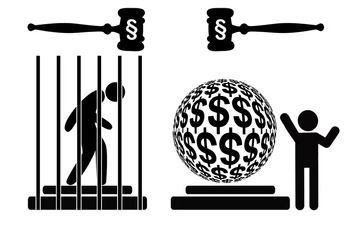
The rich people get bail and repeatedly do it again because now there fear of law has gone. Whereas the poor people do not get bail but after sometime they also get out. 

Nowadays it is getting so much common among teenager also, as in the name of the “swag”. 

But the thing that we are missing is such that not only women’s are getting affected but also some boys or mans also get raped but no one is paying attention to it as it is not big matter for social media Or news agency. 

What should govt do? 

According to me the government should start action-reaction as rape is not at all less than murder. Murder is something in which people die physically with little pain but in rape, a girl or boy die mentally and throughout the life she/he had to suffer from a trauma. 

What does action-reaction mean? 

It means that if a men has raped or molested a women than that men should also get punished by a ‘rod’ and should be reminded throughout their life. So such that they can also feel the pain of a women and would be a learning for others. 

https://www.linkedin.com/pulse/message-against-double-standard-mindset-society-priyanshu-acharya

Thank you

https://www.linkedin.com/pulse/message-against-double-standard-mindset-society-priyanshu-acharya