set up manufacturing units in India & develop technology collaborations to create a global supply chain free from vulnerabilities

 Raksha Mantri Shri Rajnath Singh has invited US companies to set up manufacturing units in India and develop technology collaborations with Indian industries to create a global supply chain free from vulnerabilities and uncertainties. He was addressing a seminar jointly organised by US-India Business Council (UIBC) and Society of Indian Defence Manufacturers (SIDM) as part of the 12th DefExpo in Gandhinagar, Gujarat on October 20, 2022. The seminar was organised on the theme ‘New Frontiers in US-India Defence Cooperation: Next Generation Technology, Innovation & Make in India’.

Shri Rajnath Singh stated that the Indian defence industry has been witnessing transformative changes for the last eight years through progressive reforms. He stressed that these reforms have created a conducive environment for the growth of the Indian Industry through transparency, predictability and institutionalisation of several measures for Ease of Doing Business.

The Raksha Mantri emphasised that the path to ‘Aatmanirbhar Bharat’ is a comprehensive set of policy frameworks that seeks to build indigenous technological and production capacity & capability with cooperation, participation and collaborations with reputed institutions and Original Equipment Manufacturers (OEMs) from friendly nations. He said, the idea is to manufacture in India for the Indian market as well as export to the friendly countries, i.e., ‘Make in India, Make for the World’.

“The main objective is to fulfil the requirements of Indian Armed Forces; and at the same time, create long-term linkages to the global supply chains of the foreign OEMs to meet global demands. Through these linkages, India looks forward to collaborating for a secure and resilient global supply chain for the free world to ensure uninterrupted and reliable access to defence equipment and other strategic materials for our nation and our partners, including the US. As India’s defence base grows, private sector companies from the US can explore the vast potential for ‘Creating in India’ and ‘Exporting from India’,” Shri Rajnath Singh said.

The Raksha Mantri highlighted a number of steps taken by the Government to achieve the objective, including increase in the number of procurement categories to encourage greater participation of the Indian Industry and attract foreign companies to manufacture in India. “We are delighted to work with US, our valued partner, to strengthen our commercial and strategic relationship and to attract US investment for creating a high-technology defence production ecosystem in India. For India, collaboration with US companies would be an important strategic force multiplier, apart from being wealth and job creator,” he added.

Shri Rajnath Singh termed the easing of FDI regulations and introduction of Buy (Global–Manufacturer in India) in Defence Acquisition Procedure 2020 as an invitation for the US businesses to participate in the opportunities offered by the Indian defence industry. He asserted that US companies can now set up manufacturing facilities, individually or in partnership with Indian companies, through a Joint Venture or technology agreement etc., to capitalise on the ‘Make in India’ opportunity. He exuded confidence that the firms will find India to be an attractive investment destination for defence manufacturing.

The Raksha Mantri described the Positive Indigenisation Lists, in which a wide spectrum of equipment/systems are included, as another major step towards creating a mature defence industrial base in the country. The list has also given impetus to domestic Research & Development by attracting fresh investment into technology and manufacturing capabilities by providing a measure of demand assurance to the manufacturers in India, he said.

Shri Rajnath Singh shed light on the importance of defence exports, terming it as a key pillar for the long-term sustainability of the domestic defence industrial base. Domestic demand alone may not always provide economies of scale to make profitable investments and sustain them, he said. The Raksha Mantri added that $5 billion dollar export target set for 2025 reflects the intent of the Government for export-oriented manufacturing.

The Raksha Mantri described the project agreement to co-develop Air-Launched UAVs, under the auspices of the India-US Defence Technology and Trade Initiative, as a welcome development. He stated that industries from both sides can explore additional DTTI projects, such as a counter unmanned aerial systems and an Intelligence, Surveillance, Target Acquisition and Reconnaissance platform.

Shri Rajnath Singh pointed out that Indians have played a stellar role in technological development of US, be it IT sector, bio-technology, space or cyber technology, besides contributing in the fields of business and finance. Stating that the US provides a conducive environment for talent to perform and has reaped the benefits thereof, he urged US business and technology leaders to collaborate with Indian industries to create a similar growth miracle in India. He stressed that developing new avenues to work together at the industrial, scientific and academic levels will be key to ensuring that India-US defence ties remain dynamic.

 *******
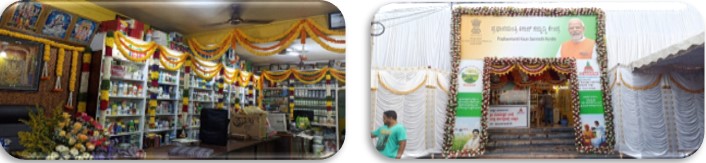
600 Pradhan Mantri Kisan Sammrudhi Kendras to provide more facilities to farmers

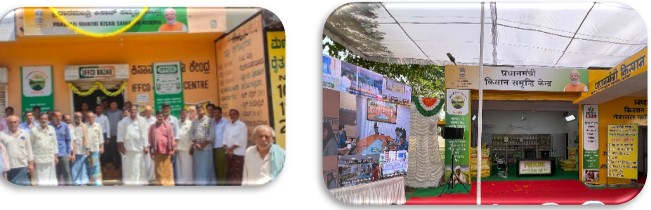
 Under Pradhan Mantri Kisan Sammrudhi Kendras (PMKSK), 600 existing district level retail shops are remodelled and provided more facilities to the farmers in terms of agri inputs and services. These kendras were inaugurated by Prime Minister on the occasion of PM Kisan Sammelan. All these centres have become excellent examples of swachhata Campaign 2 initiatives with clean premise and enhanced facilities for farmers. The launch of the 600 Pradan Mantri Kisan Samruddhi Kendras (PMKSK) across the country is one of the best practices adopted as part of the Special Campaign 2.0 initiatives by the Department of Fertilizers.


.


This is in addition to the other initiatives undertaken on Special Campaign 2.0  by the Department of Fertilizers that includes identification of 13 Sites from its Headquarter and its PSUs which are under the administrative control of the Department of Fertilizers to carry out weeding out of old files both physical and e files as per the Record Retention Schedule, digitization of records, reduce paper work, disposal of the e waste, scrap material etc so that they can improve efficiency and space. The updated information is also uploaded in the SCDPM portal on a regular basis.


*************

Department of Industrial Policy & Promotion DPIIT

he Department for Promotion of Industry and Internal Trade (DPIIT) in India is a government body responsible for formulating and implementing policies and initiatives to promote and facilitate industrial development, trade, and investment in the country. Formerly known as the Department of Industrial Policy and Promotion (DIPP), it was renamed DPIIT in 2019.

Key responsibilities and functions of DPIIT include:

  1. Industrial Policy Formulation: Formulating and implementing industrial policies that aim to promote industrial growth, enhance competitiveness, and foster innovation across various sectors of the economy.

  2. Promotion of Investment: Encouraging domestic and foreign investment in India by creating a conducive business environment, simplifying regulatory frameworks, and offering incentives to attract investments.

  3. Ease of Doing Business: Initiating reforms and measures to improve the ease of doing business in India, streamlining procedures, reducing regulatory hurdles, and enhancing the business environment for entrepreneurs and industries.

  4. Startup India Initiative: Overseeing and implementing the Startup India campaign, which aims to promote and support startups, foster innovation, and create a conducive ecosystem for new businesses in the country.

  5. Intellectual Property Rights (IPR): Facilitating the protection and enforcement of intellectual property rights by promoting awareness, policies, and mechanisms for safeguarding innovations and creative works.

  6. Trade Promotion: Encouraging trade and exports by formulating trade policies, participating in trade negotiations, and promoting India’s exports in global markets.

  7. Monitoring and Evaluation: Monitoring and evaluating the implementation of various policies, initiatives, and programs related to industry, trade, and investment.

  8. Stakeholder Engagement: Collaborating with industry associations, stakeholders, state governments, and other ministries to create synergies and partnerships for industrial and trade development.

  9. Data Collection and Analysis: Collecting, analyzing, and disseminating data and information related to industry, trade, and investment for informed policymaking and decision-making processes.

DPIIT plays a crucial role in fostering a conducive environment for economic growth, industrial development, and entrepreneurship in India. It works towards creating a vibrant and globally competitive business landscape, attracting investments, and supporting the growth of industries across various sectors.

Bureau of Indian Standards

The Bureau of Indian Standards (BIS) is the national standards body of India, established under the Bureau of Indian Standards Act, 1986. It operates under the aegis of the Ministry of Consumer Affairs, Food and Public Distribution, Government of India. BIS is responsible for the formulation, promotion, and implementation of standards across various sectors to ensure quality, safety, and reliability of products, services, and systems.

Key functions and responsibilities of the Bureau of Indian Standards:

  1. Standardization: BIS formulates and publishes Indian Standards (IS) across a wide range of products, processes, and services to ensure quality, safety, and efficiency. These standards cover various sectors, including agriculture, engineering, consumer goods, chemicals, and more.

  2. Certification and Marking: BIS provides product certification services through the ISI mark, a certification mark used to indicate conformity to Indian standards. The ISI mark signifies adherence to quality and safety standards set by BIS.

  3. Product Testing and Quality Assurance: BIS operates laboratories and testing facilities to evaluate products against established standards, ensuring compliance with quality, safety, and performance requirements.

  4. Consumer Protection: It plays a crucial role in safeguarding consumer interests by ensuring the quality and reliability of products and services available in the market.

  5. Promotion of Standards Adoption: BIS promotes the adoption of Indian Standards by industries, manufacturers, and service providers to enhance competitiveness, facilitate trade, and protect consumer interests.

  6. International Cooperation: BIS collaborates with international standards organizations, participating in standardization activities, mutual recognition agreements, and harmonization of standards to align with global best practices.

  7. Education and Awareness: BIS conducts training programs, workshops, seminars, and awareness campaigns to educate stakeholders about the importance of standards compliance and quality assurance.

BIS plays a vital role in setting benchmarks for quality and safety, ensuring consumer protection, and promoting trade and industry competitiveness by establishing and maintaining relevant standards across diverse sectors of the Indian economy.

Department of Land Resources

  With the vision to extend the heartfelt tribute to Mahatma Gandhi, the Prime Minister had launched Swachh Bharat Mission (SBM) in 2014. Subsequently the Special Campaign on Disposal of Pending References and Cleanliness was launched in 2021. Accordingly, the Government has decided to conduct Special Campaign 2.0 in Central Government Ministries/Departments, attached/subordinate offices of Government of India from 2nd October-31st October, 2022.

The Department of Land Resources (DoLR) under Ministry of Rural Development has undertaken the Special Campaign 2.0 at all three sites i.e. NBO Building, Shivaji Stadium & CGO Complex. Swachhta Pakhwada of DoLR was also observed during 1st Oct to 15th Oct, 2022The objective of this campaign is to minimize pendency, institutionalize swachhata, strengthen internal monitoring mechanisms, train officers in record management, digitization of physical records, setting up protocols and monitoring mechanisms for Swachhata.


The Special Campaign 2.0 has been taken in real spirit in the Department of Land Resources. Activities taken up by DoLR w.r.t. the Special Campaign 2.0 are as under;

  1. As directed by MoRD, in order to ensure cleanliness, Nodal Officers have already been nominated for all three buildings, beside an overall Nodal Officer in the Department. As per direction of Union Minister of Rural Development, weekly reports on Cleanliness activities undertaken in the Department are also being sent. Minister of Rural Development has also taken a review meeting on the progress of the Campaign on 18th October,2022.
  2. Review meetings are taken up by the Secretary (LR) level with Senior Officers on the progress of the Campaign. Secretary(LR) inspected the office premises and directed to take certain activities like white washing of walls & removal of seepage, renovation of pantry room and the other places/rooms, wherever it is required, painting of almirah in uniform color, ensuring half an hour switching off lights by Officers during lunch hour, motivate employees to bring potted plants. Nodal Officer has also taken review meetings and inspected all sites.
  3. Data including Pictures have been uploaded on the SCDPM Portal of DARPG. Pictures/Videos are being shared in the Social Media Platforms.   

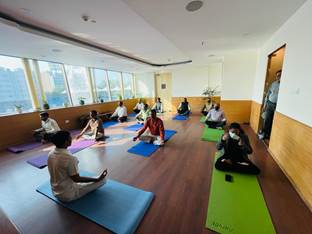
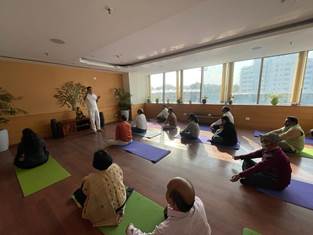
Swachhata manifests not just in physical space but also affects our mental state. Accordingly, the Department has created a Rejuve Wellness Centre at its Shivaji Stadium Annexe Office premise during the Special Campaign 1.0 and the same has been recognised in the Good Governance Week (GGW) as a special achievement. A film has also been shot on 16th September, 2022 covering the event by DD News team highlighting the REJUVE Wellness Centre set up by the Department. The Department has also organised two sessions on Stress Management through a renowned expert on 20th and 21st September, 2022 at REJUVE Wellness Centre for the officers and officials of the Department.


Stress Management Program at REJUVE Wellness Centre


Initiative of the Department taken by all the Officers to turn off their lights daily for half an hours during the lunch hours to save electricity has been noted by DARPG as the Best Practices under the category of “Environment Friendly Practices”.

Preparatory activities related to identification, review and disposal of pending references, Physical Files & e-Files, electronic items and equipments/ furniture in condemned conditions have been planned and initiated for Special Campaign 2.0 on Cleanliness & disposal of pending references. Standees of Special Campaign 2.0 and Swachhta Pakhwada-2022 have been prepared and placed at entry gates to create awareness about the event. Data have been uploaded on the SCDPM Portal of DARPG. CPWD has been requested to undertake white-washing and necessary repairs as and where required. Besides, NDMC has also been requested to take up necessary maintenance activities at Shivaji Stadium office premise hired by the Department.

*****

Youth Delegation from Bangladesh

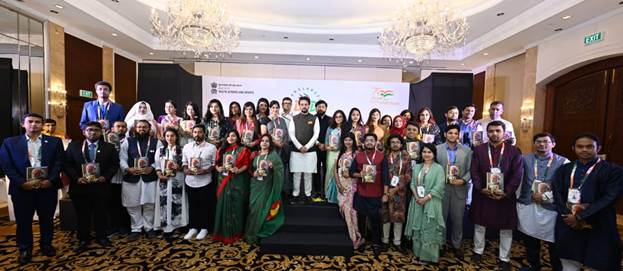
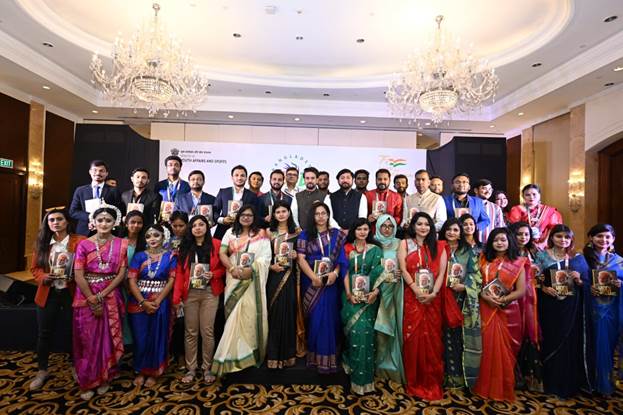
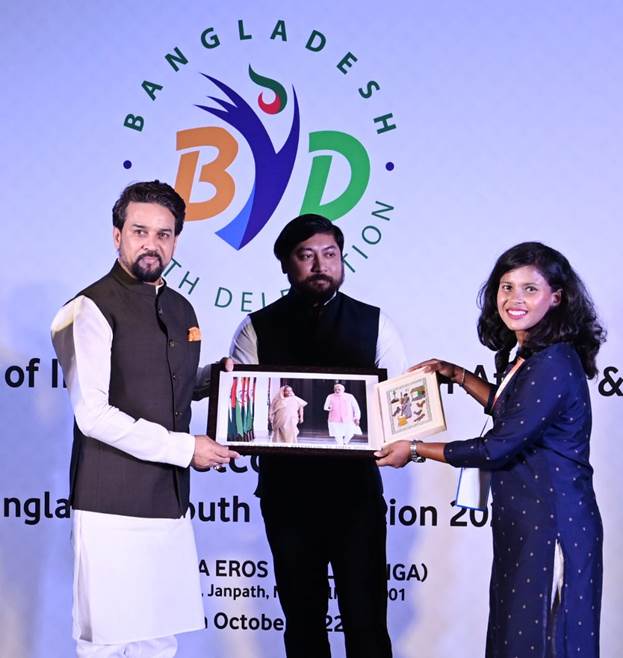
 The Department of Youth Affairs is hosting the 100-member Youth Delegation from Bangladesh in India from 12th to 19th October 2022. On the last day, Union Minister for Youth Affairs & Sports Shri Anurag Singh Thakur hosted a dinner in the honour of the Youth Delegation from Bangladesh today in New Delhi. Minister of State for Youth affairs & Sports Shri Nisith Pramanik also graced the occasion.

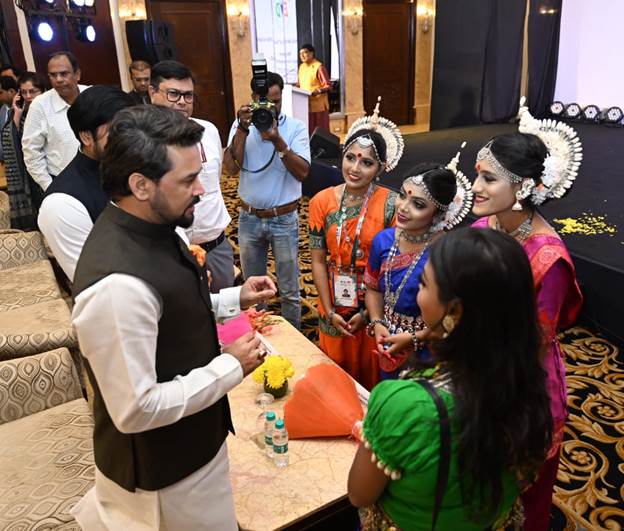
The Bangladesh delegation has been very appreciative of this programme during their interaction with Union Minster for Youth Affairs & Sports, Government of India. The delegation also showcased various cultural performances from Bangladesh. Indian artists also performed during the  gala evening.

Shri Anurag Singh Thakur while interacting with the delegates also listened to the experiences shared by the delegates regarding their stay for one week in India.The visit also facilitated exchange of ideas, cultural, political and economic relations between the two countries and contributed in enhancing regional co-operation and world peace. India and Bangladesh have a long common cultural, economic and political history.  A large population of India also speaks the same language, Bangla as spoken in Bangladesh.  Both the countries share a significant boundary with each other.  We also have old, deep, friendly relations with each other and share common interests. 

As part of the programme, the Bangladesh Youth Delegation had a call on, on the President of India, Smt. Droupadi Murmu at Rashtrapati Bhawan on 14th Oct 2022. The delegation visited various cultural, educational and industrial sites such as Taj Mahal at Agra, Indian Institute of Management, Bengaluru and Infosys at Mysore respectively where they interacted with academicians and Industry leaders. This group comprises youth from diverse background including students, young journalist, entrepreneurs, social workers, doctors, etc.  The program generates a lot of goodwill and positive vibes in fostering amicable relations with our neighbors. 

The Department of Youth Affairs, Ministry of Youth Affairs & Sports is mandated to create an international perspective among youth in collaboration with other countries and various international agencies/organizations on various youth issues.  In order involve youth in promoting peace and understanding, the Department has conceived the International Exchange of Youth Delegations as an effective instrument. The exchange of youth delegations with friendly countries is taken up on a reciprocal basis for promoting exchange of ideas, values and culture amongst the youth of different countries and also to develop international understanding.  This Department has been carrying out regular exchange of youth delegations with China and South Korea, from the year 2006 onwards.

In 2012, High Commission of India in Dhaka requested the Ministry of Youth Affairs & Sports, Govt. of India to invite a 100-member Bangladesh Youth Delegation to India and arrange a tour for them to showcase places of historical, educational, technological and industrial interests.  Accordingly, for the first time, a 100-member Bangladesh youth delegation visited India from 6-13 October, 2012.  The current delegation from Bangladesh is the 8th such cohort. 

*******

Film Industry news

film industry continually generates news on various fronts, including movie releases, casting updates, box office reports, industry trends, awards ceremonies, controversies, and technological advancements. Several reputable sources cover film industry news globally, offering insights into the entertainment world:

  1. Variety: A leading source for entertainment news, Variety covers the latest updates on film releases, industry trends, box office performance, and interviews with key industry figures.

  2. The Hollywood Reporter: Known for in-depth coverage of the entertainment industry, The Hollywood Reporter provides news, analysis, and interviews related to movies, television, and the broader entertainment landscape.

  3. Deadline: Focused on breaking news and exclusive content, Deadline covers film industry updates, casting announcements, box office predictions, and industry analysis.

  4. Entertainment Weekly: While covering a range of entertainment topics, Entertainment Weekly offers updates on upcoming films, reviews, interviews, and behind-the-scenes insights.

  5. IndieWire: Known for its coverage of independent cinema, IndieWire reports on film festivals, reviews, industry trends, and the intersection of film, TV, and digital media.

  6. BBC Culture: The BBC covers international cinema, providing film reviews, features, and analysis of global trends in the movie industry.

  7. The Guardian Film: The Guardian offers film reviews, interviews, and analysis of the film industry, focusing on global cinema and trends shaping the movie landscape.

  8. Collider: Covering a wide range of entertainment news, Collider provides updates on movie trailers, casting news, industry events, and film reviews.

These sources and many others offer comprehensive coverage of the film industry, providing readers with the latest news, analysis, and insights into the world of movies, both mainstream and independent, across various genres and regions. For the most current and up-to-date information on film industry news, checking these outlets’ websites or subscribing to their newsletters can be beneficial.

Russia showed a great gesture of friendship towards India by recognising the disputed area as integral part of Indian region.

Moscow: India’s friend Russia has recognized Jammu and Kashmir, Ladakh and Arunachal Pradesh as an integral part of India. This has been seen in the map of SCO member countries issued by the Russian government. According to media reports, the map released shows Pakistan-occupied Kashmir (POK) and Aksai Chin as well as the entire Arunachal Pradesh as part of India. Despite Pakistan and China being member countries of the SCO, Moscow has taken this step. 
This map has further strengthened the Indian side on the issue of Jammu and Kashmir at the international level and within the SCO.

The Soviet Union and Russia have backed India on Kashmir since 1947 and have used veto in the UNSC to block anti-India resolutions. Moscow has repeatedly said Kashmir was a bilateral issue between India and Pakistan, preventing any internationalisation of the dispute.

Russia showed a great gesture of friendship towards India by recognising the disputed area as integral part of Indian region.

Moscow: India’s friend Russia has recognized Jammu and Kashmir, Ladakh and Arunachal Pradesh as an integral part of India. This has been seen in the map of SCO member countries issued by the Russian government. According to media reports, the map released shows Pakistan-occupied Kashmir (POK) and Aksai Chin as well as the entire Arunachal Pradesh as part of India. Despite Pakistan and China being member countries of the SCO, Moscow has taken this step. 
This map has further strengthened the Indian side on the issue of Jammu and Kashmir at the international level and within the SCO.

The Soviet Union and Russia have backed India on Kashmir since 1947 and have used veto in the UNSC to block anti-India resolutions. Moscow has repeatedly said Kashmir was a bilateral issue between India and Pakistan, preventing any internationalisation of the dispute.

National Media Award for best campaign on voter’s education & awareness-2022

 Election Commission of India invites entries from Media Houses for the National Media Award for best campaign on Voter’s Education and Awareness during the year 2022. There shall be four awards, one each for Print media, Television (Electronic), Radio (Electronic) and Online (Internet)/Social media.       

The awards are to recognise the outstanding contribution by Media Houses to promote electoral participation by creating awareness about accessible elections, educating people about the electoral process and raising awareness among the general public about the relevance and importance of voting and registration.

The awards will be in the form of a citation, plaque and cash prize and will be presented on the National Voter’s Day (25th January, 2023).

Criteria

The Jury will base their assessment on the following criteria:

  • Quality of Voter awareness campaign

· Extent of coverage/quantity

· Evidence of impact on the public

· Coverage on awareness about Accessible Elections

· Any other relevant factor(s)

Conditions of entry

Entries must have been published or broadcast/telecast during the relevant period.

Print entries must include:

  1. Summary of the work carried out during the relevant period which should include
  1. number of news items/articles
  2. total print area in sqcms


  1. A PDF soft copy OR a link to a relevant web address OR a full size photocopy/print copy of the newspaper/articles;
  2. Detail of any other activity like direct public engagement etc.
  3. Any other information

Broadcast Television (Electronic) and Radio (Electronic) entries must include:

  1. A brief on the campaign/work carried out during the relevant period which should include
  1. Material (in a CD or DVD or Pen drive) with duration and frequency of broadcast/telecast and total time of such broadcast of each spot during the period
  2. Sum of the total broadcast time for all spots/news
  3. News features or programmes on Voter awareness in a CD or DVD or Pen drive or other digital media, along with duration, telecast/broadcast date and time and frequency
  1. Any other activity like direct public engagement etc.
  2. Any other information

Online (Internet)/Social media entries must include:

  1. Summary of the work carried out during the relevant period which should include number of posts/blogs/campaigns/articles etc.
  2. A PDF soft copy of concerned articles OR a link to a relevant web address:
  3. Detail of any other like direct public engagement etc.
  4. Impact of online activity (details)
  5. Any other information

Important

  1. Entries submitted in a language other than English/Hindi will require an accompany English translation, failing which subject to rejection.
  2. Entrants submitting broadcast material should be aware that Jury may use only the first ten minutes of features/programme.
  3. The Commission’s decision will be final and no correspondence will be entertained. The Commission reserves all the rights in this regard.
  4. Entries should carry the name, address, telephone and fax numbers and email of the Media House.
  5. Due date: Entries must reach before 30th November, 2022 at the following address:

Shri Love Kush Yadav, Under Secretary (Communication)

Election Commission of India, Nirvachan Sadan, Ashoka Road, New Delhi 110001.

Email: media-division@eci.in

Ph. No.: 011-23052033


The awards will be given in following four categories:

  1. Print Media
  2. Electronic (Television) Media
  3. Electronic (Radio) Media and
  4. Online (Internet)/Social Media


All such recommendations/submissions must reach to the Election Commission of India latest by 30th November, 2022 positively.

Goodwill Ambassador

A Goodwill Ambassador is an individual, often a public figure or celebrity, appointed by an organization, typically a United Nations agency, non-governmental organization (NGO), or humanitarian group, to advocate and promote specific causes, raise awareness, and support the organization’s mission through their influence and public presence.

Key aspects of a Goodwill Ambassador:

  1. Advocacy and Representation: Goodwill Ambassadors represent an organization or cause, using their public platform, visibility, and influence to raise awareness about critical issues such as human rights, education, health, environmental conservation, or humanitarian crises.

  2. Awareness Campaigns: They participate in campaigns, events, and initiatives to draw attention to important issues, delivering speeches, conducting media interviews, and engaging with the public to promote understanding and action.

  3. Fundraising and Support: Goodwill Ambassadors may assist in fundraising efforts, mobilizing resources, and rallying support from individuals, corporations, and governments to support the organization’s initiatives.

  4. Field Visits and Engagement: They often visit project sites, communities, or regions affected by issues they advocate for, witnessing firsthand the challenges and successes related to the cause they support.

  5. Bridge between Organizations and Public: Goodwill Ambassadors act as a bridge between the organization they represent and the public, conveying the organization’s messages, goals, and impact to a broader audience.

  6. Long-term Commitment: Many Goodwill Ambassadors maintain long-term commitments to their causes, advocating for sustained action and working closely with organizations over extended periods.

Examples of prominent Goodwill Ambassadors include celebrities, activists, athletes, and influential personalities who leverage their fame and status to drive positive change. They contribute significantly to raising awareness, garnering support, and generating momentum for social, environmental, and humanitarian causes globally.

Goodwill Ambassadors play a crucial role in amplifying the impact of organizations and campaigns, using their platforms to advocate for positive change and mobilize resources toward addressing some of the world’s most pressing issues.

Australian Industry delegates at Industry Roundtable conference focusing on partnership & collaboration between India and Australia

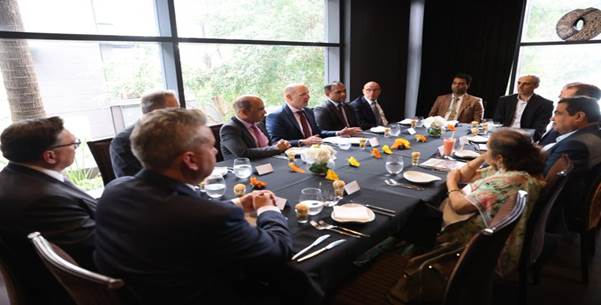
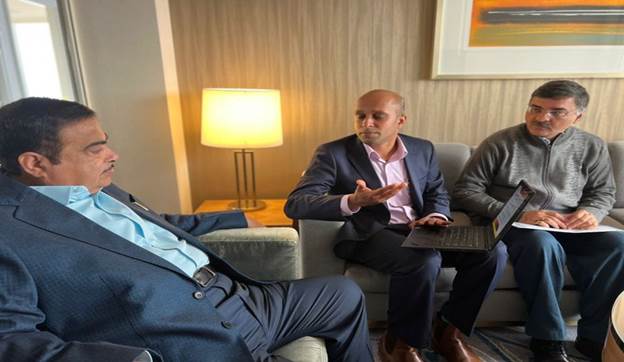
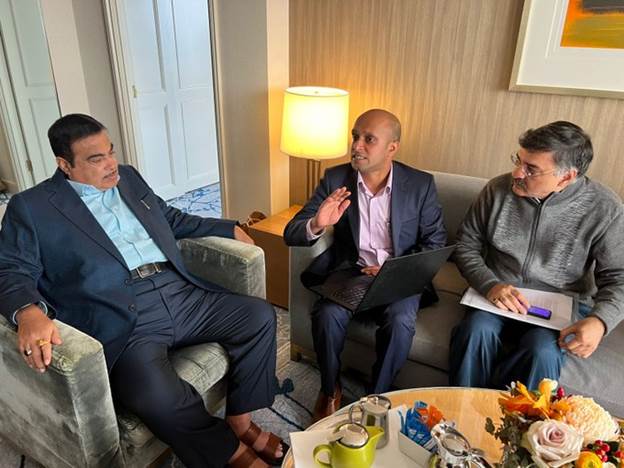
  Union Minister for Road Transport and Highways Shri Nitin Gadkari had a fruitful interaction & discussion with the Australian Industry delegates at Industry Roundtable conference, organized by Austrade in Sydney today.The roundtable conference focused on partnership & collaboration between India and Australia in emerging opportunities such as Infrastructure Firms, Road safety, IT Solutions and Road Infrastructure.

Image

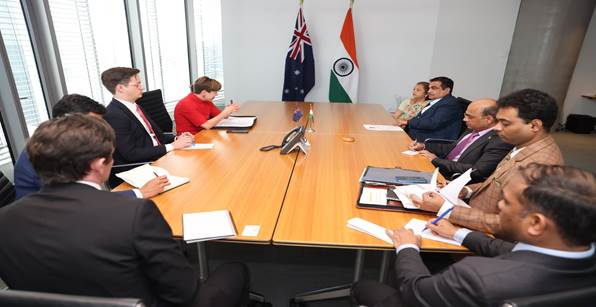
Shri Gadkari had  interaction with the Australian Senator Ms. Jenny McAllister, Assistant Minister for Climate Change & Energy. Shri Gadkari  & Ms. McAllister  discussed about the opportunities to deepen the bilateral investment ties between India & Australia especially in the field of net zero emission, transportation and related infrastructure development.

Image

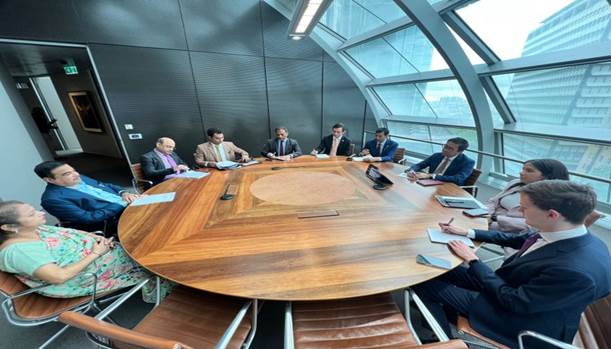
Shri Gadkari had an interactive discussion with Mr. Frank Kwok, Asia Pacific Head, Macquarie Asset Management & his team .The investment landscape & potential collaboration between the two countries were discussed.

Image

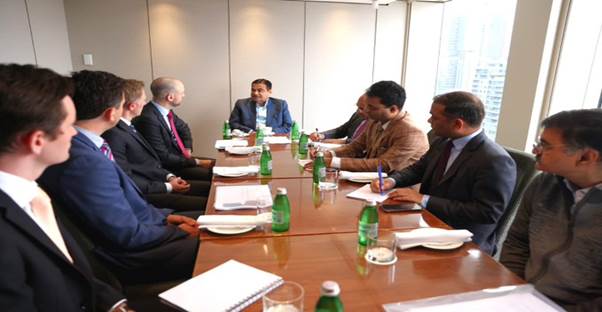
Shri Nitin Gadkari held a meeting with Mr. Adam Copp, Chief Executive, Infrastructure Australia and his team wherein the opportunities and potential collaborations in Indian Infrastructure and Transport Sector with the Australian infrastructure industry leaders were discussed.

Image

Shri Gadkari also held a meeting with UNSW Professor Shri Vinayak Dixit  & IAHE Director Shri Sanjeev Kumar .The Minister was briefed on the progress of Centre for Advanced Transportation Technology and Systems (CATTS) that ensued after IAHE had signed a pact with University of New South Wales (UNSW) for setting up this Centre of Excellence at IAHE in Noida.This project will help to improve the road safety scenario in our Country.

Image 

Image


Bangladesh and India complement, not compete in garment sector export

Absolutely, Bangladesh and India often complement each other rather than directly compete in the garment sector export despite both being major players in the global textile and apparel industry. Here’s how they do so:

  1. Different Niches: Bangladesh primarily focuses on ready-made garments, especially knitwear, and is known for its cost-effective manufacturing processes. India, on the other hand, has a diverse textile industry, excelling in various segments like traditional textiles, technical textiles, and high-end fashion.

  2. Different Markets: Both countries serve different markets and have distinct strengths. Bangladesh often caters to mass-market retailers and has been a key supplier for fast-fashion brands due to its cost competitiveness. India targets a more diverse market, including luxury, high-end fashion, and technical textiles, leveraging its quality, craftsmanship, and diverse product range.

  3. Supply Chain Collaboration: There are instances where companies in both countries collaborate within the textile supply chain. Indian companies might supply raw materials, textiles, or machinery to Bangladesh for garment manufacturing, fostering a collaborative rather than competitive relationship.

  4. Complementary Factors: Factors like labor costs, infrastructure, and specific expertise in certain garment types or processes differ between the two countries, allowing them to complement each other rather than directly compete.

  5. Trade and Investment: Both countries engage in trade and investment partnerships within the textile industry. Indian companies might invest in or collaborate with Bangladeshi garment manufacturers to leverage each other’s strengths and markets.

  6. Global Industry Dynamics: The global textile and apparel industry is vast and diverse, allowing room for both Bangladesh and India to thrive without intense direct competition. Factors like consumer preferences, geopolitical situations, and trade policies influence their respective positions in the global market.

Overall, while there might be some level of competition, the textile and garment industries of Bangladesh and India often find ways to complement each other by capitalizing on their unique strengths, targeting different market segments, and collaborating within the global supply chain. This collaboration often proves more beneficial than direct competition in the highly dynamic and diverse textile industry.

Swachh Sarvekshan Awards

The Swachh Survekshan (Cleanliness Survey) Awards are part of the Swachh Bharat Abhiyan (Clean India Mission), an initiative launched by the Government of India to promote cleanliness, sanitation, and hygiene across the country. The awards are aimed at encouraging cities and towns to improve their cleanliness standards and promote healthy competition among them.

Key aspects of the Swachh Survekshan Awards:

  1. Objective: The awards aim to assess and rank cities and towns based on their cleanliness and sanitation efforts, including waste management, open defecation-free initiatives, public and household toilet availability, and overall cleanliness practices.

  2. Annual Survey: The Swachh Survekshan survey is conducted annually by the Ministry of Housing and Urban Affairs, Government of India. It involves extensive assessments, surveys, and data collection across participating cities.

  3. Parameters for Evaluation: The evaluation criteria include waste collection and processing, waste segregation, construction of public and community toilets, availability of sanitation infrastructure, citizen feedback, innovation and best practices, and overall progress in cleanliness initiatives.

  4. Categories of Awards: The awards are categorized based on city population, promoting competition within different population brackets, ensuring both large and small cities have a chance to be recognized for their efforts.

  5. Recognition and Incentives: Winning cities receive recognition for their efforts in the form of awards, certificates, and public acknowledgment. Additionally, these awards often lead to increased funding or incentives for further sanitation and cleanliness projects.

  6. Promotion of Cleanliness: The awards aim to promote a culture of cleanliness, encourage citizen participation, and incentivize municipalities and local bodies to improve their sanitation infrastructure and practices.

  7. Transparency and Accountability: The survey process is designed to be transparent, with publicly available rankings and assessments to encourage accountability and encourage cities to strive for continuous improvement.

The Swachh Survekshan Awards serve as a means to not only recognize the achievements of cities in maintaining cleanliness but also to motivate and incentivize ongoing efforts towards achieving the goals of the Swachh Bharat Abhiyan, ultimately contributing to a cleaner and healthier India.

Rajmata Vijayaraje Scindia Gwalior Airport

The Rajmata Vijayaraje Scindia Airport, formerly known as the Gwalior Airport, is an important airport located in the city of Gwalior in the Indian state of Madhya Pradesh. The airport was renamed in honor of Rajmata Vijayaraje Scindia, a prominent political figure and royal member of the Scindia family.

Key features of the Rajmata Vijayaraje Scindia Airport:

  1. Location: The airport is situated approximately 10 kilometers to the southeast of Gwalior’s city center, facilitating convenient access for travelers.

  2. Connectivity: It serves as a domestic airport, connecting Gwalior to various cities across India. It handles a mix of scheduled commercial flights and charter services.

  3. Facilities: The airport offers basic facilities for passengers, including waiting lounges, baggage handling services, check-in counters, and other essential amenities for travelers.

  4. Air Traffic: It primarily handles domestic flights operated by various airlines, providing connections to major cities such as Delhi, Mumbai, Indore, and others.

  5. Renaming: The airport was renamed in honor of Rajmata Vijayaraje Scindia to commemorate her contributions to politics and her significance in the region’s history.

The Rajmata Vijayaraje Scindia Airport plays a crucial role in providing air connectivity to the city of Gwalior and the surrounding regions, contributing to regional development, tourism, and transportation accessibility.